Medicinal liquid oxygen Messer Gas for inhalation in cryogenic container
Spain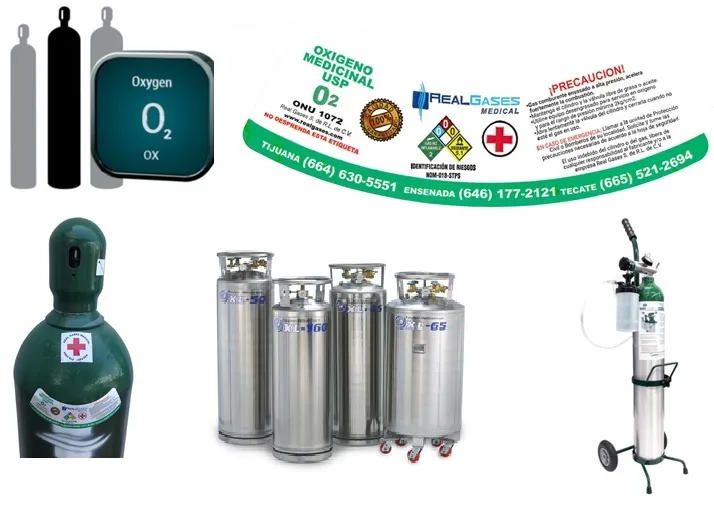
Instructions for Use
Table of Contents
- Introduction
- 1. What Oxígeno medicinal líquido Messer is and what it is used for
- 2. What you need to know before starting to use Messer Medicinal Liquid Oxygen
- 3. How to use Messer Medicinal Liquid Oxygen
- 4. Possible adverse effects
- 5. Storage of Medicinal Liquid Oxygen Messer
- 6. Contents of the pack and other information
Patient Information Leaflet
Introduction
Patient Information Leaflet
MEDICAL LIQUID OXYGEN MESSER
Medical Oxygen 99.5% v/v
Oxygen
Read the entire leaflet carefully before you start using this medicine, as it contains important information for you.
- Keep this leaflet, as you may need to read it again.
- If you have any questions, consult your doctor or pharmacist.
- This medicine has been prescribed for you only and must not be given to other people, even if they have the same symptoms as you, since it could harm them.
- If you experience any adverse effects, consult your doctor or pharmacist, even if they are effects not listed in this leaflet.
Leaflet Contents
- What Medical Liquid Oxygen Messer is and what it is used for
- What you need to know before using Medical Liquid Oxygen Messer
- How to use Medical Liquid Oxygen Messer
- Possible side effects
- How to store Medical Liquid Oxygen Messer
- Contents of the pack and other information
1. What Oxígeno medicinal líquido Messer is and what it is used for
Oxígeno medicinal líquido MESSER is an inhalation gas packaged in containers that are cryogenic tanks.
Oxygen is an essential element for the body. Oxygen therapy is indicated in the following cases:
- Correction of oxygen deficiency of various origins requiring administration of oxygen at normal or increased pressure.
- Supplying anaesthesia-reanimation respirators.
- Administration via nebulizer of inhalation medications.
2. What you need to know before starting to use Messer Medicinal Liquid Oxygen
Do not use Messer Medicinal Liquid Oxygen
With flammable materials, oxygen promotes and accelerates combustion. The degree of incompatibility of materials with oxygen depends on the pressure conditions under which the gas is used. However, the most significant fire risks in the presence of oxygen are associated with combustible materials, especially those of a greasy nature (oils, lubricants) and organic materials (fabrics, wood, paper, plastic materials, etc.), which may ignite upon contact with oxygen, either spontaneously or due to a spark, flame, or ignition point, or as a result of adiabatic compression.
Warnings and precautions
In certain severe cases of oxygen deficiency. After 6 hours of exposure to 100% oxygen concentration, or after 24 hours of exposure to an oxygen concentration above 70%, pulmonary or neurological toxicity may occur.
High oxygen concentrations should be used for the shortest possible duration and monitored by arterial blood gas analysis. At the same time, the concentration of inhaled oxygen should be measured. In any case, the lowest effective dose should be used to maintain arterial partial pressure of oxygen (PaO2) at 50–60 mm Hg (i.e., 5.65–7.96 kPa). After 24 hours of exposure, it is advisable to maintain, as far as possible, an oxygen concentration below 45%.
For infants requiring an oxygen concentration above 30%, arterial partial pressure of oxygen (PaO2) must be monitored regularly to ensure it does not exceed 100 mm Hg (i.e., 13.3 kPa) due to the risk of retinal damage.
Hyperbaric oxygen therapy: To avoid risks of injury caused by high pressure in body cavities containing air that communicate with the outside, compression and decompression must be performed slowly.
Interaction of Messer Medicinal Liquid Oxygen with other medicines
Oxygen toxicity may be increased by: corticosteroids, certain anticancer drugs, paraquat, sympathomimetics, X-rays, or in cases of hyperthyroidism or deficiency of vitamins C and E or glutathione deficiency.
Pregnancy, breastfeeding and fertility
It has been widely used without any notable adverse effects.
Driving and use of machines
There are no data regarding the effects of Messer Medicinal Liquid Oxygen on driving and operating machinery.
3. How to use Messer Medicinal Liquid Oxygen
Your doctor will determine the correct dose of Medicinal Oxygen and administer it to you using a system appropriate to your needs, which will ensure the supply of the correct amount of oxygen.
If you feel that the effect of Medicinal Oxygen is too strong or too weak, inform your doctor.
If you use more Messer Medicinal Liquid Oxygen than you should:
The inhaled oxygen concentration should be reduced, and symptomatic treatment is recommended.
In case of overdose, consult your doctor or pharmacist immediately, or call the Toxicology Information Service at telephone number 91 562 04 20, indicating the medication and the amount taken.
4. Possible adverse effects
Like all medicines, Oxígeno medicinal líquido MESSER may cause adverse effects, although not everybody experiences them.
In particular, in chronic respiratory failure, there is a possibility of apnea occurring.
Inhalation of high concentrations of oxygen may cause minor lung collapse.
Administration of oxygen at high pressures may cause injuries to the inner ear (potentially involving a risk of rupture of the tympanic membrane), sinuses, and lungs (potentially involving a risk of pneumothorax).
Seizures have been reported following administration of 100% oxygen concentration for more than 6 hours, particularly when administered under high pressure.
Pulmonary injuries may occur after administration of oxygen concentrations exceeding 80%.
In newborns, especially if premature, exposed to high oxygen concentrations (FiO2 > 40%; PaO2 greater than 80 mm Hg (i.e., 10.64 kPa)) or for prolonged periods (more than 10 days at FiO2 > 30%), there is a risk of retinopathy, appearing between 3 and 6 weeks after treatment, which may either regress or lead to retinal detachment or even permanent blindness.
Patients undergoing high-pressure oxygen therapy in chambers may experience episodes of claustrophobia.
If you experience any adverse effects, consult your doctor, pharmacist, or nurse, even if they are adverse effects not listed in this leaflet.
5. Storage of Medicinal Liquid Oxygen Messer
Keep out of sight and reach of children.
Containers must be installed in clean and well-ventilated areas, away from flammable and combustible materials, and protected from heat and sources of ignition.
Containers must be protected against shocks, especially the filling, emptying, and safety components.
Storage of gases intended for medicinal use must be separated from gases intended for other purposes.
No parking or vehicle access is permitted in the filling area of fixed containers.
Do not use Medicinal Liquid Oxygen MESSER after the expiry date stated on the container. The expiry date refers to the last day of the month indicated.
6. Contents of the pack and other information
Composition of Medicinal Liquid Oxygen MESSER
-
The active substance is Oxygen.
-
No excipients
Appearance of the product and pack contents
Medicinal Liquid Oxygen MESSER is a gas for inhalation supplied in containers that are cryogenic tanks with the following capacities:
Mobile cryogenic container with the following capacities (in litres): 0.4, 0.8, 1.2, 21, 30, 31, 37, 41, 45, 50, 60, 120, 180, 196, 240, 448, 659, 897 and 996.
Fixed cryogenic container with the following capacities (in litres): 1900, 1975, 2650, 3200, 3300, 3370, 4700, 4820, 5520, 6000, 7000, 7900, 9540, 10530, 11000, 11700, 14250, 21600, 25580, 29450, 29900, 34850, 40500, 40900, 52600, 52840, 59040 and 62300.
Marketing Authorization Holder and Manufacturer
Holder:
Messer Ibérica de Gases S.A.
Autovía Tarragona-Salou, Km 3.8
43480 Vilaseca (Tarragona)
Manufacturer:
Messer Ibérica de Gases S.A.
Autovía Tarragona-Salou, Km 3.8
43480 Vilaseca (Tarragona)
Messer Ibérica de Gases S.A.U.
Pol. Industrial La Granadina III. C/ Francia esquina C/Grecia. Parcela 11.
03349 San Isidro (Alicante)
Linde Gas España SAU
Pol. Industrial Can Pí de Vilaroch. Avinguda Antoní Gaudí, 151
08191 Rubí (Barcelona)
Linde Gas España SAU
Calle Del Pico Ocejón 40
19190 Torija (Guadalajara)
This information is intended exclusively for healthcare professionals.
Instructions for use/handling
Do not smoke.
Do not bring near flame.
Do not grease.
In particular:
- Never introduce this gas into any apparatus suspected of containing combustible materials, especially those of a greasy nature.
- Never clean with flammable products, especially those of a greasy nature, either the apparatus containing this gas or taps, seals, gaskets, closure devices, or valves.
- Do not apply any greasy substances (vaseline, ointments, etc.) to the patient's face.
- Do not use aerosols (hair spray, deodorant, etc.) or solvents (alcohol, perfume, etc.) on or near the equipment.
MESSER Medicinal Liquid Oxygen tanks are reserved exclusively for therapeutic use.
To prevent any incidents, the following instructions must be strictly observed:
- Check that all equipment is in proper condition before use.
- Handle containers with protective goggles and clean gloves designated for this purpose.
- Do not touch cold or frosted parts of the equipment without adequate protection.
- In case of cryogenic burn, rinse thoroughly with abundant water.
- Use oxygen-specific connectors.
- If clothing becomes saturated with oxygen, move away from the liquid oxygen source and from areas presenting a fire risk, and remove the clothing.
- Do not use intermediate connectors that allow connection of two incompatible devices.
- Do not smoke near the installation.
- Keep tanks away from flames.
- Open the service valve gradually.
- Never force a valve to open it, nor open it fully.
- Do not attempt to repair a defective valve.
- Use flexible connection elements on wall outlets equipped with oxygen-specific nozzles.
- In case of leakage, close the supply valve of the circuit showing a leak and verify activation of the emergency system.
Date of the most recent revision of this leaflet: April 2025
“Detailed and up-to-date information on this medicinal product is available on the website of the Spanish Agency of Medicines and Health Products (AEMPS) http://www.aemps.gob.es/”
Similar Medications
-
Aire Medicinal Sintetico Gas Nippon Gases 200 bar, medicinal compressed gas
Form: gas for inhalation
Active substance Dosage OXYGEN 21,0-22,5 % V/V Manufacturer: Nippon Sanso Espana S.L.
-
Conoxia 99.5% (v/v) medicinal cryogenic gas
Form: gas for inhalation
Active substance Dosage OXYGEN 100 % V/V Manufacturer: Linde Gas Espana S.A.U.
-
Conoxia 99.5% (v/v) medicinal cryogenic gas in fixed tank
Form: gas for inhalation
Active substance Dosage OXYGEN 100 % V/V Manufacturer: Linde Gas Espana S.A.U.
-
Medicinal liquid oxygen Oximesa 99.5 % v/v, medicinal cryogenic gas in portable cryogenic container
Form: gas for inhalation
Active substance Dosage OXYGEN 100 % V/V Manufacturer: Nippon Sanso Espana S.L.
-
Medicinal oxygen Carburos Metálicos 99.5% v/v compressed gas
Form: gas for inhalation
Active substance Dosage OXYGEN 99,5 % V/V Manufacturer: Sociedad Espanola De Carburos Metalicos S.A.
-
Oxigeno Medicinal Liquido Esteve Teijin 99.5 % v/v medicinal oxygen for inhalation
Form: gas for inhalation
Active substance Dosage OXYGEN 99,5 % V/V Manufacturer: Esteve Teijin Healthcare S.L.
-
Oxigeno Salud 99.5% v/v medicinal liquid oxygen cryogenic gas
Form: gas for inhalation
Active substance Dosage OXYGEN 99,5 % V/V Manufacturer: Oxigen Salud S.A.
-
Oxygen Medicinal Liquid Air Liquide 99.5% v/v cryogenic medicinal gas in mobile containers
Form: gas for inhalation
Active substance Dosage OXYGEN 100 Porcentaje peso/peso Manufacturer: Air Liquide Sante International
-
Oxygen Medicinal Liquid Carburos Metalicos, 99.5% v/v, cryogenic medicinal gas in mobile cryogenic containers
Form: gas for inhalation
Active substance Dosage OXYGEN 99,5 % V/V Manufacturer: Sociedad Espanola De Carburos Metalicos S.A.
-
Oxygen Medicinal Liquid Carburos Metalicos, 99.5% v/v, medicinal cryogenic gas, in fixed cryogenic containers
Form: gas for inhalation
Active substance Dosage OXYGEN 99,5 % V/V Manufacturer: Sociedad Espanola De Carburos Metalicos S.A.
-
Oxygen Medicinal Liquid Nippon Gases 99.5% v/v, medicinal cryogenic gas in portable cryogenic container
Form: gas for inhalation
Active substance Dosage OXYGEN 100 % V/V Manufacturer: Nippon Sanso Espana S.L.
-
Oxygen Medicinal Liquid Sapio Life 99.5% V/V, medicinal cryogenic gas
Form: gas for inhalation
Active substance Dosage OXYGEN 99,5 % V/V Manufacturer: Contse S.A.
This page has been machine-translated and may contain inaccuracies. The original data is available in the manufacturing country's language.
Last data check: May 18, 2026 · Data source: CIMA — AEMPS