Medicinal oxygen Carburos Metálicos 99.5% v/v compressed gas
Spain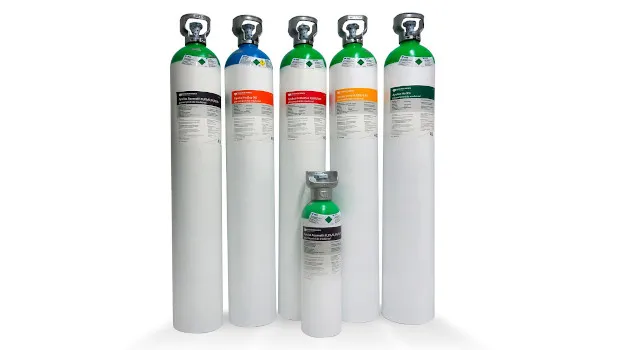
Table of Contents
- Package leaflet: Information for the user
- Introduction
- 1. What Oxígeno Medicinal Gas Carburos Metálicos is and what it is used for
- 2. What you need to know before starting to use Medicinal Oxygen Gas Metallic Carbides
- 3. How to use Medicinal Oxygen Gas Metal Carbides
- 4. Possible adverse effects
- 5. Storage of Medicinal Oxygen Gas, Metallic Carbides
- 6. Contents of the pack and other information
Package leaflet: Information for the user
Introduction
Package leaflet: information for the user
Medicinal Oxygen Gas Metal Carbides, 99.5% v/v compressed medicinal gas
Oxygen 99.5% v/v
Read the entire leaflet carefully before you start using this medicine, because it contains important information for you.
- Keep this leaflet, as you may need to read it again. If you have any questions, consult your doctor or pharmacist.
- This medicine has been prescribed for you only, and you should not give it to other people, even if they have the same symptoms as you, because it may harm them.
- If you experience any adverse effects, consult your doctor or pharmacist, even if they are adverse effects not listed in this leaflet. See section 4.
Leaflet contents
- What Medicinal Oxygen Gas Metal Carbides is and what it is used for
- What you need to know before using Medicinal Oxygen Gas Metal Carbides
- How to use Medicinal Oxygen Gas Metal Carbides
- Possible side effects
- How to store Medicinal Oxygen Gas Metal Carbides
- Contents of the pack and other information
1. What Oxígeno Medicinal Gas Carburos Metálicos is and what it is used for
Oxígeno Medicinal Gas Carburos Metálicos is a medicinal compressed gas belonging to a group of medicines called medicinal gases. It is packaged in pressurized gas cylinders containing pure oxygen only.
Oxygen is an essential element for the body and is administered to increase its levels in the blood, thereby achieving improved oxygen delivery to all body tissues.
Oxygen therapy is indicated in the following cases:
- Correction of oxygen deficiency of various origins, requiring administration of oxygen at normal or increased pressure.
- Supplying anaesthesia and resuscitation ventilators.
- Administration via nebulizer of inhaled medications.
2. What you need to know before starting to use Medicinal Oxygen Gas Metallic Carbides
Do not use Medicinal Oxygen Gas Metallic Carbides:
This medicine must not be used under high pressure in cases of untreated lung collapse (untreated pneumothorax). A lung collapse is an accumulation of gas in the pleural cavity between the two lung membranes. If you have previously experienced a lung collapse, inform your doctor.
Warnings and precautions:
Consult your doctor or pharmacist before starting to use Medicinal Oxygen Gas Metallic Carbides
You must inform your doctor if you have a chronic lung disease such as bronchitis, emphysema, or asthma, or if you are experiencing severe oxygen deprivation.
- Do not apply any greasy substances (e.g. vaseline, ointments, etc.) to the patient's face due to the risk of ignition (see Section 6).
- Because it may be toxic to the lungs or nervous system depending on the concentration and duration of administration (see Section 3 and Section 6).
Precautions for use
-
Oxygen must not be used in the presence of flammable materials: oils, lubricants, fabrics, wood, paper, plastic materials, etc. (see Section 6).
-
When oxygen is administered under high pressure (hyperbaric oxygen therapy), injuries may occur due to increased pressure in air-containing body cavities that communicate with the outside. To avoid risks, compression and decompression must be performed slowly (see Section 4).
-
When undergoing high-pressure oxygen therapy (hyperbaric oxygen therapy), you must inform your doctor if you have:
- Chronic obstructive pulmonary disease (COPD)
- A lung disorder caused by loss of elasticity in lung tissue accompanied by severe breathing difficulty (pulmonary emphysema)
- Upper respiratory tract infections
- Recent middle ear surgery
- Thoracic surgery at any time in your life
- Uncontrolled high fever
- Severe epilepsy
- Fear of enclosed spaces (claustrophobia)
- A previous history of lung collapse: accumulation of air or gas in the pleural cavity between the two lung membranes (pneumothorax)
Use in children
In newborns, especially premature infants, eye damage (retrolental fibroplasia) may occur with certain oxygen concentrations (see Section 4).
Use of Medicinal Oxygen Gas Metallic Carbides with other medicines
Inform your doctor or pharmacist if you are taking or have recently taken any other medicines, including those obtained without a prescription.
- Oxygen toxicity may be increased when used concomitantly with other medicines that may also affect the lungs: corticosteroids, certain anticancer drugs (bleomycin), sympathomimetics. This may also occur during treatment for paraquat poisoning, when using X-rays, or in cases of hyperthyroidism or deficiency in vitamins C and E or glutathione deficiency.
- There are reports of interaction with amiodarone. Recurrence of bleomycin- or actinomycin-induced lung damage may be fatal.
- Oxygen may also worsen respiratory depression induced by alcohol.
- Medicines known to cause adverse effects include: adriamycin, menadione, promazine, chlorpromazine, thioridazine, and chloroquine. These effects will be particularly pronounced in tissues with high oxygen levels, especially the lungs.
Pregnancy and breastfeeding
Consult your doctor or pharmacist before using any medicine.
During pregnancy, oxygen use at normal pressure (normobaric oxygen therapy) is permitted at low concentrations.
In life-saving treatments, oxygen may also be used during pregnancy at high concentrations and high pressures.
There are no contraindications for using oxygen during breastfeeding periods.
Consult your doctor or pharmacist if you need advice before taking any medicine.
Driving and use of machines
There are no data available on the effects of medicinal oxygen on driving and operating machinery; therefore, you may drive but should exercise extreme caution.
3. How to use Medicinal Oxygen Gas Metal Carbides
Follow exactly the oxygen administration instructions given by your doctor.
Medicinal Oxygen Gas Metal Carbides is used by inhalation. The appropriate dose of medicinal oxygen will be determined by your doctor and administered via a system suitable for your needs, ensuring delivery of the correct amount of oxygen.
Dosage. The usual dosage is:
- In patients breathing spontaneously (spontaneous ventilation) with acute respiratory failure, oxygen is administered at a flow rate of 0.5 to 15 liters/minute. This may vary depending on test results (blood gas analysis).
- In patients breathing spontaneously (spontaneous ventilation) with chronic respiratory failure, oxygen is administered at a flow rate of 0.5 to 2 liters/minute. This may vary depending on test results (blood gas analysis).
- In patients requiring respiratory support (assisted ventilation), oxygen should be administered at a dose allowing a minimum oxygen concentration of 21%, up to 100%.
Method of administration
- In patients without ventilation problems: oxygen may be administered via spontaneous ventilation using nasal glasses, a nasopharyngeal catheter, or a mask, which must be adapted to the oxygen flow rate.
- In patients with ventilation problems or who are anesthetized, oxygen is administered using special devices such as an endotracheal tube, laryngeal mask, via tracheostomy allowing connection to assisted ventilation, or others.
- Administration of oxygen under high pressure (hyperbaric oxygen therapy) is performed in a hyperbaric chamber at a pressure of 2 to 3 atmospheres, with session durations of 90 minutes to 2 hours. These sessions may be repeated 2 to 4 times daily, depending on clinical indications and the patient's condition.
Duration of treatment
As a general rule, high oxygen concentrations should be used for the shortest possible time needed to achieve the desired effect. The administered oxygen concentration should be reduced as soon as possible to the minimum necessary concentration.
- Oxygen concentrations up to 100% should not be administered for longer than 6 hours.
- Oxygen concentrations between 60–70% should not be administered for longer than 24 hours.
- Oxygen concentrations between 40–50% should not be administered continuously for the following 24 hours.
- Any oxygen concentration above 40% is potentially toxic after 2 days.
If you feel that the effect of Medicinal Oxygen Gas Metal Carbides is too strong or too weak, inform your doctor.
Read the instructions for use carefully (see Section 6).
If you use more Medicinal Oxygen Gas Metal Carbides than you should:
In certain situations, excessive oxygen may affect breathing and, exceptionally, cause anesthesia or unconsciousness due to carbon dioxide retention.
The toxic effects of oxygen vary depending on the pressure of inhaled oxygen and the duration of exposure.
At low pressure (0.5 to 2.0 bar), these effects are more likely to occur in the pulmonary region than in the central nervous system (brain and spinal cord). At high pressure (hyperbaric oxygen therapy), the opposite occurs.
Effects in the pulmonary region include interrupted breathing (hypoventilation), cough, and chest pain. Effects on the central nervous system range from nausea, dizziness, anxiety, and confusion to muscle spasms, loss of consciousness, and epileptic seizures.
If symptoms occur, contact your doctor or hospital, or call the Toxicology Information Service at: 91 562 04 20.
In case of overdose, the recommended action is to reduce the concentration of inhaled oxygen, and symptomatic treatment is advised.
4. Possible adverse effects
Like all medicines, Medicinal Oxygen Gas from Metal Carbides can cause adverse effects, although not everyone experiences them.
When oxygen is administered via nasal cannula, it may cause dryness of the nasal and labial mucosa.
Adverse effects usually occur when high concentrations of oxygen (above 70%) are used and after prolonged treatment (at least 6–12 hours).
Uncommon adverse effects, which may affect between 1 and 10 out of 1,000 patients, are:
-
Respiratory, thoracic and mediastinal disorders: atelectasis (collapse of pulmonary alveoli), dry cough, and pain associated with breathing.
-
With high-pressure oxygen (hyperbaric oxygen therapy): Ear and labyrinth disorders such as a sensation of pressure in the middle ear and rupture of the tympanic membrane.
Rare adverse effects, which may affect between 1 and 10 out of 10,000 patients, are:
- Ocular disorders: eye damage that may affect vision (retrolental fibroplasia) in premature newborns exposed to high oxygen concentrations.
Very rare adverse effects, which may affect fewer than 1 in 10,000 patients, are:
-
Respiratory, thoracic and mediastinal disorders: severe difficulty breathing due to acute lung failure (acute respiratory distress syndrome).
-
With high-pressure oxygen (hyperbaric oxygen therapy): nervous system disorders such as anxiety, confusion, loss of consciousness, and epileptic seizures.
Other reported adverse effects with unknown frequency are:
- Apnea (cessation of breathing) in patients with chronic respiratory insufficiency.
- Sinus damage, pneumothorax (presence of air in the pleural cavity), nausea, dizziness, temporary loss of vision, muscle pain and cramps with high-pressure oxygen (hyperbaric oxygen therapy).
- Claustrophobia attacks in patients undergoing high-pressure oxygen treatment in hyperbaric chambers.
- Anemia.
- Organ involvement with high oxygen concentrations during long-term treatment: heart (bradycardia may also occur when 100% oxygen is administered for short periods), liver, kidneys, and lungs (pulmonary fibrosis).
- Pulmonary malformations (bronchopulmonary dysplasia), hemorrhages in various locations (subependymal and intraventricular), and intestinal damage with tissue destruction (necrotizing enterocolitis) in newborns and premature infants.
If you experience any adverse effects, consult your doctor or pharmacist, even if they are adverse effects not listed in this leaflet.
5. Storage of Medicinal Oxygen Gas, Metallic Carbides
Keep this medicine out of the sight and reach of children.
Do not use this medicine after the expiry date stated on the container. The expiry date refers to the last day of the month indicated.
All regulations concerning the handling of pressurized containers must be followed. With regard to storage and transport, the following considerations apply:
Storage of gas cylinders:
Gas cylinders must be stored in a well-ventilated or airy room, protected from weather conditions, clean, free from flammable materials, reserved exclusively for the storage of medical gases, and capable of being locked.
Empty gas cylinders and full gas cylinders must be stored separately.
Gas cylinders must be protected against impact or falling, as well as from sources of heat or ignition, temperatures equal to or above 50°C, combustible materials, and adverse weather conditions.
Gas cylinders with a capacity greater than 5 liters must be kept in an upright position (except those with a rounded base), with valves closed.
Storage of gas cylinders at user facilities and in domestic settings:
The gas cylinder must be installed in a location that protects it from risks of impact or falling (such as a stand with securing chains), sources of heat or ignition, temperatures equal to or above 50°C, combustible materials, and adverse weather conditions.
Excessive storage must be avoided.
Transport of gas cylinders:
Gas cylinders must be transported using appropriate equipment (such as a trolley equipped with chains, barriers, or rings) to protect them from impact or falling. Special attention must be paid to securing the pressure regulator to prevent accidental rupture.
During transport in vehicles, gas cylinders must be securely fastened, preferably in an upright position. Continuous ventilation of the vehicle is mandatory, and smoking must be strictly prohibited.
6. Contents of the pack and other information
Composition of Medicinal Oxygen Gas Metal Carbides:
- The active substance is Oxygen.
- No excipients.
Appearance of the product and contents of the pack:
Medicinal Oxygen Gas Metal Carbides 99.5% V/V compressed gas is supplied in gas cylinders at a pressure of 200 bar at 15°C. The gas cylinders may be of different sizes and materials, fitted with an outlet valve through which the gas is withdrawn. Some valves are protected by a protective cap.
Gas cylinders of x litres capacity provide y (unit of volume) of gaseous oxygen at 15°C and 1 atm (see table). Not all container sizes may be marketed.
Filling pressure 200 bar
Size (x) | Geometric capacity (liters) | Nominal quantity in liters (15°C) (y) | Quantity of gaseous product at 15°C and 1 atm in m³ (y) | Weight of stored product (kg) |
X0.5S | 0.5 | 107 | 0.11 | 0.14 |
X1S | 1 | 214 | 0.21 | 0.29 |
X2S | 2 | 429 | 0.43 | 0.58 |
X3S | 3 | 643 | 0.64 | 0.87 |
X4S | 4 | 857 | 0.86 | 1.16 |
X5S | 5 | 1072 | 1.07 | 1.45 |
X7S | 7 | 1501 | 1.5 | 2.03 |
X10S | 10 | 2144 | 2.14 | 2.90 |
X13S | 13 | 2775 | 2.77 | 3.75 |
X15S | 15 | 3215 | 3.21 | 4.35 |
X20S | 20 | 4287 | 4.29 | 5.81 |
X25S | 25 | 5359 | 5.36 | 7.26 |
X30S | 30 | 6431 | 6.43 | 8.71 |
X40S | 40 | 8575 | 8.57 | 11.60 |
X50S | 50 | 10718 | 10.72 | 14.51 |
Block 16 | 800 | 171488 | 171.49 | 232.2 |
Block 18 | 900 | 192924 | 192.92 | 261.2 |
Block 23 | 1150 | 246514 | 246.51 | 333.8 |
Marketing Authorization Holder:
S.E. CARBUROS METÁLICOS, S.A.
Av. de la Fama, 1
08940 Cornellà de Llobregat, Barcelona
SPAIN
Manufacturer:
S.E. CARBUROS METÁLICOS, S.A. – Alcalá de Guadaira
Ctra. Sevilla-Málaga-Granada, Km. 9.6 Polígono Ind. La Red 41500 – Alcalá de Guadaira – Sevilla (SPAIN)
S.E. CARBUROS METÁLICOS, S.A. – Massalfassar
Ildefonso Carrascosa, Par. 20-21 Pol.Ind. Mediterráneo 46560 – Massalfassar – Valencia (SPAIN)
S.E. CARBUROS METÁLICOS, S.A. – Aranjuez
Ctra. de Toledo, 7 28300 – Aranjuez – Madrid (SPAIN)
S.E. CARBUROS METÁLICOS, S.A. – Ca N’Estella
C/ Dr. Fleming, 29 Pol. Ind. Ca N’Estella 08635 – Sant Esteve de Sesrovires – Barcelona (SPAIN)
S.E. CARBUROS METÁLICOS, S.A. – Telde
Urbanización Industrial Salinetas 35219 – Telde – Gran Canaria (SPAIN)
S.E. CARBUROS METÁLICOS, S.A. – Arrigorriaga
Barrio Chaco, s/n 48480 – Arrigorriaga – Vizcaya (SPAIN)
S.E. CARBUROS METÁLICOS, S.A. – Marratxí
C/Celleters 142 Polígono Industrial Can Rubiol 07151 Marratxí – Baleares (SPAIN)
GASIN II GASES INDUSTRIAIS UNIPESSOAL L.D.A. - Perafita
Rua Do Progresso 53, Perafita, 4455-533 (PORTUGAL)
Date of the most recent review of this leaflet: October 2023
Detailed and up-to-date information on this medicine is available on the website of the Spanish Agency of Medicines and Medical Devices (AEMPS) http://www.aemps.es
This information is intended exclusively for healthcare professionals
Handling instructions:
Do not smoke.
Do not bring near a flame.
Do not grease.
In particular:
- Never introduce this gas into a device suspected of containing combustible materials, especially those of a greasy nature.
- Never clean devices containing this gas, nor their valves, seals, gaskets, or closure devices, with combustible products, especially those of a greasy nature.
- Do not apply any greasy substances (vaseline, ointments, etc.) to the face of patients inhaling the gas.
- Do not use aerosols (hair spray, deodorant, etc.) or solvents (alcohol, perfume, etc.) on the equipment or in its vicinity.
Medicinal Oxygen Gas cylinders from Carburos Metálicos are intended exclusively for therapeutic use.
To prevent any incidents, the following instructions must be strictly observed:
-
Check the equipment is in good condition before use.
-
Secure gas cylinders with a capacity greater than 5 litres using an appropriate method (chains, hooks, etc.) to keep them in an upright position and prevent unexpected falls.
-
Do not use gas cylinders if the pressure is below 10 bar.
-
Never force a gas cylinder into a support that is too narrow for it.
-
Handle equipment with clean hands, free from grease.
-
Handle 50-litre gas cylinders or those of larger capacity using clean handling gloves and safety shoes.
-
At the time of delivery by the manufacturer, verify that the gas cylinder is equipped with an intact tamper-proof seal.
-
Do not handle a gas cylinder whose valve is not protected by a cap, except for cylinders with a capacity below 5 litres.
-
Never lift the gas cylinder by its valve.
-
Use connections or flexible connection components specifically designed for oxygen.
-
Use a pressure-reducing regulator with a flowmeter capable of withstanding a pressure of at least 1.5 times the maximum service pressure (200 bar) of the gas cylinder (unless a regulator is already integrated into the valve).
-
For cylinder banks, use only pressure gauges calibrated to at least 315 bar.
-
Use flexible connection components on wall outlets equipped with oxygen-specific nozzles.
-
Open the valve gradually.
-
Never force the valve to open it, nor open it fully.
-
Purge the outlet connection of the gas cylinder before attaching the pressure regulator to remove any dust that may be present. Keep connections between the gas cylinder and the pressure regulator clean.
-
Never subject the pressure regulator to repeated pressurizations.
-
Never stand directly in front of the valve outlet; always stand on the side opposite the pressure regulator, behind the gas cylinder and facing away. Never expose patients to the gas flow.
-
Do not use intermediate adapters to connect two devices that do not fit together.
-
Do not attempt to repair a defective valve.
-
Never tighten the pressure regulator-flowmeter assembly with pliers, as this may damage the seal.
-
Check in advance the compatibility of materials in contact with oxygen, particularly by using oxygen-specific seals for the pressure regulator connections.
-
After use, close the gas cylinder valve, allow the pressure in the pressure regulator to decrease by leaving the flowmeter open, close the flowmeter, and then loosen (except in the case of integrated pressure regulators) the pressure regulator adjustment screw.
-
In case of leakage, close the valve with the integrity defect and verify that the emergency device is activated.
-
Never completely empty a gas cylinder.
-
Store gas cylinders and cylinder banks with the valve closed to prevent corrosion due to internal moisture.
-
Do not transfer pressurized gas from one cylinder to another.
Ventilate the area of use if possible, especially if in confined spaces (vehicles, homes).