Oxygen Medicinal Liquid Carburos Metalicos, 99.5% v/v, medicinal cryogenic gas, in fixed cryogenic containers
Spain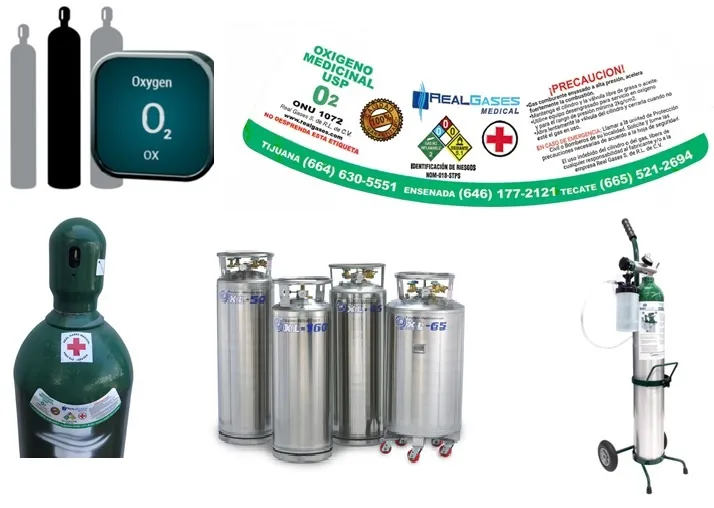
Table of Contents
- Package leaflet: Information for the user
- Introduction
- 1. What Oxígeno Medicinal Líquido Carburos Metálicos is and what it is used for
- 2. What you need to know before using Medicinal Liquid Oxygen Carburos Metálicos
- 3. How to use Medicinal Liquid Oxygen Carburos Metálicos
- 4. Possible adverse effects
- 5. Storage of Medicinal Liquid Oxygen Metal Carbides
- 6. Contents of the container and other information
Package leaflet: Information for the user
Introduction
Package leaflet: information for the user
Oxígeno Medicinal Líquido Carburos Metálicos medicinal cryogenic gas 99.5% v/v in fixed cryogenic containers
Read the entire leaflet carefully before you start using this medicine, because it contains important information for you.
- Keep this leaflet as you may need to read it again.
- If you have any questions, consult your doctor, pharmacist, or nurse.
- This medicine has been prescribed for you only, and you should not give it to others, even if they have the same symptoms as you, because it could harm them.
- If you experience any adverse reactions, consult your doctor, pharmacist, or nurse, even if they are adverse reactions not listed in this leaflet. See section 4.
Leaflet contents
- What Oxígeno Medicinal Líquido Carburos Metálicos is and what it is used for
- What you need to know before using Oxígeno Medicinal Líquido Carburos Metálicos
- How to use Oxígeno Medicinal Líquido Carburos Metálicos
- Possible side effects
- How to store Oxígeno Medicinal Líquido Carburos Metálicos
- Contents of the pack and other information
1. What Oxígeno Medicinal Líquido Carburos Metálicos is and what it is used for
Oxígeno Medicinal Líquido Carburos Metálicos is a medicinal gas for inhalation belonging to a group of medicines known as medicinal gases. It is packaged in cryogenic containers containing only pure oxygen.
Oxygen is an essential element for the body and is administered to increase its levels in the blood, thereby enhancing oxygen delivery to all body tissues.
Oxygen therapy is indicated in the following cases:
- Correction of oxygen deficiency of various origins, requiring administration of oxygen at normal or increased pressure.
- Supply to anaesthetic and resuscitation breathing apparatus.
- Administration via nebulizer of inhaled medications.
2. What you need to know before using Medicinal Liquid Oxygen Carburos Metálicos
Do not use Medicinal Liquid Oxygen Carburos Metálicos
This medicine must not be used under high pressure in cases of untreated lung collapse (untreated pneumothorax). A lung collapse is an accumulation of gas in the pleural cavity between the two lung membranes. If you have previously experienced a lung collapse, inform your doctor.
Warnings and precautions
Talk to your doctor or pharmacist before starting to use Medicinal Liquid Oxygen Carburos Metálicos.
- If you suffer from a chronic lung disease such as bronchitis, emphysema, or asthma, or are experiencing severe oxygen deficiency. You must inform your doctor of this.
- Do not apply any greasy substances (e.g. vaseline, ointments, etc.) to the patient's face due to the risk of combustion (see Section 6).
- Because it may be toxic to the lungs or nervous system depending on the concentration and duration of administration (see Sections 3 and 6).
Precautions for use
- Oxygen must not be used in the presence of flammable materials: oils, lubricants, fabrics, wood, paper, plastic materials, etc. (see Section 6).
- When oxygen is administered under high pressure (hyperbaric oxygen therapy), injuries may occur due to increased pressure in body cavities containing air that communicate with the outside. To avoid risks, compression and decompression must be performed slowly (see Section 4).
- When undergoing hyperbaric oxygen therapy, you must inform your doctor if you have:
- Chronic obstructive pulmonary disease (COPD)
- A lung disorder caused by loss of elasticity in lung tissue accompanied by (severe) breathing difficulty (pulmonary emphysema)
- Upper respiratory tract infections
- Recent middle ear surgery
- Thoracic surgery at any time in the patient's life
- Uncontrolled high fever
- Severe epilepsy
- Fear of enclosed spaces (claustrophobia)
- A previous history of lung collapse (accumulation of air or gas in the pleural cavity between the two lung membranes (pneumothorax))
- Medicinal oxygen stored in cryogenic containers is a liquid at cryogenic temperature (approx. -183°C) and may cause severe frostbite upon contact with the skin.
- In case of frostbite, flush with room-temperature water for 15 minutes. Apply a sterile dressing. Seek medical assistance.
- In case of eye contact, immediately rinse eyes with room-temperature water for at least 15 minutes. Seek medical assistance.
Children
In newborns, especially premature infants, oxygen at certain concentrations may cause eye damage (retrolental fibroplasia) (see Section 4).
Use of Medicinal Liquid Oxygen Carburos Metálicos with other medicines
Inform your doctor or pharmacist if you are taking, have recently taken, or might need to take any other medicines.
- Oxygen toxicity may be increased when used concomitantly with other medicines that may also affect the lungs: corticosteroids, certain cancer treatments (bleomycin), sympathomimetics. This may also occur during treatment for paraquat poisoning, when undergoing X-ray exposure, or in cases of hyperthyroidism or deficiency in vitamins C and E or glutathione deficiency.
- There are reports of interaction with amiodarone. Recurrence of bleomycin- or actinomycin-induced lung damage may be fatal.
- Oxygen may also worsen respiratory depression caused by alcohol.
- Medicines known to cause adverse effects include: adriamycin, menadione, promazine, chlorpromazine, thioridazine, and chloroquine. These effects will be particularly pronounced in tissues with high oxygen levels, especially the lungs.
Pregnancy and breastfeeding
Consult your doctor or pharmacist before using any medicine.
During pregnancy, oxygen at normal pressure (normobaric oxygen therapy) may be used at low concentrations.
During life-saving treatments, oxygen may also be administered at high concentrations and high pressures during pregnancy.
There are no contraindications for the use of oxygen during breastfeeding.
Consult your doctor or pharmacist if you need advice before taking any medicine.
Driving and using machines
There are no data on the effects of medicinal oxygen on driving or operating machinery; therefore, driving is permitted but with extreme caution.
3. How to use Medicinal Liquid Oxygen Carburos Metálicos
Follow exactly the administration instructions for this medicine as indicated by your doctor.
Medicinal Liquid Oxygen Carburos Metálicos is used by inhalation. The physician will determine the correct dose of medicinal oxygen and administer it through a system appropriate to your needs, ensuring delivery of the correct amount of oxygen.
Dosage
The usual dose is:
- In patients breathing spontaneously (spontaneous ventilation) with acute respiratory failure, oxygen is administered at a flow rate of 0.5 to 15 liters/minute. This may vary depending on test results (blood gas analysis).
- In patients breathing spontaneously (spontaneous ventilation) with chronic respiratory failure, oxygen is administered at a flow rate of 0.5 to 2 liters/minute. This may vary depending on test results (blood gas analysis).
- In patients requiring respiratory support (assisted ventilation), oxygen should be administered at a dose allowing achievement of a minimum oxygen concentration of 21%, up to 100%.
Method of administration
- In patients without ventilation problems: oxygen may be administered via spontaneous ventilation using nasal glasses, a nasopharyngeal catheter, or a mask, which should be adapted to the oxygen flow.
- In patients with ventilation problems or who are anesthetized, oxygen is administered using special devices such as an endotracheal tube, laryngeal mask, through a tracheostomy allowing connection to assisted ventilation, or others.
- Administration of oxygen at elevated pressure (hyperbaric oxygen therapy) is performed in a hyperbaric chamber at a pressure of 2 to 3 atmospheres, with session durations of 90 minutes to 2 hours. These sessions may be repeated 2 to 4 times daily depending on clinical indications and the patient's condition.
Duration of treatment
As a general rule, high oxygen concentrations should be used for the shortest possible time needed to achieve the desired outcome. The administered oxygen concentration should be reduced as soon as possible to the minimum necessary concentration.
- Oxygen concentrations up to 100% should not be administered for longer than 6 hours.
- Oxygen concentrations between 60–70% should not be administered for longer than 24 hours.
- Oxygen concentrations between 40–50% should not be administered continuously for the following 24 hours.
- Any oxygen concentration above 40% is potentially toxic after 2 days.
If you consider the effect of Medicinal Liquid Oxygen Carburos Metálicos to be too strong or too weak, inform your doctor.
If you use more Medicinal Liquid Oxygen Carburos Metálicos than you should:
In some situations, excessive oxygen may affect breathing and, exceptionally, cause anesthesia or unconsciousness due to carbon dioxide retention.
The toxic effects of oxygen vary according to the pressure of inhaled oxygen and the duration of exposure.
At low pressure (0.5 to 2.0 bar), these effects are more likely to occur in the pulmonary region than in the central nervous system (brain and spinal cord). At high pressure (hyperbaric oxygen therapy), the opposite occurs.
Effects in the pulmonary region include interrupted breathing (hypoventilation), cough, and chest pain. Effects on the central nervous system range from nausea, dizziness, anxiety, and confusion to muscle spasms, loss of consciousness, and epileptic seizures.
In case of overdose, contact your doctor or pharmacist immediately or call the Toxicology Information Service at 91 562 04 20.
4. Possible adverse effects
Like all medicines, Medicinal Liquid Oxygen from Carburos Metálicos may produce adverse effects, although not everyone experiences them.
When oxygen is administered via nasal cannula, it may cause dryness of the nasal and labial mucous membranes.
Adverse effects usually occur when high oxygen concentrations (above 70%) are used and after prolonged treatment (at least 6–12 hours).
Uncommon adverse effects, which may affect between 1 and 10 in every 1,000 patients, are:
- Respiratory, thoracic and mediastinal disorders: atelectasis (collapse of lung alveoli), dry cough, and pain associated with breathing.
- With high-pressure oxygen (hyperbaric oxygen therapy): Ear and labyrinth disorders such as sensation of pressure in the middle ear and rupture of the tympanic membrane.
Rare adverse effects, which may affect between 1 and 10 in every 10,000 patients, are:
- Eye disorders: eye damage that may affect vision (retrolental fibroplasia) in premature newborns exposed to high oxygen concentrations.
Very rare adverse effects, which may affect fewer than 1 in every 10,000 patients, are:
- Respiratory, thoracic and mediastinal disorders: severe difficulty breathing due to acute respiratory failure (acute respiratory distress syndrome).
- With high-pressure oxygen (hyperbaric oxygen therapy): nervous system disorders such as anxiety, confusion, loss of consciousness, and epileptic seizures.
Other reported adverse effects with unknown frequency are:
- Apnea (cessation of breathing): in patients with chronic respiratory insufficiency.
- Sinus lesions, pneumothorax (presence of air in the thoracic cavity), nausea, dizziness, temporary loss of vision, pain and muscle twitching with high-pressure oxygen (hyperbaric oxygen therapy).
- Claustrophobia attacks: in patients undergoing high-pressure oxygen treatment in hyperbaric chambers.
- Anaemia.
- Organ damage with high oxygen concentrations during long-term treatment: heart (bradycardia may also occur when 100% oxygen is administered for short periods), liver, kidneys and lungs (pulmonary fibrosis).
- Pulmonary malformations (bronchopulmonary dysplasia), hemorrhages in various locations (subependymal and intraventricular), and intestinal damage with tissue destruction (necrotizing enterocolitis) in newborns and premature infants.
Reporting of adverse effects
If you experience any type of adverse effect, consult your doctor or pharmacist, even if it is an effect not listed in this leaflet.
You can also report them directly through the Spanish Pharmacovigilance System for Human Medicines: www.notificaRAM.es
By reporting adverse effects, you can help provide more information on the safety of this medicine.
5. Storage of Medicinal Liquid Oxygen Metal Carbides
Keep this medicine out of the sight and reach of children.
Do not use this medicine after the expiry date stated on the container. The expiry date refers to the last day of the month indicated.
- Tanks must be placed in a well-ventilated area, exclusively designated for medicinal gases. This storage area must not contain combustible materials.
- Tanks must not be placed near sources of heat.
- Any contact with greases, oils, or other hydrocarbons is strictly prohibited.
6. Contents of the container and other information
Composition of Medicinal Liquid Oxygen Carburos Metálicos:
- The active substance is Oxygen.
- No excipients.
Appearance of the product and contents of the container
Carburos Metálicos Medicinal Liquid Oxygen is a cryogenic medicinal gas. Oxygen is a colorless, odorless, and tasteless gas. When liquefied, it has a pale blue color.
It is stored in fixed cryogenic tanks made of stainless steel.
The fixed cryogenic containers consist of a double wall of stainless steel.
They are supplied under pressure as a liquid at a very low temperature (approximately -183°C) in specially designed, thermally insulated tanks intended for storing cryogenic liquids.
The capacity of the tanks is
O2 Tanks | |
Product | Average capacities (liters) |
Medical liquid oxygen | 1,000 |
2,000 | |
3,000 | |
6,000 | |
10,000 | |
20,000 | |
30,000 |
Marketing Authorization Holder
S.E. CARBUROS METÁLICOS, S.A.
Av. de la Fama, 1
08940 Cornellà de Llobregat (Barcelona)
SPAIN
Manufacturer Responsible
S.E. DE CARBUROS METALICOS, S.A.
Ronda Valdecarrizo, 49 28760 Tres Cantos, Madrid - Spain
S.E. DE CARBUROS METÁLICOS, S.A.
Políg. Industrial El Morell Apartado 3 – 43760 El Morell, Tarragona - Spain
S.E. DE CARBUROS METÁLICOS, S.A.
Urbanización Ind. Salinetas – 35219 -Telde, Las Palmas - Spain
S.E. DE CARBUROS METÁLICOS, S.A.
C/. Dr. Fleming, 29 - Pol. Ind. Ca n' Estella – 08655 - Sant Esteve Sesrovires, Barcelona -Spain
S.E. DE CARBUROS METÁLICOS, S.A.
C/ Celleters. 142 polígono Industrial Can Rubiol – 07141 – Marratxí, Balearic Islands – Spain
LINDE GAS ESPAÑA, S.A.U.
Polígono Industrial Can Pí de Vilaroch Avenida Antonio Gaudí, 151 – 08191 – Rubí, Barcelona - Spain
LINDE GAS ESPAÑA, S.A.U.
Polígono Industrial Ciudad del Transporte Parcela 27-1/2/3/4 – 11407 - Jerez de la Frontera, Cádiz – Spain
OXÍGENO DE SAGUNTO, S.L.
C/Acería s/n – 46520 - Puerto de Sagunto, Valencia - Spain
ANDALUZA DE GASES, S.A. - AGSA
Carretera Sevilla - Málaga, Km 6,3 41500 - Alcalá de Guadaira,Sevilla - Spain
GASES OXINORTE AIE
Buen Pastor s/n – 48903 - Baracaldo, Biscay - Spain
SOCIEDADE PORTUGUESA DE OXIGÉNIO, LDA - SPO
Rua Profesor Antonio Marques, 99 - 4470-909 -Fogosa, Maia - Portugal
NIPPON GASES ESPAÑA, S.L.
C/ Gavilanes, 12 P. I. La Estación – 28320 - Pinto, Madrid - Spain
NIPPON GASES ESPAÑA, S.L.
C/ Metalurgia, 14 P. I. San Vicente – 08755 - Castellbisbal, Barcelona - Spain
Instructions for Use/Handling
Do not smoke.
Do not bring near a flame.
Do not grease.
In particular:
- Never introduce this product into a device suspected of containing combustible materials, especially if they are of a greasy nature;
- Never clean devices containing this gas, or taps, seals, packings, closure devices, and valves with combustible products, especially if they are of a greasy nature;
- Do not apply any greasy substances (vaseline, ointments, etc.) to the patient's face;
- Do not use aerosols (hair spray, deodorants, etc.) or solvents (alcohol, perfume, etc.) on or near the equipment.
Medical oxygen containers are reserved exclusively for therapeutic use.
For the specific case of liquid oxygen, additional product-specific characteristics must also be considered as precautions for its use and handling:
- Oxygen is a gas heavier than air, which may accumulate in low-lying areas after vaporization of the liquid, rendering the atmosphere hazardous.
- At atmospheric pressure, oxygen is a liquid at a very low temperature (approximately -183°C) and may cause frostbite if it comes into contact with the skin due to splashing or handling the liquid without appropriate protective equipment.
- One liter of liquid oxygen releases 850 liters of gas upon vaporization and warming to room temperature. The expansion of liquid oxygen upon warming is 850 times its liquid volume; therefore, appropriate precautions must be taken against overpressure in closed volumes (equipment and installations) and over-oxygenation of materials and the atmosphere in enclosed spaces.
To avoid any incidents, the following instructions must be strictly observed:
- Check the equipment is in good condition before use.
- Never force a container into a holder that is too narrow.
- Handle equipment with clean hands, free from grease.
- Handle 50-liter or larger containers with clean handling gloves and safety shoes.
- Never lift the container by the tap.
- Use connections or flexible connecting elements specifically designed for oxygen.
- Use a pressure regulator with a flowmeter capable of withstanding a pressure of at least 1.5 times the container's maximum service pressure (unless a regulator is already integrated into the tap).
- Use flexible connecting elements on wall outlets, equipped with nozzles specifically designed for oxygen.
- Open the tap or valve gradually.
- Never force the tap to open it, nor open it fully.
- Purge the container's outlet connection before attaching the pressure regulator to remove any dust that may be present. Keep connections between the container and the pressure regulator clean.
- Never subject the pressure regulator to multiple successive pressurizations.
- Never stand directly in front of the tap outlet; always stand on the side opposite the pressure regulator, behind the container and facing backward. Never expose patients to the gas flow.
- Do not use intermediate connectors to connect two devices that do not fit together.
- Do not attempt to repair a defective tap.
- Never tighten the pressure regulator-flowmeter assembly with pliers, as this may damage the seal.
- Verify in advance the compatibility of materials in contact with oxygen, using in particular oxygen-specific seals for the regulator connections.
- Close the container tap after use, allow the pressure in the regulator to decrease by leaving the flowmeter open, close the flowmeter, and then loosen (except in the case of integrated regulators) the pressure regulator's adjustment screw.
- In case of leakage, close the tap or supply valve of the circuit with the integrity defect. Never use a container with a leakage defect, and verify that the emergency device is activated.
- Never completely empty a container.
- Store empty containers with the tap closed and empty frames with the valve closed (to prevent corrosion processes in the presence of moisture).
- Never transfer the product from one container to another.
- Ventilate the area of use if possible, especially in confined spaces (vehicles, homes).
Date of latest revision of this leaflet: June 2023
Detailed and up-to-date information on this medicinal product is available on the website of the Spanish Agency of Medicines and Health Products (AEMPS): http://www.aemps.gob.es/