Oxigeno Salud 99.5% v/v medicinal liquid oxygen cryogenic gas
Spain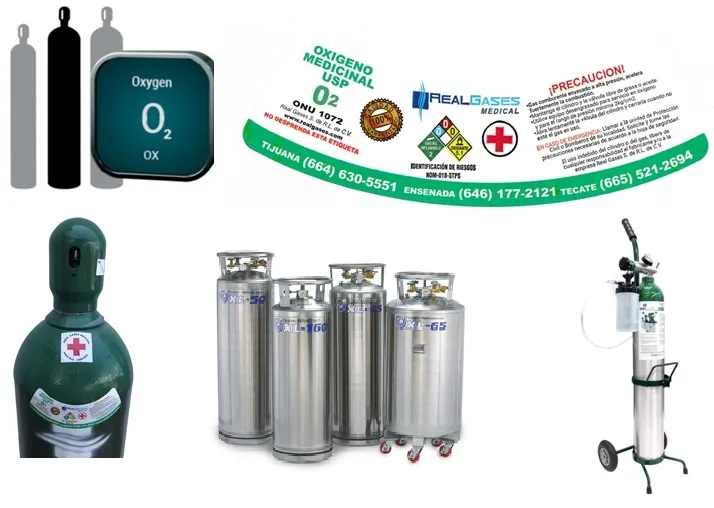
Table of Contents
- Package leaflet: Information for the user
- Introduction
- 1. What Oxígeno Medicinal Líquido Oxigen Salud is and what it is used for
- 2. What you need to know before starting to use Oxígeno Medicinal Líquido Oxigen Salud
- 3. How to use Oxígeno Medicinal Líquido Oxigen Salud
- 4. Possible adverse effects
- 5. Storage of Oxigen Salud Liquid Medicinal Oxygen
- 6. Contents of the container and other information
Package leaflet: Information for the user
Introduction
Package leaflet: information for the user
Oxigen Salud Medicinal Liquid Oxygen 99.5% v/v cryogenic medicinal gas
Read the entire leaflet carefully before you start using this medicine, as it contains important information for you.
- Keep this leaflet as you may need to read it again.
- If you have any questions, ask your doctor, pharmacist or nurse.
- This medicine has been prescribed for you only and must not be given to other people, even if they have the same symptoms as you, since it could harm them.
- If you experience any adverse effects, consult your doctor, pharmacist or nurse, even if they are effects not listed in this leaflet. See section 4.
Contents of the leaflet
- What Oxigen Salud Medicinal Liquid Oxygen is and what it is used for
- What you need to know before using Oxigen Salud Medicinal Liquid Oxygen
- How to use Oxigen Salud Medicinal Liquid Oxygen
- Possible side effects
- How to store Oxigen Salud Medicinal Liquid Oxygen
- Contents of the pack and other information
1. What Oxígeno Medicinal Líquido Oxigen Salud is and what it is used for
Oxygen is an essential element for the body. Oxygen therapy is indicated in the following cases:
- Correction of oxygen deficiency of various origins requiring administration of oxygen at normal or increased pressure.
- Supplying ventilators in anesthesia – resuscitation.
- Administration via nebulizer of inhaled medications.
2. What you need to know before starting to use Oxígeno Medicinal Líquido Oxigen Salud
Do not use Oxígeno Medicinal Líquido Oxigen Salud:
With flammable materials.
Oxygen supports and accelerates combustion. The degree of incompatibility of materials with oxygen depends on the pressure conditions under which the gas is used. However, the most significant fire risks in the presence of oxygen involve combustible compounds, especially those of a greasy nature (lubricants, oils), and organic materials (plastics, wood, paper, fabrics), which may ignite upon contact with oxygen, either spontaneously or due to a spark, flame, ignition source, or the effects of adiabatic compression.
Warnings and precautions
Consult your doctor or pharmacist before starting to use Oxígeno Medicinal Líquido Oxigen Salud:
- In certain severe cases of oxygen deficiency. After 6 hours of exposure to an oxygen concentration of 100%, or after 24 hours of exposure to an oxygen concentration above 70%, pulmonary or neurological toxicity may occur.
- High oxygen concentrations should be used for the shortest possible time and monitored by arterial blood gas analysis, while simultaneously measuring the inhaled oxygen concentration. It is advisable to always use the lowest dose capable of maintaining the arterial partial pressure of oxygen (PaO2) at 50–60 mmHg (i.e., 5.65–7.96 kPa). After 24 hours of exposure, it is recommended to maintain, as far as possible, an oxygen concentration below 45%.
Precautions for use
- In infants requiring an oxygen concentration above 30%, the arterial partial pressure of oxygen (PaO2) must be regularly monitored to ensure it does not exceed 100 mmHg (i.e., 13.3 kPa) due to the risk of retinal abnormalities.
- Hyperbaric oxygen therapy: To avoid risks of injury caused by high pressure in body cavities containing air that communicate with the outside, compression and decompression must be performed slowly.
Use of Oxígeno Medicinal Líquido Oxigen Salud with other medicines
Inform your doctor or pharmacist if you are taking, have recently taken, or might need to take any other medicines.
Oxygen toxicity may be increased by: corticosteroids, certain anticancer drugs, paraquat, sympathomimetics, X-rays, or in cases of hyperthyroidism or deficiency of vitamins C and E or glutathione deficiency.
Pregnancy and breastfeeding
Consult your doctor or pharmacist before using any medicine.
It has been widely used without any notable adverse effects.
Driving and use of machines
There are no data available on the effects of Oxígeno Medicinal Líquido Oxigen Salud on driving or operating machinery.
3. How to use Oxígeno Medicinal Líquido Oxigen Salud
Follow exactly the administration instructions for this medicine as indicated by your doctor. If in doubt, consult your doctor or pharmacist again.
Your doctor will determine the correct dose of Oxígeno Medicinal Líquido Oxigen Salud and will administer it through a system suitable for your needs, ensuring the delivery of the appropriate amount of oxygen.
If you feel that the effect of Oxígeno Medicinal Líquido Oxigen Salud is too strong or too weak, inform your doctor.
If you use more Oxígeno Medicinal than you should
In case of overdose, contact your doctor or pharmacist immediately or call the Toxicology Information Service at telephone number 91 562 04 20, indicating the medicine and the amount inhaled.
In case of overdose, the concentration of inhaled oxygen should be reduced, and symptomatic treatment is recommended.
If you stop treatment with Oxígeno Medicinal Líquido Oxigen Salud
If you have any further questions about the use of this medicine, ask your doctor or pharmacist.
4. Possible adverse effects
Like all medicines, Medicinal Liquid Oxygen Oxigen Salud may cause adverse effects, although not everyone will experience them.
In particular, in chronic respiratory failure, there is a possibility of apnea occurring.
Inhalation of high concentrations of oxygen may cause minor lung collapse.
Administration of oxygen at high pressures may cause injuries to the inner ear (potentially risking rupture of the tympanic membrane), sinuses, and lungs (potentially risking pneumothorax).
Seizure episodes have been reported after administration of 100% oxygen concentration for more than 6 hours, particularly under high-pressure conditions.
Pulmonary injuries may occur following administration of oxygen concentrations exceeding 80%.
In newborns, especially if premature, exposure to high oxygen concentrations (FiO2 > 40%; PaO2 above 80 mmHg (i.e., 10.64 kPa)) or prolonged exposure (more than 10 days at FiO2 > 30%) carries a risk of retinopathy, appearing between 3 and 6 weeks after treatment. This may either regress or lead to retinal detachment, or even permanent blindness.
Patients undergoing high-pressure oxygen therapy in chambers may experience claustrophobia episodes.
Reporting of adverse effects
If you experience any type of adverse effect, consult your doctor or pharmacist, even if these effects are not listed in this leaflet. You may also report them directly through the Spanish Pharmacovigilance System for Human Medicines: www.notificaRAM.es
By reporting adverse effects, you can help provide more information on the safety of this medicine.
5. Storage of Oxigen Salud Liquid Medicinal Oxygen
Keep this medicine out of the sight and reach of children.
Do not use Oxigen Salud Liquid Medicinal Oxygen after the expiry date stated on the container.
All regulations concerning the handling of pressure vessels must be followed, as well as the instructions for your specific equipment.
With regard to storage and transport, the following must be taken into account:
Evaporators, whether fixed or mobile, must be installed outdoors, in a clean area free from flammable materials, designated exclusively for the storage of medical gases and secured with a lock.
Under no circumstances should open flames be used, smoking be permitted, or greasing be carried out in these areas. Parking must not be allowed in transfer areas. Risks arising from atmospheric over-oxygenation or oxygen enrichment of clothing must be monitored and controlled.
Cryogenic evaporators and containers, whether fixed or mobile, must be protected from impacts, especially at filling, emptying, and safety components (thin metal sheets, valves, pressure gauges), as well as from heat sources or ignition sources, temperatures above 50°C, and combustible materials.
Mobile cryogenic evaporators and containers must never be placed in a horizontal position.
6. Contents of the container and other information
Composition of Oxígeno Medicinal Líquido Oxigen Salud
- The active substance is Oxygen 99.5% v/v
Appearance of the product and contents of the container
Oxígeno Medicinal Líquido Oxigen Salud is supplied in mobile cryogenic containers (for home, hospital and transport use) and fixed cryogenic containers (tanks) of various volumes, containing medicinal oxygen in liquid form, intended for subsequent transfer to portable containers for final administration to the patient in gaseous form.
Mobile cryogenic containers: 0.6 L, 1.2 L, 10 L, 20 L, 21 L, 30 L, 31 L, 36 L, 37 L, 41 L, 45 L, 46 L, 60 L, 180 L, 230 L, 450 L, 600 L, 1000 L, 7,000 L, 8,000 L, 10,000 L, 12,000 L, 17,000 L, 18,000 L, 20,000 L, 21,000 L, 22,000 L, 23,000 L, 24,000 L.
Fixed cryogenic container: 6000 L.
Not all container sizes may be marketed.
Marketing Authorization Holder
OXIGEN SALUD, S.A.
Carretera de Rubí 141-143
08174 Sant Cugat del Vallès (Barcelona)
Spain
Manufacturer
OXIGEN SALUD, S.A.
Carretera de Rubí 141-143
08174 Sant Cugat del Vallès (Barcelona)
Spain
OR
OXIGEN SALUD, S.A.
Polígono Industrial, Calle A, Parcela 63.
09320 Madrigal del Monte (Burgos)
Spain
OR
OXIGEN SALUD, S.A.
Polígono Industrial del Celrà
C/Pujols, S/N
- Celrà. Gerona
Spain
OR
OXIGEN SALUD, S.A.
Poligono Industrial Campollano, Calle B, nº 2
02007 Albacete
Spain
Date of latest revision of the leaflet: August 2005
Detailed and up-to-date information on this medicinal product is available on the website of the Spanish Agency of Medicines and Health Products (AEMPS) http://www.aemps.gob.es/
This information is intended for healthcare professionals only
Instructions for use/handling
Do not smoke.
Do not bring near a flame.
Do not grease.
Primarily, never introduce this gas into any apparatus suspected of containing combustible materials, and especially greasy substances; never clean with flammable products, and in particular with greasy materials, either the apparatus containing this gas or the valves, gaskets, linings, closure devices and valves.
Cryogenic containers of medicinal oxygen are reserved exclusively for therapeutic use.
To prevent any accidents, the following instructions must be strictly observed:
- Check that the equipment is in proper condition before use.
- Do not apply greasy products (vaseline, ointments, etc.) to the patient's face.
- Handle equipment with clean, grease-free hands.
- Do not use aerosol generators (hairspray, deodorants, etc.) or solvents (alcohol, gasoline, etc.) on or near the equipment.
- In case of leakage, close the supply valve or tap of the circuit showing a leak. Never use a container showing a leakage defect and check the proper functioning of the emergency system.
- Ventilate the area of use whenever possible, especially if in small spaces (vehicles, homes).
- Perform any handling of liquid oxygen containers using clean gloves suitable for this purpose and protective goggles.
- Never touch cold or frozen parts of the equipment.
- In case of cryogenic burn, rinse thoroughly with water.
- Use oxygen-specific connectors.
- Evaporators and mobile cryogenic containers: during use of the hoses, never exceed the maximum service pressure; do not bend the hose to an excessively small radius; never leave the hose on the floor; monitor the condition of the outer sheath; and never grease the hose.
- If clothing becomes saturated with oxygen, move away from the liquid oxygen source and from areas with fire risk. Remove the clothing as well.
- Do not use intermediate connectors to join two devices that do not fit together.
- Evaporator and mobile cryogenic container: open the valve or tap gradually.
- Provide overpressure safety devices on each liquid oxygen circuit where there is a risk of liquid becoming trapped between two valves.
Use flexible connection lines on wall outlets, equipped with oxygen-specific nozzles.