Zitrogram
Italy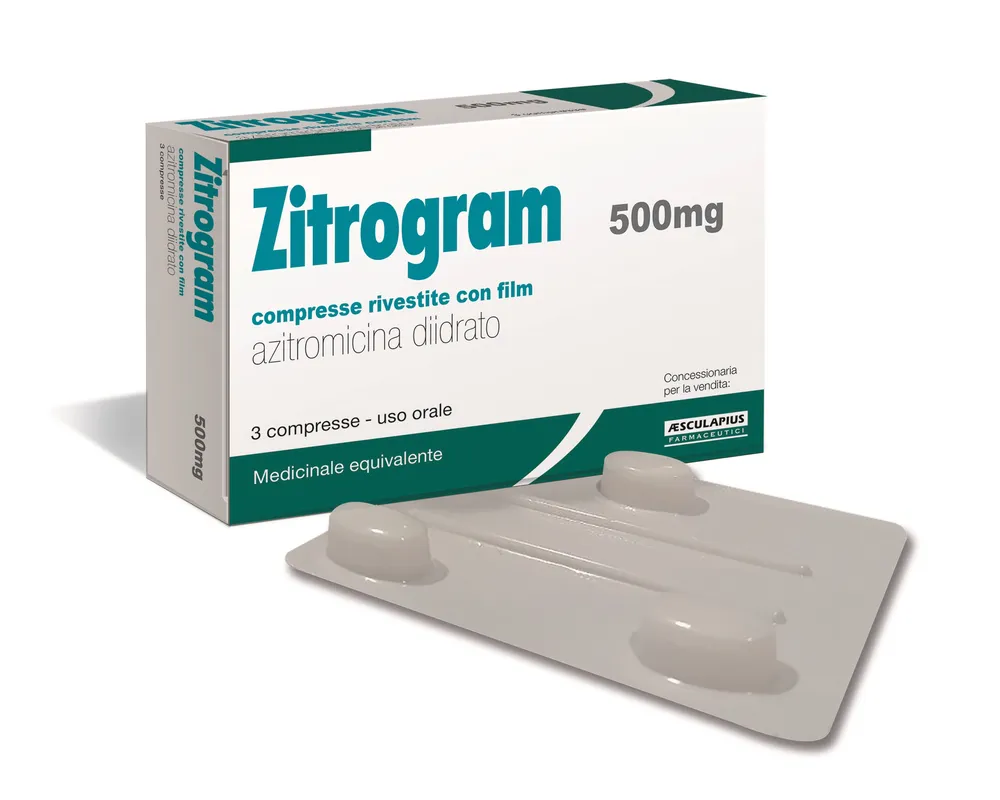
Instructions for Use
Package leaflet: Information for the user
Zitrogram 500 mg film-coated tablets
azithromycin
Generic medicine
Please read this leaflet carefully before taking this medicine because it contains
important information for you.
- Keep this leaflet. You may need to read it again.
- If you have any questions, ask your doctor or pharmacist.
- This medicine has been prescribed for you only. Do not give it to others, even if their symptoms are the same as yours, as it may be harmful.
- If you experience any side effects, including those not listed in this leaflet, talk to your doctor or pharmacist. See section 4.
Contents of this leaflet:
- What Zitrogram is and what it is used for
- What you need to know before taking Zitrogram
- How to take Zitrogram
- Possible side effects
- How to store Zitrogram
- Contents of the pack and other information
1. What Zitrogram is and what it is used for
Zitrogram contains the active substance azithromycin. Azithromycin is an antibiotic that belongs to a group of medicines called "macrolides" which inhibit the growth of susceptible bacteria.
Zitrogram is used to treat infections caused by germs sensitive to azithromycin:
infections of the upper respiratory tract: inflammation of the nasal cavity (sinusitis), tonsils (tonsillitis), and throat (pharyngitis);
infections of the lower respiratory tract: inflammation of the bronchi (bronchitis) and lungs (pneumonia);
acute middle ear infection (otitis media);
infections of the mouth and teeth (odontostomatological infections);
skin and soft tissue infections;
sexually transmitted diseases: inflammation of the urethra caused by the bacterium Chlamydia trachomatis;
chancroid (caused by the bacterium Haemophilus ducreyi).
2. What you need to know before taking Zitrogram
Do not take Zitrogram
if you are allergic to azithromycin, to other macrolide antibiotics (for example erythromycin) or to ketolide antibiotics, or to any of the other ingredients of this medicine (listed in section 6).
Warnings and precautions
Talk to your doctor or pharmacist before taking/giving Zitrogram to your child:
- if you have or have ever had liver problems, or if you are currently taking or have recently taken other medicines that may cause liver problems (see section “Other medicines and Zitrogram”). In such cases, caution is required before starting treatment with Zitrogram;
- if you are being treated with ergotamine or its derivatives (see section “Other medicines and Zitrogram”);
- if you suffer from kidney problems (renal insufficiency);
- if you suffer from heart rhythm disorders. Zitrogram may cause mild disturbances in heart rhythm, but in some cases these may be severe or even fatal (see section 4 “Possible side effects”). Therefore, this medicine should be used with caution:
- in patients with congenital heart rhythm disorders, very slow heart rate (bradycardia), heart rhythm diseases (arrhythmias), or severe heart problems (severe heart failure);
- in patients being treated with other medicines that may affect heart rhythm, such as quinidine, procainamide, dofetilide, amiodarone, sotalol (medicines for heart rhythm abnormalities), cisapride (a medicine for gastroesophageal reflux), terfenadine (an antihistamine for allergies), pimozide (a medicine for mental disorders), citalopram (an antidepressant), moxifloxacin, levofloxacin, chloroquine (antibiotics);
- in patients with low blood levels of potassium or magnesium;
- in elderly patients and in women.
In cases of sexually transmitted infections, your doctor must rule out a concurrent infection with Treponema pallidum (the bacterium causing syphilis, a sexually transmitted disease).
Inform your doctor if any of the following conditions occur or worsen during treatment with Zitrogram (also see section 4 “Possible side effects”):
- severe allergic reactions, including severe skin reactions that may also affect other organs and cause fever. In case of an allergic reaction, immediately stop treatment with Zitrogram and contact your doctor;
- symptoms of liver problems such as sudden onset of weakness, yellowing of the skin or mucous membranes (jaundice), dark-colored urine, easy bruising or bleeding, or brain-related symptoms (e.g. confusion, altered consciousness, or coma). Immediately stop treatment with Zitrogram and contact your doctor, who will perform medical tests to assess your liver function;
- vomiting or irritability in your infant (if a newborn within the first 42 days of life) occurring after feeding. This medicine may cause narrowing of a part of the stomach. If these symptoms occur, contact your child’s doctor immediately;
- symptoms of new infections or persistence of current infection symptoms. This situation could be due to bacteria not sensitive to Zitrogram (resistant bacteria) or to microorganisms other than bacteria (fungal infection);
- onset of diarrhea, which may be mild but in some cases can be fatal (fatal colitis). Diarrhea may occur with the use of nearly all antibiotics, including Zitrogram, and is due to disruption of the normal intestinal bacterial flora, allowing overgrowth of a bacterium called Clostridium difficile. If diarrhea develops, your doctor will carefully monitor you, as Clostridium difficile infection may occur up to two months after completion of treatment with this medicine;
- onset or worsening of muscle weakness and easy fatigue, i.e. symptoms of myasthenia gravis.
Children
The safety and efficacy of Zitrogram for the prevention or treatment of infections caused by Mycobacterium Avium Complex in children have not been established.
Other medicines and Zitrogram
Inform your doctor or pharmacist if you are taking, have recently taken, or might take any other medicines.
In particular, inform your doctor if you are taking:
Antacids (used for excess stomach acidity): may reduce the effectiveness of Zitrogram if taken at the same time; therefore, do not take both medicines simultaneously.
Digoxin (used for heart problems): concomitant administration of Zitrogram and digoxin may increase digoxin blood levels.
Colchicine (used for gout and familial Mediterranean fever);
Zidovudine and nelfinavir (used for HIV treatment).
Ergotamine (used for migraine treatment): due to the possible onset of ergotism (i.e. itching in limbs, muscle cramps, and gangrene of hands and feet due to poor blood circulation), concomitant use of Zitrogram and ergotamine derivatives is not recommended (see “Warnings and precautions”).
Atorvastatin (used to lower blood lipids): concomitant use of azithromycin with atorvastatin has been associated with an increased risk of muscle tissue breakdown (rhabdomyolysis).
Oral anticoagulants of the coumarin type (used to thin the blood): concomitant use may increase the risk of bleeding. Your doctor may decide to monitor your blood coagulation parameters more frequently when Zitrogram is also used.
Cyclosporine (used to suppress the immune system to prevent or treat organ or bone marrow transplant rejection): if concomitant use with Zitrogram is necessary, your doctor should regularly monitor cyclosporine blood levels and may adjust the dose.
Rifabutin (an antibiotic used for tuberculosis treatment): concomitant administration may lead to a reduced number of white blood cells (neutropenia).
Medicines that may interfere with heart rhythm (prolong the QT interval) during concomitant use with Zitrogram: quinidine, procainamide, dofetilide, amiodarone, sotalol (used to treat abnormal heart rhythms); cisapride (used for stomach problems); terfenadine (an antihistamine for allergies); antipsychotic agents (e.g. pimozide); antidepressants (e.g. citalopram); some antibiotics (e.g. moxifloxacin, levofloxacin). Zitrogram should be used with caution when taken together with these medicines (see “Warnings and precautions”).
Zitrogram with food
Take the tablets whole, either on an empty stomach or after meals.
Taking food before administration of the medicine may reduce any gastrointestinal side effects caused by azithromycin.
Pregnancy and breastfeeding
If you are pregnant, suspect you may be pregnant, planning a pregnancy, or are breastfeeding, consult your doctor or pharmacist before taking this medicine.
Pregnancy
Your doctor will decide whether you can take this medicine during pregnancy, after assessing that the benefits outweigh the potential risks.
Breastfeeding
Zitrogram passes into breast milk. Therefore, your doctor will prescribe this medicine only if strictly necessary if you are breastfeeding.
Driving and using machines
It is not known whether this medicine affects the ability to drive or use machinery.
Zitrogram contains lactose
If your doctor has diagnosed you with an intolerance to certain sugars, contact them before taking this medicine.
3. How to take Zitrogram
Take this medicine exactly as directed by your doctor or
pharmacist. If you have any doubts, consult your doctor or pharmacist.
Recommended doses in adults are:
Treatment of infections of the upper and lower respiratory tract, skin, soft tissues,
middle ear, mouth and teeth: 1 tablet (500 mg) daily as a single
dose for three consecutive days.
Treatment of sexually transmitted diseases caused by susceptible strains of
Chlamydia trachomatis or Haemophilus ducreyi: 2 tablets (1000 mg) taken once, as a single oral dose.
Use in children and adolescents
For children and adolescents weighing less than 45 kg, the dose must be determined based on body weight. Exact recommendations are reported in the following table:
| Weight (kg) | Dosing regimen |
| <15 | 10 mg/kg daily for 3 days |
| 15-25 | 200 mg (5 ml) daily for 3 days |
| 26-35 | 300 mg (7.5 ml) daily for 3 days |
| 36-45 | 400 mg (10 ml) daily for 3 days |
| >45 | 500 mg daily for 3 days (same dosage as adult) |
- For the treatment of acute otitis media in children: the recommended dose is 10 mg/kg per day for 3 consecutive days or 30 mg/kg as a single dose (see also below "How to take the oral suspension powder").
- For the treatment of streptococcal pharyngitis in children: the recommended dose is 10 mg/kg or 20 mg/kg as a single dose and for 3 consecutive days; however, the daily dose must not exceed 500 mg.
The maximum total recommended dose for any pediatric treatment is 1500 mg.
Special patients
If you are elderly or have mild to moderate liver problems or kidney problems, your doctor may prescribe the same dosages indicated above.
How to take the tablets
Swallow the tablets whole. Take the tablets with a glass of water as a single daily dose. The tablets may be taken either on an empty stomach or after meals. Taking the tablet after food may reduce any gastrointestinal side effects caused by this medicine.
If you take more Zitrogram than you should
Adverse events occurring with doses higher than those recommended have been similar to those observed with normal doses.
In case of accidental ingestion/overdose of Zitrogram, contact your doctor immediately or go to the nearest hospital.
If you forget to take Zitrogram
Do not take a double dose to make up for the forgotten dose.
If you stop taking Zitrogram
If you have any doubts about how to use this medicine, consult your doctor or pharmacist.
4. Possible side effects
Like all medicines, this medicine can cause side effects, although not everyone experiences them.
STOP using Zitrogram immediately if you or the child experience any of the following side effects:
- severe allergic reaction (anaphylactic shock)
- swelling of the face, tongue, and throat leading to difficulty swallowing and breathing (angioedema), increased sensitivity of the skin and mucous membranes
- severe inflammation of the lower part of the intestine called the colon, caused by excessive growth of a bacterium called Clostridium difficile (pseudomembranous colitis)
- severe skin reactions:
- severe skin rash associated with increased number of a type of white blood cells called eosinophils, symptoms affecting one or more organs, and fever (DRESS) (rare frequency)
- red, scaly rash with pustules and blisters (exanthematous pustulosis) (rare frequency)
- severe acute hypersensitivity reactions involving the skin and mucous membranes (Stevens-Johnson syndrome, toxic epidermal necrolysis, erythema multiforme) (frequency not known)
- severe liver problems (severe hepatic failure), as this may sometimes lead to death
- sudden and massive death of liver cells (fulminant hepatitis)
- toxic liver reaction with cell death
- anemia due to destruction of red blood cells
- sudden loss of consciousness (syncope)
- inflammation of the pancreas (pancreatitis)
Very common (may affect more than 1 in 10 people)
diarrhea
Common (may affect up to 1 in 10 people)
headache
vomiting
nausea
abdominal pain
decrease in blood bicarbonate levels
decrease in the number of a type of white blood cells called lymphocytes
increase in the number of a type of white blood cells called eosinophils
increase in the number of a type of white blood cells called basophils
increase in the number of a type of white blood cells called monocytes
increase in the number of a type of white blood cells called neutrophils
Uncommon (may affect up to 1 in 100 people)
yeast infections of the mouth and vagina (candidiasis), vaginal infections, pneumonia,
fungal infections, bacterial infections, throat inflammation (pharyngitis),
inflammation of the stomach and intestine (gastroenteritis), breathing difficulties,
blocked or runny nose (rhinitis)
reduction in white blood cell count (leukopenia, neutropenia)
increase in a type of white blood cells (eosinophilia)
allergic reactions with swelling of lips, tongue, or throat (angioedema)
hypersensitivity
loss of appetite (anorexia)
nervousness
insomnia
dizziness, drowsiness, taste disturbances, tingling or numbness sensation (paresthesia)
vision disturbances
hearing disturbances
vertigo
palpitations
hot flushes
difficulty breathing (dyspnea)
nosebleeds
constipation, gas in the intestine (flatulence), indigestion (dyspepsia), inflammation
of the stomach lining (gastritis), difficulty swallowing (dysphagia), bloating sensation
(abdominal distension), dry mouth, belching, mouth ulcers, increased salivation
skin rash, itching, hives, skin inflammation (dermatitis), dry skin, increased sweating (hyperhidrosis)
bone and joint pain (osteoarthritis), muscle pain (myalgia), back pain, neck pain
pain during urination (dysuria), kidney pain
abnormal or unexpected vaginal bleeding (metrorrhagia), testicular disorders
generalized swelling (edema)
general loss of strength (asthenia), feeling unwell, fatigue, facial swelling (facial edema), chest pain, fever (pyrexia), pain, swelling of the lower limbs (peripheral edema)
liver enzyme abnormalities (increased aspartate aminotransferase and increased alanine aminotransferase), blood test abnormalities (increased blood bilirubin, increased blood urea, increased blood creatinine, abnormal blood potassium levels, increased blood alkaline phosphatase, increased chloride levels, increased glucose levels, increased platelet count, decreased hematocrit, increased bicarbonate levels, abnormal sodium levels)
postoperative complications
Rare (may affect up to 1 in 1,000 people)
agitation
liver function disturbances
blockage of bile flow from the liver to the intestine causing yellowing of the skin and whites of the eyes (cholestatic jaundice)
increased skin sensitivity to sunlight (photosensitivity)
Frequency not known (frequency cannot be estimated from available data)
bacterial infection of the large intestine (pseudomembranous colitis) (see "Warnings and precautions")
reduction in platelet count (thrombocytopenia)
reduction in red blood cells due to their destruction (hemolytic anemia)
severe, rapidly developing allergic reactions (anaphylactic reactions)
aggression
anxiety
severe confusion (delirium)
seeing, feeling, or hearing things that are not real (hallucinations)
loss of consciousness (syncope)
seizures
reduced sense of touch (hypoesthesia)
psychomotor hyperactivity
smell disturbances (parosmia)
loss of sense of smell (anosmia) or taste (ageusia)
muscle weakness (myasthenia gravis) (see "Warnings and precautions")
hearing impairment including deafness and ringing in the ears (tinnitus)
rapid heartbeat with risk of death (torsades de pointes)
irregular heartbeat (arrhythmia), including rapid heartbeat (ventricular tachycardia)
abnormal heart tracing on electrocardiogram (prolonged QT interval) (see "Warnings and precautions")
low blood pressure (hypotension)
inflammation of the pancreas (pancreatitis)
discoloration of the tongue
reduced liver function (hepatic failure) (rarely life-threatening)
severe and rapidly progressive loss of liver function (fulminant hepatitis)
liver cell death (hepatic necrosis)
severe skin allergic reactions, potentially fatal (Stevens-Johnson syndrome and toxic epidermal necrolysis)
itchy pink-red spots (erythema multiforme)
joint pain (arthralgia)
reduced kidney function (acute renal failure)
kidney inflammation (interstitial nephritis)
The following adverse reactions are possibly or probably related to the prevention and treatment of Mycobacterium Avium Complex. These adverse reactions differ from those reported with immediate-release or extended-release formulations, both in type and frequency.
Very common (may affect more than 1 in 10 people)
diarrhea
abdominal pain
nausea
gas in the intestine (flatulence)
abdominal discomfort
fecal incontinence
Common (may affect up to 1 in 10 people)
loss of appetite (anorexia)
dizziness, headache
tingling or numbness sensation (paresthesia)
taste disturbances (dysgeusia)
visual disturbances
deafness
skin rash
itching
joint pain (arthralgia)
fatigue
Uncommon (may affect up to 1 in 100 people)
reduced sense of touch (hypoesthesia)
hearing impairment or ringing in the ears (tinnitus)
palpitations
liver inflammation (hepatitis)
severe skin allergic reaction, potentially fatal (Stevens-Johnson syndrome)
increased skin sensitivity to sunlight (photosensitivity)
general loss of strength (asthenia)
malaise
Reporting of side effects
If you experience any side effect, including those not listed in this leaflet, talk to your doctor or pharmacist. You can also report side effects directly via the national reporting system at:
www.agenziafarmaco.gov.it/it/responsabili. By reporting side effects, you can help provide more information on the safety of this medicine.
5. How to store Zitrogram
Keep this medicine out of the sight and reach of children.
Do not use this medicine after the expiry date stated on the packaging after "Exp.". The expiry date refers to the last day of that month. The expiry date applies to the product in its original, undamaged packaging, correctly stored.
Do not use the medicine if there are obvious signs of deterioration.
Do not dispose of any medicine via wastewater or household waste. Ask your pharmacist how to dispose of medicines no longer in use. This will help protect the environment.
6. Package contents and other information
What Zitrogram contains
The active substance is azithromycin. Each film-coated tablet contains 500 mg of
azithromycin (equivalent to 524.1 mg of azithromycin dihydrate) base.
The other ingredients are: anhydrous calcium hydrogen phosphate, pregelatinized starch, sodium
lauryl sulfate, sodium croscarmellose, sodium carmellose, magnesium stearate.
Coating: hypromellose (E464), titanium dioxide (E171), triacetin (E1518), lactose
monohydrate.
Description of the appearance of Zitrogram and pack contents
Zitrogram is presented as film-coated tablets.
Blister pack containing 3 film-coated 500 mg tablets.
Marketing Authorization Holder
Aesculapius Farmaceutici S.r.l. – Via Cefalonia, 70 – 25124 Brescia
Manufacturer
Special Product’s Line S.p.A. - Strada Paduni, 240 – 03012 Anagni (FR)
Similar Medications
-
Azacid
Form: tablets, film-coated
Active substance Dosage AZITHROMYCIN DIHYDRATE — Manufacturer: GENETIC S.P.A.
-
Azeptin
Form: tablets, film-coated
Active substance Dosage AZITHROMYCIN DIHYDRATE — Manufacturer: DYMALIFE PHARMACEUTICAL S.R.L.
-
Aziprome
Form: tablets, film-coated
Active substance Dosage AZITHROMYCIN DIHYDRATE — Manufacturer: PROGE FARM S.R.L.
-
Azithromycin ABC
Form: tablets, film-coated
Active substance Dosage AZITHROMYCIN DIHYDRATE — Manufacturer: IPSO PHARMA S.R.L.
-
Azithromycin Accord
Form: tablets, film-coated
Active substance Dosage AZITHROMYCIN DIHYDRATE — Manufacturer: ACCORD HEALTHCARE, S.L.U.
-
Azithromycin Almus
Form: tablets, film-coated
Active substance Dosage AZITHROMYCIN — Manufacturer: ALMUS S.R.L.
-
Azithromycin Aurobindo
Form: tablets, film-coated
Active substance Dosage AZITHROMYCIN DIHYDRATE — Manufacturer: AUROBINDO PHARMA (ITALIA) S.R.L.
-
Azithromycin Doc Generici
Form: tablets, film-coated
Active substance Dosage AZITHROMYCIN DIHYDRATE — Manufacturer: DOC GENERICI SRL
-
Azithromycin EG
Form: tablets, film-coated
Active substance Dosage AZITHROMYCIN — Manufacturer: EG S.P.A.
-
Azithromycin Krka
Form: tablets, film-coated
Active substance Dosage AZITHROMYCIN — Manufacturer: KRKA D.D. NOVO MESTO
-
Azithromycin Mylan
Form: tablets, film-coated
Active substance Dosage AZITHROMYCIN — Manufacturer: MYLAN S.P.A.
-
Azithromycin PensA
Form: tablets, film-coated
Active substance Dosage AZITHROMYCIN DIHYDRATE — Manufacturer: TOWA PHARMACEUTICAL S.P.A.
This page has been machine-translated and may contain inaccuracies. The original data is available in the manufacturing country's language.
Last data check: May 11, 2026 · Data source: Agenzia Italiana del Farmaco (AIFA)