Deflan
Italy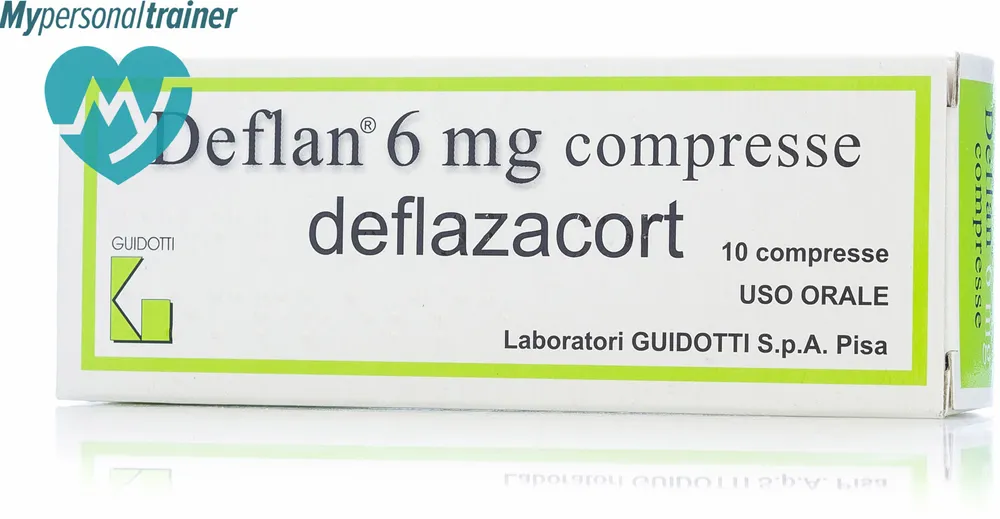
Instructions for Use
Package leaflet: Information for the user
DEFLAN 6 mg tablets, 30 mg tablets, 22.75 mg/ml oral drops, suspension
Deflazacort
Please read all of this leaflet carefully before you start taking this medicine because it contains important information for you.
- Keep this leaflet. You may need to read it again.
- If you have any questions, ask your doctor or pharmacist.
- This medicine has been prescribed for you only. Do not give it to other people, even if their symptoms are the same as yours, as it may be harmful.
- If you experience any side effects, including those not listed in this leaflet, tell your doctor or pharmacist. See section 4.
Contents of this leaflet
- What DEFLAN is and what it is used for
- What you need to know before taking DEFLAN
- How to take DEFLAN
- Possible side effects
- How to store DEFLAN
- Contents of the pack and other information
1. What DEFLAN is and what it is used for
DEFLAN contains the active substance deflazacort, a synthetic glucocorticoid with anti-inflammatory and immunosuppressive (suppressing the immune system response) activity.
This medicinal product is used in the treatment of:
- Primary and secondary adrenal insufficiency (alone or in combination with mineralocorticoids, which, like glucocorticoids, are corticosteroids but regulate water and electrolyte balance).
- Rheumatic diseases (conditions causing disorders of the musculoskeletal system and supporting tissues) such as psoriatic arthropathy (chronic joint inflammation, often associated with psoriasis), rheumatoid arthritis, ankylosing spondylitis (a severe disabling rheumatic disease), acute gouty arthropathy (a condition arising from deposition of microcrystals near joint structures, tendons, and surrounding areas), post-traumatic osteoarthritis (a degenerative joint disease occurring after trauma), acute and subacute bursitis (inflammation of small sacs containing synovial fluid that act as cushions between bones and tendons and/or surrounding muscles near joints), nonspecific acute tenosynovitis (inflammation of the anatomical structure surrounding the tendon), epicondylitis (inflammation of tendons affecting the elbow).
- Collagen diseases (collagen being a structural protein present in connective and bone tissue), such as systemic lupus erythematosus (SLE, a chronic autoimmune disease), acute rheumatic carditis (inflammation of the heart), systemic dermatomyositis (polymyositis) (a muscle disease, possibly involving the skin, of not fully understood cause, characterized by inflammatory processes affecting skeletal muscle).
- Dermatological conditions (skin diseases) such as pemphigus (a rare autoimmune disease affecting the skin and/or mucous membranes), bullous herpetiform dermatitis (skin inflammation characterized by formation of blisters within or beneath the epidermis), severe erythema multiforme (Stevens-Johnson syndrome), exfoliative dermatitis (severe inflammation affecting the entire skin surface), mycosis fungoides (a skin tumor), severe psoriasis (a chronic inflammatory skin disease), severe seborrheic dermatitis (skin inflammation with excessive sebum production).
- Allergic conditions such as seasonal or perennial allergic rhinitis (acute and recurrent inflammatory disease of the nasal mucosa), bronchial asthma, contact dermatitis, atopic dermatitis, serum sickness (an immune system reaction to certain medications), drug hypersensitivity.
- Respiratory diseases such as symptomatic sarcoidosis (an inflammatory disease that may affect any organ, particularly the lungs, lymph nodes, eyes, and skin), berylliosis (a disease triggered by exposure to beryllium), fulminant or disseminated pulmonary tuberculosis (in conjunction with appropriate chemotherapy), aspiration pneumonia (lung inflammation developing due to the entry of foreign material into the bronchial tree).
- Ocular diseases (severe acute and chronic inflammatory and allergic processes) such as marginal corneal allergic ulcers (lesions of the transparent surface of the eye), ocular Herpes zoster (also known as "shingles", an eye virus), inflammation of the anterior segment of the eyeball, choroiditis (inflammation of the choroid, a thin membrane of the eye located between the sclera and retina) and diffuse posterior uveitis (inflammation of the uvea), sympathetic ophthalmia (a continuous and severe inflammation leading to vision loss in the affected eye), allergic conjunctivitis (inflammation of the conjunctiva), keratitis (inflammation of the cornea), chorioretinitis (inflammation of the choroid and retina), optic neuritis (inflammation of the optic nerves), iritis (inflammation of the iris), and iridocyclitis (inflammatory process affecting the ciliary body).
- Hematological disorders (blood-related) and malignant hematological diseases such as secondary adult thrombocytopenia (reduced number of platelets in the blood), autoimmune hemolytic anemia (decreased hemoglobin levels due to destruction of red blood cells), erythroblastopenia (reduced number of red blood cells), congenital hypoplastic anemia (anemia characterized by insufficient production of blood cells in the bone marrow), Hodgkin's disease (a malignant disorder affecting lymphoid tissues), non-Hodgkin lymphomas (malignant tumors of the lymphatic system), chronic lymphatic leukemia, acute childhood leukemia, etc.
- Edematous states (fluid accumulation) such as idiopathic nephrotic syndrome (a set of symptoms and clinical signs caused by kidney abnormalities) secondary to SLE.
- Gastrointestinal diseases (of the stomach and intestine) such as ulcerative colitis and regional enteritis or Crohn's disease (chronic inflammatory diseases of part of the intestine).
2. What you need to know before taking DEFLAN
Do not take DEFLAN
- If you are allergic to deflazacort or to any of the other ingredients of this medicine (listed in section 6).
- If you have active tuberculosis (a lung infection caused by mycobacteria).
- If you have peptic ulcer (erosion of the inner lining of the stomach and intestine).
- If you have ocular herpes simplex (a common eye infection).
- If you have systemic fungal infections (fungal infections affecting the whole body).
- If you suffer from psychosis.
- If you are receiving a live attenuated vaccine (i.e., vaccines containing live microorganisms).
Warnings and precautions
Talk to your doctor or pharmacist before taking DEFLAN.
Inform your doctor before taking DEFLAN:
- If you have ever developed a severe skin rash, skin peeling, blisters, and/or mouth ulcers after taking DEFLAN or other medicines containing deflazacort. Pay special attention when taking DEFLAN:
- Severe skin reactions, including toxic epidermal necrolysis, have been reported during treatment with DEFLAN. Stop using DEFLAN and consult a doctor immediately if you notice any of the symptoms described in section 4. If you have active tuberculosis, take DEFLAN only in cases of fulminant or disseminated disease, and only in combination with appropriate antituberculosis therapy.
If you are being treated with corticosteroids such as glucocorticoids (DEFLAN):
- Be cautious if you are under particular stress; in such circumstances, it is essential to adjust the dose according to the severity of the stress condition.
- Be aware that secondary adrenal insufficiency (reduced function of the adrenal glands) induced by corticosteroids can be managed by gradually reducing the dose. This relative insufficiency may persist for months after stopping treatment. Therefore, in any stressful situation occurring during this period, appropriate hormone replacement therapy should be initiated. In addition, in such cases, the secretion of mineralocorticoids (corticosteroids involved in regulating water and electrolyte balance) may be impaired, and it may be advisable to administer salt and/or mineralocorticoids concomitantly.
- Know that you should not be vaccinated against smallpox, and you should avoid other immunization procedures, especially when taking high doses of corticosteroids, due to an increased risk of neurological complications and reduced antibody response.
- You should be warned to take particular care to avoid contact with people who have measles and to consult a doctor immediately if such contact occurs.
- Consult your doctor immediately if you come into contact with people who have chickenpox or herpes zoster and you have never had chickenpox.
- Be aware that corticosteroids may mask certain signs of infection and that intercurrent infections may occur during their use. In such cases, appropriate antibiotic therapy should always be considered.
- Be aware that during corticosteroid therapy, various psychological disturbances may occur, such as euphoria, insomnia, mood or personality changes, severe depression, or symptoms of actual psychosis. Pre-existing emotional instability or psychotic tendencies may be worsened by corticosteroids.
Take DEFLAN with caution:
-
If you have non-specific ulcerative colitis with risk of perforation.
-
If you have abscesses (pus accumulation in tissue) or pyogenic infections (causing purulent inflammation) in general.
-
If you suffer from diverticulitis (a digestive tract disease characterized by inflammation of one or more diverticula).
-
In case of recent intestinal anastomoses (surgical connections between two blood vessels or segments of intestine).
-
In case of renal insufficiency (reduced kidney function).
-
If you have hypertension (high blood pressure).
-
If you have diabetes (increased blood sugar levels).
-
In case of osteoporosis (a bone disease).
-
If you suffer from myasthenia gravis (a disease affecting muscles, causing progressive loss of tone and strength).
-
In case of hypothyroidism (reduced thyroid function) or hepatic cirrhosis (chronic degenerative liver disease); in these cases, the response to corticosteroids may be increased.
-
In case of latent tuberculosis or a positive tuberculin skin test (a test used to detect latent or active tuberculosis infection); in these cases, close monitoring is necessary, as the disease may be reactivated. In case of prolonged corticosteroid therapy, specific chemoprophylaxis (disease prevention) may be required.
-
If you are being treated concomitantly with diuretics (medicines that increase urine production, such as thiazides, furosemide, etc.) and beta-2-agonists (medicines used in lung diseases, such as reproterol, etc.) that induce potassium loss; in these cases, serum potassium levels and blood pH should be monitored.
During prolonged treatment and with high doses, if an electrolyte imbalance occurs, sodium and potassium intake should be adjusted accordingly. Corticosteroids may increase calcium excretion, so monitoring of serum calcium levels may be necessary.
Contact your doctor if you experience blurred vision or other visual disturbances.
For individuals engaged in sports, using this medicine without therapeutic need constitutes doping and may lead to a positive anti-doping test.
Children and adolescents
DEFLAN can also be used in children due to its anti-inflammatory and immunosuppressive properties for conditions responsive to corticosteroid therapy.
However, in early infancy, the product should be administered only when strictly necessary and under direct medical supervision.
Children undergoing prolonged corticosteroid therapy must be closely monitored for growth and development.
Consult your doctor immediately if your child comes into contact with someone who has chickenpox or herpes zoster and has not previously had chickenpox.
Other medicines and DEFLAN
Inform your doctor or pharmacist if you are taking, have recently taken, or might take any other medicines, including those obtained without a prescription.
No interactions or incompatibilities with other medicines are known; however, particular precautions are necessary in the cases listed below.
It is recommended to increase the maintenance dose of DEFLAN during concomitant treatment with:
- Anticonvulsants (phenobarbital, diphenylhydantoin).
- Rifampicin and rifabutin (antibiotics of the rifamycin group).
- Anticoagulants (warfarin).
- Bronchodilators (ephedrine).
- Carbamazepine, primidone, and phenytoin (anticonvulsant medicines used in epilepsy treatment).
- Aminoglutethimide.
A reduction in the dose of DEFLAN is recommended when used concomitantly with:
- Erythromycin and troleandomycin (macrolide antibiotics).
- Estrogens (female sex hormones used as contraceptives) or estrogen-containing preparations; concomitant use of glucocorticoids and oral contraceptives should be carefully monitored, as blood levels of glucocorticoids may increase due to changes in metabolism or protein binding in the blood.
Use DEFLAN cautiously in combination with:
- Acetylsalicylic acid (an anti-inflammatory medicine) if you have hypoprothrombinemia (a blood coagulation disorder).
- Antacids (medicines used to reduce stomach acidity); if taken simultaneously to reduce corticosteroid-induced dyspepsia (abdominal pain), they may reduce intestinal absorption of glucocorticoids, worsening disease symptom control.
- Quetiapine (an antipsychotic); deflazacort may reduce blood levels of quetiapine.
- Anti-infective agents (medicines used for bacterial infections); since glucocorticoids like DEFLAN may suppress the body’s normal response to bacterial infections, it is important to ensure that any anti-infective therapy is effective, and therefore close medical monitoring is required.
- Medicines that inhibit liver enzymes (e.g., ketoconazole); it is recommended to reduce the maintenance dose of deflazacort.
- Some medicines may increase the effects of DEFLAN, and your doctor may want to monitor you closely if you are taking these medicines (including some HIV treatments such as ritonavir, cobicistat).
- Hypoglycemic agents (medicines that lower blood sugar levels, including insulin).
- Antihypertensives and diuretics (medicines used to lower blood pressure); the activity of these medicines may be counteracted by corticosteroids, and the hypokalemic effect (reduced blood potassium levels) of diuretics such as acetazolamide, loop diuretics, thiazide diuretics, beta-2-agonists, xanthines (medicines mainly used for lung diseases), and carbenoxolone (an anti-ulcer medicine) may be increased.
- Coumarin anticoagulants (medicines that reduce blood clotting); the effectiveness of coumarin anticoagulants may be enhanced during concomitant corticosteroid therapy. Close monitoring of prothrombin time or INR (indices used to assess blood coagulation) is necessary to prevent spontaneous bleeding.
- Non-depolarizing muscle relaxants; in patients treated with systemic corticosteroids, the use of non-depolarizing muscle relaxants may cause prolonged muscle relaxation and acute myopathy (muscle disease).
Pregnancy and breastfeeding
If you are pregnant, think you may be pregnant, planning a pregnancy, or breastfeeding, consult your doctor or pharmacist before taking this medicine.
Pregnancy
In pregnant women, this product should be administered only when strictly necessary and under direct medical supervision.
Deflazacort crosses the placenta. Administration of corticosteroids to pregnant animals may cause fetal developmental abnormalities such as cleft palate, intrauterine growth retardation, and effects on brain growth and development.
There is no evidence that corticosteroid use increases the incidence of congenital anomalies such as cleft lip/palate in humans. However, prolonged or repeated use during pregnancy may increase the risk of intrauterine growth retardation.
After prenatal exposure to corticosteroids, neonatal adrenal insufficiency may occur, but it usually resolves spontaneously after birth and is rarely clinically significant.
Breastfeeding
During breastfeeding, this product should be administered only when strictly necessary and under direct medical supervision.
Corticosteroids are excreted in breast milk, although there are no available data on whether deflazacort is excreted in human milk. Daily doses of up to 50 mg of deflazacort do not cause systemic effects in the newborn. In newborns of mothers treated with doses higher than recommended, adrenal suppression may occur, but the benefits of breastfeeding may outweigh any theoretical risk.
Driving and using machines
DEFLAN does not affect the ability to drive or use machinery.
DEFLAN 6 mg and 30 mg tablets contain lactose. If your doctor has diagnosed you with an intolerance to certain sugars, contact them before taking these medicines.
DEFLAN 22.75 mg/ml oral drops, suspension contains 276.92 mg of sorbitol per dose
(considering the maximum initial daily dose of 90 mg), equivalent to 70 mg/ml.
Sorbitol is a source of fructose. If your doctor has told you that you (or your child) are intolerant to certain sugars, or if you have been diagnosed with hereditary fructose intolerance, a rare genetic disorder in which patients cannot metabolize fructose, speak with your doctor before you (or your child) take this medicine.
DEFLAN 22.75 mg/ml oral drops, suspension contains 0.04 mg of benzyl alcohol per dose
(considering the maximum initial daily dose of 90 mg), equivalent to 0.010 mg/ml.
Benzyl alcohol may cause allergic reactions.
Benzyl alcohol has been associated with the risk of serious adverse effects, including respiratory problems (gasping syndrome), in young children.
Do not administer to neonates up to 4 weeks of age unless otherwise recommended by the doctor.
Do not use for more than one week in young children (under 3 years of age) unless otherwise recommended by the doctor or pharmacist.
Consult your doctor or pharmacist if you are pregnant or breastfeeding. This is because large amounts of benzyl alcohol may accumulate in the body and cause adverse effects (such as metabolic acidosis).
Consult your doctor or pharmacist if you have liver or kidney disease. This is because large amounts of benzyl alcohol may accumulate in the body and cause adverse effects (such as metabolic acidosis).
DEFLAN 22.75 mg/ml oral drops, suspension contains less than 1 mmol (23 mg) of sodium per dose (considering the maximum initial daily dose of 90 mg), i.e., essentially ‘sodium-free’.
3. How to take DEFLAN
Take this medicine exactly as instructed by your doctor or pharmacist.
If you have any doubts, consult your doctor or pharmacist.
DEFLAN is a medicine intended for oral administration.
The initial daily dosage of deflazacort in adults may range from 6 mg (1 tablet of 6 mg or 6 drops) to 90 mg (3 tablets of 30 mg or 90 drops per day), depending on the severity and progression of the specific disease being treated.
The initial dosage should be maintained or adjusted until a satisfactory clinical response is achieved. It is important to emphasize that corticosteroid requirements vary among individuals; therefore, the dosage must be personalized according to the disease and the patient's therapeutic response.
The maintenance dosage should always be the lowest dose capable of controlling symptoms: dosage reduction should always be performed gradually.
It is advisable to take the daily dose of DEFLAN as a single administration in the morning, together with a small amount of food.
DEFLAN 22.75 mg/ml oral drops, solution
The dropper of the suspension delivers on average 1 mg of deflazacort per drop.
Shake the bottle before use and, immediately before administration, dilute the suspension in sugared water or in non-carbonated beverages (non-fizzy drinks).
If you take more DEFLAN than you should
If you accidentally take an excessive dose of the medicine, contact your doctor immediately or go to the nearest hospital.
In case of overdose, it is recommended to monitor the patient's vital functions clinically, along with standard measures to eliminate any unabsorbed medicine, such as gastric lavage (stomach emptying and cleansing) and administration of activated charcoal.
If you forget to take DEFLAN
Do not take a double dose to make up for the missed dose.
If you have any doubts about how to use this medicine, consult your doctor or pharmacist.
4. Possible side effects
Like all medicines, this medicine can cause side effects, although not everybody will experience them.
Stop taking the medicine and consult a doctor urgently:
Discontinue use of DEFLAN and consult a doctor immediately if you notice any of the following symptoms:
- Reddish patches on the trunk; the patches are target-like or circular macules, often with central blisters, skin peeling, mouth ulcers, ulcers of the throat, nose, genitals, and eyes. These severe skin rashes may be preceded by fever and flu-like symptoms (toxic epidermal necrolysis) (frequency not known), occurring within 8 weeks from the start of treatment.
During corticosteroid therapy, especially with intensive and prolonged treatments, the following adverse effects may occur:
- Weight gain, increased appetite, reduced tolerance to sugars possibly leading to manifestation of latent diabetes mellitus (increased blood sugar levels), increased need for hypoglycemic agents in diabetic patients, as determined by the physician; electrolyte imbalance, which rarely and particularly in predisposed patients may lead to hypertension and congestive heart failure (inability of the heart to supply adequate blood flow to meet the body's needs).
- Increased susceptibility to infections and increased severity of infections, with suppression of symptoms and clinical signs, reactivation of latent tuberculosis, candidiasis (fungal infection).
- Osteoporosis (bone disease), bone fragility, myopathies (muscle diseases), vertebral and long bone fractures, avascular necrosis (bone tissue death due to interruption of blood supply), tendinitis, tendon rupture when administered concomitantly with quinolones (antibacterials).
- Dizziness, headache, and increased intracranial pressure (around the brain), worsening of epilepsy (a neurological condition characterized by recurrent and sudden episodes of sudden loss of consciousness and violent muscle convulsions), psychiatric disorders of various kinds such as irritability, anxiety, suicidal thoughts, mania, delusions, hallucinations, worsening of schizophrenia, euphoria, insomnia, mood or personality changes, severe depression, cognitive disturbances including confusion and amnesia (memory loss).
- Delayed wound healing, thinning and fragility of the skin, hirsutism (abnormal hair growth), acne, cutaneous striae, ecchymosis (bruising due to trauma), telangiectasia (dilation of small blood vessels on the skin surface), edema (fluid accumulation).
- Posterior subcapsular cataract (progressive loss of transparency of the lens) and increased intraocular pressure (inside the eye), chorioretinopathy (retinal disease), thinning of the cornea or sclera, worsening of viral or fungal eye diseases.
- Blurred vision (frequency not known).
- Peptic ulcer (erosion of the inner lining of the stomach and intestine); dyspepsia (abdominal pain), hemorrhage (bleeding), nausea.
- Menstrual irregularities.
- Heart failure.
- Negative nitrogen balance, electrolyte imbalances including hypokalemia (decreased potassium levels in the blood) and hypernatremia (increased sodium levels in the blood).
- Interference with hypothalamic-pituitary-adrenal axis function, particularly during periods of stress; endocrine dysfunction (altered hormone production), changes in facial appearance ("moon face"), growth disturbances in children and adolescents.
- Leukocytosis (increased number of white blood cells in the blood).
- Hypersensitivity (allergy).
- Thromboembolism (blood clot formation), particularly in patients with underlying conditions associated with increased tendency to thrombosis; rare incidence of benign intracranial hypertension, hypertension.
- Hiccups (frequency not known).
Following the instructions provided in this leaflet reduces the risk of side effects.
Additional side effects in children and adolescents
Like other corticosteroid-containing medicines, DEFLAN may cause growth disturbances in children and adolescents.
Reporting of side effects
If you experience any side effect, including those not listed in this leaflet, talk to your doctor or pharmacist. You may also report side effects directly via the national reporting system at the following website:
https://www.aifa.gov.it/content/segnalazioni-reazioni-avverse.
By reporting side effects, you can help provide more information on the safety of this medicine.
5. How to store DEFLAN
Keep this medicine out of the sight and reach of children.
Do not use this medicine after the expiry date stated on the packaging. The expiry date refers to the last day of that month and to the product in its original, unopened packaging, stored correctly.
This medicine does not require any special storage conditions.
Do not dispose of medicines via wastewater or household waste. Ask your pharmacist how to dispose of medicines you no longer use. This will help protect the environment.
6. Package contents and other information
What DEFLAN contains
DEFLAN 6 mg tablets
One tablet contains:
Active substance: deflazacort 6 mg.
Other components: lactose, magnesium stearate, maize starch, microcrystalline cellulose.
DEFLAN 30 mg tablets
One tablet contains:
Active substance: deflazacort 30 mg.
Other components: lactose, magnesium stearate, maize starch, microcrystalline cellulose.
DEFLAN 22.75 mg/ml oral drops, suspension
1 ml of suspension contains:
Active substance: deflazacort 22.75 mg.
Other components: aluminium and magnesium silicate, sodium carmellose, benzyl alcohol, sorbitol
70% solution, polysorbate 80, acetic acid, purified water.
Description of the appearance of DEFLAN and package contents
DEFLAN 6 mg tablets
White, uncoated, round tablets, with a cross on one side and the number 6 on the other.
Box containing 10 tablets of 6 mg in blister packs.
DEFLAN 30 mg tablets
White, uncoated, round tablets, with a cross on one side and the number 30 on the other.
Box containing 10 tablets of 30 mg in blister packs.
DEFLAN 22.75 mg/ml oral drops, suspension
White or almost white suspension, slightly viscous and homogeneous after shaking.
- 8 ml bottle of suspension with dropper.
- 13 ml bottle of suspension with dropper.
Marketing Authorization Holder
LABORATORI GUIDOTTI S.p.A. – Via Livornese 897 – PISA – La Vettola.
Concessionaire for sale:
F.I.R.M.A. S.p.A., Via di Scandicci, 37 – Florence
Manufacturer
Laboratorios Menarini S.A. – C/. Alfonso XII, 587 – Badalona – Barcelona (Spain).
Similar Medications
-
Decor
Form: tablets
Active substance Dosage DEFLAZACORT — Manufacturer: LABORATORIO CHIMICO DECA DR.CAPUANI S.R.L.
-
Deflazacort EG
Form: tablets
Active substance Dosage DEFLAZACORT — Manufacturer: EG S.P.A.
-
Deflazacort FG
Form: tablets
Active substance Dosage DEFLAZACORT — Manufacturer: FG S.R.L.
-
Deflazacort Pharmeg
Form: tablets
Active substance Dosage DEFLAZACORT — Manufacturer: PHARMEG S.R.L.
-
Flantadin
Form: tablets
Active substance Dosage DEFLAZACORT — Manufacturer: TEOFARMA S.R.L.
-
Surrenol
Form: tablets
Active substance Dosage DEFLAZACORT — Manufacturer: EPIFARMA S.R.L
This page has been machine-translated and may contain inaccuracies. The original data is available in the manufacturing country's language.
Last data check: May 11, 2026 · Data source: Agenzia Italiana del Farmaco (AIFA)