Maraviroc Tarbis 300 mg film-coated tablets EFG
Spain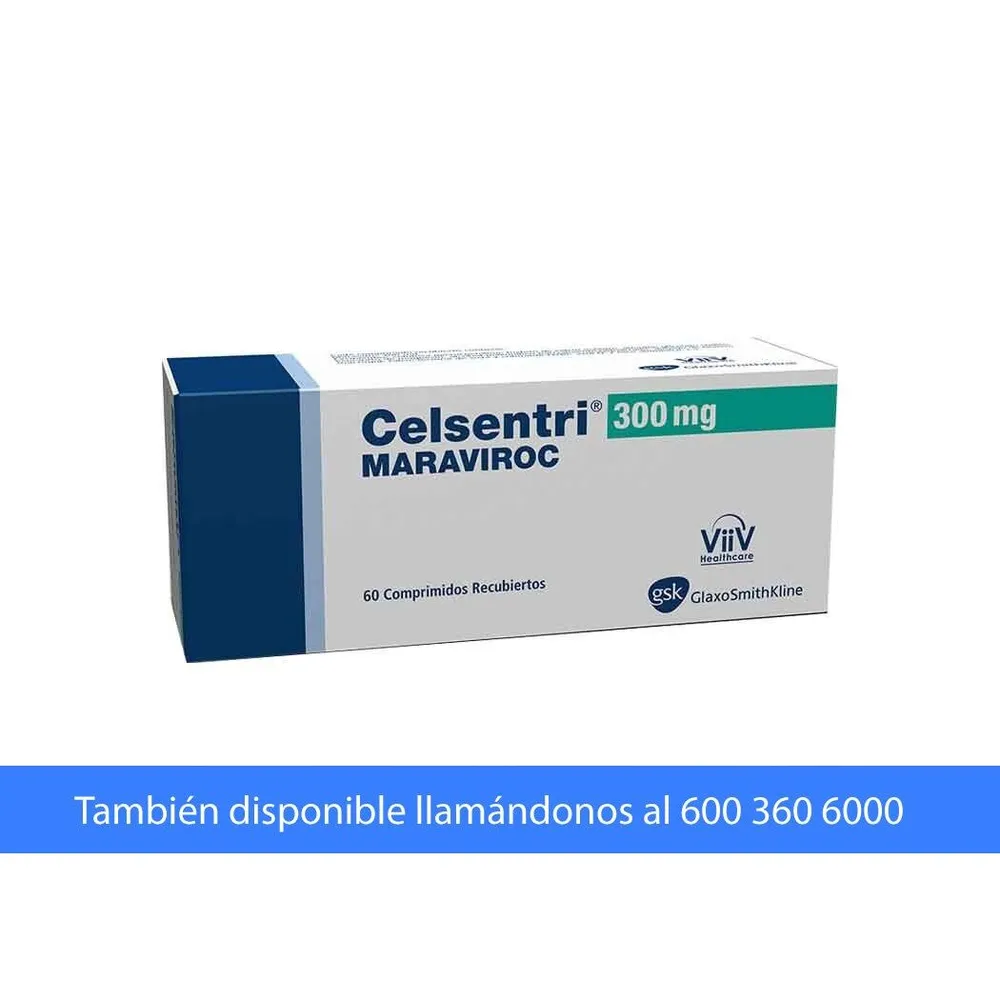
Instructions for Use
Package leaflet: Information for the user
Introduction
Package leaflet: information for the user
Maraviroc Tarbis 150 mg film-coated tablets EFG
Maraviroc Tarbis 300 mg film-coated tablets EFG
Read the entire leaflet carefully before you start taking this medicine, because it contains important information for you.
- Keep this leaflet as you may need to read it again.
- If you have any questions, ask your doctor or pharmacist.
- This medicine has been prescribed for you only, and you should not give it to other people, even if they have the same symptoms as you, because it may harm them.
- If you experience any adverse effects, consult your doctor or pharmacist, even if they are adverse effects not listed in this leaflet. See section 4.
Contents of the leaflet
- What Maraviroc Tarbis is and what it is used for
- What you need to know before taking Maraviroc Tarbis
- How to take Maraviroc Tarbis
- Possible side effects
- How to store Maraviroc Tarbis
- Contents of the pack and other information
1. What Maraviroc Tarbis is and what it is used for
Maraviroc contains an active substance called maraviroc. Maraviroc belongs to a group of medicines known as CCR5 antagonists. Maraviroc works by blocking a receptor called CCR5, which HIV uses to enter and infect blood cells.
Maraviroc is used to treat Human Immunodeficiency Virus type 1 (HIV-1) infection in adults, adolescents, and children aged 2 years and older who weigh at least 10 kg.
Maraviroc must be taken in combination with other medicines used to treat HIV infection. These medicines are collectively known as anti-HIV or antiretroviral drugs.
As part of combination therapy, Maraviroc reduces the amount of virus in your body and keeps it at a low level. This helps your body increase the CD4 cell count in the blood. CD4 cells are a type of white blood cell important for helping your body fight infections.
2. What you need to know before starting to take Maraviroc Tarbis
Do not take Maraviroc Tarbis
- if you (or your child, if the patient) are allergic to maraviroc, peanut, soy, or any of the other ingredients in maraviroc (listed in section 6).
?Consult your doctor if you think this applies to you or your child.
Warnings and precautions
Talk to your doctor or pharmacist before taking or administering maraviroc.
Your doctor should take blood samples to determine whether maraviroc is an appropriate treatment for you (or your child, if the patient).
Some people taking maraviroc have developed severe allergic reactions or skin reactions (see also "Serious adverse effects" in section 4).
Before taking this medicine, make sure your doctor knows if you (or your child) have or have previously had any of the following conditions:
- liver problems, including chronic hepatitis B or C. Only a limited number of people with liver problems have taken maraviroc. Your liver function may need to be closely monitored. (See also "Liver problems" in section 4).
- low blood pressure, including dizziness when standing up or sitting down quickly, or if you are taking medicines to lower blood pressure. This is due to a sudden drop in blood pressure. If this occurs, lie down (or have your child lie down) until you feel better. When getting up, do so as slowly as possible.
- tuberculosis (TB) or a serious fungal infection. Maraviroc may potentially increase your risk of developing infections.
- kidney problems. This is particularly important if you are also taking other medicines (see "Other medicines and Maraviroc Tarbis" later in section 2).
- heart or circulatory system problems. Only a limited number of people with serious heart or circulatory problems have taken maraviroc.
?Tell your doctor before starting treatment if you think any of the above situations apply to you (or your child).
Conditions to be aware of
Some people taking medicines for HIV infection develop other disorders, which may be serious. These include:
- Symptoms of infections and inflammation
- Joint pain, stiffness, and bone problems
You need to know which important signs and symptoms to watch for while taking maraviroc.
? Read the information about "Other possible adverse effects of combined antiretroviral therapy for HIV" in section 4 of this leaflet.
Elderly patients
Only a limited number of people aged 65 years or older have taken maraviroc. If you belong to this age group, consult your doctor to determine whether you can take maraviroc.
Children
The use of maraviroc has not been studied in children under 2 years of age or weighing less than 10 kg. Therefore, maraviroc is not recommended for children under 2 years of age or weighing less than 10 kg.
Other medicines and Maraviroc Tarbis
Tell your doctor or pharmacist if you (or your child) are taking, have recently taken, or might need to take any other medicine.
Inform your doctor or pharmacist if you (or your child) start taking a new medicine while taking maraviroc.
Medicines containing St. John’s wort (Hypericum perforatum) are likely to prevent maraviroc from working properly. You must not take them while taking maraviroc.
Some medicines may affect the levels of maraviroc in the body when taken at the same time as maraviroc. These include:
- other medicines for the treatment of HIV infection or hepatitis C virus (e.g.: atazanavir, cobicistat, darunavir, efavirenz, etravirine, fosamprenavir, indinavir, lopinavir, nelfinavir, ritonavir, saquinavir, boceprevir, telaprevir)
- antibiotics (clarithromycin, telithromycin, rifampicin, rifabutin)
- antifungal medicines (ketoconazole, itraconazole, fluconazole)
- anticonvulsant medicines (carbamazepine, phenytoin, phenobarbital).
? Tell your doctor if you (or your child) are taking any of these medicines. This will allow your doctor to prescribe the correct dose of maraviroc.
Pregnancy and breastfeeding
If you are pregnant, think you may be pregnant, or plan to become pregnant:
? Consult your doctor about the risks and benefits of taking maraviroc.
Breastfeeding is not recommended for women living with HIV because HIV infection can be transmitted to the baby through breast milk.
It is unknown whether the components of maraviroc may also pass into breast milk. If you are breastfeeding or planning to breastfeed, you must consult your doctor as soon as possible.
Driving and using machines
Maraviroc may cause dizziness.
? Do not drive, ride a bicycle, or operate machinery or tools if you are unsure whether it affects you.
Maraviroc Tarbis contains soya lecithin.
Do not take this medicine if you are allergic to peanuts or soya.
Maraviroc Tarbis contains sodium.
Maraviroc contains less than 1 mmol of sodium (23 mg) per tablet; essentially, it is "sodium-free".
3. How to take Maraviroc Tarbis
Follow exactly the instructions given by your doctor for taking this medicine. If in doubt, consult your doctor or pharmacist.
If you (or your child) are unable to swallow tablets, your doctor will consider whether it is better for you to take maraviroc oral solution.
What dose to take
Adults
The recommended dose of maraviroc is 150 mg, 300 mg, or 600 mg twice daily, depending on whether you are taking other medicines at the same time. Always take the dose prescribed by your doctor.
People with kidney problems
If you have kidney problems, your doctor may adjust your dose.
?Consult your doctor if this applies to you.
Adolescents and children aged 2 years and older weighing at least 10 kg
Your doctor will determine the correct dose of maraviroc based on weight and other medicines being taken at the same time.
Maraviroc Tarbis can be taken with or without food. Maraviroc must always be taken by mouth.
Maraviroc must be taken in combination with other medicines used to treat HIV. Refer to the package leaflet of these other medicines for instructions on how to take them.
If you take or administer more Maraviroc Tarbis than you should
If you accidentally take or administer too much maraviroc,
?Contact your doctor or go to the nearest hospital immediately.
In case of overdose or accidental ingestion, consult your doctor or call the Toxicology Information Service at telephone number 91 562 04 20, indicating the medicine and the amount ingested.
If you forget to take or administer Maraviroc Tarbis
If you (or your child) forget to take or administer a dose of maraviroc, take or administer it as soon as possible and then continue with the next dose at the usual time.
If it is almost time for the next dose, do not take or administer the missed dose. Wait and take the next dose at the scheduled time.
Do not take or administer a double dose to make up for a missed dose.
If you (or your child) stop taking Maraviroc Tarbis
Continue treatment with maraviroc until your doctor tells you otherwise.
It is important to take your medicines every day at the prescribed times to ensure that HIV infection does not spread in your body. Therefore, unless your doctor instructs you to stop treatment, it is important that you (or your child) continue treatment with maraviroc as described above.
If you have any further questions about the use of this medicine, ask your doctor or pharmacist.
4. Possible adverse effects
Like all medicines, maraviroc can cause adverse effects, although not everyone experiences them. Inform your doctor about any unusual changes in your health or that of your child.
Serious adverse effects – seek immediate medical help
Severe allergic or skin reactions
Some people taking maraviroc have developed severe, potentially life-threatening skin and allergic reactions. These are rare and may affect up to 1 in 1,000 people taking maraviroc.
If you experience any of the following symptoms while being treated with maraviroc:
- swelling of the face, lips, or tongue
- difficulty breathing
- widespread skin rash
- fever (high temperature)
- blistering and peeling of the skin, especially around the mouth, nose, eyes, and genitals
? Contact your doctor immediately if you have these symptoms. Stop taking maraviroc.
Liver problems
These are rare and may affect up to 1 in 1,000 people taking maraviroc. Signs include:
- loss of appetite
- nausea/vomiting
- yellowing of the skin or eyes (jaundice)
- skin rash or itching
- feeling very tired
- stomach pain or tenderness
- dark urine
- drowsiness and confusion
- fever (high temperature)
? Contact a doctor immediately if you have these symptoms. Stop taking maraviroc.
Other adverse effects
Common adverse effects
These may affect 1 to 10 out of every 100 people:
- diarrhea, general discomfort, stomach pain, gas (flatulence)
- loss of appetite
- headache, difficulty sleeping, depression
- skin rash (see also “Severe allergic or skin reactions” described earlier in section 4)
- feeling weak or lacking energy, anemia (seen in blood tests)
- increased liver enzymes (seen in blood tests), which may be a sign of liver problems (see also “Liver problems” described earlier in section 4)
Uncommon adverse effects
These may affect up to 1 in 100 people:
- lung infection
- fungal throat infection (esophagus)
- seizures
- dizziness, weakness, or lightheadedness upon standing
- kidney failure, presence of protein in urine
- increase in a substance known as CPK (seen in blood tests), indicating muscle inflammation or damage
Rare adverse effects
These may affect up to 1 in 1,000 people:
- chest pain (caused by reduced blood flow to the heart)
- decrease in muscle size
- certain types of cancer such as esophageal cancer and bile duct cancer
- reduction in blood cell counts (seen in blood tests)
Other possible adverse effects of combination antiretroviral therapy for HIV
People taking combination antiretroviral therapy for HIV may develop other adverse effects.
Symptoms of infection and inflammation
People with advanced HIV infection (AIDS) have a weakened immune system and are more likely to develop serious infections (opportunistic infections). After starting treatment, the immune system becomes stronger and begins to fight these infections.
Symptoms of infection and inflammation may develop, caused either by:
- previously hidden, old infections flaring up as the body starts fighting them again
- the immune system attacking healthy body tissues (autoimmune disorders)
Symptoms of autoimmune disorders may appear many months after starting HIV treatment. Symptoms may include:
- muscle weakness
- weakness starting in the hands and feet and moving upward toward the trunk
- palpitations or tremors
- hyperactivity (excessive restlessness and movement)
If you have any symptoms of infection or notice any of the symptoms listed above:
? Inform your doctor immediately. Do not take other medicines for infection without consulting your doctor.
Joint pain, stiffness, and bone problems
Some patients receiving combination antiretroviral therapy for HIV develop a condition called osteonecrosis. In this condition, parts of the bone tissue die due to reduced blood supply to the bones.
The frequency of this condition is unknown. It is more likely to develop if:
- you have been on combination therapy for a long time
- you are also taking anti-inflammatory medicines called corticosteroids
- you drink alcohol
- you have a severely weakened immune system
- you are overweight
Signs to watch for include:
- joint stiffness
- pain (especially in the hip, knee, or shoulder)
- difficulty moving
If you notice any of these symptoms:
? Inform your doctor.
Reporting of adverse effects
If you experience any adverse effect, talk to your doctor, pharmacist, or nurse, even if it is a possible adverse effect not listed in this leaflet. You can also report them directly via the Spanish Pharmacovigilance System for Human Medicines: https://www.notificaram.es.
By reporting adverse effects, you can help provide more information on the safety of this medicine.
5. Storage of Maraviroc Tarbis
Keep this medicine out of the sight and reach of children.
Do not use this medicine after the expiry date stated on the packaging and blister pack/bottle, after EXP. The expiry date refers to the last day of the month indicated.
This medicine does not require any special storage conditions.
Medicines must not be disposed of via wastewater or household waste. Dispose of packaging and unused medicines at a SIGRE Point at your pharmacy.
Ask your pharmacist how to dispose of packaging and medicines you no longer need. This will help protect the environment.
6. Contents of the pack and other information
Composition of Maraviroc Tarbis
The active substance is maraviroc.
Each film-coated tablet contains 150 mg of maraviroc.
Each film-coated tablet contains 300 mg of maraviroc.
Other components are:
Tablet core: Microcrystalline cellulose (E460), Sodium carboxymethyl starch (Type A), colloidal anhydrous silica, magnesium stearate (E470b), anhydrous calcium hydrogen phosphate (E341).
Coating: Poly(vinyl alcohol) (E1203), talc (E553b), titanium dioxide (E171), macrogol (MW3350) (E1521), soybean lecithin (E322), indigo carmine (E132).
Appearance of the product and contents of the pack
Maraviroc Tarbis 150 mg film-coated tablets EFG
Film-coated tablets, blue in colour, oval, biconvex, approximately 8.7 mm x 15.7 mm in size, engraved with “HM” on one side and “150” on the other.
Maraviroc Tarbis 300 mg film-coated tablets EFG
Film-coated tablets, blue in colour, oval, biconvex, approximately 19.4 mm x 10.7 mm in size, engraved with “HM” on one side and “300” on the other.
Maraviroc Tarbis is available in blisters containing 60 film-coated tablets and in perforated unit dose blisters containing 60 film-coated tablets.
HDPE bottles containing 60 film-coated tablets.
Only certain pack sizes may be marketed.
Marketing Authorization Holder
Tarbis Farma S.L.
Gran Vía Carlos III, 94
08028 Barcelona
Spain
Manufacturer
Amarox Pharma B.V.
Rouboslaan 32
Voorschoten, 2252TR
The Netherlands
This medicinal product is authorized in the European Economic Area member states under the following names:
Germany: Maraviroc Amarox 150 mg/300 mg Filmtabletten
The Netherlands: Maraviroc Amarox 150 mg/300 mg, filmomhulde tabletten
Spain: Maraviroc Tarbis 150 mg/300 mg comprimidos recubiertos con película EFG
Date of the most recent revision of this leaflet: 02/2024
Detailed information on this medicinal product is available on the website of the Spanish Agency of Medicines and Health Products (AEMPS) http://www.aemps.gob.es/
Similar Medications
-
Celsentri 150 mg film-coated tablets
Form: tablets, film-coated
Active substance Dosage MARAVIROC 150 mg Manufacturer: Viiv Healthcare B.V.
-
Celsentri 300 mg film-coated tablets
Form: tablets, film-coated
Active substance Dosage MARAVIROC 300 mg Manufacturer: Viiv Healthcare B.V.
-
Maraviroc Tarbis 150 mg film-coated tablets EFG
Form: tablets, film-coated
Active substance Dosage MARAVIROC 150 mg Manufacturer: Tarbis Farma S.L.
-
Maraviroc Waymade 150 mg film-coated tablets EFG
Form: tablets, film-coated
Active substance Dosage MARAVIROC 150 mg Manufacturer: Waymade B.V.
-
Maraviroc Waymade 300 mg film-coated tablets EFG
Form: tablets, film-coated
Active substance Dosage MARAVIROC 300 mg Manufacturer: Waymade B.V.
This page has been machine-translated and may contain inaccuracies. The original data is available in the manufacturing country's language.
Last data check: May 18, 2026 · Data source: CIMA — AEMPS