Zolgensma
Ukraine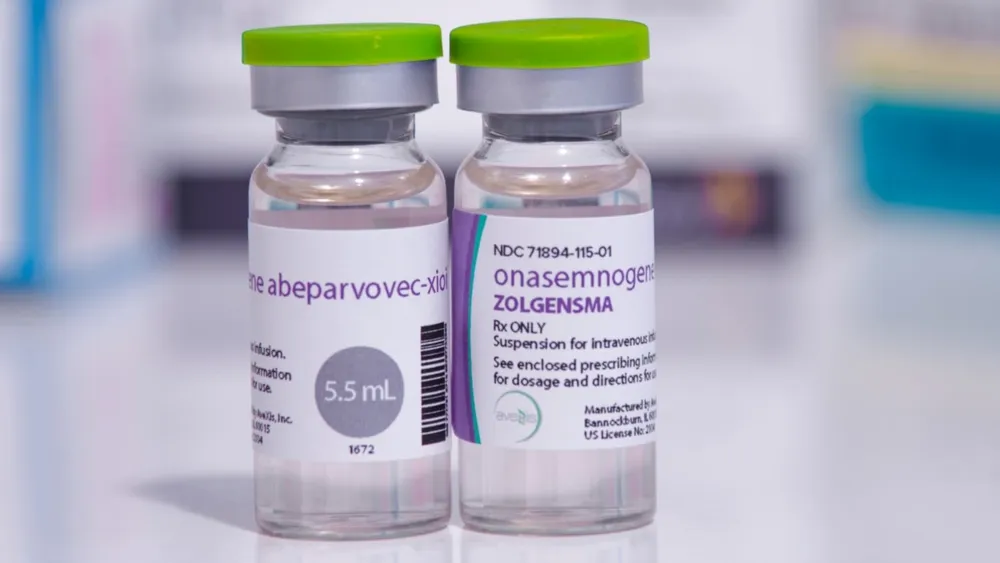
Instructions for Use
INSTRUCTION FOR MEDICAL USE OF THE MEDICINAL PRODUCT ZOLGENSMA (ZOLGENSMA)
Composition:
Active substance: onasemnogene abeparvovec;
1 ml of suspension contains 2 × 10^13 vg/ml (vector genomes/ml) of onasemnogene abeparvovec;
Excipients: tromethamine; magnesium chloride, hexahydrate; sodium chloride; poloxamer 188; hydrochloric acid, diluted; water for injections.
Pharmaceutical form. Suspension for intravenous infusion.
Main physicochemical properties: clear or slightly opalescent, colorless or slightly white solution, free from visible particles.
Pharmacotherapeutic group. Medicinal products affecting the musculoskeletal system. Other agents used in musculoskeletal disorders.
ATC code M09A X09.
Pharmacological Properties.
Pharmacodynamics.
Zolgensma is a gene therapy medicinal product based on an adeno-associated virus (AAV) vector, formulated as a suspension for intravenous infusion. It is a non-replicating recombinant AAV9 vector containing a transgene encoding the human survival motor neuron (SMN) protein under the control of a cytomegalovirus enhancer/chicken β-actin hybrid promoter.
Zolgensma medicinal product has a nominal concentration of 2.0 × 10¹³ vg/mL. One vial contains a deliverable volume of not less than 5.5 or 8.3 mL and the following excipients: 20 mM Tris (pH 8.0), 1 mM magnesium chloride (MgCl2), 200 mM sodium chloride (NaCl), and 0.005% poloxamer 188. Zolgensma medicinal product is supplied as a sterile suspension without preservatives.
Onasemnogene abeparvovec is a gene therapy medicinal product based on a recombinant AAV9 vector that delivers a copy of the gene encoding the human SMN protein. Spinal muscular atrophy (SMA) is caused by biallelic mutations in the SMN1 gene, leading to insufficient expression of the SMN protein. In two human studies, cellular transduction and expression of the SMN protein were observed following intravenous administration of Zolgensma (see section "Pharmacokinetics").
Clinically relevant data on the pharmacodynamics of onasemnogene abeparvovec are lacking.
Pharmacokinetics.
Vector shedding after infusion of onasemnogene abeparvovec was evaluated at various time points throughout Study 2. Saliva, urine, and feces samples were collected the day after infusion, weekly until Day 30, then monthly until Month 12, and every 3 months thereafter. Samples from 5 patients were used for analysis of onasemnogene abeparvovec vector DNA up to the Month 18 visit.
Vector DNA was shed in saliva, urine, and feces following onasemnogene abeparvovec infusion, with vector DNA concentrations in feces being substantially higher than in saliva or urine. Vector DNA concentration in saliva was low on Day 1 after infusion and decreased to undetectable levels within 3 weeks. In urine, vector DNA concentration was very low on Day 1 after infusion and declined to undetectable levels within 1–2 weeks. In feces, vector DNA concentration was substantially higher than in saliva or urine during the first 1–2 weeks after infusion and decreased to undetectable levels 1–2 months after infusion.
Biodistribution was assessed in two patients who died 5.7 and 1.7 months after receiving onasemnogene abeparvovec at a dose of 1.1 × 10¹⁴ vg/kg. In both cases, the highest levels of vector DNA were detected in the liver. Vector DNA was also detected in the spleen, heart, pancreas, inguinal lymph nodes, skeletal muscle, peripheral nerves, kidneys, lungs, intestine, gonads, spinal cord, brain, and thymus. Immunostaining for SMN protein demonstrated widespread SMN expression in spinal motor neurons, neuronal and glial cells of the brain, as well as in the heart, liver, skeletal muscle, and other tissues examined.
Non-clinical Toxicology
Carcinogenesis, Mutagenesis, Impairment of Fertility
Studies in animals to evaluate the potential of onasemnogene abeparvovec for carcinogenesis, mutagenesis, or impairment of fertility have not been conducted.
Toxicology and/or Pharmacology in Animals
In toxicology studies in neonatal mice, dose-dependent cardiac and hepatic toxicity were observed after intravenous administration of onasemnogene abeparvovec. Myocardial findings associated with onasemnogene abeparvovec at doses of 7.9 × 10¹³ vg/kg and above included mononuclear cell inflammation of minimal to mild severity, accompanied by edema, minimal to mild fibrosis, and scattered degeneration/regeneration of myocardial cells. Additional cardiac findings at doses of 1.5 × 10¹⁴ vg/kg and above included minimal or moderate atrial thrombosis and minimal or marked atrial dilatation. Hepatic effects included hepatocellular hypertrophy, Kupffer cell activation, perinuclear vacuolization, and scattered hepatocellular necrosis. Target organ toxicity (heart and liver) was associated with mortality in mice at doses of 2.4 × 10¹⁴ vg/kg and above, approximately 2.2 times the recommended clinical dose.
In a 6-month toxicology study in young primates, a single intravenous administration of onasemnogene abeparvovec at the recommended clinical dose of 1.1 × 10¹⁴ vg/kg, with or without corticosteroid treatment, resulted in microscopic findings in the dorsal root ganglia (DRG), trigeminal ganglia (TG), spinal cord, brainstem, and liver. Six weeks after administration, microscopic findings included minimal or mild mononuclear cell inflammation and neuronal degeneration in DRG and TG; axonal degeneration and gliosis in the spinal cord; mixed cell inflammation, gliosis, and axonal degeneration in the brainstem; and oval cell hyperplasia in the liver. These microscopic findings were still present at 6 months, albeit with reduced severity and frequency.
Clinical Studies
The efficacy of Zolgensma in pediatric patients up to 2 years of age with SMA and biallelic mutations in the SMN1 gene was evaluated in an open-label, single-group clinical trial (Study 1, NCT03306277) and an open-label, single-group, dose-escalation clinical trial (Study 2, NCT02122952). Patients developed clinical symptoms consistent with SMA by 6 months of age. All patients had genetically confirmed biallelic SMN1 deletions, 2 copies of the SMN2 gene, and absence of the c.859G>C modification in exon 7 of the SMN2 gene (which predicts a milder phenotype). All patients had baseline anti-AAV9 antibody titers < 1:50 as measured by ELISA. In both trials, Zolgensma was administered as a single intravenous infusion.
Efficacy was determined based on survival and achievement of motor milestones, such as sitting without support. Survival was defined as time from birth to death or permanent ventilation. Permanent ventilation was defined as the need for invasive ventilation (tracheostomy) or mechanical ventilation for 16 or more hours per day (including non-invasive assisted ventilation) continuously for 14 or more days in the absence of an acute reversible condition, excluding perioperative ventilation. Efficacy was also supported by assessments of the need for mechanical ventilation, nutritional support, and scores on the Children's Hospital of Philadelphia Infant Test of Neuromuscular Disorders (CHOP-INTEND). CHOP-INTEND is an assessment of motor skills in patients with SMA that developed in early infancy.
A total of 21 patients (10 male and 11 female) with SMA that developed in early infancy were enrolled in Study 1. Prior to administration of Zolgensma, none of the 21 patients required non-invasive ventilation (NIV), and all patients were able to feed orally (i.e., did not require non-oral feeding). The mean baseline CHOP-INTEND score was 31.0 (range: 18 to 47). All patients received Zolgensma at a dose of 1.1 × 10¹⁴ vg/kg. The mean age of the 21 patients at the time of treatment was 3.9 months (range: 0.5 to 5.9 months).
As of the data cutoff date in May 2019, 19 patients were alive, did not require permanent ventilation (i.e., event-free survival), and continued in the trial, while one patient died at 7.8 months of age due to disease progression, and one withdrew from the study at 11.9 months of age. The 19 surviving patients continuing in the trial were between 9.4 and 18.5 months of age. As of the data cutoff date, 13 of the 19 patients continuing in the trial had reached 14 months of age without requiring permanent ventilation, which is one of the primary efficacy endpoints of the study. In addition to survival, assessment of another primary efficacy endpoint showed that 10 of the 21 patients (47.6%) achieved the ability to sit without support for more than 30 seconds at ages between 9.2 and 16.9 months (mean age: 12.1 months). In contrast, based on the natural history of the disease, it is unlikely that children with SMA meeting the inclusion criteria would achieve the ability to sit without support, and only approximately 25% would survive (i.e., live without permanent ventilation) beyond 14 months of age. Furthermore, 16 of the 19 patients did not require daily use of NIV.
Comparison of Study 1 results with available natural history data in patients with SMA that developed in early infancy provides initial evidence of the efficacy of Zolgensma.
A total of 15 patients (6 male and 9 female) with SMA that developed in early infancy were enrolled in Study 2: 3 patients in the low-dose cohort and 12 in the high-dose cohort. The mean age at treatment was 6.3 months (range: 5.9 to 7.2 months) in the low-dose cohort and 3.4 months (range: 0.9 to 7.9 months) in the high-dose cohort. The dosing in the low-dose cohort was approximately one-third of that in the high-dose cohort. However, the exact doses of Zolgensma received by patients in this completed clinical trial are unknown due to changes in the method of measuring Zolgensma concentration and a decrease in drug concentration over time during storage. The retrospectively estimated dose range in the high-dose cohort is approximately 1.1 × 10¹⁴ to 1.4 × 10¹⁴ vg/kg.
At 24 months after Zolgensma infusion, one patient in the low-dose cohort reached the endpoint of permanent ventilation; all 12 patients in the high-dose cohort were alive and did not require permanent ventilation. None of the patients in the low-dose cohort were able to sit without support, stand, or walk; in the high-dose cohort, 9 of 12 patients (75.0%) were able to sit without support for more than 30 seconds, and 2 patients (16.7%) were able to stand and walk independently. Comparison of outcomes between the low-dose and high-dose cohorts demonstrates a dose-response relationship, supporting the efficacy of Zolgensma.
Clinical characteristics.
Indications.
Zolgensma is a gene therapy medicinal product based on an adeno-associated viral vector (AAV), intended for the treatment of children up to 2 years of age with spinal muscular atrophy (SMA) due to bi-allelic mutations in the survival motor neuron 1 (SMN1) gene.
Contraindications.
None.
Interaction with other medicinal products and other forms of interaction.
If appropriate, the patient's vaccination schedule should be adjusted considering concomitant use of corticosteroids before and after infusion of Zolgensma (see section "Dosage and administration"). Certain vaccines, such as measles, mumps, and rubella (MMR) and varicella, are contraindicated in patients receiving immunosuppressive doses of steroids (i.e., daily use of prednisolone or equivalent at 20 mg or 2 mg/kg body weight for ≥ 2 weeks). Seasonal prophylaxis against respiratory syncytial virus (RSV) is recommended.
Special precautions for use.
The safety and efficacy of re-administration of Zolgensma have not been studied (see section "Side effects").
The use of Zolgensma in patients with late-stage SMA (e.g., complete limb paralysis, permanent dependence on mechanical ventilation) has not been studied (see section "Pharmacological properties").
Laboratory tests and monitoring for safety assessment
Prior to infusion of Zolgensma, a baseline test for anti-AAV9 antibodies should be performed. Repeat testing may be considered if anti-AAV9 antibody titers are > 1:50 (see section "Method of administration and dosage").
The following tests should be performed at baseline:
- Liver function (clinical examination, AST, ALT, total bilirubin, albumin, prothrombin time, activated partial thromboplastin time [aPTT], and international normalized ratio [INR]) at baseline. Liver function (AST, ALT, total bilirubin, prothrombin time, INR) should be monitored weekly for the first month after Zolgensma infusion and during the corticosteroid tapering period (28 days or longer if necessary). If the patient is clinically stable with normal values (normal clinical examination, total bilirubin, prothrombin time, INR, and ALT and AST levels below 2 × ULN) at the end of the corticosteroid tapering period, liver function monitoring should continue every two weeks for an additional month.
- Platelet count: weekly for the first month, then weekly during the second and third months until platelet count returns to baseline.
- Troponin I: weekly for the first month, then monthly during the second and third months until troponin I levels return to baseline.
Acute serious liver injury, acute liver failure, or elevated aminotransferases
Acute serious liver injury, acute liver failure, and elevated aminotransferases may occur with Zolgensma. Hepatotoxicity (which may be immune-mediated) typically presents as elevated ALT and/or AST levels. Cases of acute serious liver injury and acute liver failure, including fatal outcomes, have been reported with Zolgensma (see section "Side effects"). To mitigate the potential for elevated aminotransferases, all patients should receive systemic corticosteroids before and after Zolgensma infusion. Immune-mediated hepatotoxicity may require adjustment of the corticosteroid regimen, including duration, dose increase, or prolonged tapering of corticosteroids (see section "Method of administration and dosage").
Patients with pre-existing liver dysfunction or acute viral hepatitis may be at higher risk for acute serious liver injury/acute liver failure. Patients with ALT, AST, or total bilirubin levels (except for neonatal jaundice) > 2 × ULN were excluded from clinical trials of Zolgensma. The risks and benefits of Zolgensma therapy should be carefully weighed in patients with pre-existing liver dysfunction.
Although asymptomatic elevations in aminotransferases were very commonly reported during clinical trials and in the post-marketing period (see section "Side effects"), cases of acute serious liver injury and acute liver failure, including fatal outcomes, have been reported in managed access programs and in post-marketing settings. In some patients, ALT and AST levels > 20 times ULN, prolonged prothrombin time, and symptoms (e.g., vomiting, jaundice) were observed, requiring corticosteroid treatment, sometimes for prolonged periods and/or at higher doses. In suspected cases of acute serious liver injury or acute liver failure, immediate consultation with a pediatric gastroenterologist or hepatologist is recommended.
Prior to Zolgensma infusion, liver function should be assessed clinically and via laboratory tests (liver aminotransferases [AST and ALT], total bilirubin, albumin, prothrombin time, aPTT, and INR). Liver function (AST, ALT, total bilirubin, prothrombin time, INR) should continue to be monitored for at least 3 months after Zolgensma infusion and thereafter as clinically indicated.
Patients with worsening liver function test results and/or signs or symptoms of acute illness (e.g., vomiting, worsening condition) should be promptly evaluated and closely monitored. In suspected liver injury, further testing for albumin, aPTT, and INR is recommended.
Liver function should be monitored weekly for the first month after Zolgensma infusion and during the corticosteroid tapering period (28 days or longer if necessary). If the patient is clinically stable with normal liver function values at the end of the corticosteroid tapering period, liver function monitoring should continue every two weeks for an additional month (see section "Method of administration and dosage").
Caregivers should be informed that Zolgensma may increase liver enzyme levels and cause acute serious liver injury, acute liver failure, and death. Caregivers should also be informed that patients will receive oral corticosteroids before and after Zolgensma infusion and will undergo regular blood tests to monitor liver function.
Caregivers should be advised to seek immediate medical attention if the patient's skin and/or eyes appear yellow, if a corticosteroid dose is missed, if vomiting occurs after dosing, or if the patient exhibits unusual lethargy (see section "Special precautions for use").
Systemic immune response
Due to activation of humoral and cellular immunity following Zolgensma infusion, patients with active acute (e.g., respiratory, gastrointestinal) or uncontrolled chronic infections (e.g., chronic active hepatitis B) may be at increased risk of a serious systemic immune response, potentially leading to a more severe clinical course of infection. Serious systemic immune responses may manifest with various signs (such as high fever, hypotension, etc.). Patients with infections were excluded from clinical trials of Zolgensma. Careful monitoring, prevention, and treatment of infections before and after Zolgensma infusion are recommended.
To reduce the risk of serious and life-threatening systemic immune responses, Zolgensma should be administered to patients with a clinically stable baseline health status (e.g., adequate hydration and nutrition, absence of infection) prior to infusion. Administration of Zolgensma should be delayed in patients with infections until the infection has resolved and the patient's condition is clinically stable. Clinical signs or symptoms of infection should be absent at the time of Zolgensma infusion (see section "Method of administration and dosage"). Seasonal influenza and RSV prophylaxis, as well as all necessary vaccinations, are recommended prior to Zolgensma administration.
Caregivers and close contacts of patients should follow infection prevention measures (e.g., hand hygiene, cough/sneeze hygiene, limiting potential exposures). Caregivers should be informed about signs of possible infection, such as cough, wheezing, sneezing, runny nose, sore throat, or fever. Caregivers should seek immediate medical attention if the patient develops any symptoms suggestive of infection, either before or after Zolgensma infusion (see section "Special precautions for use").
Thrombocytopenia
Transient decreases in platelet count, some meeting criteria for thrombocytopenia, were generally observed within the first two weeks after Zolgensma infusion.
Platelet count should be checked before Zolgensma infusion and regularly thereafter (at least weekly for the first month, then weekly during the second and third months, or until platelet count returns to baseline) (see section "Method of administration and dosage").
Caregivers should be informed that Zolgensma may reduce platelet count and increase the risk of bruising or bleeding. Caregivers should also be informed that thrombocytopenia typically occurs within the first two weeks after Zolgensma infusion. Caregivers should be advised to seek medical help if the patient develops unexpected bruising or bleeding (see section "Special precautions for use").
Thrombotic microangiopathy
Cases of thrombotic microangiopathy (TMA) have been observed in post-marketing settings, typically within the first two weeks after Zolgensma infusion (see section "Side effects"). TMA is characterized by thrombocytopenia, microangiopathic hemolytic anemia, and acute kidney injury. In some cases, immune system triggers (e.g., infection, vaccination) were identified.
Immediate monitoring for signs and symptoms of TMA is recommended, as TMA may lead to life-threatening or fatal outcomes.
Platelet count should be closely monitored within the first two weeks after infusion and regularly thereafter (see "Thrombocytopenia" above), as well as signs and symptoms of TMA such as hypertension, increased bruising, seizures, or decreased urine output. If these signs and symptoms occur in the context of thrombocytopenia, prompt diagnostic evaluation for hemolytic anemia and kidney function impairment should be performed. In the presence of clinical signs, symptoms, and/or laboratory findings suggestive of TMA, immediate consultation with a pediatric hematologist and/or nephrologist is recommended for management according to clinical indications.
Caregivers should be informed that Zolgensma may reduce platelet and red blood cell counts, cause acute kidney injury, and increase the risk of bruising or bleeding, which may indicate TMA. Caregivers should be informed that TMA typically occurs within the first two weeks after Zolgensma infusion. Caregivers should be advised to seek immediate medical attention if the patient unexpectedly develops bruising or bleeding, seizures, or decreased urine output (see section "Interaction with other medicinal products and other forms of interaction").
Elevated troponin I levels
During clinical trials, elevated levels of cardiac troponin I (up to 0.176 µg/L) were observed after Zolgensma infusion. The clinical significance of these findings is unknown. However, cardiotoxicity was observed in animal studies (see "Non-clinical toxicology" in section "Pharmacokinetics"). Troponin I levels should be checked before Zolgensma infusion and regularly for at least 3 months thereafter (weekly for the first month, then monthly during the second and third months, until troponin I levels return to baseline). If elevated troponin I levels are accompanied by clinical signs or symptoms (such as changes in heart rate, cyanosis, tachypnea, or respiratory distress), consultation with a cardiologist should be considered (see section "Method of administration and dosage").
AAV vector integration and risk of carcinogenicity
There is a theoretical risk of carcinogenicity due to integration of AAV vector DNA into the host genome. Zolgensma consists of a non-replicating recombinant AAV9 vector, whose DNA is primarily maintained in an episomal form. Random integration of recombinant AAV vector DNA into human DNA has been reported in publications on other AAV-based gene therapies. The clinical significance of individual integration events is unknown, but it is recognized that individual integration events could potentially increase the risk of carcinogenicity. Cases of tumor development have been reported in patients receiving Zolgensma post-approval. A causal relationship was not established based on tumor analysis; however, in some cases, information was limited. In the event of tumor development in a patient receiving Zolgensma, healthcare providers should contact Novartis Gene Therapies Inc. and report the tumor occurrence.
Caregivers should be informed that there is a theoretical risk of tumorigenicity with AAV-based therapies such as Zolgensma.
Caregivers should be advised to contact their healthcare provider and Novartis Gene Therapies Inc. if a tumor develops in a patient who received Zolgensma (see section "Special precautions for use").
Liver failure
The appropriateness of Zolgensma therapy should be carefully evaluated in patients with liver dysfunction. Cases of acute serious liver injury and acute liver failure have been reported with Zolgensma in patients with pre-existing liver dysfunction. During clinical trials, elevations in aminotransferase levels were observed in patients after Zolgensma infusion (see section "Special precautions for use").
Vector shedding
Transient shedding of the Zolgensma vector occurs primarily through bodily waste. Caregivers should be instructed on proper handling of patient feces. Recommended procedures include sealing disposable diapers in disposable garbage bags, which are then discarded in a regular trash can. Caregivers and family members should be informed about proper hand hygiene procedures when in direct contact with patient bodily waste. These precautions should be followed for one month after Zolgensma infusion.
Vaccination before and after Zolgensma infusion
Caregivers should be advised to consult with a healthcare provider to determine whether adjustment of the patient's vaccination schedule is necessary during corticosteroid treatment. Caregivers should be informed that the vaccination schedule should, if possible, be appropriately adjusted during corticosteroid therapy. Influenza and RSV prophylaxis and all necessary vaccinations are recommended prior to Zolgensma administration. Consultation with a healthcare provider is mandatory (see section "Interaction with other medicinal products and other forms of interaction").
Sodium content
This medicinal product contains 4.6 mg of sodium per 1 mL, equivalent to 0.23% of the WHO recommended maximum daily sodium intake of 2 g for adults. Each 5.5 mL vial contains 25.3 mg of sodium, and each 8.3 mL vial contains 38.2 mg of sodium.
Caution is advised when administering to patients on a sodium-controlled diet.
Use during pregnancy or breastfeeding.
Pregnancy
Summary of risk
There are no data on the use of Zolgensma in pregnant women. Studies on the effect of Zolgensma on fertility or reproductive function in animals have not been conducted.
In the general U.S. population, the estimated baseline risk of major congenital malformations and miscarriage in clinically recognized pregnancies is 2% to 4% and 15% to 20%, respectively.
Breastfeeding
Summary of risk
There are no data on the presence of Zolgensma in human milk, the effects on the breastfed infant, or the effects on milk production. The benefits of breastfeeding for the infant's development and health should be weighed against the clinical need of the mother for Zolgensma, and any potential adverse effects of the medicinal product or the mother's underlying condition on the breastfed infant.
There is no information on whether breastfeeding should be restricted in women who may be seropositive for anti-AAV9 antibodies.
Ability to influence the speed of reaction when driving or operating machinery.
Onasemnogene abeparvovec has no effect or has a negligible effect on the ability to drive and use machines.
Method of administration and dosage.
The medicinal product Zolgensma is available as a suspension for intravenous infusion.
The medicinal product Zolgensma is supplied in a kit containing from 2 to 14 vials. Vials are supplied in two fill volumes: 5.5 ml or 8.3 ml.
Zolgensma has a nominal concentration of 2.0 × 10¹³ vg/ml. One vial contains a deliverable volume of not less than 5.5 or 8.3 ml.
Intravenous dosing is based on the patient's body weight; the recommended dose for children is 1.1 × 10¹⁴ vg/kg.
For single intravenous infusion only.
Table 1: Dosage
| Patient body weight range (kg) |
Dose volumea (ml) |
| 2.6–3.0 |
16.5 |
| 3.1–3.5 |
19.3 |
| 3.6–4.0 |
22.0 |
| 4.1–4.5 |
24.8 |
| 4.6–5.0 |
27.5 |
| 5.1–5.5 |
30.3 |
| 5.6–6.0 |
33.0 |
| 6.1–6.5 |
35.8 |
| 6.6–7.0 |
38.5 |
| 7.1–7.5 |
41.3 |
| 7.6–8.0 |
44.0 |
| 8.1–8.5 |
46.8 |
| 8.6–9.0 |
49.5 |
| 9.1–9.5 |
52.3 |
| 9.6–10.0 |
55.0 |
| 10.1–10.5 |
57.8 |
| 10.6–11.0 |
60.5 |
| 11.1–11.5 |
63.3 |
| 11.6–12.0 |
66.0 |
| 12.1–12.5 |
68.8 |
| 12.6–13.0 |
71.5 |
| 13.1–13.5 |
74.3 |
| 13.6–14.0 |
77.0 |
| 14.1–14.5 |
79.8 |
| 14.6–15.0 |
82.5 |
| 15.1–15.5 |
85.3 |
| 15.6–16.0 |
88.0 |
| 16.1–16.5 |
90.8 |
| 16.6–17.0 |
93.5 |
| 17.1–17.5 |
96.3 |
| 17.6–18.0 |
99.0 |
| 18.1–18.5 |
101.8 |
| 18.6–19.0 |
104.5 |
| 19.1–19.5 |
107.3 |
| 19.6–20.0 |
110.0 |
| 20.1–20.5 |
112.8 |
| 20.6–21.0 |
115.5 |
a The dose volume is calculated using the upper limit of the patient's body weight range for children up to 2 years of age and with body weight between 2.6 and 21.0 kg.
Prior to infusion of Zolgensma
Due to the increased risk of a serious systemic immune response, Zolgensma should be administered to patients with clinically stable baseline health status (including adequate hydration and nutrition, absence of infection) prior to infusion. Administration of Zolgensma should be postponed in patients with infections until the infection has resolved and the patient's condition has clinically stabilized. Clinical signs or symptoms of infection should be absent at the time of Zolgensma infusion (see section "Special precautions").
Liver function should be assessed (see sections "Special precautions", "Dosage and administration").
Serum creatinine, complete blood count (including hemoglobin and platelet counts), and troponin I levels should be determined (see sections "Dosage and administration", " Special precautions").
Baseline testing for anti-AAV9 antibodies should be performed (see sections "Dosage and administration", "Undesirable effects").
Systemic corticosteroids equivalent to 1 mg/kg/day (mg/kg/d) of oral prednisolone should be initiated one day prior to Zolgensma infusion and continued for 30 days.
Zolgensma should be administered as a single intravenous infusion via a venous catheter.
The following procedures should be followed for infusion:
- Insert a primary catheter into a vein (usually a peripheral vein in the arm or leg). Placement of a backup catheter is recommended.
- Program the syringe pump to prime with saline or manually prime the tubing with saline.
- Administer Zolgensma as a slow infusion over 60 minutes. DO NOT ADMINISTER INTRAVENOUS BOLUS OR RAPIDLY.
- Flush the line with saline after completion of the infusion.
Liver function should be monitored regularly by clinical assessment and laboratory tests as clinically indicated (see section "Dosage and administration").
At the end of the 30-day systemic corticosteroid treatment period, liver function should be evaluated by clinical examination and assessment of ALT, AST, total bilirubin, prothrombin time, and INR.
Patients with worsening liver function test results and/or signs or symptoms of acute illness (e.g., vomiting, malaise) should be promptly evaluated and closely monitored (see section "Special precautions").
For patients with normal values (normal clinical examination, total bilirubin, prothrombin time, INR, ALT, and AST less than twice the upper limit of normal [ULN]), the corticosteroid dose should be gradually tapered over the next 28 days. Systemic corticosteroids should be tapered gradually (see section "Special precautions").
If liver function abnormalities persist, systemic corticosteroids (oral prednisolone equivalent 1 mg/kg/d) should be continued until AST and ALT values decrease to ≤2 × ULN and all other parameters return to the normal range, followed by gradual tapering of corticosteroids over the next 28 days or longer if necessary. Systemic corticosteroids should be tapered gradually (see section "Special precautions").
If liver function abnormalities persist at levels > 2 × ULN after the 30-day systemic corticosteroid treatment period, immediate consultation with a pediatric gastroenterologist or hepatologist is recommended (see section "Special precautions").
In case of intolerance to oral corticosteroid therapy, intravenous corticosteroids should be considered as clinically indicated (see section "Special precautions").
Preparation for infusion
- Thaw Zolgensma prior to use. The contents of the package thaw in approximately 16 hours in a refrigerator or approximately 6 hours at room temperature. If thawing in a refrigerator, remove the product from the refrigerator on the day of administration.
- After thawing, Zolgensma is a clear or slightly opalescent, colorless or slightly white solution, free of visible particles. The contents of vials should be visually inspected for particulate matter and discoloration prior to infusion. Do not use vials if particles or discoloration are present.
- DO NOT SHAKE.
- Withdraw the appropriate dose volume from all vials into a syringe, remove air from the syringe, cap the syringe, and transport to the patient's infusion site at room temperature.
- Use Zolgensma within 8 hours after withdrawal into the syringe. Discard the syringe with the suspension if not administered within 8 hours.
DO NOT RE-FREEZE.
Children.
The safety of Zolgensma has been studied in pediatric patients who received the infusion between the ages of 0.3 and 7.9 months (patient body weight range from 3.0 to 8.4 kg). Safety was also evaluated in Study 3 (post-marketing study) in patients with body weight ranging from 9.5 kg to 20.2 kg (see section "Undesirable effects").
The efficacy of Zolgensma has been studied in pediatric patients who received the infusion between the ages of 0.5 and 7.9 months (body weight range from 3.6 to 8.4 kg) (see section "Pharmacological properties").
Administration of Zolgensma to preterm neonates before reaching full-term gestational age is not recommended, as concomitant corticosteroid treatment may adversely affect neurological development. Zolgensma infusion should be delayed until full-term gestational age is reached.
Overdose.
Clinical data on overdose with onasemnogene abeparvovec are not available.
Adjustment of the prednisolone dose, careful clinical observation, and monitoring of laboratory parameters (including clinical chemistry and hematology) to detect systemic immune response are recommended (see section "Special precautions").
Adverse Reactions
The most common adverse reactions (frequency > 5%) were elevated levels of aminotransferases and vomiting.
Experience from clinical trials
Because clinical trials are conducted under widely varying conditions, the adverse reaction rates observed in clinical trials of a medicinal product cannot be directly compared with those observed in trials of another drug. Additionally, the reported adverse reaction rates may not reflect those observed in practice.
The safety data described in this section reflect exposure to Zolgensma in 5 studies involving a total of 68 patients. This includes four prospective open-label clinical trials [NCT03306277 (Study 1), NCT02122952 (Study 2), NCT03505099, NCT04851873 (Study 3)] and one long-term observational study [NCT03421977]. In NCT03306277, NCT03505099, and NCT02122952, patient age ranged from 0.3 to 7.9 months at the time of infusion (median 3.3 months), with body weight ranging from 3.0 kg to 8.4 kg (median 5.5 kg) (see section "Pharmacological properties").
In the open-label post-marketing clinical study (Study 3, NCT04851873), the safety of Zolgensma was evaluated in 24 children aged 1.5 to 9.1 years (median age 4.9 years), with body weight ranging from ≥ 8.5 kg to ≤ 21 kg (median 15.8 kg). Only one of the 24 patients was under 2 years of age at the time of Zolgensma administration. Patients in Study 3 had 2 to 4 copies of SMN2. Prior to receiving Zolgensma, 21 patients had discontinued prior treatment with nusinersen or risdiplam. The types of adverse reactions observed in Study 3 were consistent with those observed in Studies 1 and 2. However, elevations in liver enzymes occurred at a higher frequency in Study 3 compared to the previous four studies. AST or ALT elevations > 2 × ULN were observed in the majority of patients (23 out of 24 patients), including 21 patients with ALT elevations > 3 × ULN and 5 patients with ALT elevations > 20 × ULN. These patients were clinically asymptomatic, and bilirubin levels were not elevated. Elevations in AST and ALT were managed with corticosteroids, which were generally administered for prolonged durations and/or at higher doses (see section "Special precautions for use"). Transient decreases in platelet count meeting the criteria for thrombocytopenia were observed in 20 out of 24 patients. Platelet counts were below 50,000 per µL in four patients (see section "Special precautions for use").
The most common adverse reactions (frequency ≥ 5%) and elevated alanine aminotransferase levels in the 4 studies (cut-off date: 27 September 2018) are summarized in Table 2.
Table 2: Adverse reactions and elevated ALT* following administration of Zolgensma
Adverse reactions |
Patients, n (%) |
| Elevated aminotransferase levels |
12 (27.3%) |
| Elevated ALT > 3 × ULN |
7 (16%) |
| Elevated ALT > 20 × ULN |
4 (9%) |
| Vomiting |
3 (6.8%) |
Abbreviations: ULN – upper limit of normal. ALT – alanine aminotransferase.
* Laboratory test.
In a completed clinical trial conducted outside the United States (NCT03461289), one patient who received Zolgensma at the age of 5 months (6 kg) died. Twelve days after Zolgensma infusion, the patient initially developed respiratory failure, and RSV and parainfluenza were detected in respiratory secretions. The patient experienced episodes of severe arterial hypotension accompanied by seizures, and leukoencephalopathy (white matter brain defects) was observed approximately 30 days after Zolgensma infusion. The patient died 52 days after Zolgensma infusion following discontinuation of life support.
Immunogenicity
During clinical trials of Zolgensma, patients were required to have a baseline anti-AAV9 antibody titer < 1:50 as measured by enzyme-linked immunosorbent assay (ELISA). Evidence of higher prior exposure to AAV9 was rare. The safety and efficacy of Zolgensma in patients with anti-AAV9 antibody titers greater than 1:50 have not been evaluated. A baseline test for anti-AAV9 antibodies should be performed prior to Zolgensma infusion. Repeat testing may be performed if anti-AAV9 antibody titers are > 1:50 (see section "Dosage and administration").
After Zolgensma infusion, increased anti-AAV9 antibody titers from baseline were observed in all patients. In Study 2, anti-AAV9 antibody titers reached at least 1:102,400 in each patient, and in most patients these values exceeded 1:819,200. Re-administration of Zolgensma in the presence of high anti-AAV9 antibody titers has not been evaluated.
Post-marketing experience
The following adverse reactions have been identified during post-marketing use of Zolgensma. Because these reactions are reported voluntarily, it is not always possible to reliably estimate their frequency or establish a causal relationship to drug exposure.
Blood and lymphatic system disorders: thrombotic microangiopathy, thrombocytopenia (see section "Special precautions").
Hepatobiliary disorders: acute liver failure (fatal and non-fatal), acute hepatic injury (see section "Special precautions").
General disorders and administration site conditions: pyrexia.
Laboratory tests: increased troponin levels (see section "Special precautions").
Reporting suspected adverse reactions after medicine authorization is important. It allows continued monitoring of the benefit-risk balance of the medicine. Healthcare and pharmaceutical professionals, as well as patients or their legal representatives, should report any suspected adverse reactions and lack of therapeutic effect via the Automated Pharmacovigilance Information System at: https://aisf.dec.gov.ua.
Shelf life.
2 years.
Storage conditions.
The medicinal product is shipped and supplied in frozen form (≤ -60 °C) in transparent vials.
Upon receipt, the package must be immediately placed in a refrigerator at a temperature of 2–8 °C.
Zolgensma is stable for 14 days from the date of receipt when stored at 2–8 °C.
Do not refreeze.
The medicinal product should be used within 14 days of receipt.
Use Zolgensma within 8 hours after withdrawal into a syringe. Discard the syringe containing the suspension if not administered within 8 hours.
Packaging.
2 vials of 8.3 mL each in a cardboard box
or 2 vials of 5.5 mL and 1 vial of 8.3 mL in a cardboard box;
or 1 vial of 5.5 mL and 2 vials of 8.3 mL in a cardboard box;
or 3 vials of 8.3 mL in a cardboard box;
or 2 vials of 5.5 mL and 2 vials of 8.3 mL in a cardboard box;
or 1 vial of 5.5 mL and 3 vials of 8.3 mL in a cardboard box;
or 4 vials of 8.3 mL in a cardboard box;
or 2 vials of 5.5 mL and 3 vials of 8.3 mL in a cardboard box;
or 1 vial of 5.5 mL and 4 vials of 8.3 mL in a cardboard box;
or 5 vials of 8.3 mL in a cardboard box;
or 2 vials of 5.5 mL and 4 vials of 8.3 mL in a cardboard box;
or 1 vial of 5.5 mL and 5 vials of 8.3 mL in a cardboard box;
or 6 vials of 8.3 mL in a cardboard box;
or 2 vials of 5.5 mL and 5 vials of 8.3 mL in a cardboard box;
or 1 vial of 5.5 mL and 6 vials of 8.3 mL in a cardboard box;
or 7 vials of 8.3 mL in a cardboard box;
or 2 vials of 5.5 mL and 6 vials of 8.3 mL in a cardboard box;
or 1 vial of 5.5 mL and 7 vials of 8.3 mL in a cardboard box;
or 8 vials of 8.3 mL in a cardboard box;
or 2 vials of 5.5 mL and 7 vials of 8.3 mL in a cardboard box;
or 1 vial of 5.5 mL and 8 vials of 8.3 mL in a cardboard box;
or 9 vials of 8.3 mL in a cardboard box;
or 2 vials of 5.5 mL and 8 vials of 8.3 mL in a cardboard box;
or 1 vial of 5.5 mL and 9 vials of 8.3 mL in a cardboard box;
or 10 vials of 8.3 mL in a cardboard box;
or 2 vials of 5.5 mL and 9 vials of 8.3 mL in a cardboard box;
or 1 vial of 5.5 mL and 10 vials of 8.3 mL in a cardboard box;
or 11 vials of 8.3 mL in a cardboard box;
or 2 vials of 5.5 mL and 10 vials of 8.3 mL in a cardboard box;
or 1 vial of 5.5 mL and 11 vials of 8.3 mL in a cardboard box;
or 12 vials of 8.3 mL in a cardboard box;
or 2 vials of 5.5 mL and 11 vials of 8.3 mL in a cardboard box;
or 1 vial of 5.5 mL and 12 vials of 8.3 mL in a cardboard box;
or 13 vials of 8.3 mL in a cardboard box;
or 2 vials of 5.5 mL and 12 vials of 8.3 mL in a cardboard box;
or 1 vial of 5.5 mL and 13 vials of 8.3 mL in a cardboard box;
or 14 vials of 8.3 mL in a cardboard box.
Zolgensma is supplied in frozen form (≤ -60 °C) in 10 mL vials with two fill volumes (5.5 mL or 8.3 mL).
Zolgensma is supplied in individual packaging according to dosage requirements for each patient (see section "Dosage and administration"); each package contains from two (2) to fourteen (14) vials of Zolgensma (see below).
Pack sizes are presented in Table 3.
Table 3: Zolgensma Pack Sizes
| Body weight of patient (kg) |
Vial with fill volume of 5.5 mla |
Vial with fill volume of 8.3 mlb |
Number of vials per pack |
| 2.6–3.0 |
0 |
2 |
2 |
| 3.1–3.5 |
2 |
1 |
3 |
| 3.6–4.0 |
1 |
2 |
3 |
| 4.1–4.5 |
0 |
3 |
3 |
| 4.6–5.0 |
2 |
2 |
4 |
| 5.1–5.5 |
1 |
3 |
4 |
| 5.6–6.0 |
0 |
4 |
4 |
| 6.1–6.5 |
2 |
3 |
5 |
| 6.6–7.0 |
1 |
4 |
5 |
| 7.1–7.5 |
0 |
5 |
5 |
| 7.6–8.0 |
2 |
4 |
6 |
| 8.1–8.5 |
1 |
5 |
6 |
| 8.6–9.0 |
0 |
6 |
6 |
| 9.1–9.5 |
2 |
5 |
7 |
| 9.6–10.0 |
1 |
6 |
7 |
| 10.1–10.5 |
0 |
7 |
7 |
| 10.6–11.0 |
2 |
6 |
8 |
| 11.1–11.5 |
1 |
7 |
8 |
| 11.6–12.0 |
0 |
8 |
8 |
| 12.1–12.5 |
2 |
7 |
9 |
| 12.6–13.0 |
1 |
8 |
9 |
| 13.1–13.5 |
0 |
9 |
9 |
| 13.6–14.0 |
2 |
8 |
10 |
| 14.1–14.5 |
1 |
9 |
10 |
| 14.6–15.0 |
0 |
10 |
10 |
| 15.1–15.5 |
2 |
9 |
11 |
| 15.6–16.0 |
1 |
10 |
11 |
| 16.1–16.5 |
0 |
11 |
11 |
| 16.6–17.0 |
2 |
10 |
12 |
| 17.1–17.5 |
1 |
11 |
12 |
| 17.6–18.0 |
0 |
12 |
12 |
| 18.1–18.5 |
2 |
11 |
13 |
| 18.6–19.0 |
1 |
12 |
13 |
| 19.1–19.5 |
0 |
13 |
13 |
| 19.6–20.0 |
2 |
12 |
14 |
| 20.1–20.5 |
1 |
13 |
14 |
| 20.6–21.0 |
0 |
14 |
14 |
a Nominal concentration in the vial 2 × 10¹³ vg/mL, the vial contains a withdrawable volume of not less than 5.5 mL.
b Nominal concentration in the vial 2 × 10¹³ vg/mL, the vial contains a withdrawable volume of not less than 8.3 mL.
Prescription category.
By prescription only.
Manufacturer.
Novartis Gene Therapies, Inc.
Manufacturer's location and address of its business premises.
2512 S. Triangle Blvd., Durham, North Carolina (NC) 27713, United States (US).
Frequently Asked Questions
What is Zolgensma prescribed for?
The drug is intended for gene therapy in children up to 2 years of age with spinal muscular atrophy (SMA) caused by mutations in the SMN1 gene.
How exactly is Zolgensma administered?
The drug is administered as a single intravenous infusion via a venous catheter. The dosage is calculated by a physician based on the child's body weight.
What side effects may Zolgensma cause?
The most common observations are increased liver enzyme levels and vomiting. Possible side effects also include decreased platelet count (which increases the risk of bruising and bleeding), acute liver injury, increased troponin levels, and the risk of tumor development.
Are there any contraindications for use?
No direct contraindications are specified; however, before administration, it is necessary to ensure the absence of active infections and the stable health status of the patient. Caution should also be exercised in the presence of impaired liver function.
How does the drug affect vaccination?
The vaccination schedule may require adjustment due to the concomitant use of corticosteroids. Certain vaccines (e.g., against measles, mumps, rubella, and varicella) are contraindicated if the patient is receiving immunosuppressive doses of steroids.
What should caregivers watch for during treatment?
You must contact a doctor immediately if the skin or whites of the eyes become yellowish, the child vomits, misses a dose of corticosteroid, or becomes less active. You should also immediately report the appearance of unexpected bruising, bleeding, seizures, or decreased urine output.
What safety precautions apply to the patient's excretions?
For one month following the infusion, hygiene rules should be followed when handling physiological waste (e.g., sealing used diapers in bags), as the vector may be excreted in saliva, urine, and feces.
This page has been machine-translated and may contain inaccuracies. The original data is available in the manufacturing country's language.
Last data check: July 21, 2026 · Data source: Державний реєстр лікарських засобів України