Januvia
Ukraine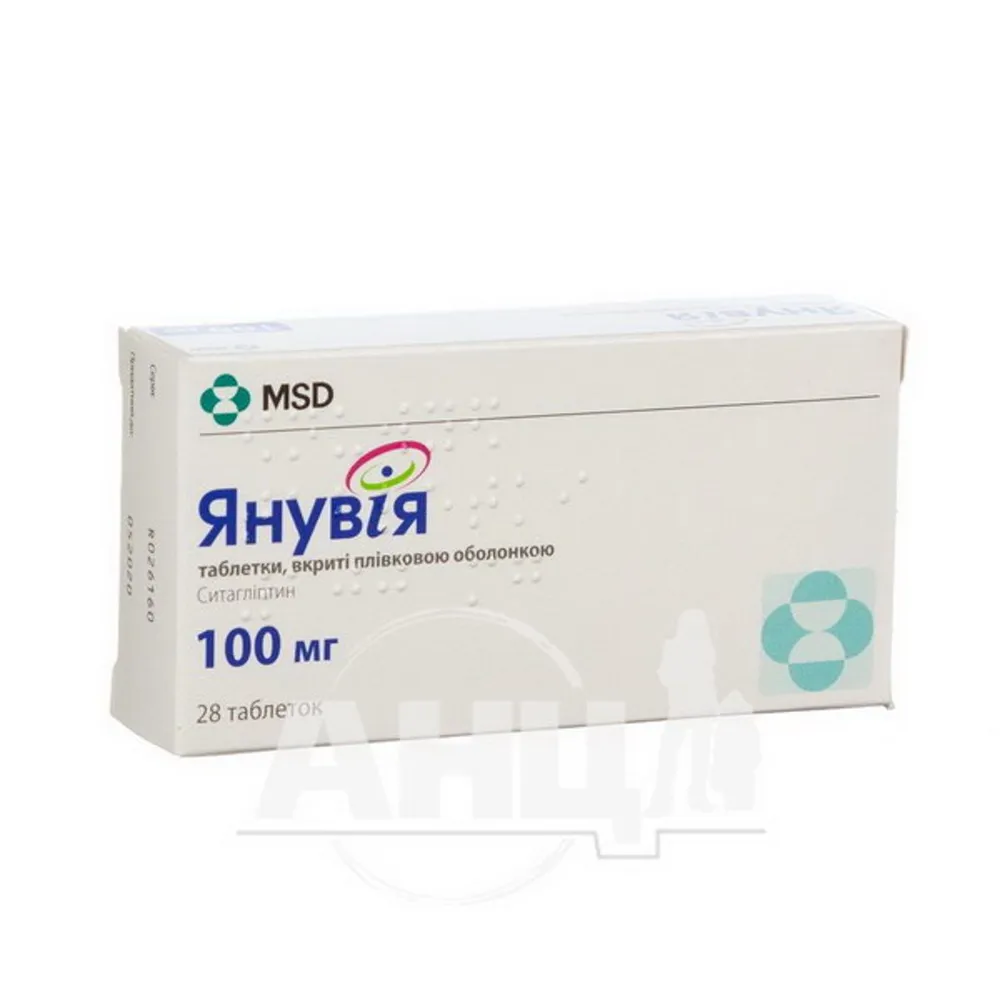
Table of Contents
INSTRUCTIONS FOR MEDICAL USE OF THE MEDICINAL PRODUCT YANUVIA (JANUVIA)
Composition:
Active substance: sitagliptin;
One film-coated tablet contains sitagliptin phosphate hydrate equivalent to 100 mg of sitagliptin;
Excipients: microcrystalline cellulose, calcium hydrogen phosphate, sodium croscarmellose, magnesium stearate, sodium stearyl fumarate, propyl gallate;
Coating of the tablet: Opadry® II beige color.
Dosage form.
Film-coated tablets.
Main physicochemical properties:
round, biconvex, film-coated tablets, beige in color, marked with "277" on one side and smooth on the other.
Pharmacotherapeutic group.
Antihyperglycemic agents, excluding insulin. Dipeptidyl peptidase-4 inhibitors.
ATC code A10BH01.
Pharmacological properties.
Pharmacodynamics.
Januvia (sitagliptin) is an orally active, highly selective inhibitor of the enzyme dipeptidyl peptidase-4 (DPP-4), indicated for the treatment of type 2 diabetes mellitus. Sitagliptin differs chemically and pharmacologically from glucagon-like peptide-1 (GLP-1) analogs, insulin, sulfonylureas, biguanides, gamma-activating peroxisome proliferator receptor (PPARγ) agonists, alpha-glucosidase inhibitors, and amylin analogs. By inhibiting DPP-4, sitagliptin increases the concentrations of two known incretin hormones: glucagon-like peptide-1 (GLP-1) and glucose-dependent insulinotropic polypeptide (GIP). Incretin hormones are secreted from the intestine throughout the day, and their levels rise in response to food intake. Incretins are part of the body's natural physiological system for regulating glucose homeostasis. At normal or elevated blood glucose levels, incretin hormones promote increased insulin synthesis and its secretion from pancreatic beta-cells via intracellular signaling mechanisms associated with cyclic AMP.
GLP-1 also promotes suppression of elevated glucagon secretion from pancreatic alpha-cells. Reduced glucagon concentration, together with increased insulin levels, leads to decreased hepatic glucose production, ultimately resulting in lower blood glucose levels.
At low blood glucose concentrations, these effects of incretins on insulin release and glucagon secretion are not observed. GLP-1 and GIP do not affect glucagon release in response to hypoglycemia. Under physiological conditions, the activity of incretins is limited by the enzyme DPP-4, which rapidly hydrolyzes incretins into inactive metabolites.
Sitagliptin prevents the hydrolysis of incretins by the DPP-4 enzyme, thereby increasing plasma concentrations of active forms of GLP-1 and GIP. By increasing incretin levels, sitagliptin enhances glucose-dependent insulin release and reduces glucagon secretion. In patients with type 2 diabetes and hyperglycemia, these changes in insulin and glucagon secretion lead to reductions in glycated hemoglobin A1c (HbA1c) levels and decreased fasting and postprandial plasma glucose concentrations.
The glucose-dependent mechanism of action of sitagliptin differs from that of sulfonylureas, which increase insulin secretion even when glucose levels are low and may cause hypoglycemia in patients with type 2 diabetes and in healthy volunteers. Sitagliptin is a potent and highly selective inhibitor of the DPP-4 enzyme and does not inhibit the closely related enzymes DPP-8 or DPP-9 at therapeutic concentrations.
In a double-blind study involving healthy volunteers, sitagliptin alone increased concentrations of active GLP-1, while metformin alone increased both active and total GLP-1 concentrations to a similar extent. Combination therapy with sitagliptin and metformin had an additive effect on active GLP-1 concentrations. Sitagliptin, but not metformin, increased active concentrations of GIP.
Clinical efficacy and safety
Sitagliptin improved glycemic control when used as monotherapy or as part of combination therapy in adult patients with type 2 diabetes mellitus (see Table 1).
Table 1.
Results of HbA1c placebo-controlled studies of monotherapy and combination therapy*.
| Study |
Mean baseline HbA1c (%) |
Mean change in HbA1c from baseline (%)† |
Placebo-adjusted mean change in HbA1c (%)† (95% CI) |
| Monotherapy studies |
|||
| Sitagliptin 100 mg once daily§ (N = 193) |
8.0 |
|
(-0.8, -0.4) |
| Sitagliptin 100 mg once daily|| (N = 229) |
8.0 |
|
(-1.0, -0.6) |
| Combination therapy studies |
|||
| Sitagliptin 100 mg once daily as add-on to ongoing metformin therapy|| (N=453) |
8.0 |
|
(-0.8, -0.5) |
| Sitagliptin 100 mg once daily as add-on to ongoing pioglitazone therapy|| (N=163) |
8.1 |
|
(-0.9, -0.5) |
| Sitagliptin 100 mg once daily as add-on to ongoing glimepiride therapy|| (N=102) |
8.4 |
|
(-0.8, -0.3) |
| Sitagliptin 100 mg once daily as add-on to ongoing glimepiride + metformin therapy|| (N=115) |
8.3 |
|
(-1.1, -0.7) |
| Sitagliptin 100 mg once daily as add-on to ongoing pioglitazone + metformin therapy# (N=152) |
8.8 |
|
(-1.0, -0.5) |
| Initial combination therapy (twice daily)||: sitagliptin 50 mg + metformin 500 mg (N=183) |
8.8 |
|
(-1.8, -1.3) |
| Initial combination therapy (twice daily)||: sitagliptin 50 mg + metformin 1000 mg (N=178) |
8.8 |
|
(-2.3, -1.8) |
| Sitagliptin 100 mg once daily as add-on to ongoing insulin therapy (+/- metformin)|| (N=305) |
8.7 |
|
(-0.7, -0.4) |
*All patients who received treatment (analysis of patients who initiated treatment).
†Least squares mean values, adjusted for prior antihyperglycemic therapy status and baseline value.
‡p < 0.001 vs. placebo or placebo + combination therapy.
§HbA1c (%) at Week 18.
||HbA1c (%) at Week 24.
#HbA1c (%) at Week 26.
¶Least squares mean, adjusted for metformin use at Visit 1 (yes/no), insulin use at Visit 1 (prior mixed vs. prior non-mixed [intermediate or long-acting]), and baseline value. Treatment interactions (metformin and insulin use) were not significant (p > 0.10).
The Trial Evaluating Cardiovascular Outcomes with Sitagliptin (TECOS) was a randomized trial involving 14,671 patients with HbA1c levels between ≥6.5% and 8.0% and established cardiovascular disease, who received sitagliptin (7,332) 100 mg once daily (or 50 mg once daily if baseline estimated glomerular filtration rate (eGFR) was ≥30 and <50 mL/min/1.73 m²) or placebo (7,339) in addition to standard therapy directed by regional standards for HbA1c and cardiovascular risk factors. Patients with eGFR <30 mL/min/1.73 m² were not included in the study. The trial included 2,004 patients aged ≥75 years and 3,324 patients with renal impairment (eGFR <60 mL/min/1.73 m²).
During the study, the estimated mean (SD) difference in HbA1c between sitagliptin and placebo was 0.29% (0.01), 95% CI (-0.32, -0.27); p < 0.001.
The primary cardiovascular endpoint was: cardiovascular death, non-fatal myocardial infarction, non-fatal stroke, or hospitalization for unstable angina. Secondary cardiovascular endpoints: cardiovascular death, non-fatal myocardial infarction, or non-fatal stroke; first occurrence of individual components of the primary endpoint; all-cause mortality; and hospitalization for heart failure.
After a median follow-up of 3 years, sitagliptin, when added to standard therapy, did not increase the risk of major adverse cardiovascular events or the risk of hospitalization for heart failure compared to standard therapy without sitagliptin in patients with type 2 diabetes (Table 2).
Table 2.
Incidence of composite and key secondary cardiovascular endpoints.
| Sitagliptin 100 mg |
Placebo |
|||||
| N (%) |
Incidence rate per 100 patient-years* |
N (%) |
Incidence rate per 100 patient-years* |
Relative risk (95% CI) |
p-value† |
|
| Analysis population all patients who initiated treatment |
||||||
| Number of patients |
7332 |
7339 |
||||
| Primary composite endpoint (cardiovascular death, non-fatal myocardial infarction, non-fatal stroke, or hospitalization for unstable angina) |
839 (11.4) |
4.1 |
851 (11.6) |
4.2 |
0.98 (0.89–1.08) |
<0.001 |
| Secondary composite endpoint (cardiovascular death, non-fatal myocardial infarction, or non-fatal stroke) |
745 (10.2) |
3.6 |
746 (10.2) |
3.6 |
0.99 (0.89–1.10) |
<0.001 |
| Secondary endpoint |
||||||
| Cardiovascular death |
380 (5.2) |
1.7 |
366 (5.0) |
1.7 |
1.03 (0.89–1.19) |
0.711 |
| All cases of myocardial infarction (fatal and non-fatal) |
300 (4.1) |
1.4 |
316 (4.3) |
1.5 |
0.95 (0.81–1.11) |
0.487 |
| All cases of stroke (fatal and non-fatal) |
178 (2.4) |
0.8 |
183 (2.5) |
0.9 |
0.97 (0.79–1.19) |
0.760 |
| Hospitalization for unstable angina |
116 (1.6) |
0.5 |
129 (1.8) |
0.6 |
0.90 (0.70–1.16) |
0.419 |
| Death from any cause |
547 (7.5) |
2.5 |
537 (7.3) |
2.5 |
1.01 (0.90–1.14) |
0.875 |
| Hospitalization for heart failure‡ |
228 (3.1) |
1.1 |
229 (3.1) |
1.1 |
1.00 (0.83–1.20) |
0.983 |
*Incidence per 100 patient-years is calculated as 100× (total number of patients with ≥1 event during the acceptable treatment period divided by the total number of patient-years of follow-up).
†Based on a Cox model stratified by region. For component endpoints, the p-value corresponds to a test for non-inferiority to demonstrate that the hazard ratio is less than 1.3. For all other endpoints, the p-value corresponds to a test for differences in hazard rates.
‡The analysis of hospitalization for heart failure was adjusted for baseline history of heart failure.
Pediatric
A 54-week double-blind study was conducted to evaluate the efficacy and safety of 100 mg sitagliptin once daily in pediatric patients (aged 10 to 17 years) with type 2 diabetes who were either not on antihyperglycemic therapy for at least 12 weeks (with HbA1c 6.5–10%) or receiving stable insulin therapy for at least 12 weeks (with HbA1c 7–10%). Patients were randomized to receive either 100 mg sitagliptin once daily or placebo for 20 weeks.
The mean baseline HbA1c level was 7.5%. Treatment with 100 mg sitagliptin did not result in significant improvement in HbA1c levels over 20 weeks. The reduction in HbA1c in patients receiving sitagliptin (N = 95) was 0.0% compared to 0.2% in patients receiving placebo (N = 95), with a difference of -0.2% (95% CI: -0.7, 0.3) (see section "Pediatric").
Pharmacokinetics
The pharmacokinetics of sitagliptin were generally similar in healthy volunteers and patients with type 2 diabetes. In healthy volunteers, after oral administration of 100 mg sitagliptin, rapid absorption of the drug was observed, with peak concentrations (Cmax) reached within 1 to 4 hours post-dose. The area under the concentration-time curve (AUC) increased proportionally with dose and was 8.52 µM·h in healthy volunteers after a single 100 mg oral dose, with a Cmax of 950 nM and a mean elimination half-life of 12.4 hours.
Absorption
The absolute bioavailability of sitagliptin is approximately 87%. Since co-administration of Januvia with a high-fat meal does not affect the pharmacokinetics of the drug, Januvia can be administered independently of meals.
Distribution
The mean volume of distribution at steady state following a single 100 mg dose of sitagliptin in healthy volunteers is approximately 198 L. The fraction of sitagliptin bound to plasma proteins is relatively low, at 38%.
Metabolism
Approximately 79% of sitagliptin is excreted unchanged in urine. Only a small fraction of the administered drug undergoes metabolism.
Following administration of an oral dose of [14C]sitagliptin, approximately 16% of radioactivity was excreted as metabolites of sitagliptin. Six metabolites were detected at trace levels, which are expected not to influence the DPP-4 inhibitory activity of sitagliptin in plasma. In vitro studies showed that the primary enzyme responsible for the limited metabolism of sitagliptin is CYP3A4, with partial contribution from CYP2C8.
In vitro data indicate that sitagliptin is not an inhibitor of CYP isozymes such as CYP3A4, 2C8, 2C9, 2D6, 1A2, 2C19, or 2B6, and is not an inducer of CYP3A4 or CYP1A2.
Excretion
After oral administration of [14C]-labeled sitagliptin to healthy volunteers, approximately 100% of the administered dose was recovered within one week: 13% via the feces and 87% via the kidneys. The mean elimination half-life of sitagliptin after a 100 mg oral dose is approximately 12.4 hours; renal clearance is approximately 350 mL/min.
Sitagliptin is primarily eliminated via renal excretion through active tubular secretion.
Pharmacokinetics in specific patient populations
Patients with renal impairment
An open-label single-dose study was conducted to evaluate the pharmacokinetics of reduced-dose sitagliptin (50 mg) in patients with varying degrees of chronic renal impairment compared to healthy control volunteers. The study included patients with mild, moderate, and severe renal impairment, as well as patients with end-stage renal disease (ESRD) on hemodialysis. Additionally, the effect of renal impairment on the pharmacokinetics of sitagliptin in patients with type 2 diabetes and mild, moderate, or severe renal impairment (including ESRD) was evaluated using population pharmacokinetic analysis.
Compared to healthy control volunteers, plasma AUC values for sitagliptin were approximately 1.2-fold and 1.6-fold higher in patients with mild renal impairment (eGFR ≥60 to <90 mL/min) and moderate renal impairment (eGFR ≥45 to <60 mL/min), respectively. Since this increase is not considered clinically significant, dose adjustment is not required in these patients.
Plasma AUC values for sitagliptin were approximately 2-fold higher in patients with moderate renal impairment (eGFR ≥30 to <45 mL/min) and approximately 4-fold higher in patients with severe renal impairment (eGFR <30 mL/min), including those on hemodialysis. Sitagliptin was moderately removed by hemodialysis (13.5% over a 3–4 hour hemodialysis session initiated 4 hours after dose administration). To achieve plasma sitagliptin concentrations similar to those in patients with normal renal function, lower doses are recommended for patients with eGFR <45 mL/min (see section "Dosage and administration").
Patients with hepatic impairment
Dose adjustment of Januvia is not required in patients with mild or moderate hepatic impairment (≤9 points on the Child-Pugh scale). There are no clinical data on the use of sitagliptin in patients with severe hepatic impairment (>9 points on the Child-Pugh scale). However, since the drug is primarily eliminated by the kidneys, severe hepatic impairment is not expected to affect the pharmacokinetics of sitagliptin.
Elderly patients
Age does not have a clinically significant effect on the pharmacokinetic parameters of sitagliptin. Compared to younger patients, sitagliptin concentrations in elderly patients (65–80 years) are approximately 19% higher. Dose adjustment based on age is not required.
Pediatric
The pharmacokinetics of sitagliptin (single doses of 50 mg, 100 mg, or 200 mg) were studied in pediatric patients (aged 10 to 17 years) with type 2 diabetes. In this population, AUC values for sitagliptin at the adjusted dose were approximately 18% lower compared to those in adult patients with type 2 diabetes receiving a 100 mg dose. This difference is not considered clinically significant, given the direct pharmacokinetic/pharmacodynamic relationship observed between 50 mg and 100 mg doses. Studies of sitagliptin use in children under 10 years of age have not been conducted.
Other patients
Dose adjustment is not required based on gender, race, or body mass index, as these characteristics have no clinically significant effect on the pharmacokinetics of sitagliptin.
Clinical Characteristics.
Indications.
For adult patients with type 2 diabetes, Januvia is indicated to improve glycemic control:
as monotherapy:
- when glycemic control is not adequately achieved with diet and exercise alone and when metformin cannot be used due to contraindications or intolerance;
as dual oral therapy in combination with:
- metformin, when diet and exercise in combination with metformin alone do not provide adequate glycemic control;
- a sulfonylurea, when diet and exercise in combination with the maximum tolerated dose of a sulfonylurea alone do not provide adequate glycemic control and when metformin cannot be used due to contraindications or intolerance;
- a gamma-agonist of peroxisome proliferator-activated receptor (PPARγ) (i.e., a thiazolidinedione), when use of a PPARγ agonist is appropriate and when diet and exercise in combination with a PPARγ agonist alone do not provide adequate glycemic control;
as triple oral therapy in combination with:
- a sulfonylurea and metformin, when diet and exercise in combination with dual therapy with these medicinal products do not provide adequate glycemic control;
- a PPARγ agonist and metformin, when use of a PPARγ agonist is appropriate and when diet and exercise in combination with dual therapy with these medicinal products do not provide adequate glycemic control.
Januvia is also indicated as an adjunct to insulin (with or without metformin), when diet and exercise in combination with a stable dose of insulin do not provide adequate glycemic control.
Contraindications.
-
Hypersensitivity to any component of the medicinal product.
-
Type 1 diabetes mellitus.
-
Diabetic ketoacidosis.
Interaction with other medicinal products and other forms of interaction.
Metformin.
Long-term co-administration of 1000 mg metformin and 50 mg sitagliptin twice daily did not significantly alter the pharmacokinetics of sitagliptin in patients with type 2 diabetes.
Cyclosporine.
A study evaluating the effect of cyclosporine, a potent p-glycoprotein inhibitor, on the pharmacokinetics of sitagliptin was conducted. Concomitant administration of a single oral 100 mg dose of sitagliptin and a single oral 600 mg dose of cyclosporine increased the area under the plasma concentration-time curve (AUC) and Cmax of sitagliptin by approximately 29% and 68%, respectively. No clinically significant interaction between the medicinal product and cyclosporine or other p-glycoprotein inhibitors has been observed.
CYP3A4 inhibitors (ketoconazole, itraconazole, ritonavir, clarithromycin).
In vitro studies have shown that the primary enzyme responsible for the limited metabolism of sitagliptin is CYP3A4, with partial contribution from CYP2C8. In patients with normal renal function, metabolism, including CYP3A4-mediated metabolism, plays a minor role in the clearance of sitagliptin. Metabolism may play a greater role in the elimination of sitagliptin in patients with severe renal impairment or end-stage renal disease (ESRD). Therefore, CYP3A4 inhibitors (ketoconazole, itraconazole, ritonavir, clarithromycin) may alter the pharmacokinetics of sitagliptin in patients with severe renal impairment or ESRD.
In vitro transport studies have shown that sitagliptin is a substrate for the organic anion transporter 3 (OAT3) and p-glycoprotein. OAT3-mediated transport of sitagliptin was inhibited in vitro by probenecid, although the risk of clinically significant interactions is considered low. Concomitant use of OAT3 inhibitors has not been evaluated in vivo.
Effect of sitagliptin on other medicinal products.
In vitro data suggest that sitagliptin is unlikely to inhibit or induce CYP450 isoenzymes. In clinical studies, sitagliptin did not significantly alter the pharmacokinetics of metformin, glyburide, simvastatin, rosiglitazone, warfarin, or oral contraceptives, providing in vivo confirmation of low potential for interactions with substrates of CYP3A4, CYP2C8, CYP2C9, and the organic cation transporter (OCT). Sitagliptin may be a weak inhibitor of p-glycoprotein in vivo.
Digoxin.
Sitagliptin has a minor effect on digoxin plasma concentrations. Following co-administration of 0.25 mg digoxin with 100 mg Januvia daily for 10 days, the area under the plasma concentration-time curve for digoxin increased by a mean of 11%, and Cmax in plasma increased by a mean of 18%. Dose adjustment of digoxin is not recommended.
However, patients at risk of digoxin toxicity should be closely monitored when sitagliptin and digoxin are used concomitantly.
Special precautions for use.
Acute pancreatitis
Use of DPP-4 inhibitors is associated with the risk of developing acute pancreatitis. Cases of acute pancreatitis, including necrotizing or hemorrhagic pancreatitis, and/or death have been reported (see section "Adverse reactions"). Patients should be informed about the characteristic symptom of acute pancreatitis—persistent, severe abdominal pain. Symptoms of pancreatitis resolved after discontinuation of sitagliptin (with or without concomitant supportive therapy). If pancreatitis is suspected, treatment with Januvia should be discontinued; if acute pancreatitis is confirmed, the drug should not be restarted. Caution should be exercised in patients with a history of pancreatitis.
Hypoglycemia
In clinical trials, the incidence of hypoglycemia with Januvia used as monotherapy or in combination with metformin or a PPARγ agonist (thiazolidinedione) was similar to that observed with placebo. As with other antihyperglycemic agents, episodes of hypoglycemia were observed when Januvia was used in combination with insulin or a sulfonylurea. Therefore, to reduce the risk of hypoglycemia, a lower dose of the sulfonylurea or insulin should be considered (see section "Adverse reactions").
Renal impairment
The medicinal product Januvia is excreted via the kidneys. To achieve plasma concentrations of sitagliptin similar to those in patients with normal renal function, lower doses are recommended in patients with eGFR < 45 mL/min, as well as in patients with ESRD requiring hemodialysis or peritoneal dialysis (see sections "Dosage and administration", "Pharmacological properties").
When considering the use of sitagliptin in combination with another antidiabetic medicinal product, the specific recommendations for use in patients with renal impairment should be reviewed.
Hypersensitivity reactions
During post-marketing use of Januvia, serious allergic reactions have been reported. These reactions include anaphylaxis, angioedema, and exfoliative skin disorders, including Stevens-Johnson syndrome (see section "Adverse reactions"). These reactions occurred within the first 3 months after initiation of treatment with Januvia, and sometimes after the first dose. If an allergic reaction is suspected, Januvia should be discontinued, other potential causes of the event should be evaluated, and an alternative treatment for diabetes should be initiated.
Bullous pemphigoid
During post-marketing surveillance, cases of bullous pemphigoid have been reported in patients receiving DPP-4 inhibitors, including sitagliptin. If bullous pemphigoid is suspected, treatment with Januvia should be discontinued.
Sodium
This medicinal product contains less than 1 mmol (23 mg) of sodium per tablet, i.e., it is practically sodium-free.
Use during pregnancy or breastfeeding.
Controlled clinical studies of Januvia in pregnant women have not been conducted; therefore, the drug is not recommended during pregnancy.
There are no data on the excretion of sitagliptin into human breast milk; therefore, the drug is not recommended during breastfeeding.
Animal studies have shown reproductive toxicity when the drug was administered at high doses.
Animal studies do not indicate a potential effect of sitagliptin treatment on male or female fertility. The potential risk in humans is unknown.
Human data are lacking.
Ability to affect reaction speed when driving or operating machinery.
Patients should be advised to exercise particular caution when driving or operating machinery, due to the potential for adverse reactions affecting the nervous system (dizziness, somnolence).
Patients should be warned about the risk of hypoglycemia when Januvia is used as part of combination therapy.
Dosage and Administration
Januvia is recommended to be taken at a dose of 100 mg once daily as monotherapy or in combination with metformin and/or a PPARγ agonist (e.g., thiazolidinedione).
When prescribing Januvia in combination with a sulfonylurea agent or insulin, it is considered that a lower dose of the sulfonylurea agent or insulin may reduce the risk of hypoglycemia (see section "Special Warnings and Precautions for Use").
If a patient misses a dose of the medication, the missed dose should be taken as soon as the patient remembers. It is not recommended to take a double dose of Januvia on the same day.
Januvia can be taken regardless of food intake.
Patients with Renal Impairment
As dosage depends on renal function, assessment of renal function is recommended prior to initiating treatment and periodically during therapy.
Patients with mild renal impairment (glomerular filtration rate [GFR] ≥60 to <90 mL/min) do not require dose adjustment of Januvia.
Patients with moderate renal impairment (GFR ≥45 to <60 mL/min) do not require dose adjustment of Januvia.
For patients with moderate renal impairment (GFR ≥30 to <45 mL/min), severe renal impairment (GFR ≥15 to <30 mL/min), or end-stage renal disease (GFR <15 mL/min), including those requiring hemodialysis or peritoneal dialysis, lower doses of sitagliptin are recommended.
Patients with Hepatic Impairment
No dose adjustment of Januvia is required for patients with mild to moderate hepatic impairment. The use of Januvia in patients with severe hepatic impairment has not been studied; therefore, caution is advised (see section "Pharmacological Properties").
Elderly Patients
No dose adjustment of the medicinal product is required for elderly patients.
Pediatric Population
Sitagliptin should not be used in children and adolescents aged 10 to 17 years due to insufficient efficacy. Current data are described in sections "Adverse Reactions," "Pharmacological Properties: Pharmacodynamics and Pharmacokinetics." Studies on the use of sitagliptin in children under 10 years of age have not been conducted.
Overdose
In clinical studies involving healthy volunteers, a single 800 mg dose of Januvia was generally well tolerated. Minimal changes in QTc interval, not considered clinically significant, were observed in one of the studies with 800 mg daily dose of Januvia. Doses exceeding 800 mg per day have not been studied.
In case of overdose, standard supportive measures are required: removal of unabsorbed drug from the gastrointestinal tract, monitoring of vital signs including ECG, and supportive therapy as needed.
Sitagliptin is only weakly dialyzed. In clinical studies, only 13.5% of the dose was eliminated during a 3–4 hour dialysis session. Prolonged dialysis may be considered if clinically necessary. There are no data on the effectiveness of sitagliptin elimination via peritoneal dialysis.
Adverse reactions
Serious adverse reactions have been reported, including pancreatitis and allergic reactions. Hypoglycemia has been reported when the medicinal product was used in combination with sulfonylureas (4.7–13.8%) and insulin (9.6%) (see section "Special precautions for use").
Adverse reactions are listed below by system organ class and absolute frequency (Table 3). Frequency categories are defined as follows: very common (≥ 1/10), common (≥ 1/100, < 1/10), uncommon (≥ 1/1000, < 1/100), rare (≥ 1/10,000, < 1/1000), very rare (< 1/10,000), and frequency not known (cannot be estimated from the available data).
Table 3.
The frequency of adverse reactions was determined based on results from placebo-controlled clinical trials and post-marketing surveillance.
| Adverse reaction |
Frequency of adverse reactions |
| Immune system disorders |
|
| hypersensitivity reactions, including anaphylactic reactions*,† |
frequency not known |
| Metabolism and nutrition disorders |
|
| hypoglycaemia† |
common |
| Nervous system disorders |
|
| headache |
common |
| dizziness |
uncommon |
| Respiratory, thoracic and mediastinal disorders |
|
| interstitial lung disease* |
frequency not known |
| Gastrointestinal disorders |
|
| constipation |
uncommon |
| vomiting* |
frequency not known |
| acute pancreatitis*,†,‡ |
frequency not known |
| fatal and non-fatal haemorrhagic and necrotising pancreatitis*,† |
frequency not known |
| Skin and subcutaneous tissue disorders |
|
| pruritus* |
uncommon |
| angioedema*,† |
frequency not known |
| rash*,† |
frequency not known |
| urticaria*,† |
frequency not known |
| skin vasculitis*,† |
frequency not known |
| exfoliative skin conditions, including Stevens-Johnson syndrome*,† |
frequency not known |
| bullous pemphigoid* |
frequency not known |
| Musculoskeletal and connective tissue disorders |
|
| arthralgia* |
frequency not known |
| myalgia* |
frequency not known |
| back pain* |
frequency not known |
| arthropathy* |
frequency not known |
| Renal and urinary disorders |
|
| worsening of renal function* |
frequency not known |
| acute kidney injury* |
frequency not known |
*Adverse reactions were identified during post-marketing surveillance.
†See section "Special precautions".
‡See below "Cardiovascular safety study TECOS".
Description of selected adverse reactions
The following adverse reactions, regardless of causal relationship to the drug, were observed in at least 5% of patients treated with the drug, including more frequently: upper respiratory tract infections and nasopharyngitis. Additionally, osteoarthritis and limb pain were reported uncommonly (0.5% more frequently in patients taking sitagliptin compared to the control group).
Some adverse reactions were observed more frequently with combination therapy of sitagliptin with other antidiabetic medicinal products than with sitagliptin monotherapy:
- hypoglycaemia (very common) – in combination with sulphonylureas and metformin;
- influenza (common) – with insulin (with or without metformin);
- nausea or vomiting (common) – with metformin;
- flatulence (common) – with metformin or pioglitazone;
- constipation (common) – in combination with sulphonylurea and metformin;
- peripheral oedema (common) – with pioglitazone or in combination of pioglitazone with metformin;
- somnolence and diarrhoea (uncommon) – with metformin;
- dry mouth (uncommon) – with insulin (with or without metformin).
Paediatric population
In clinical studies of sitagliptin use in children aged 10 to 17 years with type 2 diabetes, the adverse reaction profile was comparable to that in adults.
Cardiovascular safety study TECOS.
The cardiovascular safety study of sitagliptin (TECOS) included 7332 patients receiving Januvia 100 mg once daily (or 50 mg once daily if estimated glomerular filtration rate (eGFR) was ≥30 and <50 mL/min/1.73 m²) and 7339 patients receiving placebo in the all-randomized-patients population. Both treatments were added to standard background therapy according to regional standards and taking into account HbA1c levels and cardiovascular risk factors. A total of 2004 patients aged ≥75 years were included in the study (970 received Januvia and 1034 received placebo). The overall incidence of serious adverse reactions in patients receiving Januvia was similar to that in patients receiving placebo.
In the all-randomized-patients population, among patients receiving insulin and/or sulphonylurea at baseline, the incidence of episodes of severe hypoglycaemia was 2.7% in patients receiving Januvia and 2.5% in patients receiving placebo; among patients not receiving insulin and/or sulphonylurea at baseline, the incidence of episodes of severe hypoglycaemia was 1.0% in patients receiving Januvia and 0.7% in the placebo group.
Post-marketing experience
During post-marketing use of Januvia as monotherapy and/or in combination with other antihyperglycaemic agents, the following adverse reactions have been identified: tubulointerstitial nephritis.
Shelf life.
2 years.
Do not use after the expiry date stated on the packaging.
Storage conditions.
Store in a light-protected place at a temperature not exceeding 25 °C.
Keep out of the reach of children.
Packaging.
14 tablets in a blister. 2 blisters in a cardboard box.
Prescription status. Prescription only.
Manufacturer.
Merck Sharp & Dohme B.V., Netherlands.
Manufacturer's address and location of operations.
Waarderweg 39, 2031 BN Haarlem, Netherlands.