Vinitel®
Ukraine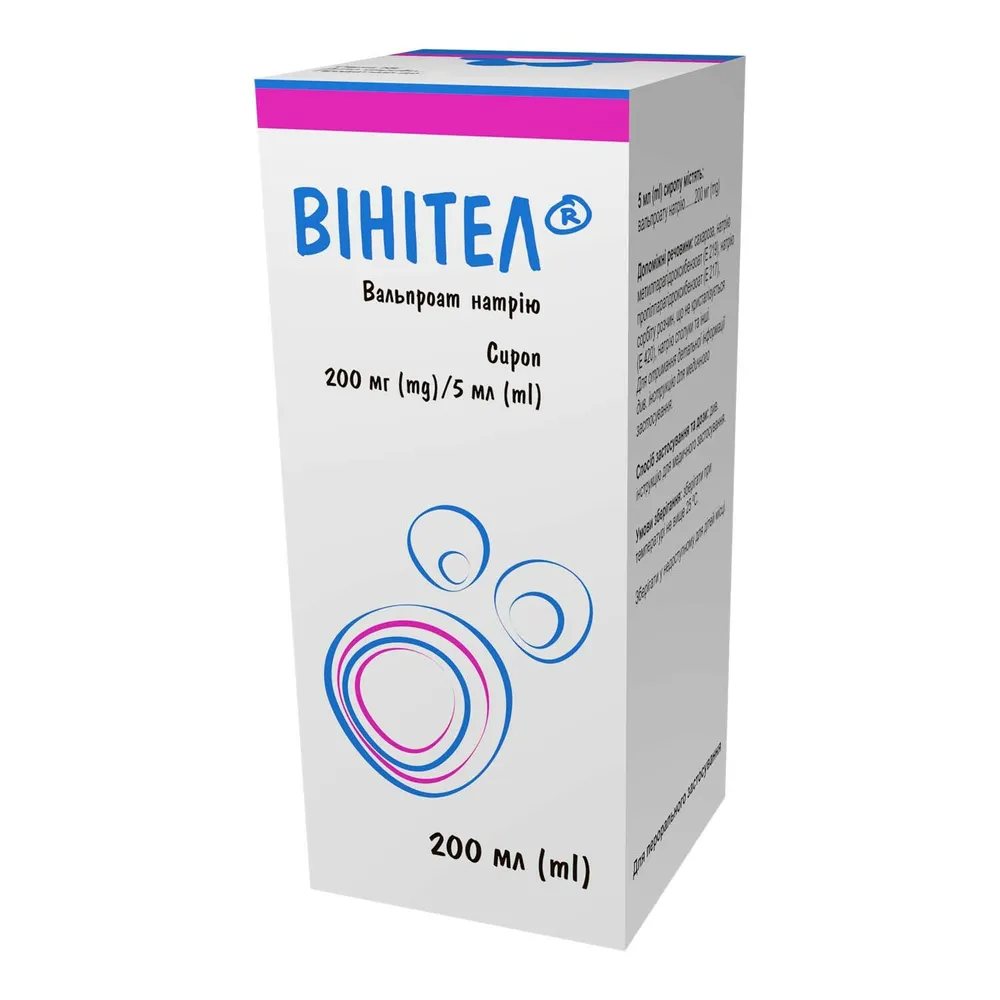
Table of Contents
INSTRUCTION FOR MEDICAL USE OF THE MEDICINAL PRODUCT VINITEL® (VINITEL®)
Composition:
Active ingredient: sodium valproate;
200 mg of sodium valproate in 5 ml of syrup;
Excipients: concentrated hydrochloric acid or sodium hydroxide for pH adjustment, sodium methylparahydroxybenzoate (E 219), sodium propylparahydroxybenzoate (E 217), sodium saccharin, sucrose, non-crystallizing sorbitol solution (E 420), Ponceau 4R (E 124), cherry flavoring, purified water.
Pharmaceutical form. Syrup.
Main physicochemical properties: red-colored syrup with a characteristic odor.
Pharmacotherapeutic group. Antiepileptic drugs. ATC code N03A G01.
Pharmacological properties.
Pharmacodynamics.
Mechanism of action
Sodium valproate is an antiepileptic drug (AED). The most likely mechanism of its action is enhancement of the inhibitory effect of gamma-aminobutyric acid (GABA) through effects on further synthesis or further metabolism of GABA.
Clinical safety
In several in vitro studies, valproate has been reported to stimulate replication of the human immunodeficiency virus (HIV); however, studies on peripheral blood mononuclear cells from HIV-infected individuals showed that it does not exert a mitogen-like effect on induction of HIV replication. Indeed, the effect of valproate on HIV replication ex vivo is highly variable, modest in magnitude, not dose-related, and has not been confirmed in humans.
Pharmacokinetics.
Therapeutic efficacy of valproic acid occurs over a wide concentration range – from 40 to 100 mg/L (278–694 µmol/L). This range may vary depending on the timing of blood sampling and the presence of concomitant therapy.
Distribution
The percentage of free (unbound) fraction of valproic acid typically ranges from 6 to 15% of the total plasma concentration. An increased incidence of adverse effects may be observed when plasma levels of valproic acid exceed the therapeutic range.
The pharmacological (or therapeutic) effects of the medicinal product Vinietel® may not have a clear correlation with the plasma levels of total or free (unbound) valproic acid.
Placental penetration (see section "Use during pregnancy or breastfeeding").
Valproate crosses the placental barrier in both animals and humans:
- in animals, valproate crosses the placenta similarly to humans;
- in humans, the concentration of valproate in plasma of umbilical cord blood, representative of fetal levels, was similar to or slightly higher than maternal levels.
Metabolism
The main pathway of biotransformation of valproate is glucuronidation (~40%), primarily mediated by UGT1A6, UGT1A9, and UGT2B7 enzymes.
Elimination
The elimination half-life of valproate typically ranges from 8 to 20 hours.
Interaction with estrogen-containing products
Individual variability has been observed. There are insufficient data to establish a reliable pharmacokinetic-pharmacodynamic relationship resulting from this interaction.
Special patient groups
Renal impairment
In patients with severe renal impairment, dose adjustment may be necessary based on plasma concentrations of the free fraction of valproic acid (see section "Dosage and administration").
Children
In children aged 10 years and older, valproate clearance is similar to that in adults. In children under 10 years of age, systemic clearance of valproate varies with age. In neonates and infants up to 2 months of age, valproate clearance is reduced compared to adults and is lowest immediately after birth. The elimination half-life of valproate in infants under two months of age shows considerable variability, ranging from 1 to 67 hours. In children aged 2–10 years, valproate clearance is 50% higher than in adults.
Preclinical safety data
In vitro, valproate showed no mutagenic effect on bacteria or mouse lymphoma cells and did not induce DNA repair activity in primary cultures of rat hepatocytes. However, in vivo results were conflicting when teratogenic doses were used, depending on the route of administration. After oral administration—the primary route in humans—valproate did not induce chromosomal aberrations in rat bone marrow or dominant lethal effects in mice. Intraperitoneal injection of valproate increased DNA strand breaks and chromosomal aberrations in rodents. Additionally, published studies have reported increased sister chromatid exchanges in patients with epilepsy exposed to valproate compared to healthy subjects not receiving such treatment. However, when comparing data from patients with epilepsy treated with valproate to those with epilepsy not receiving treatment, results were inconsistent. The clinical significance of these findings regarding DNA/chromosome effects is unknown.
According to preclinical carcinogenicity studies, no specific risk for humans has been identified.
Reproductive toxicity
Valproate caused teratogenic effects (malformations of several organ systems) in mice, rats, and rabbits.
Animal studies showed that intrauterine exposure to valproate leads to morphological and functional disturbances of the auditory system in rats and mice. Behavioral disturbances in the first-generation offspring of mice and rats have been reported following intrauterine exposure to valproate. In mice, certain behavioral changes were also observed in the second and third generations, which were less pronounced in the third generation, following acute intrauterine exposure of the first generation to teratogenic doses of valproate. The primary mechanisms and clinical relevance of these findings are unknown.
Testicular toxicity
In subchronic and chronic toxicity studies, degeneration/atrophy of testes, abnormalities in spermatogenesis, and reduced testicular weight were reported in adult rats and dogs following oral administration at doses of 465 mg/kg/day and 150 mg/kg/day, respectively.
The safety margin based on plasma concentrations of valproate is unknown; however, comparison of body surface area suggests that there may be no safety margin.
In juvenile (sexually immature) and young adult (pubertal) rats, significant dose-dependent reduction in testicular weight was observed following intravenous or intraperitoneal administration of valproate at 240 mg/kg/day, without apparent histopathological changes. However, testicular atrophy was observed in young adult rats following intravenous administration of valproate at 480 mg/kg/day. Despite the absence of obvious histopathological changes, reduced testicular weight was considered part of a dose-dependent spectrum leading to testicular atrophy. The safety margin for the effect on testicular weight has not been established.
There is limited published data from studies in young animals on testicular weight consistent with findings from GLP studies in adult and young animals. Reduced testicular weight is associated with adverse effects on the reproductive system in adult males in in vivo studies and impaired fertility in adult patients (see section "Use during pregnancy or breastfeeding"). The toxicological significance of testicular findings in young animals has not been evaluated; therefore, it is unknown how these findings may impact testicular development in humans, particularly in the pediatric population. The sensitivity of testes to valproate in young animals has not been assessed, so their impact on the pediatric population is also unknown.
Clinical Characteristics
Indications
Female patients
- All female patients under 55 years of age: for the treatment of generalized, partial, or other epilepsy only when no other effective or well-tolerated treatment is available.
- All female patients aged 55 years and older: for the treatment of generalized, partial, or other epilepsy.
Male patients
- All male patients under 55 years of age initiating valproate therapy: for the treatment of generalized, partial, or other epilepsy only when no other effective or well-tolerated treatment is available.
- All male patients already receiving valproates or male patients aged 55 years and older: for the treatment of generalized, partial, or other epilepsy.
Contraindications
Vinietel® is contraindicated in the following situations:
- during pregnancy, except when two independent specialists consider and document that no other effective or well-tolerated treatment is available (see sections "Special precautions for use" and "Use during pregnancy or breastfeeding");
- in women of childbearing potential under 55 years of age, except when two independent specialists consider and document that no other effective or well-tolerated treatment is available, and provided that the conditions of the "Pregnancy Prevention Programme" are met (see sections "Special precautions for use" and "Use during pregnancy or breastfeeding");
- hypersensitivity to sodium valproate or to any component of the medicinal product;
- active liver disease or personal or family history of severe liver dysfunction, particularly if drug-induced;
- patients with diagnosed disorders of urea cycle enzymes (see section "Special precautions for use");
- porphyria;
- patients with diagnosed mitochondrial disorders caused by mutations in the gene encoding the mitochondrial enzyme γ-polymerase, e.g., in patients with Alpers-Huttenlocher syndrome and in children under 2 years of age suspected of having a γ-polymerase-related disorder (see section "Special precautions for use");
- patients with untreated primary systemic carnitine deficiency (see section "Special precautions for use").
Interaction with other medicinal products and other forms of interaction
Effect of valproate on other medicinal products
Antipsychotics, MAO inhibitors, antidepressants, and benzodiazepines
Valproate may enhance the effects of other psychotropic drugs such as antipsychotics, MAO inhibitors, antidepressants, and benzodiazepines. Clinical monitoring of the patient is recommended, and dose adjustment of other psychotropic drugs may be necessary.
It is presumed that adding olanzapine to therapy with valproate or lithium preparations may significantly increase the risk of certain adverse reactions associated with olanzapine (e.g., neutropenia, tremor, dry mouth, increased appetite, weight gain, speech disorder, and somnolence).
Lithium
Valproate does not affect plasma lithium levels.
Olanzapine
Valproic acid may reduce plasma concentrations of olanzapine.
Phenobarbital
Valproate increases plasma phenobarbital concentrations (due to inhibition of hepatic catabolism), which may cause sedation, especially in children. Therefore, clinical monitoring is recommended during the first 15 days of combination therapy, with immediate reduction of phenobarbital dose if sedation occurs, and, if necessary, measurement of phenobarbital plasma levels.
Primidone
Valproate increases primidone plasma levels, which may lead to enhanced adverse effects (such as sedation). These symptoms usually resolve during prolonged treatment. Clinical monitoring is recommended, especially at the beginning of combination therapy, with dose adjustment as needed.
Phenytoin
Valproate reduces total plasma phenytoin concentration. Additionally, valproate increases the free fraction of phenytoin, potentially causing symptoms of overdose (valproic acid displaces phenytoin from plasma protein binding sites and reduces its hepatic catabolism). Clinical monitoring is therefore recommended. When measuring phenytoin plasma levels, the concentration of the free fraction should be assessed.
Carbamazepine
Clinical toxicity has been reported with concomitant use of valproate and carbamazepine, as valproate may enhance the toxic effects of carbamazepine. Clinical monitoring is recommended, especially at the beginning of combination therapy, with dose adjustment if necessary.
Lamotrigine
Valproate reduces lamotrigine metabolism and nearly doubles its mean elimination half-life. This interaction may increase lamotrigine toxicity, including serious skin reactions. Clinical monitoring is recommended, and dose adjustment (reduction of lamotrigine dose) may be necessary.
Felbamate
Valproic acid may reduce the mean clearance of felbamate by up to 16%.
Rufinamide
Valproic acid may increase plasma concentrations of rufinamide. This effect is dependent on valproic acid concentration. Caution is advised with such therapy, especially in children, in whom this effect is more pronounced.
Propofol
Valproic acid may increase blood concentrations of propofol. When used concomitantly with valproate, consideration should be given to reducing the propofol dose.
Zidovudine
Valproate may increase zidovudine plasma concentrations and consequently increase zidovudine toxicity.
Nimodipine
In patients receiving concomitant valproate and nimodipine therapy, nimodipine exposure may increase by 50%; therefore, if hypotension develops, the nimodipine dose should be reduced.
Temazolomide
Concomitant use of temazolomide and valproate may lead to a slight reduction in temazolomide clearance, which is not considered clinically significant.
Effect of other medicinal products on valproate
Antiepileptic drugs (AEDs)
AEDs that induce enzyme activity (including phenytoin, phenobarbital, carbamazepine) reduce valproic acid plasma concentrations. In case of combination therapy, dosing should be adjusted according to clinical response and blood levels.
Plasma levels of valproic acid metabolites may increase when used concomitantly with phenytoin or phenobarbital. Therefore, careful monitoring for signs and symptoms of hyperammonemia is required in patients receiving these two drugs.
Conversely, the combination of felbamate and valproate reduces valproic acid clearance by 22–50%, thus increasing its plasma concentrations. Valproate dosing should be monitored.
Antimalarial agents
Mefloquine and chloroquine enhance the metabolism of valproic acid and may lower the seizure threshold. Therefore, seizures may occur during combination therapy. Accordingly, valproate dosing may require adjustment.
Drugs highly bound to plasma proteins
When valproate is used concomitantly with drugs highly bound to plasma proteins (e.g., acetylsalicylic acid), the plasma level of free valproic acid may increase.
Vitamin K-dependent anticoagulants
The anticoagulant effect of warfarin and other coumarin anticoagulants may be enhanced after displacement by valproic acid from plasma protein binding sites. Prothrombin time should be carefully monitored.
Cimetidine or erythromycin
When cimetidine or erythromycin is used concomitantly with valproic acid, plasma concentrations of the latter may increase (due to reduced hepatic metabolism).
Carbapenem antibiotics (e.g., panipenem, imipenem, meropenem)
Reduced plasma levels of valproic acid have been reported when used concomitantly with carbapenem antibiotics. In some cases, valproic acid concentrations decreased by 60–100% within two days, sometimes associated with seizures. Due to the rapid onset and extent of reduction in valproic acid plasma concentrations, concomitant use of carbapenem antibiotics should be avoided in patients stabilized on valproic acid (see section "Special precautions for use"). If use of these antibiotics cannot be avoided, careful monitoring of valproic acid plasma levels is required.
Rifampicin
Rifampicin may reduce plasma levels of valproic acid, leading to loss of therapeutic effect. Therefore, dose adjustment of valproate may be necessary when used concomitantly with rifampicin.
Protease inhibitors
Protease inhibitors such as lopinavir and ritonavir reduce plasma levels of valproate when used concomitantly.
Cholestyramine
Cholestyramine may reduce plasma valproate levels when used concomitantly.
Estrogen-containing drugs, including estrogen-containing hormonal contraceptives
Estrogens are inducers of UDP-glucuronosyltransferase (UGT) isoenzymes involved in valproate glucuronidation and may increase valproate clearance, potentially leading to reduced plasma concentrations and, consequently, reduced drug efficacy (see section "Special precautions for use").
Monitoring of valproate plasma levels should be considered. Conversely, valproate does not induce enzymes; therefore, valproate does not reduce the efficacy of estrogen-progestogen hormonal contraceptives in women.
Metamizole
Concomitant use of metamizole may reduce valproate serum levels, potentially reducing the clinical efficacy of Vinietel®. Prescribing physicians should monitor clinical response (seizure control) and consider the possibility of monitoring valproate serum levels if necessary.
Methotrexate
Data indicate a significant reduction in serum valproate levels after methotrexate administration, along with seizure occurrence. Prescribing specialists should monitor clinical response (seizure control) and consider monitoring valproate serum levels if needed.
Other interactions
Risk of liver injury
Concomitant use of valproates and salicylates should be avoided in children under 3 years of age due to the risk of hepatotoxicity (see section "Special precautions for use").
Concomitant use of valproate with multiple antiepileptic drugs increases the risk of liver injury, especially in younger children (see section "Special precautions for use").
Concomitant use with cannabidiol increases the frequency of transaminase elevations. In clinical trials of patients of various ages receiving cannabidiol at doses of 10 to 25 mg/kg and valproate concomitantly, 19% of patients experienced ALT elevations more than three times the upper limit of normal. Appropriate liver function monitoring should be performed when valproate is used concomitantly with other potentially hepatotoxic antiepileptic drugs, including cannabidiol. In case of significant liver function abnormalities, dose reduction or discontinuation of treatment should be considered (see section "Special precautions for use").
Newer AEDs (including topiramate and acetazolamide)
Valproate should be used with caution in combination with newer AEDs whose pharmacodynamics may not be fully understood.
Concomitant use of valproate with topiramate or acetazolamide has been associated with encephalopathy and/or hyperammonemia. Patients receiving these two drugs should be closely monitored for signs and symptoms of the aforementioned adverse reactions, particularly those with encephalopathy.
Pivalate-conjugated medicinal products
Concomitant use of valproate and pivalate-conjugated medicinal products (e.g., cefditoren pivoxil, adefovir dipivoxil, pivmecillinam, pivampicillin) should be avoided due to increased risk of carnitine deficiency (see section "Special precautions for use"). Patients who cannot avoid concomitant use of these drugs should be closely monitored for signs and symptoms of hypocarnitinemia.
Quetiapine
Concomitant use of valproate and quetiapine may increase the risk of neutropenia/leukopenia.
Clozapine
Concomitant use of valproate and clozapine may increase the risk of neutropenia and clozapine-induced myocarditis. If concomitant use of valproate with clozapine is necessary, careful monitoring for signs and symptoms of the aforementioned adverse reactions is required.
Special precautions for use
Although there is no evidence of a sudden recurrence of the underlying disease symptoms after discontinuation of valproate, therapy should be withdrawn gradually and only under medical supervision. This is due to the risk of abrupt changes in plasma concentrations of the drug, which may trigger symptom relapse. NICE experts do not recommend switching between different manufacturers' valproate products because of the risk of fluctuations in plasma concentrations of the active substance and the resulting clinical consequences.
Hepatic function impairment
Conditions for occurrence
Very rare cases of severe liver damage, including hepatic failure sometimes leading to fatal outcomes, have been reported. Clinical experience in epilepsy treatment indicates that patients at greatest risk, especially those on complex antiepileptic therapy, include infants and children under 3 years of age with severe epilepsy, organic brain lesions, intellectual disability and/or inherited metabolic disorders, including mitochondrial disorders such as carnitine deficiency, urea cycle disorders, POLG gene mutations (see sections "Contraindications" and "Special precautions for use") or degenerative disorders associated with delayed psychomotor development. In children aged 3 years and older, this risk is significantly lower and gradually decreases with age.
Concomitant use of salicylates should be avoided in children under 3 years of age due to the risk of hepatotoxicity (see section "Interaction with other medicinal products and other forms of interaction"). Additionally, salicylates should not be used in children under 16 years of age (due to Reye's syndrome).
Monotherapy with valproate is recommended in children under 3 years of age; however, prior to initiating treatment, the expected benefit of the drug should be weighed against the risk of developing liver damage or pancreatitis in these patients (see section "Interaction with other medicinal products and other forms of interaction***"***).
In most cases, such liver injury occurred within the first 6 months of treatment, most frequently between weeks 2 and 12.
Signs to watch for
Clinical symptoms are of critical importance for early diagnosis. In particular, symptoms that may precede jaundice should be considered, especially in patients at risk (see above "Conditions for occurrence"):
- non-specific symptoms that typically appear suddenly: asthenia, malaise, anorexia, lethargy, edema, and somnolence, sometimes associated with recurrent vomiting and abdominal pain;
- in patients with epilepsy – recurrence of epileptic seizures.
The appearance of these symptoms is an indication for immediate discontinuation of the medicinal product.
Patients (or their caregivers, if the patients are children) should be informed about the necessity to seek immediate medical attention if such symptoms occur. The patient should be examined immediately, including clinical assessment and laboratory testing of liver function.
Detection
Liver function tests should be performed prior to starting therapy and then regularly during the first 6 months of treatment, particularly in patients at risk and in those with a history of liver disease. If changes occur in concomitant therapy (increased doses or addition of new drugs) known to affect the liver, monitoring of liver function should be resumed (see section "Interaction with other medicinal products and other forms of interaction***"***).
Among standard tests, the most informative are those reflecting protein synthesis, particularly prothrombin synthesis.
If pathologically low prothrombin levels are confirmed, especially in combination with other laboratory abnormalities (marked decrease in fibrinogen and coagulation factors, elevated bilirubin and liver transaminases), valproate therapy should be discontinued immediately.
As a precautionary measure, concomitant therapy with valproate and salicylates should also be discontinued, as both share a common metabolic pathway.
Isolated and transient elevations in transaminase levels may occur during valproate treatment, as with most AEDs, particularly at the beginning of therapy. In such cases, a more comprehensive laboratory evaluation (including prothrombin level determination) is recommended. If necessary, reduce the valproate dose and repeat laboratory testing to monitor dynamic changes.
Patients with known or suspected mitochondrial disorders
Valproate may provoke or worsen clinical manifestations of existing mitochondrial disorders caused by mutations in mitochondrial DNA or in the nuclear gene encoding mitochondrial polymerase gamma (POLG). In particular, cases of valproate-induced acute liver failure and fatal outcomes due to liver dysfunction have been reported in patients with inherited neurometabolic syndromes caused by POLG gene mutations (e.g., Alpers–Huttenlocher syndrome).
POLG-related disorders should be suspected in patients with a family history of POLG mutations or those exhibiting symptoms suggestive of such disorders, including (but not limited to) unexplained encephalopathy, refractory epilepsy (focal, myoclonic), epileptic status at presentation, developmental delay, psychomotor regression, axonal sensorimotor neuropathy, myopathy, cerebellar ataxia, ophthalmoplegia, or complex migraine with occipital aura. Testing for POLG mutation should be performed according to routine clinical practice for diagnostic evaluation of such disorders (see section "Contraindications").
Urea cycle disorders and risk of hyperammonemia
Appropriate metabolic investigations should be performed prior to initiating valproate therapy in suspected cases of urea cycle enzyme deficiencies due to the risk of hyperammonemia (see sections "Contraindications" and "Special precautions for use").
Patients at risk of developing hypocarnitinemia
Valproate use may provoke or worsen hypocarnitinemia, which may lead to hyperammonemia and result in hyperammonemic encephalopathy. Other symptoms such as hepatotoxicity, hypoketotic hypoglycemia, myopathy including cardiomyopathy, rhabdomyolysis, and Fanconi syndrome have been observed predominantly in patients with risk factors for hypocarnitinemia or pre-existing hypocarnitinemia. Patients at increased risk of symptomatic hypocarnitinemia during valproate treatment include those with metabolic disorders, including carnitine-related mitochondrial disorders (see section "Special precautions for use"), patients with inadequate dietary carnitine intake, patients under 10 years of age, and patients concurrently using pivalate-conjugated drugs or other AEDs.
Patients should be warned to immediately report any signs of hyperammonemia, such as ataxia, altered consciousness, or vomiting. If symptoms of hypocarnitinemia occur, carnitine supplementation should be considered.
Valproates may be prescribed to patients with systemic primary carnitine deficiency and corrected hypocarnitinemia only when the benefit of treatment outweighs the risks and no therapeutic alternative is available. In such patients, carnitine levels should be monitored.
Patients with carnitine palmitoyltransferase (CPT) II deficiency should be warned about the increased risk of rhabdomyolysis during valproate use. Carnitine supplementation should be considered in such patients (see also sections "Interaction with other medicinal products and other forms of interaction", "Adverse reactions", "Overdose").
Pancreatitis
Very rare cases of severe pancreatitis, sometimes with fatal outcomes, have been reported. Patients experiencing nausea, vomiting, or acute abdominal pain should undergo immediate medical evaluation (including plasma amylase measurement). This risk is highest in younger children and gradually decreases with age. Risk factors may include severe epilepsy, severe neurological disorders, and concomitant antiepileptic therapy. Hepatic failure associated with pancreatitis increases the risk of fatal outcome. Valproate therapy should be discontinued if pancreatitis develops.
Girls, women of childbearing potential up to 55 years of age, and pregnant women.
«Pregnancy Prevention Programme»
Valproate has a high teratogenic potential; therefore, children exposed to valproate in utero are at high risk of congenital malformations (11%) and neurodevelopmental disorders (up to 30–40%), which may lead to permanent disability (see section "Use during pregnancy or breastfeeding").
Valproate should only be prescribed by two specialists who independently consider and document that no other effective or tolerable treatment is available.
The medicinal product Vinitel® is contraindicated in the following situations:
- during pregnancy, except when two specialists independently consider and document that no other effective or tolerable treatment is available (see sections "Contraindications" and "Use during pregnancy or breastfeeding");
- in women of childbearing potential up to 55 years of age, except when two specialists independently consider and document that no other effective or tolerable treatment is available, and provided that the conditions of the "Pregnancy Prevention Programme" are met (see sections "Contraindications" and "Use during pregnancy or breastfeeding").
Conditions of the "Pregnancy Prevention Programme"
The prescribing physician must:
- assess individual circumstances in each case, involve the patient in discussions, ensure her participation, discuss treatment options, and ensure understanding of risks and necessary measures to minimize them;
- assess the possibility of pregnancy in all female patients;
- ensure that the patient understands and is aware of the risks of congenital malformations and neurodevelopmental disorders that may lead to permanent disability, particularly the significance of these risks for children exposed to valproate in utero;
- ensure that the patient understands the necessity of a pregnancy test prior to starting treatment and, if necessary, during treatment;
- advise the patient to use contraception and verify the patient's ability to adhere to continuous use of effective contraceptive methods (additional information is provided in the subsection "Contraception" within this boxed warning) throughout the entire course of valproate treatment;
- ensure that the patient understands the necessity of regular (at least annual) review of treatment by a specialist experienced in epilepsy management;
- ensure that the patient understands the necessity of consulting her physician if she plans pregnancy, to allow timely discussion and transition to alternative treatments before conception and before discontinuing contraception;
- ensure that the patient understands the necessity of immediate consultation with her physician if pregnancy occurs;
- provide the "Patient Guide for Women";
- ensure that the patient understands the dangers and necessary precautions associated with valproate use ("Annual Risk Information Form for Female Patients").
These conditions also apply to women who are currently not sexually active, unless the physician determines there are strong reasons indicating absence of pregnancy risk.
Girls
The prescribing physician must:
- ensure that parents/caregivers of female children understand the necessity to consult a specialist immediately when menstruation begins in a girl taking valproate;
- ensure that parents/caregivers of female children have received comprehensive information about the risks of congenital malformations and neurodevelopmental disorders that may lead to permanent disability, including the extent of these risks for children exposed to valproate during intrauterine development.
In female patients who have already started menstruation, the prescribing physician must annually reassess the necessity of valproate treatment and consider the possibility of alternative treatments. If valproate remains the only acceptable treatment, the need for effective contraception and all other conditions of the "Pregnancy Prevention Programme" should be discussed. The specialist should take all possible measures to transition female children to alternative treatments before menarche.
Pregnancy test
Pregnancy must be excluded prior to initiating valproate therapy. Valproate treatment should not be initiated in women of childbearing potential unless a negative pregnancy test result, confirmed by a healthcare professional using plasma, has been obtained to prevent unintended exposure during pregnancy.
Contraception
Women of childbearing potential prescribed valproate must use effective contraceptive methods continuously throughout the entire period of valproate treatment. These patients must be provided with comprehensive information on pregnancy prevention and referred for contraceptive counseling if they are not using effective contraceptive methods. At least one effective contraceptive method (preferably a user-independent method such as an intrauterine device or implant) or two complementary contraceptive methods, one of which must be barrier method, should be used. The choice of contraceptive method in each case must consider individual circumstances with patient involvement to ensure active participation and adherence to selected preventive measures. Even if amenorrhea is present, patients must follow all recommendations for effective contraception.
Estrogen-containing medicinal products
Concomitant use of valproate with estrogen-containing medicinal products, including estrogen-containing hormonal contraceptives, may potentially reduce the efficacy of valproate (see section "Interaction with other medicinal products and other forms of interaction"). Physicians prescribing this medicinal product should monitor clinical response (seizure control) when initiating or discontinuing estrogen-containing products.
Conversely, valproate does not reduce the efficacy of hormonal contraceptives.
Annual specialist review of treatment
The specialist must reassess at least annually whether valproate remains the most appropriate treatment for the patient. The specialist must discuss and complete the "Annual Risk Information Form for Female Patients" with the patient and/or her caregiver at the beginning of treatment and during each annual review, ensuring that the patient understands the information provided.
Pregnancy planning
If a woman plans pregnancy, the epilepsy specialist must reassess valproate treatment and consider alternative treatments. All possible measures should be taken to transition the patient to acceptable alternative treatments before conception and before discontinuing contraception (see section "Use during pregnancy or breastfeeding"). If such transition is not possible, additional counseling on risks associated with valproate for the unborn child should be provided to ensure informed decision-making regarding family planning.
Pregnancy
If a woman taking valproate becomes pregnant, she must be referred immediately to a specialist for reassessment of valproate treatment and consideration of alternative treatments.
Pregnant patients who received valproate during pregnancy and their partners should be referred to a specialist experienced in teratology for evaluation and counseling regarding the use of the medicinal product during pregnancy (see section "Use during pregnancy or breastfeeding").
The pharmacist must ensure that:
- with each dispensing of valproate, the patient receives the "Patient Card" and understands the information provided;
- patients are advised not to discontinue valproate and to consult a specialist immediately in case of planned or suspected pregnancy.
Educational materials
To assist healthcare professionals and patients in avoiding valproate use during pregnancy, the marketing authorization holder provides educational materials to draw additional attention to warnings regarding teratogenicity (ability to cause congenital malformations) and fetotoxicity (ability to cause neurodevelopmental disorders) of valproate and to inform about instructions for use in women of childbearing potential and detailed requirements of the "Pregnancy Prevention Programme". The "Patient Guide for Women" and "Patient Card" must be provided to all women of childbearing potential using valproate.
The "Annual Risk Information Form for Female Patients" must be discussed and properly completed with the patient and/or her caregiver at the start of treatment and during each annual specialist review of valproate treatment.
Valproate therapy should continue only after repeated evaluation of benefit and risk by a specialist experienced in epilepsy management.
Use in male patients
All male patients and/or their caregivers must be informed about the potential risk to children born to men who received valproates within 3 months prior to conception (see also section "Use during pregnancy or breastfeeding"), the risk of male infertility (see sections "Posology and method of administration", "Use during pregnancy or breastfeeding" and "Adverse reactions"), and available data indicating testicular toxicity in animals exposed to valproate and uncertain clinical significance (see section "Preclinical safety data").
A retrospective observational study indicates an increased risk of neurodevelopmental disorders (NDD) in children born to men who took valproate within 3 months prior to conception, compared to children born to men who took lamotrigine or levetiracetam (see section "Use during pregnancy or breastfeeding").
Physicians must inform male patients about this potential risk (see section "Use during pregnancy or breastfeeding") and discuss the need to consider effective contraception, including for the female partner, during valproate use and for at least 3 months after discontinuation of treatment. Male patients should not donate sperm during treatment and for at least 3 months after treatment cessation.
Male patients receiving valproate must be regularly reviewed by the prescribing physician to assess whether valproate remains the most appropriate treatment. For male patients planning to father a child, appropriate alternative treatments should be considered and discussed. Individual circumstances must be evaluated in each case. If necessary, consultation with a specialist experienced in epilepsy management is recommended.
Educational materials are available for healthcare professionals and male patients. Male patients using valproate should be provided with the "Patient Guide for Male Patients".
Male patients up to 55 years of age
At the start of valproate treatment, the specialist must discuss and complete the "Risk Information Form for Male Patients Initiating Valproate Treatment" with the patient and/or caregiver to ensure that all male children and men up to 55 years of age are informed about the potential risk to offspring, as well as the risk of male infertility and data on testicular toxicity in animals.
Exacerbation of seizures
As with other AEDs, valproate may in some cases worsen the condition instead of improving it, leading to reversible exacerbation of seizure frequency and severity (including epileptic status) or emergence of new seizure types. Patients should be advised to consult their physician immediately if seizures worsen (see section "Adverse reactions").
Suicidal thoughts and behavior
Cases of suicidal thoughts and behavior have been reported in patients treated with AEDs for various indications. A meta-analysis of data from randomized placebo-controlled trials of antiepileptic drugs also showed a small increased risk of suicidal thoughts and behavior. The mechanism of this effect is unknown, and currently available data do not exclude an increased risk with valproate use.
Therefore, patients should be monitored for early detection of suicidal thoughts and behavior, and appropriate treatment should be initiated. Patients (and caregivers) should be warned to seek immediate medical attention if signs of suicidal thoughts or behavior occur.
Carbapenem group medicinal products
Concomitant use of valproate and carbapenems is not recommended.
Precautions
Blood tests
Prior to initiating therapy, surgery, or in case of spontaneous bruising or bleeding, blood tests (blood cell counts, including platelet count, bleeding time, and coagulation tests) are recommended (see section "Adverse reactions").
Renal impairment
Dose reduction may be required in patients with renal impairment. Since monitoring of plasma concentrations may be unreliable, dosage should be adjusted according to clinical response (see sections "Pharmacokinetics" and "Posology and method of administration").
Patients with systemic lupus erythematosus
Although immune disorders are rarely reported during valproate use, the potential benefit and risk of its use should be carefully weighed in patients with systemic lupus erythematosus (see section "Adverse reactions").
Weight gain
Valproate very commonly causes weight gain, which may be significant and progressive. Patients should be warned about the risk of weight gain at the beginning of therapy, and appropriate strategies should be developed to minimize it (see section "Adverse reactions").
Patients with diabetes mellitus
Since valproate is primarily excreted by the kidneys, partly in the form of ketone bodies, urine testing for ketones may yield false-positive results in patients with diabetes mellitus.
Additionally, caution should be exercised when treating patients with diabetes mellitus with Vinitel® syrup, as it contains 3.6 g of sucrose per 5 mL.
Alcohol
Alcoholic beverages should not be consumed during valproate treatment.
Severe skin adverse reactions (SSARs) and angioedema
Severe skin adverse reactions (SSARs) such as Stevens–Johnson syndrome (SJS), toxic epidermal necrolysis (TEN), drug reaction with eosinophilia and systemic symptoms (DRESS), erythema multiforme, and angioedema have been reported with valproate use. When prescribing valproate, physicians should inform patients about signs and symptoms of serious skin manifestations and the need for careful monitoring. Immediate patient evaluation is required if signs of SSARs or angioedema appear, and treatment should be discontinued immediately if diagnosis is confirmed.
Excipients
The medicinal product contains sucrose and sorbitol. If intolerance to certain sugars is diagnosed, consultation with a physician is required before taking this medicinal product.
The medicinal product contains the colorant Ponceau 4R (E 124), sodium methyl parahydroxybenzoate (E 219), and sodium propyl parahydroxybenzoate (E 217), which may cause allergic reactions (possibly delayed).
This medicinal product contains 29.3 mg of sodium per dose. Caution is advised when administering to patients on a sodium-restricted diet.
Use during pregnancy or breastfeeding.
Pregnancy and women of childbearing potential.
| Valproate use for the treatment of epilepsy is contraindicated in the following situations:
|
Teratogenicity and developmental effects due to intrauterine exposure
Risk of valproate exposure during pregnancy
In women, the use of valproate as monotherapy or as part of combination therapy is associated with adverse clinical outcomes of pregnancy. Available data indicate that combination therapy with antiepileptic drugs (AEDs), including valproate, is associated with an increased risk of congenital malformations compared to monotherapy with valproate.
Valproate crosses the placental barrier in both animals and humans (see section "Pharmacokinetics").
In animals, teratogenic effects have been demonstrated in mice, rats, and rabbits (see section "Non-clinical safety data").
Congenital malformations due to intrauterine exposure

Data from a meta-analysis including registry studies and cohort studies showed that approximately 11% of children born to women with epilepsy who received valproate monotherapy during pregnancy had congenital malformations. This risk of the most common malformations is higher than in the general population, where the risk is approximately 2–3%.
The risk of serious congenital malformations in children following intrauterine exposure to combination AED therapy including valproate is higher than with combination AED therapy without valproate.
This risk is dose-dependent with valproate monotherapy, and available data suggest it is also dose-dependent with valproate combination therapy. However, a threshold dose below which the risk is absent cannot be established.
Available data indicate an increased frequency of minor and major developmental malformations. The most commonly observed malformations include neural tube defects, facial dysmorphism, cleft lip and palate, craniosynostosis, cardiac defects, renal and urogenital developmental disorders, limb defects (including bilateral radial aplasia), and multiple anomalies affecting various organ systems.
Intrauterine exposure to valproate may also cause hearing impairment or deafness due to developmental abnormalities of the ear and/or nose (secondary effect) and/or direct toxic effects on auditory function.
Cases of both unilateral and bilateral deafness or hearing impairment have been reported. Outcomes were not reported in all cases.
When outcome data were available, most patients did not recover.
Intrauterine exposure to valproates may lead to eye malformations (including coloboma, microphthalmia), reported in combination with other congenital malformations. These eye malformations may affect vision.
Neurodevelopmental disorders due to intrauterine exposure
Available data indicate that intrauterine exposure to valproate may have adverse effects on the cognitive and physical development of exposed children. The risk of neurological disorders that may lead to permanent disability (including autism) is likely dose-dependent with valproate monotherapy; however, based on available data, a threshold dose below which the risk is absent cannot be established.
The risk of neurodevelopmental disorders in children that may lead to permanent disability is also significantly increased when valproate is used in combination with other AEDs during pregnancy, compared to children from the general population or those born to women with epilepsy who did not receive treatment.
The exact period of pregnancy during which these effects may occur has not been defined; therefore, the possibility of risk throughout the entire pregnancy cannot be excluded.
Studies involving preschool-aged children exposed to valproate monotherapy during intrauterine development showed that developmental delays occurred in approximately 30–40% of cases, manifesting as delayed speech, walking, reduced intellectual abilities, poor language skills (speech and language comprehension), and memory problems.
The intelligence quotient (IQ) measured in school-aged children (aged 6 years) exposed to valproate during intrauterine development was on average 7–10 points lower than in children exposed to other AEDs during pregnancy, although the role of factors associated with intellectual disability cannot be excluded. Evidence suggests that the risk of reduced intellectual function in children exposed to valproate may not depend on maternal IQ levels.
Data on long-term outcomes are limited.
Available data from population studies indicate that children exposed to valproate during intrauterine development have an increased risk of autism spectrum disorders (approximately 3 times higher) and childhood autism (approximately 5 times higher) compared to the general studied population.
Available data from population studies show that children exposed to valproate during intrauterine development have a higher risk of attention deficit hyperactivity disorder (ADHD) (approximately 1.5 times higher) compared to the unexposed study population.
Females of childbearing potential and women up to 55 years of age (see above and section "Special precautions for use")
Estrogen-containing medicinal products
Medicinal products containing estrogens, including estrogen-containing hormonal contraceptives, may increase the clearance of valproate, which is believed to lead to reduced plasma levels of valproate and potentially reduce its efficacy (see sections "Interaction with other medicinal products and other forms of interaction" and "Special precautions for use").
If a woman is planning pregnancy
If a woman is planning pregnancy, a specialist experienced in epilepsy management should reassess valproate therapy and consider alternative treatment options. Every effort should be made to switch to an appropriate alternative treatment before conception and before discontinuing contraception (see section "Special precautions for use"). If such a switch is not possible, additional counseling regarding the risks of valproate use for the unborn child should be provided to ensure the woman is adequately informed to make an informed decision about family planning.
Pregnant women
The use of valproate for the treatment of epilepsy is contraindicated during pregnancy, except when no suitable alternative treatment exists (see sections "Contraindications" and "Special precautions for use"). If a woman taking valproate becomes pregnant, she should be referred immediately to a specialist to consider alternative treatment options.
During pregnancy, tonic-clonic seizures and status epilepticus with hypoxia in the mother may be associated with a particularly high risk of maternal and fetal death.
If, under exceptional circumstances and despite known risks, valproate use during pregnancy is considered necessary after careful evaluation of alternative treatments for the management of epilepsy, the following is recommended:
- use the lowest effective dose and divide the daily dose of valproate into several doses administered throughout the day;
- use a prolonged-release formulation, which may be more suitable compared to other formulations to avoid high peak plasma concentrations (see section "Dosage and administration").
All patients who received valproate during pregnancy and their partners should be referred immediately to a specialist experienced in prenatal medicine for evaluation and counseling regarding the detected pregnancy. Specialized prenatal screening should be performed to detect possible fetal neural tube defects or other developmental malformations. Folic acid supplementation before pregnancy may reduce the risk of neural tube defects, which are common in all pregnancies. However, available data do not support that this prevents congenital defects or malformations due to valproate exposure.
Risk to newborns
- Hemorrhagic syndrome has been reported very rarely in newborns whose mothers took valproate during pregnancy. This hemorrhagic syndrome is associated with thrombocytopenia, hypofibrinogenemia, and/or reduced levels of other blood coagulation factors. Afibrinogenemia has also been reported, which may lead to fatal outcomes. However, this syndrome should be differentiated from vitamin K deficiency caused by phenobarbital and enzyme inducers. Therefore, in newborns immediately after delivery, platelet count, plasma fibrinogen level, coagulation tests, and blood coagulation factors should be determined.
- Cases of hypoglycemia have been reported in newborns whose mothers took valproate during the third trimester of pregnancy.
- Cases of hypothyroidism have been reported in newborns whose mothers took valproate during pregnancy.
- Newborns whose mothers took valproate during the third trimester of pregnancy may develop withdrawal syndrome (manifested, in particular, as nervous agitation, irritability, increased excitability, nervousness, hyperkinesis, tonic disorders, tremor, seizures, and feeding difficulties).
Male patients and potential risk of neurodevelopmental disorders in children fathered by men who received valproates within 3 months before conception
A retrospective observational study conducted in three Northern European countries indicates an increased risk of neurodevelopmental disorders (NDDs) in children (aged 0 to 11 years) born to men who received valproate monotherapy within 3 months before conception, compared to children born to men who received lamotrigine or levetiracetam as monotherapy, with a combined adjusted hazard ratio (HR) of 1.50 (95% CI: 1.09–2.07). The adjusted cumulative risk of NDDs ranged from 4.0% to 5.6% in the valproate group compared to 2.3% to 3.2% in the combined lamotrigine/levetiracetam group. The study was not large enough to investigate associations with specific subtypes of NDDs, and study limitations included potential confounding by indication and differences in observation duration between exposure groups. The median observation time for children in the valproate group ranged from 5.0 to 9.2 years compared to 4.8 and 6.6 years for children in the lamotrigine/levetiracetam group. Overall, an increased risk of NDDs in children fathered by men who took valproates within 3 months before conception is possible, although a causal relationship with valproates has not been confirmed. Additionally, the study did not assess the risk of NDDs in children fathered by men who discontinued valproate more than 3 months before conception (i.e., allowing for new spermatogenesis without valproate exposure).
Physicians should inform male patients about this potential risk and discuss the need to consider effective contraception, including for their female partner, during valproate treatment and for at least 3 months after discontinuation of treatment (see section "Special precautions for use"). Male patients should not donate sperm during treatment and for at least 3 months after stopping treatment.
Male patients receiving valproates should be regularly reviewed by the prescribing physician to assess whether valproates remain the most appropriate treatment. For male patients planning to father a child, appropriate alternative treatment options should be considered and discussed. Individual circumstances should be evaluated in each case. Specialist advice from a physician experienced in epilepsy management is recommended when necessary.
Lactation period
Valproate is excreted into human breast milk at concentrations of 1 to 10% of the maternal plasma level. Blood disorders have been observed in newborns/infants whose mothers received treatment with this medicinal product (see section "Adverse reactions").
A decision must be made whether to discontinue breastfeeding or to discontinue/abstain from valproate therapy, taking into account the benefits of breastfeeding for the child and the benefits of therapy for the woman.
Fertility
Cases of amenorrhea, polycystic ovary syndrome, and increased testosterone levels have been reported in women taking valproate (see section "Adverse reactions"). Valproate use may also lead to reduced fertility in men (see sections "Dosage and administration", "Special precautions for use", and "Adverse reactions"). Fertility impairment may be reversible in some cases at least 3 months after discontinuation of treatment. A limited number of case reports suggest that dose reduction may improve fertility function. However, in some cases, the recovery of fertility in men was unknown.
Ability to influence reaction speed when driving or operating machinery
Valproate use may provide sufficient seizure control to allow a patient to obtain a driver's license.
Patients should be warned about the risk of transient somnolence, especially in cases of combination antiepileptic therapy or when the medicinal product is used concomitantly with benzodiazepines (see section "Interaction with other medicinal products and other forms of interaction").
Dosage and Administration
Vinitle® syrup is intended for oral administration.
The daily dose depends on age and body weight. The medicinal product can be administered twice daily.
Dosage
Adults
The initial dose is 600 mg per day, with gradual increments of 200 mg every three days until seizure control is achieved. Control is usually achieved within a dosage range of 1000–2000 mg per day, i.e., 20–30 mg/kg/day. If adequate control is not achieved within this range, the dose may be further increased up to 2500 mg per day.
Special Populations
Pediatric Population
Children with body weight above 20 kg
The initial dose should be 400 mg per day (independent of body weight), with gradual increases until seizure control is achieved. Control is usually achieved within a dosage range of 20–30 mg/kg/day. If adequate control is not achieved within this range, the dose may be further increased up to 35 mg/kg/day. When doses above 40 mg/kg/day are used, monitoring of complete blood count and biochemical blood parameters is required.
Children with body weight below 20 kg
The daily dose is 20 mg/kg. In severe cases, the dose may be increased, but only for patients in whom plasma valproic acid levels can be monitored. When doses above 40 mg/kg/day are used, monitoring of complete blood count and biochemical blood parameters is required.
Elderly Patients
Although the pharmacokinetics of valproate are modified in elderly patients, this has limited clinical significance, and dosage should be determined based on the degree of seizure control. In elderly patients, the volume of distribution is increased, and due to reduced plasma protein binding, the free fraction of valproate is elevated. This may affect the clinical interpretation of plasma valproic acid levels.
Patients with Renal Impairment
Patients with renal impairment on hemodialysis may require dose adjustment (either reduction or increase). Valproate is dialyzable (see section "Overdose"). Dose adjustments should be made based on clinical monitoring of the patient (see section "Special Warnings and Precautions for Use").
Patients with Hepatic Impairment
Concomitant use of salicylates and valproate is not recommended due to their shared metabolic pathway (see sections "Special Warnings and Precautions for Use" and "Adverse Reactions").
Cases of liver function impairment, including fatal hepatic failure, have been reported in patients treated with valproic acid (see sections "Contraindications" and "Special Warnings and Precautions for Use").
The use of salicylates is not recommended in children under 16 years of age. In particular, concomitant use of salicylates with valproate in children under 3 years of age increases the risk of hepatotoxicity (see section "Special Warnings and Precautions for Use").
Female Children and Women of Reproductive Potential under 55 Years of Age
Women under 55 years of age should not initiate treatment with valproate except when two specialists, independently of each other, consider and document that no other effective or tolerable treatment is available (see sections "Contraindications", "Special Warnings and Precautions for Use", and "Use in Pregnancy and Lactation").
Valproate treatment should be managed by a specialist experienced in epilepsy management. Valproate should not be prescribed to girls and women of reproductive potential under 55 years of age, except when two specialists, independently of each other, consider and document that no other effective or tolerable treatment is available (see sections "Contraindications", "Special Warnings and Precautions for Use", and "Use in Pregnancy and Lactation").
Where possible, girls and women of reproductive potential under 55 years of age should be switched to alternative treatment, except when two specialists, independently of each other, consider and document that no other effective or tolerable treatment is available. For those continuing valproate treatment, the benefits and risks should be carefully reassessed during regular treatment reviews, at least annually (see section "Special Warnings and Precautions for Use").
Valproate should be prescribed and dispensed in accordance with the requirements of the "Pregnancy Prevention Programme" (see sections "Contraindications" and "Special Warnings and Precautions for Use").
Valproate should preferably be prescribed as monotherapy and at the lowest effective dose, ideally in the form of a prolonged-release formulation. The daily dose should be divided into at least two administrations (see section "Use in Pregnancy and Lactation").
Men
It is recommended that treatment with Vinitle® be initiated and supervised by a specialist experienced in epilepsy management (see sections "Special Warnings and Precautions for Use" and "Use in Pregnancy and Lactation").
Male Patients under 55 Years of Age
Initiation of valproate treatment in male children or men under 55 years of age should not occur, except when two specialists, independently of each other, consider and document that no other effective or tolerable treatment is available, or when the risk of infertility or potential testicular toxicity is not applicable (see sections "Special Warnings and Precautions for Use" and "Use in Pregnancy and Lactation").
The specialist must discuss and complete the "Risk Information Form for Male Patients Initiating Valproate Treatment" with the patient and/or caregiver to ensure that all male children and men under 55 years of age are informed about the risk of male infertility (see sections "Special Warnings and Precautions for Use", "Use in Pregnancy and Lactation", and "Adverse Reactions") and about available data indicating testicular toxicity in animals exposed to valproate, as well as the uncertain clinical relevance of these findings (see section "Non-clinical Safety Data").
Combination Therapy (see section "Interaction with Other Medicinal Products and Other Forms of Interaction")
When initiating valproate therapy in patients already taking other antiepileptic drugs (AEDs), the dose of the latter should be gradually reduced. Valproate therapy should be initiated gradually, with the target dose reached within approximately 2 weeks. In some cases, when valproate is used concomitantly with enzyme-inducing antiepileptic drugs (e.g., phenytoin, phenobarbital, and carbamazepine), an increase in valproate dose by 5–10 mg/kg/day may be necessary. After discontinuation of known hepatic enzyme inducers, adequate seizure control may be maintained with a lower valproate dose. When used concomitantly with barbiturates, particularly if sedation occurs (especially in children), the barbiturate dose should be reduced.
Optimal dosing is primarily determined by seizure control, and routine measurement of plasma valproate levels is not necessary. However, plasma valproate level monitoring is available and may be useful in cases of inadequate seizure control or suspected adverse reactions (see section "Pharmacokinetics").
Children
The product is authorized for use in pediatric practice.
Overdose
Symptoms
Cases of accidental and intentional valproate overdose have been reported.
In overdose cases where plasma valproate concentrations exceed the maximum therapeutic level by 5–6 times, symptoms other than nausea, vomiting, and dizziness are unlikely.
The clinical picture of acute massive overdose, where plasma valproate concentrations are 10–20 times higher than the maximum therapeutic level, typically includes CNS depression or coma with muscular hypotonia, hyporeflexia, miosis, respiratory depression, metabolic acidosis, hypotension, and circulatory collapse/shock. Overall, the prognosis in such cases is favorable. However, several fatal cases following massive overdose have been reported. It should be noted that overdose symptoms may vary. Seizures have been reported at very high plasma valproate levels (see also section "Pharmacokinetics"). Several cases of intracranial hypertension associated with cerebral edema have been described.
The presence of sodium in the formulation may cause hypernatremia in case of overdose.
Treatment
Management of overdose should be symptomatic and conducted in a hospital setting: gastric lavage, cardiorespiratory monitoring. Gastric lavage is effective within 10–12 hours after valproate overdose. In cases of valproate overdose leading to hyperammonemia, intravenous carnitine may be administered in an attempt to normalize ammonia levels.
There are data on successful use of naloxone, sometimes in combination with oral activated charcoal.
In cases of massive overdose, hemodialysis and hemoperfusion procedures should be employed.
Side effects
Side effects are classified according to frequency of occurrence: very common (≥1/10); common (≥1/100, <1/10); uncommon (≥1/1000, <1/100); rare (≥1/10,000, <1/1000); very rare (<1/10,000); frequency not known (cannot be estimated from available data).
Congenital malformations and developmental disorders (see sections "Special precautions", "Use in pregnancy or breastfeeding")
Hepatobiliary disorders
Common: liver injury (see section "Special precautions").
Cases of severe liver injury, including liver failure sometimes leading to fatal outcomes, have been reported (see sections "Contraindications", "Special precautions", and "Dosage and administration"). Transient elevation of liver enzyme activity is common, especially at the beginning of treatment (see section "Special precautions").
Gastrointestinal disorders
Very common: nausea.
Common: vomiting, gingival disorders (mainly gingival hyperplasia), stomatitis, abdominal pain, diarrhea.
The above side effects are often observed at the beginning of treatment and usually resolve within a few days without the need to discontinue the drug. These problems can usually be minimized by taking the medication with or after food.
Uncommon: pancreatitis, sometimes with fatal outcome (see section "Special precautions").
Nervous system disorders
Very common: tremor.
Common: extrapyramidal disorders, stupor*, somnolence, convulsions*, memory impairment, headache, nystagmus.
Uncommon: coma*, encephalopathy, lethargy* (see below), reversible parkinsonism, ataxia, paraesthesia, exacerbation of convulsions (see section "Special precautions").
Rare: reversible dementia associated with reversible cerebral atrophy, cognitive disorders.
Cases of sedation have been reported, usually when valproate is used concomitantly with other antiepileptic drugs (AEDs). During monotherapy with valproate, sedation was reported very rarely, mainly in the early stages of treatment, and was transient in nature.
*Rare cases of lethargy have been reported, which may progress to stupor, sometimes accompanied by hallucinations or convulsions. Encephalopathy and coma have been reported very rarely. These cases were often associated with excessively high initial doses, too rapid dose escalation, or concomitant AED therapy (especially with phenobarbital or topiramate). These symptoms usually resolve after discontinuation of valproate or dose reduction.
Increased alertness may also occur. This effect is usually beneficial; however, occasional cases of aggression, hyperactivity, and behavioral disorders have been reported.
Psychiatric disorders
Common: confusion, hallucinations, aggression, agitation, attention disorders.
Rare: behavioral disorders, psychomotor hyperactivity, learning difficulties.
Metabolic and nutritional disorders
Common: hyponatraemia, weight gain*.
*Weight gain should be carefully monitored, as it is a risk factor for the development of polycystic ovary syndrome (see section "Special precautions").
Rare: hyperammonaemia* (see section "Special precautions"), obesity.
*Isolated and moderate cases of hyperammonaemia without changes in liver function tests have been reported. These changes are usually transient and do not require discontinuation of treatment. However, they may clinically manifest as vomiting, ataxia, and worsening of mental confusion. If the above symptoms occur, valproate should be discontinued.
Cases of hyperammonaemia associated with neurological symptoms have also been reported. In such cases, further investigations should be considered (see sections "Contraindications" and "Special precautions").
Frequency not known: hypocarnitinaemia (see sections "Contraindications" and "Special precautions").
Endocrine disorders
Uncommon: syndrome of inappropriate antidiuretic hormone secretion (SIADH), hyperandrogenism (hirsutism, virilization, acne, androgenic alopecia and/or elevated androgen hormone levels).
Rare: hypothyroidism (see section "Use in pregnancy or breastfeeding").
Blood and lymphatic system disorders
Common: anaemia, thrombocytopenia (see section "Special precautions").
Uncommon: pancytopenia, leukopenia.
Rare: bone marrow aplasia, including pure red cell aplasia, agranulocytosis, macrocytic anaemia, macrocytosis.
Blood counts normalized after drug discontinuation.
Isolated cases of decreased blood fibrinogen levels and/or prolonged prothrombin time have been reported, usually without clinical signs, particularly during high-dose valproate therapy, which inhibits the second phase of platelet aggregation. The appearance of spontaneous bruising or bleeding is an indication for drug discontinuation and further investigation (see section "Use in pregnancy or breastfeeding").
Skin and subcutaneous tissue disorders
Common: hypersensitivity, transient and/or dose-dependent alopecia (hair loss), nail and nail bed disorders. Regrowth usually begins within six months, although hair may become curlier than before.
Uncommon: angioneurotic oedema, rash, hair disorders (e.g., unusual texture, color change, abnormal hair growth).
Rare: toxic epidermal necrolysis, Stevens–Johnson syndrome, erythema multiforme, DRESS syndrome (drug reaction with eosinophilia and systemic symptoms).
Frequency not known: hyperpigmentation.
Reproductive system and breast disorders
Common: dysmenorrhoea.
Uncommon: amenorrhoea.
Rare: polycystic ovary syndrome, male infertility (see section "Use in pregnancy or breastfeeding").
Very rare: gynaecomastia.
Vascular disorders
Common: haemorrhage (see sections "Special precautions" and "Use in pregnancy or breastfeeding").
Uncommon: vasculitis.
Eye disorders
Rare: diplopia.
Ear and labyrinth disorders
Common: deafness (causal relationship not established).
Renal and urinary disorders
Common: urinary incontinence.
Uncommon: renal failure.
Rare: enuresis, tubulointerstitial nephritis, reversible Fanconi syndrome (dysfunction of proximal renal tubules causing glucosuria, aminoaciduria, phosphaturia, and uricosuria) associated with valproate therapy, although the mechanism remains unclear.
General disorders
Uncommon: hypothermia, mild peripheral oedema.
Musculoskeletal and connective tissue disorders
Uncommon: decreased bone mineral density, osteopenia, osteoporosis, and fractures in patients receiving long-term valproate therapy. The mechanism of valproate's effect on bone metabolism is not established.
Rare: systemic lupus erythematosus, rhabdomyolysis (see section "Special precautions").
Respiratory, thoracic and mediastinal disorders
Uncommon: pleural effusion (eosinophilic).
Investigations
Rare: decreased levels of coagulation factors (at least one), abnormal coagulation test results (e.g., prolonged prothrombin time, prolonged activated partial thromboplastin time, prolonged thrombin time, increased international normalized ratio) (see sections "Special precautions" and "Use in pregnancy or breastfeeding").
Benign, malignant and unspecified neoplasms (including cysts and polyps)
Rare: myelodysplastic syndrome.
Frequency not known: acquired Pelger–Huet anomaly.
Children
The safety profile of valproate in the paediatric population is comparable to that in adults, but some adverse reactions are more severe or occur predominantly in children. There is a particular risk of severe liver injury in infants and young children, especially under 3 years of age. Young children also have a specific risk of pancreatitis. These risks decrease with increasing age (see section "Special precautions"). Psychiatric disorders such as aggression, agitation, attention disturbances, abnormal behavior, psychomotor hyperactivity, and learning difficulties are mainly observed in the paediatric population. Based on limited post-marketing data, Fanconi syndrome, enuresis, and gingival hyperplasia have been reported more frequently in children than in adult patients.
Reporting suspected adverse reactions
Reporting suspected adverse reactions after drug authorization is important. It allows continuous monitoring of the benefit-risk balance of the drug. Healthcare professionals, pharmacists, patients, and their legal representatives should report all suspected adverse reactions and lack of efficacy through the Automated Pharmacovigilance Information System at: https://aisf.dec.gov.ua.
Shelf life.
2 years.
Storage conditions.
Store at temperatures not exceeding 25 °C.
Keep out of reach of children.
Packaging.
200 ml in a glass bottle with a tamper-evident cap. Each bottle is packaged in a cardboard box with a 5 ml dosing syringe and a syringe adapter.
200 ml in a glass bottle with a child-resistant cap. Each bottle is packaged in a cardboard box with a 5 ml dosing syringe and a syringe adapter.
Prescription status.
Prescription only.
Manufacturer.
LLC "KUSUM PHARM".
Manufacturer's location and address of operations.
54 Skryabina Street, Sumy, Sumy Oblast, 40020, Ukraine.
or
Manufacturer.
LLC "GLEDPHARM LTD".
Manufacturer's location and address of operations.
54 Davydovskoho Hryhoriia Street, Sumy, Sumy Oblast, 40020, Ukraine.
Date of last review.