Vinblastine-teva
Ukraine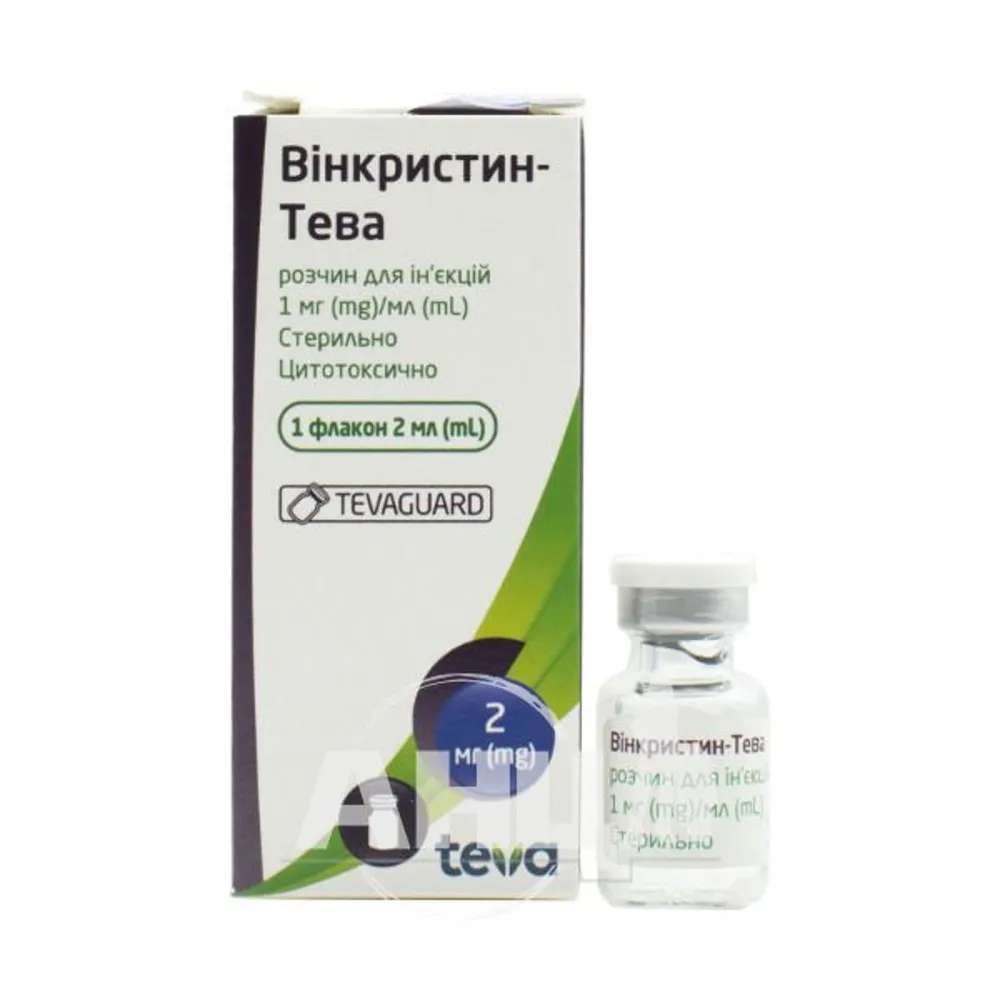
Table of Contents
INSTRUCTIONS FOR MEDICAL USE OF THE MEDICINAL PRODUCT VINBLASTINE-TEVA (VINBLASTINE-TEVA)
Composition:
Active substance: vinblastine sulfate;
1 ml of injection solution contains vinblastine sulfate 1 mg;
Excipients: sodium chloride, water for injections.
Pharmaceutical form. Injection solution.
Main physicochemical properties: clear, colorless or pale yellow solution.
Pharmacotherapeutic group. Antineoplastic agents. Vinca alkaloids and their analogs. ATC code L01CA01.
Pharmacological Properties
Pharmacodynamics
Vinblastine belongs to the vinca alkaloids, binds to tubulin, and disrupts the function of microtubules, inhibiting polymerization and inducing depolymerization of formed microtubules. This interferes with the normal reorganization of the microtubule network required for interphase and mitosis. In addition to mitotic arrest, vinca alkaloids may also exert cytotoxic effects on non-proliferating cells in the G1 and S phases.
Hematological effects: Leukopenia is expected during treatment with vinblastine sulfate, and leukocyte count is an important indicator for therapy management. Generally, the degree and duration of leukopenia increase with higher doses.
Following initiation of vinblastine sulfate therapy, the lowest leukocyte count is expected 5–10 days after the last dose. Thereafter, leukocyte counts usually recover rapidly (within 7–14 days). With maintenance therapy using lower doses, leukopenia is generally not a significant issue. Although platelet counts typically do not decrease substantially during vinblastine sulfate treatment, severe thrombocytopenia may occur sporadically, but less frequently than with other cytostatic agents.
Thrombocytopenia (less than 200,000 platelets per mm³) may occur in patients with bone marrow suppression due to prior radiation therapy or treatment with other oncolytic agents. If prior radiation therapy or other chemotherapy has not been administered, platelet counts rarely fall below 200,000 per mm³, even if vinblastine causes evident leukopenia. Thrombocytopenia usually resolves within several days. The effect of vinblastine on erythrocyte count and hemoglobin levels is generally minimal unless complicated by other forms of treatment.
Pharmacokinetics
Vinblastine has a large volume of distribution, which may reach 27.3 L/kg. Studies in rats showed the highest concentrations of radioactivity in the lungs, liver, spleen, and kidneys within 2 hours after injection of radiolabeled vinblastine. Vinblastine is highly bound (>99%) to plasma proteins. It is metabolized to the active metabolite deacetylvinblastine.
After rapid intravenous injection, the decline in vinblastine concentration in plasma occurs in three phases (with considerable interindividual and intraindividual variability):
- a very rapid initial decline (alpha phase, elimination half-life of 4 minutes);
- a relatively short intermediate phase (beta phase, elimination half-life of 1.6 hours);
- a much longer terminal phase (gamma phase, elimination half-life of 25 hours, ranging from 17 to 31 hours).
Since biliary excretion may be the primary elimination pathway, toxicity of this drug may be enhanced in the presence of impaired biliary excretion.
After administration of radiolabeled vinblastine to patients, 10% of radioactivity was recovered in feces and 14% in urine; the remainder of the radioactivity could not be detected.
Systemic clearance is 0.74 L/kg/h.
Vinblastine poorly penetrates the blood-brain barrier and is not detectable in cerebrospinal fluid at therapeutic concentrations after intravenous administration.
Preclinical Safety Data
Reproductive studies in animals have shown adverse effects on fertility and embryotoxicity. Chronic toxicity studies have demonstrated suppression of spermatogenesis and gastrointestinal toxicity. Various genotoxicity tests have shown that vinblastine can induce chromosomal abnormalities, micronuclei, and polyploidy. Vinblastine may have a carcinogenic potential.
Clinical characteristics.
Indications.
Vinblastine sulfate may occasionally be used as monotherapy, but is usually administered in combination with other cytotoxic medicinal products and/or radiotherapy for the treatment of the following malignancies:
- Non-Hodgkin's malignant lymphoma;
- Hodgkin's disease;
- Disseminated testicular cancer;
- Recurrent or metastatic breast cancer (in cases where anthracycline-based regimens are ineffective);
- Langerhans cell histiocytosis (histiocytosis X).
Contraindications.
- Hypersensitivity to the active substance, to another vinca alkaloid, or to any excipient;
- Leukopenia unrelated to tumor;
- Severe uncontrolled infection; control of such infections with antiseptics or antibiotics must be established before administration of vinblastine sulfate;
- Intrathecal administration of Vinblastine-Teva;
- Breastfeeding period (see section "Use during pregnancy or breastfeeding").
Special safety precautions.
Administration
Vinblastine sulfate must be administered only by a qualified physician experienced in the use of antineoplastic chemotherapeutic agents, or under his/her direct supervision.
Preparation
Preparation of chemotherapeutic agents for administration must be performed only by trained personnel. Reconstitution of the powder and transfer into syringes should be carried out only in a designated area. Personnel performing these procedures must be adequately protected with clothing, gloves, and eye shield. Pregnant staff members should not handle cytotoxic agents.
Vinblastine-Teva may be diluted in 0.9% sodium chloride solution or 5% glucose solution to a concentration of 0.5 mg/mL and administered intravenously. The solution must be prepared immediately before use. Vinblastine-Teva does not contain preservatives; therefore, the vial is intended for single use only.
Contamination
In case of contact of the drug with skin or eyes, the affected area should be thoroughly rinsed with large amounts of water or physiological saline. A soothing cream may be used to relieve transient skin burning. In case of eye exposure, medical attention is required.
In case of spillage of the solution, gloves must be worn and the spilled solution wiped with a sponge specifically designated for this purpose and kept in the working area. The spill site should be rinsed twice with water. All solutions and sponges must be placed into a polyethylene bag and sealed. Patient excreta and vomitus must be carefully cleaned up.
Disposal
Syringes, containers, absorbent materials, unused solution, and any other contaminated materials must be placed into a thick plastic bag or other impermeable container and incinerated. Any unused medicinal product, damaged vials, or contaminated waste must be placed into waste containers specifically designated for this purpose and disposed of in accordance with local regulations.
Interaction with other medicinal products and other types of interactions.
Due to the increased risk of thrombosis in cancer patients, anticoagulant therapy is often used. High individual variability in coagulation capacity in cancer patients and the potential for interaction between oral anticoagulants and antineoplastic chemotherapy necessitate (if oral anticoagulants are used) increased frequency of monitoring of INR (International Normalized Ratio).
Combination of vinblastine sulfate with other myelotoxic or neurotoxic agents or with irradiation of large areas increases the risk of toxicity. When chemotherapy is administered in combination with radiotherapy involving the liver, administration of vinblastine sulfate should be postponed until completion of radiotherapy.
Vinblastine sulfate should be administered with caution to patients who are concurrently receiving drugs that inhibit drug metabolism via hepatic cytochrome CYP3A isoenzymes, or to patients with impaired liver function. Concomitant administration of vinblastine sulfate and an inhibitor of this metabolic pathway may lead to faster onset and/or increased severity of adverse reactions.
Concomitant oral or intravenous administration of digoxin and chemotherapeutic combinations, including vinblastine sulfate, may lead to decreased digoxin blood levels and thus to reduced efficacy.
Concomitant oral or intravenous administration of phenytoin and chemotherapeutic combinations, including vinblastine sulfate, may lead to decreased phenytoin blood levels and increased frequency of seizures. The dose of phenytoin should be adjusted based on blood level monitoring. The role of vinblastine sulfate in this interaction is not fully understood. The interaction may result from reduced phenytoin absorption and increased metabolism and elimination rate.
Severe, sometimes irreversible pulmonary toxicity has been reported with the combination of vinblastine sulfate and mitomycin C, particularly in the presence of prior tissue damage (see section "Special precautions for use"). Administration of vinblastine sulfate in combination with mitomycin may lead to acute respiratory distress and pulmonary infiltration. Cases of respiratory distress with interstitial lung infiltrates have been reported in patients receiving a regimen including vinblastine sulfate, mitomycin, and progesterone (MVP).
Concomitant administration of cisplatin has been reported to increase plasma concentrations of vinblastine sulfate. Cases of Raynaud's syndrome and gangrene have been reported after concomitant use of vinblastine sulfate and bleomycin, as well as other vascular events (such as myocardial infarction and cerebrovascular accidents) following combination therapy with vinblastine sulfate, bleomycin, and cisplatin. Vinblastine sulfate may enhance the neurotoxicity of cisplatin or interferon and the cardiotoxicity of interferon.
Pharmacodynamic and pharmacokinetic interactions may occur between vinblastine sulfate and other cytostatic or immunosuppressive medicinal products, leading to enhanced therapeutic and toxic effects. Interactions with radiotherapy during and after radiation treatment are also possible.
Erythromycin may enhance the toxicity of vinblastine sulfate. Concomitant administration of vinblastine sulfate and itraconazole may increase the risk of neurotoxicity or paralytic ileus. Serum levels of anticonvulsant drugs may decrease during treatment with cytotoxic agents, including vinblastine sulfate.
Vinblastine sulfate may promote cellular uptake of methotrexate. Interactions between vinblastine sulfate, alkylating agents, and methotrexate during the cell cycle may result in enhanced overall cytotoxic effect.
Patients receiving immunosuppressive chemotherapy should not be vaccinated with live vaccines due to the risk of systemic disease with potentially fatal outcome. This risk is increased in individuals who already have immunosuppression due to their underlying disease. Inactivated vaccines should be used if available.
Special precautions for use.
This medicinal product should be used only under the strict supervision of a physician experienced in the use of antineoplastic agents, preferably in hospitals with experience in such treatment. Syringes containing this medicinal product must be labelled "FATAL IF ADMINISTERED BY OTHER ROUTES. FOR INTRAVENOUS USE ONLY". Extemporaneously prepared syringes containing this medicinal product must be wrapped in packaging bearing the label "DO NOT REMOVE WRAPPING UNTIL TIME OF INJECTION. FATAL IF ADMINISTERED BY OTHER ROUTES. FOR INTRAVENOUS USE ONLY".
Vinblastine-Teva must be administered intravenously only. Intrathecal administration leads to fatal neurotoxicity.
If leukopenia with a leukocyte count below 2000/mm³ occurs after administration of vinblastine sulfate, the patient should be closely monitored for signs of infection until the leukocyte count returns to normal levels. With vinblastine therapy, the maximal decrease in granulocyte count is expected to occur 5–10 days after the last dose of the drug. Granulocyte counts then recover rapidly and usually return to normal within the following 7–14 days. Patients with skin ulcers, cachexia, or elderly patients are more susceptible to the effects of leukopenia induced by vinblastine sulfate. Therefore, the use of vinblastine sulfate in such patients is strongly not recommended. In patients with bone marrow infiltration by tumor cells, more pronounced bone marrow suppression may occur after administration of vinblastine sulfate.
Although platelet counts are usually not significantly reduced during treatment with vinblastine sulfate, thrombocytopenia (less than 150,000 platelets/mm³) may occur in patients whose bone marrow has recently been affected by prior radiation therapy or other antineoplastic agents. If no other chemotherapy or radiation has been administered previously, platelet counts rarely decrease below 150,000/mm³, even when vinblastine sulfate causes significant granulocytopenia. Typically, rapid recovery from thrombocytopenia occurs within several days.
The effect of vinblastine sulfate on red blood cell count and hemoglobin levels is usually minimal unless complicated by other forms of treatment. Stomatitis and neurological toxicity, although not frequent or consistent, may lead to disability.
Prolonged daily administration of low doses of vinblastine sulfate is not recommended, even if the total weekly dose is equivalent to the recommended dose. It is extremely important to strictly adhere to the prescribed dosing schedule. If a dose several times higher than the prescribed weekly dose, divided over 7 days, is administered over a prolonged period, seizures, severe and irreversible central nervous system damage, and even fatal outcomes may occur.
During treatment and for 6 months after discontinuation of therapy, both women and men should use contraceptive measures (see section "Use during pregnancy or breast-feeding").
To date, there is no evidence that vinblastine is carcinogenic in humans, although leukemia has developed in some patients after radiation therapy and combined treatment with vinblastine sulfate and alkylating agents. Although there is no known indication of mutagenic effects of vinblastine sulfate to date, like all cytostatic medicinal products, vinblastine sulfate should be used with caution.
Cases of acute dyspnea and severe bronchospasm have been observed after administration of vinca alkaloids. Such reactions occur more frequently when vinblastine sulfate is combined with mitomycin C. Aggressive treatment may be required, especially in patients with a history of pulmonary dysfunction. These reactions may occur from several minutes to several hours after injection of vinblastine sulfate and up to 2 weeks after administration of mitomycin. Most patients fully recover after treatment with bronchodilators, corticosteroids, and oxygen. However, in some patients, progressive dyspnea developed, requiring prolonged corticosteroid therapy. Re-administration of vinblastine sulfate is contraindicated (see also section "Interaction with other medicinal products and other forms of interaction").
Caution is required in patients with hepatic impairment, as elimination may be delayed and dose adjustment may be necessary (see section "Method of administration and dosage"). Caution is also required when administering to patients with ischemic heart disease. This medicinal product is generally not recommended for use in combination with live attenuated vaccines, phenytoin, and itraconazole (see section "Interaction with other medicinal products and other forms of interaction").
Careful monitoring of the peripheral nervous system is recommended for dose adjustment. During induction of remission in lymphoma, serum uric acid levels may increase; therefore, serum uric acid levels should be monitored or appropriate measures taken. Exposure to intense sunlight should be avoided during treatment with vinblastine sulfate. Contact of vinblastine sulfate with the eyes should be avoided. Orthostatic hypotension may be enhanced in elderly patients. In case of suspected inadequate antidiuretic hormone secretion, serum electrolyte levels and fluid balance should be monitored.
Constipation may occur as an adverse reaction during treatment with vinblastine sulfate, which responds well to usual measures such as enemas and laxatives. Constipation may manifest as obstruction of the upper parts of the large intestine, and the rectum may be empty upon medical examination. An abdominal X-ray may be useful in demonstrating this condition. Patients receiving high doses of vinblastine sulfate are recommended to follow a routine prophylactic regimen against constipation.
Precautions during preparation and administration
There is a risk of skin and corneal injury in case of spillage during reconstitution and/or administration. In such cases, immediate irrigation with large amounts of water is required. Appropriate precautions for handling cytotoxic medicinal products, such as wearing protective gloves, face masks, and protective eyewear, should be taken during preparation and administration.
Extravasation must be avoided. Leakage of the medicinal product into surrounding tissues during intravenous administration may cause significant irritation. The injection should be stopped immediately, and the remaining dose administered into another vein. Local administration of hyaluronidase and application of mild heat to the site of extravasation have been used to disperse the drug and reduce discomfort and the risk of cellulitis and phlebitis.
Intrathecal administration of Vinblastine-Teva results in fatal neurotoxicity.
After accidental intrathecal administration of Vinblastine-Teva, the following treatment is recommended. In one case, progressive paralysis in an adult who had received intrathecal administration of the related vinca alkaloid vincristine sulfate was successfully halted with this treatment. Treatment should be initiated immediately.
- As much cerebrospinal fluid as possible was removed from the lumbar region, considering safety.
- The subarachnoid space was irrigated with Ringer's lactate solution by continuous infusion through a catheter placed in the lateral ventricle of the brain at a rate of 150 mL per hour. The fluid was removed via lumbar access.
- As soon as possible, 25 mL of fresh frozen plasma was diluted in 1 liter of Ringer's lactate solution, and the diluted solution was infused through the cerebral ventricular catheter at a rate of 75 mL per hour. The fluid was again removed via lumbar access. The infusion rate was adjusted to maintain the protein level in the cerebrospinal fluid at 150 mg/mL. The treatment was repeated from step 3 using one liter of diluted fresh frozen plasma.
- 10 g of glutamic acid was administered intravenously over 24 hours, followed by 500 mg orally three times daily for 1 month or until neurological dysfunction stabilized. The role of glutamic acid in this treatment is not established, and its use may not be essential.
- Folinic acid was administered intravenously as a 100 mg bolus, followed by infusion at 25 mg/hour for 24 hours, then 25 mg bolus every 6 hours for 1 week. Pyridoxine was administered at 50 mg every 8 hours by intravenous infusion over 30 minutes. Their significance in reducing neurotoxicity is not established.
Excipients
Sodium. This medicinal product contains 35 mg of sodium per vial, equivalent to 1.8% of the WHO recommended maximum daily sodium intake for adults (2 g).
Use during pregnancy or breast-feeding.
Pregnancy
Data on the use of vinblastine sulfate in pregnant women are insufficient. Pharmacological effects indicate a potential harmful effect during pregnancy. Preclinical studies have demonstrated genotoxicity, teratogenicity, and other reproductive toxicity (see section "Pharmacological properties. Preclinical safety data"). Vinblastine sulfate should not be used during pregnancy unless absolutely necessary. If treatment with vinblastine sulfate is essential during pregnancy or if pregnancy occurs during treatment, the patient should be informed of the risks to the unborn child and closely monitored. Genetic counselling should be considered.
Breast-feeding
It is unknown whether vinblastine sulfate passes into breast milk. The use of vinblastine sulfate during breast-feeding is contraindicated. Breast-feeding should be discontinued during treatment with vinblastine sulfate.
Contraception
Men and women of reproductive age should use reliable contraceptive methods during treatment with vinblastine sulfate and for at least 3 months, preferably up to 6 months, after treatment.
Fertility
Vinblastine sulfate may negatively affect fertility in both men and women. As with many medicinal products, there is no information on the effect of vinblastine sulfate on spermatogenesis. Aspermia has been reported in humans. Animal studies indicate metaphase arrest and degenerative changes in germ cells (see section "Pharmacological properties. Preclinical safety data"). Reversible or irreversible infertility may occur in both men and women after treatment with vinblastine sulfate. Amenorrhea, often reversible, has occurred in some women treated with vinblastine sulfate in combination with other medicinal products. Men should consult on sperm preservation prior to starting treatment with vinblastine sulfate.
Ability to influence the ability to drive and use machines.
There are no data on the effect of this medicinal product on the ability to drive. Due to possible adverse reactions, the potential impact on the ability to drive or operate machinery should be considered.
Method of Administration and Dosage
This medicinal product is intended for intravenous use only. It should be administered only by personnel experienced in the use of vinblastine sulfate.
Fatal if administered by any other route. For intravenous use only.
In case of accidental intrathecal administration, see section "Special Warnings and Precautions for Use".
Instructions for handling/administering the medicinal product are provided in the section "Special Precautions for Safety". Prior to each administration, neutrophil counts must be monitored.
Dosage
Initial Dose
Adults. Treatment should be initiated with a single dose of 0.1 mg/kg (3.7 mg/m²) administered intravenously once weekly, followed by leukocyte count monitoring to determine patient sensitivity to the drug.
Children. Treatment should be initiated with a single dose of 2.5 mg/m² administered intravenously once weekly, followed by leukocyte count monitoring to determine patient sensitivity to the drug.
Maintenance Dose
Leukopenia as a reaction to vinblastine sulfate is variable. Therefore, it is recommended to administer the drug no more frequently than once every 7 days. Daily administration of low doses of vinblastine sulfate is not recommended, even if the total weekly dose equals the recommended dose, as the frequency and severity of toxicity may increase. The initial dose may be increased weekly by 0.05 mg/kg (or 1.8 mg/m²) for adults and by 1.25 mg/m² for children. The usual dose is 5.5–7.5 mg/m²; the average adult dose is 0.15–0.2 mg/kg or 4–6 mg/m². Dose escalation should not continue after reaching the maximum dose that reduces leukocyte counts to approximately 3,000/mm³. In some patients, a dose of 0.1 mg/kg (or 3.7 mg/m²) may already cause leukopenia, while others may require more than 0.3 mg/kg (or 11.1 mg/m²), and very rarely 0.5 mg/kg (18.5 mg/m²). However, for most patients, the weekly dose will range from 0.15 to 0.2 mg/kg. After determining the vinblastine sulfate dose that causes the aforementioned leukopenia, the same amount should be administered as the maintenance dose at weekly intervals. Thus, the patient receives the maximum dose that does not cause leukopenia. The maximum adult dose is 0.5 mg/kg (or 18.5 mg/m²). The usual pediatric dose is 7.5 mg/m²; a dose of 12.5 mg/m² may be used as monotherapy.
The next dose of vinblastine sulfate may only be administered when the leukocyte count has increased to at least 4,000/mm³ and a 7-day dosing interval has elapsed. In some cases, antitumor activity may be observed before the onset of leukopenia. In such cases, there is no need to increase the next dose. For maintenance therapy of indefinite duration, the maximum dose that can be administered on an outpatient basis every 7–14 days without reducing leukocyte counts to a dangerous level should be used.
Dose in Hepatic Impairment
In patients with hepatic impairment, the initial dose of vinblastine sulfate on day 1 is 100% if bilirubin concentration is <25 µmol/L (or <1.5 mg/dL), and 50% if bilirubin concentration is 25–50 µmol/L (or 1.5–3.0 mg/dL). Vinblastine sulfate should not be used if bilirubin concentration exceeds 50 µmol/L (or >3 mg/dL).
Dose in Renal Impairment
Since metabolism and elimination occur primarily via the liver, patients with impaired renal function do not require dose adjustment.
Combination Therapy
In combination regimens, doses and frequency may differ from the standard weekly doses indicated above. For appropriate dosing in combination regimens, current medical literature should be consulted.
Method of Administration
Vinblastine-Teva must be administered intravenously only and must not be administered intramuscularly, subcutaneously, or intrathecally. Intrathecal administration causes fatal neurotoxicity and is therefore contraindicated.
The required dose of Vinblastine-Teva may be administered either into the tubing of an ongoing intravenous infusion or directly into a vein. The latter method is particularly suitable for outpatient treatment. The injection may be given over approximately 1 minute, provided the needle is correctly positioned in the vein and vinblastine sulfate is not extravasated, which may cause cellulitis or phlebitis. To prevent extravasation of vinblastine sulfate, it is recommended to flush the needle and syringe with venous blood before removing the needle. In case of extravasation, the injection should be stopped immediately, and the remaining portion of the dose should be administered into another vein. Vinblastine sulfate should not be diluted in large volumes of solution (e.g., 100–250 mL) and should not be administered as a slow infusion (30–60 minutes or longer), as this may increase the risk of irritation. Due to the increased risk of thrombosis, Vinblastine-Teva should not be administered into extremities with impaired circulation or predisposition to circulatory impairment due to compression or tumor invasion, phlebitis, or varicose veins.
If reconstituted vinblastine sulfate is transferred into a container other than the original glass vial (e.g., a syringe), it must be labeled with an outer container marked "For intravenous use only."
Children
The medicinal product may be used in children.
Overdose
Symptoms
Overdose of vinblastine sulfate leads to an intensification of adverse reactions (see section "Adverse Reactions"). Bone marrow suppression, particularly leukopenia, may be more pronounced. Additionally, neurotoxicity (paresthesia, peripheral neuropathy) similar to that observed after administration of vincristine sulfate may occur.
Treatment
There is no antidote for vinblastine sulfate. Treatment is symptomatic and supportive. Administration of vinblastine sulfate should be discontinued. If necessary, general supportive measures and blood transfusions should be administered. In case of overdose, the following treatment recommendations are advised:
- Prevention of complications from syndrome of inappropriate antidiuretic hormone secretion by fluid restriction and use of a loop diuretic acting on the distal tubules;
- Administration of an anticonvulsant medicinal product;
- Consumption of liquid diet due to possible intestinal obstruction;
- Monitoring of the cardiovascular system;
- Daily hematological assessment;
- Animal studies have shown that folic acid may have a protective effect when administered according to the following regimen: 100 mg intravenously every 3 hours for 48 hours, then every 6 hours for the next 48 hours.
Hemodialysis is ineffective for elimination of the drug. Based on the pharmacokinetic profile, elevated levels are expected to persist for at least 72 hours. In case of accidental ingestion of vinblastine sulfate, oral activated charcoal in aqueous suspension may be administered along with a laxative. Use of cholestyramine in such situations has not been reported.
Adverse Reactions
The frequency of adverse reactions associated with the use of vinblastine sulfate generally depends on the administered dose. Most adverse reactions usually last no longer than 24 hours. Adverse reactions are categorized by frequency as follows: very common (≥1/10); common (≥1/100, <1/10); uncommon (≥1/1000, <1/100); rare (≥1/10000, <1/1000); very rare (<1/10000); frequency not known (cannot be estimated from available data).
Blood and lymphatic system disorders:
Very common – leukopenia (the most frequent adverse reaction, usually being the dose-limiting factor);
Common – anemia, thrombocytopenia, and myelosuppression;
Frequency not known – hemolytic anemia.
Endocrine system disorders:
Rare – syndrome of inappropriate antidiuretic hormone secretion has been reported both with recommended doses and higher doses (see also section "Overdose").
Psychiatric disorders:
Uncommon – depression;
Frequency not known – psychosis.
Nervous system disorders:
Common – paresthesia, loss of deep tendon reflexes;
Rare – numbness, peripheral neuritis, headache, seizures, dizziness (cases of stroke have been reported in patients receiving combination chemotherapy with bleomycin, cisplatin, and vinblastine sulfate);
Frequency not known – neurogenic pain (in the facial and jaw area), peripheral neuropathy, vocal cord paralysis.
Eye disorders:
Frequency not known – severe corneal epithelial erosions with blepharospasm, eyelid edema, and preauricular lymphadenopathy following corneal contact.
Ear and labyrinth disorders:
Rare – ototoxicity, vestibular and auditory damage of the eighth cranial nerve (manifestations include partial or complete hearing loss, which may be transient or permanent, and balance disturbances including dizziness, nystagmus, and vertigo);
Frequency not known – tinnitus.
Cardiac disorders:
Rare – sinus tachycardia, angina pectoris, atrioventricular block, arrhythmia;
Frequency not known – cases of myocardial infarction have been reported in patients receiving combination chemotherapy with bleomycin, cisplatin, and vinblastine sulfate.
Vascular disorders:
Frequency not known – paroxysmal hypertension and severe arterial hypotension have been observed; cases of Raynaud's syndrome have been reported in patients receiving combination chemotherapy with bleomycin, cisplatin, and vinblastine sulfate for testicular tumors; orthostatic hypotension.
Respiratory, thoracic and mediastinal disorders:
Uncommon – pharyngitis.
Acute dyspnea (bronchospasm) has been reported after administration of vinca alkaloids. In patients who are receiving or have previously received mitomycin C, dyspnea, wheezing, infiltrative changes, and impaired lung function may occur within minutes to several hours after vinblastine sulfate administration or up to 2 weeks after mitomycin C infusion due to pulmonary toxicity of this combination. Administration of both drugs should be discontinued immediately (see sections "Interaction with other medicinal products and other forms of interaction" and "Special precautions for use").
Gastrointestinal disorders:
Very common – nausea, vomiting;
Common – constipation (see section "Special precautions for use"), intestinal obstruction, bleeding from old peptic ulcers, hemorrhagic enterocolitis, rectal bleeding, anorexia, and diarrhea;
Frequency not known – stomatitis, stomach pain, abdominal pain, painful swelling of parotid glands.
Hepatobiliary disorders:
Frequency not known – liver fibrosis.
Skin and subcutaneous tissue disorders:
Very common – hair loss (usually incomplete, and in some cases hair regrowth may begin during maintenance therapy); cases of blistering in the oral cavity and on the skin have been reported;
Frequency not known – dermatitis, phototoxicity.
Musculoskeletal, connective tissue and bone disorders:
Frequency not known – muscle atrophy.
Renal and urinary disorders:
Frequency not known – urinary retention, thrombotic microangiopathy with renal failure.
Reproductive system and breast disorders:
Frequency not known – reduced fertility, aspermia.
General disorders and administration site conditions:
Uncommon – tumor pain, malaise;
Frequency not known – weakness, fever; extravasation of vinblastine sulfate solution during intravenous administration may lead to cellulitis, necrosis, and thrombophlebitis; injection site pain (especially after injection into small vessels).
Reporting of suspected adverse reactions.
All suspected adverse reactions and lack of drug efficacy should be reported via the following link: https://aisf.dec.gov.ua
Shelf life. 3 years.
Storage conditions. Store in a refrigerator (2–8°C). Do not freeze. Keep in the original packaging to protect from light. Store out of reach of children.
Chemical and physical stability after preparation has been confirmed for 6 hours when stored at room temperature (15–25°C), under diffused lighting, and diluted to a concentration of 0.5 mg/mL with 0.9% sodium chloride solution or 5% glucose solution.
After opening the vial, from a microbiological standpoint, this medicinal product should be used immediately. If not used immediately, the user is responsible for the conditions and duration of storage prior to use, which should generally not exceed 24 hours at 2–8°C, unless dilution is performed under controlled and validated aseptic conditions.
Incompatibilities.
This medicinal product must not be mixed with other medicinal products except those specified in the section "Special precautions for safety".
Packaging. 10 mL of medicinal product in a glass vial; 1 vial per cardboard box.
Prescription status. Prescription only.
Manufacturer. Farmahem B.V.
Manufacturer's address and place of business.
Svensweg 5, 2031 GA Haarlem, The Netherlands.