Versavo
Ukraine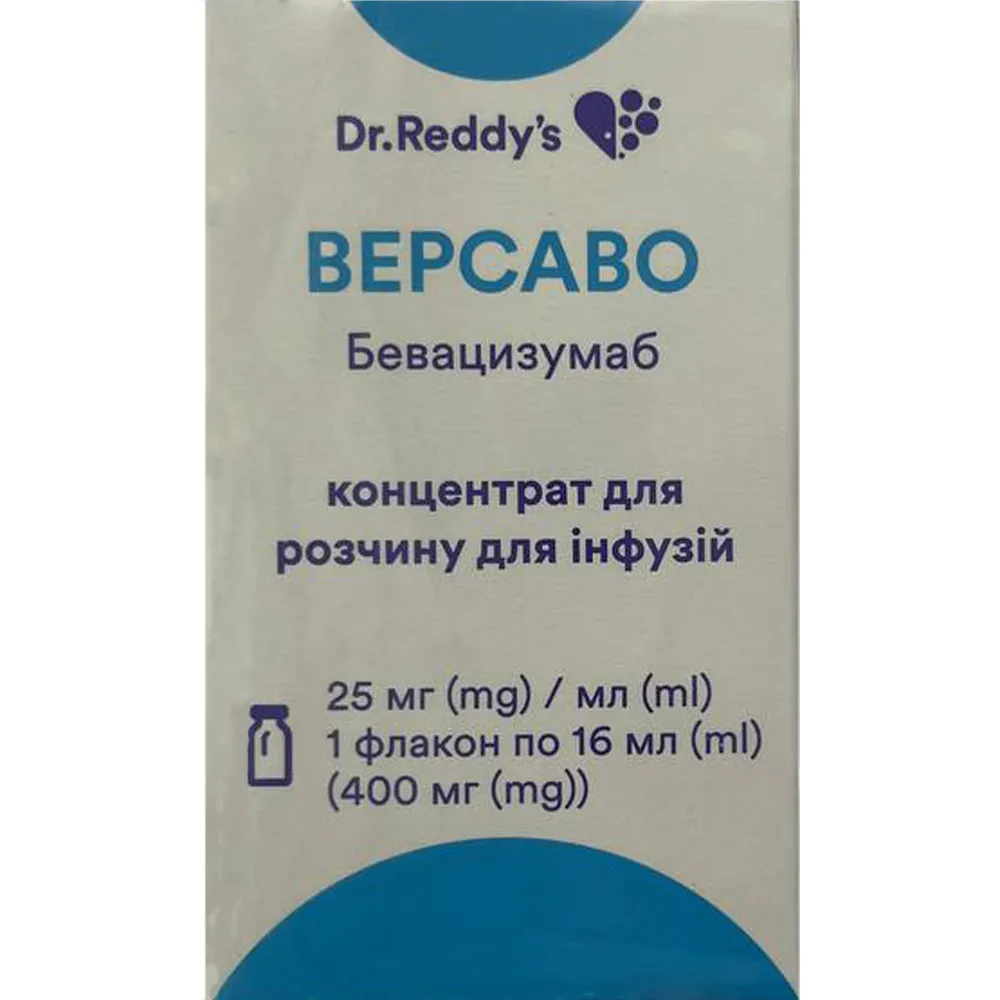
Table of Contents
INSTRUCTION FOR MEDICAL USE OF THE MEDICINAL PRODUCT VERSAVO (VERSAVO)
Composition:
Active substance: bevacizumab;
1 ml of concentrate contains 25 mg of bevacizumab;
1 vial (4 ml concentrate for infusion solution) contains 100 mg (25 mg/ml) of bevacizumab;
1 vial (16 ml concentrate for infusion solution) contains 400 mg (25 mg/ml) of bevacizumab;
Excipients: polysorbate 20; α,α-trehalose dihydrate; sodium phosphate anhydrous; sodium dihydrogen phosphate monohydrate; water for injections.
Pharmaceutical form. Concentrate for solution for infusion.
Main physicochemical properties: clear or opalescent, colorless to slightly brown liquid.
Pharmacotherapeutic group.
Antineoplastic agents. Monoclonal antibodies and antibody-drug conjugates. Inhibitors of vascular endothelial growth factor/vascular endothelial growth factor receptors.
ATC code L01FG01.
Pharmacological Properties
Pharmacodynamics
Bevacizumab is a recombinant humanized monoclonal antibody produced by DNA technology in Chinese hamster ovary cells. Bevacizumab binds to vascular endothelial growth factor (VEGF), a key mediator of vasculogenesis and angiogenesis, thereby inhibiting the binding of VEGF to its receptors Flt-1 (VEGFR-1) and KDR (VEGFR-2) on the surface of endothelial cells. Neutralization of the biological activity of vascular endothelial growth factor leads to reduced tumor vascularization, normalization of tumor-affected blood vessels, and inhibition of new blood vessel formation within the tumor, thus suppressing tumor growth.
Pharmacodynamic effects
Administration of bevacizumab or its original murine antibody in xenograft models of malignant tumors in nude mice resulted in pronounced antitumor activity across various human cancers, including colorectal, breast, pancreatic, and prostate tumors. This was associated with inhibition of metastatic disease progression and reduced microvascular permeability.
Pharmacokinetics
Pharmacokinetic data for bevacizumab were obtained from ten published clinical studies in patients with solid tumors. In all clinical trials, bevacizumab was administered as an intravenous (IV) infusion. The infusion rate was selected based on tolerability, with an initial infusion duration of 90 minutes. The pharmacokinetics of bevacizumab were linear over the dose range of 1 to 10 mg/kg.
Distribution
The typical value of central volume of distribution (Vc) is 2.73 L and 3.28 L in female and male patients, respectively, which falls within the range described for IgG antibodies and other monoclonal antibodies. The typical value of peripheral volume of distribution (Vp) is 1.69 L and 2.35 L in female and male patients, respectively, when bevacizumab is administered concomitantly with antineoplastic agents. After dose adjustment for body weight, it was found that male patients have a larger Vc (+20%) compared to female patients.
Biotransformation
Assessment of bevacizumab metabolism in rabbits after a single IV dose of 125I-bevacizumab demonstrated that its metabolic profile was similar to that expected for a natural IgG molecule not binding VEGF. The metabolism and elimination of bevacizumab are analogous to those of endogenous IgG, occurring primarily via proteolytic catabolism in cells throughout the body, including endothelial cells, rather than through renal or hepatic excretion. Binding of IgG to Fc receptors protects it from cellular metabolism and contributes to a prolonged terminal half-life.
Elimination
The clearance of bevacizumab averages 0.188 and 0.220 L/day in female and male patients, respectively. After dose correction for body weight, it was found that male patients have higher bevacizumab clearance (+17%) compared to female patients. According to a two-compartment model, the typical half-life is 18 days in female patients and 20 days in male patients (ranging from 11 to 50 days).
Low serum albumin levels and high tumor burden generally indicate disease severity. Bevacizumab clearance is approximately 30% faster in patients with low serum albumin levels and 7% faster in patients with higher tumor burden compared to a typical patient with average albumin levels and tumor burden.
Pharmacokinetics in specific patient populations
A population pharmacokinetic analysis was performed to evaluate the impact of demographic characteristics in adults and children. In adults, results showed no differences in bevacizumab pharmacokinetics based on age.
Patients with renal impairment
No pharmacokinetic studies of bevacizumab have been conducted in patients with renal impairment, as the kidneys are not the primary organ for metabolism or excretion of bevacizumab.
Patients with hepatic impairment
No pharmacokinetic studies of bevacizumab have been conducted in patients with hepatic impairment, as the liver is not the primary organ for metabolism or excretion of bevacizumab.
Clinical characteristics.
Indications.
Avastin is indicated for the treatment of:
- Metastatic colorectal cancer (mCRC):
Avastin in combination with fluoropyrimidine-based chemotherapy is indicated for the treatment of adult patients with metastatic carcinoma of the colon or rectum.
- Unresectable, advanced, metastatic, or recurrent non-squamous non-small cell lung cancer with EGFR-activating mutations (EGFR – epidermal growth factor receptor):
Avastin in combination with erlotinib is indicated for first-line treatment of advanced, unresectable, metastatic, or recurrent non-squamous non-small cell lung cancer with EGFR-activating mutations in adults.
- Unresectable, advanced, metastatic, or recurrent non-small cell lung cancer, excluding predominantly squamous non-small cell lung cancer:
Avastin in combination with platinum-based chemotherapy is indicated for first-line treatment of unresectable, advanced, metastatic, or recurrent non-small cell lung cancer, excluding predominantly squamous non-small cell lung cancer in adults.
- Recurrent glioblastoma (WHO grade IV):
Avastin as monotherapy is indicated for the treatment of recurrent glioblastoma in adults following prior therapy with temozolomide.
- Advanced and/or metastatic renal cell carcinoma (aRCC / mRCC):
Avastin in combination with interferon alfa-2a is indicated for first-line therapy of advanced and/or metastatic renal cell carcinoma in adults.
- Persistent, recurrent, or metastatic cervical cancer:
Avastin in combination with paclitaxel and cisplatin or paclitaxel and topotecan is indicated for the treatment of adult patients with persistent, recurrent, or metastatic cervical cancer who are not candidates for platinum-based therapy.
- Metastatic breast cancer (mBC):
Avastin in combination with paclitaxel is indicated for first-line therapy of metastatic breast cancer in adults.
Avastin in combination with capecitabine is indicated for first-line therapy of metastatic breast cancer in adults for whom other chemotherapy options, including taxanes or anthracyclines, are considered inappropriate. The combination of Avastin and capecitabine should not be used in patients who have received adjuvant taxane- and anthracycline-based chemotherapy within the previous 12 months.
Contraindications.
- Hypersensitivity to the active substance or to any of the excipients.
- Hypersensitivity to products derived from Chinese Hamster Ovary (CHO) cells or to other recombinant human or humanized antibodies.
- Pregnancy (see section "Use in pregnancy or breastfeeding").
Interaction with other medicinal products and other forms of interaction.
Effect of antineoplastic agents on the pharmacokinetics of bevacizumab
According to population pharmacokinetic analysis, no clinically significant interaction was observed when chemotherapy was co-administered with bevacizumab, affecting the pharmacokinetics of bevacizumab. There were no statistically or clinically significant differences in bevacizumab clearance between patients receiving bevacizumab as monotherapy and those receiving bevacizumab in combination with interferon alfa-2a, erlotinib, or other chemotherapeutic agents (IFL [irinotecan, leucovorin, and 5-fluorouracil], 5-FU/LV [5-fluorouracil/leucovorin], carboplatin/paclitaxel, capecitabine, doxorubicin, or cisplatin/gemcitabine).
Effect of bevacizumab on the pharmacokinetics of other antineoplastic medicinal products
Published data show no clinically significant effect of bevacizumab on the pharmacokinetics of concurrently administered interferon alfa-2a, erlotinib (and its active metabolite OSI-420), or the chemotherapeutic agents irinotecan (and its active metabolite SN38), capecitabine, oxaliplatin (based on measurements of free and total platinum fractions), and cisplatin. Currently, no conclusions can be drawn regarding the effect of bevacizumab on the pharmacokinetics of gemcitabine.
Combination of bevacizumab and sunitinib malate
In two clinical studies of bevacizumab in combination with sunitinib malate for the treatment of metastatic renal cell carcinoma, microangiopathic hemolytic anemia (MAHA) – a hemolytic disorder that may cause erythrocyte fragmentation, anemia, and thrombocytopenia – was reported in 7 out of 19 patients. Additionally, some of these patients experienced arterial hypertension (including hypertensive crisis), elevated creatinine levels, and neurological symptoms. All these symptoms were reversible after discontinuation of bevacizumab and sunitinib malate.
Combination with platinum-based or taxane therapy
An increased incidence of severe neutropenia, febrile neutropenia, and infections with or without severe neutropenia (sometimes fatal) has been observed, primarily in patients receiving platinum-based or taxane therapy for the treatment of NSCLC and mBC.
Radiation therapy
The safety and efficacy of bevacizumab when administered concomitantly with radiation therapy have not been established.
Monoclonal antibodies to EGFR receptors in combination with chemotherapy regimens including bevacizumab
Interaction studies have not been conducted. Monoclonal antibodies to EGFR should not be used for the treatment of mCRC in combination with chemotherapy regimens that include bevacizumab. Based on published results from phase III randomized trials – PACCE and CAIRO-2 – it has been suggested that in patients with mCRC, the use of monoclonal antibodies against EGFR (panitumumab and cetuximab, respectively) in combination with bevacizumab and chemotherapy is associated with reduced progression-free survival (PFS) and/or overall survival (OS), as well as increased toxicity, compared to bevacizumab plus chemotherapy alone.
Special precautions for use.
Monitoring
To improve monitoring of biological medicinal products, the trade name and batch number of the administered medicinal product should always be clearly recorded in the patient's medical record.
Gastrointestinal (GI) perforation and fistulae
Treatment with bevacizumab may increase the risk of gastrointestinal tract and gallbladder perforation. Intrabdominal inflammatory processes may be a risk factor for gastrointestinal perforation in patients with metastatic colorectal cancer; therefore, bevacizumab should be used with caution in these patients. Prior radiotherapy is a risk factor for gastrointestinal perforation in patients receiving bevacizumab for persistent, recurrent, or metastatic cervical cancer; all patients who developed gastrointestinal perforation had a history of radiotherapy. In patients who develop gastrointestinal perforation, treatment should be permanently discontinued.
Gastrointestinal-vaginal fistulae
Patients receiving bevacizumab for persistent, recurrent, or metastatic cervical cancer have an increased risk of developing fistulae between the vagina and any part of the gastrointestinal tract (gastrointestinal-vaginal fistulae). Prior radiotherapy is a major risk factor for gastrointestinal-vaginal fistulae; all patients with gastrointestinal-vaginal fistulae had a history of radiotherapy. Recurrent cancer in the area of prior radiotherapy is an additional important risk factor for gastrointestinal-vaginal fistulae.
Fistulae not related to the gastrointestinal tract
During treatment with bevacizumab, patients may have an increased risk of developing fistulae.
Bevacizumab should be permanently discontinued in patients with tracheoesophageal (TE) fistulae or any other fistulae of grade 4 severity (according to the National Cancer Institute Common Terminology Criteria for Adverse Events, version 3 [NCI-CTCAE v3]). Currently, there are only limited data on further use of bevacizumab in patients with other fistulae. In case of internal fistulae occurring in areas other than the gastrointestinal tract, discontinuation of bevacizumab therapy should be considered.
Surgical procedures and wound healing complications
Bevacizumab may impair wound healing. Serious wound healing complications, including fatal anastomotic complications, have been reported. Treatment with this medicinal product should not be initiated earlier than 28 days after major surgical intervention or until surgical wounds have fully healed. In patients who develop wound healing complications during treatment, the use of this agent should be temporarily suspended until complete wound healing. The use of the medicinal product should be temporarily suspended during planned surgical procedures.
Necrotizing fasciitis, including fatal cases, has been reported rarely in patients receiving bevacizumab. This condition is usually secondary to wound healing complications, gastrointestinal perforation, or fistula formation. In patients who develop necrotizing fasciitis, bevacizumab therapy should be discontinued and appropriate treatment initiated immediately.
Arterial hypertension
An increased incidence of arterial hypertension has been observed in patients receiving bevacizumab. Clinical safety data indicate that the frequency of arterial hypertension is likely dose-dependent. Adequate control of existing arterial hypertension is required before initiating bevacizumab therapy. There is currently no information on the effects of bevacizumab in patients with uncontrolled arterial hypertension at the start of treatment. Monitoring of blood pressure during treatment is generally recommended.
In most cases, hypertension can be controlled at an acceptable level with standard antihypertensive therapy tailored to the individual patient's clinical situation. The use of diuretics for the treatment of arterial hypertension is not recommended in patients receiving a chemotherapy regimen based on cisplatin. Bevacizumab should be permanently discontinued if medically significant arterial hypertension cannot be adequately controlled with antihypertensive therapy, or if the patient develops hypertensive crisis or hypertensive encephalopathy.
Reversible posterior leukoencephalopathy syndrome (RPLS)
Rare cases of signs and symptoms consistent with RPLS—a rare neurological disorder—have been reported in patients receiving bevacizumab. These may include, among others, seizures, headache, altered mental status, visual disturbances, or cortical blindness, with or without concomitant arterial hypertension. Diagnosis of RPLS should be confirmed by brain imaging, preferably magnetic resonance imaging (MRI). In patients who develop RPLS, treatment of specific symptoms, including control of arterial hypertension, is recommended, along with discontinuation of bevacizumab therapy. The safety of resuming bevacizumab therapy in patients who previously developed RPLS is unknown.
Renal impairment and proteinuria
Patients with a history of arterial hypertension have a higher risk of developing proteinuria during bevacizumab treatment. Available data suggest that the incidence of proteinuria of all grades (according to NCI-CTCAE v3) may be dose-related. Monitoring of proteinuria is recommended before and during bevacizumab therapy. Grade 4 proteinuria (nephrotic syndrome) occurred in approximately 1.4% of patients receiving bevacizumab. Treatment should be permanently discontinued in patients who develop nephrotic syndrome (NCI-CTCAE v3).
Arterial thromboembolism (see section "Adverse reactions")
The incidence of arterial thromboembolic events, including cerebrovascular accidents (CVA), transient ischemic attacks (TIA), and myocardial infarction (MI), was higher in patients receiving bevacizumab in combination with chemotherapy compared to those receiving chemotherapy alone.
Patients receiving bevacizumab + chemotherapy who have a history of arterial thromboembolism, diabetes mellitus, or are over 65 years of age have an increased risk of developing arterial thromboembolic events during treatment. Bevacizumab should be used with caution in such patients.
Bevacizumab therapy should be permanently discontinued in patients who develop arterial thromboembolic events.
Venous thromboembolism (see section "Adverse reactions")
Venous thromboembolic events, including pulmonary embolism, may occur during bevacizumab treatment.
Patients receiving bevacizumab in combination with paclitaxel and cisplatin for persistent, recurrent, or metastatic cervical cancer may have an increased risk of venous thromboembolic events.
Bevacizumab should be discontinued in patients with life-threatening (grade 4) thromboembolic events, including pulmonary embolism (according to NCI-CTCAE v3). Patients with thromboembolic events ≤ grade 3 (NCI-CTCAE v3) require careful monitoring.
Hemorrhagic events (see section "Adverse reactions")
The risk of hemorrhagic complications, particularly tumor-related bleeding, is increased in patients receiving bevacizumab. Bevacizumab should be permanently discontinued in patients who experience grade 3 or 4 hemorrhagic complications (NCI-CTCAE v3) during treatment.
Patients should be monitored for signs and symptoms of central nervous system (CNS) hemorrhage, and bevacizumab therapy should be permanently discontinued if intracranial hemorrhage is detected.
Currently, there is no information on the safety profile of bevacizumab in patients with congenital hemorrhagic diathesis, acquired coagulopathy, or in patients who have received full-dose anticoagulants for treatment of thromboembolism prior to starting bevacizumab therapy, as such patients were excluded from clinical trials.
Therefore, caution should be exercised when prescribing bevacizumab to these patients. However, in patients with venous thrombosis receiving bevacizumab and warfarin concomitantly at full dose, no increased incidence of grade 3 or higher bleeding (NCI-CTCAE v3) was observed.
Pulmonary hemorrhage / hemoptysis
Patients with non-squamous non-small cell lung cancer receiving bevacizumab may be at risk of developing serious, and in some cases fatal, pulmonary hemorrhage/hemoptysis. Bevacizumab should not be administered to patients who have recently experienced pulmonary hemorrhage/hemoptysis (with expectoration of > 2.5 mL of red blood).
Aneurysms and arterial dissections
The use of VEGF (vascular endothelial growth factor)-pathway inhibitors in patients with or without arterial hypertension may promote the development of aneurysms and/or arterial dissections. This risk should be carefully considered before initiating bevacizumab therapy in patients with risk factors such as arterial hypertension or a history of aneurysm.
Congestive heart failure (CHF) (see section "Adverse reactions")
Events consistent with a diagnosis of CHF have been reported during bevacizumab therapy. Observed abnormalities ranged from asymptomatic decline in left ventricular ejection fraction to symptomatic CHF requiring treatment or hospitalization. Bevacizumab therapy should be administered with caution in patients with clinically significant cardiovascular disease in their history, such as existing ischemic heart disease or congestive heart failure.
Most patients who developed CHF had metastatic breast cancer and had received prior anthracycline therapy, prior radiotherapy to the left chest wall, or had other risk factors for CHF.
In study AVF3694g, no increased incidence of congestive heart failure of any grade was observed in the anthracycline + bevacizumab treatment group compared to anthracycline monotherapy, both in patients receiving anthracyclines and in those who had not previously received anthracyclines. However, grade 3 or higher CHF occurred slightly more frequently in patients receiving bevacizumab in combination with chemotherapy compared to those receiving chemotherapy alone. Similar results were observed in other metastatic breast cancer studies in patients not receiving concomitant anthracycline therapy.
Neutropenia and infections (see section "Adverse reactions")
An increased incidence of severe neutropenia, febrile neutropenia, or infection with or without severe neutropenia (including fatal cases) has been observed, primarily in patients receiving bevacizumab in combination with certain myelotoxic chemotherapy regimens compared to those receiving chemotherapy alone. This was mainly observed when bevacizumab was used in combination with platinum- or taxane-based chemotherapy for the treatment of NSCLC, metastatic breast cancer (mBC), and in combination with paclitaxel and topotecan for persistent, recurrent, or metastatic cervical cancer.
Hypersensitivity reactions (including anaphylactic shock) / infusion reactions (see section "Adverse reactions")
Patients may be at risk of developing infusion reactions / hypersensitivity reactions (including anaphylactic shock). As with any intravenous therapeutic humanized monoclonal antibody, close monitoring of the patient during and after administration of bevacizumab is recommended. If a reaction occurs, the infusion should be stopped and appropriate treatment initiated. Routine premedication is not recommended.
Osteonecrosis of the jaw (see section "Adverse reactions")
Cases of osteonecrosis of the jaw (ONJ) have been observed in oncology patients receiving bevacizumab, most of whom had previously or concurrently received intravenous bisphosphonates, for which ONJ is an identified risk. Caution is advised when prescribing bevacizumab concomitantly with intravenous bisphosphonates or immediately before or after bisphosphonate therapy.
Invasive dental procedures are an established risk factor. Prior to initiating bevacizumab therapy, patients should undergo a dental examination of the oral cavity and, if necessary, receive appropriate preventive dental interventions. Patients who have previously received or are receiving intravenous bisphosphonates should avoid invasive dental procedures if possible.
Intravitreal administration
Bevacizumab is not intended for intravitreal administration.
Ocular disorders
Serious adverse reactions affecting the eye have been reported, both in individual case reports and following unlicensed intravitreal use of bevacizumab (drawn from vials approved only for intravenous use in oncology). These reactions include infectious endophthalmitis, intraocular inflammation (e.g., sterile endophthalmitis, uveitis, and vitritis), retinal detachment, retinal pigment epithelium tears, increased intraocular pressure, and intraocular hemorrhages such as vitreous hemorrhage or subconjunctival hemorrhage. Some of these reactions led to vision loss of varying degrees, including irreversible blindness.
Systemic effects following intravitreal administration
Reduction in circulating vascular endothelial growth factor (VEGF) concentration has been demonstrated after intraocular injection of VEGF inhibitors. Systemic reactions, including bleeding not related to the eye and arterial thromboembolic events, have been reported following intravitreal injection of VEGF inhibitors.
Ovarian failure / effect on fertility
Bevacizumab may impair fertility in women (see sections "Use during pregnancy or breastfeeding", "Adverse reactions"). Therefore, fertility preservation strategies should be discussed with female patients of reproductive potential before initiating treatment with bevacizumab.
Sodium content
This medicinal product contains less than 1 mmol (23 mg) of sodium per vial, i.e., essentially "sodium-free".
Use during pregnancy or breastfeeding.
Women of reproductive potential
Women of reproductive potential should use reliable contraception during treatment and for 6 months after completion of treatment.
Pregnancy
Clinical data on the use of bevacizumab in pregnant women are lacking. Animal studies have shown reproductive toxicity, including potential teratogenic effects. IgG immunoglobulins are known to cross the placental barrier, and bevacizumab is expected to inhibit fetal angiogenesis. Therefore, there is a concern that it may cause severe congenital malformations when used during pregnancy. Cases of fetal developmental abnormalities have been observed in the post-marketing period in women who received bevacizumab as monotherapy or in combination with chemotherapeutic agents known to have embryotoxic effects (see section "Adverse reactions"). Bevacizumab is contraindicated during pregnancy.
Breastfeeding
It is unknown whether bevacizumab is excreted in human breast milk. Since IgG immunoglobulins are excreted in breast milk and bevacizumab may negatively affect infant growth and development, women should be advised to discontinue breastfeeding during bevacizumab therapy and to avoid breastfeeding for at least six months after the last dose of bevacizumab.
Fertility
Toxicity studies in animals indicate that repeated administration of bevacizumab may adversely affect fertility in women. In a phase III adjuvant therapy study in patients with colorectal cancer, a sub-study in premenopausal women showed a higher incidence of new-onset ovarian failure in the bevacizumab group compared to the control group. In most patients, ovarian function recovered after discontinuation of bevacizumab. The long-term effects of bevacizumab therapy on fertility are unknown.
Ability to drive and use machines
The influence of bevacizumab on the ability to drive or operate machinery is negligible or absent. However, somnolence and syncope have been reported during bevacizumab treatment (see Table 1 in section "Adverse reactions"). Patients experiencing symptoms related to impaired vision or decreased concentration or reaction speed should be advised to refrain from driving or operating machinery until these symptoms resolve.
Administration and Dosage
Versavo should only be administered under the supervision of a physician experienced in the use of antineoplastic agents. Therapy with Versavo should not be initiated until at least 28 days have passed after surgery and the surgical wound has completely healed.
Dosage
Metastatic Colorectal Cancer (mCRC)
The recommended dose of Versavo administered as an intravenous infusion is 5 mg/kg or 10 mg/kg body weight given every 2 weeks, or 7.5 mg/kg or 15 mg/kg body weight given every 3 weeks.
Versavo is used in combination with fluoropyrimidine-based chemotherapy.
Treatment should be continued until disease progression or until intolerable toxic effects occur.
Non-Small Cell Lung Cancer (NSCLC)
First-line therapy for non-squamous NSCLC with EGFR-activating mutations in combination with erlotinib
Prior to initiating combination therapy with bevacizumab and erlotinib, an EGFR mutation test should be performed. It is important to use a reliable and validated method that ensures consistent results to avoid false-negative or false-positive outcomes.
The recommended dose of bevacizumab when used in combination with erlotinib is 15 mg/kg body weight administered once every 3 weeks as an intravenous infusion.
Combination treatment with bevacizumab and erlotinib should be continued until disease progression.
For information on the dosage and administration of erlotinib, refer to the erlotinib prescribing information.
First-line therapy for non-squamous NSCLC in combination with platinum-based chemotherapy
Versavo is administered in addition to platinum-based chemotherapy for up to 6 cycles of therapy, followed by Versavo as monotherapy until signs of disease progression.
The recommended dose of Versavo is 7.5 mg/kg or 15 mg/kg body weight administered once every 3 weeks as an intravenous infusion.
Clinical benefit in patients with NSCLC has been demonstrated with both doses – 7.5 mg/kg and 15 mg/kg.
Treatment should be continued until disease progression or until intolerable toxic effects occur.
Recurrent Glioblastoma
The recommended dose of bevacizumab is 10 mg/kg administered as an intravenous infusion every 2 weeks.
Treatment should be continued until disease progression.
Advanced and/or Metastatic Renal Cell Carcinoma (aRCC/mRCC)
The recommended dose of bevacizumab is 10 mg/kg administered as an intravenous infusion every 2 weeks in combination with interferon alfa-2a.
Treatment should be continued until disease progression or until intolerable toxic effects occur.
Persistent, Recurrent, or Metastatic Cervical Cancer
Versavo is used in combination with one of the following chemotherapy regimens: paclitaxel and cisplatin, or paclitaxel and topotecan.
The recommended dose of Versavo is 15 mg/kg body weight administered once every 3 weeks as an intravenous infusion.
Treatment should be continued until disease progression or until intolerable toxic effects occur.
Metastatic Breast Cancer (mBC)
The recommended dose of bevacizumab is 10 mg/kg body weight administered every 2 weeks or 15 mg/kg body weight administered every 3 weeks as an intravenous infusion.
Treatment should be continued until disease progression or until intolerable toxic effects occur.
Dose Adjustment in the Event of Adverse Reactions
Dose reduction of bevacizumab due to adverse reactions is not recommended. If necessary, treatment with Versavo should be completely or temporarily discontinued (see section "Special Warnings and Precautions").
Special Patient Populations
Elderly Patients
Dose adjustment is not required when administering the drug to elderly patients.
Patients with Renal Impairment
The safety and efficacy of the drug in patients with renal insufficiency have not been studied.
Patients with Hepatic Impairment
The safety and efficacy of the drug in patients with hepatic insufficiency have not been studied.
Pediatric Patients
The safety and efficacy of the drug in children have not been established.
Cases of osteonecrosis of the jaw have been reported in the literature in patients under 18 years of age who received bevacizumab. Bevacizumab is not approved for use in patients under 18 years of age.
Currently, there is insufficient experience with the use of bevacizumab in children for indications such as treatment of colorectal, rectal, breast, lung, cervical, and renal cancers.
Administration Method
The initial dose should be administered as an intravenous infusion over 90 minutes. If the first infusion is well tolerated, the second infusion may be administered over 60 minutes. If the 60-minute infusion is well tolerated, subsequent infusions may be administered over 30 minutes.
The drug must not be administered as an intravenous bolus or by rapid intravenous injection!
Dose reduction in the event of adverse reactions is not recommended. If clinically indicated, therapy should be permanently discontinued or temporarily suspended (see section "Adverse Reactions").
Precautions to be taken during handling or administration of the medicinal product.
Preparation of the bevacizumab solution should be performed by a healthcare professional under aseptic conditions to ensure sterility of the prepared solution.
The medicinal product for infusion should not be administered simultaneously with certain medicinal products or mixed with glucose solutions. The product must not be mixed with other medicinal products except 0.9% sodium chloride injection solution.
The required amount of bevacizumab should be withdrawn from the vial and diluted in 9 mg/mL (0.9%) sodium chloride injection solution to the required volume for administration. The concentration of the final bevacizumab solution for intravenous infusion should be between 1.4 and 16.5 mg/mL. In most cases, the required amount of bevacizumab can be diluted in 0.9% sodium chloride injection solution to a total volume of 100 mL.
Parenteral medicinal products should be visually inspected for particulate matter or discoloration prior to administration.
No incompatibility of bevacizumab with polyvinyl chloride or polyolefin bags or infusion systems has been observed.
Vials of bevacizumab are intended for single use only, as the product does not contain preservatives. Unused product or waste material should be disposed of in accordance with local requirements.
Diluted Medicinal Product
The prepared solution in 9 mg/mL sodium chloride injection has been shown to remain chemically and physically stable for up to 48 hours at temperatures from 2 to 30 °C. From a microbiological standpoint, the solution should be used immediately after preparation. If the prepared drug solution is not used immediately, the user is responsible for the storage duration and conditions after preparation, which should generally not exceed 24 hours at 2 to 8 °C, unless dilution was performed under controlled and validated aseptic conditions.
Children.
The safety and efficacy of the drug in children and adolescents (under 18 years of age) have not been established.
Overdose.
In several patients receiving the drug at the maximum dose of 20 mg/kg body weight intravenously every 2 weeks, severe migraine was reported. There is no specific antidote. Treatment is symptomatic.
Adverse Reactions
Overview of the drug safety profile
The most serious adverse reactions were:
- Gastrointestinal perforations (see section "Special precautions for use").
- Hemorrhagic complications, including pulmonary hemorrhage/hemoptysis, which occur more frequently in patients with non-small cell lung cancer (see section "Special precautions for use").
- Arterial thromboembolism (see section "Special precautions for use").
In clinical studies of patients receiving bevacizumab, the most commonly observed adverse reactions were arterial hypertension, increased fatigue or general weakness, diarrhea, and abdominal pain.
Analyses of clinical safety data indicate that the occurrence of arterial hypertension and proteinuria during bevacizumab therapy is likely dose-dependent.
Tabulated list of adverse reactions
The adverse reactions listed in this section are classified according to the following frequency categories: very common (≥ 1/10); common (≥ 1/100 to < 1/10); uncommon (≥ 1/1,000 to < 1/100); rare (≥ 1/10,000 to < 1/1,000); very rare (< 1/10,000); frequency not known (cannot be estimated from the available data).
Some of the adverse reactions are commonly observed with chemotherapy, but these reactions may be exacerbated when bevacizumab is used in combination with chemotherapeutic agents. Examples of such adverse reactions include palmar-plantar erythrodysesthesia syndrome when used with pegylated liposomal doxorubicin or capecitabine, peripheral sensory neuropathy when used with paclitaxel or oxaliplatin, and nail disorders or alopecia when used with paclitaxel, as well as paronychia when used with erlotinib.
Tables 1 and 2 list the adverse reactions associated with the use of bevacizumab in combination with various chemotherapy regimens and for different indications.
Table 1 lists all adverse reactions (listed in descending order of frequency) that were shown to have a causal relationship with bevacizumab use based on:
- Comparison of reaction incidence between groups in clinical trials (with at least a 10% difference compared to the control group for grade 1–5 reactions according to NCI-CTCAE criteria, or at least a 2% difference compared to the control group for grade 3–5 reactions according to NCI-CTCAE v.3);
- Post-marketing safety studies;
- Spontaneous reports of adverse reactions;
- Epidemiological studies / non-interventional or observational studies;
- Evaluation of individual case safety reports.
Adverse reactions are listed by frequency category, starting with the highest frequency observed during drug use regardless of indication.
Within each frequency category, adverse reactions are listed in order of decreasing severity.
Table 1
Adverse reactions by frequency of occurrence
| System organ class |
Very common |
Common |
Uncommon |
Rare |
Very rare |
Frequency not known |
| Infections and infestations |
Sepsis, abscessa,b, phlegmon, subcutaneous tissue inflammation, urinary tract infections |
Necrotizing fasciitis |
||||
| Blood and lymphatic system disorders |
Febrile neutropenia, leukopenia, neutropeniab, thrombocytopenia |
Anemia, lymphopenia |
||||
| Immune system disorders |
Hypersensitivity reactions, infusion reactionsa,b |
Anaphylactic shock |
||||
| Metabolism and nutrition disorders |
Loss of appetite, hypomagnesemia, hyponatremia |
Dehydration |
||||
| Nervous system disorders |
Peripheral sensory neuropathya, dysarthria, headache, dysgeusia |
Cerebral circulation disorders, syncope, sleepiness |
Reversible posterior encephalopathy syndromea,b |
Hypertensive encephalopathy |
||
| Eye disorders |
Eye disorders, increased lacrimation |
|||||
| Cardiac disorders |
Heart failurea,b, supraventricular tachycardia |
|||||
| Vascular disorders |
Arterial hypertensiona,b, thromboembolism (venous)a,b |
Thromboembolism (arterial)a,b, hemorrhagea,b, deep vein thrombosis |
Renal thrombotic microangiopathya, aneurysms and arterial wall dissections |
|||
| Respiratory, thoracic and mediastinal disorders |
Dyspnea, rhinitis, nosebleed, cough |
Pulmonary hemorrhage/ hemoptysisa,b, pulmonary artery thromboembolism, hypoxia, dysphonia |
Pulmonary hypertension, perforation of nasal septum |
|||
| Gastrointestinal disorders |
Rectal hemorrhage, stomatitis, constipation, diarrhea, nausea, vomiting, abdominal pain |
Gastrointestinal perforationa,b, intestinal perforation, intestinal obstruction, intestinal obstruction, rectovaginal fistulasb,c, gastrointestinal disorders, proctalgia |
Gastrointestinal ulcers |
|||
| Hepatobiliary disorders |
Perforation of the gallbladdera |
|||||
| Skin and subcutaneous tissue disorders |
Impaired wound healinga,b, exfoliative dermatitis, dry skin, skin pigmentation disorders |
Palmar-plantar erythrodysesthesia syndrome |
||||
| Musculoskeletal and connective tissue disorders |
Arthralgia, myalgia |
Fistulasa,b, muscle weakness, back pain |
Osteonecrosis of the jawa, osteonecrosis without involvement of the mandibled |
|||
| Renal and urinary disorders |
Proteinuriaa,b |
|||||
| Reproductive system and breast disorders |
Ovarian failurea,b |
Pelvic pain |
||||
| Congenital, familial and genetic disorders |
Fetal developmental abnormalitiesa |
|||||
| General disorders and administration site conditions |
General weakness, increased fatigue, pyrexia, pain, mucosal inflammation |
Lethargy |
||||
| Investigations |
Decreased body weight |
a Terms represent a group of events describing a medical concept rather than a single medical condition or preferred term according to the MedDRA (Medical Dictionary for Regulatory Activities) dictionary. This group of medical terms may be characterized by similar underlying pathophysiological processes (e.g., the term "arterial thromboembolic reactions" includes cerebrovascular accident, myocardial infarction, transient ischemic attack, and other arterial thromboembolic reactions).
b For more detailed information, see section "Description of selected serious adverse reactions".
c Rectovaginal fistulas are the most common type of fistulas within the category "gastrointestinal-vaginal fistulas".
d This event was observed only in pediatric patients.
Table 2 presents serious adverse reactions by frequency of occurrence. Serious reactions are defined as adverse events of grade 3 to 5 according to NCI-CTCAE criteria that occurred at least 2% more frequently in the investigational drug group compared to the control group in clinical trials. Table 2 also includes adverse reactions that the marketing authorization holder considers clinically significant or serious. These clinically significant adverse reactions were observed in clinical trials, but the frequency of grade 3–5 reactions did not meet the threshold of occurring at least 2% more frequently than in the control group. Table 2 also includes clinically significant adverse reactions observed only during the post-marketing period; therefore, their frequency and severity according to NCI-CTCAE criteria are unknown. Because of this, such clinically significant reactions were included in the column "Frequency unknown" in Table 2.
Table 2
Serious adverse reactions by frequency of occurrence
| System-organ-class |
Very common |
Common |
Uncommon |
Rare |
Very rare |
Frequency unknown |
| Infections and infestations |
Sepsis, phlegmon, abscessa,b, infections, urinary tract infections |
Necrotizing fasciitis |
||||
| Blood and lymphatic system disorders |
Febrile neutropenia, leukopenia, neutropeniaa, thrombocytopenia |
Anemia, lymphopenia |
||||
| Immune system disorders |
Anaphylactic shock |
Hypersensitivity reactions, infusion reactionsa,b |
||||
| Metabolism and nutrition disorders |
Dehydration, hyponatremia |
|||||
| Nervous system disorders |
Peripheral sensory neuropathya |
Cerebrovascular accident, syncope, drowsiness, headache |
Reversible posterior encephalopathy syndromea,b, hypertensive encephalopathy |
|||
| Cardiac disorders |
Heart failurea,b, supraventricular tachycardia |
|||||
| Vascular disorders |
Arterial hypertensiona,b |
Thromboembolism (arterial)a,b, bleedinga,b, thromboembolism (venous)a,b, deep vein thrombosis |
Renal thrombotic microangiopathyb, dissection |
|||
| Respiratory, thoracic and mediastinal disorders |
Pulmonary haemorrhage/ haemoptysisa,b, pulmonary embolism, epistaxis, dyspnoea, hypoxia |
Pulmonary hypertension, perforation of nasal septum |
||||
| Gastrointestinal disorders |
Diarrhoea, nausea, vomiting, abdominal pain |
Intestinal perforation, intestinal obstruction, intestinal obstruction, rectovaginal fistulac, disorders, stomatitis, proctalgia |
Gastrointestinal perforationa,b, gastrointestinal ulcersc, rectal bleeding |
|||
| Hepatobiliary disorders |
Perforation of gallbladderb |
|||||
| Skin and subcutaneous tissue disorders |
Impaired wound healinga,b, palmoplantar erythrodysesthesia syndrome |
|||||
| Musculoskeletal and connective tissue disorders |
Fistulaea,b, myalgia, arthralgia, muscle weakness, back pain |
Osteonecrosis of the jawb |
||||
| Renal and urinary disorders |
Proteinuriaa,b |
|||||
| Reproductive system and breast disorders |
Pelvic pain |
Ovarian failurea,b |
||||
| Congenital, familial and genetic disorders |
Fetal abnormalitiesa |
|||||
| General disorders and administration site conditions |
General weakness, increased fatigue |
Pain, lethargy, mucosal inflammation |
a The terms represent a group of events describing a medical concept rather than a specific medical condition or a preferred term according to the MedDRA (Medical Dictionary for Regulatory Activities). This group of medical terms may be characterized by similar underlying pathophysiological processes (e.g., the term "arterial thromboembolic events" includes cerebrovascular accident, myocardial infarction, transient ischaemic attack, and other arterial thromboembolic events).
b More detailed information is provided in the section "Description of selected serious adverse reactions".
c Rectovaginal fistulae are the most common type of fistulae within the category of "gastrointestinal-vaginal fistulae".
Description of selected serious adverse reactions
Gastrointestinal (GI) perforations and fistulae
The use of bevacizumab has been associated with the occurrence of serious gastrointestinal tract perforations. In clinical trials, gastrointestinal perforations occurred in less than 1% of patients with non-squamous non-small cell lung cancer, approximately 1.3% of patients with metastatic breast cancer, approximately 2.0% of patients with metastatic renal cell carcinoma, and approximately 2.7% (including gastrointestinal fistulae and abscess) of patients with metastatic colorectal cancer. In a clinical trial of patients with persistent, recurrent, or metastatic cervical cancer (GOG-0240 study), gastrointestinal tract perforation (all grades) occurred in 3.2% of patients, all of whom had previously received pelvic radiation therapy.
These events varied in type and severity, ranging from signs of free air visible on abdominal X-ray, which resolved without treatment, to intestinal perforation with intra-abdominal abscess and fatal outcomes. In some cases, these events were underpinned by intra-abdominal inflammation caused by peptic ulcer disease, tumour necrosis, diverticulitis, or chemotherapy-associated colitis.
Approximately one-third of serious gastrointestinal tract perforation events were fatal, representing 0.2% to 1% of all patients receiving bevacizumab.
In clinical trials of bevacizumab, gastrointestinal fistulae were reported with an incidence of up to 2% (all grades) in patients with metastatic colorectal cancer, and such cases were also reported in patients with other malignancies, although less frequently.
Gastrointestinal-vaginal fistulae observed in the GOG-0240 study
In a study of patients with persistent, recurrent, or metastatic cervical cancer, the incidence of gastrointestinal-vaginal fistulae was 8.3% in patients receiving bevacizumab and 0.9% in the control group, with all these patients having a history of prior pelvic radiation. The incidence of gastrointestinal-vaginal fistulae in the bevacizumab plus chemotherapy group was higher in patients with recurrence in the area of prior radiation (16.7%) compared to patients who had not previously received radiation therapy and/or did not have recurrence in the area of prior radiation (3.6%). The corresponding incidences in the control group receiving chemotherapy were 1.1% and 0.8%, respectively. Patients who develop gastrointestinal-vaginal fistulae may also have bowel obstruction and require surgical intervention along with stoma creation.
Fistulae outside the GI tract (see section "Special warnings and precautions for use")
The use of bevacizumab has been associated with serious cases of fistula formation, including fatal cases.
In a clinical trial of patients with persistent, recurrent, or metastatic cervical cancer (GOG-240), fistulae outside the gastrointestinal tract—such as in the vagina, urinary bladder, or female genital organs—were reported in 1.8% of patients receiving bevacizumab and 1.4% of patients in the control group.
Fistulae involving other body sites outside the gastrointestinal tract (e.g., bronchopleural fistulae and biliary tract fistulae) were infrequently observed (≥ 0.1% to < 1%) with bevacizumab use across various indications. Cases of fistula formation have also been reported in the post-marketing period.
Fistulae were reported at various times during treatment, from 1 week to more than 1 year after initiation of bevacizumab, with most events occurring within the first 6 months of therapy.
Wound healing complications
Since bevacizumab may negatively affect wound healing, patients who had undergone major surgical intervention within the previous 28 days were excluded from phase III clinical trials.
In clinical trials of patients with metastatic colon or rectal cancer, there was no increased risk of postoperative haemorrhage or wound healing complications when major surgery was performed 28–60 days before initiation of bevacizumab therapy. However, an increased frequency of postoperative haemorrhage or wound healing complications occurring within 60 days after major surgery was observed if patients received bevacizumab at the time of surgery. The incidence of such events ranged from 10% (4 out of 40 patients) to 20% (3 out of 15 patients).
Serious wound healing complications, including anastomotic complications, some of which were fatal, have been reported.
In studies of locally recurrent or metastatic breast cancer, wound healing complications of grade 3–5 severity (NCI-CTCAE v.3) occurred in 1.1% of patients receiving bevacizumab compared to 0.9% of patients in the control group.
Arterial hypertension (see section "Special warnings and precautions for use")
In clinical trials, except for the JO25567 study, the overall incidence of arterial hypertension (all grades) was up to 42.1% in patient groups receiving bevacizumab compared to 14% in control groups. The overall incidence of arterial hypertension of grade 3 and 4 severity according to the National Cancer Institute Common Toxicity Criteria (NCI-CTC) in patients receiving bevacizumab ranged from 0.4% to 17.9%. Grade 4 arterial hypertension (hypertensive crisis) occurred in 1.0% of patients receiving bevacizumab plus chemotherapy compared to 0.2% of patients receiving chemotherapy alone.
In the JO25567 study, arterial hypertension of all grades was observed in 77.3% of patients receiving bevacizumab in combination with erlotinib as first-line therapy for non-squamous NSCLC with EGFR-activating mutations, compared to 14.3% of patients receiving erlotinib alone. Grade 3 arterial hypertension occurred in 60.0% of patients receiving bevacizumab plus erlotinib compared to 11.7% of patients receiving erlotinib alone. Grade 4 or 5 arterial hypertension was not observed.
Arterial hypertension was generally well controlled with oral antihypertensive agents such as angiotensin-converting enzyme inhibitors, diuretics, and calcium channel blockers. Cases where arterial hypertension led to discontinuation of bevacizumab therapy or hospitalization were rare.
Very rarely, cases of hypertensive encephalopathy, some of which were fatal, were reported.
The risk of bevacizumab-associated arterial hypertension did not correlate with baseline patient characteristics, underlying disease, or concomitant therapy.
Reversible posterior encephalopathy syndrome (see section "Special warnings and precautions for use")
Rarely, patients receiving bevacizumab have been reported to develop signs and symptoms consistent with reversible posterior encephalopathy syndrome (RPES). Reversible posterior encephalopathy syndrome is a rare neurological disorder characterized by symptoms such as seizures, headache, altered mental status, visual disturbances, or cortical blindness, with or without arterial hypertension. Clinical manifestations of RPES are often nonspecific, and diagnosis requires confirmation by brain imaging, preferably MRI.
In patients who develop RPES, bevacizumab therapy should be discontinued; early recognition of symptoms and prompt initiation of treatment for specific symptoms, including control of arterial hypertension (if RPES is associated with severe uncontrolled arterial hypertension), is also recommended. Symptoms usually resolve or at least improve within a few days after drug discontinuation, although some patients may experience residual neurological sequelae. The safety of resuming bevacizumab therapy in patients with RPES is unknown.
Overall, 8 cases of RPES were recorded in completed clinical trials. In two of the eight cases, radiological confirmation by MRI was not obtained.
Proteinuria (see section "Special warnings and precautions for use")
During clinical trials, proteinuria was reported in patients receiving bevacizumab with an incidence ranging from 0.7% to 54.7%. Proteinuria varied in severity from clinically asymptomatic, transient trace proteinuria to nephrotic syndrome, with the majority of patients experiencing grade 1 proteinuria (NCI-CTCAE v.3). Grade 3 proteinuria was reported in 10.9% of patients receiving treatment. Grade 4 proteinuria (nephrotic syndrome) occurred in 1.4% of patients receiving treatment. Prior to initiating bevacizumab therapy, a proteinuria test is recommended. In most clinical trials, a urinary protein level of ≥ 2 g/24 hours led to temporary suspension of bevacizumab therapy until levels returned to < 2 g/24 hours.
Haemorrhagic events
Overall, in clinical trials of bevacizumab across all approved indications, the overall incidence of grade 3–5 haemorrhagic events according to NCI-CTCAE v.3 criteria ranged from 0.4% to 6.9% in patients receiving bevacizumab compared to 4.5% in chemotherapy control group patients.
In a clinical trial of persistent, recurrent, or metastatic cervical cancer (GOG-0240 study), grade 3–5 haemorrhagic events were reported in 8.3% of patients receiving bevacizumab in combination with paclitaxel and topotecan compared to 4.6% of patients receiving paclitaxel and topotecan alone. Haemorrhagic reactions observed in clinical trials were predominantly tumour-associated bleeding (see below) and minor mucocutaneous bleeding (e.g., epistaxis).
Tumour-associated bleeding (see section "Special warnings and precautions for use")
Significant or massive pulmonary haemorrhage/haemoptysis was observed primarily in patients with non-small cell lung cancer in clinical trials. Possible risk factors for pulmonary haemorrhage/haemoptysis include squamous cell histology, treatment with antirheumatic/anti-inflammatory agents, anticoagulants, prior radiation therapy, bevacizumab therapy, history of atherosclerosis, central tumour location, and tumour cavitation before or during treatment. However, a statistically significant association with bleeding during bevacizumab use has been demonstrated only for squamous cell histology. Patients with non-small cell lung cancer with known predominantly squamous cell histology or mixed cell type with predominantly squamous cell histology were excluded from subsequent phase III trials, while patients with unknown tumour histology were included in the trials.
In patients with NSCLC, excluding predominantly squamous cell histology, the corresponding reactions of all grades occurred with an incidence of up to 9.3% with bevacizumab plus chemotherapy compared to 5% in patients receiving chemotherapy alone. Grade 3–5 reactions (NCI-CTCAE v.3) occurred in 2.3% of patients receiving bevacizumab plus chemotherapy compared to < 1% of patients receiving chemotherapy alone. Significant or massive pulmonary haemorrhage/haemoptysis may occur suddenly, and up to two-thirds of serious pulmonary haemorrhages were fatal.
Gastrointestinal bleeding, including rectal bleeding and melena, has been reported in patients with colorectal cancer, and these events were considered tumour-associated bleeding.
Tumour-associated bleeding was rarely observed with other tumour types and locations and included CNS bleeding in patients with CNS metastases (see section "Special warnings and precautions for use").
The incidence of CNS haemorrhage in patients with untreated CNS metastases receiving bevacizumab was not prospectively evaluated in randomized clinical trials. In a retrospective analysis of data from 13 completed randomized trials in patients with various tumour types, CNS haemorrhage (all grade 4) occurred in 3 (3.3%) of 91 patients with brain metastases during bevacizumab therapy compared to 1 (1%) of 96 patients not receiving bevacizumab (grade 5). In two additional trials of patients with treated brain metastases (including approximately 800 patients), one case of grade 2 CNS haemorrhage (NCI-CTCAE v.3) was reported among 83 participants receiving bevacizumab (1.2%) at the time of the interim safety analysis.
Collectively, in all clinical trials, mucocutaneous bleeding occurred in approximately 50% of patients receiving bevacizumab. Most commonly, this was grade 1 epistaxis (NCI-CTCAE v.3), lasting less than 5 minutes, resolving without medical intervention, and not requiring changes in bevacizumab dosing. Clinical safety data suggest that the frequency of minor mucocutaneous bleeding events (such as epistaxis) is likely dose-dependent.
Additionally, although less frequently, minor mucocutaneous bleeding at other sites, such as gingival bleeding or vaginal bleeding, was also observed.
Thromboembolism (see section "Special warnings and precautions for use")
Arterial thromboembolism
An increased incidence of arterial thromboembolic events, including cerebrovascular accident, myocardial infarction, transient ischaemic attacks, and other arterial thromboembolic events, was observed in patients receiving bevacizumab for various indications.
In clinical trials, the overall incidence of arterial thromboembolic events was up to 3.8% in patients receiving bevacizumab compared to 2.1% in control groups receiving chemotherapy alone. Fatal outcomes were reported in 0.8% of patients receiving bevacizumab compared to 0.5% of patients receiving chemotherapy alone. Acute cerebrovascular events (including transient ischaemic attacks) were reported in 2.7% of patients receiving bevacizumab in combination with chemotherapy compared to 0.5% of patients receiving chemotherapy alone. Myocardial infarction occurred in 1.4% of patients receiving bevacizumab in combination with chemotherapy compared to 0.7% of patients receiving chemotherapy alone.
One clinical trial, AVF2192g, evaluating bevacizumab in combination with 5-fluorouracil/folinic acid, included patients with metastatic colorectal cancer who were not candidates for irinotecan treatment. In this trial, arterial thromboembolic events occurred in 11% (11 out of 100) of patients compared to 5.8% (6 out of 104) in the control group receiving chemotherapy alone.
Venous thromboembolism
The incidence of venous thromboembolic events in clinical trials was similar in patients receiving bevacizumab in combination with chemotherapy and in control group patients receiving chemotherapy alone. Venous thromboembolic events include deep vein thrombosis, pulmonary embolism, and thrombophlebitis.
In clinical trials, across all studied indications, the overall incidence of venous thromboembolic events ranged from 2.8% to 17.3% in patients receiving bevacizumab and from 3.2% to 15.6% in control group patients.
Grade 3–5 venous thromboembolic events (NCI-CTCAE v.3) were reported in 7.8% of patients receiving chemotherapy plus bevacizumab and up to 4.9% of patients receiving chemotherapy alone (across all indications except persistent, recurrent, or metastatic cervical cancer).
In a clinical trial of persistent, recurrent, or metastatic cervical cancer (GOG-0240 study), grade 3–5 venous thromboembolic events were reported in 15.6% of patients receiving bevacizumab in combination with paclitaxel and cisplatin compared to 7.0% of patients receiving paclitaxel and cisplatin alone.
Patients who developed venous thromboembolic events while receiving bevacizumab in combination with chemotherapy may have a higher risk of recurrence compared to those receiving chemotherapy alone.
Congestive heart failure (CHF)
Congestive heart failure (CHF) was observed in clinical trials of bevacizumab across all oncology indications studied to date, but the majority of cases occurred in patients with metastatic breast cancer. In four phase III trials (AVF2119g, E2100, BO17708, and AVF3694g) of metastatic breast cancer, grade 3 CHF (NCI-CTCAE v.3) or higher occurred in 3.5% of patients receiving bevacizumab in combination with chemotherapy compared to 0.9% of control group patients. In the AVF3694g trial, in patients receiving anthracyclines concurrently with bevacizumab, the incidence of grade 3 or higher CHF in the bevacizumab group and control group was approximately the same as in other metastatic breast cancer trials: 2.9% in the anthracycline plus bevacizumab group and 0% in the anthracycline plus placebo group. Furthermore, in the AVF3694g trial, the incidence of CHF of all grades was similar in the anthracycline plus bevacizumab group (6.2%) and the anthracycline plus placebo group (6.0%).
In most patients who developed CHF during metastatic breast cancer (MBC) trials, symptom reduction and/or improvement in left ventricular function was achieved after appropriate medical therapy.
In most bevacizumab clinical trials, patients with pre-existing CHF of NYHA (New York Heart Association) class II–IV were excluded from participation; therefore, there is currently no information on the risk of CHF in this population.
Prior use of anthracyclines and/or prior radiation to the chest organs may be potential risk factors for CHF development.
An increased incidence of CHF was observed in a clinical trial of patients with diffuse large B-cell lymphoma receiving bevacizumab with a cumulative doxorubicin dose exceeding 300 mg/m². In this phase III clinical trial, the R-CHOP (rituximab/cyclophosphamide/doxorubicin/vincristine/prednisone) plus bevacizumab regimen was compared to R-CHOP alone. The incidence of CHF was higher in both groups than previously observed with doxorubicin therapy alone, and the incidence was higher in the R-CHOP plus bevacizumab group than in the R-CHOP alone group. These results suggest that patients receiving cumulative doxorubicin doses above 300 mg/m² in combination with bevacizumab should be closely monitored with appropriate cardiac function assessments.
Hypersensitivity reactions (including anaphylactic shock) / infusion reactions (see sections "Special warnings and precautions for use" and "Adverse reactions reported in the post-marketing period" below)
In some clinical trials, anaphylactic and anaphylactoid-type reactions occurred more frequently in patients receiving bevacizumab in combination with chemotherapy than in patients receiving chemotherapy alone. In some bevacizumab clinical trials, these reactions occurred with an incidence categorized as "common" (in approximately 5% of patients receiving bevacizumab).
Infections
In a clinical trial of persistent, recurrent, or metastatic cervical cancer (GOG-0240 study), grade 3–5 infections were reported in 24% of patients receiving bevacizumab in combination with paclitaxel and topotecan compared to 13% of patients receiving paclitaxel and topotecan alone.
Ovarian function suppression / fertility (see sections "Special warnings and precautions for use" and "Use during pregnancy or breastfeeding")
In the phase III NSABP C-08 trial evaluating bevacizumab as adjuvant therapy in patients with colon cancer, the incidence of new-onset ovarian insufficiency, defined as amenorrhoea lasting 3 or more months, follicle-stimulating hormone (FSH) level ≥ 30 mIU/mL, and a negative pregnancy test (serum β-human chorionic gonadotropin [β-hCG] test), was assessed in 295 premenopausal women. New cases of ovarian insufficiency were reported in 2.6% of patients in the mFOLFOX-6 group compared to 39% of patients in the mFOLFOX-6 plus bevacizumab group. After discontinuation of bevacizumab therapy, ovarian function recovered in 86.2% of women. The long-term impact of bevacizumab treatment on fertility is unknown.
Laboratory test abnormalities
Bevacizumab therapy may be associated with decreased neutrophil count, decreased white blood cell count, and proteinuria.
In clinical trials, the following laboratory abnormalities of grade 3 and 4 severity (NCI-CTCAE v.3) occurred with at least a 2% difference in patients receiving bevacizumab compared to control group patients: hyperglycaemia, decreased haemoglobin, hypokalaemia, hyponatraemia, decreased white blood cell count, and increased international normalized ratio (INR).
Clinical trials have demonstrated bevacizumab-associated transient increases in serum creatinine levels (1.5–1.9 times the baseline level), both with and without proteinuria. Such increases were not associated with a higher incidence of clinical manifestations of renal dysfunction in patients receiving bevacizumab therapy.
Other specific patient subgroups
Elderly patients
According to data from randomized clinical trials, patient age over 65 years was associated with an increased risk of arterial thromboembolic events, including cerebrovascular accident (CVA), transient ischaemic attack (TIA), and myocardial infarction (MI). Other reactions occurring more frequently in patients over 65 years of age included grade 3–4 leucopenia and thrombocytopenia (NCI-CTCAE v.3), as well as neutropenia (any grade), diarrhoea, nausea, headache, and increased fatigue, compared to patients aged ≤ 65 years receiving bevacizumab (see sections "Special warnings and precautions for use" and "Adverse reactions", subsection "Thromboembolism"). In one clinical trial, the incidence of grade ≥ 3 arterial hypertension was twice as high in patients over 65 years of age compared to younger patients (< 65 years).
No increase in the incidence of other reactions, including gastrointestinal tract perforation, wound healing complications, congestive heart failure, and bleeding, was observed in elderly patients (over 65 years) receiving bevacizumab compared to patients aged ≤ 65 years receiving bevacizumab.
Paediatric patients
The safety and efficacy of bevacizumab in children (under 18 years of age) have not been established.
Bevacizumab is not approved for use in patients under 18 years of age. Publications have described cases of osteonecrosis of the jaw in patients under 18 years of age who received bevacizumab therapy.
Adverse reactions reported in the post-marketing period
Table 3
Adverse reactions reported during the post-marketing period of use
| System-organ-class |
Reactions (frequency*) |
| General disorders |
Polyserositis (frequency unknown). |
| Blood |
Pancytopenia (frequency unknown). |
| Infections and infestations |
Necrotizing fasciitis, which usually occurs secondary to wound healing complications, gastrointestinal perforation, or fistula formation (rare) (see also section "Special precautions for use"). |
| Immune system disorders |
Hypersensitivity reactions and infusion-related reactions (frequency: common), with possible subsequent associated manifestations such as dyspnea/respiratory distress, flushing/erythema/rash, arterial hypotension or hypertension, decreased oxygen saturation, chest pain, tremor, chills, nausea/vomiting (see also section "Special precautions for use" and above "Hypersensitivity reactions / infusion-related reactions"). Anaphylactic shock (frequency: rare). |
| Nervous system disorders |
Hypertensive encephalopathy (very rare) (see also section "Special precautions for use" and "Arterial hypertension" in section "Adverse reactions"). Reversible posterior leukoencephalopathy syndrome (RPLS) (rare) (see also section "Special precautions for use"). |
| Vascular disorders |
Renal thrombotic microangiopathy, which may clinically present as proteinuria (frequency unknown), with or without concomitant use of sunitinib. Additional information on proteinuria is provided in the section "Special precautions for use" and "Proteinuria" in the section "Adverse reactions". |
| Respiratory, thoracic and mediastinal disorders |
Nasal septum perforation (frequency unknown). Pulmonary hypertension (frequency unknown). Dysphonia (common). |
| Gastrointestinal disorders |
Gastrointestinal ulceration (frequency unknown), intestinal necrosis (frequency unknown), anastomotic ulceration (frequency unknown). |
| Hepatobiliary disorders |
Perforation of the gallbladder (frequency unknown). |
| Musculoskeletal and connective tissue disorders |
Osteonecrosis of the jaw (ONJ) has been reported in patients receiving bevacizumab; most cases occurred in patients with known risk factors for ONJ, such as intravenous bisphosphonate use and/or history of dental disorders requiring invasive dental procedures (see also section "Special precautions for use"). |
| Osteonecrosis at sites other than the jaw has been observed in children treated with bevacizumab (see section "Adverse reactions", "Paediatric population"). |
|
| Congenital, familial and genetic disorders |
Cases of fetal abnormalities have been observed in women who received bevacizumab as monotherapy or in combination with known embryotoxic chemotherapeutic agents (see section "Use in pregnancy or lactation"). |
| * Frequency data are based on clinical trial results. |
|
Shelf life.
3 years.
Storage conditions.
Store in the original packaging at 2–8 °C in a place protected from light.
Keep out of reach of children.
Do not freeze.
Incompatibility.
This medicinal product must not be mixed with any other medicinal products except those specified in the section "Instructions for use and dosage".
Concentration-dependent degradation of bevacizumab was observed when diluted with glucose solutions (5%).
No incompatibility of bevacizumab with polyvinyl chloride or polyolefin bags and infusion systems was observed.
Packaging.
4 ml (100 mg) in a vial, 1 vial in a box; 16 ml (400 mg) in a vial, 1 vial in a box.
Prescription status.
Prescription only.
Manufacturer.
Dr. Reddy’s Laboratories Ltd.
Manufacturer’s address and place of business.
Biologics, Plot No. 47 and 44p, Bachupally, Bachupally Mandal, Medchal-Malkajgiri District, 500090, Telangana State, India.