Valprocom 300 chrono
Ukraine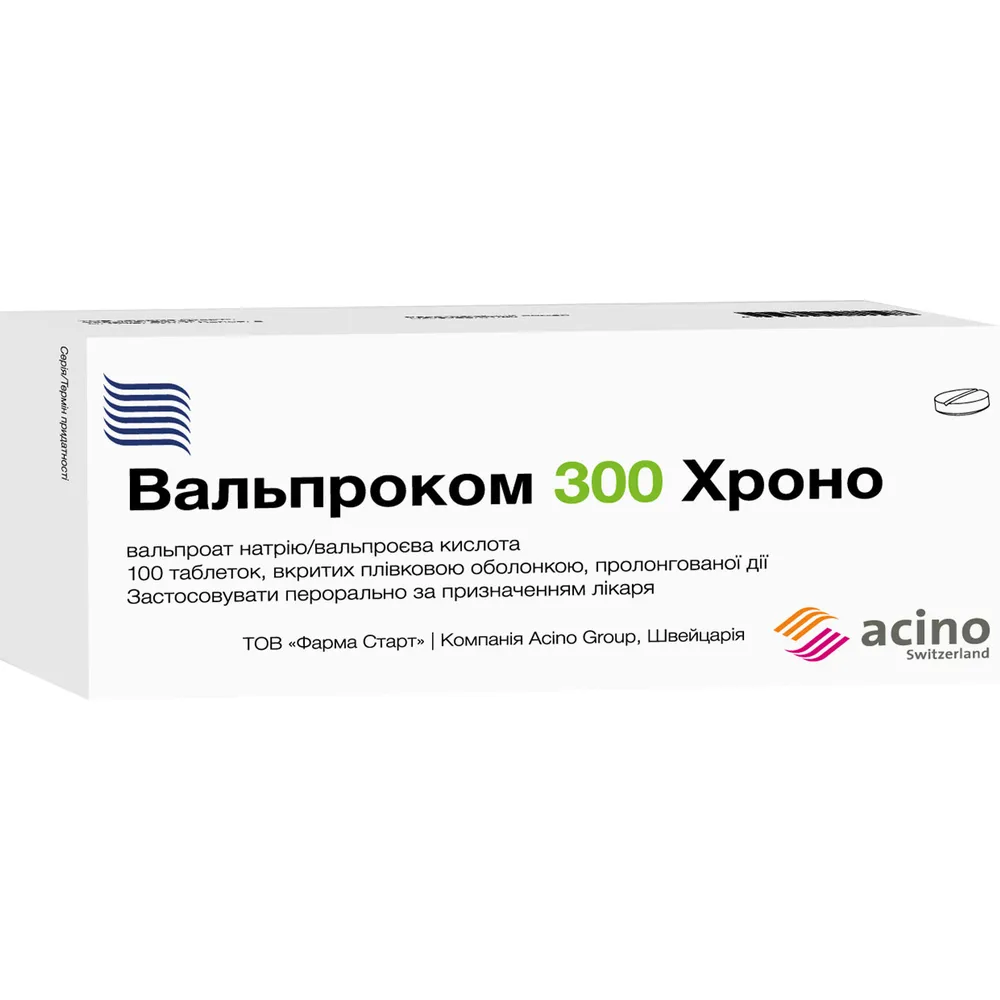
Table of Contents
INSTRUCTIONS FOR MEDICAL USE OF THE MEDICINAL PRODUCT VALPROCOM 300 CHRONO (VALPROCOM 300 CHRONO)
Composition:
Active substances: sodium valproate/valproic acid;
One tablet of Valprocom 300 Chrono contains 200 mg of sodium valproate and 87 mg of valproic acid (equivalent to 300 mg of sodium valproate per tablet);
Excipients: ethylcellulose, ammonio-methacrylate copolymer (type B), colloidal anhydrous silicon dioxide, film coating (hypromellose, glycerin, ammonio-methacrylate copolymer (type A), polyacrylate dispersion, polyethylene glycol 1500, talc).
Pharmaceutical form. Prolonged-release film-coated tablets.
Main physicochemical properties: white, round, biconvex tablets with a score line on one side, film-coated.
Pharmacotherapeutic group. Antiepileptic agents. Fatty acid derivatives.
ATC code: N03AG01.
Pharmacological properties.
Pharmacodynamics.
It is known that in pharmacological studies in animals, valproate inhibited various experimentally induced seizures (generalized and focal). Similarly, in humans, the antiepileptic effect of valproate may also be observed in different types of epilepsy. Valproate most likely acts by enhancing GABA-ergic activity, inhibiting or suppressing the spread of electrical discharge.
In some in vitro studies, a stimulating effect of valproate on HIV-1 replication was observed. However, this effect is not very pronounced and is not reproducible in all experiments. The clinical implications of this observation in HIV-1-infected patients are unknown. These data should be considered when evaluating viral load in HIV-1-infected patients receiving sodium valproate.
Pharmacokinetics.
Absorption.
The bioavailability of valproate in blood plasma after oral administration is approximately 100%.
The medicinal product Valprocom 300 Chrono is present in blood plasma as valproic acid.
Valprocom 300 Chrono is rapidly absorbed in the gastrointestinal tract. Its absorption is constant and prolonged. Therefore, there are no peaks in drug concentration in plasma, and therapeutic concentrations of valproic acid are better maintained over time.
Distribution.
The volume of distribution of valproic acid is primarily limited to blood and extracellular fluid undergoing rapid exchange. Valproic acid is predominantly bound to plasma albumin.
Protein binding is dose-dependent and saturable. At total drug levels in plasma of 40–100 mg/L, typically 6–15% of valproic acid remains unbound.
The concentration of valproic acid in cerebrospinal fluid is similar to that of its free fraction in plasma (approximately 10%).
Valproic acid is removed during dialysis, but the amount eliminated is insignificant (approximately 10%) due to binding of the active substance to albumin.
Valproic acid crosses the placental barrier (see section "Use in pregnancy or breastfeeding") in both animals and humans.
In animals, valproate crosses the placental barrier in approximately the same amount as in humans.
Several publications have evaluated the concentration of valproate in the umbilical cord of newborns during human delivery. The concentration of valproate in umbilical cord serum, corresponding to fetal concentration, was similar to or slightly higher than that in the mother.
When 300 mg of valproate was administered to breastfeeding women, valproic acid was excreted into breast milk (1–10% of the total serum concentration).
Approximately 3–4 days, and sometimes longer, are required to achieve steady-state concentrations of valproic acid in blood serum when initiating long-term treatment with Valprocom 300 Chrono.
The effective therapeutic range for valproic acid levels in plasma is generally considered to be 40–100 mg/L (278–694 µmol/L). If the total level of valproic acid in plasma persistently exceeds 150 mg/L (1040 µmol/L), the daily dose should be reduced.
Metabolism.
Metabolism of Valprocom 300 Chrono occurs primarily in the liver. The main metabolic pathways are conjugation with glucuronic acid and beta-oxidation. Unlike most other antiepileptic drugs, sodium valproate does not accelerate its own degradation or that of other substances such as estrogen-progestogens. This property indicates that it does not induce enzymes involved in the cytochrome P450 metabolic system.
Elimination.
During long-term treatment, the average elimination half-life of valproic acid from plasma in adults is 10.6 hours (but may range from 5 to 20 hours), which forms the basis for a twice-daily dosing regimen. In full-term infants, the elimination half-life is 20–30 hours. However, it rapidly approaches values typical for adults as the infant matures. Valproic acid is primarily excreted by the kidneys. A small fraction is excreted unchanged, but most is found in urine as metabolites.
Pharmacokinetics in specific patient groups.
In patients with renal impairment.
Albumin binding is reduced. Therefore, an increase in the free fraction of valproic acid in plasma should be considered, and the dose should be appropriately reduced.
In elderly patients.
Changes in pharmacokinetic parameters have been observed, but they were not significant.
Thus, clinical response (seizure control) is decisive for dose selection.
Preclinical data.
In animal studies, teratogenic effects of the drug were observed in mice, rats, and rabbits.
Mutagenicity. Results of genotoxicity studies on gene mutation induction and chromosomal aberrations did not indicate genotoxic effects of valproate in vitro (in the Ames test), in mouse lymphoma L5178Y cells at the thymidine kinase locus (mouse lymphoma assay). No induction of DNA repair activity was observed in primary cultures of rat hepatocytes. In vivo, after oral administration, valproate did not induce chromosomal aberrations in rat bone marrow or dominant lethal effects in mice.
However, publications have reported increased incidence of DNA and chromosomal damage (DNA strand breaks, chromosomal or micronucleus aberrations) in rodents after intraperitoneal administration of valproate. The significance of these results obtained after intraperitoneal administration is unknown.
A statistically significant increase in the frequency of sister chromatid exchanges (SCE) was observed in patients taking valproate compared to healthy individuals not taking valproate. However, these results may be inaccurate due to the influence of certain factors. Two published studies on SCE frequency in epileptic patients treated with valproate versus untreated patients yielded conflicting results. The biological significance of increased SCE frequency is unknown.
Carcinogenicity. Two-year carcinogenicity studies were conducted in mice and rats receiving oral doses of valproate of approximately 80 and 160 mg/kg/day (the maximum tolerated doses for these species, but lower than the maximum recommended human dose based on body surface area). Subcutaneous sarcomas were observed in male rats, and hepatocellular carcinomas and bronchiolo-alveolar adenomas occurred at a slightly higher frequency than control values in parallel studies in male mice, but were comparable to historical control data. Thus, sodium valproate is not considered carcinogenic.
Reproductive toxicity.
Embryo-fetal and postnatal development.
Teratogenic (malformations in multiple organ systems) and embryotoxic effects have been demonstrated in mice, rats, rabbits, and monkeys.
Behavioral deviations in the first generation of mice and rats were reported after exposure during their intrauterine development (in utero) to clinically relevant doses/amounts of valproate. In mice, behavioral changes were also observed in the second and third generations, although less pronounced in the third generation, after acute in utero exposure in the first generation. The significance of these findings for humans is unknown.
Fertility.
In subchronic and chronic toxicity studies with repeated administration of valproate, testicular degeneration/atrophy or spermatogenesis abnormalities and reduced testicular weight were reported in adult rats and dogs after oral administration at doses of 400 mg/kg/day and 150 mg/kg/day, respectively. However, no adverse effects on testes were observed at doses of 270 mg/kg/day in adult rats and 90 mg/kg/day in adult dogs.
In a rat fertility study, valproate at doses up to 350 mg/kg/day did not affect male reproductive function. No effects on male reproductive organs were observed at tolerated doses (up to 90 mg/kg/day). Reduced testicular weight was observed only at doses exceeding the maximum tolerated dose (from 240 mg/kg/day intraperitoneally or intravenously) without associated histopathological changes. The sensitivity of testes to valproate effects in the pediatric population is unknown.
Clinical characteristics.
Indications.
The primary indication for Valprocom 300 Chrono, preferably as monotherapy, is primary generalized epilepsy: absence seizures/absence epilepsy, generalized bilateral myoclonic convulsions, generalized tonic-clonic seizures with or without myoclonia, photosensitive forms of epilepsy.
Also effective, either as monotherapy or in combination with other antiepileptic drugs, in the following conditions:
- Secondary generalized epilepsy, particularly West syndrome (infantile spasms) and Lennox-Gastaut syndrome;
- Partial epilepsy with simple or complex symptomatology (psychosensory forms, psychomotor forms);
- Epilepsy with secondary generalization;
- Mixed forms of epilepsy (generalized and partial).
Treatment of manic episodes associated with bipolar affective disorders when contraindications to or intolerance of lithium exist.
Prophylaxis of relapses of dysthymic episodes in adult patients with bipolar disorders who have shown a therapeutic response to valproate during treatment of manic episodes.
Contraindications.
Treatment of epilepsy.
Contraindicated during pregnancy, except when no alternative treatment options are available and the patient has been fully informed of the risks (see sections "Special precautions for use" and "Use during pregnancy or breastfeeding").
Contraindicated in female children and women of childbearing potential unless the conditions of the Pregnancy Prevention Programme are fulfilled (see sections "Special precautions for use" and "Use during pregnancy or breastfeeding").
Treatment and prophylaxis of bipolar disorders.
Contraindicated in pregnant women (see sections "Special precautions for use" and "Use during pregnancy or breastfeeding").
Contraindicated in women of childbearing potential unless the conditions of the Pregnancy Prevention Programme are fulfilled (see sections "Special precautions for use" and "Use during pregnancy or breastfeeding").
All indications
Acute hepatitis or chronic hepatitis (see section "Special precautions for use").
Severe hepatitis in personal or family history, particularly if drug-induced.
Pancreatitis (see section "Special precautions for use").
Hypersensitivity to valproate, divalproex, valpromide, or to any component of the medicinal product in the patient's history.
Hepatic porphyria.
Valproate is contraindicated in patients with known mitochondrial disorders caused by mutations in the nuclear gene encoding mitochondrial gamma polymerase enzyme, e.g., Alpers-Huttenlocher syndrome, in children under two years of age suspected of having such a disorder, and in patients with a history of urea cycle disorders (see section "Special precautions for use").
Deficiency of enzymes in the urea cycle (see section "Special precautions for use").
Do not use in combination with St. John’s wort (see section "Interaction with other medicinal products and other forms of interaction").
Contraindicated in patients with systemic primary carnitine deficiency with uncorrected hypocarnitinemia (see section "Special precautions for use").
Interaction with other medicinal products and other forms of interaction.
Contraindicated combinations.
St. John’s wort. Risk of reduced plasma concentrations and decreased efficacy of the anticonvulsant.
Effect of valproate on other medicinal products. Valproic acid inhibits cytochrome P450 isoenzymes CYP2C9 and CYP3A4. Therefore, metabolic interactions may be expected. Particularly significant interactions include:
Neuroleptics, MAO inhibitors, antidepressants, and benzodiazepines. Valprocom 300 Chrono may potentiate the effects of other neurotropic agents such as neuroleptics, monoamine oxidase inhibitors (MAOIs), antidepressants, and benzodiazepines. Therefore, clinical monitoring and possibly dose adjustment are required.
Lithium. Valprocom 300 Chrono does not affect serum lithium levels.
Phenobarbital. Valprocom 300 Chrono increases plasma phenobarbital concentrations (due to inhibition of hepatic catabolism) and may lead to sedative effects, especially in children. Therefore, clinical monitoring is recommended during the first 15 days of combination therapy, and immediate reduction of phenobarbital dose should be considered if sedation occurs; plasma phenobarbital levels may be measured if necessary.
Primidone. Valprocom 300 Chrono increases plasma primidone levels, exacerbating its adverse effects (sedation). This interaction diminishes with prolonged use. Clinical monitoring is recommended, especially at the beginning of combination therapy, with dose adjustment as needed.
Phenytoin. During treatment with Valprocom 300 Chrono, total plasma concentrations of phenytoin decrease. Specifically, this leads to an increase in the free fraction of phenytoin, potentially causing signs of overdose (valproic acid displaces phenytoin from its plasma protein binding sites and slows its hepatic catabolism). Therefore, clinical monitoring is recommended. When measuring phenytoin plasma levels, particular attention should be paid to its unbound form.
Carbamazepine. Clinical toxicity has been reported when sodium valproate/valproic acid is used in combination with carbamazepine, as valproate/sodium valproate may enhance the toxic effects of carbamazepine. Clinical monitoring, measurement of plasma concentrations, and dose adjustment of both anticonvulsants are indicated.
Lamotrigine. Valprocom 300 Chrono reduces lamotrigine metabolism and nearly doubles its mean elimination half-life. This interaction may enhance lamotrigine toxicity, including severe skin reactions. Several serious skin reactions have been reported, occurring within the first 6 weeks of combination therapy, partially resolving upon discontinuation of therapy, and sometimes only after appropriate treatment. Careful clinical monitoring of the patient is required, and dose adjustment (reduction of lamotrigine dose) may be necessary.
Penems. Risk of seizures due to rapid decline in plasma concentrations of valproic acid, which may fall below detectable levels.
Zidovudine. During treatment with sodium valproate/valproic acid, plasma concentrations of zidovudine may increase, increasing the risk of zidovudine toxicity.
Felbamate. During treatment with Valprocom 300 Chrono, the mean elimination rate of felbamate may decrease by nearly 16%.
Olanzapine. Valproic acid may reduce plasma concentrations of olanzapine.
Rufinamide. Possible increase in plasma concentrations of rufinamide dependent on valproic acid concentrations. Caution is required, especially in pediatric patients, as this effect is more pronounced in this patient population.
Quetiapine. Possible increased risk of neutropenia/leukopenia.
Propofol. Possible increase in blood levels of propofol. When used concomitantly with valproate, consideration should be given to reducing the dose of propofol.
Nimodipine. Concomitant use of nimodipine and valproic acid may increase plasma nimodipine concentration by 50%.
Effect of other medicinal products on valproic acid.
Antiepileptic drugs. During treatment with enzyme-inducing antiepileptic drugs (including phenytoin, phenobarbital, primidone, carbamazepine), serum concentrations of valproic acid decrease. When used in combination therapy, doses should be adjusted according to clinical response and blood levels of the drug.
Concomitant use of felbamate and valproic acid may reduce valproic acid clearance by 22–50%, thereby leading to dose-dependent increases in serum valproic acid concentrations. Monitoring of plasma levels of the drug is necessary.
When Valprocom 300 Chrono is prescribed together with phenytoin or phenobarbital, the concentration of a valproic acid metabolite in serum may increase. Therefore, patients receiving both drugs should be carefully monitored for symptoms of hyperammonemia.
Mefloquine. During treatment with mefloquine, metabolism of valproic acid is enhanced, and a convulsant effect is observed. Thus, there is a risk of epileptic seizures during combined use of these drugs.
Drugs with high protein binding. Concomitant use of Valprocom 300 Chrono and substances with high protein binding (e.g., acetylsalicylic acid) may lead to increased concentrations of unbound valproic acid in serum.
Cimetidine or erythromycin. When used concomitantly with cimetidine or erythromycin, there is a possibility of increased serum levels of valproic acid (due to inhibition of hepatic metabolism).
Carbapenems. Decreased blood levels of valproic acid have been reported when used concomitantly with carbapenems (e.g., panipenem, meropenem, imipenem): valproic acid levels decrease by 60–100% within two days, sometimes accompanied by seizures. Due to the rapid onset and significant degree of reduction in valproic acid concentration, the consequences of possible interaction between valproic acid and carbapenems in patients whose condition was stable on valproic acid are considered uncontrolled. Concomitant use of Valprocom 300 Chrono with carbapenems should be avoided in patients whose condition has been stabilized on valproic acid (see section "Special precautions for use"). If treatment with these antibiotics cannot be avoided, intensified monitoring of plasma valproic acid levels is necessary.
Rifampicin. During treatment with rifampicin, serum levels of valproic acid may decrease, leading to insufficient therapeutic effect. Therefore, dose adjustment of valproate may be required when used concomitantly with rifampicin.
Protease inhibitors. Concomitant use with protease inhibitors such as lopinavir and ritonavir increases plasma concentrations of valproate.
Cholestyramine. Concomitant use with cholestyramine may lead to decreased plasma concentrations of valproate.
Estrogen-containing drugs. Valproate does not reduce the efficacy of hormonal contraceptives, as it does not induce enzymes. However, it has been shown that estrogens and estrogen-containing drugs induce the activity of the enzyme uridine diphosphate glucuronosyltransferase (UGT) in vitro and in vivo. UGT1A6, UGT1A9, and UGT2B7 are responsible for 40% of the biotransformation of valproic acid.
Pharmacokinetic studies, scientific publications, and post-marketing studies have shown that estrogen-containing hormonal contraceptives can increase valproate clearance, potentially leading to decreased serum valproate concentrations and reduced therapeutic efficacy of valproate (see sections "Dosage and administration", "Special precautions for use", and "Use during pregnancy or breastfeeding").
Metamizole. Metamizole is an inducer of certain cytochrome P450 isoenzymes and a potential inducer of UGT enzymes involved in the biotransformation of valproate. Thus, metamizole may reduce serum concentrations of valproate, potentially reducing its therapeutic efficacy. During concomitant use of valproate and metamizole, the prescribing physician should monitor clinical response (seizure control or manic episodes) and initiate regular monitoring of serum valproate levels. If serum valproate levels decrease or if seizures or manic episodes recur, the dose should be adjusted according to clinical response and blood levels of the drug.
Methotrexate. Cases of significant reduction in serum valproate levels and clinical symptoms such as seizures occurring within hours after methotrexate administration have been reported. During concomitant use of valproate and methotrexate, the prescribing physician should monitor clinical response (seizure or manic episode control) and initiate regular monitoring of serum valproate levels.
Other interactions.
Risk of liver injury. Concomitant use of salicylates in children should be avoided due to the risk of toxic liver injury (see section "Special precautions for use").
Concomitant use of valproate and combined anticonvulsant therapy increases the risk of liver injury, particularly in younger children (see section "Special precautions for use"). During combination therapy with valproate and other potentially hepatotoxic anticonvulsants, the physician should monitor liver function using clinical and laboratory tests. If significant abnormalities in liver parameters occur, the dose should be reduced or treatment with valproate and/or concomitant potentially hepatotoxic drugs should be discontinued.
Potentially hepatotoxic drugs and alcohol may increase the hepatotoxicity of valproic acid (see section "Special precautions for use").
Cannabidiol. In clinical studies and scientific publications, increases in ALT [alanine aminotransferase] and AST [aspartate aminotransferase] levels to three times the upper limit of normal have been reported in patients of various ages receiving cannabidiol at doses of 10 to 25 mg/kg and valproate simultaneously. The risk of elevated transaminase levels depends on patient age (younger children are more vulnerable), cannabidiol dose, and baseline transaminase values. Additionally, concomitant use of clobazam is an additional risk factor for elevated transaminase levels. Furthermore, concomitant use of valproate and cannabidiol has been associated with increased frequency of thrombocytopenia, diarrhea, and loss of appetite.
During combination therapy with valproate and cannabidiol, physicians must monitor liver function (especially when used concomitantly with clobazam) and platelet count using clinical and/or laboratory tests (see section "Special precautions for use"). If significant abnormalities occur, the dose should be reduced or treatment with valproate and/or cannabidiol should be discontinued (see subsections "Severe liver function disorders", "Children" in section "Special precautions for use").
Vitamin K antagonists. Since valproic acid generally does not induce enzymes, its use does not lead to reduced plasma concentrations of estrogen and progestogen in women using hormonal contraceptives.
For the same reason, valproic acid use also does not reduce plasma levels of vitamin K antagonists.
However, during treatment with Valprocom 300 Chrono, an increase in the free fraction of warfarin may occur, as warfarin is competitively displaced from its albumin binding sites. Therefore, intensified monitoring of prothrombin levels is required during treatment with vitamin K antagonists.
Topiramate and acetazolamide. Concomitant use of valproate with topiramate or acetazolamide is associated with encephalopathy and/or hyperammonemia. Patients receiving these two drugs should be carefully monitored for symptoms of hyperammonemic encephalopathy.
Pivalate-conjugated medicinal products.
Concomitant use of valproate with pivalate-conjugated medicinal products that reduce carnitine levels (e.g., cefditoren pivoxil, adefovir dipivoxil, pivmecillinam) is not recommended, as this may lead to hypocarnitinemia (see section "Special precautions for use. Patients at risk of carnitine deficiency"). If concomitant use cannot be avoided, patients should be closely monitored for signs and symptoms of hypocarnitinemia.
Clozapine. Concomitant treatment with valproates and clozapine may increase the risk of clozapine-induced neutropenia and myocarditis. If concomitant use of valproate and clozapine is necessary, appropriate careful monitoring for both conditions is required.
Special precautions for use.
Pregnancy prevention programme.
Due to the high teratogenic potential of valproate, children exposed to this medicinal product in utero are at high risk of congenital malformations and neurodevelopmental disorders (see section "Use in pregnancy or breast-feeding").
The medicinal product Valprocom 300 Chrono is contraindicated in the following cases:
Treatment of epilepsy.
- Valprocom 300 Chrono is contraindicated during pregnancy, except in cases where no alternative treatment options are available and the patient has been fully informed of the risks (see sections "Contraindications" and "Use in pregnancy or breast-feeding").
- Valprocom 300 Chrono is contraindicated in girls and women of childbearing potential unless the conditions of the Pregnancy Prevention Programme are met (see sections "Contraindications" and "Use in pregnancy or breast-feeding").
Treatment and prevention of bipolar disorders.
- Valprocom 300 Chrono is contraindicated in pregnant women (see sections "Contraindications" and "Use in pregnancy or breast-feeding").
- Valprocom 300 Chrono is contraindicated in women of childbearing potential unless the conditions of the Pregnancy Prevention Programme are met (see sections "Contraindications" and "Use in pregnancy or breast-feeding").
Conditions of the Pregnancy Prevention Programme.
The prescribing physician must:
- assess individual circumstances in every case, involve the patient in discussions, ensure her engagement, discuss treatment options, and ensure understanding of the risks and measures necessary to minimize them;
- evaluate the possibility of pregnancy in all female patients;
- ensure the patient understands and acknowledges the risks of congenital malformations and neurodevelopmental disorders, particularly the significance of these risks for children exposed to valproate in utero;
- ensure the patient understands the necessity of a pregnancy test before starting treatment and, if needed, during treatment;
- advise the patient to use contraception and verify her ability to adhere to continuous use of effective contraceptive methods (additional information is provided in the subsection "Contraception" below) throughout the entire course of valproate treatment;
- ensure the patient understands the need for regular (at least annual) review of treatment by a specialist experienced in managing epilepsy or bipolar disorders;
- ensure the patient understands the need to consult her physician if she plans pregnancy, to allow timely discussion and transition to alternative treatments before conception and before discontinuing contraception;
- ensure the patient understands the need to contact her physician immediately if pregnancy occurs;
- provide the Patient Information Leaflet;
- ensure the patient understands the dangers and necessary precautions associated with the use of valproate (Annual Risk Information Form).
These conditions also apply to women who are currently not sexually active, unless, in the physician’s opinion, there are compelling reasons to consider the risk of pregnancy absent.
The pharmacist must ensure that:
- at every dispensing of valproate, the patient receives the patient card and understands the information provided on it;
- the patient is advised not to discontinue valproate and to contact her specialist immediately if she plans pregnancy or suspects she is pregnant.
Girls.
- The prescribing physician must ensure that parents/guardians of girls taking valproate understand the necessity of contacting a specialist immediately upon the onset of menstruation.
- The prescribing physician must ensure that parents/guardians of girls receive comprehensive information about the risks of congenital malformations and neurodevelopmental disorders, including the extent of these risks for children exposed to valproate during their in utero development.
- In patients who have already started menstruation, the prescribing physician must perform an annual reassessment of the necessity of valproate treatment and consider the possibility of switching to alternative treatments. If valproate remains the only acceptable treatment option, the necessity of using effective contraception and all other conditions of the Pregnancy Prevention Programme should be discussed. The specialist should take all possible measures to transition girls to alternative treatments before they reach sexual maturity or adulthood.
Pregnancy testing. Pregnancy must be excluded before initiating valproate therapy. Valproate treatment should not be initiated in women of childbearing potential unless a negative pregnancy test result, confirmed by a healthcare professional using plasma blood testing, has been obtained to avoid unintended exposure during pregnancy. This pregnancy test should be repeated at regular intervals during treatment.
Contraception. Women of childbearing potential prescribed valproate must use effective contraceptive methods continuously throughout the entire period of valproate treatment. These patients should receive comprehensive information on pregnancy prevention and be referred for contraceptive counselling if they are not using effective contraceptive methods. At least one effective method of contraception (preferably user-independent, such as an intrauterine device or implant) or two complementary methods, one of which should be a barrier method, should be used. The choice of contraceptive method should consider individual circumstances with patient involvement to ensure active participation and adherence to the chosen preventive measures. Even in patients with amenorrhea, all recommendations for effective contraception must be followed.
Annual specialist review of treatment. The specialist should reassess at least annually whether valproate remains the most appropriate treatment for the patient. The Annual Risk Information Form should be discussed at the start of treatment and during each annual review, and the specialist must ensure the patient understands the information provided. The Annual Risk Information Form must be properly completed and signed by both the prescribing physician and the patient (or her legal representative).
Planning pregnancy. Regarding use in epilepsy, if a woman plans to become pregnant, a specialist experienced in managing epilepsy should reassess valproate treatment and consider alternative treatment options. All possible measures should be taken to transition the patient to acceptable alternative treatments before conception and before discontinuing contraception (see section "Use in pregnancy or breast-feeding"). If such transition is not possible, the woman should receive additional counselling on the risks associated with valproate for the unborn child to ensure she is adequately informed to make an informed decision about family planning.
Regarding use in bipolar disorders, if a woman plans to become pregnant, she should consult a specialist experienced in treating bipolar disorder, and valproate therapy should be discontinued and, if necessary, replaced with alternative treatment (using medicinal products not containing valproic acid or non-pharmacological options) before conception and before discontinuing contraception.
Pregnancy. If a woman taking valproate becomes pregnant, she must be referred immediately to a specialist for reassessment of valproate treatment and consideration of alternative treatment options. Pregnant patients who received valproate during pregnancy and their partners should be referred to a teratology specialist for evaluation and counselling regarding treatment during pregnancy (see section "Use in pregnancy or breast-feeding").
Educational materials. To assist healthcare professionals and patients in avoiding the use of valproate during pregnancy, the marketing authorization holder provides educational materials emphasizing warnings about teratogenicity (the ability to cause congenital malformations) and fetotoxicity (the ability to cause neurodevelopmental disorders) of valproate, instructions for using valproate in women of childbearing potential, and detailed information on the requirements of the Pregnancy Prevention Programme. The Patient Information Leaflet and patient card must be provided to all women of childbearing potential using valproate.
The Annual Risk Information Form must be used, properly completed, and signed at the initiation of treatment and during each annual specialist review of valproate treatment, including for women planning pregnancy or who are pregnant.
Use in male patients of reproductive potential
Data from a retrospective observational study conducted in two countries suggest a trend towards increased risk of neurodevelopmental disorders (NDD) in children born to male patients who took valproates during the three months before and/or during conception, compared to those who took lamotrigine or levetiracetam (see section "Use in pregnancy or breast-feeding"). The risk for children conceived by male patients who discontinued valproate at least three months before conception (to allow for a complete spermatogenesis cycle without valproate exposure) is unknown. Despite the limitations of the study, as a precautionary measure, the prescribing physician should inform male patients of this potential risk (see section "Use in pregnancy or breast-feeding") and preventive measures to be taken. The physician should discuss with the patient the necessity of using effective contraception, particularly for his sexual partner, during valproate use and for at least three months after discontinuation. The physician should also inform male patients that:
- sperm donation should not be performed during valproate use and for at least three months after discontinuation;
- if a male patient plans to conceive a child, he should consult a specialist before discontinuing contraception to discuss alternative treatment options;
- if pregnancy occurs, the woman and her partner should seek prompt consultation with appropriate physicians if the child was conceived by a man during valproate use or within three months after discontinuation, to assess risks and receive recommendations.
Male patients should be informed of the need for regular (at least annual) review of treatment by a specialist experienced in managing epilepsy or bipolar disorder. The specialist should review at least annually whether valproate remains the most effective treatment for the patient. During such review, the specialist must ensure the patient fully understands the risks, comprehends the information provided, and is aware of the necessary precautions when using valproate. An updated version of the valproate use instructions should be provided to all male patients of reproductive potential. The patient should sign the Annual Risk Information Form, confirming receipt of the instructions, at the start of treatment and during each annual specialist review. Educational materials are available for healthcare professionals and male patients. The patient card should be issued with each new prescription of valproate.
Hepatic impairment.
Conditions. Severe liver damage, sometimes fatal, has been reported. Experience shows that the highest risk occurs in infants and children under 3 years of age with severe epilepsy, particularly those with brain damage, intellectual disability, and/or genetically determined metabolic or degenerative disorders, including mitochondrial disorders such as carnitine deficiency, urea cycle disorders, mutations in the mitochondrial DNA polymerase gamma (POLG) gene, and during concomitant antiepileptic therapy, including the use of cannabidiol.
In children aged 3 years and older, this risk significantly decreases and gradually declines with age (see section "Special precautions for use. Paediatric population").
In most cases, liver damage occurred within the first 6 months of treatment, most frequently between weeks 2 and 12.
Clinical features and diagnosis. Early diagnosis primarily depends on clinical and biological monitoring. Symptoms that may precede jaundice, especially in high-risk patients (see above "Conditions"), should be considered, particularly if they appear suddenly:
- non-specific general symptoms, such as:
- drowsiness, lethargy, indifference, impaired consciousness, confusion, agitation, abnormal movements, malaise, asthenia;
- anorexia, nausea, sometimes accompanied by recurrent vomiting and abdominal pain;
- bruising, nosebleeds;
- local or generalized edema;
- in patients with epilepsy — recurrence, increased frequency, or worsening severity of seizures.
The patient (or their caregivers, if the patient is a child) should be informed of the need to seek immediate medical attention if these symptoms occur. Immediate patient evaluation, including clinical examination and liver function tests, is required. Fatal cases have been reported despite normal liver function test results shortly after the onset of clinical symptoms. Therefore, normal laboratory results do not exclude liver damage in a patient with clinical signs of liver dysfunction.
A thorough medical history, including personal or family history of metabolic disorders, liver disease, pancreatic disorders, and coagulation disorders, should be obtained before initiating valproate therapy (see section "Contraindications"). Liver function tests are recommended for all patients, followed by periodic monitoring for 6 months, especially in high-risk patients (see section "Interaction with other medicinal products and other forms of interaction. Risk of hepatic impairment").
It should be emphasized that isolated and transient elevations in transaminase levels without clinical signs are frequently observed, particularly at the beginning of therapy. In such cases, more comprehensive laboratory testing is recommended (see below), dose adjustment should be considered if necessary, and tests should be repeated to monitor trends.
In addition to routine tests, the most informative are those reflecting protein synthesis, particularly prothrombin levels. If pathologically low prothrombin levels are confirmed, especially in conjunction with other abnormal biological parameters (marked decrease in fibrinogen and coagulation factors, elevated bilirubin and liver enzymes), valproate therapy must be discontinued immediately.
Concomitant use of cannabidiol.
In patients receiving both valproate and cannabidiol, serum transaminase and total bilirubin levels should be monitored 2 weeks, 1 month, 2 months, 3 months, and 6 months after initiation of combination therapy, and regularly thereafter or as clinically indicated.
Congenital malformations and neurodevelopmental disorders in children exposed to valproate (see sections "Use in pregnancy or breast-feeding" and "Adverse reactions"). Clinical data indicate that valproate use is associated with a high risk of congenital malformations (incidence up to 11% in children exposed to valproate in utero).
Additionally, children exposed to valproate monotherapy in utero are at high risk of neurodevelopmental disorders (with an incidence of up to 30–40%) (see sections "Use in pregnancy or breast-feeding" and "Adverse reactions").
Patients with systemic lupus erythematosus.
Although sodium valproate rarely causes immunological disorders, the benefit-risk ratio should be evaluated before initiating treatment in patients with systemic lupus erythematosus.
Pancreatitis. Severe pancreatitis, sometimes fatal, has been very rarely reported. This risk is particularly high in young children and decreases with increasing patient age. Risk factors may include severe epileptic seizures, neurological deficit, or concomitant anticonvulsant therapy (see subsection "Paediatric population" below and subsection "Risk of hepatic impairment" above). Cases of pancreatitis have been reported soon after initiation of treatment as well as after several years of valproate therapy. Liver failure secondary to pancreatitis increases the risk of fatal outcome (see subsection "Paediatric population" below).
Patients and their family members (if the patient is a child) should be informed of the need for immediate medical evaluation (including measurement of pancreatic enzymes and appropriate additional tests) if acute abdominal pain or non-specific symptoms such as nausea, loss of appetite, anorexia, and/or vomiting occur.
If pancreatitis is diagnosed, valproate treatment should be permanently discontinued, and alternative treatment for the underlying condition should be initiated according to the clinical picture.
Paediatric population. Valprocom 300 Chrono should be used in children under 3 years of age only as monotherapy. Treatment in this age group should be initiated only after careful consideration of clinical benefits versus the risk of liver damage or pancreatitis (see subsections "Risk of hepatic impairment" and "Pancreatitis" above). As a precautionary measure, concomitant use of salicylates should be avoided in all patients due to the risk of hepatotoxicity (see section "Interaction with other medicinal products and other forms of interaction").
Fasting during intercurrent illness increases the risk of liver damage in children receiving valproate.
Renal impairment. In patients with renal impairment, increased circulating valproic acid concentrations should be considered, and dosage should be adjusted accordingly.
Blood tests. Blood tests (complete blood count including platelet count, assessment of bleeding time and coagulation parameters, particularly fibrinogen level, activated partial thromboplastin time (APTT), factor VIII and related coagulation factors) are recommended before initiating treatment, at 3 and 6 months of therapy, and prior to any surgical procedures, especially if the dose exceeds 30 mg/kg/day, and in case of bruising or spontaneous bleeding (see section "Adverse reactions", subsections "Blood and lymphatic system disorders" and "Laboratory test results").
Urea cycle enzyme deficiencies and risk of hyperammonemia. Metabolic investigations should be performed before initiating treatment if urea cycle enzyme deficiency is suspected, due to the risk of hyperammonemia with valproate use (see section "Contraindications" and subsections "Patients at risk of carnitine deficiency" below and "Risk of hepatic impairment" above).
Patients at risk of carnitine deficiency.
Valproate may reduce tissue and plasma carnitine concentrations, thereby altering mitochondrial metabolism, impairing fatty acid beta-oxidation and the urea cycle.
Carnitine deficiency may develop or worsen during valproate treatment. This deficiency may lead to hyperammonemia (which may result in hyperammonemic encephalopathy) (see sections "Adverse reactions" and "Overdose"). Other reported symptoms include hepatotoxicity, hypoketotic hypoglycemia, myopathy, cardiomyopathy, rhabdomyolysis, and Fanconi syndrome, particularly in patients with risk factors for carnitine deficiency or pre-existing carnitine deficiency.
Patients at increased risk of symptomatic carnitine deficiency during valproate treatment include those with metabolic disorders, including carnitine-related mitochondrial disorders (see subsection "Patients with known or suspected mitochondrial disorders" below and subsection "Urea cycle enzyme deficiencies and risk of hyperammonemia" above), patients with inadequate dietary carnitine intake, patients under 10 years of age, patients receiving pivaloyl-conjugated medicinal products, or those on combination therapy with other antiepileptic drugs (see sections "Interaction with other medicinal products and other forms of interaction" and "Overdose").
Patients should be advised to report immediately any signs of hyperammonemia (such as ataxia, confusion, vomiting, headache, tremor/asterixis) for immediate further evaluation.
If clinical symptoms of carnitine deficiency occur, supplementary carnitine administration should be considered. Blood carnitine levels may not necessarily be reduced in such cases. Additional investigations may be required to confirm carnitine deficiency.
Valproate should be used in patients with primary systemic carnitine deficiency, corrected by supplementation, only if the benefit of valproate treatment outweighs the risk and no alternative treatment options are available. Patients with secondary systemic carnitine deficiency should be treated with caution after correction of the deficiency. These patients should be closely monitored for recurrence of carnitine deficiency.
Weight gain.
At the beginning of treatment, patients should be informed about the risk of weight gain, and appropriate measures, primarily related to diet, should be taken to minimize this effect (see section "Adverse reactions").
Carnitine palmitoyltransferase (CPT) type II deficiency. Patients with concomitant carnitine palmitoyltransferase (CPT) type II deficiency should be warned about the increased risk of rhabdomyolysis with valproate use. Carnitine supplementation may be beneficial for such patients.
Estrogen-containing medicinal products.
Valproate does not reduce the efficacy of hormonal contraceptives. However, estrogen-containing medicinal products, including estrogen-containing hormonal contraceptives, may increase valproate clearance, potentially leading to decreased serum valproate concentrations and reduced efficacy of valproate.
Prescribing physicians should monitor clinical response (seizure control or mood control) when initiating or discontinuing estrogen-containing medicinal products. Monitoring of serum valproate levels is recommended (see section "Interaction with other medicinal products and other forms of interaction").
Suicidal thoughts and behaviour. Reports of suicidal thoughts and behaviour have been received in patients treated with antiepileptic drugs for various indications. A meta-analysis of data from randomized placebo-controlled trials of antiepileptic drugs also showed a slight increase in the risk of suicidal thoughts and behaviour. The mechanism of this effect is unknown, and current data do not allow exclusion of an increased risk with valproate use.
Therefore, patients should be monitored for early detection of suicidal thoughts and behaviour, and appropriate therapy should be initiated. Patients (and caregivers) should be warned that medical help should be sought immediately if signs of suicidal thoughts or behaviour occur.
Severe skin reactions and angioedema. Severe skin reactions (SSRs), including Stevens-Johnson syndrome, toxic epidermal necrolysis, drug reaction with eosinophilia and systemic symptoms (DRESS syndrome), erythema multiforme, and angioedema, have been reported during valproate treatment. Patients should be informed about the signs and symptoms of serious skin manifestations and closely monitored. If signs or symptoms suggestive of these severe skin reactions or angioedema occur, immediate evaluation is required, and valproate treatment should be discontinued immediately if SSR or angioedema is confirmed.
Effect of long-term treatment on bone metabolism. Cases of decreased bone mineral density, potentially indicating osteopenia or osteoporosis and even leading to atypical fractures, have been reported in patients undergoing long-term treatment with valproic acid. The mechanism of valproic acid's effect on bone metabolism is not fully understood (see section "Adverse reactions").
Carbapenems. Concomitant use of Valprocom 300 Chrono and carbapenems is not recommended (see section "Interaction with other medicinal products and other forms of interaction").
Patients with known or suspected mitochondrial disorders. Valproate may trigger or worsen clinical symptoms of existing mitochondrial disorders caused by mutations in mitochondrial DNA or in the nuclear gene encoding mitochondrial DNA polymerase gamma (POLG).
In particular, in patients with hereditary neurometabolic syndromes caused by POLG gene mutations (e.g., Alpers-Huttenlocher syndrome), cases of valproate-induced acute liver failure and fatalities due to liver dysfunction have been reported. POLG-related disorders should be suspected in patients with a family history of POLG-associated disorders or with symptoms suggesting such a disorder, including (but not limited to) unexplained encephalopathy, refractory epilepsy (focal, myoclonic), epileptic status, developmental delay, psychomotor regression, axonal sensorimotor neuropathy, myopathy, cerebellar ataxia, ophthalmoplegia, or complicated migraine with occipital aura. Testing for POLG mutation should be performed according to current clinical practice for diagnostic evaluation of such disorders (see section "Contraindications").
Exacerbation of seizures. As with any antiepileptic drug, valproate may, instead of improving the condition, lead to reversible worsening of seizure frequency and severity (including epileptic status) or the emergence of new seizure types. Patients should be advised to contact their physician immediately if seizures worsen (see section "Adverse reactions").
Cognitive or extrapyramidal disorders. Cognitive or extrapyramidal disorders may be accompanied by signs of brain atrophy on imaging studies. Therefore, this clinical picture may be misinterpreted as dementia or Parkinson's disease. These disorders are reversible after discontinuation of the drug (see section "Adverse reactions").
Alcohol. Alcoholic beverages should not be consumed during valproate treatment.
Sodium content. This medicinal product contains 28.9 mg of sodium per tablet. This should be taken into account if the patient is on a strict low-sodium diet.
Effect on laboratory and diagnostic tests. Since valproate is excreted mainly by the kidneys, partly in the form of ketone bodies, urine ketone testing may yield false-positive results in patients with diabetes mellitus.
Use in pregnancy or breast-feeding.
| Treatment of epilepsy
Treatment and prophylaxis of bipolar disorder
|
Teratogenicity and effects on intrauterine development following exposure in female and male patients.
Valproate has demonstrated the ability to cross the placental barrier in both animals and humans (see section "Pharmacokinetics").
In women, both monotherapy with valproate and combination therapy with valproate and other antiepileptic drugs are frequently associated with adverse pregnancy outcomes. Available data indicate an increased risk of major congenital malformations and central nervous system disorders with both monotherapy and combination therapy with valproate compared to the general population not exposed to valproate. Teratogenic effects have been observed in mice, rats, and rabbits (see section "Preclinical data").
Congenital malformations due to intrauterine exposure.
A meta-analysis including registry studies and cohort studies showed that approximately 11% of children born to women with epilepsy who received valproate monotherapy during pregnancy had major congenital malformations. This risk of the most common malformations is higher than in the general population, where the risk is approximately 2–3%. The risk of major congenital malformations in children exposed in utero to combination therapy with antiepileptic drugs including valproate is higher than with combination therapy without valproate. This risk is dose-dependent, particularly with combination therapy involving valproate. However, a threshold dose below which the risk is absent cannot be established.
Available data indicate an increased incidence of minor and major malformations. The most frequently observed malformations include neural tube defects (approximately 2–3%), facial dysmorphisms, cleft lip and palate, craniosynostosis, cardiac, renal, and urogenital malformations (particularly hypospadias), limb defects (including bilateral radial aplasia), and multiple anomalies affecting various organ systems.
Intrauterine exposure to valproate may also lead to impaired or lost hearing due to ear and/or nasal malformations (adverse effect) and/or direct ototoxicity. Cases of both unilateral and bilateral deafness or hearing loss have been reported. Outcomes are not known for all cases. When outcomes were reported, most cases were not identified. Monitoring for signs and symptoms of ototoxicity is recommended.
Intrauterine exposure to valproate may cause eye malformations (including coloboma, microphthalmia), which have been observed in combination with other congenital malformations. These eye malformations may affect vision (see also sections "Adverse reactions" and "Special precautions").
Neurodevelopmental disorders due to intrauterine exposure to valproate (see sections "Special precautions" and "Adverse reactions").
Available data indicate that valproate may cause adverse effects on cognitive and physical development in children exposed to it in utero. The risk of neurodevelopmental disorders (including autism) is likely dose-dependent when valproate is used as monotherapy, but based on available data, a threshold dose below which the risk disappears cannot be established. When valproate is used in combination with other antiepileptic drugs during pregnancy, the risk of neurodevelopmental disorders in children is also significantly increased compared to risks in children from the general population or children born to women with untreated epilepsy.
The exact period of pregnancy during which these effects pose a risk is not defined, and the possibility of risk throughout the entire pregnancy cannot be excluded.
Studies involving preschool-aged children exposed in utero to valproate used as monotherapy showed that developmental delays, such as delayed speech and walking, reduced intellectual abilities, poor language skills (both expressive and receptive language), and memory impairments, occurred in approximately 30–40% of cases.
Data indicate that the intelligence quotient (IQ) measured in school-aged children (aged 6 years) exposed in utero to valproate was on average 7–10 points lower than in children exposed to other antiepileptic drugs.
Although the role of other factors cannot be excluded, there is evidence that the risk of reduced intellectual function in children exposed to valproate may not depend on maternal IQ. Data on long-term outcomes are limited.
Available data suggest that children exposed in utero to valproate have an increased risk of autistic spectrum disorders (approximately three times higher) and childhood autism (approximately five times higher) compared to the general studied population.
Available data from a second study based on the Danish National Prescription Registry show that children exposed in utero to valproate have an increased risk (approximately 1.5 times higher) of developing symptoms of attention deficit hyperactivity disorder (ADHD) compared to the untreated population in the study.
Estrogen-containing medications.
Valproate does not reduce the effectiveness of hormonal contraceptives. However, estrogen-containing medications, including estrogen-containing hormonal contraceptives, may increase valproate clearance, which could lead to decreased serum valproate concentrations and potential reduction in valproate efficacy.
Physicians prescribing the drug should monitor clinical response (seizure control or mood stabilization) when starting or discontinuing estrogen-containing medications. Monitoring of serum valproate levels is recommended (see section "Interaction with other medicinal products and other forms of interaction").
If a woman is planning pregnancy. In epilepsy, if a woman plans to become pregnant, a specialist experienced in managing patients with epilepsy should reassess valproate treatment and consider alternative treatment options. Where possible, all measures should be taken to switch women planning pregnancy to an appropriate alternative treatment before conception and before discontinuing contraception (see section "Special precautions"). If such a switch is not possible, the woman should receive additional counseling regarding the risks of valproate use for the unborn child so she can make an informed decision about family planning.
In bipolar disorder, if a woman plans to become pregnant, consultation with a specialist experienced in treating bipolar disorder is recommended, and valproate treatment should be discontinued and, if necessary, replaced with an alternative treatment (using medicinal products not containing valproic acid or non-pharmacological approaches) before conception and before discontinuing contraception.
Folic acid supplementation before and during early pregnancy may reduce the risk of neural tube defects, which can occur in any pregnancy. However, available data do not confirm that this prevents birth defects or malformations caused by valproate exposure.
Pregnant women. Valproate is contraindicated for the treatment of bipolar disorder during pregnancy. Valproate use for the treatment of epilepsy is contraindicated during pregnancy except in cases where other treatments are ineffective (see sections "Contraindications" and "Special precautions").
If a woman taking valproate becomes pregnant, she should be immediately referred to a specialist to evaluate the possibility of switching to alternative treatments.
During pregnancy, tonic-clonic seizures and status epilepticus with hypoxia in the mother are associated with a particular risk of death for both the pregnant woman and the unborn child.
If, after careful evaluation of risks and benefits, continuing valproate treatment during pregnancy is decided upon, the following is recommended:
The lowest effective dose should be used, and the daily dose of valproate should be divided into several doses administered throughout the day. Use of a prolonged-release formulation is preferable compared to other formulations to avoid high peak plasma concentrations (see section "Dosage and administration").
All pregnant patients who received valproate during pregnancy and their partners should be referred to a teratology specialist for evaluation and counseling regarding treatment during pregnancy.
Specialized prenatal monitoring should be performed to detect possible fetal neural tube defects or other malformations (see sections "Special precautions" and "Adverse reactions").
Risk in the neonatal period. Hemorrhagic syndrome in newborns whose mothers took valproate during pregnancy has been reported very rarely. This hemorrhagic syndrome is associated with thrombocytopenia, hypofibrinogenemia, and/or decreased levels of other coagulation factors. Afibrinogenemia has also been reported, which may lead to a fatal outcome. However, this syndrome needs to be differentiated from vitamin K deficiency caused by phenobarbital and enzyme inducers. Therefore, in newborns, platelet count, plasma fibrinogen levels, coagulation tests, and coagulation factors should be determined.
Hypoglycemia has been reported in newborns whose mothers took valproate during the third trimester of pregnancy.
Hypothyroidism has been reported in newborns whose mothers took valproate during pregnancy.
Neonates whose mothers took valproate during the last trimester of pregnancy may develop withdrawal syndrome (manifested as nervous excitement, irritability, increased excitability, increased neuromuscular reflex excitability, hyperkinesia, tonic disorders, tremor, seizures, and feeding difficulties).
Risk for children born to male patients who received valproate within 3 months before conception.
Results from a retrospective observational study conducted in three Northern European countries indicate an increased risk of neurodevelopmental disorders (NDD) in children (aged 0 to 11 years) born to men who received valproate monotherapy during the 3 months before and/or during conception, compared to those whose fathers received monotherapy with lamotrigine or levetiracetam. The cumulative risk of NDD, adjusted for general risk factors and parental and maternal risk factors, ranged from 4.0% to 5.6% in the valproate group and from 2.3% to 3.2% in the lamotrigine/levetiracetam group, depending on the country. The adjusted risk ratio, combined across the three countries (accounting for all subtypes), obtained in the meta-analysis, was 1.50 (95% CI [confidence interval]: 1.09–2.07).
Due to study limitations, it is not possible to determine which of the investigated NDD subtypes (autism spectrum disorders, intellectual disability, speech disorders, attention deficit/hyperactivity, musculoskeletal disorders) contribute to the overall increased risk of NDD. Among the study limitations were potential confounding by indication and differences in follow-up duration between exposure groups. The mean follow-up period for children in the valproate group ranged from 5.0 to 9.2 years compared to 4.8 and 6.6 years in the lamotrigine/levetiracetam group. Overall, an increased risk of NDD in children whose father took valproate within 3 months before and/or during conception is possible, but a causal relationship with valproate has not been confirmed. Additionally, the study did not assess the risk of NDD in children born to men who discontinued valproate more than 3 months before conception (which would imply spermatogenesis occurring without valproate exposure).
Physicians prescribing the medicinal product should inform male patients of reproductive age about this potential risk and preventive measures to be taken. The physician should discuss with the patient the necessity of effective contraception, particularly for his sexual partner, during valproate use and for at least three months after discontinuation of treatment (see section "Special precautions"). Male patients should not donate sperm during treatment and for at least 3 months after discontinuation of valproic acid-containing medications.
Male patients should also be informed about the necessity of regular (at least annually) review of treatment by a specialist experienced in treating epilepsy or bipolar disorder. During such a review, the specialist should ensure that the patient fully understands the risks, comprehends the information provided, and knows the necessary precautions when using valproate. The specialist should review at least annually whether valproate remains the most effective treatment for the patient. At the start of treatment and during each annual review of the medicinal product, the physician should discuss with male patients planning to father a child alternative treatment options (see section "Special precautions"). Individual circumstances should be evaluated in each case.
Breastfeeding. Sodium valproate passes into human breast milk at concentrations of 1 to 10% of the mother's plasma level. This medicinal product may have a pharmacological effect on breastfed infants. Discontinuation of breastfeeding is recommended.
Fertility. Cases of amenorrhea, polycystic ovary syndrome, and increased testosterone levels have been reported in women taking valproate (see section "Adverse reactions"). Valproate use may also lead to impaired fertility in men (particularly reduced sperm motility) (see section "Adverse reactions"). In some cases, impaired fertility is reported to be reversible and resolves at least 3 months after discontinuation of treatment. A limited number of reported cases indicate that spermogram abnormalities were not reversible even several months after treatment. In other cases, the consequences of such abnormalities are unknown (see sections "Adverse reactions" and "Preclinical data. Fertility").
Ability to affect reaction speed when driving vehicles or operating machinery.
Due to possible adverse effects, valproate may negatively affect the ability to drive vehicles or operate machinery.
Patients should also be warned about the risk of drowsiness, particularly if they are receiving combination anticonvulsant therapy or concomitant benzodiazepine therapy (see section "Interaction with other medicinal products and other forms of interaction").
Method of Administration and Dosage
Valprocom 300 Chrono is a prolonged-release formulation of the active substance, which allows for reduction of peak concentrations and ensures a more uniform concentration of the active substance in plasma throughout the day. The medication should be taken orally, preferably with food. The daily dose should be administered once or twice daily. Single daily administration may be considered in cases of well-controlled epilepsy. The tablet should be swallowed whole, without crushing or chewing, with half a glass of water, milk, or another non-alcoholic beverage. Due to the prolonged-release mechanism and the type of excipients in the formulation, the inert matrix is not absorbed in the gastrointestinal tract and is excreted intact during defecation after release of the active substance.
Girls, female adolescents, women of reproductive age, and pregnant women.
Treatment with this medication should be initiated and supervised by a specialist experienced in the management of epilepsy or bipolar disorders. Valproate therapy should be prescribed to girls and women of reproductive age only if other treatment options are ineffective or not tolerated by the patient (see sections "Special Warnings and Precautions for Use" and "Use in Pregnancy and Lactation"). In such cases, valproate must be prescribed in accordance with the requirements of the Pregnancy Prevention Programme (see sections "Contraindications" and "Special Warnings and Precautions for Use"). The benefit and risk of using this medication must be carefully reassessed during regular treatment evaluations. In individual cases where valproate is the only treatment option during pregnancy in women with epilepsy, it should be prescribed as monotherapy at the lowest effective dose and, if possible, in a prolonged-release formulation to avoid high peak plasma concentrations. If a non-prolonged-release formulation is used, the daily dose should be divided into at least two doses (see section "Use in Pregnancy and Lactation").
Men.
It is recommended that treatment with Valprocom 300 Chrono be initiated and monitored by a specialist experienced in the treatment of epilepsy or bipolar disorders (see sections "Special Warnings and Precautions for Use" and "Use in Pregnancy and Lactation").
Estrogen-containing medications.
Valproate does not reduce the efficacy of hormonal contraceptives. However, estrogen-containing medications, including hormonal contraceptives, may increase the clearance of valproate, potentially leading to decreased serum valproate concentrations and reduced therapeutic efficacy.
Physicians prescribing this medication should monitor clinical response (seizure control or mood stabilization) when initiating or discontinuing estrogen-containing medications. Monitoring of serum valproate levels is recommended (see section "Interaction with Other Medicinal Products and Other Forms of Interaction").
Epilepsy.
Standard dosage. The daily dose should be determined based on the patient’s age and body weight. However, it should be noted that the range of individual sensitivity to valproate is quite broad. The optimal dose should be established according to clinical response. In cases of inadequate seizure control or suspicion of adverse reactions, in addition to clinical observation, monitoring of plasma drug concentrations may be necessary.
As first-line monotherapy.
The prolonged-release formulation allows for once-daily administration of the daily dose. Ideally, the medication should be taken at the beginning of a meal. The following daily doses are recommended:
- 25 mg/kg for children;
- 20–25 mg/kg for adolescents;
- 20 mg/kg for adults;
- 15–20 mg/kg for elderly patients.
Whenever possible, treatment with Valprocom 300 Chrono should be initiated gradually. The initial daily dose is 10–15 mg/kg, which should be increased at intervals of 2–3 days, reaching the recommended daily dose within approximately one week. After achieving the required dose—such as 15 mg/kg/day for elderly patients, 20 mg/kg/day for adults or adolescents, or 25 mg/kg/day for children—a period of observation may be necessary. If clinical efficacy is satisfactory at this stage, the dose should be maintained.
In rare cases, particularly during monotherapy, daily doses higher than 25 mg/kg for elderly patients, 30 mg/kg for adults or adolescents, or 35 mg/kg for children may be required.
If seizure control is not achieved with these doses, further dose escalation may be considered. If the daily dose exceeds 50 mg/kg, it is recommended to divide it into three doses, with additional clinical monitoring and periodic biochemical blood tests (see section "Special Warnings and Precautions for Use").
Use of Valprocom 300 Chrono in combination with other antiepileptic drugs.
Initiation of sodium valproate should follow the same principles as for first-line monotherapy. The average daily dose is usually identical to that recommended for monotherapy. However, in some cases, the dose may need to be increased by 5–10 mg/kg compared to the monotherapy dose.
The effect of Valprocom 300 Chrono on other antiepileptic drugs should also be considered (see section "Interaction with Other Medicinal Products and Other Forms of Interaction").
Switching from another antiepileptic drug to Valprocom 300 Chrono.
If a gradual and complete switch from a previously used antiepileptic drug to Valprocom 300 Chrono is planned, the medication should be administered according to first-line monotherapy recommendations. The dose of certain previous medications, particularly barbiturates, should be reduced immediately, followed by gradual tapering until complete discontinuation. This process should take 2–8 weeks.
Manic episodes in patients with bipolar disorders.
The recommended initial dose is 20 mg/kg/day. This dose should be increased as rapidly as possible until the minimum therapeutic dose that achieves the desired clinical effect is reached.
The desired clinical effect is generally achieved with plasma valproate concentrations between 45 and 125 µg/mL.
The recommended maintenance dose for the treatment of bipolar disorder is 1000–2000 mg per day. Rarely, the dose may be increased up to the maximum level of 3000 mg/day. The dose should be adjusted according to individual clinical response.
Children and adolescents: The efficacy and safety of valproate for the treatment of manic episodes associated with bipolar disorders have not been established.
For information on the safety profile of valproate in children, see section "Adverse Reactions".
Prevention of relapse of manic episodes associated with bipolar disorders.
The prophylactic dose corresponds to the lowest effective dose that adequately controls the patient’s acute manic symptoms. The maximum daily dose of 3000 mg should not be exceeded.
Patients with renal impairment.
Patients with renal impairment may require dose reduction, while patients undergoing hemodialysis may require dose increases. Sodium valproate is removed during dialysis (see section "Overdose"). Dose adjustments should be based on clinical monitoring of the patient’s condition (see section "Special Warnings and Precautions for Use").
Children.
For information on epilepsy treatment in children, see sections "Indications", "Special Warnings and Precautions for Use", and "Method of Administration and Dosage".
The efficacy and safety of Valprocom 300 Chrono for the treatment of manic episodes associated with bipolar disorders have not been evaluated in patients under 18 years of age.
Overdose
Clinical manifestations of acute, significant overdose include coma of varying depth, accompanied by muscle hypotonia, hyporeflexia, miosis, respiratory depression, metabolic acidosis, myocardial depression leading to hypotension, circulatory collapse, or shock.
The prognosis in cases of overdose is generally favorable. However, several fatal cases have been reported.
Symptoms may vary; epileptic seizures have been reported at high plasma drug levels. Increased intracranial pressure associated with cerebral edema has also been reported in several cases.
In cases of overdose, hypernatremia may occur due to the sodium content of valproate.
Emergency treatment in a hospital setting should include gastric lavage if less than 10–12 hours have passed since ingestion, and careful monitoring of cardiovascular and respiratory function.
In cases of valproate overdose causing hyperammonemia, intravenous carnitine may be administered to normalize ammonia levels.
Naloxone has been successfully used in individual cases. Hemodialysis and hemoperfusion have been effective in cases of severe overdose.
Adverse reactions.
The adverse reactions listed below are classified by system organ class. The frequency of occurrence is defined as follows: very common (≥ 1/10); common (≥ 1/100 to < 1/10); uncommon (≥ 1/1000 to < 1/100); rare (≥ 1/10,000 to < 1/1000); very rare (< 1/10,000); frequency not known (cannot be estimated from available data).
Congenital, familial and genetic disorders. Congenital malformations and disorders of nervous system development (see sections «Special precautions for use» and «Use during pregnancy or breastfeeding»).
Blood and lymphatic system disorders.
Common: anaemia, thrombocytopenia.
Valproate administration may lead to decreased platelet count, which is often dose-dependent and transient in nature (see section «Special precautions for use. Blood tests»).
Uncommon: pancytopenia, leukopenia.
Rare: bone marrow aplasia, erythroblastopenia, agranulocytosis, macrocytic anaemia, macrocytosis (see section «Special precautions for use. Blood tests»).
Frequency not known: acquired Pelger-Huët anomaly (predominantly, but not exclusively, observed in myelodysplastic syndrome).
Investigations.
Rare: decreased levels of coagulation factors (at least one), abnormal coagulation test results (e.g. prolonged prothrombin time, prolonged activated partial thromboplastin time, prolonged thrombin time, increased international normalized ratio [INR]). Published reports have described coagulation disorders resembling von Willebrand disease type I (see «Special precautions for use. Blood tests»).
Rare: biotin deficiency / biotinidase deficiency.
Nervous system disorders.
Very common: tremor.
Common: extrapyramidal disorders (sometimes irreversible), stupor, somnolence, convulsions, memory impairment, headache, nystagmus, nausea or dizziness (with intravenous injection, dizziness occurs several minutes after injection and usually resolves spontaneously within several more minutes).
Uncommon: coma, encephalopathy, lethargy, reversible parkinsonism, ataxia, paraesthesia, exacerbation of seizures (see section «Special precautions for use»).
Rare: diplopia, reversible dementia with cerebral atrophy, cognitive disorders.
There have been several reports of hyperactivity and irritability at the beginning of treatment, predominantly in children.
Very rare cases of neurological effects such as confusion (usually mild and transient) have been reported in patients receiving sodium valproate in combination with other antiepileptic drugs, particularly phenobarbital, without gradual initiation of treatment.
Cases of stupor or lethargy, sometimes progressing to transient coma/encephalopathy, have been observed during valproate therapy. These events occurred either in isolation or in association with seizure recurrence requiring treatment and resolved after discontinuation or dose reduction of the drug. These effects occur most frequently during combination therapy (especially with phenobarbital or topiramate) or following a rapid increase in the dose of sodium valproate.
Ear and labyrinth disorders.
Common: deafness (sometimes irreversible).
Frequency not known: tinnitus.
Respiratory, thoracic and mediastinal disorders.
Uncommon: pleural effusion (eosinophilic).
Gastrointestinal disorders.
Very common: nausea.
Common: vomiting, gingival disorders (mainly gingival hyperplasia), stomatitis, epigastric pain, diarrhoea, which usually resolve within a few days without discontinuation of the drug. The incidence of these disorders can be significantly reduced by very gradual initiation of valproate (in film-coated tablets) and administration at the beginning of a meal. Symptomatic treatment is recommended for such patients.
Uncommon: pancreatitis, sometimes fatal, requiring immediate discontinuation of the drug (see subsections «Pancreatitis» and «Children» in section «Special precautions for use»).
Prompt medical evaluation (including measurement of pancreatic enzymes and other appropriate investigations) is recommended for all patients receiving sodium valproate / valproic acid who present with acute abdominal pain.
Hepatobiliary disorders.
Common: liver damage (see section «Special precautions for use»).
Cases of severe liver injury, sometimes fatal, have been reported in patients receiving valproate therapy (see sections «Special precautions for use. Risk of liver damage» and «Interaction with other medicinal products and other forms of interaction. Risk of liver damage»).
Renal and urinary disorders.
Common: urinary incontinence.
Uncommon: renal failure.
Rare: enuresis, tubulointerstitial nephritis, Fanconi syndrome, although the pathophysiological mechanism remains unclear.
Skin and subcutaneous tissue disorders.
Common: hypersensitivity, transient and/or dose-dependent alopecia, nail and nail bed disorders.
Uncommon: angioneurotic oedema, rash.
Rare: toxic epidermal necrolysis, Stevens-Johnson syndrome, erythema multiforme, DRESS syndrome (drug reaction with eosinophilia and systemic symptoms), or drug hypersensitivity syndrome, hair growth disorders (such as unusual hair texture, hair colour change, abnormal hair growth).
Frequency not known: hyperpigmentation.
Endocrine disorders.
Uncommon: syndrome of inappropriate secretion of antidiuretic hormone, hyperandrogenism in women (hirsutism, virilization, acne, androgenic alopecia and/or increased levels of androgenic hormones).
Rare: hypothyroidism (see section «Use during pregnancy or breastfeeding»).
Frequency not known: alterations in sex hormone levels (e.g. testosterone, follicle-stimulating hormone, luteinizing hormone and prolactin) (see also «Disorders of the reproductive system and breast» below and section «Preclinical findings»).
Metabolism and nutrition disorders.
Common: weight gain (in 5–10% of patients), particularly in adolescents and young women. Since weight gain may exacerbate clinical symptoms of polycystic ovary syndrome, body weight should be carefully monitored.
Common: hyponatraemia.
Rare: hyperammonaemia* (see section «Special precautions for use»), obesity.
* Isolated cases of mild hyperammonaemia have been reported without significant abnormalities in standard liver function tests. Discontinuation of treatment is not necessary in the absence of clinical symptoms. However, if hyperammonaemia is accompanied by neurological symptoms, further investigations are required (see also subsections «Deficiency of urea cycle enzymes and risk of hyperammonaemia» and «Patients at risk of carnitine deficiency» in section «Special precautions for use»).
Frequency not known: carnitine deficiency (see also sections «Contraindications» and «Special precautions for use»).
Benign, malignant and unspecified neoplasms (including cysts and polyps).
Rare: myelodysplastic syndrome.
Vascular disorders.
Common: haemorrhage (see section «Special precautions for use»).
Uncommon: vasculitis.
General disorders.
Uncommon: mild peripheral oedema, hypothermia.
Reproductive system and breast disorders.
Common: dysmenorrhoea.
Uncommon: amenorrhoea (see «Endocrine disorders» above, and sections «Use during pregnancy or breastfeeding. Fertility» and «Preclinical findings»).
Frequency not known: male infertility, polycystic ovaries, abnormalities in semen analysis. Cases of testicular volume reduction have been reported, although a clear association with valproate has not been established (see «Endocrine disorders» above, and sections «Use during pregnancy or breastfeeding. Fertility» and «Preclinical findings»).
Musculoskeletal and connective tissue disorders.
Uncommon: decreased bone mineral density, osteopenia, osteoporosis, fractures in patients receiving long-term valproate therapy. The mechanism by which valproate affects bone metabolism is not established.
Rare: systemic lupus erythematosus, rhabdomyolysis (see section «Special precautions for use»).
Psychiatric disorders.
Common: confusion, hallucinations, aggression*, agitation*, attention disturbances*.
Rare: abnormal behaviour*, psychomotor hyperactivity*, learning difficulties*.
*These effects are observed predominantly in children.
Children.
The safety profile of valproate in children is similar to that in adults, but certain adverse reactions are more severe or predominantly observed in children. There is an increased risk of severe liver injury in infants and young children, particularly under 3 years of age. Young children also have an increased risk of pancreatitis. These risks decrease with age (see section «Special precautions for use»). Psychiatric disorders such as aggression, agitation, attention disturbances, abnormal behaviour, psychomotor hyperactivity and learning disorders are mainly observed in children.
Reporting suspected adverse reactions.
Reporting suspected adverse reactions after medicine authorization is important. It allows continued monitoring of the benefit-risk balance of the medicine. Healthcare professionals, pharmacists, patients and their legal representatives should report all suspected adverse reactions and lack of efficacy via the Automated Pharmacovigilance Information System at: https://aisf.dec.gov.ua.
Shelf life.
3 years. Do not use the medicinal product after the expiry date.
Storage conditions.
Store in the original packaging, out of reach of children, at a temperature not exceeding 25 °C. Do not refrigerate or freeze!
Packaging.
10 tablets in a blister; 1, 3 or 10 blisters in a cardboard box.
Prescription status.
Prescription only.
Manufacturer.
LLC «Pharma Start».
Manufacturer’s address and location of business activity.
8 Vatslava Havela Boulevard, Kyiv, 03124, Ukraine.
In case of adverse effects or questions regarding the safety of the medicinal product, please contact the Pharmacovigilance Department of LLC «ASINO UKRAINE» at: 8 Vatslava Havela Boulevard, Kyiv, 03124, tel/fax: +38 044 281 2333.