Citramon u
Ukraine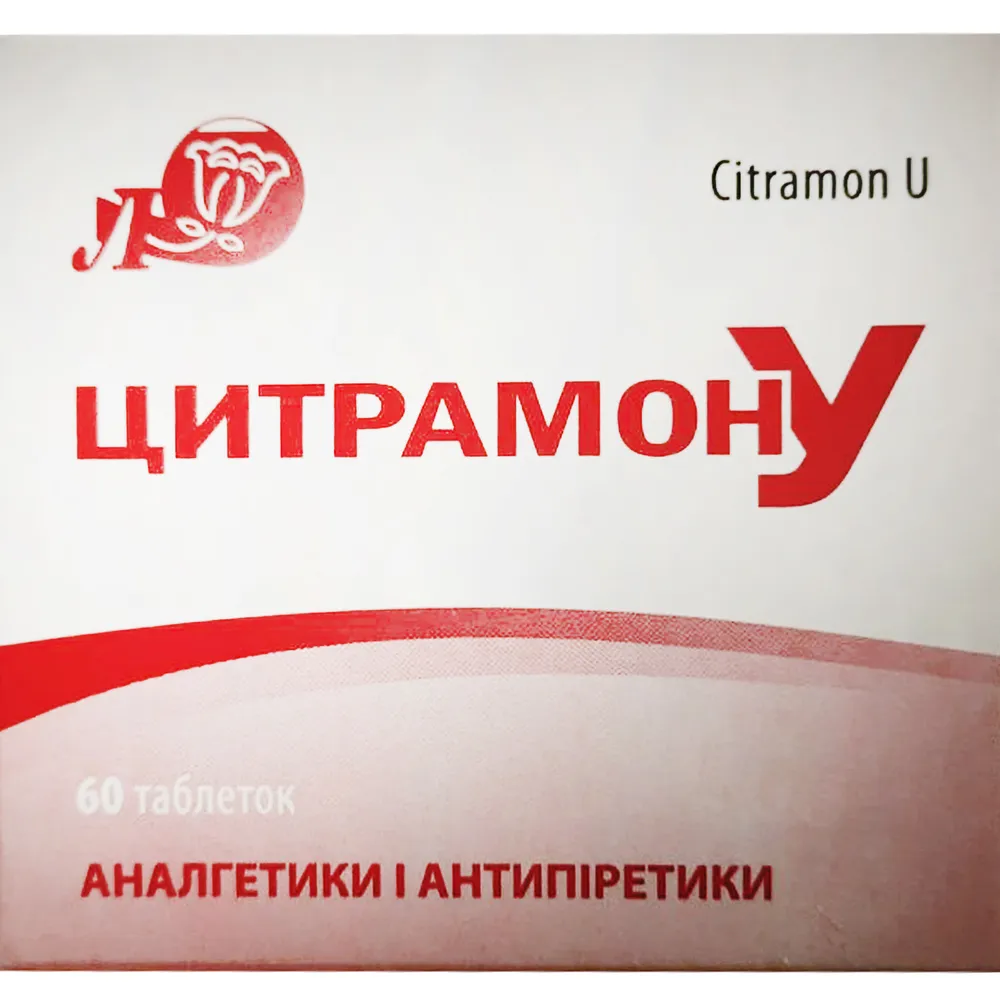
Table of Contents
INSTRUCTIONS FOR MEDICAL USE OF THE MEDICINAL PRODUCT CITRAMON U (CITRAMON U)
Composition:
Active substances: 1 tablet contains acetylsalicylic acid 240 mg, paracetamol 180 mg, caffeine (calculated as dry substance) 30 mg;
Excipients: cocoa; citric acid monohydrate; potato starch; povidone; sodium croscarmellose; talc; calcium stearate.
Pharmaceutical form. Tablets.
Main physicochemical properties: intact, regular, round cylindrical tablets with flat upper and lower surfaces, beveled edges, a break line, light brown in color, with specks, and a cocoa odor.
Pharmacotherapeutic group.
Analgesics and antipyretics. Acetylsalicylic acid, combinations without psychotropic agents.
ATC code N02B A51.
Pharmacological properties.
Pharmacodynamics.
The drug provides analgesic, antipyretic, and anti-inflammatory effects. The components contained in the drug enhance each other's effects.
The antipyretic effect of acetylsalicylic acid is mediated via the central nervous system by inhibition of PGF2 synthesis in the hypothalamus in response to the action of endogenous pyrogens. The analgesic effect has both peripheral and central origins: the peripheral effect results from inhibition of prostaglandin synthesis in inflamed tissues; the central effect is due to action on hypothalamic centers. Acetylsalsalicylic acid also reduces platelet aggregation.
Paracetamol exerts analgesic, antipyretic, and very weak anti-inflammatory effects, which are related to its action on the thermoregulatory center in the hypothalamus and its weak ability to inhibit prostaglandin synthesis in peripheral tissues.
Caffeine exerts a stimulant effect on the central nervous system. Caffeine enhances positive conditioned reflexes, stimulates motor activity, reduces the effects of sedatives and narcotics, and potentiates the action of analgesics and antipyretics.
Pharmacokinetics.
Not studied.
Clinical characteristics.
Indications.
Treatment of mild or moderate pain syndromes associated with headache and toothache, migraine, neuralgia, arthralgia, primary dysmenorrhea, as well as an antipyretic agent in diseases accompanied by hyperthermia.
Contraindications.
- Hypersensitivity to any component of the medicinal product, hypersensitivity to other xanthine derivatives (theophylline, theobromine), or to other salicylates;
- History of asthma, urticaria, or rhinitis induced by acetylsalicylic acid or other nonsteroidal anti-inflammatory drugs (NSAIDs);
- Erosive or ulcerative gastrointestinal lesions (in the phase of exacerbation), gastrointestinal bleeding or perforation, as well as a history of peptic ulcer;
- Blood disorders, hemophilia, hemorrhagic diathesis, hypoprothrombinemia, anemia, leukopenia, increased tendency to bleeding, thrombosis, thrombophlebitis, hemorrhagic diseases;
- Severe renal or hepatic insufficiency, portal hypertension, congenital hyperbilirubinemia, Gilbert’s syndrome;
- Glucose-6-phosphate dehydrogenase deficiency;
- Organic cardiovascular diseases (including severe atherosclerosis), cardiac conduction disorders, paroxysmal tachycardia, severe hypertension, severe course of ischemic heart disease, acute myocardial infarction, decompensated heart failure, predisposition to vascular spasm;
- Glaucoma, hyperthyroidism, acute pancreatitis, benign prostatic hyperplasia, severe forms of diabetes mellitus;
- Concomitant use with monoamine oxidase inhibitors (MAOIs) and within 2 weeks after discontinuation of MAOIs, simultaneous use with tricyclic antidepressants or β-blockers;
- Alcoholism, epilepsy, increased excitability, sleep disorders;
- Combined use with methotrexate at doses of 15 mg or more per week;
- Surgical procedures associated with significant bleeding;
- Age over 60 years.
Special precautions.
For short-term use only. Do not exceed recommended doses. Do not use simultaneously with other medications containing acetylsalicylic acid or paracetamol.
It is not recommended to use Citramon U for more than 5 days as an analgesic or for more than 3 days as an antipyretic without medical consultation.
Citramon U should not be used in patients in whom >20% of migraine attacks are accompanied by vomiting or who require bed rest in >50% of migraine attacks.
If no improvement occurs after taking the first 2 tablets of Citramon U in a patient with migraine, the patient should seek medical advice.
This medicinal product should not be used in patients who have experienced headaches more than 10 days per month over the past 3 or more months.
This medicinal product should be used with caution in patients at risk of dehydration (e.g., due to vomiting, diarrhea, or before or after major surgery).
Due to its pharmacodynamic properties, Citramon U may mask signs and symptoms of infection.
Citramon U should be used with caution in patients with mild to moderate hepatic or renal insufficiency.
Due to acetylsalicylic acid content.
Since acetylsalicylic acid inhibits platelet aggregation, and this effect persists for several days after administration, the drug may increase the risk of bleeding during and after surgical procedures (including minor procedures such as tooth extraction). Patients should inform their physician in advance about using this drug prior to surgery. The drug should be discontinued 5–7 days before elective surgical procedures.
Low-dose acetylsalicylic acid reduces uric acid excretion. In predisposed patients, this may in some cases provoke a gout attack. The drug should be used with caution in gout, renal or hepatic diseases, dehydration, and diabetes mellitus.
Alcohol consumption should be avoided during treatment (increased risk of gastrointestinal bleeding).
The drug should be used with particular caution in the following cases: history of gastrointestinal ulcers, chronic or recurrent peptic ulcer disease; concomitant anticoagulant therapy; worsening renal or hepatic function; congenital hyperbilirubinemias (Gilbert’s, Dubin-Johnson, and Rotor syndromes); elderly patients. Citramon U should not be used without medical supervision concomitantly with anticoagulants or other medicinal products that inhibit platelet aggregation. Patients with coagulation disorders should be closely monitored. The drug should be used cautiously in cases of metrorrhagia or menorrhagia.
If gastrointestinal bleeding or ulceration occurs during therapy, Citramon U should be discontinued immediately. The risk of bleeding may be increased by alcohol consumption, corticosteroids, and nonsteroidal anti-inflammatory drugs (NSAIDs).
In patients with hepatic or renal functional impairment, the dose should be reduced or the dosing interval increased. When renal or hepatic function is impaired, the interval between doses should be at least 8 hours.
Since acetylsalicylic acid, like all nonselective NSAIDs, irritates the gastrointestinal mucosa, the drug should be taken only after meals, with water, alkaline mineral water, sodium bicarbonate solution (preferably milk).
During prolonged use, fecal occult blood testing should be performed to detect ulcerogenic effects, and blood tests should be conducted (to monitor effects on platelet aggregation and possible anticoagulant activity).
In hyperthermia, the drug should preferably be prescribed only if other analgesic-antipyretic agents are ineffective, due to the risk of Reye’s syndrome. If vomiting occurs after taking the drug, Reye’s syndrome should be suspected.
The drug should be used cautiously in treating patients with allergic rhinitis, nasal polyps, or urticaria.
Bronchospasm or an asthma attack may occur in patients with allergic complications, including bronchial asthma, allergic rhinitis, urticaria, skin itching, mucosal edema, nasal polyposis, especially when combined with chronic respiratory tract infections or in patients hypersensitive to NSAIDs during treatment.
Due to paracetamol content.
Citramon U should be used with caution in patients with impaired renal or hepatic function or with alcohol dependence.
The risk of paracetamol toxicity increases in patients taking other potentially hepatotoxic drugs or drugs that induce hepatic microsomal enzymes (e.g., rifampicin, isoniazid, chloramphenicol, sedatives, and antiepileptic drugs, including phenobarbital, phenytoin, and carbamazepine). Patients with a history of alcohol dependence belong to a high-risk group for liver damage.
Due to caffeine content.
Citramon U should be used with caution in patients with gout or hyperthyroidism.
During therapy with Citramon U, patients should limit consumption of products containing caffeine, as excessive caffeine concentrations in the body may cause nervousness, irritability, insomnia, and periodic episodes of tachycardia.
Interaction with other medicinal products and other types of interactions.
Possible interactions of active substances:
Acetylsalicylic acid (ASA)
| Agents used in combination with acetylsalicylic acid |
Potential consequence |
| Ibuprofen |
Concomitant use of ibuprofen interferes with the irreversible inhibition of platelets by acetylsalicylic acid. Treatment with ibuprofen in patients at risk of cardiovascular disease may reduce the cardioprotective effect of acetylsalicylic acid. |
| Other nonsteroidal anti-inflammatory drugs (NSAIDs) |
Increased risk of gastrointestinal ulcers and bleeding due to synergistic effects. If concomitant use of these agents is necessary, the use of gastroprotective agents should be considered. Therefore, the use of this combination is not recommended. |
| Corticosteroids |
Increased risk of gastrointestinal ulcers and bleeding due to synergistic effects. In patients receiving acetylsalicylic acid and corticosteroids, especially elderly patients, the use of gastroprotective agents should be considered. Systemic glucocorticoids reduce blood salicylate levels and increase the risk of overdose after discontinuation of treatment. Therefore, the use of this combination is not recommended. |
| Oral anticoagulants (e.g., coumarin derivatives) |
Acetylsalicylic acid may enhance the anticoagulant effect. Clinical and laboratory monitoring of bleeding time and prothrombin time is required. Therefore, the use of this combination is not recommended. |
| Thrombolytics |
Increased risk of hemorrhagic complications. In particular, in patients with acute stroke, acetylsalicylic acid therapy should not be initiated within the first 24 hours after administration of alteplase. Therefore, the use of this combination is not recommended. |
| Heparin |
Increased risk of hemorrhagic complications. Clinical and laboratory monitoring of bleeding time is required. Therefore, the use of this combination is not recommended. |
| Platelet aggregation inhibitors (ticlopidine, clopidogrel, cilostazol) |
Increased risk of hemorrhagic complications. Clinical and laboratory monitoring of bleeding time is required. Therefore, the use of this combination is not recommended. |
| Selective serotonin reuptake inhibitors (SSRIs) |
SSRIs, when used concomitantly with acetylsalicylic acid, may impair coagulation or platelet function, leading to hemorrhagic complications in general and particularly gastrointestinal bleeding. Therefore, concomitant use of these agents should be avoided. |
| Digoxin |
Plasma digoxin concentration increases due to reduced renal excretion when used concomitantly. |
| Phenytoin |
Serum phenytoin levels increase during acetylsalicylic acid therapy. Serum phenytoin levels should be closely monitored. |
| Valproate |
Acetylsalicylic acid inhibits valproate metabolism, potentially increasing its toxicity. Serum valproate levels should be closely monitored. |
| Mineralocorticoid antagonists (spironolactone, canrenoate) |
Acetylsalicylic acid may reduce their activity by inhibiting sodium excretion in urine. Arterial blood pressure should be closely monitored. |
| Loop diuretics (e.g., furosemide) |
Acetylsalicylic acid may reduce their efficacy due to competition and inhibition of urinary prostaglandins. NSAIDs may cause acute renal failure, especially in dehydrated patients. When diuretics are used concomitantly with acetylsalicylic acid, measures should be taken to ensure adequate hydration and monitoring of renal function and blood pressure, especially at the beginning of diuretic therapy. |
| Antihypertensive agents (ACE inhibitors, angiotensin II receptor antagonists, calcium channel blockers) |
Acetylsalicylic acid may reduce their efficacy due to competition and inhibition of urinary prostaglandins. This combination may lead to acute renal failure in elderly patients and those with dehydration. At the beginning of therapy, careful monitoring of blood pressure and renal function parameters is recommended, along with ensuring adequate hydration. When used concomitantly with verapamil, bleeding time should also be monitored. |
| Uricosuric agents (e.g., probenecid, sulfinpyrazone) |
Acetylsalicylic acid may reduce their efficacy by inhibiting tubular reabsorption, leading to high plasma levels of acetylsalicylic acid and uric acid. |
| Metotrexate at doses less than 15 mg/week |
Use of methotrexate at doses of 15 mg/week or higher increases hematological toxicity of methotrexate (reduced renal clearance of methotrexate by anti-inflammatory agents and displacement of methotrexate from plasma protein binding by salicylates). Therefore, concomitant use of NSAIDs is contraindicated in patients receiving methotrexate at doses of 15 mg/week or higher. The risk of drug interactions between methotrexate and NSAIDs should also be considered in patients receiving methotrexate at doses less than 15 mg/week, especially those with impaired renal function. If combination therapy is necessary, complete blood counts and monitoring of liver and kidney function should be performed, particularly during the first days of treatment. |
| Sulfonylurea derivatives and insulin |
Acetylsalicylic acid enhances their hypoglycemic effect; therefore, it may be appropriate to slightly reduce the dose of the antidiabetic agent when high doses of salicylates are used. More careful monitoring of blood glucose levels is recommended. |
| Alcohol |
Increased risk of gastrointestinal bleeding. Concomitant use of this combination should be avoided. |
Paracetamol
| Drugs used in combination with paracetamol |
Possible consequence |
| Enzyme inducers of the liver or substances with potential hepatotoxicity (e.g. alcohol, rifampicin, isoniazid, sedatives and anticonvulsants, including phenobarbital, phenytoin and carbamazepine, salicylamide and other stimulators of microsomal oxidation) |
Increased toxicity of paracetamol, which may lead to liver damage, even when used at doses that are not harmful under other circumstances. Therefore, liver function parameters should be monitored. Concomitant use is not recommended. |
| Chloramphenicol |
Under the influence of paracetamol, the elimination time of chloramphenicol increases fivefold. During paracetamol therapy, the risk of increased plasma concentrations of chloramphenicol rises. Concomitant use is not recommended. |
| Zidovudine |
During paracetamol therapy, the risk of developing neutropenia increases; therefore, hematopoietic system parameters should be monitored. Concomitant use is not recommended, except when such use is under medical supervision. |
| Probenecid |
Probenecid reduces the clearance of paracetamol; therefore, the dose of paracetamol should be reduced when used concomitantly with this agent. Concomitant use is not recommended. |
| Oral anticoagulants |
With repeated use of paracetamol for more than 1 week, anticoagulant effects are enhanced. Occasional use of paracetamol does not significantly affect coagulation. |
| Propantheline or other agents causing delayed gastric emptying |
These agents cause delayed absorption of paracetamol. Analgesic effect may be delayed and less pronounced. |
| Metoclopramide or other agents causing accelerated gastric emptying |
These active substances accelerate the absorption of paracetamol, increasing its effectiveness and speeding up the onset of analgesic effect. |
| Cholestyramine |
Cholestyramine causes reduced absorption of paracetamol; therefore, to achieve maximum analgesic effect, cholestyramine should be taken no earlier than 1 hour after paracetamol administration. |
| Flucloxacillin |
Caution should be exercised when using paracetamol concomitantly with flucloxacillin, as concomitant use has been associated with high anion gap metabolic acidosis due to pyroglutamic acidosis, especially in patients with risk factors (see section "Special precautions"). |
Caffeine
| Agents used in combination with caffeine |
Possible consequence |
| MAO inhibitors |
Combined use with caffeine may lead to a dangerous increase in blood pressure; therefore, this combination is contraindicated. |
| Sedatives (e.g., benzodiazepines, barbiturates, antihistamines) |
The sedative effect may be reduced, or the anticonvulsant effect of barbiturates may be suppressed. Therefore, concomitant use is not recommended. If simultaneous use of these medicinal products is necessary, it may be more advisable to take such a combination in the morning. |
| Lithium preparations |
Caffeine decreases lithium blood concentration. After caffeine discontinuation, serum lithium levels may rise, as caffeine may increase renal clearance of lithium. Therefore, lithium dosage reduction may be necessary upon caffeine discontinuation. Thus, concomitant use is not recommended. |
| Disulfiram |
Patients with alcohol dependence receiving disulfiram therapy for this condition should be advised to avoid caffeine use in order to prevent exacerbation of alcohol withdrawal syndrome due to caffeine-induced cardiovascular and cerebral stimulation. |
| Ephedrine-like substances |
Use of this combination increases the risk of dependence. Therefore, concomitant use is not recommended. |
| Sympathomimetics or levothyroxine |
When used in combination, tachycardia may be more pronounced due to synergistic effects. Therefore, concomitant use is not recommended. |
| Theophylline |
Concomitant use may reduce theophylline excretion. |
| Quinolone antibiotics (ciprofloxacin, enoxacin, and pipemidic acid), terbinafine, cimetidine, fluvoxamine, and oral contraceptives |
Increased caffeine half-life due to inhibition of hepatic cytochrome P450 metabolism. Therefore, patients with impaired liver function, cardiac arrhythmias, or latent epilepsy should avoid caffeine intake. |
| Nicotine, phenytoin, and phenylpropanolamine |
These substances increase the half-life of caffeine. |
| Clozapine |
Concomitant use of caffeine increases serum clozapine levels, likely due to interactions mediated by both pharmacokinetic and pharmacodynamic mechanisms. Serum clozapine levels should be monitored. Therefore, concomitant use is not recommended. |
| Analgesics/antipyretics |
Enhancement of their effect (improved bioavailability). |
| Ergotamine |
Concomitant use of caffeine with ergotamine improves ergotamine absorption from the gastrointestinal tract. |
| Xanthine derivatives, alpha- and beta-adrenergic agonists, psychostimulants |
Potentiates the effects of xanthine derivatives, alpha- and beta-adrenergic agonists, and psychostimulants. |
Effect on laboratory test results
The use of high doses of acetylsalicylic acid may affect the results of several clinical-chemical laboratory tests.
The use of paracetamol may affect the results of uric acid determination when the test is carried out using phosphotungstic acid reagent, and the results of blood glucose determination when the test is carried out using glucose oxidase/peroxidase method.
Caffeine may counteract the effect of dipyridamole on myocardial blood flow and thus affect the results of this test. It is recommended to discontinue caffeine intake 8–12 hours before the test.
Special precautions for use.
Before using the medicine, consult a physician. If symptoms persist or headache becomes chronic, seek medical advice.
Consult a physician regarding the possibility of using the medicine in patients with impaired kidney or liver function; in patients taking analgesics daily for mild forms of arthritis; or in patients taking warfarin or similar anticoagulant agents.
The medicine may affect laboratory test results for blood glucose and uric acid levels.
Alcohol consumption should be avoided during treatment (increased risk of gastrointestinal bleeding).
Note that patients with alcoholic liver disease have an increased risk of hepatotoxic effects of paracetamol.
Do not take this medicine with other products containing paracetamol.
Cases of high anion gap metabolic acidosis (HAGMA) due to 5-oxoprolinuria have been reported in patients with severe conditions such as severe renal failure and sepsis, or in patients with malnutrition or other sources of glutathione deficiency (e.g., chronic alcoholism) who were treated with paracetamol at therapeutic doses for prolonged periods or in combination with flucloxacillin. If HAGMA due to 5-oxoprolinuria is suspected, immediate discontinuation of paracetamol is recommended, along with careful monitoring. Measurement of urinary 5-oxoproline levels may be useful in identifying pyroglutamic acidosis as the underlying cause of HAGMA in patients with multiple risk factors.
Do not exceed the recommended doses.
During surgical procedures (including dental procedures), the use of medicines containing acetylsalicylic acid may increase the risk of bleeding or exacerbate existing bleeding due to inhibition of platelet aggregation for some time after administration of acetylsalicylic acid. The patient must inform the physician in advance about taking Citramon U.
In patients with allergic complications, including bronchial asthma, allergic rhinitis, urticaria, skin itching, mucosal edema, and nasal polyposis, as well as in combination with chronic respiratory tract infections and in patients hypersensitive to nonsteroidal anti-inflammatory drugs (NSAIDs), bronchospasm or bronchial asthma attacks may occur during treatment.
Liver disease increases the risk of liver damage from paracetamol.
The risk of overdose is higher in patients with non-cirrhotic alcoholic liver disease. During treatment, excessive consumption of beverages containing caffeine (e.g., coffee, tea) is not recommended, as it may cause sleep disturbances, tremor, and discomfort behind the sternum due to palpitations.
Citramon U should be prescribed with special caution to patients with bronchial asthma, those receiving concomitant anticoagulant therapy (coumarins and heparin), and those with impaired liver function or kidney disease.
The medicine should be discontinued 5–7 days before any surgical intervention to reduce the risk of increased bleeding.
The medicine should not be used without medical consultation for more than 5 days as an analgesic or for more than 3 days as an antipyretic.
Use with caution in patients with increased bleeding tendency or when concomitant anti-inflammatory therapy is administered. Acetylsalicylic acid, a component of the medicine, even in small doses, reduces the excretion of uric acid from the body, which may trigger an acute attack of gout in susceptible patients. In patients with impaired kidney or liver function, the interval between doses should be at least 8 hours. Alcohol consumption should be avoided during treatment. With prolonged use, monitoring of blood coagulation and hemoglobin levels is required.
The medicine may alter the results of doping control tests in athletes. It may complicate the diagnosis of acute abdominal pain syndrome.
Acetylsalicylic acid. Use with caution in patients with hypersensitivity to analgesics, anti-inflammatory, or antirheumatic agents; in those receiving concomitant anticoagulant therapy; and in patients with circulatory disorders (e.g., renal vascular pathology, congestive heart failure, hypovolemia, extensive surgery, sepsis, or severe bleeding), as acetylsalicylic acid may increase the risk of impaired kidney function and acute renal failure. Ibuprofen may reduce the inhibitory effect of acetylsalicylic acid on platelet aggregation. If this medicine is used before starting ibuprofen as an analgesic, the patient should consult a physician.
Do not use medicines containing acetylsalicylic acid in children with acute respiratory viral infections (ARVI), with or without fever. In certain viral diseases, particularly influenza A, influenza B, and varicella, there is a risk of Reye's syndrome, which requires urgent medical intervention. The risk may be increased if acetylsalicylic acid is used as an adjunctive medicine, although a causal relationship has not been definitively established. If these conditions are accompanied by persistent vomiting, this may be a sign of Reye's syndrome.
Keep the medicine out of sight and reach of children.
Use during pregnancy or breastfeeding.
The medicine should not be used during pregnancy.
Acetylsalicylic acid has teratogenic effects: its use during the first trimester of pregnancy may cause congenital malformations such as cleft palate; during the third trimester, it may inhibit labor activity (by inhibiting prostaglandin synthesis), cause closure of the fetal arterial duct leading to pulmonary vascular hyperplasia and pulmonary hypertension in the fetal circulation, impair kidney function with possible subsequent development of renal failure and oligohydramnios, and prolong bleeding time due to antiplatelet effects, which may occur even after very low doses.
Caffeine increases the risk of spontaneous abortion.
Breastfeeding should be discontinued during treatment.
The medicine passes into breast milk, increasing the risk of bleeding in infants due to impaired platelet function.
Effect on ability to drive vehicles or operate machinery.
When high doses of the medicine are used, avoid driving vehicles or operating machinery due to possible adverse effects on the nervous system (dizziness, increased excitability, impaired orientation and attention).
Method of Administration and Dosage.
Adults should take 1 tablet 2–3 times daily after meals. The maximum daily dose is 6 tablets.
The drug should not be used for more than 5 days as an analgesic or for more than 3 days as an antipyretic.
Do not exceed the recommended dose. Do not take together with other medicinal products containing paracetamol.
Each dose of the medicinal product should be taken with a full glass of water.
Patients with hepatic or renal insufficiency should be aware that, although the influence of liver and kidney diseases on the pharmacokinetics of Citramon U has not been studied, due to the mechanism of action of acetylsalicylic acid and paracetamol, disorders of the liver and kidneys may be exacerbated. For this reason, Citramon U is contraindicated in patients with severe hepatic or renal insufficiency and should be used with caution in patients with mild to moderate hepatic or renal insufficiency.
Children.
The drug is contraindicated in children due to the risk of Reye's syndrome developing during hyperthermia associated with viral infections (hyperpyrexia, metabolic acidosis, neurological and psychiatric disturbances, vomiting, liver dysfunction).
Overdose.
Symptoms of overdose may occur during prolonged use of the drug or when used in doses many times higher than recommended.
Since Citramon U is a combined medicinal product, overdose should be considered with respect to each active substance contained in its composition.
Acetylsalicylic acid
Salicylate poisoning usually occurs at plasma concentrations > 350 mg/L (2.5 mmol/L). Most fatal outcomes occurred at acetylsalicylic acid plasma concentrations > 700 mg/L (5.1 mmol/L). A single dose of < 100 mg/kg body weight is unlikely to cause serious poisoning.
Symptoms of overdose. Very commonly observed adverse reactions include nausea, vomiting, dehydration, tinnitus, dizziness, hearing loss, increased sweating, feeling of warmth in the extremities, tachycardia, extrasystoles, and hyperventilation, disturbances in blood acid-base balance. A combination of respiratory alkalosis and metabolic acidosis with normal or elevated arterial blood pH is observed in adults and children. Acidosis may promote increased transport of salicylates across the blood-brain barrier.
Less commonly observed adverse reactions include vomiting with blood, hyperpyrexia, hypoglycemia, hypokalemia, thrombocytopenia, prolonged prothrombin time, intravascular coagulation, renal failure, non-cardiogenic pulmonary edema. Central nervous system adverse reactions are also possible: disorientation, psychomotor agitation or central nervous system depression, somnolence, impaired consciousness, dizziness, tremor, hyperreflexia, seizures, and coma.
Symptoms of acetylsalicylic acid overdose: may occur due to chronic intoxication resulting from prolonged therapy (administration of acetylsalicylic acid > 100 mg/kg daily for more than 2 days may cause toxic effects), as well as due to acute, life-threatening intoxication (overdose), which may be caused, for example, by accidental ingestion by children or unintentional overdose. Chronic salicylate intoxication may have an insidious course, as its signs are nonspecific. Moderate chronic intoxication caused by salicylates, or salicylism, typically occurs only after repeated intake of large doses.
Symptoms of chronic intoxication: impaired balance, dizziness, tinnitus, hearing loss, increased sweating, nausea, vomiting, headache, confusion. These symptoms can be controlled by reducing the dose. Tinnitus may occur at salicylate plasma concentrations above 150–300 mcg/mL. Severe adverse reactions occur at salicylate plasma concentrations above 300 mcg/mL.
Acute intoxication is indicated by pronounced disturbances in acid-base balance, which may vary depending on age and severity of intoxication. The severity of the condition cannot be assessed solely based on salicylate plasma concentration. Absorption of acetylsalicylic acid may be delayed due to delayed gastric emptying or formation of concretions in the stomach.
Treatment: intoxication caused by acetylsalicylic acid overdose is determined by the degree of severity and clinical symptoms and is managed by standard methods used in poisoning. All measures should aim to accelerate drug elimination and restore electrolyte and acid-base balance. Activated charcoal and forced alkaline diuresis are used. Depending on the state of acid-base equilibrium and electrolyte balance, intravenous electrolyte solutions are administered. Hemodialysis is indicated in severe cases. With prolonged use of high doses, aplastic anemia, thrombocytopenia, pancytopenia, agranulocytosis, neutropenia, and leukopenia are possible. High-dose intake may lead to central nervous system disturbances (dizziness, psychomotor agitation, disorientation and attention deficits, insomnia, tremor, nervousness, restlessness), and urinary system disturbances – nephrotoxicity (renal colic, interstitial nephritis, papillary necrosis). In case of overdose, increased sweating, psychomotor agitation or CNS depression, somnolence, impaired consciousness, cardiac arrhythmias, tachycardia, extrasystoles, tremor, hyperreflexia, and seizures may occur.
Paracetamol overdose symptoms: liver damage is possible in adults who have taken 10 g or more of paracetamol, and in children who have taken paracetamol at doses exceeding 150 mg/kg body weight.
In patients with risk factors (long-term treatment with carbamazepine, phenobarbital, phenytoin, primidone, rifampicin, St. John's wort, or other drugs inducing liver enzymes; regular excessive ethanol intake; glutathione depletion (digestive disorders, cystic fibrosis, HIV infection, fasting, cachexia)), ingestion of 5 g or more of paracetamol may lead to liver damage.
Within the first 24 hours: pallor, nausea, vomiting, anorexia, abdominal pain, hepatonecrosis, increased activity of liver transaminases, prolonged prothrombin index. Liver damage may become evident 12–48 hours after ingestion of excessive doses. Glucose metabolism disturbances and metabolic acidosis may occur. In severe poisoning, liver failure may progress to encephalopathy, coma, and lead to a fatal outcome. Acute renal failure with acute tubular necrosis may develop even in the absence of severe kidney damage. Cardiac arrhythmia has also been reported.
With prolonged use of the drug in large doses, blood-forming organ disorders may develop: aplastic anemia, pancytopenia, agranulocytosis, neutropenia, leukopenia, thrombocytopenia.
Also reported are the development of such disorders: increased sweating, somnolence, impaired consciousness, tachycardia, extrasystoles, tremor, hyperreflexia, seizures, cardiac arrhythmias, pancreatitis, psychomotor agitation or central nervous system depression. With large-dose intake, urinary system – nephrotoxicity (renal colic, interstitial nephritis, capillary necrosis); central nervous system – dizziness, disorientation, psychomotor agitation.
Treatment. In case of overdose, prompt medical assistance is required. The patient should be immediately taken to hospital, even if early symptoms of overdose are absent. Symptoms may be limited to nausea and vomiting or may not reflect the severity of overdose or risk of organ damage. Paracetamol plasma concentration should be measured 4 hours or later after ingestion (earlier concentrations are unreliable). Treatment should begin with gastric lavage followed by administration of activated charcoal (if the excessive dose was taken within 1 hour) and symptomatic therapy. The specific antidote for paracetamol overdose is N-acetylcysteine. In the absence of vomiting, oral methionine or intravenous N-acetylcysteine is effective within 24 hours, but maximum protective effect is achieved when administered within 8 hours after overdose. The effectiveness of the antidote sharply decreases after this time. General supportive measures should also be taken. If necessary, alpha-adrenergic blockers should be used.
Caffeine overdose symptoms: Central and peripheral nervous system: increased irritability, nervousness, restlessness, insomnia, dizziness, emotional excitability, involuntary muscle contractions, seizures, rapid breathing. Gastrointestinal tract: stomach or abdominal pain. Cardiovascular system: tachycardia, arrhythmia. Others: facial flushing, frequent urination.
Treatment. Gastric lavage; if vomiting reflex is suppressed, ipecac preparations are prescribed, along with activated charcoal, high cleansing enema, correction of acid-base balance and plasma electrolytes, forced diuresis, oxygen therapy, hemodialysis in severe cases. Symptomatic therapy. In case of seizures, diazepam is administered.
In the first hours of acute poisoning, acetylcysteine is prescribed: if oral administration is possible – at a dose of 140 mg/kg; if oral administration is not possible – at a dose of 150 mg/kg for the first intravenous infusion, followed by increasing the dose to 300 mg/kg per day.
Adverse reactions.
When using the medicinal product, adverse reactions characteristic of acetylsalicylic acid, paracetamol, or caffeine may occur in individual patients.
Most of the adverse reactions listed below are clearly dose-dependent and may manifest differently in each individual case.
Possible adverse reactions:
| Common from ≥ 1/100 to < 1/10 |
Uncommon from ≥ 1/1000 to < 1/100 |
Rare from ≥ 1/10000 to < 1/1000 |
|
| Infections and infestations |
Pharyngitis |
||
| Eye disorders |
Eye pain; visual disturbance |
||
| Ear and labyrinth disorders |
Ear ringing/tinnitus |
||
| Respiratory, thoracic and mediastinal disorders |
Nosebleed; pulmonary hypoventilation; rhinorrhea |
||
| Gastrointestinal disorders |
Nausea; abdominal discomfort |
Dry mouth; diarrhea; vomiting |
Decreased appetite; belching; flatulence; dysphagia; oral paresthesia; hypersalivation |
| Nervous system disorders |
Dizziness |
Tremor; paresthesia; headache; feeling of uneasiness |
Dysgeusia; attention disturbance; amnesia; coordination disorder; hyperesthesia; sinus headache |
| Psychiatric disorders |
Nervousness |
Insomnia |
Anxiety; euphoric mood; tension |
| Cardiac and vascular disorders |
Arrhythmia |
Hyperemia; peripheral vascular disorders |
|
| Skin and subcutaneous tissue disorders |
Hyperhidrosis; pruritus; urticaria |
||
| Musculoskeletal and connective tissue disorders |
Musculoskeletal rigidity; neck pain; back pain; muscle spasms |
||
| General disorders |
Increased fatigue; |
General weakness; chest discomfort |
|
| Investigations |
Increased heart rate |
Data on adverse reactions obtained from post-marketing surveillance (frequency unknown):
Ear and labyrinth disorders: deafness, disorientation.
Respiratory, thoracic and mediastinal disorders: rhinitis, nasal congestion, dry cough, dyspnea, shortness of breath, bronchial asthma, bronchospasm in patients sensitive to acetylsalicylic acid and other NSAIDs.
Gastrointestinal disorders: dyspepsia, nausea, vomiting, heartburn, epigastric pain and abdominal pain; in individual cases – inflammation and erosive-ulcerative lesions of the gastrointestinal tract, which may in rare cases lead to gastrointestinal hemorrhages and perforations with corresponding laboratory findings and clinical manifestations, oral mucosal ulcers.
Metabolism and nutrition disorders: metabolic acidosis with high anion gap.
Hepatobiliary disorders: hepatotoxicity, increased liver enzyme activity, usually without development of jaundice, hepatonecrosis (dose-dependent effect), transient liver failure with elevated liver transaminase levels.
Blood and lymphatic system disorders: anemia, sulfhemoglobinemia and methemoglobinemia (cyanosis, dyspnea, chest pain), hemolytic anemia, bruising or bleeding; with prolonged use in high doses – aplastic anemia, pancytopenia, neutropenia, leukopenia, thrombocytopenia, agranulocytosis. Due to the antiplatelet effect of acetylsalicylic acid, the risk of bleeding is increased, including reduced platelet aggregation, hypocoagulability, hemorrhagic syndrome, purpura. Bleeding events observed include intraoperative hemorrhages, hematomas, genitourinary bleeding, epistaxis, gingival bleeding, gastrointestinal bleeding, and cerebral hemorrhages (particularly in patients with uncontrolled arterial hypertension and/or concomitant use of anticoagulant agents), which in rare cases may be life-threatening. Bleeding may lead to acute and chronic post-hemorrhagic anemia/iron-deficiency anemia (due to so-called occult microbleeding) with corresponding laboratory findings and clinical symptoms such as asthenia, pallor of the skin, hypoperfusion.
Immune system disorders: in patients with individual hypersensitivity to salicylates, allergic skin reactions may occur, including symptoms such as skin hyperemia, sensation of warmth, rash, urticaria, swelling, pruritus, angioedema, rhinitis, nasal congestion. In patients with bronchial asthma, increased frequency of bronchospasm may occur; allergic reactions ranging from mild to moderate severity potentially affecting the skin, respiratory tract, gastrointestinal tract, and cardiovascular system, manifesting as rash, urticaria, swelling, pruritus, non-cardiogenic pulmonary edema; very rarely – severe reactions, including anaphylactic shock.
Skin and subcutaneous tissue disorders: pruritus, skin and mucosal rashes (usually generalized, erythematous rash, urticaria), angioedema, erythema multiforme (including Stevens-Johnson syndrome), toxic epidermal necrolysis (Lyell’s syndrome).
Central and peripheral nervous system disorders: tremor, nervousness, restlessness; dizziness and tinnitus, visual disturbances, which may indicate overdose: insomnia, increased excitability, disorientation, anxiety, irritability.
Psychiatric disorders: fear, anxiety.
Renal and urinary disorders: nephrotoxicity (renal colic, interstitial nephritis, papillary necrosis).
Cardiovascular disorders: transient tachycardia, elevated blood pressure, arrhythmia, palpitations, hemorrhages.
Endocrine disorders: hypoglycemia up to hypoglycemic coma.
General disorders: general weakness.
Additionally, when using medicinal products containing similar active substances, the following adverse reactions have been reported (frequency unknown): arterial hypertension, anemia, sulfhemoglobinemia and methemoglobinemia (cyanosis, dyspnea, chest pain), hemolytic anemia, fear, excitement, sleep disturbances, gastrointestinal inflammation, hypoglycemia up to hypoglycemic coma, hepatonecrosis (dose-dependent effect), hypoperfusion, non-cardiogenic pulmonary edema.
Currently, there are no data indicating that the severity of adverse events associated with individual active ingredients of this medicinal product increases or that their spectrum expands when the combination product is used according to the instructions.
The risk of hemorrhagic complications may persist for 4–8 days after the last dose of acetylsalicylic acid. Severe hemorrhagic complications (e.g., intracranial hemorrhage) have been very rarely observed, particularly in patients with untreated arterial hypertension and/or concomitant anticoagulant therapy. In rare cases, such complications may be life-threatening.
Description of selected adverse reactions
Metabolic acidosis with high anion gap: cases of metabolic acidosis with high anion gap as a result of pyroglutamic acidosis have been observed in patients with risk factors who used paracetamol (see section "Special precautions for use"). Pyroglutamic acidosis may occur as a consequence of low glutathione levels in these patients.
Reporting suspected adverse reactions.
Reporting suspected adverse reactions after medicinal product registration is of great importance. It enables continuous monitoring of the benefit-risk balance of the medicinal product. Healthcare professionals, pharmacists, as well as patients or their legal representatives, should report all suspected adverse reactions and lack of efficacy through the Automated Pharmacovigilance Information System at the following link: https://aisf.dec.gov.ua.
Shelf life.
2 years.
Storage conditions.
Store in the original packaging at a temperature not exceeding 25 °C.
Keep out of reach of children.
Packaging.
6 tablets in blisters;
6 tablets in a blister; 10 blisters per carton;
10 tablets in blisters;
10 tablets in a blister; 1 or 10 blisters per carton.
Dispensing category.
Over-the-counter: tablets No. 6, No. 10.
By prescription only: tablets No. 60 (6×10), No. 100 (10×10).
Manufacturer: JSC "Lubnipharm".
Manufacturer's address and location of business activity:
16 Barvinкова St., Lubny, Poltava region, 37500, Ukraine