Trixeo aerosphere
Ukraine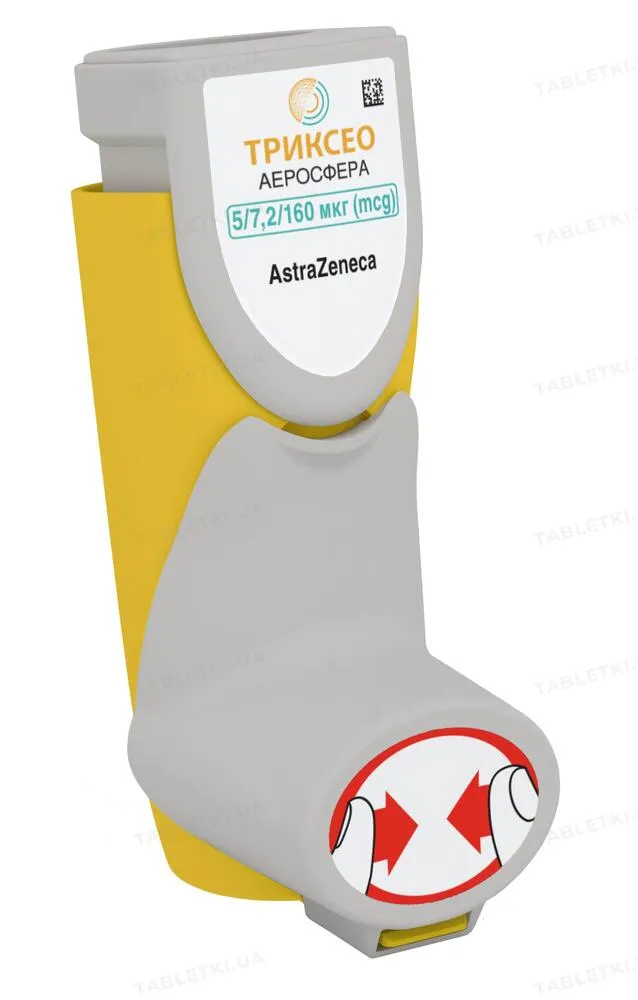
Table of Contents
- INSTRUCTIONS FOR MEDICAL USE OF THE MEDICINAL PRODUCT TRIXEO AEROSPHERE (TRIXEO AEROSPHERE)
- Composition:
- Pharmacological properties.
- p-value not adjusted for multiplicity in the hierarchical testing plan.
- p-values are not adjusted for multiplicity in a hierarchical testing plan.
- Clinical characteristics.
- Special precautions for use.
- Instructions for Use and Dosage
- Adverse reactions.
INSTRUCTIONS FOR MEDICAL USE OF THE MEDICINAL PRODUCT TRIXEO AEROSPHERE (TRIXEO AEROSPHERE)
Composition:
Active substances: formoterol fumarate dihydrate, glycopyrronium bromide, budesonide;
1 inhalation (delivered dose) contains 5 mcg of micronized formoterol fumarate dihydrate equivalent to 4.8 mcg of anhydrous formoterol fumarate; 9 mcg of micronized glycopyrronium bromide equivalent to 7.2 mcg of glycopyrronium; and 160 mcg of micronized budesonide;
this corresponds to a metered dose of 5.3 mcg of micronized formoterol fumarate dihydrate equivalent to 5.1 mcg of anhydrous formoterol fumarate; 9.6 mcg of micronized glycopyrronium bromide equivalent to 7.7 mcg of glycopyrronium; and 170 mcg of micronized budesonide;
Excipients: 1,2-distearoyl-sn-glycero-3-phosphocholine, calcium chloride dihydrate, norflurane (HFA-134a).
Pharmaceutical form. Pressurized inhalation, suspension.
Main physicochemical properties: white-colored suspension.
Pharmacotherapeutic group. Medicinal products for the treatment of obstructive respiratory diseases. Adrenergic agents in combination with anticholinergic agents, including triple combinations with corticosteroids. Formoterol fumarate dihydrate, glycopyrronium bromide, budesonide. ATC code R03AL11.
Pharmacological properties.
Pharmacodynamics.
Mechanism of action
The medicinal product Trelegy Aerosphere contains budesonide, a glucocorticosteroid, and two bronchodilators — glycopyrronium, a long-acting muscarinic receptor antagonist (anticholinergic medicinal product), and formoterol, a long-acting β2-agonist.
Budesonide is a glucocorticosteroid which, when administered by inhalation, exerts a rapid (within several hours) and dose-dependent anti-inflammatory effect in the airways.
Glycopyrronium is a long-acting muscarinic receptor antagonist, often referred to as an anticholinergic medicinal product. The primary targets for anticholinergic medicinal products are muscarinic receptors located in the airways. In the airways, glycopyrronium exerts pharmacological effects by inhibiting M3-cholinoreceptors in smooth muscles, resulting in bronchodilation. The antagonism is competitive and reversible. In studies, prevention of bronchoconstrictor effects induced by methacholine and acetylcholine was dose-dependent and lasted over 12 hours.
Formoterol is a selective β2-adrenoceptor agonist which, when administered by inhalation, leads to rapid and sustained relaxation of bronchial smooth muscles in patients with reversible airway obstruction. The bronchodilator effect is dose-dependent; onset of effect occurs within 1–3 minutes after inhalation. The duration of effect after a single dose lasts at least 12 hours.
Clinical efficacy
The efficacy and safety of Trelegy Aerosphere were evaluated in patients with moderate, severe, or very severe COPD in ETHOS and KRONOS, two randomized, parallel-group studies. Both studies were multicenter and double-blind. Patients had a symptom score ≥ 10 according to the COPD Assessment Test (CAT) and had been receiving two or more maintenance medicinal products for at least 6 weeks prior to screening.
ETHOS was a 52-week study (N = 8588 randomized participants; 60% were male, mean age 65 years), in which two inhalations twice daily of Trelegy Aerosphere were compared with a dual-action inhaler (DAI) of formoterol fumarate dihydrate/glycopyrronium (FORM/GLY) 5/7.2 mcg and a DAI of formoterol fumarate dihydrate/budesonide (FORM/BUDE) 5/160 mcg. Patients had moderate, severe, or very severe COPD (post-bronchodilator FEV1 from ≥ 25% to < 65% of predicted value); they were required to have a history of one or more moderate or severe COPD exacerbations in the year prior to screening. The proportion of patients with moderate, severe, or very severe COPD was 29%, 61%, and 11%, respectively. Mean baseline FEV1 across all groups was 1,021–1,066 mL; at screening, mean post-bronchodilator FEV1 was 43% of predicted, and mean CAT score was 19.6. The primary endpoint of the ETHOS study was the rate of moderate or severe COPD exacerbations during treatment with Trelegy Aerosphere compared with DAI FORM/GLY and DAI FORM/BUDE.
KRONOS was a 24-week study (N = 1902 randomized participants; 71% were male, mean age 65 years), in which two inhalations twice daily of Trelegy Aerosphere were compared with DAI FORM/GLY 5/7.2 mcg, DAI FORM/BUDE 5/160 mcg, and in an open-label comparison with the formoterol fumarate dihydrate/budesonide turbuhaler (TBI FORM/BUDE) 6/200 mcg. Patients had moderate, severe, or very severe COPD (post-bronchodilator FEV1 from ≥ 25% to < 80% of predicted value). The proportion of patients with moderate, severe, or very severe COPD was 49%, 43%, and 8%, respectively. Mean baseline FEV1 across all groups was 1,050–1,193 mL, and at screening, mean post-bronchodilator FEV1 was 50% of predicted; over 26% of patients reported one or more moderate or severe COPD exacerbations in the past year, and mean symptom score on the CAT test was 18.3. In a subgroup of participants, treatment was extended for 28 weeks, up to 52 weeks. The primary endpoints of the KRONOS study were FEV1 from time 0 to 4 hours post-dose (as area under the concentration-time curve AUC0-4 FEV1) for the Trelegy Aerosphere group compared with the DAI FORM/BUDE group, and change in morning pre-dose minimal FEV1 compared with baseline for the Trelegy Aerosphere group compared with the DAI FORM/GLY group at 24 weeks.
At enrollment in the studies, the most commonly reported COPD treatments used in ETHOS and KRONOS were inhaled glucocorticosteroid (ICS) + long-acting β2-agonist (LABA) + long-acting muscarinic antagonist (LAMA) (39%, 27%, respectively), ICS + LABA (31%, 38%, respectively), and LAMA + LABA (14%, 20%, respectively).
Effect on exacerbations
Moderate or severe exacerbations
In the 52-week ETHOS study, patients treated with Trelegy Aerosphere showed a significant reduction in the annual rate of moderate/severe exacerbations during treatment by 24% (95% CI: 17, 31; p < 0.0001) compared with DAI FORM/GLY (rate: 1.08 vs. 1.42 events per patient per year) and by 13% (95% CI: 5, 21; p = 0.0027) compared with DAI FORM/BUDE (rate: 1.08 vs. 1.24 events per patient per year).
The observed benefit in the annual rate of moderate/severe COPD exacerbations over 24 weeks in the KRONOS study was generally consistent with that observed in ETHOS. Improvements in the Trelegy Aerosphere group compared with DAI FORM/GLY were statistically significant, but did not reach statistical significance compared with DAI FORM/BUDE and TBI FORM/BUDE.
Severe exacerbations (leading to hospitalization or death)
In the ETHOS study, patients treated with Trelegy Aerosphere showed a numerical reduction in the annual rate of severe exacerbations during treatment by 16% (95% CI: -3, 31; p = 0.0944) compared with DAI FORM/GLY (rate: 0.13 vs. 0.15 events per patient per year) and a significant reduction by 20% (95% CI: 3, 34; p = 0.0221) compared with DAI FORM/BUDE (rate: 0.13 vs. 0.16 events per patient per year).
In both studies, when Trelegy Aerosphere was used, benefit in reducing exacerbations was observed in patients with moderate, severe, or very severe COPD.
Effect on lung function
In the ETHOS and KRONOS studies, patients treated with Trelegy Aerosphere showed improvement in lung function (FEV1) during treatment compared with DAI FORM/GLY and DAI FORM/BUDE (see Table 1 for ETHOS and Table 2 for KRONOS). A sustained effect was observed over the 24-week treatment period and throughout 52 weeks in ETHOS.
Table 1
Lung function analysis – ETHOS (spirometry sub-study)
| Parameter |
Trxeo Aerocapture (N = 747) |
DPI FORM/ GLI (N=779) |
DPI FORM/ BUD (N=755) |
Mean difference, |
|
| Comparison Trxeo Aerocapture vs DPI FORM/GLI |
Comparison Trxeo Aerocapture vs DPI FORM/BUD |
||||
| Mean change from baseline (SE) in trough FEV1 (ml) at Week 24, estimated by LS means |
129 (6.5) |
86 (6.6) |
53 (6.5) |
43 ml (25; 60) p < 0.0001 |
76 ml (58; 94) p < 0.0001# |
| Mean change from baseline (SE) in FEV1 AUC0-4 at Week 24, estimated by LS means |
294 (6.3) |
245 (6.3) |
194 (6.3) |
49 ml (31; 66) p < 0.0001# |
99 ml (82; 117) p < 0.0001 |
p-value not adjusted for multiplicity in the hierarchical testing plan.
LSM — least squares mean, SE — standard error, CI — confidence interval, N — number of subjects in the "all randomized patients as assigned treatment" sample (ITT population).
Table 2
Lung function analysis – KRONOS
| Parameter |
Trxeo Aerosphere (N = 639) |
DAI FORM/GLY (N = |
DAI FORM/BUD (N = |
TBH FORM/BUD (N = 318) |
Mean difference, |
||
| Comparison of Trxeo Aerosphere vs DAI FORM/GLY |
Comparison of Trxeo Aerosphere vs DAI FORM/BUD |
Comparison of Trxeo Aerosphere vs TBH FORM/BUD |
|||||
| Mean trough FEV1 (mL) at 24 weeks, change from baseline (SE), estimated by LS means |
147 |
125 |
73 (9.2) |
88 (9.1) |
22 mL |
74 mL |
59 mL |
| (6.5) |
(6.6) |
(4; 39) p = 0.0139 |
(52; 95) p < 0.0001 |
(38; 80) p < 0.0001# |
|||
| FEV1 AUC0-4 at 24 weeks, |
305 |
288 |
201 |
214 |
16 mL |
104 mL |
91 mL |
| (8.4) |
(8.5) |
(11.7) |
(11.5) |
(-6; 38) p = 0.1448# |
(77; 131) p < 0.0001 |
(64; 117) p < 0.0001 |
|
p-values are not adjusted for multiplicity in a hierarchical testing plan.
LSM — least squares mean, SE — standard error, CI — confidence interval, N — number of individuals in the "all randomized patients as assigned to treatment" (ITT population).
Relief of symptom
In the ETHOS study, baseline mean dyspnea scores ranged from 5.8 to 5.9 across treatment groups. Patients treated with Trelegy Aerosphere demonstrated a significant reduction in dyspnea severity (measured by the Transition Dyspnea Index [TDI] at 24 weeks) compared to UMEC/FP (0.40 units; 95% CI: 0.24, 0.55; p < 0.0001) and compared to UMEC/BUD (0.31 units; 95% CI: 0.15, 0.46; p < 0.0001). Improvement was maintained over 52 weeks. In the KRONOS study, baseline mean dyspnea scores ranged from 6.3 to 6.5 across treatment groups. Patients treated with Trelegy Aerosphere demonstrated a significant reduction in dysp游戏副本
Clinical characteristics.
Indications.
Trexeo Aerosphere is indicated as maintenance therapy in adult patients with moderate to severe chronic obstructive pulmonary disease (COPD) who are not adequately controlled on therapy with an inhaled corticosteroid and a long-acting β2-agonist or with a long-acting β2-agonist and long-acting muscarinic receptor antagonists (for information on effect on symptom control and prevention of exacerbations, see section “Pharmacodynamics”).
Contraindications.
Hypersensitivity to the active substances or to any of the excipients listed in section “Composition”.
Interaction with other medicinal products and other forms of interaction.
Pharmacokinetic interactions
Clinical studies on the interaction of this medicinal product with other medicinal products have not been conducted; however, the likelihood of metabolic interactions is considered low based on in vitro studies (see section “Pharmacokinetics”).
Formoterol does not inhibit CYP450 enzymes at therapeutically relevant concentrations (see section “Pharmacokinetics”). Budesonide and glycopyrronium do not inhibit or induce CYP450 enzymes at therapeutically relevant concentrations.
Metabolism of budesonide is primarily mediated by the CYP3A4 enzyme (see section “Pharmacokinetics”). Concomitant use of strong CYP3A inhibitors such as itraconazole, ketoconazole, HIV protease inhibitors, and medicinal products containing cobicistat is expected to increase the risk of systemic adverse reactions; such concomitant use should be avoided unless the benefit outweighs the increased risk of systemic corticosteroid-related adverse reactions. If such concomitant use is decided upon, patients should be monitored for systemic corticosteroid-related adverse reactions. This consideration has limited clinical significance during short-term (1–2 weeks) treatment.
Limited data on the above-mentioned interactions with high doses of inhaled budesonide suggest that a significant increase in plasma levels (on average 4-fold) may occur when itraconazole 200 mg once daily is co-administered with inhaled budesonide (single dose of 1000 mcg).
Since glycopyrronium is predominantly eliminated via the kidneys, interactions with medicinal products affecting renal excretion mechanisms are possible. In vitro, glycopyrronium is a substrate of renal transporters OCT2 and MATE1/2K. A study investigating the effect of cimetidine, a marker inhibitor of OCT2 and MATE1, on the disposition of inhaled glycopyrronium showed a limited increase in total systemic exposure (AUC0-t) by 22% and a minor reduction in renal clearance by 23% following co-administration of cimetidine.
Pharmacodynamic interactions
Other antimuscarinic agents and sympathomimetics
Concomitant use of this medicinal product with other medicinal products containing anticholinergics and/or long-acting β2-agonists has not been studied and is not recommended, as it may potentiate known adverse reactions of inhaled muscarinic receptor antagonists or β2-agonists (see sections “Special precautions for use” and “Overdose”).
When other β-adrenergic medicinal products are used concomitantly, potentially additive effects may occur; therefore, caution is required when prescribing other β-adrenergic medicinal products together with formoterol.
Drug-induced hypokalaemia
Initial hypokalaemia may occur, which may be exacerbated by concomitant use of medicinal products, including xanthine derivatives, corticosteroids, and non-potassium-sparing diuretics (see section “Special precautions for use”). Hypokalaemia may increase the susceptibility to arrhythmias in patients receiving cardiac glycosides.
β-Adrenoceptor blockers
β-Adrenoceptor blockers (including ophthalmic drops) may attenuate or antagonize the effect of formoterol. Concomitant use of β-adrenoceptor blockers should be avoided unless the expected benefit outweighs the potential risks. If β-adrenoceptor blockers are required, cardioselective agents of this class are preferred.
Other pharmacodynamic interactions
Concomitant use of quinidine, disopyramide, procainamide, antihistamines, monoamine oxidase inhibitors, tricyclic antidepressants, and phenothiazines may prolong the QT interval and increase the risk of ventricular arrhythmias. In addition, L-dopa, L-thyroxine, oxytocin, and alcohol may impair cardiac tolerance to β2-sympathomimetics.
Concomitant use of monoamine oxidase inhibitors, including medicinal products with similar properties such as furazolidone and procarbazine, may provoke hypertensive reactions.
Patients receiving concomitant anaesthesia with halogenated hydrocarbons have an increased risk of developing arrhythmias.
Special precautions for use.
This medicinal product is not intended for the treatment of acute conditions.
This medicinal product is not indicated for the treatment of acute episodes of bronchospasm, i.e., for immediate relief.
Paradoxical bronchospasm
Administration of formoterol/glycopyrronium/budesonide may cause paradoxical bronchospasm, with sudden wheezing and shortness of breath occurring immediately after dosing; this condition may be life-threatening. Therapy with this medicinal product must be discontinued immediately if paradoxical bronchospasm occurs. The patient should be examined and, if necessary, alternative therapy initiated.
Worsening of disease
Abrupt discontinuation of therapy with this medicinal product is not recommended. If patients perceive the treatment as ineffective, therapy should be continued while seeking medical advice. If a patient needs to use a bronchodilator more frequently to relieve symptoms, this indicates worsening of the underlying disease and the need to reassess the treatment regimen. Sudden and progressive worsening of COPD symptoms may be life-threatening; therefore, the patient requires urgent medical evaluation.
Effects on the cardiovascular system
Cardiovascular effects such as cardiac arrhythmias, including atrial fibrillation and tachycardia, may occur after administration of muscarinic receptor antagonists and sympathomimetics, including glycopyrronium and formoterol. This medicinal product should be used with caution in patients with clinically significant uncontrolled or severe cardiovascular disorders, such as unstable ischemic heart disease, acute myocardial infarction, cardiomyopathy, cardiac arrhythmias, and severe heart failure.
Caution is also advised when treating patients with known or suspected QTc interval prolongation (QTc > 450 ms in males or > 470 ms in females), regardless of whether this abnormality is congenital or drug-induced.
Systemic effects of corticosteroids
Systemic effects may occur during treatment with any inhaled corticosteroids, particularly at high doses over prolonged periods. The likelihood of such effects is considerably lower with inhaled corticosteroids compared to oral formulations. Possible systemic effects include Cushing's syndrome, Cushingoid features, adrenal suppression, decreased bone mineral density, cataract, and glaucoma. The potential impact of the medicinal product on bone mineral density should be considered, especially in patients receiving high doses over prolonged periods and those with concomitant risk factors for osteoporosis.
Vision disorders
Cases of visual disturbances have been reported during both systemic and local administration of corticosteroids. If a patient develops symptoms such as blurred vision or other visual disturbances, they should be referred to an ophthalmologist for evaluation to determine the possible cause, which may include cataract, glaucoma, or rare conditions such as central serous chorioretinopathy; such visual disturbances have been reported after administration of systemic and topical corticosteroids (see section "Adverse reactions").
Transition from oral therapy
Particular attention is required when treating patients transitioning from oral corticosteroid therapy, as they may remain at risk of adrenal insufficiency for a prolonged period. Patients requiring high-dose corticosteroid therapy or long-term treatment with inhaled corticosteroids at the highest recommended dose may also be at risk. Such patients may develop symptoms of adrenal insufficiency during periods of severe stress. Additional systemic corticosteroid therapy should be considered during stressful periods or prior to elective surgical procedures.
Pneumonia in COPD patients
An increased incidence of pneumonia, including pneumonia requiring hospitalization, has been observed in patients with chronic obstructive pulmonary disease (COPD) receiving inhaled corticosteroids. There is some evidence suggesting an increased risk of pneumonia with higher corticosteroid doses, although this has not been definitively demonstrated in any study.
There are no comprehensive clinical data establishing differences in the magnitude of pneumonia risk among inhaled corticosteroids.
Physicians should remain vigilant for possible development of pneumonia in COPD patients, as the clinical signs of this infection overlap with symptoms of COPD exacerbation.
Risk factors for pneumonia in COPD patients include smoking, advanced age, low body mass index (BMI), and severe COPD.
Hypokalemia
Hypokalemia, potentially serious, may occur during treatment with β2-agonists. This may lead to cardiovascular adverse reactions. Particular caution is advised in patients with severe COPD, as this effect may be exacerbated by hypoxia. Hypokalemia may also be potentiated when this medicinal product is used concomitantly with other medicinal products that may cause hypokalemia, such as xanthine derivatives, steroids, and diuretics (see section "Interaction with other medicinal products and other forms of interaction").
Hyperglycemia
Inhalation of β2-agonists at high doses may increase plasma glucose levels. Therefore, blood glucose levels should be monitored according to established guidelines in patients with diabetes mellitus.
Concomitant diseases
This medicinal product should be used with caution in patients with thyrotoxicosis.
Anticholinergic activity
Due to its anticholinergic activity, this medicinal product should be used with caution in patients with symptomatic benign prostatic hyperplasia, urinary retention, or closed-angle glaucoma. Patients should be informed about the signs and symptoms of acute angle-closure glaucoma and advised to discontinue the medicinal product and seek immediate medical attention if any such signs or symptoms occur.
Concomitant use of this medicinal product with other medicinal products containing anticholinergic agents is not recommended (see section "Interaction with other medicinal products and other forms of interaction").
Renal impairment
Since glycopyrronium is primarily excreted by the kidneys, this medicinal product should be administered to patients with severe renal impairment (creatinine clearance < 30 mL/min), including those with end-stage renal disease requiring dialysis, only if the expected benefit outweighs the potential risks (see section "Pharmacokinetics").
Hepatic impairment
This medicinal product should be administered to patients with severe hepatic impairment only if the expected benefit outweighs the potential risks (see section "Pharmacokinetics"). Such patients should be monitored for possible adverse reactions.
Use during pregnancy or breastfeeding.
Pregnancy
Data on the use of budesonide, glycopyrronium, and formoterol in pregnant women are lacking or limited.
Data from use of inhaled budesonide in more than 2500 pregnant women indicate no increased teratogenic risk associated with budesonide. Clinical studies with single doses have shown that only a very small amount of glycopyrronium crosses the placental barrier.
There is no experience or data on the safety of the propellant norflurane (HFA 134a) during pregnancy or breastfeeding. However, studies on the effects of HFA 134a on reproductive function and embryofetal development in animals did not reveal clinically significant adverse effects.
Reproductive toxicity studies of this medicinal product in animals have not been conducted. Budesonide has been shown to cause embryofetal toxicity in rats and rabbits, an effect typical of glucocorticoid class drugs. At very high doses/with very high systemic exposure, formoterol has caused abortion and reduced birth weight and early postnatal survival, whereas glycopyrronium had no significant effect on reproductive function.
This medicinal product should be prescribed to pregnant women only if the expected benefit to the mother outweighs the potential risk to the fetus.
Breastfeeding
A clinical pharmacology study has shown that budesonide is excreted in breast milk. However, it was not detected in infant plasma. Based on pharmacokinetic parameters, the concentration of budesonide in infant plasma is less than 0.17% of the concentration in maternal plasma. Therefore, no effects from budesonide are expected in infants breastfed by mothers receiving therapeutic doses of this medicinal product. It is unknown whether glycopyrronium and formoterol are excreted in breast milk. Data are available showing penetration of glycopyrronium and formoterol into maternal milk in rats.
This medicinal product should be prescribed to breastfeeding women only if the expected benefit to the mother outweighs any potential risk to the infant.
Fertility
Animal studies in rats showed an adverse effect of formoterol on fertility only at doses exceeding the maximum human doses. Budesonide and glycopyrronium, administered separately, did not show adverse effects on fertility in rats. It is unlikely that this medicinal product, when used at recommended doses, will affect fertility in humans.
Ability to affect reaction speed when driving vehicles or operating machinery.
The medicinal product Trixeo Aerodose does not affect or has a negligible effect on the ability to drive vehicles or operate machinery. However, dizziness is an uncommon adverse reaction that should be taken into account when driving or operating machinery.
Instructions for Use and Dosage
Dosage
The recommended and maximum dose is two inhalations twice daily (two inhalations in the morning and two inhalations in the evening).
If a dose is missed, it should be taken as soon as possible, and the next dose should be taken at the usual time. Do not take an additional dose of the medicinal product to compensate for a missed dose.
Special Patient Groups
Elderly Patients
Dose adjustment is not required for elderly patients (see section "Pharmacokinetics").
Renal Impairment
This medicinal product can be administered at the recommended dose to patients with mild and moderate renal impairment. It can also be administered at the recommended dose to patients with severe renal impairment or end-stage renal disease requiring dialysis only if the anticipated benefit outweighs the potential risks (see sections "Special Warnings and Precautions for Use" and "Pharmacokinetics").
Hepatic Impairment
This medicinal product can be administered at the recommended dose to patients with mild and moderate hepatic impairment. It can also be administered at the recommended dose to patients with severe hepatic impairment only if the anticipated benefit outweighs the potential risks (see sections "Special Warnings and Precautions for Use" and "Pharmacokin游戏副本)."
Method of Administration
For inhalation use only.
Instructions for Use
To ensure proper delivery of Trixeo Aerosphere, a healthcare professional (e.g., physician or nurse) must demonstrate to the patient the correct way to use the inhaler and should regularly check that the patient is using the correct inhalation technique. Patients should be advised to read the patient information leaflet carefully and to follow the instructions for use provided therein.
Note: It is important to inform the patient:
- Not to use the inhaler if the desiccant contained within the foil pouch has spilled out of its packaging. For optimal performance, the inhaler should be kept at room temperature for a period of time before use.
- To prepare the inhaler by shaking it and actuating the pressurized canister four times into the air before first use, or two times if the inhaler has not been used for more than seven days, after weekly cleaning, or if the inhaler has been dropped on the floor.
- To rinse the mouth with water after inhalation to minimize the risk of oropharyngeal candidiasis. Do not swallow.
During inhalation of Trixeo Aerosphere, part of the suspension is expelled from the aerosol container. When the patient inhales through the mouthpiece while simultaneously pressing on the inhaler, the dose of the medicinal product is carried by the inhaled air into the airways.
Patients who have difficulty coordinating the actuation of the inhaler with inhalation may use Trixeo Aerosphere with a spacer to ensure proper drug delivery. Trixeo Aerosphere can be used with spacer devices, including Aerochamber Plus Flow-Vu (see section "Pharmacokinetics").
Read before using the inhaler.
Read this instruction carefully.
Your Trixeo Aerosphere inhaler (hereinafter referred to as "inhaler") may differ from inhalers you have used previously.
Important Information
- For inhalation use only.
- Prepare the inhaler before first use.
- Clean the yellow dose indicator weekly.
- Use 2 inhalations of the medicinal product in the morning and 2 inhalations in the evening.
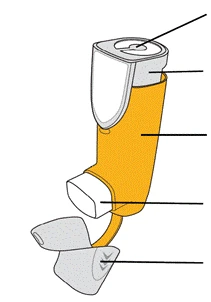
Parts of the Inhalator
|
|
Counter for number of inhalations Attached to the top of the pressurized container. |
| Pressurized container (inside) Contains the medicinal product. |
|
| Dose counter Holds the pressurized container. |
|
| Mouthpiece Dispenses the medicinal product. |
|
| Mouthpiece cap Protects the mouthpiece when the inhaler is not in use. |
|
Dose counter display
The dose counter will count down 1 dose each time you actuate the medication.
| Dose indicator Shows the number of inhalations remaining. |
|
| Yellow zone Order a new inhaler when the indicator is in the yellow zone. |
|
| Red zone Discard the inhaler when the indicator reaches 0 in the red zone. |
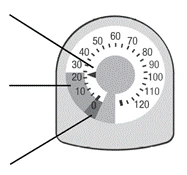
Do not attempt to inhale when the counter is at 0, as you will not receive a full dose.
Ordering a new inhaler
- Order a new inhaler when the dose counter indicator enters the yellow zone.
Disposal of the inhaler
Dispose of the inhaler according to local regulations if:
- the dose counter reads 0
or
- 3 months after removing the inhaler from the foil pouch.
Do not reuse, and do not use the actuator with medicine containers from other inhalers.
Do not pierce or throw the pressurized container into fire or a garbage incinerator.
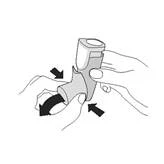
BEFORE FIRST USE — the inhaler must be primed 4 times before first use
- Before first use, prime the inhaler to ensure the proper amount of medication is delivered during use.
| Activation. Step 1 |
| Remove the mouthpiece cap. |
|
|
| Activation. Step 2 |
|
| Shake the inhaler well and release 1 test spray into the air away from you. Repeat for a total of 4 test sprays, shaking the inhaler before each test spray. |
|
|
|
|
| Extra doses are intended for preparing the inhaler. Do not skip the preparation step. |
|

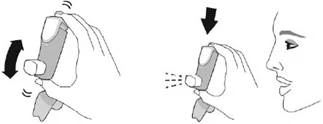
| Prepare the inhaler for use again:
|
To prepare again, spray 2 test sprays, shaking the inhaler before each test spray. |
|
|
|

DAILY USE ̶ use the medication in the morning and evening.
- Daily dose: 2 inhalations in the morning and 2 inhalations in the evening.
- Rinse your mouth with water after 2 inhalations to help prevent a fungal infection.
| Step 1 |
| Remove the mouthpiece cap. Inspect the mouthpiece for foreign objects and remove any objects before use. |
|
|
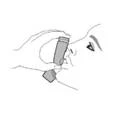
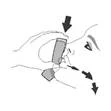
| Step 2 |
||||
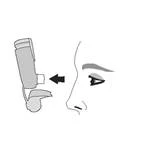
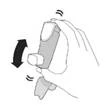
| Shake the inhaler well before each inhalation. |
Breathe out fully. |
Place the mouthpiece into your mouth and close your lips around it. Tilt your head back slightly, keeping your tongue under the mouthpiece. |
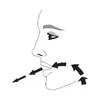
Start breathing in deeply and slowly, taking 1 inhalation. Continue inhaling until you cannot breathe in any further. |
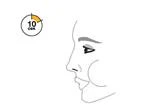
Hold your breath for as long as possible, up to 10 seconds. |
|
|
|
|
|
|
| Step 3 |
Step 4 |
Step 5 |
|
| |
Replace the cap onto the mouthpiece. |
Rinse your mouth with water. Spit out the water. Do not swallow. |
|
|
|
|
||
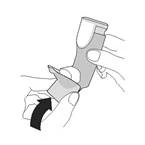
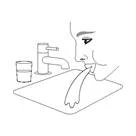
WEEKLY CLEANING — clean the dispenser once a week
- Clean the yellow dispenser weekly to prevent medication buildup and blockage of the spray through the mouthpiece.
- Do not allow the container to get wet.
- Reprepare the inhaler for use after cleaning.
| Rinsing. Step 1 |
Rinsing. Step 2 |
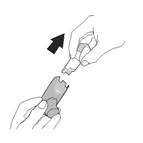
| Remove the container and set aside. Do not allow the container to get wet. |
Remove the mouthpiece cap. |
|
|
|
| Rinsing. Step 3 |
Rinsing. Step 4 |
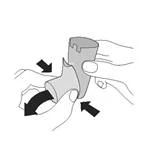
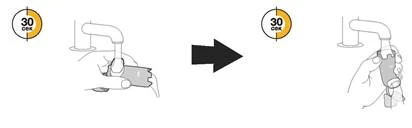
| Run warm water through the mouthpiece for 30 seconds, then through the top part of the dispenser for 30 seconds. Rinse for a total of 60 seconds.
|
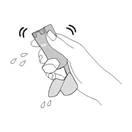
Shake off as much water as possible.
Do not dry with a towel or tissue. |
| Rinsing. Step 5 |
Rinsing. Step 6 |
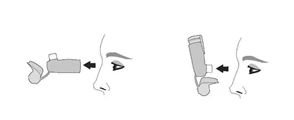
| Look inside the dispenser and mouthpiece for any medication buildup. If there is any accumulation, repeat rinsing steps 3 through 5. |
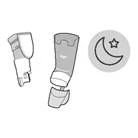
Allow to air dry, preferably overnight. Do not insert the container into the dispenser if it is still damp. |
|
|
|
| Rinsing. Step 7 |
Rinsing. Step 8 |
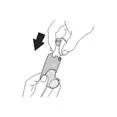
| When it is dry, first attach the mouthpiece cap, then carefully insert the canister into the actuator. |
Re-prepare by performing 2 test sprays, shaking the inhaler before each test spray. |
|
|
|

Children. The use of Trelegy Aerosphere in children (under 18 years of age) for COPD indications is not recommended.
Overdose.
Overdose of Trelegy Aerosphere may lead to intensification of signs and symptoms associated with adverse reactions to anticholinergic medicinal products and/or β2-agonists. The most common ones include blurred vision, dry mouth, nausea, muscle spasm, tremor, headache, increased heart rate, and systolic arterial hypertension. With prolonged use in excessive doses, systemic effects of glucocorticosteroids may occur.
There is no specific treatment for overdose with this medicinal product. In case of overdose, supportive therapy with appropriate monitoring should be administered as needed.
Adverse reactions.
Summary of safety profile
The safety profile of this medicinal product is characterized by effects typical of corticosteroids, anticholinergics, and β2-agonists, as the individual components of this combination medicinal product belong to these classes of drugs. The most common adverse reactions in patients treated with this medicinal product were pneumonia (4.6%), headache (2.7%), and urinary tract infection (2.7%).
Tabulated list of adverse reactions
The tabulated list of adverse reactions is based on the experience from clinical trials with this medicinal product and on the experience with its individual components.
The adverse reactions listed below are classified by system organ class (SOC) and frequency of occurrence: very common (≥ 1/10), common (≥ 1/100 to < 1/10), uncommon (≥ 1/1000 to < 1/100), rare (≥ 1/10,000 to < 1/1000), very rare (< 1/10,000), frequency not known (cannot be estimated from the available data).
Table 3
Adverse reactions classified by frequency and system organ class (SOC)
| System organ class (SOC) |
Adverse reaction to the use of medicinal product |
Frequency |
| Infections and infestations |
Oral candidiasis, pneumonia |
Common |
| Immune system disorders |
Hypersensitivity |
Uncommon |
| Angioedema |
Frequency not known |
|
| Endocrine disorders |
Signs or symptoms of systemic glucocorticosteroid effects, e.g. adrenal suppression |
Very rare |
| Metabolism and nutrition disorders |
Hypoglycemia |
Common |
| Psychiatric disorders |
Anxiety, insomnia |
Common |
| Depression, agitation, restlessness, increased irritability |
Uncommon |
|
| Abnormal behaviour |
Very rare |
|
| Nervous system disorders |
Headache |
Common |
| Dizziness, tremor |
Uncommon |
|
| Eye disorders |
Blurred vision (see section «Special precautions»), cataract, glaucoma |
Frequency not known |
| Cardiac disorders |
Pounding heartbeat |
Common |
| Angina pectoris, tachycardia, cardiac arrhythmias (e.g. atrial fibrillation, supraventricular tachycardia and extrasystoles) |
Uncommon |
|
| Respiratory, thoracic and mediastinal disorders |
Dysphonia, cough |
Common |
| Throat irritation, bronchospasm |
Uncommon |
|
| Gastrointestinal disorders |
Nausea |
Common |
| Dry mouth |
Uncommon |
|
| Skin and subcutaneous tissue disorders |
Contusion |
Uncommon |
| Musculoskeletal and connective tissue disorders |
Muscle spasms |
Common |
| Renal and urinary disorders |
Urinary tract infections |
Common |
| Urinary retention |
Uncommon |
|
| General disorders and administration site conditions |
Chest pain |
Uncommon |
Description of individual adverse reactions
Pneumonia
KRONOS was a 24-week study involving 1896 patients with moderate, severe, or very severe COPD (mean post-bronchodilator FEV1 at screening was 50% of predicted value, standard deviation [SD] 14%), of whom 26% had experienced COPD exacerbations in the year prior to enrollment. The incidence of confirmed pneumonia cases recorded over 24 weeks was 1.9% (12 patients) in the Trelegy Aerosphere group (n = 639), 1.6% (10 patients) in the formoterol fumarate dihydrate/glycopyrronium (FORM/GLY) 5/7.2 mcg pressurized metered-dose inhaler (pMDI) group (n = 625), 1.9% (6 patients) in the formoterol fumarate dihydrate/budesonide (FORM/BUD) 5/160 mcg pMDI group (n = 314), and 1.3% (4 patients) in the formoterol fumarate dihydrate/budesonide (FORM/BUD) 6/200 mcg turbohaler (TBH) group (n = 318). There were no fatal cases of pneumonia during treatment with Trelegy Aerosphere in the KRONOS study.
ETHOS was a 52-week study involving 8529 patients (in the safety-evaluable population) with moderate, severe, or very severe COPD or with a history of severe exacerbations in the previous 12 months (mean post-bronchodilator FEV1 at screening was 43% of predicted value, SD 10%). The incidence of confirmed pneumonia cases was 4.2% (90 patients) in the Trelegy Aerosphere group (n = 2144), 3.5% (75 patients) in the formoterol fumarate dihydrate/glycopyrronium/budesonide (FORM/GLY/BUD) 5/7.2/80 mcg pMDI group (n = 2124), 2.3% (48 subjects) in the FORM/GLY 5/7.2 mcg pMDI group (n = 2125), and 4.5% (96 subjects) in the FORM/BUD 5/160 mcg pMDI group (n = 2136). In the ETHOS study, five fatal cases of pneumonia were reported during the treatment phase (two in the FORM/GLY/BUD 5/7.2/80 mcg pMDI group, three in the FORM/GLY pMDI group, and none in the Trelegy Aerosphere group).
Reporting of adverse reactions
Reporting of adverse reactions after marketing authorization is important. It allows continuous monitoring of the benefit-risk balance of the medicinal product. Healthcare professionals, pharmacists, as well as patients or their legal representatives, should report all suspected adverse reactions and lack of efficacy through the Automated Pharmacovigilance Information System at the following link: https://aisf.dec.gov.ua.
Shelf life.
24 months.
Use within 3 months after opening the foil pouch.
Storage conditions.
Store at temperatures not exceeding 30 °C. Do not expose to temperatures above 50 °C. Do not puncture the pressurized container with sharp objects.
Store in a dry place.
Packaging.
One pressurized container containing 120 inhalations in a laminated foil pouch containing a desiccant sachet; one pouch per cardboard box labeled in Ukrainian.
Prescription status.
Prescription only.
Manufacturer.
AstraZeneca Dunkerque Production / AstraZeneca Dunkerque Production.
Manufacturer's address and location of its operations.
224 Avenue de la Dordogne, Dunkerque, 59640, France / 224 avenue de la Dordogne, Dunkerque, 59640, France.