Tenox
Ukraine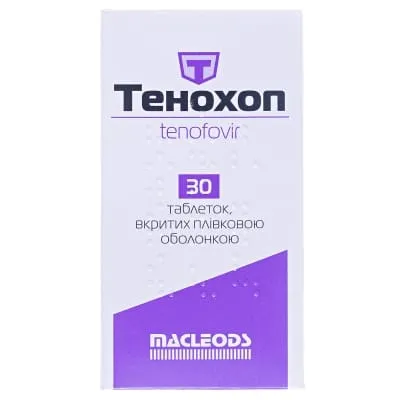
Table of Contents
INSTRUCTIONS FOR MEDICAL USE OF THE MEDICINAL PRODUCT TENOHOPE
Composition:
Active substance: tenofovir;
One film-coated tablet contains 300 mg of tenofovir disoproxil fumarate;
Excipients: lactose monohydrate, microcrystalline cellulose, pregelatinized starch, sodium croscarmellose, magnesium stearate, Opadry II Blue 30K505002: lactose monohydrate, hypromellose, titanium dioxide (E 171), triacetin, indigo carmine (E 132).
Pharmaceutical form. Film-coated tablets.
Main physicochemical properties: oval, biconvex, film-coated tablets, blue in color, with the imprint «CL 77» on one side and smooth on the other.
Pharmacotherapeutic group.
Antiviral agents for systemic use. Nucleoside and nucleotide reverse transcriptase inhibitors. ATC code J05A F07.
Pharmacological properties.
Pharmacodynamics.
Tenofovir disoproxil fumarate is the fumarate salt of the prodrug tenofovir disoproxil. Tenofovir disoproxil is absorbed and converted into the active moiety tenofovir, which is a nucleoside monophosphate analogue (nucleotide). Tenofovir is intracellularly phosphorylated to the active metabolite tenofovir diphosphate by constitutively expressed cellular enzymes. Tenofovir diphosphate has an intracellular half-life of 10 hours in activated and 50 hours in resting peripheral blood mononuclear cells (PBMCs). Tenofovir diphosphate inhibits HIV-1 reverse transcriptase and HBV polymerase by competing with the natural substrate deoxyribonucleotide for direct binding and by chain termination after incorporation into DNA. Tenofovir diph游戏副本
Clinical characteristics.
Indications.
HIV-1 infection
Treatment of HIV-1-infected patients, in combination with other antiretroviral medicinal products.
The medicinal product is indicated for the treatment of HIV-1-infected adolescents with resistance to nucleoside reverse transcriptase inhibitors (NRTIs) or toxicity precluding the use of first-line medicinal products in patients aged 12 to 18 years.
Selection of TenoHop for treatment of HIV-1-infected patients previously treated with antiretroviral agents should be based on individual resistance testing history and/or patient treatment history.
Hepatitis B
The medicinal product is indicated for the treatment of chronic hepatitis B in adults with:
- compensated liver disease, evidence of active viral replication, persistently elevated serum alanine aminotransferase (ALT) levels, and histological evidence of active inflammation and/or fibrosis;
- documented lamivudine-resistant hepatitis B (see sections "Adverse reactions" and "Pharmacodynamics");
- decompensated liver disease (see sections "Special precautions", "Adverse reactions").
TenoHop is indicated for the treatment of chronic hepatitis B in adolescents aged 12 to 18 years with:
- compensated liver disease, evidence of active immune system disease, i.e. active viral replication, persistently elevated serum alanine aminotransferase (ALT) levels, and histological evidence of active inflammation and/or fibrosis (see sections "Pharmacodynamics", "Special precautions", "Adverse reactions").
Contraindications.
Hypersensitivity to the active substance or to any of the excipients. Pediatric use under 12 years of age.
Interaction with other medicinal products and other forms of interaction.
Interaction studies have been conducted only in adults.
Based on in vitro data and the known elimination pathway of tenofovir, the likelihood of CYP450-mediated interactions involving tenofovir and other medicinal products is low.
Not recommended for concomitant use. TenoHop should not be used with other medicinal products containing tenofovir disoproxil fumarate or tenofovir alafenamide.
TenoHop should not be used concomitantly with adefovir dipivoxil.
Didanosine. Concomitant use of tenofovir disoproxil fumarate and didanosine is not recommended (see section "Special precautions" and Table 1).
Medicinal products eliminated by kidneys. Since tenofovir is primarily eliminated by the kidneys, concomitant use of tenofovir disoproxil fumarate with medicinal products that reduce glomerular filtration or compete for active tubular secretion via hOAT1, hOAT3, or MRP4 transport proteins (e.g., cidofovir) may increase serum concentrations of tenofovir and/or concomitantly administered medicinal products.
Use of tenofovir disoproxil fumarate should be avoided with concomitant or recent use of nephrotoxic medicinal products. These include, for example, aminoglycosides, amphotericin B, foscarnet, ganciclovir, pentamidine, vancomycin, cidofovir, and interleukin-2 (see section "Special precautions").
Given that tacrolimus may affect renal function, special monitoring is recommended when used concomitantly with tenofovir disoproxil fumarate.
Other interactions. Interactions between tenofovir disoproxil fumarate and other medicinal products not protease inhibitors are presented below in Table 1 (increase is indicated by "↑", decrease by "↓", no change by "↔", twice daily by "b.i.d.", and once daily by "q.d.").
Table 1
Interactions between tenofovir disoproxil fumarate and other medicinal products
| Medicinal product by therapeutic class (dose in mg) |
Effect on drug levels, mean percentage change AUC, Cmax, Cmin |
Recommendation regarding concomitant use with tenofovir disoproxil fumarate 300 mg |
| ANTI-INFECTIVES |
||
| Antiretrovirals |
||
| Protease inhibitors |
||
| Atazanavir/ritonavir (300 q.d./100 q.d./300 q.d.) |
Atazanavir: AUC: ↓ 25 % Cmax: ↓ 28 % Cmin: ↓ 26 % Tenofovir: AUC: ↑ 37 % Cmax: ↑ 34 % Cmin: ↑ 29 % |
Dose adjustment is not recommended. Increased exposure to tenofovir may enhance tenofovir-related adverse events, including renal impairment. Renal function should be closely monitored (see section "Special precautions"). |
| Lopinavir/ritonavir (400 b.i.d./100 b.i.d./300 q.d.) |
Lopinavir/ritonavir. No significant effect on pharmacokinetic parameters of lopinavir/ritonavir. Tenofovir: AUC: ↑ 32 % Cmax: ↔ Cmin: ↑ 51 % |
Dose adjustment is not recommended. Increased exposure to tenofovir may enhance tenofovir-related adverse events, including renal impairment. Renal function should be closely monitored (see section "Special precautions"). |
| Darunavir/ritonavir (300 /100 b.i.d./300 q.d.) |
Darunavir. No significant effect on pharmacokinetic parameters of darunavir/ritonavir. |
Dose adjustment is not recommended. Increased exposure to |
| Tenofovir: AUC: ↑ 22 % Cmin: ↑ 37 % |
tenofovir may enhance tenofovir-related adverse events, including renal impairment. Renal function should be closely monitored (see section "Special precautions"). |
|
| Nucleoside reverse transcriptase inhibitors (NRTIs) |
||
| Didanosine |
Concomitant use of tenofovir disoproxil fumarate and didanosine results in a 40–60% increase in systemic exposure to didanosine, which may increase the risk of didanosine-related adverse events. Rare, sometimes fatal cases of pancreatitis and lactic acidosis have been reported. Concomitant use of tenofovir disoproxil fumarate and didanosine 400 mg daily has been associated with significant decreases in CD4 cell count, possibly due to intracellular interaction increasing phosphorylated (i.e., active) didanosine. Reduced dosing (250 mg) of didanosine co-administered with tenofovir disoproxil fumarate has been associated with reports of high rates of virological failure in several HIV-1 treatment regimens. |
Concomitant administration of tenofovir disoproxil fumarate and didanosine is not recommended (see section "Special precautions"). |
| Adefovir dipivoxil |
AUC: ↔ Cmax: ↔ |
Tenofovir disoproxil fumarate should not be taken concomitantly with adefovir dipivoxil (see section "Special precautions"). |
| Entecavir |
AUC: ↔ Cmax: ↔ |
No clinically significant pharmacokinetic interactions were observed when tenofovir disoproxil fumarate was administered concomitantly with entecavir. |
| Antiviral agents for hepatitis C |
||
| Ledipasvir/sofosbuvir (90 mg /400 mg q.d.) + atazanavir/ritonavir (300 mg q.d. /100 mg q.d.) emtricitabine/tenofovir disoproxil fumarate (200 mg/ 300 mg q.d.) |
Ledipasvir: AUC: ↑ 96% Cmax: ↑ 68% Cmin: ↑ 118% Sofosbuvir: AUC: ↔ Cmax: ↔ GS-3310072: AUC: ↔ Cmax: ↔ Cmin: ↑ 42% Atazanavir: AUC: ↔ Cmax: ↔ Cmin: ↑ 63% |
Elevated plasma concentrations of tenofovir due to concomitant use of tenofovir disoproxil fumarate, ledipasvir/sofosbuvir, and atazanavir/ritonavir may enhance adverse reactions associated with tenofovir disoproxil fumarate, including renal disorders. The safety of tenofovir disoproxil fumarate when used with ledipasvir/sofosbuvir and a pharmacokinetic booster (e.g., ritonavir or cobicistat) has not been established. |
| Ritonavir: AUC: ↔ Cmax: ↔ Cmin: ↑ 45% Emtricitabine: AUC: ↔ Cmax: ↔ Cmin: ↔ Tenofovir: AUC: ↔ Cmax: ↑ 47% Cmin: ↑ 47% |
This combination should be used with frequent monitoring of renal function if alternatives are not available (see section "Special precautions"). |
|
| Ledipasvir/sofosbuvir (90 mg /400 mg q.d.) + darunavir/ritonavir (300 mg q.d. /100 mg q.d.) emtricitabine/tenofovir disoproxil fumarate (200 mg/ 300 mg q.d.) |
Ledipasvir: AUC: ↔ Cmax: ↔ Cmin: ↔ Sofosbuvir: AUC: ↓ 27% Cmax: ↓ 37% GS-3310072: AUC: ↔ Cmax: ↔ Cmin: ↔ Darunavir: AUC: ↔ Cmax: ↔ Cmin: ↔ Ritonavir: AUC: ↔ Cmax: ↔ Cmin: ↑ 48% Emtricitabine: AUC: ↔ Cmax: ↔ Cmin: ↔ Tenofovir: AUC: ↑ 50% Cmax: ↑ 64% Cmin: ↑ 59% |
Elevated plasma concentrations of tenofovir due to concomitant use of tenofovir disoproxil fumarate, ledipasvir/sofosbuvir, and darunavir/ritonavir may enhance adverse reactions associated with tenofovir disoproxil fumarate, including renal disorders. The safety of tenofovir disoproxil fumarate when used with ledipasvir/sofosbuvir and a pharmacokinetic booster (e.g., ritonavir or cobicistat) has not been established. This combination should be used with frequent monitoring of renal function if alternatives are not available (see section "Special precautions"). |
| Ledipasvir/sofosbuvir (90 mg /400 mg q.d.) + efavirenz/emtricitabine/ tenofovir disoproxil fumarate (600 mg/200 mg/ 300 mg q.d.) |
Ledipasvir: AUC: ↓ 34% Cmax: ↓ 34% Cmin: ↓ 34% Sofosbuvir: AUC: ↔ Cmax: ↔ GS-3310072: AUC: ↔ Cmax: ↔ Cmin: ↔ Efavirenz: AUC: ↔ Cmax: ↔ Cmin: ↔ |
Dose adjustment is not recommended. Increased tenofovir dosage may enhance adverse reactions associated with tenofovir disoproxil fumarate, including renal impairment. Renal function should be carefully monitored (see section "Special precautions"). |
| Emtricitabine: AUC: ↔ Cmax: ↔ Cmin: ↔ Tenofovir: AUC: ↑ 98% Cmax: ↑ 79% Cmin: ↑ 163% |
||
| Ledipasvir/sofosbuvir (90 mg/ 400 mg q.d.) + emtricitabine/rilpivirine/ tenofovir disoproxil fumarate (200 mg / 25 mg/ 300 mg q.d.) |
Ledipasvir: AUC: ↔ Cmax: ↔ Cmin: ↔ Sofosbuvir: AUC: ↔ Cmax: ↔ GS-3310072: AUC: ↔ Cmax: ↔ Cmin: ↔ Emtricitabine: AUC: ↔ Cmax: ↔ Cmin: ↔ Rilpivirine AUC: ↔ Cmax: ↔ Cmin: ↔ Tenofovir: AUC: ↑ 40% Cmax: ↔ Cmin: ↑ 91% |
Dose adjustment is not recommended. Increased tenofovir dosage may enhance adverse reactions associated with tenofovir disoproxil fumarate, including renal impairment. Renal function should be carefully monitored (see section "Special precautions"). |
| Ledipasvir/sofosbuvir (90 mg/ 400 mg q.d.) + dolutegravir (50 mg) emtricitabine/tenofovir disoproxil fumarate (200 mg/ 300 mg q.d.) |
Sofosbuvir: AUC: ↔ Cmax: ↔ GS-3310072: AUC: ↔ Cmax: ↔ Cmin: ↔ Ledipasvir: AUC: ↔ Cmax: ↔ Cmin: ↔ Dolutegravir: AUC: ↔ Cmax: ↔ Cmin: ↔ Emtricitabine: AUC: ↔ Cmax: ↔ Cmin: ↔ Tenofovir: AUC: ↑ 65% Cmax: ↑ 61% Cmin: ↑ 115% |
Dose adjustment is not recommended. Increased tenofovir dosage may enhance adverse reactions associated with tenofovir disoproxil fumarate, including renal impairment. Renal function should be carefully monitored (see section "Special precautions"). |
| Sofosbuvir/velpatasvir (90 mg/ 400 mg q.d.) + atazanavir/ritonavir (300 mg q.d./ 100 mg q.d.) emtricitabine/tenofovir disoproxil fumarate (200 mg/ 300 mg q.d.) |
Sofosbuvir: AUC: ↔ Cmax: ↔ GS-3310072: AUC: ↔ Cmax: ↔ Cmin: ↑ 42% Velpatasvir: AUC: ↑ 142% Cmax: ↑ 55% Cmin: ↑ 301% Atazanavir: AUC: ↔ Cmax: ↔ Cmin: ↑ 39% Dolutegravir: AUC: ↔ Cmax: ↔ Cmin: ↑ 29% Emtricitabine: AUC: ↔ Cmax: ↔ Cmin: ↔ Tenofovir: AUC: ↔ Cmax: ↑ 55% Cmin: ↑ 39% |
Elevated plasma concentrations of tenofovir due to concomitant use of tenofovir disoproxil fumarate, sofosbuvir/velpatasvir, and atazanavir/ritonavir may enhance adverse reactions associated with tenofovir disoproxil fumarate, including renal disorders. The safety of tenofovir disoproxil fumarate when used with sofosbuvir/velpatasvir and a pharmacokinetic booster (e.g., ritonavir or cobicistat) has not been established. This combination should be used with frequent monitoring of renal function if alternatives are not available (see section "Special precautions"). |
| Sofosbuvir/ velpatasvir (400 mg / 100 mg q.d.) + darunavir/ ritonavir (800 mg q.d./ 100 mg q.d.) + emtricitabine/tenofovir disoproxil fumarate (200 mg/ 300 mg q.d.)1 |
Sofosbuvir: AUC: ↓ 28% Cmax: ↓ 28% GS-3310072: AUC: ↔ Cmax: ↔ Cmin: ↔ Velpatasvir: AUC: ↔ Cmax: ↓ 24% Cmin: ↔ Darunavir: AUC: ↔ Cmax: ↔ Cmin: ↔ Ritonavir: AUC: ↔ Cmax: ↔ Cmin: ↔ Emtricitabine: AUC: ↔ Cmax: ↔ Cmin: ↔ Tenofovir: AUC: ↑ 39% Cmax: ↑ 55% Cmin: ↑ 52% |
Elevated plasma concentrations of tenofovir due to concomitant use of tenofovir disoproxil fumarate, darunavir/velpatasvir, and darunavir/ritonavir may enhance adverse reactions associated with tenofovir disoproxil fumarate, including renal disorders. The safety of tenofovir disoproxil fumarate when used with sofosbuvir/velpatasvir and a pharmacokinetic booster (e.g., ritonavir or cobicistat) has not been established. This combination should be used with frequent monitoring of renal function if alternatives are not available (see section "Special precautions"). |
| Sofosbuvir/velpatasvir (400 mg/ 100 mg q.d.) + lopinavir/ritonavir (800 mg/ 200 mg q.d.) + emtricitabine/tenofovir disoproxil fumarate (200 mg/ 300 mg q.d.) |
Sofosbuvir: AUC: ↓ 29% Cmax: ↓ 41% GS-3310072: AUC: ↔ Cmax: ↔ Cmin: ↔ Velpatasvir: AUC: ↔ Cmax: ↓ 30% Cmin: ↑ 63% Lopinavir: AUC: ↔ Cmax: ↔ Cmin: ↔ Ritonavir: AUC: ↔ Cmax: ↔ Cmin: ↔ Emtricitabine: AUC: ↔ Cmax: ↔ Cmin: ↔ Tenofovir: AUC: ↔ Cmax: ↑ 42% Cmin: ↔ |
Elevated plasma concentrations of tenofovir due to concomitant use of tenofovir disoproxil fumarate, sofosbuvir/velpatasvir, and lopinavir/ritonavir may enhance adverse reactions associated with tenofovir disoproxil fumarate, including renal disorders. The safety of tenofovir disoproxil fumarate when used with sofosbuvir/velpatasvir and a pharmacokinetic booster (e.g., ritonavir or cobicistat) has not been established. This combination should be used with frequent monitoring of renal function if alternatives are not available (see section "Special precautions"). |
| Sofosbuvir/velpatasvir (400 mg/ 100 mg q.d.) + raltegravir (400 mg q.d.) + emtricitabine/tenofovir disoproxil fumarate (200 mg/ 300 mg q.d.) |
Sofosbuvir: AUC: ↔ Cmax: ↔ GS-3310072: AUC: ↔ Cmax: ↔ Cmin: ↔ Velpatasvir: AUC: ↔ Cmax: ↔ Cmin: ↔ Raltegravir: AUC: ↔ Cmax: ↔ Cmin: ↓ 21% Emtricitabine: AUC: ↔ Cmax: ↔ Cmin: ↔ Tenofovir: AUC: ↑ 40% Cmax: ↑ 46% Cmin: ↑ 70% |
Dose adjustment is not recommended. Increased tenofovir dosage may enhance adverse reactions associated with tenofovir disoproxil fumarate, including renal impairment (see section "Special precautions"). |
| Sofosbuvir/velpatasvir (400 mg/ 100 mg q.d.) + efavirenz/emtricitabine/tenofovir disoproxil fumarate (600 mg/ 200 mg/ 300 mg q.d.) |
Sofosbuvir: AUC: ↔ Cmax: ↑ 38% GS-3310072: AUC: ↔ Cmax: ↔ |
Concomitant use of sofosbuvir/velpatasvir and efavirenz is expected to reduce plasma concentrations of velpatasvir. Concomitant administration of sofosbuvir/velpatasvir as part of treatment regimens containing efavirenz is not recommended. |
| Cmin: ↔ Velpatasvir: AUC: ↓ 53% Cmax: ↓ 46% Cmin: ↓ 57% Efavirenz: AUC: ↔ Cmax: ↔ Cmin: ↔ Emtricitabine: AUC: ↔ Cmax: ↔ Cmin: ↔ Tenofovir: AUC: ↑ 81% Cmax: ↑ 77% Cmin: ↑ 121% |
Concomitant administration of sofosbuvir/velpatasvir as part of treatment regimens containing efavirenz is not recommended. |
|
| Sofosbuvir/velpatasvir (400 mg/ 100 mg q.d.) + emtricitabine/rilpivirine/tenofovir disoproxil fumarate (200 mg/ 25 mg/ 300 mg q.d.) |
Sofosbuvir: AUC: ↔ Cmax: ↔ GS-3310072: AUC: ↔ Cmax: ↔ Cmin: ↔ Velpatasvir: AUC: ↔ Cmax: ↔ Cmin: ↔ Emtricitabine: AUC: ↔ Cmax: ↔ Cmin: ↔ Rilpivirine: AUC: ↔ Cmax: ↔ Cmin: ↔ Tenofovir: AUC: ↑ 40% Cmax: ↑ 44% Cmin: ↑ 84% |
Dose adjustment is not recommended. Increased tenofovir dosage may enhance adverse reactions associated with tenofovir disoproxil fumarate, including renal impairment. Renal function should be carefully monitored (see section "Special precautions"). |
| Sofosbuvir (400 mg q.d.) + efavirenz/emtricitabine/tenofovir disoproxil fumarate (600 mg/ 200 mg/ 300 mg q.d.) |
Sofosbuvir: AUC: ↔ Cmax: ↓ 19% GS-3310072: AUC: ↔ Cmax: ↓ 23% Efavirenz: AUC: ↔ Cmax: ↔ Cmin: ↔ Emtricitabine: AUC: ↔ Cmax: ↔ Cmin: ↔ |
Dose adjustment is not required. |
| Tenofovir: AUC: ↔ Cmax: ↑ 25% Cmin: ↔ |
||
1Data obtained with concomitant use of ledipasvir/sofosbuvir. Sequential administration (12 hours apart) yielded similar results.
2Predominant circulating metabolite of sofosbuvir.
Studies conducted with other medicinal products. No clinically significant pharmacokinetic interactions were observed when tenofovir disoproxil fumarate was administered concomitantly with emtricitabine, lamivudine, indinavir, efavirenz, nelfinavir, saquinavir (ritonavir-boosted), methadone, ribavirin, rifampicin, tacrolimus, and the hormonal contraceptive norgestimate/ethinylestradiol.
Tenofovir disoproxil fumarate should be taken with food, as food increases the bioavailability of tenofovir (see section "Pharmacokinetics").
Special precautions for use.
General
Before initiating tenofovir disoproxil fumarate therapy, an HIV antibody test should be offered to all HBV-infected patients (see section below "HIV-1 and hepatitis B co-infection").
HIV-1: Since effective viral suppression by antiretroviral therapy with Tenochope has not been proven to substantially reduce the risk of sexual transmission of infection, residual risk cannot be excluded. Preventive measures should be taken in accordance with national recommendations.
Chronic hepatitis B: Patients should be informed that there is no evidence that tenofovir disoproxil fumarate prevents the risk of transmission of hepatitis B virus to others through sexual contact or blood exposure. Appropriate preventive measures should continue to be used.
Concomitant use of other medicinal products.
- Tenochope should not be taken with other medicinal products containing tenofovir disoproxil fumarate or tenofovir alafenamide.
- Tenochope should not be used concomitantly with adefovir dipivoxil.
- Concomitant use of tenofovir disoproxil fumarate and didanosine is not recommended. Concurrent administration of tenofovir disoproxil fumarate and didanosine results in a 40–60% increase in systemic exposure to didanosine, which may increase the risk of didanosine-related adverse events. Rare, sometimes fatal cases of pancreatitis and lactic acidosis have been reported. Concomitant use of tenofovir disoproxil fumarate and didanosine at a dose of 400 mg daily has been associated with a significant decrease in CD4 cell count, possibly due to intracellular interaction increasing phosphorylated (i.e., active) didanosine. Reduced dosing (250 mg) of didanosine used in combination with tenofovir disoproxil fumarate therapy has been associated with reports of high rates of virological treatment failure in several studied combinations for HIV-1 infection treatment.
Triple nucleoside/nucleotide therapy. Reports have been received of high rates of virological treatment failure and early emergence of resistance in HIV patients when tenofovir disoproxil fumarate was combined with lamivudine and abacavir, as well as with lamivudine and didanosine using a once-daily dosing regimen.
Renal and bone effects in adults
Renal function effects. Tenofovir is primarily eliminated by the kidneys. Cases of renal failure, renal impairment, elevated creatinine levels, hypophosphatemia, and proximal tubulopathy (including Fanconi syndrome) have been reported during clinical use of tenofovir disoproxil fumarate (see section "Adverse reactions").
Monitoring of renal function. Calculation of creatinine clearance is recommended for all patients before starting tenofovir disoproxil fumarate therapy, and renal function (creatinine clearance and serum phosphate levels) should be checked at 2–4 weeks after starting treatment, at 3 months, and then every 3–6 months in patients without risk factors for renal impairment. More frequent monitoring of renal function is required in patients at increased risk of renal dysfunction.
Treatment of kidney disorders
If serum phosphate level is < 1.5 mg/dL (0.48 mmol/L) or creatinine clearance decreases to < 50 mL/min in any patient receiving tenofovir disoproxil fumarate, renal function should be re-evaluated within 1 week, including measurement of blood glucose, blood potassium, and urine glucose concentration (see section "Adverse reactions", proximal tubulopathy). Discontinuation of tenofovir disoproxil fumarate therapy should also be considered for patients whose creatinine clearance decreases to < 50 mL/min or whose serum phosphate level decreases to < 1.0 mg/dL (0.32 mmol/L). Interruption of Tenochope treatment should also be considered in cases of progressive decline in renal function if no other cause is identified.
Concomitant use and risk of renal toxicity
Concomitant use of tenofovir disoproxil fumarate with nephrotoxic medicinal products (e.g., aminoglycosides, amphotericin B, foscarnet, ganciclovir, pentamidine, vancomycin, cidofovir, and interleukin-2) should be avoided. If concomitant use of tenofovir disoproxil fumarate and nephrotoxic agents cannot be avoided, renal function should be monitored weekly.
Cases of acute renal failure following initiation of high-dose non-steroidal anti-inflammatory drugs (NSAIDs) or multiple NSAIDs have been reported in patients receiving tenofovir disoproxil fumarate, particularly in those with risk factors for renal dysfunction. When Tenochope is used concomitantly with NSAIDs, renal function should be appropriately monitored.
A higher risk of renal failure has been observed in patients receiving tenofovir disoproxil fumarate in combination with ritonavir-boosted or cobicistat-boosted protease inhibitors. Close monitoring of renal function is required in these patients (see section "Interaction with other medicinal products and other forms of interaction"). Concomitant use of tenofovir disoproxil fumarate with a boosted protease inhibitor in patients with risk factors for renal dysfunction should be carefully evaluated.
Clinical evaluations of tenofovir disoproxil fumarate have not been conducted in patients receiving medicinal products that are eliminated via the same renal pathway, including human organic anion transporters (hOAT) 1 and 3 or MRP 4 (e.g., cidofovir — a known nephrotoxic medicinal product). These renal transport proteins may be involved in tubular secretion and partially in renal elimination of tenofovir and cidofovir. Therefore, the pharmacokinetics of medicinal products eliminated via the same renal pathway, including hOAT 1 and 3 or MRP 4 transport proteins, may be altered when used concomitantly. Unless clearly necessary, concomitant use of medicinal products eliminated via the same renal pathway is not recommended. If such concomitant use cannot be avoided, renal function should be monitored weekly (see section "Interaction with other medicinal products and other forms of interaction").
Renal impairment. Renal safety of tenofovir disoproxil fumarate has been studied to a very limited extent in adult patients with impaired renal function (creatinine clearance < 80 mL/min).
Adult patients with creatinine clearance < 50 mL/min, including patients on haemodialysis.
Safety data on the use of tenofovir disoproxil fumarate in patients with renal impairment are limited. Therefore, tenofovir disoproxil fumarate should be prescribed only when the potential benefit outweighs the potential risks. Tenofovir disoproxil fumarate is not recommended for patients with acute renal failure (creatinine clearance < 30 mL/min) or patients requiring haemodialysis. If no alternative treatment is available, the dosing interval should be adjusted and renal function should be closely monitored (see sections "Pharmacokinetics", "Posology and method of administration").
Bone effects. In HIV-infected patients during a study comparing the effect of tenofovir disoproxil fumarate with stavudine in combination with lamivudine and efavirenz in antiretroviral-naïve patients, both treatment groups showed a small decrease in bone mineral density (BMD) of the hip and spine.
In other studies, the most pronounced BMD reduction was observed in patients receiving tenofovir disoproxil fumarate as part of a regimen containing a boosted protease inhibitor. Alternative treatment regimens should be considered for patients with osteoporosis who are at high risk of fractures.
Bone abnormalities (which were rarely a cause of fractures) may be associated with proximal renal tubulopathy (see section "Adverse reactions"). If bone abnormalities are suspected, appropriate consultations should be obtained.
Pediatric population
Renal and bone effects
There are uncertainties regarding the long-term effects of renal and bone toxicity. Additionally, the reversibility of renal toxicity cannot be fully established. Therefore, a multidisciplinary approach is recommended to adequately assess the individual benefit-risk ratio of treatment, make decisions regarding appropriate monitoring during treatment (including decisions about treatment discontinuation), and consider the need for dietary supplements.
Monitoring of renal function
Renal function (serum creatinine clearance and phosphate) should be evaluated before starting treatment and monitored during treatment as in adults (see above).
Treatment of renal disorders
If serum phosphate level is confirmed to be < 3.0 mg/dL (0.96 mmol/L) in any pediatric patient receiving tenofovir disoproxil fumarate, renal function should be evaluated within one week, including measurement of blood glucose, blood potassium, and urine glucose concentration (see section "Adverse reactions", proximal tubulopathy). In case of suspected or detected renal abnormalities, consultation with a nephrologist is necessary to consider the possibility of interrupting tenofovir disoproxil fumarate therapy. Interruption of tenofovir disoproxil fumarate therapy should also be considered in cases of progressive decline in renal function if no other cause is identified.
Concomitant use and risk of renal toxicity
See above recommendations for adults.
Renal impairment.
Tenofovir disoproxil fumarate is not recommended for children with renal impairment (see section "Posology and method of administration"), and therefore should not be prescribed to such pediatric patients. Treatment should be discontinued in children who develop renal impairment during tenofovir disoproxil fumarate therapy.
Bone effects
Tenochope may cause a decrease in BMD. The impact of BMD changes associated with tenofovir disoproxil fumarate on long-term bone health and future fracture risk is currently unknown (see section "Pharmacodynamics").
If bone abnormalities are detected or suspected in children, consultation with an endocrinologist and/or nephrologist is required.
Liver disease. Data on safety and efficacy in patients with liver transplantation are very limited.
Safety and efficacy data for tenofovir disoproxil fumarate in patients infected with hepatitis B and decompensated liver disease with a Child–Pugh–Turcotte score > 9 are limited. These patients have a higher risk of serious hepatic and renal adverse reactions. Therefore, hepatic and renal parameters should be monitored more closely in this patient population.
Hepatitis flare.
Flare during treatment. Spontaneous flares of chronic hepatitis B are relatively common and are characterized by a transient increase in serum alanine aminotransferase (ALT) levels. After initiation of antiviral therapy, serum ALT levels may increase in some patients (see section "Adverse reactions"). In patients with compensated liver disease, these ALT elevations generally do not occur with increased serum bilirubin or hepatic decompensation. Patients with liver cirrhosis have an increased risk of hepatic decompensation following hepatitis flare and therefore require careful monitoring during treatment.
Flare after treatment discontinuation. Acute hepatitis flares have also been reported in patients who discontinued hepatitis B treatment. Post-treatment flares are usually associated with increased HBV DNA, and most are self-limiting. However, severe flares, including fatal cases, have been reported. Liver function should be monitored monthly by clinical and laboratory parameters for 6 months after discontinuation of hepatitis B treatment. Reinitiation of hepatitis B treatment may be justified if necessary. Discontinuation of treatment is not recommended in patients with advanced liver disease or cirrhosis, as post-treatment hepatitis flare may lead to hepatic decompensation.
In patients with decompensated liver disease, hepatitis flares are particularly serious and sometimes fatal.
Co-infection with hepatitis C or D. Data on the efficacy of tenofovir in patients with co-infection with hepatitis C or D virus are lacking.
HIV-1 and hepatitis B co-infection. Due to the risk of HIV resistance development in patients with HIV/HBV co-infection, tenofovir disoproxil fumarate should be used only as part of an appropriate antiretroviral combination regimen. Patients with prior liver function abnormalities, including chronic active hepatitis, have a higher frequency of liver function disturbances during combination antiretroviral therapy and should be monitored according to standard practice. If there is evidence of worsening liver disease in these patients, consideration should be given to interrupting or discontinuing treatment. However, it should be noted that ALT elevation may be part of viral clearance in patients with hepatitis B virus infection during tenofovir treatment (see above "Hepatitis flare").
Administration with certain antiviral agents for hepatitis C virus
Increased plasma concentrations of tenofovir are observed when tenofovir disoproxil fumarate is used with ledipasvir/sofosbuvir or sofosbuvir/velpatasvir, especially when used in combination with an HIV treatment regimen containing tenofovir disoproxil fumarate and a pharmacokinetic booster (ritonavir or cobicistat). The safety of tenofovir disoproxil fumarate with ledipasvir/sofosbuvir or sofosbuvir/velpatasvir and a pharmacokinetic booster has not been established. The potential risks and benefits of concomitant administration of ledipasvir/sofosbuvir or sofosbuvir/velpatasvir with tenofovir disoproxil fumarate prescribed in combination with a boosted HIV protease inhibitor (e.g., atazanavir or darunavir) should be carefully considered, especially in patients at increased risk of renal dysfunction. Patients receiving ledipasvir/sofosbuvir or sofosbuvir/velpatasvir together with tenofovir disoproxil fumarate in combination with a boosted HIV protease inhibitor should be monitored for adverse reactions associated with tenofovir disoproxil fumarate.
Body weight and metabolism
During antiretroviral therapy, increases in body weight and levels of lipids and glucose in blood may occur. Such changes may be partly related to the disease and lifestyle. Regarding lipid levels, there is evidence in some cases of treatment impact, whereas for weight gain, there is no substantial evidence of impact from any specific treatment. Guidelines for HIV treatment are recommended for monitoring blood lipid and glucose levels. Lipid disorders should be clinically managed.
Mitochondrial dysfunction following in utero exposure. Nucleoside and nucleotide analogues are known to cause mitochondrial damage of varying degrees, particularly with stavudine, didanosine, and zidovudine. Reports of mitochondrial dysfunction have been received in HIV-negative infants and young children exposed to nucleoside analogues in utero and/or postnatally. This primarily concerns treatment regimens containing zidovudine. The main adverse events reported were hematological disorders (anemia, neutropenia) and metabolic disorders (hyperlactatemia, hyperlipasemia). These events were often transient. Rarely, some later-onset neurological disorders (hypertension, seizures, abnormal behavior) have been reported. It is currently unknown whether these neurological disorders are transient or permanent. These findings should be considered for any child exposed in utero to nucleoside and nucleotide analogues, even if HIV-negative, and clinical and laboratory evaluation should be provided to detect possible mitochondrial dysfunction in case of relevant symptoms. These findings do not affect current national recommendations for the use of antiretroviral therapy in pregnant women for prevention of vertical HIV transmission.
Immune reconstitution syndrome. In HIV-infected patients with advanced immune deficiency at the time of initiation of combination antiretroviral therapy (CART), an inflammatory response to asymptomatic or residual opportunistic pathogens may occur, which can result in serious clinical conditions or worsening of symptoms. These reactions are typically observed within the first few weeks or months of starting CART. Appropriate examples include cytomegalovirus retinitis, generalized and/or focal mycobacterial infections, and Pneumocystis jirovecii pneumonia. Any inflammatory symptoms should be evaluated and treatment initiated if necessary.
Autoimmune disorders (such as Graves' disease) have also been reported to occur during immune reconstitution; however, the reported time to onset of disease varied widely, and these events may occur many months after starting treatment.
Osteonecrosis. Although the etiology is considered multifactorial (including corticosteroid use, alcohol consumption, severe immunosuppression, and high body mass index), cases of osteonecrosis have been observed, particularly in patients with advanced HIV disease and/or long-term exposure to combination antiretroviral therapy (CART). Patients should be advised to consult a physician if they experience joint pain, joint stiffness, or difficulty moving.
Elderly patients.
Tenofovir disoproxil fumarate has not been studied in patients over 65 years of age. Elderly patients often have reduced renal function; therefore, caution should be exercised when treating these patients with tenofovir disoproxil fumarate.
Tenochope 300 mg film-coated tablets contain lactose monohydrate. Therefore, patients with rare hereditary conditions such as galactose intolerance, Lapp lactase deficiency, or glucose-galactose malabsorption should not take this medicinal product.
Use during pregnancy or breastfeeding.
Pregnancy
Limited data on use in pregnant women (300–1000 pregnancy outcomes) indicate no malformations or embryo/fetal toxicity associated with tenofovir disoproxil fumarate. Animal studies showed no toxic effects on reproductive function. Tenofovir disoproxil fumarate may be used during pregnancy if necessary.
Breastfeeding
Tenofovir has been detected in breast milk. There is insufficient information on the effects of tenofovir on newborns/infants. Therefore, Tenochope should not be used during breastfeeding.
In general, HIV- and HBV-infected women are not recommended to breastfeed in order to avoid transmission of HIV or HBV infection to the child.
Fertility
Clinical data on the effect of tenofovir disoproxil fumarate on fertility are limited. Animal studies showed no adverse effects of tenofovir disoproxil fumarate on fertility.
Ability to affect the speed of reaction when driving or operating machinery.
No studies on the effect on the ability to drive or operate machinery have been conducted. However, patients should be informed that dizziness may occur during tenofovir disoproxil fumarate therapy.
Method of Administration and Dosage
Treatment should be initiated by a physician experienced in the management of HIV infection and/or chronic hepatitis B.
Adults. The choice of TenoHop for the treatment of HIV-infected patients who have previously received antiretroviral therapy should be based on individual viral resistance testing and/or the patient's treatment history.
The recommended dose for the treatment of HIV or chronic hepatitis B is 1 tablet once daily, taken orally with food.
Chronic hepatitis B. The optimal duration of treatment is unknown.
Treatment of patients who are hepatitis B virus antigen (HBeAg) positive without cirrhosis should last for at least 6–12 months after confirmation of HBe seroconversion (loss of hepatitis B virus antigens and hepatitis B virus DNA with detection of anti-HBe) or until HBs seroconversion, or until loss of treatment response (see section "Special Warnings and Precautions for Use"). After discontinuation of treatment, serum ALT levels and hepatitis B virus DNA should be monitored regularly to detect any late virological relapses.
Treatment of patients who are hepatitis B virus antigen negative without cirrhosis should continue until HBs seroconversion or until signs of loss of treatment response appear. For prolonged treatment lasting longer than 2 years, periodic re-evaluation of treatment is recommended to confirm that continuation of the chosen therapy remains appropriate for the patient.
Children.
HIV-1: For adolescents aged 12 to 18 years with body weight ≥ 35 kg, the recommended dose is 1 tablet taken orally with food once daily (see sections "Pharmacodynamics", "Adverse Reactions").
Chronic hepatitis B: For adolescents aged 12 to 18 years with body weight ≥ 35 kg, the recommended dose is 1 tablet taken orally with food once daily (see sections "Pharmacodynamics", "Adverse Reactions"). The optimal duration of treatment is currently unknown.
Missed dose.
If a patient misses a dose of TenoHop and less than 12 hours have passed since the scheduled time, the patient should take the missed dose with food as soon as possible, then resume the normal dosing schedule. If a patient misses a dose of TenoHop and more than 12 hours have passed since the scheduled time (i.e., the next dose is nearly due), the patient should not take the missed dose but should simply continue with the next scheduled dose.
If vomiting occurs within 1 hour after taking TenoHop, the patient should take another tablet. If vomiting occurs more than 1 hour after taking TenoHop, there is no need to take another tablet.
Special patient populations
Elderly patients. Currently, there are no data available upon which dosage recommendations can be made for patients aged 65 years and older (see section "Special Warnings and Precautions for Use").
Renal impairment. Tenofovir is eliminated from the body via the kidneys; therefore, patients with renal dysfunction are exposed to higher levels of tenofovir.
Adults. Data on the safety and efficacy of tenofovir disoproxil fumarate in patients with moderate and severe renal impairment (creatinine clearance < 50 ml/min) are limited. Long-term safety data in patients with mild renal impairment (creatinine clearance 50–80 ml/min) have not been evaluated. Therefore, tenofovir disoproxil fumarate should be used in patients with renal impairment only if the potential benefit is considered to outweigh the potential risk. Dose interval adjustment is recommended for patients with creatinine clearance < 50 ml/min, including those undergoing hemodialysis.
Mild renal impairment (creatinine clearance 50–80 ml/min). Limited clinical trial data support the use of tenofovir disoproxil fumarate once daily in patients with mild renal impairment.
Moderate renal impairment (creatinine clearance 30–49 ml/min). Administration of 1 tablet every 48 hours may be considered based on pharmacokinetic modeling of single-dose data in HIV-negative subjects and subjects not infected with hepatitis B virus with varying degrees of renal impairment, including end-stage renal disease requiring hemodialysis. However, this dosing regimen has not been confirmed in clinical trials. Therefore, clinical response to treatment and renal function in these patients should be monitored closely (see sections "Pharmacokinetics", "Special Warnings and Precautions for Use").
Patients with severe renal impairment (creatinine clearance < 30 ml/min) and patients on hemodialysis.
Dose adjustment is not feasible due to the lack of tablets with different active ingredient strengths; therefore, use of the medicinal product in this patient group is not recommended. If no alternative treatment is available, extended dosing intervals may be considered as follows:
- patients with severe renal impairment: 1 tablet every 72–96 hours (2 times per week);
- patients on hemodialysis: 1 tablet every 7 days after completion of a hemodialysis session*.
The above dose interval adjustments have not been confirmed in clinical trials. Modeling suggests that prolonged dosing intervals may not be optimal and could lead to increased toxicity and possibly suboptimal response. Therefore, clinical response to treatment and renal function should be monitored (see sections "Pharmacokinetics", "Special Warnings and Precautions for Use").
* Generally administered once weekly, assuming 3 hemodialysis sessions per week, each lasting approximately 4 hours, or after 12 hours of cumulative hemodialysis.
No dosage recommendations can be given for patients not on hemodialysis with creatinine clearance < 10 ml/min.
Children. The use of tenofovir disoproxil fumarate is not recommended in children with renal impairment (see section "Special Warnings and Precautions for Use").
Hepatic impairment. No dose adjustment is required for patients with hepatic impairment (see sections "Pharmacokinetics", "Special Warnings and Precautions for Use").
Patients with chronic hepatitis B, with or without concomitant HIV infection, should be closely monitored after discontinuation of the medicinal product for signs of hepatitis flare (see section "Special Warnings and Precautions for Use").
Method of administration
TenoHop tablets should be taken once daily, orally, with food.
If patients have difficulty swallowing, TenoHop tablets may be crushed and dissolved in approximately 100 ml of water, orange juice, or grape juice and consumed immediately.
Children.
The safety and efficacy of tenofovir disoproxil fumarate in children under 12 years of age or with body weight < 35 kg have not been established. No data are available.
Overdose.
In case of overdose, patients should be monitored for signs of toxicity (see section "Adverse Reactions"), and standard supportive treatment should be administered if necessary.
Tenofovir can be removed by hemodialysis, with a median clearance of 134 ml/min. The removal of tenofovir by peritoneal dialysis has not been studied.
Adverse reactions.
Summary of safety profile
HIV-1 and hepatitis B. Rare cases of renal impairment, renal failure, and infrequent cases of proximal renal tubulopathy (including Fanconi syndrome), sometimes leading to bone abnormalities (rarely fractures), have been reported in patients receiving tenofovir disoproxil fumarate. Renal function monitoring is recommended for patients taking TenoHop (see section "Special precautions for use").
HIV-1. Adverse reactions during treatment with tenofovir disoproxil fumarate in combination with other antiretroviral agents may be expected in approximately one-third of patients. These are usually gastrointestinal events of mild to moderate severity. Approximately 1% of patients receiving tenofovir disoproxil fumarate discontinued treatment due to gastrointestinal events.
Concomitant use of tenofovir disoproxil fumarate and didanosine is not recommended, as it increases the risk of adverse reactions (see section "Interaction with other medicinal products and other forms of interaction"). Rare cases of pancreatitis and lactic acidosis, sometimes fatal, have been reported (see section "Special precautions for use").
Hepatitis B. Adverse reactions during treatment with tenofovir disoproxil fumarate (mostly mild) may be expected in approximately one-quarter of patients. In clinical trials involving patients infected with hepatitis B virus, the most common adverse reaction to tenofovir disoproxil fumarate was nausea (5.4%).
Cases of severe exacerbation of hepatitis have been reported in patients receiving therapy, as well as in patients who discontinued hepatitis B treatment (see section "Special precautions for use").
Patients with decompensated liver disease.
Subjects with high Child*–Pugh–*Turcotte scores at baseline have been reported to have a higher risk of developing serious adverse reactions (see section "Special precautions for use").
Patients with chronic hepatitis B resistant to lamivudine. In available clinical studies, no new adverse reactions to tenofovir disoproxil fumarate were identified.
Summary table of adverse reactions.
Adverse reactions with a potential (at least possible) relationship to treatment are listed below by system organ class and frequency. Within each frequency group, adverse events are listed in order of decreasing severity. Adverse reactions by frequency are defined as: very common (≥ 1/10), common (≥ 1/100 to < 1/10), uncommon (≥ 1/1,000 to < 1/100), and rare (≥ 1/10,000 to < 1/1,000).
Table 2
Summary of adverse reactions associated with tenofovir disoproxil fumarate administration
| Organ system classes and frequency |
Adverse reactions |
| Metabolic disorders |
|
| Very common |
Hypophosphatemia1 |
| Uncommon |
Hypokalemia1 |
| Rare |
Lactic acidosis |
| Nervous system disorders |
|
| Very common |
Dizziness |
| Common |
Headache |
| Gastrointestinal disorders |
|
| Very common |
Diarrhea, vomiting, nausea |
| Common |
Abdominal pain, bloating, flatulence |
| Uncommon |
Pancreatitis |
| Hepatobiliary disorders |
|
| Common |
Elevated transaminase levels |
| Rare |
Fatty degeneration of the liver, hepatitis |
| Skin and subcutaneous tissue disorders |
|
| Very common |
Rash |
| Rare |
Angioneurotic edema |
| Musculoskeletal system disorders |
|
| Common |
Decreased bone mineral density (BMD) |
| Uncommon |
Rhabdomyolysis1, muscle weakness1 |
| Rare |
Osteomalacia (manifested by bone pain and infrequently contributing to fractures)1,2, myopathy |
| Renal and urinary disorders |
|
| Uncommon |
Elevated creatinine, proximal renal tubulopathy (including Fanconi syndrome) |
| Rare |
Acute renal failure, renal failure, acute tubular necrosis, proximal renal tubulopathy (including Fanconi syndrome), nephritis (including acute interstitial nephritis)2, nephrogenic diabetes insipidus |
| General disorders and administration site conditions |
|
| Very common |
Asthenia |
| Common |
Fatigue |
1 A side effect may occur as a result of proximal renal tubulopathy. It is not considered to be causally associated with tenofovir disoproxil fumarate in the absence of this condition.
2 The adverse reaction was identified during post-marketing surveillance but was not observed during randomized controlled trials or the expanded access program for tenofovir disoproxil fumarate. The frequency category was determined based on statistical calculations using the total number of patients who received tenofovir disoproxil fumarate in randomized controlled trials and the expanded access program (n = 7319).
Description of selected adverse reactions
HIV-1 and Hepatitis B
Renal impairment. Since the drug may lead to kidney dysfunction, monitoring of renal function is recommended (see sections "Special precautions for use" and "Summary of safety profile"). Proximal renal tubulopathy generally resolved or improved after discontinuation of tenofovir disoproxil fumarate. However, in some patients, the decline in creatinine clearance was not completely reversed despite discontinuation of tenofovir disoproxil fumarate. Patients at risk of renal function impairment (e.g., patients with baseline risk factors for renal disorders, patients with advanced HIV disease, or patients receiving concomitant nephrotoxic medications) have an increased risk of incomplete recovery of renal function, even after discontinuation of tenofovir disoproxil fumarate (see section "Special precautions for use").
HIV-1
Interaction with didanosine. Concomitant administration of tenofovir disoproxil fumarate and didanosine is not recommended, as it leads to a 40–60% increase in the exposure to didanosine, which may increase the risk of didanosine-related adverse reactions (see section "Interaction with other medicinal products and other forms of interaction"). Rare cases of pancreatitis and lactic acidosis, sometimes fatal, have been reported.
Metabolic abnormalities. Body weight and levels of lipids and glucose in blood may increase during antiretroviral therapy (see section "Special precautions for use").
Immune Reconstitution Syndrome. In HIV-infected patients with severe immune deficiency at the time of initiation of combination antiretroviral therapy (CART), an inflammatory response to asymptomatic or residual opportunistic pathogens may occur. Autoimmune disorders (such as Graves' disease) have also been reported; however, the reported time to onset of disease varied widely, and these events may occur many months after initiation of treatment (see section "Special precautions for use").
Osteonecrosis. Cases of osteonecrosis have been reported, particularly in patients with generally recognized risk factors, advanced HIV disease, or long-term exposure to combination antiretroviral therapy (CART). The frequency of this event is unknown (see section "Special precautions for use").
Hepatitis B
Hepatitis flare during treatment. In studies involving nucleoside-naïve patients, ALT elevations exceeding 10 times the upper limit of normal and twice the baseline level were observed in 2.6% of patients receiving tenofovir disoproxil fumarate. The median time to onset of ALT elevation was 8 weeks and was managed with continued treatment. In most cases, these ALT elevations were preceded or accompanied by a ≥2 log10 copies/mL reduction in viral load. Regular monitoring of liver function is recommended during treatment (see section "Special precautions for use").
Hepatitis flare after discontinuation of treatment. After stopping treatment for hepatitis B in patients infected with hepatitis B virus, clinical and laboratory signs of hepatitis flare have occurred (see section "Special precautions for use").
Use in adolescents
HIV-1
Adverse reactions observed in adolescent patients receiving tenofovir disoproxil fumarate were consistent with those observed in adults during clinical trials of tenofovir disoproxil fumarate (see sections "Pharmacodynamics" and "Summary table of adverse reactions").
Chronic Hepatitis B
Adverse reactions observed in adolescent patients receiving tenofovir disoproxil fumarate were consistent with those observed in adults during clinical trials of tenofovir disoproxil fumarate (see sections "Pharmacodynamics" and "Summary table of adverse reactions").
Decreases in BMD were observed in HBV-infected adolescents. The BMD Z-score observed in patients receiving tenofovir disoproxil fumarate was comparable to that in patients receiving placebo (see sections "Pharmacodynamics", "Special precautions for use").
Other special populations
Elderly patients. Studies of tenofovir disoproxil fumarate in patients aged over 65 years have not been conducted. Elderly patients are more likely to have decreased renal function; therefore, caution should be exercised when treating this population with tenofovir disoproxil fumarate (see section "Special precautions for use").
Patients with renal impairment. Since tenofovir disoproxil fumarate may lead to nephrotoxicity, renal function should be monitored in all patients with renal impairment who are taking the drug (see sections "Pharmacokinetics", "Special precautions for use", "Dosage and administration"). Tenofovir disoproxil fumarate is not recommended for use in children with impaired renal function (see sections "Special precautions for use", "Dosage and administration").
Shelf life. 3 years.
Storage conditions.
Store at temperatures not exceeding 30 °C in the original packaging.
Keep out of reach of children.
Packaging.
30 tablets in a bottle, 1 bottle in a cardboard box.
Prescription status. Prescription only.
Manufacturer.
MACLEOD'S PHARMACEUTICALS LIMITED.
Manufacturer's address and location of business operations.
Phase II, Plot No. 12, 15, 21, 23, 24, 25, 26, 27, 28 and 30, Survey No. 366, Premier Industrial Estate, Kanchigam, Daman, 396210, India.