Telsartan - n
Ukraine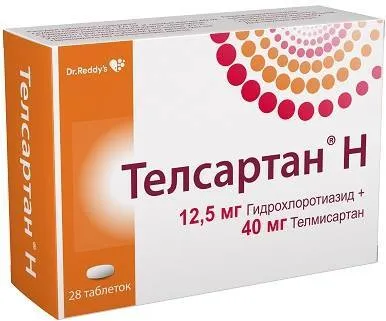
Table of Contents
INSTRUCTIONS FOR MEDICAL USE OF THE MEDICINAL PRODUCT TELSARTAN-H (TELSARTAN-H)
Composition:
Active substances: telmisartan, hydrochlorothiazide;
One tablet contains telmisartan 80 mg and hydrochlorothiazide 12.5 mg;
Excipients: meglumine, sodium hydroxide, povidone, polysorbate 80, mannitol (E 421) (Pearlitol SD 200), magnesium stearate, mannitol (E 421), lactose monohydrate, iron oxide red (E 172).
Pharmaceutical form. Tablets.
Main physicochemical properties: elongated biconvex uncoated tablets, with one layer ranging from light pink to pink and the other layer from white to almost white with possible pink specks, marked with "T" and "2" on either side of the break line.
Pharmacotherapeutic group. Agents acting on the renin-angiotensin system. Combined angiotensin II inhibitors. Angiotensin II antagonists and diuretics. ATC code C09DA07.
Pharmacological properties.
Pharmacodynamics.
Telsartan-N is a combination of telmisartan, an angiotensin II receptor antagonist, and hydrochlorothiazide, a thiazide diuretic. This combination provides an additive antihypertensive effect, reducing arterial pressure to a greater extent than either component alone. When administered once daily at therapeutic doses, Telsartan-N effectively and gradually reduces arterial pressure.
Telmisartan for oral administration is a potent and specific antagonist of angiotensin II receptors (AT1 subtype). Telmisartan binds with very high affinity to the AT1 receptors, displacing angiotensin II at its binding sites. The AT1 receptor subtype mediates the known effects of angiotensin II. Telmisartan has no partial agonist activity at the AT1 receptor and selectively binds to AT1 receptors. The binding is long-lasting. Telmisartan shows no affinity for other receptors, including AT2 and less-characterized AT receptors. The functional role of these receptors is unknown, as is the effect of potential excessive stimulation by angiotensin II, whose levels increase under the influence of telmisartan. Telmisartan reduces plasma aldosterone levels. Telmisartan does not inhibit renin in human plasma, does not block ion channels, and does not inhibit angiotensin-converting enzyme (kininase II), which also degrades bradykinin. Therefore, potentiation of bradykinin-mediated adverse effects is not expected.
In humans, telmisartan at a dose of 80 mg almost completely inhibits the rise in arterial pressure induced by angiotensin II. The blocking effect persists for 24 hours and remains significant up to 48 hours.
After the first dose of telmisartan, antihypertensive activity gradually develops within 3 hours. The maximum reduction in arterial pressure is achieved within 4–8 weeks of initiating treatment and is maintained during long-term therapy. Ambulatory blood pressure monitoring shows that the antihypertensive effect remains consistent over 24 hours after dosing, including the last 4 hours before the next dose. This is confirmed by measurements taken at peak effect and immediately before the next dose (the trough-to-peak ratio remains stably above 80% after doses of 40 and 80 mg of telmisartan in placebo-controlled clinical trials).
In patients with arterial hypertension, telmisartan reduces both systolic and diastolic blood pressure without affecting pulse rate. The antihypertensive efficacy of telmisartan is comparable to that of other classes of antihypertensive agents (as demonstrated in clinical trials comparing telmisartan with amlodipine, atenolol, enalapril, hydrochlorothiazide, and lisinopril).
Upon abrupt discontinuation of telmisartan therapy, arterial pressure gradually returns to pre-treatment levels over several days, without a withdrawal syndrome.
In clinical trials, dry cough occurred significantly less frequently in patients treated with telmisartan than in those receiving angiotensin-converting enzyme (ACE) inhibitors.
The effect of telmisartan on mortality and cardiovascular morbidity is unknown.
Hydrochlorothiazide is a thiazide diuretic. The mechanism of the antihypertensive effect of thiazide diuretics is not fully understood. Thiazides affect the renal tubular mechanism of electrolyte reabsorption, thereby directly increasing the excretion of sodium and chloride in approximately equivalent amounts. The diuretic effect of hydrochlorothiazide reduces plasma volume, increases plasma renin activity, and increases aldosterone secretion, leading to increased urinary potassium excretion, bicarbonate loss, and decreased serum potassium levels. By blocking the renin-angiotensin-aldosterone system (RAAS), concomitant use of telmisartan may help counteract the potassium loss associated with these diuretics. After administration of hydrochlorothiazide, diuresis begins within 2 hours, peak effect occurs at approximately 4 hours, and the duration of action lasts about 6–12 hours.
Epidemiological studies have shown that long-term treatment with hydrochlorothiazide reduces the risk of cardiovascular morbidity and mortality.
The effect of the fixed-dose combination of telmisartan/hydrochlorothiazide on mortality and cardiovascular morbidity is currently unknown.
Based on available data from other epidemiological studies, a cumulative dose-dependent association has been identified between hydrochlorothiazide use and the development of non-melanoma skin cancer (see sections "Special precautions" and "Adverse reactions").
Pharmacokinetics.
Concomitant administration of hydrochlorothiazide and telmisartan does not affect the pharmacokinetics of either drug in healthy individuals.
Absorption
Telmisartan
After oral administration, maximum plasma concentration of telmisartan is reached within 0.5–1.5 hours. The absolute bioavailability of telmisartan is 42% for the 40 mg dose and 58% for the 160 mg dose. Food slightly reduces telmisartan bioavailability, with a decrease in the area under the concentration-time curve (AUC) ranging from approximately 6% (40 mg dose) to 19% (160 mg dose). Three hours after administration, plasma concentrations are similar regardless of whether telmisartan is taken with or without food. The slight reduction in AUC is not considered to result in a reduction of therapeutic efficacy. The pharmacokinetics of orally administered telmisartan are nonlinear with increasing doses from 20 to 160 mg, with plasma concentrations (Cmax and AUC) increasing disproportionately. Telmisartan does not accumulate significantly in plasma with repeated dosing.
Hydrochlorothiazide
After oral administration of Telsartan-N, the Cmax of hydrochlorothiazide is reached within approximately 1–3 hours. Based on cumulative renal excretion of hydrochlorothiazide, absolute bioavailability is approximately 60%.
Distribution
Telmisartan
Telmisartan is highly bound to plasma proteins (>99.5%), primarily to albumin and alpha-1-acid glycoprotein. The volume of distribution of telmisartan is approximately 500 L, indicating additional tissue binding.
Hydrochlorothiazide
Hydrochlorothiazide is bound to plasma proteins by 68%. The apparent volume of distribution is 0.83–1.14 L/kg.
Elimination
Telmisartan
After oral administration of 14C-labeled telmisartan, the majority of the dose (>97%) is excreted in feces via biliary excretion. Only a negligible amount is found in urine. Telmisartan is metabolized by conjugation to form a pharmacologically inactive acylglucuronide. The glucuronide of the parent compound is the only metabolite identified in humans. After a single dose of 14C-labeled telmisartan, the glucuronide accounts for approximately 11% of measured radioactivity in plasma. Cytochrome P450 isoenzymes are not involved in the metabolism of telmisartan. Total plasma clearance of telmisartan after oral administration exceeds 1500 mL/min. The terminal elimination half-life is >20 hours.
Hydrochlorothiazide
Hydrochlorothiazide is not metabolized in humans and is excreted almost entirely unchanged in urine. Approximately 60% of an oral dose is eliminated unchanged within 48 hours. Renal clearance is approximately 250–300 mL/min. The terminal elimination half-life is 10–15 hours.
Special populations and patient categories
Gender
Plasma concentrations of telmisartan are generally 2–3 times higher in women than in men. However, clinical studies have not shown a significant increase in effects on blood pressure or in the incidence of orthostatic hypotension in women. Dose adjustment is not required. Women tend to have higher plasma concentrations of hydrochlorothiazide than men, but this difference is not clinically significant.
Elderly patients
The pharmacokinetics of telmisartan do not differ significantly between elderly individuals and those under 65 years of age.
Patients with renal impairment
Renal excretion plays no significant role in the clearance of telmisartan. Based on limited experience in patients with impaired renal function (creatinine clearance 30–60 mL/min; average value approximately 50 mL/min), dose adjustment is not necessary in patients with renal impairment. Telmisartan is not removed by hemodialysis. In patients with renal insufficiency, the elimination rate of hydrochlorothiazide is reduced. In typical studies, with a mean creatinine clearance of 90 mL/min, the elimination half-life of hydrochlorothiazide was prolonged. In patients with non-functioning kidneys, the half-life is approximately 34 hours.
Patients with hepatic impairment
Pharmacokinetic studies in patients with hepatic impairment have shown an increase in absolute bioavailability to nearly 100%. However, the elimination half-life in patients with hepatic impairment does not change.
Clinical characteristics.
Indications.
Arterial hypertension. Telzartan-N combination with fixed dose is indicated in patients whose blood pressure is not adequately controlled with telmisartan alone.
Contraindications.
- Hypersensitivity to any active substance or to any of the excipients of the medicinal product.
- Hypersensitivity to other substances derived from sulfonamides (since hydrochlorothiazide is a sulfonamide derivative).
- Pregnancy and planned pregnancy (see sections "Special precautions for use" and "Use during pregnancy or lactation").
- Cholestatic and biliary obstructive disorders.
- Severe hepatic insufficiency and obstructive biliary tract diseases.
- Severe renal impairment (creatinine clearance less than 30 mL/min).
- Refractory hypokalemia/hyponatremia, hypercalcemia.
- Breastfeeding.
- Symptomatic hyperuricemia (gout).
- Pediatric population (under 18 years of age).
- Concomitant use of telmisartan with aliskiren is contraindicated in patients with diabetes mellitus or renal impairment (eGFR < 60 mL/min/1.73 m²) (see sections "Dosage and administration", "Special precautions for use", "Interaction with other medicinal products and other forms of interaction").
Interaction with other medicinal products and other forms of interaction.
Interaction studies have been conducted only in adults.
Lithium
When lithium is used concomitantly with angiotensin-converting enzyme (ACE) inhibitors, reversible increases in serum lithium concentrations and lithium toxicity have been reported. Rare cases of such interactions have also been reported with angiotensin II receptor antagonists (including telmisartan/hydrochlorothiazide). Concomitant use of lithium and Telzartan-N is not recommended. If such combination therapy is necessary, careful monitoring of serum lithium levels is recommended.
Medicinal products associated with potassium loss and hypokalemia (e.g., other potassium-wasting diuretics, laxatives, corticosteroids, adrenocorticotropic hormone (ACTH), amphotericin, carbenoxolone, sodium benzylpenicillin, salicylic acid and its derivatives).
When these medicinal products are used concomitantly with the hydrochlorothiazide-telmisartan combination, monitoring of plasma potassium levels is recommended. These medicinal products may enhance the effect of hydrochlorothiazide on plasma potassium levels.
Medicinal products that may increase sodium levels and cause hyperkalemia (e.g., medicinal products that inhibit the renin-angiotensin system (RAS), potassium-sparing diuretics, potassium supplements, potassium-containing salt substitutes, cyclosporine, or other medicinal products such as sodium heparin).
When these medicinal products are used concomitantly with the hydrochlorothiazide-telmisartan combination, monitoring of plasma potassium levels is recommended. Based on experience with other RAS-inhibiting medicinal products, concomitant use of these agents may lead to increased serum potassium levels and is therefore not recommended.
Medicinal products causing disturbances in serum potassium levels
Monitoring of serum potassium levels and ECG is recommended when Telzartan-N is used concomitantly with medicinal products that cause disturbances in serum potassium levels (e.g., digoxin glycosides, antiarrhythmic agents), and with medicinal products that may provoke paroxysmal tachycardia of the torsades de pointes type (including certain antiarrhythmic agents), as hypokalemia is a triggering factor for torsades de pointes:
- Class Ia antiarrhythmic agents (e.g., quinidine, hydroquinidine, disopyramide);
- Class III antiarrhythmic agents (e.g., amiodarone, sotalol, dofetilide, ibutilide);
- Certain antipsychotics (e.g., thioridazine, chlorpromazine, levomepromazine, trifluoperazine, cyamemazine, sulpiride, sultopride, amisulpride, tiapride, pimozide, haloperidol, droperidol);
- Others (e.g., bepridil, cisapride, difemanil, erythromycin IV, halofantrine, mizolastine, pentamidine, sparfloxacin, terfenadine, vincamine IV).
Digoxin glycosides
Hypokalemia or hypomagnesemia induced by thiazides may predispose to digoxin-induced cardiac arrhythmias.
Digoxin
Concomitant use of telmisartan with digoxin has been associated with increased mean peak (49%) and trough (20%) plasma concentrations of digoxin. Digoxin levels should be monitored at the initiation of therapy, during dose adjustments, and upon discontinuation of telmisartan therapy to maintain levels within the therapeutic range.
Other antihypertensive agents
Telmisartan may enhance the hypotensive effect of other antihypertensive agents.
Antidiabetic agents (oral antidiabetics and insulin)
Dosage adjustment of antidiabetic agents may be required.
Metformin
Metformin should be used with caution due to the risk of lactic acidosis caused by possible functional renal impairment when used concomitantly with hydrochlorothiazide.
Cholestyramine and colestipol resins
Absorption of hydrochlorothiazide is impaired in the presence of ion-exchange resins.
Nonsteroidal anti-inflammatory drugs (NSAIDs)
NSAIDs (including acetylsalicylic acid at anti-inflammatory doses, COX-2 inhibitors, and nonselective NSAIDs) may reduce the diuretic, natriuretic, and antihypertensive effects of thiazide diuretics and angiotensin II receptor antagonists. In some patients with impaired renal function (including dehydrated patients or elderly patients with renal impairment), concomitant use of angiotensin II receptor antagonists and agents that inhibit cyclooxygenase may lead to worsening of renal function, including acute renal failure, which is usually reversible. Therefore, such combinations should be used with caution, especially in elderly patients. Adequate hydration should be ensured after initiation of combination therapy and periodically thereafter, and careful monitoring of renal function is recommended.
In one study, concomitant use of telmisartan and ramipril resulted in a 2.5-fold increase in the area under the plasma concentration-time curve (AUC0–24) and maximum plasma concentration (Cmax) of ramipril and ramiprilat. The clinical significance of this observation remains unknown.
Vasopressor amines (e.g., noradrenaline)
The effect of vasopressor amines may be reduced.
Non-depolarizing skeletal muscle relaxants (e.g., tubocurarine)
The effect of non-depolarizing skeletal muscle relaxants may be enhanced by hydrochlorothiazide.
Medicinal products used for the treatment of gout (e.g., probenecid, sulfinpyrazone, allopurinol)
Dosage adjustment of uricosuric agents may be required, as hydrochlorothiazide may increase serum uric acid levels. Increased doses of probenecid or sulfinpyrazone may be necessary. Concomitant use of thiazides may increase the frequency of hypersensitivity reactions to allopurinol.
Calcium salts
Thiazide diuretics may increase serum calcium levels due to reduced excretion. If calcium supplementation is required, serum calcium levels should be monitored and the dose adjusted accordingly.
Beta-blockers and diazoxide
The hyperglycemic effect of beta-blockers and diazoxide may be enhanced by thiazides.
Anticholinergic medicinal products (e.g., atropine, biperiden) may increase the bioavailability of thiazide diuretics by reducing gastrointestinal motility and gastric emptying.
Amantadine
Thiazides increase the risk of adverse effects caused by amantadine.
Cytotoxic agents (e.g., cyclophosphamide, methotrexate)
Thiazides may reduce renal excretion of cytotoxic agents and enhance their myelosuppressive effect.
Based on pharmacological properties, baclofen and amifostine are expected to enhance the hypotensive effect of all antihypertensive agents, including telmisartan.
Additionally, orthostatic hypotension may be exacerbated by concomitant use of alcohol, barbiturates, narcotics, or antidepressants.
Salicylates
When high doses of salicylates are used, hydrochlorothiazide may potentiate their toxic effects on the central nervous system.
Metoprolol
Isolated cases of hemolytic anemia have been reported with concomitant use of hydrochlorothiazide and methyldopa.
Cyclosporine
Concomitant use of cyclosporine may enhance hyperuricemia and increase the risk of complications such as gout.
Effect of medicinal products on laboratory test results
Due to their effect on calcium metabolism, thiazides may influence the assessment of parathyroid gland function (see section "Special precautions for use").
Carbamazepine
Clinical and biological monitoring is required due to the risk of symptomatic hyponatremia.
Iodinated contrast agents
In cases of diuretic-induced dehydration, the risk of developing acute renal failure is increased, particularly with high doses of iodinated contrast agents. Patients require rehydration prior to administration of iodinated agents.
Amphotericin B (parenteral), corticosteroids, ACTH, and stimulant laxatives
Hydrochlorothiazide may exacerbate electrolyte imbalances, particularly hypokalemia.
Special precautions for use.
Pregnancy.
Angiotensin II receptor antagonists are contraindicated during pregnancy. Women planning pregnancy should be switched to alternative antihypertensive agents with an established safety profile during pregnancy. If pregnancy is diagnosed, angiotensin II receptor antagonists should be discontinued immediately and alternative therapy initiated if necessary (see sections "Contraindications" and "Use during pregnancy or breastfeeding").
Liver function impairment
Telsartan-N is contraindicated in patients with cholestasis, obstructive biliary disorders, or severe hepatic insufficiency, as telmisartan is primarily excreted via bile. In such patients, reduced hepatic clearance of telmisartan may be expected. Additionally, Telsartan-N should be used with caution in patients with impaired liver function or progressive liver disease, as even minor disturbances in fluid and electrolyte balance may precipitate hepatic coma. There is no clinical experience with the use of Telsartan-N in patients with hepatic insufficiency.
Renovascular hypertension
There is an increased risk of severe hypotension and renal failure in patients with bilateral renal artery stenosis or stenosis of the artery of a single functioning kidney who are taking medicinal products affecting the renin-angiotensin-aldosterone system (RAAS).
Renal function impairment and kidney transplantation
Telsartan-N should not be used in patients with severe renal impairment (creatinine clearance less than 30 mL/min). There is no experience with the use of Telsartan-N in patients who have recently undergone kidney transplantation. Since experience with Telsartan-N in patients with mild to moderate renal impairment is limited, periodic monitoring of serum potassium, creatinine, and uric acid levels is recommended. Azotemia associated with thiazide diuretics may occur in patients with renal impairment.
Reduced intravascular fluid volume
Symptomatic hypotension, particularly after the first dose, may occur in patients with sodium and/or circulating blood volume depletion due to intensive diuretic therapy, dietary salt restriction, or conditions such as diarrhea or vomiting. Therefore, correction of these conditions is recommended before initiating Telsartan-N therapy.
Dual blockade of the renin-angiotensin-aldosterone system (RAAS)
As a result of RAAS inhibition, hypotension, syncope, hyperkalemia, and changes in renal function (including acute renal failure) have been observed in more sensitive patients, particularly when combination therapy includes medicinal products affecting this system. Therefore, dual RAAS blockade (e.g., adding an ACE inhibitor to an angiotensin II receptor antagonist) is not recommended in patients whose blood pressure is already adequately controlled and should be limited to individual cases with careful monitoring of renal function.
If dual RAAS blockade is considered absolutely necessary, it should only be performed under specialist supervision and with continuous, careful monitoring of renal function, electrolyte levels, and blood pressure.
ACE inhibitors and angiotensin II receptor blockers should not be used concomitantly in patients with diabetic nephropathy.
Other conditions associated with RAAS activation
In patients whose vascular tone and renal function depend primarily on RAAS activity (e.g., patients with severe congestive heart failure or renal diseases, including renal artery stenosis), treatment with medicinal products affecting this system may cause acute hypotension, hyperazotemia, oliguria, and rarely, acute renal failure.
Primary hyperaldosteronism
Patients with primary hyperaldosteronism generally do not respond to antihypertensive agents that act by suppressing the renin-angiotensin system (RAS); therefore, the use of Telsartan-N in such patients is not recommended.
Aortic and mitral valve stenosis, obstructive hypertrophic cardiomyopathy
As with other vasodilators, particular caution is required when treating patients with aortic or mitral valve stenosis or obstructive hypertrophic cardiomyopathy.
Metabolic and endocrine effects
Thiazide therapy may impair glucose tolerance. In patients with diabetes mellitus, dosage adjustment of insulin or oral hypoglycemic agents may be necessary. Latent diabetes mellitus may become manifest during thiazide therapy. Thiazide diuretics have been associated with increased cholesterol and triglyceride levels. However, the 12.5 mg dose contained in Telsartan-N has no such effect or only a minimal one. Hyperuricemia or overt gout may develop in some patients receiving thiazide therapy.
Electrolyte imbalance
Serum electrolyte levels should be periodically determined in any patient receiving diuretic therapy.
Thiazides, including hydrochlorothiazide, may cause fluid or electrolyte imbalance (e.g., hypokalemia, hyponatremia, and hypochloremic alkalosis). Signs of fluid or electrolyte imbalance include dry mouth, thirst, weakness, lethargy, drowsiness, restlessness, muscle pain or cramps, muscle fatigue, hypotension, oliguria, tachycardia, and gastrointestinal disturbances such as nausea and vomiting.
Hypokalemia
Although hypokalemia may develop during thiazide diuretic therapy, concomitant treatment with telmisartan may reduce diuretic-induced hypokalemia. The risk of hypokalemia is higher in patients with hepatic cirrhosis, those with marked diuresis, those whose oral electrolyte intake does not meet their requirements, and those receiving concomitant therapy with corticosteroids or adrenocorticotropic hormone (ACTH).
Hyperkalemia
Conversely, angiotensin II receptor antagonism (AT1) caused by telmisartan, a component of Telsartan-N, may lead to hyperkalemia. Clinically significant hyperkalemia associated with Telsartan-N has not been documented. Risk factors for hyperkalemia include renal impairment and/or heart failure and diabetes mellitus. Potassium-sparing diuretics, potassium supplements, or potassium-containing salt substitutes should be used cautiously when administered concomitantly with the telmisartan/hydrochlorothiazide combination.
Hyponatremia and hypochloremic alkalosis
There is no evidence that Telsartan-N reduces or prevents diuretic-induced hyponatremia. Chloride deficiency is usually mild and generally does not require treatment.
Hypercalcemia
Thiazides may reduce urinary calcium excretion and cause occasional and slight increases in serum calcium levels in the absence of calcium metabolism disorders. Marked hypercalcemia may indicate occult hyperparathyroidism. Thiazide therapy should be discontinued before assessing parathyroid function.
Hypomagnesemia
Thiazides increase urinary magnesium excretion, which may lead to hypomagnesemia.
Ethnic differences
Like all other angiotensin II receptor antagonists, telmisartan is less effective in reducing blood pressure in black patients compared to other racial groups. This may be explained by the higher prevalence of low-renin states in black patients with arterial hypertension.
Other conditions
As with any other antihypertensive agents, excessive reduction in blood pressure in patients with ischemic heart disease or ischemic cerebrovascular disease may lead to myocardial infarction or stroke.
General disorders
Hypersensitivity reactions to hydrochlorothiazide are more likely in patients with a history of allergy or bronchial asthma.
It is known that thiazide diuretics, including hydrochlorothiazide, may exacerbate systemic lupus erythematosus.
Photosensitivity reactions have been reported during treatment with thiazide diuretics. If photosensitivity reactions occur during therapy, drug discontinuation is recommended. If re-administration of the diuretic is considered necessary, protection of exposed skin from sunlight or artificial ultraviolet radiation is recommended.
Acute respiratory toxicity
Very rare, severe cases of acute respiratory toxicity, including acute respiratory distress syndrome (ARDS), have been reported after administration of hydrochlorothiazide, a component of Telsartan-N. Pulmonary edema usually develops within minutes or hours after hydrochlorothiazide intake. Initial symptoms include dyspnea, fever, worsening of lung condition, and arterial hypotension. If ARDS is suspected, Telsartan-N should be discontinued and appropriate treatment initiated. Hydrochlorothiazide should not be prescribed to patients with a history of ARDS after hydrochlorothiazide intake.
Choroidal effusion. Acute myopia and secondary angle-closure glaucoma
Hydrochlorothiazide, a sulfonamide-containing drug, may cause hypersensitivity reactions (idiosyncratic reactions) leading to choroidal effusion with visual field defects, acute transient myopia, and acute angle-closure glaucoma.
Symptoms include sudden decrease in visual acuity or eye pain and typically occur from several hours to weeks after initiation of treatment.
Untreated acute angle-closure glaucoma may lead to irreversible vision loss. Discontinuation of hydrochlorothiazide therapy should be performed as soon as possible. Emergency medical or surgical treatment may be necessary if intraocular pressure remains uncontrolled. Risk factors for acute angle-closure glaucoma include a history of sulfonamide or penicillin allergy.
Non-melanoma skin cancer
An increased risk of non-melanoma skin cancer (basal cell carcinoma and squamous cell carcinoma) after exposure to higher cumulative doses of hydrochlorothiazide was observed in two epidemiological studies based on data from the Danish National Cancer Registry. The photosensitizing effect of hydrochlorothiazide may be a possible mechanism for the development of non-melanoma skin cancer.
Patients taking hydrochlorothiazide should be informed about the risk of non-melanoma skin cancer, the need for regular skin examination for new lesions, and the necessity of immediate medical consultation for any suspicious skin changes.
Patients should be advised about possible preventive measures such as limiting exposure to sunlight and UV radiation, and, if avoidance is not possible, using adequate skin protection (clothing, sunscreen, etc.). Suspicious skin lesions should be thoroughly evaluated, including histological examination with biopsy. The use of hydrochlorothiazide-containing products should be reconsidered in patients with a history of non-melanoma skin cancer.
Intestinal angioedema
Cases of intestinal angioedema have been reported in patients taking angiotensin II receptor blockers (see section "Adverse reactions"). These patients experienced abdominal pain, nausea, vomiting, and diarrhea. Symptoms resolved after discontinuation of angiotensin II receptor blockers. If intestinal angioedema is diagnosed, the drug should be discontinued and appropriate monitoring initiated until complete resolution of symptoms.
The drug may affect laboratory test results:
- the drug may reduce plasma protein-bound iodine levels;
- treatment with the drug should be discontinued before laboratory testing to assess parathyroid function;
- the drug may increase the concentration of free bilirubin in serum.
Lactose monohydrate
The drug contains lactose monohydrate. If a patient has known intolerance to certain sugars, consultation with a physician is necessary before taking this medicinal product.
Use during pregnancy or breastfeeding.
Pregnancy.
The medicinal product is contraindicated in pregnant women or women who plan to become pregnant. If pregnancy is confirmed during treatment with this drug, its use must be discontinued immediately and replaced with another medicinal product approved for use during pregnancy.
There are no data on the use of the drug in pregnant women.
Epidemiological evidence regarding teratogenic risk after use of inhibitors during the first trimester of pregnancy is inconclusive; however, a small increase in risk cannot be excluded. Although there are no controlled epidemiological data on the risk of using angiotensin II receptor antagonists, similar risks are possible for this class of medicinal products.
Until angiotensin II receptor antagonists are considered appropriate therapy, women planning pregnancy should be switched to alternative antihypertensive agents with an established safety profile during pregnancy. If pregnancy is diagnosed, angiotensin II receptor antagonists should be discontinued immediately and alternative therapy initiated if necessary.
Treatment with angiotensin II receptor antagonists during the second and third trimesters of pregnancy causes fetotoxicity in humans (impaired renal function, oligohydramnios, delayed skull ossification) and neonatal toxicity (renal failure, arterial hypotension, hyperkalemia). If angiotensin II receptor antagonists were used from the second trimester of pregnancy, ultrasound monitoring of fetal renal function and skull condition is recommended. Newborns whose mothers took angiotensin II receptor antagonists should be closely monitored for arterial hypotension (see sections "Contraindications" and "Special precautions for use"). Experience with the use of hydrochlorothiazide during pregnancy, particularly in the first trimester, is limited.
Hydrochlorothiazide crosses the placental barrier. Due to its pharmacological mechanism of action, hydrochlorothiazide use during the second and third trimesters may disrupt fetoplacental perfusion and lead to intrauterine and neonatal effects such as jaundice, fetal electrolyte imbalance, and thrombocytopenia.
Hydrochlorothiazide should not be used for edema or arterial hypertension caused by pregnancy or late toxemia due to the risk of reduced plasma volume and placental hypoperfusion without positive effects on disease progression.
Hydrochlorothiazide should not be used in cases of severe arterial hypertension in pregnant women, except in rare cases when alternative treatments are not possible.
Breastfeeding.
Thiazides cross the placental barrier and penetrate into umbilical cord blood. They may cause electrolyte disturbances in the fetus and other reactions occurring in adults. Neonatal thrombocytopenia and embryonic or neonatal jaundice have been reported during thiazide therapy.
Hydrochlorothiazide passes into breast milk in small amounts. Thiazides in high doses, causing intense diuresis, may suppress breast milk production.
There is no information on the use of Telsartan-N during breastfeeding. Therefore, the use of the drug during this period is contraindicated—preference should be given to alternative therapy with a better-established safety profile. Thiazides pass into breast milk and may suppress lactation.
Fertility
Preclinical studies did not reveal effects of telmisartan and hydrochlorothiazide on male or female fertility.
Ability to affect reaction speed when driving or operating machinery.
Telsartan-N may affect the ability to drive or operate machinery. Dizziness or drowsiness may occur during treatment.
Dosage and Administration
Adults
Telsartan-N should be used in patients whose blood pressure is not adequately controlled with telmisartan alone. Before switching to a fixed-dose combination, the dose of each component should be individually determined. Direct substitution of monotherapy with fixed-dose combination therapy may be considered based on clinical judgment.
Telsartan-N may be prescribed to patients whose blood pressure is not adequately controlled with either telmisartan or hydrochlorothiazide alone, or to patients who have previously achieved blood pressure control with separate administration of telmisartan and hydrochlorothiazide.
Special Patient Populations
Patients with Renal Impairment
Renal function should be monitored.
Patients with Hepatic Impairment
Telsartan-N should be administered once daily to patients with mild to moderate hepatic impairment. Telsartan-N is contraindicated in patients with severe hepatic impairment. Thiazides should be used with caution in patients with hepatic impairment.
Elderly Patients
No dose adjustment is required for elderly patients.
Administration Method
Telsartan-N tablets should be taken orally once daily with liquid, regardless of food intake.
Precautions Prior to Use
Telsartan-N should be stored in a tightly sealed blister pack, as the tablets are highly hygroscopic. Tablets should be removed from the blister immediately before administration.
Children. The safety and efficacy of Telsartan-N in children and adolescents (under 18 years of age) have not been established.
Overdose
Information on telmisartan overdose in humans is limited. The extent to which hydrochlorothiazide can be removed by hemodialysis is unknown.
Symptoms
The most prominent manifestations of telmisartan overdose were hypotension and tachycardia; bradycardia, dizziness, vomiting, increased serum creatinine concentration, and acute renal failure have also been reported. Hydrochlorothiazide overdose is associated with electrolyte depletion (hypokalemia, hypochloremia) and hypovolemia due to excessive diuresis. The most common symptoms of overdose are nausea and drowsiness. Hypokalemia may lead to muscle cramps and/or exacerbation of cardiac arrhythmias, particularly when digitalis glycosides or certain antiarrhythmic drugs are used concomitantly.
Treatment
Telmisartan is not removed by hemodialysis. Patients should be closely monitored and receive symptomatic and supportive treatment. Management depends on the time of drug ingestion and severity of symptoms. Recommended measures include induction of emesis and/or gastric lavage. Activated charcoal may be used in the treatment of overdose. Electrolyte and serum creatinine levels should be monitored. In case of hypotension, the patient should be placed in a supine position and treated with rapid fluid and salt volume repletion.
Adverse Reactions
Dizziness was the most commonly reported adverse effect. Severe angioedema may occur in isolated cases (less than 1 case per 1000 patients).
Fixed-dose combination
A dose-dependent relationship for adverse effects has not been established, and these effects were not related to gender, age, or race.
Adverse reactions reported during all clinical trials and occurring more frequently (p ≤ 0.05) with telmisartan/hydrochlorothiazide combination than with placebo are listed below by system organ classes. Adverse reactions observed with each component individually but not during clinical trials of this combination may occur during treatment with Telsartan-N.
Adverse reactions are categorized by frequency as follows: very common (≥1/10); common (≥1/100 to <1/10); uncommon (≥1/1000 to <1/100); rare (≥1/10000 to <1/1000); very rare (<1/10000); frequency not known (cannot be estimated from available data).
Within each group, adverse reactions are listed in order of decreasing frequency.
Infections and infestations:
Rare – bronchitis, pharyngitis, sinusitis.
Immune system disorders:
Rare – exacerbation or activation of systemic lupus erythematosus¹.
Metabolism and nutrition disorders:
Uncommon – hypokalaemia;
Rare – hyperuricaemia, hyponatraemia.
Psychiatric disorders:
Uncommon – anxiety;
Rare – depression.
Nervous system disorders:
Common – dizziness;
Uncommon – syncope, paraesthesia;
Rare – insomnia, sleep disorders.
Eye disorders:
Rare – visual disturbance, blurred vision;
Frequency not known – choroidal effusion.
Ear and labyrinth disorders:
Uncommon – vertigo.
Cardiac disorders:
Uncommon – tachycardia, arrhythmia.
Vascular disorders:
Uncommon – arterial hypotension, orthostatic hypotension.
Respiratory, thoracic and mediastinal disorders:
Uncommon – dyspnoea;
Rare – respiratory distress syndrome (including pneumonitis and pulmonary oedema).
Gastrointestinal disorders:
Uncommon – diarrhoea, dry mouth, flatulence;
Rare – abdominal pain, constipation, dyspepsia, vomiting, gastritis;
Very rare – acute respiratory distress syndrome (ARDS).
Hepatobiliary disorders:
Rare – liver function abnormalities/liver disease¹.
Skin and subcutaneous tissue disorders:
Rare – angioedema (including fatal cases), erythema, pruritus, rash, hyperhidrosis, urticaria;
Frequency not known – non-melanoma skin cancer (basal cell carcinoma and squamous cell carcinoma).
Musculoskeletal and connective tissue disorders:
Uncommon – back pain, muscle spasms, myalgia;
Rare – arthralgia, muscle cramps, leg pain.
Reproductive system and breast disorders:
Uncommon – erectile dysfunction.
General disorders:
Uncommon – chest pain;
Rare – influenza-like symptoms, pain.
Investigations:
Uncommon – increased uric acid levels;
Rare – increased creatinine levels, increased blood creatine phosphokinase levels, increased liver enzyme levels.
¹ Based on post-marketing data.
Additional information regarding individual components
Adverse reactions previously reported with either component may occur with the telmisartan/hydrochlorothiazide combination, even if not observed during clinical trials of this combination.
Telmisartan
Adverse effects occurred with similar frequency during telmisartan and placebo treatment.
The overall incidence of adverse events with telmisartan (41.4%) was generally comparable to that in the placebo group (43.9%) during placebo-controlled trials. The adverse reactions listed below were collected during all clinical trials in patients treated with telmisartan for arterial hypertension and in patients aged 50 years or older at high cardiovascular risk.
Infections and infestations:
Uncommon – upper respiratory tract infections, urinary tract infections including cystitis;
Rare – sepsis, including fatal cases.
Blood and lymphatic system disorders:
Uncommon – anaemia;
Rare – eosinophilia, thrombocytopenia.
Immune system disorders:
Rare – hypersensitivity, anaphylactic reactions.
Metabolism and nutrition disorders:
Uncommon – hyperkalaemia;
Rare – hypoglycaemia (in patients with diabetes mellitus).
Cardiac disorders:
Uncommon – bradycardia.
Nervous system disorders:
Frequency not known – somnolence.
Respiratory system disorders:
Uncommon – cough;
Very rare – interstitial lung disease.
Gastrointestinal disorders:
Rare – gastric discomfort.
Skin and subcutaneous tissue disorders:
Rare – eczema, drug eruption, toxic epidermal eruption.
Musculoskeletal and connective tissue disorders:
Rare – arthrosis, tendon pain.
Renal and urinary disorders:
Uncommon – renal failure (including acute renal failure).
General disorders:
Uncommon – asthenia.
Investigations:
Rare – decreased haemoglobin levels.
Description of selected adverse reactions:
Cases of intestinal angioedema have been reported following administration of angiotensin II receptor blockers (see section "Special precautions").
Hydrochlorothiazide
Hydrochlorothiazide may cause or exacerbate hypovolaemia, which may lead to electrolyte imbalance.
Adverse reactions observed with hydrochlorothiazide when used alone are listed below.
Infections and infestations:
Frequency not known – sialadenitis.
Benign and malignant neoplasms (including cysts and polyps):
Frequency not known – non-melanoma skin cancer (basal cell carcinoma and squamous cell carcinoma).
Blood and lymphatic system disorders:
Frequency not known – aplastic anaemia, haemolytic anaemia, bone marrow depression, leucopenia, neutropenia, agranulocytosis, thrombocytopenia (sometimes with purpura).
Immune system disorders:
Frequency not known – anaphylactic reactions, anaphylactic shock, hypersensitivity.
Endocrine disorders:
Frequency not known – inadequate control of diabetes mellitus.
Metabolism and nutrition disorders:
Common – hypomagnesaemia;
Rare – hypercalcaemia;
Very rare – hypochloraemic alkalosis;
Frequency not known – anorexia, decreased appetite, electrolyte imbalance, hypercholesterolaemia, hyperglycaemia, hypovolaemia, hyperuricaemia (which may trigger gout attacks in patients with asymptomatic hyperuricaemia).
Psychiatric disorders:
Frequency not known – restlessness, disorientation, somnolence, nervousness, mood changes.
Nervous system disorders:
Rare – headache;
Frequency not known – mild dizziness, convulsions, confusion.
Eye disorders:
Frequency not known – xanthopsia, acute myopia, acute angle-closure glaucoma.
Vascular disorders:
Frequency not known – necrotizing vasculitis.
Gastrointestinal disorders:
Frequency not known – pancreatitis, gastric discomfort, thirst, nausea.
Hepatobiliary disorders:
Frequency not known – jaundice (hepatocellular or cholestatic), cholecystitis.
Skin and subcutaneous tissue disorders:
Frequency not known – lupus-like syndrome, photosensitivity reactions, skin vasculitis, toxic epidermal necrolysis, purpura, Stevens-Johnson syndrome, erythema multiforme.
Musculoskeletal and connective tissue disorders:
Frequency not known – weakness.
Renal and urinary disorders:
Frequency not known – interstitial nephritis, renal dysfunction, glucosuria, renal failure.
Reproductive system and breast disorders:
Frequency not known – sexual dysfunction.
General disorders:
Frequency not known – malaise.
Investigations:
Frequency not known – increased triglyceride levels.
Description of selected adverse reactions
Hepatic dysfunction/liver disease
Based on post-marketing data, most cases of hepatic dysfunction/liver disease were observed in patients of Japanese population. Patients of Japanese origin appear to be more susceptible to these adverse reactions.
Sepsis
In the PRoFESS study, a higher incidence of sepsis was observed in patients receiving telmisartan compared to those receiving placebo. This finding may be due to chance or related to a mechanism not yet understood.
Interstitial lung disease
Cases of interstitial lung disease associated with telmisartan have been reported during post-marketing use. However, a causal relationship has not been established.
Non-melanoma skin cancer
Based on available epidemiological data, there is a cumulative dose-dependent association between hydrochlorothiazide and non-melanoma skin cancer (see section "Special precautions")
Reporting suspected adverse reactions
Reporting suspected adverse reactions after medicine authorization is important. It allows continued monitoring of the benefit-risk balance of the medicine. Healthcare professionals are required to report any suspected adverse reactions in accordance with current legislation.
Shelf life. 2 years.
Storage conditions. Store in the original packaging, protected from light, in a place inaccessible to children, at temperatures not exceeding 25 °C.
Packaging. 7 tablets in a blister; 2 or 4 blisters per cardboard box.
Prescription status. Prescription only.
Manufacturer. Dr. Reddy’s Laboratories Ltd
Manufacturer’s address.
Unit No. 41, Bachupally, Bachupally Mandal, Medchal Malkajgiri District, Telangana 500090, India
To report an adverse reaction or lack of efficacy with this medicinal product, please call:
+38 044 207 51 97 or +38 050 414 39 39; or email: [email protected] (available 24/7).