Scopreil plus®
Ukraine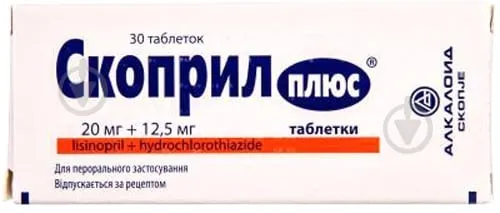
Table of Contents
INSTRUCTIONS FOR MEDICAL USE OF THE MEDICINAL PRODUCT SKOPRYLplus® (SKOPRYLplus®)
Composition:
Active substances: lisinopril (lisinopril) + hydrochlorothiazide (hydrochlorothiazide);
1 tablet contains 20 mg of lisinopril (as lisinopril dihydrate 21.780 mg) and 12.5 mg of hydrochlorothiazide;
Excipients: mannite (E 421), magnesium stearate, calcium hydrogen phosphate anhydrous, maize starch, pregelatinized starch, povidone, iron oxide brown 75 (E 172).
Pharmaceutical form. Tablets.
Main physicochemical properties: round, biconvex tablets of creamy-violet color, with a score on one side.
Pharmacotherapeutic group. Combined angiotensin-converting enzyme (ACE) inhibitors. ACE inhibitors and diuretics. Lisinopril and diuretics. ATC code C09B A03.
Pharmacological Properties
Pharmacodynamics
Lisinopril is an angiotensin-converting enzyme (ACE) inhibitor that suppresses the formation of angiotensin II, resulting in vasodilation and reduction of arterial pressure (AP). Although lisinopril is an antihypertensive agent, even in patients with low-renin hypertension, concomitant use with hydrochlorothiazide results in a more pronounced decrease in AP.
Lisinopril reduces potassium loss induced by hydrochlorothiazide.
Hydrochlorothiazide is a thiazide diuretic with antihypertensive properties. When used as monotherapy, hydrochlorothiazide increases renin secretion.
Based on available epidemiological data, a cumulative dose-dependent association has been observed between hydrochlorothiazide and non-melanoma skin cancer. One study included 71,533 cases of basal cell carcinoma (BCC) and 8,629 cases of squamous cell carcinoma (SCC), with 1,430,883 and 172,462 control group patients, respectively. High cumulative use of hydrochlorothiazide (≥50,000 mg total) was associated with an adjusted hazard ratio (HR) of 1.29 (95% confidence interval (CI): 1.23–1.35) for BCC and 3.98 (95% CI: 3.68–4.31) for SCC. A clear dose-response relationship was observed for both BCC and SCC. Another study showed a possible association between lip cancer (SCC) risk and hydrochlorothiazide exposure: 633 cases of lip cancer (SCC) were identified among 63,067 controls. A clear cumulative dose relationship was demonstrated with an adjusted HR of 2.1 (95% CI: 1.7–2.6), HR of 3.9 (3.0–4.9) for high cumulative dose (at least 25,000 mg), and HR of 7.7 (5.7–10.5) for the highest cumulative dose (at least 100,000 mg) (see section "Special precautions for use").
Pharmacokinetics
Lisinopril is slowly and incompletely absorbed after oral administration. The presence of food in the gastrointestinal tract does not affect absorption. Drug elimination is slower in elderly patients.
The time to reach maximum concentration (Cmax) of lisinopril after administration is achieved within 6–8 hours.
The bioavailability of lisinopril is approximately 25%.
Lisinopril does not bind to plasma proteins.
The distribution of lisinopril in patients with renal impairment is similar to that in patients with normal renal function when glomerular filtration rate is 30 mL/min or lower.
Lisinopril penetrates the blood-brain barrier to a negligible extent.
Lisinopril undergoes no significant metabolism and is primarily excreted unchanged by the kidneys. There are no data on the excretion of lisinopril in breast milk. With repeated dosing, the elimination half-life of lisinopril is approximately 12 hours.
Hydrochlorothiazide. Rapidly absorbed after oral administration. Hydrochlorothiazide binds to plasma proteins. Its distribution in the body is mainly limited to extracellular fluid and the kidneys. It crosses the placental barrier but does not cross the blood-brain barrier.
Hydrochlorothiazide is practically not metabolized. Plasma level monitoring over 24 hours showed that its elimination half-life ranges from 5.6 to 14.8 hours.
At least 61% of the administered dose of hydrochlorothiazide is excreted unchanged by the kidneys within 24 hours. It crosses the placenta and is excreted in breast milk.
Clinical characteristics.
Indications.
Mild to moderate arterial hypertension requiring combination therapy.
Contraindications.
Hypersensitivity to the active substances, components of the medicinal product, other ACE inhibitors, or sulfonamide derivatives.
History of angioedema associated with previous ACE inhibitor therapy; hereditary or idiopathic angioedema.
Anuria, aortic stenosis, or hyperkalemia.
Mitral valve stenosis or hypertrophic cardiomyopathy with hemodynamic impairment.
Symptomatic hyperuricemia (gout).
Cardiogenic shock.
Unstable hemodynamic status following acute myocardial infarction.
Use in patients undergoing hemodialysis with high-flux membranes (e.g., AN 69).
Serum creatinine level > 220 μmol/L.
Concomitant use of lisinopril with medicinal products containing aliskiren is contraindicated in patients with diabetes mellitus and in patients with renal impairment (glomerular filtration rate <60 mL/min/1.73 m²).
Concomitant use with sacubitril/valsartan (lisinopril/hydrochlorothiazide must not be taken less than 36 hours after the last dose of sacubitril/valsartan).
Primary hyperaldosteronism.
Refractory hypokalemia or hypercalcemia.
Refractory hyponatremia.
Severe renal dysfunction (creatinine clearance ≤ 30 mL/min).
Renal artery stenosis (bilateral or unilateral).
Pregnancy or women planning to become pregnant (see section «Use during pregnancy or breastfeeding»).
Breastfeeding period.
Pediatric age.
Severe hepatic dysfunction.
Interaction with other medicinal products and other forms of interaction.
Dual blockade of the renin-angiotensin-aldosterone system (RAAS). Dual blockade of RAAS by combining ACE inhibitors, angiotensin II receptor blockers, and aliskiren is associated with a higher incidence of adverse reactions, such as arterial hypotension, hyperkalemia, and impaired renal function (including acute renal failure), compared to treatment with a single agent affecting RAAS.
Lithium. Increased serum lithium concentrations and lithium toxicity have been reported when lithium is used concomitantly with ACE inhibitors. Lithium-containing medicinal products are generally not prescribed together with diuretics or ACE inhibitors. Diuretics and ACE inhibitors reduce renal clearance of lithium and increase the risk of lithium intoxication. If concomitant use of this combination is necessary, serum lithium levels should be closely monitored.
Potassium supplements, potassium-sparing diuretics, or potassium-containing salt substitutes. Although serum potassium levels usually remain within normal limits, hyperkalemia may occur in some patients receiving lisinopril/hydrochlorothiazide. The potassium-sparing effect of lisinopril generally counteracts potassium excretion promoted by thiazide diuretics. Potassium-sparing diuretics (e.g., spironolactone, triamterene, or amiloride), potassium supplements, or potassium-containing salt substitutes, especially in patients with impaired renal function or diabetes mellitus, may lead to a significant increase in serum potassium. Caution should also be exercised when co-administering lisinopril/hydrochlorothiazide with other medicinal products that increase serum potassium levels, such as trimethoprim and co-trimoxazole (trimethoprim/sulfamethoxazole), since trimethoprim is known to act as a potassium-sparing diuretic similar to amiloride. Therefore, combination of lisinopril/hydrochlorothiazide with the above-mentioned agents is not recommended. If concomitant use of lisinopril/hydrochlorothiazide with any of these agents is required, they should be used cautiously with frequent monitoring of serum potassium levels.
Cyclosporine.
Hyperkalemia may occur when ACE inhibitors are used concomitantly with cyclosporine. Monitoring of serum potassium is recommended.
Heparin.
Hyperkalemia may occur when ACE inhibitors are used concomitantly with heparin. Monitoring of serum potassium is recommended.
Medicinal products causing torsades de pointes-type tachycardia. Due to the risk of hyperkalemia, concomitant use of hydrochlorothiazide with medicinal products that may induce ventricular tachycardia of the torsades de pointes type, including certain antiarrhythmics, antipsychotics, and other agents, should be performed with caution.
Periodic monitoring of serum potassium levels and ECG monitoring are recommended if hydrochlorothiazide is used concomitantly with agents causing polymorphic ventricular tachycardia of the torsades de pointes type (including certain antiarrhythmics), since hypokalemia is a contributing factor in the development of torsades de pointes:
- Class Ia antiarrhythmics (e.g., quinidine, hydroquinidine, disopyramide);
- Class III antiarrhythmics (e.g., amiodarone, sotalol, dofetilide, ibutilide);
- Certain neuroleptics (e.g., thioridazine, chlorpromazine, levomepromazine, trifluoperazine, zuclopenthixol, sulpiride, sultopride, amisulpride, tiapride, pimozide, haloperidol, droperidol);
- Other medicinal products (e.g., bepridil, cisapride, difemanel, intravenous erythromycin, halofantrine, mizolastine, pentamidine, terfenadine, intravenous vinca alkaloids).
Tricyclic antidepressants, antipsychotics, anesthetics. Combination with ACE inhibitors may cause postural hypotension and may also enhance electrolyte excretion, particularly potassium, thereby exacerbating hypokalemia caused by hydrochlorothiazide.
Barbiturates or narcotics. May cause increased orthostatic hypotension.
Nonsteroidal anti-inflammatory drugs (NSAIDs)/antirheumatic agents. Prolonged use of NSAIDs (including selective COX-2 inhibitors) may reduce the antihypertensive and diuretic effects of ACE inhibitors and thiazide diuretics. Concomitant use of NSAIDs and ACE inhibitors may impair renal function. This effect is usually reversible. In individual cases, acute renal failure may develop, particularly in patients with pre-existing renal impairment, as commonly seen in elderly patients and in dehydrated patients.
Gold. Nitritoid reactions (vasodilatory symptoms including flushing, nausea, dizziness, and arterial hypotension, which may be severe) following gold injections (e.g., sodium aurothiomalate) are observed more frequently in patients concurrently taking ACE inhibitors.
Sympathomimetics. May reduce the antihypertensive effect of ACE inhibitors; patients should be closely monitored to achieve the desired effect.
Other antihypertensive agents. Concomitant use of other antihypertensive agents may enhance the hypotensive effect of lisinopril/hydrochlorothiazide. Concomitant use of glyceryl trinitrate and other nitrates or other vasodilators may further reduce blood pressure.
Acetylsalicylic acid, thrombolytics, beta-blockers, nitrates. The medicinal product may be used concomitantly with acetylsalicylic acid (at cardiologic doses), thrombolytics, beta-blockers, and/or nitrates under medical supervision.
Antidiabetic agents. Lisinopril may reduce insulin resistance in patients with diabetes mellitus, while hydrochlorothiazide may reduce the effectiveness of oral antidiabetic agents and insulin, potentially leading to hyperglycemia due to decreased blood glucose levels. This phenomenon is likely to occur during the first weeks of combination therapy in patients with renal insufficiency.
Long-term controlled clinical trials with lisinopril have not confirmed these findings and do not preclude the use of lisinopril in diabetic patients. However, monitoring of such patients is recommended.
Antigout agents (probenecid, sulfinpyrazone, and allopurinol). Concomitant use of ACE inhibitors and allopurinol increases the risk of renal damage and may lead to an increased risk of leukopenia.
Dosage adjustment of uricosuric agents may be required, as hydrochlorothiazide may increase serum uric acid levels. Increased doses of probenecid or sulfinpyrazone may be necessary. When thiazides are used concomitantly, the frequency of hypersensitivity reactions to allopurinol may increase.
Amphotericin B (parenteral), carbenoxolone, glucocorticoids, adrenocorticotropic hormone, or stimulant laxatives. Hydrochlorothiazide may exacerbate fluid and electrolyte imbalance, particularly hypokalemia.
Calcium salts. Thiazide diuretics may increase serum calcium levels due to reduced excretion.
Cardiac glycosides. Toxicity of digitalis may be increased due to hypokalemia caused by thiazides.
Cholestyramine and colestipol. The presence of anion-exchange resins leads to reduced absorption of hydrochlorothiazide. Single doses of cholestyramine or colestipol bind hydrochlorothiazide and reduce its gastrointestinal absorption. Therefore, the medicinal product Skopril Plus® should be administered at least 1 hour before or 4–6 hours after administration of these medicinal products.
Non-depolarizing muscle relaxants (e.g., tubocurarine). Hydrochlorothiazide may increase sensitivity to tubocurarine.
Trimethoprim. Concomitant use of ACE inhibitors with trimethoprim increases the risk of hypokalemia.
Co-trimoxazole (trimethoprim/sulfamethoxazole). In patients taking co-trimoxazole (trimethoprim/sulfamethoxazole), there is an increased risk of hyperkalemia (see section «Special precautions for use»).
Sotalol. Concomitant use with diuretics may cause hypokalemia.
Allopurinol. Concomitant use of ACE inhibitors with allopurinol may increase the risk of impaired renal function and may cause leukopenia.
Cytostatic or immunosuppressive agents or procainamide. May lead to an increased risk of leukopenia when used concomitantly with ACE inhibitors.
Pressor amines, e.g., epinephrine (adrenaline). The pressor response to amines is reduced, but not sufficiently to contraindicate their use.
Alcohol. Alcohol increases the hypotensive effect of any antihypertensive agent.
Antacids. Reduce the bioavailability of ACE inhibitors.
Anticholinergic agents (atropine, biperiden). Due to reduced gastrointestinal motility and delayed gastric emptying, bioavailability of thiazide-type diuretics is increased.
Medicinal products increasing the risk of angioedema. Concomitant use of ACE inhibitors with sacubitril/valsartan is contraindicated, as it increases the risk of angioedema.
Concomitant use of ACE inhibitors with racecadotril, mTOR inhibitors (e.g., sirolimus, everolimus, temsirolimus), and vildagliptin may lead to a higher risk of angioedema.
Effect on laboratory test results. Due to their effect on calcium metabolism, thiazides may influence the assessment of parathyroid gland function.
Carbamazepine. Clinical and biological monitoring is necessary due to the risk of symptomatic hyponatremia.
Iodine-containing contrast agents. In cases of diuretic-induced dehydration, the risk of acute renal failure increases, particularly with high doses of iodine-containing contrast agents. Patients require rehydration prior to administration of iodine-containing agents.
Amantadine. Thiazides, including hydrochlorothiazide, may increase the risk of adverse effects caused by amantadine.
Other agents. Concomitant use with indomethacin reduces the antihypertensive effect of Skopril Plus®. Concomitant use with other agents causing postural hypotension may also enhance the antihypertensive effect of Skopril Plus®.
Tissue plasminogen activators.
Concomitant use with tissue plasminogen activators may increase the risk of angioedema.
Lovastatin.
Concomitant use of ACE inhibitors and lovastatin increases the risk of hyperkalemia.
Special precautions for use.
Arterial symptomatic hypotension. Some patients undergoing antihypertensive therapy may experience symptoms of symptomatic hypotension. It rarely occurs in patients with mild arterial hypertension due to the presence of water-electrolyte imbalance (dehydration, hyponatremia, hypochloremic alkalosis, hypomagnesemia, or hypokalemia), prior diuretic therapy, salt-free diet, dialysis, diarrhea, vomiting, or in patients with severe renin-dependent hypertension. In such patients, periodic monitoring of serum electrolyte levels is required.
Patients at risk of developing symptomatic hypotension should be under close observation at the beginning of therapy and during dose adjustment. Particular attention should be paid to the treatment of patients with ischemic heart disease or cerebrovascular disorders, as excessive reduction in arterial blood pressure (BP) may lead to myocardial infarction or stroke.
In case of arterial hypotension, the patient should be placed in a supine position; if necessary, intravenous administration of physiological saline solution should be performed. A transient hypotensive response is not a contraindication for further treatment. To restore effective blood volume and arterial pressure (BP), dosage reduction or switching to monotherapy with one of the active components of the drug may be required. Lisinopril is contraindicated in acute myocardial infarction if vasodilator therapy may worsen the patient's hemodynamic status. Lisinopril therapy should be discontinued in cases of persistent arterial hypotension (systolic arterial pressure below 90 mm Hg for more than 1 hour).
In some patients with heart failure and normal or low arterial pressure, lisinopril may cause additional reduction in arterial pressure. However, this effect is expected and not a reason to discontinue treatment. In case of symptomatic hypotension, dose reduction or discontinuation of the drug may be necessary.
Aortic stenosis/hypertrophic cardiomyopathy. ACE inhibitors should be prescribed with caution in patients with left ventricular outflow tract obstruction.
Use with caution in patients with ischemic heart disease or cerebrovascular disease, as marked reduction in arterial blood pressure may lead to myocardial infarction or cerebrovascular stroke.
Renal function impairment. Thiazides may be inadequate diuretics for use in patients with renal impairment and are ineffective when creatinine clearance is 30 mL/min or lower (moderate or severe renal insufficiency).
ScoProil Plus® should not be prescribed to patients with renal insufficiency (creatinine clearance less than 80 mL/min) until titration of individual components has established that the patient requires exactly the doses contained in the combined tablet.
In patients with heart failure, arterial hypotension occurring after initiation of ACE inhibitor therapy may lead to impaired renal function. Acute renal failure, usually reversible, has been reported in such cases.
In some patients with unilateral or bilateral renal artery stenosis or stenosis of the artery of a solitary kidney receiving ACE inhibitor therapy, increases in blood urea and serum creatinine concentrations have been observed, usually reversible after discontinuation of therapy. The likelihood of developing this condition is higher in patients with renal insufficiency. If renovascular hypertension is also present, there is an increased risk of severe arterial hypotension and renal failure. For such patients, treatment should be initiated with low doses under strict medical supervision, and careful dose titration is required. Since diuretic therapy may precipitate the above-mentioned conditions, renal function should be monitored during the first few weeks of treatment with the drug.
In some patients with arterial hypertension who have no history of kidney disease, concomitant use of lisinopril and diuretics usually leads to mild transient increases in blood urea and serum creatinine concentrations. The likelihood of developing this condition is higher in patients with a history of renal insufficiency. If this occurs during treatment with the drug, the combined preparation should be discontinued. Resumption of therapy may be possible at a reduced dose or one of the components may be used separately.
Prior diuretic therapy. Diuretic therapy should be discontinued 2–3 days before starting lisinopril/hydrochlorothiazide treatment. If this is not possible, therapy should be initiated with monotherapy using lisinopril at a dose of 5 mg.
Post-kidney transplantation status. Since there are no data on the use of the drug in patients after kidney transplantation, its use in this patient group is not recommended.
Patients on hemodialysis. ScoProil Plus® is not recommended for patients with renal insufficiency undergoing hemodialysis. Frequent anaphylactoid reactions have been observed in patients undergoing hemodialysis with high-flux membranes (e.g., AN 69) who are also taking ACE inhibitors. For treatment of this group of patients, it is recommended to use a different type of dialysis membrane or another antihypertensive agent.
Anaphylactoid reactions during low-density lipoprotein (LDL) apheresis. Rare, life-threatening anaphylactoid reactions have been observed in patients receiving ACE inhibitor therapy during LDL apheresis using dextran sulfate adsorption. To avoid these reactions, ACE inhibitors should be temporarily discontinued before each apheresis procedure.
Hepatic disorders. Thiazides should be used with caution in patients with impaired liver function or progressive liver disease, as minor changes in water-salt and electrolyte balance may precipitate hepatic coma. Very rarely, ACE inhibitor use has been associated with a syndrome beginning with cholestatic jaundice and progressing to fulminant hepatic necrosis and (sometimes) fatal outcome. The mechanism of this syndrome is unclear. Patients who develop jaundice or marked elevation of liver enzymes while taking the drug should discontinue the drug and remain under appropriate medical supervision.
Surgery/general anesthesia. In patients undergoing extensive surgical procedures or under anesthesia with agents causing arterial hypotension, lisinopril may additionally block angiotensin II formation due to compensatory renin release. If hypotension is considered to result from this mechanism, it can be corrected by administration of a large volume of fluid.
Metabolic and endocrine effects. Thiazide therapy may reduce glucose tolerance. Adjustment of antidiabetic agent doses, including insulin, may be required. Thiazides may reduce calcium excretion in urine and cause transient and slight elevation of serum calcium. Hypercalcemia may indicate occult hyperparathyroidism. Thiazides should be discontinued before performing parathyroid function tests.
Elevations in cholesterol and triglyceride levels may be associated with thiazide diuretic therapy. Thiazide diuretic therapy may accelerate hyperuricemia and/or gout in certain patients. However, lisinopril may increase uric acid excretion and thus reduce the hyperuricemic effect of hydrochlorothiazide.
Water-electrolyte imbalance. In patients receiving diuretic therapy, plasma electrolyte levels should be periodically monitored. Thiazides, including hydrochlorothiazide, may cause water-electrolyte imbalance (hypokalemia, hyponatremia, hypochloremic alkalosis). Warning signs of water-electrolyte imbalance include dry mouth, thirst, weakness, lethargy, drowsiness, muscle pain or cramps, muscle fatigue, arterial hypotension, oliguria, tachycardia, and gastrointestinal disturbances such as nausea or vomiting. In warm seasons, hyponatremia due to hemodilution may occur in patients with edema. Chloride deficiency is usually mild and does not require treatment. Thiazides increase magnesium excretion in urine, which may lead to hypomagnesemia.
Hyperkalemia. ACE inhibitors may cause hyperkalemia as they suppress aldosterone release. In patients with normal renal function, the effect is usually mild, but in patients with impaired renal function, diabetes mellitus, hypoaldosteronism, and/or in patients taking potassium-containing dietary supplements (including potassium-containing salt substitutes), potassium-sparing diuretics, heparin, trimethoprim, or co-trimoxazole [trimethoprim + sulfamethoxazole], especially aldosterone antagonists or angiotensin receptor blockers, hyperkalemia may occur. Potassium-sparing diuretics and angiotensin receptor blockers should be used with caution in patients receiving ACE inhibitors, and renal function and serum potassium levels should be monitored. If concomitant use of the above-mentioned medicinal products is considered appropriate, regular monitoring of serum potassium is recommended.
Diabetes mellitus. In patients with diabetes mellitus receiving oral antidiabetic agents or insulin, blood glucose concentration should be monitored during the first weeks of ACE inhibitor therapy.
Hypersensitivity/angioedema. Angioedema of the face, upper and lower extremities, lips, tongue, epiglottis, and/or larynx has been reported rarely in patients receiving ACE inhibitors, including lisinopril. This may occur at any time; in such cases, ScoProil Plus® should be discontinued immediately and appropriate monitoring initiated until complete resolution of symptoms.
Even in cases where only tongue swelling occurs without respiratory distress, prolonged patient observation may be required, as antihistamines and corticosteroids may be insufficient. Laryngeal angioedema may be fatal in cases of tongue, glottis, or larynx swelling leading to airway obstruction, especially in patients with a history of airway surgery. Treatment may include administration of epinephrine and/or airway support. The patient should remain under close medical supervision until complete and sustained resolution of symptoms.
Very rarely, intestinal angioedema has been reported in patients receiving ACE inhibitors. Intestinal angioedema should be considered in the differential diagnosis of patients receiving ACE inhibitors who present with abdominal pain.
ACE inhibitors are more likely to cause angioedema in patients of African descent than in other racial groups.
Patients with a history of angioedema unrelated to ACE inhibitor therapy may be at increased risk of developing angioedema when receiving an ACE inhibitor.
Concomitant use of ACE inhibitors with sacubitril/valsartan is contraindicated due to increased risk of angioedema. Sacubitril/valsartan therapy should not be initiated earlier than 36 hours after the last dose of lisinopril/hydrochlorothiazide. Lisinopril/hydrochlorothiazide therapy should not be initiated earlier than 36 hours after the last dose of sacubitril/valsartan.
Concomitant use of ACE inhibitors with racemizedotril, mTOR inhibitors (e.g., sirolimus, everolimus, temsirolimus), and vildagliptin may increase the risk of angioedema (e.g., airway or speech swelling, with or without respiratory distress). Caution should be exercised when initiating therapy with racemizedotril, mTOR inhibitors (e.g., sirolimus, everolimus, temsirolimus), or vildagliptin in patients already receiving ACE inhibitors.
Patients receiving thiazides may experience hypersensitivity reactions (with or without a history of allergy or bronchial asthma). Thiazide use may exacerbate or activate systemic lupus erythematosus.
Anaphylactoid reactions during hymenoptera desensitization. Rare, life-threatening anaphylactoid reactions have been observed in patients receiving ACE inhibitors during desensitization with hymenoptera venom (e.g., bee or wasp venom). These reactions can be avoided by temporarily discontinuing ACE inhibitor therapy before each desensitization session.
Neutropenia/agranulocytosis. Neutropenia, agranulocytosis, thrombocytopenia, and anemia have been reported in patients receiving ACE inhibitor therapy. Neutropenia is rare in patients with normal renal function and no complicating factors. Neutropenia and agranulocytosis resolve upon discontinuation of ACE inhibitors. In patients with connective tissue disorders receiving immunosuppressive therapy, allopurinol, or procainamide, or in combination with these complicating factors, especially with pre-existing renal impairment, lisinopril should be used with extreme caution. Serious infections, unresponsive to intensive antibacterial therapy in several cases, have developed in some of these patients. In such patients, leukocyte counts should be monitored regularly, and patients should be advised to report any signs of infection.
Race. The incidence of angioedema associated with ACE inhibitor use is higher in African-American patients compared to patients of other races. As with other ACE inhibitors, lisinopril may be less effective in reducing blood pressure in African-American patients compared to patients of other races, possibly due to the higher frequency of low-renin hypertension in these patients.
Cough. A characteristic dry, persistent cough may occur during ACE inhibitor therapy, which resolves after discontinuation of treatment. ACE inhibitor-induced cough should be differentiated from cough due to other conditions.
Salt-free diet. The drug should be prescribed with caution to patients on a salt-free diet.
Lithium preparations. Concomitant use of ACE inhibitors and lithium preparations should be avoided.
Dual blockade of the RAAS. Evidence indicates that concomitant use of ACE inhibitors, angiotensin II receptor blockers, and aliskiren increases the risk of arterial hypotension, hyperkalemia, and reduced renal function (including acute renal failure). Dual blockade of the RAAS by combining ACE inhibitors, angiotensin II receptor blockers, and aliskiren is therefore contraindicated. If dual blockade is considered absolutely necessary, it should occur only under specialist supervision with frequent careful monitoring of renal function, electrolytes, and blood pressure.
ACE inhibitors and angiotensin II receptor blockers should not be used concomitantly in patients with diabetic nephropathy.
Choroidal effusion, acute myopia, and secondary angle-closure glaucoma.
Medicinal products containing sulfonamide or sulfonamide derivatives may cause an idiosyncratic reaction leading to choroidal effusion with visual field defects, transient myopia, and acute angle-closure glaucoma. Symptoms include acute onset of decreased visual acuity or eye pain and usually occur within hours or weeks of starting the drug.
Untreated acute angle-closure glaucoma may lead to permanent vision loss. Primary treatment is immediate discontinuation of the drug. If intraocular pressure remains uncontrolled, surgical or medical interventions may be necessary. Risk factors for acute angle-closure glaucoma may include a history of allergy to sulfonamides or penicillin.
Non-melanoma skin cancer
An increased risk of non-melanoma skin cancer (BCC and SCC) with increasing cumulative dose of hydrochlorothiazide was observed in two epidemiological studies. The photosensitizing effect of hydrochlorothiazide may be a possible mechanism for the development of these conditions. Patients taking hydrochlorothiazide alone or in combination with other medicinal products should be informed of the risk of non-melanoma skin cancer and advised to regularly check their skin for new lesions or changes in existing lesions and to immediately report any suspicious skin lesions. Suspicious skin lesions should be promptly evaluated, including histological examination of biopsy material. Patients should be advised to limit exposure to sunlight and ultraviolet radiation, and to use appropriate protection when exposed to sunlight or UV radiation to minimize the risk of skin cancer. Additionally, caution should be exercised when prescribing hydrochlorothiazide-containing preparations to patients with a history of skin cancer (see also section "Adverse reactions").
Anti-doping test. Hydrochlorothiazide contained in this drug may lead to a positive analytical result in an anti-doping test.
Acute respiratory toxicity
Very rare cases of acute respiratory toxicity, including acute respiratory distress syndrome (ARDS), have been reported after hydrochlorothiazide administration. Pulmonary edema usually develops within minutes or hours after hydrochlorothiazide intake. Initial symptoms include dyspnea, fever, worsening lung condition, and hypotension. If ARDS is suspected, ScoProil Plus should be discontinued and appropriate treatment initiated. Hydrochlorothiazide should not be prescribed to patients who previously experienced ARDS after hydrochlorothiazide administration.
Laboratory parameters. The drug may affect the results of the following laboratory tests: the drug may reduce plasma protein-bound iodine levels (drug treatment should be discontinued before laboratory testing to assess parathyroid function) and increase free bilirubin concentration in serum.
Use during pregnancy or breastfeeding.
Pregnancy
The medicinal product is contraindicated in pregnant women or women planning pregnancy.
Lisinopril
Available data on the teratogenic risk of ACE inhibitors during the first trimester of pregnancy are inconclusive, but a slight increase in this risk cannot be excluded. While continued ACE inhibitor therapy is considered necessary, women planning pregnancy should be switched to alternative antihypertensive therapy with drugs having an established safety profile during pregnancy. If pregnancy occurs, ACE inhibitor therapy should be immediately discontinued and, if possible, alternative therapy initiated.
Use of ACE inhibitors during the second and third trimesters of pregnancy is known to cause fetotoxic effects in humans (reduced kidney function, oligohydramnios, delayed skull ossification) and neonatal toxicity (renal failure, hypotension, hyperkalemia). If ACE inhibitors were used during the third trimester of pregnancy, ultrasound monitoring of skull ossification and kidney function is recommended. Newborns whose mothers received ACE inhibitors should be closely monitored for possible development of arterial hypotension.
Hydrochlorothiazide
Experience with hydrochlorothiazide use during pregnancy, especially in the first trimester, is limited. Data from animal studies are insufficient.
Hydrochlorothiazide crosses the placenta. The pharmacological mechanism of action of hydrochlorothiazide suggests that its use during the second and third trimesters of pregnancy may impair fetoplacental perfusion and lead to fetal and neonatal adverse reactions such as jaundice, electrolyte imbalance, and thrombocytopenia.
Hydrochlorothiazide should not be used to treat gestational edema, arterial hypertension, or preeclampsia in pregnant women, as instead of beneficial effects on disease course, it increases the risk of reduced plasma volume and worsens uteroplacental circulation.
Hydrochlorothiazide should not be used to treat essential hypertension in pregnant women except when alternative drugs cannot be used.
Breastfeeding
Due to lack of information on the use of lisinopril and hydrochlorothiazide during breastfeeding, administration of these drugs is contraindicated. During this period, preference should be given to alternative drugs with a better-established safety profile, especially when nursing newborns or premature infants.
Hydrochlorothiazide
Hydrochlorothiazide passes into breast milk in small amounts. High doses of thiazide diuretics may cause intense diuresis, potentially reducing breast milk production. Use of lisinopril/hydrochlorothiazide during breastfeeding is contraindicated.
Ability to affect reaction rate when driving vehicles or operating machinery.
Due to possible development of adverse reactions such as dizziness and fatigue, especially at the beginning of therapy or when changing the drug dose and depending on individual patient sensitivity, ScoProil Plus® may weakly or moderately affect reaction speed. Therefore, patients should refrain from driving vehicles and operating machinery. This risk is increased if ScoProil Plus® is used concomitantly with alcohol.
Dosage and Administration
Dosage should be individually adjusted for each patient depending on their condition. The recommended initial dose of lisinopril for adults is 5 to 10 mg once daily. Further dose adjustment depends on achieving the clinical effect; a stable therapeutic effect is usually observed after 2–4 weeks of treatment. The recommended maintenance dose is 1 tablet of Skopril Plus® once daily. The maximum dose is 2 tablets once daily. Administer orally, independent of food intake.
This dosage (1 tablet of Skopril Plus®, containing 20 mg lisinopril) is not suitable for initial dose titration (e.g., 5 mg), as it is not designed to be divided into four equal parts with adequate distribution of the active substance in each part.
In renal impairment: Thiazides may be inadequate diuretics for patients with renal dysfunction and creatinine clearance of 30 mL/min or less (moderate or severe renal impairment). Therefore, Skopril Plus® should not be used as initial therapy in this patient group.
Skopril Plus® may be used in patients with creatinine clearance of 30–80 mL/min only when the required doses of lisinopril and hydrochlorothiazide can be achieved with Skopril Plus® tablets. The recommended dose of lisinopril when used as monotherapy in mild renal impairment is 5–10 mg.
Prior diuretic therapy: Symptomatic arterial hypotension may occur after the initial dose of the drug, particularly in patients with existing water and electrolyte imbalance due to prior diuretic therapy. If possible, diuretic therapy should be discontinued 2–3 days before starting lisinopril. If this is not feasible, treatment should be initiated with lisinopril monotherapy at a dose of 5 mg.
Elderly patients: The efficacy of lisinopril was similar when administered to elderly patients (65 years of age or older) compared to younger patients with arterial hypertension. In elderly patients with arterial hypertension, lisinopril monotherapy was as effective in reducing diastolic blood pressure as monotherapy with hydrochlorothiazide or atenolol. In clinical studies, age did not affect the tolerability of lisinopril.
Children:
There are no data on the safety and efficacy of the drug in children; therefore, Skopril Plus® is contraindicated in this patient population.
Overdose.
Lisinopril
Symptoms: Arterial hypotension, circulatory shock, electrolyte disturbances, renal failure, hyperventilation, tachycardia, palpitations, bradycardia, dizziness, anxiety, cough.
Hydrochlorothiazide
Symptoms due to hydrochlorothiazide overdose: excessive diuresis, impaired consciousness (including coma), seizures, paresis, arrhythmia, renal failure.
Symptoms: Tachycardia, arterial hypotension, shock, weakness, confusion, dizziness, muscle cramps, paresthesia, fatigue, disturbances of consciousness, nausea, vomiting, thirst, polyuria, oliguria, anuria, hypokalemia, hyponatremia, hypochloremia, alkalosis, elevated blood urea nitrogen (mainly due to renal failure). In patients concurrently receiving digitalis preparations, hypokalemia may develop, increasing the risk of arrhythmias.
Treatment: Intravenous administration of physiological saline is recommended. In cases of arterial hypotension, the patient should be placed in a supine position with elevated legs. Infusion of angiotensin II and intravenous administration of catecholamines may be considered. If the drug was recently ingested, measures aimed at eliminating lisinopril should be initiated (induction of emesis, gastric lavage, administration of adsorbents and sodium sulfate). Lisinopril can be removed from the body by hemodialysis. Cardiac stimulants are indicated in the case of bradycardia. For bradycardia refractory to treatment, implantation of an artificial pacemaker is indicated. Hypokalemia may exacerbate arrhythmias in patients receiving digoxin. Vital signs, plasma electrolyte balance, and creatinine concentrations should be continuously monitored. Bradycardia or vagal reactions may be alleviated with atropine.
Adverse reactions.
The adverse reactions listed below, observed during the use of lisinopril and (or) hydrochlorothiazide, are categorized by frequency of occurrence according to the following classification: very common (≥1/10), common (≥1/100 to <1/10), uncommon (≥1/1000 to <1/100), rare (≥1/10000 to <1/1000), very rare (<1/10000), frequency not known (cannot be estimated from the available data).
Among the adverse reactions, cough, dizziness, arterial hypotension, and headache were the most commonly observed (occurring in 1–10% of patients). According to clinical trial data, adverse reactions were generally mild, transient in nature, and in most cases did not require discontinuation of therapy.
Adverse effects associated with lisinopril and other ACE inhibitors.
| From the blood and lymphatic system |
|
| Isolated |
decrease in hemoglobin and hematocrit levels |
| Rare |
bone marrow suppression, anemia, thrombocytopenia, leukopenia, neutropenia, agranulocytosis, hemolytic anemia, lymph node enlargement, and autoimmune disease |
| Metabolism and nutrition disorders |
|
| Rare |
hypoglycemia |
| From the psyche |
|
| Uncommon |
mood changes, symptoms of depression |
| Isolated |
confusion |
| Frequency unknown |
hallucinations |
| From the nervous system |
|
| Common |
dizziness, headache, fainting |
| Uncommon |
paraesthesia, vertigo, taste alteration, sleep disturbances |
| Frequency unknown |
disorientation, balance disorder, olfactory disturbances |
| From the cardiovascular system |
|
| Common |
orthostatic hypotensive effect (including orthostatic hypotension) |
| Uncommon |
myocardial infarction or stroke possibly due to excessive drop in blood pressure in patients at risk, palpitations and tachycardia, Raynaud's phenomenon |
| Frequency unknown |
facial flushing |
| From the respiratory, thoracic and mediastinal systems |
|
| Common |
cough |
| Uncommon |
rhinitis, dyspnea |
| Rare |
bronchospasm, sinusitis, allergic alveolar/eosinophilic pneumonia, upper respiratory tract infections |
| From the gastrointestinal tract |
|
| Common |
diarrhea, vomiting |
| Uncommon |
nausea, abdominal pain, dyspepsia |
| Isolated |
dry mouth |
| Rare |
pancreatitis, angioneurotic intestinal edema |
| Frequency unknown |
glossitis, constipation, decreased appetite |
| From the hepatobiliary system |
|
| Uncommon |
elevated liver enzymes and serum bilirubin levels |
| Rare |
hepatitis (hepatocellular or cholestatic), jaundice, and liver failure* |
| From the skin and subcutaneous tissue |
|
| Uncommon |
skin rash, pruritus |
| Isolated |
hypersensitivity/angioneurotic edema (face, limbs, lips, tongue, vocal cords and/or laryngeal edema); urticaria, psoriasis, alopecia, skin hyperemia |
| Rare |
increased sweating, pemphigus, toxic epidermal necrolysis, Stevens-Johnson syndrome, erythema multiforme, cutaneous pseudolymphoma** |
| From the kidneys and urinary system |
|
| Common |
renal function impairment |
| Isolated |
uremia, acute renal failure, proteinuria |
| Rare |
oliguria/anuria |
| From the reproductive system and breast |
|
| Uncommon |
impotence |
| Isolated |
gynecomastia |
| From the endocrine system |
|
| Isolated |
syndrome of inappropriate antidiuretic hormone secretion |
| General effects on the whole body |
|
| Uncommon |
fatigue, asthenia |
| Frequency unknown |
chest pain |
| Laboratory and instrumental findings |
|
| Uncommon |
elevated serum creatinine and urea levels, hyperkalemia |
| Isolated |
hyponatremia |
*Very rare cases of hepatitis leading to liver failure have been reported. Patients who develop jaundice or a significant increase in liver enzyme activity during therapy should discontinue the drug and undergo appropriate medical evaluation.
**The symptom complex may include one or more of the following signs: fever, vasculitis, myalgia, arthralgia/arthritis, positive antinuclear antibodies (ANA), increased erythrocyte sedimentation rate (ESR), eosinophilia and leukocytosis, rash, photosensitivity, or other dermatological manifestations.
Adverse effects associated with hydrochlorothiazide.
| Infections and parasitic diseases |
|
| Frequency unknown |
sialadenitis |
| Blood and lymphatic system disorders |
|
| Frequency unknown |
leukopenia, neutropenia/agranulocytosis, thrombocytopenia, aplastic anemia, hemolytic anemia, bone marrow suppression |
| Metabolism and nutrition disorders |
|
| Frequency unknown |
anorexia, hyperglycemia, glucosuria, hyperuricemia, electrolyte imbalance (including hyponatremia, hypokalemia, hypochloremic alkalosis and hypomagnesemia, hypercalcemia), increased cholesterol and triglycerides; gout, loss of appetite, decreased glucose tolerance which may lead to manifestation of latent diabetes mellitus |
| Psychiatric disorders |
|
| Frequency unknown |
anxiety, depression, mood changes, sleep disturbances, confusion, drowsiness, nervousness |
| Nervous system disorders |
|
| Frequency unknown |
dizziness, headache, seizures, paresthesia, confusion |
| Eye disorders |
|
| Frequency unknown |
transient blurred vision, xanthopsia, acute myopia, acute angle-closure glaucoma, choroidal effusion |
| Ear and labyrinth disorders |
|
| Frequency unknown |
vertigo |
| Cardiac disorders |
|
| Frequency unknown |
arrhythmia, orthostatic hypotension |
| Vascular disorders |
|
| Frequency unknown |
necrotizing angina (vasculitis, cutaneous vasculitis) |
| Respiratory, thoracic and mediastinal disorders |
|
| Rare |
Acute respiratory distress syndrome (ARDS) (see section "Special precautions") |
| Frequency unknown |
respiratory distress including pneumonia and pulmonary edema |
| Gastrointestinal disorders |
|
| Frequency unknown |
dry mouth, thirst, nausea, vomiting, constipation, diarrhea, pancreatitis, gastric irritation |
| Hepatobiliary disorders |
|
| Frequency unknown |
jaundice (intrahepatic cholestasis), cholecystitis, pain, hypochloremic alkalosis which may induce hepatic encephalopathy or hepatic coma |
| Skin and subcutaneous tissue disorders |
|
| Frequency unknown |
photosensitivity reactions, rash, skin reactions resembling systemic lupus erythematosus and reactivation of cutaneous lupus, urticaria, anaphylactic reaction, toxic epidermal necrolysis, Stevens-Johnson syndrome, purpura, non-melanoma skin cancer (basal cell carcinoma and squamous cell carcinoma)* |
| Musculoskeletal and connective tissue disorders |
|
| Frequency unknown |
muscle spasms, muscle weakness |
| Renal and urinary disorders |
|
| Frequency unknown |
renal dysfunction, interstitial nephritis |
| Reproductive system disorders |
|
| Frequency unknown |
sexual dysfunction |
| General disorders and administration site conditions |
|
| Frequency unknown |
fatigue, fever, exhaustion |
* Non-melanoma skin cancer: based on epidemiological data, a cumulative dose-dependent association has been observed between the use of hydrochlorothiazide and the occurrence of non-melanoma skin cancer (see section "Special precautions for use").
Shelf life.
3 years. Do not use after the expiry date stated on the packaging.
Storage conditions.
Store in the original packaging at a temperature not exceeding 25 °C.
Keep out of the reach of children.
Packaging.
10 tablets in a blister, 3 blisters in a cardboard box.
Prescription status.
Prescription only.
Manufacturer.
ALKALOID AD Skopje.
Manufacturer's address and location of its business operations.
Boulevard Alexander the Great No. 12, Skopje, 1000, Republic of North Macedonia.