Simponey®
Ukraine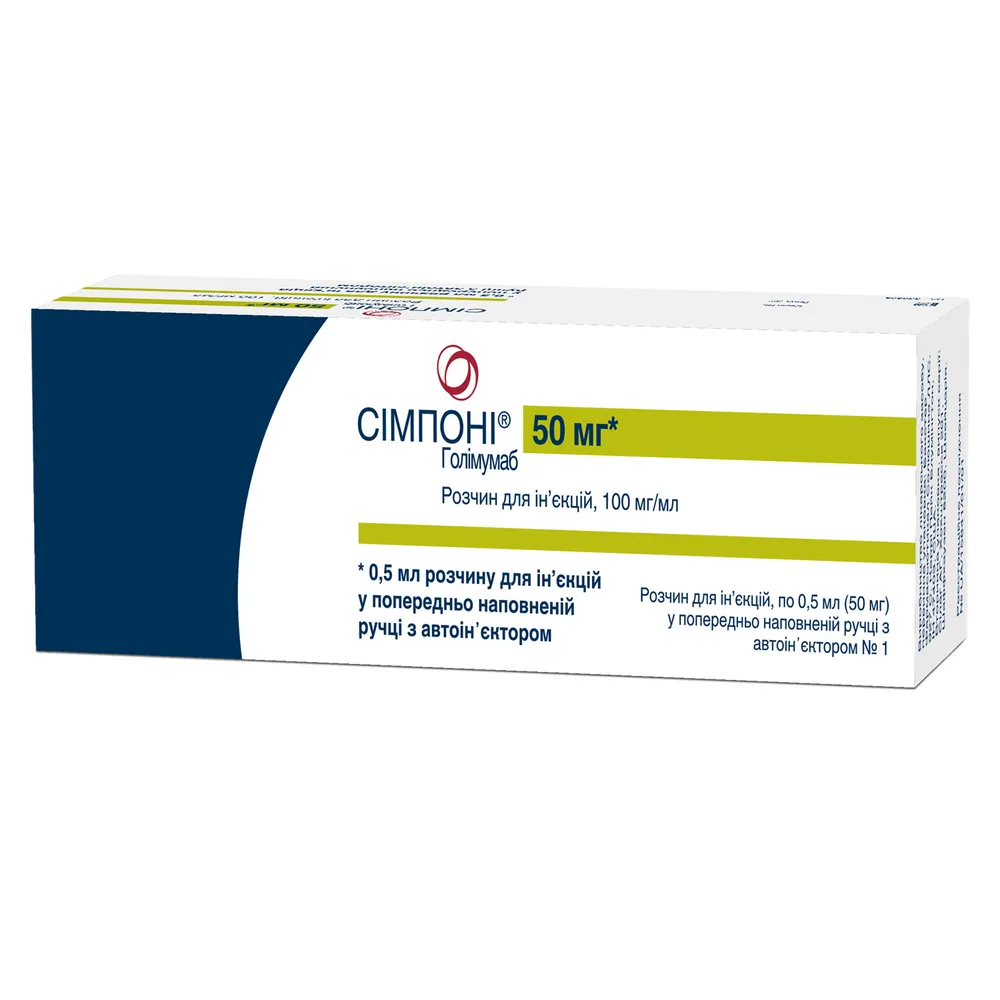
Instructions for Use
INSTRUCTION FOR MEDICAL USE OF THE MEDICINAL PRODUCT SİMPONİ® (SIMPONI®)
Composition:
Active substance: golimumab;
1 ml of solution contains golimumab 100 mg;
Excipients: sorbitol (E 420); L-histidine; L-histidine monohydrochloride monohydrate; polysorbate 80; water for injections.
Pharmaceutical form. Solution for injection.
Main physicochemical properties: colorless or slightly yellow solution.
Pharmacotherapeutic group. Tumor necrosis factor alpha (TNF-α) inhibitors.
ATC code L04A B06.
Pharmacological Properties
Pharmacodynamics
Mechanism of Action
Golimumab is a human monoclonal antibody that forms high-affinity, stable complexes with soluble and transmembrane bioactive forms of human tumor necrosis factor alpha (TNF-α), thereby preventing TNF-α from binding to its receptors. Binding of human TNF to golimumab results in neutralization of TNF-α-induced expression on the surface of cells of adhesion molecules E-selectin, vascular cell adhesion molecule-1 (VCAM-1), and intercellular adhesion molecules (ICAM-1) on human endothelial cells. In vitro, TNF-induced secretion of interleukin-6 (IL-6), interleukin-8 (IL-8), and granulocyte-macrophage colony-stimulating factor (GM-CSF) by human endothelial cells was also inhibited by golimumab.
During therapy with SIMPONI®, a reduction in C-reactive protein (CRP) levels was observed compared to placebo groups, resulting in significant decreases in serum levels of IL-6, ICAM-1, matrix metalloproteinase-3 (MMP-3), and vascular endothelial growth factor (VEGF) compared to the control group. Reduced levels of TNF in patients with rheumatoid arthritis and ankylosing spondylitis, and reduced levels of IL-6 in patients with psoriatic arthritis were demonstrated. These changes were observed at the first assessment following administration of the first dose of SIMPONI® (week 4) and persisted up to week 24.
Immunogenicity
Antibodies to golimumab were detected in 5% of patients with rheumatoid arthritis, psoriatic arthritis, and ankylosing spondylitis who received SIMPONI® for 52 weeks in Phase III studies. Almost all antibodies were neutralizing in vitro. The frequency of antibody formation was comparable among patients with different rheumatic diseases. In patients receiving concomitant methotrexate therapy, the frequency of antibody formation was lower than in those receiving SIMPONI® without methotrexate (3% and 8%, respectively).
In a study of golimumab use in patients with axial spondyloarthritis without radiographic confirmation up to week 52, antibodies were detected in 7% of patients.
Antibodies to golimumab were detected in 3% of patients with ulcerative colitis who received golimumab for 54 weeks during Phase II and III clinical trials. In patients receiving concomitant immunomodulator therapy (azathioprine, 6-mercaptopurine, and methotrexate), the frequency of anti-golimumab antibody formation was lower than in patients receiving SIMPONI® without immunomodulators (1% and 3%, respectively).
An enzyme-linked immunosorbent assay (ELISA) specific for golimumab was used to identify anti-golimumab antibodies during studies of polyarticular juvenile idiopathic arthritis. Due to its higher sensitivity and improved specificity for golimumab, anti-golimumab antibodies were expected to be detected more frequently using the golimumab-specific ELISA than with a conventional ELISA. During the 48-week Phase III study of polyarticular juvenile idiopathic arthritis (pJIA), anti-golimumab antibodies were detected by the golimumab-specific ELISA in 40% of patients receiving golimumab, most of whom had titers below 1:1000. An impact on serum golimumab concentration was observed at titers > 1:100, while an effect on efficacy was observed at titers > 1:1000, although the number of children with titers > 1:1000 was small (n = 8). Neutralizing antibodies were detected in 39% of children in whom anti-golimumab antibodies were identified. The higher frequency of anti-golimumab antibody detection using the golimumab-specific ELISA did not have a clear impact on active substance concentration, efficacy, or safety of the medicinal product (mainly due to low titers), and therefore does not represent a new safety signal.
The presence of anti-golimumab antibodies may increase the risk of injection site reactions. The small number of patients with anti-golimumab antibodies does not allow for a precise assessment of the relationship between immunogenicity and clinical efficacy or safety.
Since immunogenicity assays are product- and method-specific, comparisons of antibody levels with those observed during treatment with other agents are not appropriate.
Pharmacokinetics
Absorption. After single subcutaneous administration of golimumab to healthy volunteers or patients with rheumatoid arthritis, the median time to reach maximum serum concentration (Tmax) ranged from 2 to 6 days. After subcutaneous administration of 50 mg golimumab to healthy volunteers, Cmax was 3.1 ± 1.4 µg/mL (mean ± standard deviation).
Absorption of golimumab was similar after single subcutaneous administration of 100 mg in the shoulder, abdomen, or thigh, with a mean absolute bioavailability of 51%. Given the nearly dose-proportional pharmacokinetics of golimumab after subcutaneous administration, the absolute bioavailability of golimumab at doses of 50 mg or 200 mg is expected to be similar.
Distribution. After single intravenous administration, the mean volume of distribution was 115 ± 19 mL/kg.
Elimination. Systemic clearance of golimumab was 6.9 ± 2.0 mL/day/kg. The terminal half-life in healthy volunteers and patients with rheumatoid arthritis, psoriatic arthritis, ankylosing spondylitis, or ulcerative colitis was similar and amounted to 12 ± 3 days.
In patients with rheumatoid arthritis, psoriatic arthritis, or ankylosing spondylitis receiving subcutaneous golimumab 50 mg every 4 weeks, serum concentrations reached steady state by week 12. With concomitant administration of methotrexate and subcutaneous golimumab 50 mg every 4 weeks, the mean trough steady-state concentration was 0.6 ± 0.4 µg/mL (± standard deviation) in patients with active rheumatoid arthritis, approximately 0.5 ± 0.4 µg/mL in patients with active psoriatic arthritis, and about 0.8 ± 0.4 µg/mL in patients with ankylosing spondylitis. The steady-state serum concentration of golimumab in patients with non-radiographic axial spondyloarthritis was comparable to that in patients with ankylosing spondylitis after subcutaneous administration of 50 mg every 4 weeks.
In patients with rheumatoid arthritis, psoriatic arthritis, or ankylosing spondylitis not receiving concomitant methotrexate therapy, the steady-state trough concentration of golimumab was approximately 30% lower than in patients receiving golimumab with methotrexate. In a limited number of patients with rheumatoid arthritis treated with subcutaneous golimumab over a 6-month period, concomitant methotrexate reduced the apparent clearance of golimumab by 36%. However, population pharmacokinetic analysis showed that concomitant use of NSAIDs, oral corticosteroids, or sulfasalazine does not affect the apparent clearance of golimumab.
After administration of induction doses of 200 mg and 100 mg golimumab at weeks 0 and 2, respectively, followed by maintenance doses of 50 mg or 100 mg subcutaneously every 4 weeks in patients with ulcerative colitis, serum concentrations of golimumab reached steady state by approximately week 14 of therapy. With administration of 50 mg or 100 mg golimumab subcutaneously every 4 weeks, the steady-state trough concentrations in serum were 0.9 ± 0.5 µg/mL and 1.8 ± 1.1 µg/mL, respectively.
In patients with ulcerative colitis receiving 50 mg or 100 mg golimumab subcutaneously every 4 weeks, concomitant use of immunomodulators had no significant effect on steady-state concentrations of golimumab.
The development of anti-golimumab antibodies was generally associated with a reduction in steady-state trough concentrations.
Linearity. In patients with rheumatoid arthritis, the pharmacokinetics of golimumab were dose-proportional over the range of 0.1 to 10.0 mg/kg following single intravenous administration. After single subcutaneous administration to healthy volunteers at doses ranging from 50 mg to 400 mg, dose-proportional pharmacokinetics were observed.
Effect of Body Weight on Pharmacokinetics. Population pharmacokinetic analysis revealed a trend toward increased apparent clearance of golimumab with increasing body weight.
Pediatrics. The pharmacokinetics of golimumab were evaluated in 173 children aged 2 to 17 years with polyarticular juvenile idiopathic arthritis. In the pJIA study, children receiving golimumab at a dose of 30 mg/m² body surface area (maximum 50 mg) subcutaneously every 4 weeks had steady-state concentrations comparable across age groups and were comparable to or slightly higher than those observed in adult patients with rheumatoid arthritis receiving golimumab 50 mg every 4 weeks.
Population pharmacokinetic/pharmacodynamic modeling and simulation in children with pJIA confirmed the relationship between serum golimumab concentration and clinical efficacy, and demonstrated that administration of golimumab at 50 mg every 4 weeks to children with pJIA and body weight ≥ 40 kg provides concentrations comparable to those in adults and shown to be effective.
Clinical characteristics.
Indications.
Rheumatoid arthritis
SIMPONI® in combination with methotrexate is indicated for:
- treatment of moderate to severe active rheumatoid arthritis in adults who have had an inadequate response to disease-modifying antirheumatic drugs (DMARDs), including methotrexate;
- treatment of severe, active and progressive rheumatoid arthritis in adults who have not previously been treated with methotrexate.
It has been demonstrated that SIMPONI® in combination with methotrexate reduces the rate of progression of joint damage as shown by radiographic data, and also improves physical function.
Juvenile idiopathic arthritis
Polyarticular juvenile idiopathic arthritis
SIMPONI® in combination with methotrexate is indicated for the treatment of polyarticular juvenile idiopathic arthritis in children with body weight of at least 40 kg who have had an inadequate response to prior methotrexate therapy.
Psoriatic arthritis
SIMPONI®, as monotherapy or in combination with methotrexate, is indicated for the treatment of active and progressive psoriatic arthritis in adults who have previously had an inadequate response to DMARD therapy. SIMPONI® reduces the rate of progression of peripheral joint damage, as demonstrated by radiographic data in patients with subtypes of the disease characterized by symmetrical involvement of most joints, and also improves physical functioning.
Ankylosing spondylitis
Ankylosing spondylitis
SIMPONI® is indicated for the treatment of severe active ankylosing spondylitis in adults who have previously had an inadequate response to conventional therapy.
Axial spondyloarthritis without radiographic confirmation
SIMPONI® is indicated for the treatment of severe active axial spondyloarthritis without radiographic confirmation in adults with objective signs of inflammation, as indicated by elevated C-reactive protein levels and/or magnetic resonance imaging (MRI) findings, in cases of inadequate response to nonsteroidal anti-inflammatory drugs (NSAIDs) or intolerance to such therapy in these patients.
Ulcerative colitis
SIMPONI® is indicated for the treatment of moderate to severe active ulcerative colitis in adults who have had an inadequate response to conventional therapy, including corticosteroids, 6-mercaptopurine (6-MP), or azathioprine, or in whom there is intolerance or medical contraindication to these therapies.
Contraindications.
Hypersensitivity to golimumab or to any of the excipients of the medicinal product. Active tuberculosis or other serious infections such as sepsis and opportunistic infections (see section "Special precautions").
Moderate or severe heart failure (NYHA class III/IV) (see section "Special precautions").
Interaction with other medicinal products and other forms of interaction.
Interaction studies have not been conducted.
Concomitant use with other biological medicinal products
Concomitant use with other biological medicinal products for the treatment of the same conditions for which SIMPONI® is indicated, including anakinra and abatacept, is not recommended (see section "Special precautions").
Live vaccines / therapeutic infectious agents
Concomitant use of live vaccines or therapy with infectious agents together with SIMPONI® is not recommended (see sections "Special precautions" and "Use during pregnancy or breastfeeding").
Methotrexate
Although concomitant use of methotrexate leads to higher steady-state trough concentrations of SIMPONI® in patients with rheumatoid arthritis, psoriatic arthritis, and ankylosing spondylitis, these data do not indicate the need for dose adjustment of SIMPONI® or methotrexate (see section "Pharmacokinetics").
Special precautions for use.
Traceability
To improve the traceability of biological medicinal products, the name and batch number of the administered product should be clearly stated.
Infections
Patients should be carefully evaluated for the presence of infections, including tuberculosis, before, during, and after treatment with SIMPONI®. Since elimination of golimumab may last up to 5 months, monitoring should continue throughout this period. Further treatment with SIMPONI® should be discontinued in the event of a serious infection or sepsis (see section "Contraindications").
Treatment with SIMPONI® should not be initiated in patients with clinically significant and active infections. Caution should be exercised when considering the use of SIMPONI® in patients with chronic or recurrent infections in their medical history. Patients should be advised to avoid exposure to risk factors for developing infections whenever possible.
Patients receiving TNF blockers are more susceptible to developing serious infections. Cases of bacterial (including sepsis and pneumonia), mycobacterial (including tuberculosis), invasive fungal, and opportunistic infections, including fatal cases, have been reported in patients receiving treatment with SIMPONI®. Some of these serious infections occurred in patients receiving concomitant immunosuppressive therapy, which may have increased susceptibility to infections due to the underlying disease. Patients should be closely monitored, and a full diagnostic evaluation should be performed if symptoms of a new infection develop. Treatment with SIMPONI® should be discontinued if a new serious infection or sepsis occurs, and appropriate antimicrobial or antifungal therapy should be initiated and continued until control of the disease is achieved.
In patients who have lived in or traveled to regions where invasive fungal infections (e.g., histoplasmosis, coccidioidomycosis, or blastomycosis) are endemic, the benefit-risk ratio should be carefully assessed before initiating SIMPONI® therapy. In patients at risk, invasive fungal infection should be suspected if a serious systemic illness develops. Such patients should be evaluated diagnostically and receive empirical antifungal therapy after consultation with an expert experienced in managing invasive fungal infections.
Tuberculosis
Cases of tuberculosis have been reported in patients receiving SIMPONI® therapy. In most cases, tuberculosis was extrapulmonary, in either localized or disseminated form.
Before initiating SIMPONI® therapy, patients should be evaluated for active and inactive (latent) forms of tuberculosis. The evaluation should include a detailed medical history, including history of tuberculosis, possible exposure to individuals with tuberculosis, and previous and/or concomitant immunosuppressive therapy. All patients must undergo a tuberculin skin test and chest X-ray prior to starting therapy. It should be noted that false-negative tuberculin test results may occur in severely ill or immunocompromised patients.
Initiation of SIMPONI® therapy is contraindicated in patients with active tuberculosis (see section "Contraindications").
If latent tuberculosis is suspected, consultation with a pulmonologist is required. In all situations described below, the benefit-risk ratio of SIMPONI® therapy should be carefully evaluated.
If inactive (latent) tuberculosis is diagnosed, specific anti-tuberculosis treatment should be initiated before starting SIMPONI® therapy.
If a patient has multiple significant risk factors for tuberculosis despite a negative test for latent tuberculosis, consideration should be given to initiating anti-tuberculosis therapy before starting SIMPONI®. Anti-tuberculosis therapy may also be necessary before initiating SIMPONI® in patients with a history of latent or active tuberculosis who have not received a complete and adequate course of anti-tuberculosis treatment.
Cases of active tuberculosis have been reported in patients receiving SIMPONI® during and after treatment for latent tuberculosis. Patients receiving SIMPONI® should be closely monitored for signs and symptoms of active tuberculosis, including those with negative latent tuberculosis test results, those undergoing treatment for latent tuberculosis, or those who previously received anti-tuberculosis therapy.
All patients should be informed of the need to consult a physician if symptoms suggestive of tuberculosis (e.g., persistent cough, weight loss, subfebrile temperature) develop during or after treatment with SIMPONI®.
Hepatitis B virus (HBV) reactivation
Cases of hepatitis B reactivation have been reported in patients receiving TNF antagonist therapy, including SIMPONI®, who are chronic carriers of the virus (i.e., those with a positive surface antigen test). Some of these cases were fatal.
Before initiating SIMPONI® therapy, testing for hepatitis B virus should be performed. Patients with positive hepatitis B test results should be referred to a physician experienced in managing hepatitis B.
Chronic carriers of hepatitis B virus who require SIMPONI® therapy should be closely monitored for signs and symptoms of active hepatitis B during treatment and for several months after its completion. There are no data on treating hepatitis B virus carriers with antiviral therapy in combination with TNF antagonists to prevent hepatitis B reactivation. In patients who experience hepatitis B reactivation, SIMPONI® should be discontinued, and effective antiviral and supportive therapy should be initiated.
Malignant neoplasms and lymphoproliferative disorders
The potential role of TNF blocker therapy in the development of malignancies is unknown. Based on available data, the risk of lymphoma, leukemia, or other malignancies in patients receiving TNF antagonist therapy cannot be excluded. Caution should be exercised when considering TNF-blocking therapy in patients with a history of malignancy or in continuing therapy in patients who develop malignancies.
Malignant tumors in children
During post-marketing surveillance of TNF blockers, cases of malignancies, some of which were fatal, have been reported in children, adolescents, and young adults (up to 22 years of age) receiving TNF blockers (treatment was initiated in children ≤ 18 years of age). Approximately half of the cases were lymphomas. Other cases involved various other malignancies, including rare malignancies associated with immunosuppression. The role of TNF blockers in the development of malignancies cannot be excluded.
Lymphoma and leukemia
In controlled phases of clinical trials of all TNF blockers, including SIMPONI®, cases of lymphoma were observed more frequently in patients receiving TNF blocker therapy compared to the control group. In phase IIb and III clinical trials of SIMPONI®, the incidence of lymphoma in patients receiving SIMPONI® was higher than expected in the general population. During the post-marketing period, cases of leukemia have been reported in patients receiving TNF antagonist therapy. Patients with rheumatoid arthritis have an increased risk of developing lymphoma and leukemia due to long-standing, highly active inflammatory disease, which complicates risk assessment.
During the post-marketing period, isolated cases of hepatosplenic T-cell lymphoma have been reported in patients receiving TNF blocker therapy (see section "Adverse reactions"). This rare type of T-cell lymphoma is typically very aggressive and often fatal. Most such cases occurred in adolescents and young men who were concurrently receiving azathioprine or 6-mercaptopurine (6-MP) with SIMPONI® for inflammatory bowel disease. The risks of concomitant use of azathioprine and 6-MP with SIMPONI® should be carefully considered. The risk of developing hepatosplenic T-cell lymphoma in patients treated with TNF blockers cannot be excluded.
Other malignancies
In controlled phases of clinical trials of SIMPONI® involving patients with rheumatoid arthritis, psoriatic arthritis, ankylosing spondylitis, and ulcerative colitis, the incidence of malignancies (excluding lymphoma and non-melanoma skin cancers) was similar in the SIMPONI® treatment group and the control group.
Colorectal dysplasia/carcinoma
It is unknown whether treatment with golimumab affects the risk of developing dysplasia or colorectal cancer. All patients with ulcerative colitis who have an increased risk of dysplasia/colorectal cancer (e.g., patients with long-standing ulcerative colitis or primary sclerosing cholangitis), or patients with a history of dysplasia or colorectal cancer, should undergo regular screening for dysplasia before and during therapy. Screening should include colonoscopy and biopsy. The risks and benefits of SIMPONI® therapy, as well as the need to continue treatment in patients in whom a diagnosis of colorectal dysplasia is established during therapy, should be carefully considered.
In a clinical trial evaluating the use of SIMPONI® in patients with severe persistent asthma, malignancies were reported more frequently in patients receiving SIMPONI® compared to the control group (see section "Adverse reactions"). The significance of these data is unknown.
In another clinical trial evaluating the use of a different TNF blocker, infliximab, in patients with moderate to severe chronic obstructive pulmonary disease (COPD), malignancies (particularly lung, head, and neck cancers) were reported more frequently in patients receiving infliximab compared to the control group. All patients had a history of heavy smoking. Therefore, caution should be exercised when using any TNF antagonist in patients with COPD, as well as in patients at increased risk of malignancies due to heavy smoking.
Skin cancer
Cases of melanoma and Merkel cell carcinoma have been reported in patients receiving TNF blocker therapy, including SIMPONI® (see section "Adverse reactions"). Patients are recommended to undergo periodic skin examinations, especially if they have risk factors for skin cancer.
Heart failure
Cases of decompensated congestive heart failure and new-onset heart failure have been reported during TNF blocker therapy (including SIMPONI®). Some cases were fatal. In a clinical trial of another TNF antagonist, cases of decompensated congestive heart failure and increased mortality due to heart failure were observed. The use of SIMPONI® in patients with congestive heart failure has not been studied. SIMPONI® should be used with caution in patients with mild heart failure (NYHA class I/II). Patients should be closely monitored, and SIMPONI® therapy should be discontinued if heart failure symptoms worsen or develop for the first time (see section "Contraindications").
Neurological effects
The use of TNF blockers, including SIMPONI®, has been associated with the onset or worsening of clinical symptoms and/or radiographic signs of demyelinating disorders of the central nervous system, including multiple sclerosis and peripheral demyelinating disorders. The benefit-risk ratio of TNF blocker therapy should be carefully evaluated in patients with demyelinating disorders, including those in their medical history. If symptoms of such disorders develop, discontinuation of SIMPONI® therapy should be considered (see section "Adverse reactions").
Surgical procedures
There is some experience with the use of the drug in patients undergoing surgical procedures, including arthroplasty. The long half-life of golimumab should be considered when planning any surgical procedures. Patients requiring surgery during treatment should be monitored due to the potential risk of infections.
Immunosuppression
The role of TNF blockers, including SIMPONI®, in affecting immunological mechanisms that protect against infections and malignancies cannot be excluded, as TNF is a mediator of inflammation and a modulator of cellular immune responses.
Autoimmune processes
Relative deficiency of TNF-α caused by anti-TNF therapy may lead to the development of autoimmune processes. If a patient develops symptoms suggestive of lupus-like syndrome and antibodies to double-stranded DNA are detected, treatment should be discontinued (see section "Adverse reactions").
Hematological reactions
Cases of pancytopenia, leukopenia, neutropenia, agranulocytosis, aplastic anemia, and thrombocytopenia have been reported in patients receiving TNF blockers, including SIMPONI®. All patients should seek immediate medical attention if symptoms suggestive of blood dyscrasias (such as persistent fever, bruising, bleeding, or pallor) occur. SIMPONI® should be discontinued in patients with confirmed significant hematological disorders.
Concomitant use of a TNF inhibitor and anakinra
Serious infections and neutropenia were observed in clinical trials with concomitant use of anakinra and etanercept (a TNF inhibitor), which provided no therapeutic advantage compared to etanercept monotherapy. Given the nature of adverse reactions observed with this combination therapy, similar toxic effects may occur when anakinra is used in combination with other TNF blockers. Therefore, the concomitant use of SIMPONI® and anakinra is not recommended.
Concomitant use of a TNF inhibitor and abatacept
In clinical trials, concomitant use of TNF-blocking agents and abatacept was associated with an increased risk of infections, including serious infections, compared to monotherapy with TNF-blocking agents, without increased clinical benefit. The concomitant use of SIMPONI® and abatacept is not recommended.
Concomitant use with other biological medicinal products
There is insufficient information on the concomitant use of golimumab with other biological medicinal products used to treat the same conditions as golimumab. The concomitant use of SIMPONI® with biological therapeutic medicinal products is not recommended due to the potential for increased risk of infection and other potential pharmacological interactions.
Switching from one biological disease-modifying antirheumatic drug to another
Close monitoring of the patient's clinical status is required when switching from one biological agent to another, as cross-biological activity may increase the risk of adverse reactions, including infections.
Vaccinations / therapy with infectious agents
Patients receiving SIMPONI® therapy may be vaccinated, except for live vaccines (see sections "Interaction with other medicinal products and other forms of interaction" and "Use during pregnancy or breastfeeding"). Limited data are available on vaccination outcomes or secondary infection with live vaccines in patients receiving anti-TNF therapy. The use of live vaccines may lead to clinical manifestations of infection, including disseminated forms.
Therapy with other infectious agents, such as live attenuated bacteria (e.g., intravesical BCG for cancer treatment), may lead to clinical manifestations of infection, including disseminated forms. Concomitant use of infectious agent therapy with SIMPONI® is not recommended.
Allergic reactions
Serious systemic hypersensitivity reactions (including anaphylactic reactions) have been reported in post-marketing experience after administration of SIMPONI®. Some of these reactions occurred after the first dose of SIMPONI®. If an anaphylactic reaction or other serious allergic reactions occur, SIMPONI® therapy should be immediately discontinued, and appropriate treatment initiated.
Latex sensitivity
The needle cap of the injection pen is made of dry natural rubber containing latex, which may cause allergic reactions in latex-sensitive individuals.
Special considerations for use in specific patient populations.
Elderly patients (≥ 65 years of age)
In phase III studies involving patients with rheumatoid arthritis, psoriatic arthritis, ankylosing spondylitis, and ulcerative colitis, there were no differences in adverse reactions, serious adverse reactions, or serious infections between patients aged 65 years receiving SIMPONI® therapy and younger patients. However, caution should be exercised when treating elderly patients, particularly due to the potential risk of infection. In studies of golimumab use in patients with axial spondyloarthritis without radiographic confirmation, no patients aged 45 years or older were included.
Patients with renal or hepatic impairment
Specific studies of SIMPONI® in patients with renal or hepatic impairment have not been conducted. SIMPONI® should be used with caution in patients with hepatic impairment (see section "Dosage and administration").
Children
Vaccination
Before initiating SIMPONI® therapy in pediatric patients, it is recommended to complete all vaccinations according to the local vaccination schedule, if possible.
Excipients
SIMPONI® contains sorbitol (E 420). Patients with rare hereditary fructose intolerance should not take SIMPONI®.
Drug selection
Two strengths of SIMPONI® for subcutaneous administration are registered – 50 mg and 100 mg. Before administering the medicinal product, it is important to ensure that the correct dose has been selected, as specified in the section "Dosage and administration." Care should be taken to avoid overdosing or underdosing.
Use during pregnancy or breastfeeding.
Women of reproductive potential.
Women of reproductive potential should use adequate contraceptive methods before, during, and for 6 months after completion of golimumab treatment.
Pregnancy.
Data on the use of golimumab during pregnancy are limited. Due to TNF suppression, administration of golimumab during pregnancy may affect the immune response in the newborn. Animal studies did not show direct or indirect adverse effects on pregnancy, embryonic/fetal development, parturition, or postnatal development. The use of golimumab during pregnancy is not recommended. Golimumab may be used only after careful benefit-risk assessment.
Golimumab crosses the placenta. After maternal TNF blocker therapy during pregnancy, antibodies have been detected in infant serum up to 6 months of age. Thus, these infants have an increased risk of developing infections. Administration of live vaccines to infants exposed to golimumab in utero is not recommended within 6 months after the last maternal infusion of golimumab during pregnancy (see sections "Special precautions for use" and "Interaction with other medicinal products and other forms of interaction").
Breastfeeding.
It is unknown whether golimumab is excreted in human breast milk or absorbed after oral intake. Women should refrain from breastfeeding during and for 6 months after discontinuation of golimumab treatment.
Fertility.
Fertility studies in animals with golimumab have not been conducted. Studies using analogous antibodies that selectively inhibit the functional activity of mouse TNF did not show effects on fertility.
Ability to influence reaction speed when driving or operating machinery.
SIMPONI® may have a minor influence on the ability to drive or operate machinery. Dizziness may occur after administration of SIMPONI® (see section "Adverse reactions").
Method of Administration and Dosage
Treatment with SIMPONI® should be initiated and conducted under the supervision of qualified physicians experienced in the diagnosis and treatment of rheumatoid arthritis, polyarticular juvenile idiopathic arthritis, psoriatic arthritis, ankylosing spondylitis, non-radiographic axial spondyloarthritis, or ulcerative colitis.
Patients receiving SIMPONI® should be provided with a patient reminder card.
Dosage
Rheumatoid arthritis. Administer 50 mg once monthly by subcutaneous injection on the same day each month. SIMPONI® should be used in combination with methotrexate.
Psoriatic arthritis, ankylosing spondylitis, or non-radiographic axial spondyloarthritis. Administer 50 mg once monthly by subcutaneous injection on the same day each month.
For all the above indications, clinical response is typically achieved within 12–14 weeks after initiation of treatment (after administration of 3–4 doses). The continued need for therapy should be re-evaluated in patients who do not show a therapeutic response within this treatment period.
Patients with body weight greater than 100 kg
For all the above indications, in patients with body weight greater than 100 kg who have not achieved a positive clinical response after administration of 3–4 doses, the dose of golimumab may be increased to 100 mg once monthly. However, the increased risk of adverse drug reactions with the 100 mg dose compared to the 50 mg dose should be considered. If no positive therapeutic effect is observed after administration of 3–4 additional doses (100 mg), the continued need for therapy should be reconsidered.
Ulcerative colitis.
Patients with body weight less than 80 kg
Administer an initial dose of SIMPONI® 200 mg, followed by 100 mg at week 2. For patients who show an adequate response, administer 50 mg at week 6 and every 4 weeks thereafter. For patients with an inadequate response, the dose may be increased to 100 mg at week 6 and every 4 weeks thereafter.
Patients with body weight 80 kg or more
Administer an initial dose of 200 mg, followed by 100 mg at week 2, then 100 mg every 4 weeks.
During maintenance therapy, corticosteroids may be gradually tapered according to clinical guidelines.
Available data indicate that clinical response is typically achieved by weeks 12–14 of treatment (after administration of 4 doses). In the absence of therapeutic effect, the continuation of SIMPONI® therapy should be reconsidered at this point.
Missed dose.
If a patient misses a scheduled dose of SIMPONI®, the missed dose should be administered as soon as the patient remembers. A double dose should not be administered to compensate for the missed dose. The administration of the next dose should follow the instructions below:
- If less than 2 weeks have passed since the missed dose, the patient should administer the missed dose and continue following the previous dosing schedule;
- If more than 2 weeks have passed since the missed dose, the patient should administer the missed dose and follow a new monthly schedule starting from the date of this injection.
Elderly patients (≥ 65 years).
Dose adjustment in elderly patients is not required.
Patients with renal and/or hepatic impairment.
Studies of the use of the drug in this patient group have not been conducted. Dose recommendations are not available.
Polyarticular juvenile idiopathic arthritis. Administer 50 mg once monthly by subcutaneous injection on the same day each month to children with body weight of at least 40 kg.
Available data indicate that clinical response is typically achieved within 12–14 weeks after initiation of treatment (after administration of 3–4 doses). The continued need for therapy should be re-evaluated in patients who do not show a therapeutic response within this treatment period.
Method of Administration
For subcutaneous administration. At the physician’s discretion and after proper training in subcutaneous injection technique, patients may self-administer SIMPONI® with subsequent physician monitoring as needed. Patients should be instructed to administer the full dose of the drug according to the detailed injection technique instructions.
Instructions for Self-Administration of SIMPONI®.
If the patient wishes to perform injections independently, training in injection preparation and administration must be provided by healthcare personnel. If training has not been completed, the patient should consult a physician.
Pre-filled Pen with Autoinjector.
- Preparing the pen for use.
- Do not shake the injection pen.
- Do not remove the protective cap until instructed to do so.
Check the expiration date listed on the pen (or box). The stated date refers to the last day of the indicated month and year. Do not use the pen if the expiration date has passed.
Check the protective cap of the pen. Do not use the medicinal product if the tamper-evident seal is damaged.
Wait 30 minutes for the pen to warm to room temperature.
Before administration, remove the pen from the refrigerator and box and leave it at room temperature for 30 minutes in a location inaccessible to children. Do not warm the pen in any way (e.g., in a microwave oven or hot water). Do not remove the cap.
Prepare other equipment.
While waiting for the pen to warm up, prepare all other supplies needed for the injection (e.g., cotton swab, disinfectant solution).
Inspect the injection solution.
Look through the viewing window to examine the solution. Ensure the solution appears clear or slightly opalescent (with a pearly sheen), colorless or light yellow. The liquid may contain a small number of transparent or white protein particles, which is acceptable for protein-containing solutions. You may also notice an air bubble inside the container. Do not use the medicinal product if the liquid contains sediment or other solid particles. In such a case, contact your physician.
- Selecting the injection site.
- The recommended site for self-injection is the front middle part of the thigh.
- An alternative injection site is the lower abdomen below the navel, but not closer than 5 cm to the navel.
- Do not inject the medicinal product into areas where the skin is tender, bruised, red, scaly, hardened, scarred, or has stretch marks.
Selecting the injection site with assistance.
If the injection is administered by an assistant, the outer surface of the upper arm may also be used.
All the areas listed above may be used for injection regardless of body type and size.
Preparing the injection site.
- Wash hands thoroughly with warm water and soap.
- Before injection, disinfect hands and wipe the injection site with a cotton swab moistened with disinfectant solution (e.g., alcohol).
- Allow the injection site to dry before injection. Do not blow on or touch the disinfected skin area.
- Administering the medicinal product.
Do not remove the protective cap until you are ready to administer the injection. The injection must be performed no later than 5 minutes after removing the cap.
Removing the protective cap.
When ready to administer the injection, gently twist the cap to remove the tamper-evident seal. Remove and discard the cap.
Do not replace the cap, as this may damage the needle inside the pen. Do not use the pen if it has fallen after the cap was removed.
Press the pen against the selected injection site.
Hold the pen comfortably in your hand. Do not press the button at this time. Choose one of two injection methods: the recommended method without pinching the skin (Fig. 1), or, if desired, with pinching the skin to create a firmer surface for injection (Fig. 2). Without pressing the button, gently press the open end of the pen against the skin at a 90-degree angle (Fig. 3).
Figure 1 Figure 2
Figure 3
Press the button to administer the medicinal product (Fig. 4).
While continuing to hold the pen properly, press the protruding part of the button. You will not be able to press the button if the pen is incorrectly positioned relative to the skin surface or if the safety shield has not retracted.
After pressing, the button will remain in this position; further pressure on the button can be stopped. The first audible "click" indicates that the needle has been inserted and the injection has started. You may not feel the needle insertion.
Do not lift the pen from the skin. If you lift the pen, you may not receive the full dose of the drug.
Figure 4
Continue holding the pen on the skin until you hear the second "click."
Continue holding the pen properly until you hear the second "click." The administration of the dose typically takes 3–6 seconds but may take up to 15 seconds. The second "click" indicates that the injection is complete and the needle has retracted into the pen. Remove the pen from the injection site.
Note: If you have hearing impairment, count 15 seconds from the moment you press the button, then remove the pen from the injection site.
- After injection.
Use a cotton swab or gauze. Dry the injection site with a cotton swab or gauze if a small amount of blood or fluid appears, and cover with a plaster. Do not rub the skin at the injection site.
Check the viewing window. After injection, check the viewing window to ensure the yellow indicator appears. If the yellow indicator does not appear or if you believe you did not receive the injection, seek medical assistance. Do not administer a second dose without consulting a physician.
Immediately after use, the pen must be discarded in a waste container.
Discard the pen in a container immediately after injection.
If you feel something went wrong with the delivery system or if you are unsure whether the injection was properly administered, contact your physician.
Pre-filled Syringe with UltraSafe Device.
- Preparing the syringe for use.
Hold the pre-filled syringe ONLY by the body.
Do not:
- Hold the syringe by any part other than the body;
- Pull back the plunger;
- Shake the pre-filled syringe;
- Prematurely remove the protective needle cap;
- Touch the needle safety guard activation tab (marked * on the syringe schematic) to prevent premature needle shielding.
Check the expiration date listed on the syringe by looking through the viewing window. If you cannot see the expiration date, hold the syringe by the body and rotate the needle cap until the expiration date appears in the viewing window. The expiration date is also listed on the outer cardboard box. The stated date refers to the last day of the indicated month and year. Do not use the syringe if the expiration date has passed.
Wait 30 minutes for the syringe to warm to room temperature.
Before administration, remove the syringe from the refrigerator and box and leave it at room temperature for 30 minutes in a location inaccessible to children. Do not warm the syringe in any way (e.g., in a microwave oven or hot water). Do not remove the protective cap.
Prepare other equipment.
While waiting for the syringe to warm up, prepare all other supplies needed for the injection (e.g., cotton swab, disinfectant solution).
Inspect the injection solution.
Look through the viewing window to examine the solution. Ensure the solution appears clear or slightly opalescent (with a pearly sheen), colorless or light yellow. The liquid may contain a small number of transparent or white protein particles, which is acceptable for protein-containing solutions. Do not use the medicinal product if the liquid contains sediment or other solid particles. In such a case, contact your physician.
- Selecting the injection site.
- The recommended site for self-injection is the front middle part of the thigh.
- An alternative injection site is the lower abdomen below the navel, but not closer than 5 cm to the navel.
- Do not inject the medicinal product into areas where the skin is tender, bruised, red, scaly, hardened, scarred, or has stretch marks.
Selecting the injection site with assistance.
If the injection is administered by an assistant, the outer surface of the upper arm may also be used.
All the areas listed above may be used for injection regardless of body type and size.
Preparing the injection site.
- Wash hands thoroughly with warm water and soap.
- Before injection, disinfect hands and wipe the injection site with a cotton swab moistened with disinfectant solution (e.g., alcohol).
- Allow the injection site to dry before injection. Do not blow on or touch the disinfected skin area.
- Administering the medicinal product.
Do not remove the protective needle cap until you are ready to administer the injection. The injection must be performed no later than 5 minutes after removing the cap.
Removing the protective needle cap.
When ready to administer the injection, hold the syringe by the body with one hand. With the other hand, pull the cap and remove it. Do not touch the plunger or needle during cap removal.
You may notice an air bubble inside the container and a drop of liquid at the needle tip, which should not be removed.
Administer the medicinal product immediately after removing the protective needle cap.
Do not touch the needle or allow it to contact any other surface.
Do not use the pre-filled syringe if it has fallen after the cap was removed.
Positioning the syringe for injection. Hold the pre-filled syringe by the body with one hand between the middle and index fingers, placing the thumb on the top of the plunger head. With the other hand, gently pinch the previously disinfected skin area at the selected injection site. Hold the syringe gently and do not pull the plunger back.
Administering the medicinal product. Position the needle at an angle of approximately 45 degrees to the skin. In one quick motion, insert the needle fully into the skin.
While pressing on the plunger, administer the solution until the plunger head is completely between the wings of the needle safety guard. While continuing to press on the plunger head, withdraw the needle and release the skin.
Slowly remove the thumb from the plunger head; the empty syringe will move until the entire needle is covered by the safety guard.
- After injection.
Use a cotton swab or gauze.
Dry the injection site with a cotton swab or gauze if a small amount of blood or fluid appears, and cover with a plaster. Do not rub the skin at the injection site.
Immediately after use, the syringe must be discarded in a waste container. Discard the syringe in a container immediately after injection. Do not attempt to recap the syringe.
Under no circumstances should the syringe be reused. If you feel something went wrong during administration or if you are unsure whether the injection was properly administered, contact your physician.
Children.
SIMPOONI® is indicated for use in children with body weight of at least 40 kg for the treatment of polyarticular juvenile idiopathic arthritis. For all other indications, the safety and efficacy of SIMPONI® in children have not been established.
Overdose.
In one of the clinical studies, single intravenous doses up to 10 mg/kg were administered, and no dose-limiting toxicity was observed. In case of overdose, patient monitoring for possible adverse reactions is recommended, along with immediate appropriate symptomatic therapy.
Adverse reactions.
During clinical studies, upper respiratory tract infection was the most commonly reported adverse reaction. The most serious adverse reactions reported included serious infections (including sepsis, pneumonia, tuberculosis, invasive fungal and opportunistic infections), demyelinating disorders, reactivation of hepatitis B virus (HBV), congestive heart failure, autoimmune processes (lupus-like syndrome), hematologic reactions, serious systemic hypersensitivity reactions (including anaphylactic reactions), vasculitis, lymphoma, and leukemia (see section "Precautions").
Adverse reactions observed in clinical studies and reported during post-marketing use of golimumab are listed below. Within the specified system organ classes, adverse drug reactions are categorized by frequency as follows: very common (>10%), common (1–10%), uncommon (0.1–1%), rare (0.01–0.1%), very rare (<0.01%), and not known (frequency cannot be estimated from available data). Within each frequency class, adverse reactions are listed in order of decreasing severity.
| Systems |
Frequency of reaction |
Character of reaction |
| Infections and infestations |
very common |
upper respiratory tract infections (nasopharyngitis, pharyngitis, laryngitis, and rhinitis) |
| common |
bacterial infections (cellulitis), lower respiratory tract infections (pneumonia), viral infections (influenza and herpes), bronchitis, sinusitis, superficial fungal infections, abscess |
|
| uncommon |
sepsis, including septic shock, pyelonephritis |
|
| single cases |
tuberculosis, opportunistic infections (invasive fungal infections [histoplasmosis, coccidioidomycosis, Pneumocystis], bacterial, atypical mycobacterial, and protozoal infections), reactivation of hepatitis B virus, bacterial arthritis, infectious bursitis |
|
| Benign, malignant and unspecified neoplasms |
uncommon |
neoplasms (malignant skin tumors, squamous cell carcinoma, and melanocytic nevus) |
| single cases |
lymphoma, leukemia, melanoma, Merkel cell carcinoma |
|
| unknown |
hepatosplenic T-cell lymphoma*, Kaposi's sarcoma |
|
| Blood and lymphatic system disorders |
common |
leukopenia (including neutropenia), anemia |
| uncommon |
thrombocytopenia, pancytopenia |
|
| single cases |
aplastic anemia, agranulocytosis |
|
| Immune system disorders |
common |
allergic reactions (bronchospasm, hypersensitivity, urticaria), positive autoantibody reaction |
| single cases |
serious systemic hypersensitivity reactions (including anaphylactic reaction), vasculitis (systemic), sarcoidosis |
|
| Endocrine disorders |
uncommon |
thyroid disorders (hypothyroidism, hyperthyroidism, and goiter) |
| Nutritional and metabolic disorders |
uncommon |
increased blood glucose levels, increased lipid levels |
| Psychiatric disorders |
common |
depression, insomnia |
| Nervous system disorders |
common |
dizziness, headache, paresthesia |
| uncommon |
balance disorders |
|
| single cases |
demyelinating disorders (central and peripheral), dysgeusia |
|
| Eye disorders |
uncommon |
vision disorders (blurred vision, decreased visual acuity), conjunctivitis, allergic eye disorders (itching, irritation) |
| Cardiac disorders |
uncommon |
arrhythmia, ischemic coronary artery disorders |
| single cases |
congestive heart failure (onset or worsening) |
|
| Vascular disorders |
common |
hypertension |
| uncommon |
thrombosis (deep vein thrombosis, aortic thrombosis), flushing |
|
| single cases |
Raynaud's phenomenon |
|
| Respiratory, thoracic and mediastinal disorders |
common |
asthma and associated symptoms (wheezing and bronchial hyperreactivity) |
| uncommon |
interstitial lung disease |
|
| Gastrointestinal disorders |
common |
dyspepsia, epigastric and abdominal pain, nausea, inflammatory gastrointestinal disorders (gastritis and colitis), stomatitis |
| uncommon |
constipation, gastroesophageal reflux disease |
|
| Hepatic disorders |
common |
increased alanine aminotransferase (ALT) levels, increased aspartate aminotransferase (AST) levels |
| uncommon |
cholelithiasis, hepatic disorders |
|
| Skin and subcutaneous tissue disorders |
common |
itching, rash, alopecia, dermatitis |
| uncommon |
bullous skin reactions, psoriasis (development or worsening of existing psoriasis, palmoplantar and pustular), urticaria |
|
| single cases |
lichenoid reactions, skin exfoliation, vasculitis (cutaneous) |
|
| unknown |
worsening of dermatomyositis symptoms |
|
| Musculoskeletal and connective tissue disorders |
single cases |
lupus-like syndrome |
| Renal and urinary disorders |
single cases |
bladder disorders, kidney disorders |
| Reproductive system and breast disorders |
uncommon |
breast disorders, menstrual disorders |
| General disorders and administration site conditions |
common |
fever, asthenia, injection site reactions (injection site erythema, urticaria, induration, pain, bruising, itching, irritation, and paresthesia), chest discomfort |
| single cases |
delayed wound healing |
|
| Injury, poisoning and procedural complications |
common |
bone fractures |
* Observed with other TNF inhibitors.
In this section, the mean duration of observation (approximately 4 years) is generally presented for the entire use of golimumab. Where the golimumab dose is specified, the mean duration of observation may vary (approximately 2 years for the 50 mg dose, approximately 3 years for the 100 mg dose), as patients could switch from one dosage to another.
Description of selected adverse reactions
Infections
During clinical trials, upper respiratory tract infections were the most common adverse drug reactions reported in 12.6% of patients in the golimumab group compared to 11.0% in the control group. In studies with a 4-year observation period, the incidence rate of upper respiratory tract infections was 34.9 cases per 100 patient-years. Infections occurred in 23.0% of patients receiving golimumab compared to 20.2% of patients in the control group; serious infections occurred in 1.2% of patients receiving golimumab and in 1.2% of the control group. During induction remission studies in ulcerative colitis, serious infections occurred in 0.8% of patients receiving golimumab compared to 1.5% of patients receiving placebo. Serious infections in patients receiving golimumab included tuberculosis, bacterial infections including sepsis and pneumonia, invasive fungal infections, and other opportunistic infections. Some cases were fatal. In studies with an observation period of up to 3 years, patients receiving golimumab at a dose of 100 mg had a higher incidence of serious infections, including opportunistic infections and tuberculosis, compared to patients receiving golimumab at a dose of 50 mg.
Malignancies
Lymphoma. The incidence of lymphoma in patients treated with golimumab in clinical trials was higher than the expected incidence in the general population. In a study with up to 3 years of follow-up, the incidence of lymphoma was higher in patients receiving golimumab at a dose of 100 mg compared to those receiving 50 mg of golimumab. Lymphoma was diagnosed in 11 patients (1 patient in the 50 mg golimumab group and 10 patients in the 100 mg golimumab group). Most cases of lymphoma occurred in a study involving patients who had previously been treated with TNF-α inhibitors, with longer disease duration and treatment-resistant disease (see section "Special precautions").
Other malignancies. During controlled phases of clinical trials and subsequent 4-year observation period, the incidence of malignancies (excluding lymphoma and non-melanoma skin cancers) was similar in the SIMPONI® treatment group and the control group. Based on results from 4 years of follow-up, the incidence of malignancies (excluding lymphoma and non-melanoma skin cancers) was similar to that in the general population. In studies with an observation period of up to 3 years, non-melanoma skin cancer was diagnosed in 5 patients receiving placebo, 10 patients receiving golimumab 50 mg, and 31 patients receiving golimumab 100 mg. During baseline studies with an observation period of up to 3 years, malignancies other than lymphoma and non-melanoma skin cancers were diagnosed in 5 patients receiving placebo, 21 patients receiving golimumab 50 mg, and 34 patients receiving golimumab 100 mg (see section "Special precautions").
Adverse reactions during clinical trials in patients with asthma
In a clinical exploratory study, patients with severe persistent asthma received a golimumab loading dose (150% of the usual therapeutic dose) subcutaneously at week 0, followed by 200 mg, 100 mg, or 50 mg of golimumab every 4 weeks for 52 weeks of therapy. Eight cases of malignancies were reported in the golimumab group and none in the placebo group. Lymphoma was diagnosed in 1 patient, non-melanoma skin cancer in 2 patients, and other malignancies in 5 patients. There was no specific clustering by type of malignancy.
During the placebo-controlled study, the incidence rate of all types of malignancies was 3.19 per 100 patient-years in the golimumab group. In this study, the incidence rates were 0.40 for lymphoma, 0.79 for non-melanoma skin cancer, and 1.99 for other malignancies per 100 patient-years in the golimumab group. In the placebo group, the incidence rate of malignancies was 0.00 per 100 patient-years. The significance of these data is unknown.
Neurological effects
In clinical trials with up to 3 years of follow-up, an increased frequency of demyelination events was observed in patients receiving golimumab 100 mg compared to those receiving 50 mg of golimumab (see section "Special precautions").
Elevated liver enzymes
In clinical trials of rheumatoid arthritis and psoriatic arthritis, minor elevations of alanine aminotransferase (ALT) levels (up to 3 times the upper limit of normal) were similar in patients with rheumatoid arthritis and psoriatic arthritis (22.1% to 27.4%). In a study of ankylosing spondylitis and non-radiographically confirmed axial spondyloarthritis, minor ALT elevations were observed in a higher number of patients in the golimumab group (26.9%) compared to the placebo group (10.6%). During studies of rheumatoid arthritis and psoriatic arthritis and a subsequent 5-year observation period, the frequency of ALT elevations was similar in the golimumab groups in both studies. In the ulcerative colitis remission induction study, minor ALT elevations (up to 3 times the upper limit) occurred in nearly the same proportion of patients in the golimumab group and the control group (8.0% and 6.9%, respectively). In the ulcerative colitis maintenance therapy study with a 2-year follow-up period, the frequency of minor ALT elevations in patients receiving golimumab was 24.7%.
In rheumatoid arthritis and ankylosing spondylitis studies, ALT elevations greater than 5 times the upper limit of normal were infrequent and mostly observed in patients receiving golimumab (0.4% to 0.9%) compared to control group patients (0.0%). This trend was not observed in patients with psoriatic arthritis. During studies of rheumatoid arthritis, psoriatic arthritis, and ankylosing spondylitis with a 5-year follow-up period, the frequency of ALT elevations greater than 5 times the upper limit of normal was similar in the golimumab group and the control group. Overall, such ALT elevations were asymptomatic and decreased or normalized during treatment or after discontinuation of golimumab or when concomitant medications were changed. No such cases were reported in studies of golimumab use in patients with non-radiographically confirmed axial spondyloarthritis (observation period up to 1 year). In the placebo-controlled ulcerative colitis remission induction study, ALT elevations greater than 5 times the upper limit of normal occurred in nearly the same proportion of patients in the golimumab group and the control group (0.3% and 1.0%, respectively). In the ulcerative colitis maintenance therapy study with a 2-year observation period, ALT elevations greater than 5 times the upper limit were observed in 0.8% of patients receiving golimumab.
During baseline studies of rheumatoid arthritis, psoriatic arthritis, ankylosing spondylitis, and non-radiographically confirmed axial spondyloarthritis, one patient with pre-existing liver function abnormalities who received golimumab in combination with other medications developed non-infectious hepatitis with jaundice that resulted in a fatal outcome. The role of golimumab as a contributing or exacerbating factor cannot be excluded.
Injection site reactions
In controlled clinical trials, the incidence of adverse reactions at the injection site was 5.4% in the group of patients receiving golimumab compared to 2.0% in the control group. The presence of antibodies to golimumab may increase the risk of injection site reactions. Most of these reactions were mild to moderate in severity, with injection site erythema being the most commonly reported. Injection site reactions usually did not lead to discontinuation of treatment.
In clinical trials, no anaphylactic reactions occurred in any of the patients with rheumatoid arthritis, psoriatic arthritis, ankylosing spondylitis, non-radiographically confirmed axial spondyloarthritis, severe persistent asthma, or ulcerative colitis.
Autoimmune antibodies
In controlled clinical trials and based on one year of post-marketing surveillance, 3.5% of patients receiving golimumab and 2.3% of control group patients became positive for antinuclear antibodies (ANA-positive) with titers of 1:160 or higher. The incidence of antibodies to double-stranded DNA after one year was 1.1%.
Children
Polyarticular juvenile idiopathic arthritis
The safety of golimumab was evaluated in Phase III studies involving 173 patients aged 2 to 17 years with polyarticular juvenile idiopathic arthritis. The mean duration of observation was 2 years. During this study, the type and frequency of reported adverse reactions were comparable to those in adult patients with rheumatoid arthritis.
Shelf life.
2 years.
Storage conditions.
Do not shake. Store in the outer packaging to protect from light. Store in a refrigerator at 2°C to 8°C. Do not freeze. Keep out of reach of children.
Packaging.
0.5 mL or 1.0 mL of solution in a pre-filled syringe made of Type I glass with a rubber stopper and a needle covered with a cap, with an UltraSafe injection device; 1 syringe per cardboard box.
0.5 mL or 1.0 mL of solution in a pre-filled syringe made of Type I glass with a rubber stopper and a needle covered with a cap, in an autoinjector pen; 1 pen per cardboard box.
Prescription status.
Prescription only.
Manufacturer.
Cilag AG.
Manufacturer's location and address of its place of business.
Hochstrasse 201, 8200 Schaffhausen, Switzerland /
Hochstrasse 201, 8200 Schaffhausen, Switzerland.
Frequently Asked Questions
For which diseases is Simponey® prescribed?
The drug is prescribed for the treatment of rheumatoid arthritis, psoriatic arthritis, ankylosing spondylitis, non-radiographic axial spondyloarthritis, ulcerative colitis, as well as polyarticular juvenile idiopathic arthritis in children (with a body weight of at least 40 kg).
How should Simponey® be taken correctly?
The drug is administered subcutaneously once a month on the same day of the month. The dosage depends on the disease and the patient's body weight. For example, in rheumatoid arthritis, 50 mg is prescribed in combination with methotrexate, whereas in ulcerative colitis, the administration schedule may be more complex and depend on weight.
What could be the side effects of Simponey®?
The most frequent reaction is upper respiratory tract infections. Headache, dizziness, depression, insomnia, increased liver enzyme levels, rash, itching, and injection site reactions may also be observed. Serious, although less frequent, risks include the development of serious infections, malignant neoplasms (e.g., lymphoma), hematological disorders, and heart problems.
Who should not use this drug?
The drug is contraindicated in cases of hypersensitivity to its components, active tuberculosis or other serious infections (e.g., sepsis), as well as in moderate or severe heart failure.
Can the drug be taken together with other medicines?
Concomitant use with other biological products (e.g., anakinra or abatacept) is not recommended due to the increased risk of infections. When treating rheumatoid arthritis, the drug is often used together with methotrexate. Additionally, live vaccines must not be used during therapy.
What should I do if I missed an injection?
If you remember the missed dose less than 2 weeks later, administer the dose immediately and continue with your old schedule. If more than 2 weeks have passed, administer the missed dose and start a new monthly schedule from the date of this injection. Do not take a double dose to compensate.
What special precautions apply to pregnancy and breastfeeding?
The use of the drug during pregnancy is not recommended, as it may affect the infant's immune response. Women planning pregnancy should use reliable methods of contraception during treatment and for 6 months after it. It is recommended to refrain from breastfeeding during and for 6 months after treatment.
This page has been machine-translated and may contain inaccuracies. The original data is available in the manufacturing country's language.
Last data check: July 21, 2026 · Data source: Державний реєстр лікарських засобів України