Renalgan®
Ukraine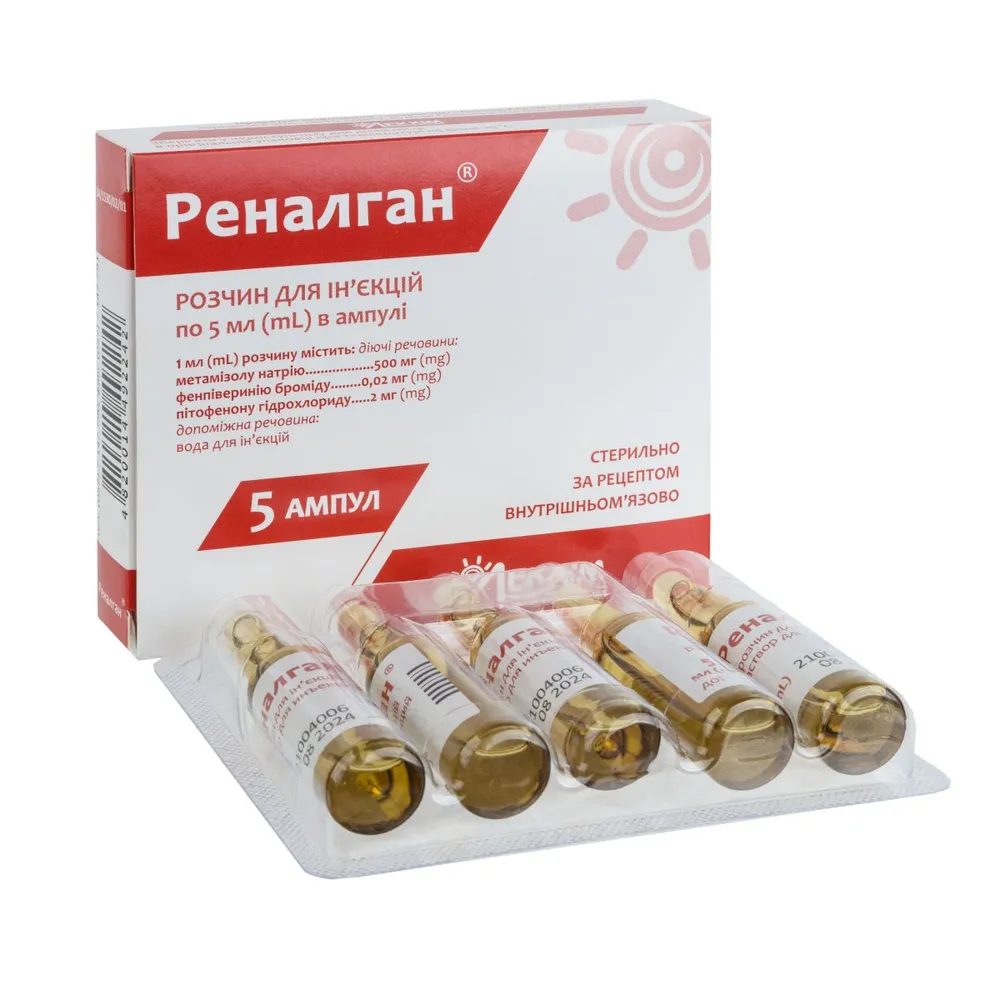
Table of Contents
INSTRUCTIONS FOR MEDICAL USE OF THE MEDICINAL PRODUCT RENALGAN® (renalgani®)
Composition:
Active substances: metamizole sodium, fenpiverine bromide, pitofenone hydrochloride;
1 ml of solution contains 500 mg of metamizole sodium; 0.02 mg of fenpiverine bromide; 2 mg of pitofenone hydrochloride;
Excipient: water for injections.
Pharmaceutical form. Solution for injection.
Main physicochemical properties: clear light-yellow liquid with a slightly greenish tint.
Pharmacotherapeutic group. Spasmolytics in combination with analgesics.
ATC code A03D A02.
Pharmacological Properties
Pharmacodynamics
Renalgan® is a combination medication with analgesic and spasmolytic properties. The drug contains three active ingredients: the non-narcotic analgesic metamizole sodium (analgin), the myotropic spasmolytic agent pitofenone hydrochloride, and the cholinolytic agent phenpyverine bromide. Metamizole is a derivative of pyrazolone. It exerts analgesic, antipyretic, and mild anti-inflammatory effects. Pitofenone, similar to papaverine, exerts a direct myotropic effect on smooth muscles of internal organs, causing their relaxation. Phenpyverine, due to its cholinolytic action, provides an additional spasmolytic effect on smooth muscles.
Pharmacokinetics
After intramuscular administration, the drug is rapidly absorbed. Metamizole has a systemic bioavailability of approximately 85%. Metamizole is 50–60% bound to plasma proteins. It penetrates the blood-brain and placental barriers. The volume of distribution is approximately 0.7 L/kg. Metamizole undergoes extensive biotransformation in the liver, and its main metabolites are pharmacologically active. Maximum plasma concentrations (with respect to all metabolites) are reached approximately within 30–90 minutes. The drug is excreted by the kidneys in the form of metabolites, with only 3% of the excreted amount of metamizole being eliminated unchanged. The elimination half-life is approximately 10 hours.
Clinical characteristics.
Indications.
Symptomatic treatment of pain syndrome due to spasms of smooth musculature of internal organs:
- gastrointestinal colic;
- renal colic in urolithiasis;
- spastic biliary dyskinesia;
- dysmenorrhea.
Contraindications.
Hypersensitivity to components of the drug, to pyrazolone derivatives (phenylbutazone, tribuzon), or to other nonsteroidal anti-inflammatory drugs (NSAIDs). History of agranulocytosis caused by metamizole, other pyrazolones, or pyrazolidines. Impaired bone marrow function or blood system disorders (including changes in peripheral blood composition – leukopenia; anemia of any etiology, including aplastic and hemolytic anemia; infectious neutropenia). Severe hepatic or renal insufficiency, acute hepatic porphyria, suspicion of surgical pathology, second- and third-degree prostatic adenoma with tendency to urinary retention, congenital glucose-6-phosphate dehydrogenase deficiency, tachyarrhythmia, closed-angle glaucoma, gastrointestinal tract obstruction (including mechanical obstruction) and megacolon, bladder or gallbladder atony, collapse states, decompensated heart failure, bronchial asthma. Hypotensive conditions and hemodynamic instability.
Interaction with other medicinal products and other types of interactions.
Combining this drug with other medicinal products requires special caution due to the presence of metamizole, which is an enzyme inducer.
Alcohol consumption should be avoided during treatment, as mutual potentiation of effects is possible.
Concomitant use of Renalgan® with other non-narcotic analgesics may lead to mutual enhancement of adverse effects.
Tricyclic antidepressants (psychophorin, amitriptyline), oral contraceptives, and allopurinol slow down hepatic metabolism of metamizole, potentiate its effect when used concomitantly, and increase its toxicity.
Enzyme inducers (barbiturates, phenylbutazone, glutethimide, and other inducers of hepatic microsomal enzymes) reduce the effect of metamizole.
Sedatives and tranquilizers enhance the analgesic effect of Renalgan®.
Concomitant administration of Renalgan® with quinine preparations may enhance the anticholinergic effect.
Renalgan® reduces plasma concentration of cyclosporine. If combined use of the above-mentioned or other medicinal products is necessary, consultation with a physician is required. H2-histamine receptor antagonists, codeine, and propranolol enhance the effect of sodium metamizole when used concomitantly.
Sarcolysin and mercaptopurine increase the risk of developing leukopenia.
Sodium metamizole increases the hypoglycemic activity of oral antidiabetic agents.
When used concomitantly, metamizole may reduce the activity of coumarin anticoagulants due to induction of hepatic enzymes.
Concomitant use of chlorpromazine and other phenothiazine derivatives with metamizole carries a risk of developing severe hypothermia.
Concomitant use of chloramphenicol and other myelotoxic agents with metamizole increases the risk of bone marrow suppression.
Metamizole significantly increases maximum plasma concentrations of chloroquine.
Concomitant use with other analgesics and NSAIDs increases the risk of hypersensitivity reactions and other adverse effects.
Central nervous system depressants enhance the analgesic effect of metamizole when combined.
Renalgan® can be combined with hyoscine butylbromide, furosemide, and glyburide.
Radiographic contrast agents, colloidal plasma substitutes, and penicillin should not be used during treatment with metamizole.
Metamizole may induce metabolic enzymes, including CYP2B6 and CYP3A4.
Concomitant use of metamizole with bupropion, efavirenz, methadone, valproate, tacrolimus, or sertraline may result in decreased plasma concentrations of these drugs, potentially reducing their clinical efficacy. Therefore, concomitant use of these drugs with metamizole is recommended with caution; monitoring of clinical response and/or drug levels may be required.
For the class of pyrazolone derivatives, interactions with captopril, lithium, methotrexate, and triamterene, as well as changes in the efficacy of antihypertensive and diuretic agents, are known. The extent to which metamizole causes these interactions is unknown.
Special precautions for use.
|
When using the drug Renalgan®, there is a risk of developing anaphylactic reactions. At the first signs of hypersensitivity, administration of the drug should be immediately discontinued and emergency measures initiated to control the condition (epinephrine, glucocorticoids, antihistamine agents).
The risk of hypersensitivity reactions (anaphylactoid reactions) with metamizole use is significantly increased in patients with:
- food or drug hypersensitivity or atopic diseases (e.g., hay fever);
- analgesic asthma syndrome or analgesic idiosyncrasy manifesting as urticaria, angioedema, especially when associated with rhinosinusitis and nasal polyps;
- chronic urticaria;
- idiosyncrasy to dyes (e.g., tartrazine) or preservatives (e.g., benzoates);
- alcohol intolerance. Such patients react to even minimal amounts of alcoholic beverages with symptoms such as sneezing, lacrimation, and severe visual disturbances. Alcohol intolerance may indicate undiagnosed analgesic asthma syndrome.
Serious skin reactions
Serious skin reactions, including Stevens-Johnson syndrome, toxic epidermal necrolysis, and drug reaction with eosinophilia and systemic symptoms (DRESS syndrome), which may be life-threatening or fatal, have been reported during treatment with metamizole.
Patients should be informed about the signs and symptoms of skin reactions and closely monitored.
If symptoms indicating these reactions occur, treatment with metamizole should be discontinued and must never be restarted (see section "Contraindications").
Drug-induced liver injury
Cases of hepatitis, primarily hepatocellular in nature, have been observed in patients treated with metamizole, occurring from several days to several months after initiation of therapy. Signs and symptoms include elevated serum liver enzymes, with or without jaundice, often in the context of hypersensitivity reactions to other drugs (e.g., skin rash, blood dyscrasias, fever, and eosinophilia), or accompanied by features suggestive of autoimmune hepatitis. In most patients, the condition resolved after discontinuation of metamizole; however, isolated cases of progression to acute liver failure requiring liver transplantation have been reported.
The mechanism of liver injury caused by metamizole is not fully understood, although available data suggest an immune-allergic mechanism.
Patients should be informed about the need to seek medical advice if symptoms suggestive of liver injury occur. In such cases, metamizole should be discontinued and liver function assessed.
If symptoms such as nausea (nausea and vomiting), fever, fatigue, loss of appetite, dark-colored urine, pale stools, jaundice (yellowing of the skin or sclera), pruritus, rash, or upper abdominal pain occur, Renalgan® should be discontinued and immediate medical attention sought.
Renalgan® is not recommended in patients who previously experienced liver problems while taking any medicinal product containing metamizole.
The drug should be used with caution in patients with chronic alcoholism and in elderly patients, as adverse reactions, particularly those affecting the gastrointestinal system, occur more frequently in these populations.
The drug should be used cautiously in patients receiving concomitant cytostatic agents (only under physician supervision).
Do not use for relief of acute abdominal pain.
In patients with renal or hepatic impairment, dosage regimens should be individually adjusted due to possible adverse effects of metamizole on the kidneys and prolonged elimination half-life of metamizole metabolites in patients with impaired hepatocyte function.
Renalgan® should be used cautiously in patients with obstructive gastrointestinal disorders (achalasia, pyloroduodenal stenosis). Repeated administration of Renalgan® in such cases may lead to delayed gastrointestinal content evacuation and intoxication. Use of Renalgan® in patients with gastroesophageal reflux disease, intestinal atony, inflammatory bowel diseases including ulcerative colitis and Crohn’s disease, paralytic ileus, myasthenia gravis, or cardiac diseases (arrhythmia, ischemic heart disease, congestive heart failure) requires special caution and physician monitoring.
Use with caution in patients with myocardial infarction, marked arterial hypotension, or in patients with systolic blood pressure below 100 mm Hg. Caution should be exercised when administering more than 2 mL of the solution (risk of sudden drop in blood pressure).
Metamizole, an ingredient of the medicinal product Renalgan®, may cause hypotensive reactions. These reactions are dose-dependent and occur more frequently with parenteral administration. The risk of hypotensive reactions is increased in the following cases:
- in patients with pre-existing arterial hypotension, reduced fluid and electrolyte volume, or dehydration, unstable hemodynamics, or circulatory insufficiency (e.g., patients with myocardial infarction or polytrauma);
- in patients with elevated body temperature.
In such cases, careful assessment of the need for drug use and strict monitoring are required. Preventive measures (e.g., hemodynamic stabilization) may be necessary to reduce the risk of arterial hypotension.
Renalgan® should be administered only with careful monitoring of hemodynamic parameters in patients for whom a drop in blood pressure is unacceptable, e.g., in cases of severe ischemic heart disease or significant cerebral vessel stenosis.
Renalgan® should be administered to patients with impaired renal function (including those with a history of kidney disease (pyelonephritis, glomerulonephritis)) or hepatic impairment only after careful benefit-risk assessment and appropriate preventive measures.
Recommended doses of the drug should not be exceeded.
Use during pregnancy or breastfeeding
The drug should not be used during pregnancy or breastfeeding.
Ability to influence reaction speed when driving or operating machinery
Due to the possibility of adverse reactions affecting the nervous system (dizziness, accommodation disturbances), patients should refrain from driving or operating machinery that requires rapid reaction times.
Dosage and Administration
Renalgan®, solution for injection, should be administered only intramuscularly. Use only for short-term treatment.
The injection solution must be used under strict medical supervision due to the risk of anaphylactic shock in patients with hypersensitivity to metamizole or pyrazolone derivatives.
Adults and children aged 15 years and older.
For adults and children aged 15 years and older (with body weight above 53 kg), administer 2 to 5 mL of the injection solution intramuscularly. If necessary, the dose may be repeated after 6–8 hours. The maximum daily dose must not exceed 10 mL of the injection solution (equivalent to 5 g of sodium metamizole). Treatment duration should not exceed 2–3 days. After achieving the therapeutic effect, transition to oral analgesics and spasmolytics is recommended. If no therapeutic effect is observed, treatment with this drug should be discontinued.
Patients aged 65 years and older.
Dose reduction is usually not required. However, for patients with age-related hepatic or renal function impairment, dose reduction is necessary due to a possible prolonged elimination half-life of metamizole metabolites.
Patients with renal function impairment.
Metamizole is excreted in urine as metabolites. For patients with mild to moderate renal impairment, it is recommended to use half the adult dose.
Patients with hepatic function impairment.
In these patients, the elimination half-life of active metabolites of metamizole is prolonged. High doses should be avoided in patients with hepatic impairment. For short-term use, dose adjustment is not required.
There is insufficient experience regarding prolonged use in patients with renal or hepatic impairment.
Children. The drug must not be administered to children under 15 years of age.
Overdose.
Symptoms. Overdose is characterized by symptoms of metamizole intoxication combined with anticholinergic effects. Toxic-allergic syndrome and hematotoxicity are commonly observed, along with cerebral manifestations, including hypothermia, marked decrease in arterial blood pressure, palpitations, dyspnea, tinnitus, gastralgia, weakness, oliguria, anuria, signs of hematopoietic system disorders, gastrointestinal disturbances, and, in severe cases, symptoms of brain involvement. Possible symptoms include vomiting, dry mouth sensation, nausea, epigastric pain, decreased sweating, accommodation disturbances, drowsiness, delirium, confusion, hepatic and renal dysfunction, seizures, hemorrhagic syndrome, and respiratory muscle paralysis.
Treatment. In case of suspected overdose, discontinue the drug immediately and initiate measures to promote its rapid elimination from the body (forced diuresis, infusion of saline solutions, hemodialysis or peritoneal dialysis if necessary). Symptomatic therapy is recommended. There is no specific antidote.
Adverse Reactions
The adverse reactions listed below are primarily caused by metamizole sodium, which is a component of the medicinal product.
Immune system disorders: anaphylactic shock, anaphylactic or anaphylactoid reactions. These reactions may occur during or immediately after administration, but may also appear several hours later. They usually develop within the first hour after injection. Milder reactions manifest as typical skin and mucous membrane reactions (such as itching, burning sensation, redness, urticaria, swelling – local or generalized), dyspnea, and, rarely, gastrointestinal complaints. Mild reactions may progress to more severe forms with generalized urticaria, severe angioedema (including laryngeal), severe bronchospasm, cardiac arrhythmias, decreased blood pressure (sometimes preceded by increased blood pressure), Stevens-Johnson syndrome.
For this reason, if any hypersensitivity skin reaction occurs, symptoms of impaired renal function, or hematotoxic reactions, the use of the drug must be discontinued immediately.
Asthmatic attack (in patients with analgesic-induced asthma), circulatory shock. Shock may be accompanied by cold sweat, dizziness, drowsiness, altered consciousness, skin pallor, chest tightness, shallow breathing or tachypnea, tachycardia, cold extremities, and a sharp drop in arterial blood pressure. At the first signs of shock, treatment must be discontinued and appropriate emergency measures initiated immediately.
Skin and subcutaneous tissue disorders: fixed drug eruption, maculopapular and other types of rashes, Lyell’s syndrome (toxic epidermal necrolysis), Stevens-Johnson syndrome, angioneurotic edema, drug reaction with eosinophilia and systemic symptoms (DRESS).
If any skin reaction occurs, metamizole use must be discontinued immediately.
Gastrointestinal disorders: nausea, vomiting, abdominal pain and discomfort, epigastric burning sensation, dry mouth, constipation, exacerbation of gastritis and peptic ulcer disease, rarely vomiting with blood and intestinal bleeding, ulceration.
Hepatobiliary disorders: drug-induced liver injury, including hepatitis, jaundice, elevated liver enzymes. Symptoms of liver injury include nausea (nausea and vomiting), fever, fatigue, loss of appetite, dark-colored urine, pale-colored stools, yellowing of the skin or sclera, itching, rash, or upper abdominal pain.
Nervous system disorders: headache, dizziness.
Eye disorders: visual disturbances, accommodation disorders.
Cardiovascular disorders: arterial hypotension, tachycardia, cardiac arrhythmias, palpitations, cyanosis, hyperemia. Hypotensive reactions may rarely occur during or after administration. They may occur with or without other symptoms of anaphylactoid or anaphylactic reactions. Rarely, such reactions may result from a sudden drop in blood pressure. Rapid intravenous administration increases the risk of hypotensive reactions.
Critical reduction in blood pressure without other signs of hypersensitivity is dose-dependent and may manifest as hyperpyrexia.
Blood and lymphatic system disorders: anemia (hemolytic anemia, aplastic anemia), granulocytopenia, leukopenia, thrombocytopenia, agranulocytosis.
Respiratory system disorders: bronchospasm.
Renal and urinary disorders: impaired kidney function, oliguria, anuria, proteinuria, red-colored urine, interstitial nephritis, urinary retention, difficulty in urination, development of acute renal failure, polyuria.
Other: decreased sweating.
Local reactions: pain at injection site, possible infiltration at injection site, asthenia.
Reporting of suspected adverse reactions.
Reporting suspected adverse reactions after medicinal product registration is important. It allows continuous monitoring of the benefit-risk balance of the medicinal product. Healthcare and pharmaceutical professionals, as well as patients or their legal representatives, should report all suspected adverse reactions and lack of efficacy through the Automated Pharmacovigilance Information System at the following link: https://aisf.dec.gov.ua/.
Shelf life. 2 years.
Storage conditions. Store in the original packaging, out of reach of children, at a temperature not exceeding 25 °C.
Incompatibilities. The drug must not be mixed with other medicinal products in the same syringe.
Packaging. 2 ml or 5 ml in an ampoule. Packs of 5, 10, or 100 ampoules; or 5 ampoules in a blister, 1 or 2 blisters per pack.
Prescription category. Prescription only.
Manufacturer. Private joint-stock company "Lekhim-Kharkiv".
Manufacturer's address and place of business.
Ukraine, 61115, Kharkiv region, Kharkiv city, Severin Pototskoho Street, 36.