Relikva
Ukraine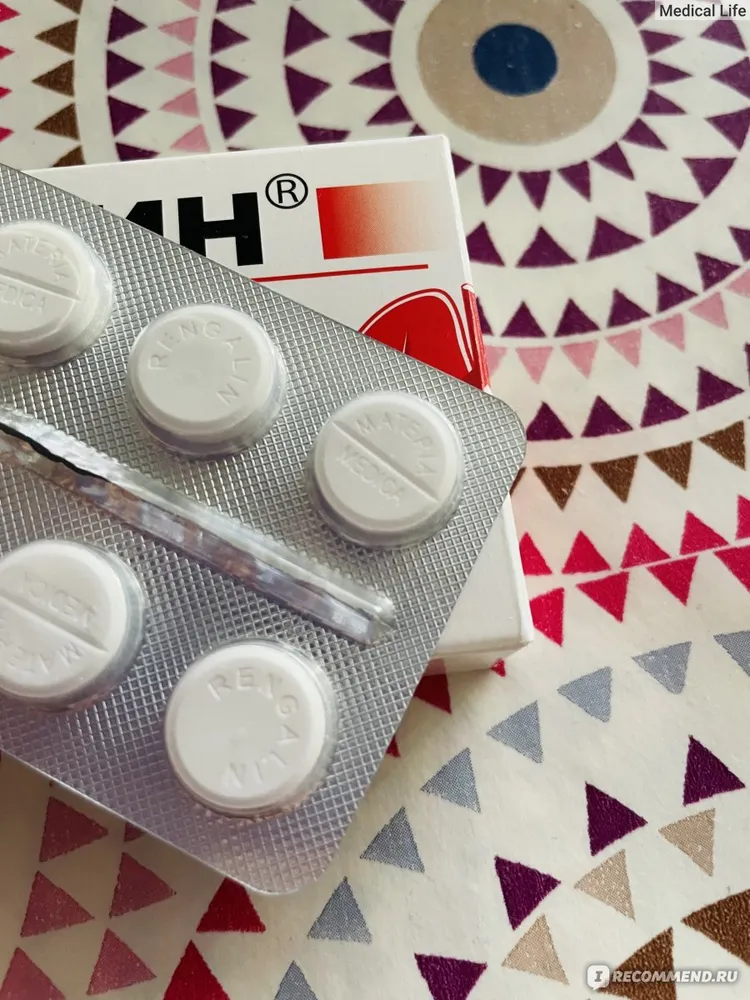
Table of Contents
INSTRUCTIONS FOR MEDICAL USE OF THE MEDICINAL PRODUCT REQUILA (RELIQUA)
Composition:
Active substance: loxoprofen sodium;
One tablet contains 60 mg of sodium loxoprofen, calculated as sodium loxoprofen monohydrate;
Excipients: lactose monohydrate; low-substituted hydroxypropyl cellulose; hydroxypropyl cellulose; sodium croscarmellose; magnesium stearate.
Pharmaceutical form. Tablets.
Main physicochemical properties: white or almost white, round-shaped tablets, with a score line on one side and smooth on the other.
Pharmacotherapeutic group
Non-steroidal anti-inflammatory and antirheumatic agents. Propionic acid derivatives.
ATC code M01A E.
Pharmacological Properties
Pharmacodynamics
Loxoprofen is a non-steroidal anti-inflammatory drug (NSAID), a derivative of propionic acid.
Loxoprofen exerts pronounced analgesic, anti-inflammatory, and antipyretic effects, with particularly strong analgesic activity.
The mechanism of action of the drug is based on inhibition of prostaglandin biosynthesis; the target of action being cyclooxygenase. After oral administration, the drug is absorbed from the gastrointestinal tract in unchanged form, causing minimal irritation of the gastric mucosa. It is then rapidly biotransformed into its active metabolite – the trans-OH form – which strongly inhibits prostaglandin biosynthesis. This inhibition underlies the pharmacological effects of the drug.
Analgesic Effect
In the Randall-Selitto pain sensitivity test, the oral median effective dose (ED50) of loxoprofen in rats was 0.13 mg/kg, corresponding to an analgesic effect 10–20 times greater than that of comparator drugs – ketoprofen, naproxen, and indomethacin. In the test evaluating thermal pain under inflammatory conditions, the oral median inhibitory dose (ID50) of loxoprofen in rats was 0.76 mg/kg, corresponding to an effect equivalent in strength to naproxen and 3 to >5 times stronger than ketoprofen and indomethacin. In the test evaluating chronic arthritic pain following oral administration of loxoprofen in rats, a pronounced analgesic effect was demonstrated (ED50: 0.53 mg/kg), which was 4–6 times greater than that of indomethacin, ketoprofen, and naproxen. The analgesic action of loxoprofen is peripheral.
Anti-inflammatory Effect
Orally administered loxoprofen demonstrated anti-inflammatory effects in rats, generally equivalent to those of ketoprofen and naproxen in the carrageenan-induced paw edema model (a model of acute inflammation) and the adjuvant arthritis model (a model of chronic inflammation).
Antipyretic Effect
Oral administration of loxoprofen in rats demonstrated antipyretic activity, generally equivalent to that of ketoprofen and naproxen, and approximately three times stronger than that of indomethacin in the yeast-induced elevation of body temperature.
Pharmacokinetics
Absorption
In studies involving 16 healthy adult volunteers, following a single oral 60 mg dose of loxoprofen, the drug was rapidly absorbed, and both loxoprofen (unchanged drug) and its trans-OH metabolite (active metabolite) were detected in the blood. The time to reach maximum plasma concentration was approximately 30 minutes for loxoprofen and approximately 50 minutes for the trans-OH metabolite, while the elimination half-life was approximately 1 hour and 15 minutes for both compounds.
Pharmacokinetic parameters of loxoprofen and its trans-OH metabolite after a single oral 60 mg dose are presented below.
| Analyte |
N |
Cmax (μg/mL) |
t max (h) |
t 1/2 (h) |
AUC (μg·h/mL) |
Absorption rate constant (h-1) |
Elimination rate constant (h-1) |
| Loxoprofen |
16 |
5.04 ± 0.27 |
0.45 ± 0.03 |
1.22 ± 0.07 |
6.70 ± 0.26 |
11.21 ± 1.82 |
λ1 = 4.04 ± 0.93 λ2 = 0.59 ± 0.04 |
| Trans-OH metabolite |
16 |
0.85 ± 0.02 |
0.79 ± 0.02 |
1.31 ± 0.05 |
2.02 ± 0.05 |
3.56 ± 0.21 |
λ1 = 4.99 ± 0.07 λ2 = 0.54 ± 0.02 |
In a study involving 5 healthy male volunteers, after multiple oral doses of 80 mg loxoprofen three times daily for 5 days, no significant differences were observed in plasma concentrations of the drug compared to those after a single dose, and no signs of drug accumulation were observed.
Distribution
The extent of plasma protein binding of loxoprofen was determined in healthy male volunteers 1 hour after a single oral dose of loxoprofen. The binding rates of loxoprofen and its trans-OH metabolite to plasma proteins were 97.0% and 92.8%, respectively.
After oral administration of 14C-loxoprofen sodium hydrate at a dose of 2 mg/kg in rats,
on day 14 after offspring delivery, the drug concentration in breast milk was 4.3 times higher at 4 hours and 3.9 times higher at 6 hours after drug administration compared to its concentration in maternal blood.
Biotransformation
In an in vitro inhibition of metabolism study using human liver microsomes, loxoprofen did not affect the metabolism of various drugs that are substrates of cytochrome P450 isoenzymes (CYP 1A1/2, 2A6, 2B6, 2C8/9, 2C19, 2D6, 2E1, and 3A4), even at a concentration approximately 10 times higher than the maximum plasma concentration (200 μmol/L) after a single oral 60 mg dose in healthy male volunteers.
Elimination
After a single oral 60 mg dose in 6 healthy male volunteers, the drug was rapidly excreted in urine, and the majority of the dose excreted in urine consisted of glucuronide conjugates of unchanged loxoprofen and its trans-OH metabolite.
Clinical Characteristics
Indications
The medicinal product Relikva is indicated for use as an anti-inflammatory and analgesic agent in the following diseases and symptoms:
- Rheumatoid arthritis,
- Osteoarthritis,
- Low back pain,
- Periarthritis of the shoulder,
- Cervicobrachial syndrome,
- Dental pain,
- Postoperative, post-traumatic and post-extraction analgesia and anti-inflammatory effect.
The medicinal product is indicated as an antipyretic and analgesic agent in acute upper respiratory tract inflammation (including acute upper respiratory tract inflammation associated with acute bronchitis).
Contraindications
- Hypersensitivity to loxoprofen or to any of the excipients of the medicinal product;
- Peptic ulcer of the stomach and duodenum;
- Severe hematological disorders;
- Severe hepatic impairment;
- Severe renal impairment;
- Severe heart failure;
- Patients with aspirin-induced bronchial asthma (asthma attack provoked by nonsteroidal anti-inflammatory drugs, etc.) or history of bronchial asthma (aspirin may provoke an asthma attack);
- Third trimester of pregnancy.
Interaction with other medicinal products and other forms of interaction
Caution should be exercised when using the medicinal product Relikva together with the medicinal products listed in the table below.
| Medicinal products |
Clinical symptoms / measures |
Mechanism of interaction / risk factors |
| Coumarin anticoagulants (e.g., warfarin) |
The anticoagulant effect of these medicinal products may be enhanced. Therefore, caution should be exercised and, if necessary, the dose of the medicinal product should be reduced |
The inhibitory effect of loxoprofen on prostaglandin biosynthesis may lead to inhibition of platelet aggregation and impairment of blood coagulation, thereby enhancing the anticoagulant effects of these medicinal products |
| Factor Xa inhibitors (edoxaban, etc.) |
May increase the risk of bleeding |
It is considered that loxoprofen enhances the antithrombotic effect |
| Oral hypoglycemic agents of the sulfonylurea group (chlorpropamide, etc.) |
The hypoglycemic effect of these medicinal products may be enhanced. Therefore, caution should be exercised and, if necessary, the dose of the medicinal product should be reduced |
The extent of binding of this medicinal product to blood proteins in the human body is considered to reach 97.0% for loxoprofen and 92.8% for its trans-OH metabolite, and when used in combination with medicinal products highly bound to proteins, the active fraction of the concomitant medicinal product in the blood increases, thereby enhancing its effect. |
| Quinolones / fluoroquinolones |
The convulsive effect of these medicinal products may be enhanced |
Quinolones / fluoroquinolones inhibit the binding of gamma-aminobutyric acid (GABA) – an inhibitory neurotransmitter in the central nervous system – to its corresponding receptors, thereby causing a convulsive effect. It is considered that the combined use of this medicinal product with quinolones / fluoroquinolones enhances the inhibitory effects |
| Methotrexate |
May increase methotrexate plasma concentration, thereby enhancing methotrexate activity. Therefore, if necessary, the dose of the medicinal product should be reduced |
The exact mechanism of this interaction is unknown, but it is considered that the inhibitory effect of this medicinal product on prostaglandin biosynthesis in the kidneys reduces renal excretion of these medicinal products and increases their plasma concentration |
| Lithium preparations (e.g., lithium carbonate) |
Plasma lithium concentration may increase, increasing the frequency of lithium intoxication. Therefore, plasma lithium concentration should be carefully monitored and, if necessary, the dose of the medicinal product should be reduced |
The exact mechanism of this interaction is unknown, but it is considered that the inhibitory effect of this medicinal product on prostaglandin biosynthesis in the kidneys reduces renal excretion of these medicinal products and increases their plasma concentration |
| Thiazide diuretics (e.g., hydroflumethiazide, hydrochlorothiazide, etc.) |
Diuretic and antihypertensive effects of these medicinal products may be reduced |
It is generally considered that the inhibitory effect of this medicinal product on prostaglandin biosynthesis in the kidneys leads to reduced excretion of water and sodium |
| Antihypertensive medicinal products (angiotensin-converting enzyme [ACE] inhibitors, angiotensin II receptor antagonists, etc.) |
Antihypertensive effect may be reduced |
The inhibitory effect of this medicinal product on prostaglandin biosynthesis may weaken the antihypertensive effect |
| Antihypertensive medicinal products (angiotensin-converting enzyme [ACE] inhibitors, angiotensin II receptor antagonists, etc.) |
May affect kidney function |
It is considered that the inhibitory effect of this medicinal product on prostaglandin biosynthesis reduces renal blood flow |
Special precautions for use
The drug should be used with caution in the following patient groups:
- Patients with a history of peptic ulcer of the stomach and duodenum, as disease recurrence is possible (see section "Contraindications");
- Patients with erosive-ulcerative lesions of the stomach and duodenum caused by long-term use of NSAIDs, who are being treated with misoprostol and require prolonged loxoprofen therapy;
- Patients with ulcerative colitis or Crohn's disease, as the course of the disease may worsen;
- Patients with hematological disorders (including history), except for patients with severe hematological disorders (see section "Contraindications"): this group of patients may more frequently develop adverse reactions such as hemolytic anemia;
- Patients with heart failure, except for patients with severe heart failure (see section "Contraindications"). Drug use may lead to edema and increased circulating fluid volume, thereby increasing the load on the heart and potentially worsening symptoms;
- Patients with bronchial asthma (excluding patients with aspirin-induced bronchial asthma or history thereof). Use of Relikva may worsen the patient's condition (see section "Contraindications");
- Patients with impaired renal function (including history), except for patients with severe renal impairment (see section "Contraindications"): possible adverse reactions include edema, proteinuria, elevated serum creatinine levels, and hyperkalemia;
- Patients with impaired liver function (including history), except for patients with severe hepatic impairment (see section "Contraindications"): liver dysfunction may worsen or recur;
- Patients with complications of infectious diseases: loxoprofen may mask symptoms of infection. The drug should be prescribed cautiously to such patients; if necessary, appropriate antimicrobial agents should be used and patients should be closely monitored. There is a risk of infection transitioning into a subclinical form;
- Elderly patients.
It is recommended to take the drug for the shortest possible duration and at the lowest effective dose required to relieve symptoms. If it is necessary to take the drug for more than 5 days, a physician should be consulted.
Concomitant use of Relikva and other NSAIDs or analgesics should be avoided.
With loxoprofen use, excessive reduction in body temperature, vascular collapse, and cold extremities may occur, particularly in elderly patients with high body temperature and in patients with severe comorbid conditions.
Since adverse reactions such as agranulocytosis, leukopenia, hemolytic anemia, aplastic anemia, and thrombocytopenia may occur during use of Relikva and other NSAIDs, peripheral blood parameters should be monitored in patients.
When using Relikva for treatment of acute conditions:
- The dosing regimen should be selected based on the degree of acute inflammation, pain, and elevated body temperature;
- Prolonged use of the same drug should be avoided;
- If etiological therapy for the underlying condition is available, it should be administered first, and loxoprofen should be used only when indicated.
When using Relikva for treatment of chronic conditions (rheumatoid arthritis, osteoarthritis):
- During long-term use, peripheral blood parameters and liver and kidney function should be monitored;
- Non-pharmacological treatment options should be considered.
Excipients
The drug contains lactose monohydrate. Patients with rare hereditary conditions such as galactose intolerance, Lapp lactase deficiency, or glucose-galactose malabsorption should not take this medication.
Use during pregnancy or breastfeeding
Pregnancy
The drug should be prescribed only when the therapeutic benefit outweighs the risks. When using Relikva, caution should be exercised, minimal doses required to achieve the desired effect should be used, and, if necessary, amniotic fluid volume should be monitored. Reports have indicated that use of cyclooxygenase inhibitors (oral formulations, suppositories) in pregnant women may lead to impaired fetal kidney function and reduced urine output, resulting in oligohydramnios.
Starting from the 20th week of pregnancy, use of Relikva may cause oligohydramnios due to fetal renal dysfunction. This may occur soon after initiation of treatment and is usually reversible upon discontinuation of therapy. Additionally, there have been reports of ductus arteriosus constriction after treatment during the second trimester, most of which resolved after stopping treatment. Therefore, the drug should not be prescribed during the first and second trimesters unless clearly necessary. If Relikva is used by a woman trying to conceive or during the first and second trimesters of pregnancy, the dose should be as low as possible and the duration of treatment as short as possible. Fetal monitoring for oligohydramnios and ductus arteriosus constriction should be considered after drug exposure lasting several days, starting from the 20th gestational week. Use of Relikva should be discontinued if oligohydramnios or ductus arteriosus constriction is detected.
During the third trimester of pregnancy, all prostaglandin synthesis inhibitors may pose risks:
Risks to the fetus:
- Cardiopulmonary toxicity (premature constriction/closure of the ductus arteriosus and pulmonary hypertension);
- Renal dysfunction (see above);
Risks to the mother at the end of pregnancy and to the newborn:
- Possible prolonged bleeding time, anti-aggregatory effect, which may occur even at very low doses;
- Suppression of uterine contractions, leading to delayed or prolonged labor.
Therefore, Relikva is contraindicated during the third trimester of pregnancy (see section "Contraindications").
Cases of reversible infertility in women receiving long-term NSAID therapy have been reported.
Lactation
Mothers who are breastfeeding should avoid taking Relikva. If use of this drug is considered necessary, breastfeeding should be discontinued.
Fertility
Data on the effect of loxoprofen on female fertility are lacking. Evidence suggests that long-term use of NSAIDs may cause reversible fertility issues in women.
Effect on ability to drive and operate machinery
The effect of Relikva on the ability to drive vehicles or operate machinery has not been studied. Patients who experience dizziness during treatment should refrain from driving or operating machinery.
Method of Administration and Dosage
Method of Administration
The medicinal product should be taken orally. The tablet should be swallowed whole, without chewing, with water. It is advisable to avoid taking the medicinal product on an empty stomach. The tablet is not intended to be divided along the break line (score).
Dosage Regimen
As an anti-inflammatory and analgesic agent in the following diseases and symptoms: rheumatoid arthritis, osteoarthritis, low back pain, shoulder periarthritis, cervicobrachial syndrome, dental pain, postoperative pain relief and anti-inflammatory effect, trauma and tooth extraction.
The recommended dose of the medicinal product Relica is 60 mg (1 tablet) three times daily. Dosage may be adjusted depending on age and symptoms present. For intermittent use, a dose of 120 mg (2 tablets) per administration may be prescribed.
The maximum daily dose of the medicinal product should not exceed 180 mg (3 tablets).
As an antipyretic and analgesic agent in acute upper respiratory tract inflammation (including acute upper respiratory tract inflammation accompanied by acute bronchitis).
The recommended dose of the medicinal product Relica is 60 mg (1 tablet) per administration.
Dosage may be adjusted depending on age and symptoms present. If necessary, the medicinal product may be administered twice daily; however, the maximum daily dose of the medicinal product should not exceed 180 mg (3 tablets).
Special Patient Populations
Elderly Patients
Since elderly patients have a higher probability of developing adverse reactions, the medicinal product should be used with caution in these patients, with careful monitoring of their condition.
It is recommended to initiate treatment with the lowest dose, with close observation of the patient's condition.
Duration of Treatment
It is recommended to take the medicinal product for as short a duration as possible and at the lowest effective dose required to control symptoms. If it is necessary to take the medicinal product for more than 5 days, a physician should be consulted.
The medicinal product Relica should only be used for the indications and at the doses specified in the instructions for medical use.
Children
The safety and efficacy of the medicinal product Relica in children under 18 years of age have not been established.
Overdose
There have been no reports of symptoms of loxoprofen overdose; however, in such cases, a more pronounced manifestation of the signs and symptoms described in the section "Adverse Reactions" may be expected.
Treatment
There is no specific antidote for loxoprofen. In the event of overdose, standard measures to reduce absorption (e.g., gastric lavage and administration of activated charcoal) and to accelerate elimination of the drug from the body should be implemented.
In the case of actual or suspected overdose, the patient's condition should be carefully monitored and adequate fluid intake maintained. Symptomatic and supportive therapy is recommended.
Adverse reactions
Overview of adverse reactions
Adverse reactions that may occur with the use of the medicinal product Reliqva are grouped by MedDRA system organ classes and listed with their frequency according to the World Health Organization (WHO) classification: very common (≥ 1/10), common (≥ 1/100, < 1/10), uncommon (≥ 1/1000, < 1/100), rare (≥ 1/10,000, < 1/1000), very rare (< 1/10,000), frequency not known (cannot be estimated from the available data). Adverse reactions within each system organ class are listed in order of decreasing severity, with the frequency of occurrence indicated within each frequency category.
Table summarizing adverse reactions
| System organ class |
Frequency |
Adverse reactions |
| Blood and lymphatic system disorders |
Uncommon |
Eosinophilia |
| Frequency not known |
Anemia, leukopenia, thrombocytopenia |
|
| Nervous system disorders |
Uncommon |
Somnolence |
| Uncommon |
Headache, dizziness, numbness |
|
| Cardiac disorders |
Uncommon |
Palpitations |
| Vascular disorders |
Uncommon |
Increased blood pressure |
| Gastrointestinal disorders |
Uncommon |
Abdominal pain, gastric discomfort, loss of appetite, nausea, diarrhea, constipation, heartburn, stomatitis, flatulence, dry mouth |
| Uncommon |
Vomiting |
|
| Frequency not known |
Peptic ulcers*, ulcers in the small and/or large intestine*, dyspepsia |
|
| Hepatobiliary and biliary tract disorders |
Uncommon |
Elevated AST levels, elevated ALT levels |
| Uncommon |
Elevated alkaline phosphatase levels |
|
| Skin and subcutaneous tissue disorders |
Uncommon |
Rash*, pruritus* |
| Frequency not known |
Increased body temperature*, urticaria* |
|
| Renal and urinary disorders |
Uncommon |
Proteinuria |
| Frequency not known |
Hematuria, dysuria, decreased urine output |
|
| General disorders and administration site conditions |
Uncommon |
Edema, facial flushing (feeling of warmth) |
| Frequency not known |
Chest pain, malaise, sweating |
* If these adverse reactions occur, the medicinal product should be discontinued immediately.
Overview of safety profile
Patients should be informed that if any of the following serious adverse reactions occur, they should stop taking the medicinal product immediately and consult their physician.
Patients should be informed that the following serious adverse reactions (frequency unknown) may occur during treatment with Relikva:
- anaphylactic shock with symptoms such as decreased blood pressure, urticaria, palpitations, laryngeal edema, dyspnea, etc.;
- agranulocytosis, hemolytic anemia, leukopenia, aplastic anemia, and thrombocytopenia;
- toxic epidermal necrolysis, Stevens-Johnson syndrome, erythema multiforme, acute generalized exanthematous pustulosis;
- acute renal dysfunction, nephrotic syndrome, and interstitial nephritis. Particular attention should be paid to hyperkalemia, which may occur during acute kidney injury;
- congestive heart failure;
- interstitial pneumonia with symptoms such as fever, cough, dyspnea, abnormalities on chest X-ray, and eosinophilia. If such signs or changes occur in a patient, the medicinal product should be discontinued immediately and appropriate therapy initiated – for example, corticosteroids should be prescribed;
- peptic ulcer, gastrointestinal bleeding. The development of serious peptic ulcers or gastrointestinal bleeding in the small and/or large intestine may be accompanied by symptoms such as hematemesis, melena, hematochezia, and associated shock. If such symptoms occur in a patient, the medicinal product should be discontinued immediately and appropriate therapy initiated;
- gastrointestinal perforation with symptoms such as epigastric pain or generalized abdominal pain. If such symptoms occur in a patient, the medicinal product should be discontinued immediately;
- stenosis or obstruction of the small and large intestine associated with ulcer formation in the small and large intestine, with symptoms such as nausea, vomiting, abdominal pain, and bloating. If such symptoms occur in a patient, the medicinal product should be discontinued immediately;
- hepatic dysfunction, including jaundice and elevated levels of aspartate aminotransferase (AST), alanine aminotransferase (ALT), and gamma-glutamyl transferase (γ-GT), and development of fulminant hepatitis;
- bronchial asthma attacks;
- aseptic meningitis with symptoms such as fever, headache, nausea, vomiting, neck stiffness, and confusion. Aseptic meningitis occurs particularly frequently in patients with systemic lupus erythematosus or mixed connective tissue disease;
- rhabdomyolysis manifested by symptoms such as myalgia, weakness, elevated creatine phosphokinase levels, elevated blood and urinary myoglobin, etc. In addition, particular caution should be exercised in the development of acute renal failure due to rhabdomyolysis.
Reporting of adverse reactions after medicinal product registration is of great importance. This enables ongoing monitoring of the benefit-risk balance of the medicinal product. Medical and pharmaceutical professionals, as well as patients or their legal representatives, should report all suspected adverse reactions and lack of efficacy via the Automated Pharmacovigilance Information System at the following link: https://aisf.dec.gov.ua.
Shelf life
3 years.
Storage conditions
Store in the original packaging at a temperature not exceeding 25 °C.
Keep out of reach of children.
Packaging
10 tablets per blister, 1 blister per cardboard box.
Prescription status
Prescription only.
Manufacturer
Dr. Reddy’s Laboratories Limited.
Manufacturer’s address and location of operations
Production unit: VІ c. Khol, Nalagarh Road, Baddi, Solan District, Himachal Pradesh, 173205, India.