Raft
Ukraine
Table of Contents
INSTRUCTIONS FOR MEDICAL USE OF THE MEDICINAL PRODUCT RAF® (RAFT)
Composition:
Active substance: dexamethasone sodium phosphate;
1 ml of solution contains dexamethasone sodium phosphate, calculated as dexamethasone phosphate — 4 mg;
Excipients: disodium edetate, sodium citrate, creatinine, 1 M solution of sodium hydroxide, water for injections.
Pharmaceutical form. Injection solution.
Main physicochemical characteristics: at release: transparent colorless liquid; during shelf life: transparent colorless or slightly yellowish liquid.
Pharmacotherapeutic group. Glucocorticosteroids. ATC code H02AB02.
Pharmacological Properties
Pharmacodynamics
Dexamethasone is a monofluorinated glucocorticoid with pronounced anti-allergic, anti-inflammatory, and membrane-stabilizing properties, which also affects carbohydrate, protein, and fat metabolism.
Dexamethasone has glucocorticoid activity that is almost 7.5 times greater than that of prednisolone and prednisone, and compared to hydrocortisone, the efficacy of dexamethasone is 30 times higher. Mineralocorticoid effects are absent. Glucocorticoids such as dexamethasone exert their biological effects by activating transcription of corticosteroid-sensitive genes. Anti-inflammatory, immunosuppressive, and antiproliferative effects are also mediated by reducing the formation, release, and activity of inflammatory mediators, as well as by inhibiting specific functions and migration of inflammatory cells. In addition, corticosteroids may inhibit the action of sensitized T-lymphocytes and macrophages on target cells.
When long-term corticosteroid therapy is required, transient adrenal insufficiency should be considered as a possible consequence. The risk of suppression of the "hypothalamus–pituitary–adrenal cortex" axis depends, among other factors, on individual patient characteristics.
Clinical Efficacy and Safety — COVID-19
Clinical Efficacy
The investigator-initiated, individually randomized, controlled, open-label, adaptive platform trial RECOVERY (Randomised Evaluation of Covid-19 Therapy)1 was conducted to evaluate outcomes of potential treatments in patients hospitalized with COVID-19.
The trial was conducted in 176 hospitals across the United Kingdom. A total of 6425 patients were randomized to receive dexamethasone (2104 patients) or usual care (4321 patients). 89% of patients had laboratory-confirmed SARS-CoV-2 infection.
At randomization, 16% of patients were receiving invasive mechanical ventilation or extracorporeal membrane oxygenation, 60% received oxygen only (with or without non-invasive ventilation), and 24% received neither.
The mean age of patients was 66.1 ± 15.7 years. 36% of patients were women. 24% had a history of diabetes, 27% of heart disease, and 21% of chronic lung disease.
Primary Outcome
Mortality at 28 days was significantly lower in the dexamethasone group than in the usual care group: 482 of 2104 patients (22.9%) died in the dexamethasone group versus 1110 of 4321 patients (25.7%) in the usual care group (rate ratio 0.83; 95% confidence interval [CI] 0.75–0.93; P < 0.001).
In the dexamethasone group, mortality rates were lower than in the usual care group among patients who received invasive mechanical ventilation (29.3% vs. 41.4%; rate ratio 0.64; 95% CI 0.51–0.81) and among those who received supplemental oxygen without invasive mechanical ventilation (23.3% vs. 26.2%; rate ratio 0.82; 95% CI 0.72–0.94).
There was no clear benefit of dexamethasone in patients who did not receive any respiratory support at randomization (17.8% vs. 14.0%; rate ratio 1.19; 95% CI 0.91–1.55).
Secondary Outcome
Hospitalization duration was shorter in the dexamethasone group than in the usual care group (median 12 days vs. 13 days), and the probability of hospital discharge within 28 days was higher (rate ratio 1.10; 95% CI 1.03–1.17).
Consistent with the primary outcome, the greatest effect in reducing hospitalization duration within 28 days was observed among patients who were receiving invasive mechanical ventilation at randomization (rate ratio 1.48; 95% CI 1.16–1.90). A smaller effect was seen in patients receiving oxygen only (rate ratio 1.15; 95% CI 1.06–1.24). No beneficial effect was observed in patients not receiving oxygen (rate ratio 0.96; 95% CI 0.85–1.08).
| Result |
Dexamethasone |
Usual care |
Rate ratio* |
| (N = 2104) |
(N = 4321) |
(95 % CI) |
|
| Number/total number of patients (%) |
|||
| Primary endpoint |
482/2104 (22.9) |
1110/4321 (25.7) |
0.83 (0.75–0.93) |
| 28-day mortality |
|||
| Secondary endpoint |
|||
| Discharged from hospital within 28 days |
1413/2104 (67.2) |
2745/4321 (63.5) |
1.10 (1.03–1.17) |
| Invasive mechanical ventilation or death†: |
456/1780 (25.6) |
994/3638 (27.3) |
0.92 (0.84–1.01) |
|
102/1780 (5.7) |
285/3638 (7.8) |
0.77 (0.62–0.95) |
|
387/1780 (21.7) |
827/3638 (22.7) |
0.93 (0.84–1.03) |
* The ratio of outcomes was adjusted for age, based on 28-day mortality and hospital discharge results. The risk ratios were adjusted for age regarding the outcome of receiving invasive mechanical ventilation or death and its components;
† Patients who received invasive mechanical ventilation at randomization were excluded from this category.
Safety
During the study, four serious adverse events related to the investigational treatment were recorded: two cases of hyperglycemia, one case of steroid-induced psychosis, and one case of upper gastrointestinal bleeding. All cases were resolved.
Subgroup analysis
Effects of dexamethasone on 28-day mortality according to age and respiratory support method at randomization2
| Dexamethasone |
Usual care |
RR [relative risk] (95% CI) |
||||||||
| No oxygen (x |
2 |
= 0.70; p = 0.40) |
||||||||
| 1 |
||||||||||
| < 70 |
10/197 (5.1%) |
18/462 (3.9%) |
|
1.31 (0.60–2.83) |
||||||
| ≥ 70 < 80 |
25/114 (21.9%) |
35/224 (15.6%) |
1.46 (0.88–2.45) |
|||||||
| ≥ 80 |
54/190 (28.4%) |
92/348 (26.4%) |
1.06 (0.76–1.49) |
|||||||
| Intermediate total |
89/501 (17.8%) |
145/1034 (14.0%) |
1.19 (0.91–1.55) |
|||||||
| Oxygen only (x |
2 |
= 2.54; p = 0.11) |
||||||||
| 1 |
||||||||||
| < 70 |
53/675 (7.9%) |
193/1473 (13.1%) |
0.58 (0.43–0.78) |
|||||||
| ≥ 70 < 80 |
104/306 (34.0%) |
178/531 (33.5%) |
0.98 (0.77–1.25) |
|||||||
| ≥ 80 |
141/298 (47.3%) |
311/600 (51.8%) |
0.85 (0.70–1.04) |
|||||||
| Intermediate total |
298/1279 (23.3%) |
682/2604 (26.2%) |
0.82 (0.72–0.94) |
|||||||
| Mechanical ventilation (x |
2 |
= 0.28; p = 0.60) |
||||||||
| 1 |
||||||||||
| < 70 |
66/269 (24.5%) |
217/569 (38.1%) |
0.61 (0.46–0.81) |
|||||||
| ≥ 70 < 80 |
26/49 (53.1%) |
58/104 (55.8%) |
0.85 (0.53–1.34) |
|||||||
| ≥ 80 |
3/6 (50.0%) |
8/10 (80.0%) |
0.39 (0.10–1.47) |
|||||||
| Intermediate total |
95/324 (29.3%) |
283/683 (41.4%) |
0.64 (0.51–0.81) |
|||||||
| All participants |
482/2104 (22.9%) |
1110/4321 (25.7%) |
0.83 (0.75–0.93) p < 0.001 |
|||||||
| Dexamethasone better |
Usual care better |
|||||||||
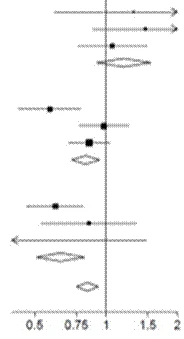
Effects of dexamethasone on 28-day mortality, according to the type of respiratory support at randomization, and in the presence of any chronic comorbidity3
| Dexamethasone |
Usual care |
RR (95 % CI) |
|||||||||
| Without oxygen (x |
2 |
= 0.08; p=0.78) |
|
||||||||
| 1 |
|||||||||||
| Prior illness |
65/313 (20.8 %) |
100/598 (16.7 %) |
1.22 (0.89–1.66) |
||||||||
| Without prior illness |
24/188 (12.8 %) |
45/436 (10.3 %) |
1.12 (0.68–1.83) |
||||||||
| Intermediate total |
89/501 (17.8 %) |
145/1034 (14.0 %) |
1.19 (0.91–1.55) |
||||||||
| Oxygen only (x |
2 |
= 2.05; p=0.15) |
|||||||||
| 1 |
|||||||||||
| Prior illness |
221/702 (31.5 %) |
481/1473 (32.7 %) |
0.88 (0.75–1.03) |
||||||||
| Without prior illness |
77/577 (13.3 %) |
201/1131 (17.8 %) |
0.70 (0.54–0.91) |
||||||||
| Intermediate total |
298/1279 (23.3 %) |
682/2604 (26.2 %) |
0.82 (0.72–0.94) |
||||||||
| Mechanical ventilation (x |
2 |
= 1.52; p=0.22) |
|||||||||
| 1 |
|||||||||||
| Prior illness |
51/159 (32.1 %) |
150/346 (43.4 %) |
0.75 (0.54–1.02) |
||||||||
| Without prior illness |
44/165 (26.7 %) |
133/337 (39.5 %) |
0.56 (0.40–0.78) |
||||||||
| Intermediate total |
95/324 (29.3 %) |
283/683 (41.4 %) |
0.64 (0.51–0.81) |
||||||||
| All participants |
482/2104 (22.9 %) |
1110/4321 (25.7 %) |
0.83 (0.75–0.93) p < 0.001 |
||||||||
| Dexamethasone better |
Usual care better |
||||||||||
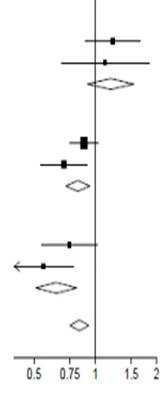
1 www.recoverytrial.net
2, 3 (Source: Horby P. et al., 2020; https://www.medrxiv.org/content/10.1101/2020.06.22.20137273v1;
doi: https://doi.org/10.1101/2020.06.22.20137273.
Pharmacokinetics
Dexamethasone binds to plasma albumin in a dose-dependent manner. At very high doses, the majority remains freely circulating in the blood. In hypoalbuminemia, the fraction of unbound (active) corticosteroid increases. Four hours after intravenous administration of radiolabeled dexamethasone in humans, peak levels of dexamethasone in cerebrospinal fluid were observed, amounting to approximately 1/6 of the simultaneous plasma concentration.
Dexamethasone, which has a biological half-life exceeding 36 hours, belongs to the group of glucocorticoids with very prolonged duration of action. Due to its long duration of action, daily continuous administration of dexamethasone may lead to accumulation and overdose.
The elimination half-life (serum half-life) of dexamethasone averages approximately 250 minutes (+ 80 minutes) in adult patients. Dexamethasone is primarily excreted by the kidneys in the form of free alcohol metabolites. Partial metabolism occurs, and metabolites are predominantly excreted by the kidneys as glucuronides or sulfates. Impaired renal function does not significantly affect dexamethasone elimination. Severe liver disease prolongs the elimination half-life.
Clinical characteristics.
Indications.
Systemic use
- Cerebral edema associated with brain tumors, neurosurgical interventions, brain abscess, bacterial meningitis.
- Polytrauma shock / prevention of post-traumatic shock lung.
- Severe acute asthma attack.
- Parenteral initial treatment of acute severe generalized skin diseases such as erythroderma, pemphigus vulgaris, acute eczema.
- Parenteral initial treatment of autoimmune diseases such as systemic lupus erythematosus (especially visceral forms).
- Active rheumatoid arthritis with severe progressive course, e.g. forms associated with rapid joint destruction and/or extra-articular manifestations.
- Severe infectious diseases with toxic conditions (e.g. tuberculosis, typhoid fever, brucellosis), only when combined with anti-infective therapy.
- Palliative therapy of malignant tumors.
- Prevention and treatment of postoperative or cytostatic-induced vomiting as part of antiemetic regimens.
- Treatment of coronavirus disease COVID-19 in adults and adolescent patients (aged 12 years and older with body weight at least 40 kg) who require supplemental oxygen therapy.
Local use
- Intra-articular injections: persistent inflammation in one or more joints following systemic treatment of chronic joint inflammatory diseases, synovitis in osteoarthritis, acute forms of periarthritis of the shoulder and scapula.
- Infiltration therapy (strictly indicated): non-bacterial tenosynovitis and bursitis, periarticular disorders, insertion tendinopathies.
- Ophthalmology: subconjunctival administration in non-infectious keratoconjunctivitis, scleritis (except necrotizing scleritis), anterior and intermediate uveitis.
Contraindications.
Hypersensitivity to the active substance or to any of the excipients.
Intra-articular injection is contraindicated in:
- infection in or near the joint to be treated;
- bacterial arthritis;
- instability of the joint to be treated;
- tendency to bleeding (spontaneous or related to anticoagulant therapy);
- periarthritis calcification;
- avascular bone necrosis;
- ligament rupture;
- Charcot joint.
Infiltration is prohibited without appropriate additional therapy in case of infections at the site of application. Subconjunctival administration is contraindicated in viral, bacterial or fungal eye diseases, and in corneal injuries or ulcerative processes.
Interaction with other medicinal products and other forms of interaction.
Estrogens (e.g. ovulation inhibitors): may prolong the elimination half-life of glucocorticoids, thereby potentially enhancing their effect.
Medicinal products that are CYP3A4 inducers, such as rifampicin, phenytoin, carbamazepine, barbiturates and primidone: may reduce the effect of corticosteroids.
CYP3A4 inhibitors (including ketoconazole, itraconazole, ritonavir and cobicistat) may reduce dexamethasone clearance, leading to enhanced effect with a risk of adrenal suppression / Cushing's syndrome. Such combinations should be avoided unless the potential benefit outweighs the increased risk of systemic corticosteroid side effects. In such cases, monitoring of patients for systemic corticosteroid effects is required.
Ephedrine: may accelerate the metabolism of glucocorticoids and reduce their efficacy.
Angiotensin-converting enzyme (ACE) inhibitors: increased risk of blood composition changes.
Cardiac glycosides: their effect may be enhanced due to potassium deficiency.
Diuretics / laxatives: possible increased potassium excretion.
Antidiabetic agents: hypoglycemic efficacy may be reduced.
Coumarin derivatives: possible reduction or enhancement of anticoagulant effect. Dose adjustment of anticoagulants may be necessary when used concomitantly.
Non-steroidal anti-inflammatory drugs (NSAIDs) / antirheumatic agents, salicylates and indomethacin: increased risk of gastrointestinal ulcers and bleeding.
Non-depolarizing muscle relaxants: prolonged muscle relaxation may occur.
Atropine, other anticholinergic agents: possible additional increase in intraocular pressure when used concomitantly.
Praziquantel: corticosteroid use may reduce plasma concentrations of praziquantel.
Chloroquine, hydroxychloroquine, mefloquine: increased risk of myopathy and cardiomyopathy.
Protirelin: the effect of protirelin on increasing thyroid-stimulating hormone levels may be reduced.
Immunosuppressants: increased susceptibility to infections and possible worsening or manifestation of latent infections. Additionally, for cyclosporine: increased blood levels of cyclosporine and increased risk of cerebral seizures.
Fluoroquinolones: increased risk of tendon-related disorders.
Effect on diagnostic tests: possible suppression of skin reactions during allergy testing.
Special precautions for use.
In isolated cases, administration of dexamethasone sodium phosphate has been associated with severe anaphylactic reactions, including circulatory disturbances, cardiac arrest, arrhythmia, bronchospasm, and/or a decrease or increase in blood pressure.
Treatment with dexamethasone sodium phosphate, due to immunosuppression, increases the risk of bacterial, viral, parasitic, fungal, and opportunistic infections. The clinical presentation of existing or newly developed infections may be masked, complicating diagnosis. Reactivation of latent infections such as tuberculosis or hepatitis B is possible.
In the event of a particularly stressful situation (e.g., accident, surgery, childbirth, etc.) during therapy with Raft®, a temporary increase in dosage may be required.
Systemic corticosteroids should not be discontinued in patients who are already receiving systemic (oral) corticosteroids for other reasons (e.g., patients with chronic obstructive pulmonary disease), but who do not require additional oxygen.
Treatment with Raft® should only be initiated under strict adherence to indications and, if necessary, accompanied by additional targeted anti-infective therapy in the following cases:
- Acute viral infections (hepatitis B, herpes zoster, Herpes simplex, varicella, herpetic keratitis);
- HBsAg-positive chronic active hepatitis;
- Approximately 8 weeks before and 2 weeks after prophylactic vaccination with live vaccines;
- Systemic mycoses and parasitic diseases (e.g., nematode infections);
- Suspected or confirmed strongyloidiasis (infection caused by intestinal threadworm) — glucocorticoids may lead to activation and massive proliferation of parasites;
- Poliomyelitis;
- Lymphadenitis after BCG vaccination;
- Acute and chronic bacterial infections;
- History of tuberculosis — use only under protection with antituberculosis agents.
Additionally, treatment with Raft® should be strictly indicated and, if necessary, accompanied by specific therapy in the presence of:
- Gastrointestinal ulcer disease;
- Osteoporosis;
- Severe heart failure;
- Poorly controlled hypertension;
- Poorly controlled diabetes mellitus;
- Psychiatric disorders (including history), including suicidal ideation: neurologic or psychiatric monitoring is recommended;
- Narrow-angle and open-angle glaucoma: ophthalmologic monitoring and concomitant therapy are recommended;
- Corneal trophic changes and corneal injuries: ophthalmologic monitoring and supportive therapy are recommended.
Pheochromocytoma crisis
Cases have been reported of pheochromocytoma crisis — a rare, life-threatening condition — occurring in patients with known, suspected, or undiagnosed pheochromocytoma after administration of systemic corticosteroids such as dexamethasone. Corticosteroids should be used in patients with suspected or diagnosed pheochromocytoma only after careful assessment of risks and benefits.
Visual disturbances
Visual disturbances may occur with systemic and topical use of corticosteroids. If a patient experiences symptoms such as blurred vision or other visual disturbances, consultation with an ophthalmologist should be considered to evaluate possible causes. Possible causes include cataract, glaucoma, or rare conditions such as central serous chorioretinopathy, which has been reported after systemic or topical corticosteroid use.
Due to the risk of gastrointestinal perforation, Raft® should be used only when clearly indicated and under appropriate monitoring in the following conditions:
- Severe ulcerative colitis with risk of perforation, possibly even without signs of peritoneal irritation;
- Diverticulitis;
- Enteric anastomosis (immediately postoperative).
In patients receiving high doses of glucocorticoids, signs of peritoneal irritation may be absent following gastrointestinal perforation.
During treatment with Raft®, diabetic patients may require increased insulin or oral antidiabetic agents.
Regular monitoring of blood pressure is required during Raft® therapy, especially with high-dose regimens and in patients with poorly controlled hypertension.
Patients with severe heart failure require careful monitoring, as their condition may worsen.
Bradycardia may occur during high-dose dexamethasone administration.
Severe anaphylactic reactions may occur.
Concomitant use of fluoroquinolones and glucocorticoids increases the risk of tendon disorders — tendinitis and tendon rupture.
Myasthenia gravis may worsen at the beginning of Raft® therapy.
Vaccination with inactivated vaccines is possible. However, when high-dose corticosteroids are used, reduced immune response and impact on vaccine efficacy should be considered.
With high doses, serum potassium levels should be monitored, and adequate potassium intake and sodium restriction should be ensured.
Abrupt discontinuation of therapy lasting more than 10 days may lead to exacerbation or relapse of the underlying disease, as well as acute adrenal insufficiency / corticosteroid withdrawal syndrome; therefore, the dose should be tapered gradually when therapy is to be discontinued.
Patients receiving glucocorticoids may experience more severe courses of certain viral diseases (e.g., varicella, measles). Particular risk exists for immunocompromised patients who have not previously been infected with varicella or measles. If such patients are exposed to measles or varicella during Raft® therapy, prophylactic treatment should be considered as needed.
In post-marketing surveillance of patients with malignant hematological disorders, tumor lysis syndrome has been observed after administration of dexamethasone or dexamethasone in combination with other chemotherapeutic agents. Patients at high risk of tumor lysis syndrome (e.g., those with high proliferation rates, high tumor burden, or high sensitivity to cytostatics) require careful monitoring and preventive measures.
Intravenous injections should be administered slowly (over more than 2–3 minutes), as rapid administration (less than 3 minutes) may cause harmless adverse effects such as "crawling" sensations or paresthesia.
Raft® is intended for short-term use. Prolonged use without appropriate indications requires consideration of all warnings and precautions recommended for long-term use of glucocorticoid-containing medicinal products.
With local administration, potential systemic adverse effects and interactions should be considered.
Intra-articular administration of glucocorticoids increases the risk of joint infections.
Long-term and repeated use of glucocorticoids in weight-bearing joints may lead to deterioration of degenerative joint changes. This may be due to joint overuse following pain or symptom relief.
Local ophthalmic use
After intensive or prolonged treatment, systemic absorption of ophthalmic dexamethasone may lead to Cushing's syndrome and/or adrenal suppression in patients with predisposition, including children and patients receiving CYP3A4 inhibitors (e.g., ritonavir, cobicistat). In such cases, treatment should be tapered gradually.
Elderly patients
As elderly patients have an increased risk of osteoporosis, the benefit-risk ratio of Raft® therapy should be carefully evaluated.
Use of Raft® may result in positive doping test results.
Raft® contains less than 1 mmol (23 mg) of sodium per dose, i.e., it is nearly sodium-free.
Hypertrophic cardiomyopathy
Hypertrophic cardiomyopathy has been reported after systemic corticosteroid use, including dexamethasone, in preterm infants. In most reported cases, this condition was reversible after discontinuation of treatment. Preterm infants receiving systemic dexamethasone should undergo diagnostic evaluation and monitoring of cardiac function and structure (see section "Adverse reactions").
Use during pregnancy or breastfeeding
Pregnancy
Dexamethasone crosses the placenta.
During pregnancy, especially in the first 3 months, use should only occur after careful benefit-risk assessment.
Prolonged glucocorticoid therapy during pregnancy may lead to fetal developmental abnormalities.
Animal studies have shown that corticosteroids can cause fetal developmental malformations, including cleft palate, intrauterine growth retardation, and effects on brain growth and development. Data indicating that corticosteroids increase the incidence of congenital anomalies in humans, such as cleft palate/cleft lip, are lacking.
Studies have shown an increased risk of neonatal hypoglycemia after prenatal short-term corticosteroid use, including dexamethasone, in women at risk of late preterm delivery.
Administration of glucocorticoids late in pregnancy may cause cortical atrophy of the fetal adrenal glands, potentially necessitating replacement therapy in the newborn.
Breastfeeding period
Dexamethasone passes into breast milk. Harm to the infant has not been established. However, use during breastfeeding should be carefully justified. If high doses are required for maternal treatment, breastfeeding should be discontinued.
Effect on ability to drive and use machines
There is currently no evidence that use of Raft® impairs the ability to drive or operate machinery.
Method of Administration and Dosage
Dosing
The dose depends on the type and severity of the disease, as well as on the individual patient's response to therapy. Generally, relatively high initial doses are used, which should be significantly higher in acute, severe conditions than in chronic diseases.
If not otherwise recommended, the following regimen should be followed:
Systemic Administration
- Cerebral edema: Depending on the cause and severity, initial dose is 8–10 mg (up to 80 mg) intravenously (i.v.), followed by 16–24 mg (up to 48 mg) daily in 3–4 (6) divided doses i.v. for 4–8 days. In cases of radiation therapy or conservative treatment of inoperable brain tumors, prolonged administration of lower doses of dexamethasone may be required.
- Cerebral edema due to bacterial meningitis: 0.15 mg/kg body weight every 6 hours for 4 days; in children — 0.4 mg/kg body weight every 12 hours for 2 days; treatment should begin prior to the first dose of antibiotics.
- Post-traumatic shock / prevention of post-traumatic shock lung: Initial dose 40–100 mg (40 mg in children) i.v., repeated dose after 12 hours or 16–40 mg every 6 hours for 2–3 days.
- Anaphylactic shock: Initially i.v. administration of epinephrine (adrenaline), followed by 40–100 mg (40 mg in children) of dexamethasone i.v., repeat if necessary.
- Severe acute asthma attack: Adults: Immediate i.v. injection of 8–20 mg; repeated injections of 8 mg every 4 hours if needed. Children: 0.15–0.3 mg/kg body weight i.v. or orally in appropriate formulation, or 1.2 mg/kg body weight as a bolus, followed by 0.3 mg/kg body weight every 4–6 hours. Aminophylline and secretolytic agents may be additionally used.
- Acute skin disorders: Daily doses range from 8–40 mg i.v., up to 100 mg in individual cases, depending on type and severity. Subsequent treatment should proceed via transition to oral formulations with gradual dose reduction.
- Active phases of systemic rheumatic diseases: Systemic lupus erythematosus — 6–16 mg/day.
- Active rheumatoid arthritis with severe progressive course: Forms associated with rapid destruction — 12–16 mg/day; with extra-articular manifestations — 6–12 mg/day.
- Severe infectious diseases and toxic states (e.g., tuberculosis, typhoid fever; only with concomitant appropriate anti-infective therapy): 4–20 mg/day i.v., in individual cases (e.g., typhoid fever) initial dose may reach up to 200 mg.
- Palliative therapy of malignant tumors: Initially 8–16 mg/day; during prolonged therapy — 4–12 mg/day.
- Prevention and treatment of cytostatic therapy-induced nausea and vomiting as part of antiemetic regimens: 10–20 mg i.v. or orally in appropriate formulation before initiation of chemotherapy, followed by 4–8 mg 2–3 times daily for 1–3 days (moderately emetogenic chemotherapy) or up to 6 days (highly emetogenic chemotherapy) if needed.
- Prevention and treatment of postoperative nausea and vomiting: Single dose of 8–20 mg i.v. before surgery; in children aged 2 years and older — 0.15–0.5 mg/kg body weight (maximum 16 mg).
- Treatment of coronavirus disease COVID-19: For adults and children (adolescents aged 12 years and older with body weight ≥40 kg) — 6 mg dexamethasone i.v. once daily for up to 10 days.
- Dose adjustment is not required in elderly patients or in patients with renal or hepatic impairment.
Local Administration
Local infiltrative and injective therapy is generally performed using 4–8 mg; for injections into small joints and subconjunctival administration, 2 mg of dexamethasone phosphate is sufficient.
Method of Administration
Intravenous injections or infusions should be administered slowly (over 2–3 minutes). If intravenous administration is not possible and hemodynamics are stable, intramuscular injections may be used. Additionally, the medicinal product Raft® may be administered via infiltration, intra-articular, or subconjunctival routes. Duration of treatment is determined according to clinical indications.
In hypothyroidism or liver cirrhosis, relatively low doses may be sufficient, or dose reduction may be required.
Intra-articular injections are considered open procedures and must be performed under strictly aseptic conditions. Usually, a single intra-articular injection is sufficient to relieve symptoms. If repeated injection is necessary, it should not be performed earlier than 3–4 weeks after the previous one. The number of injections per joint is limited and should not exceed 3–4. After repeated injection, medical monitoring of joint status is required.
Infiltration: Infiltration should be performed at the site of most intense pain or at tendon insertion points. Intra-tendinous injections are strictly contraindicated! Injections should not be administered too close to each other. Aseptic technique must be strictly observed.
Solution Suitability
Only clear solutions should be used. The contents of the ampoule are intended for single use only. Any unused portion of the injection solution must be discarded.
The medicinal product is compatible with the following infusion solutions (250 and 500 ml, respectively) and should be used within 24 hours:
- isotonic saline solution;
- Ringer’s solution;
- 5% glucose solution.
When combining with other infusion solutions, refer to information provided by the respective manufacturers, and consider compatibility, contraindications, adverse effects, and interactions.
Children
There is evidence of long-term negative effects on neuronal development when therapy is initiated early (within 96 hours after birth) with initial doses of 0.25 mg/kg twice daily in preterm infants with chronic lung disease.
When considering therapy with Raft® in children during growth phases, the benefit-risk ratio must be carefully evaluated.
Overdose
Acute intoxication with dexamethasone is unknown. In chronic overdose, adverse reactions are intensified, particularly those affecting the endocrine system, metabolism, and electrolyte balance.
Side effects.
With short-term therapy with dexamethasone, the risk of developing adverse reactions is low. The exception is parenteral therapy with high doses, during which attention should be paid to electrolyte imbalance, edema formation, possible increase in blood pressure, heart failure, cardiac arrhythmias, or seizures. In addition, clinical manifestation of infections is possible, including during short-term use.
Gastric and intestinal ulcers (often stress-induced) due to corticoid therapy may proceed with mild symptoms; decreased glucose tolerance is also possible.
The following adverse reactions may occur during use of the medicinal product. They largely depend on the dose and duration of therapy, therefore the frequency of occurrence of such adverse reactions cannot be specified.
Infections and parasitic diseases: masking of infections, manifestation, exacerbation or reactivation of viral infections, fungal infections, bacterial, parasitic and infections caused by opportunistic microorganisms, activation of strongyloidiasis.
Blood and lymphatic system disorders: moderate leukocytosis, lymphopenia, eosinopenia, polycythemia.
Cardiovascular system disorders: hypertrophic cardiomyopathy in premature infants (see section "Special precautions").
Immune system disorders: hypersensitivity reactions (e.g., drug rash), serious anaphylactic reactions such as arrhythmia, bronchospasm, hypotension or hypertension, vascular collapse, cardiac arrest, suppression of immune defense.
Endocrine disorders: Cushing's syndrome (typical symptoms: moon face, truncal obesity and plethora), adrenal suppression.
Metabolism and nutrition disorders: sodium retention with edema formation, increased potassium excretion (caution: arrhythmia), weight gain, decreased glucose tolerance, diabetes mellitus, hypercholesterolemia and hypertriglyceridemia, increased appetite.
Psychiatric disorders: depression, irritability, euphoria, mood changes, psychosis, mania, hallucinations, affective lability, fear, sleep disturbances, suicidal tendencies.
Nervous system disorders: pseudotumor cerebri, manifestation of latent epilepsy, increased seizure susceptibility in manifest epilepsy.
Eye disorders: cataract, particularly with posterior subcapsular opacity, glaucoma, worsening of symptoms in corneal ulcer, susceptibility to viral, fungal and bacterial eye infections, exacerbation of bacterial corneal inflammation, ptosis of the upper eyelid, pupil dilation, chemosis, iatrogenic scleral perforation, choroidoretinopathy. In isolated cases — reversible exophthalmos; with subconjunctival administration — herpetic keratitis, corneal perforation in existing keratitis, blurred vision.
Vascular disorders: hypertension, increased risk of atherosclerosis and thrombosis, vasculitis (also as withdrawal syndrome after prolonged therapy), increased capillary fragility.
Gastrointestinal disorders: gastric and intestinal ulcers, gastrointestinal hemorrhage, pancreatitis, stomach pain.
Skin and subcutaneous tissue disorders: striae, atrophy, telangiectasia, petechiae, ecchymoses, hypertrichosis, steroid acne, rosacea-like (perioral) dermatitis, skin pigmentation changes.
Musculoskeletal and connective tissue disorders: myopathy, muscle atrophy and muscle weakness, osteoporosis (dose-dependent, possible even with short-term use), avascular necrosis of bones, tendon disorders, tendinitis, ligament rupture, epidural lipomatosis, growth retardation in children.
Reproductive system and breast disorders: disturbances in sex hormone secretion (resulting in such phenomena as irregular menstruation up to amenorrhea, hirsutism, impotence).
General disorders and administration site conditions: delayed wound healing.
Local application: local irritation and incompatibility symptoms (sensation of warmth, prolonged pain), especially when used for eyes. If caution is not observed during corticosteroid injection into the joint cavity, skin atrophy and subcutaneous tissue atrophy at the injection site cannot be excluded.
Reporting suspected adverse reactions.
Reporting of adverse reactions after medicinal product registration is important. It enables ongoing monitoring of the benefit-risk balance of the medicinal product. Healthcare professionals, pharmacists, patients, or their legal representatives should report all suspected adverse reactions and lack of efficacy through the automated pharmacovigilance information system at the following link: https://aisf.dec.gov.ua.
Shelf life.
2 years. Do not use the medicinal product after the expiry date stated on the packaging.
Storage conditions.
Store in the original packaging at a temperature not exceeding 25 °C. Keep out of reach of children.
Incompatibility. The medicinal product must not be mixed with other medicinal products.
Packaging.
1 ml or 2 ml in amber glass ampoules, packs of 5 or 10 ampoules, or 5 ampoules in blisters, 1 or 2 blisters per pack.
Prescription status.
Prescription only.
Manufacturer.
JSC "Farmak".
Manufacturer's address and location of business activity.
74, Kyrylivska Street, Kyiv, 04080, Ukraine.