Pentalgin ic®
Ukraine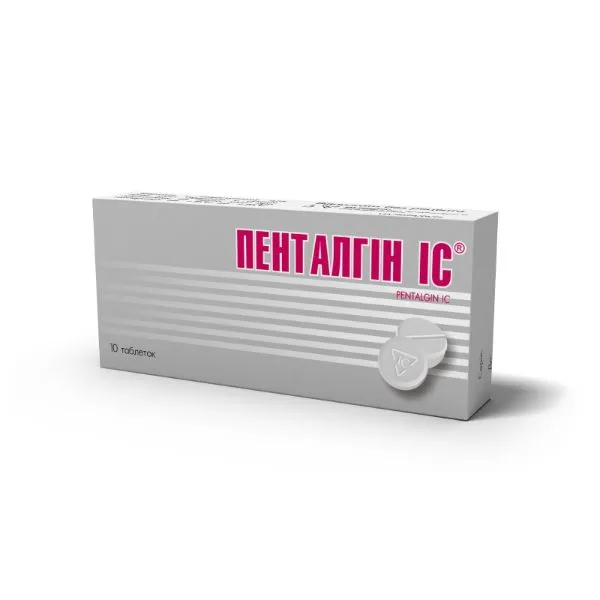
Table of Contents
INSTRUCTION FOR MEDICAL USE OF THE MEDICINAL PRODUCT PENTALGIN IS®
Composition:
Active substances: metamizole sodium monohydrate, paracetamol, sodium caffeine benzoate, phenobarbital, codeine phosphate hemihydrate;
One tablet contains: metamizole sodium monohydrate 300 mg, paracetamol 200 mg, sodium caffeine benzoate 50 mg (equivalent to 20 mg of caffeine), phenobarbital 10 mg, codeine phosphate hemihydrate 9.5 mg (equivalent to 7 mg of codeine base);
Excipients: potato starch, gelatin, calcium stearate.
Pharmaceutical form. Tablets.
Main physicochemical properties: tablets of white or white with a yellowish tint color, flat cylindrical shape, with a bevel. The trade mark of the manufacturer is imprinted on one surface of the tablet, and a line on the other surface.
Pharmacotherapeutic group.
Analgesics. Other analgesics and antipyretics. Pyrazolones. Metamizole sodium, combinations with psychotropic agents.
ATC Code N02B B72.
Pharmacological properties.
Pharmacodynamics.
A combined medicinal product that exerts analgesic, antipyretic, and anti-inflammatory effects.
Metamizole sodium is a pyrazolone derivative and belongs to non-steroidal anti-inflammatory agents. It has analgesic and antipyretic properties and exerts a spasmolytic effect on the smooth musculature of the biliary and urinary tracts and on uterine musculature.
Paracetamol is a non-narcotic analgesic that inhibits cyclooxygenase (COX) predominantly in the central nervous system (CNS). It affects pain and thermoregulation centers, producing analgesic and antipyretic effects.
Caffeine stimulates the psychomotor centers of the brain, exerts analeptic action, facilitates penetration of analgesics through the blood-brain barrier, prevents collapse by stimulating the vasomotor center, and counteracts the sedative effects of other components of the medicinal product.
Phenobarbital in the composition of the medicinal product exerts sedative, spasmolytic, and myorelaxant effects and potentiates the activity of analgesic components.
Codeine is a narcotic analgesic agent whose effects are similar to those of morphine, but with significantly weaker analgesic action and a milder sedative effect. Codeine is a weak centrally-acting analgesic. Codeine exerts its effect by interacting with μ-opioid receptors, although it has low affinity for them; the analgesic effect of codeine is due to its conversion into morphine. It has been shown that codeine, especially in combination with other analgesics such as paracetamol, is effective in the treatment of acute nociceptive pain. Codeine reduces the excitability of the cough center. In small doses, it does not cause respiratory center depression, does not impair ciliary epithelium function, and does not reduce bronchial secretion.
Pharmacokinetics.
Metamizole sodium is well and rapidly absorbed in the gastrointestinal tract (GI tract). It is hydrolyzed in the intestinal wall to form an active metabolite; unchanged metamizole is not present in the blood. The binding of the active metabolite to plasma proteins is 50–60%. Therapeutic effect develops within 20–40 minutes after oral administration and reaches its maximum within 2 hours. It is metabolized in the liver and excreted by the kidneys.
Paracetamol is rapidly absorbed in the GI tract and binds to plasma proteins. The plasma half-life is 1–4 hours. It is metabolized in the liver to form paracetamol glucuronide and sulfate. It is excreted by the kidneys mainly as conjugation products, with less than 5% excreted unchanged.
Caffeine is well absorbed throughout the entire intestine. It is metabolized in the liver and excreted in the urine (10% unchanged).
Phenobarbital is slowly but practically completely absorbed in the GI tract (80%) and evenly distributed in the organs and tissues of the body. It penetrates histohematic barriers and into breast milk. It crosses the placenta well. Phenobarbital is approximately 45% bound to plasma proteins. Maximum blood concentration is observed within 1–2 hours after administration. The effect occurs within 30–60 minutes. It is metabolized in the liver and induces hepatic microsomal enzymes. It is slowly excreted from the body, creating conditions for phenobarbital accumulation. The elimination half-life is 2–4 days. It is excreted by the kidneys as inactive metabolites, with up to 25% of the dose excreted unchanged. Excretion of unchanged phenobarbital by the kidneys depends on urine pH and may increase in alkaline conditions.
Codeine and its salts are rapidly absorbed in the GI tract. After oral administration, maximum plasma concentration of codeine is reached within 1 hour. Due to its lipophilicity, codeine rapidly penetrates the blood-brain barrier and accumulates in fatty tissue and, to a lesser extent, in tissues with high perfusion (lungs, liver, kidneys, and spleen). The plasma elimination half-life is 3–4 hours. The ratio of analgesic effect strength after oral administration versus intramuscular injection is approximately 1 : 1.5. It is metabolized in the liver via O- and N-demethylation to form morphine and norcodeine. Codeine and its metabolites are excreted by the kidneys, mainly as conjugates with glucuronic acid. Most excretion products are eliminated in the urine within 6 hours, and up to 86% of the dose is eliminated from the body within 24 hours. Approximately 70% of the dose is excreted as free codeine, 10% as free and conjugated morphine, and another 10% as free or conjugated norcodeine. Only traces of excretion products are found in feces.
Clinical Characteristics.
Indications.
Severe pain of various origins (joint pain, muscle pain, radiculitis, menstrual pain, neuralgias, headache, toothache, migraine). Cold and flu-like conditions accompanied by pain symptoms and inflammation.
The medicinal product is indicated for use in children aged 12 years and older for the treatment of acute moderate pain not relieved by other analgesics such as paracetamol or ibuprofen (as monotherapy).
Contraindications.
Hypersensitivity to codeine or other opioid analgesics, to caffeine or other xanthine derivatives (theophylline, theobromine), to pyrazolone derivatives, or to any component of the medicinal product; postoperative period after biliary tract surgery, peptic ulcer of the stomach or duodenum in the acute phase; conditions where inhibition of intestinal peristalsis should be avoided or in which abdominal distension develops; risk of paralytic intestinal obstruction, chronic constipation, severe impairment of renal and/or hepatic function, congenital hyperbilirubinemia (including Gilbert’s syndrome), acute pancreatitis, diabetes mellitus, hyperthyroidism, acute respiratory depression, respiratory diseases with dyspnea and obstructive syndrome, bronchial asthma (opioids should not be used during an asthma attack); organic cardiovascular diseases (including atherosclerosis), decompensated heart failure, ischemic heart disease, acute myocardial infarction, cardiac arrhythmias, elevated arterial pressure, severe arterial hypotension, tendency to vascular spasm, thrombosis, thrombophlebitis, blood disorders (including agranulocytosis, leukopenia, cytostatic neutropenia, infectious neutropia, thrombocytopenia, severe anemia, hemolytic anemia), glucose-6-phosphate dehydrogenase deficiency, porphyria, myasthenia, glaucoma, head injuries or conditions associated with increased intracranial pressure (in addition to the risk of respiratory depression and increased intracranial pressure, codeine may affect pupillary response and other vital signs during neurological status assessment); depression, depressive disorders with suicidal tendencies, states of heightened excitation, sleep disorders (including insomnia), epilepsy; alcohol, drug, or medication dependence (including in medical history); state of alcohol intoxication.
The use of the medicinal product is contraindicated if acute surgical pathology is suspected in the patient, prior to diagnosis confirmation.
The use of the medicinal product is contraindicated in the following patient groups:
- children under 12 years of age;
- children aged 12 to 18 years undergoing tonsillectomy and/or adenoidectomy to prevent development of obstructive sleep apnea;
- children aged 12 to 18 years with compromised respiratory function;
- women during pregnancy or breastfeeding;
- patients of any age who are ultra-rapid metabolizers via CYP2D6;
- elderly patients.
Do not use concomitantly with β-adrenergic blockers, tricyclic antidepressants, monoamine oxidase inhibitors (MAOIs), or within 2 weeks after discontinuation of MAOIs.
Interaction with other medicinal products and other types of interactions.
Interactions related to sodium metamizole
Sodium metamizole should not be used simultaneously with radiographic contrast agents, colloidal plasma substitutes, or penicillin. Sodium metamizole enhances the effects of oral hypoglycemic agents, indirect coagulants, glucocorticosteroids, indomethacin, phenytoin, and ibuprofen by displacing them from plasma protein binding. Sodium metamizole may induce metabolic pathway enzymes, including CYP2B6 and CYP3A4. Concurrent use of sodium metamizole with bupropion, efavirenz, methadone, valproate, cyclosporine, tacrolimus, and sertraline may reduce plasma concentrations of these medicinal products, potentially leading to diminished therapeutic effects. Therefore, caution is recommended when using sodium metamizole concomitantly with other medicinal products; clinical response and/or plasma drug levels should be monitored as necessary.
Sodium metamizole enhances the sedative effect of alcohol. When used concomitantly with diuretics (furosemide), a reduction in diuretic effect is possible. Myelotoxic medicinal products may enhance hematotoxicity. Sarcolysin, thiamazole, and medicinal products that suppress bone marrow activity (including gold preparations), when used with sodium metamizole, increase the risk of hematotoxicity, including leukopenia. High doses of sodium metamizole may increase methotrexate plasma concentration and enhance its toxic effects (primarily on the gastrointestinal tract and hematopoietic system). Concomitant use of sodium metamizole with other nonsteroidal anti-inflammatory drugs (NSAIDs) potentiates their analgesic and antipyretic effects and increases the risk of additive adverse effects. Adverse reactions associated with sodium metamizole are intensified when used concomitantly with other non-narcotic analgesics, tricyclic antidepressants, hormonal contraceptives, and allopurinol. Use of sodium metamizole in combination with chlorpromazine or other phenothiazine derivatives may lead to pronounced hypothermia. The analgesic effect of sodium metamizole is enhanced by sedatives and tranquilizers (diazepam, trimethoazine, etc.). When used simultaneously, the efficacy of sodium metamizole is reduced by phenylbutazone, glutethimide, barbiturates, and other hepatic microsomal enzyme inducers, and enhanced by codeine, H2-histamine receptor blockers, and propranolol.
Interactions related to paracetamol
The rate of paracetamol absorption may be increased when used with metoclopramide or domperidone and decreased when used with cholestyramine. Cholestyramine should not be administered within one hour after paracetamol intake.
Medicinal products that induce microsomal enzymes, such as anticonvulsants and oral steroid contraceptives, may accelerate paracetamol metabolism, leading to decreased plasma paracetamol concentration and increased elimination rate. Barbiturates reduce the antipyretic effect of paracetamol. Medicinal products that stimulate microsomal enzyme activity, including barbiturates, and alcohol may increase the hepatotoxicity of paracetamol, especially when toxic doses are taken. Concurrent use of paracetamol with hepatotoxic agents increases the toxic effects of drugs on the liver. Simultaneous use of high doses of paracetamol with isoniazid increases the risk of hepatotoxic syndrome.
Probenecid inhibits the conjugation of paracetamol with glucuronic acid, resulting in a 50% reduction in paracetamol clearance; therefore, the dose of paracetamol should be reduced when used concomitantly.
Paracetamol may reduce lamotrigine bioavailability, decreasing its efficacy due to induction of hepatic metabolism of the drug.
Concomitant use of paracetamol and zidovudine increases the risk of neutropenia.
Paracetamol may affect the half-life of chloramphenicol. The clinical significance of these data is not established. Routine monitoring of the patient is not required when paracetamol is used concomitantly with chloramphenicol, but this potential interaction should be considered, especially in poorly nourished patients.
Paracetamol should be prescribed with caution concomitantly with flucloxacillin, as this combination has been associated with metabolic acidosis with a high anion gap, particularly in patients with risk factors (see section "Special precautions").
The anticoagulant effect of warfarin and other coumarins may be enhanced, increasing the risk of bleeding, with long-term regular daily use of paracetamol; occasional use does not show significant effects.
Paracetamol reduces the effectiveness of diuretics.
Do not use concomitantly with alcohol.
Interactions related to caffeine
When used concomitantly with:
‒ anticonvulsant medicinal products [barbiturates (including pentobarbital, primidone), hydantoin derivatives (especially phenytoin)] – accelerated metabolism and increased clearance of caffeine;
‒ fluvoxamine, mexiletine – increased plasma concentration of caffeine;
‒ nicotine – accelerated elimination of caffeine;
‒ ketoconazole, disulfiram, ciprofloxacin, norfloxacin, enoxacin, pipemidic acid – slowed elimination of caffeine and increased plasma concentration;
‒ methoxsalen – slowed elimination of caffeine with possible enhancement of its effect and development of toxic effects;
‒ cimetidine, hormonal contraceptives, isoniazid – enhanced effect of caffeine;
‒ β-adrenergic blockers – mutual reduction of therapeutic effects (see section "Contraindications");
‒ opioid analgesics, anxiolytics (including diazepam), hypnotics and sedatives – reduced effect of medicinal products;
‒ ergotamine – increased gastrointestinal absorption of ergotamine;
‒ clozapine – increased plasma concentration of clozapine;
‒ calcium preparations – reduced absorption of medicinal products;
‒ theophylline and other xanthine derivatives – reduced clearance of medicinal products, increased risk of additive pharmacodynamic and toxic effects;
‒ lithium preparations – increased lithium clearance (concomitant use is not recommended);
‒ α- and β-adrenomimetics (including phenylpropanolamine), psychostimulants, thyrotropic agents, analgesic-antipyretics – enhanced effect of medicinal products;
‒ cardiac glycosides – enhanced effect and increased toxicity of cardiac glycosides;
‒ MAO inhibitors, furazolidone, procarbazine, selegiline – possible development of dangerous cardiac arrhythmias or pronounced increase in arterial pressure.
Caffeine may enhance the tachycardic effect of certain decongestants.
Caffeine may affect the effects of idrocilamide.
Caffeine is an antagonist of anesthetic agents, tranquilizers, and other medicinal products that suppress the CNS, and a competitive antagonist of adenosine preparations.
Concomitant use of Pentalgine IS® with other medicinal products containing caffeine or concurrent consumption of caffeine-containing beverages may lead to excessive CNS stimulation. Patients should avoid excessive consumption of coffee or tea.
Interactions related to phenobarbital
Phenobarbital induces liver enzymes and thus may accelerate the metabolism of certain medicinal products metabolized by these enzymes [including paracetamol, salicylates, indirect anticoagulants, cardiac glycosides (digoxin), antimicrobials (chloramphenicol, doxycycline, metronidazole, rifampicin, sulfonamides), antivirals, antifungals (griseofulvin, itraconazole), antiepileptics (anticonvulsants), psychotropics (tricyclic antidepressants), hormones (estrogens, progestogens, corticosteroids, thyroid hormones), immunosuppressants (glucocorticosteroids, cyclosporine, cytostatics), antiarrhythmics, antihypertensives (β-adrenergic blockers, calcium channel blockers), oral hypoglycemic agents, etc.]. Phenobarbital may affect the blood concentration of phenytoin, carbamazepine, and clonazepam. Phenobarbital may accelerate the metabolism of oral contraceptives, leading to loss of their effect. Phenobarbital increases the toxicity of methotrexate. Phenobarbital enhances the effects of analgesics, anesthetics, neuroleptics, and tranquilizers. When used concomitantly with other CNS depressants, mutual enhancement of action (sedative-hypnotic effect) is possible, which may be accompanied by respiratory depression. Alcohol enhances the effect of phenobarbital and may increase its toxicity. Medicinal products with acidic properties (ascorbic acid, ammonium chloride), and preparations containing valproic acid, enhance the effect of barbiturates. Patients receiving concomitant treatment with valproate and phenobarbital should be monitored for signs of hyperammonemia. In half of reported cases, hyperammonemia was asymptomatic and did not necessarily lead to encephalopathy. MAO inhibitors (including furazolidone, procarbazine, selegiline) prolong the effect of phenobarbital. Rifampicin may reduce the effect of phenobarbital. When used in combination with gold preparations, the risk of kidney damage increases. With prolonged concomitant use with NSAIDs, there is a risk of gastric ulcer formation and bleeding. Concomitant use of phenobarbital with zidovudine enhances the toxicity of both medicinal products.
Interactions related to codeine
Cases of serotonin syndrome (including altered mental status, autonomic nervous system disorders, and neuromuscular disturbances) have been reported in patients taking opioids, especially when used concomitantly with other serotonergic medicinal products (including selective serotonin reuptake inhibitors (SSRIs), serotonin-norepinephrine reuptake inhibitors (SNRIs), tricyclic antidepressants, MAO inhibitors; see section "Contraindications"). Codeine should not be used in combination with MAO inhibitors or within 2 weeks after discontinuation of their use. Use of MAO inhibitors in combination with meperidine has been associated with severe CNS excitation/depression (including arterial hypertension/hypotension). Although such events have not been documented with codeine use, a similar interaction cannot be ruled out (see section "Special precautions").
Codeine enhances the effects of CNS depressants. When used concomitantly with alcohol, possible enhancement of alcohol's hypotensive and sedative effects and its respiratory depressant effect; with anesthetics (including sodium oxybate), antihistamines with sedative properties – possible enhancement of CNS depression and/or respiratory depression, and/or enhanced arterial hypotension; with neuroleptics (including phenothiazine tranquilizers) – enhanced sedative and hypotensive effects; with anxiolytics, sedatives, and hypnotics – enhanced sedative effect, increased risk of respiratory depression.
Use of opioids in combination with sedative medicinal products, such as benzodiazepines or drugs with benzodiazepine-like activity, increases the risk of sedation, respiratory depression, coma, or fatal outcome due to enhanced CNS depressant effects. Doses of medicinal products and duration of concomitant therapy should be limited (see section "Special precautions").
Use of codeine in combination with antihypertensive agents may enhance hypotensive effects.
Codeine slows the absorption of mexiletine, leading to reduced antiarrhythmic effect of the latter. When used concomitantly with quinidine, the analgesic effect of codeine is likely to be significantly reduced due to the negative impact of quinidine on its metabolism.
When used in high doses, the action of cardiac glycosides (digoxin and others) may be enhanced.
Use of codeine in combination with chloramphenicol may increase codeine plasma concentration due to inhibition of its metabolism; with non-narcotic analgesics – enhanced analgesic effect; with anti-ulcer medicinal products – cimetidine may inhibit codeine metabolism, leading to increased plasma concentration.
When used concomitantly with antidiarrheal agents, anticholinergic agents (e.g., atropine), or medicinal products with anticholinergic-like effects, the risk of severe constipation increases, which may lead to paralytic intestinal obstruction and/or urinary retention.
Codeine antagonizes the effects of cisapride, metoclopramide, and domperidone on gastrointestinal motility.
Pre-medication with opioids should be avoided, as they reduce plasma concentration of ciprofloxacin.
Use with ritonavir may increase plasma concentration of opioid analgesics (including codeine).
Tricyclic antidepressants may enhance the suppressive effects of opioid analgesics.
Use of codeine in combination with opioid antagonists (e.g., buprenorphine, naloxone, naltrexone) may accelerate the development of withdrawal syndrome.
Use of opioids may interfere with gastric emptying studies, as opioids delay gastric emptying, and hepatobiliary imaging using Technetium Tc 99m Disofenin, as opioid therapy may cause Oddi sphincter constriction and increased pressure in the biliary tract.
Special precautions for use.
Do not use the medicinal product to relieve acute abdominal pain (until the cause is determined). Since metamizole sodium has anti-inflammatory and analgesic properties, it may mask signs of infection, symptoms of non-infectious diseases, and complications associated with pain syndrome, which could complicate their diagnosis.
Hepatotoxicity risk
Cases of acute hepatitis, predominantly hepatocellular in nature, have been reported in patients treated with metamizole sodium, with manifestations appearing from several days to several months after initiation of treatment. Symptoms included elevated serum liver enzymes, with or without jaundice, often occurring in the context of hypersensitivity reactions to other drugs (e.g., skin rash, blood dyscrasias, fever, and eosinophilia) or accompanied by features of autoimmune hepatitis. Most patients recovered after discontinuation of metamizole sodium; however, isolated cases of progression to liver failure requiring liver transplantation have been reported.
The mechanism of metamizole sodium-induced liver injury is not fully understood, but available data suggest an immune-allergic mechanism.
Patients should be instructed to promptly inform their physician if symptoms indicating liver injury occur. If liver injury is suspected, metamizole sodium should be discontinued and liver function tests should be performed.
Cases of liver injury during treatment with metamizole sodium are very rare, but the exact frequency of this adverse reaction cannot be determined. In some patients, recurrence of liver injury has been observed upon re-exposure to metamizole sodium. If a patient has previously experienced liver injury during treatment with metamizole sodium and no other cause has been identified, medicinal products containing metamizole sodium should not be re-administered.
Agranulocytosis may occur during treatment with metamizole sodium. Therefore, patients should be warned before starting treatment that if chills, fever, sore throat, dysphagia, gum bleeding, pallor of the skin, asthenia, vaginitis, proctitis, or skin and mucosal rashes develop without apparent cause, the medicinal product should be discontinued immediately and medical advice sought.
In patients with liver disease, the risk of hepatotoxic effects of paracetamol is increased. The risk of overdose is higher in patients with non-cirrhotic alcoholic liver disease.
Paracetamol should be used with particular caution in patients with dehydration, glutathione deficiency, chronic malnutrition, renal impairment (glomerular filtration rate, GFR ≤ 50 mL/min), hepatic impairment (see section "Contraindications"), patients with body weight < 50 kg, and in cases of concomitant use of medicinal products affecting liver function.
Cases of impaired liver function / liver failure have been reported in patients with glutathione deficiency.
In patients with reduced glutathione levels (particularly those with severe infections such as sepsis), the risk of developing metabolic acidosis is increased during paracetamol use. Symptoms of metabolic acidosis include deep, rapid, or labored breathing, nausea, vomiting, and loss of appetite. Immediate medical attention should be sought if these symptoms occur.
Concomitant use of paracetamol with flucloxacillin is recommended with caution due to an increased risk of high anion gap metabolic acidosis, especially in patients with sepsis, malnutrition, and other conditions associated with glutathione deficiency, as well as in patients receiving the maximum daily dose of paracetamol. Close monitoring of patients is advised, including measurement of urinary 5-oxoproline levels.
The medicinal product should be prescribed with caution to patients with mild forms of arthritis who take analgesics daily, and to patients receiving warfarin or similar anticoagulant agents.
Use of the medicinal product during an acute asthma attack is contraindicated (see section "Contraindications"). Patients with atopic bronchial asthma and pollenosis have an increased risk of hypersensitivity reactions. The medicinal product should be used with caution in patients with hypersensitivity to analgesics and NSAIDs, and in those with a history of allergic disorders (due to the increased risk of anaphylactic shock in this patient group).
The medicinal product should be used with caution in patients with peptic ulcer disease of the stomach and duodenum in remission, hepatic and renal impairment (see section "Contraindications"), thyroid disorders (including hypothyroidism, see section "Contraindications"), urinary tract disorders, hyperkinesia, chronic respiratory infections, pneumonia, respiratory dysfunction, acute drug intoxication, and during treatment with cytostatic agents (only under physician supervision). The dose should be reduced in debilitated patients, patients with arterial hypotension (see section "Contraindications"), prostatic hypertrophy, adrenal hypofunction or insufficiency (e.g., Addison's disease), inflammatory bowel diseases including ulcerative colitis and Crohn's disease (codeine reduces gastrointestinal motility, increases intestinal tone and segmentation, and may increase colonic pressure) (see section "Contraindications"), urethral stricture, seizure disorders, and patients in shock. The dose should be reduced in patients with renal insufficiency (see section "Contraindications"). The medicinal product should be used with caution in patients with a history of kidney disease (pyelonephritis, glomerulonephritis), and in patients who have recently undergone gastrointestinal or urinary tract surgery (due to possible reduced gastrointestinal motility or increased risk of urinary retention caused by urethral sphincter spasm and constipation due to codeine use). The medicinal product should be prescribed with caution to patients with phaeochromocytoma (opioids may stimulate catecholamine release via induction of endogenous histamine release). Patients with biliary tract disorders (particularly cholelithiasis) should avoid opioid analgesics or use them in combination with spasmolytics.
The medicinal product should be prescribed with caution to patients whose condition may worsen due to opioid use and to patients receiving CNS depressants.
Risk of serotonin syndrome
Cases of serotonin syndrome have been reported in patients receiving opioids, particularly when used concomitantly with other serotonergic medicinal products, including SSRIs, SNRIs, tricyclic antidepressants, and MAO inhibitors (see section "Contraindications"). If concomitant opioid therapy is clinically justified, appropriate medical monitoring is recommended. Use of pethidine and possibly other opioid analgesics in patients receiving MAO inhibitors may lead to severe, sometimes fatal, reactions. If codeine use in patients receiving MAO inhibitors is essential, MAO inhibitors should be discontinued at least 2 weeks prior to initiating codeine therapy (see sections "Contraindications" and "Interaction with other medicinal products and other forms of interaction").
Risk associated with concomitant use of sedatives such as benzodiazepines or benzodiazepine-like drugs
Concomitant use of codeine and sedative medicinal products such as benzodiazepines or benzodiazepine-like drugs may result in sedation, respiratory depression, coma, and death (see section "Interaction with other medicinal products and other forms of interaction"). Therefore, prescribing codeine in combination with sedatives should only be considered when no alternative treatment options are available. If concomitant use of codeine and sedatives is necessary, the lowest effective doses should be used and the duration of treatment should be as short as possible. Patients should be monitored during concomitant therapy. Patients receiving concomitant therapy and their caregivers should be informed about the symptoms of respiratory depression and sedation.
Metabolism via CYP2D6
Codeine is converted to its active metabolite, morphine, in the liver by the CYP2D6 enzyme. If a patient has a deficiency or complete absence of this enzyme, adequate analgesic effect may not be achieved. Up to 7% of the Caucasian population may have this metabolic characteristic. However, if a patient is an ultra-rapid metabolizer via CYP2D6, there is an increased risk of adverse effects—symptoms of opioid toxicity—even at usual doses. In such patients, rapid conversion of codeine to morphine leads to higher-than-expected serum morphine levels. Common symptoms of opioid toxicity include confusion, drowsiness, shallow breathing, pinpoint pupils, nausea, vomiting, constipation, and loss of appetite. In severe cases, circulatory and respiratory depression may occur, which can be life-threatening and very rarely fatal.
Data on the prevalence of CYP2D6 ultra-rapid metabolizers in various populations are provided below:
| Population |
Prevalence, % |
| Africans/Ethiopians |
29 |
| African Americans |
3.4–6.5 |
| Mongoloids |
1.2–2 |
| Caucasians |
3.6–6.5 |
| Greeks |
6 |
| Hungarians |
1.9 |
| Northern Europeans |
1–2 |
Postoperative use in children
Cases have been reported of life-threatening and even fatal adverse events following the use of codeine in children after tonsillectomy and/or adenoidectomy for the prevention of postoperative obstructive sleep apnea. All children received codeine doses within the recommended therapeutic range. However, evidence suggests that these children were either ultra-rapid or extensive metabolizers of codeine.
Children with compromised respiratory function
Codeine is contraindicated in children whose respiratory function may be compromised by neuromuscular disorders, severe cardiac or respiratory diseases, upper respiratory tract infections or lung infections, multiple trauma, or major surgical procedures. These factors may exacerbate symptoms of morphine toxicity.
Severe skin adverse reactions
Life-threatening skin reactions, including Stevens-Johnson syndrome and toxic epidermal necrolysis (Lyell’s syndrome), have been reported during treatment with phenobarbital. Severe skin adverse reactions have also been reported with metamizole sodium, including Stevens-Johnson syndrome, toxic epidermal necrolysis, and drug reaction with eosinophilia and systemic symptoms (DRESS syndrome), which may be life-threatening or fatal. Before initiating therapy with Pentalgin IS®, patients should be informed about the signs and symptoms of severe skin reactions. Patients must be closely monitored during treatment for the emergence of such symptoms. The risk of developing Stevens-Johnson syndrome or toxic epidermal necrolysis is highest during the first weeks of treatment. If symptoms suggestive of severe skin adverse reactions occur (e.g., progressive skin rashes, often with blisters, and mucosal involvement), the drug must be discontinued immediately, and metamizole sodium- or phenobarbital-containing medications must not be used again (see section "Contraindications"). Early diagnosis and immediate discontinuation of the suspected causative drug improve treatment outcomes.
Prolonged use of the drug should be avoided due to the risk of phenobarbital accumulation and dependence. Barbiturates are associated with withdrawal syndrome. In patients who may have physical dependence, discontinuation should be gradual to avoid precipitating withdrawal symptoms.
Psychological dependence may develop with prolonged caffeine use.
Regular or prolonged use of codeine may lead to psychological and physical dependence. Codeine should be used with caution in patients with a history of substance abuse or psychiatric disorders (see section "Contraindications"). Misuse of codeine may result in overdose and/or death (see section "Overdose"). Opioid analgesics reduce salivary secretion, which may promote dental caries and oral candidiasis.
The drug may affect doping control test results in athletes and laboratory tests for blood glucose levels. Caffeine use may cause falsely elevated blood uric acid levels when measured by the Bittner method. Caffeine may increase urinary levels of 5-hydroxyindoleacetic acid, vanillylmandelic acid, and catecholamines, potentially leading to false-positive diagnoses of pheochromocytoma and neuroblastoma.
During treatment, urine may turn red (due to excretion of a metabolite of metamizole sodium), which is clinically insignificant.
The drug should be taken at the lowest effective dose for the shortest duration necessary to control symptoms.
Recommended doses should not be exceeded. In case of overdose, immediate medical attention should be sought, even if the patient feels well, due to the risk of irreversible liver damage (see section "Overdose").
The drug should not be used beyond the recommended duration without consulting a physician. If used for more than 3 days, blood morphology (due to the myelotoxic potential of metamizole sodium) and liver and kidney function should be monitored.
Prolonged use or use at doses significantly exceeding recommended therapeutic doses may intensify adverse reactions.
If symptoms persist for more than 3 days, worsen (e.g., fever or signs of secondary infection appear), or adverse effects occur, treatment should be discontinued and a physician consulted regarding further management.
Do not take the drug with other medications containing metamizole sodium, paracetamol, caffeine, phenobarbital, or codeine.
Alcoholic beverages are contraindicated during treatment with this drug.
Excessive consumption of caffeine-containing beverages (including tea and coffee) is not recommended during treatment, as it may intensify caffeine-related side effects such as dizziness, nervousness, insomnia, restlessness, anxiety, irritability, headache, gastrointestinal disturbances, and tachycardia.
Prolonged use of any analgesic for headache treatment may lead to medication-overuse headache. Patients should be informed that they should consult a physician if this occurs, and analgesic therapy should be discontinued. Medication-overuse headache should be suspected in patients with frequent or daily headaches despite regular use of headache medications (or due to regular use of such agents).
Continuous medical monitoring is required when administering the drug to children (see sections "Contraindications" and "Children").
One tablet of Pentalgin IS® contains 1 mmol (or 23 mg) of sodium, which corresponds to 1.15% of the WHO recommended maximum daily sodium intake for adults (2 g). This drug should be used cautiously in patients on a sodium-controlled diet.
Use during pregnancy or breastfeeding.
Pregnancy
Use of the drug during pregnancy is contraindicated.
Daily caffeine intake exceeding 200 mg during pregnancy increases the risk of spontaneous abortion or low birth weight.
Barbiturates increase the risk of fetal malformations. Use of phenobarbital in the third trimester of pregnancy may lead to physical dependence in the fetus, resulting in neonatal withdrawal syndrome characterized by seizures, hyperexcitability, and coagulation disorders. Use of phenobarbital during labor may cause respiratory depression in the newborn.
A possible association has been reported between maternal codeine use in the first trimester and congenital respiratory and cardiac defects in infants. Regular use of codeine during pregnancy may lead to physical dependence in the fetus, resulting in neonatal abstinence syndrome. Use of codeine during labor may cause respiratory depression in the newborn. Use of opioid analgesics may cause gastric stasis during labor, increasing the risk of aspiration pneumonia in the mother.
Breastfeeding period
Use of the drug during breastfeeding is contraindicated.
Paracetamol and caffeine are excreted in breast milk in clinically insignificant amounts. Although pronounced toxic effects of caffeine have not been observed in breastfed infants, caffeine may have a stimulatory effect on the infant.
Phenobarbital passes into breast milk in significant amounts and may cause CNS depression in the infant.
When used at standard therapeutic doses, codeine and its active metabolite may be present in breast milk at very low concentrations, unlikely to adversely affect the infant. However, if the mother is an ultra-rapid metabolizer via CYP2D6, higher levels of morphine may accumulate in breast milk, and in very rare cases, this may cause potentially fatal opioid toxicity symptoms in the infant.
Ability to affect reaction speed when driving or operating machinery.
Patients should refrain from driving or operating machinery during treatment due to possible effects such as confusion, drowsiness, dizziness, hallucinations, visual disturbances, or seizures. Opioid analgesics enhance the effects of alcohol.
Method of Administration and Dosage
The medicinal product should be taken orally.
The recommended dose for adults and children aged 12 years and older is 1 tablet 1–3 times daily. The maximum single dose is 2 tablets; the maximum daily dose is 3 tablets.
Do not exceed the recommended dose.
The duration of continuous use of the medicinal product should not exceed 3 days. If symptoms do not resolve, consult a physician. In exceptional cases, under medical advice and supervision, the treatment duration may be extended.
Children.
The medicinal product is indicated for use in children aged 12 to 18 years for the treatment of acute moderate pain not relieved by other analgesics such as paracetamol or ibuprofen (as monotherapies) (see section "Indications").
The use of the medicinal product is contraindicated in children under 12 years of age due to the risk of developing serious and life-threatening adverse reactions resulting from the variable and unpredictable metabolism of codeine to morphine in this age group (see section "Contraindications").
Codeine should not be used in children aged 12 to 18 years undergoing tonsillectomy and/or adenoidectomy to prevent the occurrence of obstructive sleep apnea, due to the risk of serious and life-threatening adverse reactions (see sections "Contraindications", "Special Warnings and Precautions for Use").
Codeine should not be used in children aged 12 to 18 years with compromised respiratory function due to the risk of serious and life-threatening adverse reactions (see sections "Contraindications", "Special Warnings and Precautions for Use").
Codeine should not be used in children aged 12 to 18 years who are ultra-rapid metabolizers via CYP2D6 (see sections "Contraindications", "Special Warnings and Precautions for Use").
Overdose.
In case of early symptoms of overdose, seek immediate medical help.
Sodium metamizole overdose
Symptoms: tinnitus, drowsiness, convulsive syndrome, delirium, impaired consciousness, weakness, hypothermia, marked decrease in blood pressure, tachycardia, palpitations, acute agranulocytosis, hemorrhagic syndrome, acute renal failure, oliguria, anuria, dysphagia, nausea, vomiting, gastralgia/gastritis, hepatic failure, respiratory muscle paralysis, dyspnea.
Treatment: induction of vomiting, gastric lavage, administration of saline laxatives and enterosorbents, forced diuresis, and symptomatic therapy aimed at supporting vital functions. In severe cases, hemodialysis, hemoperfusion, or peritoneal dialysis may be performed. In case of convulsive syndrome, intravenous diazepam and fast-acting barbiturates should be administered.
Paracetamol overdose
If the medicinal product is taken in a dose exceeding the recommended dose, immediate medical attention is required due to the risk of liver damage. Paracetamol overdose may cause liver failure, which may necessitate liver transplantation or result in death.
Symptoms. Ingestion of more than 12 g of paracetamol or more than 150 mg of paracetamol per kilogram of body weight (whichever amount is lower) may lead to severe liver damage. Liver injury, indicated by elevated plasma transaminase levels, may clinically manifest 8–36 hours after paracetamol overdose. Biochemical markers of liver injury reach their peak only after 3–4 days, and clinical symptoms of liver injury are most pronounced 4–6 days after overdose. Ingestion of 5 g or more of paracetamol may lead to liver injury in patients with risk factors (chronic use of carbamazepine, phenobarbital, phenytoin, primidone, rifampicin, St. John's wort, or other drugs inducing liver enzymes; regular excessive alcohol consumption; glutathione deficiency, e.g., eating disorders, cystic fibrosis, HIV infection, starvation, mucoviscidosis, cachexia).
Symptoms of paracetamol overdose within the first 24 hours: pallor, nausea, vomiting, loss of appetite, abdominal pain. Clinical signs of overdose may not be apparent. Liver injury occurs when the increased amount of the toxic metabolite of paracetamol (normally neutralized by glutathione at therapeutic doses) irreversibly binds to liver tissue. Glucose metabolism disturbances and metabolic acidosis may occur. In severe poisoning, liver failure may progress to encephalopathy, hemorrhage, hypoglycemia, coma, and death. Acute renal failure with acute tubular necrosis may present as severe back pain, hematuria, proteinuria, and may develop even in the absence of severe liver injury. Cases of cardiac arrhythmia and pancreatitis have been reported.
With prolonged use of paracetamol in high doses, aplastic anemia, pancytopenia, agranulocytosis, leukopenia, neutropenia, and thrombocytopenia may develop from the hematopoietic system. From the CNS, dizziness, psychomotor agitation, and disorientation may occur; from the urinary system – nephrotoxicity (renal colic, interstitial nephritis, papillary necrosis).
Treatment. In case of overdose, prompt medical intervention is required! The patient should be immediately hospitalized, even if early symptoms of overdose are absent. Symptoms may be limited to nausea and vomiting and may not reflect the severity of overdose or the risk of organ damage. Plasma paracetamol concentration should be measured 4 hours after drug intake or later (earlier concentrations are unreliable). Intravenous administration of N-acetylcysteine is effective within 8 hours after paracetamol overdose. The efficacy of the antidote sharply decreases after this time, but further administration of N-acetylcysteine up to 24 hours after overdose, and possibly longer, may still be partially effective. Oral administration of methionine may be effective within 10–12 hours after overdose if vomiting is absent. Activated charcoal treatment may be beneficial within 1 hour after ingestion of excessive paracetamol. There is insufficient evidence for the effectiveness of gastric lavage in cases of overdose involving only paracetamol.
Caffeine overdose
Overdose of Pentaglin IS® sufficient to cause clinically evident symptoms of caffeine toxicity is likely to also result in liver injury due to paracetamol overdose.
Symptoms. Caffeine overdose may cause headache, dizziness, emotional excitation, restlessness, nervousness, irritability, agitation, anxiety, psychomotor agitation, incoherent thoughts and speech, confusion, delirium, insomnia, increased tactile or pain sensitivity, tremor, muscle twitching, seizures (tonic-clonic seizures in acute overdose), tinnitus, fever, rapid breathing, facial flushing, hot flashes, arrhythmia, tachycardia, extrasystoles, nausea, vomiting (sometimes with blood), epigastric pain, gastrointestinal disturbances, increased frequency of urination, increased diuresis, and dehydration.
Treatment. In case of caffeine overdose, gastric lavage is required. Activated charcoal may be effective if administered within 1 hour after overdose, but its use may be considered within 4 hours after ingestion of excessive caffeine. Supportive measures include maintaining lung ventilation, fluid and electrolyte balance; hemodialysis may be possible. For seizures, intravenous diazepam, phenobarbital, or phenytoin should be administered. There is no specific antidote, but β-adrenergic receptor antagonists may be used as supportive therapy to reduce cardiotoxic effects.
Phenobarbital overdose
Symptoms of mild to moderate acute barbiturate poisoning: dizziness, increased fatigue, even deep sleep from which the patient cannot be awakened. Hypersensitivity reactions may occur: angioedema, pruritus, skin rash (including urticaria).
Symptoms of severe acute barbiturate poisoning: central nervous system (CNS) depression up to deep coma, accompanied by tissue hypoxia; shallow breathing, initially rapid, then slowed; respiratory depression up to respiratory arrest; cardiovascular depression, including cardiac rhythm disturbances, decreased blood pressure, up to collapse-like state; decreased body temperature, reduced diuresis, tachycardia or bradycardia, diminished or absent reflexes, nystagmus, headache, ataxia, nausea, weakness.
If untreated, fatal outcome may occur due to circulatory failure, respiratory paralysis, or pulmonary edema.
Treatment: symptomatic therapy (primarily monitoring of vital functions: respiration, pulse, blood pressure); intensive therapy if necessary. It is essential to stabilize and normalize respiration and circulation. Artificial ventilation is required to treat respiratory failure; plasma and plasma substitutes should be infused to counteract shock. If only a short time has passed after ingestion of excessive phenobarbital (no more than 6 hours), gastric lavage should be performed, followed by administration of a sorbent (activated charcoal) and sodium sulfate. Forced alkaline diuresis, hemodialysis, and/or hemoperfusion may be performed to accelerate barbiturate elimination.
Codeine overdose
Symptoms of codeine overdose may be masked by clinical manifestations of severe liver injury caused by paracetamol overdose. In case of overdose, immediate medical help is required, even if symptoms are absent!
Symptoms. The first signs of codeine overdose are nausea and vomiting. The clinical triad of opioid overdose includes coma, pinpoint pupils (miosis), and respiratory depression, followed by pupil dilation upon development of hypoxia. Acute respiratory depression may cause cyanosis, slowed or labored breathing, drowsiness, ataxia, and less commonly, pulmonary edema. Other symptoms of opioid overdose: apnea, dyspnea, hypothermia, seizures (especially in children), confusion, severe dizziness, marked drowsiness; nervousness, restlessness, emotional excitation, hallucinations, arterial hypotension, and tachycardia (possible but unlikely); bradycardia, circulatory failure, collapse, urinary retention, and profound weakness. Signs of histamine release may be observed. Cases of rhabdomyolysis progressing to renal failure have been reported in opioid overdose. Overdose effects are intensified by concomitant alcohol and psychotropic drug use. Severe CNS depression, including respiratory depression, may develop with concurrent use of codeine and other sedative agents (including alcohol) or significant dose excess.
Treatment. Management of codeine overdose includes general symptomatic and supportive measures, including measures to ensure airway patency and monitoring of vital functions until the patient's condition stabilizes. Severe respiratory depression should be treated with artificial ventilation and oxygen supply. Activated charcoal is advisable if less than 1 hour has passed since ingestion of codeine in adults at doses exceeding 350 mg or in children at doses exceeding 5 mg per kg of body weight. Naloxone should be administered in case of coma or respiratory depression. Naloxone is a competitive antagonist with a short half-life, so repeated administration of high doses may be necessary in patients with severe poisoning. Patients should be observed for at least 4 hours after naloxone administration or 8 hours in cases involving prolonged-release naloxone formulations.
Side effects.
Adverse effects are usually temporary and disappear after discontinuation of treatment.
Psychiatric disorders: cognitive disturbances, decreased concentration, hallucinations, nightmares, increased excitability, psychomotor agitation and disorientation, fear, anxiety, irritability, nervousness, feeling of anxiety, sudden mood swings, euphoria, dysphoria, depression, confusion, drug dependence (with long-term use of high doses), development of tolerance.
Nervous system disorders: increased intracranial pressure, headache, worsening of headache (with prolonged use), dizziness, exaggerated reflexes, impaired coordination, ataxia, tremor, seizures (especially in children), hyperkinesia (in children), slowed reaction time, weakness, asthenia, drowsiness, insomnia, paresthesia.
Eye disorders: pupil constriction, visual acuity disturbances, photophobia, visual disturbances (including blurred vision, double vision), miosis, nystagmus, conjunctivitis.
Ear and labyrinth disorders: vertigo.
Skin and subcutaneous tissue disorders: oral mucosal ulcers, photosensitivity, facial flushing, skin hyperemia, exfoliative dermatitis, hypersensitivity reactions such as rash (usually generalized rash; erythematous rash, maculopapular rash considered as a symptom of hypersensitivity syndrome associated with oral codeine administration; urticaria), pruritus, increased sweating, purpura, facial swelling, angioneurotic edema; severe skin reactions: toxic epidermal necrolysis (Lyell’s syndrome), drug-induced dermatitis, Stevens-Johnson syndrome, acute generalized exanthematous pustulosis, drug reaction with eosinophilia and systemic symptoms (DRESS syndrome).
Musculoskeletal and connective tissue disorders: uncontrolled muscle movements, muscle rigidity (with high-dose use); with prolonged use, there is a risk of impaired osteogenesis and rickets development. Cases of decreased bone mineral density, osteopenia, osteoporosis, and fractures have been reported in patients receiving long-term phenobarbital therapy. The mechanism of phenobarbital’s effect on bone metabolism has not been established.
Cardiac and vascular disorders: chest tightness, chest pain, orthostatic hypotension, decreased blood pressure, collapse, increased blood pressure, arrhythmia, tachycardia, bradycardia, extrasystoles, palpitations, facial skin hyperemia, edema.
Blood and lymphatic system disorders: enlarged lymph nodes, pancytopenia, leukopenia, granulocytopenia (with prolonged use), neutropenia, leukocytosis, agranulocytosis, lymphocytosis, thrombocytopenia, anemia, hemolytic anemia, megaloblastic anemia, sulfhemoglobinemia, methemoglobinemia (cyanosis, dyspnea, chest pain), bleeding, bruising. Patients should discontinue the medication and consult a physician if signs or symptoms of unexplained or excessive bleeding from cuts or wounds occur, or if numerous or deep bruises appear.
Immune system disorders: anaphylaxis, anaphylactic shock, splenomegaly, lymphadenopathy.
Renal and urinary disorders: renal colic, urinary tract spasm, difficulty urinating, urinary retention, oliguria, dysuria, antidiuretic effect, increased frequency of urination, aseptic pyuria, increased creatinine clearance, increased excretion of sodium and calcium, red discoloration of urine; usually in patients with impaired renal function and/or with overdose – anuria, proteinuria, interstitial nephritis.
Reproductive system disorders: sexual dysfunction, erectile dysfunction, decreased libido and potency.
Endocrine disorders: hypoglycemia, up to hypoglycemic coma, hyperglycemia.
Metabolism and nutrition disorders: anorexia.
Gastrointestinal disorders: dry mouth, heartburn, epigastric fullness or pain, abdominal discomfort and pain, nausea, vomiting, diarrhea or constipation, dyspepsia, stomach spasms, acute pancreatitis in patients with history of cholecystectomy, exacerbation of peptic ulcer disease, development of paralytic intestinal obstruction.
Hepatobiliary disorders: liver function abnormalities, liver failure, liver necrosis, hepatitis, jaundice, biliary tract spasm, elevated liver enzyme activity, usually without jaundice; drug-induced liver injury, including acute hepatitis, jaundice, elevated liver enzyme levels (see section "Special instructions").
Respiratory, thoracic and mediastinal disorders: nasal congestion, bronchospasm (in patients sensitive to acetylsalicylic acid and other NSAIDs), tachypnea, dyspnea, difficulty breathing, respiratory depression (with high-dose use of the drug).
General disorders: malaise, increased fatigue, decreased body temperature, fever.
If Pentaglin IS® is used at recommended doses in combination with products containing caffeine, excessive caffeine intake increases the likelihood of caffeine-related adverse effects such as insomnia, restlessness, anxiety, irritability, headache, gastrointestinal disturbances, palpitations.
With prolonged use of caffeine, its effect may decrease, and drug dependence may develop.
With prolonged use of phenobarbital, folate deficiency, impotence, and drug dependence may develop.
With prolonged use of codeine, some of the most common side effects usually develop – drowsiness, nausea, vomiting, confusion.
Regular long-term use of codeine leads to dependence and tolerance, and may cause restlessness and irritability after discontinuation of treatment. It should be remembered that tolerance decreases rapidly after stopping codeine, so re-administration of a previously tolerated dose may be fatal.
Prolonged use of the drug for headache treatment may lead to worsening of headache (see section "Special instructions").
With prolonged uncontrolled use of high doses of the drug, seizures, respiratory depression, liver function impairment, hypoglycemia up to hypoglycemic coma, habituation (reduced analgesic effect), and withdrawal syndrome may occur.
Withdrawal syndrome
Sudden withdrawal of caffeine may lead to increased CNS depression, increased fatigue, drowsiness, muscle tension, and depression.
Sudden discontinuation of phenobarbital usually causes withdrawal syndrome accompanied by nightmares and nervousness.
Sudden cessation of codeine treatment may cause withdrawal syndrome. Possible symptoms: tremor, insomnia, restlessness, irritability, anxiety, depression, loss of appetite, nausea, vomiting, diarrhea, excessive sweating, lacrimation, rhinorrhea, sneezing, yawning, piloerection, mydriasis, weakness, fever, muscle cramps, dehydration, increased heart rate, respiratory rate, and blood pressure.
If any adverse reactions occur, it is mandatory to consult a physician.
Reporting suspected adverse reactions
Reporting of adverse reactions after drug registration is of great importance. It enables ongoing monitoring of the benefit-risk balance of the drug. Medical and pharmaceutical professionals, as well as patients or their legal representatives, should report all suspected adverse reactions and lack of drug efficacy through the Automated Information System for Pharmacovigilance at the following link: https://aisf.dec.gov.ua.
Shelf life. 3 years.
Storage conditions.
Store in original packaging at a temperature not exceeding 25 °C.
Keep out of reach of children.
Packaging.
10 tablets per blister; 1 blister per carton.
10 tablets per blister.
Prescription status. Prescription only.
Manufacturer.
Limited liability company "INTERCHEM".
Manufacturer's address and location of business activity.
Ukraine, 65025, Odessa, 21st km of Starokyivska Road, 40-A.