Omez dsr
Ukraine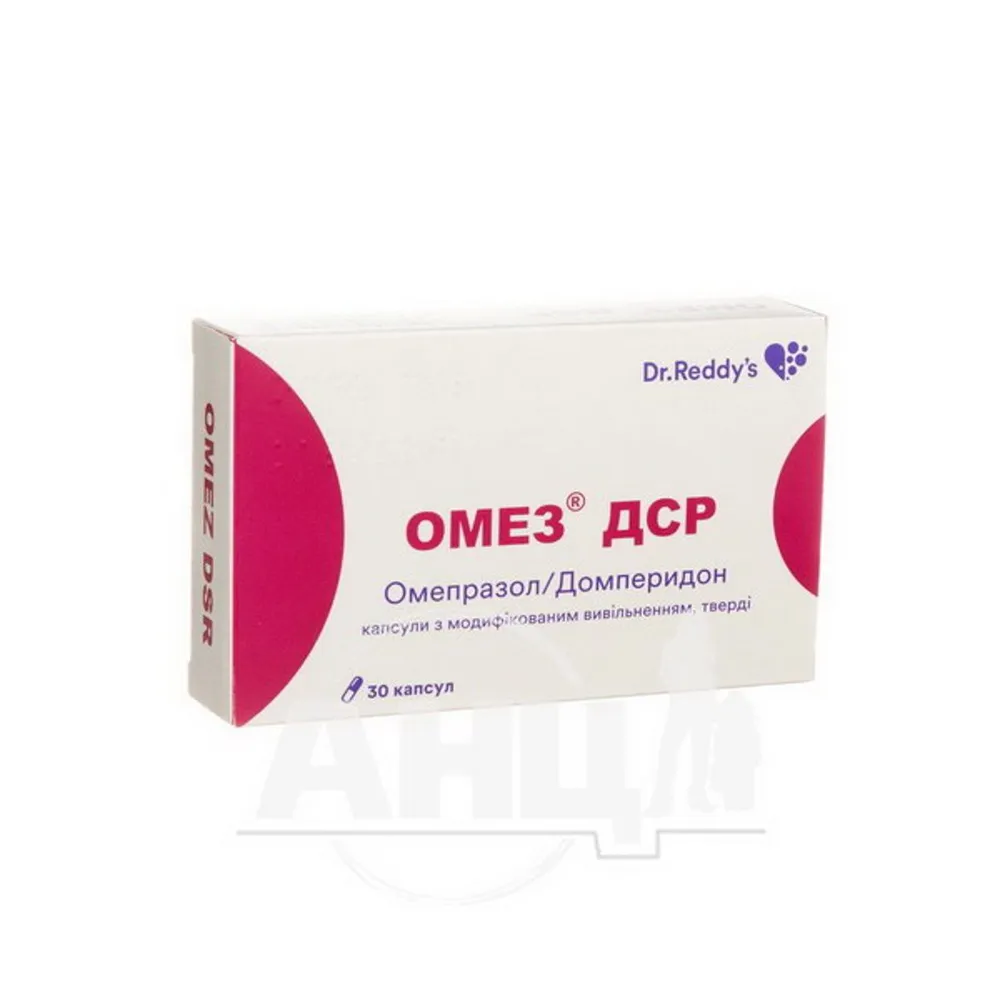
Table of Contents
INSTRUCTION FOR MEDICAL USE OF THE MEDICINAL PRODUCT OMEZ® DSR (OMEZ DSR)
Composition:
Active substances: omeprazole, domperidone;
1 capsule contains 20 mg of omeprazole (in the form of enteric-coated pellets) and 30 mg of domperidone (in the form of prolonged-release pellets);
Excipients of enteric-coated pellets: mannite (E 421), lactose monohydrate, sodium lauryl sulfate, anhydrous sodium hydrogen phosphate, sucrose, hypromellose, methacrylic acid copolymer (type C), talc, sodium hydroxide, polyethylene glycol 6000, titanium dioxide (E 171);
Excipients of prolonged-release pellets: nonpareils (mixture of sucrose/starch), anhydrous colloidal silicon dioxide, hypromellose, talc, ethylcellulose, triacetin, yellow iron oxide (E 172), red iron oxide (E 172), titanium dioxide (E 171).
Pharmaceutical form. Modified-release capsules, hard.
Main physicochemical properties: hard, transparent, colorless gelatin capsules size "1" with black marking " " and "DR. REDDY’S" on the cap and red marking "OMEZ-DSR" on the body of the capsule. The capsule contents consist of spherical pellets ranging from almost white to greyish and from yellowish-brown to brown in color.
Pharmacotherapeutic group. Drugs for treatment of acid-related disorders.
ATC code A02HX.
Pharmacological Properties.
Pharmacodynamics. A combined medicinal product, the action of which is determined by the components included in its composition.
Omeprazole belongs to anti-ulcer agents that inhibit basal and stimulated secretion of hydrochloric acid in gastric parietal cells due to specific action on H+-K+-ATPase (proton pump). The antisecretory effect develops very rapidly within the first hour after omeprazole administration and persists for 24 hours. Due to its high lipophilicity, omeprazole easily penetrates into gastric parietal cells, accumulates there, and exerts a cytoprotective effect. The inhibitory effect increases during the first 4 days of administration. Inhibition is dose-dependent. Daily administration of omeprazole at doses of 20 mg and higher provides sustained and effective acid control.
Omeprazole does not affect gastrointestinal motility.
Omeprazole (a substituted benzimidazole) inhibits the gastric enzyme H+, K+-ATPase (proton pump), which catalyzes the exchange of H+ and K+ ions. Since this enzyme is considered the acid (proton) pump of the gastric mucosa, omeprazole is characterized as a gastric acid (proton) pump inhibitor. Omeprazole effectively inhibits both basal and stimulated hydrochloric acid secretion with prolonged duration of action. The degree of inhibition of gastric hydrochloric acid secretion by omeprazole correlates with the area under the plasma concentration-time curve and does not have a direct relationship with plasma drug concentration at any specific point in time.
Domperidone is a dopamine antagonist that acts as a prokinetic agent on the upper gastrointestinal tract, increasing the tone of the lower esophageal sphincter and accelerating gastric emptying. The drug does not cause dopamine antagonist effects on the central nervous system, probably due to its inability to penetrate the blood-brain barrier. Domperidone enhances gastrointestinal smooth muscle activity by inhibiting the effects of dopamine. Domperidone effectively strengthens esophageal peristalsis, increases lower esophageal sphincter pressure, stimulates gastric motility and peristalsis, and improves gastroduodenal coordination, thereby accelerating gastric emptying.
Domperidone blocks peripheral dopamine receptors, eliminates the inhibitory effect of dopamine on gastrointestinal motor function, and enhances gastric evacuatory and motor activity. It exerts antiemetic action, relieves hiccups, and alleviates nausea. It poorly penetrates the blood-brain barrier and practically does not affect dopamine receptors in the brain.
Pharmacokinetics. Omeprazole is rapidly and completely absorbed after oral administration on an empty stomach; absorption may be delayed when taken after food. Although the elimination half-life of omeprazole is short (0.5–1.5 hours), the antisecretory effect lasts for 24 hours or longer. Approximately 90–95% of omeprazole is bound to plasma proteins. A limited amount of omeprazole crosses the blood-brain barrier. The majority (77%) is excreted in urine as metabolites (including identified hydroxyomeprazole and the corresponding carboxylic acid); the remainder is excreted in feces (suggesting significant biliary excretion of metabolites).
In patients with chronic liver disease, bioavailability increases to 100%, and elimination half-life increases to 3 hours. In patients with chronic renal disease and in elderly patients, omeprazole elimination is reduced proportionally to the reduction in creatinine clearance, and plasma concentration increases.
Omeprazole is sensitive to degradation in the acidic environment of the stomach; therefore, an enteric-coated granule formulation in capsules has been developed. Food does not affect the bioavailability of the drug. Bioavailability is reported to be approximately 40% after administration at doses of 20–40 mg. Time to reach maximum plasma concentration is 0.5–3.5 hours. Omeprazole in capsules is completely and rapidly metabolized, as the parent compound has not been detected in feces or urine. The main enzyme involved in omeprazole metabolism is the polymorphically expressed cytochrome P450 (CYP) isoform S-mephenytoin hydroxylase, CYP2C19. The plasma elimination half-life does not undergo significant changes after repeated administration. Despite rapid elimination (mean half-life from 0.5 to 1 hour), the antisecretory effect of omeprazole is prolonged (about 24 hours) due to its high affinity for the acid pump of parietal cells.
Domperidone is well absorbed after administration. It undergoes extensive metabolism in the gastric wall and liver, resulting in low bioavailability (15%). Maximum plasma concentration is reached within 1 hour after administration. Total plasma clearance is approximately 700 ml/min. Domperidone is excreted in bile predominantly as active metabolites. About 30% of the dose is excreted in urine within 24 hours, almost entirely as metabolites, and the remainder is excreted in feces over several days (approximately 10% as unchanged drug). Domperidone is excreted in breast milk in small amounts. Reduced gastric acidity decreases domperidone absorption. It is bound to plasma proteins by 91–93%. The elimination half-life is approximately 7–9 hours; in cases of severe renal insufficiency, the elimination half-life is prolonged.
Clinical characteristics.
Indications.
- Short-term treatment of acid-dependent disorders accompanied by nausea;
- treatment of gastritis or gastroesophageal reflux disease (GERD) accompanied by vomiting.
Contraindications.
Hypersensitivity to the components of the medicinal product, hypersensitivity to substituted benzimidazoles.
Pregnancy and lactation period.
Omeprazole, like other proton pump inhibitors (PPIs), must not be used concomitantly with nelfinavir (see "Interaction with other medicinal products and other forms of interaction"). Severe and moderate impairment of liver and/or kidney function; hepatic insufficiency; prolonged cardiac conduction intervals, particularly QT interval prolongation, underlying cardiac disorders or diseases; significant electrolyte imbalance; congestive heart failure; prolactin-secreting pituitary tumor (prolactinoma).
Must not be used when stimulation of gastric motility may be dangerous, e.g., in gastrointestinal hemorrhage, mechanical obstruction, or perforation.
Concomitant use of ketoconazole, erythromycin, or other strong inhibitors of CYP3A4 is contraindicated.
Concomitant use of medicinal products that prolong the QT interval (except apomorphine) is contraindicated, such as fluconazole, erythromycin, itraconazole, oral ketoconazole, posaconazole, ritonavir, saquinavir, telaprevir, voriconazole, clarithromycin, amiodarone, telithromycin.
Interaction with other medicinal products and other forms of interaction.
Omeprazole
The likelihood of metabolic interactions between omeprazole and other medicinal products is very low. However, since omeprazole inhibits hepatic microsomal metabolism of drugs (cytochrome P450 enzyme system), elimination of other drugs metabolized via the cytochrome P450 system or those substantially extracted by the liver may be slowed during concomitant administration of omeprazole. This effect may lead to delayed elimination and increased blood concentrations of diazepam, phenytoin, and anticoagulants such as warfarin (monitoring of blood concentrations or prothrombin time is recommended as a basis for dose adjustment, since this may be necessary during omeprazole treatment).
Omeprazole may increase the half-life and duration of action of diazepam, phenytoin, and warfarin. Omeprazole has a potential effect on the bioavailability of drugs whose absorption is pH-dependent (e.g., ketoconazole, itraconazole), and omeprazole may also prevent the degradation of acid-labile drugs. No interaction has been observed with any isoforms of the CYP enzyme (phenacetin, caffeine, theophylline), CYP2D6 (metoprolol, propranolol), CYP2E1 (ethanol), CYP3A (cyclosporine, lidocaine, quinidine, estradiol, erythromycin), CYP2C9 (s-warfarin). Omeprazole does not significantly affect the pharmacokinetics of piroxicam, diclofenac, and naproxen at steady state, as confirmed by results from multiple-dose studies with omeprazole 20 mg in healthy volunteers.
Nelfinavir, atazanavir
Plasma levels of nelfinavir and atazanavir are reduced when administered concomitantly with omeprazole.
Concomitant use of omeprazole and nelfinavir is contraindicated. Concurrent administration of omeprazole (40 mg daily) reduces the average exposure to nelfinavir by approximately 40%, and the average exposure to its pharmacologically active metabolite M8 is reduced by approximately 75–90%. This interaction may also be due to inhibition of CYP2C19 activity.
Concomitant use of omeprazole with atazanavir is not recommended. Concurrent administration of omeprazole (40 mg once daily) with atazanavir 300 mg/ritonavir 100 mg in healthy volunteers resulted in a 75% reduction in atazanavir exposure. Increasing the atazanavir dose to 400 mg did not compensate for the effect of omeprazole on atazanavir exposure. Concurrent administration of omeprazole (20 mg once daily) with atazanavir 400 mg/ritonavir 100 mg in healthy volunteers resulted in approximately a 30% reduction in atazanavir exposure compared to atazanavir 300 mg/ritonavir 100 mg once daily.
Digoxin
Concomitant treatment with omeprazole (20 mg daily) and digoxin in healthy volunteers increased digoxin bioavailability by 10%. Cases of digoxin-induced toxicity have been rarely reported. However, caution should be exercised when prescribing high doses of omeprazole to elderly patients. Therapeutic drug monitoring of digoxin should be intensified.
Clopidogrel
There are conflicting data regarding the reduction in concentration of clopidogrel's active metabolite and the clinical implications of this pharmacokinetic/pharmacodynamic interaction concerning major cardiovascular events.
As a precautionary measure, concomitant use of omeprazole and clopidogrel should be avoided, except when, in the physician’s opinion, the benefit of concomitant administration outweighs the risk.
Medicinal products metabolized by CYP2C19
Omeprazole is a moderate inhibitor of CYP2C19, the main enzyme responsible for omeprazole metabolism.
Thus, metabolism of concomitantly administered medicinal products also metabolized by CYP2C19 may be reduced, and systemic exposure to these agents may increase. Examples include R-warfarin and other vitamin K antagonists, cilostazol, diazepam, and phenytoin.
In healthy volunteers, a pharmacokinetic/pharmacodynamic interaction was observed between clopidogrel (loading dose 300 mg / maintenance dose 75 mg daily) and omeprazole (80 mg daily orally, i.e., a dose four times higher than the standard daily dose), resulting in a mean reduction of 46% in exposure to clopidogrel's active metabolite and a mean reduction of 16% in maximum inhibitory effect (ADP-induced) platelet aggregation. The clinical significance of this interaction remains unclear. As a precautionary measure, concomitant use of omeprazole and clopidogrel should be avoided, except when, in the physician’s opinion, the benefit of concomitant administration outweighs the risk.
Cilostazol
In healthy volunteers, administration of omeprazole 40 mg increased Cmax and AUC of cilostazol by 18% and 26%, respectively, and one of its active metabolites by 29% and 69%, respectively.
Phenytoin
Plasma phenytoin concentration monitoring is recommended during the first two weeks after initiating omeprazole treatment and, if phenytoin dose adjustment has been performed, monitoring and further dose adjustment should be conducted after discontinuation of omeprazole treatment.
Unknown interaction mechanism.
Saquinavir
Concomitant use of omeprazole with saquinavir/ritonavir resulted in an increase in saquinavir plasma levels by approximately 70%, which was associated with acceptable tolerability in HIV-infected patients.
Tacrolimus
Increased serum levels of tacrolimus have been reported with concomitant use of omeprazole. Intensified monitoring of tacrolimus concentration and renal function (creatinine clearance) is required, and dose adjustment of tacrolimus may be necessary.
Methotrexate
Elevated methotrexate levels have been reported in some patients receiving concomitant proton pump inhibitors. If high-dose methotrexate is required, temporary discontinuation of omeprazole should be considered.
Effect of other medicinal products on omeprazole pharmacokinetics
Inhibitors of CYP2C19 and/or CYP3A4
Since omeprazole is metabolized by CYP2C19 and CYP3A4 enzymes, drugs that inhibit the activity of CYP2C19 or CYP3A4, or both enzymes (such as clarithromycin and voriconazole), may cause increased omeprazole serum levels due to slowed metabolism. Concomitant use of voriconazole resulted in more than a two-fold increase in omeprazole exposure. Since high doses of omeprazole are generally well tolerated, dose adjustment of omeprazole is usually not required. However, dose adjustment should be considered in patients with severe hepatic insufficiency and in cases of long-term treatment.
Omeprazole is partially metabolized by CYP3A4 as well, but does not inhibit this enzyme. Thus, omeprazole does not affect the metabolism of drugs metabolized by CYP3A4, such as cyclosporine, lidocaine, quinidine, estradiol, erythromycin, and budesonide.
Inducers of CYP2C19 and/or CYP3A4
Drugs that induce the activity of CYP2C19 and/or CYP3A4 (such as rifampicin and St. John’s wort) may cause decreased omeprazole serum levels due to accelerated metabolism.
Domperidone
The beneficial effects of domperidone may be diminished when used concomitantly with anticholinergic medicinal products.
Since domperidone enhances gastric and small intestinal motility, absorption of drugs in the small intestine may be accelerated, whereas gastric absorption may be delayed.
Domperidone should be used cautiously in combination with monoamine oxidase inhibitors (MAO inhibitors).
Absorption of domperidone is not reduced when taken in combination with antacids or H2-receptor blockers.
The medicinal product should be taken on an empty stomach, one hour before meals, since food affects the bioavailability of omeprazole and domperidone.
Antacid and antisecretory agents should not be taken simultaneously with the medicinal product, as they reduce its bioavailability after oral administration. Domperidone is predominantly metabolized by CYP3A4. In vitro data indicate that concomitant use of drugs that strongly inhibit this enzyme may lead to increased plasma levels of domperidone. Clinically significant QT interval prolongation has been observed with concomitant use of domperidone and potent CYP3A4 inhibitors capable of prolonging the QT interval. Therefore, concomitant use of domperidone with certain medicinal products is contraindicated (see section "Contraindications").
Concomitant use of the following medicinal products with domperidone is contraindicated.
All medicinal products that prolong the QT interval:
- Class IA antiarrhythmics (e.g., disopyramide, hydroquinidine, quinidine);
- Class III antiarrhythmics (e.g., amiodarone, dofetilide, dronedarone, ibutilide, sotalol);
- neuroleptics that prolong the QT interval (e.g., haloperidol, pimozide, sertindole);
- antidepressants that prolong the QT interval (e.g., citalopram, escitalopram);
- antibiotics that prolong the QT interval (e.g., erythromycin, levofloxacin, moxifloxacin, spiramycin);
- antifungal agents that prolong the QT interval (e.g., pentamidine);
- antimalarials that prolong the QT interval (e.g., halofantrine, lumefantrine);
- gastrointestinal agents that prolong the QT interval (e.g., cisapride, dolasetron, prucalopride);
- antihistamines that prolong the QT interval (e.g., mequitazine, mizolastine);
- anticancer agents that prolong the QT interval (e.g., toremifene, vandetanib, vincamine);
- other medicinal products that prolong the QT interval (e.g., bepridil, diphenhydramine, methadone);
- apomorphine, except when benefit outweighs risk and strict adherence to precautionary measures for concomitant use is ensured (see apomorphine product information, section "Contraindications").
Examples of strong CYP3A4 inhibitors (regardless of their effect on QT prolongation), with which concomitant use is contraindicated, include:
- azole antifungals such as fluconazole*, itraconazole, ketoconazole*, and voriconazole*;
- macrolide antibiotics such as clarithromycin*, erythromycin*;
- protease inhibitors*;
- HIV protease inhibitors such as amprenavir, atazanavir, fosamprenavir, indinavir, nelfinavir, ritonavir, and saquinavir;
- calcium channel blockers such as diltiazem and verapamil;
- amiodarone*;
- amrepidant;
- nefazodone;
- telithromycin*.
*prolong QTc interval.
Concomitant use requires caution.
Use with caution with medicinal products causing bradycardia and hypokalemia, and with macrolides that may cause QT prolongation: azithromycin and roxithromycin (clarithromycin is contraindicated as it is a potent CYP3A4 inhibitor).
Domperidone should be used cautiously with potent CYP3A4 inhibitors that do not cause QT prolongation, such as indinavir, and patients should be closely monitored for signs or symptoms of adverse reactions.
The medicinal product may be combined with:
- neuroleptics, whose effects it enhances;
- dopaminergic agonists (bromocriptine, L-dopa), whose undesirable peripheral effects such as digestive disturbances, nausea, vomiting, it suppresses without neutralizing their main properties.
In specific in vivo pharmacokinetic/pharmacodynamic interaction studies, concomitant oral administration of ketoconazole or erythromycin in healthy volunteers confirmed that these drugs significantly inhibit presystemic metabolism of domperidone mediated by CYP3A4.
With concomitant administration of 10 mg domperidone orally four times daily and 200 mg ketoconazole orally twice daily, QTc interval prolongation averaged 9.8 msec during the observation period; individual values ranged from 1.2 to 17.5 msec. With concomitant administration of 10 mg domperidone four times daily and 500 mg erythromycin orally three times daily, QTc interval prolongation averaged 9.9 msec during the observation period, with individual values ranging from 1.6 to 14.3 msec. Steady-state Cmax and AUC values of domperidone increased approximately threefold in each of these interaction studies. With monotherapy using domperidone 10 mg orally four times daily, QTc interval prolongation averaged 1.6 msec (ketoconazole study) and 2.5 msec (erythromycin study), whereas administration of ketoconazole alone (200 mg twice daily) or erythromycin alone (500 mg three times daily) resulted in QTc interval prolongation of 3.8 and 4.9 msec, respectively, during the observation period.
Theoretically, since the drug exerts a prokinetic effect on the stomach, it may affect the absorption of concomitantly administered oral drugs, particularly prolonged-release formulations or enteric-coated forms. However, in patients stabilized on digoxin or paracetamol, concomitant use of domperidone did not affect blood levels of these drugs.
Special precautions for use.
In the presence of any alarming symptom (e.g., significant unintentional weight loss, recurrent vomiting, dysphagia, hematemesis, or melena), as well as in cases of gastric ulcer or suspected gastric ulcer, malignancy must be ruled out, since administration of the drug may mask symptoms and delay correct diagnosis.
The medicinal product should be used with caution in patients with mild hepatic and/or renal impairment.
For patients with mild hepatic dysfunction, the maximum daily dose of the drug should not exceed 1 capsule per day. In patients with hepatic insufficiency, the elimination half-life of omeprazole after standard dosing may increase up to 3 times compared to healthy volunteers; therefore, dose adjustment is required in patients with impaired liver function. Dose selection of omeprazole should be based on the maximum daily dose of 20 mg. Patients with chronic liver disease require regular laboratory monitoring of liver enzymes (no less than once every 2 weeks). If any changes in these parameters occur, the drug should be discontinued immediately. The use of the medicinal product is not recommended in patients with moderate to severe hepatic insufficiency.
Renal impairment. Acute tubulointerstitial nephritis (ATIN) has been observed in patients taking omeprazole (see section "Adverse reactions"). It may occur at any time during therapy and may progress to renal failure. If ATIN is suspected, the drug should be discontinued and appropriate treatment initiated immediately.
Dose adjustment is not required in patients with mild renal impairment. Patients undergoing long-term therapy should be under regular medical supervision. Omeprazole and its metabolites are excreted via the kidneys; in patients with chronic renal failure, drug elimination is slowed proportionally to the reduction in creatinine clearance. The elimination half-life from plasma is prolonged in patients with severe renal impairment.
Not recommended during pregnancy.
The drug should be used with caution in elderly patients and in patients with existing heart disease or a history of cardiac disease. If signs or symptoms suggestive of cardiac arrhythmia occur, treatment with domperidone should be discontinued and medical advice sought.
Domperidone should be used with caution in patients with risk factors for QT interval prolongation, including hypokalemia, severe hypomagnesemia, and organic heart disease.
The following information regarding the risk of cardiovascular complications associated with medicinal products containing domperidone should be considered:
- Some epidemiological studies have shown that domperidone use may be associated with serious ventricular arrhythmias or sudden cardiac death;
- The risk of serious ventricular arrhythmias or sudden cardiac death is higher in patients over 60 years of age, or when oral doses exceed 30 mg per day, as well as in patients concurrently taking drugs that prolong the QT interval or CYP3A4 inhibitors. Therefore, the drug should be used with caution in elderly patients. Patients over 60 years of age should consult a physician before taking the drug.
The capsules contain lactose; therefore, the drug should not be administered to patients with lactase deficiency, galactosemia, or glucose/galactose malabsorption syndrome.
Concomitant use of atazanavir with proton pump inhibitors is not recommended. If co-administration of atazanavir with a proton pump inhibitor cannot be avoided, close clinical monitoring (e.g., viral load) is recommended, along with increasing the atazanavir dose to 400 mg with 100 mg ritonavir; the omeprazole dose should not exceed 20 mg.
Omeprazole, like all medicinal products that suppress gastric acid secretion, may reduce absorption of vitamin B12 (cyanocobalamin) due to hypo- or achlorhydria. This should be considered in patients with cachexia or risk factors for reduced vitamin B12 absorption during long-term therapy.
Omeprazole is a CYP2C19 inhibitor. At the beginning or end of omeprazole treatment, potential interactions with medicinal products metabolized by CYP2C19 should be considered. An interaction has been observed between clopidogrel and omeprazole. The clinical significance of this interaction remains unclear. Concomitant use of omeprazole and clopidogrel should be avoided.
In patients taking proton pump inhibitors, including omeprazole, for at least three months, clinically significant hypomagnesemia may occur (in most cases, patients had taken the drug for about 1 year). Hypomagnesemia may be suspected based on serious manifestations such as fatigue, seizures, delirium, dizziness, and ventricular arrhythmias. However, it should be noted that in some cases symptoms may be masked, delaying timely recognition of this complication. In most patients, symptoms of hypomagnesemia resolve and levels normalize after magnesium supplementation and discontinuation of proton pump inhibitors. Prolonged reduction in gastric acidity may lead to increased numbers of bacteria normally present in the gastrointestinal tract, such as Salmonella and Campylobacter, and in hospitalized patients, also Clostridium difficile.
Treatment with proton pump inhibitors slightly increases the risk of gastrointestinal infections caused by Salmonella and Campylobacter.
In healthy volunteers, a pharmacokinetic/pharmacodynamic interaction between clopidogrel (loading dose 300 mg / maintenance dose 75 mg daily) and omeprazole (80 mg daily orally, i.e., a dose four times higher than the standard daily dose) was observed, resulting in a 46% reduction in exposure to the active metabolite of clopidogrel and a 16% reduction in maximum ADP-induced platelet aggregation inhibition.
Some data suggest that proton pump inhibitor therapy slightly increases the risk of osteoporosis-related fractures of the hip, wrist, and spine, particularly in elderly individuals or those with other recognized risk factors. Observational studies indicate that proton pump inhibitors increase the overall fracture risk in these individuals by 10–40%. This increase may partly be related to other risk factors. Although a causal relationship between omeprazole/esomeprazole and osteoporotic fractures has not been established, patients at risk of progressive osteoporosis or osteoporotic fractures should receive appropriate clinical monitoring and adequate intake of vitamin D and calcium.
Subacute cutaneous lupus erythematosus (SCLE)
Use of proton pump inhibitors may be associated with very rare cases of SCLE development. If skin lesions occur, particularly on sun-exposed areas of skin, accompanied by arthralgia, the patient should seek immediate medical attention, and the physician should consider discontinuing omeprazole. Development of SCLE in patients during prior therapy with proton pump inhibitors increases the risk of its recurrence when other proton pump inhibitors are used.
Effect on diagnostic test results
During treatment with antisecretory drugs, plasma gastrin concentration increases due to reduced hydrochloric acid secretion. Reduced acid secretion also increases chromogranin A (CgA) levels. Elevated CgA levels may interfere with diagnostic tests for neuroendocrine tumors. To prevent such interference, proton pump inhibitor therapy should be discontinued at least 5 days before CgA measurement. If CgA and gastrin levels do not return to normal after initial testing, measurements should be repeated 14 days after discontinuation of proton pump inhibitor therapy.
Atrophic gastritis has been observed in patients who have taken omeprazole for prolonged periods.
In patients taking PPIs concurrently with digoxin or drugs that may cause hypomagnesemia (e.g., diuretics), magnesium levels should be measured before starting PPI therapy and periodically during treatment. Magnesium monitoring is also recommended for patients requiring long-term therapy.
For any long-term treatment, especially exceeding 1 year, the patient should remain under regular medical supervision.
Omeprazole may cause serious skin reactions, including skin redness, blisters, and rash (see section "Adverse reactions"). If an allergic reaction occurs, the drug should be discontinued and immediate medical assistance sought.
Domperidone
Dopamine receptor blockers increase prolactin levels; this elevation persists during continuous use of these drugs. Domperidone use requires special caution in patients previously diagnosed with prolactin-dependent breast cancer. Despite reports of disorders such as galactorrhea, amenorrhea, gynecomastia, and impotence, the clinical significance of elevated serum prolactin levels in most patients remains incompletely understood.
In patients who develop galactorrhea and/or gynecomastia, discontinuation of the drug leads to symptom reduction.
Cardiovascular effects
Domperidone has been associated with QT interval prolongation on ECG. In post-marketing surveillance, very rare cases of QT prolongation and torsades de pointes have been reported in patients taking domperidone. These reports included patients with electrolyte disturbances and those receiving concomitant therapy, which may represent additional risk factors.
Domperidone should be used at the lowest effective dose.
Use with apomorphine
Domperidone is contraindicated for concomitant use with medicinal products that prolong the QT interval, particularly apomorphine, except when the benefit outweighs the risk, and only under strict adherence to the precautions stated in the apomorphine product information.
Renal impairment
The elimination half-life of domperidone is prolonged in patients with severe renal impairment. During long-term use, the frequency of domperidone administration should be reduced to once or twice daily, depending on the severity of renal impairment. Dose reduction may also be necessary.
Antacid or antisecretory drugs should not be taken simultaneously with the medicinal product Omez® DSR, as they reduce the oral bioavailability of domperidone. When used concomitantly, Omez® DSR should be taken before meals, and antacid or antisecretory drugs should be taken after meals.
Use limitations. The dosage and duration of domperidone use have been reduced. It should be used at the lowest effective dose for the shortest possible duration. The daily dose should not exceed 30 mg calculated as domperidone.
Excipients
Omez® DSR contains lactose monohydrate and sucrose. If you have been diagnosed with intolerance to certain sugars, consult your doctor before taking this medicinal product.
Use during pregnancy or breastfeeding. The medicinal product is contraindicated during pregnancy and breastfeeding.
Ability to affect reaction speed when driving or operating machinery. Caution is required when driving or operating machinery during treatment with this drug.
Dosage and Administration
Omez® DSR should be taken orally, one capsule once daily in the morning, one hour before a meal. The capsules should be swallowed whole, without breaking or chewing. The recommended maximum dose for adults should not exceed 30 mg of domperidone (1 capsule).
The duration of treatment is determined individually by a physician depending on the nature and course of the disease. Unless otherwise prescribed by a physician, Omez® DSR should generally not be used for longer than one week.
Children. The efficacy and safety of the drug in children have not been established.
Overdose. In case of omeprazole overdose, the following symptoms may occur: anxiety, dizziness, visual disturbances, tachycardia, nausea, vomiting, excessive sweating, facial flushing, headache, dry mouth, diarrhea, apathy, depression, and confusion. In case of domperidone overdose, symptoms may include: dizziness, disorientation, extrapyramidal disorders, arrhythmia, increased blood pressure, agitation, impaired consciousness, and somnolence.
There is no specific antidote. In case of overdose, symptomatic and supportive treatment should be administered. Hemodialysis is ineffective in removing the drug from the body due to its high degree of plasma protein binding.
Omeprazole
Cases of omeprazole overdose in humans have been reported at doses up to 2400 mg (120 times higher than the usual recommended clinical dose). Manifestations included: confusion, drowsiness, blurred vision, tachycardia, nausea, vomiting, diaphoresis, hyperemia, headache, dry mouth, and other adverse reactions similar to those commonly observed in clinical practice. Symptoms were transient; no serious clinical consequences were observed following omeprazole overdose alone. There is no specific antidote for omeprazole overdose. Omeprazole is highly protein-bound and therefore poorly eliminated by dialysis. In case of overdose, treatment should be symptomatic and supportive. As with any overdose, the possibility of ingestion of multiple drugs should be considered.
Domperidone
There are no reports on the frequency of domperidone overdose. Given the pharmacological properties of domperidone, overdose may be accompanied by symptoms such as: drowsiness, disorientation, extrapyramidal reactions (especially in children), arrhythmia, or arterial hypertension. Anticholinergic, anti-Parkinsonian, or antihistamine drugs with anticholinergic properties may be used to alleviate extrapyramidal reactions. There is no specific antidote for domperidone; however, in case of overdose, gastric lavage and activated charcoal should be administered. Symptomatic and supportive measures are recommended. Symptoms usually resolve within 24 hours.
Side effects
Most patients tolerate the medication well. The adverse reactions reported during treatment were generally mild and reversible.
With prolonged use of omeprazole, the following adverse reactions may occur:
Gastrointestinal system: diarrhea, constipation, abdominal pain, nausea, vomiting, flatulence, fundic gland polyps (benign); dry mouth, stomatitis, gastrointestinal candidiasis, taste disturbances; microscopic colitis, gastro-intestinal disorders including abdominal pain, regurgitation, appetite changes, transient intestinal spasms;
Hepatobiliary system: elevated liver enzymes; hepatitis with or without jaundice; liver failure, encephalopathy in patients with pre-existing liver disease;
Metabolism and nutrition: hyponatremia, hypomagnesemia; severe hypomagnesemia may lead to hypocalcemia. Hypomagnesemia may also be accompanied by hypokalemia;
Central and peripheral nervous system: headache, dizziness, paresthesia, somnolence, insomnia; restlessness, depression, hallucinations, confusion — mainly in severely ill patients;
Psychiatric disorders: agitation, irritability, agitation, aggression;
Ear and labyrinth disorders: tinnitus, vertigo;
Musculoskeletal and connective tissue: femur, wrist or vertebral fractures, arthralgia, myalgia, muscle weakness;
Allergic reactions and skin changes: pruritus, skin redness, blisters, rash, photosensitivity, urticaria, angioneurotic edema, anaphylactic shock; urticaria;
Skin and subcutaneous tissue: dermatitis, urticaria; Stevens-Johnson syndrome, toxic epidermal necrolysis; in isolated cases photosensitivity, erythema multiforme, alopecia, subacute cutaneous lupus erythematosus;
Laboratory test changes: leukopenia, pancytopenia, agranulocytosis, thrombocytopenia;
Liver: elevated liver enzymes; in patients with prior severe liver disease, possible development of symptoms of encephalopathy, hepatitis, or liver failure;
Renal and urinary system: tubulointerstitial nephritis (with possible progression to renal failure), renal failure;
Endocrine system: gynecomastia;
Other: fever, bronchospasm, increased sweating, blurred vision, peripheral edema;
Immune system: hypersensitivity reactions, angioneurotic edema, anaphylactic reaction/shock;
General disorders: discomfort, malaise.
With prolonged use of domperidone, the following adverse reactions may occur:
Gastrointestinal system: dry mouth, thirst, abdominal pain, diarrhea, belching, taste disturbances, nausea, heartburn, constipation; gastrointestinal disorders including regurgitation, appetite changes, transient intestinal spasms;
Central and peripheral nervous system: headache, insomnia, increased excitability, dizziness, apathy, irritability; convulsions, lethargy, somnolence, akathisia, extrapyramidal disorders;
Endocrine system: galactorrhea, gynecomastia, menstrual cycle disturbances, elevated prolactin levels;
Cardiovascular system: edema, palpitations, disturbances in heart rate and rhythm, QT interval prolongation (frequency unknown), ventricular arrhythmias, sudden cardiac death, ventricular arrhythmias of the "torsade de pointes" type. Domperidone has been associated with a slightly increased risk of serious cardiac adverse reactions. To reduce the risk of cardiac adverse reactions, dosage and duration of treatment should be minimized;
Immune system: allergic reactions, including anaphylaxis, anaphylactic reactions/shock;
Psychiatric disorders: nervousness, depression, anxiety, decreased or absent libido;
Nervous system: convulsions, lethargy, somnolence, akathisia, extrapyramidal disorders, restless legs syndrome (including exacerbation of restless legs syndrome in patients with Parkinson's disease);
Skin and subcutaneous tissue: pruritus, rash, angioneurotic edema, urticaria;
Reproductive system and mammary glands: breast enlargement, breast tenderness, nipple discharge, amenorrhea, breast swelling, breast pain, lactation disorders;
Musculoskeletal and connective tissue: leg pain;
Urinary system: urinary retention, dysuria, frequent urination;
General disorders: oculogyric crises, asthenia;
Other: conjunctivitis, stomatitis;
Laboratory test changes: elevated alanine aminotransferase (ALT), aspartate aminotransferase (AST), and cholesterol levels; abnormal liver function test results; increased serum prolactin levels.
Since the pituitary gland lies outside the blood-brain barrier, domperidone may cause increased prolactin levels. In rare cases, such hyperprolactinemia may lead to neuroendocrine adverse effects such as galactorrhea, gynecomastia, and amenorrhea.
During the post-marketing period, no differences in the safety profile of use in adults were observed, except for extrapyramidal disorders and other central nervous system-related phenomena, convulsions, and agitation.
The overall incidence of domperidone side effects is less than 7%. Most adverse effects resolve spontaneously during continued treatment or are easily tolerated. More serious adverse effects — galactorrhea, gynecomastia, menstrual irregularities — are dose-dependent and gradually resolve after dose reduction or discontinuation of the drug. Dry mouth, headache/migraine, insomnia, nervousness, dizziness, thirst, apathy, irritability, abdominal cramps, diarrhea, regurgitation, appetite changes, nausea, heartburn, constipation were observed in less than 1% of patients.
Shelf life. 3 years.
Storage conditions. Store in a place inaccessible to children, in the original packaging, at a temperature not exceeding 25 °C.
Packaging. 10 capsules per blister. 3 blisters per cardboard box.
Prescription category. Prescription only.
Manufacturer. Dr. Reddy’s Laboratories Ltd, FTO – II
Manufacturer’s address and place of business.
Plot Nos. 42R, 43, 44R, 45R, 46R, 53, 54, 83, Bachupally Village, Bachupally Mandal, Medchal Malkajgiri District – 500090, Telangana State, India
To report an adverse reaction or lack of efficacy when using the medicinal product, please call:
+380 44 207 51 97 or +380 50 414 39 39, or send an email to: [email protected] (available 24/7).