Oxapin
Ukraine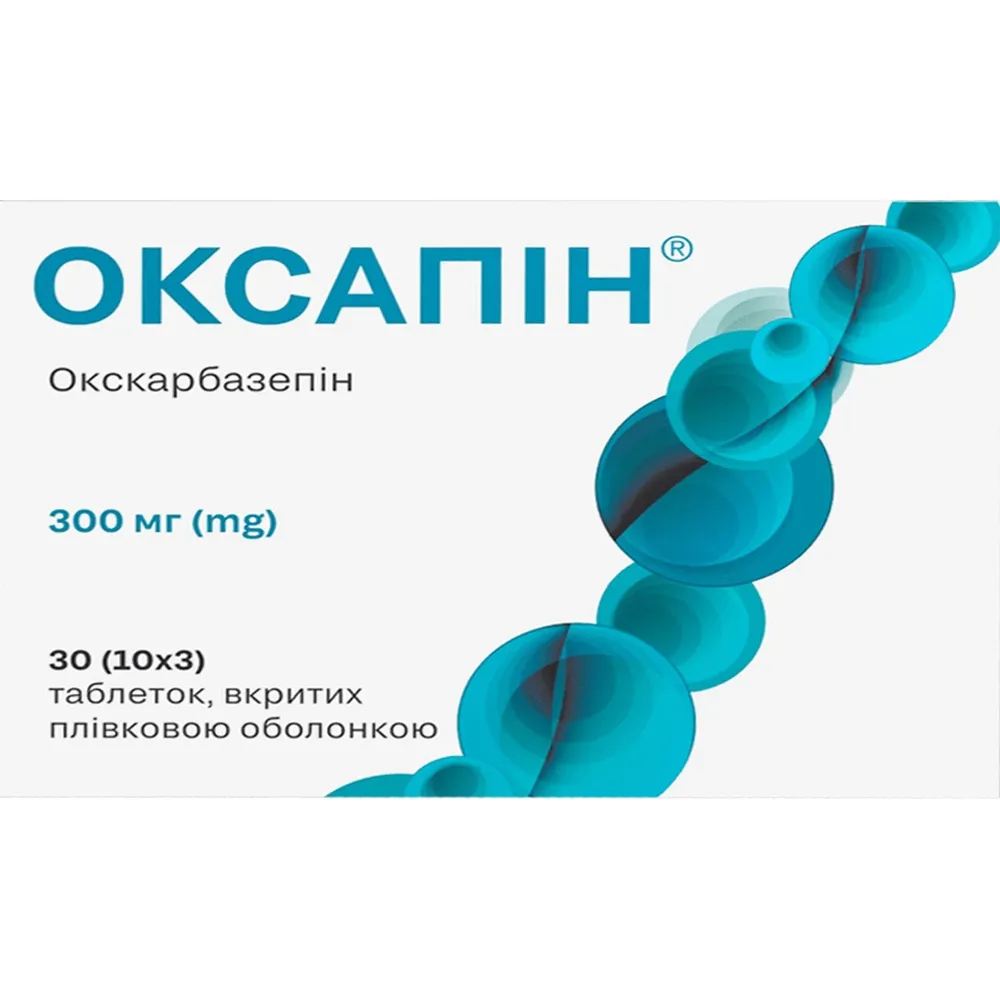
Table of Contents
- INSTRUCTIONS FOR MEDICAL USE OF THE MEDICINAL PRODUCT OXAPIN® (Oxapin®)
- Composition:
- Pharmacological Properties.
- Clinical characteristics.
- Special precautions for use.
- Method of Administration and Dosage
- Adverse Reactions
- Composition:
- Pharmacological properties.
- Clinical characteristics.
- Special precautions for use.
- Method of Administration and Dosage
- Adverse Reactions
- Composition:
- Pharmacological properties.
- Clinical characteristics.
- Special precautions for use.
- Method of Administration and Dosage
- Adverse Reactions
INSTRUCTIONS FOR MEDICAL USE OF THE MEDICINAL PRODUCT OXAPIN® (Oxapin®)
Composition:
Active ingredient: oxcarbazepine;
1 tablet contains 300 mg of oxcarbazepine;
Excipients: microcrystalline cellulose, crospovidone, povidone, colloidal anhydrous silicon dioxide, magnesium stearate, coating Opadry 04F82783 yellow: hypromellose, polyethylene glycols, titanium dioxide (E 171), iron oxide yellow (E 172).
Pharmaceutical form. Film-coated tablets.
Main physico-chemical properties: capsule-shaped film-coated tablets of yellow color, with a score line on both sides.
Pharmacotherapeutic group.
Antiepileptic drugs. ATC code N03AF02.
Pharmacological Properties.
Pharmacodynamics.
The pharmacological activity of oxcarbazepine is primarily due to the action of its metabolite – 10-monohydroxy derivative (MHD). The mechanism of action of oxcarbazepine and MHD is mainly related to blockade of voltage-dependent sodium channels, leading to stabilization of hyperexcited neuronal membranes, suppression of repetitive neuronal firing, and reduction of synaptic impulse propagation. Additionally, increased potassium ion conductance and modulation of high-voltage-activated calcium channels may also contribute to the anticonvulsant effects. No significant interactions with neurotransmitters in the brain or receptor modulator sites have been observed.
Animal studies have shown that oxcarbazepine and its active metabolite (MHD) are potent and effective anticonvulsant agents.
They protected animals against generalized tonic-clonic seizures and, to a lesser extent, against clonic epileptic seizures, and also stopped or reduced the frequency of chronic recurrent partial seizures in animals with aluminum implants. No tolerance (i.e., reduction in anticonvulsant activity) to tonic-clonic seizures was observed following daily administration of oxcarbazepine or MHD in animals over 5 days or 4 weeks.
Clinical Efficacy.
Oxcarbazepine is used as an antiepileptic drug both in monotherapy and in combination therapy and may replace other antiepileptic drugs that do not provide adequate seizure control.
Pharmacokinetics.
Absorption.
After oral administration, oxcarbazepine is completely absorbed and extensively metabolized to its pharmacologically active metabolite (MHD).
Following a single 600 mg dose of oxcarbazepine administered to healthy male volunteers under fasting conditions, the mean Cmax of MHD was 34 µmol/L, with a corresponding median tmax of 4.5 hours.
A mass balance study conducted in healthy male subjects demonstrated that only 2% of total radioactivity in plasma was due to unchanged oxcarbazepine, approximately 70% was due to MHD, and the remainder consisted of minor metabolites that are rapidly eliminated.
Food does not affect the rate or extent of absorption of oxcarbazepine. Therefore, Oxapin® can be administered independently of food intake.
Distribution.
The expected volume of distribution of MHD is 49 liters.
Approximately 40% of MHD is protein-bound in plasma, primarily to albumin. Within the therapeutic range, the degree of binding is independent of the concentration of oxcarbazepine in plasma. Oxcarbazepine and MHD do not bind to alpha-1-acid glycoprotein.
Oxcarbazepine and MHD cross the placenta. In one case, similar concentrations of MHD were recorded in the plasma of a newborn and the mother.
Biotransformation.
In the liver, oxcarbazepine is rapidly converted by cytosolic enzymes into its pharmacologically active metabolite (MHD), which is responsible for the drug's pharmacological effect. Subsequently, MHD is metabolized via conjugation with glucuronic acid. Small amounts (4% of the dose) are oxidized to a pharmacologically inactive metabolite (10,11-dihydroxy derivative, DHD).
Elimination.
Oxcarbazepine is primarily eliminated from the body as metabolites, mainly via the kidneys. More than 95% of the dose is excreted in urine, with less than 1% as unchanged oxcarbazepine. Fecal excretion accounts for less than 4% of the administered dose. Approximately 80% of the dose is excreted in urine as glucuronides of MHD (49%) or unchanged MHD (27%), while the amount of inactive DHD is approximately 3%, and conjugates of oxcarbazepine account for 13% of the dose.
Oxcarbazepine is rapidly eliminated from plasma, with apparent half-life values ranging between 1.3 and 2.3 hours. In contrast, the apparent half-life of MHD in plasma averages 9.3 ± 1.8 hours.
Dose Proportionality.
Steady-state plasma concentrations of MHD are achieved within 2–3 days in patients receiving oxcarbazepine twice daily. At steady state, the pharmacokinetics of MHD are linear and demonstrate dose proportionality in the dose range of 300–2400 mg/day.
Special Patient Groups.
Patients with Hepatic Impairment.
The pharmacokinetics and metabolism of oxcarbazepine and MHD were evaluated in healthy volunteers and in patients with hepatic impairment after a single 900 mg oral dose. Mild to moderate hepatic impairment does not affect the pharmacokinetics of oxcarbazepine and MHD. The pharmacokinetics of oxcarbazepine have not been studied in patients with severe hepatic impairment.
Patients with Renal Impairment.
There is a linear relationship between creatinine clearance and renal clearance of MHD. In patients with renal impairment (creatinine clearance < 30 mL/min), after a single 300 mg dose of oxcarbazepine, the elimination half-life of MHD increased by 60–90% (16–19 hours), and AUC increased twofold compared to adult patients with normal renal function (10 hours).
Children.
The pharmacokinetics of oxcarbazepine were evaluated in pediatric patients receiving doses in the range of 10–60 mg/kg/day. The body weight-adjusted clearance of MHD decreases as age and body weight increase, approaching values observed in adult patients. The average clearance in children aged 1 month to 4 years is 93% higher than in adults. Thus, MHD exposure in these children is expected to be approximately twice as high as in adults receiving a similar weight-adjusted dose.
Body weight-normalized clearance in children aged 4 to 12 years is approximately 40% higher than in adult patients. Therefore, the exposure to MHD in these children is expected to be about two-thirds higher than in adults when treated with a similar weight-corrected dose. As body weight increases in patients aged 13 years and older, body weight-adjusted clearance of MHD is expected to reach adult values.
Pregnancy.
Data from a limited number of women indicate a progressive decline in plasma levels of MHD during pregnancy.
Elderly Patients.
Following single (300 mg) and repeated (600 mg/day) doses of oxcarbazepine administered to elderly volunteers (aged 60–82 years), maximum plasma concentrations and AUC values for MHD were 30–60% higher than in younger volunteers (aged 18–32 years). Comparison of creatinine clearance values between younger and elderly volunteers suggests that this difference is related to age-related reduction in creatinine clearance. No specific dosage recommendations are required, as therapeutic doses are individually adjusted by the physician.
Gender.
No pharmacokinetic differences related to gender have been observed in children, adults, or elderly individuals.
Clinical characteristics.
Indications.
For the treatment of partial seizures with or without secondary generalized tonic-clonic seizures, as monotherapy or adjunctive therapy in adults and children aged 6 years and older.
Contraindications.
Hypersensitivity to oxcarbazepine, eslicarbazepine, or to any of the excipients of the medicinal product.
Interaction with other medicinal products and other forms of interaction.
Enzyme induction.
Oxcarbazepine and its pharmacologically active metabolite (10-monohydroxy derivative, MHD) are weak in vitro and in vivo inducers of the cytochrome P450 enzymes CYP3A4 and CYP3A5, which are responsible for the metabolism of a large number of drugs, including dihydropyridine calcium channel blockers (e.g., felodipine), immunosuppressants (e.g., cyclosporine, tacrolimus), oral contraceptives (see below), and certain other antiepileptic drugs (e.g., carbamazepine), resulting in reduced plasma concentrations of these medicinal products (Table 1 presents results regarding other antiepileptic drugs).
Since in vitro oxcarbazepine and MHD are weak inducers of UDP-glucuronosyltransferases (the effect on specific enzymes within this class is unknown), in vivo they may have a minor inductive effect on the metabolism of drugs primarily eliminated via conjugation involving UDP-glucuronosyltransferase. At the initiation of oxcarbazepine therapy or when changing its dosage, it may take 2–3 weeks to reach a new level of induction.
When oxcarbazepine therapy is discontinued, it may be necessary to reduce the dose of concomitantly administered drugs, with decisions based on clinical and/or laboratory monitoring of plasma drug levels. Induction is likely to gradually decrease within 2–3 weeks after discontinuation of therapy.
Hormonal contraceptives.
Oxcarbazepine has been shown to affect both components of oral contraceptives: ethinylestradiol and levonorgestrel. Mean AUC values of ethinylestradiol and levonorgestrel were reduced by 48–52% and 32–52%, respectively. Other hormonal contraceptives have not been studied. Therefore, concomitant use of oxcarbazepine with hormonal contraceptives may lead to contraceptive failure. An alternative reliable method of contraception should be used.
Enzyme inhibition.
Oxcarbazepine and MHD inhibit CYP2C19. Therefore, when high doses of oxcarbazepine are co-administered with drugs primarily metabolized by CYP2C19 (e.g., phenytoin), an interaction may occur. Plasma levels of phenytoin increased by 40% when oxcarbazepine was administered at doses exceeding 1200 mg/day (Table 1 presents results regarding other antiepileptic drugs). In such cases, a reduction in the dose of concomitantly administered phenytoin may be necessary.
Antiepileptic medicinal products.
Potential interactions between oxcarbazepine and other antiepileptic medicinal products were evaluated in clinical studies. Information on the effect of these interactions on mean AUC and Cmin values is presented in Table 1.
Table 1.
Information on interactions between antiepileptic drugs and oxcarbazepine.
| Antiepileptic drug |
Effect of oxcarbazepine on antiepileptic drug, Cmin |
Effect of antiepileptic drug on MHD** AUC |
| Concomitant administration |
Concentration |
Concentration |
| Carbamazepine |
Decrease by 0–22% (increase in carbamazepine epoxide levels by 30%) |
Decrease by 40% |
| Clobazam |
Not studied |
No effect |
| Felbamate |
Not studied |
No effect |
| Lamotrigine |
No effect(*) |
No effect |
| Phenobarbital |
Increase by 14–15% |
Decrease by 30–31% |
| Phenytoin |
Increase by 0–40% |
Decrease by 29–35% |
| Valproic acid |
No effect |
Decrease by 0–18% |
*Does not affect Cmin, AUC or Cmax)
**MHD: monohydroxy derivative (the pharmacologically active metabolite of oxcarbazepine)
It has been shown that strong inducers of cytochrome P450 enzymes (e.g., carbamazepine, rifampicin, phenytoin, and phenobarbital) reduce plasma levels of MHD by 29–40% in adults.
Therefore, monitoring of plasma levels and/or dose adjustment is required when one or more of these drugs are used concomitantly with oxcarbazepine.
In children aged 4–12 years, MHD clearance increased by approximately 35% when one of three enzyme-inducing antiepileptic drugs was administered, compared to monotherapy. Combination therapy of oxcarbazepine with lamotrigine led to an increased risk of adverse events (nausea, somnolence, dizziness, and headache).
When oxcarbazepine is used concomitantly with one or more antiepileptic drugs, individual consideration should be given to the possibility of adjusting doses of antiepileptic drugs and/or adjusting the dose of oxcarbazepine. This is particularly relevant for pediatric patients receiving lamotrigine concomitantly.
Autoinduction of enzymes was not observed during treatment with oxcarbazepine.
Interactions with other medicinal products.
Cimetidine, erythromycin, viloxazine, warfarin, and dextropropoxyphene had no effect on the pharmacokinetics of MHD.
An interaction between oxcarbazepine and MAO inhibitors is theoretically possible due to the structural relationship of oxcarbazepine to tricyclic antidepressants.
Tricyclic antidepressants
No clinically significant interactions were observed in clinical studies.
Pharmacodynamic interactions
Concomitant use of lithium preparations with oxcarbazepine may increase neurotoxicity.
Special precautions for use.
Increased sensitivity.
Hypersensitivity reactions, including Class I reactions and other hypersensitivity reactions, have been reported during treatment with oxcarbazepine. If such symptoms develop, Oxapin® should be discontinued and treatment switched to another antiepileptic drug.
Immediate-type (Type I) hypersensitivity reactions have been reported with oxcarbazepine use, including rash, swelling, pruritus, urticaria, dyspnea, bronchospasm, angioedema, and anaphylaxis. Cases of anaphylaxis and angioedema involving the larynx, glottis, lips, and eyelids have occurred after both the first and subsequent doses of oxcarbazepine. If such reactions occur after oxcarbazepine administration, the drug should be discontinued and alternative therapy initiated.
Patients who previously experienced hypersensitivity reactions to carbamazepine should be informed that approximately 25–30% of such individuals may develop hypersensitivity reactions (e.g., severe skin reactions) when taking oxcarbazepine. Therefore, patients should be questioned about prior carbamazepine therapy before initiating Oxapin®. Patients with a history of hypersensitivity to carbamazepine generally may use Oxapin® only if the anticipated benefit outweighs the potential risk. Hypersensitivity reactions, including multi-organ hypersensitivity, have been observed in both adults and children, typically within close temporal association (mostly within the first 3 weeks, but possibly later) after initiating treatment. Such reactions may also occur in patients without a history of hypersensitivity to carbamazepine. Symptoms vary widely. These reactions may present not only with fever and rash but may also involve the skin, liver, hematopoietic and lymphatic systems, and other organs, either individually or together as a systemic reaction. In general, if signs or symptoms suggestive of hypersensitivity reactions occur, Oxapin® should be discontinued immediately.
Reports include asthenia, pruritus, arthralgia, joint swelling, lymphadenopathy, splenomegaly, hematological abnormalities (e.g., eosinophilia, thrombocytopenia, neutropenia), pulmonary edema, interstitial lung changes, abnormal liver function tests, hepatitis, proteinuria, oliguria, interstitial nephritis, renal failure, and hepatorenal syndrome. Symptoms may also involve other organs. Some cases required hospitalization, and some were considered life-threatening.
Dermatological effects.
Serious skin reactions, including Stevens–Johnson syndrome, toxic epidermal necrolysis (Lyell’s syndrome), and erythema multiforme, have been very rarely reported with oxcarbazepine use. Patients with serious skin reactions may require hospitalization, as these conditions can be life-threatening and, very rarely, fatal. Cases of serious skin reactions associated with oxcarbazepine have occurred in both children and adults. The median time to onset was 19 days. There have been isolated reports of recurrence of serious skin reactions upon re-challenge with oxcarbazepine. Patients who develop skin-related adverse reactions during oxcarbazepine treatment should be evaluated immediately and Oxapin® discontinued promptly, except when no clear association between the rash and drug intake is evident. If oxcarbazepine is discontinued, appropriate substitution with another antiepileptic drug should be considered to prevent seizures. Oxcarbazepine should not be re-administered to patients in whom it was previously discontinued due to hypersensitivity reactions. Increasing evidence suggests that certain HLA alleles may play a role in immune- and skin-related adverse reactions in susceptible patients.
Association with HLA-B*1502 allele
The presence of human leukocyte antigen (HLA)-B*1502 in individuals of Chinese and Thai descent has been strongly associated with the risk of severe skin reactions, such as Stevens–Johnson syndrome (SJS) and toxic epidermal necrolysis (TEN), during carbamazepine therapy. Because the chemical structure of oxcarbazepine is similar to that of carbamazepine, patients carrying the HLA-B*1502 allele may also be at risk of developing SJS/TEN when treated with oxcarbazepine. Some data support such an association for oxcarbazepine. The prevalence of HLA-B*1502 carriage is approximately 10% in Chinese and Thai populations. Whenever possible, individuals of these ethnic backgrounds should be tested for this allele before initiating treatment with carbamazepine or a chemically related substance. If testing confirms the presence of the HLA-B*1502 allele in patients of Chinese or Thai descent, oxcarbazepine should be used only if the benefit outweighs the risk.
Due to the high prevalence of this allele in other Asian populations (e.g., over 15% in the Philippines and Malaysia), genetic testing may be appropriate for patients at risk. The prevalence of HLA-B*1502 carriage is low (<1%) in individuals of European, African, Latin American, Japanese, and Korean descent.
Allele frequency refers to the percentage of chromosomes in a population carrying this allele. Since humans have two copies of each chromosome, the presence of even one copy of the HLA-B*1502 allele may increase the risk of SJS. Therefore, the percentage of patients at risk is nearly twice the allele frequency.
Association with HLA-A*3101 allele
Human leukocyte antigen (HLA)-A*3101 may be a risk factor for developing adverse skin reactions such as SJS/TEN, drug reaction with eosinophilia and systemic symptoms (DRESS), acute generalized exanthematous pustulosis (AGEP), and maculopapular rash. Data indicate that these reactions have occurred following carbamazepine use. Patients at increased risk due to their ethnicity should be tested before initiating oxcarbazepine therapy to determine whether they carry the HLA-A*3101 allele. Screening for HLA-A*3101 is not recommended in populations with low prevalence. Similarly, screening is not appropriate for patients who have already been on oxcarbazepine for a prolonged period, as SJS/TEN, DRESS, AGEP, and maculopapular rash typically occur only within the first few months of therapy. Patients carrying the HLA-A*3101 allele may be treated with oxcarbazepine if the benefit outweighs the risks.
Genetic screening results do not replace appropriate patient monitoring, especially when the risk of serious skin reactions may be increased by other factors (e.g., concomitant diseases).
Seizure exacerbation risk.
An increased risk of seizure exacerbation has been reported with oxcarbazepine use. This risk is particularly noted in children but may also occur in adults. If seizure exacerbation occurs, oxcarbazepine treatment should be discontinued.
Hypopnatremia.
Serum sodium levels below 125 mmol/L were observed in 2.7% of patients receiving oxcarbazepine. These reductions were usually asymptomatic and did not require treatment modification. Clinical data indicate that serum sodium levels normalize after dose reduction or discontinuation of oxcarbazepine or with appropriate conservative management (e.g., fluid restriction). Serum sodium levels should be measured before initiating oxcarbazepine therapy in patients with a history of renal disorders associated with low sodium levels (e.g., syndrome of inappropriate antidiuretic hormone secretion, SIADH) or in patients concurrently receiving drugs that reduce serum sodium (e.g., diuretics, desmopressin, NSAIDs such as indomethacin). Serum sodium should then be measured approximately 2 weeks after initiation and once monthly during the first 3 months of therapy, or as clinically indicated. Risk factors for hyponatremia are particularly relevant in elderly patients. For patients receiving oxcarbazepine who also require sodium-lowering agents, a similar monitoring approach for serum sodium levels should be followed. In general, serum sodium should be monitored in patients exhibiting clinical signs of hyponatremia during oxcarbazepine therapy. In other patients, this parameter may be assessed as part of routine laboratory testing.
Clinically significant hyponatremia (Na <125 mmol/L) may very rarely occur during oxcarbazepine therapy. This typically occurs within the first 3 months of treatment, although some patients have first reached serum sodium levels <125 mmol/L as late as one year after treatment initiation. Cases of seizures, disorientation, depressed level of consciousness, encephalopathy, visual disturbances (e.g., blurred vision), vomiting, nausea, and folate deficiency have also been reported.
Syndrome of inappropriate antidiuretic hormone secretion (SIADH) may occur in isolated cases during oxcarbazepine therapy.
Pre-existing heart failure
All patients with heart failure should be monitored for weight gain as an indicator of fluid retention. If fluid retention or worsening cardiac function occurs, serum sodium levels should be checked. If hyponatremia is detected, fluid restriction is an important therapeutic measure. Since oxcarbazepine may very rarely cause cardiac conduction disturbances, patients with a history of conduction disorders (e.g., atrioventricular block, arrhythmia) should be closely monitored.
Hypothyroidism
Hypothyroidism is a very rare adverse effect of oxcarbazepine. Given the importance of thyroid hormones for child development after birth, thyroid function testing is advisable before initiating oxcarbazepine therapy in pediatric populations, especially in children aged 2 years and older. Monitoring of thyroid function during oxcarbazepine therapy is also recommended in children. In patients with hypothyroidism, monitoring of thyroid function is recommended to determine the appropriate dose for replacement hormone therapy.
Liver function.
Very rare cases of hepatitis, mostly with favorable outcomes, have been reported. If liver disease is suspected, liver function should be evaluated and discontinuation of oxcarbazepine therapy considered. Caution is advised when treating patients with severe hepatic impairment.
Kidney function.
Oxcarbazepine therapy should be used with caution in patients with impaired renal function (creatinine clearance <30 mL/min), especially during initiation and dose titration. Monitoring of plasma levels of the active metabolite (MHD) may be necessary.
Bone metabolism.
Reports of decreased bone mineral density progressing to overt osteoporosis with fractures have been associated with long-term oxcarbazepine use. The exact mechanism by which oxcarbazepine affects bone metabolism is not currently understood.
Hematological effects.
Agranulocytosis, aplastic anemia, and pancytopenia have been reported very rarely in patients receiving oxcarbazepine. If signs of marked bone marrow suppression occur, discontinuation of the drug should be considered.
Suicidal behavior.
Suicidal thoughts and behavior have been reported in patients treated with antiepileptic drugs for various indications. A meta-analysis of randomized, placebo-controlled trials of antiepileptic drugs also demonstrated a small increased risk of suicidal thoughts and behavior. The mechanism of this risk is unknown, and available data do not exclude the possibility of increased risk with oxcarbazepine. Patients should be monitored for signs of suicidal thoughts and behavior during oxcarbazepine therapy, and appropriate treatment initiated if necessary. Patients (and caregivers) should be advised to seek medical help if suicidal thoughts or behavior occur.
Hormonal contraceptives.
Women of reproductive potential should be informed that concomitant use of oxcarbazepine with hormonal contraceptives may result in contraceptive failure. Alternative contraceptive methods are recommended during oxcarbazepine therapy.
Vitamin B12 deficiency.
Vitamin B12 deficiency should be ruled out or treated.
Alcohol.
Alcohol consumption during oxcarbazepine therapy may result in a cumulative sedative effect.
Discontinuation of therapy.
As with all antiepileptic drugs, Oxapin® should be discontinued gradually to minimize the risk of increased seizure frequency or epileptic status. If abrupt discontinuation of oxcarbazepine is unavoidable, particularly due to severe adverse effects, an appropriate antiepileptic drug (e.g., intravenous or rectal diazepam, phenytoin) should be administered during the transition period to another antiepileptic agent, and the patient should be closely monitored.
Oxcarbazepine has a weaker enzyme-inducing effect than carbamazepine. The dose of other concomitant antiepileptic drugs may need to be reduced.
Fertility
There are no data on effects on fertility in humans. Animal studies did not show impaired fertility but revealed a negative effect on female reproductive parameters; therefore, a risk of impaired female fertility cannot be excluded.
Plasma level monitoring.
Although the correlation between dosage and plasma concentrations of oxcarbazepine, as well as between this parameter and clinical efficacy or tolerability, is relatively weak, monitoring plasma levels may be useful in the following situations (to rule out non-adherence or when changes in MHD clearance are expected):
- changes in renal function (see section "Dosage and administration").
- pregnancy period (see section "Use during pregnancy or breastfeeding").
- concomitant use with enzyme-inducing drugs (see section "Interaction with other medicinal products and other forms of interaction").
Use during pregnancy or breastfeeding.
Pregnancy.
General risk associated with epilepsy and antiepileptic drugs.
An increased risk of congenital malformations has been observed in women receiving polytherapy with antiepileptic drugs, particularly when valproates are included. However, effective antiepileptic therapy should not be interrupted during pregnancy, as disease exacerbation may harm both mother and fetus.
Risk associated with oxcarbazepine.
There is sufficient data on oxcarbazepine use in pregnant women (300–1000 pregnancy outcomes). However, data on a possible association between oxcarbazepine use and congenital malformations are limited. No increase in the overall rate of congenital malformations has been observed with oxcarbazepine compared to the general population (2–3%). Nevertheless, a moderate teratogenic risk cannot be completely excluded. Results from studies on the risk of neurodevelopmental disorders in children exposed to oxcarbazepine in utero are conflicting, and such a risk cannot be ruled out.
In view of the above, the following should be considered:
- If a woman receiving oxcarbazepine becomes pregnant or plans pregnancy, the necessity of continuing this drug should be carefully re-evaluated. The lowest effective dose of oxcarbazepine should be used, and monotherapy should be preferred, at least during the first trimester of pregnancy.
- Effective antiepileptic treatment with oxcarbazepine should not be interrupted during pregnancy, as disease exacerbation is highly detrimental to both mother and fetus.
Monitoring and prevention.
Some antiepileptic drugs may cause folate deficiency, which may influence fetal abnormalities. Folic acid supplementation is recommended before and during pregnancy. Since the efficacy of such supplementation is not proven, specialized prenatal diagnosis may be offered even to women receiving folic acid.
Data from a limited number of women indicate that plasma levels of the active metabolite of oxcarbazepine, 10-monohydroxy derivative (MHD), may gradually decrease during pregnancy. Close monitoring of clinical response is recommended in women receiving oxcarbazepine throughout pregnancy to ensure adequate seizure control. Monitoring of MHD plasma concentrations should be considered. If oxcarbazepine doses were increased during pregnancy, monitoring of MHD plasma levels in the postpartum period should also be considered.
Newborns.
Impaired blood coagulation has been reported in newborns due to hepatic enzyme induction by antiepileptic drugs. As a preventive measure, vitamin K1 should be administered during the last few weeks of pregnancy and to the newborn.
Hypocalcemia has been rarely observed in newborns of mothers treated with antiepileptic drugs during pregnancy. These cases were due to disturbances in calcium phosphate metabolism and bone mineralization.
Women of reproductive potential and contraceptive measures
Oxcarbazepine may impair the therapeutic effect of oral contraceptives containing ethinylestradiol and levonorgestrel (see sections "Special precautions for use" and "Interaction with other medicinal products and other forms of interaction"). Women of reproductive potential should be advised to use highly effective contraceptive methods during oxcarbazepine therapy (non-hormonal methods, such as intrauterine devices, are preferred).
Lactation period.
Oxcarbazepine and its active metabolite (MHD) are excreted in breast milk. According to some data, MHD concentrations in the plasma of breastfed infants range from 0.2–0.8 mcg/mL—up to 5% of maternal plasma MHD concentrations. Although the effect is likely minimal, a risk to the infant cannot be excluded. Therefore, when deciding on breastfeeding during Oxapin® therapy, both the benefits of breastfeeding and the potential risk of adverse reactions in the infant should be considered. If the infant is breastfed, monitoring for adverse effects such as somnolence and poor weight gain is necessary.
Ability to influence reaction speed when driving vehicles or operating machinery.
Oxcarbazepine use has been associated with adverse reactions such as dizziness, somnolence, ataxia, diplopia, blurred vision, visual disturbances, hyponatremia, and depressed level of consciousness, particularly at the beginning of treatment or during dose titration (more frequently during the dose titration phase). Therefore, patients should exercise appropriate caution when driving vehicles or operating machinery.
Method of Administration and Dosage
In monotherapy and adjunctive therapy, treatment with oxcarbazepine should be initiated with a clinically effective dose divided into two administrations per day. The dose may be increased depending on the patient's clinical response. When replacing other antiepileptic drugs with oxcarbazepine, the dose of the concomitant antiepileptic drug(s) should be gradually reduced at the beginning of oxcarbazepine treatment. Since the total antiepileptic drug burden on the patient increases, doses of concomitant antiepileptic drugs may need to be reduced and/or the oxcarbazepine dose increased more slowly.
The drug may be administered independently of food intake.
The dosage recommendations below apply to all patients in the absence of renal impairment. There is no need to monitor plasma drug levels for the purpose of optimizing oxcarbazepine therapy.
However, monitoring of MHD plasma concentrations should be performed during oxcarbazepine treatment to exclude non-compliance with the treatment regimen or in situations where altered MHD clearance is expected, such as:
- changes in renal function (see "Patients with impaired renal function" below);
- pregnancy (see "Use during pregnancy or breastfeeding" and "Pharmacological properties");
- concomitant use of drugs that induce liver enzymes (see "Interaction with other medicinal products and other forms of interaction").
Oxcarbazepine dosage may be adjusted in the situations listed above (based on plasma concentrations measured 2–4 hours after administration) to maintain maximum MHD plasma concentration <35 mg/L. Body weight-dependent MHD clearance (L/h/kg) is significantly higher in children than in adults.
Tablets have a score line and can be divided into two halves to facilitate swallowing. However, the tablet cannot be split into two equal doses.
Adults.
Monotherapy.
Oxcarbazepine treatment should be initiated at a dose of 600 mg/day (8–10 mg/kg/day), divided into two doses.
If clinically necessary, the dose may be increased at approximately weekly intervals by up to 600 mg/day from the initial dose to achieve the desired therapeutic effect. Therapeutic effects are observed within the dose range of 600–2400 mg/day.
Data indicate that in patients not currently receiving antiepileptic drugs, an effective oxcarbazepine dose as monotherapy is 1200 mg/day. However, a dose of 2400 mg/day has been shown to be effective in more treatment-resistant patients being switched to oxcarbazepine monotherapy from other antiepileptic drugs.
In controlled inpatient settings, dose escalation to 2400 mg/day was achieved within 48 hours.
Adjunctive therapy.
Oxcarbazepine treatment should be initiated at a dose of 600 mg/day (8–10 mg/kg/day), divided into two doses.
If clinically necessary, the dose may be increased at approximately weekly intervals by up to 600 mg/day from the initial dose to achieve the desired therapeutic effect. Therapeutic effects are observed within the dose range of 600–2400 mg/day.
Data indicate that in patients receiving oxcarbazepine as adjunctive therapy, effective daily doses range from 600 to 2400 mg/day, although most patients were unable to tolerate a dose of 2400 mg/day without dose reduction of concomitant antiepileptic drugs, primarily due to CNS-related adverse effects.
The use of oxcarbazepine at daily doses exceeding 2400 mg has not been studied.
Patients aged 65 years and older
No specific dosage recommendations are required, as therapeutic doses are individually titrated. Dose adjustment is recommended for elderly patients with impaired renal function (creatinine clearance <30 mL/min).
Patients with hyponatremia or at risk of hyponatremia.
Careful monitoring of sodium levels is required (see section "Special precautions").
Patients with hepatic impairment.
No dosage adjustment is necessary for patients with mild to moderate hepatic impairment. Oxcarbazepine has not been studied in patients with severe hepatic impairment. Therefore, caution should be exercised when treating patients with severe hepatic impairment.
Patients with renal impairment.
For patients with impaired renal function (creatinine clearance <30 mL/min), oxcarbazepine therapy should be initiated at half the usual starting dose (300 mg/day), which may be increased with intervals of at least one week to achieve the desired therapeutic effect.
More careful monitoring may be required when increasing the dose in patients with renal impairment.
Children.
Oxapin® is recommended for use in children aged 6 years and older, as safety and efficacy have not been adequately established in younger children.
For both monotherapy and adjunctive therapy, treatment with oxcarbazepine should be initiated at a dose of 8–10 mg/kg/day, divided into two doses.
In adjunctive therapy, therapeutic effects are observed at a maintenance dose of 30–46 mg/kg/day, achieved within two weeks. This dose range of oxcarbazepine has been shown to be effective and well tolerated in children. Therapeutic effects were observed at an average maintenance dose of approximately 30 mg/kg/day.
If clinically necessary, the dose may be increased at approximately weekly intervals by up to 10 mg/kg/day from the initial dose, up to a maximum dose of 46 mg/kg/day, to achieve the desired therapeutic effect, and this should be achieved within two weeks.
In all patient groups (adults, elderly patients, and children), lower doses may be used if necessary.
Children.
Oxcarbazepine is not recommended for use in children under 6 years of age, as safety and efficacy have not been adequately established.
Overdose.
Cases of overdose have been reported. The maximum ingested dose was approximately 48,000 mg. All patients recovered after symptomatic treatment.
Symptoms
Symptoms of overdose may include somnolence, dizziness, nausea, vomiting, hyperkinesia, fatigue, hyponatremia, respiratory depression, QT interval prolongation, diplopia, miosis, blurred vision, ataxia, nystagmus, tremor, coordination disturbances, seizures, headache, coma, loss of consciousness, dyskinesia, aggression, agitation, confusion, hypotension, and dyspnea.
Treatment
There is no specific antidote. Symptomatic and supportive treatment should be administered as necessary. Gastric lavage and/or administration of activated charcoal to remove or inactivate the drug should be considered.
Monitoring of vital functions is recommended, with particular attention to disturbances in electrolyte balance, cardiac conduction, and respiration.
Adverse Reactions
The most commonly reported adverse reactions were somnolence, headache, dizziness, diplopia, nausea, vomiting, and fatigue, occurring in more than 10% of patients.
The frequency categories are defined as follows: very common (≥ 1/10); common (≥ 1/100 to < 1/10); uncommon (≥ 1/1000 to < 1/100); rare (≥ 1/10,000 to < 1/1000); very rare (< 1/10,000); not known — cannot be estimated from available data.
Blood and lymphatic system disorders: uncommon — leukopenia; rare — bone marrow suppression, aplastic anemia, agranulocytosis, pancytopenia, neutropenia; very rare — thrombocytopenia.
Immune system disorders: rare — anaphylactic reactions; very rare — hypersensitivity reactions*.
Endocrine disorders: common — weight gain; uncommon — hypothyroidism.
Metabolism and nutrition disorders: common — hyponatremia**; rare — syndrome of inappropriate antidiuretic hormone secretion (SIADH) (lethargy, nausea, dizziness, decreased serum osmolality, vomiting, headache, confusion or other neurological signs and symptoms); not known — folic acid deficiency.
Psychiatric disorders: common — agitation (e.g., nervousness), affective lability, emotional lability, confusion, depression, apathy.
Nervous system disorders: very common — somnolence, headache, dizziness; common — ataxia, tremor, nystagmus, attention impairment, amnesia, speech disorders (including dysarthria), more frequently during oxcarbazepine dose titration.
Eye disorders: very common — diplopia; common — blurred vision, visual disturbances; not known — visual blurring.
Ear and labyrinth disorders: common — vertigo.
Cardiac disorders: uncommon — arterial hypertension; very rare — arrhythmia, atrioventricular block.
Gastrointestinal disorders: very common — nausea, vomiting; common — diarrhea, constipation, abdominal pain; very rare — pancreatitis and elevated levels of lipase and/or amylase.
Hepatobiliary disorders: very rare — hepatitis.
Skin and subcutaneous tissue disorders: common — rash, alopecia, acne; uncommon — urticaria; rare — drug reaction with eosinophilia and systemic symptoms (DRESS syndrome), acute generalized exanthematous pustulosis (AGEP syndrome); very rare — angioneurotic edema, Stevens-Johnson syndrome, toxic epidermal necrolysis (Lyell’s syndrome), erythema multiforme, angioedema.
Musculoskeletal and connective tissue disorders: rare — bone metabolism disorders (decreased bone mineral density, osteopenia, osteoporosis, fractures)***; very rare — systemic lupus erythematosus.
General disorders and administration site conditions: very common — feeling of increased fatigue; common — asthenia.
Investigations: uncommon — increased liver enzymes, increased alkaline phosphatase levels; rare — decreased T4 levels (clinical significance unclear).
Injury, poisoning and procedural complications: uncommon — falls.
*Hypersensitivity reactions (including multi-organ hypersensitivity), characterized by features such as rash and fever. With their development, involvement of other organs or systems may occur, such as hematopoietic and lymphatic systems (e.g., eosinophilia, thrombocytopenia, leukopenia, lymphadenopathy, splenomegaly), liver (e.g., abnormal liver function tests, hepatitis), muscles and joints (e.g., joint swelling, myalgia, arthralgia), nervous system (e.g., hepatic encephalopathy), kidneys (e.g., proteinuria, interstitial nephritis, renal failure), lungs (e.g., dyspnea, pulmonary edema, asthma, bronchospasm, interstitial lung disease), angioneurotic edema.
** Serum sodium levels below 125 mmol/L occur in 2.7% of patients treated with oxcarbazepine. In most cases, hyponatremia is asymptomatic and does not require treatment. Very rarely, hyponatremia is associated with symptoms such as seizures, encephalopathy, depressed level of consciousness, confusion (additional adverse effects are also listed in the section "Nervous system disorders"), visual disturbances (e.g., blurred vision), hypothyroidism, vomiting, and nausea. Decreased serum sodium levels mainly occur during the first three months of oxcarbazepine therapy, although there have been cases when this complication developed after one year of treatment.
*** Bone metabolism disorders were observed in patients receiving long-term oxcarbazepine therapy. The mechanism by which oxcarbazepine affects bone metabolism has not been established.
Children
Overall, the safety profile in children was similar to that in adults.
Reporting of suspected adverse reactions.
Reporting suspected adverse reactions after medicine authorization is important. It allows continuous monitoring of the benefit-risk balance of the medicine. Healthcare professionals and pharmacists, as well as patients or their legal representatives, should report all suspected adverse reactions and lack of efficacy via the Automated Pharmacovigilance Information System at the following link: https://aisf.dec.gov.ua.
Shelf life. 3 years.
Storage conditions.
Store at temperatures not exceeding 25 °C.
Keep out of reach and sight of children.
Packaging.
10 tablets in a blister; 3 blisters in a cardboard pack.
Prescription status.
Prescription only.
Manufacturer.
GLEDFARM LTD LLC.
Manufacturer's location and address of its business activity.
54 Davydovskoho Hryhoriia St., Sumy, Sumy region, 40020, Ukraine
INSTRUCTION
for medical use of the medicinal product
Oxapin®
(OxapinÒ)
Composition:
Active ingredient: oxcarbazepine;
1 tablet contains 300 mg of oxcarbazepine;
Excipients: microcrystalline cellulose, crospovidone, povidone, colloidal anhydrous silicon dioxide, magnesium stearate, coating Opadry 04F82783 yellow: hypromellose, polyethylene glycol, titanium dioxide (E 171), iron oxide yellow (E 172).
Pharmaceutical form. Film-coated tablets.
Main physicochemical properties: capsule-shaped tablets, film-coated, yellow in color, with a score line on both sides.
Pharmacotherapeutic group.
Antiepileptic drugs. ATC code N03AF02.
Pharmacological properties.
Pharmacodynamics.
The pharmacological activity of oxcarbazepine is primarily due to the action of its metabolite – 10-monohydroxy derivative (MHD). The mechanism of action of oxcarbazepine and MHD is mainly related to blockade of voltage-dependent sodium channels, resulting in stabilization of hyperexcited neuronal membranes, suppression of repetitive neuronal firing, and reduction of synaptic impulse propagation. In addition, increased potassium ion conductance and modulation of high-voltage-activated calcium channels may also contribute to the anticonvulsant effects. No significant interactions with neurotransmitters in the brain or receptor modulator sites have been observed.
Animal studies have shown that oxcarbazepine and its active metabolite (MHD) are potent and effective anticonvulsant agents.
They protected animals against generalized tonic-clonic seizures and, to a lesser extent, against clonic epileptic seizures, and also stopped or reduced the frequency of chronic recurrent partial seizures in animals with aluminum implants. No tolerance (i.e., reduction in anticonvulsant activity) to tonic-clonic seizures was observed following daily administration of oxcarbazepine or MHD in animals over 5 days or 4 weeks.
Clinical efficacy
Oxcarbazepine is used as an antiepileptic agent both in monotherapy and in combination therapy and may replace other antiepileptic drugs that do not provide adequate seizure control.
Pharmacokinetics.
Absorption.
After oral administration, oxcarbazepine is completely absorbed and extensively metabolized to its pharmacologically active metabolite (MHD).
Following a single 600 mg dose of oxcarbazepine administered to healthy male volunteers under fasting conditions, the mean Cmax of MHD was 34 µmol/L, with a corresponding median tmax of 4.5 hours.
A mass balance study conducted in healthy male subjects demonstrated that only 2% of total plasma radioactivity was due to unchanged oxcarbazepine, approximately 70% to MHD, and the remainder to minor metabolites that are rapidly eliminated.
Food does not affect the rate or extent of absorption of oxcarbazepine. Therefore, Oxapin® can be taken independently of food intake.
Distribution.
The expected volume of distribution of MHD is 49 liters.
Approximately 40% of MHD is protein-bound in plasma, primarily to albumin. Within the therapeutic range, the degree of binding is independent of plasma oxcarbazepine concentration. Oxcarbazepine and MHD do not bind to alpha-1-acid glycoprotein.
Oxcarbazepine and MHD cross the placenta. In one case, similar MHD concentrations were observed in plasma of both newborn and mother.
Biotransformation.
In the liver, oxcarbazepine is rapidly converted by cytosolic enzymes into its pharmacologically active metabolite (MHD), which mediates the drug's pharmacological effect. Subsequently, MHD is metabolized via conjugation with glucuronic acid. Small amounts (4% of the dose) are oxidized to a pharmacologically inactive metabolite (10,11-dihydroxy derivative, DHD).
Elimination.
Oxcarbazepine is primarily eliminated from the body as metabolites, mainly via the kidneys. More than 95% of the dose is excreted in urine, with less than 1% as unchanged oxcarbazepine. Fecal excretion accounts for less than 4% of the administered dose. Approximately 80% of the dose is excreted in urine as glucuronides of MHD (49%) or unchanged MHD (27%), while the amount of inactive DHD is about 3%, and conjugates of oxcarbazepine account for 13% of the dose.
Oxcarbazepine is rapidly eliminated from plasma, with apparent half-life values ranging between 1.3 and 2.3 hours. In contrast, the apparent half-life of MHD in plasma averages 9.3±1.8 hours.
Dose proportionality.
Steady-state plasma concentrations of MHD in patients are achieved within 2–3 days with twice-daily administration of oxcarbazepine. At steady state, the pharmacokinetics of MHD are linear and demonstrate dose proportionality in the dose range of 300–2400 mg/day.
Special patient groups.
Patients with hepatic impairment.
The pharmacokinetics and metabolism of oxcarbazepine and MHD were evaluated in healthy volunteers and in patients with hepatic impairment after a single 900 mg oral dose. Mild to moderate hepatic impairment does not affect the pharmacokinetics of oxcarbazepine and MHD. The pharmacokinetics of oxcarbazepine have not been studied in patients with severe hepatic impairment.
Patients with renal impairment.
There is a linear relationship between creatinine clearance and renal clearance of MHD. In patients with renal impairment (creatinine clearance < 30 mL/min), after a single 300 mg dose of oxcarbazepine, the elimination half-life of MHD increased by 60–90% (16–19 hours), and AUC doubled compared to adult patients with normal renal function (10 hours).
Children.
The pharmacokinetics of oxcarbazepine have been evaluated in pediatric patients receiving doses in the range of 10–60 mg/kg/day. The body weight-adjusted clearance of MHD decreases as age and body weight increase, approaching values observed in adult patients. The mean clearance in children aged 1 month to 4 years is 93% higher than in adults. Thus, MHD exposure in these children is expected to be approximately twice that in adults receiving a similar weight-adjusted dose.
The body weight-adjusted clearance in children aged 4 to 12 years is approximately 40% higher than in adult patients. Therefore, the exposure to MHD in these children is expected to be about two-thirds higher than in adults when treated with a similar weight-adjusted dose. As body weight increases in patients aged 13 years and older, body weight-adjusted clearance of MHD is expected to reach adult values.
Pregnancy.
Data from a limited number of women indicate a gradual decline in plasma MHD levels during pregnancy.
Elderly patients.
Following single (300 mg) and repeated (600 mg/day) doses of oxcarbazepine in elderly volunteers (60–82 years), maximum plasma concentrations and AUC values for MHD were 30–60% higher than in younger volunteers (18–32 years). Comparison of creatinine clearance values between younger and elderly volunteers suggests that this difference is related to age-related decline in creatinine clearance. No specific dosage recommendations are required, as therapeutic doses are individually titrated by the physician.
Gender.
No pharmacokinetic differences related to gender have been observed in children, adults, or elderly individuals.
Clinical characteristics.
Indications.
For the treatment of partial seizures with or without secondary generalized tonic-clonic seizures, as monotherapy or adjunctive therapy in adults and children aged 6 years and older.
Contraindications.
Hypersensitivity to oxcarbazepine, eslicarbazepine, or to any of the excipients of the medicinal product.
Interaction with other medicinal products and other forms of interactions.
Enzyme induction.
Oxcarbazepine and its pharmacologically active metabolite (10-monohydroxy derivative, MHD) are weak in vitro and in vivo inducers of the cytochrome P450 enzymes CYP3A4 and CYP3A5, which are responsible for the metabolism of a large number of drugs, including dihydropyridine calcium channel antagonists (e.g., felodipine), immunosuppressants (e.g., cyclosporine, tacrolimus), oral contraceptives (see below), and certain other antiepileptic drugs (e.g., carbamazepine), leading to reduced plasma concentrations of these drugs (Table 1 provides data regarding other antiepileptic drugs).
Since in vitro oxcarbazepine and MHD are weak inducers of UDP-glucuronosyltransferases (the impact on specific enzymes within this class is unknown), in vivo they may have a minor inductive effect on the metabolism of drugs primarily eliminated via conjugation involving UDP-glucuronosyltransferase. At initiation of oxcarbazepine therapy or upon dose adjustment, it may take 2–3 weeks to reach a new level of induction.
When oxcarbazepine therapy is discontinued, a reduction in the dose of concomitantly administered drugs may be required, with decisions based on clinical and/or laboratory monitoring of drug plasma levels. Enzyme induction is likely to gradually decrease within 2–3 weeks after discontinuation of oxcarbazepine therapy.
Hormonal contraceptives.
Oxcarbazepine has been shown to affect two components of oral contraceptives: ethinylestradiol and levonorgestrel. Mean AUC values of ethinylestradiol and levonorgestrel were reduced by 48–52% and 32–52%, respectively. Other hormonal contraceptives have not been studied. Therefore, concomitant use of oxcarbazepine with hormonal contraceptives may result in contraceptive failure. An alternative reliable method of contraception should be used.
Enzyme inhibition.
Oxcarbazepine and MHD inhibit CYP2C19. Therefore, when high doses of oxcarbazepine are co-administered with drugs primarily metabolized by CYP2C19 (e.g., phenytoin), a drug interaction may occur. Plasma levels of phenytoin increased by 40% when oxcarbazepine was administered at doses exceeding 1200 mg/day (see Table 1 for data on other anticonvulsant drugs). In such cases, a reduction in the dose of concomitantly administered phenytoin may be necessary.
Antiepileptic drugs.
Potential interactions between oxcarbazepine and other antiepileptic drugs were evaluated in clinical studies. Information on the effect of these interactions on mean AUC and Cmin values is presented in Table 1.
Table 1.
Information on interactions between antiepileptic drugs and oxcarbazepine.
| Antiepileptic drug |
Effect of oxcarbazepine on antiepileptic drug, Cmin |
Effect of antiepileptic drug on MHD** AUC |
| Concomitant administration |
Concentration |
Concentration |
| Carbamazepine |
Decrease by 0–22% (increase in carbamazepine epoxide levels by 30%) |
Decrease by 40% |
| Clobazam |
Not studied |
No effect |
| Felbamate |
Not studied |
No effect |
| Lamotrigine |
No effect(*) |
No effect |
| Phenobarbital |
Increase by 14–15% |
Decrease by 30–31% |
| Phenytoin |
Increase by 0–40% |
Decrease by 29–35% |
| Valproic acid |
No effect |
Decrease by 0–18% |
*Does not affect Cmin, AUC or Cmax)
**MHD: monohydroxy derivative (pharmacologically active metabolite of oxcarbazepine)
It has been shown that strong inducers of cytochrome P450 enzymes (e.g., carbamazepine, rifampicin, phenytoin and phenobarbital) reduce plasma levels of MHD by 29–40% in adults.
Therefore, monitoring of plasma levels and/or dose adjustment is necessary when one or more of these drugs are used concomitantly with oxcarbazepine.
In children aged 4–12 years, MHD clearance increased by approximately 35% when one of three antiepileptic enzyme-inducing drugs was administered compared to monotherapy. Combination therapy of oxcarbazepine with lamotrigine led to an increased risk of adverse events (nausea, somnolence, dizziness and headache).
When oxcarbazepine is taken concomitantly with one or more antiepileptic drugs, individual dose adjustment of antiepileptic drugs and/or oxcarbazepine should be considered. This is particularly relevant for pediatric patients receiving lamotrigine concomitantly.
Autoinduction of enzymes was not observed during oxcarbazepine treatment.
Interactions with other medicinal products.
Cimetidine, erythromycin, viloxazine, warfarin and dextropropoxyphene did not affect the pharmacokinetics of MHD.
Interaction between oxcarbazepine and MAO inhibitors is theoretically possible due to the structural relationship of oxcarbazepine with tricyclic antidepressants.
Tricyclic antidepressants
No clinically significant interactions were observed in clinical studies.
Pharmacodynamic interactions
Concomitant use of lithium preparations with oxcarbazepine may increase neurotoxicity.
Special precautions for use.
Increased sensitivity.
Hypersensitivity reactions, including Type I reactions and other hypersensitivity reactions, have been reported during treatment with oxcarbazepine. If such symptoms develop, Oxapin® should be discontinued and alternative antiepileptic therapy initiated.
Immediate-type (Type I) hypersensitivity reactions have been reported with oxcarbazepine use, including rash, swelling, pruritus, urticaria, dyspnea, bronchospasm, angioedema, and anaphylaxis. Cases of anaphylaxis and angioedema involving the larynx, glottis, lips, and eyelids have occurred after both initial and subsequent doses of oxcarbazepine. If such reactions occur following oxcarbazepine administration, the drug should be discontinued immediately and alternative therapy initiated.
Patients with a history of hypersensitivity reactions to carbamazepine should be informed that approximately 25–30% of such individuals may experience hypersensitivity reactions (e.g., severe skin reactions) when taking oxcarbazepine. Therefore, patients should be questioned about prior carbamazepine therapy before initiating Oxapin®. Patients with a history of hypersensitivity to carbamazepine may generally use Oxapin® only if the expected benefit outweighs the potential risk. Hypersensitivity reactions, including multiorgan hypersensitivity, have been observed in both adults and children, typically within close temporal association (mostly within the first 3 weeks, but possibly later) after starting treatment. Such reactions may also occur in patients without prior hypersensitivity to carbamazepine. Symptoms vary widely. These reactions may present not only with fever and rash but may also involve the skin, liver, hematopoietic and lymphatic systems, and other organs, either individually or together as a systemic reaction. In general, if signs or symptoms suggestive of hypersensitivity reactions occur, Oxapin® should be discontinued immediately.
Reports include asthenia, pruritus, arthralgia, joint swelling, lymphadenopathy, splenomegaly, hematological abnormalities (e.g., eosinophilia, thrombocytopenia, neutropenia), pulmonary edema, interstitial lung changes, abnormal liver tests, hepatitis, proteinuria, oliguria, interstitial nephritis, renal failure, and hepatorenal syndrome. Symptoms may also affect other organs. Some cases required hospitalization, and a few were considered life-threatening.
Dermatological effects.
Serious skin reactions, including Stevens–Johnson syndrome, toxic epidermal necrolysis (Lyell’s syndrome), and erythema multiforme, have been very rarely reported with oxcarbazepine use. Patients with serious skin reactions may require hospitalization, as these conditions can be life-threatening and, in very rare cases, fatal. Cases of serious skin reactions associated with oxcarbazepine have occurred in both children and adults. The median time to onset was 19 days. There have been isolated reports of recurrence of serious skin reactions upon re-challenge with oxcarbazepine. Patients who develop skin-related adverse reactions during oxcarbazepine therapy should be evaluated promptly and Oxapin® discontinued immediately, except in cases where no clear association between the rash and drug intake is evident. If oxcarbazepine is discontinued, consideration should be given to substituting another antiepileptic agent to prevent seizures. Oxcarbazepine should not be re-administered to patients in whom it was previously discontinued due to hypersensitivity reactions. Increasing evidence suggests that certain HLA alleles may play a role in immune- and skin-related adverse reactions in susceptible individuals.
Association with HLA-B*1502 allele
The presence of human leukocyte antigen (HLA)-B*1502 in individuals of Chinese and Thai descent has been strongly associated with the risk of severe skin reactions, such as Stevens–Johnson syndrome (SJS) and toxic epidermal necrolysis (TEN), during carbamazepine therapy. Since the chemical structure of oxcarbazepine is similar to that of carbamazepine, patients carrying the HLA-B*1502 allele may also be at risk of developing SJS/TEN when treated with oxcarbazepine. Some data support such an association for oxcarbazepine. The prevalence of HLA-B*1502 carriage is approximately 10% in Chinese and Thai populations. Whenever possible, individuals of these ethnic backgrounds should be tested for this allele before initiating therapy with carbamazepine or chemically related substances. If testing confirms the presence of the HLA-B*1502 allele in patients of Chinese or Thai descent, oxcarbazepine should be used only if the benefit outweighs the risk.
Due to the prevalence of this allele in other Asian populations (e.g., over 15% in the Philippines and Malaysia), genetic testing may be advisable for at-risk patient groups. The prevalence of HLA-B*1502 carriage is low (<1%) in individuals of European, African, Latin American, Japanese, and Korean descent.
Allele frequency refers to the percentage of chromosomes in a population carrying this allele. Since humans have two copies of each chromosome, the presence of even one copy of the HLA-B*1502 allele may be sufficient to increase the risk of SJS. Thus, the percentage of patients potentially at risk is nearly twice the allele frequency.
Association with HLA-A*3101 allele
Human leukocyte antigen (HLA)-A*3101 may be a risk factor for developing adverse skin reactions such as SJS/TEN, drug reaction with eosinophilia and systemic symptoms (DRESS), acute generalized exanthematous pustulosis (AGEP), and maculopapular rash. Data indicate that these reactions have occurred following carbamazepine use. Patients at increased risk due to their ethnic background should be tested for HLA-A*3101 carriage before initiating oxcarbazepine therapy. Screening for HLA-A*3101 is not recommended in populations with low prevalence. Similarly, screening is not appropriate for patients who have been on oxcarbazepine for a prolonged period, as SJS/TEN, DRESS, AGEP, and maculopapular rash typically occur within the first few months of therapy. Patients carrying the HLA-A*3101 allele may be treated with oxcarbazepine if the benefit outweighs the risks.
Genetic screening results do not replace appropriate patient monitoring, especially when the risk of serious skin reactions may be increased by other factors (e.g., concomitant diseases).
Seizure exacerbation risk.
An increased risk of seizure exacerbation has been reported with oxcarbazepine use. This risk is particularly noted in children but may also occur in adults. If seizure exacerbation occurs, oxcarbazepine should be discontinued.
Hypotonic hyponatremia.
Hyponatremia (serum sodium <125 mmol/L) has been observed in 2.7% of patients receiving oxcarbazepine. It was usually asymptomatic and did not require treatment modification. Clinical data indicate that serum sodium levels normalize after dose reduction or discontinuation of oxcarbazepine, or with appropriate conservative management (e.g., fluid restriction). Patients with a history of renal disorders associated with low sodium levels (e.g., syndrome of inappropriate antidiuretic hormone secretion, SIADH), or those receiving concomitant medications that reduce serum sodium (e.g., diuretics, desmopressin), or NSAIDs (e.g., indomethacin), should have serum sodium levels measured before starting oxcarbazepine therapy. Thereafter, serum sodium should be monitored approximately 2 weeks after initiation and then monthly during the first 3 months of therapy, or as clinically indicated. Risk factors for hyponatremia are particularly relevant in elderly patients. For patients receiving oxcarbazepine who also require sodium-lowering agents, a similar monitoring approach should be followed. In general, serum sodium should be monitored in patients exhibiting clinical signs of hyponatremia during oxcarbazepine therapy. In other patients, this parameter may be assessed as part of routine laboratory testing.
Clinically significant hyponatremia (Na <125 mmol/L) has very rarely occurred during oxcarbazepine therapy. This typically occurred within the first 3 months of treatment, although some patients first reached serum sodium levels <125 mmol/L one year after starting therapy. Cases of seizures, disorientation, depressed level of consciousness, encephalopathy, visual disturbances (e.g., blurred vision), vomiting, nausea, and folate deficiency have also been reported.
In rare cases, oxcarbazepine therapy may lead to syndrome of inappropriate antidiuretic hormone secretion (SIADH).
Pre-existing heart failure
All patients with heart failure should be monitored for weight gain indicating fluid retention. In cases of fluid retention or worsening cardiac function, serum sodium levels should be checked. If hyponatremia is detected, fluid restriction is an important therapeutic measure. Since oxcarbazepine may very rarely cause disturbances in cardiac conduction, patients with a history of conduction disorders (e.g., atrioventricular block, arrhythmia) should be closely monitored.
Hypothyroidism
Hypothyroidism is a very rare adverse effect of oxcarbazepine. Given the importance of thyroid hormones for child development after birth, thyroid function testing is advisable before initiating oxcarbazepine therapy in pediatric populations, particularly in children aged 2 years and older. Monitoring of thyroid function during oxcarbazepine therapy is also recommended in children. In patients with hypothyroidism, monitoring of thyroid function is recommended to determine the appropriate dose for replacement hormone therapy.
Liver function.
Very rare cases of hepatitis, mostly with favorable outcomes, have been reported. If liver disease is suspected, liver function should be evaluated and discontinuation of oxcarbazepine therapy considered. Caution is advised when treating patients with severe hepatic impairment.
Kidney function.
Oxcarbazepine therapy should be used with caution in patients with impaired renal function (creatinine clearance <30 mL/min), especially at treatment initiation and during dose titration. Monitoring of plasma levels of the active metabolite (MHD) may be necessary.
Bone metabolism.
Reports of decreased bone mineral density leading to overt osteoporosis and fractures have been reported with long-term oxcarbazepine use. The exact mechanism by which oxcarbazepine affects bone metabolism is not currently understood.
Hematological effects.
Very rare cases of agranulocytosis, aplastic anemia, and pancytopenia have been reported in patients receiving oxcarbazepine. If signs of severe bone marrow suppression occur, discontinuation of the drug should be considered.
Suicidal behavior.
Suicidal thoughts and behaviors have been reported in patients treated with antiepileptic drugs for various indications. A meta-analysis of randomized placebo-controlled trials of antiepileptic drugs also demonstrated a small increased risk of suicidal thoughts and behaviors. The mechanism of this risk is unknown, and available data do not exclude the possibility of increased risk with oxcarbazepine. Patients should be monitored for signs of suicidal thoughts and behaviors during oxcarbazepine therapy, and appropriate treatment should be initiated if necessary. Patients (and caregivers) should be advised to seek medical help if suicidal thoughts or behaviors occur.
Hormonal contraceptives.
Women of reproductive age should be informed that concomitant use of oxcarbazepine with hormonal contraceptives may lead to contraceptive failure. Alternative contraceptive methods are recommended during oxcarbazepine therapy.
Vitamin B12 deficiency.
Vitamin B12 deficiency should be ruled out or treated.
Alcohol.
Alcohol consumption during oxcarbazepine therapy may result in cumulative sedative effects.
Discontinuation of therapy.
As with all antiepileptic drugs, Oxapin® should be discontinued gradually to minimize the risk of increased seizure frequency or status epilepticus. If abrupt discontinuation of oxcarbazepine is unavoidable, particularly due to severe adverse effects, an appropriate antiepileptic agent (e.g., intravenous or rectal diazepam, phenytoin) should be administered during the transition period to another antiepileptic drug; the patient’s condition should be closely monitored.
Oxcarbazepine has a weaker enzyme-inducing effect than carbamazepine. The dose of other concomitant antiepileptic drugs may need to be reduced.
Fertility.
There are no data on effects on fertility in humans. Animal studies did not show impaired fertility but revealed negative effects on female reproductive parameters; therefore, a risk of impaired female fertility cannot be excluded.
Plasma level monitoring.
Although the correlation between dosage and plasma concentrations of oxcarbazepine, as well as between plasma levels and clinical efficacy or tolerability, is generally weak, monitoring plasma levels may be useful in the following situations (to rule out non-adherence or when changes in MHD clearance are expected):
- changes in renal function (see section "Dosage and administration").
- pregnancy period (see section "Pregnancy or breastfeeding").
- concomitant use with enzyme-inducing drugs (see section "Interaction with other medicinal products and other forms of interaction").
Pregnancy or breastfeeding.
Pregnancy.
General risk associated with epilepsy and antiepileptic drugs.
An increased risk of congenital malformations has been observed in women receiving polytherapy with antiepileptic drugs, particularly when valproate is included. However, effective antiepileptic therapy should not be interrupted during pregnancy, as disease exacerbation may harm both mother and fetus.
Risk associated with oxcarbazepine.
Sufficient data on oxcarbazepine use in pregnant women are available (300–1000 pregnancy outcomes). However, data on the association between oxcarbazepine use and congenital malformations are limited. No increase in the overall rate of congenital malformations has been observed with oxcarbazepine compared to the general population rate (2–3%). However, a moderate teratogenic risk cannot be completely excluded. Results from studies on the risk of neurodevelopmental disorders in children exposed to oxcarbazepine in utero are conflicting, and such a risk cannot be ruled out.
In view of the above, the following should be considered:
- if a woman receiving oxcarbazepine becomes pregnant or plans pregnancy, the necessity of continuing this drug should be carefully re-evaluated. The lowest effective dose of oxcarbazepine should be used, and monotherapy should be preferred, at least during the first trimester of pregnancy;
- effective antiepileptic treatment with oxcarbazepine should not be interrupted during pregnancy, as disease exacerbation is highly detrimental to both mother and fetus.
Monitoring and prevention.
Some antiepileptic drugs may cause folate deficiency, which may influence fetal abnormalities. Folic acid supplementation is recommended before and during pregnancy. Since the efficacy of such supplementation is not proven, specialized prenatal diagnosis may be offered even to women receiving folic acid.
Limited data in women suggest that plasma levels of the active metabolite of oxcarbazepine, 10-monohydroxy derivative (MHD), may gradually decrease during pregnancy. Close monitoring of clinical response is recommended in women receiving oxcarbazepine during pregnancy to ensure adequate seizure control. Changes in MHD plasma concentrations should be considered. If oxcarbazepine doses were increased during pregnancy, monitoring of MHD plasma levels in the postpartum period should also be considered.
Newborns.
Coagulation disorders have been reported in newborns related to hepatic enzyme induction by antiepileptic drugs. As a preventive measure, vitamin K1 should be administered during the last few weeks of pregnancy and to the newborn.
Hypocalcemia has rarely been observed in newborns of mothers treated with antiepileptic drugs during pregnancy. These cases were due to disturbances in calcium-phosphate metabolism and bone mineralization.
Women of reproductive age and contraception
Oxcarbazepine may reduce the therapeutic effect of oral contraceptives containing ethinylestradiol and levonorgestrel (see sections "Special precautions for use" and "Interaction with other medicinal products and other forms of interaction"). During oxcarbazepine therapy, women with preserved fertility should be advised to use highly effective contraceptive methods (non-hormonal methods, such as intrauterine devices, are preferred).
Breastfeeding period.
Oxcarbazepine and its active metabolite (MHD) pass into breast milk. According to some data, MHD concentrations in plasma of breastfed infants range from 0.2–0.8 mcg/mL — up to 5% of maternal plasma MHD concentrations. Although the effect is likely minimal, a risk to the infant cannot be excluded. Therefore, when deciding on breastfeeding during Oxapin® therapy, both the benefits of breastfeeding and the potential risk of adverse reactions in the infant should be considered. If the infant is breastfed, monitoring for adverse effects such as somnolence and poor weight gain is necessary.
Ability to affect reaction speed when driving or operating machinery.
Oxcarbazepine use has been associated with adverse reactions such as dizziness, somnolence, ataxia, diplopia, blurred vision, visual disturbances, hyponatremia, and depressed level of consciousness, particularly at the beginning of treatment or during dose adjustment (more frequently during the dose titration phase). Therefore, patients should exercise appropriate caution when driving or operating machinery.
Method of Administration and Dosage
In monotherapy and adjunctive therapy, treatment with oxcarbazepine should be initiated at a clinically effective dose divided into two administrations per day. The dose may be increased depending on the patient's clinical response. When replacing other antiepileptic drugs with oxcarbazepine, the dose of the concomitant antiepileptic drug(s) should be gradually reduced at the beginning of oxcarbazepine treatment. Since the total antiepileptic drug load on the patient increases, doses of concomitant antiepileptic drugs may need to be reduced and/or the oxcarbazepine dose increased more slowly.
The drug may be administered independently of food intake.
The dosage recommendations below apply to all patients in the absence of renal impairment. Monitoring of plasma drug levels is not required for optimization of oxcarbazepine therapy.
However, monitoring of MHD plasma concentrations should be performed during oxcarbazepine treatment to exclude non-compliance or in situations where a change in MHD clearance is expected, such as:
- changes in renal function (see "Patients with impaired renal function" below);
- pregnancy (see "Use during pregnancy or breastfeeding" and "Pharmacological properties");
- concomitant use of drugs that induce liver enzymes (see "Interaction with other medicinal products and other forms of interaction").
The oxcarbazepine dose may be adjusted in the situations listed above (based on plasma concentrations measured 2–4 hours after administration) to maintain maximum MHD plasma concentration <35 mg/L. Body weight-dependent MHD clearance (L/h/kg) is significantly higher in children than in adults.
The tablets have a score line and can be divided into two halves to facilitate swallowing. However, the tablet cannot be split into two equal doses.
Adults.
Monotherapy.
Oxcarbazepine treatment should be initiated at a dose of 600 mg/day (8–10 mg/kg/day), divided into two administrations.
If clinically necessary, the dose may be increased at approximately weekly intervals by up to 600 mg/day from the initial dose to achieve the desired therapeutic effect. Therapeutic effects are observed within the dose range of 600–2400 mg/day.
Data indicate that in patients not currently receiving antiepileptic drugs, an effective oxcarbazepine dose as monotherapy is 1200 mg/day. However, a dose of 2400 mg/day has been shown to be effective in more treatment-resistant patients being converted to oxcarbazepine monotherapy from other antiepileptic drugs.
In controlled inpatient settings, dose escalation to 2400 mg/day was achieved within 48 hours.
Adjunctive therapy.
Oxcarbazepine treatment should be initiated at a dose of 600 mg/day (8–10 mg/kg/day), divided into two administrations.
If clinically necessary, the dose may be increased at approximately weekly intervals by up to 600 mg/day from the initial dose to achieve the desired therapeutic effect. Therapeutic effects are observed within the dose range of 600–2400 mg/day.
Data indicate that in patients receiving oxcarbazepine as adjunctive therapy, effective daily doses range from 600 to 2400 mg/day, although most patients were unable to tolerate a dose of 2400 mg/day without dose reduction of concomitant antiepileptic drugs, primarily due to CNS-related adverse events.
The use of oxcarbazepine at daily doses exceeding 2400 mg has not been studied.
Patients of elderly age (aged 65 years and older)
No specific dosage recommendations are required, as therapeutic doses are individually adjusted. Dose adjustment is recommended for elderly patients with impaired renal function (creatinine clearance less than 30 mL/min).
Patients with hyponatremia or at risk of hyponatremia.
Careful monitoring of sodium levels is required (see section "Special precautions").
Patients with hepatic impairment.
No dosage adjustment is required for patients with mild to moderate hepatic impairment. The use of oxcarbazepine has not been studied in patients with severe hepatic impairment. Therefore, caution should be exercised when treating patients with severe hepatic impairment.
Patients with renal impairment.
For patients with impaired renal function (creatinine clearance less than 30 mL/min), oxcarbazepine therapy should be initiated at half the usual starting dose (300 mg/day), which may be increased with intervals of at least one week to achieve the desired therapeutic effect.
More careful monitoring may be necessary when increasing the dose in patients with renal impairment.
Children.
Oxapin® is recommended for use in children aged 6 years and older, as safety and efficacy have not been adequately established in younger children.
For both monotherapy and adjunctive therapy, treatment with oxcarbazepine should be initiated at a dose of 8–10 mg/kg/day, divided into two administrations.
In adjunctive therapy, therapeutic effects are observed at a maintenance dose of 30–46 mg/kg/day, achieved within two weeks. This dose range of oxcarbazepine has been shown to be effective and well tolerated in children. Therapeutic effects were observed at a mean maintenance dose of approximately 30 mg/kg/day.
If clinically necessary, the dose may be increased at approximately weekly intervals by up to 10 mg/kg/day from the initial dose, up to a maximum dose of 46 mg/kg/day, to achieve the desired therapeutic effect, and should be reached within two weeks.
In all patient groups (adults, elderly patients, and children), lower doses may be used if necessary.
Children.
Oxcarbazepine is not recommended for use in children under 6 years of age, as safety and efficacy have not been adequately established.
Overdose.
There have been reports of isolated cases of overdose. The maximum ingested dose was approximately 48,000 mg. All patients recovered following symptomatic treatment.
Symptoms
Symptoms of overdose may include somnolence, dizziness, nausea, vomiting, hyperkinesia, fatigue, hyponatremia, respiratory depression, QT interval prolongation, diplopia, miosis, blurred vision, ataxia, nystagmus, tremor, coordination disturbances, seizures, headache, coma, loss of consciousness, dyskinesia, aggression, agitation, confusion, hypotension, and dyspnea.
Treatment
There is no specific antidote. Symptomatic and supportive treatment should be administered as necessary. Gastric lavage and/or administration of activated charcoal to inactivate the drug should be considered.
Monitoring of vital functions is recommended, with particular attention to disturbances in electrolyte balance, cardiac conduction, and respiration.
Adverse Reactions
The most commonly reported adverse reactions were somnolence, headache, dizziness, diplopia, nausea, vomiting, and fatigue, occurring in more than 10% of patients.
Frequency categories are defined as follows: very common (≥ 1/10); common (≥ 1/100 to < 1/10); uncommon (≥ 1/1,000 to < 1/100); rare (≥ 1/10,000 to < 1/1,000); very rare: (< 1/10,000); not known — frequency cannot be estimated from available data.
Blood and lymphatic system disorders: uncommon — leukopenia; rare — bone marrow suppression, aplastic anemia, agranulocytosis, pancytopenia, neutropenia; very rare — thrombocytopenia.
Immune system disorders: rare — anaphylactic reactions; very rare — hypersensitivity reactions*.
Endocrine disorders: common — weight gain; uncommon — hypothyroidism.
Metabolism and nutrition disorders: common — hyponatremia**; rare — syndrome of inappropriate antidiuretic hormone secretion (SIADH) (lethargy, nausea, dizziness, decreased serum osmolality, vomiting, headache, confusion or other neurological signs and symptoms); not known — folic acid deficiency.
Psychiatric disorders: common — agitation (e.g. restlessness), affective lability, emotional lability, confusion, depression, apathy.
Nervous system disorders: very common — somnolence, headache, dizziness; common — ataxia, tremor, nystagmus, attention disturbance, amnesia, speech disorders (including dysarthria), more frequently during oxcarbazepine dose titration.
Eye disorders: very common — diplopia; common — blurred vision, visual disturbance; not known — visual blurring.
Ear and labyrinth disorders: common — vertigo.
Cardiac disorders: uncommon — hypertension; very rare — arrhythmia, atrioventricular block.
Gastrointestinal disorders: very common — nausea, vomiting; common — diarrhea, constipation, abdominal pain; very rare — pancreatitis and increased levels of lipase and/or amylase.
Hepatobiliary disorders: very rare — hepatitis.
Skin and subcutaneous tissue disorders: common — rash, alopecia, acne; uncommon — urticaria; rare — drug reaction with eosinophilia and systemic symptoms (DRESS syndrome), acute generalized exanthematous pustulosis (AGEP syndrome); very rare — angioneurotic edema, Stevens-Johnson syndrome, toxic epidermal necrolysis (Lyell’s syndrome), erythema multiforme, angioedema.
Musculoskeletal and connective tissue disorders: rare — bone metabolism disorders (decreased bone mineral density, osteopenia, osteoporosis, fractures)***; very rare — systemic lupus erythematosus.
General disorders and administration site conditions: very common — feeling of increased fatigue; common — asthenia.
Investigations: uncommon — increased liver enzymes, increased alkaline phosphatase in blood; rare — decreased T4 levels (clinical significance unclear).
Injury, poisoning and procedural complications: uncommon — falls.
*Hypersensitivity reactions (including multi-organ hypersensitivity), characterized by features such as rash and fever. With their development, involvement of other organs or systems may occur, such as hematologic and lymphatic systems (e.g. eosinophilia, thrombocytopenia, leukopenia, lymphadenopathy, splenomegaly), liver (e.g. abnormal liver function tests, hepatitis), muscles and joints (e.g. joint swelling, myalgia, arthralgia), nervous system (e.g. hepatic encephalopathy), kidneys (e.g. proteinuria, interstitial nephritis, renal failure), lungs (e.g. dyspnea, pulmonary edema, asthma, bronchospasm, interstitial lung disease), angioneurotic edema.
** Serum sodium levels below 125 mmol/L occur in 2.7% of patients treated with oxcarbazepine. In most cases, hyponatremia is asymptomatic and does not require treatment. Very rarely, hyponatremia is associated with symptoms such as seizures, encephalopathy, depressed level of consciousness, confusion (additional adverse effects are also listed in the section "Nervous system disorders"), visual disturbances (e.g. blurred vision), hypothyroidism, vomiting, and nausea. Decreased serum sodium levels mainly occur during the first three months of oxcarbazepine therapy, although there have been cases when this complication developed after one year of treatment.
*** Bone metabolism disorders were observed in patients receiving long-term oxcarbazepine therapy. The mechanism by which oxcarbazepine affects bone metabolism has not been established.
Children
Overall, the safety profile in children was similar to that in adults.
Reporting of suspected adverse reactions.
Reporting suspected adverse reactions after a medicinal product is authorized is important. It allows continued monitoring of the benefit-risk balance of the medicinal product. Healthcare professionals and patients, as well as their legal representatives, are encouraged to report any suspected adverse reactions and lack of efficacy via the Automated Pharmacovigilance Information System at: https://aisf.dec.gov.ua.
Shelf life. 3 years.
Storage conditions.
Store at a temperature not exceeding 25 °C.
Keep out of reach and sight of children.
Packaging.
10 tablets per blister; 3 blisters per cardboard pack.
Prescription status.
Prescription only.
Manufacturer.
LLC "KUSUM PHARM".
Manufacturer's address and location of business activity.
54 Skryabina Street, Sumy, Sumy region, 40020, Ukraine.
INSTRUCTION
for medical use of the medicinal product
Oxapin®
(OxapinÒ)
Composition:
Active substance: oxcarbazepine;
1 tablet contains 300 mg of oxcarbazepine;
Excipients: microcrystalline cellulose, crospovidone, povidone, colloidal anhydrous silicon dioxide, magnesium stearate, film coating Opadry 04F82783 yellow: hypromellose, polyethylene glycols, titanium dioxide (E 171), iron oxide yellow (E 172).
Pharmaceutical form. Film-coated tablets.
Main physicochemical properties: capsule-shaped, film-coated tablets of yellow color, with a score line on both sides.
Pharmacotherapeutic group.
Antiepileptic drugs. ATC code N03AF02.
Pharmacological properties.
Pharmacodynamics.
The pharmacological activity of oxcarbazepine is primarily due to the action of its metabolite – 10-monohydroxy derivative (MHD). The mechanism of action of oxcarbazepine and MHD is mainly related to blockade of voltage-dependent sodium channels, leading to stabilization of hyperexcitable neuronal membranes, suppression of repetitive neuronal firing, and reduction of synaptic impulse propagation. In addition, increased potassium ion conductance and modulation of high-voltage-activated calcium channels may also contribute to the anticonvulsant effect. No significant interactions with neurotransmitters in the brain or receptor modulator sites have been observed.
Animal studies have shown that oxcarbazepine and its active metabolite (MHD) are potent and effective anticonvulsant agents.
They protected animals against generalized tonic-clonic and, to a lesser extent, clonic epileptic seizures, and also stopped or reduced the frequency of chronic recurrent partial seizures in animals with aluminum implants. No tolerance (i.e., reduction in anticonvulsant activity) to tonic-clonic seizures was observed with daily administration of oxcarbazepine or MHD in animals over 5 days or 4 weeks.
Clinical efficacy.
Oxcarbazepine is used as an antiepileptic drug both in monotherapy and in combination therapy and may replace other antiepileptic drugs that do not provide adequate seizure control.
Pharmacokinetics.
Absorption.
After oral administration, oxcarbazepine is completely absorbed and extensively metabolized to its pharmacologically active metabolite (MHD).
After a single 600 mg dose of oxcarbazepine administered to healthy male volunteers under fasting conditions, the mean Cmax of MHD was 34 µmol/L, with a median tmax of 4.5 hours.
A mass balance study conducted in healthy male subjects demonstrated that only 2% of total plasma radioactivity was due to unchanged oxcarbazepine, approximately 70% was due to MHD, and the remainder consisted of minor metabolites that are rapidly eliminated.
Food does not affect the rate or extent of absorption of oxcarbazepine. Therefore, Oxapin® can be taken independently of food intake.
Distribution.
The expected volume of distribution of MHD is 49 liters.
Approximately 40% of MHD is bound to plasma proteins, primarily to albumin. Within the therapeutic range, the extent of binding is independent of oxcarbazepine concentration in plasma. Oxcarbazepine and MHD do not bind to alpha-1-acid glycoprotein.
Oxcarbazepine and MHD cross the placenta. In one case, similar concentrations of MHD were recorded in the plasma of the newborn and the mother.
Biotransformation.
In the liver, oxcarbazepine is rapidly converted by cytosolic enzymes into its pharmacologically active metabolite (MHD), which is responsible for the drug's pharmacological effect. Subsequently, MHD is metabolized via conjugation with glucuronic acid. Small amounts (4% of the dose) are oxidized to a pharmacologically inactive metabolite (10,11-dihydroxy derivative, DHD).
Elimination.
Oxcarbazepine is eliminated from the body primarily as metabolites, mainly via the kidneys. More than 95% of the dose is excreted in urine, with less than 1% as unchanged oxcarbazepine. Fecal excretion accounts for less than 4% of the administered dose. Approximately 80% of the dose is excreted in urine as glucuronides of MHD (49%) or unchanged MHD (27%), while the amount of inactive DHD is approximately 3%, and conjugates of oxcarbazepine account for 13% of the dose.
Oxcarbazepine is rapidly eliminated from plasma, with apparent half-life values ranging between 1.3 and 2.3 hours. In contrast, the apparent half-life of MHD in plasma averages 9.3±1.8 hours.
Dose proportionality.
Steady-state plasma concentrations of MHD are achieved within 2–3 days in patients receiving oxcarbazepine twice daily. At steady state, the pharmacokinetics of MHD are linear and demonstrate dose proportionality within the dose range of 300–2400 mg/day.
Special patient groups.
Patients with hepatic impairment.
The pharmacokinetics and metabolism of oxcarbazepine and MHD were evaluated in healthy volunteers and in patients with hepatic impairment after a single oral 900 mg dose. Mild to moderate hepatic impairment does not affect the pharmacokinetics of oxcarbazepine and MHD. The pharmacokinetics of oxcarbazepine have not been studied in patients with severe hepatic impairment.
Patients with renal impairment.
There is a linear relationship between creatinine clearance and renal clearance of MHD. In patients with renal impairment (creatinine clearance < 30 mL/min), after a single 300 mg dose of oxcarbazepine, the elimination half-life of MHD increased by 60–90% (16–19 hours), and AUC increased twofold compared to adult patients with normal renal function (10 hours).
Children.
The pharmacokinetics of oxcarbazepine were evaluated in pediatric patients receiving doses in the range of 10–60 mg/kg/day. The body weight-adjusted clearance of MHD decreases as age and body weight increase, approaching values observed in adult patients. The average clearance in children aged 1 month to 4 years is 93% higher than in adults. Thus, MHD exposure in these children is expected to be approximately twice as high as in adults receiving a similar weight-adjusted dose.
The body weight-adjusted clearance in children aged 4 to 12 years is approximately 40% higher than in adult patients. Therefore, the exposure to MHD in these children is expected to be about two-thirds higher than in adults when treated with a similar weight-corrected dose. As body weight increases in patients aged 13 years and older, the body weight-adjusted clearance of MHD is expected to reach adult values.
Pregnancy.
Data from a limited number of women indicate a gradual decline in plasma levels of MHD during pregnancy.
Elderly patients.
After single (300 mg) and repeated (600 mg/day) doses of oxcarbazepine administered to elderly volunteers (60–82 years), maximum plasma concentrations and AUC values for MHD were 30–60% higher than in younger volunteers (18–32 years). Comparison of creatinine clearance values between younger and elderly volunteers indicates that this difference is related to age-related reduction in creatinine clearance. No specific dosage recommendations are required, as therapeutic doses are individually adjusted by the physician.
Gender.
No pharmacokinetic differences related to gender have been observed in children, adults, or elderly individuals.
Clinical characteristics.
Indications.
For the treatment of partial seizures with or without secondary generalized tonic-clonic seizures, as monotherapy or adjunctive therapy in adults and children aged 6 years and older.
Contraindications.
Hypersensitivity to oxcarbazepine, eslicarbazepine, or to any excipients of the drug.
Interaction with other medicinal products and other forms of interactions.
Enzyme induction.
Oxcarbazepine and its pharmacologically active metabolite (10-monohydroxy derivative, MHD) are weak in vitro and in vivo inducers of CYP3A4 and CYP3A5 cytochrome P450 enzymes, which are responsible for the metabolism of a large number of drugs, including dihydropyridine calcium channel antagonists (e.g., felodipine), immunosuppressants (e.g., cyclosporine, tacrolimus), oral contraceptives (see below), and certain other antiepileptic drugs (e.g., carbamazepine), leading to reduced plasma concentrations of these drugs (Table 1 presents data regarding other antiepileptic drugs).
Since in vitro oxcarbazepine and MHD are weak inducers of UDP-glucuronosyltransferases (the effect on specific enzymes within this class is unknown), in vivo they may have a minor inductive effect on the metabolism of drugs primarily eliminated via conjugation involving UDP-glucuronosyltransferase. At the initiation of oxcarbazepine therapy or when adjusting its dosage, 2–3 weeks may be required to achieve a new level of induction.
When oxcarbazepine therapy is discontinued, dose reduction of concomitant medications may be necessary; such decisions should be based on clinical and/or laboratory monitoring of drug plasma levels. Enzyme induction is likely to gradually decrease within 2–3 weeks after discontinuation of therapy.
Hormonal contraceptives.
Oxcarbazepine has been shown to affect two components of oral contraceptives: ethinylestradiol and levonorgestrel. Mean AUC values of ethinylestradiol and levonorgestrel were reduced by 48–52% and 32–52%, respectively. Other hormonal contraceptives have not been studied. Therefore, concomitant use of oxcarbazepine with hormonal contraceptives may result in contraceptive failure. An alternative reliable method of contraception should be used.
Enzyme inhibition.
Oxcarbazepine and MHD inhibit CYP2C19. Therefore, when high doses of oxcarbazepine are co-administered with drugs primarily metabolized by CYP2C19 (e.g., phenytoin), an interaction may occur. Plasma levels of phenytoin increased by 40% when oxcarbazepine was administered at doses exceeding 1200 mg/day (Table 1 presents data regarding other anticonvulsant drugs). In such cases, dose reduction of concomitantly administered phenytoin may be necessary.
Antiepileptic drugs.
Potential interactions between oxcarbazepine and other antiepileptic drugs were evaluated in clinical studies. Information on the effect of these interactions on mean AUC and Cmin values is presented in Table 1.
Table 1.
Information on interactions between antiepileptic drugs and oxcarbazepine.
| Antiepileptic drug |
Effect of oxcarbazepine on antiepileptic drug, Cmin |
Effect of antiepileptic drug on MHD** AUC |
| Concomitant administration |
Concentration |
Concentration |
| Carbamazepine |
Decrease by 0–22% (increase in carbamazepine epoxide levels by 30%) |
Decrease by 40% |
| Clobazam |
Not studied |
No effect |
| Felbamate |
Not studied |
No effect |
| Lamotrigine |
No effect(*) |
No effect |
| Phenobarbital |
Increase by 14–15% |
Decrease by 30–31% |
| Phenytoin |
Increase by 0–40% |
Decrease by 29–35% |
| Valproic acid |
No effect |
Decrease by 0–18% |
*Does not affect Cmin, AUC or Cmax)
**MHD: monohydroxy derivative (pharmacologically active metabolite of oxcarbazepine)
It has been shown that strong inducers of cytochrome P450 enzymes (e.g., carbamazepine, rifampicin, phenytoin, and phenobarbital) reduce plasma levels of MHD by 29–40% in adults.
Therefore, monitoring of plasma levels and/or dose adjustment is required when one or more of these drugs are used concomitantly with oxcarbazepine.
In children aged 4–12 years, MHD clearance increased by approximately 35% when one of three enzyme-inducing antiepileptic drugs was administered compared to monotherapy. Combination therapy of oxcarbazepine with lamotrigine led to an increased risk of adverse events (nausea, somnolence, dizziness, and headache).
When oxcarbazepine is used concomitantly with one or more antiepileptic drugs, individualized consideration should be given to the possibility of adjusting the dose of antiepileptic drugs and/or adjusting the dose of oxcarbazepine. This is particularly relevant for pediatric patients receiving lamotrigine concomitantly.
Autoinduction of enzymes was not observed during oxcarbazepine administration.
Interactions with other medicinal products.
Cimetidine, erythromycin, viloxazine, warfarin, and dextropropoxyphene did not affect the pharmacokinetics of MHD.
An interaction between oxcarbazepine and MAO inhibitors is theoretically possible due to the structural relationship of oxcarbazepine with tricyclic antidepressants.
Tricyclic antidepressants
No clinically significant interactions were observed in clinical studies.
Pharmacodynamic interactions
Concomitant use of lithium preparations with oxcarbazepine may increase neurotoxicity.
Special precautions for use.
Increased sensitivity.
Hypersensitivity reactions, including Type I reactions and other hypersensitivity reactions, have been reported during treatment with oxcarbazepine. If such symptoms develop, Oxapin should be discontinued and treatment with another antiepileptic drug should be initiated.
Immediate-type (Type I) hypersensitivity reactions have been reported with oxcarbazepine use, including rash, swelling, pruritus, urticaria, dyspnea, bronchospasm, angioedema, and anaphylaxis. Cases of anaphylaxis and angioedema involving the larynx, glottis, lips, and eyelids have occurred after both the first and subsequent doses of oxcarbazepine. If such reactions occur following oxcarbazepine administration, the drug should be discontinued immediately and alternative therapy initiated.
Patients who previously experienced hypersensitivity reactions to carbamazepine should be informed that approximately 25–30% of such individuals may develop hypersensitivity reactions (e.g., severe skin reactions) when taking oxcarbazepine. Therefore, patients should be questioned about prior carbamazepine therapy before initiating Oxapin®. Patients with a history of hypersensitivity to carbamazepine may generally use Oxapin® only if the anticipated benefit outweighs the potential risk. Hypersensitivity reactions, including multi-organ hypersensitivity, have been observed in both adults and children, typically within close temporal association (mostly within the first 3 weeks, but possibly later) to the initiation of treatment. These reactions may also occur in patients without a prior history of carbamazepine hypersensitivity. Symptoms vary widely. Such reactions may present not only with fever and rash but may also involve the skin, liver, hematopoietic and lymphatic systems, and other organs, either individually or together as a systemic reaction. In general, if signs or symptoms suggestive of hypersensitivity reactions appear, Oxapin® should be discontinued immediately.
Reports include asthenia, pruritus, arthralgia, joint swelling, lymphadenopathy, splenomegaly, hematological abnormalities (e.g., eosinophilia, thrombocytopenia, neutropenia), pulmonary edema, interstitial lung changes, abnormal liver function tests, hepatitis, proteinuria, oliguria, interstitial nephritis, renal failure, and hepatorenal syndrome. Symptoms may also affect other organs. Some cases required hospitalization, and a few were considered life-threatening.
Dermatological effects.
Serious skin reactions, including Stevens–Johnson syndrome, toxic epidermal necrolysis (Lyell’s syndrome), and erythema multiforme, have been very rarely reported with oxcarbazepine use. Patients with serious skin reactions may require hospitalization, as these conditions can be life-threatening and, in very rare cases, fatal. Cases of serious skin reactions associated with oxcarbazepine have occurred in both children and adults. The median time to onset was 19 days. There have been isolated reports of recurrence of serious skin reactions upon re-administration of oxcarbazepine. Patients who develop skin-related adverse reactions during oxcarbazepine treatment should be evaluated promptly and Oxapin® should be discontinued immediately, except in cases where no clear association between the rash and drug intake is evident. If oxcarbazepine is discontinued, appropriate substitution with another antiepileptic agent should be considered to prevent seizures. Oxcarbazepine should not be re-administered to patients in whom it was previously discontinued due to hypersensitivity reactions. Increasing evidence suggests that certain HLA alleles may play a role in immune- and skin-related adverse reactions in susceptible individuals.
Association with HLA-B*1502 allele
The presence of human leukocyte antigen (HLA)-B*1502 in individuals of Chinese and Thai descent has been strongly associated with the risk of severe skin reactions, such as Stevens–Johnson syndrome (SJS) and toxic epidermal necrolysis (TEN), during carbamazepine therapy. Because the chemical structure of oxcarbazepine is similar to that of carbamazepine, patients carrying the HLA-B*1502 allele may also be at risk of developing SJS/TEN with oxcarbazepine treatment. Some data support such an association for oxcarbazepine. The prevalence of HLA-B*1502 carriage is approximately 10% in Chinese and Thai populations. Whenever possible, individuals of Chinese or Thai descent should be tested for this allele before initiating treatment with carbamazepine or a structurally related compound. If HLA-B*1502 testing in patients of Chinese or Thai descent is positive, oxcarbazepine should be used only if the benefit outweighs the risk.
Due to the high prevalence of this allele in other Asian populations (e.g., over 15% in the Philippines and Malaysia), genetic testing may be advisable for at-risk patients. The prevalence of HLA-B*1502 carriage is low (<1%) in individuals of European, African, Latin American, Japanese, and Korean descent.
Allele frequency indicates the percentage of chromosomes in a population carrying this allele. Since humans have two copies of each chromosome, even one copy of the HLA-B*1502 allele may be sufficient to increase the risk of SJS. Therefore, the percentage of patients potentially at risk is nearly twice the allele frequency.
Association with HLA-A*3101 allele
Human leukocyte antigen (HLA)-A*3101 may be a risk factor for developing adverse skin reactions such as SJS/TEN, drug reaction with eosinophilia and systemic symptoms (DRESS), acute generalized exanthematous pustulosis (AGEP), and maculopapular rash. Data indicate that such reactions may occur following carbamazepine use. Patients at increased risk due to their ethnic background should be tested for HLA-A*3101 carriage before initiating oxcarbazepine therapy. Screening for HLA-A*3101 is not recommended in populations with low prevalence. Similarly, screening is not appropriate for patients who have already been on long-term oxcarbazepine therapy, as SJS/TEN, DRESS, AGEP, and maculopapular rash typically occur within the first few months of treatment. Patients carrying the HLA-A*3101 allele may be treated with oxcarbazepine if the benefit outweighs the risks.
Genetic screening results do not replace appropriate clinical monitoring, especially when the risk of serious skin reactions may be increased by other factors (e.g., concomitant diseases).
Seizure exacerbation risk.
An increased risk of seizure exacerbation has been reported with oxcarbazepine use. This risk is particularly noted in children but may also occur in adults. If seizures worsen, oxcarbazepine therapy should be discontinued.
Hypopnatremia.
Serum sodium levels below 125 mmol/L occurred in 2.7% of patients receiving oxcarbazepine, usually asymptomatic and not requiring treatment modification. Clinical data indicate that serum sodium levels normalize after dose reduction or discontinuation of oxcarbazepine, or with appropriate conservative management (e.g., fluid restriction). Serum sodium levels should be measured before initiating oxcarbazepine therapy in patients with a history of renal disorders associated with low sodium (e.g., syndrome of inappropriate antidiuretic hormone secretion, SIADH) or in patients concurrently receiving drugs that reduce serum sodium (e.g., diuretics, desmopressin), or NSAIDs (e.g., indomethacin). Serum sodium should then be monitored approximately 2 weeks after initiation and monthly during the first 3 months of therapy, or as clinically indicated. Risk factors for hyponatremia are particularly relevant in elderly patients. For patients receiving oxcarbazepine who also require sodium-lowering agents, a similar monitoring approach should be followed. In general, serum sodium should be monitored in patients exhibiting clinical signs of hyponatremia during oxcarbazepine therapy. In other patients, this parameter may be assessed as part of routine laboratory testing.
Clinically significant hyponatremia (Na <125 mmol/L) may very rarely occur during oxcarbazepine therapy. This typically occurs within the first 3 months of treatment, although some patients have reached serum sodium levels <125 mmol/L as late as 1 year after treatment initiation. Cases of seizures, disorientation, depressed level of consciousness, encephalopathy, visual disturbances (e.g., blurred vision), vomiting, nausea, and folate deficiency have also been reported.
Syndrome of inappropriate antidiuretic hormone secretion (SIADH) has been observed in rare cases during oxcarbazepine therapy.
Pre-existing heart failure
All patients with heart failure should be monitored for weight gain indicating fluid retention. In cases of fluid retention or worsening cardiac function, serum sodium levels should be checked. If hyponatremia is present, fluid restriction is an important therapeutic measure. Since oxcarbazepine may very rarely cause cardiac conduction disturbances, patients with a history of conduction disorders (e.g., atrioventricular block, arrhythmia) should be closely monitored.
Hypothyroidism
Hypothyroidism is a very rare adverse effect of oxcarbazepine. Given the importance of thyroid hormones for child development after birth, thyroid function testing before initiating oxcarbazepine therapy is advisable in the pediatric population, especially in children aged 2 years and older. Monitoring of thyroid function during oxcarbazepine therapy is also recommended in children. In patients with hypothyroidism, monitoring of thyroid function is recommended to determine the appropriate dose for hormone replacement therapy.
Liver function.
Very rare cases of hepatitis have been reported, most of which resolved with a favorable outcome. If liver disease is suspected, liver function should be assessed and discontinuation of oxcarbazepine therapy considered. Caution is advised when treating patients with severe hepatic impairment.
Kidney function.
Oxcarbazepine therapy should be used with caution in patients with impaired renal function (creatinine clearance <30 mL/min), especially at treatment initiation and during dose titration. Monitoring of plasma levels of the active metabolite (MHD) may be necessary.
Bone metabolism.
Reports of decreased bone mineral density up to overt osteoporosis with fractures have been reported with long-term oxcarbazepine use. The precise mechanism by which oxcarbazepine affects bone metabolism is not currently understood.
Hematological effects.
Very rare cases of agranulocytosis, aplastic anemia, and pancytopenia have been reported in patients receiving oxcarbazepine. If signs of severe bone marrow suppression occur, discontinuation of the drug should be considered.
Suicidal behavior.
Suicidal thoughts and behavior have been reported in patients receiving antiepileptic drugs for various indications. A meta-analysis of randomized placebo-controlled trials of antiepileptic drugs also demonstrated a small increased risk of suicidal thoughts and behavior. The mechanism of this risk is unknown, and available data do not exclude the possibility of increased risk with oxcarbazepine. Patients should be monitored for signs of suicidal thoughts and behavior during oxcarbazepine therapy, and appropriate treatment should be initiated if necessary. Patients (and caregivers) should be advised to seek medical help if suicidal thoughts or behaviors occur.
Hormonal contraceptives.
Women of reproductive age should be informed that concomitant use of oxcarbazepine with hormonal contraceptives may lead to contraceptive failure. Alternative contraceptive methods are recommended during oxcarbazepine therapy.
Vitamin B12 deficiency.
Vitamin B12 deficiency should be ruled out or treated.
Alcohol.
Alcohol consumption during oxcarbazepine therapy may result in cumulative sedative effects.
Discontinuation of therapy.
As with all antiepileptic drugs, Oxapin® should be discontinued gradually to minimize the risk of increased seizure frequency or status epilepticus. If abrupt discontinuation is unavoidable, particularly due to severe adverse effects, an appropriate antiepileptic agent (e.g., intravenous or rectal diazepam, phenytoin) should be administered during the transition period to another antiepileptic drug; the patient’s condition should be closely monitored.
Oxcarbazepine has a weaker enzyme-inducing effect than carbamazepine. Doses of other concomitant antiepileptic drugs may need to be reduced.
Fertility
There are no data on effects on fertility in humans. Animal studies did not show impairment of fertility but revealed a negative effect on female reproductive parameters; therefore, a risk of impaired female fertility cannot be excluded.
Plasma level monitoring.
Although the correlation between dosage and plasma levels of oxcarbazepine, as well as between plasma levels and clinical efficacy or tolerability, is generally weak, monitoring plasma levels may be useful in the following situations (to rule out non-adherence or when changes in MHD clearance are expected):
- changes in renal function (see section "Dosage and administration").
- pregnancy period (see section "Pregnancy or breastfeeding").
- concomitant use with enzyme-inducing drugs (see section "Interaction with other medicinal products and other forms of interaction").
Pregnancy or breastfeeding.
Pregnancy.
General risk associated with epilepsy and antiepileptic drugs.
An increased risk of congenital malformations has been observed in women receiving polytherapy with antiepileptic drugs, particularly when valproate is included. However, effective antiepileptic therapy should not be interrupted during pregnancy, as disease exacerbation may harm both mother and fetus.
Risk associated with oxcarbazepine.
There is sufficient data on oxcarbazepine use in pregnant women (300–1000 pregnancy outcomes). However, data on the association between oxcarbazepine use and congenital malformations are limited. No increase in the overall frequency of malformations has been observed with oxcarbazepine compared to the general population (2–3%). Nevertheless, a moderate teratogenic risk cannot be entirely excluded. Results of studies on the risk of neurodevelopmental disorders in children exposed to oxcarbazepine in utero are conflicting, and such a risk cannot be ruled out.
In view of the above, the following should be considered:
- if a woman receiving oxcarbazepine becomes pregnant or plans pregnancy, the necessity of continuing this drug should be carefully reassessed. The lowest effective dose of oxcarbazepine should be used, and monotherapy should be preferred, at least during the first trimester of pregnancy;
- effective antiepileptic treatment with oxcarbazepine should not be interrupted during pregnancy, as disease exacerbation is highly detrimental to both mother and fetus.
Monitoring and prevention.
Some antiepileptic drugs may cause folate deficiency, which may influence fetal abnormalities. Folic acid supplementation is recommended before and during pregnancy. Since the efficacy of such supplementation is not proven, specialized prenatal diagnosis may be offered even to women receiving folic acid.
Data from a limited number of women indicate that plasma levels of the active metabolite of oxcarbazepine, 10-monohydroxy derivative (MHD), may gradually decrease during pregnancy. Close monitoring of clinical response is recommended in women receiving oxcarbazepine during pregnancy to ensure adequate seizure control. Changes in MHD plasma concentrations should be considered. If doses were increased during pregnancy, monitoring of plasma MHD levels in the postpartum period should also be considered.
Newborns.
Coagulation disorders in newborns related to hepatic enzyme induction by antiepileptic drugs have been reported. As a preventive measure, vitamin K1 should be administered during the last weeks of pregnancy and to the newborn.
Hypocalcemia has been rarely observed in newborns of mothers treated with antiepileptic drugs during pregnancy, due to disturbances in calcium phosphate metabolism and bone mineralization.
Women of reproductive age and contraception
Oxcarbazepine may reduce the therapeutic effect of oral contraceptives containing ethinylestradiol and levonorgestrel (see sections "Special precautions for use" and "Interaction with other medicinal products and other forms of interaction"). During oxcarbazepine treatment, women with preserved fertility should be advised to use highly effective contraceptive methods (non-hormonal methods, such as intrauterine devices, are preferred).
Breastfeeding period.
Oxcarbazepine and its active metabolite (MHD) are excreted in breast milk. According to available data, MHD concentrations in plasma of breastfed infants range from 0.2–0.8 mcg/mL — up to 5% of maternal plasma MHD concentrations. Although the effect is likely minimal, risk to the infant cannot be excluded. Therefore, when deciding on breastfeeding during Oxapin® use, both the benefits of breastfeeding and the potential risk of adverse reactions in the infant should be considered. If breastfeeding is continued, the infant should be monitored for adverse effects such as drowsiness and poor weight gain.
Ability to affect reaction speed when driving or operating machinery.
Oxcarbazepine use has been associated with adverse reactions such as dizziness, somnolence, ataxia, diplopia, blurred vision, visual disturbances, hyponatremia, and depressed level of consciousness, particularly at the beginning of treatment or during dose titration (most frequently during the dose titration phase). Therefore, patients should exercise appropriate caution when driving or operating machinery.
Method of Administration and Dosage
In monotherapy and adjunctive therapy, treatment with oxcarbazepine should be initiated with a clinically effective dose divided into two administrations per day. The dose may be increased depending on the patient's clinical response. When replacing other antiepileptic drugs with oxcarbazepine, concomitant antiepileptic medication(s) should be gradually withdrawn at the beginning of oxcarbazepine treatment. Since the total antiepileptic drug load on the patient increases, doses of concomitant antiepileptic drugs may need to be reduced and/or the oxcarbazepine dose increased more slowly.
The drug may be administered independently of food intake.
The dosage recommendations below apply to all patients in the absence of renal impairment. There is no need to monitor plasma levels of the drug for the purpose of optimizing oxcarbazepine therapy.
However, monitoring of plasma concentrations of the active metabolite (MHD) should be performed during oxcarbazepine treatment to exclude non-compliance with the treatment regimen or in situations where altered MHD clearance is expected, such as:
- changes in renal function (see "Patients with impaired renal function" below);
- pregnancy (see "Use during pregnancy or breastfeeding" and "Pharmacological properties");
- concomitant use of drugs that induce hepatic enzymes (see "Interaction with other medicinal products and other forms of interaction").
Oxcarbazepine dosage may be adjusted in the situations listed above (based on plasma concentrations measured 2–4 hours after administration) to maintain maximum MHD plasma concentration <35 mg/L. Body weight-dependent MHD clearance (L/h/kg) is significantly higher in children than in adults.
Tablets have a score line and can be divided into two halves to facilitate swallowing. However, the tablet should not be split into two equal doses.
Adults.
Monotherapy.
Oxcarbazepine treatment should be initiated at a dose of 600 mg/day (8–10 mg/kg/day), divided into two administrations.
If clinically indicated, the dose may be increased at approximately weekly intervals by up to 600 mg/day from the initial dose to achieve the desired therapeutic effect. Therapeutic effects are observed within the dose range of 600–2400 mg/day.
Data indicate that in patients not currently receiving antiepileptic drugs, an effective dose of oxcarbazepine as monotherapy is 1200 mg/day. However, a dose of 2400 mg/day has been shown to be effective in more treatment-resistant patients being switched to monotherapy with oxcarbazepine from other antiepileptic drugs.
In controlled inpatient settings, dose escalation to 2400 mg/day was achieved within 48 hours.
Adjunctive therapy.
Oxcarbazepine treatment should be initiated at a dose of 600 mg/day (8–10 mg/kg/day), divided into two administrations.
If clinically indicated, the dose may be increased at approximately weekly intervals by up to 600 mg/day from the initial dose to achieve the desired therapeutic effect. Therapeutic effects are observed within the dose range of 600–2400 mg/day.
Data indicate that in patients receiving oxcarbazepine as adjunctive therapy, effective daily doses range from 600 to 2400 mg/day, although most patients were unable to tolerate a dose of 2400 mg/day without dose reduction of concomitant antiepileptic drugs, primarily due to central nervous system (CNS)-related adverse events.
The use of oxcarbazepine at daily doses exceeding 2400 mg has not been studied.
Patients aged 65 years and older
No specific dosage recommendations are required, as therapeutic doses are individually adjusted. Dose adjustment is recommended for elderly patients with impaired renal function (creatinine clearance less than 30 mL/min).
Patients with hyponatremia or at risk of hyponatremia.
Careful monitoring of sodium levels is required (see section "Special precautions").
Patients with hepatic impairment.
No dosage adjustment is required for patients with mild to moderate hepatic impairment. The use of oxcarbazepine has not been studied in patients with severe hepatic impairment. Therefore, caution should be exercised when treating patients with severe hepatic impairment.
Patients with renal impairment.
For patients with impaired renal function (creatinine clearance less than 30 mL/min), oxcarbazepine therapy should be initiated at half the usual starting dose (300 mg/day), which should be increased with intervals of at least one week to achieve the desired therapeutic effect.
More careful monitoring may be necessary when increasing the dose in patients with renal impairment.
Children.
Oxapin® is recommended for use in children aged 6 years and older, as safety and efficacy have not been adequately established in younger children.
For both monotherapy and adjunctive therapy, treatment with oxcarbazepine should be initiated at a dose of 8–10 mg/kg/day, divided into two administrations.
In adjunctive therapy, therapeutic effects are observed at a maintenance dose of 30–46 mg/kg/day, achieved within two weeks. This dose range of oxcarbazepine has been shown to be effective and well tolerated in children. Therapeutic effects were observed at a mean maintenance dose of approximately 30 mg/kg/day.
If clinically indicated, the dose may be increased at approximately weekly intervals by up to 10 mg/kg/day from the initial dose, up to a maximum dose of 46 mg/kg/day, to achieve the desired therapeutic effect, and should be reached within two weeks.
In all patient groups (adults, elderly patients, and children), lower doses may be used if necessary.
Children.
Oxcarbazepine is not recommended for use in children under 6 years of age, as safety and efficacy have not been adequately established.
Overdose.
There have been reports of individual cases of overdose. The maximum reported ingested dose was approximately 48,000 mg. All patients recovered following symptomatic treatment.
Symptoms
Symptoms of overdose may include somnolence, dizziness, nausea, vomiting, hyperkinesia, fatigue, hyponatremia, respiratory depression, QT interval prolongation, diplopia, miosis, blurred vision, ataxia, nystagmus, tremor, coordination disturbances, seizures, headache, coma, loss of consciousness, dyskinesia, aggression, agitation, confusion, hypotension, and dyspnea.
Treatment
There is no specific antidote. Symptomatic and supportive treatment should be administered as needed. Consideration should be given to removing the drug by gastric lavage and/or inactivating it by administering activated charcoal.
Monitoring of vital functions is recommended, with particular attention to disturbances in electrolyte balance, cardiac conduction, and respiration.
Adverse Reactions
The most commonly reported adverse reactions were somnolence, headache, dizziness, diplopia, nausea, vomiting, and fatigue, occurring in more than 10% of patients.
Frequency categories are defined as follows: very common (≥ 1/10); common (≥ 1/100 to < 1/10); uncommon (≥ 1/1000 to < 1/100); rare (≥ 1/10,000 to < 1/1000); very rare (< 1/10,000); not known — frequency cannot be estimated from available data.
Blood and lymphatic system disorders:uncommon — leukopenia; rare — bone marrow suppression, aplastic anemia, agranulocytosis, pancytopenia, neutropenia; very rare — thrombocytopenia.
Immune system disorders: rare — anaphylactic reactions; very rare — hypersensitivity reactions*.
Endocrine disorders: common — weight gain; uncommon — hypothyroidism.
Metabolism and nutrition disorders: common — hyponatremia**; rare — syndrome of inappropriate antidiuretic hormone secretion (SIADH) (lethargy, nausea, dizziness, decreased serum osmolality, vomiting, headache, confusion or other neurological signs and symptoms); not known — folic acid deficiency.
Psychiatric disorders: common — agitation (e.g. nervousness), affective lability, emotional lability, confusion, depression, apathy.
Nervous system disorders: very common — somnolence, headache, dizziness; common — ataxia, tremor, nystagmus, attention disturbance, amnesia, speech disorders (including dysarthria), more frequently during dose titration of oxcarbazepine.
Eye disorders: very common — diplopia; common — blurred vision, visual disturbance; not known — visual blurring.
Ear and labyrinth disorders: common — vertigo.
Cardiac disorders: uncommon — hypertension; very rare — arrhythmia, atrioventricular block.
Gastrointestinal disorders: very common — nausea, vomiting; common — diarrhea, constipation, abdominal pain; very rare — pancreatitis and increased levels of lipase and/or amylase.
Hepatobiliary disorders: very rare — hepatitis.
Skin and subcutaneous tissue disorders: common — rash, alopecia, acne; uncommon — urticaria; rare — drug reaction with eosinophilia and systemic symptoms (DRESS syndrome), acute generalized exanthematous pustulosis (AGEP syndrome); very rare — angioneurotic edema, Stevens-Johnson syndrome, toxic epidermal necrolysis (Lyell's syndrome), erythema multiforme, angioedema.
Musculoskeletal and connective tissue disorders: rare — bone metabolism disorders (decreased bone mineral density, osteopenia, osteoporosis, fractures)***; very rare — systemic lupus erythematosus.
General disorders and administration site conditions: very common — feeling of fatigue; common — asthenia.
Investigations: uncommon — increased liver enzymes, increased blood alkaline phosphatase; rare — decreased T4 levels (clinical significance unknown).
Injury, poisoning and procedural complications: uncommon — falls.
*Hypersensitivity reactions (including multi-organ hypersensitivity), characterized by features such as rash and fever. With their development, involvement of other organs or systems may occur, such as hematologic and lymphatic systems (e.g. eosinophilia, thrombocytopenia, leukopenia, lymphadenopathy, splenomegaly), liver (e.g. abnormal liver function tests, hepatitis), muscles and joints (e.g. joint swelling, myalgia, arthralgia), nervous system (e.g. hepatic encephalopathy), kidneys (e.g. proteinuria, interstitial nephritis, renal failure), lungs (e.g. dyspnea, pulmonary edema, asthma, bronchospasm, interstitial lung disease), angioneurotic edema.
** Serum sodium concentration below 125 mmol/L occurs in 2.7% of patients treated with oxcarbazepine. In most cases, hyponatremia is asymptomatic and does not require treatment. Very rarely, hyponatremia is associated with symptoms such as seizures, encephalopathy, depressed level of consciousness, confusion (additional adverse effects are also listed in the section "Nervous system disorders"), visual disturbances (e.g. blurred vision), hypothyroidism, vomiting, and nausea. Decreased serum sodium levels mainly occur during the first three months of oxcarbazepine therapy, although there have been cases when this complication developed after one year of treatment.
*** Bone metabolism disorders were observed in patients receiving long-term oxcarbazepine therapy. The mechanism by which oxcarbazepine affects bone metabolism has not been established.
Children
Overall, the safety profile in children was similar to that in adults.
Reporting of suspected adverse reactions.
Reporting suspected adverse reactions after authorization of the medicinal product is important. It allows continued monitoring of the benefit-risk balance of the medicinal product. Healthcare professionals, pharmacists, patients, and their legal representatives should report all suspected adverse reactions and lack of efficacy through the Automated Pharmacovigilance Information System at the following link: https://aisf.dec.gov.ua.
Shelf life. 3 years.
Storage conditions.
Store at a temperature not exceeding 25 °C.
Keep out of the reach of children.
Packaging.
10 tablets in a blister; 3 blisters in a cardboard pack.
Prescription status.
Prescription only.
Manufacturer.
KUSUM HEALTHCARE PVT LTD.
Manufacturer's address and place of business.
SP-289 (A), RIICO Industrial area, Chopanki, Bhiwadi, Dist. Alwar (Rajasthan), India.