Oftimol®
Ukraine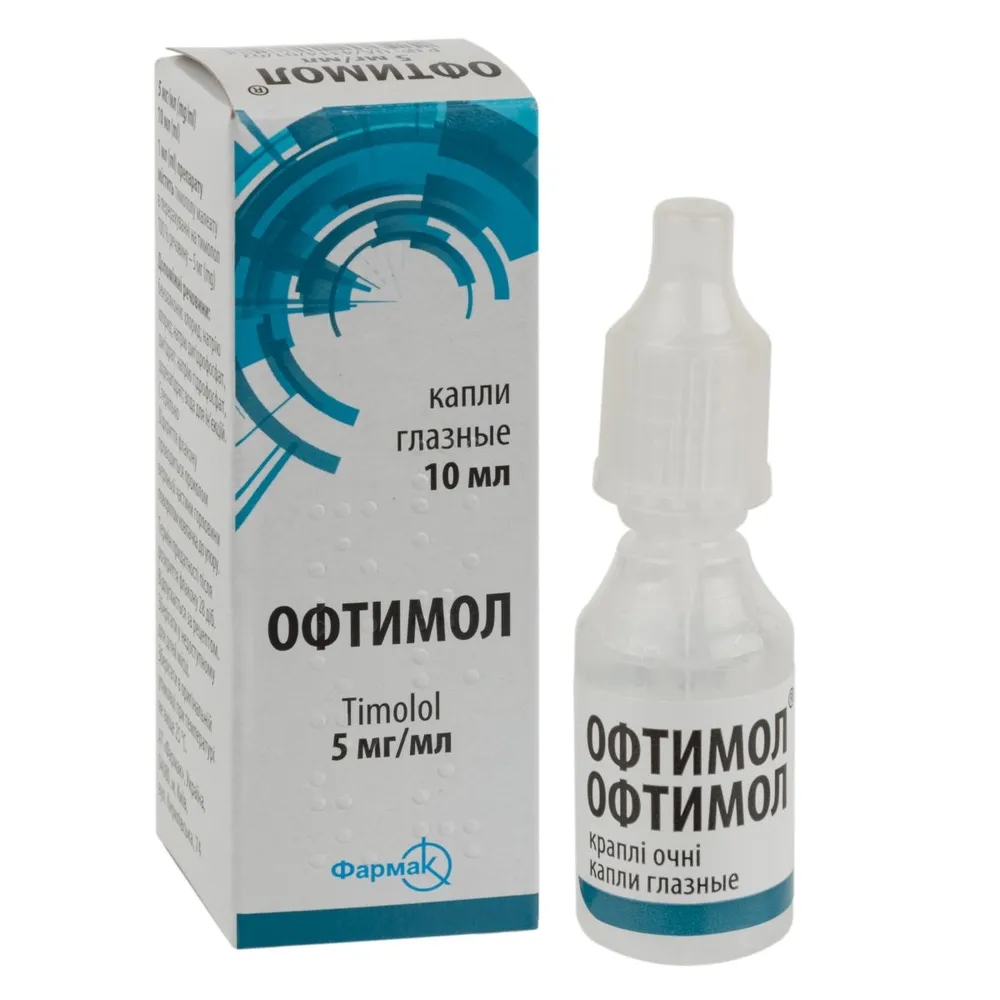
Table of Contents
INSTRUCTIONS for medical use of the medicinal product OPHТIMOL® (OPHTIMOL)
Composition:
Active substance: timolol;
1 ml of the preparation contains 2.5 mg of timolol maleate calculated as 100 % timolol substance;
Excipients: benzalkonium chloride; sodium chloride; sodium dihydrogen phosphate dihydrate; sodium hydrogen phosphate dodecahydrate; water for injections.
Pharmaceutical form. Eye drops.
Main physicochemical properties: clear colorless liquid.
Pharmacotherapeutic group.
Medicinal products used in ophthalmology. Anti-glaucoma preparations and miotics. β-adrenoreceptor blockers.
ATC code S01ED01.
Pharmacological properties.
Pharmacodynamics.
Oftimol® is a non-selective β-adrenergic blocker (β1 and β2) that has no intrinsic sympathomimetic activity or membrane-stabilizing activity, and lacks direct myocardial depressant or local anesthetic effects.
Ophthalmic administration of timolol maleate effectively reduces both normal and elevated intraocular pressure. Based on fluorometric studies, timolol maleate decreases the production of aqueous humor without significantly affecting its outflow. The cellular mechanisms underlying the reduction in aqueous humor formation within the ciliary body of the eye are not yet fully understood.
In contrast to treatment with miotics, timolol reduces intraocular pressure without affecting accommodation, pupil size, or visual acuity; therefore, blurred or hazy vision and impaired vision under bright light do not occur. Furthermore, in patients with cataract, visual disturbances associated with a constricted pupil due to lens opacity can be avoided.
Pharmacokinetics.
Absorption
The effect of the drug begins within 20 minutes after instillation. Reduction in intraocular pressure can typically be observed within 15–30 minutes after administration. Maximum reduction is achieved within 1–5 hours. The reduction in intraocular pressure persists for up to 24 hours after a single dose.
Distribution
Timolol is bound to plasma proteins by 10–60%, depending on the method of quantitative determination.
Metabolism
Approximately 80% of timolol is metabolized in the liver and converted into inactive metabolites. Metabolism of timolol is primarily mediated by the cytochrome P450 enzyme CYP2D6.
Elimination
The elimination half-life (t½) of timolol is 3–4 hours and is not significantly altered in patients with moderate renal impairment. The drug is excreted unchanged, along with its metabolites, in the urine.
Clinical characteristics.
Indications.
Ocular hypertension, chronic open-angle glaucoma, and some cases of secondary glaucoma.
Contraindications.
Hypersensitivity to timolol maleate (or to other beta-blockers) or to any of the excipients of the medicinal product.
Reactive respiratory diseases, including bronchial asthma or a history of bronchial asthma, severe chronic obstructive pulmonary disease.
Sinus bradycardia, sick sinus syndrome, sinoatrial block, second- or third-degree atrioventricular block not controlled by a pacemaker.
Severe heart failure, cardiogenic shock.
Severe allergic rhinitis.
Corneal dystrophy.
Interaction with other medicinal products and other forms of interaction.
When β-blockers in the form of eye drops are used concomitantly with oral calcium channel blockers, β-blockers, antiarrhythmic agents (including amiodarone), cardiac glycosides, parasympathomimetics, guanethidine, an additive effect may occur in the form of hypotension and/or bradycardia.
Concomitant use of timolol and adrenaline (epinephrine) may result in mydriasis.
Potentiation of β-blocker effects (reduced heart rate, depression) has been reported when used in combination with CYP2D6 inhibitors (quinidine, fluoxetine, paroxetine).
Timolol may be systemically absorbed and may cause the same interactions as oral β-blockers:
-
Insulin and oral antidiabetic agents: β-blockers may enhance the hypoglycemic effect, and beta-adrenergic blockade may mask the symptoms of hypoglycemia (such as tachycardia).
-
Anesthetics: reduced reflex tachycardia and increased risk of hypotension. If a patient is receiving timolol, the anesthesiologist should be informed.
-
Cimetidine, hydralazine, and alcohol: may increase plasma levels of timolol.
-
Parasympathomimetics and digitalis glycosides: combination with beta-blockers may have additive effects in prolonging atrioventricular conduction time.
-
Oral β-blockers may exacerbate hypertension caused by withdrawal of clonidine.
-
Calcium antagonists: the nature of cardiac adverse effects depends on the type of calcium channel blocker. Dihydropyridine derivatives (e.g., nifedipine) may cause hypotension, whereas verapamil or diltiazem may lead to impaired atrioventricular conduction, development of left ventricular failure, and negatively affect heart rate.
-
Class I antiarrhythmic agents (e.g., disopyramide, quinidine) and amiodarone: may potentiate effects on atrioventricular conduction time and have a negative inotropic effect.
Patients receiving β-blockers together with agents that deplete catecholamines (e.g., reserpine) require careful monitoring due to the possible potentiation of effects such as hypotension and/or marked bradycardia, manifesting as dizziness, syncope, or postural hypotension.
Combined oral use of calcium antagonists and β-blockers is acceptable in patients with adequate cardiac function; however, this combination should be avoided in patients with impaired cardiac function.
Caution is required when administering intravenous calcium channel blockers to patients receiving β-blockers.
If more than one ophthalmic medicinal product is to be used locally, an interval of at least 5 minutes should be maintained between instillations. Ophthalmic ointments should be applied last.
Special precautions for use
Like other ophthalmic agents, timolol maleate may be absorbed into the systemic circulation, which may lead to adverse effects on the respiratory, cardiovascular, and other systems. The frequency of adverse reactions with ophthalmic administration is significantly lower than with systemic administration.
Cardiac disorders. In patients with cardiovascular disease (e.g., ischemic heart disease, Prinzmetal's angina, heart failure), concomitant antihypertensive therapy with β-blockers should be critically evaluated and alternative medications considered. Patients with cardiovascular disease should monitor for signs of worsening condition or adverse reactions during treatment.
Due to their negative effect on impulse conduction, β-blockers should be used with caution in patients with first-degree atrioventricular (AV) block.
Adequate control of heart failure is required when using timolol in such patients. Patients with severe cardiac disease should be monitored by a physician, particularly for progression of heart failure and pulse rate.
Vascular disorders. Patients with severe peripheral vascular disorders (e.g., Raynaud's syndrome or Raynaud's disease) should use the drug with caution.
Respiratory disorders. There have been reports of respiratory reactions, including fatal outcomes due to bronchospasm, in patients with asthma following ophthalmic use of certain β-blockers. Oftimol® may be prescribed with caution in patients with mild to moderate chronic obstructive pulmonary disease (COPD) if the therapeutic benefit outweighs the potential risk.
Hypoglycemia/diabetes. β-blockers should be used with caution in patients with spontaneous hypoglycemia or labile diabetes, as they may mask the symptoms of acute hypoglycemia.
Thyroid disorders. β-blockers may mask the symptoms of hyperthyroidism.
Corneal disorders. β-blockers may cause dry eyes. This medication should be used with caution in patients with corneal disorders.
In patients with angle-closure glaucoma, the primary treatment goal is reopening the angle. This requires pupillary constriction with a miotic agent. Since timolol has no or minimal effect on the pupil, when used to reduce elevated intraocular pressure in angle-closure glaucoma, it should be administered in combination with a miotic agent, not as monotherapy.
As with any glaucoma treatment, regular monitoring of intraocular pressure and corneal status is recommended.
Use of other β-blockers. The effect on intraocular pressure or known systemic effects may be enhanced when Oftimol® is used concomitantly with other β-blockers, for example, if the patient is receiving systemic or ophthalmic β-blockers. Careful monitoring of the patient is required when such combinations are used. Concomitant use of two β-blockers is not recommended.
Anaphylactic reactions. Patients with atopy or a history of severe anaphylactic reactions to various allergens may experience heightened sensitivity to repeated allergen exposure while on β-blockers and may not respond to usual doses of adrenaline used in treating anaphylactic reactions.
Retinal detachment. Cases of retinal detachment have been reported with use of agents that suppress intraocular fluid secretion (e.g., timolol, acetazolamide) following surgical treatment of glaucoma.
Choroidal detachment. Cases of choroidal detachment have been reported with therapy suppressing intraocular fluid production (e.g., timolol, acetazolamide) following trabeculotomy.
General anesthesia. Ophthalmic β-blockers may block the effects of systemic β-agonists, such as adrenaline. The anesthesiologist should be informed that the patient is receiving timolol maleate.
In some patients, marked and prolonged hypotension has been observed during anesthesia after treatment with systemic beta-blockers. Therapy should be discontinued prior to elective surgery. As with systemic beta-blockers, if discontinuation of ophthalmic timolol therapy is required in patients with ischemic heart disease, it should be done gradually.
Muscle weakness. β-adrenergic blockers have been reported to exacerbate muscle weakness associated with certain symptoms of myasthenia (e.g., diplopia, ptosis, and generalized weakness).
Contact lenses. Oftimol® contains benzalkonium chloride, which may deposit on soft contact lenses and discolor them. Therefore, soft contact lenses must be removed before instillation of the medication and not reinserted earlier than 15 minutes after administration.
Warnings regarding excipients. This medicinal product contains benzalkonium chloride, which may cause eye irritation, particularly in patients suffering from dry eye syndrome or corneal disorders (the transparent front part of the eye).
Warning for athletes. Patients should be advised that this medicinal product contains timolol, which may result in positive doping test outcomes.
Concomitant use of monoamine oxidase inhibitors (MAO inhibitors) should be avoided.
Some patients have reported reduced response to this medication after prolonged therapy.
Use during pregnancy or breastfeeding.
Pregnancy
Due to insufficient experience with use during pregnancy, timolol should be used only if the expected therapeutic benefit to the mother clearly outweighs the potential risk to the fetus/infant.
Epidemiological studies have not shown teratogenic effects but have demonstrated intrauterine growth retardation with β-blocker use. Effects of β-blockers (bradycardia, hypotension, respiratory depression, and hypoglycemia) have been observed in newborns whose mothers received β-blockers prior to delivery. Newborns whose mothers received timolol before delivery should be closely monitored during the first days of life. Recommendations to reduce systemic absorption are provided in the section "Dosage and administration."
Breastfeeding
Timolol maleate has been detected in human milk following both oral and ophthalmic administration. β-blockers pass into breast milk and may cause serious adverse effects in breastfed infants.
After careful evaluation of the benefit-risk ratio, either breastfeeding should be discontinued or use of Oftimol® should be stopped, taking into account the benefits of breastfeeding for the child and the benefits of therapy for the woman.
Ability to influence reaction speed when driving or operating machinery.
This medicinal product has no or negligible influence on the ability to drive or use machinery.
Transient blurred vision or other visual disturbances, including refractive changes, diplopia, ptosis, frequent mild and transient blurring of vision, and rarely dizziness or increased fatigue, may affect the ability to drive or operate machinery. If such adverse effects occur, patients should wait until vision clears before driving or operating machinery.
Method of Administration and Dosage
Attention! Do not tightly screw the bottle cap before starting use! Before first use, screw the cap on tightly. In doing so, the spike located on the inner side of the cap will pierce the opening. Immediately before administration, hold the bottle in your palm to warm it to body temperature. Unscrew and remove the cap, then instill the solution into the eye by gently pressing on the body of the bottle. After instillation, tightly screw the cap back on and store the preparation according to the recommendations provided in the instructions. Ophthalmic drops should be used with strict adherence to hygiene rules. Do not allow the tip of the dropper to touch any surface.
When switching from another ophthalmic β-blocker to timolol, discontinue the other agent and start administering 1 drop of timolol into the affected eye twice daily starting the next day. If the clinical response to treatment is inadequate, increase the dose to 1 drop of Oftimol® 5 mg/mL twice daily (morning and evening).
When switching from a non-β-blocker antiglaucoma medication to timolol, continue previous treatment on the first day and add 1 drop of Oftimol® into the affected eye twice daily. On the following day, discontinue the previously used antiglaucoma medication and continue treatment with timolol. If the clinical response to treatment is inadequate, increase the dose to 1 drop of Oftimol® 5 mg/mL twice daily (morning and evening).
If a patient is simultaneously using multiple antiglaucoma medications, the approach to changing the treatment regimen should be individualized. A stepwise adjustment is recommended, with intervals of at least one week, modifying only one medication at a time.
Dosage
For adults, instill 1 drop of 0.25% timolol solution (use timolol preparation of appropriate concentration) into the affected eye(s) twice daily. If the response is unsatisfactory, use the 0.5% solution. If intraocular pressure is not adequately controlled, concomitant therapy with miotics, epinephrine, or systemic carbonic anhydrase inhibitors may be initiated. If adequate reduction of intraocular pressure is achieved during treatment, maintenance therapy with 1 drop of the preparation once daily should be continued.
Method of Administration
The drops should be instilled by pulling down the lower eyelid.
The bottle must be kept closed when the patient is not using the medication.
Systemic absorption is reduced by nasolacrimal occlusion or by closing the eyelids for 2 minutes after instillation. This may reduce systemic side effects and increase local activity.
Children. The safety and efficacy of Oftimol® in children have not been established.
Overdose.
There have been reports of accidental timolol overdose resulting in effects similar to those observed with systemic use of β-blockers.
The most common symptoms of overdose include dizziness, headache, hypotension, dyspnea, bradycardia, bronchospasm, heart failure, and cardiac arrest.
Treatment: If the drug has been ingested and no more than 1 hour has passed since overdose, perform gastric lavage or, as an alternative, administer activated charcoal (50 g for adults, 1 g/kg for children).
In case of bradycardia, administer intravenous atropine 0.25 mg – 2 mg. If bradycardia persists, use isoprenaline. If ineffective, implant a cardiac pacemaker.
For hypotension, administer dopamine, dobutamine, or noradrenaline. If ineffective, administer glucagon.
For bronchospasm: use isoprenaline and additional therapy with aminophylline.
Acute heart failure: treat according to emergency protocol (oxygen, diuretics, cardiac glycosides). If ineffective, administer intravenous aminophylline or glucagon.
Heart block: use isoprenaline or implant a pacemaker.
Hemodialysis is poorly effective.
Side effects
Oftimol® eye drops are generally well tolerated by patients.
Like other medicinal products used in ophthalmology, timolol maleate is absorbed into the systemic circulation. This may cause adverse effects similar to those observed with systemic use of the drug. The frequency of adverse effects with ophthalmic use of timolol maleate is lower than with systemic administration. The following adverse reactions have been reported with ophthalmic use of the drug and are classified as follows: very common (≥ 1/10), common (≥ 1/100 to < 1/10), uncommon (≥ 1/1000 to < 1/100), rare (≥ 1/10000 to < 1/1000), very rare (< 1/10000), not known (cannot be estimated from available data).
Immune system disorders
Rare: facial swelling.
Not known: hypersensitivity, angioneurotic edema, systemic lupus erythematosus, urticaria.
Metabolism and nutrition disorders
Not known: hypoglycemia.
Psychiatric disorders
Rare: depression.
Not known: insomnia, nightmares, amnesia, hallucinations.
Nervous system disorders
Uncommon: headache.
Rare: cerebral ischemia, dizziness, migraine.
Not known: stroke, syncope, paresthesia.
Eye disorders
Common: blurred vision, ocular irritation symptoms (burning, stinging, itching, redness), eye discomfort, eye pain, ocular hyperemia.
Uncommon: punctate keratitis, iritis, blepharitis, conjunctivitis, keratitis, decreased visual acuity, increased lacrimation, photophobia, eye discharge, scaling of eyelid margins, anterior chamber inflammation, eyelid edema, corneal erosions, dry eyes, conjunctival hyperemia.
Rare: uveitis, eyelid itching, eyelid eczema, eyelid erythema, conjunctival edema, corneal pigmentation, asthenopia, diplopia, corneal disorder.
Not known: ptosis, retinal detachment following surgical treatment of glaucoma.
Cardiac disorders
Uncommon: bradycardia.
Rare: myocardial infarction.
Not known: cardiac arrest, AV block (complete, incomplete, or worsening), congestive heart failure (worsening), arrhythmia, palpitations.
Vascular disorders
Uncommon: hypotension.
Rare: increased blood pressure, peripheral edema, cold extremities.
Not known: intermittent claudication, Raynaud's phenomenon.
Respiratory system disorders
Uncommon: asthma, bronchitis, dyspnea.
Rare: chronic obstructive pulmonary disease, bronchospasm (mainly in patients with bronchospastic disease), cough, stridor, nasal congestion.
Not known: respiratory failure.
Gastrointestinal disorders
Uncommon: dysgeusia.
Rare: abdominal discomfort, dry mouth (xerostomia), dyspepsia.
Not known: nausea, diarrhea, vomiting.
Skin and subcutaneous tissue disorders
Rare: erythema.
Not known: psoriasiform rash or exacerbation of psoriasis, alopecia, skin rash.
Musculoskeletal and connective tissue disorders
Not known: arthropathy.
Reproductive system and breast disorders
Not known: sexual dysfunction (impotence), Peyronie's disease.
General disorders and administration site conditions
Uncommon: increased fatigue.
Not known: asthenia, chest discomfort.
Description of selected adverse reactions
Very rare cases of corneal calcification have been reported with the use of phosphate-containing eye drops in some patients with significantly damaged corneas.
As with other topical ophthalmic agents, timolol is absorbed into the systemic circulation. This may lead to the same adverse effects observed with systemic β-blockers. The frequency of systemic adverse reactions after topical ophthalmic administration is lower than after systemic administration. The listed adverse reactions include those observed within the class of ophthalmic beta-blockers. Additional adverse reactions observed with ophthalmic beta-blockers may also possibly occur with the use of Oftimol®:
Blood and lymphatic system disorders: non-specific thrombocytopenic purpura.
Immune system disorders: systemic allergic reactions, localized and generalized rash, anaphylactic reactions, pruritus.
Psychiatric disorders: somnolence.
Nervous system disorders: exacerbation of myasthenia symptoms.
Eye disorders: eye pricking, blurred vision. Visual disturbances, including refractive changes (due to discontinuation of miotic agents), decreased corneal sensitivity, retinal detachment following surgical treatment of glaucoma.
Cardiac disorders: chest pain, edema, heart failure.
Respiratory system disorders: wheezing.
Gastrointestinal disorders: abdominal pain.
Skin and subcutaneous tissue disorders: sweating, exfoliative dermatitis.
Musculoskeletal and connective tissue disorders: myalgia, arthralgia.
Ear and labyrinth disorders: tinnitus (ear ringing, buzzing).
Reproductive system and breast disorders: decreased libido, urinary hesitancy.
General disorders and administration site conditions: limb pain, decreased tolerance to physical exertion.
Shelf life. 3 years. After opening the bottle, the product is stable for 28 days.
Do not use the product after the expiry date stated on the packaging.
Storage conditions. Store in the original packaging at a temperature not exceeding 25 °C.
Keep out of reach of children.
Packaging. 5 ml or 10 ml in a bottle, placed in a carton.
Prescription category. Prescription only.
Manufacturer. JSC "Farmak".
Manufacturer's address and place of business.
74, Kyrylivska Street, Kyiv, 04080, Ukraine.