Nebydo
Ukraine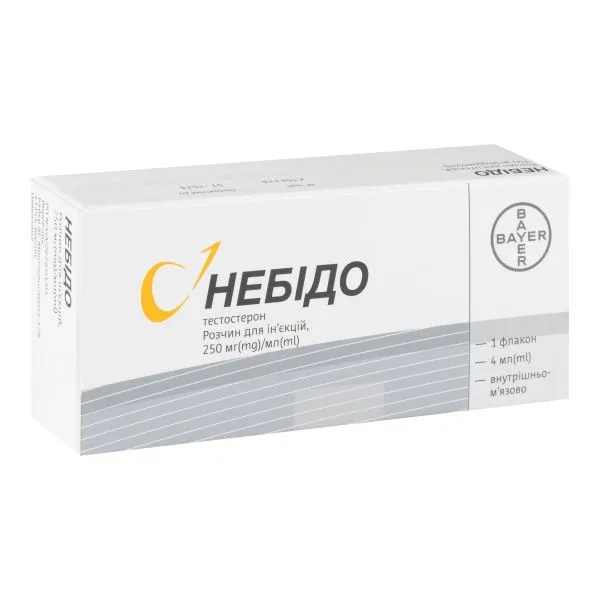
Table of Contents
INSTRUCTIONS FOR MEDICAL USE OF THE MEDICINAL PRODUCT NEBIDO® (NEBIDO®)
Composition:
Active substance: testosterone undecanoate;
1 vial contains 1000 mg of testosterone undecanoate in 4 ml of solution for injection (250 mg testosterone undecanoate/ml, corresponding to 157.9 mg testosterone);
Excipients: benzyl benzoate, refined castor oil.
Pharmaceutical form. Solution for injection.
Main physicochemical properties: clear, particle-free solution.
Pharmacotherapeutic group. Hormones and their analogues. Androgens.
ATC code G03B A03.
Pharmacological properties.
Pharmacodynamics.
Testosterone undecanoate is an ester of the natural androgen testosterone. The active form, testosterone, is formed by cleavage of the side chain.
Testosterone is the most important androgen in the male body and is synthesized primarily in the testes and, to a lesser extent, in the adrenal cortex.
Testosterone is responsible for the development of male sexual characteristics during intrauterine life, early childhood, and puberty, and subsequently for maintaining the male phenotype and androgen-dependent functions (e.g., spermatogenesis, functions of the accessory sex glands). Testosterone also exerts other effects in tissues such as the skin, musculoskeletal system, kidneys, liver, bone marrow, and central nervous system.
Depending on the target organ, the action of testosterone is primarily androgenic (e.g., prostate, seminal vesicles, epididymis) or protein-anabolic (e.g., muscles, bones, hematopoietic system, kidneys, liver).
In certain tissues, testosterone's effects are mediated after its conversion in peripheral tissues to estradiol, which then binds to estrogen receptors in the nuclei of target cells (e.g., pituitary, adipose tissue, brain, bone, and Leydig cells of the testes).
Pharmacokinetics.
Absorption
Nebido is a depot preparation administered intramuscularly and contains testosterone undecanoate, thus avoiding the first-pass effect. After intramuscular injection of testosterone undecanoate in an oily solution, the compound is gradually released from the depot and is almost completely hydrolyzed by serum esterases into testosterone and undecanoic acid. An increase in serum testosterone concentration relative to baseline levels can be detected as early as the day after injection.
Steady-state concentration
In hypogonadal men, the mean Cmax of 38 nmol/L (11 ng/mL) was reached 7 days after the first intramuscular injection of 1000 mg testosterone undecanoate. The second injection was administered 6 weeks after the first, resulting in a peak testosterone concentration of 50 nmol/L (15 ng/mL). The subsequent three injections were given at regular 10-week intervals. Steady-state conditions were achieved between the third and fifth injections. At steady state, the mean Cmax and Cmin values of testosterone were approximately 37 nmol/L (11 ng/mL) and 16 nmol/L (5 ng/mL), respectively. The mean intra- and inter-individual variability (coefficient of variation, expressed as %) for Cmin was 22% (range: 9–28%) and 34% (range: 25–48%), respectively.
Distribution
In male serum, approximately 98% of circulating testosterone is bound to sex hormone-binding globulin (SHBG) and albumin. Only the free fraction of testosterone is considered biologically active. After intravenous infusion of testosterone in elderly men, the expected volume of distribution was approximately 1 L/kg.
Metabolism
Testosterone, released from the hydrolysis of the testosterone undecanoate ester, is metabolized and eliminated via the same pathways as endogenous testosterone. Undecanoic acid is metabolized via β-oxidation, similar to other aliphatic carboxylic acids. The main active metabolites of testosterone are estradiol and dihydrotestosterone.
Elimination
Testosterone undergoes extensive metabolism both in the liver and in extrahepatic tissues. After administration of radiolabeled testosterone, approximately 90% of radioactivity is excreted in urine as glucuronide and sulfate acid conjugates, and 6% is found in feces following enterohepatic circulation. Urinary metabolites include androsterone and etiocholanolone. After intramuscular administration of Nebido, the elimination half-life is 90 ± 40 days.
Non-clinical safety data
Toxicity studies revealed no effects other than those attributable to the hormonal profile of Nebido.
In vitro studies demonstrated the absence of mutagenic effects of testosterone using the reverse mutation assay (Ames test) and analysis with hamster ovary cells. Experimental animal studies have shown an association between androgen therapy and the development of certain types of cancer. Experimental data in rats showed an increased incidence of prostate cancer following testosterone treatment.
Sex hormones may promote the development of certain tumors induced by known carcinogens. The clinical relevance of this observation has not been established.
Reproductive function studies in rodents and primates showed that testosterone therapy may dose-dependently impair fertility due to suppression of spermatogenesis.
Clinical characteristics.
Indications.
Testosterone replacement therapy for male hypogonadism, confirmed by clinical symptoms and laboratory test results.
Contraindications.
Androgen-dependent carcinoma of the prostate or male breast cancer; current or past history of liver tumors; hypersensitivity to the active substance or to any of the excipients. Hypercalcaemia associated with malignant diseases.
Not intended for use in women.
Special precautions.
The properties of the oil solution may temporarily change at low storage temperatures (e.g., increased viscosity, cloudiness). If stored at low temperature, the medicinal product should be warmed to room temperature or body temperature before administration.
The solution for intramuscular injection should be visually inspected prior to use. Only clear solutions free from visible particles should be administered. The vial is intended for single use only. Any unused product must be disposed of according to local requirements.
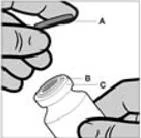
The contents of the vial should be administered intramuscularly immediately after withdrawal into the syringe. After removal of the plastic cap (A), do not remove the metal ring (B) or crimp cap (C).
Interaction with other medicinal products and other forms of interaction.
Oral anticoagulants
Testosterone and its derivatives have been reported to enhance the effect of oral anticoagulants, particularly coumarin derivatives. Therefore, patients receiving oral anticoagulants require careful monitoring, especially at the beginning and after discontinuation of androgen therapy. More frequent monitoring of prothrombin time and international normalized ratio (INR) is recommended.
Other types of interactions
Concomitant administration of testosterone with adrenocorticotropic hormone or corticosteroids may promote the development of edema. Therefore, these drugs should be used concomitantly with caution, especially in patients with heart or liver disease or in those predisposed to fluid retention.
Effect on laboratory test results
Androgens may reduce the levels of thyroxine-binding globulin, resulting in lower total thyroxine and triiodothyronine levels, and increased uptake of triiodothyronine and thyroxine. However, the concentration of free thyroid hormone fractions remains unchanged. There are no clinical signs of impaired thyroid function.
Special precautions for use.
The Nebido preparation is not recommended for use in children and adolescents.
Nebido may be used only in cases of confirmed (hypo- or hypergonadotropic) hypogonadism and only after prior exclusion of other potential causes of the symptoms present. Testosterone deficiency must be clearly manifested clinically (reduced expression of secondary sexual characteristics, changes in body composition, asthenia, decreased libido, erectile dysfunction) and confirmed by two separate measurements of testosterone levels in the blood.
Elderly patients
Safety and efficacy data for Nebido in patients aged 65 years and older are limited. There is currently no consensus on age-related normal testosterone levels. However, it should be noted that with aging, the physiological serum testosterone level decreases.
Medical examinations and laboratory tests
Medical examinations
Before initiating testosterone therapy, all patients should undergo a thorough medical examination to exclude pre-existing prostate cancer. Patients receiving testosterone treatment must be regularly and carefully monitored for prostate and breast conditions using standard examination methods (digital rectal examination; monitoring of serum prostate-specific antigen (PSA) levels), at least once a year, or twice a year in elderly patients and high-risk groups (patients with clinical or hereditary risk factors). Local guidelines for safety monitoring during testosterone replacement therapy should be considered.
Laboratory tests
Testosterone levels should be monitored at the beginning and at regular intervals during therapy. The treating physician should individually adjust the dosage to maintain testosterone levels within the desired range. In patients undergoing long-term androgen therapy, the following parameters should also be monitored regularly: hemoglobin and hematocrit, liver function tests, and lipid profile (see section "Side effects").
Due to variability in laboratory results, all testosterone level measurements are recommended to be performed in the same laboratory.
Tumors
Androgens may accelerate the progression of subclinical prostate cancer and benign prostatic hyperplasia.
Nebido should be used with caution in oncology patients who are at risk of developing hypercalcemia (and associated hypercalciuria) due to bone metastases. Regular monitoring of serum calcium levels is recommended in such patients.
Cases of benign and malignant liver tumors have been reported in individuals receiving hormonal medications, including androgenic compounds. In men receiving Nebido treatment, if severe upper abdominal pain, hepatomegaly, or signs of intra-abdominal hemorrhage occur, a liver tumor should be excluded during differential diagnosis.
Cardiac, hepatic, and renal insufficiency
In patients with severe cardiac, hepatic, or renal insufficiency or ischemic heart disease, testosterone therapy may lead to serious complications characterized by edema, which may or may not be accompanied by congestive heart failure. In such cases, therapy must be discontinued immediately.
Hepatic or renal insufficiency. Studies on the efficacy and safety of the medicinal product in patients with impaired kidney or liver function have not been conducted. Therefore, testosterone replacement therapy in such patients should be administered with caution.
Cardiac insufficiency. Caution is required in patients prone to edema, such as those with severe cardiac, hepatic, or renal insufficiency or ischemic heart disease, as treatment with androgenic preparations may lead to increased sodium and water retention. In cases of severe complications characterized by edema with or without congestive heart failure, treatment should be discontinued immediately (see section "Side effects").
Testosterone may cause an increase in blood pressure; therefore, Nebido should be used with caution in men with arterial hypertension.
Coagulation disorders
According to standard guidelines, intramuscular injections should be administered with caution in patients with acquired or congenital coagulation disorders.
Testosterone and its derivatives have been reported to increase the activity of oral anticoagulants—coumarin derivatives (see also section "Interaction with other medicinal products and other forms of interaction").
Testosterone should be used with caution in patients with thrombophilia or risk factors for venous thromboembolism (VTE), as post-marketing studies and surveillance have reported thrombotic events (e.g., deep vein thrombosis, pulmonary embolism, ocular vessel thrombosis) in this patient group during testosterone therapy. VTE events have occurred even under antithrombotic therapy in patients with thrombophilia; therefore, continuation of testosterone therapy after the first thrombotic event should be carefully evaluated. If therapy is continued, additional measures should be taken to minimize the individual VTE risk.
Other conditions
Testosterone should be used with particular caution in patients with epilepsy or migraine, as the course of these conditions may worsen.
In patients receiving androgens and who achieve normal plasma testosterone levels after testosterone replacement therapy, insulin sensitivity may increase.
Certain clinical symptoms such as irritability, nervousness, weight gain, persistent or frequent erections may indicate androgen overdose and require dose adjustment.
Pre-existing sleep apnea syndrome may be exacerbated.
Athletes receiving testosterone replacement therapy for primary or secondary hypogonadism should be informed that the active substance of the medicinal product may result in a positive doping test.
Androgens are not suitable for use to increase muscle mass in healthy individuals or to enhance physical performance.
If symptoms of hyperandrogenism persist or recur during therapy at recommended doses, Nebido administration should be temporarily discontinued.
Misuse and drug dependence
Testosterone is usually misused at doses exceeding those recommended for registered indications and in combination with other anabolic androgenic steroids. Misuse of testosterone and other anabolic androgenic steroids may lead to serious adverse reactions, such as cardiovascular complications (in some cases fatal), hepatic complications and/or psychiatric disorders. Testosterone misuse may lead to drug dependence and withdrawal syndrome following a significant dose reduction or abrupt discontinuation. Misuse of testosterone and other anabolic androgenic steroids is associated with serious health risks, and such misuse should be prevented.
Administration
Like all oily solution injections, Nebido injections should be administered slowly (over 2 minutes) and precisely intramuscularly. In rare cases, pulmonary microembolism may occur following injection of oily solutions, potentially leading to symptoms such as cough, anxiety, dyspnea, malaise, hyperhidrosis, chest pain, dizziness, paresthesia, or syncope. These reactions may occur during or immediately after injection and are reversible. Therefore, the patient should be under medical supervision during and after injection to allow timely detection of symptoms of pulmonary oil microembolism. Supportive treatment, such as supplemental oxygen therapy, is usually required.
Cases of anaphylactic reactions following Nebido injections have been reported.
This medicinal product contains castor oil as an excipient, which may cause severe allergic reactions.
Information about excipients
This medicinal product contains 2000 mg of benzyl benzoate in each 4 ml vial, equivalent to 500 mg/ml.
Use during pregnancy or breastfeeding.
The medicinal product is not intended for use in women and is not administered to pregnant or breastfeeding women (see section "Contraindications").
Effect on fertility.
Testosterone replacement therapy may suppress spermatogenesis, which is reversible (see sections "Side effects" and "Pharmacological properties").
Ability to affect reaction speed when driving or operating machinery.
Nebido does not affect the ability to drive vehicles or operate machinery.
Method of Administration and Dosage
Inject Nebido (1 vial contains 1000 mg of testosterone undecanoate) once every 10–14 weeks. With this injection frequency, sufficient testosterone levels are maintained and drug accumulation does not occur.
Initiation of Treatment
Before starting treatment and at the beginning of administration, serum testosterone levels should be determined. Depending on the serum testosterone concentration and existing clinical symptoms, the interval between the initial injections may be shorter than the recommended 10–14 weeks for maintenance therapy, but not less than 6 weeks. A steady-state concentration is rapidly achieved with this loading dose.
Individualization of Treatment
The recommended injection interval of 10 to 14 weeks should be strictly followed. During maintenance therapy, careful monitoring of serum testosterone levels is required. Serum testosterone levels should be measured regularly at the end of the injection interval, taking into account clinical symptoms. Serum testosterone concentrations should remain within the lower third of the normal range. If levels fall below normal, this may indicate the need to shorten the injection interval. In cases of high concentrations, consideration should be given to extending the interval.
Special Patient Groups
Elderly Patients
Available limited data suggest that dose adjustment is not necessary in this patient population (see section "Special Warnings and Precautions for Use").
Patients with Hepatic Impairment
Studies on the use of Nebido in patients with hepatic impairment have not been conducted. Nebido is contraindicated in men with current or past history of liver tumors (see section "Contraindications").
Patients with Renal Impairment
Studies on the use of Nebido in patients with renal impairment have not been conducted.
Method of Administration
Administered intramuscularly.
The injection should be given very slowly (over 2 minutes). The product is intended for intramuscular use only. Nebido must be injected deeply into the gluteal muscle, strictly following the principles of intramuscular injection technique. Intravascular injection must be avoided (see section "Special Warnings and Precautions for Use"). Intramuscular injections should be performed immediately after opening the vial (handling instructions are provided in the section "Special Precautions for Disposal and Other Handling").
Children
Nebido is not indicated for use in children. There are no clinically relevant data on use in children (under 18 years of age) (see section "Special Warnings and Precautions for Use").
Overdose
In the event of overdose, no specific therapy is required. It may be necessary to interrupt treatment or reduce the dose.
Adverse reactions
For adverse effects related to the use of androgens, see section "Special precautions for use".
The most commonly observed adverse effects associated with the use of Nebido are acne and injection site pain.
Pulmonary microembolism may rarely occur following administration of oily solutions, manifesting with symptoms such as cough, dyspnea, anxiety, hyperhidrosis, chest pain, dizziness, paresthesia, or loss of consciousness. These reactions may occur during or immediately after injection and are reversible. Cases suspected of pulmonary microembolism following administration of oily solutions have been reported both during clinical trials (with an incidence of ≥1/10,000 and <1/1,000 injections) and during post-marketing use (see section "Special precautions for use").
Cases of suspected anaphylactic reactions following Nebido injections have been reported.
Androgens may promote the progression of asymptomatic prostate cancer and benign prostatic hyperplasia.
The table below presents adverse reactions associated with Nebido use, classified by system organ classes (according to MedDRA SOCs, version 11.0). The adverse reactions listed below were observed during clinical trials with Nebido and are categorized by frequency as follows: common (≥1/100, <1/10), uncommon (≥1/1,000, <1/100), and rare (≥1/10,000, <1/1,000). The adverse reactions were observed in six clinical trials (N=422) and were considered at least possibly related to Nebido.
Relative frequency of adverse reactions in men based on pooled data from six clinical trials (N=422 (100.0 %)), of whom 302 hypogonadal men received intramuscular injections of 4 ml of testosterone undecanoate 250 mg/ml and 120 men received injections of 3 ml of testosterone undecanoate 250 mg/ml.
| System Organ Classes |
Common |
Uncommon |
Rare |
| Blood and lymphatic system disorders |
Polyglobulia, increased hematocrit, increased red blood cell count*, increased hemoglobin level* |
||
| Immune system disorders |
Hypersensitivity |
||
| Nutritional and metabolism disorders |
Weight gain |
Increased appetite, increased glycated hemoglobin, hypercholesterolemia, increased blood triglycerides, increased blood cholesterol |
|
| Psychiatric disorders |
Depression, mood alteration, insomnia, restlessness, aggression, irritability |
||
| Nervous system disorders |
Headache, migraine, tremor |
||
| Vascular disorders |
Flushing |
Cardiovascular disorders, hypertension, dizziness |
|
| Respiratory, thoracic and mediastinal disorders |
Bronchitis, sinusitis, cough, dyspnea, snoring, dysphonia |
||
| Gastrointestinal disorders |
Diarrhea, nausea |
||
| Hepatobiliary disorders |
Liver function test abnormalities, increased aspartate aminotransferase activity |
||
| Skin and subcutaneous tissue disorders |
Acne |
Alopecia, erythema, rash1, pruritus, dry skin |
|
| Musculoskeletal and connective tissue disorders |
Arthralgia, limb pain, muscle disorders2, muscle tightness, increased blood creatine phosphokinase |
||
| Renal and urinary disorders |
Decreased urine output, urinary retention, urinary tract disorders, nocturia, dysuria |
||
| Reproductive system and breast disorders |
Increased prostate-specific antigen level, prostate examination abnormalities, benign prostatic hyperplasia |
Intraepithelial neoplasia of the prostate, prostate induration, prostatitis, prostate disorders, libido changes, testicular pain, breast induration, breast pain, gynecomastia, increased estradiol level, increased testosterone level |
|
| General disorders and administration site conditions |
Various types of injection site reactions3 |
Increased fatigue, weakness, hyperhidrosis4 |
|
| Injury and procedural complications |
Pulmonary microembolism due to injection of oily solutions** |
*This frequency was observed during the use of medicinal products containing testosterone.
**Frequency is based on the number of injections.
For the description of individual adverse reactions, the most appropriate MedDRA term is used. Synonyms and related conditions are not listed but should also be considered.
1 Skin rash, including nodular rash.
2 Muscle disorders: muscle cramps, muscle tension, and myalgia.
3 Various types of injection site reactions: pain, discomfort, itching, erythema, hematoma, irritation, injection site reactions.
4 Hyperhidrosis: hyperhidrosis and night sweats.
Description of individual adverse reactions
In isolated cases, pulmonary microembolism with oil solution may lead to the development of symptoms such as cough, dyspnea, malaise, hyperhidrosis, chest pain, dizziness, anxiety, paresthesia, or fainting. These reactions may occur during or immediately after injection and are reversible. Cases reported by the company or investigators, which may be considered as pulmonary microembolism, were rarely identified both during clinical trials (from ≥1/10,000 to <1/1,000 injections) and in post-marketing surveillance (see section "Special precautions for use").
Other adverse reactions reported include cholestatic jaundice, hepatitis; urinary tract obstruction; disturbances in the metabolism of sodium, chloride, potassium, calcium, and inorganic phosphates; impaired glucose tolerance; edema, gastrointestinal bleeding.
In addition to the above-mentioned adverse reactions observed during treatment with testosterone-containing drugs, states of nervousness, hostility, sleep apnea, various skin reactions including seborrhea, increased hair growth, increased frequency of erections, and in rare cases – jaundice have been observed.
Treatment with testosterone preparations in high doses often reversibly suppresses or reduces spermatogenesis, leading to a decrease in testicular size. Testosterone replacement therapy for hypogonadism rarely may lead to persistent painful erections (priapism). High doses or long-term administration of testosterone rarely may result in fluid retention and edema.
Reporting of suspected adverse reactions
Reporting of suspected adverse reactions during the post-marketing period is very important. It allows continuous monitoring of the benefit-risk balance of the medicinal product. Healthcare professionals should report any suspected adverse reactions.
Shelf life.
5 years.
Storage conditions.
Keep out of reach and sight of children. Store at temperatures not exceeding 25°C.
Incompatibilities.
As compatibility studies have not been conducted, this medicinal product should not be mixed with other medicinal products in the same container.
Packaging.
4 ml in a vial; 1 vial in a cardboard box.
Prescription status.
Prescription only.
Manufacturer.
Bayer AG.
Manufacturer's name and address of the place of business.