Nalbuphine-zdrávo injections
Ukraine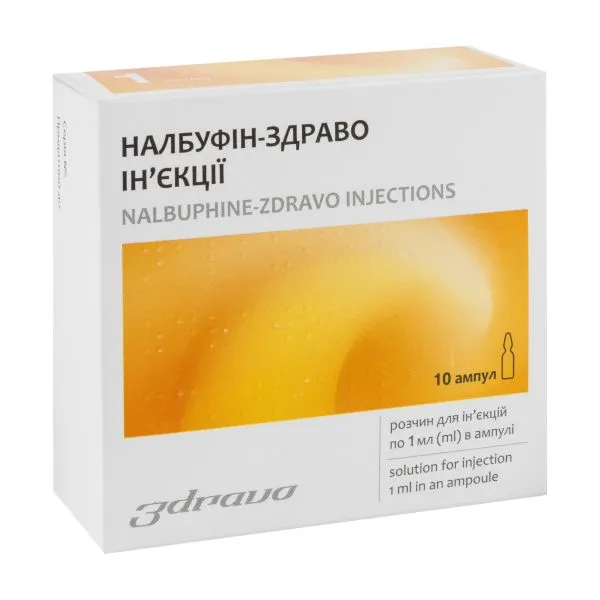
Table of Contents
INSTRUCTIONS FOR MEDICAL USE OF THE MEDICINAL PRODUCT NALBUPHINE-ZDRAVO INJECTIONS
Composition:
Active substance: nalbuphine hydrochloride;
1 ml of solution contains nalbuphine hydrochloride equivalent to 100% substance – 10 mg;
Excipients: sodium citrate; citric acid, monohydrate; sodium chloride; water for injections.
Pharmaceutical form. Solution for injection.
Main physicochemical properties: clear, colorless or almost colorless solution.
Pharmacotherapeutic group.
Analgesics. Opioids. Morphinane derivatives. ATC code N02AF02.
Pharmacological Properties.
Mechanism of action
Nalbuphine hydrochloride is a kappa-receptor agonist and a mu-receptor antagonist.
Pharmacodynamics.
Nalbuphine hydrochloride is a potent analgesic. Its analgesic effect is practically equivalent to that of morphine on a milligram-to-milligram basis up to a maximum dose of approximately 30 mg.
The antagonist activity of nalbuphine hydrochloride is ¼ that of nalorphine and 10 times greater than that of pentazocine.
Nalbuphine hydrochloride may produce the same degree of respiratory depression as equianalgesic doses of morphine. However, NALBUPHINE-ZDRAVO INJECTION solution for injection has a ceiling effect, whereby further dose increases beyond 30 mg do not cause greater respiratory depression in the absence of other CNS-active agents affecting respiratory function.
Alone, nalbuphine hydrochloride has potent opioid antagonist activity at doses equal to or lower than its analgesic dose. When administered after or together with mu-opioid analgesic agonists (e.g., morphine, oxymorphone, fentanyl), nalbuphine hydrochloride may partially reduce or eliminate respiratory depression caused by mu-opioid analgesic agonists. Nalbuphine hydrochloride may precipitate withdrawal in patients dependent on opioid drugs. Nalbuphine hydrochloride should be used with caution in patients regularly receiving mu-opioid analgesics.
Effects on the CNS
Nalbuphine hydrochloride causes respiratory depression by direct action on the respiratory centers in the brainstem. Respiratory depression refers to decreased sensitivity of the brainstem respiratory centers to increased carbon dioxide tension and electrical stimulation. However, nalbuphine-induced respiratory depression is characterized by a ceiling effect. Despite nalbuphine hydrochloride belonging to the class of agonist-antagonists, its respiratory depressant effect may be reversed by naloxone.
Nalbuphine hydrochloride causes miosis even in complete darkness. Pupillary constriction is a sign of opioid overdose, but is not pathognomonic (e.g., hemorrhagic or ischemic bladder disorders may present with similar symptoms). In cases of overdose due to hypoxia, marked mydriasis may occur.
Effects on the gastrointestinal tract and other smooth muscles
Nalbuphine hydrochloride causes decreased motility associated with increased tone of smooth muscles in the antral region of the stomach and duodenum. Digestion in the small intestine is delayed, and propulsive contractions are reduced. Propulsive peristaltic waves in the colon are diminished, and increased tone may lead to spasm, resulting in constipation. Other opioid effects may include decreased secretion of bile and pancreatic juice, spasm of the sphincter of Oddi, and transient elevation of serum amylase levels.
Effects on the cardiovascular system
When nalbuphine hydrochloride is used during anesthesia, a higher incidence of bradycardia has been observed in patients who did not receive atropine prior to surgery.
Opioids cause peripheral vasodilation, which may lead to orthostatic hypotension or syncope. Signs of histamine release and/or peripheral vasodilation may include itching, flushing, redness of the eyes, increased sweating, and/or orthostatic hypotension.
Effects on the endocrine system
Opioids inhibit the secretion of adrenocorticotropic hormone (ACTH), cortisol, and luteinizing hormone (LH). They also stimulate the secretion of prolactin, growth hormone (GH — somatotropic hormone), and pancreatic hormones—insulin and glucagon.
Long-term use of opioids may affect the hypothalamic-pituitary-gonadal system, leading to androgen deficiency, which may manifest as decreased libido, impotence, erectile dysfunction, amenorrhea, or infertility. The causal role of opioids in the clinical syndrome of hypogonadism is not fully established, as various medical, physical, psychological stressors, and lifestyle factors that may influence gonadal hormone levels have not been adequately controlled in studies conducted to date.
Effects on the immune system
Opioids have varying effects on components of the immune system in in vitro and animal models. The clinical significance of these findings is unknown. Overall, the effects of opioids are moderately immunosuppressive.
Concentration–effect relationship
The minimum effective analgesic concentration varies widely among patients, especially in those previously treated with strong opioid agonists. The minimum effective analgesic concentration of nalbuphine hydrochloride in an individual patient may increase over time due to increasing pain, development of new pain syndromes, and/or development of tolerance.
Pharmacokinetics.
The onset of action of nalbuphine hydrochloride occurs within 2–3 minutes after intravenous administration and within less than 15 minutes after subcutaneous or intramuscular injection. The plasma half-life of nalbuphine hydrochloride is 5 hours. The duration of analgesic effect in clinical studies ranged from 3 to 6 hours.
The primary metabolic pathway for nalbuphine hydrochloride has not been fully established—likely hepatic.
Clinical characteristics.
Indications
The medicinal product NALBUPHINE-ZDRAVO INJECTIONS is indicated for the treatment of moderate to severe pain requiring opioid analgesics and for which alternative treatment options are inadequate. The drug may also be used as an adjunct in anesthesia, for preoperative and postoperative pain relief, and for obstetric analgesia during labor and delivery.
Warnings for use
Due to the risks of dependence, abuse, and misuse associated with opioid analgesics, which may occur even at recommended doses and durations, nalbuphine hydrochloride should be prescribed only to patients for whom alternative therapies (e.g., non-opioid analgesics):
- are contraindicated due to intolerance or suspected intolerance;
- have failed to provide adequate analgesia or are not expected to provide adequate analgesia.
Nalbuphine hydrochloride should not be used for prolonged periods unless pain remains severe enough to require opioid analgesia and alternative treatments remain ineffective.
Contraindications
The medicinal product is contraindicated in patients with:
- respiratory depression;
- acute or severe bronchial asthma in the absence of appropriate monitoring or resuscitation equipment;
- known or suspected gastrointestinal obstruction, including paralytic ileus;
- hypersensitivity to nalbuphine hydrochloride or to any component of the medicinal product.
It is contraindicated in women during pregnancy and breastfeeding (except for use during labor and delivery).
Special safety precautions
When used as an adjunct to general anesthesia, the drug should be administered only by individuals specifically trained in the use of intravenous anesthetics and management of respiratory effects of potent opioids. Appropriate safety measures must be immediately available in case of respiratory depression, including naloxone, intubation equipment, and artificial ventilation devices.
Interaction with other medicinal products and other forms of interaction
Benzodiazepines and other CNS depressants
Although nalbuphine hydrochloride has opioid antagonist activity, data indicate that in opioid-naïve patients it does not antagonize the analgesic effect of opioids administered immediately before, simultaneously with, or immediately after nalbuphine hydrochloride. Therefore, due to additive pharmacological effects, concomitant use of nalbuphine hydrochloride with other opioid analgesics, benzodiazepines, or other centrally acting depressants (e.g., alcohol, sedatives/hypnotics, anxiolytics, tranquilizers, muscle relaxants, general anesthetics, neuroleptics, and other opioids) may increase the risk of respiratory depression, profound sedation, coma, and death.
Concomitant use of such drugs should be limited to patients in whom alternative therapies are ineffective. Doses and duration of treatment should be minimized. Patients should be closely monitored for signs of respiratory depression and sedation.
Serotonergic agents
Concomitant use of opioid analgesics with other drugs affecting the serotonergic neurotransmission system, such as selective serotonin reuptake inhibitors (SSRIs), serotonin-norepinephrine reuptake inhibitors (SNRIs), tricyclic antidepressants, triptans, 5-HT3 receptor antagonists, drugs affecting serotonergic neurotransmission (e.g., mirtazapine, trazodone, tramadol), certain muscle relaxants (e.g., cyclobenzaprine, metaxalone), and monoamine oxidase inhibitors (MAOIs) (including drugs used to treat psychiatric disorders, as well as linezolid and intravenous methylene blue), may result in serotonin syndrome.
If concomitant use is clinically justified, patients should be closely monitored, especially at the beginning of therapy and during dose adjustments. If serotonin syndrome is suspected, treatment with NALBUPHINE-ZDRAVO INJECTIONS should be discontinued.
Neuromuscular blocking agents (muscle relaxants)
Nalbuphine hydrochloride may enhance the neuromuscular blocking effect of muscle relaxants and lead to severe respiratory depression.
Patients should be monitored for signs of respiratory depression, which may be more pronounced than expected. Dose reduction of nalbuphine and/or muscle relaxants may be necessary.
Diuretics
Opioid analgesics may reduce the efficacy of diuretics by stimulating the release of antidiuretic hormone.
Patients should be monitored for signs of reduced diuresis and/or effects on blood pressure, and the diuretic dose may need to be increased if necessary.
Anticholinergic agents
Concomitant use of nalbuphine hydrochloride with anticholinergic agents may increase the risk of urinary retention and/or severe constipation, potentially leading to paralytic ileus.
When NALBUPHINE-ZDRAVO INJECTIONS is used concomitantly with anticholinergic agents, patients should be closely monitored for symptoms of urinary retention or decreased gastrointestinal motility.
MAO inhibitors
Interaction between MAO inhibitors (e.g., phenelzine, tranylcypromine, linezolid) and opioid analgesics may manifest as serotonin syndrome or opioid toxicity (e.g., respiratory depression, coma).
The use of NALBUPHINE-ZDRAVO INJECTIONS is not recommended in patients receiving MAO inhibitors or within 14 days of discontinuation of such therapy. MAO inhibitors should not be initiated during treatment with NALBUPHINE-ZDRAVO INJECTIONS.
In case of urgent need for opioid analgesia, it is recommended to use test doses and titrate with small, frequent doses to manage pain, with careful monitoring of blood pressure and signs and symptoms of CNS and respiratory depression.
Special precautions for use.
Life-threatening respiratory depression.
Respiratory depression, which may be serious, life-threatening, or fatal, has been reported with the use of opioids, including when used according to recommended guidelines. Untreated respiratory depression may lead to respiratory arrest and death. Management of respiratory depression may include careful monitoring, supportive measures, and administration of opioid antagonists, depending on the patient's condition. Retention of carbon dioxide (CO₂) due to opioid-induced respiratory depression may exacerbate the sedative effects of opioids.
Although serious, life-threatening, or fatal respiratory depression may occur at any time during nalbuphine hydrochloride therapy, the risk is greatest at the initiation of therapy and following dose increases. Patients should be closely monitored for respiratory depression, particularly during the first 24–72 hours after starting therapy or following a dose increase of nalbuphine hydrochloride.
To reduce the risk of respiratory depression, appropriate dosing of nalbuphine hydrochloride through titration should be ensured (see section "Dosage and administration"). Higher doses of nalbuphine hydrochloride when switching patients from another opioid may result in fatal overdose, even with the first dose.
Opioids may cause sleep-related breathing disorders, including central sleep apnea (CSA) and sleep-related hypoxemia. Opioid use increases the risk of CSA in a dose-dependent manner. For patients with CSA, consideration should be given to reducing the opioid dose (see section "Dosage and administration").
Concomitant use with benzodiazepines and other CNS depressants.
Profound sedation, respiratory depression, coma, and death may occur when nalbuphine hydrochloride is used concomitantly with benzodiazepines and/or other central nervous system (CNS) depressants, including alcohol (e.g., non-benzodiazepine sedatives/hypnotics, anxiolytics, tranquilizers, muscle relaxants, anesthetics, antipsychotics, other opioids). Concomitant therapy should be used with caution in patients for whom alternative treatment options are inadequate.
Observational studies have shown that concomitant use of opioid analgesics with benzodiazepines increases the risk of death compared to opioid analgesic use alone. Due to similar pharmacological properties, similar risks are expected with concomitant use of other CNS depressants and opioid analgesics.
If benzodiazepines or other CNS depressants must be prescribed alongside an opioid analgesic, the lowest effective dose should be used for the shortest duration possible. For patients already receiving an opioid analgesic, a lower initial dose of the benzodiazepine or other CNS depressant should be prescribed compared to doses used without opioid therapy, with gradual dose titration according to the patient's condition. Patients should be closely monitored for signs and symptoms of respiratory depression and sedation.
When nalbuphine hydrochloride is used concomitantly with benzodiazepines or other CNS depressants (including alcohol and illicit drugs), both patients and caregivers should be advised about the risk of respiratory depression and sedation.
Patients should not drive or operate machinery until the effects of concomitant use of benzodiazepines or other CNS depressants with nalbuphine hydrochloride are known. Patients should be evaluated for risk of substance abuse, including opioid abuse, and warned about the risks of overdose and death associated with the use of CNS depressants, including alcohol and illicit drugs.
Opioid-induced hyperalgesia and allodynia.
Patients and caregivers should not increase the dose of opioids without prior consultation with a healthcare provider. Patients should contact their healthcare provider if they experience symptoms of hyperalgesia, including increased pain, heightened sensitivity to pain, or new pain.
Opioid-induced hyperalgesia occurs when an opioid analgesic paradoxically increases pain or enhances sensitivity to pain. This condition differs from tolerance, which refers to the need for increasing opioid doses to maintain a certain effect. Symptoms of opioid-induced hyperalgesia include, among others, increased pain levels with higher opioid doses, reduced pain with lower opioid doses, or pain from normally non-painful stimuli (allodynia). These symptoms may indicate opioid-induced hyperalgesia only if there is no evidence of progression of the underlying disease, opioid tolerance, withdrawal, or dependence. Cases of opioid-induced hyperalgesia have been reported with both short-term and long-term use of opioid analgesics. Although the mechanism of this condition is not fully understood, several biochemical pathways have been identified. Medical literature describes a strong biological plausibility linking opioid analgesic use with opioid-induced hyperalgesia and allodynia. If opioid-induced hyperalgesia is suspected, appropriate dose reduction of the current opioid analgesic or opioid rotation (safe transition to another opioid analgesic) should be carefully considered.
Life-threatening respiratory depression in patients with chronic lung disease, elderly, cachectic, or debilitated patients.
The use of nalbuphine hydrochloride in patients with acute or severe bronchial asthma in the absence of appropriate monitoring or resuscitation equipment is contraindicated.
Patients with chronic lung disease.
Patients with significant chronic obstructive pulmonary disease or cor pulmonale, as well as those with substantially reduced respiratory reserve, hypoxia, hypercapnia, or pre-existing respiratory depression, are at increased risk of respiratory depression, including apnea, even at recommended doses of nalbuphine hydrochloride.
Elderly, cachectic, or debilitated patients.
Life-threatening respiratory depression is more commonly observed in elderly, cachectic, or debilitated patients due to altered pharmacokinetic parameters or clearance compared to younger, healthier individuals. Such patients should be carefully monitored, especially when nalbuphine hydrochloride is administered, and particularly when used concomitantly with other drugs that depress respiration. As an alternative, non-opioid analgesics may be considered.
Adrenal insufficiency.
Cases of adrenal insufficiency have been reported with opioid use, more commonly after use exceeding one month. Adrenal insufficiency may present with nonspecific symptoms and signs, including nausea, vomiting, anorexia, fatigue, weakness, dizziness, and low blood pressure. If adrenal insufficiency is suspected, diagnosis should be confirmed as soon as possible with diagnostic testing. Upon diagnosis of adrenal insufficiency, treatment with physiological replacement doses of corticosteroids should be initiated. Opioid analgesics should be gradually discontinued in patients to allow recovery of adrenal function, and corticosteroid therapy should be continued until full recovery of adrenal function. Switching to another opioid analgesic may be considered, as there have been reports of such transitions without recurrence of adrenal insufficiency. There are no data identifying which specific opioid analgesics are more likely associated with adrenal insufficiency.
Severe arterial hypotension.
Nalbuphine hydrochloride may cause severe hypotension, including orthostatic hypotension and syncope in ambulatory patients. Patients whose blood pressure maintenance is compromised due to reduced blood volume or concomitant administration of CNS depressants (e.g., phenothiazines or anesthetics) are at increased risk of severe hypotension. Patients should be monitored for signs of hypotension after initiation and titration of nalbuphine hydrochloride. In patients with circulatory shock, nalbuphine hydrochloride may cause vasodilation, contributing to reduced cardiac output and blood pressure. Nalbuphine hydrochloride should be avoided in patients with circulatory shock.
Use in patients with increased intracranial pressure, brain tumors, head injury, or impaired consciousness.
In patients who may be susceptible to the intracranial effects of CO₂ retention (e.g., those with signs of increased intracranial pressure or brain tumors), nalbuphine hydrochloride may reduce respiratory center activity; additionally, CO₂ retention may further increase intracranial pressure. Such patients should be monitored for signs of sedation and respiratory depression during nalbuphine hydrochloride therapy. Opioids may also mask clinical signs in patients with head injury. Nalbuphine hydrochloride should be avoided in patients with impaired consciousness or coma.
Use in patients with gastrointestinal disorders.
Nalbuphine hydrochloride is contraindicated in patients with known or suspected gastrointestinal obstruction, including paralytic ileus.
Nalbuphine hydrochloride may cause spasm of the sphincter of Oddi.
Opioids may cause increased serum amylase levels. Patients with hepatobiliary disorders, including acute pancreatitis, should be monitored for worsening of disease symptoms.
Increased risk of seizures in patients with seizure disorders.
Nalbuphine hydrochloride may increase the frequency of seizures in patients with seizure disorders and may increase the risk of seizures under other clinical conditions associated with seizures. Patients with a history of seizure disorders should be monitored for seizure control during nalbuphine hydrochloride therapy.
Withdrawal (abstinence syndrome).
The use of nalbuphine hydrochloride, a mixed opioid receptor agonist-antagonist, in patients receiving a full opioid receptor agonist may reduce analgesic efficacy and/or precipitate withdrawal symptoms. Concomitant use of nalbuphine hydrochloride with a full opioid receptor agonist should be avoided.
Discontinuation of nalbuphine hydrochloride in dependent patients should be done by gradual dose reduction (see section "Dosage and administration"). Abrupt discontinuation of nalbuphine hydrochloride is not recommended in such patients.
Dependence, abuse, and misuse.
Nalbuphine hydrochloride is a synthetic analgesic and an opioid receptor agonist-antagonist. Its use as an opioid exposes patients to risks of dependence, abuse, and misuse.
Dependence may occur with use of the drug at recommended doses as well as in cases of abuse or misuse, potentially leading to overdose and death.
Abuse
Nalbuphine hydrochloride is subject to abuse, misuse, dependence, and illegal diversion.
All patients receiving opioid analgesic therapy require careful monitoring for signs of abuse and dependence, as such use carries a risk of dependence even with appropriate medical use. Patients at higher risk of nalbuphine hydrochloride abuse include those with a history of prolonged use of any opioid, including nalbuphine hydrochloride-containing products, individuals with a history of substance or alcohol abuse, and those using nalbuphine hydrochloride in combination with other drugs with abuse potential.
Prescription drug abuse is intentional use not for therapeutic purposes, even if occurring only once, to achieve psychological or physiological effects.
Medication dependence involves a cluster of behavioral, cognitive, and physiological phenomena developing after repeated substance use, including a strong desire to take the drug, difficulty controlling its use, continued use despite harmful consequences, prioritizing drug use over other activities and obligations, increased tolerance, and sometimes physical withdrawal symptoms.
Drug-seeking behavior is typical of individuals with substance use disorders. Drug-seeking tactics include urgent calls or visits to a physician near the end of the workday, refusal to undergo appropriate examinations, tests, or referrals to specialists, "losing" prescriptions, prescription forgery, unwillingness to provide previous medical records or contact information for other healthcare providers. Individuals with medication dependence or untreated addiction often visit multiple physicians to obtain additional prescriptions. Concern about achieving adequate pain relief may be appropriate behavior in patients with inadequate analgesic therapy.
Abuse and dependence are distinct concepts and differ from physical dependence and tolerance. Physicians should be aware that not all patients with dependence exhibit tolerance or physical dependence symptoms. Additionally, opioid analgesic abuse is possible even in the absence of true dependence.
The medicinal product NALBUPHINE-ZDRAVO INJECTIONS, like other opioid analgesics, may be diverted into illicit distribution channels for non-medical use.
Appropriate measures to limit opioid analgesic abuse include careful patient assessment, strict adherence to prescription regulations, periodic therapy evaluation, and proper dispensing and storage of the drug. Abuse of nalbuphine may lead to overdose and fatal outcomes. Risks are increased when nalbuphine is used concomitantly with other CNS depressants and alcohol. Parenteral drug abuse is commonly associated with transmission of infectious diseases such as hepatitis and HIV.
Dependence
With prolonged opioid analgesic therapy, both tolerance and dependence may develop. Tolerance is the need to increase opioid analgesic doses to maintain a certain effect, such as analgesia (in the absence of disease progression or other external factors). Tolerance may develop to both desired and adverse drug effects. Tolerance develops at different rates for different effects.
Physical dependence leads to withdrawal symptoms following abrupt discontinuation or significant dose reduction of the drug. Withdrawal syndrome can be mitigated with opioid receptor antagonists (e.g., naloxone, nalmefene), analgesics belonging to the class of opioid receptor agonist-antagonists (pentazocine, butorphanol, nalbuphine), or partial agonists (buprenorphine). Clinically significant physical dependence may only manifest after several days or even weeks of continuous opioid analgesic use.
Abrupt discontinuation of nalbuphine hydrochloride is not recommended. If a physically dependent patient abruptly stops using NALBUPHINE-ZDRAVO INJECTIONS, withdrawal syndrome may occur. Some or all of the following symptoms may characterize this syndrome: restlessness, lacrimation, rhinorrhea, yawning, sweating, chills, muscle pain, and miosis. Other signs and symptoms may also develop, including irritability, anxiety, back pain, joint pain, weakness, abdominal muscle cramps, insomnia, nausea, anorexia, vomiting, diarrhea, or increased blood pressure, respiratory rate, or pulse.
In children whose mothers are physically dependent on opioid analgesics, physical dependence may also be observed, along with respiratory complications and withdrawal symptoms.
Renal and hepatic impairment:
Since nalbuphine hydrochloride is metabolized in the liver and excreted by the kidneys, it should be used with caution in patients with renal or hepatic impairment and administered in reduced doses.
Myocardial infarction:
As with other potent analgesics, nalbuphine hydrochloride should be used cautiously in patients with myocardial infarction who experience nausea and vomiting.
Cardiovascular system:
During evaluation of nalbuphine hydrochloride use in anesthesia induction, increased incidence of bradycardia has been reported in patients who did not receive atropine prior to surgery.
Laboratory tests:
Nalbuphine hydrochloride may interfere with enzymatic methods for detecting opioids, depending on the specificity/sensitivity of the test system. For more detailed information, consult the test system manufacturer.
Serotonin syndrome.
Opioid analgesics may lead to rare but potentially life-threatening conditions when used concomitantly with serotonergic drugs. Immediate medical attention is required if symptoms of serotonin syndrome occur. Treating physicians should be informed about the use of or planned use of serotonergic drugs.
Interaction with monoamine oxidase inhibitors (MAOI):
The use of NALBUPHINE-ZDRAVO INJECTIONS should be avoided when using any drugs that inhibit monoamine oxidase (see section "Interaction with other medicinal products and other forms of interaction").
Constipation
Severe constipation may occur (see sections "Pharmacological properties" and "Undesirable effects").
Elderly patients
Elderly patients (aged 65 years and older) may have increased sensitivity to nalbuphine hydrochloride due to frequent reduction in liver, kidney, or heart function, comorbid conditions, or concomitant therapies. Caution should be exercised when selecting dosage. Therapy is usually initiated with the lowest effective doses.
The primary risk for elderly patients using opioids is respiratory depression, resulting from high initial doses in opioid-naïve patients or from concomitant use of opioids with other respiratory depressants. For elderly patients, nalbuphine hydrochloride therapy should be initiated at the lowest dose with slow titration to achieve therapeutic effect.
Nalbuphine hydrochloride is primarily eliminated by the kidneys; therefore, the risk of adverse reactions is higher in patients with impaired renal function. Since elderly patients more frequently have reduced renal function, caution should be exercised in dose selection with mandatory monitoring of renal function.
Carcinogenesis
Animal studies using oral doses of 200 µg/kg [12 times the maximum recommended daily dose for humans (MRDD)] and 200 mg/day (6 times the MRDD) showed no evidence of carcinogenicity.
Mutagenesis
Nalbuphine hydrochloride increased the frequency of mutations in animal lymphoma tests. The drug did not show mutagenic activity in the Ames test with four bacterial strains, in the HGPRT (hypoxanthine-guanine phosphoribosyltransferase) test in Chinese hamster ovary cells, or in the sister chromatid exchange test. Clastogenic activity was not observed in the mouse micronucleus test or in the bone marrow cytogenetic analysis in rats.
Nalbuphine contains: 0.13 mmol (or 3 mg) of sodium per 10 mg dose of the medicinal product and 0.26 mmol (or 6 mg) of sodium per 20 mg dose, i.e., nearly sodium-free.
Use during pregnancy or breastfeeding.
Pregnancy.
Prolonged use of opioid analgesics during pregnancy may cause neonatal opioid withdrawal syndrome in newborns. There are insufficient data on the use of nalbuphine hydrochloride in pregnant women to determine the risk of serious congenital malformations and miscarriage. Neonatal opioid withdrawal syndrome may be life-threatening.
In reproductive animal studies, nalbuphine hydrochloride reduced survival and body weight in offspring when administered to pregnant rats during late gestation and throughout lactation at doses 1.7 times the MRDD, as well as when administered to male and female rats either before mating or throughout gestation and lactation. No developmental abnormalities were observed in rats or rabbits at doses 6.1 and 3.9 times the MRDD, respectively.
The background risk of serious congenital malformations and miscarriage in human pregnancy is unknown. All pregnancies carry a background risk of birth defects, miscarriage, or other adverse outcomes. In the general US population, the estimated background risk of major congenital malformations and miscarriage in clinically recognized pregnancies is 2–4% and 15–20%, respectively.
Adverse effects in the fetus/newborn
Fetal bradycardia has been reported with the use of nalbuphine hydrochloride during labor. This effect may be reversed with naloxone. Although data on fetal bradycardia at earlier stages of pregnancy are lacking, such an effect is possible. Nalbuphine hydrochloride should be avoided in pregnant women except when the potential benefit to the mother outweighs the risk to the fetus, and only with appropriate measures such as fetal monitoring to detect and manage any possible adverse effects on the fetus.
Use during labor and delivery:
Nalbuphine hydrochloride crosses the placental barrier in significant amounts and rapidly, with fetal-to-maternal drug concentration ratios ranging from 1:0.37 to 1:6. Adverse effects on the fetus and newborn reported after maternal administration of nalbuphine hydrochloride during labor include fetal bradycardia, respiratory depression at birth, apnea, cyanosis, and hypotonia. Some of these effects were life-threatening. Administration of naloxone to the mother during labor has in some cases normalized these drug effects. Severe and prolonged fetal bradycardia has been reported. Cases of irreversible neurological injury associated with fetal bradycardia have occurred. Sinusoidal fetal heart rate patterns associated with nalbuphine hydrochloride use have also been reported. NALBUPHINE-ZDRAVO INJECTIONS should be used during labor and delivery only if clearly indicated and only when the potential benefit outweighs the risk to the child. If nalbuphine is used, newborns should be monitored for respiratory depression, apnea, bradycardia, and arrhythmias. NALBUPHINE-ZDRAVO INJECTIONS is not recommended for use in pregnant women during or immediately before delivery if alternative analgesic methods are available. Opioid analgesics, including nalbuphine hydrochloride, may prolong labor duration due to their ability to temporarily reduce the strength, duration, and frequency of uterine contractions. However, this effect is not consistent and may be offset by increased cervical dilation rate, which generally shortens labor duration. Newborns exposed to opioid analgesics during delivery should be monitored for signs of excessive sedation and respiratory depression.
Breastfeeding
Based on limited available data, nalbuphine hydrochloride is expected to pass into breast milk in small amounts (less than 1% of the administered dose) and have no significant clinical effect. Infants exposed to nalbuphine hydrochloride through breast milk should be monitored for signs of excessive sedation and respiratory depression. Infants who are breastfed may experience withdrawal syndrome when the mother discontinues opioid analgesic use or stops breastfeeding.
Fertility
In animal studies, no adverse effects on male or female fertility were observed.
Ability to affect reaction speed when driving or operating machinery.
NALBUPHINE-ZDRAVO INJECTIONS may affect mental or physical abilities required for potentially hazardous activities such as driving or operating machinery; therefore, during treatment, patients should refrain from driving or operating machinery.
Patient monitoring is necessary until the effects of nalbuphine hydrochloride that may impair the ability to drive or operate machinery have completely resolved.
Method of Administration and Dosage.
The lowest effective dose for the shortest duration consistent with the individual patient's treatment goals should be used. Since the risk of overdose increases with higher doses of opioids, dose titration to higher doses of nalbuphine hydrochloride injection should be reserved for patients in whom lower doses are not sufficiently effective and for whom the expected benefits from using higher opioid doses clearly outweigh the significant risks.
There is variability in the dose and duration of opioid analgesic required for adequate pain management, depending on both the cause of pain and individual patient factors. Dosing for each patient must be individualized and should take into account the underlying cause and severity of pain, prior analgesic treatment experience and patient response, as well as risk factors for dependence, abuse, and misuse.
Respiratory depression may occur at any time during opioid administration, particularly at treatment initiation and following dose increases of nalbuphine hydrochloride injection. This risk should be considered when selecting the initial dose and when adjusting the dose.
Dosing depends on the patient's body weight. Care should be taken to avoid dosing errors due to confusion between milligrams (mg) and milliliters (mL), which may result in accidental overdose (see dosing Table 1 below).
NALBUPHINE-ZDRAVO INJECTION is intended for subcutaneous, intravenous, and intramuscular administration.
Initial Dose.
The usual recommended dose for adults is 10 mg for patients weighing 70 kg; the medicinal product is administered subcutaneously, intramuscularly, or intravenously. If necessary, the drug may be administered at this dose every 3 to 6 hours.
The dose should be adjusted according to the intensity of pain, the patient's physical condition, and potential interactions with other concomitantly administered medicinal products. In patients without tolerance to nalbuphine hydrochloride, the maximum single dose for adults should not exceed 20 mg, and the maximum total daily dose should not exceed 160 mg.
Table 1: Dosage Table for Adult Patients:
| Dose per administration |
Maximum single dose |
Maximum volume per administration |
Maximum daily dose |
Maximum volume of daily dose |
| 0.1 – 0.3 mg/kg |
20 mg |
2 ml |
160 mg |
16 ml |
The use of NALBUPHINE-ZDRAVO INJECTION as an adjunct to balanced anesthesia requires higher doses than those recommended for analgesia. Induction doses range from 0.3 mg/kg to 3 mg/kg IV administered over 10–15 minutes, with maintenance doses of 0.25 to 0.5 mg/kg given as separate intravenous injections. The use of this medicinal product may be accompanied by respiratory depression, which can be reversed by the opioid receptor antagonist naloxone hydrochloride.
Gradual dose escalation and maintenance therapy.
In each individual case, the dose of NALBUPHINE-ZDRAVO INJECTION should be gradually increased to the dose providing adequate analgesia and minimizing adverse reactions. Patients receiving nalbuphine hydrochloride must be continuously monitored to assess pain intensity and the relative frequency of adverse reactions, as well as to monitor for the development of dependence, abuse, or misuse.
If pain intensity increases after dose stabilization, attempt to identify the source of increased pain before increasing the drug dose. In the presence of unacceptable adverse reactions associated with the use of opioid analgesics, consider reducing the dose. Adjust the dose to achieve an appropriate balance between analgesia and opioid-induced adverse reactions.
Discontinuation
If a patient who has been regularly taking nalbuphine hydrochloride and may have physical dependence no longer requires therapy with nalbuphine hydrochloride, it is recommended to gradually reduce the dose by 25%–50% every 2–4 days, with careful monitoring for signs and symptoms of withdrawal syndrome. If such signs or symptoms occur, the dose should be increased to the previous level and the reduction should be continued more slowly—either by increasing the interval between dose reductions, reducing the percentage by which the dose is decreased, or both. Abrupt discontinuation of NALBUPHINE-ZDRAVO INJECTION in patients with physical dependence should not be performed (see section "Special precautions").
Children.
The safety and efficacy of NALBUPHINE-ZDRAVO INJECTION in children under 18 years of age have not been established.
Overdose.
Acute overdose of nalbuphine hydrochloride alone may manifest as respiratory depression and dysphoria.
Acute overdose occurring with concomitant use of nalbuphine hydrochloride and other opioids or CNS depressants may manifest as respiratory depression, drowsiness progressing to stupor or coma, skeletal muscle weakness, cold and clammy skin, pinpoint pupils, pulmonary edema, bradycardia, arterial hypotension, partial or complete airway obstruction, atypical snoring, and fatal outcome. In cases of overdose with hypoxia, marked mydriasis may be observed.
Treatment of overdose.
In case of overdose, first ensure airway patency and protection, and if necessary, provide assisted or controlled artificial ventilation. Other supportive measures (including oxygen and vasopressors) should be used as needed to manage circulatory shock and pulmonary edema.
Opioid antagonists, naloxone or nalmeFEN, are specific antidotes for respiratory depression caused by opioid overdose. In cases of clinically significant respiratory or circulatory depression caused by nalbuphine hydrochloride overdose, an opioid antagonist must be administered. Opioid antagonists should not be administered in the absence of clinically significant respiratory or circulatory depression caused by nalbuphine hydrochloride overdose.
Since the duration of reversal of opioid effects is expected to be shorter than the duration of action of nalbuphine hydrochloride, the patient must be carefully monitored until complete recovery of respiration. If the response to the opioid antagonist is suboptimal or transient, additional doses of the antagonist should be administered according to the instructions for use of the medicinal product.
In an opioid-dependent individual, administration of the usual recommended dose of an antagonist may precipitate acute withdrawal syndrome. The severity of withdrawal symptoms will depend on the degree of physical dependence and the dose of the antagonist administered. If a decision is made to treat severe respiratory insufficiency in a physically dependent patient, administration of the antagonist should begin cautiously, using smaller-than-usual doses titrated gradually.
Adverse Reactions
In patients receiving NALBUPHINE-ZDRAVO INJECTIONS, sedative-type reactions are most commonly observed.
Less frequent reactions include: sweating/sticky sweat, nausea/vomiting, dizziness/vertigo, dry mouth, headache.
Other adverse reactions include:
Nervous system disorders: euphoria, hostility, unusual dreams, weakness, feeling of heaviness, numbness, tingling, dizziness, headache, muscle rigidity, increased intracranial pressure.
Psychiatric disorders: drug dependence, psychomimetic reactions, neurotic reactions, somnolence, depression, crying, confusion, dysphoria, speech disorders, mood changes, restlessness, nervousness (agitation), hallucinations, euphoria, feelings of unreality.
The potential for physical and psychological dependence, as well as tolerance during prolonged treatment, is the same as with other morphine derivatives.
It has been shown that the incidence of psychotomimetic effects such as feelings of unreality, depersonalization, delirium, dysphoria, and hallucinations is lower than with pentazocine.
Cardiovascular system disorders: hypertension, hypotension, bradycardia, tachycardia, orthostatic hypotension, palpitations.
Eye disorders: blurred or impaired vision, miosis.
Gastrointestinal disorders: constipation, nausea, vomiting, dry mouth, spasms, dyspepsia, bitter taste in mouth, abdominal pain.
Hepatobiliary disorders: impaired liver function tests, biliary tract spasm.
Renal and urinary disorders: antidiuretic effect, urinary tract spasm.
Reproductive system and breast disorders: decreased libido or potency, amenorrhea or infertility.
Respiratory system disorders: respiratory depression, shortness of breath, dyspnea, asthma, pulmonary edema.
Skin disorders: itching, burning, urticaria.
Allergic reactions: anaphylactic/anaphylactoid reactions and other serious hypersensitivity reactions following nalbuphine administration, which may require immediate supportive medical treatment. These reactions may include shock, respiratory distress syndrome, respiratory arrest, bradycardia, cardiac arrest, hypotension, laryngeal edema. Some of these allergic reactions may be life-threatening. Other reported allergic-type reactions include stridor, bronchospasm, wheezing, swelling, rash, itching, nausea, vomiting, increased sweating, weakness, and tremor.
Other: speech difficulties, imperative urges to urinate, blurred vision, hot flushes and sensation of warmth, injection site reactions such as pain, swelling, redness, burning, and sensation of heat.
When used in obstetric practice – respiratory depression in newborns, which may be prolonged or delayed in onset.
Data from post-marketing use
The following adverse reactions have been identified during post-marketing use of nalbuphine hydrochloride. Because these reactions are reported voluntarily from a population of unknown size, it is not always possible to reliably estimate their frequency or establish a causal relationship to drug exposure.
Abdominal pain, hyperthermia, depression or loss of consciousness, somnolence, tremor, restlessness, pulmonary edema, agitation, seizures, and injection site reactions such as pain, swelling, redness, burning, and sensation of heat. Fatal cases due to severe allergic reactions have been reported with nalbuphine hydrochloride. Fetal death has been reported following administration of nalbuphine hydrochloride to mothers during labor and delivery.
Serotonin syndrome
Cases of serotonin syndrome, a potentially life-threatening condition, have been reported with concomitant use of opioids and serotonergic drugs.
Adrenal insufficiency
Cases of adrenal insufficiency have been reported with opioid use, more commonly after use exceeding one month.
Hyperalgesia and allodynia
Cases of hyperalgesia and allodynia have been reported during opioid treatment of any duration.
Hypoglycemia
Cases of hypoglycemia have been reported in patients receiving opioids. Most reports involved patients with at least one risk factor (e.g., diabetes mellitus).
Reporting of suspected adverse reactions
Reporting suspected adverse reactions after medicine authorization is important. It allows continued monitoring of the benefit-risk balance of the medicine. Healthcare professionals should report any suspected adverse reactions via the national pharmacovigilance system.
Shelf life.
2 years.
Storage conditions.
Store in the original packaging at a temperature not exceeding 25 °C.
Keep out of reach of children.
Incompatibilities.
Do not mix in the same syringe with other injectable solutions.
NALBUPHINE-ZDRAVO INJECTIONS is compatible with 0.9% sodium chloride solution, 5% glucose solution, and Hartmann’s solution.
Packaging.
1 ml or 2 ml in a vial, 5 vials in a blister pack, 1 or 2 blisters in a cardboard package.
Prescription status.
Prescription only.
Manufacturer.
Private Joint-Stock Company "Lekhym-Kharkiv".
Manufacturer's address and location of operations.
36 Severina Pototskogo Street, Kharkiv, Kharkiv Region, 61115, Ukraine.
Marketing Authorization Holder.
LLC "ZDRAVO".
Address and location of operations of the Marketing Authorization Holder.
54/19 Avtozavodska Street, lit. A, Kyiv, 04114, Ukraine.