Movex® active
Ukraine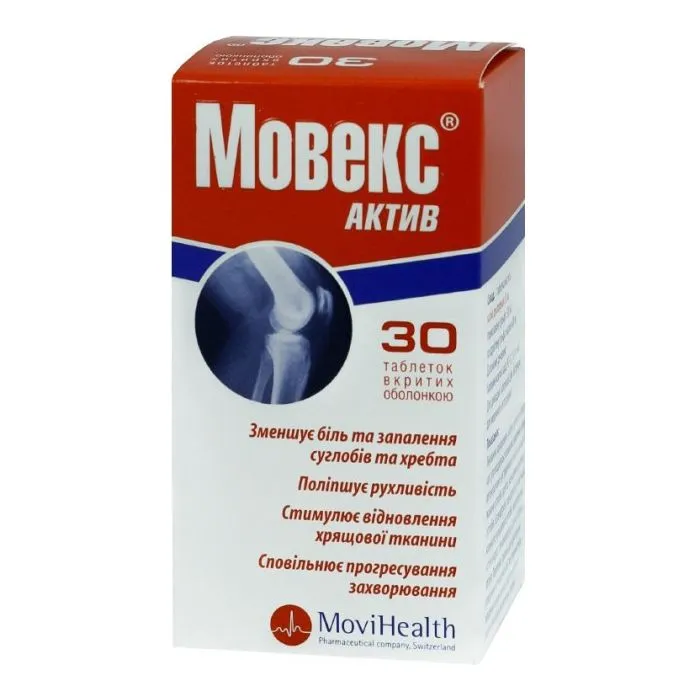
Table of Contents
- INSTRUCTIONS FOR MEDICAL USE OF THE MEDICINAL PRODUCT MOVEKX® ACTIVE (MOVEX® ACTIVE)
- Composition:
- Pharmacological Properties
- Clinical characteristics.
- Special precautions for use.
- Method of administration and dosage.
- Side effects
- Composition:
- Pharmacological properties.
- Clinical characteristics.
- Special precautions for use.
- Method of Administration and Dosage
- Adverse reactions.
INSTRUCTIONS FOR MEDICAL USE OF THE MEDICINAL PRODUCT MOVEKX® ACTIVE (MOVEX® ACTIVE)
Composition:
Active substances: glucosamine sulfate, chondroitin sodium sulfate, diclofenac potassium;
One coated tablet contains glucosamine sulfate 500 mg, chondroitin sodium sulfate 400 mg, diclofenac potassium 50 mg;
Excipients: povidone, microcrystalline cellulose, colloidal anhydrous silicon dioxide, talc, sodium croscarmellose, magnesium stearate, sodium starch glycolate (type A), hypromellose, polyethylene glycol 6000, titanium dioxide (E 171), yellow azo dye FCF (E 110).
Pharmaceutical form. Coated tablets.
Main physicochemical characteristics: coated tablets of orange color, oval-shaped, biconvex, with a score line on one side.
Pharmacotherapeutic group.
Drugs affecting the musculoskeletal system. Combined anti-inflammatory and antirheumatic agents. Other anti-inflammatory/antirheumatic agents in combination with other drugs.
ATC code M01B X.
Pharmacological Properties
The drug exerts anti-inflammatory, analgesic, chondroprotective, and regenerative effects. It slows down the processes of cartilage tissue damage and bone resorption, restores cartilage tissue, accelerates the formation of bone callus after injuries, and promotes restoration of joint function.
Pharmacodynamics
Glucosamine is a building substrate of joint cartilage and stimulates regeneration of cartilage tissue. Any adverse influence (diseases, age-related metabolic disorders, trauma) reduces its synthesis and concentration in connective tissue, leading to structural and functional impairment of joints and the development of pain. Glycosaminoglycans and proteoglycans are components of the complex matrix from which cartilage is composed.
Glucosamine is part of endogenous glycosaminoglycans in cartilage tissue. Glucosamine sulfate has chondroprotective properties, reduces the deficiency of glycosaminoglycans in the body, and participates in the synthesis of proteoglycans and hyaluronic acid. Due to its ability to selectively affect cartilage tissue, glucosamine initiates the process of sulfur fixation during chondroitin sulfate synthesis, normalizes calcium deposition in bone tissue, promotes restoration of joint function, and alleviates pain syndrome. Glucosamine sulfate acts selectively on articular cartilage, serving as a specific substrate and stimulator of hyaluronic acid and proteoglycan synthesis. It inhibits the formation of superoxide radicals and enzymes that cause cartilage tissue damage (collagenases and phospholipases), prevents the destructive effect of glucocorticoids on chondrocytes, and counteracts the disruption of glycosaminoglycan biosynthesis caused by nonsteroidal anti-inflammatory drugs.
Chondroitin sulfate is a high-molecular-weight polysaccharide that participates in the formation of cartilage tissue. It reduces the activity of enzymes (elastase, hyaluronidase) that degrade articular cartilage, maintains the viscosity of synovial fluid, and stimulates regeneration of articular cartilage. It affects phosphorus-calcium metabolism in cartilage tissue and slows down bone resorption. It delays the progression of osteoporosis. At early stages of inflammation, sodium chondroitin sulfate suppresses inflammatory activity and thereby slows down cartilage degeneration. It helps reduce pain, improves joint function, and decreases the need for nonsteroidal anti-inflammatory agents. It prevents connective tissue contraction, "lubricates" joint surfaces, and normalizes the production of joint fluid.
Potassium diclofenac is a nonsteroidal anti-inflammatory agent with analgesic, anti-inflammatory, and antipyretic activity. It has a rapid onset of action, which is particularly important for the treatment of acute pain under inflammatory conditions. Its mechanism of action is associated with nonselective inhibition of cyclooxygenase enzyme synthesis, leading to suppression of prostaglandin synthesis, which play a key role in the development of inflammation, pain, and fever.
Potassium diclofenac primarily inhibits the exudative phase and, to a lesser extent, the proliferative phase, reducing collagen synthesis and the associated tissue sclerosis.
It reduces pain at rest and during movement, decreases manifestations of morning joint stiffness and soft tissue swelling, and improves the functional state of the musculoskeletal system.
Pharmacokinetics
Glucosamine sulfate. Oral bioavailability of glucosamine is 25–26%. After distribution in tissues, the highest concentrations are found in the liver, kidneys, and cartilage tissue. Approximately 90% of orally administered glucosamine, in the form of glucosamine salt, is absorbed from the small intestine and enters the liver via the portal circulation. A significant portion of absorbed glucosamine undergoes hepatic metabolism, breaking down into urea, water, and carbon dioxide. About 30% of the administered dose persists in connective tissue for a prolonged period. It is excreted primarily by the kidneys and to a very small extent in feces.
Chondroitin sulfate. After a single dose, maximum plasma concentration (Cmax) is reached within 3–4 hours, and in synovial fluid within 4–5 hours. Concentration in synovial fluid exceeds that in plasma. Bioavailability of chondroitin sulfate is 13–15%. It is excreted by the kidneys within 24 hours.
Potassium diclofenac does not accumulate. Maximum plasma concentration is achieved within 2 hours after administration. Plasma protein binding is 99.7%. It penetrates into synovial fluid. Systemic clearance of the active substance is 263 ml/min. Plasma half-life is 1–2 hours. About 60% is excreted in urine as metabolites, less than 1% unchanged in urine, and the remainder as metabolites via bile.
Clinical characteristics.
Indications.
- Treatment of diseases of the musculoskeletal system associated with inflammatory signs, pain, degenerative-dystrophic changes in joint and spinal cartilage, and reduced joint mobility.
- Osteoarthritis, periarthritis (including of the knee and hip joints, intervertebral osteochondrosis, spondyloarthritis), rheumatoid arthritis.
- Fractures and injuries (to accelerate formation of bone callus), post-traumatic inflammation of soft tissues and the musculoskeletal system (due to strains, contusions).
Contraindications.
- Hypersensitivity to the active substances or to any other components of the medicinal product;
- Allergy to molluscs;
- History of allergic reactions such as asthma attacks, bronchospasm, urticaria, acute rhinitis, nasal polyps, or allergy-like symptoms after administration of acetylsalicylic acid or other nonsteroidal anti-inflammatory drugs (NSAIDs);
- Active peptic ulcer, gastrointestinal bleeding or perforation;
- History of active or recurrent peptic ulcer/bleeding of the stomach or intestine (two or more separate episodes of confirmed ulcer or bleeding);
- Gastrointestinal bleeding or perforation related to previous treatment with nonsteroidal anti-inflammatory drugs (NSAIDs) in the patient's history;
- Inflammatory bowel diseases (Crohn’s disease or ulcerative colitis);
- Severe hepatic insufficiency (Child-Pugh class C);
- Severe renal insufficiency (creatinine clearance < 30 mL/min);
- Tendency to bleeding, thrombophlebitis, phenylketonuria;
- Treatment of perioperative pain in coronary artery bypass grafting (or use of cardiopulmonary bypass equipment);
- Congestive heart failure (NYHA II–IV);
- Uncontrolled arterial hypertension;
- Ischemic heart disease in patients with angina; history of myocardial infarction;
- Cerebrovascular diseases in patients who have experienced stroke or transient ischemic attacks;
- Peripheral arterial disease.
Interaction with other medicinal products and other forms of interaction.
Litium. Diclofenac may increase plasma lithium concentration when used concomitantly. Monitoring of serum lithium levels is recommended.
Digoxin. Diclofenac may increase plasma digoxin concentration when used concomitantly. Monitoring of serum digoxin levels is recommended.
Diuretics and antihypertensive agents. As with other NSAIDs, concomitant use of diclofenac may attenuate the antihypertensive effect of diuretics or antihypertensive agents (e.g., beta-blockers, angiotensin-converting enzyme (ACE) inhibitors) by inhibiting the synthesis of vasodilatory prostaglandins. Therefore, such combinations should be used with caution; patients, especially elderly, should have regular blood pressure monitoring. Adequate fluid intake should be maintained, and renal function should be monitored at the start of combined therapy and regularly thereafter, due to increased risk of nephrotoxicity when diuretics and ACE inhibitors are used.
Agents that may cause hyperkalemia. Concomitant therapy with potassium-sparing diuretics, cyclosporine, tacrolimus, or trimethoprim may be associated with increased serum potassium levels, which should be monitored.
Other NSAIDs, including selective cyclooxygenase-2 inhibitors, and corticosteroids. Concomitant use of diclofenac with other systemically acting NSAIDs or corticosteroids may increase the frequency of gastrointestinal adverse reactions. Concomitant use of two or more NSAIDs should be avoided.
Anticoagulants and antithrombotic agents. Should be prescribed with caution, as concomitant use with diclofenac may increase the risk of bleeding.
Although clinical studies have not shown that diclofenac affects the action of anticoagulants, there have been individual reports of increased bleeding risk in patients receiving diclofenac and anticoagulants simultaneously. Close monitoring of patients receiving both diclofenac and anticoagulants is recommended, and anticoagulant dosage adjustment may be necessary. Like other nonsteroidal anti-inflammatory drugs, diclofenac at high doses may reversibly inhibit platelet aggregation.
Selective serotonin reuptake inhibitors (SSRIs). Concomitant use of NSAIDs and SSRIs increases the risk of gastrointestinal bleeding.
Antidiabetic agents. Clinical studies have shown that diclofenac can be administered concomitantly with oral antidiabetic agents without affecting their clinical efficacy. However, there have been isolated reports of hyperglycemia and hypoglycemia requiring dose adjustment of antidiabetic agents during diclofenac treatment. Blood glucose monitoring is recommended as a precautionary measure during combination therapy. Possible changes in interaction processes caused by metformin/metabolic acidosis may occur.
Methotrexate. NSAIDs, including diclofenac, should be used with caution when administered less than 24 hours before or after methotrexate treatment, as methotrexate blood concentration may increase and enhance methotrexate toxicity. Cases of severe toxicity have been observed when methotrexate and NSAIDs, including diclofenac, were administered within less than 24 hours of each other. This interaction is mediated by methotrexate accumulation due to impaired renal excretion in the presence of NSAIDs.
Cyclosporine. Diclofenac, like other NSAIDs, may enhance the nephrotoxicity of cyclosporine by affecting renal prostaglandins. Therefore, diclofenac should be administered at lower doses than in patients not receiving cyclosporine.
Tacrolimus. Concomitant use of NSAIDs with tacrolimus increases the risk of nephrotoxicity, possibly mediated by inhibition of renal prostaglandins due to NSAID action and calcineurin inhibition.
Quinolone antibiotics. Isolated reports of seizures possibly associated with concomitant use of quinolones and NSAIDs have been reported. Such cases may occur in patients both with and without a history of epilepsy or seizures. Therefore, quinolone antibiotics should be used with caution in patients already receiving NSAIDs.
Colestipol and cholestyramine. These agents may delay or reduce absorption of diclofenac. Therefore, diclofenac should be administered at least 1 hour before or 4–6 hours after colestipol/cholestyramine.
Cardiac glycosides. Concomitant use of cardiac glycosides and NSAIDs may exacerbate heart failure, reduce glomerular filtration rate, and increase plasma glycoside concentrations.
Mifepristone. NSAIDs should not be used within 8–12 days after mifepristone administration, as NSAIDs may reduce the effect of mifepristone.
Strong CYP2C9 inhibitors. Use diclofenac concomitantly with strong CYP2C9 inhibitors (e.g., sulfaphenazole, voriconazole) with caution, as this may lead to a significant increase in diclofenac maximum plasma concentration and exposure due to inhibition of diclofenac metabolism.
Phenytoin. When phenytoin and diclofenac are used concomitantly, plasma phenytoin concentration should be monitored due to expected increased phenytoin exposure.
Increases absorption of tetracyclines from the gastrointestinal tract; decreases absorption of penicillins and chloramphenicol.
Special precautions for use.
General.
To minimize risks, the lowest effective dose should be used for the shortest duration necessary to control symptoms.
The use of NSAIDs increases the risk of ulceration, perforation, or gastrointestinal bleeding, particularly in elderly patients.
Due to the use of selective COX-1/COX-2 inhibitors and individual NSAIDs, the risk of thrombotic cardiovascular and cerebrovascular complications increases.
Since cardiovascular risks associated with diclofenac may increase with higher doses and longer treatment duration, it should be used for the shortest possible duration and at the lowest effective dose.
As with other NSAIDs, allergic reactions, including anaphylactic/anaphylactoid reactions, may rarely occur, even without prior exposure to diclofenac.
Hypersensitivity reactions may also progress to Kounis syndrome, a serious allergic reaction that may cause myocardial infarction. Symptoms of such reactions may include chest pain associated with an allergic reaction to diclofenac.
Renal effects of NSAIDs include fluid retention with edema and/or arterial hypertension; therefore, diclofenac should be used with caution in patients with impaired cardiac function and other factors predisposing to fluid retention.
Caution is also recommended in patients receiving diuretics or concomitant angiotensin-converting enzyme (ACE) inhibitors, or those with an increased risk of hypovolemia.
Cardiovascular and cerebrovascular manifestations.
Patients with hypertension and/or mild to moderate congestive heart failure in their medical history require appropriate medical monitoring and consultation, as fluid retention and edema have been observed during treatment with NSAIDs, including diclofenac.
A small increase in the risk of arterial thrombotic events (e.g., myocardial infarction or stroke) may be associated with the use of diclofenac, especially at high doses and during long-term treatment.
It is not recommended for use in patients with uncontrolled arterial hypertension, congestive heart failure, stable ischemic heart disease, peripheral arterial occlusive disease, and/or cerebrovascular disease.
Diclofenac should be prescribed to patients with cardiovascular risk factors (e.g., hypertension, hyperlipidemia, diabetes mellitus, smoking) only after careful clinical evaluation and only at a dose ≤ 100 mg daily if treatment lasts no more than four weeks. The patient's need for diclofenac and response to therapy should be reviewed periodically. Patients should be vigilant for signs of serious atherothrombotic events (e.g., chest pain, dyspnea, weakness, speech disturbances), which may occur without warning. Patients should be informed that immediate medical attention is required if such symptoms occur.
Renal effects.
Since fluid retention and edema have been observed during treatment with NSAIDs, including diclofenac, particular caution is required in patients with impaired cardiac or renal function, history of arterial hypertension, elderly patients, patients receiving concomitant diuretic therapy or other drugs that may significantly affect renal function, and patients with substantial reduction in extracellular fluid volume due to any cause, such as before or after surgical procedures. In such cases, monitoring of renal function is recommended during diclofenac use. After discontinuation of therapy, the patient's condition usually returns to the pre-treatment state.
Gastrointestinal effects.
Gastrointestinal bleeding (hematemesis, melena), ulceration, or perforation, which may be fatal, have been reported with the use of nonsteroidal anti-inflammatory drugs, including diclofenac. These events may occur at any time during treatment, regardless of the presence or absence of warning symptoms or serious gastrointestinal events in history.
In elderly patients, such complications usually have more serious consequences. If gastrointestinal bleeding or ulceration occurs in patients receiving diclofenac therapy, the drug should be discontinued. As with all NSAIDs, careful medical supervision and special caution are required when prescribing diclofenac to patients with symptoms indicating gastrointestinal disturbances, suspected ulceration, bleeding, perforation, or such conditions in history.
The risk of gastrointestinal bleeding, ulceration, or perforation increases with higher NSAID doses, including diclofenac, and in patients with a history of peptic ulcer, especially complicated by bleeding or perforation, and in elderly patients.
To reduce the risk of gastrointestinal toxicity, treatment should be initiated and maintained at the lowest effective doses.
Concomitant therapy with protective agents (e.g., misoprostol or proton pump inhibitors) should be considered for these patients, as well as for patients requiring concomitant use of low-dose acetylsalicylic acid (aspirin) or other drugs that increase the risk of gastrointestinal disorders.
Patients with a history of gastrointestinal toxicity, especially elderly patients, require monitoring for unusual abdominal symptoms (particularly gastrointestinal bleeding).
Caution is advised in patients receiving concomitant therapy with drugs that increase the risk of ulceration or bleeding, such as systemic corticosteroids, anticoagulants (e.g., warfarin), selective serotonin reuptake inhibitors (SSRIs), or antiplatelet agents (e.g., acetylsalicylic acid).
Patients with ulcerative colitis or Crohn's disease require careful medical supervision and caution during drug use, as these conditions may worsen.
Close medical monitoring and caution are recommended when using diclofenac after gastrointestinal surgery, as NSAID use, including diclofenac, may be associated with an increased risk of gastrointestinal anastomotic insufficiency.
Skin effects.
Very rarely, serious skin reactions, some of which are fatal, including exfoliative dermatitis, Stevens-Johnson syndrome, and toxic epidermal necrolysis, have been reported with the use of NSAIDs, including diclofenac. The highest risk of these reactions occurs early in therapy, mostly within the first month of treatment. The drug should be discontinued at the first signs of skin rash, mucosal lesions, or any other manifestations of hypersensitivity.
Hepatic effects.
Careful medical supervision is required when prescribing the drug to patients with impaired liver function, as their condition may worsen. As with other NSAIDs, including diclofenac, levels of one or more liver enzymes may increase. Elevated liver enzyme levels may occur without clinical symptoms. This increase may be moderate (≥ 3 to < 8 times the upper limit of normal) or marked (≥ 8 times the upper limit of normal). Such increases are usually reversible after discontinuation of the drug. In most cases, increases were observed to borderline levels.
Monitoring of liver function parameters is recommended throughout the treatment course. If abnormalities in liver function tests persist or worsen, clinical symptoms of liver disease appear, or other manifestations occur (e.g., eosinophilia, rash), the drug should be discontinued. Hepatitis may develop during diclofenac use without prodromal symptoms. In addition to elevated liver enzyme levels, severe hepatic reactions, including jaundice, fulminant hepatitis, liver necrosis, and liver failure, have been rarely reported, some of which were fatal. Diclofenac should be used with caution in patients with hepatic porphyria, as it may provoke an attack.
Use in patients with asthma.
In patients with asthma, seasonal allergic rhinitis, nasal mucosal edema (e.g., nasal polyps), chronic obstructive pulmonary diseases, or chronic respiratory tract infections (especially if associated with symptoms resembling allergic rhinitis), reactions to NSAIDs resembling asthma exacerbations (so-called aspirin-induced asthma with analgesic intolerance), Quincke's edema, and urticaria occur more frequently than in other patients. Therefore, special precautionary measures (readiness for emergency intervention) are recommended for these patients. This also applies to patients who have allergic reactions, such as rash, pruritus, or urticaria, to other substances.
Hematological manifestations.
The drug is used in short-term treatment courses to relieve symptoms during acute disease periods. If this drug is prescribed for a longer duration, regular monitoring of the hemogram is recommended (as with other NSAIDs).
Like other NSAIDs, diclofenac may temporarily inhibit platelet aggregation; therefore, careful monitoring is required in patients with coagulation disorders, hemorrhagic diathesis, or hematological abnormalities.
Masking signs of infection.
Like other NSAIDs, diclofenac, due to its pharmacodynamic properties, may mask symptoms of infection.
SLE and mixed connective tissue disorders.
In patients with systemic lupus erythematosus (SLE) and mixed connective tissue disorders, there may be an increased risk of aseptic meningitis.
Precautionary measures.
Concomitant use of this drug with systemic nonsteroidal anti-inflammatory drugs, such as selective cyclooxygenase-2 inhibitors, should be avoided due to lack of evidence of synergistic effect and potential for additional adverse effects.
The drug should be used with caution in patients over 65 years of age, especially if physically weakened or if the patient's body weight is below normal.
The dye tartrazine (E 110) may cause allergic reactions.
Use during pregnancy or breastfeeding.
Fertility.
Like other NSAIDs, diclofenac may affect female fertility and therefore is not recommended for women planning pregnancy. Consideration should be given to discontinuing diclofenac use in women who are unable to conceive and in women undergoing infertility investigations.
Pregnancy and breastfeeding.
From the 20th week of pregnancy, use of diclofenac potassium may cause oligohydramnios due to fetal renal dysfunction and may also lead to constriction of the arterial duct in the second trimester of pregnancy.
The drug should not be used during pregnancy or breastfeeding.
Ability to influence reaction rate while driving or operating machinery.
Generally, when the drug is taken at the recommended dose and for a short treatment course, no effect on reaction speed is observed. However, patients who experience central nervous system function disturbances during treatment with Mowex**®** Active should not drive or operate complex machinery.
Method of administration and dosage.
For adults, the recommended dose is 1 tablet up to 3 times daily. The tablets should be taken orally after meals with water.
The total duration of treatment at the recommended dose should not exceed 10 days.
The treatment regimen should be individually adjusted. Under medical supervision, treatment may be prolonged.
The drug should be used at the lowest effective dose for the shortest possible duration, taking into account the individual therapeutic needs of each patient.
After relief of pain symptoms and consultation with a physician, treatment may be continued with Mовex® Comfort.
Children.
This medication is not intended for use in children.
Overdose.
An overdose may lead to an intensification of adverse effects.
Symptoms: There is no typical clinical picture specific to diclofenac overdose. Symptoms may include headache, nausea, vomiting, epigastric pain, gastrointestinal bleeding, diarrhea, dizziness, disorientation, excitation, coma, somnolence, tinnitus, loss of consciousness, or convulsions. In cases of severe poisoning, acute renal failure and hepatic injury may occur.
Treatment of acute poisoning with nonsteroidal anti-inflammatory drugs, including diclofenac, generally involves supportive measures and symptomatic treatment of complications such as arterial hypotension, renal failure, seizures, gastrointestinal disturbances, and respiratory depression. Special interventions such as forced diuresis, dialysis, or hemoperfusion do not significantly enhance the elimination of NSAIDs from the body due to their high degree of protein binding and extensive metabolism. In cases of potentially toxic overdose, activated charcoal should be administered; in cases of potentially life-threatening overdose, gastric evacuation (induced emesis or gastric lavage) should be performed.
Side effects
The drug is usually well tolerated.
Most adverse effects after administration of Movex® Active are due to the presence of diclofenac and are dose-dependent.
Immune system disorders: hypersensitivity reactions, including pruritus, skin rash (including erythematous, bullous), urticaria, eczema, multiform erythema (including Stevens–Johnson syndrome), toxic epidermal necrolysis, erythroderma (exfoliative dermatitis), anaphylactic and anaphylactoid reactions (including hypotension and shock), angioedema, bronchial asthma (including dyspnea), pneumonitis, vasculitis.
Gastrointestinal disorders: abdominal pain, nausea, vomiting, diarrhea, feeling of spasms, dyspepsia, bloating, anorexia, stomatitis, aphthous stomatitis, glossitis, esophageal disorders, gastritis, gastric and intestinal ulcers, including those with bleeding or perforation (sometimes fatal, especially in elderly patients), gastrointestinal hemorrhage (vomiting with blood, melena, diarrhea with blood), development of diaphragm-like intestinal strictures, lower gastrointestinal tract disorders such as colitis, nonspecific hemorrhagic colitis, exacerbation of nonspecific ulcerative colitis or Crohn’s disease, constipation, pancreatitis.
Hepatic disorders: liver function abnormalities, increased serum aminotransferase levels, hepatitis, jaundice, fulminant hepatitis, liver necrosis, liver failure.
Changes in the course of gastrointestinal tract stenosis, peritonitis, and ischemic colitis as more specific/severe forms of the aforementioned gastrointestinal adverse effects.
Nervous system disorders: headache, dizziness, drowsiness, insomnia, sensory disturbances including paresthesia, memory disorders, disorientation, vertigo, irritability, increased fatigue, confusion, hallucinations, cerebral circulation disorders, convulsions, depression, anxiety, general weakness, nightmares, tremor, psychotic disorders, aseptic meningitis, optic neuritis.
Sensory organ disorders: visual disturbances (blurred vision, diplopia), hearing disturbances, tinnitus, taste disturbances.
Skin and subcutaneous tissue disorders: hair loss, photosensitivity, purpura including allergic purpura, dermatitis.
Renal and urinary disorders: edema, acute renal failure, hematuria, proteinuria, interstitial nephritis, nephrotic syndrome, papillary necrosis, medullary necrosis of the kidney, impotence.
Blood and lymphatic system disorders: anemia (including hemolytic, aplastic), thrombocytopenia, leukopenia, agranulocytosis.
Cardiovascular disorders: palpitations, chest pain, arterial hypertension, heart failure, myocardial infarction, hypotension, vasculitis, Kounis syndrome. Clinical trial data and epidemiological evidence indicate an increased risk of thrombotic complications (e.g., myocardial infarction or stroke) associated with diclofenac use, particularly at high therapeutic doses (150 mg per day) and with prolonged use.
Reporting of suspected adverse reactions
Reporting suspected adverse reactions after drug registration is important. It allows ongoing monitoring of the benefit-risk balance of the medicinal product. Healthcare professionals and pharmacists, as well as patients or their legal representatives, should report all cases of suspected adverse reactions and lack of efficacy via the Automated Pharmacovigilance Information System at the following link: https://aisf.dec.gov.ua.
Shelf life: 3 years.
Storage conditions: Store in the original packaging, out of reach of children, at a temperature not exceeding 25 °C.
Packaging:
30 or 60 tablets in a bottle; 1 bottle in a cardboard pack.
Prescription status: Prescription only.
Manufacturer:
Sava Helsea Ltd.
Manufacturer's address and location:
GIDC Estate, 507-B-512, Vadodwan City - 363 035, Surendranagar, India.
Marketing Authorization Holder: TOV "Movi Health"
Address of the Marketing Authorization Holder:
162A Shevchenka Street, Shevchenkove, Kyiv-Sviatoshyn District, Kyiv Oblast, 08140, Ukraine
INSTRUCTION
for medical use of the medicinal product
MOVEX® ACTIVE
(MOVEX® ACTIVE)
Composition:
Active substances: glucosamine sulfate, chondroitin sodium sulfate, diclofenac potassium;
One film-coated tablet contains: glucosamine sulfate 500 mg, chondroitin sodium sulfate 400 mg, diclofenac potassium 50 mg;
Excipients: povidone, microcrystalline cellulose, colloidal anhydrous silicon dioxide, talc, sodium croscarmellose, magnesium stearate, sodium starch glycolate (type A), hypromellose, polyethylene glycol 6000, titanium dioxide (E 171), yellow azo dye FCF (E 110).
Pharmaceutical form. Film-coated tablets.
Main physicochemical properties: orange-colored, oval-shaped, biconvex film-coated tablets with a score line on one side.
Pharmacotherapeutic group.
Medicinal products affecting the musculoskeletal system. Combined anti-inflammatory and antirheumatic agents. Other anti-inflammatory/antirheumatic agents in combination with other drugs.
ATC code M01B X.
Pharmacological properties.
The drug exerts anti-inflammatory, analgesic, chondroprotective, and regenerative effects. It slows down the processes of cartilage tissue damage and bone resorption, restores cartilage tissue, accelerates the formation of bone callus following injuries, and promotes the recovery of joint function.
Pharmacodynamics.
Glucosamine is a building substrate of joint cartilage and stimulates regeneration of cartilage tissue. Any adverse influence (diseases, age-related metabolic disorders, trauma) reduces its synthesis and concentration in connective tissue, leading to structural and functional impairments of joints and the development of pain. Glycosaminoglycans and proteoglycans are components of the complex matrix from which cartilage is composed.
Glucosamine is part of endogenous glycosaminoglycans in cartilage tissue. Glucosamine sulfate has chondroprotective properties, reduces the deficiency of glycosaminoglycans in the body, and participates in the synthesis of proteoglycans and hyaluronic acid. Due to its ability to selectively affect cartilage tissue, glucosamine initiates the process of sulfur fixation during chondroitin sulfate synthesis, normalizes calcium deposition in bone tissue, promotes restoration of joint function, and alleviates pain syndrome. Glucosamine sulfate acts selectively on articular cartilage, serving as a specific substrate and stimulator of hyaluronic acid and proteoglycan synthesis. It inhibits the formation of superoxide radicals and enzymes that cause cartilage tissue damage (collagenases and phospholipases), prevents the destructive effects of glucocorticoids on chondrocytes, and counteracts the disruption of glycosaminoglycan biosynthesis caused by nonsteroidal anti-inflammatory drugs.
Chondroitin sulfate is a high-molecular-weight polysaccharide involved in the formation of cartilage tissue. It reduces the activity of enzymes (elastase, hyaluronidase) that degrade articular cartilage, maintains the viscosity of synovial fluid, and stimulates regeneration of articular cartilage. It influences calcium-phosphate metabolism in cartilage tissue and slows down bone resorption. It retards the progression of osteoporosis. In the early stages of inflammation, sodium chondroitin sulfate suppresses inflammatory activity, thereby slowing down cartilage degeneration. It helps reduce pain, improves joint function, and reduces the need for nonsteroidal anti-inflammatory agents. It prevents connective tissue contraction, lubricates joint surfaces, and normalizes the production of joint fluid.
Potassium diclofenac is a nonsteroidal anti-inflammatory agent with analgesic, anti-inflammatory, and antipyretic activity. It has a rapid onset of action, which is particularly important for the treatment of acute pain under inflammatory conditions. Its mechanism of action is associated with nonselective inhibition of cyclooxygenase enzyme synthesis, resulting in inhibition of prostaglandin synthesis, which play a key role in the development of inflammation, pain, and fever.
Potassium diclofenac primarily suppresses the exudative phase and, to a lesser extent, the proliferative phase, reducing collagen synthesis and the associated tissue sclerosis.
It reduces pain at rest and during movement, decreases manifestations of morning joint stiffness and soft tissue swelling, and improves the functional state of the musculoskeletal system.
Pharmacokinetics.
Glucosamine sulfate. Oral bioavailability of glucosamine is 25–26%. After distribution in tissues, the highest concentrations are found in the liver, kidneys, and cartilage tissue. Approximately 90% of orally administered glucosamine, in the form of glucosamine salt, is absorbed from the small intestine and enters the liver via the portal circulation. A significant portion of absorbed glucosamine undergoes hepatic metabolism and is broken down into urea, water, and carbon dioxide. About 30% of the administered dose persists in connective tissue for a prolonged period. It is primarily excreted by the kidneys and in very small amounts – via feces.
Chondroitin sulfate. After a single dose, maximum plasma concentration (Cmax) is reached within 3–4 hours, and in synovial fluid – within 4–5 hours. Concentration in synovial fluid exceeds that in plasma. Bioavailability of chondroitin sulfate is 13–15%. It is excreted by the kidneys within 24 hours.
Potassium diclofenac does not accumulate. Maximum plasma concentration is reached within 2 hours after administration. Plasma protein binding is 99.7%. It penetrates into synovial fluid. Systemic clearance of the active substance is 263 ml/min. Plasma half-life is 1–2 hours. About 60% is excreted in urine as metabolites, less than 1% is excreted unchanged by the kidneys, and the remainder is excreted as metabolites via bile.
Clinical characteristics.
Indications.
- Treatment of diseases of the musculoskeletal system associated with inflammatory signs, pain, degenerative-dystrophic changes in joint and spinal cartilage, and decreased joint mobility.
- Osteoarthritis, periarthritis (including of the knee and hip joints, intervertebral osteochondrosis, spondyloarthritis), rheumatoid arthritis.
- Fractures and injuries (to accelerate formation of bone callus), post-traumatic inflammation of soft tissues and the musculoskeletal system (due to stretching, contusions).
Contraindications.
- Hypersensitivity to the active substances or to any other components of the medicinal product;
- Allergy to shellfish;
- History of allergic reactions such as asthma attacks, bronchospasm, urticaria, acute rhinitis, nasal polyps, or allergy-like symptoms after administration of acetylsalicylic acid or other nonsteroidal anti-inflammatory drugs (NSAIDs);
- Active peptic ulcer, gastrointestinal bleeding or perforation;
- History of recurrent or active gastrointestinal ulcer/bleeding (two or more distinct episodes of confirmed ulcer or bleeding);
- Gastrointestinal bleeding or perforation related to previous treatment with nonsteroidal anti-inflammatory drugs (NSAIDs) in the past;
- Inflammatory bowel diseases (Crohn’s disease or ulcerative colitis);
- Severe hepatic insufficiency (Child-Pugh class C);
- Severe renal insufficiency (creatinine clearance < 30 mL/min);
- Tendency to bleeding, thrombophlebitis, phenylketonuria;
- Treatment of perioperative pain in coronary artery bypass grafting (or use of cardiopulmonary bypass apparatus);
- Congestive heart failure (NYHA II–IV);
- Uncontrolled arterial hypertension;
- Ischemic heart disease in patients with angina; history of myocardial infarction;
- Cerebrovascular diseases in patients who have had stroke or transient ischemic attacks;
- Peripheral arterial disease.
Interaction with other medicinal products and other forms of interaction.
Litium. Diclofenac may increase plasma lithium concentrations when used concomitantly. Monitoring of serum lithium levels is recommended.
Digoxin. Diclofenac may increase plasma digoxin concentrations when used concomitantly. Monitoring of serum digoxin levels is recommended.
Diuretics and antihypertensive agents. As with other NSAIDs, concomitant use of diclofenac may reduce the antihypertensive effect of diuretics or antihypertensive agents (e.g., beta-blockers, angiotensin-converting enzyme (ACE) inhibitors) by inhibiting the synthesis of vasodilatory prostaglandins. Therefore, such combinations should be used with caution; patients, especially elderly, should have regular blood pressure monitoring. Adequate fluid intake is required, and renal function should be monitored at the start of combination therapy and regularly thereafter, due to increased risk of nephrotoxicity when diuretics and ACE inhibitors are used.
Agents that may cause hyperkalemia. Concomitant use of potassium-sparing diuretics, cyclosporine, tacrolimus, or trimethoprim may be associated with increased serum potassium levels, which should be monitored.
Other NSAIDs, including selective cyclooxygenase-2 inhibitors, and corticosteroids. Concomitant use of diclofenac with other systemically acting NSAIDs or corticosteroids may increase the frequency of gastrointestinal adverse reactions. Concurrent use of two or more NSAIDs should be avoided.
Anticoagulants and antithrombotic agents. Should be prescribed with caution, as concomitant use with diclofenac may increase the risk of bleeding.
Although clinical studies do not indicate that diclofenac affects the action of anticoagulants, there have been individual reports of increased bleeding risk in patients receiving diclofenac and anticoagulants simultaneously. Close monitoring of patients receiving both diclofenac and anticoagulants is recommended, and anticoagulant dosage adjustment may be necessary. Like other nonsteroidal anti-inflammatory drugs, diclofenac at high doses may reversibly inhibit platelet aggregation.
Selective serotonin reuptake inhibitors (SSRIs). Concomitant use of NSAIDs and SSRIs increases the risk of gastrointestinal bleeding.
Antidiabetic agents. Clinical studies have shown that diclofenac can be administered concomitantly with oral antidiabetic agents without affecting their clinical efficacy. However, there have been isolated reports of hyperglycemia and hypoglycemia requiring dose adjustment of antidiabetic agents during diclofenac treatment. Blood glucose monitoring is recommended as a precaution during combination therapy. Possible changes in interaction processes caused by metformin/metabolic acidosis may occur.
Methotrexate. NSAIDs, including diclofenac, should be used with caution when administered less than 24 hours before or after methotrexate therapy, as plasma methotrexate concentrations may increase, enhancing methotrexate toxicity. Cases of severe toxicity have been observed when methotrexate and NSAIDs, including diclofenac, were administered within less than 24 hours of each other. This interaction is mediated by methotrexate accumulation due to impaired renal excretion in the presence of NSAIDs.
Cyclosporine. Diclofenac, like other NSAIDs, may enhance the nephrotoxicity of cyclosporine by affecting renal prostaglandins. Therefore, diclofenac should be administered at lower doses than in patients not receiving cyclosporine.
Tacrolimus. Concomitant use of NSAIDs with tacrolimus increases the risk of nephrotoxicity, possibly mediated by inhibition of renal prostaglandins due to NSAID action and calcineurin inhibition.
Quinolone antibiotics. There have been isolated reports of seizures possibly associated with concomitant use of quinolones and NSAIDs. Such cases may occur in patients both with and without a history of epilepsy or seizures. Therefore, quinolone antibiotics should be used with caution in patients already receiving NSAIDs.
Cholestyramine and colestipol. These agents may delay or reduce absorption of diclofenac. Therefore, diclofenac should be administered at least 1 hour before or 4–6 hours after cholestyramine/colestipol.
Cardiac glycosides. Concomitant use of cardiac glycosides and NSAIDs may exacerbate heart failure, reduce glomerular filtration rate, and increase plasma glycoside concentrations.
Mifepristone. NSAIDs should not be used within 8–12 days after mifepristone administration, as NSAIDs may reduce the effect of mifepristone.
Strong CYP2C9 inhibitors. Use diclofenac concomitantly with strong CYP2C9 inhibitors (e.g., sulfaphenazole, voriconazole) with caution, as this may lead to a significant increase in diclofenac plasma maximum concentration and exposure due to inhibition of diclofenac metabolism.
Phenytoin. Plasma phenytoin concentrations should be monitored when used concomitantly with diclofenac due to expected increased phenytoin exposure.
Increases absorption of tetracyclines from the gastrointestinal tract; decreases absorption of penicillins and chloramphenicol.
Special precautions for use.
General.
To minimize risks, the lowest effective dose should be used for the shortest duration necessary to control symptoms.
The use of NSAIDs increases the risk of ulceration, perforation, or gastrointestinal bleeding, particularly in elderly patients.
Due to the use of selective COX-1/COX-2 inhibitors and individual NSAIDs, the risk of thrombotic cardiovascular and cerebrovascular complications increases.
Since cardiovascular risks associated with diclofenac may increase with higher doses and longer treatment duration, it should be used for the shortest possible duration and at the lowest effective dose.
As with other NSAIDs, allergic reactions, including anaphylactic/anaphylactoid reactions, may rarely occur, even without prior exposure to diclofenac.
Hypersensitivity reactions may also progress to Kounis syndrome, a serious allergic reaction that may cause myocardial infarction. Symptoms of such reactions may include chest pain occurring in association with an allergic reaction to diclofenac.
Renal effects of NSAIDs include fluid retention with edema and/or hypertension; therefore, diclofenac should be used with caution in patients with cardiac dysfunction or other factors predisposing to fluid retention.
Caution is also recommended in patients taking diuretics or concomitant angiotensin-converting enzyme (ACE) inhibitors, or those with an increased risk of hypovolemia.
Cardiovascular and cerebrovascular effects.
Patients with hypertension and/or mild to moderate congestive heart failure in their medical history require appropriate medical monitoring and consultation, as fluid retention and edema have been observed during treatment with NSAIDs, including diclofenac.
A small increased risk of arterial thrombotic events (e.g., myocardial infarction or stroke) may be associated with diclofenac use, especially at high doses and during prolonged treatment.
It is not recommended for use in patients with uncontrolled hypertension, congestive heart failure, stable ischemic heart disease, peripheral arterial occlusive disease, and/or cerebrovascular disease.
Diclofenac should be prescribed to patients with cardiovascular risk factors (e.g., hypertension, hyperlipidemia, diabetes mellitus, smoking) only after careful clinical evaluation and only at a dose ≤ 100 mg daily if treatment does not exceed four weeks. The patient's need for diclofenac and response to therapy should be reviewed periodically. Patients should be vigilant for symptoms of serious atherothrombotic events (e.g., chest pain, shortness of breath, weakness, speech disturbances), which may occur without warning. Patients must be informed that immediate medical attention is required if such symptoms occur.
Renal effects.
Since fluid retention and edema have been observed during treatment with NSAIDs, including diclofenac, particular caution is required in patients with cardiac or renal dysfunction, history of hypertension, elderly patients, patients receiving concomitant diuretic therapy or other drugs that may significantly affect renal function, and patients with substantial reduction in extracellular fluid volume due to any cause, such as before or after surgical procedures. In such cases, monitoring of renal function is recommended during diclofenac use. After discontinuation of therapy, the patient's condition usually returns to the pre-treatment state.
Gastrointestinal effects.
Gastrointestinal bleeding (hematemesis, melena), ulceration, or perforation, which may be fatal, have been reported with nonsteroidal anti-inflammatory drugs, including diclofenac. These events may occur at any time during treatment, regardless of the presence or absence of warning symptoms or a history of serious gastrointestinal events.
In elderly patients, such complications usually have more serious consequences. If gastrointestinal bleeding or ulceration occurs in patients receiving diclofenac, the drug should be discontinued. As with all NSAIDs, careful medical supervision and special caution are required when prescribing diclofenac to patients with symptoms suggesting gastrointestinal disorders, suspected ulceration, bleeding, perforation, or such conditions in their history.
The risk of gastrointestinal bleeding, ulceration, or perforation increases with higher NSAID doses, including diclofenac, and in patients with a history of peptic ulcer, particularly complicated by bleeding or perforation, and in elderly patients.
To reduce the risk of gastrointestinal toxicity, treatment should be initiated and maintained at the lowest effective dose.
Concomitant therapy with protective agents (e.g., misoprostol or proton pump inhibitors) should be considered for such patients, as well as for patients requiring concomitant use of low-dose acetylsalicylic acid (aspirin) or other drugs increasing the risk of gastrointestinal disorders.
Patients with a history of gastrointestinal toxicity, especially elderly patients, require monitoring for unusual abdominal symptoms (particularly gastrointestinal bleeding).
Caution is advised in patients receiving concomitant therapy with drugs that increase the risk of ulceration or bleeding, such as systemic corticosteroids, anticoagulants (e.g., warfarin), selective serotonin reuptake inhibitors (SSRIs), or antiplatelet agents (e.g., acetylsalicylic acid).
Careful medical supervision and caution are required in patients with ulcerative colitis or Crohn's disease, as these conditions may worsen.
Close medical monitoring and caution are recommended when using diclofenac after gastrointestinal surgery, as NSAID use, including diclofenac, may be associated with an increased risk of gastrointestinal anastomotic insufficiency.
Skin effects.
Very rarely, serious skin reactions, some of which have been fatal, including exfoliative dermatitis, Stevens-Johnson syndrome, and toxic epidermal necrolysis, have been reported with NSAIDs, including diclofenac. The highest risk of these reactions occurs early in therapy, mostly within the first month of treatment. The drug should be discontinued at the first signs of skin rash, mucosal lesions, or any other signs of hypersensitivity.
Hepatic effects.
Careful medical monitoring is required when prescribing the drug to patients with impaired liver function, as their condition may worsen. As with all NSAIDs, including diclofenac, levels of one or more liver enzymes may increase. Elevated liver enzyme levels may occur without clinical symptoms. This elevation may be moderate (≥ 3 to < 8 times the upper limit of normal) or marked (≥ 8 times the upper limit of normal). Such increases are usually reversible after discontinuation of the drug. In most cases, increases were observed to borderline levels.
Liver function tests should be monitored during treatment. If abnormalities in liver function tests persist or worsen, if clinical symptoms of liver disease appear, or if other manifestations occur (e.g., eosinophilia, rash), the drug should be discontinued. Hepatitis may develop during diclofenac use without prodromal symptoms. In addition to elevated liver enzyme levels, severe hepatic reactions, including jaundice, fulminant hepatitis, liver necrosis, and liver failure, some of which have been fatal, have been rarely reported. Diclofenac should be used with caution in patients with hepatic porphyria, as it may provoke an attack.
Use in patients with asthma.
In patients with asthma, seasonal allergic rhinitis, nasal mucosal edema (e.g., nasal polyps), chronic obstructive pulmonary diseases, or chronic respiratory tract infections (especially if associated with symptoms resembling allergic rhinitis), reactions to NSAIDs resembling asthma exacerbations (so-called aspirin-induced asthma with analgesic intolerance), Quincke's edema, and urticaria occur more frequently than in other patients. Therefore, special precautionary measures (readiness for emergency intervention) are recommended for these patients. This also applies to patients who have allergic reactions, such as rash, itching, or urticaria, to other substances.
Hematological effects.
The drug is used in short-term courses to relieve symptoms during acute phases of illness. If this drug is prescribed for a longer duration, regular monitoring of the hemogram is recommended (as with other NSAIDs).
Like other NSAIDs, diclofenac may temporarily inhibit platelet aggregation; therefore, careful monitoring is required in patients with coagulation disorders, hemorrhagic diathesis, or hematological abnormalities.
Masking signs of infection.
Like other NSAIDs, diclofenac, due to its pharmacodynamic properties, may mask symptoms of infection.
SLE and mixed connective tissue diseases.
In patients with systemic lupus erythematosus (SLE) and mixed connective tissue diseases, there may be an increased risk of aseptic meningitis.
Precautionary measures.
Concomitant use of this drug with systemic nonsteroidal anti-inflammatory drugs, such as selective cyclooxygenase-2 inhibitors, should be avoided due to lack of evidence of synergistic effect and potential for additional adverse effects.
The drug should be used with caution in patients over 65 years of age, especially in physically weakened individuals or those with body weight below normal.
The colorant Yellow FCF (E 110) may cause allergic reactions.
Use during pregnancy or breastfeeding.
Fertility.
Like other NSAIDs, diclofenac may affect female fertility and therefore is not recommended for women planning pregnancy. Consideration should be given to discontinuing diclofenac in women who are unable to conceive and in women undergoing fertility investigations.
Pregnancy and breastfeeding.
From the 20th week of pregnancy, the use of diclofenac potassium may cause oligohydramnios due to fetal renal dysfunction and may also lead to constriction of the arterial duct in the second trimester of pregnancy.
The drug should not be used during pregnancy or breastfeeding.
Ability to influence reaction rate when driving or operating machinery.
Generally, when the drug is taken at the recommended dose and for a short-term course, no effect on reaction speed is observed. However, patients who experience central nervous system effects while taking Movex**®** Active should not drive or operate complex machinery.
Method of Administration and Dosage
For adults, the recommended dose is 1 tablet up to 3 times daily. Tablets should be taken orally after meals, with water.
The total duration of treatment at the recommended dose should not exceed 10 days.
Treatment regimen should be individually adjusted. Under medical supervision, treatment may be prolonged.
The drug should be used at the lowest effective dose for the shortest possible duration, taking into account the individual treatment goals for each patient.
After relief of pain symptoms and consultation with a physician, treatment may be continued with Muvex® Comfort.
Children
This medication is not intended for use in children.
Overdose
Overdose may lead to an intensification of adverse effects.
Symptoms: There is no specific clinical picture typical for diclofenac overdose. Symptoms that may occur include headache, nausea, vomiting, epigastric pain, gastrointestinal bleeding, diarrhea, dizziness, disorientation, excitation, coma, drowsiness, tinnitus, loss of consciousness, or convulsions. In cases of severe poisoning, acute renal failure and hepatic damage may develop.
Treatment of acute poisoning with nonsteroidal anti-inflammatory drugs, including diclofenac, generally consists of supportive measures and symptomatic treatment of complications such as arterial hypotension, renal failure, seizures, gastrointestinal disturbances, and respiratory depression. Special interventions such as forced diuresis, dialysis, or hemoperfusion do not enhance the elimination of NSAIDs from the body due to their high degree of protein binding and extensive metabolism. In cases of potentially toxic overdose, activated charcoal should be administered; in cases of potentially life-threatening overdose, gastric evacuation (induced emesis or gastric lavage) should be performed.
Adverse reactions.
The drug is usually well tolerated.
Most adverse effects after administration of Mовекс**®** Актив are due to the presence of diclofenac and are dose-dependent.
Immune system disorders: hypersensitivity reactions, including pruritus, skin rashes (including erythematous, bullous), urticaria, eczema, erythema multiforme (including Stevens–Johnson syndrome), toxic epidermal necrolysis, erythroderma (exfoliative dermatitis), anaphylactic and anaphylactoid reactions (including hypotension and shock), angioedema, bronchial asthma (including dyspnea), pneumonitis, vasculitis.
Gastrointestinal disorders: abdominal pain, nausea, vomiting, diarrhea, spasms, dyspepsia, bloating, anorexia, stomatitis, aphthous stomatitis, glossitis, esophageal disorders, gastritis, gastric and intestinal ulcers, including those with bleeding or perforation (sometimes fatal, especially in elderly patients), gastrointestinal bleeding (hematemesis, melena, bloody diarrhea), development of diaphragm-like strictures in the intestine, lower gastrointestinal tract disorders such as colitis, nonspecific hemorrhagic colitis, exacerbation of nonspecific ulcerative colitis or Crohn’s disease, constipation, pancreatitis.
Hepatic disorders: liver function abnormalities, increased serum aminotransferase levels, hepatitis, jaundice, fulminant hepatitis, liver necrosis, hepatic failure.
Changes in the course of gastrointestinal tract strictures, peritonitis, and ischemic colitis as more specific/severe forms of the above-mentioned gastrointestinal adverse effects.
Nervous system disorders: headache, dizziness, somnolence, insomnia, sensory disturbances including paresthesia, memory disorders, confusion, vertigo, irritability, increased fatigue, confusion of consciousness, hallucinations, cerebrovascular disorders, convulsions, depression, anxiety, general weakness, night terrors, tremor, psychotic disorders, aseptic meningitis, optic neuritis.
Sensory organ disorders: visual disturbances (blurred vision, diplopia), hearing disturbances, tinnitus, taste disturbances.
Skin and subcutaneous tissue disorders: hair loss, photosensitivity, purpura, including allergic purpura, dermatitis.
Renal and urinary system disorders: edema, acute renal failure, hematuria, proteinuria, interstitial nephritis, nephrotic syndrome, papillary necrosis, medullary necrosis of the kidney, impotence.
Blood and lymphatic system disorders: anemia (including hemolytic, aplastic), thrombocytopenia, leukopenia, agranulocytosis.
Cardiovascular disorders: palpitations, chest pain, arterial hypertension, heart failure, myocardial infarction, hypotension, vasculitis, Kounis syndrome. Clinical studies and epidemiological data indicate an increased risk of thrombotic complications (e.g., myocardial infarction or stroke) associated with the use of diclofenac, particularly at high therapeutic doses (150 mg per day) and with prolonged use.
Reporting suspected adverse reactions
Reporting suspected adverse reactions after drug registration is important. It allows continuous monitoring of the benefit-risk balance of the medicinal product. Healthcare and pharmacy professionals, as well as patients or their legal representatives, should report all cases of suspected adverse reactions and lack of efficacy via the Automated Pharmacovigilance Information System at the following link: https://aisf.dec.gov.ua.
Shelf life. 3 years.
Storage conditions. Store in the original packaging, out of reach of children, at a temperature not exceeding 25 °C.
Packaging.
30 or 60 tablets in a bottle; 1 bottle in a cardboard pack.
Prescription status.
Prescription only.
Manufacturer.
MediTop Pharmaceutical Ltd.
Manufacturer’s address.
Hungary, Edi Endre u. 1., Pilisborosjenő, 2097.
Marketing Authorization Holder. MOVI Health LLC
Address of the Marketing Authorization Holder.
162 A, Shevchenka Street, Shevchenkove, Kyiv-Sviatoshynskyi district, Kyiv region, 08140, Ukraine