Mezakar
Ukraine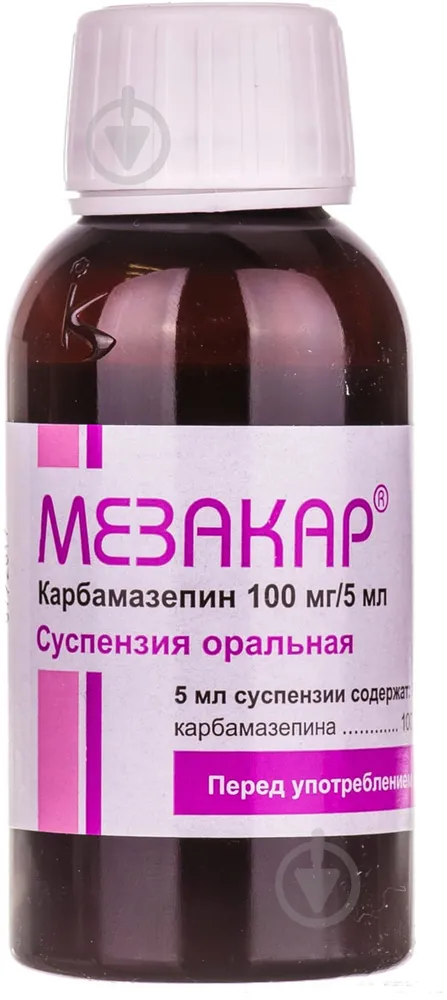
Table of Contents
INSTRUCTIONS FOR MEDICAL USE OF THE MEDICINAL PRODUCT MEZACARÒ (MEZACARÒ)
Composition:
Active substance: carbamazepine;
100 mg of carbamazepine per 5 ml of suspension;
Excipients: xanthan gum; hypromellose; potassium sorbate; citric acid monohydrate; propylene glycol; sorbitol solution, non-crystallizing (E 420); sucrose; sunset yellow FCF (E 110); orange flavoring; vanilla flavoring; purified water.
Pharmaceutical form. Oral suspension.
Main physicochemical properties: viscous orange-colored suspension with a characteristic odor.
Pharmacotherapeutic group.
Antiepileptic drugs. ATC code N03A F01.
Pharmacological Properties
Pharmacodynamics
Carbamazepine exhibits antiepileptic, neurotropic, and psychotropic activity. As an anticonvulsant agent, carbamazepine is effective against partial seizures (simple and complex), with or without secondary generalization, generalized tonic-clonic seizures, as well as combinations of these seizure types. The mechanism of action of carbamazepine has been only partially elucidated. Carbamazepine stabilizes overexcited nerve membranes, inhibits the occurrence of repetitive neuronal discharges, and reduces synaptic transmission of excitatory impulses. It has been established that the primary mechanism of action involves prevention of repetitive formation of sodium-dependent action potentials in depolarized neurons by blocking sodium channels. The anticonvulsant effect of the drug is mainly due to reduced glutamate release and stabilization of neuronal membranes, whereas the antimanic effect may be attributed to inhibition of dopamine and noradrenaline metabolism.
When used as monotherapy in patients with epilepsy (particularly children), psychotropic effects of carbamazepine have been observed, including a beneficial impact on symptoms of anxiety and depression, as well as reduced irritability and aggressiveness. According to some studies, the influence of carbamazepine on cognitive function and psychomotor performance was dose-dependent and either questionable or negative. However, other studies have reported a positive effect of carbamazepine on parameters related to attention, learning ability, and memory.
As a neurotropic agent, carbamazepine is effective in certain neurological disorders. For example, it prevents painful attacks in idiopathic and secondary trigeminal neuralgia. Additionally, the drug should be used to alleviate neuropathic pain in various conditions, including spinal tabes, post-traumatic paresthesias, and postherpetic neuralgia. In alcohol withdrawal syndrome, the drug increases the seizure threshold (which is reduced in this condition) and reduces the severity of clinical symptoms such as agitation, tremor, and gait disturbances. In patients with central diabetes insipidus, the drug reduces diuresis and thirst.
It has been confirmed that as a psychotropic agent, carbamazepine is effective in affective disorders, specifically for the treatment of acute manic states and for maintenance therapy of bipolar affective (manic-depressive) disorders (either as monotherapy or in combination with neuroleptics, antidepressants, or lithium salts).
Pharmacokinetics
Absorption
Carbamazepine is almost completely absorbed from tablets, but relatively slowly. After a single dose of conventional tablets, maximum plasma concentration (Cmax) is reached within 12 hours, whereas with liquid formulations, it is achieved within 2 hours. There is no clinically significant difference between oral dosage forms regarding the amount of active substance absorbed. After a single 400 mg dose of carbamazepine (tablet form), the mean maximum concentration of unchanged carbamazepine in plasma is approximately 4.5 mcg/mL.
Bioavailability of carbamazepine in various oral formulations has been shown to range between 85–100%.
Food intake does not significantly affect the rate or extent of absorption, regardless of the carbamazepine formulation.
Steady-state plasma concentrations of carbamazepine are achieved within approximately 1–2 weeks, depending on individual autoinduction of carbamazepine, heteroinduction by other enzyme-inducing drugs, pretreatment status, dosage, and duration of treatment.
The bioavailability of different carbamazepine formulations may vary; therefore, to avoid reduced bioavailability, risk of seizures, or excessive adverse effects, it may be advisable not to switch from one formulation to another.
Distribution
Carbamazepine is bound to plasma proteins within the range of 70–80%. Concentrations of unchanged drug in cerebrospinal fluid and saliva reflect the unbound fraction of the drug in plasma (20–30%). Concentrations in breast milk have been found to be equivalent to 25–60% of the corresponding plasma levels.
Carbamazepine crosses the placental barrier. Assuming complete absorption, the expected volume of distribution ranges from 0.8 to 1.9 L/kg.
Biotransformation
Carbamazepine is metabolized in the liver, with the epoxide pathway being the most important, producing the main metabolites—10,11-trans-diol derivative and its glucuronide.
It has been determined that cytochrome P450 3A4 is the primary isoenzyme responsible for the formation of carbamazepine-10,11-epoxide from carbamazepine. Human microsomal epoxide hydrolase has been identified as the enzyme responsible for converting carbamazepine-10,11-epoxide into the 10,11-trans-diol derivative. 9-Hydroxymethyl-10-carbamoylacridan is a secondary metabolite of this pathway. After a single dose of carbamazepine, approximately 30% of the dose is excreted in urine as end products of the epoxide pathway.
Other important biotransformation pathways of carbamazepine lead to various monohydroxylated compounds, as well as the N-glucuronide of carbamazepine formed by UGT2B7.
Elimination
The half-life of unchanged carbamazepine is approximately 36 hours after a single dose, but after repeated administration, the elimination half-life averages only 16–24 hours (due to autoinduction of the hepatic mono-oxygenase system), depending on the duration of treatment. In patients receiving concomitant therapy with other enzyme-inducing drugs (e.g., phenytoin, phenobarbital), the average half-life is 9–10 hours.
The mean elimination half-life of the 10,11-epoxide metabolite in plasma is approximately 6 hours after a single dose of the epoxide.
After a single 400 mg dose of carbamazepine, 72% is excreted in urine and 28% in feces. In urine, approximately 2% of the dose is excreted unchanged, and about 1% as the pharmacologically active 10,11-epoxide metabolite.
Patient Parameters
Significant interindividual variations in steady-state concentrations within the therapeutic range are observed: in most patients, these values range from 4 to 12 mcg/mL (17–50 µmol/L). The concentration of carbamazepine-10,11-epoxide (a pharmacologically active metabolite) is approximately 30% of the carbamazepine level.
Special pharmacokinetic considerations in specific patient groups:
Children. Due to enhanced elimination of carbamazepine, children may require higher doses (in mg/kg) than adults to maintain therapeutic concentrations.
Elderly patients. There are no data indicating that the pharmacokinetics of carbamazepine differ in elderly patients compared to younger adults.
Patients with impaired renal or hepatic function. Data on the pharmacokinetics of carbamazepine in patients with impaired renal or hepatic function are currently unavailable.
Clinical characteristics.
Indications.
Epilepsy: generalized tonic-clonic and partial seizures.
Paroxysmal pain of trigeminal neuralgia.
Prophylaxis of manic-depressive psychosis in patients when lithium therapy has failed to produce a therapeutic effect.
Contraindications.
Hypersensitivity to carbamazepine or to chemically related medicinal products (e.g., tricyclic antidepressants), or to any other component of the medicinal product.
Atrioventricular block.
History of bone marrow depression.
History of hepatic porphyria (e.g., acute intermittent porphyria, mixed porphyria, late cutaneous porphyria).
Concomitant use with monoamine oxidase inhibitors (MAO inhibitors).
Interaction with other medicinal products and other forms of interactions.
Cytochrome P450 3A4 (CYP3A4) is the main enzyme catalyzing the formation of the active metabolite of carbamazepine—10,11-epoxide. Concomitant use of CYP3A4 inhibitors or epoxide hydrolase inhibitors with carbamazepine may increase plasma concentrations of carbamazepine or carbamazepine-10,11-epoxide, respectively, which in turn may lead to the development of adverse reactions. Dosage adjustment of Mezakar**®**, oral suspension, is required accordingly and/or plasma levels should be monitored. Concomitant use of CYP3A4 inducers may enhance carbamazepine metabolism, resulting in a potential decrease in plasma carbamazepine concentration and therapeutic effect. Similarly, discontinuation of a CYP3A4 inducer may reduce the rate of carbamazepine metabolism, leading to increased plasma carbamazepine levels.
Carbamazepine is a potent inducer of CYP3A4 and other phase I and phase II hepatic enzyme systems, and therefore may reduce plasma concentrations of other drugs that are primarily metabolized via CYP3A4 by inducing their metabolism.
Human microsomal epoxide hydrolase is the enzyme responsible for converting carbamazepine-10,11-epoxide into 10,11-transdihydrodiol derivatives. Concomitant administration of inhibitors of human microsomal epoxide hydrolase may lead to increased plasma concentrations of carbamazepine-10,11-epoxide.
Contraindicated combinations.
Mezakar**®, oral suspension, is contraindicated for concomitant use with MAO inhibitors. Prior to initiating treatment with Mezakar®**, the MAO inhibitor must be discontinued (at least 2 weeks prior, or earlier if the patient's condition allows).
Medicinal products that may increase carbamazepine plasma levels.
Since increased plasma levels of carbamazepine may lead to adverse reactions (such as dizziness, somnolence, ataxia, diplopia), dosage adjustment of Mezakar**®**, oral suspension, is required accordingly and/or plasma levels should be monitored when used concomitantly with the following medicinal products.
Analgesics, anti-inflammatory agents: dextropropoxyphene, ibuprofen.
Androgens: danazol.
Antibiotics: macrolide antibiotics (e.g., erythromycin, troleandomycin, josamycin, clarithromycin), ciprofloxacin.
Antidepressants: desipramine, fluoxetine, fluvoxamine, nefazodone, paroxetine, trazodone, viloxazine.
Antiepileptics: stiripentol, vigabatrin.
Antifungal agents: azoles (e.g., itraconazole, ketoconazole, fluconazole, voriconazole).
Alternative antiepileptic agents may be recommended for patients receiving treatment with voriconazole or itraconazole.
Antihistamines: loratadine, terfenadine.
Antipsychotics: olanzapine, loxapine, quetiapine.
Antituberculosis agents: isoniazid.
Antiviral agents: HIV protease inhibitors (e.g., ritonavir).
Carbonic anhydrase inhibitors: acetazolamide.
Cardiovascular agents: diltiazem, verapamil.
Agents for gastrointestinal disorders: cimetidine, omeprazole.
Myorelaxants: oxybutynin, dantrolene.
Antiplatelet agents: ticlopidine.
Other substances: grapefruit juice, nicotinamide (in adults, only at high doses).
Medicinal products that may increase plasma levels of the active metabolite carbamazepine-10,11-epoxide.
Since increased plasma levels of carbamazepine-10,11-epoxide may lead to adverse reactions (e.g., dizziness, somnolence, ataxia, diplopia), the dose of Mezakar**®**, oral suspension, should be adjusted accordingly and/or plasma levels monitored when used concomitantly with the following substances:
Antiepileptic agents: quetiapine, progabide, valproic acid, valnoctamide, valpromide, primidone, brivaracetam.
Medicinal products that may decrease carbamazepine plasma levels.
Dosage adjustment of Mezakar**®**, oral suspension, may be required when used concomitantly with the following medicinal products.
Antiepileptic agents: felbamate, methsuximide, oxcarbazepine, phenobarbital, phensuximide, phenytoin (to avoid phenytoin intoxication and subtherapeutic carbamazepine concentrations, it is recommended to adjust plasma phenytoin concentration to 13 µg/mL prior to initiating carbamazepine therapy), fosphenytoin, primidone, and clonazepam (although data are conflicting).
Antineoplastic agents: cisplatin or doxorubicin.
Antituberculosis agents: rifampicin.
Bronchodilators or antiasthmatic agents: theophylline, aminophylline.
Dermatological agents: isotretinoin.
Interaction with other substances: herbal products containing St. John’s wort (Hypericum perforatum).
Mefloquine may exhibit antagonistic properties against the antiepileptic effect of carbamazepine. Therefore, the dose of Mezakar**®**, oral suspension, should be adjusted accordingly.
Isotretinoin has been reported to alter the bioavailability and/or clearance of carbamazepine and carbamazepine-10,11-epoxide; plasma concentrations of carbamazepine should be monitored.
Effect of Mezakar**®**, oral suspension, on plasma levels of concomitantly administered medicinal products.
Carbamazepine may reduce plasma levels of certain medicinal products and diminish or nullify their effects. Dose adjustment of the following medicinal products may be necessary according to clinical requirements.
Analgesics, anti-inflammatory agents: buprenorphine, methadone, paracetamol (long-term concomitant use of carbamazepine with paracetamol (acetaminophen) may be associated with hepatotoxicity), phenazone (antipyrine), tramadol.
Antibiotics: doxycycline, rifabutin.
Anticoagulants: oral anticoagulants (e.g., warfarin, phenprocoumon, dicoumarol, acenocoumarol, rivaroxaban, dabigatran, apixaban, edoxaban).
Antidepressants: bupropion, citalopram, nefazodone, mianserin, sertraline, trazodone, tricyclic antidepressants (e.g., imipramine, amitriptyline, nortriptyline, clomipramine).
Antiemetics: aprepitant.
Antiepileptic agents: clobazam, clonazepam, ethosuximide, felbamate, lamotrigine, oxcarbazepine, primidone, tiagabine, topiramate, valproic acid, zonisamide. To avoid phenytoin intoxication and subtherapeutic carbamazepine concentrations, it is recommended to adjust plasma phenytoin concentration to 13 µg/mL before adding carbamazepine to the treatment regimen. Both increases and decreases in plasma phenytoin levels have been reported with carbamazepine, as well as isolated cases of increased plasma levels of methyphenytoin.
Antifungal agents: itraconazole, voriconazole, ketoconazole. Alternative antiepileptic agents may be recommended for patients receiving treatment with voriconazole or itraconazole.
Anthelmintics: praziquantel, albendazole.
Antineoplastic agents: imatinib, cyclophosphamide, lapatinib, temsirolimus.
Neuroleptics: clozapine, haloperidol and bromperidol, olanzapine, quetiapine, risperidone, ziprasidone, aripiprazole, paliperidone.
Antiviral agents: HIV protease inhibitors (e.g., indinavir, ritonavir, saquinavir).
Anxiolytics: alprazolam, midazolam.
Bronchodilators or antiasthmatic agents: theophylline.
Hormonal contraceptives (CYP3A4 substrates):
Carbamazepine is a strong inducer of CYP3A4. Carbamazepine may increase the metabolism of certain hormonal contraceptives (via CYP3A4 induction), such as oral and subdermal implanted contraceptives, leading to significantly lower plasma hormone concentrations. This may result in contraceptive failure or breakthrough bleeding. Alternative methods to oral and subdermal implanted contraceptives, which are significantly affected by CYP3A4 induction, should be considered; or alternative antiepileptic agents to carbamazepine should be considered (see section "Special precautions for use").
Cardiovascular agents: calcium channel blockers (dihydropyridine group), e.g., felodipine, digoxin, quinidine, propranolol, simvastatin, atorvastatin, lovastatin, cerivastatin, ivabradine.
Corticosteroids: corticosteroids (particularly prednisolone, dexamethasone).
Agents used for erectile dysfunction: tadalafil.
Immunosuppressants: cyclosporine, everolimus, tacrolimus, sirolimus.
Thyroid agents: levothyroxine.
Interaction with other medicinal products: products containing estrogens and/or progestogens (alternative contraceptive methods should be considered); buprenorphine, gestrinone, tibolone, toremifene, mianserin, sertraline.
Combinations requiring special consideration.
Concomitant use of carbamazepine and levetiracetam may lead to increased carbamazepine toxicity.
Concomitant use of carbamazepine and isoniazid may lead to increased isoniazid hepatotoxicity.
Concomitant use of carbamazepine and lithium may enhance neurotoxicity even at therapeutic plasma lithium levels. Concomitant use of carbamazepine with metoclopramide or neuroleptics (haloperidol, thioridazine) may lead to increased adverse nervous system reactions.
Combination therapy with Mezakar**®**, oral suspension, and certain diuretics (hydrochlorothiazide, furosemide) may lead to symptomatic hyponatremia.
Carbamazepine may antagonize the effects of non-depolarizing muscle relaxants (e.g., pancuronium). Increased doses of these agents may be required, and patients should be closely monitored due to the possibility of faster-than-expected reversal of neuromuscular blockade.
Carbamazepine, like other psychotropic agents, may reduce tolerance to alcohol; therefore, patients are advised to abstain from alcohol consumption.
Concomitant use of carbamazepine with direct oral anticoagulants (rivaroxaban, dabigatran, apixaban, edoxaban) may lead to reduced plasma concentrations of direct oral anticoagulants and thus increase the risk of thrombosis. Therefore, if concomitant use is necessary, patients should be closely monitored for signs and symptoms of thrombosis.
Effect on serological tests.
Carbamazepine may produce false-positive results for perphenazine concentration when measured by high-performance liquid chromatography (HPLC).
Carbamazepine and 10,11-epoxide may produce false-positive results for tricyclic antidepressant concentrations when measured by fluorescence polarization immunoassay.
Special precautions for use.
Mezakar® oral suspension should be prescribed only under medical supervision, only after a critical assessment of the benefit/ risk ratio and with careful monitoring of patients with cardiac, hepatic or renal impairment, with a history of blood-related adverse reactions to other drugs, and in patients with interrupted courses of carbamazepine therapy.
It is recommended to perform a general urine analysis and determine blood urea nitrogen levels at the beginning and periodically during therapy. Mezakar® oral suspension exhibits mild anticholinergic activity; therefore, patients with elevated intraocular pressure should be warned and advised about potential risk factors.
One should keep in mind the possibility of activation of latent psychoses, and in elderly patients — the possibility of activation of confusion and anxious agitation.
The drug is generally ineffective in absence seizures (petit mal) and myoclonic seizures. Individual cases indicate that seizure exacerbation may occur in patients with atypical absence seizures.
Hematological effects.
Agranulocytosis and aplastic anemia have been associated with carbamazepine use; however, due to the extremely low incidence of these conditions, it is difficult to assess the significant risk associated with the use of Mezakar® oral suspension. The overall risk in untreated individuals is 4.7 cases per 1,000,000 per year for agranulocytosis and 2 cases per 1,000,000 per year for aplastic anemia.
Carbamazepine therapy may lead to reduced platelet or leukocyte counts. A complete blood count, including platelet count, reticulocyte count, and serum iron levels, should be performed before initiating therapy and periodically during treatment.
Patients and their relatives should be informed about early signs of carbamazepine toxicity and symptoms of possible blood, skin, and liver disorders. Patients should be warned that if symptoms such as fever, sore throat, skin rash, oral ulcers, easy bruising, petechiae, or hemorrhagic purpura occur, they should immediately consult a physician. If leukocyte or platelet counts significantly decrease during therapy, the patient's condition should be closely monitored and regular complete blood counts performed. Treatment with Mezakar® oral suspension must be discontinued if the patient develops serious, progressive leukopenia accompanied by clinical manifestations such as fever or sore throat. The use of Mezakar® oral suspension should be discontinued upon signs of bone marrow suppression.
Transient or persistent reduction in platelet or white blood cell counts has been observed periodically or frequently with carbamazepine use. However, in most of these cases, the changes were transient and did not indicate the development of aplastic anemia or agranulocytosis. A complete blood count, including platelet count (and possibly reticulocyte count and hemoglobin levels), should be performed before initiating carbamazepine therapy and periodically during treatment.
Renal function.
It is recommended to perform a general urine analysis and determine blood urea nitrogen levels at the beginning and periodically during carbamazepine therapy.
Hepatic function.
Hepatic function should be assessed before initiating carbamazepine therapy and periodically during treatment, especially in patients with a history of liver disease and in elderly patients. Carbamazepine intake should be immediately discontinued in case of exacerbation of chronic liver function disorders or development of acute liver disease.
Some laboratory markers of liver function in patients taking carbamazepine may exceed normal limits, particularly gamma-glutamyl transferase (GGT). This is likely due to induction of hepatic enzymes. Enzyme induction may also lead to a moderate increase in alkaline phosphatase levels. Such increased hepatic metabolic activity is not an indication for discontinuation of carbamazepine.
Severe hepatic adverse reactions with carbamazepine use are very rare. In case of symptoms indicating liver dysfunction or acute active liver disease, the patient should be urgently evaluated, and treatment with Mezakar® oral suspension should be suspended until test results are obtained.
Suicidal thoughts and behavior.
There have been reports of risk of suicidal thoughts and behavior in patients receiving antiepileptic drugs. The mechanism of this risk is unknown, and available data do not exclude it with carbamazepine therapy. Therefore, patients should be monitored for suicidal thoughts and behavior, and appropriate treatment should be prescribed if necessary. Patients and caregivers should be advised to consult a physician if signs of suicidal thoughts or behavior occur.
Serious dermatological reactions.
Serious dermatological reactions, including toxic epidermal necrolysis (TEN or Lyell's syndrome) and Stevens-Johnson syndrome (SJS), occur very rarely with carbamazepine use. Patients with serious dermatological reactions may require hospitalization, as these conditions can be life-threatening and fatal. Most cases of SJS/TEN occur within the first few months of carbamazepine treatment. It is estimated that these dermatological reactions occur in 1–6 per 10,000 new patients in countries with predominantly Caucasian populations, although the risk may be 10 times higher in some Asian countries. If symptoms suggestive of serious dermatological reactions (e.g., SJS, Lyell's syndrome/TEN) develop, Mezakar® oral suspension should be immediately discontinued and alternative therapy initiated.
Pharmacogenomics.
There is increasing evidence of the influence of different HLA alleles on a patient's susceptibility to immune-related adverse reactions.
Association with (HLA)-B*1502.
Retrospective studies in Han Chinese patients have demonstrated a strong correlation between carbamazepine-related skin reactions (SJS/TEN) and the presence of human leukocyte antigen (HLA) allele (HLA)-B*1502 in these patients. The prevalence of this HLA-B*1502 allele varies from 2% to 12% in Han Chinese patients and is approximately 8% in Thailand. A higher frequency of SJS reports is characteristic of certain Asian countries (such as Taiwan, Malaysia, and the Philippines), where the HLA-B*1502 allele is prevalent in the population. The proportion of carriers of this allele among the population of Asia is over 15% in the Philippines, Thailand, Hong Kong, and Malaysia, approximately 10% in Taiwan, nearly 4% in Northern China, approximately 2% to 4% in South Asia (including India), and less than 1% in Japan and Korea. The prevalence of the HLA-B*1502 allele is low among European and African populations, indigenous peoples of America, and Latin American populations.
For patients considered genetically at risk, testing for the presence of the HLA-B*1502 allele should be performed before initiating treatment with Mezakar® oral suspension. If the patient's test for HLA-B*1502 allele is positive, treatment with Mezakar® oral suspension should not be initiated, except when no other therapeutic options are available. Patients who have been tested and found negative for HLA-B*1502 have a low risk of developing SJS, although such reactions are still very rare.
Currently, due to lack of data, it is not precisely known whether all individuals of South-East Asian origin are at risk.
The HLA-B*1502 allele may be a risk factor for SJS/TEN development in Chinese patients receiving other antiepileptic drugs that may be associated with SJS/TEN. Therefore, the use of other drugs potentially associated with SJS/TEN should be avoided in patients carrying the HLA-B*1502 allele if alternative therapy is available. Genetic screening of patients from ethnic groups with a low prevalence of the HLA-B*1502 allele is generally not recommended. Screening of patients already receiving Mezakar® oral suspension is generally not recommended, as the risk of SJS/TEN is significantly limited to the first few months of treatment, regardless of the presence of the HLA-B*1502 allele in the patient's genes.
In Caucasian patients, there is no association between the HLA-B*1502 allele and the development of SJS.
Association with (HLA)-A*3101.
Human leukocyte antigen may be a risk factor for skin-related adverse reactions such as SJS, TEN, drug reaction with eosinophilia and systemic symptoms (DRESS), acute generalized exanthematous pustulosis (AGEP), and maculopapular rash. If testing reveals the presence of the HLA-A*3101 allele, the use of Mezakar® oral suspension should be avoided.
Retrospective analysis data in Japanese and Northern European patients have demonstrated an association between severe skin reactions (SJS/TEN, DRESS, AGEP, and maculopapular rash) in carriers of the HLA-A*3101 allele of the human leukocyte antigen (HLA) gene and carbamazepine use.
The prevalence of this allele may vary among different ethnic groups: approximately 2–5% in European populations, about 10% in Japanese. The presence of the HLA-A*3101 allele may increase the risk of skin reactions induced by carbamazepine (mostly less severe) from 5.0% in the general population to 26.0% in individuals of Northern European descent, whereas its absence may reduce the risk from 5.0% to 3.8%.
There are insufficient data to recommend routine screening of patients for the HLA-A*3101 allele before initiating carbamazepine therapy.
Carbamazepine should be used in patients of European or Japanese descent with confirmed presence of the HLA-A*3101 allele only if the benefit of therapy outweighs the potential risk.
Limitations of genetic screening
Genetic screening results should not replace appropriate clinical monitoring and management of patients. Other possible factors, such as antiepileptic drug dosage, adherence to therapy, and concomitant medications, may play a role in the development of these severe skin-related adverse reactions.
Other dermatological reactions.
The development of transient and non-life-threatening mild dermatological reactions, such as isolated macular or maculopapular exanthema, is possible. These usually resolve within a few days or weeks, either with continued dosing or after dose reduction. However, since early signs of more serious dermatological reactions may be difficult to distinguish from mild transient reactions, patients should be closely monitored so that drug use can be immediately discontinued if the reaction worsens.
The presence of the HLA-A*3101 allele in a patient is associated with less severe adverse skin reactions to carbamazepine, such as anticonvulsant hypersensitivity syndrome or minor rashes (maculopapular eruptions).
The presence of the HLA-B*1502 allele in a patient is not a risk factor for less severe skin-related adverse reactions to carbamazepine, such as anticonvulsant hypersensitivity syndrome or minor rashes (maculopapular eruptions).
Hypersensitivity.
Carbamazepine may provoke hypersensitivity reactions, including drug rash with eosinophilia and systemic symptoms (DRESS), HHV6 reactivation associated with DRESS syndrome, delayed multiple hypersensitivity reactions of slow type with fever, rash, vasculitis, lymphadenopathy, pseudolymphoma, arthralgia, leukopenia, eosinophilia, hepatosplenomegaly, altered liver function tests, and vanishing bile duct syndrome (including destruction and disappearance of intrahepatic bile ducts), which may manifest in various combinations. Other organs may also be affected (lungs, kidneys, pancreas, myocardium, colon).
The presence of the HLA-A*3101 allele in a patient is associated with less severe adverse skin reactions to carbamazepine, such as anticonvulsant hypersensitivity syndrome or minor rashes (maculopapular eruptions).
In general, if symptoms indicating hypersensitivity occur, the use of Mezakar® oral suspension should be immediately discontinued.
Patients with hypersensitivity reactions to carbamazepine should be informed that approximately 25–30% of such patients may also have hypersensitivity reactions to oxcarbazepine. Cross-hypersensitivity may occur with the use of carbamazepine and aromatic antiepileptic drugs (e.g., phenytoin, primidone, and phenobarbital).
Seizures.
Mezakar® oral suspension should be used with caution in patients with mixed seizure types, including absence seizures (typical or atypical). In such cases, the drug may provoke seizures. If seizures are provoked, Mezakar® oral suspension should be immediately discontinued. Increased seizure frequency may occur when switching from oral formulations to suppositories.
Dosage reduction and discontinuation.
Sudden discontinuation of Mezakar® oral suspension may provoke seizures; therefore, carbamazepine discontinuation should be gradual. If abrupt discontinuation is necessary, transition to a new antiepileptic drug should be performed while maintaining therapy with an appropriate agent (such as intravenous, rectal diazepam, or intravenous phenytoin).
Women of childbearing potential.
Carbamazepine may harm the fetus when used during pregnancy (see section "Pregnancy or breastfeeding"). Pregnancy registries and epidemiological data indicate a potential association between carbamazepine use during pregnancy and serious congenital malformations, including neural tube defects and malformations of other organ systems (e.g., craniofacial defects and cardiovascular system malformations). These data suggest that the prevalence of teratogenic effects associated with antiepileptic drugs may be higher with combination therapy compared to monotherapy. Animal studies have shown that carbamazepine use at clinically relevant doses during pregnancy leads to developmental toxicity in the fetus, including an increased incidence of fetal malformations.
Women who may become pregnant should be informed about the potential increased risk of serious congenital malformations associated with carbamazepine use during pregnancy. The risks and benefits of carbamazepine use should be evaluated and discussed with the patient to determine whether alternative treatment should be considered.
If, after careful consideration of alternative treatment options, the benefit does not outweigh the risks, carbamazepine should not be used in women of childbearing potential. Before initiating carbamazepine therapy, a pregnancy test should be considered in women of childbearing age.
Women of childbearing potential should use effective contraception during treatment and for two weeks after discontinuation of therapy. Carbamazepine may reduce the effectiveness of hormonal contraceptives. Women of reproductive potential should be advised to consistently use effective non-hormonal contraception or barrier methods during carbamazepine therapy (see sections "Interaction with other medicinal products" and "Pregnancy or breastfeeding").
Women of childbearing potential should consult their physician as soon as they plan pregnancy to discuss transitioning to alternative treatment before conception and discontinuation of contraception (see section "Pregnancy or breastfeeding"). Women of childbearing potential should be advised to immediately consult a physician if they become pregnant or suspect they may be pregnant while taking carbamazepine.
Endocrine effects.
Breakthrough bleeding has been reported in women taking carbamazepine and hormonal contraceptives. Due to hepatic enzyme induction, carbamazepine reduces the effectiveness of hormonal contraceptives; therefore, women of childbearing age taking Mezakar® oral suspension should use alternative contraceptive methods.
Female patients taking Mezakar® oral suspension who require hormonal contraception should receive a preparation containing at least 50 mcg of estrogen, or alternative non-hormonal contraceptive methods should be considered for such patients.
Monitoring of plasma drug levels.
Although the correlation between dosage and plasma carbamazepine levels, as well as between plasma carbamazepine levels and clinical efficacy and tolerability, is unreliable, monitoring plasma drug levels may be useful in the following cases: sudden increase in seizure frequency, checking patient compliance, during pregnancy, in pediatric treatment; in case of suspected absorption impairment, suspected toxicity, or when using more than one drug.
Hyponatremia.
Cases of hyponatremia have been reported with carbamazepine use. In patients with pre-existing renal impairment associated with low sodium levels, or in patients receiving concomitant medications that reduce sodium levels (such as diuretics or drugs associated with inappropriate antidiuretic hormone secretion), serum sodium levels should be determined before treatment, then every 2 weeks, followed by monthly intervals during the first 3 months of treatment or as clinically necessary. This primarily applies to elderly patients. If hyponatremia occurs clinically, water intake should be restricted.
Hypothyroidism.
Carbamazepine may reduce thyroid hormone concentrations, necessitating an increase in thyroid hormone replacement therapy dosage for patients with hypothyroidism. Thyroid function should be monitored to adjust the dosage of thyroid hormone replacement therapy.
Anticholinergic effects.
Carbamazepine exhibits moderate anticholinergic activity. Therefore, patients with elevated intraocular pressure or urinary retention should be closely monitored during therapy.
Psychiatric effects.
The possibility of activation of latent psychosis should be considered; in elderly patients, confusion or agitation may occur.
Interactions.
Concomitant use of CYP3A4 inhibitors or epoxide hydrolase inhibitors with carbamazepine may cause adverse reactions (increased plasma concentration of carbamazepine or carbamazepine-10,11 epoxide, respectively). Appropriate dose adjustment of carbamazepine and/or monitoring of plasma drug levels is recommended.
Concomitant use of CYP3A4 inducers with carbamazepine may reduce plasma concentrations of carbamazepine and its therapeutic effect, while discontinuation of CYP3A4 inducers may lead to increased plasma concentrations of carbamazepine. Dose adjustment of carbamazepine may be required.
Carbamazepine is a potent inducer of the CYP3A4 isoenzyme and other hepatic phase I and phase II drug metabolism enzyme systems, and when used concomitantly with drugs metabolized by the CYP3A4 isoenzyme, it may induce metabolism and reduce their plasma concentrations (see section "Interaction with other medicinal products and other forms of interaction").
Women of childbearing age should be warned that concomitant use of carbamazepine with hormonal contraceptives may negatively affect their effectiveness. When using Mezakar® oral suspension, consideration should be given to using alternative non-hormonal contraceptive methods (see sections "Interaction with other medicinal products and other forms of interaction" and "Pregnancy or breastfeeding").
Use in elderly patients.
Due to drug interactions and variable pharmacokinetics of antiepileptic drugs, doses of Mezakar® oral suspension in elderly patients should be carefully selected.
Falls.
Carbamazepine treatment may be associated with ataxia, dizziness, somnolence, hypotension, confusion, or lethargy (see "Adverse reactions"), which may lead to falls and, consequently, fractures or other injuries. For patients with diseases, conditions, or taking medications that exacerbate these conditions, a comprehensive assessment of fall risk should be regularly performed during long-term carbamazepine therapy.
Photosensitization. During carbamazepine treatment, patients should protect themselves from exposure to strong sunlight due to the risk of photosensitization.
Excipients.
The product contains the azo dye tartrazine (FD&C Yellow No. 5), which may cause allergic reactions. If you have known intolerance to certain sugars, consult your doctor before taking this medicinal product, as the product contains sorbitol solution and sucrose.
Pregnancy or breastfeeding.
Pregnancy
General risk associated with use of antiepileptic medicinal products (AEDs)
All women of childbearing age receiving antiepileptic therapy, and particularly women planning pregnancy and pregnant women, should receive medical advice regarding the potential risk to the fetus from both seizures and antiepileptic treatment.
Abrupt discontinuation of AEDs should be avoided, as this may lead to seizures, which can have serious consequences for the woman and the unborn child.
If possible, monotherapy is preferred for the treatment of epilepsy during pregnancy, as therapy with multiple AEDs may be associated with a higher risk of congenital malformations.
Risks associated with carbamazepine
Carbamazepine crosses the placental barrier. Prenatal exposure to carbamazepine may increase the risks of congenital malformations and other adverse developmental outcomes. Carbamazepine exposure during pregnancy is associated with a 2–3 times higher frequency of serious congenital malformations compared to the general population (2–3%). Congenital malformations reported include neural tube defects in the fetus, craniofacial defects such as cleft lip/palate, cardiovascular malformations, hypospadias, hypoplasia of fingers, and other anomalies affecting various organ systems in the fetus of mothers who used carbamazepine during pregnancy. Specialized antenatal monitoring for these malformations is recommended. Neurodevelopmental disorders have been reported in children born to women with epilepsy who used carbamazepine alone or in combination with other AEDs during pregnancy. Studies on the risk of neurodevelopmental disorders in children exposed to carbamazepine during pregnancy are conflicting, and the risk cannot be excluded.
If, after careful consideration of alternative treatment options, the benefit does not outweigh the risks, carbamazepine should not be used during pregnancy. The woman should be fully informed and understand the risks of taking carbamazepine during pregnancy.
Data indicate that the risk of congenital malformations with carbamazepine use may be dose-dependent. If, based on a careful benefit/risk assessment, no suitable alternative treatment is available and carbamazepine therapy is continued, monotherapy with the lowest effective dose of carbamazepine should be used, and plasma level monitoring is recommended. Plasma concentrations can be maintained in the lower part of the therapeutic range of 4–12 µg/mL, provided seizure control is maintained.
It has been reported that some AEDs, such as carbamazepine, reduce serum folate levels. This deficiency may contribute to an increased frequency of fetal malformations in mothers with epilepsy. Folic acid supplementation is recommended before and during pregnancy. Vitamin K1 is also recommended for the mother during the last weeks of pregnancy and for newborns to prevent coagulation disorders in the child.
If a woman plans pregnancy, all efforts should be made before conception and discontinuation of contraception to transition to appropriate alternative treatment. If a woman becomes pregnant while taking carbamazepine, she should be referred to a specialist to reassess the treatment method and consider alternative options.
Women of childbearing potential
Carbamazepine should not be used in women of childbearing potential, except when the potential benefit/risk outweighs alternative treatment options. The woman should be fully informed and understand the potential risk to the fetus from taking carbamazepine during pregnancy; therefore, pregnancy planning should be done in advance. Before initiating carbamazepine therapy, a pregnancy test should be considered in women of childbearing age.
Women of childbearing potential should use effective contraception during and for two weeks after discontinuation of therapy. Due to enzyme induction, carbamazepine may impair the therapeutic effect of hormonal contraceptives (see section "Interaction with other medicinal products and other forms of interaction"); therefore, women of childbearing potential should consult their physician regarding the use of other effective contraceptive methods. At least one effective method of contraception (e.g., intrauterine) or two additional forms of contraception, including a barrier method, should be used. The choice of contraceptive method should consider individual circumstances, with patient involvement in the discussion.
Newborns.
To prevent coagulation disorders in newborns, vitamin K1 is recommended for the mother during the last weeks of pregnancy and for the newborn.
There have been several reported cases of seizures and/or respiratory depression in newborns, and several cases of vomiting, diarrhea, and/or appetite disturbances in newborns, associated with maternal use of carbamazepine and other anticonvulsant drugs. These reactions may represent neonatal withdrawal syndrome.
Breastfeeding.
Carbamazepine passes into breast milk (25–60% of plasma concentration). The benefits of breastfeeding versus the remote possibility of adverse effects in the infant should be carefully weighed. Mothers receiving carbamazepine may breastfeed provided the infant is monitored for possible adverse reactions (e.g., excessive drowsiness, allergic skin reactions). There have been several reports of cholestatic hepatitis in newborns exposed to carbamazepine prenatally or during breastfeeding. Therefore, newborns who are breastfed and whose mothers are receiving carbamazepine therapy should be closely monitored for possible adverse effects on the liver and biliary tract.
Fertility.
Very rare cases of impaired fertility in men and/or abnormal spermatogenesis parameters have been reported.
Ability to affect reaction speed when driving or operating machinery.
A patient's ability to react quickly (especially at the beginning of therapy or during dose titration) may be reduced both due to seizures caused by the disease and due to adverse effects associated with Mezakar® oral suspension, such as dizziness, somnolence, ataxia, diplopia, accommodation disorders, and visual disturbances. Therefore, patients should exercise caution when driving or operating machinery.
Dosage and Administration.
The medication can be taken during or after meals, or between meals, together with a small amount of liquid.
Mesacar®, oral suspension, is administered orally. Shake well before use.
The dose is usually divided into 2–3 doses.
Since the maximum concentration level of carbamazepine when taking the medication as a suspension is higher compared to the same dose in tablet form, it is recommended to start treatment with the suspension at low doses and gradually increase them (to avoid CNS-related adverse reactions such as dizziness and drowsiness).
When switching from the tablet form of the medication to the suspension, the same total daily dose should be used, but it should be divided into smaller individual doses, and the number of administrations should be increased accordingly.
For individuals of certain ethnic groups (e.g., Chinese, Thai), HLA-B*1502 screening is recommended prior to starting treatment, as the presence of this allele is a predictive marker for a potentially high risk of developing severe carbamazepine-associated Stevens-Johnson syndrome.
Epilepsy.
The carbamazepine dose should be individually adjusted for each patient to achieve adequate control of seizures. Monitoring plasma carbamazepine concentrations may assist in determining the optimal dose. In the treatment of epilepsy, carbamazepine dosing generally aims to achieve a plasma concentration range of 4 to 12 mcg/mL (17 to 50 µmol/L).
Adults.
For all carbamazepine dosage forms, a gradual dose escalation regimen is recommended, which should be adjusted according to the individual needs of each patient.
The initial dose for adults is 100–200 mg once or twice daily. The dose should then be gradually increased until the optimal effect is achieved; this is usually attained with a daily dose of 800–1200 mg, divided into two or more doses. Some patients may require an increase in the daily dose up to 1600–2000 mg.
Elderly patients.
Due to increased potential for drug interactions, carbamazepine dosing in elderly patients should be carefully individualized with caution.
Children.
For all carbamazepine dosage forms, a gradual dose escalation regimen is recommended, adjusted according to the individual needs of each patient.
The usual daily dose is 10–20 mg/kg of body weight, divided into several doses.
The following daily doses are recommended for different age groups (Table 1).
Table 1.
| Age |
Daily dose, mg |
Daily dose, ml |
| Under 1 year |
100-200 mg |
5-10 ml |
| From 1 to 5 years |
200-400 mg |
10-20 ml |
| From 5 to 10 years |
400-600 mg |
20-30 ml |
| From 10 to 15 years |
600-1000 mg |
30-50 ml |
| Over 15 years |
800-1200 mg |
40-60 ml |
The following maximum daily doses are recommended for different age groups (Table 2).
Table 2.
| Age |
Maximum daily dose |
| Under 6 years |
35 mg/kg/day |
| From 6 to 15 years |
1000 mg/day |
| From 15 years |
1200 mg/day |
If possible, antiepileptic agents should be prescribed separately (as monotherapy); however, when used as part of polytherapy, the same gradual dosage escalation regimen is recommended. When prescribing Mezakar® oral suspension in addition to ongoing antiepileptic therapy, the dose should be gradually increased without changing the dose of the currently administered antiepileptic drug(s), or, if necessary, adjusting it (see section "Interaction with other medicinal products and other types of interactions").
Trigeminal neuralgia.
The initial dose of carbamazepine is 200–400 mg per day. It should be slowly increased until pain relief is achieved (usually up to a dose of 600–800 mg per day, divided into 3–4 doses). In some cases, a dose of up to 1600 mg per day may be required. After pain has subsided, the dosage should be gradually reduced to the lowest possible maintenance level. The maximum recommended daily dose is 1200 mg. Once pain has resolved, an attempt should be made to gradually discontinue carbamazepine therapy until the next episode occurs.
Elderly patients
Due to increased potential for drug interactions, carbamazepine dosage in elderly patients should be carefully adjusted.
The recommended initial dose for elderly patients is 200 mg per day, divided into two doses. It should be slowly increased until pain relief is achieved (usually up to a dose of 600–800 mg per day, divided into 3–4 doses). After pain has subsided, the dosage should be gradually reduced to the lowest possible maintenance level. The maximum recommended daily dose is 1200 mg. Once pain has resolved, an attempt should be made to gradually discontinue carbamazepine therapy until the next episode occurs.
Prophylaxis of manic-depressive psychosis in patients who do not respond therapeutically to lithium treatment.
The initial dose is 400 mg per day, divided into several doses. It should be slowly increased to a dose that controls symptoms or until a daily dose of 1600 mg is reached, divided into several doses. The usual daily dose of the drug is 400–600 mg, divided into several doses.
Special patient groups
Renal/hepatic impairment
There are no data on the pharmacokinetics of carbamazepine in patients with renal or hepatic impairment.
Children
Treatment of bipolar disorder and pain in trigeminal neuralgia
The safety and efficacy of carbamazepine have not been established in pediatric patients.
Treatment of epilepsy
The safety and efficacy of carbamazepine have been established in pediatric patients for the treatment of partial seizures, generalized tonic-clonic seizures, and mixed seizure types (see sections "Indications" and "Dosage and administration").
Mezakar® oral suspension can be administered to children from birth.
Overdose.
Symptoms. Signs and symptoms occurring in overdose typically reflect involvement of the central nervous, cardiovascular, and respiratory systems, as well as adverse reactions to the drug listed in the section "Adverse reactions".
Central nervous system: CNS depression; disorientation, depressed level of consciousness, drowsiness, excitement, hallucinations, coma; blurred vision, slurred speech, dysarthria, nystagmus, ataxia, dyskinesia, hyperreflexia (early), hyporeflexia (later); seizures, psychomotor disturbances, myoclonus, hypothermia, mydriasis.
Respiratory system: Respiratory depression, pulmonary edema.
Cardiovascular system: Tachycardia, arterial hypotension, occasionally arterial hypertension, conduction disturbances with widening of the QRS complex; syncope associated with cardiac arrest accompanied by loss of consciousness.
Gastrointestinal tract: Vomiting, gastric stasis, decreased colonic motility.
Musculoskeletal system: Isolated cases of rhabdomyolysis associated with the toxic effect of carbamazepine have been reported.
Urinary system: Urinary retention, oliguria or anuria; fluid retention; hyperhydration caused by the antidiuretic hormone-like effect of carbamazepine.
Laboratory test changes: Hyponatremia, possible metabolic acidosis, hyperglycemia, elevated muscle fraction of creatine phosphokinase.
Treatment. There is no specific antidote. Initial treatment should be based on the patient's clinical condition; hospitalization is indicated. Plasma carbamazepine concentration should be measured to confirm poisoning with this agent and to assess the degree of overdose.
Gastric evacuation, gastric lavage, and administration of activated charcoal should be performed. Late gastric evacuation may lead to delayed absorption and recurrence of intoxication symptoms during recovery. Symptomatic supportive treatment should be provided in an intensive care unit, including cardiac function monitoring and careful correction of electrolyte disturbances.
Special recommendations. In case of arterial hypotension, intravenous administration of dopamine or dobutamine is indicated; in case of cardiac arrhythmias, treatment should be individually tailored; in case of seizures, administration of benzodiazepines (e.g., diazepam) or other anticonvulsants, such as phenobarbital (with caution due to increased risk of respiratory depression) or paraldehyde; in case of hyponatremia (water intoxication), fluid restriction and slow, cautious intravenous infusion of 0.9% sodium chloride solution. These measures may help prevent cerebral edema.
Hemosorption using charcoal sorbents is recommended. Hemodialysis and peritoneal dialysis have been reported to be effective in carbamazepine overdose.
The possibility of recurrent worsening of overdose symptoms on the 2nd and 3rd days after onset, due to delayed drug absorption, should be considered.
Side effects.
At the beginning of carbamazepine treatment, or when using too high an initial dose, or when treating elderly patients, certain types of adverse reactions may occur frequently or occasionally, for example, those affecting the central nervous system (dizziness, headache, ataxia, somnolence, general weakness, diplopia), the gastrointestinal tract (nausea, vomiting), or allergic skin reactions.
Dose-dependent adverse reactions usually resolve within a few days, either spontaneously or after a temporary reduction in dose. CNS-related adverse effects may result from relative overdose or significant fluctuations in plasma concentrations of the active substance. In such cases, therapeutic drug monitoring of plasma levels is recommended, and the daily dose should be divided into smaller doses (e.g., 3–4 doses).
Adverse reactions occurred with the following frequency: very common (> 1/10); common (> 1/100, < 1/10); uncommon (> 1/1000, < 1/100); rare (> 1/10000, < 1/1000); very rare (< 1/10000), including isolated cases.
Blood and lymphatic system disorders: very common – leukopenia; common – thrombocytopenia, eosinophilia; rare – lymphadenopathy, leukocytosis; very rare – agranulocytosis, aplastic anemia, pancytopenia, erythroblastic aplasia, anemia, megaloblastic anemia, reticulocytosis, hemolytic anemia.
Immune system disorders: rare – delayed-type multiorgan hypersensitivity with fever, skin rashes, vasculitis, lymphadenopathy, lymphoma-like symptoms, arthralgia, leukopenia, eosinophilia, hepatosplenomegaly, abnormal liver function tests, and vanishing bile duct syndrome (destruction and disappearance of intrahepatic bile ducts), occurring in various combinations. Other organs may also be affected (e.g., liver, lungs, kidneys, pancreas, myocardium, colon); very rare – aseptic meningitis with myoclonus and peripheral eosinophilia; anaphylactic reaction, angioneurotic edema, hypogammaglobulinemia.
Endocrine system disorders: common – edema, fluid retention, weight gain, hyponatremia, and decreased plasma osmolality due to an antidiuretic hormone-like effect, which in rare cases may lead to water intoxication associated with lethargy, vomiting, headache, confusion, neurological disturbances, seizures, disorientation, impaired cognition, visual disturbances, or encephalopathy (syndrome of inappropriate antidiuretic hormone secretion, SIADH); very rare – increased blood prolactin levels, with or without manifestations such as galactorrhea, gynecomastia, disturbances in bone metabolism (decreased plasma calcium and 25-hydroxycholecalciferol levels), leading to osteomalacia/osteoporosis; isolated cases – increased cholesterol concentration, including high-density lipoprotein cholesterol and triglycerides.
Metabolism and nutrition disorders: rare – folate deficiency, decreased appetite; very rare – acute porphyria (acute intermittent porphyria and mixed porphyria), non-acute porphyria (late cutaneous porphyria); unknown – hyperammonemia.
Psychiatric disorders: rare – hallucinations (visual or auditory), depression, loss of appetite, restlessness, aggression, agitation, confusion; very rare – activation of psychosis.
Nervous system disorders: very common – dizziness, ataxia, somnolence, general weakness; common – headache, diplopia, visual accommodation disorders (e.g., blurred vision); uncommon – abnormal involuntary movements (e.g., tremor, "fluttering" tremor, dystonia, tics), nystagmus; rare – orofacial dyskinesia, eye movement disorders, speech disorders (e.g., dysarthria or slurred speech), choreoathetosis, peripheral neuropathy, paresthesia, muscle weakness, and paresis; very rare – taste disturbances, neuroleptic malignant syndrome (NMS), aseptic meningitis with myoclonus and peripheral eosinophilia, dysgeusia.
Eye disorders: common – accommodation disorders (e.g., blurred vision); very rare – lens opacities, conjunctivitis, increased intraocular pressure.
Ear and labyrinth disorders: very rare – hearing disorders, e.g., tinnitus, increased auditory sensitivity, decreased hearing sensitivity, impaired perception of pitch.
Cardiac and vascular disorders: rare – disturbances in intracardiac conduction; arterial hypertension or arterial hypotension; very rare – bradycardia, arrhythmias, atrioventricular block with syncope, circulatory collapse, congestive heart failure, exacerbation of ischemic heart disease, thrombophlebitis, thromboembolism (e.g., pulmonary embolism), vasculitis.
Respiratory, thoracic and mediastinal disorders: very rare – lung hypersensitivity reactions characterized by fever, dyspnea, pneumonitis, or pneumonia.
Gastrointestinal disorders: very common – nausea, vomiting; common – dry mouth; uncommon – diarrhea or constipation; rare – abdominal pain; very rare – glossitis, stomatitis, pancreatitis.
Hepatobiliary disorders: very common – increased gamma-glutamyl transferase levels (due to hepatic enzyme induction), usually without clinical significance; common – increased alkaline phosphatase levels in blood; uncommon – increased transaminase levels; rare – cholestatic, parenchymal (hepatocellular), or mixed-type hepatitis, vanishing bile duct syndrome, jaundice; very rare – granulomatous hepatitis, liver failure.
Skin and subcutaneous tissue disorders: very common – allergic dermatitis, pruritus, urticaria, sometimes severe; uncommon – exfoliative dermatitis, erythroderma; rare – systemic lupus erythematosus, pruritus; very rare – Stevens-Johnson syndrome (in some Asian countries, this adverse event has been reported with a frequency of "rare"), toxic epidermal necrolysis, photosensitivity, erythema multiforme and nodularis, skin pigmentation disorders, purpura, acne, hyperhidrosis, increased hair loss, hirsutism.
Musculoskeletal, connective tissue and bone disorders: rare – muscle weakness; very rare – arthralgia, myalgia, muscle spasms, disturbances in bone metabolism (decreased plasma calcium and 25-hydroxycholecalciferol levels, potentially leading to osteomalacia or osteoporosis).
Renal and urinary disorders: very rare – tubulointerstitial nephritis, renal failure, impaired kidney function (e.g., albuminuria, hematuria, oliguria, increased blood urea nitrogen/azotemia), frequent urination, urinary retention.
Reproductive system disorders: very rare – sexual dysfunction/impotence/erectile dysfunction, impaired spermatogenesis (with decreased number/motility of spermatozoa).
Very rare reports of impaired male fertility and/or impaired spermatogenesis have been documented.
General disorders: very common – general weakness.
Laboratory and diagnostic test abnormalities: very common – increased gamma-glutamyl transferase levels (due to hepatic enzyme induction), usually without clinical significance; common – increased blood alkaline phosphatase levels; uncommon – increased transaminase levels; very rare – increased intraocular pressure, increased blood cholesterol levels (including increased high-density lipoprotein cholesterol and triglycerides), increased blood triglyceride levels, changes in thyroid function tests: decreased L-thyroxine levels (free thyroxine (FT4), thyroxine (T4), triiodothyronine (T3)) and increased thyroid-stimulating hormone (TSH) levels, usually without clinical manifestations; increased blood prolactin levels, hypogammaglobulinemia.
Injury, poisoning and procedural complications: falls (carbamazepine treatment caused ataxia, dizziness, somnolence, hypotension, confusion, sedative effect) (see section "Special precautions").
Adverse reactions based on spontaneous reports (frequency unknown).
The following adverse reactions have been reported during post-marketing use of the drug through spontaneous reports and publications. As these reports are spontaneous, it is not possible to determine the exact number of affected patients or reliably estimate the frequency of occurrence; therefore, their frequency is classified as "unknown."
Infections and parasitic diseases: reactivation of human herpesvirus type 6.
Blood and lymphatic system disorders: bone marrow failure.
Nervous system disorders: lethargy, sedative effect, memory impairment.
Gastrointestinal disorders: colitis.
Immune system disorders: drug reaction with eosinophilia and systemic symptoms (DRESS).
Skin and subcutaneous tissue disorders: acute generalized exanthematous pustulosis (AGEP), lichenoid keratosis, onychomadesis.
Musculoskeletal, connective tissue and bone disorders: fractures.
Laboratory and diagnostic test abnormalities: decreased bone mineral density.
Reporting suspected adverse reactions.
Reporting suspected adverse reactions after drug authorization is an important procedure. It allows continuous monitoring of the benefit-risk balance of the medicinal product. Healthcare professionals should report all suspected adverse reactions via the national reporting system and the form on the website: https://kusum.ua/pharmacovigilance/.
Shelf life. 3 years.
Storage conditions.
Store at a temperature not exceeding 25 °C.
Keep out of reach of children.
After first opening of the bottle, store for no more than 4 weeks.
Packaging.
100 ml of suspension in a bottle, one bottle with a measuring cup in a cardboard package.
Prescription status.
Prescription only.
Manufacturer.
LLC "KUSUM PHARM".
Manufacturer's location and address of its business activity.
40020, Ukraine, Sumy region, Sumy city, Skryabina St., 54.
or
Manufacturer.
LLC "GLEDPHARM LTD".
Manufacturer's location and address of its business activity.
40020, Ukraine, Sumy region, Sumy city, Davydovskoho Hryhoriya St., 54.