Metrogyl® vaginal gel
Ukraine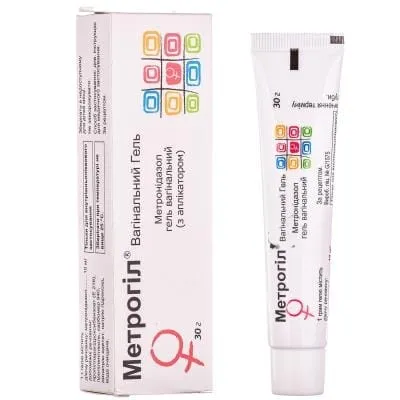
Table of Contents
INSTRUCTIONS FOR MEDICAL USE OF THE MEDICINAL PRODUCT METROGYL® VAGINAL GEL (METROGYL® VAGINAL GEL)
Composition:
Active substance: metronidazole;
1 g of gel contains metronidazole – 10 mg;
Excipients: propyl parahydroxybenzoate (E 216), propylene glycol, carbomer 940, disodium edetate, sodium hydroxide, purified water.
Pharmaceutical form. Vaginal gel.
Main physicochemical properties: homogeneous gel, colorless to pale yellow.
Pharmacotherapeutic group. Antimicrobial and antiseptic agents used in gynecology. Imidazole derivatives. ATC code G01AF01.
Pharmacological properties.
Pharmacodynamics.
The active ingredient of the drug, metronidazole, has high activity against anaerobic bacteria (Bacteroides, Fusobacteria, Clostridia, anaerobic cocci) and protozoa (Trichomonas vaginalis, Entamoeba histolytica, Lamblia). Aerobic microorganisms are insensitive to metronidazole.
The mechanism of action of metronidazole involves the biochemical reduction of the 5-nitro group of metronidazole by intracellular transport proteins of anaerobic microorganisms and protozoa. The reduced 5-nitro group of metronidazole interacts with microbial cell DNA, inhibiting the synthesis of nucleic acids, which leads to bacterial cell death.
The drug is active against most strains of microorganisms causing bacterial vaginosis: Gardnerella vaginalis, Bacteroides spp., Mobiluncus spp., Peptostreptococcus spp.
Pharmacokinetics.
After a single intravaginal administration of 5 g of Metrogyl® Vaginal Gel, the mean maximum plasma concentration of the drug in healthy women reached 237 ng/mL, which is 2% of the mean maximum concentration of metronidazole achieved after a 500 mg oral dose. The time to reach maximum concentration after intravaginal administration is 6–12 hours.
After intravaginal administration, the drug undergoes systemic absorption (approximately 56%). It penetrates into breast milk and most tissues. The drug crosses the blood-brain and placental barriers. Plasma protein binding is low (less than 20%). Metabolism occurs primarily in the liver via hydroxylation and oxidation. The main metabolite (2-hydroxymetronidazole) has about 30% of the activity of the parent compound. The relative bioavailability of the vaginal gel is twice higher than that of a single dose (500 mg) of metronidazole vaginal tablets, due to the higher penetration capacity of the gel in vaginal fluid. Therefore, the therapeutic effect of the vaginal gel is achieved even at low metronidazole concentrations, which in turn reduces the likelihood of adverse effects during the treatment course.
The drug is excreted via the kidneys – 60–80% (20% of this amount unchanged), and via the intestine – 6–15% of the dose.
Clinical characteristics.
Indications.
Bacterial vaginosis of various etiologies, confirmed by clinical and microbiological findings.
Contraindications.
Hypersensitivity to metronidazole and to other components of the medicinal product, as well as to nitroimidazole derivatives.
Interaction with other medicinal products and other types of interactions.
Warfarin and other indirect anticoagulants. Metronidazole potentiates the effect of indirect anticoagulants, leading to prolonged prothrombin time.
Disulfiram. Concomitant use may lead to the development of various neurological symptoms; therefore, Metrogyl® Vaginal Gel should not be administered to patients who have taken disulfiram within the preceding two weeks.
Cimetidine inhibits the metabolism of metronidazole, which may lead to increased plasma concentrations of metronidazole and an increased risk of adverse effects.
Non-depolarizing muscle relaxants (vecuronium). Combination with metronidazole is not recommended.
Lithium. Lithium plasma levels may increase during metronidazole administration. When used concomitantly, plasma concentrations of lithium, creatinine, and electrolytes should be monitored.
Cyclosporine. There is a risk of increased serum levels of cyclosporine. If co-administration is necessary, serum levels of cyclosporine should be closely monitored, along with creatinine levels.
Phenytoin or phenobarbital. May cause decreased plasma levels of metronidazole.
5-fluorouracil. Reduced clearance of 5-fluorouracil leads to increased toxicity of 5-fluorouracil.
Busulfan. Metronidazole may increase busulfan plasma levels, potentially resulting in significant busulfan toxicity.
Special precautions for use.
Avoid contact of the gel with the eyes!
Prolonged use of the drug requires monitoring of blood parameters. In case of leukopenia, the expected benefit of continuing therapy must be carefully weighed against the potential risk.
One should bear in mind the risk of worsening neurological status in patients with severe, chronic, or acute neurological disorders when treating with metronidazole.
Metrogyl® Vaginal Gel should be administered with caution in patients with permanent or progressive nephropathies.
If ataxia, dizziness, hallucinations, or deterioration of the patient's neurological status occur, treatment with the drug should be discontinued.
Metronidazole is capable of immobilizing treponemes, which may lead to a false-positive Nelson test.
Alcohol consumption should be avoided during metronidazole treatment (possible development of tachycardia, nausea, vomiting, sensation of warmth, spasmodic epigastric pain, headache).
Sexual intercourse should be avoided throughout the entire course of treatment.
Use during pregnancy or breastfeeding.
Metrogyl® Vaginal Gel is contraindicated in pregnant women during the first trimester of pregnancy; in the second and third trimesters it may be prescribed only if absolutely necessary. If treatment with Metrogyl® Vaginal Gel is required, breastfeeding should be discontinued.
Ability to affect reaction speed when driving or operating machinery.
Due to the possibility of adverse reactions from the central nervous system (e.g., dizziness), driving vehicles or operating machinery is not recommended.
Method of Administration and Dosage.
For vaginal use only!
The recommended dose is 5 g (1 full applicator) twice daily (in the morning and evening).
Method of administration:
- Remove the applicator from its cellophane packaging;
- Unscrew the cap from the tube and screw the applicator onto the tube;
- Hold the tube with the applicator pointing upwards and squeeze the tube’s contents into the applicator (the plunger will move upwards). The gel should completely fill the applicator;
- Unscrew the filled applicator, and tightly close the tube with the cap;
- Carefully insert the applicator into the vagina and slowly press the plunger to expel the entire gel into the vagina;
- Remove the applicator from the vagina, wipe its surface with medical alcohol, and store it in a clean condition for the next use.
Treatment duration – 5 days. During treatment, sexual intercourse should be avoided.
Children.
The safety and efficacy of the drug in children have not been studied.
Overdose.
Cases of overdose with the drug when used at recommended doses have not been observed.
Leukopenia, neuropathy, ataxia, and vomiting may occur. As there is no specific antidote for metronidazole, symptomatic therapy is recommended.
Adverse Reactions.
Genitourinary system: symptomatic candidal cervicitis, vaginitis, itching, burning, and irritation of the vagina and vulva, non-candidal vaginal discharge, vulvar edema, increased frequency of urination. Burning or irritation of the penis in the sexual partner. Urine may become darkly colored.
Gastrointestinal tract: dryness or metallic taste in the mouth, nausea, vomiting, decreased appetite, anorexia, spasmodic abdominal pain, constipation, diarrhea. Transient abnormalities in liver function tests; cholestatic hepatitis.
Central nervous system: dizziness, headache, seizures, peripheral sensory neuropathy; very rarely – encephalopathy (e.g., confusion) and subacute cerebellar syndrome (ataxia, dysarthria, gait disturbance, nystagmus, tremor), which may resolve after discontinuation of the drug.
Psychiatric disorders: including confusion, hallucinations.
Visual system: transient visual disturbances (diplopia, myopia).
Reproductive system: uterine pain.
Hematopoietic system: leukopenia, leukocytosis, agranulocytosis, neutropenia, thrombocytopenia.
Allergic reactions: skin rash, urticaria, pruritus, skin hyperemia, urticaria, angioedema, rarely – anaphylactic shock. Isolated cases of pustular rash.
If any adverse effects occur, treatment course should be discontinued.
Shelf life. 3 years.
Storage conditions. Store at temperatures not exceeding 25 °C. Keep out of reach of children. Do not freeze.
Packaging. 30 g in aluminum or plastic laminated tube. One tube with an applicator in a cardboard box.
Prescription status. Prescription only.
Manufacturer: "Unique Pharmaceuticals Laboratories" (a division of "J. B. Chemicals and Pharmaceuticals Ltd.").
Manufacturer's address and location of business activity:
Plot No. 304-308, G.I.D.C. Industrial Area, City: Panoli – 394 116, Dist: Bharuch, India.