Maidekla
Ukraine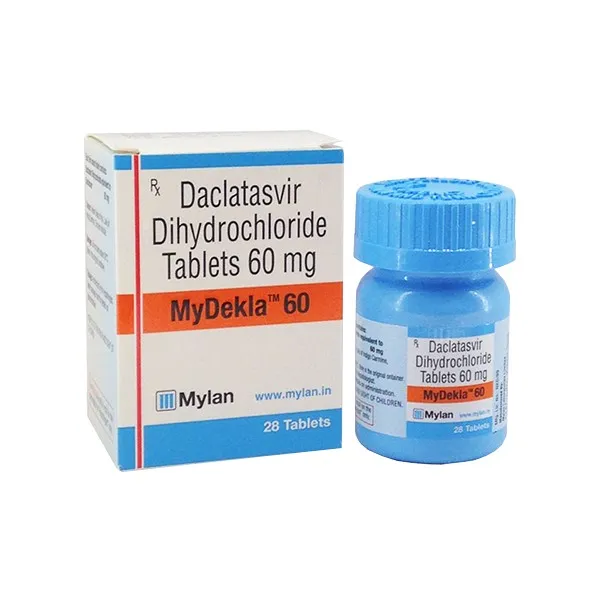
Table of Contents
INSTRUCTIONS FOR MEDICAL USE OF THE MEDICINAL PRODUCT MyDekla (MyDekla)
Composition:
Active substance: daclatasvir;
One film-coated tablet contains 66 mg of daclatasvir dihydrochloride, equivalent to 60 mg of daclatasvir;
Excipients: anhydrous lactose, silicified microcrystalline cellulose, sodium croscarmellose, magnesium stearate, anhydrous colloidal silicon dioxide; film coating Opadry Green 03B510052 (hypromellose 6 mPa·s, indigo carmine aluminum lake (E 132), titanium dioxide (E 171), iron oxide yellow (E 172), polyethylene glycol MW 400).
Pharmaceutical form. Film-coated tablets.
Main physicochemical properties: biconvex, bevel-edged capsule-shaped tablets, coated with a green film coating, with the imprint D on the left and T on the right side of the break line on one side, and 6 on the left and 0 on the right side of the break line on the other side.
Pharmacotherapeutic group. Direct-acting antiviral agents for the treatment of hepatitis C virus infections. ATC code J05AP07.
Pharmacological Properties.
Pharmacodynamics.
Mechanism of action
Daclatasvir is an inhibitor of the nonstructural protein 5A (NS5A)—a multifunctional protein that is a key component of the hepatitis C virus (HCV) replication complex. Daclatasvir inhibits viral RNA replication and virion assembly.
Antiviral activity in cell culture
Daclatasvir inhibits HCV replication of genotypes 1a and 1b in replicon assays in cell cultures, with effective concentration values (50% reduction, EC50) ranging, depending on the assay method, from 0.003–0.050 and 0.001–0.009 nmol, respectively. EC50 values of daclatasvir in the replicon system were 0.003–1.25 nmol for genotypes 3a, 4a, 5a, and 6a, and 0.034–19 nmol for genotype 2a, as well as 0.020 nmol for genotype 2a viruses (JFH-1).
Daclatasvir demonstrated additional synergistic interactions with interferon alfa, HCV NS3 protease inhibitors, non-nucleoside inhibitors of HCV NS5B polymerase, and nucleoside analogs of HCV NS5B in combination studies using the HCV replicon cell system. No antagonism of antiviral activity was observed.
No clinically significant antiviral activity against various RNA and DNA viruses, including HIV, was observed, confirming that daclatasvir, a specific HCV inhibitor, has high selectivity for HCV.
Resistance in cell culture
Substitutions leading to resistance to daclatasvir in genotypes 1–4 were observed in the N-terminal 100-amino acid region of NS5A in the cell replicon system. For genotype 1b, resistance-associated substitutions L31V and Y93H were frequently observed, whereas for genotype 1a, resistant substitutions M28T, L31V/M, Q30E/H/R, and Y93C/H/N were commonly observed. These substitutions led to a low level of resistance (EC50 <1 nmol) in genotype 1b and higher resistance levels in genotype 1a (EC50 up to 350 nmol). The most resistant single amino acid substitution variants in genotype 2a and genotype 3a were F28S (EC50 >300 nmol) and Y93H (EC50 >1000 nmol), respectively. In genotype 4, amino acid substitutions at positions 30 and 93 were common (EC50 <16 nmol).
Cross-resistance. HCV replicons expressing resistance substitutions associated with daclatasvir remained fully sensitive to interferon alfa and other anti-HCV agents with different mechanisms of action, such as NS3 protease inhibitors and NS5B polymerase inhibitors (nucleoside and non-nucleoside).
Clinical efficacy and safety
In clinical trials of daclatasvir in combination with sofosbuvir or peginterferon alfa and ribavirin, plasma HCV RNA levels were measured using the COBAS TaqMan HCV test (version 2.0), for use with the High Pure System, with a lower limit of quantification (LLOQ) of 25 IU/mL. Sustained virologic response (SVR) was the primary endpoint for determining treatment efficacy in HCV, defined as HCV RNA below LLOQ at 12 weeks after completion of treatment (SVR12), and also as undetectable HCV RNA at 24 weeks after completion of treatment (SVR24).
Pharmacokinetics.
The pharmacokinetic properties of daclatasvir were evaluated in healthy adult volunteers and patients with chronic HCV infection. After multiple oral doses of daclatasvir 60 mg once daily in combination with peginterferon alfa and ribavirin in treatment-naïve patients with chronic HCV genotype 1, the geometric mean (CV%) Cmax of daclatasvir was 1534 (58) ng/mL, AUC0–24h was 14,122 (70) ng·h/mL, and Cmin was 232 (83) ng/mL.
Absorption
When administered as tablets, daclatasvir is rapidly absorbed after multiple oral doses, with peak plasma concentration (Cmax) reached within 1–2 hours.
Cmax, AUC, and Cmin of daclatasvir increase almost proportionally with dose. Steady state is achieved within 4 days of once-daily dosing. At a dose of 60 mg, AUC of daclatasvir was similar in healthy volunteers and HCV patients.
In vitro and in vivo studies demonstrated that daclatasvir is a substrate of P-glycoprotein (P-gp). Absolute bioavailability after tablet administration is 67%.
Effect of food on oral absorption. In studies involving healthy volunteers, administration of 60 mg daclatasvir after a high-fat meal resulted in a 28% and 23% reduction in Cmax and AUC of daclatasvir, respectively, compared to administration under fasting conditions. Administration of 60 mg daclatasvir after a light meal did not reduce AUC of daclatasvir.
Distribution
At steady state, protein binding of daclatasvir in HCV-infected patients was approximately 99%, and was independent of dose (in the range of 1 to 100 mg). In patients who received 60 mg oral daclatasvir tablets followed by intravenous administration of 100 μg [13C,15N]-daclatasvir, the estimated steady-state volume of distribution was 47 L. In vitro studies indicate that daclatasvir actively and passively penetrates hepatocytes. Active transport is mediated by organic cation transporters (OCT1) and other unidentified uptake transporters, but not by organic anion transporter (OAT) 2, sodium-taurocholate cotransporting polypeptide (NTCP), or organic anion transporting polypeptides (OATPs).
Daclatasvir is an inhibitor of P-gp, OATP 1B1, and breast cancer resistance protein (BCRP). In vitro, daclatasvir is also an inhibitor of renal uptake transporters, organic anion transporters (OAT1 and 3), and organic cation transporters (OCT2), but a clinically significant effect on the pharmacokinetics of substrates of these transporters is not expected.
Biotransformation
In vitro and in vivo studies demonstrate that daclatasvir is a substrate of CYP3A, with CYP3A4 being the primary CYP isoform responsible for its metabolism. No metabolites circulated at levels exceeding 5% of the parent compound concentration. In vitro, daclatasvir did not inhibit (IC50 > 40 μmol) CYP enzymes 1A2, 2B6, 2C8, 2C9, 2C19, or 2D6.
Elimination
After a single oral dose of 14C-daclatasvir in healthy volunteers, 88% of total radioactive drug was excreted in feces (53% unchanged), and 6.6% was excreted in urine (predominantly unchanged). These data indicate that the liver is the primary organ for daclatasvir clearance in humans. In vitro studies suggest that daclatasvir actively and passively penetrates hepatocytes. Active transport is mediated by OCT1 and other unidentified uptake transporters. After multiple dosing in HCV-infected patients, the terminal half-life of daclatasvir ranged from 12 to 15 hours. In patients who received 60 mg oral daclatasvir tablets followed by intravenous administration of 100 μg [13C,15N]-daclatasvir, total clearance was 4.24 L/h.
Special patient groups
Renal impairment. The pharmacokinetics of daclatasvir after a single 60 mg oral dose were studied in patients with renal impairment not infected with HCV. The estimated AUC of unbound daclatasvir was 18%, 39%, and 51% higher in patients with creatinine clearance of 60, 30, and 15 mL/min, respectively, compared to those with normal renal function. In patients with end-stage renal disease requiring hemodialysis, AUC of daclatasvir increased by 27% and AUC of unbound daclatasvir increased by 20% compared to those with normal renal function (see section "Dosage and administration").
Hepatic impairment. The pharmacokinetics of daclatasvir after a single 30 mg oral dose were studied in non-HCV-infected patients with mild (Child-Pugh class A), moderate (Child-Pugh class B), and severe (Child-Pugh class C) hepatic impairment compared to patients with normal liver function. Cmax and AUC of total daclatasvir (free and protein-bound) were lower in patients with hepatic impairment; however, hepatic impairment did not have a clinically significant effect on free daclatasvir concentrations (see section "Dosage and administration").
Elderly patients. Population pharmacokinetic analysis of clinical trial data showed that age has no apparent effect on the pharmacokinetics of daclatasvir.
Children. The pharmacokinetics of daclatasvir in children has not been evaluated.
Gender. Population pharmacokinetic analysis showed that gender is a statistically significant covariate for apparent oral clearance (CL/F) of daclatasvir, with slightly lower CL/F in females; however, the effect on daclatasvir exposure is not clinically significant.
Race. Population pharmacokinetic analysis of clinical trial data showed that race (categories "other" [subjects not of Caucasian, Black, or Asian descent] and "Black") is a statistically significant covariate for apparent oral clearance (CL/F) and apparent volume of distribution (Vc/F) of daclatasvir, resulting in slightly higher exposure compared to Caucasian patients, but the effect on daclatasvir exposure is not clinically significant.
Clinical characteristics.
Indications.
Maydecle, in combination with other medicinal products, is indicated for the treatment of chronic hepatitis C in adult patients.
Contraindications.
Hypersensitivity to the active substance or to any of the excipients of the medicinal product.
Concomitant use with medicinal products that are strong inducers of cytochrome P450 3A4 (CYP3A4) and P-glycoprotein (P-gp) transporter, which may lead to reduced exposure and loss of efficacy of Maydecle. Such medicinal products include: phenytoin, carbamazepine, oxcarbazepine, phenobarbital, rifampicin, rifabutin, rifapentine, systemic dexamethasone, and the herbal preparation St John's wort (Hypericum perforatum).
Interaction with other medicinal products and other forms of interaction.
Contraindications regarding concomitant use (see section "Contraindications")
Maydecle is contraindicated in combination with other medicinal products that are strong inducers of CYP3A4 and P-gp (e.g., phenytoin, carbamazepine, oxcarbazepine, phenobarbital, rifampicin, rifabutin, rifapentine, systemic dexamethasone, and the herbal preparation St John's wort [Hypericum perforatum]), as this may lead to reduced exposure and loss of efficacy of Maydecle.
Potential interactions with other medicinal products
Daclatasvir is a substrate of CYP3A4, P-gp, and organic cation transporter 1 (OCT1). Strong and moderate inducers of CYP3A4 and P-gp may reduce plasma concentrations of daclatasvir and its therapeutic effect. Concomitant use with strong inducers of CYP3A4 and P-gp is contraindicated. Dose adjustment of Maydecle is recommended when used concomitantly with moderate inducers of CYP3A4 and P-gp (see Table 1). Strong inhibitors of CYP3A4 may increase plasma concentrations of daclatasvir. Dose adjustment of Maydecle is recommended when used concomitantly with strong CYP3A4 inhibitors (see Table 1). Limited impact on daclatasvir exposure is expected when co-administered with inhibitors of P-gp or OCT1.
Daclatasvir is an inhibitor of P-gp, organic anion transporting polypeptide (OATP) 1B1, OCT1, and breast cancer resistance protein (BCRP). Administration of Maydecle may increase systemic exposure to medicinal products that are substrates of P-gp, OATP1B1, OCT1, or BCRP, potentially enhancing or prolonging their therapeutic effects and adverse reactions. Caution is advised when co-administering Maydecle with medicinal products that have a narrow therapeutic index (see Table 1).
Daclatasvir is a very weak inducer of CYP3A4 and results in a 13% reduction in midazolam exposure. However, since this effect is limited, dose adjustment of concomitantly administered CYP3A4 substrates is not required.
Refer to the prescribing information of other medicinal products included in the treatment regimen for interaction details.
Patients receiving vitamin K antagonists
Since liver function may change during treatment with Maydecle, careful monitoring of international normalized ratio (INR) is recommended.
Summary of interactions
Table 1 provides information from drug interaction studies with daclatasvir, including clinical recommendations for established or potentially significant interactions with other medicinal products. Clinically significant increases in concentration are indicated as "↑", clinically significant decreases as "↓", and absence of clinically significant changes as "↔". Where available, coefficients of geometric mean values with 90% confidence intervals (CI) are provided in parentheses. Studies presented in Table 1 were conducted in healthy adults unless otherwise specified. The table does not include all available data.
Table 1
Interactions and dosing recommendations when used with other medicinal products
| Drugs and their therapeutic effect |
Interaction |
Recommendations for concomitant use |
| ANTIVIRAL AGENTS, anti-HCV |
||
| Nucleotide analogue polymerase inhibitor |
||
| Sofosbuvir, 400 mg once daily (daclatasvir 60 mg once daily) The study was conducted in patients with chronic HCV infection |
↔ Daclatasvir* AUC: 0.95 (0.82; 1.10) Cmax: 0.88 (0.78; 0.99) Cmin: 0.91 (0.71; 1.16) ↔ GS-331007** AUC: 1.0 (0.95; 1.08) Cmax: 0.8 (0.77; 0.90) Cmin: 1.4 (1.35; 1.53) *Comparison for daclatasvir was with historical data (data from 3 studies of daclatasvir 60 mg once daily with peginterferon alfa and ribavirin). **GS-331007 is the major circulating metabolite of the prodrug sofosbuvir. |
No dose adjustment of MyDekla or sofosbuvir is required. |
| Protease inhibitors (PI) |
||
| Boceprevir |
Interaction not studied. Expected due to CYP3A4 inhibition by boceprevir: ↑ Daclatasvir |
The dose of MyDekla should be reduced to 30 mg once daily when co-administered with boceprevir or other strong CYP3A4 inhibitors. |
| Simeprevir 150 mg once daily (daclatasvir 60 mg once daily) |
↑ Daclatasvir AUC: 1.96 (1.84; 2.10) Cmax: 1.50 (1.39; 1.62) Cmin: 2.68 (2.42; 2.98) ↑ Simeprevir AUC: 1.44 (1.32; 1.56) Cmax: 1.39 (1.27; 1.52) Cmin: 1.49 (1.33; 1.67) |
No dose adjustment of MyDekla or simeprevir is required. |
| Telaprevir 500 mg every 12 hours (daclatasvir 20 mg once daily) Telaprevir 750 mg every 8 hours (daclatasvir 20 mg once daily) |
↑ Daclatasvir AUC: 2.32 (2.06; 2.62) Cmax: 1.46 (1.28; 1.66) ↔ Telaprevir AUC: 0.94 (0.84; 1.04) Cmax: 1.01 (0.89; 1.14) ↑ Daclatasvir AUC: 2.15 (1.87; 2.48) Cmax: 1.22 (1.04; 1.44) ↔ Telaprevir AUC: 0.99 (0.95; 1.03) Cmax: 1.02 (0.95; 1.09) Inhibition of CYP3A4 by telaprevir |
The dose of MyDekla should be reduced to 30 mg once daily when co-administered with telaprevir or other strong CYP3A4 inhibitors. |
| Other antiviral agents against HCV |
||
| Peginterferon alfa 180 mcg once weekly and ribavirin 1000 mg or 1200 mg daily in two separate doses (daclatasvir 60 mg once daily) The study was conducted in patients with chronic HCV infection |
↔ Daclatasvir AUC: ↔* Cmax: ↔* Cmin: ↔* ↔ Peginterferon alfa Cmin: ↔* ↔ Ribavirin AUC: 0.94 (0.80; 1.11) Cmax: 0.94 (0.79; 1.11) Cmin: 0.98 (0.82; 1.17) *Pharmacokinetic (PK) parameters of daclatasvir when administered with peginterferon alfa and ribavirin in this study were similar to those observed in a study of HCV patients receiving daclatasvir monotherapy for 14 days. Minimal PK levels of peginterferon alfa in patients receiving peginterferon alfa, ribavirin, and daclatasvir were similar to those in patients receiving peginterferon alfa, ribavirin, and placebo. |
No dose adjustment of MyDekla, peginterferon alfa, or ribavirin is required. |
| ANTIVIRAL AGENTS, against human immunodeficiency virus (HIV) or hepatitis B virus (HBV) |
||
| Protease inhibitors (PI) |
||
| Atazanavir 300 mg / ritonavir 100 mg once daily (daclatasvir 20 mg once daily) |
↑ Daclatasvir AUC*: 2.10 (1.95; 2.26) Cmax*: 1.35 (1.24; 1.47) Cmin*: 3.65 (3.25; 4.11) Inhibition of CYP3A4 by ritonavir *Results normalized to 60 mg dose. |
The dose of MyDekla should be reduced to 30 mg once daily when co-administered with atazanavir/ritonavir, atazanavir/cobicistat, or other strong CYP3A4 inhibitors. |
| Atazanavir/cobicistat |
Interaction not studied. Expected due to CYP3A4 inhibition by atazanavir/cobicistat: ↑ Daclatasvir |
|
| Darunavir 800 mg / ritonavir 100 mg once daily (daclatasvir 30 mg once daily) |
↔ Daclatasvir AUC: 1.41 (1.32; 1.50) Cmax: 0.77 (0.70; 0.85) ↔ Darunavir AUC: 0.90 (0.73; 1.11) Cmax: 0.97 (0.80; 1.17) Cmin: 0.98 (0.67; 1.44) |
No dose adjustment of MyDekla 60 mg once daily, darunavir/ritonavir (800/100 mg once daily or 600/100 mg twice daily), or darunavir/cobicistat is required. |
| Darunavir/cobicistat |
Interaction not studied. Expected: ↔ Daclatasvir |
|
| Lopinavir 400 mg / ritonavir 100 mg twice daily (daclatasvir 30 mg once daily) |
↔ Daclatasvir AUC: 1.15 (1.07; 1.24) Cmax: 0.67 (0.61; 0.74) ↔ Lopinavir* AUC: 1.15 (0.77; 1.72) Cmax: 1.22 (1.06; 1.41) Cmin: 1.54 (0.46; 5.07) *Effect of 60 mg daclatasvir on lopinavir may be more pronounced. |
No dose adjustment of MyDekla 60 mg once daily or lopinavir/ritonavir is required. |
| Nucleoside/nucleotide reverse transcriptase inhibitors (NRTIs) |
||
| Tenofovir disoproxil fumarate 300 mg once daily (daclatasvir 60 mg once daily) |
↔ Daclatasvir AUC: 1.10 (1.01; 1.21) Cmax: 1.06 (0.98; 1.15) Cmin: 1.15 (1.02; 1.30) ↔ Tenofovir AUC: 1.10 (1.05; 1.15) Cmax: 0.95 (0.89; 1.02) Cmin: 1.17 (1.10; 1.24) |
No dose adjustment of MyDekla or tenofovir is required. |
| Lamivudine Zidovudine Emtricitabine Abacavir Didanosine Stavudine |
Interaction not studied. Expected: ↔ Daclatasvir ↔ NRTIs |
No dose adjustment of MyDekla or NRTIs is required. |
| Non-nucleoside reverse transcriptase inhibitors (NNRTIs) |
||
| Efavirenz 600 mg once daily (daclatasvir 60 mg once daily / 120 mg once daily) |
↓ Daclatasvir AUC*: 0.68 (0.60; 0.78) Cmax*: 0.83 (0.76; 0.92) Cmin*: 0.41 (0.34; 0.50) Induction of CYP3A4 by efavirenz *Results normalized to 60 mg dose. |
The dose of MyDekla should be increased to 90 mg once daily when co-administered with efavirenz. |
| Etravirine Nevaripine |
Interaction not studied. Expected due to CYP3A4 induction by etravirine or nevirapine: ↓ Daclatasvir |
Due to lack of data, concomitant use of MyDekla with etravirine or nevirapine is not recommended. |
| Rilpivirine |
Interaction not studied. Expected: ↔ Daclatasvir ↔ Rilpivirine |
No dose adjustment of MyDekla or rilpivirine is required. |
| Integrase inhibitors |
||
| Dolutegravir 50 mg once daily (daclatasvir 60 mg once daily) |
↔ Daclatasvir AUC: 0.98 (0.83; 1.15) Cmax: 1.03 (0.84; 1.25) Cmin: 1.06 (0.88; 1.29) ↑ Dolutegravir AUC: 1.33 (1.11; 1.59) Cmax: 1.29 (1.07; 1.57) Cmin: 1.45 (1.25; 1.68) Inhibition of P-gp and BCRP by daclatasvir |
No dose adjustment of MyDekla or dolutegravir is required. |
| Raltegravir |
Interaction not studied. Expected: ↔ Daclatasvir ↔ Raltegravir |
No dose adjustment of MyDekla or raltegravir is required. |
| Elvitegravir, cobicistat, emtricitabine, tenofovir disoproxil fumarate |
Interaction not studied for fixed-dose combination tablets. Expected due to CYP3A4 inhibition by cobicistat: ↑ Daclatasvir |
The dose of MyDekla should be reduced to 30 mg once daily when co-administered with cobicistat or other strong CYP3A4 inhibitors. |
| Fusion inhibitor |
||
| Enfuvirtide |
Interaction not studied. Expected: ↔ Daclatasvir ↔ Enfuvirtide |
No dose adjustment of MyDekla or enfuvirtide is required. |
| CCR5 receptor antagonist |
||
| Maraviroc |
Interaction not studied. Expected: ↔ Daclatasvir ↔ Maraviroc |
No dose adjustment of MyDekla or maraviroc is required. |
| ACID-REDUCING AGENTS |
||
| H2-receptor antagonists |
||
| Famotidine 40 mg single dose (daclatasvir 60 mg single dose) |
↔ Daclatasvir AUC: 0.82 (0.70; 0.96) Cmax: 0.56 (0.46; 0.67) Cmin: 0.89 (0.75; 1.06) Increase in gastric pH |
No dose adjustment of MyDekla is required. |
| Proton pump inhibitors (PPIs) |
||
| Omeprazole 40 mg once daily (daclatasvir 60 mg single dose) |
↔ Daclatasvir AUC: 0.84 (0.73; 0.96) Cmax: 0.64 (0.54; 0.77) Cmin: 0.92 (0.80; 1.05) Increase in gastric pH |
No dose adjustment of MyDekla is required. |
| ANTIBACTERIAL AGENTS |
||
| Clarithromycin Telithromycin |
Interaction not studied. Expected due to CYP3A4 inhibition by antibacterial agent: ↑ Daclatasvir |
The dose of MyDekla should be reduced to 30 mg once daily when co-administered with clarithromycin, telithromycin, or other strong CYP3A4 inhibitors. |
| Erythromycin |
Interaction not studied. Expected due to CYP3A4 inhibition by antibacterial agent: ↑ Daclatasvir |
Co-administration of MyDekla with erythromycin may lead to increased daclatasvir concentrations. Caution is recommended. |
| Azithromycin Ciprofloxacin |
Interaction not studied. Expected: ↔ Daclatasvir ↔ Azithromycin or ciprofloxacin |
No dose adjustment of MyDekla or azithromycin or ciprofloxacin is required. |
| ANTICOAGULANTS |
||
| Dabigatran etexilate |
Interaction not studied. Expected due to P-gp inhibition by daclatasvir: ↑ Dabigatran etexilate |
Monitoring for safety is recommended at the start of MyDekla treatment in patients receiving dabigatran etexilate or other intestinal P-gp substrates with a narrow therapeutic index. |
| Warfarin or other vitamin K antagonists |
Interaction not studied. Expected: ↔ Daclatasvir ↔ Warfarin |
No dose adjustment of MyDekla or warfarin is required. When using vitamin K antagonists, careful monitoring of INR is recommended, as liver function may change during MyDekla treatment. |
| ANTICONVULSANTS |
||
| Carbamazepine Oxcarbazepine Phenobarbital Phenytoin |
Interaction not studied. Expected due to CYP3A4 induction by anticonvulsant: ↓ Daclatasvir |
Concomitant use of MyDekla with carbamazepine, oxcarbazepine, phenobarbital, phenytoin, or other strong CYP3A4 inducers is contraindicated (see section "Contraindications"). |
| ANTIDEPRESSANTS |
||
| Selective serotonin reuptake inhibitors (SSRIs) |
||
| Escitalopram 10 mg once daily (daclatasvir 60 mg once daily) |
↔ Daclatasvir AUC: 1.12 (1.01; 1.26) Cmax: 1.14 (0.98; 1.32) Cmin: 1.23 (1.09; 1.38) ↔ Escitalopram AUC: 1.05 (1.02; 1.08) Cmax: 1.00 (0.92; 1.08) Cmin: 1.10 (1.04; 1.16) |
No dose adjustment of MyDekla or escitalopram is required. |
| ANTIFUNGAL AGENTS |
||
| Ketoconazole 400 mg once daily (daclatasvir 10 mg single dose) |
↑ Daclatasvir AUC: 3.00 (2.62; 3.44) Cmax: 1.57 (1.31; 1.88) Inhibition of CYP3A4 by ketoconazole |
The dose of MyDekla should be reduced to 30 mg once daily when co-administered with ketoconazole or other strong CYP3A4 inhibitors. |
| Itraconazole Posaconazole Voriconazole |
Interaction not studied. Expected due to CYP3A4 inhibition by antifungal agent: ↑ Daclatasvir |
|
| Fluconazole |
Interaction not studied. Expected due to CYP3A4 inhibition by antifungal agent: ↑ Daclatasvir ↔ Fluconazole |
Modest increase in daclatasvir concentration is expected, but no dose adjustment of MyDekla or fluconazole is required. |
| ANTIMYCOBACTERIAL AGENTS |
||
| Rifampicin 600 mg once daily (daclatasvir 60 mg single dose) |
↓ Daclatasvir AUC: 0.21 (0.19; 0.23) Cmax: 0.44 (0.40; 0.48) Induction of CYP3A4 by rifampicin |
Concomitant use of MyDekla with rifampicin, rifabutin, rifapentine, or other strong CYP3A4 inducers is contraindicated (see section "Contraindications"). |
| Rifabutin Rifapentine |
Interaction not studied. Expected due to CYP3A4 induction by antimycobacterial agent: ↓ Daclatasvir |
|
| CARDIOVASCULAR AGENTS |
||
| Antiarrhythmic agents |
||
| Digoxin 0.125 mg once daily (daclatasvir 60 mg once daily) |
↑ Digoxin AUC: 1.27 (1.20; 1.34) Cmax: 1.65 (1.52; 1.80) Cmin: 1.18 (1.09; 1.28) Inhibition of P-gp by daclatasvir. |
Digoxin should be used with caution when co-administered with MyDekla. Start with the lowest digoxin dose. Serum digoxin concentrations should be monitored and used to titrate digoxin dose to achieve desired clinical effect. |
| Amiodarone |
Interaction not studied. |
Use only if no alternative. Close monitoring is recommended if amiodarone is used with MyDekla in combination with sofosbuvir (see sections "Special precautions" and "Adverse reactions"). |
| Calcium channel blockers |
||
| Diltiazem Nifedipine Amlodipine |
Interaction not studied. Expected due to CYP3A4 inhibition by calcium channel blocker: ↑ Daclatasvir |
Co-administration of MyDekla with any of these calcium channel blockers may lead to increased daclatasvir concentrations. Caution is recommended. |
| Verapamil |
Interaction not studied. Expected due to CYP3A4 and P-gp inhibition by verapamil: ↑ Daclatasvir |
Co-administration of MyDekla with verapamil may lead to increased daclatasvir concentrations. Caution is recommended. |
| CORTICOSTEROIDS |
||
| Systemic dexamethasone |
Interaction not studied. Expected due to CYP3A4 induction by dexamethasone: ↓ Daclatasvir |
Concomitant use of MyDekla with systemic dexamethasone or other strong CYP3A4 inducers is contraindicated (see section "Contraindications"). |
| HERBAL PREPARATIONS |
||
| St. John's wort (Hypericum perforatum) |
Interaction not studied. Expected due to CYP3A4 induction by St. John's wort: ↓ Daclatasvir |
Concomitant use of MyDekla with St. John's wort or other strong CYP3A4 inducers is contraindicated (see section "Contraindications"). |
| HORMONAL CONTRACEPTIVES |
||
| Ethinylestradiol 35 mcg once daily for 21 days + norgestrel 0.180/0.215/0.250 mg once daily for 7/7/7 days (daclatasvir 60 mg once daily) |
↔ Ethinylestradiol AUC: 1.01 (0.95;1.07) Cmax: 1.11 (1.02; 1.20) ↔ Norelgestromin AUC: 1.12 (1.06; 1.17) Cmax: 1.06 (0.99; 1.14) ↔ Norgestrel AUC: 1.12 (1.02; 1.23) Cmax: 1.07 (0.99; 1.16) |
An oral contraceptive containing ethinylestradiol 35 mcg and norgestrel 0.180/0.215/0.250 mg is recommended when using MyDekla. Other oral contraceptives have not been studied. |
| IMMUNOSUPPRESSANTS |
||
| Cyclosporine 400 mg single dose (daclatasvir 60 mg once daily) |
↔ Daclatasvir AUC: 1.40 (1.29; 1.53) Cmax: 1.04 (0.94; 1.15) Cmin: 1.56 (1.41; 1.71) ↔ Cyclosporine AUC: 1.03 (0.97; 1.09) Cmax: 0.96 (0.91; 1.02) |
No dose adjustment of any of these drugs is required when MyDekla is co-administered with cyclosporine, tacrolimus, sirolimus, or mycophenolate mofetil. |
| Tacrolimus 5 mg single dose (daclatasvir 60 mg once daily) |
↔ Daclatasvir AUC: 1.05 (1.03; 1.07) Cmax: 1.07 (1.02; 1.12) Cmin: 1.10 (1.03; 1.19) ↔ Tacrolimus AUC: 1.00 (0.88; 1.13) Cmax: 1.05 (0.90; 1.23) |
|
| Sirolimus Mycophenolate mofetil |
Interaction not studied. Expected: ↔ Daclatasvir ↔ Immunosuppressant |
|
| ANTILIPIDEMIC AGENTS |
||
| HMG-CoA reductase inhibitors |
||
| Rosuvastatin 10 mg single dose (daclatasvir 60 mg once daily) |
↑ Rosuvastatin AUC: 1.58 (1.44; 1.74) Cmax: 2.04 (1.83; 2.26) Inhibition of OATP 1B1 and BCRP by daclatasvir |
MyDekla should be used with caution with rosuvastatin or other OATP 1B1 or BCRP substrates. |
| Atorvastatin Fluvastatin Simvastatin Pitavastatin Pravastatin |
Interaction not studied. Expected due to inhibition of OATP 1B1 and/or BCRP by daclatasvir: ↑ Statin concentration |
|
| NARCOTIC ANALGESICS |
||
| Buprenorphine/naloxone, from 8/2 mg to 24/6 mg once daily, individualized dose* (daclatasvir 60 mg once daily) *Evaluated in adults with opioid dependence who are on stable maintenance therapy with buprenorphine/naloxone. |
↔ Daclatasvir AUC: ↔* Cmax: ↔* Cmin: ↔* ↑ Buprenorphine AUC: 1.37 (1.24; 1.52) Cmax: 1.30 (1.03; 1.64) Cmin: 1.17 (1.03; 1.32) ↑ Norbuprenorphine AUC: 1.62 (1.30; 2.02) Cmax: 1.65 (1.38; 1.99) Cmin: 1.46 (1.12; 1.89) *Compared with historical data. |
No dose adjustment of MyDekla or buprenorphine is required, but patients should be monitored for signs of opioid toxicity. |
| Methadone, 40−120 mg once daily, individualized dose* (daclatasvir 60 mg once daily) *Evaluated in adults with opioid dependence who are on stable maintenance therapy with methadone. |
↔ Daclatasvir AUC: ↔* Cmax: ↔* Cmin: ↔* ↔ R-methadone AUC: 1.08 (0.94; 1.24) Cmax: 1.07 (0.97; 1.18) Cmin: 1.08 (0.93; 1.26) *Compared with historical data. |
No dose adjustment of MyDekla or methadone is required. |
| SEDATIVE AGENTS |
||
| Benzodiazepines |
||
| Midazolam 5 mg single dose (daclatasvir 60 mg once daily) |
↔ Midazolam AUC: 0.87 (0.83; 0.92) Cmax: 0.95 (0.88; 1.04) |
No dose adjustment of midazolam, other benzodiazepines, or other CYP3A4 substrates is required when co-administered with MyDekla. |
| Triazolam Alprazolam |
Interaction not studied. Expected: ↔ Triazolam ↔ Alprazolam |
|
Clinically significant effects on the pharmacokinetics of medicinal products are not expected with concomitant administration of daclatasvir with any of the following agents: PDE-5 inhibitors, medicinal products of the angiotensin-converting enzyme (ACE) inhibitors class (e.g., enalapril), medicinal products of the angiotensin II receptor antagonists class (e.g., losartan, irbesartan, olmesartan, candesartan, valsartan), disopyramide, propafenone, flecainide, mexiletine, quinidine, or antacids.
Children
Interaction studies have been conducted only in adults.
Special precautions for use.
The medicinal product MayDekla must not be used as monotherapy — it should be used in combination with other medicinal products for the treatment of chronic HCV infection (see sections "Indications" and "Dosage and administration").
Severe bradycardia and heart block
Cases of severe bradycardia and heart block have been observed when daclatasvir was used in combination with sofosbuvir and amiodarone, with other drugs that reduce heart rate, or without such drugs. The mechanism is not established.
Concomitant use of amiodarone was limited during clinical development of sofosbuvir with direct-acting antivirals. The reactions are potentially life-threatening; therefore, amiodarone should be administered to patients receiving daclatasvir and sofosbuvir only when other antiarrhythmic agents are not tolerated or contraindicated.
If concomitant use of amiodarone is considered necessary, careful monitoring of patients is recommended at the beginning of treatment with MayDekla in combination with sofosbuvir. Patients at high risk of bradyarrhythmia should be continuously monitored for 48 hours under appropriate clinical conditions.
Due to the long half-life of amiodarone, appropriate monitoring should also be provided for patients who discontinued amiodarone within the past several months and are starting MayDekla in combination with sofosbuvir.
All patients receiving MayDekla and sofosbuvir in combination with amiodarone, with or without other drugs that reduce heart rate, should also be warned about symptoms of bradycardia and heart block and advised to seek immediate medical attention if such symptoms occur.
Drug activity depending on genotype
Recommended treatment regimens for different HCV genotypes are described in the section "Dosage and administration".
There are limited data on the treatment of genotype 2 infection with MayDekla and sofosbuvir.
Data from study ALLY-3 (A1444218) support a 12-week regimen of daclatasvir + sofosbuvir for patients with genotype 3 infection without cirrhosis, whether previously treated or treatment-naïve. Lower sustained virologic response (SVR) rates were observed in patients with cirrhosis (see section "Pharmacodynamics"). Data from a compassionate use program including patients with genotype 3 infection and cirrhosis support a 24-week treatment with MayDekla + sofosbuvir for such patients. The value of adding ribavirin to this regimen is unknown.
There are limited clinical data to support the use of MayDekla and sofosbuvir in patients with HCV genotypes 4 and 6. There are no clinical data in patients with genotype 5.
Patients with hepatic impairment (Child-Pugh class C)
The safety and efficacy of daclatasvir for the treatment of HCV in patients with hepatic impairment (Child-Pugh class C) were evaluated in the clinical study ALLY-1 (A1444215, daclatasvir + sofosbuvir +/– ribavirin for 12 weeks); however, SVR rates were lower than in patients with Child-Pugh class A or B hepatic impairment. Therefore, patients with Child-Pugh class C hepatic impairment are recommended to receive conservative treatment with daclatasvir + sofosbuvir +/– ribavirin for 24 weeks (see section "Dosage and administration"). Ribavirin may be added to treatment based on individual clinical assessment.
Concomitant HCV/HBV infection
Cases of hepatitis B virus (HBV) reactivation, some with fatal outcomes, have been reported during or after treatment with direct-acting antiviral agents. Screening for HBV should be performed in all patients prior to initiating treatment. Patients co-infected with HCV/HBV are at risk of HBV reactivation and should therefore be monitored and treated according to current clinical guidelines.
Retreatment with daclatasvir
The efficacy of daclatasvir for retreatment of patients previously treated with an NS5A inhibitor has not been established.
Pregnancy and contraception requirements
MayDekla must not be used during pregnancy or in women of childbearing potential who are not using contraceptive measures. Highly effective contraception should be continued for 5 weeks after completion of treatment with MayDekla (see section "Pregnancy and breastfeeding").
If MayDekla is used in combination with ribavirin, contraindications and special warnings regarding ribavirin use must be considered. In animal studies, ribavirin showed marked teratogenic and/or embryocidal effects in all species tested; therefore, extreme caution must be taken to avoid pregnancy in female patients and in female partners of male patients (see ribavirin prescribing information).
Interactions with other medicinal products
Concomitant use of MayDekla may affect the concentration of other drugs, or other drugs may alter the concentration of daclatasvir. See section "Contraindications" for a list of drugs contraindicated with MayDekla due to potential loss of therapeutic effect. See section "Interaction with other medicinal products and other forms of interaction" for established and potentially significant interactions with other drugs.
Use in patients with diabetes
After initiation of HCV treatment with a direct-acting antiviral (DAA) in patients with diabetes, improved glucose control may occur, potentially leading to symptomatic hypoglycemia. Glucose levels in diabetic patients starting DAA therapy should be closely monitored, especially during the first 3 months, and their antidiabetic medications adjusted as needed. The physician managing the patient's diabetes should be informed about the initiation of DAA therapy.
Paediatric population
MayDekla is not recommended for children and adolescents under 18 years of age, as the safety and efficacy of the drug in this patient population have not been established.
Important information on certain excipients of MayDekla
The medicinal product contains lactose. Patients with rare hereditary conditions such as galactose intolerance, Lapp lactase deficiency, or glucose-galactose malabsorption should not take this product.
The medicinal product contains less than 1 mmol sodium (23 mg) per maximum dose of 90 mg, i.e., essentially "sodium-free".
Use during pregnancy or breastfeeding.
Pregnancy
There are no data on the use of daclatasvir in pregnant women.
Animal studies with daclatasvir showed embryotoxic and teratogenic effects. The potential risk to humans is unknown.
MayDekla must not be used during pregnancy or in women of childbearing potential who are not using contraception (see section "Special precautions for use"). Use of highly effective contraception should continue for 5 weeks after completion of treatment with MayDekla (see section "Interaction with other medicinal products and other forms of interaction").
When using MayDekla in combination with other medicinal products, contraindications and warnings related to those products must be considered.
Detailed recommendations regarding pregnancy and contraception can be found in the prescribing information for ribavirin and peginterferon alfa.
Breastfeeding period
It is unknown whether daclatasvir passes into human breast milk. Available pharmacokinetic and toxicological data from animal studies indicate that daclatasvir and its metabolites are excreted in milk. Risk to the newborn/infant cannot be excluded. Breastfeeding women should be instructed not to breastfeed while taking MayDekla.
Fertility
There are no data on the effect of daclatasvir on human reproductive function.
In rats, no effects on mating or fertility were observed.
Ability to affect reaction speed when driving or operating machinery.
Dizziness has been reported during treatment with daclatasvir in combination with sofosbuvir. During treatment with daclatasvir in combination with peginterferon alfa and ribavirin, cases of dizziness, impaired attention, blurred vision, and decreased visual acuity have been reported.
Dosage and Administration.
Treatment with the medicinal product MayDekla should be prescribed and monitored by a physician experienced in the management of chronic hepatitis C.
Doses
The recommended dose of the medicinal product MayDekla is 60 mg once daily orally, regardless of food intake.
The medicinal product MayDekla should be used in combination with other medicinal products. Prior to initiating therapy with MayDekla, the prescribing information for the other medicinal products included in the treatment regimen should be reviewed.
Table 2
Recommended treatment regimens including the medicinal product MayDekla (interferon-free)
| Patients* |
Treatment regimen and duration |
| HCV genotype 1 or 4 |
|
| Patients without cirrhosis |
MayDekla + sofosbuvir for 12 weeks |
| Patients with cirrhosis Child–Pugh class A or B Child–Pugh class C |
MayDekla + sofosbuvir + ribavirin for 12 weeks or MayDekla + sofosbuvir (without ribavirin) for 24 weeks MayDekla + sofosbuvir +/– ribavirin for 24 weeks (see section «Special precautions») |
| HCV genotype 3 |
|
| Patients without cirrhosis |
MayDekla + sofosbuvir for 12 weeks |
| Patients with cirrhosis |
MayDekla + sofosbuvir +/– ribavirin for 24 weeks |
| Recurrent HCV infection after liver transplantation (genotype 1, 3 or 4) |
|
| Patients without cirrhosis |
MayDekla + sofosbuvir + ribavirin for 12 weeks |
| Patients with cirrhosis Child–Pugh class A or B Genotype 1 or 4 Genotype 3 |
MayDekla + sofosbuvir + ribavirin for 12 weeks MayDekla + sofosbuvir +/– ribavirin for 24 weeks |
| Patients with cirrhosis Child–Pugh class C |
MayDekla + sofosbuvir +/– ribavirin for 24 weeks (see section «Special precautions») |
* Includes patients with concomitant human immunodeficiency virus (HIV) infection. Dosing recommendations for anti-HIV agents are provided in the section «Interaction with other medicinal products and other types of interactions».
MayDecla + peginterferon alfa + ribavirin
This treatment regimen is an alternative recommended regimen for patients with genotype 4 infection (without cirrhosis or with compensated cirrhosis). The medicinal product MayDecla is administered for 24 weeks in combination with peginterferon alfa and ribavirin for 24–48 weeks:
- if HCV RNA levels are undetectable at weeks 4 and 12 of treatment, all three medicinal products should be administered for 24 weeks;
- if HCV RNA levels become undetectable later than at weeks 4 and 12 of treatment, administration of the medicinal product MayDecla should be discontinued at week 24 of treatment, while administration of peginterferon alfa and ribavirin should be continued until week 48 of treatment.
Dosing recommendations for ribavirin
When used in combination with the medicinal product MayDecla, the dose of ribavirin is based on body weight (1,000 mg or 1,200 mg in patients with body weight <75 kg or ≥75 kg, respectively). Refer to the ribavirin prescribing information for further details.
For patients with liver cirrhosis (Child-Pugh class A, B, or C) or recurrent HCV infection after liver transplantation, the recommended initial dose of ribavirin is 600 mg once daily with food. If the initial dose is well tolerated, the dose should be gradually increased to a maximum of 1,000–1,200 mg daily (maximum body weight 75 kg). If the initial dose is poorly tolerated, the dose should be reduced as clinically indicated, guided by hemoglobin levels and creatinine clearance (see Table 3).
Table 3
Dosing recommendations for ribavirin when used concomitantly with the medicinal product MayDecla in patients with cirrhosis or after liver transplantation
| Haematological parameters / clinical criteria |
Dosing guidelines for ribavirin |
| Haemoglobin |
|
| > 12 g/dL |
600 mg daily |
| from > 10 to ≤ 12 g/dL |
400 mg daily |
| from > 8.5 to ≤ 10 g/dL |
200 mg daily |
| ≤ 8.5 g/dL |
discontinue ribavirin |
| Creatinine clearance |
|
| > 50 mL/min |
see haemoglobin guidelines above |
| from > 30 to ≤ 50 mL/min |
200 mg every other day |
| ≤ 30 mL/min or haemodialysis |
discontinue ribavirin |
Dosage modification, temporary discontinuation, or discontinuation of the medicinal product
Dose modification of the medicinal product MayDeca is not recommended for the management of adverse reactions. If temporary discontinuation of the drugs included in the treatment regimen is necessary due to adverse reactions, the medicinal product MayDecla must not be administered as monotherapy.
There are no stopping rules for antiviral treatment regarding the combination of the medicinal product MayDeca with sofosbuvir.
Discontinuation of treatment in patients with inadequate virological response during therapy with the medicinal product MayDeca, peginterferon alfa, and ribavirin
Achieving a sustained virological response in patients with inadequate virological response during treatment is unlikely; therefore, therapy should be discontinued in such patients. The HCV RNA threshold values that determine treatment discontinuation (i.e., stopping rules) are presented in Table 4.
Table 4
Stopping rules for treatment discontinuation in patients with inadequate virological response receiving the medicinal product MayDeca in combination with peginterferon alfa and ribavirin
| HCV RNA |
Action |
| Week 4 of treatment: > 1000 IU/mL |
Discontinue Mavyret, peginterferon alfa and ribavirin |
| Week 12 of treatment: ≥ 25 IU/mL |
Discontinue Mavyret, peginterferon alfa and ribavirin |
| Week 24 of treatment: ≥ 25 IU/mL |
Discontinue peginterferon alfa and ribavirin (treatment with Mavyret is completed at week 24) |
Dosage recommendations for concomitant medications
Strong inhibitors of cytochrome P450 3A4 (CYP3A4) enzyme
The dose of MyDekla should be reduced to 30 mg once daily when coadministered with strong CYP3A4 inhibitors.
Moderate inducers of CYP3A4
The dose of MyDekla should be increased to 90 mg once daily when coadministered with moderate CYP3A4 inducers (see section "Interaction with other medicinal products and other forms of interaction").
Tablet splitting is possible to achieve the 30 mg and 90 mg doses.
Missed dose
Patients should be instructed that if they miss a dose of MyDekla, the dose should be taken as soon as possible within 20 hours of the scheduled time. However, if more than 20 hours have passed, the missed dose should not be taken, and the next dose should be taken at the regularly scheduled time.
Special patient groups
Elderly patients
No dose adjustment of MyDekla is required for patients aged ≥65 years (see section "Pharmacokinetics").
Renal impairment
No dose adjustment of MyDekla is required for patients with any degree of renal impairment (see section "Pharmacokinetics").
Hepatic impairment
No dose adjustment of MyDekla is required for patients with mild (5–6 points on the Child–Pugh scale), moderate (7–9 points on the Child–Pugh scale), or severe (≥10 points on the Child–Pugh scale) hepatic impairment (see sections "Pharmacokinetics" and "Special precautions for use").
Administration method
MyDekla should be taken orally, independent of food intake. Patients should be advised to swallow the tablet whole. The film-coated tablet must not be chewed or crushed due to the unpleasant taste of the active substance.
Children
MyDekla is not recommended for use in children and adolescents (under 18 years of age) as efficacy and safety in this patient group have not been established.
Overdose.
Clinical experience with accidental overdose of daclatasvir is limited. In Phase I clinical studies, healthy volunteers who received up to 100 mg once daily for 14 days or single doses up to 200 mg did not experience unexpected adverse reactions.
There is no known antidote for daclatasvir overdose. Management of daclatasvir overdose should consist of general supportive measures, including monitoring of vital signs and observation of the patient's clinical status. Because daclatasvir is highly protein-bound (99%) and has a molecular weight >500, dialysis is unlikely to significantly reduce plasma concentrations of daclatasvir.
Adverse reactions.
Summary of safety profile
Maydecla in combination with sofosbuvir
The most common adverse reactions were fatigue, headache, and nausea. Grade 3 adverse reactions occurred in less than 1% of patients; no patient experienced Grade 4 reactions. Maydecla was discontinued in four patients due to adverse reactions, of which one was considered treatment-related.
Maydecla in combination with peginterferon alfa and ribavirin
The most common adverse reactions were fatigue, headache, pruritus, anemia, influenza-like illness, nausea, insomnia, neutropenia, asthenia, rash, decreased appetite, dry skin, alopecia, hyperthermia, myalgia, irritability, cough, diarrhea, dyspnea, and arthralgia. The most common adverse reactions of at least Grade 3 severity (occurring at a frequency of 1% or higher) were neutropenia, anemia, lymphopenia, and thrombocytopenia. The safety profile of dаклатasvir administered in combination with peginterferon alfa and ribavirin was similar to that of peginterferon alfa and ribavirin alone, including in patients with cirrhosis.
Adverse reactions are listed in Table 5 by treatment regimen, system organ class, and frequency: very common (≥1/10), common (≥1/100 to <1/10), uncommon (≥1/1000 to <1/100), rare (≥1/10,000 to <1/1,000), and very rare (<1/10,000). Within each frequency grouping, reactions are listed in decreasing order of severity.
Table 5
Adverse reactions
| Organ systems |
Adverse reactions |
|
| Frequency |
Daclatasvir + sofosbuvir + ribavirin |
Daclatasvir + sofosbuvir |
| Blood and lymphatic system disorders |
||
| Very common |
Anaemia |
|
| Metabolism and nutrition disorders |
||
| Common |
Decreased appetite |
|
| Psychiatric disorders |
||
| Common |
Insomnia, irritability |
Insomnia |
| Nervous system disorders |
||
| Very common |
Headache |
Headache |
| Common |
Dizziness, migraine |
Dizziness, migraine |
| Vascular disorders |
||
| Common |
Hot flushes |
|
| Respiratory, thoracic and mediastinal disorders |
||
| Common |
Dyspnoea, exertional dyspnoea, cough, nasal congestion |
|
| Gastrointestinal disorders |
||
| Very common |
Nausea |
|
| Common |
Diarrhoea, vomiting, abdominal pain, gastroesophageal reflux disease, constipation, dry mouth, flatulence |
Nausea, diarrhoea, abdominal pain |
| Skin and subcutaneous tissue disorders |
||
| Common |
Rash, alopecia, pruritus, dry skin |
|
| Musculoskeletal and connective tissue disorders |
||
| Common |
Arthralgia, myalgia |
Arthralgia, myalgia |
| General disorders |
||
| Very common |
Fatigue |
Fatigue |
Laboratory test abnormalities
In clinical trials of daclatasvir in combination with sofosbuvir, with or without ribavirin, grade 3 decreases in hemoglobin levels were observed in 2% of patients; all these patients received daclatasvir + sofosbuvir + ribavirin. Grade 3/4 increases in total bilirubin levels were observed in 5% of patients (all patients with concomitant HIV infection receiving atazanavir, those with cirrhosis (Child-Pugh classes A, B, or C), or those who had undergone liver transplantation).
Specific adverse reactions
Cardiac arrhythmias
Cases of severe bradycardia and heart block have been observed when daclatasvir was administered in combination with sofosbuvir and amiodarone and/or other drugs that reduce heart rate (see sections "Interaction with other medicinal products and other forms of interaction" and "Special precautions for use").
Reporting suspected adverse reactions
Reporting of adverse reactions after drug registration is highly important. It enables continuous monitoring of the benefit-risk balance of the medicinal product. Healthcare and pharmaceutical professionals, as well as patients or their legal representatives, should report all suspected adverse reactions and lack of efficacy via the Automated Pharmacovigilance Information System at the following link: https://aisf.dec.gov.ua.
Shelf life. 36 months.
Storage conditions.
Store in the original packaging at a temperature not exceeding 30 °C. Keep out of reach and sight of children.
Packaging. 28 tablets in an opaque blue polyethylene bottle with a blue opaque polypropylene cap, placed in a cardboard box.
Prescription status. Prescription only.
Manufacturer.
Mylan Laboratories Limited, India.
The medicinal product is sold under license from BMS (Bristol-Myers Squibb) and MPP (Medicines Patent Pool).
Manufacturer's address and location of its business operations.
F-4, F-12 MIDC, Malegaon, Sinnar, IN-422113, India.