Levvel
Ukraine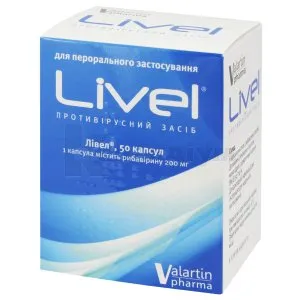
Table of Contents
INSTRUCTIONS FOR MEDICAL USE OF THE MEDICINAL PRODUCT LIVEL® (LIVEL®)
Composition:
Active substance: ribavirin;
1 capsule contains 200 mg of ribavirin;
Excipients: lactose monohydrate, magnesium stearate, sodium croscarmellose, microcrystalline cellulose, capsule shell (gelatin, titanium dioxide (E 171), patent blue V (E 131), brilliant black BN (E 151)).
Pharmaceutical form. Capsules.
Main physicochemical properties: hard gelatin capsules size 1. Body white, cap blue. The contents of the capsules are white or almost white powder.
Pharmacotherapeutic group. Direct-acting antiviral agents. ATC code J05A B04.
Pharmacological Properties.
Pharmacodynamics.
Ribavirin is a synthetic nucleoside analogue with activity in vitro against certain RNA and DNA viruses. The mechanism by which ribavirin in combination with peginterferon alfa-2b or interferon alfa-2b affects hepatitis C virus is unknown. Monotherapy with ribavirin for chronic hepatitis C does not lead to viral elimination (hepatitis C RNA virus) or improvement in liver histology after 6–12 months of therapy and during the subsequent 6-month follow-up period. However, in clinical trials, the combination of ribavirin with peginterferon alfa-2b or interferon alfa-2b enhanced the treatment response compared to monotherapy with peginterferon alfa-2b or interferon alfa-2b.
Pharmacokinetics.
Ribavirin is readily absorbed after oral administration of a single dose (Tmax = 1.5 hours) and rapidly distributes throughout the body. The elimination phase is quite prolonged. The half-lives of absorption, distribution, and elimination after a single dose are approximately 0.05, 3.73, and 79 hours, respectively. Ribavirin is extensively absorbed; only about 10% of a radiolabeled dose is excreted in feces. However, absolute bioavailability is approximately 45–65%, possibly due to first-pass metabolism. A linear relationship exists between dose and bioavailability parameter (AUCtf) following single oral doses of ribavirin ranging from 200 mg to 1,200 mg. The volume of distribution is approximately 5,000 L. Ribavirin does not bind to plasma proteins.
Ribavirin transport via non-plasma pathways has been particularly well studied in erythrocytes; it has been shown that overall transport occurs via an equilibrative nucleoside transporter of the es type. This transporter is present in almost all cell types and may contribute to the large volume of distribution of ribavirin. The ratio of ribavirin concentration in whole blood to plasma is approximately 60:1; the excess ribavirin in whole blood exists as ribavirin nucleotides isolated within erythrocytes.
Ribavirin is metabolized via two pathways: reversible phosphorylation and degradative transformation involving de-ribosylation and amide hydrolysis, leading to the formation of a triazole carboxylic acid metabolite. Both ribavirin and its metabolites—triazole carboxamide and triazole carboxylic acid—are excreted in urine.
High variability in ribavirin pharmacokinetics after single oral administration has been demonstrated both within individual patients and across different patients (intra-patient variability in AUC and Cmax is approximately 30%), which may be explained by extensive first-pass metabolism and significant transport into and out of the bloodstream.
With repeated administration, ribavirin extensively accumulates in plasma; the ratio of bioavailability parameters (AUC12h) after multiple versus single dosing is 6. Following oral administration (600 mg twice daily), steady-state plasma concentrations of ribavirin were reached by the end of week 4, averaging approximately 2,200 ng/mL. After discontinuation, the elimination half-life was approximately 298 hours, suggesting slow elimination from extraplasma compartments.
Ability to penetrate seminal fluid. The ability of ribavirin to penetrate seminal fluid has been studied. Ribavirin concentrations in seminal fluid are approximately twice those in blood serum. However, systemic exposure in women following sexual contact with a male receiving ribavirin treatment remains extremely limited compared to therapeutic ribavirin plasma concentrations.
Effect of food. The bioavailability of a single oral dose of ribavirin increases when administered with a high-fat meal (both AUCtf and Cmax increase by 70%). This increased bioavailability may be due to slower transit or changes in pH. The clinical significance of these findings is unknown. In the main clinical efficacy study, patients were instructed to take ribavirin with food to achieve maximum plasma concentration.
Renal function. In patients with impaired renal function, ribavirin pharmacokinetics after a single dose are altered (AUCtf and Cmax are increased) compared to controls (creatinine clearance > 90 mL/min). This change is primarily due to reduced actual clearance in these patients. Ribavirin concentrations do not undergo significant changes during hemodialysis.
Hepatic function. The pharmacokinetics of a single dose of ribavirin in patients with mild, moderate, or severe hepatic impairment (Child–Pugh classes A, B, or C) are similar to those in healthy control subjects.
Geriatric patients (≥ 65 years). No specific pharmacokinetic analysis was conducted in geriatric patients. However, in a population pharmacokinetic study, age was not one of the major factors influencing ribavirin kinetics; the primary factor was renal function.
Population pharmacokinetic analysis was performed using serum concentration data. The developed clearance model identified body weight, sex, age, and serum creatinine level as the main covariates. Clearance in males was approximately 20% higher than in females. Clearance increased with body weight and decreased in individuals over 40 years of age. Due to the presence of substantial unexplained variability in the data, the impact of these covariates on ribavirin clearance has limited clinical significance.
Children and adolescents.
Ribavirin in combination with peginterferon alfa-2b
The pharmacokinetic properties of ribavirin and peginterferon alfa-2b following repeated administration were evaluated in children and adolescents with chronic hepatitis C. It was estimated that in children and adolescents receiving peginterferon alfa-2b at a dose of 60 mcg/m² weekly (body surface area-adjusted), the logarithmically transformed ratio of systemic exposure over the dosing interval exceeded that observed in adults receiving 1.5 mcg/kg weekly by 58% (90% confidence interval: 141–177%). In this study, ribavirin pharmacokinetics (dose-normalized) were similar to those previously observed in studies of ribavirin in combination with interferon alfa-2b in both pediatric/adolescent and adult patients.
Ribavirin in combination with interferon alfa-2b
Pharmacokinetics of ribavirin and interferon alfa-2b (dose-normalized) were similar in adults and in children or adolescents aged 5 to 16 years.
Clinical characteristics.
Indications.
Triple therapy.
Livel® in combination with boceprevir and peginterferon alfa-2b is indicated for the treatment of chronic hepatitis C (genotype 1) in adult patients (aged 18 years and older) with compensated liver disease who have not previously been treated or in whom prior treatment has failed.
The prescribing information for peginterferon alfa-2b and boceprevir should be consulted when Livel® is used in combination with these agents.
Dual therapy.
Livel® is indicated for the treatment of chronic hepatitis C in adults, adolescents, and children aged 3 years and older; the drug should be used only in combination with peginterferon alfa-2b or interferon alfa-2b. Livel® must not be used as monotherapy.
The prescribing information for peginterferon alfa-2b or interferon alfa-2b should be consulted when Livel® is used in combination with these agents.
There is no information available on the safety or efficacy of using Livel® with other interferon formulations (i.e., other than alfa-2b).
Patients who have not previously been treated.
Adults (aged 18 years and older).
Livel® is indicated:
- in triple therapy: in combination with peginterferon alfa-2b and boceprevir for the treatment of chronic hepatitis C (genotype 1) in adult patients with compensated liver disease;
- in dual therapy: in combination with interferon alfa-2b or peginterferon alfa-2b for the treatment of chronic hepatitis C in adult patients who have not previously been treated (in the absence of liver decompensation, with elevated ALT levels, and positive hepatitis C virus RNA test (HCV RNA));
- in dual therapy: in combination with peginterferon alfa-2b for the treatment of chronic hepatitis C in patients with compensated cirrhosis and/or clinically stable concomitant HIV infection.
Dual therapy.
Children aged 3 years and older, adolescents.
Livel® is indicated in combination with peginterferon alfa-2b or interferon alfa-2b for the treatment of chronic hepatitis C in children aged 3 years and older and adolescents who have not previously been treated, in the absence of liver decompensation and with detectable hepatitis C virus RNA.
If consideration is given to delaying treatment until adulthood, it should be remembered that combination therapy may induce growth retardation, which may be irreversible in some patients. The decision on treatment should be made individually for each patient.
Patients who have previously been treated.
Adults.
Livel® is indicated:
- in triple therapy: in combination with peginterferon alfa-2b and boceprevir for the treatment of chronic hepatitis C (genotype 1) in adult patients with compensated liver disease;
- in dual therapy: in combination with peginterferon alfa-2b for the treatment of chronic hepatitis C in cases where prior treatment with interferon alfa (pegylated or non-pegylated) alone or in combination with ribavirin was ineffective;
- in dual therapy: in combination with interferon alfa-2b for the treatment of chronic hepatitis C in cases where prior monotherapy with interferon alfa was initially effective (normalization of ALT by the end of treatment) but was followed by relapse.
Contraindications.
Hypersensitivity to ribavirin or to any component of the medicinal product.
Pregnancy. Therapy must not be initiated unless a negative pregnancy test result is confirmed immediately prior to starting treatment.
Do not use in men whose female partners are pregnant.
Breastfeeding.
Severe cardiac diseases, including unstable or uncontrolled forms observed within 6 months prior to the start of treatment.
Severe debilitating diseases.
Chronic renal failure or creatinine clearance < 50 mL/min and/or conditions requiring hemodialysis.
Severe hepatic dysfunction (Child-Pugh class B or C) or decompensated cirrhosis.
Hemoglobinopathies (e.g., thalassemia, sickle cell anemia).
Peginterferon alfa-2b is contraindicated in patients coinfected with hepatitis C virus and HIV who have liver cirrhosis and hepatic function score > 6 points according to the Child-Pugh classification.
History or clinical evidence of severe psychiatric disorders, including severe depression, suicidal ideation, or suicide attempts in children and adolescents.
History of autoimmune hepatitis or other autoimmune diseases (due to combination with peginterferon alfa-2b or interferon alfa-2b).
Interaction with other medicinal products and other forms of interaction.
Interaction studies have been conducted only in adult patients.
In vitro studies using human liver microsomal preparations indicate that cytochrome P450 enzymes are not involved in the metabolism of ribavirin. Ribavirin does not inhibit cytochrome P450 enzymes. Toxicological testing provides no evidence that ribavirin induces hepatic enzyme activity. Therefore, the likelihood of interaction with cytochrome P450 is minimal.
By inhibiting inosine monophosphate dehydrogenase, ribavirin may affect the metabolism of azathioprine, leading to accumulation of 6-methylthioinosine monophosphate, which is associated with myelotoxicity in patients receiving azathioprine. Concomitant use of pegylated interferon and ribavirin with azathioprine should be avoided. In individual cases where the benefit of using ribavirin concomitantly with azathioprine outweighs the potential risk, frequent monitoring of hematological parameters is recommended during concomitant use to detect signs of myelotoxicity, and treatment with these agents should be discontinued if such signs occur.
No interaction studies have been conducted with Livel® and other medicinal products except peginterferon alfa-2b, interferon alfa-2b, and antacids.
Interferon alfa-2b. In multiple-dose pharmacokinetic studies, no pharmacokinetic interactions were observed between Livel® and peginterferon alfa-2b or interferon alfa-2b.
Antacids. The bioavailability of ribavirin 600 mg was reduced when administered concomitantly with an antacid containing magnesium and aluminum compounds or simethicone; the AUCtf decreased by 14%. The reduced bioavailability in this study may have been due to delayed transport of ribavirin or changes in pH. This interaction is considered not clinically significant.
Nucleoside analogs. The use of nucleoside analogs alone or in combination with other nucleosides may lead to lactic acidosis. Ribavirin in vitro increases the levels of phosphorylated metabolites of purine nucleosides. This effect may potentiate the risk of lactic acidosis caused by purine nucleoside analogs (e.g., didanosine or abacavir). Concomitant use of Livel® and didanosine is not recommended. Cases of mitochondrial toxicity (lactic acidosis and pancreatitis), some of which were fatal, have been reported.
Worsening of ribavirin-induced anemia has been reported when zidovudine was used as part of an HIV treatment regimen, although the exact mechanism is not fully understood. Due to the increased risk of anemia, ribavirin is not recommended for use with zidovudine. The concomitant use regimen of zidovudine and Livel® should be reassessed during ART if anemia occurs. This is particularly important for patients who have previously experienced anemia with zidovudine.
The potential for interaction with Livel® persists for 2 months (5 half-lives of ribavirin) after discontinuation of treatment due to the long elimination half-life.
No interactions were observed between ribavirin and non-nucleoside reverse transcriptase inhibitors or protease inhibitors.
Published data on the concomitant use of abacavir and ribavirin are conflicting. Some data suggest a risk of reduced response to pegylated interferon/ribavirin treatment in patients coinfected with hepatitis C virus and HIV who are receiving abacavir as part of antiretroviral therapy. Precautions should be taken when using these drugs concomitantly.
Special precautions for use.
See also information on special precautions for use of peginterferon alfa-2b or interferon alfa-2b.
Monotherapy with ribavirin is not effective; therefore, Livel® should not be used as the sole therapeutic agent for the treatment of hepatitis C. The efficacy and safety of combination therapy have been established only for Livel® in combination with peginterferon alfa-2b or interferon alfa-2b, injection solution. Differences in dosing, route of administration, and adverse effects exist among different brands of interferons. Therefore, only peginterferon alfa-2b or interferon alfa-2b should be used in combination with ribavirin.
All patients selected for clinical trials in chronic hepatitis C underwent liver biopsy prior to enrollment; however, in individual cases (i.e., for patients infected with genotype 2 or 3 virus), treatment may be initiated without histological confirmation. Current treatment guidelines should be followed when deciding on the need for liver biopsy before starting therapy.
Psychiatric disorders and central nervous system (CNS) disorders. Severe CNS disorders, including depression, suicidal ideation, and suicide attempts, have been observed in some patients during combination therapy with Livel® and peginterferon alfa-2b or interferon alfa-2b, as well as during the 6-month follow-up period after discontinuation of such treatment. Suicidal ideation or suicide attempts were reported more frequently in children and adolescents receiving Livel® in combination with interferon alfa-2b during treatment and during the 6-month follow-up period after treatment (2.4% compared to 1% in adults). In children and adolescents, as in adults, other psychiatric disorders (e.g., depression, emotional lability, and somnolence) also occurred. Other CNS disorders observed with alpha-interferons include aggressive behavior (sometimes directed toward others, e.g., homicidal ideation), bipolar disorder, mania, confusion, and mental status changes.
Patients require careful monitoring for any signs or symptoms of psychiatric disorders. If such symptoms occur, the prescribing physician should assess the potential severity of these adverse effects and the need for appropriate treatment. If psychiatric symptoms do not resolve or worsen, or if suicidal or homicidal ideation develops, discontinuation of treatment with Livel® in combination with peginterferon alfa-2b or interferon alfa-2b is recommended, and appropriate psychiatric support should be provided if necessary.
Patients with a history of or clinical evidence of severe psychiatric disorders. If combination therapy with Livel® and peginterferon alfa-2b or interferon alfa-2b is deemed necessary for adult patients with clinical or historical evidence of severe psychiatric disorders, it should be initiated only after appropriate individual psychiatric evaluation and under ongoing psychiatric management.
The use of Livel® and peginterferon alfa-2b or interferon alfa-2b for the treatment of children and adolescents with clinical or historical evidence of severe psychiatric disorders is contraindicated.
Patients who use/abuse psychoactive substances. Patients with hepatitis C virus infection who concurrently use psychoactive substances (alcohol, marijuana, etc.) are at high risk of developing psychiatric disorders or exacerbation of existing psychiatric conditions during interferon alfa therapy. If interferon alfa therapy is necessary for such patients, the presence of psychiatric comorbidities and the potential for substance use should be carefully evaluated, and appropriate measures taken before initiating therapy. A multidisciplinary approach, including a psychologist or addiction specialist, should be considered for assessment, treatment, and ongoing monitoring. The patient’s condition should be closely monitored during and after therapy. Early intervention for recurrence or development of psychiatric disorders and psychoactive substance use is recommended.
Hemolysis. Hemoglobin levels < 10 g/dL were observed in 14% of adult patients and 7% of children and adolescents treated with Livel® in combination with peginterferon alfa-2b or interferon alfa-2b in clinical trials. Although ribavirin has no direct effect on the cardiovascular system, anemia associated with Livel® may affect cardiac function and/or exacerbate symptoms of coronary artery disease. Therefore, Livel® should be used with caution in patients with cardiac disease. Cardiovascular status should be evaluated before starting treatment and monitored during therapy. If any signs of cardiovascular deterioration occur, therapy should be discontinued.
Cardiovascular system. Adult patients with current or previous congestive heart failure, myocardial infarction, and/or arrhythmia should be under continuous medical supervision. Electrocardiography is recommended for patients with cardiac disease before and during treatment. Arrhythmias (mainly supraventricular) are usually manageable with standard therapy but may require discontinuation of treatment. There are no data on the use of combination therapy in children and adolescents with a history of cardiovascular disease.
Immediate-type hypersensitivity. If an acute hypersensitivity reaction (e.g., urticaria, angioedema, bronchospasm, anaphylaxis) occurs, Livel® should be discontinued immediately and appropriate treatment initiated. Transient rashes are not a reason to discontinue treatment.
Ophthalmological changes. Ribavirin is used in combination with alpha-interferons. Rare cases of retinopathy, including retinal hemorrhage, retinal exudates, papilledema, optic neuritis, and retinal artery or vein occlusion, which may lead to visual impairment, have been reported during combination therapy with alpha-interferons. All patients should undergo an ophthalmological examination before starting treatment. Any patient who develops ocular symptoms or visual deterioration should undergo immediate and complete ophthalmological evaluation. Patients with pre-existing ophthalmological disorders (e.g., diabetic or hypertensive retinopathy) should undergo periodic ophthalmological examinations during combination therapy with alpha-interferons. Combination therapy with alpha-interferons should be discontinued in patients who develop new or worsening ophthalmological disorders.
Liver function. All patients who develop signs of significant worsening of liver function during treatment should be closely monitored. Therapy should be discontinued in patients who develop prolonged coagulation, which may indicate hepatic decompensation.
Potential for enhanced immunosuppression. Cases of pancytopenia and bone marrow suppression have been reported within 3–7 weeks after concomitant use of peginterferon and ribavirin with azathioprine. This myelotoxicity resolved within 4–6 weeks after discontinuation of both hepatitis C antiviral therapy and azathioprine, and did not recur upon subsequent individual re-administration of either drug.
HIV and hepatitis C virus co-infection.
Mitochondrial toxicity and lactic acidosis. Caution is required in HIV-infected patients with concomitant hepatitis C virus infection who are receiving nucleoside reverse transcriptase inhibitors (particularly didanosine and stavudine) in combination with ribavirin and interferon alfa-2b. In HIV-infected patients receiving nucleoside reverse transcriptase inhibitors, physicians should closely monitor markers of mitochondrial toxicity and lactic acidosis during ribavirin treatment. Specifically, Livel® is not recommended to be taken concomitantly with didanosine and stavudine due to the risk of mitochondrial toxicity and to avoid duplication of mitochondrial toxicity.
Hepatic decompensation in patients with HIV and hepatitis C virus co-infection and progressive cirrhosis. In patients with concomitant HIV infection and progressive cirrhosis receiving highly active antiretroviral therapy (HAART), the risk of hepatic decompensation and fatal outcome is increased. Additional use of alpha-interferons alone or in combination with ribavirin further increases this risk in this patient population. Other baseline factors in co-infected patients that may increase the risk of hepatic decompensation include treatment with didanosine and elevated serum bilirubin levels. Patients with co-infection receiving both antiretroviral therapy and hepatitis C treatment should be closely monitored, and liver function should be assessed according to the Child–Pugh classification during treatment. If hepatic decompensation occurs, hepatitis C treatment should be discontinued immediately, and the antiretroviral therapy regimen should be re-evaluated.
Hematological disorders in patients with HIV and hepatitis C virus co-infection. In patients with concomitant HIV infection receiving highly active antiretroviral therapy (HAART) and ribavirin in combination with peginterferon alfa-2b, the risk of hematological disorders (e.g., neutropenia, thrombocytopenia, and anemia) may be increased compared to patients with hepatitis C virus infection alone. Most of these disorders resolve with dose reduction, but careful monitoring of hematological parameters is required in such patients. The risk of anemia is increased in patients receiving ribavirin and zidovudine; therefore, ribavirin is not recommended to be used concomitantly with zidovudine.
Patients with reduced CD4 cell counts. Data on the efficacy and safety of treatment in patients co-infected with HIV and hepatitis C virus with CD4 cell counts < 200/μL are limited. Treatment of patients with low CD4 cell counts should be performed with caution.
The prescribing information for the respective antiretroviral drugs used concomitantly with hepatitis C virus treatment should be consulted for information on individual drug toxicity and potential for increased toxicity when Livel® and peginterferon alfa-2b are used together.
Dental and periodontal disorders. Dental and periodontal disorders (which may lead to tooth loss) have been reported in patients receiving combination therapy with Livel® and peginterferon alfa-2b or interferon alfa-2b. In addition, dry mouth may negatively affect teeth and oral mucosa during prolonged combination therapy with Livel® and peginterferon alfa-2b or interferon alfa-2b. Patients should be advised to brush their teeth thoroughly twice daily and undergo regular dental examinations. Furthermore, vomiting may occur in some patients, after which they should thoroughly rinse their mouth.
Laboratory tests. All patients should undergo a complete blood count (CBC with differential) and biochemical blood tests (electrolytes, serum creatinine, liver function tests, uric acid) before starting therapy. Acceptable baseline blood values before initiating combination therapy are:
- Hemoglobin: ≥ 120 g/L (women) and ≥ 130 g/L (men); children and adolescents: ≥ 110 g/L (girls) and ≥ 120 g/L (boys);
- Platelets: ≥ 100 × 10⁹/L;
- Neutrophils: ≥ 1.5 × 10⁹/L.
Laboratory tests should be performed at weeks 2 and 4 of treatment and thereafter as clinically indicated. Viral load (HCV RNA) should be monitored periodically during treatment.
Women of reproductive age. Women receiving treatment and female sexual partners of men receiving treatment must perform monthly pregnancy tests throughout the entire treatment period and for 4 and 7 months, respectively, after completion of treatment, as Livel® must not be used during pregnancy.
Elevated uric acid levels may occur with Livel® due to hemolysis; therefore, patients predisposed to gout should be carefully monitored for possible signs of gout.
Patients with rare hereditary disorders. Each capsule of Livel® contains 40 mg of lactose. The drug should not be used in patients with galactose intolerance, Lapp lactase deficiency, or glucose-galactose malabsorption.
Use during pregnancy or breastfeeding.
Pregnancy. The use of Livel® is contraindicated during pregnancy.
Breastfeeding. It is unknown whether ribavirin is excreted in human breast milk. Due to the potential for adverse reactions in the infant, breastfeeding must be discontinued before starting treatment.
Fertility (preclinical data)
- Fertility: In animal studies, ribavirin reversibly affected spermatogenesis.
- Teratogenicity: Ribavirin showed marked teratogenic and/or embryocidal potential in all animal species tested when administered at a dose equivalent to 1/20 of the recommended human dose.
- Genotoxicity: Ribavirin induces genotoxicity.
Women of reproductive age/contraception in men and women.
Women (patients). Livel® must not be used during pregnancy. To prevent pregnancy, patients must use highly effective contraceptive methods. Treatment should not be initiated until a negative pregnancy test result is obtained. Women of reproductive age and their sexual partners must use effective contraceptive methods during treatment and for 4 months after completion of treatment; monthly standard pregnancy tests should be performed during this period. If a woman becomes pregnant during treatment or within 4 months after completion of treatment, she should be informed of the significant teratogenic risk of ribavirin to the fetus.
Men (patients) and their partners. Effective contraceptive methods should be used to prevent pregnancy in female partners of men treated with Livel®. Ribavirin accumulates in cells and is eliminated very slowly from the body. The potential teratogenic or genotoxic effect of ribavirin present in semen on the embryo/fetus remains unknown. Although data from a significant number of prospectively observed pregnancies (where parents used ribavirin) do not indicate an increased risk of malformations compared to the general population or any specific pattern of malformations, male patients and their female partners of reproductive age should use effective contraceptive methods during treatment with Livel® and for 7 months after completion of treatment.
Ability to affect reaction speed when driving or operating machinery.
Ribavirin has no effect or only a negligible effect on the ability to drive or operate machinery; however, when used in combination with peginterferon alfa-2b or interferon alfa-2b, the effect may change. Therefore, patients who experience increased fatigue, somnolence, or confusion during treatment should be aware of the possible development of dizziness and are advised to avoid driving or operating machinery.
Dosage and Administration.
Treatment should be administered by a physician experienced in managing patients with hepatitis C.
Livel® must be used either in combination with peginterferon alfa-2b or with interferon alfa-2b (dual-drug regimen), or in adult patients with chronic hepatitis C (genotype 1) in combination with boceprevir and peginterferon alfa-2b (triple-drug regimen).
When prescribing combination therapy, the prescribing information for boceprevir, peginterferon alfa-2b, and interferon alfa-2b should also be consulted.
Dosage.
The dose of Livel® depends on the patient's body weight. Livel®, capsules, are taken orally with food, daily, in two divided doses (morning and evening).
Adult patients.
The dose of Livel® depends on the patient's body weight (see Table 1).
Livel® must be used in combination either with peginterferon alfa-2b (1.5 mcg/kg/week) or with interferon alfa-2b (3 million IU three times per week). The combination therapy regimen should be determined individually, taking into account the expected efficacy and safety of the chosen combination.
| Table 1. Dosage of Livel® (based on body weight) for patients with hepatitis C virus monoinfection or hepatitis C virus/HIV coinfection, regardless of genotype. |
||
| Patient body weight (kg) |
Daily dose of Livel® |
Number of 200 mg capsules |
| < 65 |
800 mg |
4 (2 in the morning, 2 in the evening) |
| 65–80 |
1000 mg |
5 (2 in the morning, 3 in the evening) |
| 81–105 |
1200 mg |
6 (3 in the morning, 3 in the evening) |
| > 105 |
1400 mg |
7 (3 in the morning, 4 in the evening) |
Duration of therapy in treatment-naïve patients.
Three-drug treatment regimen.
Refer to the medical instructions for boceprevir and peginterferon alfa-2b.
Two-drug treatment regimen (with peginterferon alfa-2b).
Prediction of sustained virological response. In patients infected with hepatitis C virus genotype 1 in whom HCV RNA did not decrease below the lower limit of detection, or who did not achieve an adequate virological response after 4 or 12 weeks of treatment, the probability of achieving a sustained virological response is very low; therefore, such patients should discontinue this therapy.
Genotype 1
In patients who achieve undetectable HCV RNA after 12 weeks of treatment, therapy should be continued for an additional 9 months (total duration: 48 weeks).
For patients in whom HCV RNA levels decreased by ≥ 2 log after 12 weeks of treatment compared to baseline, a repeat assessment should be performed at week 24. If HCV RNA remains below the lower limit of detection at week 24, a full course of treatment should be completed (i.e., total duration of 48 weeks). However, if HCV RNA remains above the lower limit of detection at week 24, treatment should be discontinued.
For a subgroup of patients infected with genotype 1 and low viral load (< 600,000 IU/mL), in whom HCV RNA is undetectable after 4 weeks of treatment and remains undetectable at week 24, treatment may either be discontinued after 24 weeks or continued for an additional 24 weeks (i.e., total duration of 48 weeks). However, with a 24-week total treatment duration, the risk of relapse may be higher compared to a 48-week treatment duration.
Genotype 2 or 3. The recommended duration of therapy is 24 weeks for all patients, except for those with concomitant HIV infection, who should be treated for 48 weeks.
Genotype 4. Patients infected with genotype 4 are considered more difficult to treat; however, limited clinical data suggest similarities in treatment response between genotype 4 and genotype 1 patients.
Duration of therapy in treatment-naïve patients coinfected with hepatitis C virus and HIV.
Two-drug treatment regimen. For patients with concomitant HIV infection, the recommended duration of therapy with Livel® at a body weight-dependent dose (see Table 1) is 48 weeks, regardless of genotype.
Prediction of response or non-response in treatment-naïve patients coinfected with hepatitis C virus and HIV.
Early virological response at week 12 of treatment (a decrease in viral load by ≥ 2 log or HCV RNA below the lower limit of detection) is a predictive factor for sustained virological response. In the negative predictive group (patients who did not achieve early virological response), 99% of patients (67 out of 68) did not achieve sustained virological response when treated with combination therapy of ribavirin and peginterferon alfa-2b. In the positive predictive group (patients who achieved early virological response), 50% of patients (52 out of 104) achieved sustained virological response with combination therapy.
Duration of retreatment therapy.
Three-drug treatment regimen. Refer to the medical instructions for boceprevir and peginterferon alfa-2b.
Two-drug treatment regimen (with peginterferon alfa-2b).
Prediction of sustained virological response. All patients, regardless of genotype, who achieve HCV RNA levels below the lower limit of detection after 12 weeks of treatment should complete a 48-week treatment course. In retreatment, patients who do not achieve a virological response after 12 weeks (i.e., HCV RNA remains above the lower limit of detection) have a very low probability of achieving sustained virological response after 48 weeks of treatment.
For patients infected with genotype 1 who did not respond to prior treatment, the benefit of retreatment longer than 48 weeks has not been studied with combination therapy using pegylated interferon alfa-2b and ribavirin.
Use of Livel® (capsules) in combination with interferon alfa-2b (two-drug regimen only).
Duration of therapy with interferon alfa-2b.
Based on clinical trial results, the recommended duration of therapy is at least 6 months. In clinical trials where treatment lasted for 1 year, patients who did not achieve a virological response after 6 months of treatment (HCV RNA below the lower limit of detection) had a very low probability of achieving sustained virological response (HCV RNA below the lower limit of detection for 6 months after completion of therapy).
Genotype 1. For patients in whom HCV RNA is undetectable after 6 months of treatment, therapy should be continued for an additional 6 months (i.e., total duration of 1 year).
Any other genotype. For patients in whom HCV RNA is undetectable after 6 months of treatment, the decision to continue therapy up to 1 year should be based on other prognostic factors (e.g., patient age > 40 years, male sex, bridging liver fibrosis).
Children (two-drug treatment regimen).
Note: Patients with body weight less than 47 kg or those unable to swallow capsules should receive ribavirin 40 mg/mL as an oral solution.
The dose of Livel® for children and adolescents is based on body weight, while the doses of peginterferon alfa-2b and interferon alfa-2b are based on body surface area.
Dosing for children in combination with peginterferon alfa-2b.
Livel® at a dose of 15 mg/kg/day is recommended in combination with peginterferon alfa-2b for subcutaneous administration at a dose of 60 μg/m² weekly (Table 2).
Dosing for children in combination with interferon alfa-2b.
In clinical trials conducted in this patient group, ribavirin and interferon alfa-2b were administered at doses of 15 mg/kg/day and 3 million IU/m² three times weekly, respectively (Table 2).
| Table 2. Livel® dosage for children and adolescents according to body weight when used in combination with interferon alfa-2b or peginterferon alfa-2b |
||
| Patient body weight (kg) |
Daily dose of Livel® |
Number of 200 mg capsules |
| 47–49 |
600 mg |
3 (1 in the morning, 2 in the evening) |
| 50–65 |
800 mg |
4 (2 in the morning, 2 in the evening) |
| > 65 |
Corresponds to adult dosing (Table 1) |
|
Duration of treatment in children and adolescents.
Genotype 1. The recommended duration of treatment is 1 year. Based on extrapolation of clinical data obtained in pediatric patients receiving combination therapy with standard interferon (negative predictive accuracy of 96% for interferon alfa-2b in combination with ribavirin), patients who do not achieve virological response after 12 weeks of treatment are unlikely to achieve sustained virological response later. Therefore, in children and adolescents receiving treatment with interferon alfa-2b (pegylated or non-pegylated) in combination with Livel®, such treatment should be discontinued if HCV RNA levels have decreased by < 2 log10 compared to baseline after 12 weeks of treatment, or if HCV RNA is still detectable after 24 weeks of treatment.
Genotype 2 or 3. The recommended duration of treatment is 24 weeks.
Genotype 4. In a clinical study, treatment with peginterferon alfa-2b in combination with ribavirin was administered to only 5 children and adolescents with genotype 4 virus. The recommended duration of treatment is 1 year. Children and adolescents receiving treatment with peginterferon alfa-2b in combination with Livel® should discontinue such treatment if HCV RNA levels have decreased by < 2 log10 compared to baseline after 12 weeks of treatment, or if HCV RNA is still detectable after 24 weeks of treatment.
Dose modification for all patients.
Combination therapy.
In the event of severe adverse reactions or pathological laboratory abnormalities during combination therapy with Livel® and peginterferon alfa-2b or interferon alfa-2b, or with Livel®, peginterferon alfa-2b, and boceprevir, the dose should be modified (as indicated in Table 3) until adverse reactions resolve. Dose reduction of boceprevir is not recommended. Dose modification guidelines were developed during clinical trials (see Table 3). Since adherence to the treatment regimen may be important for therapeutic outcome, the dose should be maintained as close as possible to the recommended standard dose. A potential negative impact of ribavirin dose reduction on efficacy outcomes cannot be excluded.
| Table 3. Recommendations for dose adjustment based on laboratory parameters |
|||
| Laboratory parameters |
Reduce daily dose of Livel® only (see note 1) if: |
Reduce dose of peginterferon alfa-2b or interferon alfa-2b only (see note 2) if: |
Discontinue combination therapy upon detection of the value below:** |
| Hemoglobin |
< 10 g/dL |
- |
< 8.5 g/dL |
| Adults: hemoglobin levels in patients with history of heart disease, stable course Children: not applicable (see "Special instructions") |
Hemoglobin level decreased by ≥ 2 g/dL within any 4-week period during treatment (permanent use of reduced dose) |
< 12 g/dL at 4 weeks of treatment after dose reduction |
|
| Leukocyte count |
- |
< 1.5 × 10⁹/L |
< 1.0 × 10⁹/L |
| Neutrophil count |
- |
< 0.75 × 10⁹/L |
< 0.5 × 10⁹/L |
| Platelet count |
- |
< 50 × 10⁹/L (adults) < 70 × 10⁹/L (children and adolescents) |
< 25 × 10⁹/L (adults) < 50 × 10⁹/L (children and adolescents) |
| Direct bilirubin level |
- |
- |
2.5 × ULN* |
| Indirect bilirubin level |
> 5 mg/dL |
- |
> 4 mg/dL (adults) > 5 mg/dL (more than 4 weeks) (children and adolescents receiving interferon alfa-2b) or > 4 mg/dL (more than 4 weeks) (children and adolescents receiving peginterferon alfa-2b) |
| Serum creatinine level |
- |
- |
> 2.0 mg/dL |
| Creatinine clearance |
- |
- |
Discontinue LIVEL® if creatinine clearance < 50 mL/min |
| ALT/AST |
- |
- |
2 × baseline level and > 10 × ULN** |
* ULN – upper limit of normal.
** Dose modification and discontinuation recommendations for interferon alfa-2b and pegylated interferon alfa-2b should follow the instructions for medical use of peginterferon alfa-2b or interferon alfa-2b.
Note 1. For adult patients, the first dose reduction of Livel® is by 200 mg per day (except for patients receiving a dose of 1400 mg, for whom the dose should be reduced by 400 mg per day). If necessary, the dose should be further reduced by 200 mg per day. Patients whose Livel® dose has been reduced to 600 mg per day should take 1 capsule of 200 mg in the morning and 2 capsules of 200 mg in the evening.
For children and adolescents receiving Livel® in combination with peginterferon alfa-2b, the first dose reduction of Livel® is to 12 mg/kg per day, and the second reduction is to 8 mg/kg per day. For children and adolescents receiving Livel® in combination with interferon alfa-2b, the dose of Livel® should be reduced to 7.5 mg/kg per day.
Note 2. For adult patients receiving Livel® in combination with peginterferon alfa-2b, the first dose reduction of peginterferon alfa-2b is to 1 mcg/kg per week. If necessary, the dose of peginterferon alfa-2b should be reduced to 0.5 mcg/kg per week.
For children and adolescents receiving Livel® in combination with peginterferon alfa-2b, the first dose reduction of peginterferon alfa-2b is to 40 mcg/m² per week, and the second reduction is to 20 mcg/m² per week.
For adult patients, as well as for children and adolescents receiving Livel® in combination with interferon alfa-2b, the dose of interferon alfa-2b should be halved.
Specific patient groups.
Use in renal impairment. Due to reduced apparent creatinine clearance in patients with renal impairment, the pharmacokinetics of ribavirin are altered in these patients. Therefore, renal function should be assessed in all patients prior to initiating therapy with Livel®. Patients with creatinine clearance below 50 mL/min should not be treated with Livel®. Patients with impaired renal function should be closely monitored for the development of anemia. If serum creatinine concentration increases to >2.0 mg/dL (Table 3), treatment with Livel® and peginterferon alfa-2b or interferon alfa-2b should be discontinued.
Use in hepatic impairment. No pharmacokinetic effect of ribavirin on liver function has been observed. Therefore, dose modification of Livel® is not required in patients with hepatic impairment. However, ribavirin is contraindicated in cases of severe hepatic dysfunction or decompensated liver cirrhosis.
Use in elderly patients (≥65 years of age). There is no clear dependence of ribavirin pharmacokinetics on age. However, as in younger patients, renal function should be evaluated prior to initiating therapy with Livel®.
Use in patients under 18 years of age. Livel® in combination with peginterferon alfa-2b or interferon alfa-2b is indicated for children from 3 years of age and adolescents. The choice of treatment regimen depends on individual patient characteristics. The safety and efficacy of Livel® in combination with other forms of interferon (i.e., other than alfa-2b) in this patient population have not been evaluated.
Use in patients with concomitant HIV infection. In patients receiving nucleoside reverse transcriptase inhibitors in combination with ribavirin and peginterferon alfa-2b or interferon alfa-2b, the risk of mitochondrial toxicity, lactic acidosis, and hepatic failure may increase. When prescribing such therapy, the instructions for medical use of the respective antiretroviral agents should also be followed.
Children.
Growth and development (children and adolescents).
During 48-week combination therapy with interferon (standard and pegylated)/ribavirin in patients aged 3 to 17 years, decreased body weight and growth retardation were frequently observed. Long-term data on treatment of children with pegylated interferon/ribavirin combination also indicate significant growth retardation. One-third of patients experienced a decline in height percentile corresponding to age by >15 percentiles 5 years after completion of therapy.
Long-term data on treatment of children with standard interferon/ribavirin combination also indicate significant growth retardation (decline in height percentile by >15 compared to baseline) in one-fifth of children, even if treatment ended more than 5 years ago, with most of them maintaining a height deficit of >15 percentiles 10–12 years after completion of therapy.
Individual benefit-risk assessment in children.
The expected benefit of treatment should be carefully weighed against safety data obtained from clinical trials in children and adolescents.
- It is important to consider that combination therapy induces growth delay, leading to reduced final height in some patients.
- The risk should be weighed against disease characteristics in the child, such as signs of disease progression (especially fibrosis), concomitant conditions that may negatively affect disease progression (e.g., concomitant HIV infection), and prognostic factors related to virological response (hepatitis C virus genotype and viral load).
If possible, treatment in children should be initiated after the pubertal growth spurt to minimize the risk of growth delay. Although data are limited, no signs of long-term consequences on sexual maturation were observed during 5 years of follow-up.
Additional monitoring of thyroid function in children and adolescents.
Elevated TSH levels were observed in approximately 12–21% of children treated with Livel® and interferon alfa-2b (pegylated and non-pegylated). Transient decrease in hormone levels (below the lower limit of normal) occurred in approximately 4% of patients. TSH levels should be measured before initiating interferon alfa-2b therapy. Any thyroid pathology should be treated with standard therapy. If TSH levels can be maintained at normal levels with medication, treatment with interferon alfa-2b (pegylated and non-pegylated) may be initiated. Thyroid dysfunction has been observed during treatment with Livel® and interferon alfa-2b, as well as with Livel® and peginterferon alfa-2b. In case of thyroid pathology, thyroid status should be evaluated and appropriate treatment initiated. In children and adolescents, thyroid function should be monitored every 3 months (including TSH level measurement).
Overdose.
Treatment regimen with three drugs. See the instructions for medical use of boceprevir.
Treatment regimen with two drugs. The highest known overdose of Livel® during clinical trials was 10 g (50 capsules of 200 mg) taken together with 39 million IU of interferon alfa-2b injection solution (13 subcutaneous injections of 3 million IU), ingested by a patient in a suicide attempt within one day. The patient was observed for 2 days in an intensive care unit; no adverse reactions related to overdose were observed.
Adverse Reactions
Summary of safety profile
A significant safety concern with ribavirin use is hemolytic anemia, which typically occurs within the first weeks of treatment. Hemolytic anemia associated with therapy using the medicinal product Livel® may lead to cardiac dysfunction and/or exacerbation of pre-existing cardiac diseases. In some patients, increased levels of uric acid and indirect bilirubin due to hemolysis have also been observed.
The adverse reactions listed in this section are primarily derived from clinical trials and/or spontaneous reports when ribavirin was used in combination with interferon alfa-2b or peginterferon alfa-2b.
Use of ribavirin in combination with direct-acting antivirals (DAAs)
Based on safety data obtained from clinical trials involving adults receiving DAAs in combination with ribavirin, the most commonly reported adverse reactions associated with ribavirin were anemia, nausea, vomiting, asthenia, fatigue, insomnia, cough, dyspnea, pruritus. Except for anemia, most of these adverse reactions were not serious and resolved without discontinuation of treatment.
Information on additional adverse effects reported with the use of these drugs should be reviewed in the respective product information leaflets of the medicinal products used in combination with ribavirin.
Adult patients.
Treatment regimen with three drugs.
Refer to the prescribing information for boceprevir.
Treatment regimen with two drugs.
In patients treated with ribavirin in combination with interferon alfa-2b after relapse following prior interferon therapy, or those treated for a shorter duration, a more favorable safety profile may be observed compared to that described below.
Infections and infestations. Viral infection, pharyngitis, nasopharyngitis, streptococcal pharyngitis. Bacterial infection (including sepsis), fungal infection, influenza, respiratory tract infection, pulmonary infection, bronchitis, pneumonia, herpes simplex, sinusitis, otitis media, rhinitis, urinary tract infection, vaginitis. Injection site infection, lower respiratory tract infection. Oral candidiasis, dental abscess, oral herpes, herpes simplex, gastroenteritis. Ascariasis, enterobiasis, herpes zoster, cellulitis.
Benign, malignant and unspecified neoplasms (including cysts and polyps). Unspecified neoplasm.
Blood and lymphatic system disorders. Anemia, neutropenia. Hemolytic anemia, leukopenia, thrombocytopenia, lymphadenopathy, lymphopenia. Aplastic anemia. Pure red cell aplasia, idiopathic thrombocytopenic purpura, thrombotic thrombocytopenic purpura. Decreased CD4 lymphocyte count.
Immune system disorders. Drug hypersensitivity. Sarcoidosis, rheumatoid arthritis (new onset or exacerbation). Vogt–Koyanagi–Harada syndrome, systemic lupus erythematosus, vasculitis, acute hypersensitivity reactions including urticaria, angioedema, bronchospasm, anaphylaxis.
Endocrine disorders. Hypothyroidism, hyperthyroidism, virilization.
Metabolism and nutrition disorders. Anorexia. Hyperglycemia, hyperuricemia, gout, hypocalcemia, dehydration, increased appetite, decreased appetite, lactic acidosis, mitochondrial toxicity. Diabetes mellitus, hypertriglyceridemia. Acquired lipodystrophy.
Psychiatric disorders. Depression/depressed mood, restlessness, anxiety, emotional lability, insomnia, somnolence. Suicidal ideation, psychosis, aggression, aggressive behavior, confusion, affect lability, agitation, anger, behavioral changes, mood changes, emotional instability, emotional disorders, unusual behavior, nervousness, sleep disturbances, somnambulism, decreased libido, apathy, fear, nightmares, unusual dreams, tearfulness. Suicide attempt, panic attack, hallucinations. Bipolar disorder. Suicide. Homicidal ideation, mania, mental status changes.
Nervous system disorders. Headache, syncope, dizziness, dry mouth, difficulty concentrating. Amnesia, memory impairment, dizziness, migraine, ataxia, paresthesia, dysphonia, taste disturbance, hypoesthesia, hyperesthesia, hyperkinesia, hypertension, somnolence, poor sleep quality, impaired attention, tremor, dysgeusia. Neuropathy, peripheral neuropathy. Seizures. Cerebrovascular hemorrhage, cerebrovascular ischemia, encephalopathy, polyneuropathy. Facial paralysis, mononeuropathy. Neuralgia, lethargy, psychomotor hyperactivity.
Eye disorders. Visual impairment, blurred vision, conjunctivitis, eye irritation, eye pain, disturbance of visual acuity, pathological changes in visual acuity, lacrimal gland disorders, dry eyes. Retinal hemorrhage, retinopathy (including macular edema), retinal artery occlusion, retinal vein occlusion, optic neuritis, papilledema, decreased visual acuity or visual field constriction, retinal exudates. Conjunctival hemorrhage, eye pruritus, keratitis, photophobia. Serous retinal detachment.
Ear and labyrinth disorders. Vertigo, hearing impairment/hearing loss, tinnitus, ear pain.
Cardiac disorders. Palpitations, tachycardia. Myocardial infarction. Cardiomyopathy, arrhythmia. Ischemic heart disease. Pericardial effusion, pericarditis.
Vascular disorders. Arterial hypotension, arterial hypertension, pallor, flushing. Vasculitis. Peripheral ischemia.
Respiratory, thoracic and mediastinal disorders. Dyspnea, tachypnea, cough. Epistaxis, breathing difficulty, labored breathing, respiratory congestion, sinus congestion, nasal congestion, nasal discomfort, nasal irritation, sneezing, rhinorrhea, increased upper respiratory tract secretion, sore throat and pharynx, non-productive cough. Pulmonary infiltrate, pneumonitis, interstitial pneumonitis.
Gastrointestinal disorders. Diarrhea, vomiting, nausea, gastrointestinal disorder, abdominal pain, upper abdominal pain, stomach discomfort. Ulcerative stomatitis, stomatitis, aphthous stomatitis, mouth ulcers, colitis, right upper quadrant abdominal pain, dyspepsia, gastroesophageal reflux, glossitis, cheilitis, cheilosis, abdominal distension, gum bleeding, gingivitis, frequent loose stools, dental disorders, toothache, mouth pain, constipation, rectal disorder, flatulence. Pancreatitis. Ischemic colitis. Ulcerative colitis. Periodontal disorders, dental disorders, tongue pigmentation.
Hepatobiliary disorders. Liver function abnormalities, hepatomegaly, jaundice, hyperbilirubinemia, cytolysis hepatitis. Hepatotoxicity (including fatal cases).
Skin and subcutaneous tissue disorders. Alopecia, pruritus, dry skin, rash. Psoriasis, worsening of psoriasis, eczema, photosensitivity reaction, maculopapular rash, erythematous rash, night sweats, hyperhidrosis, dermatitis, acne, furuncle, erythema, urticaria, bruising, increased sweating, pathological hair structure changes, nail disorders, skin disorders. Skin color changes, pigmentation, atopic dermatitis, skin exfoliation. Cutaneous sarcoidosis. Stevens–Johnson syndrome, toxic epidermal necrolysis, erythema multiforme.
Musculoskeletal and connective tissue disorders. Arthralgia, myalgia, musculoskeletal pain. Arthritis, back pain, muscle cramps, limb pain, muscle contracture. Bone pain, muscle weakness. Rhabdomyolysis, myositis.
Renal and urinary disorders. Frequent micturition, polyuria, abnormal urine color. Enuresis, micturition disorder, urinary incontinence, proteinuria. Renal failure, renal function abnormalities. Nephrotic syndrome.
Reproductive system and breast disorders. Women: amenorrhea, menorrhagia, menstrual cycle disturbances, dysmenorrhea, breast pain, ovarian disorders, vaginal disorders. Men: testicular pain, impotence, prostatitis, erectile dysfunction. Sexual dysfunction (unspecified).
General disorders and administration site conditions. Injection site inflammation, injection site reaction, injection site pain, injection site pruritus, injection site rash, injection site dryness, injection site induration. Increased fatigue, feeling cold, chills, pyrexia, influenza-like symptoms, asthenia, irritability. Chest pain, chest discomfort, swelling, peripheral edema, pain, malaise, unusual feeling, thirst. Facial swelling, facial pain. Erythema or necrosis at injection site.
Investigations. Decreased body weight. Decreased growth velocity (reduced height and/or body weight for age). Growth delay (reduced final adult height). Heart murmur. Increased gamma-glutamyltransferase levels, increased blood amylase levels, increased blood lactate levels, increased lipase levels. Increased blood TSH levels, increased thyroglobulin levels. Presence of antithyroid antibodies.
Injury, poisoning and procedural complications. Skin scratches, contusion, bruise.
Some adverse reactions typical of interferon therapy, reported in the context of hepatitis C treatment (in combination with ribavirin), have also been listed above. Additionally, adverse reactions possibly related to monotherapy with interferon are described in the respective sections of the product information leaflets for peginterferon alfa-2b and interferon alfa-2b.
Adverse effects on the CNS associated with alpha-interferons include aggressive behavior, confusion, and mental status disturbances.
Severe CNS disorders, particularly depression, suicidal ideation, and suicide attempts, have been observed in some patients during combination therapy with ribavirin and peginterferon alfa-2b or interferon alfa-2b.
Pancreatitis has been rarely associated with the use of ribavirin and interferon alfa-2b, and aplastic anemia very rarely.
Erythema multiforme, Stevens–Johnson syndrome, and toxic epidermal necrolysis may occur during combination therapy with peginterferon alfa-2b.
Dose reduction or discontinuation of treatment may be required in cases of decreased hemoglobin, leukocyte, platelet, or neutrophil counts, as well as increased bilirubin levels.
Hemoglobin concentration reduction by more than 40 g/L occurs in 30% of patients treated with ribavirin and peginterferon alfa-2b, and in 37% of patients treated with ribavirin and interferon alfa-2b. Hemoglobin concentration reduction below 100 g/L occurs in 14% of adult patients and in 7% of children and adolescents treated with ribavirin in combination with peginterferon alfa-2b or interferon alfa-2b.
Most cases of anemia, neutropenia, and thrombocytopenia are mild (Grade I–II according to WHO classification). More pronounced neutropenia has been observed in patients treated with ribavirin and peginterferon alfa-2b (21% Grade III; 7% Grade IV according to WHO classification); and Grade III leukopenia was observed in 7% of patients.
Hemolysis-related increases in uric acid and indirect bilirubin levels during clinical trials were observed in a small number of patients treated with ribavirin in combination with peginterferon alfa-2b or interferon alfa-2b, but these parameters returned to baseline values within 4 weeks after completion of treatment. Among patients with elevated uric acid levels, clinical signs of gout appeared in a very small number of patients receiving combination therapy, but in no case was dose adjustment or treatment discontinuation required.
HIV co-infected patients.
In HIV co-infected patients receiving ribavirin in combination with peginterferon alfa-2b, additional adverse reactions not observed in patients with hepatitis C monoinfection included: oral candidiasis, acquired lipodystrophy, decreased CD4 lymphocyte count, decreased appetite, increased gamma-glutamyltransferase levels, back pain, increased blood amylase levels, increased blood lactate levels, cytolysis hepatitis, increased lipase levels, and limb pain.
Mitochondrial toxicity.
Cases of mitochondrial toxicity and lactic acidosis have been reported in HIV-infected patients receiving nucleoside reverse transcriptase inhibitors (NRTIs) and ribavirin for concomitant hepatitis C infection.
Laboratory findings in HIV co-infected patients.
Hematological toxicity signs such as neutropenia, thrombocytopenia, and anemia occur more frequently in HIV co-infected patients, but in most cases these abnormalities resolve with dose adjustment and do not require premature discontinuation of treatment. Hematological disorders occur more frequently in patients receiving ribavirin in combination with peginterferon alfa-2b compared to those receiving ribavirin with interferon alfa-2b.
Reports include absolute neutrophil count reduction below 500 cells/mm³, platelet count reduction below 50,000 cells/mm³, and anemia (hemoglobin < 9.4 g/dL) in patients receiving ribavirin in combination with peginterferon alfa-2b.
Decreased CD4 lymphocyte count.
Treatment with ribavirin in combination with peginterferon alfa-2b during the first 4 weeks is associated with a decrease in absolute CD4+ cell count, although the percentage of CD4+ cells remains unchanged. This decrease in absolute CD4+ cell count is reversible upon dose reduction or treatment discontinuation. Use of ribavirin in combination with peginterferon alfa-2b does not have a significant negative impact on HIV viremia control during treatment or follow-up. Safety data in HIV co-infected patients with CD4 count < 200 cells/μL are very limited.
For information on toxicity of each antiretroviral drug and potential increased toxicity when used concomitantly with ribavirin and peginterferon alfa-2b, refer to the prescribing information of the respective antiretroviral drugs used in concomitant hepatitis C therapy.
Children and adolescents (two-drug regimen only).
The adverse reaction profile in children is generally similar to that in adults, but some adverse reactions are age-specific: growth delay and weight gain; CNS effects, wasting, anorexia, nausea, and emotional lability occur more frequently than in adults. Asthenia, increased appetite, behavioral and attention disturbances, sleep disorders, somnambulism, chest pain, nonspecific neoplasms, edema, urinary incontinence, enuresis, micturition disorders, bacterial infections, virilization, gastroenteritis, gastroesophageal reflux, toothache, dental abscess, menstrual disorders, testicular pain, acne, nail disorders, skin disorders (trophic, pigmentation), and visual disturbances are very rare in children.
In combination with peginterferon alfa-2b.
In children and adolescents (aged 3 to 17 years) receiving combination therapy with peginterferon alfa-2b and ribavirin, approximately one-quarter of patients may require dose modification, primarily due to anemia, neutropenia, and weight loss. The adverse reaction profile in children and adolescents is generally similar to that in adult patients, but some adverse reactions are age-specific and relate to growth delay. During combination therapy lasting up to 48 weeks with pegylated interferon alfa-2b and ribavirin, growth delay is observed, leading to reduced final height in some patients. During treatment, weight loss and growth delay are very common (at the end of treatment, body weight and height percentiles decrease on average by 15 and 8, respectively, compared to baseline), and growth velocity is suppressed (< 3rd percentile in the majority of patients).
At the end of a 24-week post-treatment observation period, body weight and height percentiles remain reduced on average by 3 and 7, respectively, compared to baseline, and one-fifth of children continue to show growth delay (growth velocity < 3rd percentile). Studies indicate that the impact on height is less pronounced in children treated for 24 weeks compared to those treated for 48 weeks. The age-adjusted body weight percentile, height percentile, and BMI percentile decrease less in children treated for 24 weeks compared to those treated for 48 weeks. The reduction in mean height percentile over 1 year is more pronounced in prepubertal children. The reductions in Z-scores for height, body weight, and BMI observed during the treatment phase compared to the reference population do not fully resolve by the end of the long-term observation period in children treated for 48 weeks.
The following adverse reactions are characteristic in this patient group: pyrexia, headache, neutropenia, increased fatigue, anorexia, and injection site erythema. In rare cases, patients require treatment discontinuation (thrombocytopenia). Most adverse reactions are mild or moderate in severity. Severe adverse reactions: injection site pain, limb pain, headache, neutropenia, and pyrexia. Important adverse reactions: nervousness, aggression, anger, depression/depressed mood, and hypothyroidism, with some patients requiring levothyroxine treatment due to hypothyroidism/increased TSH levels.
In combination with interferon alfa-2b.
In clinical trials involving children and adolescents aged 3 to 16 years receiving combination therapy with interferon alfa-2b and ribavirin, a small proportion of patients required treatment discontinuation due to adverse reactions. The adverse reaction profile in this small group of children and adolescents was generally similar to that in adult patients, but some adverse reactions were age-specific and related to growth delay, as a reduction in height percentile (mean decrease of 9) and body weight percentile (mean decrease of 13) was observed during the treatment period. During a 5-year post-treatment observation period, children's height averaged the 44th percentile, which is below the normal average percentile and below the baseline height percentile (48th percentile). From the start of treatment to the end of the observation period (5 years), in one-fifth of children the height percentile decreased on average by more than 15, and in half of these children by more than 30. During 48 weeks of combination therapy with interferon alfa-2b and ribavirin, growth delay is observed, leading in some patients to reduced final adult height. Particularly, from the start of treatment to the end of the long-term observation period, the reduction in mean height percentile is greatest in prepubertal children.
Additionally, during the treatment period and 6-month post-treatment observation period, suicidal ideation and suicide attempts occur more frequently in children and adolescents than in adult patients (2.4% vs. 1%). In children and adolescents, as in adult patients, other psychiatric disorders (e.g., depression, emotional lability, somnolence) are also observed. Furthermore, injection site reactions, pyrexia, anorexia, vomiting, and emotional lability occur more frequently in children and adolescents than in adults. Dose modifications are required in 30% of patients, primarily due to anemia and neutropenia.
In a clinical trial using ribavirin in combination with peginterferon alfa-2b, most laboratory parameter changes were mild or moderate. Dose reduction or treatment discontinuation may be required with decreased hemoglobin, leukocyte, platelet, or neutrophil counts, or increased bilirubin levels. In the clinical trial, laboratory parameter changes were observed in some patients treated with ribavirin in combination with peginterferon alfa-2b, but returned to baseline values within several weeks after treatment completion.
Shelf life. 2 years.
Do not use the medicinal product after the expiry date stated on the packaging.
Storage conditions. Store in the original packaging at a temperature not exceeding 25 °C. Keep out of reach of children.
Packaging. 10 capsules in a blister; 5 or 10 blisters per carton.
Prescription status. Prescription only.
Manufacturer. LLC "VALARTIN PHARMA".
Manufacturer's address and location of business activity.
60 Hrushevskoho St., village of Chayky, Kyiv-Sviatoshyn district, Kyiv Oblast, 08135, Ukraine.
Date of last review.