Liraslim
UkraineTable of Contents
INSTRUCTIONS FOR MEDICAL USE OF THE MEDICINAL PRODUCT LIRASLIM (LIRASLIM)
Composition:
Active substance: liraglutide;
1 ml of solution contains 6 mg of liraglutide.
One pre-filled pen contains 18 mg of liraglutide in 3 ml;
Excipients: potassium dihydrogen phosphate, phenol, propylene glycol, water for injections, sodium hydroxide, hydrochloric acid.
Pharmaceutical form. Solution for injection.
Main physicochemical properties: clear, colorless solution, practically free from visible particles.
Pharmacotherapeutic group. Antidiabetic agents, glucagon-like peptide-1 (GLP-1) analogues. ATC code A10B J02.
Pharmacological Properties
Pharmacodynamics
Mechanism of Action
Liraglutide is a GLP-1 analogue with an amino acid sequence 97% homologous to human GLP-1, which binds to and activates GLP-1 receptors. The GLP-1 receptor is a target for native GLP-1 (an incretin hormone endogenously secreted), which potentiates glucose-dependent insulin secretion from pancreatic β-cells. Unlike native GLP-1, the pharmacokinetic and pharmacodynamic profile of liraglutide in humans allows once-daily administration. The prolonged action of subcutaneously administered liraglutide is due to three mechanisms: self-association, which slows absorption; binding to blood albumin; and increased resistance to degradation by dipeptidyl peptidase-4 (DPP-4) and neutral endopeptidase, resulting in a prolonged plasma half-life of liraglutide.
The effect of liraglutide is mediated specifically through interaction with GLP-1 receptors, leading to increased levels of cyclic adenosine monophosphate (cAMP). Liraglutide stimulates glucose-dependent insulin secretion and simultaneously reduces inappropriately elevated glucagon secretion, both in a glucose-dependent manner. When blood glucose concentration is high, insulin secretion increases and glucagon secretion decreases. Conversely, during hypoglycemia, liraglutide reduces insulin secretion but does not affect glucagon secretion. The mechanism of blood glucose reduction also includes a modest slowing of gastric emptying. Liraglutide reduces body weight and fat mass through mechanisms involving reduced hunger sensation and energy intake.
GLP-1 is a physiological regulator of appetite and food intake, although the exact mechanism of its action is not fully understood. In animal studies, peripheral administration of liraglutide led to its accumulation in specific brain regions involved in appetite regulation, where liraglutide, via specific activation of the GLP-1 receptor (GLP-1R), enhanced satiety and reduced key hunger signals, resulting in body weight reduction.
GLP-1 receptors are also expressed in certain areas of the heart, blood vessels, immune system, and kidneys. In mouse models of atherosclerosis, liraglutide prevented progression of aortic plaque and reduced plaque inflammation. Additionally, liraglutide had a beneficial effect on plasma lipids. However, liraglutide did not reduce the size of already established plaques.
Effects Mediated by Pharmacodynamics of the Medicinal Product
Liraglutide acts over 24 hours and improves glycemic control by reducing fasting and postprandial blood glucose levels in patients with type 2 diabetes.
Clinical Efficacy and Safety
Both improved glycemic control and reduction in cardiovascular morbidity and mortality are integral components of the treatment of type 2 diabetes.
Five double-blind, randomized, controlled phase 3a clinical trials in adults were conducted to evaluate the effect of liraglutide on glycemic control (see Table 1). Treatment with liraglutide resulted in clinically and statistically significant improvements compared to placebo in glycated hemoglobin A1c (HbA1c) levels, as well as in fasting and postprandial plasma glucose concentrations.
These trials included 3978 patients with type 2 diabetes (2501 patients received liraglutide): 53.7% men, 46.3% women, 797 patients (508 receiving liraglutide) were aged ≥65 years, and 113 patients (66 receiving liraglutide) were aged ≥75 years.
Additional studies evaluated liraglutide in 1901 patients across four open-label, randomized, controlled clinical trials (with 464, 658, 323, and 177 patients, respectively), and one double-blind, randomized, controlled clinical trial in patients with type 2 diabetes and moderate renal impairment (279 patients).
Liraglutide was also evaluated in a large cardiovascular outcomes trial (LEADER®) involving 9340 patients with type 2 diabetes at high cardiovascular risk.
Glycemic Control
Monotherapy
Monotherapy with liraglutide over 52 weeks resulted in statistically significant and sustained reductions in HbA1c levels compared to glimepiride 8 mg (-0.84% for the 1.2 mg dose, -1.14% for the 1.8 mg dose vs. -0.51% with the comparator drug) in patients previously managed with diet and exercise or receiving monotherapy with an oral glucose-lowering agent at a dose not exceeding half the maximum recommended dose (see Table 1).
Combination with Oral Glucose-Lowering Agents
Treatment with liraglutide for 26 weeks in combination with metformin, glimepiride, or a combination of metformin and rosiglitazone, or an SGLT2 inhibitor ± metformin, resulted in statistically significant and sustained reductions in HbA1c levels compared to placebo (see Table 1).
Table 1
Use of liraglutide in phase 3a clinical trials as monotherapy (52 weeks) and in combination with oral glucose-lowering agents (26 weeks)
| N |
Mean HbA1c at baseline (%) |
Change in mean HbA1c from baseline (%) |
Patients (%) achieving HbA1c < 7 % |
Mean baseline weight (kg) |
Change in mean weight from baseline (kg) |
||||||
| Monotherapy |
|||||||||||
| Liraglutide 1.2 mg Liraglutide 1.8 mg Glimepiride 8 mg/day |
251 246 248 |
8.18 8.19 8.23 |
-0.84* -1.14** -0.51 |
|
92.1 92.6 93.3 |
-2.05** -2.45** 1.12 |
|||||
| Add-on to metformin (2000 mg/day) |
|||||||||||
| Liraglutide 1.2 mg |
240 |
8.3 |
-0.97† |
35.31, 52.82 |
88.5 |
-2.58** |
|||||
| Liraglutide 1.8 mg |
242 |
8.4 |
-1.00† |
42.41, 66.32 |
88.0 |
-2.79** |
|||||
| Placebo |
121 |
8.4 |
0.09 |
10.81, 22.52 |
91.0 |
-1.51 |
|||||
| Glimepiride 4 mg/day |
242 |
8.4 |
-0.98 |
36.31, 56.02 |
89.0 |
0.95 |
|||||
| Add-on to glimepiride (4 mg/day) |
|||||||||||
| Liraglutide 1.2 mg |
228 |
8.5 |
-1.08** |
34.51, 57.42 |
80.0 |
0.32** |
|||||
| Liraglutide 1.8 mg |
234 |
8.5 |
-1.13** |
41.61, 55.92 |
83.0 |
-0.23** |
|||||
| Placebo |
114 |
8.4 |
0.23 |
7.51, 11.82 |
81.9 |
-0.10 |
|||||
| Rosiglitazone 4 mg/day |
231 |
8.4 |
-0.44 |
21.91, 36.12 |
80.6 |
2.11 |
|||||
| Add-on to metformin (2000 mg/day) + rosiglitazone (4 mg twice daily) |
|||||||||||
| Liraglutide 1.2 mg |
177 |
8.48 |
-1.48 |
57.51 |
95.3 |
-1.02 |
|||||
| Liraglutide 1.8 mg |
178 |
8.56 |
-1.48 |
53.71 |
94.9 |
-2.02 |
|||||
| Placebo |
175 |
8.42 |
-0.54 |
28.11 |
98.5 |
0.60 |
|||||
| Add-on to metformin (2000 mg/day) + glimepiride (4 mg/day) |
|||||||||||
| Liraglutide 1.8 mg |
230 |
8.3 |
-1.33* |
53.11 |
85.8 |
-1.81** |
|||||
| Placebo |
114 |
8.3 |
-0.24 |
15.31 |
85.4 |
-0.42 |
|||||
| Insulin glargine4 |
232 |
8.1 |
-1.09 |
45.81 |
85.2 |
1.62 |
|||||
| Add-on to SGLT2 inhibitor5 ± metformin (≥ 1500 mg/day) |
|||||||||||
| Liraglutide 1.8 mg Placebo |
203 100 |
8.00 7.96 |
-1.02*** -0.28 |
54.8*** 13.9 |
91.0 91.4 |
-2.92 -2.06 |
|||||
*Greater efficacy (p < 0.01) versus active comparator.
**Greater efficacy (p < 0.0001) versus active comparator.
***Greater efficacy (p < 0.001) versus active comparator.
† Non-inferior efficacy (p < 0.0001) compared to active comparator.
1 All patients.
2 Prior monotherapy with oral antidiabetic agent.
3 Patients previously on diet only.
4 The insulin glargine study was open-label, and insulin glargine dosing was adjusted according to insulin glargine titration guidelines.
5 Adding liraglutide to an SGLT2 inhibitor was studied at all approved doses of the SGLT2 inhibitor.
Table 2
Recommendations for insulin glargine titration
| Self-measured fasting plasma glucose concentration |
Insulin glargine dose increase (IU) |
| ≤ 5.5 mmol/L (≤ 100 mg/dL), target level |
No dose change |
| > 5.5 and < 6.7 mmol/L (> 100 and < 120 mg/dL) |
0–2 IUa |
| ≥ 6.7 mmol/L (≥ 120 mg/dL) |
2 IU |
a According to individual recommendations provided by the investigator during the previous visit, for example, depending on whether hypoglycaemia was observed in the patient.
Combination with insulin
In a 104-week clinical trial, 57 % of patients with type 2 diabetes receiving insulin degludec in combination with metformin achieved the target HbA1c level of < 7 %, while the remaining patients continued in an open-label 26-week study and were randomized to receive additional treatment with liraglutide or insulin aspart once daily (with the largest meal). In the investigational group, insulin degludec dose was reduced by 20 % to minimize the risk of hypoglycaemia. Adding liraglutide led to a statistically greater reduction in HbA1c level: -0.73 % with liraglutide versus -0.4 % with the comparator treatment, and body weight: -3.03 kg versus -0.72 kg, respectively. The frequency of hypoglycaemia (per patient per year of treatment) was statistically significantly lower with liraglutide compared to insulin aspart once daily (1 vs. 8.15; rate ratio: 0.13; 95 % confidence interval (CI): 0.08 to 0.21).
In a 52-week clinical trial, adding insulin detemir to liraglutide in patients who did not achieve target glycaemic control with liraglutide 1.8 mg and metformin alone resulted in a 0.54 % reduction in HbA1c from baseline compared to 0.2 % reduction in the control group receiving liraglutide 1.8 mg and metformin. Body weight reduction was maintained. A slight increase in the incidence of mild hypoglycaemia was observed (0.23 vs. 0.03 events per patient-year, respectively).
In the LEADER® trial (see section "Cardiovascular effects" below), 873 patients received premixed insulin (with or without oral glucose-lowering agents) at baseline and for at least the subsequent 26 weeks. The mean HbA1c level at baseline was 8.7 % in both liraglutide and placebo groups. At week 26, the estimated mean change in HbA1c was -1.4 % with liraglutide and -0.5 % with placebo, resulting in a treatment difference of -0.9 [-1.0; -0.7] 95 %. The safety profile of liraglutide in combination with premixed insulin was generally comparable to that observed with placebo in combination with premixed insulin (see section "Adverse reactions").
Experience in patients with renal impairment
In a double-blind trial comparing the efficacy and safety of liraglutide 1.8 mg and placebo added to insulin and/or oral glucose-lowering agents in patients with type 2 diabetes and moderate renal impairment, liraglutide showed superior results compared to placebo in reducing HbA1c levels after 26 weeks of treatment (-1.05 % vs. -0.38 %, respectively). Significantly more patients achieved HbA1c < 7 % with liraglutide compared to placebo (52.8 % vs. 19.5 %). Body weight decreased in both groups: -2.4 kg with liraglutide vs. -1.09 kg with placebo. The relative risk of hypoglycaemia was comparable between the two treatment groups. The safety profile of liraglutide was generally similar to that observed in other liraglutide trials. With monotherapy, liraglutide reduced HbA1c by a mean of 2.1 % in patients with baseline HbA1c > 9.5 %, and by 1.1–2.5 % with combination therapy.
Proportion of patients with reduced HbA1c
Monotherapy with liraglutide provided a statistically significantly higher proportion of patients achieving HbA1c ≤ 6.5 % at week 52 compared to patients receiving glimepiride (37.6 % with 1.8 mg dose and 28 % with 1.2 mg dose vs. 16.2 % with comparator).
After 26 weeks of treatment, liraglutide in combination with metformin, glimepiride, metformin and rosiglitazone, or with an SGLT2 inhibitor ± metformin, resulted in a statistically significantly higher proportion of patients achieving HbA1c ≤ 6.5 % compared to monotherapy with these agents.
Fasting plasma glucose
Treatment with liraglutide and its combination with one or two oral antidiabetic agents reduced fasting plasma glucose levels by 13–43.5 mg/dL (0.72–2.42 mmol/L). This reduction was observed within the first 2 weeks of treatment.
Postprandial plasma glucose
Liraglutide reduced plasma glucose levels after all three daily meals by 31–49 mg/dL (1.68–2.71 mmol/L).
Beta-cell function
Clinical trials of liraglutide, based on data from the homeostasis model assessment of beta-cell function and proinsulin/insulin ratio, concluded that beta-cell function improved. After 52 weeks of liraglutide treatment in patients with type 2 diabetes (n = 29), improvement in both first- and second-phase insulin secretion was observed.
Body weight
With liraglutide treatment in combination with metformin, metformin and glimepiride, metformin and rosiglitazone, or an SGLT2 inhibitor with or without metformin, patients consistently lost between 0.86 and 2.62 kg of body weight compared to placebo.
More pronounced weight reduction was observed in patients with higher baseline body mass index.
Cardiovascular effects
A retrospective analysis of serious cardiovascular adverse events (cardiovascular death, myocardial infarction, stroke) across all medium- and long-term phase 2 and 3 trials (duration 26 to 100 weeks), involving 5607 patients (3651 receiving liraglutide), showed no increased risk of cardiovascular events [event rate 0.75; 95 % CI 0.35; 1.63] with liraglutide compared to all comparator agents. The Liraglutide Effect and Action in Diabetes: Evaluation of Cardiovascular Outcome Results (LEADER®) trial was a multicentre, placebo-controlled, double-blind clinical trial. 9340 patients were randomized to receive liraglutide (4668) or placebo (4672) as an add-on to standard care aimed at reducing HbA1c and cardiovascular risk factors. Primary outcome or vital status at trial end was known in 99.7 % and 99.6 % of randomized patients receiving liraglutide or placebo, respectively. The duration of follow-up was a minimum of 3.5 years and a maximum of 5 years. The trial included patients aged ≥ 65 years (n = 4329) and ≥ 75 years (n = 836), and patients with mild (n = 3907), moderate (n = 1934), or severe (n = 224) renal impairment. The mean patient age was 64 years, and mean body mass index was 32.5 kg/m². The mean duration of diabetes was 12.8 years.
The primary endpoint was time from randomization to first occurrence of major adverse cardiovascular events (MACE): cardiovascular death, non-fatal myocardial infarction, or non-fatal stroke. Liraglutide was superior to placebo in preventing major adverse cardiovascular events. The estimated risk was consistently below 1 for all three components of MACE.
Liraglutide also significantly reduced the risk of many serious adverse cardiovascular events (primary MACE, hospitalization for unstable angina, coronary revascularization, or hospitalization for heart failure) and other secondary endpoints.
When added to standard care, liraglutide produced a significant and sustained reduction in HbA1c from baseline to 36 months compared to placebo (-1.16 % vs. -0.77 %; estimated treatment difference -0.4 % [-0.45; -0.34]). Liraglutide reduced the need for insulin therapy intensification by 48 % compared to placebo in patients who had not previously used insulin (HR 0.52 [0.48; 0.57]).
Blood pressure and heart rate
During phase 3a trials, liraglutide reduced systolic blood pressure by 2.3 to 6.7 mm Hg from baseline compared to active comparator, which reduced systolic blood pressure by 1.9 to 4.5 mm Hg. In long-term clinical trials, including LEADER®, liraglutide slightly increased heart rate from baseline by 2–3 beats per minute. In the LEADER® trial, no long-term clinical impact of increased heart rate on cardiovascular disease risk was observed.
Assessment of microvascular complications
In the LEADER® trial, microvascular events included nephropathy and retinopathy. Analysis of time to first microvascular event with liraglutide compared to placebo showed a relative risk (HR) of 0.84 [0.73; 0.97]. For first occurrence of nephropathy, HR was 0.78 [0.67; 0.92] with liraglutide compared to placebo, and for first occurrence of retinopathy, HR was 1.15 [0.87; 1.52].
Immunogenicity
Due to the potential immunogenic properties of protein- or peptide-containing medicinal products, anti-liraglutide antibodies may develop in patients treated with liraglutide. These were detected on average in 8.6 % of patients. Antibody formation did not lead to reduced efficacy of liraglutide.
Paediatric population
In a double-blind trial, the efficacy and safety of liraglutide 1.8 mg versus placebo added to metformin ± insulin were compared in adolescents and children aged 10 years and older with type 2 diabetes. After 26 weeks of treatment, liraglutide reduced HbA1c more effectively (-1.06 [-1.65; -0.46]) than placebo. After an additional 26 weeks of open-label extension treatment, the difference in HbA1c levels was 1.3 %, confirming sustained glycaemic control with liraglutide.
The efficacy and safety profile of liraglutide was similar to that observed in adults. Depending on adequate glycaemic control or tolerability, 30 % of study subjects continued treatment at 0.6 mg, 17 % had their dose increased to 1.2 mg, and 53 % had their dose increased to 1.8 mg.
Other clinical data
In an open trial, the efficacy and safety of liraglutide (1.2 mg and 1.8 mg) and sitagliptin (a dipeptidyl peptidase-4 inhibitor, 100 mg) were compared in patients with inadequate glycaemic control on metformin (mean HbA1c = 8.5 %). After 26 weeks, both liraglutide doses significantly reduced HbA1c (-1.24 % and -1.5 %) more than sitagliptin (-0.9 %, p < 0.0001). Patients treated with liraglutide had greater weight reduction (-2.9 kg and -3.4 kg) than those treated with sitagliptin (-1.0 kg, p < 0.0001). Transient nausea was more frequent with liraglutide (20.8 % and 27.1 %) than with sitagliptin (4.6 %). The greater HbA1c reduction observed with liraglutide (1.2 mg and 1.8 mg) at 26 weeks was maintained at 52 weeks (-1.29 % and -1.51 %) compared to sitagliptin (-0.88 %, p < 0.0001). Switching patients from sitagliptin after 52 weeks to liraglutide (1.2 mg and 1.8 mg) led to further statistically significant HbA1c reduction at week 78 of -0.24 % and -0.45 % (95 % CI: -0.41 to -0.07 % and -0.67 to -0.23 %), although there was no formal control group.
In an open trial involving patients with inadequate glycaemic control on metformin and/or sulfonylurea (mean HbA1c = 8.3 %), the efficacy and safety of liraglutide 1.8 mg (once daily) were compared to exenatide 10 µg (twice daily). After 26 weeks, liraglutide significantly reduced HbA1c more effectively (-1.12 %) than exenatide (-0.79 %), with a calculated difference between groups of -0.33 % (95 % CI: -0.47 to -0.18 %). A significantly higher proportion of patients achieved HbA1c < 7 % with liraglutide (54.2 %) compared to exenatide (43.4 %, p = 0.0015). Body weight decreased by approximately 3 kg with both treatments. Switching patients from exenatide after 26 weeks to liraglutide led to additional statistically significant HbA1c reduction at week 40 of -0.32 % (95 % CI: -0.41 to -0.24 %), although there was no formal control group. During 26 weeks of treatment, 12 serious adverse events (5.1 %) occurred in 235 patients treated with liraglutide and 6 serious adverse events (2.6 %) in 232 patients treated with exenatide. No clear organ system distribution of these events was observed.
In an open trial comparing liraglutide 1.8 mg and lixisenatide 20 µg in 404 patients with inadequate glycaemic control on metformin (mean HbA1c 8.4 %), liraglutide was more effective than lixisenatide in reducing HbA1c after 26 weeks (-1.83 % vs. -1.21 %, p < 0.0001). Significantly more patients achieved HbA1c < 7 % with liraglutide compared to lixisenatide (74.2 % vs. 45.5 %, p < 0.0001), as well as HbA1c ≤ 6.5 % (54.6 % vs. 26.2 %, p < 0.0001). Weight reduction was observed in both groups (-4.3 kg with liraglutide and -3.7 kg with lixisenatide). Gastrointestinal adverse reactions were more frequent with liraglutide (43.6 % vs. 37.1 %).
Pharmacokinetics
Absorption
After subcutaneous administration, liraglutide is absorbed slowly, with maximum concentration (Cmax) reached in 8–12 hours. After a single subcutaneous dose of 0.6 mg liraglutide, Cmax was 9.4 nmol/L (mean body weight approximately 73 kg). After administration of 1.8 mg liraglutide, the mean steady-state concentration (AUCτ/24) reached approximately 34 nmol/L (mean body weight approximately 76 kg). Liraglutide exposure decreases with increasing body weight. Exposure increases proportionally with dose. The coefficient of variation of the area under the pharmacokinetic concentration-time curve (AUC) after single-dose administration in the same patient was 11 %. The absolute bioavailability of liraglutide after subcutaneous administration is approximately 55 %.
Distribution
The apparent volume of distribution after subcutaneous administration is 11–17 L. The mean volume of distribution after intravenous administration of liraglutide is 0.07 L/kg. Liraglutide is extensively bound to plasma proteins (> 98 %).
Metabolism
Within 24 hours after a single dose of radiolabelled [3H]-liraglutide administered to healthy volunteers, the main component in plasma was unchanged liraglutide. Two metabolites were detected in plasma in minor amounts (≤ 9 % and ≤ 5 % of total plasma radioactivity exposure). Liraglutide is metabolized via the same pathways as large proteins. No specific organ responsible for the primary elimination pathway has been identified.
Elimination
After administration of [3H]-liraglutide, unchanged liraglutide was not detected in urine or faeces. Only a small fraction of excreted radioactivity, corresponding to metabolites related to liraglutide, was found in urine (6 %) and faeces (5 %). Radioactivity in urine and faeces was mainly excreted within the first 6–8 days as three minor metabolites. After single subcutaneous administration of liraglutide, mean clearance is approximately 1.2 L/hour, and elimination half-life is approximately 13 hours.
Special patient populations
Elderly patients. Based on pharmacokinetic data from healthy volunteers and pharmacokinetic analysis in patients aged 18 to 80 years, age is not expected to have a clinically significant effect on liraglutide pharmacokinetics.
Gender. Based on population pharmacokinetic analysis in male and female patients and pharmacokinetic studies in healthy volunteers, gender is not expected to have a clinically significant effect on liraglutide pharmacokinetics.
Ethnic origin. Based on population pharmacokinetic analysis in Caucasian, Mongoloid, and Negroid patients, ethnic origin is not expected to have any clinically significant effect on liraglutide pharmacokinetics.
Obesity. Population pharmacokinetic analysis indicates that body mass index does not have a clinically significant effect on liraglutide pharmacokinetic parameters.
Hepatic impairment. Liraglutide pharmacokinetics were studied in patients with varying degrees of hepatic impairment in a single-dose trial. Exposure to liraglutide was reduced by 13–23 % in patients with mild and moderate hepatic impairment compared to healthy volunteers. In patients with severe hepatic impairment (> 9 points on the Child-Pugh classification), exposure was significantly lower (44 %).
Renal impairment. Liraglutide exposure was reduced in patients with renal impairment compared to those with normal renal function. In patients with mild impairment (creatinine clearance 50–80 mL/min), exposure was reduced by 33 %; with moderate impairment (creatinine clearance 30–50 mL/min), by 14 %; with severe impairment (creatinine clearance < 30 mL/min), by 27 %; and in end-stage renal disease requiring dialysis, by 26 %. Similarly, in 26-week clinical trials in patients with type 2 diabetes and renal impairment (creatinine clearance 30–59 mL/min, see section "Pharmacodynamics"), liraglutide exposure was reduced by 26 % compared to patients with type 2 diabetes and normal or mildly impaired renal function.
Paediatric population. Pharmacokinetic properties were studied in clinical trials in children with type 2 diabetes aged 10 years and older. Liraglutide exposure in adolescents and children was comparable to that in adult patients.
Non-clinical safety data
Non-clinical data from traditional safety pharmacology, repeated-dose toxicity, and genotoxicity studies revealed no special risk for humans. Non-lethal C-cell thyroid tumours were observed in rats and mice in 2-year carcinogenicity studies. No increase in frequency or severity of adverse effects was observed in rats. Such tumours were not observed in monkeys treated for 20 months. Tumours in rodents are due to a non-genotoxic, species-specific GLP-1 receptor-mediated mechanism, to which rodents are partially sensitive. The relevance of this mechanism in humans is considered low but cannot be completely excluded. No other tumours were observed with liraglutide treatment. Animal studies showed no direct adverse effects on fertility, but a slight increase in early embryonic mortality was observed at the highest doses. Administration of liraglutide during mid-gestation caused reduced maternal body weight, delayed fetal growth, and unexplained effects on rib development in rats and skeletal development in rabbits. Slowed growth in newborn rats persisted into the weaning period in the high-dose group. It remains unclear whether this effect is due to reduced milk intake caused by direct GLP-1 effects or reduced milk production due to decreased caloric intake.
Clinical characteristics.
Indications.
The medicinal product is used for the treatment of inadequately controlled type 2 diabetes mellitus in adults, adolescents, and children aged 10 years and older as an adjunct to diet and exercise:
- in monotherapy, when the use of metformin is considered inappropriate due to intolerance or contraindications;
- in combination with other antidiabetic medicinal products.
For information on the results of studies on the use of the medicinal product Liraslim in combination with other medicinal products, its effect on glycemic control and cardiovascular outcomes, as well as studied populations, see sections “Pharmacodynamics”, “Interaction with other medicinal products and other forms of interaction”, and “Special precautions for use”.
Contraindications.
Hypersensitivity to the active substance or to any of the excipients of the medicinal product.
Interaction with other medicinal products and other forms of interaction.
In vitro, liraglutide has shown very low potential to affect the pharmacokinetics of other active substances metabolized by cytochrome P450, as well as plasma protein binding.
Liraglutide causes a slight delay in gastric emptying, which may affect the absorption of concomitantly administered oral medicinal products. Interaction studies have not shown any clinically significant delay in absorption; therefore, dose adjustment is not required. In some patients treated with liraglutide, at least one episode of severe diarrhea has been reported. Diarrhea may impair the absorption of concomitantly administered oral medicinal products.
Warfarin and other coumarin derivatives
Drug interaction studies have not been conducted. A clinically significant interaction with an active substance having low solubility or a narrow therapeutic index, such as warfarin, cannot be excluded. When initiating liraglutide treatment in patients receiving warfarin or other coumarin derivatives, more frequent monitoring of the international normalized ratio (INR) is recommended.
Paracetamol
Liraglutide did not alter the overall exposure to paracetamol after a single 1000 mg dose. The Cmax of paracetamol decreased by 31%, and the time to reach maximum concentration (tmax) increased by 15 minutes. Dose adjustment is not required when paracetamol is used concomitantly.
Atorvastatin
Liraglutide did not alter the overall exposure to atorvastatin to a clinically significant extent after a single 40 mg dose. Therefore, dose adjustment of atorvastatin is not required when used concomitantly with liraglutide. When administered concomitantly with liraglutide, the Cmax of atorvastatin decreased by 38%, and tmax increased from 1 hour to 3 hours.
Griseofulvin
Liraglutide did not alter the overall exposure to griseofulvin after a single 500 mg dose. Cmax increased by 37%, while tmax remained unchanged. Dose adjustment is not required when griseofulvin or other low-solubility, high-permeability compounds are used concomitantly.
Digoxin
After a single 1 mg dose of digoxin administered in combination with liraglutide, a 16% reduction in AUC for digoxin was observed, and Cmax decreased by 31%. The mean tmax for digoxin increased from 1 hour to 1.5 hours. Based on these results, dose adjustment of digoxin is not required.
Lisinopril
After a single 20 mg dose of lisinopril, a 15% reduction in AUC for lisinopril was observed, and Cmax decreased by 27%. The mean tmax for lisinopril increased from 6 to 8 hours. Based on these results, dose adjustment of lisinopril is not required.
Oral contraceptives
When a single dose of oral contraceptives was administered concomitantly with liraglutide, Cmax of ethinylestradiol and levonorgestrel decreased by 12% and 13%, respectively, and tmax increased by 1.5 hours. This did not affect the overall exposure to ethinylestradiol or levonorgestrel, indicating that concomitant administration of liraglutide is unlikely to impact the contraceptive efficacy of ethinylestradiol and levonorgestrel.
Insulin
In patients with stable type 2 diabetes mellitus, no signs of pharmacokinetic or pharmacodynamic interaction were observed when insulin detemir (5 IU/kg) and liraglutide (1.8 mg) were administered concomitantly.
Children
Interaction studies have been conducted only in adults.
Special precautions for use.
Liraglutide is not used for the treatment of patients with type 1 diabetes mellitus or diabetic ketoacidosis. Liraglutide is not a substitute for insulin. Cases of diabetic ketoacidosis have been reported after rapid discontinuation or reduction of insulin dose in insulin-dependent patients (see section "Dosage and method of administration"). There is no therapeutic experience with liraglutide in patients with NYHA class IV heart failure; therefore, liraglutide is not recommended for use in these patients.
Experience with liraglutide in patients with inflammatory bowel disease and diabetic gastroparesis is limited. The use of liraglutide in such patients is not recommended, as it is associated with transient gastrointestinal adverse reactions, including nausea, vomiting, and diarrhea.
Aspiration during general anesthesia or deep sedation
Cases of pulmonary aspiration during general anesthesia or deep sedation have been reported in patients receiving GLP-1 receptor agonists. Therefore, when performing procedures involving general anesthesia or deep sedation, the increased risk of residual gastric content due to delayed gastric emptying should be considered (see section "Adverse reactions").
Acute pancreatitis
Acute pancreatitis has been observed with the use of GLP-1 receptor agonists. Patients should be informed about the typical symptoms of acute pancreatitis. If pancreatitis is suspected, liraglutide therapy should be discontinued. Reinitiation of liraglutide is not recommended if acute pancreatitis is confirmed (see sections "Pharmacological properties" and "Adverse reactions").
Thyroid gland disorders
During clinical trials, adverse reactions affecting the thyroid gland, such as goiter, were observed, particularly in patients with pre-existing thyroid disorders. Therefore, liraglutide should be used with caution in these patients.
Hypoglycemia
The risk of hypoglycemia is increased in patients treated with liraglutide in combination with sulfonylureas or insulin (see section "Adverse reactions"). The risk of hypoglycemia may be reduced by lowering the dose of sulfonylurea or insulin.
Dehydration
Symptoms of dehydration, including impaired renal function and acute renal failure, have been observed in patients treated with liraglutide. Patients receiving liraglutide should be advised about the possibility of dehydration due to gastrointestinal disorders and the need to take preventive measures against dehydration.
Traceability
To improve traceability of biological medicinal products, the name and batch number of the administered product should be clearly documented.
Important information on excipients
This medicinal product contains less than 1 mmol (23 mg)/dose of sodium, i.e., essentially "sodium-free."
Use during pregnancy or breastfeeding.
Pregnancy
Adequate data on the use of liraglutide in pregnant women are lacking. Animal studies have shown reproductive toxicity (see section "Non-clinical safety data"). The potential risk in humans is unknown. Liraglutide should not be used during pregnancy; insulin is recommended instead. Liraglutide should be discontinued if a patient is planning pregnancy or becomes pregnant.
Period of breastfeeding
It is unknown whether liraglutide is excreted in human breast milk. Animal studies have shown that a small amount of liraglutide and its closely related structural metabolites are excreted into milk. Preclinical studies have demonstrated liraglutide-associated reduced growth rates in newborn rat pups (see section "Non-clinical safety data"). Due to insufficient experience during breastfeeding, liraglutide should not be used during this period.
Fertility
Apart from a slight reduction in the number of viable implanted embryos, animal studies did not reveal any adverse effect of liraglutide on fertility.
Ability to influence reaction speed when driving or operating machinery.
The medicinal product has no effect or a negligible effect on the ability to drive or operate machinery. Patients should be advised to take precautions to prevent hypoglycemia while driving or operating machinery, especially when liraglutide is used concomitantly with sulfonylureas or insulin.
Administration and Dosage
Dosage
To improve gastrointestinal tolerability, the initial dose is 0.6 mg of liraglutide once daily. After at least 1 week, the dose should be increased to 1.2 mg. In some patients, further improvement may be expected when increasing the dose from 1.2 mg to 1.8 mg, and based on the treatment response, the dose may be increased to 1.8 mg after at least 1 week of treatment to achieve further improvement in glycemic control. A daily dose higher than 1.8 mg is not recommended.
When liraglutide is used concomitantly with a sulfonylurea or insulin, the dose of the sulfonylurea or insulin should be reduced to minimize the risk of hypoglycemia (see section "Special Warnings and Precautions"). Combination therapy with sulfonylureas is applicable only for adult patients.
Self-monitoring of blood glucose is not required for liraglutide dose adjustment. However, self-monitoring of blood glucose is necessary for adjusting the dose of sulfonylureas and insulin, particularly at the beginning of liraglutide treatment and during insulin dose reduction. Gradual reduction of insulin dose is recommended.
Special Patient Groups
Elderly patients (> 65 years). Dose adjustment based on age is not required (see section "Pharmacokinetics").
Renal impairment. Dose adjustment is not required in patients with mild, moderate, or severe renal impairment. There is no experience with liraglutide in patients with end-stage renal disease; therefore, liraglutide is not recommended in these patients (see sections "Pharmacodynamics" and "Pharmacokinetics").
Hepatic impairment. Dose adjustment is not recommended in patients with mild or moderate hepatic impairment. Liraglutide is not recommended for patients with severe hepatic impairment (see section "Pharmacokinetics").
Administration
Liraglutide must not be administered intravenously or intramuscularly. Liraglutide is administered once daily at any time, independent of meals. It should be injected subcutaneously in the abdominal wall, thigh, or upper arm. The injection site (rotation of injection sites is recommended) and time of administration may be changed without dose adjustment. However, it is advisable to administer liraglutide approximately at the same time each day. Additional recommendations for administration are provided in the instructions for use of the pen device.
Instructions for Using the Pen Device
Please read these instructions carefully before using the pen device.
The pen contains 18 mg of liraglutide. You can select the following doses: 0.6 mg, 1.2 mg, and 1.8 mg.
The pen is intended for use with single-use needles Clickfine, Penfine classic, Clickfine AutoProtect, Microfine Ultra, NovoFine, or NovoFine Plus, with a length up to 12.7 mm and a gauge up to 32G.
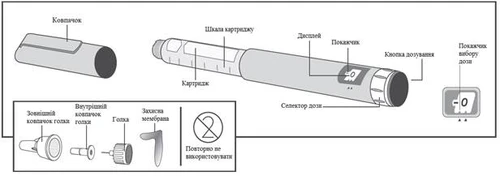
Preparing the Pen Device for Use
Check the name and colored label of your pen device to ensure it contains liraglutide. Accidental injection of another medicinal product may cause serious harm. Examine the pen and ensure it is not damaged.
| A. Remove the pen cap. Check that the solution is clear and colourless. |
|
| B. Remove the protective membrane from a new disposable needle. Screw the needle evenly and tightly onto the pen. |
|
| C. Remove the outer needle cap and keep it. |
|
| D. Remove the inner needle cap and discard it. |
|
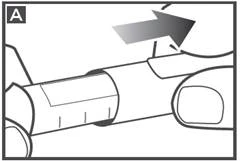
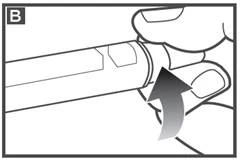
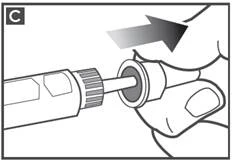
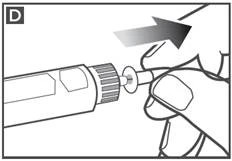
- Caution: Do not bend or damage the needle.
- To minimize the risk of accidental needle stick injury, never re-cap the previously removed inner needle cap.
Pen Care
- Do not attempt to repair or disassemble the pen.
- Avoid exposing the pen to dust, dirt, or any liquids.
- Clean the pen with a cloth dampened with mild detergent.
- Do not attempt to wash, soak, or lubricate the pen—this may damage it.
Important Information
- Store the pen out of reach of others, especially children.
- Do not give your pen or needle to anyone else.
- Always use a new needle for each injection. This reduces the risk of contamination, infection, leakage of liraglutide, needle blockage, and inaccurate dosing.
Checking Pen Function
Before using a new pen for the first time, check that medicine flows through the needle. If your pen has already been used, go to the section "Setting the Dose", step N.
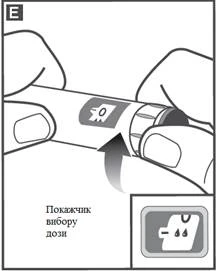
| E. Turn the dose selector until the dose pointer lines up with the mark. |
|
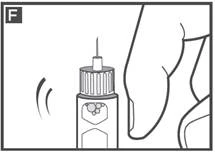
| F. Holding the pen vertically with the needle pointing upwards, gently tap the cartridge several times with your finger. This will cause any air bubbles to collect at the top of the cartridge. |
|
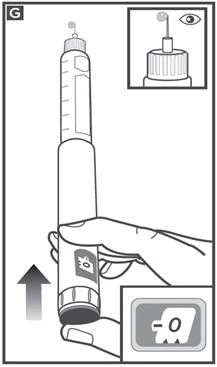
| G. Keep the needle pointing upwards and press the dose button until "0 mg" lines up with the pointer. A drop of liraglutide should appear at the tip of the needle. If no drop appears, repeat steps E to G up to 4 times. If still no drop of liraglutide appears, replace the needle and repeat steps E to G once more. Do not use the pen if no drop of liraglutide appears, as this indicates the pen is faulty and you should use a new one. |
|
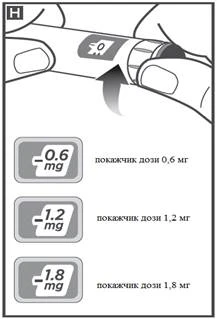
| H. Setting the dose Ensure the dose selector is set to "0". Turn the dose selector until the required dose (0.6 mg, 1.2 mg, or 1.8 mg) lines up with the pointer. If you accidentally select the wrong dose, simply adjust it by turning the dose selector backward or forward until the correct dose lines up with the pointer. Be careful not to press the dose button while turning the dose selector, as liraglutide may be released. If the dose selector stops before the required dose lines up with the pointer, there is not enough liraglutide left for a full dose. In this case, you may: Split the dose into two injections: Turn the dose selector in either direction until 0.6 mg or 1.2 mg lines up with the pointer. Administer this dose. Then prepare a new pen for injection and administer the remaining milligrams to complete the dose. You may only split your dose between your current and a new pen if trained or advised by your healthcare provider. Use a dose calculator to plan your dose. If you miscalculate the split, you may inject too much or too little liraglutide. Administer the full dose with a new pen: If the dose selector stops before 0.6 mg lines up with the pointer, prepare a new pen and administer the full dose using the new pen. |
|
| Do not attempt to select doses other than 0.6 mg, 1.2 mg, or 1.8 mg. The numbers on the display must align exactly with the pointer to ensure you receive the correct dose. The dose selector clicks as you turn it. Do not rely on the number of clicks when setting the dose. Do not use the cartridge scale to determine the dose of liraglutide to inject, as it is not accurate enough. |
|
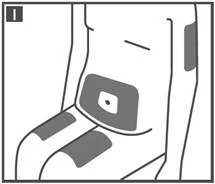
| I. Administering the injection Using your doctor's or nurse's instructions on injection technique, insert the needle into the skin. Then perform the following steps. The best places to give yourself an injection are the front of the thighs, the front of the waist (abdomen), or the upper arm. Then follow the instructions below. |
|
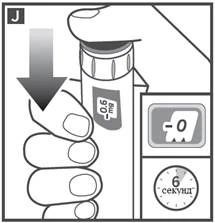
| J. Press the dose button to administer the injection until 0 mg lines up with the indicator. Be careful not to touch the display with other fingers or press the dose selector sideways during injection, as this may block the injection. Keep the dose button pressed and leave the needle under the skin for at least 6 seconds. This ensures you receive the full dose. |
|
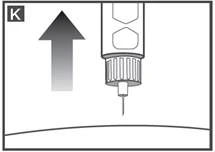
| K. Remove the needle. After this, you may see a drop of liraglutide at the tip of the needle. This is normal and does not affect your dose. |
|
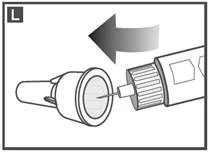
| L. Insert the needle tip into the outer needle cap without touching the needle or the outer needle cap. |
|
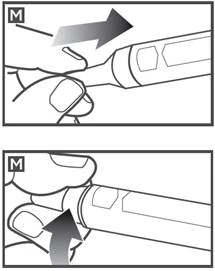
| M. Once the needle is covered, carefully slide the outer needle cap fully over it. Then unscrew the needle. Dispose of it carefully and replace the pen cap. Store the injector pen in the refrigerator (between 2 °C and 8 °C), away from the freezer. After first use, the pen can be stored either in the refrigerator or at room temperature not exceeding 30 °C. |
|
| When the pen is empty, dispose of it without the attached needle. Dispose of the pen and needle according to local requirements.
|
|
Children
Dose adjustment in adolescents and children aged 10 years and older is not required. Data on the use of the medicinal product in children under 10 years of age are lacking (see sections "Pharmacodynamics" and "Pharmacokinetics").
Overdose
Symptoms. In clinical trials and post-marketing reports, cases of exceeding the recommended maintenance dose up to 40 times (72 mg) have been reported. Adverse reactions reported included severe nausea, vomiting, diarrhea, and severe hypoglycemia.
Treatment. In case of overdose, supportive treatment should be administered according to the patient's clinical signs and symptoms. The patient's clinical condition should be closely monitored to promptly detect dehydration, and blood glucose levels should be controlled.
Adverse Reactions
During five large, long-term Phase IIIa clinical trials, more than 2500 adult patients received liraglutide as monotherapy or in combination with metformin, glimepiride (with or without metformin), other sulfonylureas (with or without metformin), or with metformin + rosiglitazone.
The most common adverse effects observed during clinical trials were gastrointestinal disorders, among which nausea and diarrhea occurred very commonly, and vomiting, constipation, abdominal pain, and dyspepsia occurred commonly. Gastrointestinal disorders occurred more frequently at the beginning of treatment, but their intensity usually decreased over several days or weeks with continued therapy. Headache and nasopharyngitis were also commonly reported. Hypoglycemia occurred commonly, and very commonly when liraglutide was used concomitantly with sulfonylureas. Severe hypoglycemia was observed primarily during combination therapy with sulfonylureas.
Below is a list of adverse reactions recorded during long-term Phase IIIa clinical trials, the LEADER® trial (a long-term cardiovascular outcomes study), and based on spontaneous reports received after liraglutide was marketed. The frequency of all adverse reactions was calculated according to their incidence in Phase IIIa clinical trials.
The frequency of adverse reactions was assessed using the following scale: very common (≥ 1/10), common (≥ 1/100 to < 1/10), uncommon (≥ 1/1000 to < 1/100), rare (≥ 1/10,000 to < 1/1000), very rare (< 1/10,000), and not known (cannot be estimated from available data). Within each category, adverse reactions are listed in decreasing order of severity.
Metabolism and nutrition disorders:
Common – hypoglycemia, anorexia, decreased appetite;
Uncommon – dehydration*.
Nervous system disorders:
Common – headache, dizziness;
Uncommon – dysgeusia.
Gastrointestinal disorders:
Very common – nausea, diarrhea;
Common – vomiting, dyspepsia, upper abdominal pain, constipation, gastritis, flatulence, abdominal distension, gastroesophageal reflux disease, stomach discomfort, toothache;
Uncommon – delayed gastric emptying;
Rare – intestinal obstruction;
Very rare – pancreatitis (including necrotizing pancreatitis).
Cardiac disorders:
Common – increased heart rate.
Immune system disorders:
Rare – anaphylactic reactions.
Infections and infestations:
Common – nasopharyngitis, bronchitis.
General disorders and administration site conditions:
Common – fatigue, injection site reactions;
Uncommon – malaise.
Renal and urinary disorders:
Uncommon – acute renal failure, renal dysfunction.
Skin and subcutaneous tissue disorders:
Common – rash;
Uncommon – urticaria, pruritus;
Not known – cutaneous amyloidosis.
Hepatobiliary disorders:
Uncommon – cholelithiasis, cholecystitis.
Investigations:
Common – increased lipase levels*, increased amylase levels*.
*Data from Phase IIIb and Phase 4 clinical trials where these parameters were measured.
Description of selected adverse reactions
During a clinical trial of liraglutide monotherapy, the incidence of hypoglycemia was lower in patients receiving liraglutide than in those receiving the active comparator (glimepiride). The most common adverse reactions were gastrointestinal disorders, infections, and infestations.
Hypoglycemia
In most cases recorded during clinical trials, confirmed hypoglycemia was mild. No cases of severe hypoglycemia occurred during liraglutide monotherapy. Severe hypoglycemia is rare and occurs primarily during combination therapy with liraglutide and sulfonylureas (0.02 events per 100 patient-years). Hypoglycemia is very rare (0.001 events per 100 patient-years) when liraglutide is used in combination with other oral antidiabetic agents (i.e., not sulfonylureas). The risk of hypoglycemia with concomitant use of liraglutide and basal insulin is low (1 event per 100 patient-years; see section "Pharmacological properties"). In the LEADER® trial, episodes of severe hypoglycemia were reported less frequently with liraglutide compared to placebo (1.0 vs. 1.5 events per 100 patient-years, rate ratio 0.69 [0.51 to 0.93]) (see section "Pharmacodynamics"). In patients who had previously used premixed insulin at baseline and for at least the subsequent 26 weeks, the rate of severe hypoglycemia was 2.2 events per 100 patient-years in both the liraglutide and placebo groups.
Gastrointestinal disorders
During combination therapy with liraglutide and metformin, nausea occurred in at least one episode in 20.7% of patients, and diarrhea in 12.6%. During combination therapy with liraglutide and sulfonylureas, nausea occurred in at least one episode in 9.1% of patients, and diarrhea in 7.9%. Most cases were mild or moderate in severity and showed a dose-dependent pattern. In most patients who experienced nausea at the beginning of treatment, the frequency and severity decreased with continued therapy. Gastrointestinal disorders may occur more frequently in patients aged 70 years and older treated with liraglutide. Gastrointestinal disorders may also occur more frequently in patients with mild or moderate renal impairment (creatinine clearance ≤ 60–90 ml/min and 30–59 ml/min, respectively) when treated with liraglutide.
Cholelithiasis and cholecystitis
A small number of cases of cholelithiasis (0.4%) and cholecystitis (0.1%) were reported during long-term, controlled Phase IIIa clinical trials with liraglutide. In the LEADER® trial, the incidence of cholelithiasis and cholecystitis was 1.5% and 1.1%, respectively, with liraglutide, compared to 1.1% and 0.7% with placebo (see section "Pharmacodynamics").
Discontinuation of the medicinal product
During long-term controlled trials (26 weeks or longer), the discontinuation rate due to adverse reactions was 7.8% for liraglutide and 3.4% for the comparator drug. The most common reasons for discontinuation in patients receiving liraglutide were nausea (2.8%) and vomiting (1.5%).
Injection site reactions
During long-term controlled trials (26 weeks or longer), injection site reactions were reported in approximately 2% of patients. These reactions were generally mild.
Pancreatitis
During long-term controlled Phase 3 clinical trials, a few cases (< 0.2%) of acute pancreatitis were reported with liraglutide treatment. Cases of pancreatitis were also reported in spontaneous post-marketing reports. In the LEADER® trial, the rate of expert-adjudicated acute pancreatitis was 0.4% with liraglutide and 0.5% with placebo (see sections "Pharmacodynamics" and "Special warnings and precautions for use").
Allergic reactions
After marketing of liraglutide, allergic reactions including urticaria, rash, and pruritus have been reported. There have also been reports of several cases of anaphylactic reactions with additional symptoms such as hypotension, palpitations, dyspnea, and swelling. Angioedema was observed rarely (0.05%) during long-term clinical trials with liraglutide.
Pediatric population
Overall, the frequency, type, and severity of adverse reactions in adolescents and children aged 10 years and older were similar to those in adults. The rate of confirmed hypoglycemia episodes was higher with liraglutide (0.58 events/patient-year) compared to placebo (0.29 events/patient-year). In patients who were receiving insulin prior to a confirmed hypoglycemic episode, the rate was higher with liraglutide (1.82 events/patient-year) compared to placebo (0.91 events/patient-year). No severe hypoglycemic episodes were reported in the liraglutide group.
Reporting of suspected adverse reactions
Reporting suspected adverse reactions after marketing authorization is important. It allows continued monitoring of the benefit-risk balance of the medicinal product. Healthcare professionals, pharmacists, patients, and their legal representatives should report all suspected adverse reactions and lack of efficacy through the Automated Pharmacovigilance Information System at: https://aisf.dec.gov.ua.
Shelf life. 2 years.
After first use – 1 month.
Storage conditions.
Store in a refrigerator (2–8 °C), away from the freezer compartment. Do not freeze. After first use, store at temperatures not exceeding 30 °C or in a refrigerator (2–8 °C). Do not freeze.
Store the pen device with the cap on to protect from light.
Keep out of reach of children.
Incompatibilities.
Adding any substances to liraglutide may cause degradation of liraglutide. This medicinal product must not be mixed with other medicinal products unless compatibility has been established.
Packaging.
Pre-filled multidose disposable pen device made of polypropylene, containing a cartridge made of glass (Type I) with a plunger (chlorobutyl) and a cap with a rubber seal (bromobutyl/polyisoprene).
Each pen contains 3 ml of solution, allowing administration of 30 doses of 0.6 mg, 15 doses of 1.2 mg, or 10 doses of 1.8 mg.
One pre-filled pen in a cardboard box.
Prescription status. Prescription only.
Manufacturer.
Farmadoks Healthcare Limited
or
KeVaRo GROUP EOOD
Manufacturer's address and place of business.
Kw20a Cordina Industrial Park, Paola, PLA 3000, Malta
or
5th Floor, 9 Tsaritsa Yoanna Street, Office 23, Sofia, 1618, Bulgaria