Lenvatinib-mili-4
Ukraine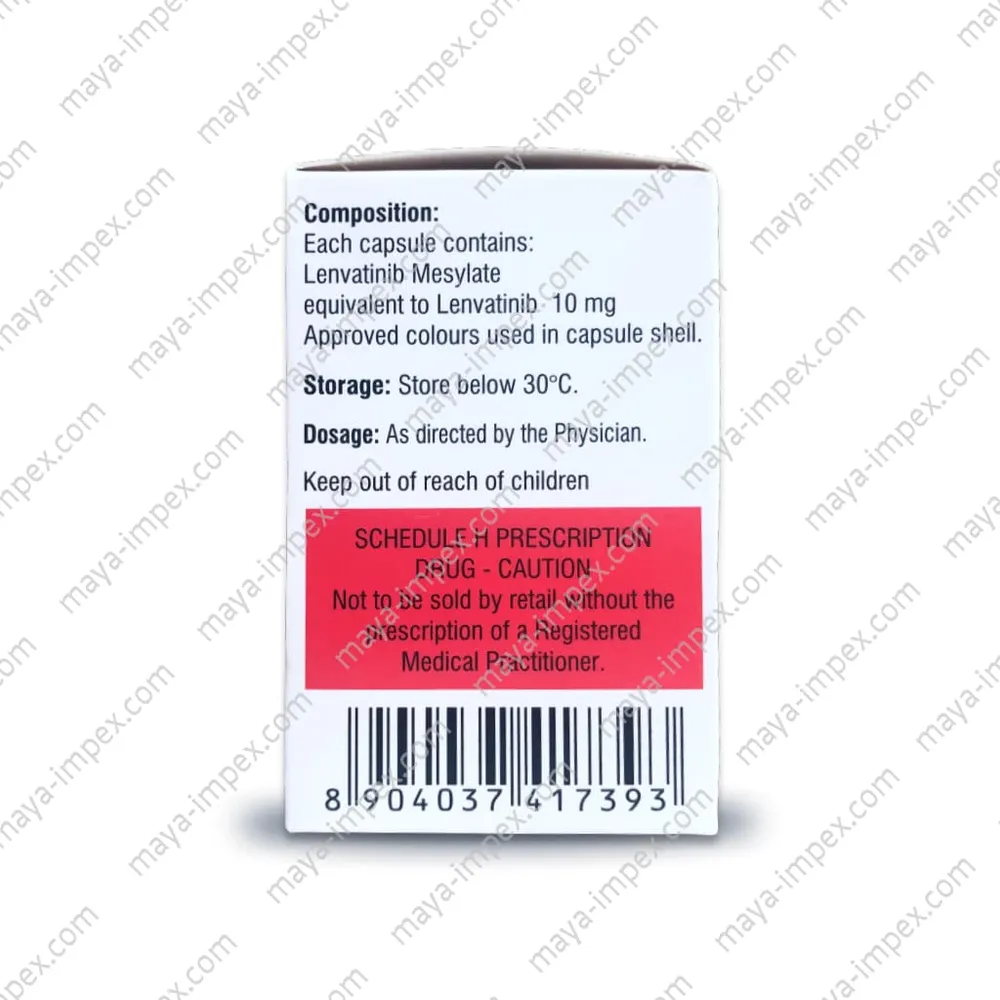
Table of Contents
INSTRUCTIONS FOR MEDICAL USE OF THE MEDICINAL PRODUCT LENVATINIB-MILI-4 LENVATINIB-MILI-10 (LENVATINIB-MILI-4 LENVATINIB-MILI-10)
Composition:
Active substance: lenvatinib;
1 hard capsule contains lenvatinib mesylate equivalent to 4 mg or 10 mg of lenvatinib;
Excipients:
Granulated powder: microcrystalline cellulose (Avicel PH101), mannitol (E421) (Pearlitol 200 SD), low-substituted hydroxypropylcellulose (L-HPC LH 11), calcium hydroxide, potassium hydroxide, purified water, hydroxypropylcellulose (Klucel EF), talc;
Capsule shell composition: iron oxide red (E 172), titanium dioxide (E 171), hypromellose;
Ink composition (BlackInk): shellac, anhydrous alcohol, isopropyl alcohol, butanol, propylene glycol, concentrated ammonia solution, iron oxide black (E 172), potassium hydroxide, purified water.
Pharmaceutical form. Hard capsules.
Main physicochemical properties:
4 mg capsules – hard hypromellose capsules with pink opaque body and pink opaque cap, printed in black ink "SML" on the cap and "18" on the body, containing white or pale yellow granulated powder;
10 mg capsules – hard hypromellose capsules with yellow opaque body and pink opaque cap, printed in black ink "SML" on the cap and "19" on the body, containing white or pale yellow granulated powder.
Pharmacotherapeutic group. Antineoplastic agents. Protein kinase inhibitors.
ATC code L01E X08
Pharmacological properties.
Pharmacodynamics.
Lenvatinib is a multi-kinase inhibitor that has demonstrated primarily antiangiogenic properties in vitro and in vivo, as well as direct inhibition of tumor growth in in vitro models.
Mechanism of action
Lenvatinib is a receptor tyrosine kinase (RTK) inhibitor that selectively inhibits the kinase activity of vascular endothelial growth factor receptors (VEGFR) VEGFR1 (FLT1), VEGFR2 (KDR), and VEGFR3 (FLT4), in addition to other RTKs involved in proangiogenic and oncogenic pathways, including fibroblast growth factor receptors (FGFR) FGFR1, 2, 3, and 4, platelet-derived growth factor receptor (PDGFR) PDGFRα, KIT, and RET.
Additionally, lenvatinib demonstrated selective direct antiproliferative activity in hepatocellular cell lines dependent on activated FGFR signaling, which is explained by the inhibition of FGFR signaling by lenvatinib.
In syngeneic mouse tumor models, lenvatinib reduced the number of tumor-associated macrophages, increased activation of cytotoxic T-cells, and demonstrated greater antitumor activity in combination with an anti-PD-1 monoclonal antibody compared to either agent alone.
Although lenvatinib has not been directly studied, its mechanism of action (MOA) in hypertension is postulated to be mediated through inhibition of VEGFR2 in vascular endothelial cells. Similarly, although not directly studied, the MOA for proteinuria is postulated to be mediated through downregulation of VEGFR1 and VEGFR2 in glomerular podocytes of blood capillaries.
The mechanism of action in hypothyroidism is not fully understood.
In repeat-dose toxicity studies (up to 39 weeks), lenvatinib caused toxicological changes in various organs and tissues related to the expected pharmacological effects of lenvatinib, including glomerulopathy, testicular hypocellularity, ovarian follicular atresia, gastrointestinal changes, bone changes, adrenal gland lesion changes (in rats and dogs), and arterial changes (arterial fibrinoid necrosis, medial degeneration, or hemorrhage) in rats, dogs, and cynomolgus monkeys. Elevated transaminase levels associated with signs of hepatotoxicity were also observed in rats, dogs, and monkeys. Reversibility of toxicological changes was observed at the end of a 4-week recovery period in all animal species studied.
Clinical efficacy
In the SELECT trial in patients with radioactive iodine-refractory differentiated thyroid cancer, lenvatinib significantly improved progression-free survival compared to placebo. Lenvatinib demonstrated a median progression-free survival of 18.3 months versus 3.6 months for placebo (hazard ratio [HR] 0.21; 99% confidence interval [CI], 0.14–0.31]).
In the phase III randomized REFLECT trial, patients with unresectable hepatocellular carcinoma were randomized to receive either lenvatinib or sorafenib as first-line treatment. The study was designed to demonstrate non-inferiority or superiority of lenvatinib; the pre-specified non-inferiority margin of 1.08 was met, with a median overall survival of 13.6 months in the lenvatinib group compared to 12.3 months for sorafenib (HR, 0.92; 95% CI, 0.79–1.06).
In Study 309, patients with endometrial carcinoma were randomized to receive pembrolizumab 200 mg every 21 days in combination with lenvatinib 20 mg once daily continuously, or to receive investigator’s choice of chemotherapy (doxorubicin 60 mg/m² or paclitaxel 60 mg/m² according to the appropriate regimen). The study results showed a median progression-free survival of 7.2 months in the pembrolizumab/lenvatinib group compared to 3.8 months in the standard chemotherapy group (HR 0.56; 95% CI 0.47–0.66; p<0.0001), and a median overall survival of 18.3 and 11.4 months, respectively (HR 0.62; 95% CI 0.51–0.75; p<0.0001). Treatment with the investigational combination was associated with a 38% reduction in the relative risk of death compared to standard therapy. In the pMMR/MSS subgroup (i.e., without microsatellite instability), median progression-free survival was 6.6 months in the pembrolizumab/lenvatinib group versus 3.8 months in the chemotherapy group (HR 0.60; 95% CI 0.50–0.72; p<0.0001), and median overall survival was 17.4 and 12.0 months, respectively (HR 0.68; 95% CI 0.56–0.84; p=0.0001).
Pharmacokinetics.
The pharmacokinetic parameters of lenvatinib were studied in healthy adult volunteers, adult patients with hepatic or renal impairment, and patients with solid tumors.
Absorption
Lenvatinib is rapidly absorbed after oral administration, with tmax typically observed between 1 and 4 hours after dosing. Food does not affect the extent of absorption but slows its rate. When administered with food to healthy subjects, maximum plasma concentration is reached within 2 hours. Absolute bioavailability in humans has not been determined; however, mass balance study data indicate it is approximately 85%. Lenvatinib demonstrated good oral bioavailability in dogs (70.4%) and monkeys (78.4%).
Distribution
In vitro, the binding of lenvatinib to human plasma proteins is high, ranging from 98% to 99% (0.3–30 µg/mL, mesylate). This binding occurs primarily with albumin, with minimal binding to α1-acid glycoprotein and γ-globulin.
In vitro, the blood-to-plasma concentration ratio of lenvatinib ranged from 0.589 to 0.608 (0.1–10 µg/mL, mesylate).
Lenvatinib is a substrate for P-gp and BCRP. Lenvatinib is not a substrate for OAT1, OAT3, OATP1B1, OATP1B3, OCT1, OCT2, MATE1, MATE2-K, or the bile salt export pump (BSEP).
In patients, the mean hypothetical volume of distribution (Vz/F) after the first dose ranged from 50.5 L to 92 L and was generally consistent across dose groups from 3.2 mg to 32 mg.
Similarly, the mean hypothetical volume of distribution at steady state (Vz/Fss) was generally consistent and ranged from 43.2 L to 121 L.
Biotransformation
In vitro, cytochrome P450 3A4 was shown to be the predominant (>80%) isoform involved in P450-mediated metabolism of lenvatinib. However, in vivo data indicate that non-P450-mediated pathways contribute significantly to the overall metabolism of lenvatinib. Therefore, in vivo inducers and inhibitors of CYP3A4 have minimal effect on lenvatinib exposure (see section "Interaction with other medicinal products and other forms of interaction").
In human liver microsomes, the demethylated form of lenvatinib (M2) was identified as the major metabolite. M2’ and M3’, the major metabolites in human feces, were formed from M2 and lenvatinib, respectively, via aldehyde oxidase.
In plasma samples collected over 24 hours after administration, lenvatinib accounted for 97% of radioactivity on radiochromatograms, while metabolite M2 accounted for an additional 2.5%. Based on AUC(0–inf), lenvatinib accounted for 60% and 64% of total radioactivity in plasma and blood, respectively.
Human mass balance/excretion study data indicate that lenvatinib is extensively metabolized in the human body. The major metabolic pathways in humans were identified as aldehyde oxidase-mediated oxidation, CYP3A4-mediated demethylation, glutathione conjugation with elimination of the O-aryl group (chlorophenyl fragment), and combinations of these pathways, followed by further biotransformations (e.g., glucuronidation, hydrolysis of the glutathione fragment, degradation of the cysteine fragment, and intramolecular rearrangement of cysteinylglycine and cysteine conjugates, followed by dimerization). These in vivo metabolic pathways are consistent with data from in vitro studies using human biomaterials.
In vitro transporter study
For the following transporters—OAT1, OAT3, OATP1B1, OCT1, OCT2, and BSEP—clinically significant inhibition was excluded based on the threshold IC50 > 50 × Cmax,unbound.
Lenvatinib showed no or minimal inhibitory activity against P-glycoprotein (P-gp)- and breast cancer resistance protein (BCRP)-mediated transport activity. Similarly, no induction of P-gp mRNA expression was observed.
Lenvatinib showed no or minimal inhibitory activity against OATP1B3 and MATE2-K. Lenvatinib weakly inhibits MATE1. In the cytosol of human liver cells, lenvatinib did not inhibit aldehyde oxidase activity.
Elimination
Plasma concentrations decline biexponentially after Cmax. The mean terminal exponential half-life of lenvatinib is approximately 28 hours.
After administration of radiolabeled lenvatinib to 6 patients with solid tumors, approximately two-thirds and one-quarter of the radioactive label were excreted in feces and urine, respectively. Metabolite M3 was the predominant analyte in excreta (~17% of dose), followed by M2’ (~11% of dose) and M2 (~4.4% of dose).
Linearity/non-linearity
Dose proportionality and accumulation
In patients with solid tumors receiving single or multiple daily doses of lenvatinib once daily, lenvatinib exposure (Cmax and AUC) increased proportionally with the administered single daily dose in the range of 3.2 mg to 32 mg per day.
Lenvatinib shows minimal accumulation at steady state. In this range, the mean accumulation index (Rac) ranged from 0.96 (20 mg) to 1.54 (6.4 mg). Rac in patients with hepatocellular carcinoma (HCC) and mild to moderate hepatic impairment was similar to that observed in other solid tumors.
Special populations
Hepatic impairment
The pharmacokinetics of lenvatinib after a single 10 mg dose were evaluated in 6 patients with mild and moderate hepatic impairment (Child-Pugh class A and B, respectively). A 5 mg dose was evaluated in 6 patients with severe hepatic impairment (Child-Pugh class C). Eight healthy, demographically matched subjects served as the control group and received a 10 mg dose. Lenvatinib exposure, based on dose-adjusted AUC0-t and AUC0-inf data, was 119%, 107%, and 180% of normal in patients with mild, moderate, and severe hepatic impairment, respectively. Plasma protein binding of lenvatinib in patients with hepatic impairment was found to be similar to that in matched healthy subjects, with no concentration dependence observed. Dosage recommendations are provided in section "Posology and method of administration."
There are insufficient data for patients with HCC classified as Child-Pugh class B (moderate hepatic impairment; 3 patients received lenvatinib treatment in the core study), and data for patients with HCC classified as Child-Pugh class C (severe hepatic impairment) are lacking. Lenvatinib is primarily eliminated via the liver, and exposure may be increased in these patient groups.
The mean elimination half-life was comparable in subjects with mild, moderate, and severe hepatic impairment and in patients with normal liver function, ranging from 26 to 31 hours. The percentage of lenvatinib dose excreted in urine was low across all cohorts (<2.16% in treatment cohorts).
Renal impairment
The pharmacokinetics of lenvatinib after a single 24 mg dose were evaluated in 6 patients with mild, moderate, and severe renal impairment and compared with 8 healthy, demographically matched subjects. Patients with end-stage renal disease were not studied.
Lenvatinib exposure, based on AUC0-inf data, was 101%, 90%, and 122% of normal in patients with mild, moderate, and severe renal impairment, respectively. Plasma protein binding of lenvatinib in patients with renal impairment was found to be similar to that in matched healthy subjects, with no concentration dependence observed.
Dosage recommendations are provided in section "Posology and method of administration."
Age, sex, body weight, race
Based on a population pharmacokinetic analysis of patients receiving up to 24 mg of lenvatinib once daily, age, sex, body weight, and race (Japanese vs. others, Caucasian vs. others) had no clinically significant effect on the clearance of lenvatinib (see section "Posology and method of administration").
Paediatric population
Based on a population pharmacokinetic analysis incorporating pooled data from 1100 children, adolescents, and adult patients, including data from 3 children aged 2 to <3 years, 28 children aged ≥3 to <6 years, and 89 children aged 6 to ≤12 years within the lenvatinib pediatric development program, oral clearance of lenvatinib (CL/F) was dependent on body weight rather than patient age. Predicted steady-state exposure levels in terms of area under the curve (AUCss) in children receiving 14 mg/m² were comparable to those in adult patients receiving a fixed 24 mg dose of lenvatinib. No apparent differences in the pharmacokinetics of the active substance lenvatinib were observed in children (2–12 years), adolescents, and young adult patients with the studied tumor types in these studies; however, data in children are relatively limited to allow definitive conclusions (see section "Posology and method of administration").
Clinical characteristics.
Indications.
Differentiated thyroid carcinoma (DTC)
The medicinal product LENVATINIB-MILI is indicated as monotherapy for the treatment of adult patients with progressive, locally recurrent or metastatic, differentiated (papillary/follicular/Hürthle cell) thyroid carcinoma (DTC) refractory to radioactive iodine (RAI).
Hepatocellular carcinoma (HCC)
The medicinal product LENVATINIB-MILI is indicated as monotherapy for the treatment of adult patients with progressive or unresectable hepatocellular carcinoma (HCC) who have not received prior systemic therapy (see section "Pharmacological properties").
Endometrial carcinoma (EC)
The medicinal product LENVATINIB-MILI in combination with pembrolizumab is indicated for the treatment of adult patients who are not candidates for surgical resection or radiation with advanced or recurrent endometrial carcinoma (EC) whose disease has progressed on or after prior platinum-containing therapy in any setting.
Contraindications.
Hypersensitivity to the active substance or to any of the excipients.
Breastfeeding period (see section "Use during pregnancy or breastfeeding").
Special safety precautions.
Persons administering the medicinal product to the patient should not open the capsule to avoid repeated exposure to its contents.
Any unused medicinal product or waste material should be disposed of in accordance with local requirements.
Interaction with other medicinal products and other forms of interaction.
Effect of other medicinal products on lenvatinib
Chemotherapeutic medicinal products
Concomitant administration of lenvatinib, carboplatin, and paclitaxel has no significant effect on the pharmacokinetics of any of these three active substances.
Effect of lenvatinib on other medicinal products
A clinical drug interaction study in oncology patients demonstrated that plasma concentrations of midazolam (a sensitive CYP3A and Pgp substrate) were not altered in the presence of lenvatinib. Therefore, clinically significant interactions between lenvatinib and other CYP3A4/Pgp substrates are not expected.
Oral contraceptives
It is currently unknown whether lenvatinib may reduce the efficacy of hormonal contraceptives; therefore, women using oral hormonal contraceptives should also add a barrier method of contraception (see section "Use during pregnancy or breastfeeding").
Special precautions.
Hypertension
Arterial hypertension has been reported in patients receiving lenvatinib treatment, typically occurring early in the course of therapy (see section "Adverse Reactions"). Blood pressure (BP) should be carefully monitored prior to initiating lenvatinib treatment. Patients with a history of hypertension should be on stable doses of antihypertensive therapy for at least 1 week before starting lenvatinib. Serious complications of poorly controlled hypertension, including aortic dissection, have been reported. Early detection and effective management of arterial hypertension are important to minimize the need for treatment interruption or dose reduction of lenvatinib. Antihypertensive therapy should be initiated promptly upon confirmation of elevated BP. BP should be monitored:
1 week after initiation of lenvatinib treatment, then every 2 weeks during the first 2 months, and monthly thereafter. The choice of antihypertensive therapy should be individualized based on the patient's clinical condition and in accordance with standard medical practice. If elevated BP occurs in patients who previously had normal blood pressure, monotherapy with one class of antihypertensive agent should be initiated. For patients already receiving antihypertensive medication, the dose of the current agent may be increased if appropriate, or one or more agents from another class of antihypertensive drugs should be added. If necessary, hypertension should be managed as recommended in Table 1.
Table 1
| Recommended treatment for hypertension |
|
| Blood pressure (BP) |
Recommended treatment |
| Systolic BP ≥ 140 mm Hg to < 160 mm Hg or diastolic BP ≥ 90 mm Hg to < 100 mm Hg |
Continue lenvatinib and initiate antihypertensive therapy if patients have not yet received it or continue lenvatinib and increase the dose of current antihypertensive therapy, or initiate additional antihypertensive therapy |
| Systolic BP ≥ 160 mm Hg or diastolic BP ≥ 100 mm Hg despite optimal antihypertensive therapy |
|
| Life-threatening consequences (malignant hypertension, neurological deficit, or hypertensive crisis) |
Emergency intervention is indicated. Discontinue lenvatinib and initiate appropriate treatment. |
Aneurysms and Arterial Dissection
The use of VEGF inhibitors (vascular endothelial growth factor) in patients with or without hypertension may promote the development of aneurysms and/or arterial dissection. This risk should be carefully considered prior to initiating lenvatinib treatment in patients with risk factors such as hypertension or a history of aneurysm.
Proteinuria
Proteinuria has been observed in patients receiving lenvatinib, typically occurring early in the course of treatment (see section "Adverse Reactions"). Urine protein levels should be monitored regularly. If proteinuria ≥ 2+ is detected by urine dipstick testing, temporary interruption of treatment, dose adjustment, or discontinuation of therapy may be required (see section "Dosage and Administration"). Cases of nephrotic syndrome have been reported in patients receiving lenvatinib. If nephrotic syndrome develops, lenvatinib should be discontinued.
Hepatotoxicity
In patients with DTC, the most commonly reported hepatic adverse reactions in those receiving lenvatinib included elevated levels of alanine aminotransferase (ALT), aspartate aminotransferase (AST), and bilirubin in blood. Cases of hepatic failure and acute hepatitis (<1%; see section "Adverse Reactions") have been reported in DTC patients treated with lenvatinib. Hepatic failure was generally reported in patients with progressive metastatic liver disease.
In patients with HCC treated with lenvatinib in the REFLECT study, hepatic adverse reactions including hepatic encephalopathy and hepatic failure (including fatal events) were reported at a higher frequency (see section "Adverse Reactions") compared to patients treated with sorafenib. Patients with severe hepatic impairment and/or higher baseline tumor burden in the liver had an increased risk of developing hepatic encephalopathy and hepatic failure. Hepatic encephalopathy also occurred more frequently in patients aged 75 years and older. Approximately half of the cases of hepatic failure and one-third of the cases of hepatic encephalopathy were reported in patients with disease progression.
Data in HCC patients with moderate hepatic impairment (Child-Pugh class B) are very limited, and there are currently no data in HCC patients with severe hepatic impairment (Child-Pugh class C). Since lenvatinib is primarily eliminated via hepatic metabolism, increased exposure is expected in patients with moderate to severe hepatic impairment.
In patients with EC receiving lenvatinib in combination with pembrolizumab, the most commonly reported hepatic adverse reactions included elevated alanine aminotransferase (ALT) and aspartate aminotransferase (AST). Cases of hepatic failure and hepatitis (<1%; see section "Adverse Reactions") have been reported in EC patients treated with lenvatinib and pembrolizumab.
Close monitoring of overall safety is recommended in these patients with mild or moderate hepatic impairment (see sections "Dosage and Administration" and "Pharmacological Properties"). Liver function tests should be monitored before starting treatment, every 2 weeks during the first 2 months, and monthly thereafter during treatment. HCC patients should be monitored for worsening liver function, including hepatic encephalopathy. In the event of hepatotoxicity, temporary interruption of treatment, dose adjustment, or discontinuation of therapy may be required (see section "Dosage and Administration").
Renal Function Impairment and Renal Failure
Renal function impairment and renal failure have been reported in patients receiving lenvatinib (see section "Adverse Reactions"). The main identified risk factor was dehydration and/or hypovolemia due to gastrointestinal toxicity. Gastrointestinal toxicity should be managed appropriately to reduce the risk of renal function impairment or renal failure. Temporary interruption of treatment, dose adjustment, or discontinuation of therapy may be necessary (see section "Dosage and Administration").
If patients have severe renal impairment, the initial dose of lenvatinib should be adjusted (see sections "Contraindications" and "Dosage and Administration").
Diarrhea
Diarrhea has been frequently reported in patients receiving lenvatinib, typically occurring early in the treatment course (see section "Adverse Reactions"). Prompt management of diarrhea is recommended to prevent dehydration.
Lenvatinib treatment should be discontinued if grade 4 diarrhea persists despite appropriate management.
Cardiac Dysfunction
Heart failure (<1%) and decreased left ventricular ejection fraction have been reported in patients receiving lenvatinib (see section "Adverse Reactions"). Patients should be monitored for clinical signs or symptoms of cardiac decompensation, as temporary interruption of treatment, dose adjustment, or discontinuation of therapy may be required (see section "Dosage and Administration").
Posterior Reversible Leukoencephalopathy Syndrome (PRES)/Reversible Posterior Leukoencephalopathy Syndrome (RPLS)
PRES, also known as RPLS, has been reported in patients receiving lenvatinib (<1%; see section "Adverse Reactions"). PRES is a neurological disorder that may present with headache, seizures, lethargy, confusion, altered mental status, blindness, and other visual or neurological disturbances. Mild to severe hypertension may also be present.
Diagnosis of PRES requires confirmation by magnetic resonance imaging (MRI).
Appropriate measures should be taken to control blood pressure (see section "Special Warnings and Precautions for Use"). Patients presenting with signs or symptoms of PRES may require temporary interruption of treatment, dose adjustment, or discontinuation of therapy (see section "Dosage and Administration").
Arterial Thromboembolism
Cases of arterial thromboembolism (cerebrovascular accidents, transient ischemic attacks, and myocardial infarction) have been reported in patients receiving lenvatinib (see section "Adverse Reactions"). Lenvatinib has not been studied in patients who experienced arterial thromboembolism within the previous 6 months; therefore, the drug should be used with caution in such patients. The decision to treat should be based on an individual benefit-risk assessment. Lenvatinib should be discontinued following an arterial thrombotic event.
Women of Reproductive Potential
Women of reproductive potential should use highly effective contraception during treatment with lenvatinib and for at least one month after discontinuation of treatment (see section "Pregnancy and Lactation"). It is currently unknown whether lenvatinib increases the risk of thromboembolic events when used in combination with oral contraceptives.
Bleeding
Serious tumor-related hemorrhages, including fatal hemorrhagic events, have been observed during clinical trials and reported in post-marketing experience (see section "Adverse Reactions").
During post-marketing surveillance, severe and fatal hemorrhages into the carotid artery were observed more frequently in patients with anaplastic thyroid cancer (ATC) than in patients with DTC or other tumor types. The extent of tumor invasion/infiltration into large blood vessels (e.g., carotid artery) should be considered due to the potential risk of severe bleeding related to tumor shrinkage/necrosis after lenvatinib therapy. Some bleeding events occurred following tumor shrinkage and fistula formation, such as tracheoesophageal fistulas. Fatal intracranial hemorrhages have been reported in some patients, with or without brain metastases. Other non-central nervous system bleeding events (e.g., in the trachea, intra-abdominal cavity, lungs) have also been reported. A fatal case due to bleeding from a liver tumor was reported in an HCC patient.
Prior to initiating lenvatinib treatment, screening and appropriate management of esophageal varices should be performed in patients with liver cirrhosis according to standard treatment guidelines. In the event of bleeding, temporary interruption of treatment, dose adjustment, or discontinuation of therapy may be required (see section "Dosage and Administration", Table 3).
Gastrointestinal Perforation and Fistula Formation
Gastrointestinal perforation or fistula formation has been reported in patients receiving lenvatinib (see section "Adverse Reactions"). Most cases of gastrointestinal perforation and fistulas occurred in patients with risk factors such as prior surgery or radiation therapy. In the event of gastrointestinal perforation or fistula, temporary interruption of treatment, dose adjustment, or discontinuation of therapy may be required (see section "Dosage and Administration").
Extraintestinal Fistula
Patients receiving lenvatinib may have an increased risk of developing fistulas. During clinical trials and post-marketing experience, cases of new fistula formation or expansion of existing fistulas involving areas outside the stomach or intestine (e.g., tracheal, tracheoesophageal, esophageal, skin, or female genital tract fistulas) have been observed. Additionally, pneumothorax with or without clear evidence of bronchopleural fistula has been reported. Some fistula and pneumothorax events occurred in association with tumor regression or necrosis. Prior surgery and radiation therapy may be risk factors. Lung metastases may also increase the risk of pneumothorax. Lenvatinib treatment should not be initiated in patients with existing fistulas to avoid worsening their condition, and lenvatinib should be permanently discontinued in patients with esophageal or tracheobronchial tract involvement and any grade 4 fistula (see section "Dosage and Administration"). Limited information is available regarding treatment interruption or dose reduction for other fistula-related events; however, worsening has been observed in some cases, so caution is advised. Lenvatinib may impair wound healing, as with other agents in this class.
QT Interval Prolongation
QT/QTc interval prolongation has been reported at a higher frequency in patients receiving lenvatinib compared to those receiving placebo (see section "Adverse Reactions").
ECG monitoring should be performed at the start of treatment and periodically during treatment in all patients, with particular attention to patients with congenital long QT syndrome, congestive heart failure, bradyarrhythmias, or those taking medications known to prolong the QT interval, including Class Ia and Class III antiarrhythmics.
Lenvatinib should be discontinued if QT interval prolongation >500 ms occurs. Lenvatinib may be restarted at a reduced dose once QTc prolongation has decreased to <480 ms or returned to baseline.
Electrolyte imbalances such as hypokalemia, hypocalcemia, or hypomagnesemia increase the risk of QT prolongation; therefore, electrolyte abnormalities should be monitored and corrected in all patients prior to starting treatment. Electrolyte levels (magnesium, potassium, and calcium) should be monitored periodically during treatment. Serum calcium levels should be monitored at least monthly and supplemented as needed during lenvatinib treatment. Depending on the severity, presence of ECG changes, and persistence of hypocalcemia, lenvatinib may need to be temporarily interrupted or dose-adjusted.
Thyroid-Stimulating Hormone Suppression-Related Disorder/Thyroid Dysfunction
Hypothyroidism has been reported in patients receiving lenvatinib (see section "Adverse Reactions").
Thyroid function should be monitored before starting lenvatinib treatment and periodically during therapy. Hypothyroidism should be managed according to standard medical practice to maintain a euthyroid state.
Lenvatinib disrupts exogenous thyroid suppression (see section "Adverse Reactions"). TSH levels should be monitored regularly, and thyroid hormone replacement therapy should be adjusted to achieve appropriate TSH levels according to the patient's therapeutic goal.
Impaired Wound Healing
No formal studies have evaluated the effect of lenvatinib on wound healing. Impaired wound healing has been reported in patients receiving lenvatinib. Consideration should be given to temporarily interrupting lenvatinib treatment in patients undergoing major surgical procedures. Clinical experience regarding the appropriate time to resume lenvatinib after major surgery is limited. Therefore, the decision to resume lenvatinib after major surgery should be based on clinical assessment of adequate wound healing.
Osteonecrosis of the Jaw (ONJ)
Cases of ONJ have been reported in patients receiving lenvatinib. Some of these cases occurred in patients who had prior or concomitant treatment with bone anti-resorptive agents and/or other angiogenesis inhibitors such as bevacizumab, tyrosine kinase inhibitors (TKIs), or mammalian target of rapamycin (mTOR) kinase inhibitors. Therefore, caution should be exercised when administering lenvatinib concurrently or sequentially with anti-resorptive therapy and/or other angiogenesis inhibitors.
Invasive dental procedures are a recognized risk factor. Prior to lenvatinib treatment, a dental examination and appropriate preventive measures should be considered. Patients who have previously received or are currently receiving intravenous bisphosphonates should avoid invasive dental procedures if possible (see section "Adverse Reactions").
Special Populations
Limited data are available on the use of lenvatinib in patients of non-European or non-Asian ethnic origin and in patients aged ≥75 years. Lenvatinib should be used with caution in these patients, considering the reduced tolerability observed in Asian patients and elderly patients (see section "Adverse Reactions").
There are no data on the use of lenvatinib immediately after treatment with sorafenib or other anticancer agents, and there may be a potential risk of additional toxicity if an adequate washout period between agents is not observed. The minimum washout period in clinical trials was 4 weeks.
Patients with an ECOG PS (Eastern Cooperative Oncology Group performance status) ≥2 were excluded from clinical trials (except for thyroid carcinoma).
Pregnancy and Lactation
Women of Reproductive Potential
Women of reproductive potential should avoid pregnancy and use highly effective contraception during treatment with lenvatinib and for at least one month after discontinuation of treatment. It is currently unknown whether lenvatinib may reduce the efficacy of hormonal contraceptives; therefore, women using oral hormonal contraceptives should also use a barrier method of contraception.
Pregnancy
There are no data on the use of lenvatinib in pregnant women. Lenvatinib was embryotoxic and teratogenic in rats and rabbits.
Lenvatinib should not be used during pregnancy unless absolutely necessary and only after careful consideration of the mother's need for treatment and the potential risk to the fetus.
Lactation
It is unknown whether lenvatinib is excreted in human milk. Lenvatinib and its metabolites are excreted in rat milk. A risk to newborns or infants cannot be excluded; therefore, lenvatinib is contraindicated during lactation (see section "Contraindications").
Fertility
The effect on fertility in humans is unknown. However, testicular and ovarian toxicity has been observed in rats, dogs, and monkeys.
Ability to Drive and Use Machines
Lenvatinib has a minor influence on the ability to drive and use machines due to adverse reactions such as fatigue and dizziness. Patients experiencing these symptoms should exercise caution when driving or operating machinery.
Method of administration and dosage.
Treatment with the medicinal product LENVATINIB-MILI should be initiated and monitored by a physician experienced in the use of anticancer therapies.
Optimal medical management (treatment or therapy) of nausea, vomiting, and diarrhea should be initiated prior to interruption of lenvatinib therapy or dose reduction; gastrointestinal toxicity should be actively managed to reduce the risk of developing renal impairment and renal failure (see section "Special precautions for use").
Dosing regimen
If a patient misses a dose and cannot take it within 12 hours, the missed dose should be skipped, and the next dose should be taken at the usual scheduled time.
Treatment should be continued as long as clinical benefit is observed or until unacceptable toxicity occurs.
Differentiated thyroid cancer (DTC)
The recommended daily dose of lenvatinib is 24 mg (two 10 mg capsules and one 4 mg capsule) once daily. The daily dose may be adjusted as needed according to the dose modification/treatment toxicity management plan.
Dose modification and discontinuation for DTC
Management of adverse reactions may require dose modification/omission or discontinuation of lenvatinib therapy (see section "Special precautions for use"). Mild to moderate (Grade I or II) adverse reactions generally do not require discontinuation of lenvatinib treatment, except in cases of patient intolerance despite optimal management of such reactions. Severe (Grade III) or intolerable adverse reactions require temporary discontinuation of lenvatinib until improvement (to Grade 0–I severity) or return to baseline levels.
In the event of toxicity related to lenvatinib (see Table 2), after resolution or reduction of adverse reactions to Grade 0–I severity or return to baseline, treatment should be resumed at a reduced dose of lenvatinib, as specified in Table 2.
Table 2
| Dose modification recommendations for lenvatinib in patients with DSWDa |
||
| Level of modification |
Daily dose |
Number of capsules |
| Recommended daily dose |
24 mg orally once daily |
Two 10 mg capsules plus one 4 mg capsule |
| First dose reduction |
20 mg orally once daily |
Two 10 mg capsules |
| Second dose reduction |
14 mg orally once daily |
One 10 mg capsule plus one 4 mg capsule |
| Third dose reduction |
10 mg orally once dailya |
One 10 mg capsule |
Further dose reduction should be considered on an individual patient basis, as data for doses below 10 mg are limited.
Treatment should be discontinued in the event of life-threatening (Grade IV) reactions, except for laboratory abnormalities that are not considered life-threatening; in such cases, these should be regarded as serious (Grade III).
Hepatocellular carcinoma
The recommended daily dose of lenvatinib is 8 mg (two 4-mg capsules) once daily for patients with body weight < 60 kg and 12 mg (three 4-mg capsules) once daily for patients with body weight ≥ 60 kg. Dose adjustments should be based solely on observed toxicity and not on changes in body weight during treatment. If necessary, the daily dose may be modified according to the dosing/toxicity management plan.
Dose modification and discontinuation for HCC
Management of certain adverse reactions may require dose interruption, dose reduction, or discontinuation of lenvatinib therapy. Adverse reactions of mild to moderate severity (Grade I or II) generally do not require discontinuation of lenvatinib treatment, unless the patient is intolerant despite optimal management of these reactions. In the event of toxicity associated with lenvatinib, refer to Table 3. Detailed information on monitoring, dose modification, and treatment discontinuation is provided in Table 3.
Table 3
| Recommended dose modification of lenvatinib in patients with HCC |
|||||
| Initial dose |
Body weight ≥ 60 kg 12 mg (three 4 mg capsules orally once daily) |
Body weight < 60 kg 8 mg (two 4 mg capsules orally once daily) |
|||
| Persistent or intolerable toxicity of Grade 2 or 3 severitya |
|||||
Adverse reactions |
Modification |
Modified doseb (body weight ≥ 60 kg) |
Modified doseb (body weight < 60 kg) |
||
| First occurrencec |
Withhold treatment until improvement to Grade 0–1 or return to baseline level |
8 mg (two 4 mg capsules) orally once daily |
4 mg (one 4 mg capsule) orally once daily |
||
| Second occurrence (same or new adverse reaction) |
Withhold treatment until improvement to Grade 0–1 or return to baseline level |
4 mg (one 4 mg capsule) orally once daily |
4 mg (one 4 mg capsule) orally every other day |
||
| Third occurrence (same or new adverse reaction) |
Withhold treatment until improvement to Grade 0–1 or return to baseline level |
4 mg (one 4 mg capsule) orally every other day |
Discontinue treatment |
||
| Lifethreatening toxicity (Grade IV): discontinue treatmente |
|||||
| a Initiate treatment for nausea, vomiting, or diarrhea prior to interruption or dose reduction. b Dose should be reduced sequentially as per prior (12 mg, 8 mg, 4 mg, or 4 mg every other day). c Hematologic toxicity or proteinuria: dose modification is not required at first occurrence. d In case of hematologic toxicity, dose may be resumed after improvement to Grade 2; in case of proteinuria, resume when proteinuria level reaches less than 2 g/24 hours. e Except for laboratory abnormalities not considered life-threatening, in which case they should be regarded as Grade III adverse reactions. |
|||||
Severity levels of reactions are based on the National Cancer Institute (NCI) Common Terminology Criteria for Adverse Events (CTCAE).
Endometrial carcinoma (EC)
The recommended dose of LENVATINIB-MILI is 20 mg orally once daily in combination with pembrolizumab 200 mg every 3 weeks, or 400 mg every 6 weeks, administered as an intravenous infusion over 30 minutes, until unacceptable toxicity or disease progression occurs (see section "Pharmacological properties").
For additional dosing information, refer to the pembrolizumab prescribing information.
Dose modification and discontinuation for EC
In the event of toxicity related to lenvatinib, see Table 4. When LENVATINIB-MILI is used in combination with pembrolizumab, the dose should be modified, interrupted, or discontinued depending on circumstances (see Table 4). Pembrolizumab should be withheld or discontinued according to the pembrolizumab prescribing information. Dose reduction of pembrolizumab is not recommended.
Table 4
| Dose modification of recommended daily dose of lenvatinib in patients with ECa |
||
| Initial dose in combination with pembrolizumab |
20 mg orally once daily (two 10 mg capsules) |
|
| Persistent or intolerable toxicity of Grade II or III severity |
||
Adverse reactions |
Modification |
Modified dose |
| First occurrence |
Withhold treatment until improvement to Grade 0–I or return to baseline |
14 mg orally once daily (one 10 mg capsule + one 4 mg capsule) |
| Second occurrence (same or new adverse reaction) |
Withhold treatment until improvement to Grade 0–I or return to baseline |
10 mg orally once daily (one 10 mg capsule) |
| Third occurrence (same or new adverse reaction) |
Withhold treatment until improvement to Grade 0–I or return to baseline |
8 mg orally once daily (two 4 mg capsules) |
| Life-threatening toxicity (Grade IV): discontinue treatment |
||
| a Limited data are available for doses below 8 mg. b Treatment should be discontinued in the event of life-threatening reactions (e.g., Grade IV), except for laboratory abnormalities considered non–life-threatening, which should be managed as serious reactions (e.g., Grade III) |
||
Table 5
| Adverse reactions requiring dose modification of lenvatinib |
|||
Adverse reactions |
Severity |
Action |
Resume at reduced dose when |
| Hypertension |
Grade 3 (despite optimal antihypertensive therapy) |
Withhold treatment |
Upon improvement to Grade 0, I, or II. See detailed recommendations in Table 1 of section "Special precautions for use". |
| Grade 4 |
Discontinue treatment |
Do not resume treatment. |
|
| Proteinuria |
≥ 2 g/24 hours |
Withhold treatment |
When proteinuria level falls below 2 g/24 hours. |
| Nephrotic syndrome |
------- |
Discontinue treatment |
Do not resume treatment. |
| Renal dysfunction or renal failure |
Grade 3 |
Withhold treatment |
Upon improvement to Grade 0–I or return to baseline. |
| Grade 4* |
Discontinue treatment |
Do not resume treatment. |
|
| Cardiac dysfunction |
Grade 3 |
Withhold treatment |
Upon improvement to Grade 0–I or return to baseline. |
| Grade 4 |
Discontinue treatment |
Do not resume treatment. |
|
| Posterior reversible encephalopathy syndrome (PRES)/reversible posterior leukoencephalopathy syndrome (RPLS) |
Any grade |
Withhold treatment |
Consider resuming at a reduced dose upon improvement to Grade 0–I. |
| Hepatotoxicity |
Grade 3 |
Withhold treatment |
Upon improvement to Grade 0–I or return to baseline. |
| Grade 4* |
Discontinue treatment |
Do not resume treatment. |
|
| Arterial thromboembolism |
Any grade |
Discontinue treatment |
Do not resume treatment. |
| Bleeding |
Grade 3 |
Withhold treatment |
Upon improvement to Grade 0–I or return to baseline. |
| Grade 4 |
Discontinue treatment |
Do not resume treatment. |
|
| Gastrointestinal perforation or fistula |
Grade 3 |
Withhold treatment |
Upon improvement to Grade 0–I or return to baseline. |
| Grade 4 |
Discontinue treatment |
Do not resume treatment. |
|
| Non-gastrointestinal fistula |
Grade 4 |
Discontinue treatment |
Do not resume treatment. |
| QT interval prolongation |
> 500 ms |
Withhold treatment |
Upon improvement to > 480 ms or return to baseline. |
| Diarrhea |
Grade 3 |
Withhold treatment |
Upon improvement to Grade 0–I or return to baseline. |
| Grade 4 (despite optimal therapy) |
Discontinue treatment |
Do not resume treatment. |
|
| * Grade 4 laboratory abnormalities not considered life-threatening should be managed as severe reactions (Grade 3). |
|||
Special populations
Differentiated thyroid cancer (DTC)
Patients aged ≥ 75 years, of Asian race, with concomitant diseases (such as arterial hypertension and hepatic or renal dysfunction) or with body weight less than 60 kg, appear to have reduced lenvatinib tolerability (see section "Adverse reactions"). All patients, except those with severe hepatic or renal impairment (see below), should initiate treatment at the recommended dose of 24 mg, followed by dose adjustments based on individual tolerability.
Hepatocellular carcinoma (HCC)
Patients aged ≥ 75 years, Caucasian patients, female patients, and patients with severe baseline hepatic impairment (6 points on the Child-Pugh scale compared to 5 points) have reduced lenvatinib tolerability.
Patients with HCC, except those with moderate or severe hepatic impairment or severe renal impairment, should initiate treatment at the recommended initial dose of 8 mg (two 4 mg capsules) for patients with body weight < 60 kg and 12 mg (three 4 mg capsules) for patients with body weight ≥ 60 kg, followed by dose adjustments based on individual tolerability.
Patients with hypertension
Blood pressure should be carefully monitored before starting lenvatinib treatment and regularly monitored during treatment (see sections "Special instructions" and "Adverse reactions").
Patients with hepatic impairment
Differentiated thyroid cancer (DTC)
No initial dose adjustment is necessary based on hepatic function in patients with mild (Child-Pugh class A) or moderate (Child-Pugh class B) hepatic impairment. For patients with severe (Child-Pugh class C) hepatic impairment, the recommended initial dose is 14 mg once daily. Further dose adjustments based on individual tolerability may be required. See also section "Adive reactions".
Hepatocellular carcinoma (HCC)
In the patient populations enrolled in the HCC study, dose adjustment based on hepatic function was not required in patients with mild hepatic impairment (Child-Pugh class A). Available data are very limited and insufficient to provide dosing recommendations for patients with HCC and moderate hepatic impairment (Child-Pugh class B). Careful monitoring of overall safety is recommended in these patients (see sections "Special instructions" and "Pharmacokinetics"). Lenvatinib has not been studied in patients with severe hepatic impairment (Child-Pugh class C) and is not recommended for use in this patient population.
Endometrial carcinoma (EC)
Limited data are available on the combination of lenvatinib with pembrolizumab in patients with hepatic impairment. In patients with mild (Child-Pugh class A) or moderate (Child-Pugh class B) hepatic impairment, no initial dose adjustment is required for this combination. For patients with severe (Child-Pugh class C) hepatic impairment, the recommended initial dose of lenvatinib is 10 mg once daily. For information on dosing in patients with hepatic impairment, refer to the pembrolizumab prescribing information. Further dose adjustments based on individual tolerability may be required.
Patients with renal impairment
Differentiated thyroid cancer (DTC)
No initial dose adjustment based on renal function is required in patients with mild or moderate renal impairment. For patients with severe renal impairment, the recommended initial dose is 14 mg once daily. Further dose adjustments based on individual tolerability may be required. Patients with end-stage renal disease have not been studied; therefore, lenvatinib is not recommended in these patients (see section "Adverse reactions").
Hepatocellular carcinoma (HCC)
No dose adjustment based on renal function is required in patients with mild or moderate renal impairment. Available data are insufficient to provide dosing recommendations for patients with HCC and severe renal impairment.
Endometrial carcinoma (EC)
No initial dose adjustment based on renal function is required in patients with mild or moderate renal impairment. For patients with severe renal impairment, the recommended initial dose is 10 mg once daily. For information on dosing in patients with renal impairment, refer to the pembrolizumab prescribing information. Further dose adjustments based on individual tolerability may be required. Patients with end-stage renal disease have not been studied; therefore, lenvatinib is not recommended in these patients.
Elderly patients
No initial dose adjustment based on age is required. Limited data are available on the use of the drug in patients aged ≥ 75 years (see section "Adverse reactions").
Race
No initial dose adjustment based on race is required (see section "Pharmacokinetics"). Limited data are available on use in patients of non-Caucasian or non-Asian ethnic origin (see section "Adverse reactions").
Administration method
Lenvatinib is intended for oral administration. Capsules should be taken once daily at approximately the same time each day, independent of food intake (see section "Pharmacokinetics"). Individuals administering the drug to patients should not open the capsule to avoid repeated exposure to its contents.
Lenvatinib capsules should be swallowed whole with water, or administered as a suspension prepared by dissolving the entire capsule(s) in water, apple juice, or milk. The suspension can be administered orally or via a feeding tube. If administered via a feeding tube, the suspension should be prepared using water.
Preparation and administration of the suspension
- Place the capsule(s) corresponding to the prescribed dose (up to 5 capsules) into a small container (approximately 20 ml (4 teaspoons)) or an oral syringe (20 ml); do not crush or split the capsules.
- Add 3 ml of liquid to the container or oral syringe. Wait 10 minutes for the capsule coating (outer surface) to disintegrate, then mix or shake the mixture for 3 minutes until the capsules are completely dispersed.
- If using an oral syringe, close the syringe with a cap, remove the plunger, and use a second syringe or calibrated dropper to add liquid into the first syringe, then replace the plunger before mixing.
- Administer the entire contents of the container or oral syringe. The suspension can be administered directly from the container into the mouth, or from the oral syringe directly into the mouth or via a feeding tube.
- Then add an additional 2 ml of liquid to the container or oral syringe using a second syringe or dropper, swirl or shake, and administer. Repeat this step at least twice until no visible residue remains, to ensure complete drug administration.
Note. Compatibility has been confirmed for polypropylene syringes and feeding tubes with diameters of at least 5 (polyvinyl chloride or polyurethane tubing), at least 6 (silicone tubing), and up to 16 gauge for polyvinyl chloride, polyurethane, or silicone tubing.
Any unused medicinal product or waste should be disposed of in accordance with local requirements.
Unadministered suspension of lenvatinib prepared in advance may be stored in a closed container in the refrigerator at 2–8 °C for up to 24 hours. After removal from the refrigerator, the suspension should be shaken for approximately 30 seconds before use. If the suspension is not administered within 24 hours, it should be discarded.
For use in combination with pembrolizumab, refer to the pembrolizumab prescribing information.
Paediatric population
The medicinal product should not be used in children under 18 years of age due to lack of data on efficacy and safety.
Overdose
The highest clinically studied doses of lenvatinib were 32 mg and 40 mg per day. Accidental overdoses occurred during clinical trials, with single doses administered between 40 mg and 48 mg. The most frequently observed adverse reactions at these doses were arterial hypertension, nausea, diarrhoea, fatigue, stomatitis, proteinuria, headache, and exacerbation of palmar-plantar erythrodysesthesia syndrome. There have also been reports of lenvatinib overdose with single doses 6 to 10 times higher than the recommended daily doses. These cases were either associated with adverse reactions consistent with the known safety profile of lenvatinib (i.e., renal and cardiac failure), or occurred without adverse reactions.
Symptoms and treatment
There is no specific antidote for lenvatinib overdose. In case of suspected overdose, lenvatinib administration should be discontinued and appropriate supportive therapy should be initiated as needed.
Adverse Reactions
Summary of Safety Profile
Differentiated Thyroid Cancer (DTC)
The most common adverse reactions (occurring in ≥ 30% of patients) are arterial hypertension (68.6%), diarrhea (62.8%), decreased appetite (51.5%), weight loss (49.1%), fatigue (45.8%), nausea (44.5%), proteinuria (36.9%), stomatitis (35.8%), vomiting (34.5%), dysphonia (34.1%), headache (34.1%), and palmar-plantar erythrodysesthesia syndrome (32.7%). Arterial hypertension and proteinuria generally occur early in lenvatinib treatment. Most Grade III–IV adverse reactions occurred within the first 6 months of treatment, except for diarrhea, which occurred throughout treatment, and weight loss, which accumulated over time.
The most important serious adverse reactions were renal failure and renal dysfunction (2.4%), arterial thromboembolism (3.9%), heart failure (0.7%), intracranial tumor hemorrhage (0.7%), PRES/RPLS syndrome (0.2%), hepatic failure (0.2%), and arterial thromboembolism (cerebrovascular accident (1.1%), transient ischemic attack (0.7%), and myocardial infarction (0.9%)).
Among 452 DTC patients resistant to radioactive iodine (RAI), dose reductions and treatment discontinuation were actions taken to manage adverse reactions in 63.1% and 19.5% of patients, respectively. Adverse reactions most commonly leading to dose reduction (in ≥ 5% of patients) were arterial hypertension, proteinuria, diarrhea, fatigue, palmar-plantar erythrodysesthesia syndrome, weight loss, and decreased appetite. Adverse reactions most commonly leading to discontinuation of lenvatinib were proteinuria, asthenia, arterial hypertension, cerebrovascular accident, diarrhea, and pulmonary embolism.
Hepatocellular Carcinoma (HCC)
The most common adverse reactions (occurring in ≥ 30% of patients) were arterial hypertension (44.0%), diarrhea (38.1%), decreased appetite (34.9%), fatigue (30.6%), and weight loss (30.4%).
The most important serious adverse reactions were hepatic failure (2.8%), hepatic encephalopathy (4.6%), esophageal varices (1.4%), cerebral hemorrhage (0.6%), arterial thromboembolism (2.0%), including myocardial infarction (0.8%), cerebral infarction (0.4%), and cerebrovascular accident (0.4%), as well as cases of renal failure/renal dysfunction (1.4%). A higher incidence of neutropenia was observed in HCC patients (8.7% in those receiving lenvatinib) compared to other tumor types without HCC (1.4%), which was not associated with infection, sepsis, or bacterial peritonitis.
Among 496 HCC patients, dose modification (interruption or reduction) and treatment discontinuation were actions taken to manage adverse reactions in 62.3% and 20.2% of patients, respectively.
Adverse reactions most commonly leading to dose modification (in ≥ 5% of patients) were decreased appetite, diarrhea, proteinuria, arterial hypertension, fatigue, palmar-plantar erythrodysesthesia syndrome, and thrombocytopenia. Adverse reactions most commonly leading to discontinuation of lenvatinib were hepatic encephalopathy, fatigue, increased blood bilirubin, proteinuria, and hepatic failure.
Endometrial Carcinoma (EC)
The safety of lenvatinib in combination with pembrolizumab was evaluated in 530 patients with advanced EC who received 20 mg of lenvatinib once daily and 200 mg of pembrolizumab every 3 weeks. The most common adverse reactions (occurring in ≥ 20% of patients) were arterial hypertension (63%), diarrhea (57%), hypothyroidism (56%), nausea (51%), decreased appetite (47%), vomiting (39%), fatigue (38%), weight loss (35%), arthralgia (33%), proteinuria (29%), constipation (27%), headache (27%), urinary tract infection (27%), dysphonia (25%), abdominal pain (23%), asthenia (23%), palmar-plantar erythrodysesthesia syndrome (23%), stomatitis (23%), anemia (22%), and hypomagnesemia (20%).
The most common (occurring in ≥ 5% of patients) severe (≥ Grade III) adverse reactions were arterial hypertension (37.2%), weight loss (9.1%), diarrhea (8.1%), increased lipase (7.7%), decreased appetite (6.4%), asthenia (6%), fatigue (6%), hypokalemia (5.7%), anemia (5.3%), and proteinuria (5.1%).
Discontinuation of lenvatinib occurred in 30.6% of patients, and discontinuation of both lenvatinib and pembrolizumab occurred in 15.3% of patients due to adverse reactions. The most common adverse reactions (occurring in ≥ 1% of patients) leading to discontinuation of lenvatinib were hypertension (1.9%), diarrhea (1.3%), asthenia (1.3%), decreased appetite (1.3%), proteinuria (1.3%), and weight loss (1.1%).
Dose interruption of lenvatinib due to adverse reactions occurred in 63.2% of patients. Interruption of both lenvatinib and pembrolizumab due to adverse reactions occurred in 34.3% of patients. The most common adverse reactions (occurring in ≥ 5% of patients) leading to interruption of lenvatinib treatment were hypertension (12.6%), diarrhea (11.5%), proteinuria (7.2%), vomiting (7%), fatigue (5.7%), and decreased appetite (5.7%).
Dose reduction of lenvatinib due to adverse reactions occurred in 67.0% of patients. The most common adverse reactions (occurring in ≥ 5% of patients) leading to dose reduction of lenvatinib were hypertension (16.2%), diarrhea (12.5%), palmar-plantar erythrodysesthesia syndrome (9.1%), fatigue (8.7%), proteinuria (7.7%), decreased appetite (6.6%), nausea (5.5%), asthenia (5.1%), and weight loss (5.1%).
List of Adverse Reactions in Table Format
The safety profile of lenvatinib as monotherapy is based on data from studies involving 452 patients with DTC and 496 patients with HCC, allowing characterization of only the common adverse reactions in patients with DTC and HCC. The adverse reactions presented in this section are based on safety data from patients with both DTC and HCC.
The safety profile of lenvatinib as combination therapy is based on data from studies involving 530 patients with EC who received lenvatinib in combination with pembrolizumab.
Adverse reactions observed during clinical trials in DTC, HCC, and EC, as well as reported during post-marketing experience with lenvatinib, are listed in Table 6. The frequency category of adverse reactions represents the most conservative estimate of frequency across individual populations. Adverse reactions known to occur with lenvatinib or individual components of combination therapy may occur during treatment with these drugs in combination, even if not reported in clinical trials of combination therapy.
For additional information on safety with the combined use of lenvatinib, refer to the prescribing information for the corresponding component of combination therapy (pembrolizumab).
Frequency of adverse reactions is defined as follows:
- Very common (≥ 1/10)
- Common (≥ 1/100 to < 1/10)
- Uncommon (≥ 1/1,000 to < 1/100)
- Rare (≥ 1/10,000 to < 1/1,000)
- Very rare (< 1/10,000)
- Not known (cannot be estimated from available data).
Within each frequency category, adverse reactions are listed in order of decreasing severity.
Table 6
| Adverse reactions reported in patients treated with lenvatinib§ |
||
| By organ system |
Lenvatinib monotherapy |
Combination with pembrolizumab |
| MedDRA terminology (Medical Dictionary for Regulatory Activities) |
||
| Infections and parasitic diseases |
||
| Very common |
Urinary tract infections |
Urinary tract infections |
| Uncommon |
Perineal abscess |
Perineal abscess |
| Blood and lymphatic system disorders |
||
| Very common |
Thrombocytopeniaa, ‡ Lymphopeniaa,‡ Leukopeniaa,‡ Neutropeniaa,‡ |
Thrombocytopeniaa, ‡ Lymphopeniaa,‡ Leukopeniaa,‡ Neutropeniaa,‡ Anemia |
| Uncommon |
Splenic infarction |
|
| Endocrine disorders |
||
| Very common |
Hypothyroidism Increased blood thyroid-stimulating hormone level*,‡ |
Hypothyroidism Increased blood thyroid-stimulating hormone level*,‡ Hyperthyroidism |
| Common |
Adrenal insufficiency |
|
| Uncommon |
Adrenal insufficiency |
|
| Metabolism and nutrition disorders |
||
| Very common |
Hypocalcemia*,‡ Hypokalemia‡ Hypercholesterolemiab,‡ Hypomagnesemiab, ‡ Decreased body weight Decreased appetite |
Hypocalcemia*,‡ Hypokalemia‡ Hypercholesterolemiab,‡ Hypomagnesemiab, ‡ Decreased body weight Decreased appetite |
| Common |
Dehydration |
Dehydration |
| Psychiatric disorders |
||
| Very common |
Insomnia |
|
| Common |
Insomnia |
|
| Nervous system disorders |
||
| Very common |
Dizziness Headache Dysgeusia |
Dizziness Headache Dysgeusia |
| Common |
Cerebrovascular disorder† |
|
| Uncommon |
Posterior reversible encephalopathy syndrome (PRES) Monoparesis Transient ischemic attack |
Posterior reversible encephalopathy syndrome (PRES) Cerebrovascular disorder† Monoparesis Transient ischemic attack |
| Cardiac disorders |
||
| Common |
Myocardial infarctionc,† Heart failure QT interval prolongation on electrocardiogram Decreased left ventricular ejection fraction |
QT interval prolongation on electrocardiogram |
| Uncommon |
Myocardial infarctionc,† Heart failure Decreased left ventricular ejection fraction |
|
| Vascular disorders |
||
| Very common |
Bleedingd, *,† Hypertensions,* Hypotension |
Bleedingd, *,† Hypertensions,* |
| Common |
Hypotension |
|
| Unknown |
Arterial aneurysms and dissections |
|
| Respiratory, thoracic and mediastinal disorders |
||
| Very common |
Dysphonia |
Dysphonia |
| Common |
Pulmonary embolism† |
Pulmonary embolism† |
| Uncommon |
Pneumothorax |
Pneumothorax |
| Gastrointestinal disorders |
||
| Very common |
Diarrhea Gastrointestinal and abdominal painf Vomiting Nausea Mucosal inflammationg Oral painh Constipation Dyspepsia Dry mouth Increased lipase‡ Increased amylase‡ |
Diarrhea Gastrointestinal and abdominal painf Vomiting Nausea Mucosal inflammationg Oral painh Constipation Dry mouth Increased lipase‡ Increased amylase‡ |
| Common |
Anal fistula Flatulence Gastrointestinal perforation |
Pancreatitisi Flatulence Dyspepsia Colitis Gastrointestinal perforation |
| Uncommon |
Pancreatitisi Colitis |
Anal fistula |
| Hepatobiliary disorders |
||
| Very common |
Increased blood bilirubin levelj,*,‡ Hypoalbuminemiaj,*,‡ Increased alanine aminotransferase level*, ‡ Increased aspartate aminotransferase level*,‡ Increased blood alkaline phosphatase level‡ Increased gamma-glutamyltransferase level‡ |
Increased blood bilirubin levelj,*,‡ Hypoalbuminemiaj,*,‡ Increased alanine aminotransferase level*, ‡ Increased aspartate aminotransferase level*,‡ Increased blood alkaline phosphatase level‡ |
| Common |
Hepatic failurek,*,† Hepatic encephalopathyl,*,† Liver function disorder Cholecystitis |
Cholecystitis Liver function disorder Increased gamma-glutamyltransferase level |
| Uncommon |
Hepatocellular injury/hepatitism |
Hepatic failurek,*,† Hepatic encephalopathyl,† Hepatocellular injury/hepatitism |
| Skin and subcutaneous tissue disorders |
||
| Very common |
Hand-foot syndrome (palmar-plantar erythrodysesthesia) Rash Alopecia |
Hand-foot syndrome (palmar-plantar erythrodysesthesia) Rash |
| Common |
Hyperkeratosis |
Alopecia |
| Uncommon |
Hyperkeratosis |
|
| Musculoskeletal and connective tissue disorders |
||
| Very common |
Back pain Arthralgia Myalgia Limb pain Musculoskeletal pain |
Back pain Arthralgia Myalgia Limb pain |
| Common |
Musculoskeletal pain |
|
| Uncommon |
Osteonecrosis of the jaw |
|
| Renal and urinary disorders |
||
| Very common |
Proteinuria* Elevated blood creatinine level‡ |
Proteinuria* Elevated blood creatinine level‡ |
| Common |
Renal failuren,*,† Renal dysfunction* Elevated blood urea level |
Renal failuren,*,† |
| Uncommon |
Nephrotic syndrome |
Renal dysfunction* Elevated blood urea level |
| General disorders and administration site reactions |
||
| Very common |
Fatigue Asthenia Peripheral edema |
Fatigue Asthenia Peripheral edema |
| Common |
Malaise |
Malaise |
| Uncommon |
Impaired wound healing |
Impaired wound healing |
| Unknown |
Extraintestinal fistulao |
|
§: The frequency of adverse reactions listed in Table 6 may not be solely attributable to lenvatinib and could depend on the underlying disease or other concomitant medications used in combination.
*: see section "Adverse Reactions" for descriptions of individual adverse reactions.
†: includes cases with fatal outcome.
‡: frequency based on laboratory data.
The following terms were grouped as follows:
a: Thrombocytopenia includes thrombocytopenia and decreased platelet count. Neutropenia includes neutropenia and decreased neutrophil count. Leukopenia includes leukopenia and decreased white blood cell count. Lymphopenia includes lymphopenia and decreased lymphocyte count.
b: Hypomagnesemia includes hypomagnesemia and decreased blood magnesium level. Hypercholesterolemia includes hypercholesterolemia and increased blood cholesterol level.
c: Myocardial infarction includes myocardial infarction and acute myocardial infarction.
d: includes all terms related to bleeding.
Bleeding terms occurring in 5 or more patients with DTC: epistaxis, haemoptysis, haematuria, contusion, haematochezia, gingival bleeding, petechial haemorrhage, pulmonary haemorrhage, rectal haemorrhage, blood in urine, hematoma, and vaginal haemorrhage.
Bleeding terms occurring in 5 or more patients with HCC: epistaxis, haematuria, gingival bleeding, haemoptysis, oesophageal varices haemorrhage, haemorrhoidal haemorrhage, oral haemorrhage, rectal haemorrhage, and upper gastrointestinal haemorrhage.
Bleeding terms occurring in 5 or more patients with EC: vaginal haemorrhage.
e: Hypertension includes: hypertension, hypertensive crisis, increased diastolic blood pressure, orthostatic hypertension, and increased blood pressure.
f: Gastrointestinal and abdominal pain includes: discomfort in abdomen, abdominal pain, lower abdominal pain, upper abdominal pain, abdominal tenderness, epigastric discomfort, and gastrointestinal pain.
g: Stomatitis includes: aphthous stomatitis, aphthous ulcer, gingival erosion, gingival ulcer, oral mucosal blister, stomatitis, glossitis, oral ulcer, and mucosal inflammation.
h: Mouth pain includes: mouth pain, glossodynia, gingival pain, oropharyngeal discomfort, oropharyngeal pain, and tongue discomfort.
i: Pancreatitis includes: pancreatitis and acute pancreatitis.
j: Increased blood bilirubin includes: hyperbilirubinemia, increased blood bilirubin, jaundice, and increased conjugated bilirubin. Hypoalbuminemia includes hypoalbuminemia and decreased blood albumin level.
k: Hepatic failure includes: hepatic failure, acute hepatic failure, and chronic hepatic failure.
l: Hepatic encephalopathy includes: hepatic encephalopathy, hepatic coma, metabolic encephalopathy, and encephalopathy.
m: Hepatocellular injury and hepatitis include: drug-induced liver injury, hepatic steatosis, and cholestatic liver injury.
n: Renal failure events include: acute prerenal failure, renal failure, acute renal failure, acute kidney injury, and renal tubular necrosis.
o: Gastrointestinal fistula includes fistulae outside stomach and intestine, e.g., tracheal, tracheo-oesophageal, oesophageal, female genital tract fistulae, and skin fistulae.
Description of selected adverse reactions
Arterial hypertension (see section "Special warnings and precautions for use")
DTC
In the phase 3 SELECT trial, hypertension (including hypertension, hypertensive crisis, increased diastolic blood pressure, and increased blood pressure) was reported in 72.8% of patients receiving lenvatinib and in 16.0% of patients receiving placebo. The median time to onset of these events in patients receiving lenvatinib was 16 days. Grade III or higher reactions (including 1 Grade IV reaction) occurred in 44.4% of patients receiving lenvatinib compared to 3.8% of patients receiving placebo. In most cases, patients recovered or adverse reactions resolved after treatment interruption and dose reduction, occurring in 13.0% and 13.4% of patients, respectively. Arterial hypertension led to permanent discontinuation of treatment in 1.1% of patients.
HCC
In the phase 3 REFLECT trial, hypertension (including hypertension, increased blood pressure, increased diastolic blood pressure, and orthostatic hypertension) was reported in 44.5% of patients receiving lenvatinib, and Grade III hypertension occurred in 23.5%. The median time to onset of these events was 26 days. In most cases, patients recovered or adverse reactions resolved after treatment interruption and dose reduction, occurring in 3.6% and 3.4% of patients, respectively. One patient (0.2%) discontinued lenvatinib treatment due to hypertension.
EC
In the phase 3 Study 309, hypertension was reported in 65% of patients in the lenvatinib plus pembrolizumab group. Grade III or higher reactions occurred in 38.4% of patients in the lenvatinib plus pembrolizumab group. The median time to onset of these events in the lenvatinib plus pembrolizumab group was 15 days. Treatment interruption, dose reduction, and permanent discontinuation of lenvatinib occurred in 11.6%, 17.7%, and 2.0% of patients, respectively.
Proteinuria (see section "Special warnings and precautions for use")
DTC
In the phase 3 SELECT trial, proteinuria was reported in 33.7% of patients receiving lenvatinib and in 3.1% of patients in the placebo group. The median time to onset of these events was 6.7 weeks. Grade III reactions occurred in 10.7% of patients receiving lenvatinib, while no such reactions were observed in patients receiving placebo. In most cases, patients recovered or adverse reactions resolved after treatment interruption and dose reduction, occurring in 16.9% and 10.7% of patients, respectively. Proteinuria led to permanent discontinuation of treatment in 0.8% of patients.
HCC
In the phase 3 REFLECT trial, proteinuria was reported in 26.3% of patients receiving lenvatinib, and Grade III reactions occurred in 5.9%. The median time to onset of these events was 6.1 weeks. In most cases, patients recovered or adverse reactions resolved after treatment interruption and dose reduction, occurring in 6.9% and 2.5% of patients, respectively. Proteinuria led to permanent discontinuation of treatment in 0.6% of patients.
EC
In the phase 3 Study 309, proteinuria was reported in 29.6% of patients receiving lenvatinib and pembrolizumab, and ≥ Grade III reactions occurred in 5.4% of patients. The median time to onset of these events was 34.5 days. Treatment interruption, dose reduction, and permanent discontinuation of lenvatinib occurred in 6.2%, 7.9%, and 1.2% of patients, respectively.
Renal failure and renal function impairment (see section "Special warnings and precautions for use")
DTC
In the phase 3 SELECT trial, renal failure developed in 5.0% of patients, and renal function impairment occurred in 1.9% (3.1% of patients had renal failure or renal impairment ≥ Grade III). In the placebo group, 0.8% of patients developed renal failure or renal function impairment (0.8% had ≥ Grade III severity).
HCC
In the phase 3 REFLECT trial, renal failure/renal function impairment developed in 7.1% of patients receiving lenvatinib. Grade III or higher reactions occurred in 1.9% of patients receiving lenvatinib.
EC
In the phase 3 Study 309, renal failure/renal function impairment developed in 18.2% of patients receiving lenvatinib and pembrolizumab. ≥ Grade III reactions occurred in 4.2% of patients. The median time to onset of these events was 86.0 days. Treatment interruption, dose reduction, and permanent discontinuation of lenvatinib occurred in 3.0%, 1.7%, and 1.2% of patients, respectively.
Cardiac dysfunction (see section "Special warnings and precautions for use")
DTC
In the phase 3 SELECT trial, decreased left ventricular ejection fraction/heart failure was reported in 6.5% of patients (1.5% had ≥ Grade III reactions) in the lenvatinib treatment group and in 2.3% in the placebo group (no patient had ≥ Grade III reactions).
HCC
In the phase 3 REFLECT trial, cardiac dysfunction (including congestive heart failure, cardiogenic shock, and cardiopulmonary failure) was reported in 0.6% of patients (0.4% had ≥ Grade III reactions) in the lenvatinib treatment group.
EC
In the phase 3 Study 309, cardiac dysfunction was reported in 1.0% of patients receiving lenvatinib and pembrolizumab, and ≥ Grade III reactions occurred in 0.5% of patients. The median time to onset of these events was 112.0 days. Dose reduction and permanent discontinuation of lenvatinib occurred in 0.2% of patients.
Posterior reversible encephalopathy syndrome (PRES)/reversible posterior leukoencephalopathy syndrome (RPLS) (see section "Special warnings and precautions for use")
DTC
In the phase 3 SELECT trial, one case of PRES (Grade II) was reported in the lenvatinib treatment group and no adverse reactions were reported in the placebo group.
HCC
In the phase 3 REFLECT trial, one case of PRES (Grade II) was reported in the lenvatinib treatment group.
Among 1823 patients receiving lenvatinib monotherapy in clinical trials, there were 5 cases (0.3%) of PRES (0.2% were Grade III or IV), all of which resolved after treatment and/or dose interruption or permanent discontinuation.
EC
In the phase 3 Study 309, one case of PRES (Grade I) was reported in the lenvatinib and pembrolizumab treatment group, leading to interruption of lenvatinib treatment.
Hepatotoxicity (see section "Special warnings and precautions for use")
DTC
In the phase 3 SELECT trial, the most commonly reported hepatic adverse reactions were hypoalbuminemia (9.6% lenvatinib vs. 1.5% placebo) and increased liver enzymes, including increased alanine aminotransferase (7.7% lenvatinib vs. 0 placebo), aspartate aminotransferase (6.9% lenvatinib vs. 1.5% placebo), and blood bilirubin (1.9% lenvatinib vs. 0 placebo). The median time to onset of hepatic reactions in patients receiving lenvatinib was 12.1 weeks. Hepatic adverse reactions of Grade III or higher (including 1 case of Grade V hepatic failure) occurred in 5.4% of patients receiving lenvatinib compared to 0.8% of patients receiving placebo. Hepatic adverse reactions led to treatment interruption and dose reduction in 4.6% and 2.7% of patients, respectively, and to permanent discontinuation in 0.4%.
Among 1166 patients receiving lenvatinib, there were 3 cases (0.3%) of hepatic failure, all fatal. One occurred in a patient without liver metastases. There was also a case of acute hepatitis in a patient without liver metastases.
HCC
In the phase 3 REFLECT trial, the most commonly reported hepatotoxic adverse reactions were increased blood bilirubin (14.9%), increased aspartate aminotransferase (13.7%), increased alanine aminotransferase (11.1%), hypoalbuminemia (9.2%), hepatic encephalopathy (8.0%), increased gamma-glutamyl transferase (7.8%), and increased blood alkaline phosphatase (6.7%). The median time to onset of hepatotoxic adverse reactions was 6.4 weeks. Hepatotoxicity ≥ Grade III occurred in 26.1% of patients receiving lenvatinib. Hepatic failure (including fatal cases in 12 patients) occurred in 3.6% of patients (all ≥ Grade III). Hepatic encephalopathy (including fatal cases in 4 patients) occurred in 8.4% of patients (5.5% were ≥ Grade III). There were 17 (3.6%) fatal cases due to hepatotoxicity in the lenvatinib group and 4 (0.8%) in the sorafenib group. Hepatotoxic adverse reactions led to treatment interruption and dose reduction in 12.2% and 7.4% of patients receiving lenvatinib, respectively, and to permanent discontinuation in 5.5%.
In clinical trials involving 1327 patients receiving lenvatinib monotherapy for indications other than HCC, hepatic failure (including fatal cases) was reported in 4 patients (0.3%), liver injury in 2 patients (0.2%), acute hepatitis in 2 patients (0.2%), and hepatocellular injury in 1 patient (0.1%).
EC
In the phase 3 Study 309, hepatotoxicity was reported in 33.7% of patients receiving lenvatinib and pembrolizumab, and ≥ Grade III reactions occurred in 12.1% of patients. The median time to onset of these reactions was 56.0 days. Treatment interruption, dose reduction, and permanent discontinuation of lenvatinib occurred in 5.2%, 3.0%, and 1.2% of patients, respectively.
Arterial thromboembolism (see section "Special warnings and precautions for use")
DTC
In the phase 3 SELECT trial, arterial thromboembolic events were reported in 5.4% of patients receiving lenvatinib and in 2.3% of patients in the placebo group.
HCC
In the phase 3 REFLECT trial, arterial thromboembolic events were reported in 2.3% of patients receiving lenvatinib.
Among 1823 patients receiving lenvatinib monotherapy in clinical trials, there were 10 cases (0.5%) of arterial thromboembolism (5 myocardial infarctions and 5 cerebrovascular accidents) with fatal outcome.
EC
In the phase 3 Study 309, arterial thromboembolism was reported in 3.7% of patients receiving lenvatinib and pembrolizumab, and ≥ Grade III reactions occurred in 2.2% of patients. The median time to onset of these reactions was 59.0 days. Treatment interruption and permanent discontinuation of lenvatinib occurred in 0.2% and 2.0% of patients, respectively.
Bleeding (see section "Special warnings and precautions for use")
DTC
In the phase 3 SELECT trial, bleeding was reported in 34.9% (1.9% ≥ Grade III) of patients receiving lenvatinib compared to 18.3% (3.1% ≥ Grade III) of patients receiving placebo. Reactions occurring at ≥ 0.75% frequency compared to placebo were: epistaxis (11.9%), haematuria (6.5%), contusion (4.6%), gingival bleeding (2.3%), haematochezia (2.3%), rectal haemorrhage (1.5%), hematoma (1.1%), haemorrhoidal haemorrhage (1.1%), laryngeal haemorrhage (1.1%), petechiae (1.1%), and intracranial tumour haemorrhage (0.8%). In this study, there was one case of fatal intracranial haemorrhage among 16 patients receiving lenvatinib who had CNS metastases at baseline.
The median time to first occurrence of these reactions in patients receiving lenvatinib was 10.1 weeks. No differences were observed between lenvatinib and placebo groups regarding frequency of serious reactions (3.4% vs. 3.8%), reactions leading to premature discontinuation (1.1% vs. 1.5%), or reactions leading to treatment interruption (3.4% vs. 3.8%) or dose reduction (0.4% vs. 0).
HCC
In the phase 3 REFLECT trial, bleeding was reported in 24.6% of patients, with 5.0% having ≥ Grade III reactions. Grade III reactions occurred in 3.4%, Grade IV in 0.2%, and 7 patients (1.5%) had Grade V reactions, including intracranial haemorrhage, upper gastrointestinal haemorrhage, intestinal haemorrhage, and tumour haemorrhage. The median time to first occurrence of these reactions was 11.9 weeks. Bleeding led to treatment interruption and dose reduction in 3.2% and 0.8% of patients, respectively, and to discontinuation in 1.7% of patients.
In clinical trials involving 1327 patients receiving lenvatinib monotherapy for indications other than HCC, bleeding ≥ Grade III was reported in 2% of patients, Grade IV bleeding in 3 patients (0.2%), and Grade V reactions in 8 patients (0.6%), including arterial haemorrhage, haemorrhagic stroke, intracranial haemorrhage, intracranial tumour haemorrhage, haematemesis, melena, haemoptysis, and tumour haemorrhage.
EC
In the phase 3 Study 309, bleeding was reported in 24.4% of patients receiving lenvatinib and pembrolizumab, and ≥ Grade III reactions occurred in 3.0% of patients. The median time to first occurrence of these reactions was 65.0 days. Treatment interruption, dose reduction, and permanent discontinuation of lenvatinib occurred in 1.7%, 1.2%, and 1.7% of patients, respectively.
Hypocalcemia (see section "Special warnings and precautions for use")
DTC
In the phase 3 SELECT trial, hypocalcemia was reported in 12.6% of patients receiving lenvatinib compared to no cases in the placebo group. The median time to first occurrence of these reactions in patients receiving lenvatinib was 11.1 weeks. Grade III or IV reactions occurred in 5.0% of patients receiving lenvatinib compared to 0% in the placebo group. Most reactions resolved with supportive therapy without requiring treatment interruption or dose reduction, which occurred in 1.5% and 1.1% of patients, respectively; one patient with Grade IV hypocalcemia permanently discontinued treatment.
HCC
In the phase 3 REFLECT trial, hypocalcemia was reported in 1.1% of patients, and Grade III reactions occurred in 0.4%. Treatment interruption due to hypocalcemia occurred in one patient (0.2%), with no dose reductions or discontinuations.
EC
In the phase 3 Study 309, hypocalcemia was reported in 3.9% of patients receiving lenvatinib and pembrolizumab, and ≥ Grade III reactions occurred in 1.0% of patients. The median time to first occurrence of these reactions was 148.0 days. No dose reductions of lenvatinib were reported.
Gastrointestinal perforation and fistula formation (see section "Special warnings and precautions for use")
DTC
In the phase 3 SELECT trial, gastrointestinal perforation or fistula were reported in 1.9% of patients receiving lenvatinib and in 0.8% of patients in the placebo group.
HCC
In the phase 3 REFLECT trial, gastrointestinal perforation or fistula were reported in 1.9% of patients receiving lenvatinib.
EC
In the phase 3 Study 309, fistula formation was reported in 2.5% of patients receiving lenvatinib and pembrolizumab, and ≥ Grade III reactions occurred in 2.5% of patients. The median time to first occurrence of these reactions was 117.0 days. Permanent discontinuation of lenvatinib occurred in 1.0% of patients. Gastrointestinal perforation was reported in 3.9% of patients receiving lenvatinib and pembrolizumab, and ≥ Grade III reactions occurred in 3.0% of patients. The median time to first occurrence of these reactions was 42 days. Treatment interruption and permanent discontinuation of lenvatinib occurred in 0.5% and 3.0% of patients, respectively.
Non-gastrointestinal fistulae (see section "Special warnings and precautions for use")
Lenvatinib use has been associated with fistulae, including reactions leading to fatal outcomes. Fistulae involving other body parts outside the stomach or intestine were observed across various indications. Reactions occurred at various times during treatment, from two weeks to over one year after starting lenvatinib, with a median delay of approximately 3 months.
QT interval prolongation (see section "Special warnings and precautions for use")
DTC
In the phase 3 SELECT trial, QT/QTc prolongation was reported in 8.8% of patients receiving lenvatinib and in 1.5% of patients in the placebo group. The frequency of QT interval prolongation exceeding 500 ms was 2% in patients receiving lenvatinib compared to no reports in the placebo group.
HCC
In the phase 3 REFLECT trial, QT/QTc prolongation was reported in 6.9% of patients receiving lenvatinib. The frequency of QTcF prolongation exceeding 500 ms was 2.4%.
EC
In the phase 3 Study 309, QT interval prolongation was reported in 3.9% of patients receiving lenvatinib and pembrolizumab, and ≥ Grade III reactions occurred in 0.5% of patients. The median time to onset of these reactions was 115.5 days. Treatment interruption and dose reduction of lenvatinib occurred in 0.2% and 0.5% of patients, respectively.
Elevated thyroid-stimulating hormone (TSH) levels in blood (see section "Special warnings and precautions for use")
DTC
In the phase 3 SELECT trial, 88% of all patients had a baseline TSH level ≤ 0.5 mIU/L. In patients with normal baseline TSH, elevated TSH above 0.5 mIU/L occurred after baseline in 57% of patients receiving lenvatinib compared to 14% of patients receiving placebo.
HCC
In the phase 3 REFLECT trial, 89.6% of patients had a baseline TSH level below the upper limit of normal. Elevated TSH above the upper limit of normal occurred after baseline in 69.6% of patients receiving lenvatinib.
EC
In the phase 3 Study 309, hypothyroidism was reported in 68.2% of patients receiving lenvatinib and pembrolizumab, and ≥ Grade III reactions occurred in 1.2% of patients. The median time to onset was 62.0 days. Treatment interruption and dose reduction of lenvatinib occurred in 2.2% and 0.7% of patients, respectively.
Elevated blood TSH levels were observed in 12.8% of patients receiving lenvatinib and pembrolizumab, with no patient reporting ≥ Grade III reactions. Treatment interruption occurred in 0.2% of patients.
Diarrhea (see section "Special warnings and precautions for use")
DTC
In the phase 3 SELECT trial, diarrhea was reported in 67.4% of patients in the lenvatinib treatment group (9.2% had ≥ Grade III reactions) and in 16.8% of patients in the placebo group (none had ≥ Grade III reactions).
HCC
In the phase 3 REFLECT trial, diarrhea was reported in 38.7% of patients receiving lenvatinib (4.2% had ≥ Grade III reactions).
EC
In the phase 3 Study 309, diarrhea was reported in 54.2% of patients receiving lenvatinib and pembrolizumab (7.6% had ≥ Grade III reactions). Treatment interruption, dose reduction, and permanent discontinuation of lenvatinib occurred in 10.6%, 11.1%, and 1.2% of patients, respectively.
Children
In pediatric trials 207 and 230, the overall safety profile of lenvatinib as monotherapy or in combination with ifosfamide and etoposide was consistent with that observed in adults receiving lenvatinib. In pediatric patients with recurrent/refractory osteosarcoma, pneumothorax occurred at a higher frequency than in adults with DTC, HCC, renal cell carcinoma (RCC), and EC. In trial 207, pneumothorax occurred in 6 patients (10.9%) receiving lenvatinib monotherapy and in 7 patients (16.7%) receiving lenvatinib in combination with ifosfamide and etoposide. Overall, 2 patients discontinued the investigational drug due to pneumothorax. In trial 230, pneumothorax was reported in 12 patients (11 patients [28.2%] received lenvatinib plus ifosfamide and etoposide, and 1 patient [2.6%] received ifosfamide and etoposide). No patient discontinued the investigational drug due to pneumothorax.
Pneumothorax occurrence was primarily associated with lung metastases and underlying disease.
In trial 207, in the monotherapy dose-finding cohort, the most common (≥ 40%) adverse reactions reported were decreased appetite, diarrhea, hypothyroidism, vomiting, abdominal pain, fever, hypertension, and weight loss; in the recurrent or refractory osteosarcoma monotherapy cohort, the most common (≥ 40%) adverse drug reactions were decreased appetite, headache, vomiting, hypothyroidism, and proteinuria.
In trial 207, in the combination dose-finding cohort, the most common (≥ 50%) adverse reactions were vomiting, anemia, nausea, diarrhea, hypothyroidism, abdominal pain, arthralgia, epistaxis, neutropenia, constipation, headache, and limb pain; in the combination expansion cohort, the most commonly reported (≥ 50%) adverse reactions were anemia, nausea, leukopenia, diarrhea, vomiting, and thrombocytopenia.
In the OLIE trial (trial 230), the most common (≥ 35%) adverse reactions were hypothyroidism, anemia, nausea, thrombocytopenia, proteinuria, vomiting, back pain, febrile neutropenia, hypertension, constipation, diarrhea, neutropenia, and fever.
Other special populations
Elderly patients
DTC
Patients aged ≥ 75 years more frequently experienced Grade III or IV hypertension, proteinuria, decreased appetite, and dehydration.
HCC
In patients aged ≥ 75 years, arterial hypertension, proteinuria, decreased appetite, asthenia, dehydration, dizziness, malaise, peripheral edema, pruritus, and hepatic encephalopathy were more frequently observed. Hepatic encephalopathy occurred twice as frequently in patients aged ≥ 75 years (17.2%) compared to patients aged < 75 years (7.1%). Hepatic encephalopathy was generally associated with unfavorable baseline disease characteristics or concomitant medication use. Arterial thromboembolic events also occurred at increased frequency in this age group.
EC
In patients aged ≥ 75 years, urinary tract infections and ≥ Grade III hypertension occurred more frequently (frequency increase ≥ 10% compared to patients aged < 65 years).
Gender
DTC
Women had higher frequencies of hypertension (including Grade III or IV hypertension), proteinuria, and palmar-plantar erythrodysesthesia syndrome, while men had higher frequencies of decreased left ventricular ejection fraction and gastrointestinal perforation/fistula formation.
HCC
Women had higher frequencies of hypertension, fatigue, QT interval prolongation on ECG, and alopecia. Men had higher frequencies (26.5%) of dysphonia compared to women (12.3%), weight loss, and thrombocytopenia. Hepatic failure was observed only in male patients.
Ethnic origin
DTC
Asian patients, compared to Caucasian patients, had higher frequencies (difference ≥ 10%) of peripheral edema, hypertension, fatigue, palmar-plantar erythrodysesthesia syndrome, proteinuria, stomatitis, thrombocytopenia, and myalgia; whereas Caucasian patients more frequently experienced diarrhea, weight loss, nausea, vomiting, constipation, asthenia, abdominal pain, limb pain, and dry mouth. A higher proportion of Asian patients had lenvatinib dose reductions compared to Caucasian patients. The median time to first dose reduction and the average daily dose were lower in Asian patients than in Caucasian patients.
HCC
Asian patients had higher frequencies of proteinuria, decreased neutrophil count, decreased platelet count, decreased leukocyte count, and palmar-plantar erythrodysesthesia syndrome compared to Caucasian patients, whereas Caucasian patients had higher frequencies of fatigue, hepatic encephalopathy, acute kidney injury, anxiety, asthenia, nausea, thrombocytopenia, and vomiting.
EC
Asian patients had higher frequencies (≥ 10% difference) of anemia, malaise, decreased neutrophil count, stomatitis, thrombocytopenia, proteinuria, and palmar-plantar erythrodysesthesia syndrome compared to Caucasian patients, whereas Caucasian patients had higher frequencies of mucosal inflammation, abdominal pain, diarrhea, urinary tract infection, weight loss, hypomagnesemia, dizziness, asthenia, and fatigue.
Baseline hypertension
DTC
Patients with baseline arterial hypertension had higher frequencies of Grade III or IV hypertension, proteinuria, diarrhea, and dehydration, and more severe cases of dehydration, hypotension, pulmonary embolism, malignant pleural effusion, atrial fibrillation, and gastrointestinal symptoms (abdominal pain, diarrhea, vomiting).
Hepatic impairment
DTC
Patients with baseline hepatic impairment had higher frequencies of hypertension and palmar-plantar erythrodysesthesia syndrome, and higher frequencies of Grade III or IV hypertension, asthenia, fatigue, and hypocalcemia compared to patients with normal hepatic function.
Patients with a baseline Child-Pugh score of 6 (approximately 20% of patients in the REFLECT trial) had higher frequencies of decreased appetite, fatigue, proteinuria, hepatic encephalopathy, and hepatic failure compared to patients with a baseline Child-Pugh score of 5.
Hepatotoxic adverse reactions and bleeding events also occurred at higher frequencies in patients with a Child-Pugh score of 6 compared to those with a Child-Pugh score of 5.
Renal impairment
DTC
Patients with baseline renal impairment had higher frequencies of Grade III or IV hypertension, proteinuria, fatigue, stomatitis, peripheral edema, thrombocytopenia, dehydration, QT interval prolongation, hypothyroidism, hyponatremia, elevated blood TSH levels, and pneumonia compared to patients with normal renal function. These patients also had higher frequencies of renal reactions and a tendency toward higher frequencies of hepatic reactions.
HCC
Patients with baseline renal impairment had higher frequencies of fatigue, hypothyroidism, dehydration, diarrhea, decreased appetite, proteinuria, and hepatic encephalopathy. These patients also had higher frequencies of renal reactions and arterial thromboembolic events.
Patients with body weight < 60 kg
DTC
Patients with low body weight (< 60 kg) had higher frequencies of palmar-plantar erythrodysesthesia syndrome, proteinuria, hypocalcemia, and Grade III or IV hyponatremia, and a tendency toward higher frequency of Grade III or IV decreased appetite.
Reporting suspected adverse reactions
Reporting suspected adverse reactions after medicine authorization is important. It allows continuous monitoring of the benefit-risk balance of the medicine. Healthcare professionals and patients or their legal representatives should report all suspected adverse reactions and lack of efficacy through the Automated Pharmacovigilance Information System at: https://aisf.dec.gov.ua.
Shelf life. 2 years.
Storage conditions. Store in original packaging at temperatures not exceeding 30 °C, in a place inaccessible to children.
Packaging. No. 30 (10x3): 10 capsules per blister, 3 blisters per cardboard box.
Prescription status. Prescription only.
Manufacturer. Shilpa Medicare Limited.
Manufacturer's address and location of business operations.
Unit 4, Pharmaceutical Formulations SEZ, Plot No's S-20 to S-26, Pharma SEZ, TSIIC, Green Industrial Park, Polepally, Jadcherla, Mahbubnagar, Telangana, 509301, India /
Unit-4, Pharmaceutical Formulations SEZ, Plot No's S-20 to S-26, Pharma SEZ, TSIIC, Green Industrial Park, Polepally, Jadcherla, Mahabооbnagar, Telangana, 509301, India.