Corlisa
Ukraine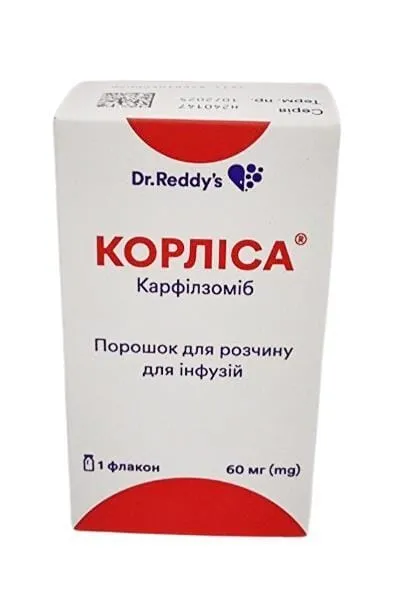
Table of Contents
INSTRUCTION FOR MEDICAL USE OF THE MEDICINAL PRODUCT KORLYSA® (CORLISA®)
Composition:
Active substance: carfilzomib;
1 vial contains 60 mg of carfilzomib;
Excipients: sodium sulfobutyl ether beta-cyclodextrin, citric acid anhydrous, sodium hydroxide.
Pharmaceutical form. Powder for solution for infusion.
Main physicochemical characteristics: lyophilized solid or powder, white or almost white.
Pharmacotherapeutic group. Antineoplastic agents. Other antineoplastic agents. Proteasome inhibitors. Carfilzomib.
ATC code L01XG02.
Pharmacological Properties
Pharmacodynamics
Mechanism of Action
Carfilzomib is a tetrapeptide epoxyketone proteasome inhibitor that selectively and irreversibly binds to the N-terminal threonine of the active sites of the 20S core proteolytic subunit, part of the 26S proteasome, and has minimal or no effect on proteases of other classes. Carfilzomib demonstrated anti-proliferative and pro-apoptotic activity in preclinical models of hematologic malignancies. In animals, carfilzomib inhibited proteasome activity in blood and tissues and slowed tumor growth in multiple myeloma models. In vitro, carfilzomib showed minimal neurotoxicity and minimal reactivity toward non-proteasomal proteases.
Pharmacodynamic Effects
Intravenous administration of carfilzomib resulted in inhibition of proteasome chymotrypsin-like (CT-L) activity measured in blood 1 hour after the first dose. Doses > 15 mg/m² sequentially induced inhibition (> 80%) of CT-L proteasome activity. Additionally, administration of carfilzomib at a dose of 20 mg/m² resulted in inhibition of latent membrane protein type 2 (LMP2) and subunits of multicatalytic endopeptidase complex 1 (MECL1) of immunoproteasomes by 26% to 32% and 41% to 49%, respectively. Proteasome inhibition persisted for > 48 hours after the first dose when administered weekly. Concomitant administration of the drug with lenalidomide and dexamethasone did not affect proteasome inhibition.
At doses greater than 56 mg/m², not only was there increased inhibition of CT-L subunits (> 90%) compared to doses of 15–20 mg/m², but also increased inhibition of other proteasome subunits (LMP7, MECL1, and LMP2). Inhibition of LMP7, MECL1, and LMP2 subunits increased by approximately 8%, 23%, and 34%, respectively, at a dose of 56 mg/m² compared to doses of 15–20 mg/m². This proteasome inhibition by carfilzomib was achieved with infusion durations ranging from 2 to 10 minutes and 30 minutes for two dose levels (20 and 36 mg/m²) tested.
Pharmacokinetics
Absorption
Cmax and AUC values after a 2–10 minute intravenous infusion of a 27 mg/m² dose were 4232 ng/mL and 379 ng×h/mL, respectively. With repeated administration of carfilzomib at doses of 15 and 20 mg/m², systemic exposure (AUC) and elimination half-life on day 1 and day 15 or 16 of the first treatment cycle were similar, indicating no systemic accumulation of carfilzomib. Administration of the drug at doses from 20 mg to 56 mg/m² showed dose-dependent increases in exposure.
With a 30-minute infusion, similar values for half-life and AUC were achieved, but Cmax was 2–3 times lower compared to concentrations observed with a 2–10 minute infusion at the same dose. After a 30-minute infusion at a dose of 56 mg/m², AUC (948 ng×h/mL) was approximately 2.5 times higher than that observed with a 27 mg/m² infusion, while Cmax (2079 ng/mL) was lower compared to that observed with a 27 mg/m² dose administered over 2–10 minutes.
Distribution
The mean volume of distribution at steady state for a 20 mg/m² dose of carfilzomib was 28 L. In vitro experiments showed that carfilzomib binding to human plasma proteins averaged 97% across a concentration range of 0.4 to 4 micromolar.
Biotransformation
Carfilzomib is rapidly and extensively metabolized. The primary metabolites detected in human plasma and urine and formed in vitro in human hepatocytes were peptide fragments and the diol of carfilzomib. This indicates that peptidase cleavage and epoxide hydrolysis are the main metabolic pathways. Cytochrome P450-mediated mechanisms play a negligible role in the overall metabolism of carfilzomib. The metabolites of the drug have no known biological activity.
Elimination
After intravenous administration at doses > 15 mg/m², carfilzomib was rapidly cleared from systemic circulation with an elimination half-life < 1 hour on day 1 of the first treatment cycle. Systemic clearance ranged from 151 to 263 L/h and exceeded hepatic blood flow, indicating that carfilzomib is primarily eliminated via extrahepatic pathways. Carfilzomib is predominantly eliminated through metabolism, with subsequent excretion of its metabolites in urine.
Special Patient Populations
Population pharmacokinetic analysis data indicate no influence of age, sex, or race on the pharmacokinetics of carfilzomib.
Hepatic Impairment
The pharmacokinetics of carfilzomib have not been evaluated in patients with severe hepatic impairment (bilirubin > 3 × ULN [upper limit of normal] and any level of aspartate aminotransferase [AST]). Carfilzomib was administered as monotherapy by intravenous infusion over 30 minutes at a dose of 20 mg/m² on days 1 and 2, and 27 mg/m² on days 8, 9, 15, and 16 of the first cycle. If tolerated, patients received the drug at 56 mg/m² starting from cycle 2. Baseline hepatic function had no notable effect on total systemic exposure (AUClast) of carfilzomib after single or repeated dosing (geometric mean ratio of AUClast at 27 mg/m² on day 16 of cycle 1 in patients with mild and moderate hepatic impairment compared to normal hepatic function was 144.4% and 126.1%, respectively; at 56 mg/m² on day 1 of cycle 2, it was 144.7% and 121.1%, respectively). However, in patients with baseline mild or moderate hepatic impairment, all of whom had solid tumors, there was a higher incidence of hepatic function abnormalities, adverse events > grade 3, and serious adverse events compared to patients with normal hepatic function.
Renal Impairment
Renal function status had no notable effect on carfilzomib exposure after single or repeated administration. The geometric mean ratios of AUClast following a 15 mg/m² dose on day 1 of cycle 1 in patients with mild, moderate, and severe renal impairment and chronic dialysis compared to normal renal function were 124.36%, 111.07%, 84.73%, and 121.72%, respectively. The geometric mean ratios of AUClast following a 27 mg/m² dose on day 16 of cycle 1 and a 56 mg/m² dose on day 1 of cycle 2 in patients with end-stage renal disease compared to normal renal function were 139.72% and 132.75%, respectively. There was a 2- and 3-fold increase in levels of metabolite M14, a peptide fragment and the most prevalent circulating metabolite, in patients with moderate and severe renal impairment, respectively, and a 7-fold increase in patients requiring dialysis (based on AUClast). Exposure to M14 was higher (approximately 4-fold) in patients with end-stage renal disease compared to those with normal renal function. This metabolite has no known biological activity. Serious adverse events related to worsening renal function were more frequently observed in patients with baseline renal dysfunction.
Clinical Characteristics
Indications. The medicinal product is indicated for the treatment of adult patients with multiple myeloma who have received at least one prior anti-tumor therapy, in combination with: daratumumab and dexamethasone, lenalidomide and dexamethasone, or dexamethasone alone.
Contraindications
Hypersensitivity to the active substance or to any of the excipients.
Contraindicated in women during breastfeeding.
When using Corlisa® in combination with other medicinal products, refer also to the contraindications stated in the respective instructions for medical use of those medicinal products.
Interaction with other medicinal products and other forms of interaction
Carfilzomib is predominantly metabolized by peptidase and epoxide hydrolase, and the pharmacokinetic profile of carfilzomib is unlikely to be affected by concomitant use of inhibitors or inducers of cytochrome P450.
In vitro studies have shown that carfilzomib does not induce human CYP3A4 in cultured human hepatocytes. It has been demonstrated that carfilzomib at a dose of 27 mg/m² (2–10-minute infusion) does not affect the pharmacokinetics of midazolam when administered concomitantly. This indicates that carfilzomib does not inhibit the metabolism of CYP3A4/5 substrates and is not an inducer of CYP3A4 in humans. There are no available data regarding the use of a dose of 56 mg/m². However, it is unknown whether carfilzomib is an inducer of CYP1A2, 2C8, 2C9, 2C19, and 2B6 when administered at therapeutic concentrations. Caution should be exercised when administering carfilzomib in combination with medicinal products that are substrates of these enzymes, such as oral contraceptives. Effective measures to prevent pregnancy should be taken; if a patient is using oral contraceptives, an alternative effective method of contraception should be used.
Carfilzomib does not inhibit CYP1A2, 2B6, 2C8, 2C9, 2C19, and 2D6 in vitro, and therefore is not expected to affect the exposure of medicinal products that are substrates of these enzymes through inhibition.
Carfilzomib is a substrate of P-glycoprotein (P-gp), but not of BCRP. However, considering that carfilzomib is administered intravenously and is extensively metabolized, the pharmacokinetic profile of carfilzomib is unlikely to be affected by inhibitors or inducers of P-gp or BCRP. In vitro, at concentrations lower than those expected with therapeutic dosing (3 µM), carfilzomib inhibits the efflux transport of digoxin, a P-gp substrate, by 25%. Caution should be exercised when administering carfilzomib in combination with P-gp substrates (e.g., digoxin, colchicine).
In vitro, carfilzomib inhibits OATP1B1 with an IC50 of 2.01 µM, whereas it is unknown whether carfilzomib may inhibit other transporters such as OATP1B3, OAT1, OAT3, OST2, and BSEP at systemic levels. Carfilzomib does not inhibit human UGT2B7, but inhibits human UGT1A1 with an IC50 of 5.5 µM. However, considering the rapid elimination of carfilzomib, particularly the rapid decline in systemic concentration within 5 minutes after the end of infusion, the risk of clinically significant interactions with OATP1B1 and UGT1A1 substrates is likely low.
Special precautions for use
When using carfilzomib in combination with other medicinal products, refer to the instructions for medical use of these medicinal products prior to initiating carfilzomib therapy. Since lenalidomide may be used in combination with carfilzomib, special attention must be paid to diagnosis and prevention of pregnancy.
Cardiac disorders
Cases of new onset or worsening heart failure (e.g., congestive heart failure, pulmonary edema, reduced left ventricular ejection fraction), ischemia, and myocardial infarction have occurred following carfilzomib administration. Fatal cardiac arrest within 24 hours of carfilzomib infusion has been reported, as well as fatal outcomes associated with heart failure and myocardial infarction.
Adequate hydration is required prior to the first cycle of treatment. All patients should be monitored for signs of hypervolemia, particularly those at risk of heart failure. The total volume of fluid administration may be adjusted according to clinical status in patients with existing heart failure or those at risk of developing it.
In the event of grade 3 or 4 cardiac adverse events, carfilzomib should be discontinued until resolution of such events, and resumption of carfilzomib at a dose reduced by one level should be considered based on benefit-risk assessment.
The risk of heart failure increases in elderly patients (aged > 75 years). Patients of Asian origin also have a higher risk of developing heart failure.
A careful assessment of cardiovascular risk factors is recommended before initiating treatment.
Patients with NYHA class III or IV heart failure, recent history of myocardial infarction (within the last 4 months), or uncontrolled conduction abnormalities are at greater risk of cardiac complications. Patients with signs or symptoms of NYHA class III or IV heart failure, history of myocardial infarction (within the last 4 months), or those with uncontrolled angina or arrhythmias should undergo comprehensive cardiological evaluation before starting carfilzomib therapy. This evaluation should aim to optimize the patient’s condition, with particular attention to blood pressure and hydration control. Caution should be exercised during treatment, and such patients must remain under close monitoring.
Electrocardiographic changes
Cases of QT interval prolongation have been reported in clinical trials, including post-marketing data. Ventricular tachycardia has been observed in patients receiving investigational carfilzomib.
Pulmonary toxicity
Cases of acute respiratory distress syndrome (ARDS), acute respiratory failure, and acute diffuse infiltrative lung disease, such as pneumonia and interstitial lung disease, have been observed in patients receiving carfilzomib. Some of these cases were fatal. The adverse event should be evaluated, and carfilzomib administration should be withheld until resolution. Resumption of carfilzomib therapy should be considered based on benefit-risk assessment.
Pulmonary hypertension
Cases of pulmonary hypertension have been reported in patients receiving carfilzomib. Some of these cases were fatal. Appropriate evaluation is required. Carfilzomib should be withheld in the event of pulmonary hypertension until resolution or return to baseline, and resumption of carfilzomib should be evaluated based on benefit-risk assessment.
Dyspnea
Dyspnea is commonly observed in patients receiving carfilzomib therapy. Dyspnea should be evaluated to exclude cardiopulmonary disorders, including heart failure and pulmonary syndromes. In cases of grade 3 or 4 dyspnea, carfilzomib should be withheld until resolution or return to baseline, and resumption of therapy should be evaluated based on benefit-risk assessment.
Arterial hypertension
Cases of arterial hypertension, including hypertensive crisis and complicated hypertensive crisis, have been reported with carfilzomib use. Some of these cases were fatal. Monitoring of arterial hypertension before and during treatment is recommended. All patients should be regularly monitored for arterial hypertension during carfilzomib therapy, and appropriate treatment should be provided. If hypertension cannot be controlled, the dose of carfilzomib should be reduced. In case of hypertensive crisis, carfilzomib should be withheld until symptoms resolve or return to baseline, and resumption of therapy should be evaluated based on benefit-risk assessment.
Acute renal failure
Cases of acute renal failure have been reported in patients receiving carfilzomib. Some of these cases were fatal. Acute renal failure was more frequently observed in patients with progressive, relapsed, and refractory multiple myeloma receiving carfilzomib monotherapy. The incidence of acute renal failure was higher in patients with lower baseline creatinine clearance compared to those with higher baseline creatinine clearance. In most patients, creatinine clearance stabilized over time. Renal function should be monitored at least once a month or according to current clinical guidelines, particularly in patients with reduced baseline creatinine clearance. Dose reduction or withholding of the medicinal product may be necessary if required.
Tumor lysis syndrome
Cases of tumor lysis syndrome (TLS), including fatal outcomes, have been reported in patients receiving carfilzomib. Patients with high tumor burden are at increased risk of TLS. Ensure adequate hydration prior to carfilzomib administration during cycle 1 and subsequent cycles as needed. Prophylactic use of uric acid-lowering agents may be considered in patients at high risk of TLS. Signs of TLS should be monitored during treatment, including regular measurement of serum electrolytes and appropriate correction of any abnormalities. Carfilzomib administration should be discontinued until TLS manifestations resolve.
Infusion reactions
Infusion reactions, including life-threatening events, have been reported in patients receiving carfilzomib. Symptoms may include fever, chills, arthralgia, myalgia, facial flushing, facial edema, vomiting, weakness, dyspnea, hypotension, syncope, chest tightness, or angina. These reactions may occur immediately or within 24 hours after carfilzomib infusion. To reduce the frequency and severity of these reactions, dexamethasone should be administered prior to carfilzomib infusion.
Bleeding and thrombocytopenia
Cases of bleeding (e.g., gastrointestinal, pulmonary, and intracranial), often associated with thrombocytopenia, have been reported in patients receiving carfilzomib. Some of these cases were fatal.
Carfilzomib may cause thrombocytopenia, with the lowest platelet counts observed on day 8 or day 15 of each 28-day cycle, returning to baseline before the start of the next cycle. Platelet counts should be monitored frequently during carfilzomib therapy. Dose reduction or withholding of the medicinal product may be necessary if required.
Thromboembolic complications
Venous thromboembolic complications, including deep vein thrombosis and pulmonary embolism, some with fatal outcomes, have been reported in patients receiving carfilzomib.
Patients with known risk factors for thromboembolism, including history of thrombosis, should be closely monitored. Measures should be taken to minimize all modifiable risk factors (e.g., smoking, arterial hypertension, hyperlipidemia). Caution should be exercised when co-administering other medicinal products that increase the risk of thrombosis (e.g., erythropoietic agents or hormone replacement therapy). Patients and physicians should remain vigilant for signs and symptoms of thromboembolism. Patients should be advised to seek medical attention if symptoms such as dyspnea, chest pain, hemoptysis, or swelling or pain in arms or legs occur.
Thromboprophylaxis may be considered based on individual benefit-risk assessment.
Hepatotoxicity
Cases of hepatic failure, including fatal outcomes, have been reported. Carfilzomib may cause elevated serum transaminase levels. Dose reduction or withholding of the medicinal product may be necessary if required. Liver enzymes and bilirubin should be monitored at the beginning of treatment and monthly thereafter during carfilzomib therapy, regardless of baseline values.
Thrombotic microangiopathy
Cases of thrombotic microangiopathy, including thrombotic thrombocytopenic purpura and hemolytic uremic syndrome (TTP/HUS), have been reported in patients receiving carfilzomib. Some of these cases were fatal. Monitoring for signs and symptoms of TTP/HUS is required. Carfilzomib should be discontinued if these conditions are suspected, and TTP/HUS should be evaluated. If TTP/HUS is ruled out, carfilzomib therapy may be resumed. The safety of resuming carfilzomib therapy in patients with prior TTP/HUS is unknown.
Reversible posterior encephalopathy syndrome
Cases of reversible posterior encephalopathy syndrome (RPES) have been reported in patients receiving carfilzomib. RPES [previously known as reversible posterior leukoencephalopathy syndrome (RPLS)] is a rare neurological disorder characterized by seizures, headache, lethargy, confusion, blindness, altered level of consciousness, and other visual and neurological disturbances, often associated with arterial hypertension. Diagnosis is confirmed by neuroimaging findings. If RPES is suspected, carfilzomib therapy should be discontinued. The safety of resuming carfilzomib therapy in patients with prior RPES is unknown.
Reactivation of hepatitis B virus (HBV)
Cases of hepatitis B virus (HBV) reactivation have been reported in patients receiving carfilzomib.
All patients should be tested for HBV before starting carfilzomib therapy. For patients with positive HBV serology, prophylactic antiviral therapy should be considered. Clinical and laboratory signs of HBV reactivation should be monitored during and after treatment. Consultation with HBV infection specialists may be necessary. The safety of resuming carfilzomib therapy after adequate control of HBV reactivation is unknown; therefore, resumption of therapy should be discussed with HBV specialists.
Progressive multifocal leukoencephalopathy
Cases of progressive multifocal leukoencephalopathy (PML) have been reported in patients receiving carfilzomib who previously underwent or are receiving concomitant immunosuppressive therapy.
Patients receiving carfilzomib should be monitored for new or worsening neurological, cognitive, or behavioral signs and symptoms suggestive of PML during differential diagnosis of central nervous system disorders.
If PML is suspected, further administration of the medicinal product should be discontinued until a specialist rules out PML through appropriate diagnostic testing. If PML is confirmed, carfilzomib therapy must be discontinued.
Contraception
Women of childbearing potential (and/or their partners) must use effective contraception during treatment and for one month after completion of therapy. Male patients must use effective contraception during treatment and for 3 months after completion of therapy if their partner is pregnant or has reproductive potential and is not using effective contraception. Carfilzomib may reduce the efficacy of oral contraceptives.
Sodium content
One vial of the medicinal product containing 60 mg of carfilzomib contains 216 mg of sodium, equivalent to 11% of the WHO recommended maximum daily intake of 2 g sodium for adults.
Cyclodextrin content
One vial of the medicinal product containing 60 mg of carfilzomib contains 3000 mg of cyclodextrin (sulfobutyl ether beta-cyclodextrin), corresponding to a dose of 88 mg/kg for an adult weighing 70 kg.
Use during pregnancy or breastfeeding
Women of reproductive potential / contraception in men and women
Women of reproductive potential undergoing carfilzomib therapy (and/or their partners) must use effective contraception during treatment and for one month after completion of therapy.
Reduced efficacy of oral contraceptives during carfilzomib therapy cannot be excluded. Additionally, due to the increased risk of venous thromboembolic complications associated with carfilzomib, women should avoid using hormonal contraceptives associated with thrombosis risk during carfilzomib therapy. If a patient is currently using oral contraceptives or a hormonal contraceptive method associated with thrombosis risk, she should be switched to an alternative effective contraceptive method.
Male patients must use effective contraception during and for 3 months after treatment if their partner is pregnant or has reproductive potential and is not using effective contraception.
Pregnancy
Data on carfilzomib use in pregnant women are lacking.
Preclinical studies have shown toxic effects on reproductive function.
Based on its mechanism of action and animal study results, carfilzomib may cause fetal harm when administered to a pregnant woman. Carfilzomib should be used during pregnancy only if the potential benefit justifies the potential risk to the fetus. If carfilzomib is used during pregnancy or if a patient becomes pregnant while receiving this medicinal product, she should be informed of the potential hazard to the fetus.
Lenalidomide, which may be used in combination with carfilzomib, is structurally related to thalidomide. Thalidomide is an active substance with known human teratogenic effects, causing severe, life-threatening congenital malformations. Teratogenic effects of lenalidomide in humans are expected if administered during pregnancy. Patients receiving lenalidomide must comply with the requirements of the pregnancy prevention program, unless there is reliable evidence that the patient lacks reproductive potential (see current lenalidomide medical instructions).
Lactation
It is unknown whether carfilzomib or its metabolites are excreted in human breast milk. Based on its pharmacological properties, risk to the breastfed infant cannot be excluded. Therefore, as a precautionary measure, breastfeeding is contraindicated during and for at least 2 days after carfilzomib treatment.
Fertility
No preclinical data on fertility are available.
Effects on ability to drive and use machines
Carfilzomib has minor influence on the ability to drive and use machines.
Events such as fatigue, dizziness, syncope, blurred vision, somnolence, and/or hypotension have been observed. Patients receiving carfilzomib should be advised to refrain from driving or operating machinery if any of these symptoms occur.
Method of Administration and Dosage
Treatment with the medicinal product Korlisa® should be conducted under the supervision of a physician experienced in the use of anticancer agents.
Dosage
The dose is calculated according to the patient's body surface area (BSA). Patients with a BSA greater than 2.2 m² should receive the dose calculated for a BSA of 2.2 m². Dose adjustment is not required if changes in body weight do not exceed 20%.
Korlisa® in combination with lenalidomide and dexamethasone
When used in combination with lenalidomide and dexamethasone, the medicinal product is administered as a 10-minute intravenous infusion on two consecutive days each week for three weeks (days 1, 2, 8, 9, 15, and 16), followed by a 12-day break (days 17–28), as shown in Table 1. Each 28-day period is considered one treatment cycle.
The initial dose of carfilzomib is 20 mg/m² (maximum dose — 44 mg) on days 1 and 2 of the first cycle. If the patient tolerates the initial dose, it should be increased to 27 mg/m² on day 8 of the first cycle (maximum dose — 60 mg). Starting from cycle 13, administration of carfilzomib on days 8 and 9 is omitted.
Treatment may continue until disease progression or until signs of unacceptable toxicity occur.
Continuation of the medicinal product in combination with lenalidomide and dexamethasone beyond 18 cycles should be based on an individual benefit-risk assessment, as data on the tolerability and toxicity of carfilzomib beyond 18 cycles are limited.
Lenalidomide in combination with the medicinal product is administered orally at a dose of 25 mg on days 1–21, and dexamethasone is administered orally or intravenously at a dose of 40 mg on days 1, 8, 15, and 22 of each 28-day cycle. Appropriate reduction of the initial lenalidomide dose should be considered according to the current instructions for medical use of lenalidomide, for example, in patients with pre-existing renal impairment. Dexamethasone should be administered 30 minutes to 4 hours prior to infusion of the medicinal product.
Table 1
Korlisa® in combination with lenalidomide and dexamethasonea
| Cycle 1 |
|||||||||||
| Week 1 |
Week 2 |
Week 3 |
Week 4 |
||||||||
| Day 1 |
Day 2 |
Days 3–7 |
Day 8 |
Day 9 |
Days 10–14 |
Day 15 |
Day 16 |
Days 17–21 |
Day 22 |
Days 23–28 |
|
| Kyprolis® (mg/m²) |
20 |
20 |
- |
27 |
27 |
- |
27 |
27 |
- |
- |
- |
| Dexamethasone (mg) |
40 |
- |
- |
40 |
- |
- |
40 |
- |
- |
40 |
- |
| Lenalidomide |
25 mg once daily |
- |
- |
||||||||
| Cycles 2 through 12 |
|||||||||||
| Week 1 |
Week 2 |
Week 3 |
Week 4 |
||||||||
| Day 1 |
Day 2 |
Days 3–7 |
Day 8 |
Day 9 |
Days 10–14 |
Day 15 |
Day 16 |
Days 17–21 |
Day 22 |
Days 23–28 |
|
| Kyprolis® (mg/m²) |
27 |
27 |
- |
27 |
27 |
- |
27 |
27 |
- |
- |
- |
| Dexamethasone (mg) |
40 |
- |
- |
40 |
- |
- |
40 |
- |
- |
40 |
- |
| Lenalidomide |
25 mg once daily |
- |
- |
||||||||
| Cycles starting from 13 |
|||||||||||
| Week 1 |
Week 2 |
Week 3 |
Week 4 |
||||||||
| Day 1 |
Day 2 |
Days 3–7 |
Day 8 |
Day 9 |
Days 10–14 |
Day 15 |
Day 16 |
Days 17–21 |
Day 22 |
Days 23–28 |
|
| Kyprolis® (mg/m²) |
27 |
27 |
- |
- |
- |
- |
27 |
27 |
- |
- |
- |
| Dexamethasone (mg) |
40 |
- |
- |
40 |
- |
- |
40 |
- |
- |
40 |
- |
| Lenalidomide |
25 mg once daily |
- |
- |
||||||||
a The infusion time is 10 minutes and remains unchanged throughout the treatment period.
Kyprolis® in combination with dexamethasone
When used in combination with dexamethasone, the medicinal product is administered as a 30-minute intravenous infusion on two consecutive days each week for three weeks (days 1, 2, 8, 9, 15, and 16), followed by a 12-day break (days 17–28), as shown in Table 2. Each 28-day period is considered one treatment cycle.
The initial dose of carfilzomib on days 1 and 2 of the first cycle is 20 mg/m² (maximum dose—44 mg). If the patient tolerates the initial dose, it should be escalated to 56 mg/m² on day 8 of the first cycle (maximum dose 123 mg).
Treatment may continue until disease progression or until signs of unacceptable toxicity appear.
When the medicinal product is used in combination with dexamethasone alone, dexamethasone should be administered orally or intravenously at a dose of 20 mg on days 1, 2, 8, 9, 15, 16, 22, and 23 of each 28-day cycle. Dexamethasone should be administered 30 minutes to 4 hours prior to carfilzomib infusion.
Table 2
Kyprolis® in combination with dexamethasone alonea
| Cycle 1 |
||||||||||||
| Week 1 |
Week 2 |
Week 3 |
Week 4 |
|||||||||
| Day 1 |
Day 2 |
Days 3–7 |
Day 8 |
Day 9 |
Days 10–14 |
Day 15 |
Day 16 |
Days 17–21 |
Day 22 |
Day 23 |
Days 24–28 |
|
| Korlysa® (mg/m²) |
20 |
20 |
- |
56 |
56 |
- |
56 |
56 |
- |
- |
- |
- |
| Dexamethasone (mg) |
20 |
20 |
- |
20 |
20 |
- |
20 |
20 |
- |
20 |
20 |
- |
| Cycle 2 and all subsequent cycles |
||||||||||||
| Week 1 |
Week 2 |
Week 3 |
Week 4 |
|||||||||
| Day 1 |
Day 2 |
Days 3–7 |
Day 8 |
Day 9 |
Days 10–14 |
Day 15 |
Day 16 |
Days 17–21 |
Day 22 |
Day 23 |
Days 24–28 |
|
| Korlysa® (mg/m²) |
56 |
56 |
- |
56 |
56 |
- |
56 |
56 |
- |
- |
- |
- |
| Dexamethasone (mg) |
20 |
20 |
- |
20 |
20 |
- |
20 |
20 |
- |
20 |
20 |
- |
Carfilzomib in combination with daratumumab and dexamethasone
When administered in combination with daratumumab and dexamethasone, the medicinal product is given as a 30-minute intravenous infusion on two consecutive days each week for three weeks (days 1, 2, 8, 9, 15, and 16), followed by a 12-day break (days 17–28), as outlined in Table 3. Each 28-day period is considered one treatment cycle.
The initial dose of the medicinal product on days 1 and 2 of the first cycle is 20 mg/m² (maximum dose — 44 mg). If the patient tolerates the initial dose, it should be increased to 56 mg/m² on day 8 of the first cycle (maximum dose 123 mg).
Treatment may continue until disease progression or occurrence of unacceptable toxicity.
Dexamethasone is administered orally or intravenously at a dose of 20 mg on days 1, 2, 8, 9, 15, and 16, and 40 mg orally or intravenously on day 22 of each 28-day cycle. For patients aged >75 years, 20 mg of dexamethasone is administered orally or intravenously weekly after the first week. Dexamethasone should be given 30 minutes to 4 hours prior to administration of Carfilzomib.
Daratumumab can be administered intravenously or subcutaneously.
Daratumumab is administered intravenously at a dose of 16 mg/kg of actual body weight, divided into two 8 mg/kg doses, on days 1 and 2 of the first cycle. Subsequently, daratumumab is administered at 16 mg/kg once weekly on days 8, 15, and 22 of the first cycle and on days 1, 8, 15, and 22 of the second cycle, then every 2 weeks for 4 cycles (cycles 3–6), and thereafter every 4 weeks for the remaining cycles or until disease progression.
Alternatively, daratumumab may be administered subcutaneously at a dose of 1800 mg on days 1, 8, 15, and 22 of the first cycle and on days 1, 8, 15, and 22 of the second cycle, then every 2 weeks for 4 cycles (cycles 3–6), and thereafter every 4 weeks for the remaining cycles or until disease progression.
On days when more than one of these medicinal products is administered, the recommended sequence of administration is as follows: dexamethasone, pre-infusion medications for daratumumab (see section "Concomitant medication" below), carfilzomib, daratumumab, and post-infusion medications for daratumumab (see section "Concomitant medication" below).
See also the prescribing information for daratumumab and dexamethasone.
Table 3
Carfilzomib in combination with dexamethasone and daratumumaba
| Cycle 1 |
||||||||||||
| Week 1 |
Week 2 |
Week 3 |
Week 4 |
|||||||||
| Day 1 |
Day 2 |
Days 3–7 |
Day 8 |
Day 9 |
Days 10–14 |
Day 15 |
Day 16 |
Days 17–21 |
Day 22 |
Day 23 |
Days 24–28 |
|
| Corlisa® (mg/m²) |
20 |
20 |
- |
56 |
56 |
- |
56 |
56 |
- |
- |
|
- |
| Dexamethasone (mg)b |
20 |
20 |
- |
20 |
20 |
- |
20 |
20 |
- |
40 |
- |
- |
| Daratumumab (intravenous or subcutaneous) |
||||||||||||
| Intravenous (mg/kg) |
8 |
8 |
- |
16 |
- |
- |
16 |
- |
- |
16 |
- |
- |
| Subcutaneous (mg) |
1800 |
- |
- |
1800 |
- |
- |
1800 |
- |
- |
1800 |
- |
- |
| Cycle 2 |
||||||||||||
| Week 1 |
Week 2 |
Week 3 |
Week 4 |
|||||||||
| Day 1 |
Day 2 |
Days 3–7 |
Day 8 |
Day 9 |
Days 10–14 |
Day 15 |
Day 16 |
Days 17–21 |
Day 22 |
Day 23 |
Days 24–28 |
|
| Corlisa® (mg/m²) |
56 |
56 |
- |
56 |
56 |
- |
56 |
56 |
- |
- |
- |
- |
| Dexamethasone (mg)b |
20 |
20 |
- |
20 |
20 |
- |
20 |
20 |
- |
40 |
- |
|
| Daratumumab (intravenous or subcutaneous) |
||||||||||||
| Intravenous (mg/kg) |
16 |
- |
- |
16 |
- |
- |
16 |
- |
|
16 |
- |
- |
| Subcutaneous (mg) |
1800 |
- |
- |
1800 |
- |
- |
1800 |
- |
- |
1800 |
- |
- |
| Cycles 3–6 |
||||||||||||
| Week 1 |
Week 2 |
Week 3 |
Week 4 |
|||||||||
| Day 1 |
Day 2 |
Days 3–7 |
Day 8 |
Day 9 |
Days 10–14 |
Day 15 |
Day 16 |
Days 17–21 |
Day 22 |
Day 23 |
Days 24–28 |
|
| Corlisa® (mg/m²) |
56 |
56 |
- |
56 |
56 |
- |
56 |
56 |
- |
- |
- |
- |
| Dexamethasone (mg)b |
20 |
20 |
- |
20 |
20 |
- |
20 |
20 |
- |
40 |
- |
- |
| Daratumumab (intravenous or subcutaneous) |
||||||||||||
| Intravenous (mg/kg) |
16 |
- |
|
- |
- |
- |
16 |
- |
- |
- |
- |
- |
| Subcutaneous (mg) |
1800 |
- |
- |
1800 |
- |
- |
1800 |
- |
- |
1800 |
- |
- |
| Cycle 7 and all subsequent cycles |
||||||||||||
| Week 1 |
Week 2 |
Week 3 |
Week 4 |
|||||||||
| Day 1 |
Day 2 |
Days 3–7 |
Day 8 |
Day 9 |
Days 10–14 |
Day 15 |
Day 16 |
Days 17–21 |
Day 22 |
Day 23 |
Days 24–28 |
|
| Corlisa® (mg/m²) |
56 |
56 |
- |
56 |
56 |
- |
56 |
56 |
- |
- |
- |
- |
| Dexamethasone (mg)b |
20 |
20 |
- |
20 |
20 |
- |
20 |
20 |
- |
40 |
- |
- |
| Daratumumab (intravenous or subcutaneous) |
||||||||||||
| Intravenous (mg/kg) |
16 |
- |
- |
- |
- |
- |
- |
- |
- |
- |
- |
- |
| Subcutaneous (mg) |
1800 |
- |
- |
- |
- |
- |
- |
- |
- |
- |
- |
- |
a The infusion time is 30 minutes and remains unchanged throughout the treatment.
b For patients aged > 75 years, dexamethasone should be administered at a dose of 20 mg orally or intravenously weekly after the first week.
Concomitant Medications
For patients receiving the medicinal product Korlym®, consideration should be given to initiating antiviral prophylaxis to reduce the risk of herpes zoster reactivation.
For patients receiving the medicinal product Korlym® in combination with dexamethasone or lenalidomide and dexamethasone, thromboprophylaxis is recommended, based on an assessment of individual risk factors and the patient's clinical condition. For other concomitant medications that may be required, such as antacids, refer to the current prescribing information for lenalidomide and dexamethasone.
For patients receiving the medicinal product Korlym® in combination with daratumumab and dexamethasone, appropriate premedications should be administered prior to infusion to reduce the risk of infusion reactions to daratumumab.
For information on concomitant medications, including those administered before and after infusion, refer to the prescribing information for daratumumab.
Monitoring of Hydration, Electrolyte, and Fluid Balance
Adequate hydration is required prior to the first dose in Cycle 1, particularly for patients at high risk of tumor lysis syndrome or renal toxicity. All patients should be monitored for signs of hypervolemia, and fluid requirements should be determined according to individual patient needs. The total fluid volume may be adjusted according to clinical indications in patients with pre-existing heart failure or at risk of developing heart failure.
Recommended hydration includes both oral fluid intake (30 mL/kg/day for 48 hours up to Day 1 of Cycle 1) and intravenous fluid administration (250 mL to 500 mL of appropriate intravenous fluid prior to each dose in Cycle 1). An additional 250 mL to 500 mL of intravenous fluids should be administered as needed after administration of Korlym® in Cycle 1. Oral and/or intravenous hydration should be continued as needed in subsequent cycles.
When used in combination with intravenous daratumumab, oral and/or intravenous hydration is not required on days when daratumumab is administered intravenously.
Serum potassium levels should be monitored monthly or more frequently during treatment with the medicinal product, depending on baseline potassium levels, concomitant therapies (e.g., medications that increase the risk of hypokalemia), and comorbid conditions.
Dose Modification Recommendations
Dose adjustments of the medicinal product Korlym® are required in the event of toxicity. Recommended actions and dose modification schedules are provided in Table 4. Data on dose reductions are presented in Table 5.
Table 4
Dose modifications during treatment with the medicinal product Korlym®
| Hematological toxicity |
Recommended action |
|
|
|
|
|
|
| Non-hematological toxicity (renal) |
Recommended action |
or
|
|
| Other non-hematological toxicity |
Recommended action |
|
|
a Dose reduction is provided in Table 5.
Table 5
Dose reduction of the medicinal product
| Dosing regimen |
Dose |
First dose reduction level |
Second dose reduction level |
Third dose reduction level |
| Carlysa®, lenalidomide, and dexamethasone |
27 mg/m² |
20 mg/m² |
15 mg/m² a |
- |
| Carlysa® and dexamethasone |
56 mg/m² |
45 mg/m² |
36 mg/m² |
27 mg/m² a |
| Carlysa®, daratumumab, and dexamethasone |
56 mg/m² |
45 mg/m² |
36 mg/m² |
27 mg/m² a |
Note: The infusion time of the medicinal product remains unchanged when the dose level is reduced.
a If symptoms persist, administration of the medicinal product must be discontinued.
Special patient groups
Renal impairment
Patients with moderate or severe renal impairment were included in the carfilzomib/dexamethasone combination studies, but were excluded from the carfilzomib/lenalidomide combination studies.
Data on carfilzomib in combination with lenalidomide and dexamethasone in patients with creatinine clearance (CrCl) < 50 mL/min are limited. An appropriate initial dose reduction of lenalidomide for patients with pre-existing renal impairment should be administered according to the lenalidomide medical product information.
Based on available pharmacokinetic data, no initial dose adjustment of the medicinal product is recommended for patients with mild, moderate or severe pre-existing renal impairment or for patients on chronic dialysis. The incidence of adverse events of acute renal failure was higher in patients with lower baseline creatinine clearance compared to patients with higher baseline creatinine clearance.
Renal function should be assessed at the start of treatment and monitored at least once a month or according to accepted clinical guidelines, especially in patients with reduced baseline creatinine clearance (CrCl < 30 mL/min). Dose adjustments should be made accordingly based on toxicity (see Table 4). Data on efficacy and safety in patients with baseline creatinine clearance < 30 mL/min are limited.
Since dialysis clearance of carfilzomib concentrations has not been studied, the medicinal product should be administered after the dialysis procedure.
Hepatic impairment
Patients with moderate or severe hepatic impairment were excluded from studies of carfilzomib in combination with lenalidomide and dexamethasone or with dexamethasone alone.
The pharmacokinetics of carfilzomib have not been evaluated in patients with severe hepatic impairment. Based on available pharmacokinetic data, no initial dose adjustment is recommended for patients with mild or moderate hepatic impairment. However, patients with pre-existing mild or moderate hepatic impairment experienced a higher incidence of hepatic disorders, grade 3 or higher adverse events, and serious adverse events compared to patients with normal hepatic function. Liver enzymes and bilirubin should be determined at the start of treatment and monitored monthly during carfilzomib therapy regardless of baseline values; appropriate dose adjustments should be made based on toxicity (see Table 4). Particular caution is required in patients with moderate or severe hepatic impairment due to the limited data on efficacy and safety in this population.
Elderly patients
Overall, the incidence of certain adverse events (including heart failure) was higher in patients aged > 75 years compared to patients aged < 75 years.
Paediatric population
The safety and efficacy of carfilzomib in children have not been established. Data are lacking.
Method of administration
The medicinal product must be administered by intravenous infusion. The 20/27 mg/m² dose should be administered over 10 minutes. The 20/56 mg/m² dose should be administered over 30 minutes.
The medicinal product Corlisa® must not be administered by intravenous bolus or rapid push injection.
The intravenous administration set should be flushed with either 0.9 % sodium chloride solution or 5 % glucose solution for injection immediately before and after administration of the medicinal product.
The medicinal product must not be mixed or co-administered by infusion with other medicinal products.
Instructions for reconstitution of the medicinal product prior to administration are provided below.
Safety precautions
Carfilzomib is a cytotoxic agent. Therefore, caution should be exercised when handling and preparing the medicinal product solution. The use of protective gloves and other protective equipment is recommended.
Reconstitution (dilution) and preparation of solution prior to administration
The medicinal product does not contain antimicrobial preservatives and is intended for single use only. Appropriate aseptic techniques should be followed.
The reconstituted solution contains carfilzomib at a concentration of 2 mg/mL. Read the full instructions for solution preparation before reconstitution.
- Calculate the dose (mg/m²) and the required number of vials according to the patient's baseline body surface area (BSA). Patients with a BSA greater than 2.2 m² should receive a dose calculated for a BSA of 2.2 m². Dose adjustment is not required if changes in body weight do not exceed 20 %.
- Remove the vial from the refrigerator immediately before use.
- Use only a 21-gauge or larger needle (a needle with an outer diameter of 0.8 mm or less) to aseptically reconstitute the product from each vial by slowly injecting 29 mL of sterile water for injection through the stopper, directing the stream of liquid against the VIAL WALL to minimize foaming.
- Gently and slowly mix the vial contents by swirling and/or inverting the vial for approximately 1 minute or until complete dissolution. DO NOT SHAKE. If foaming occurs, allow the solution to stand undisturbed in the vial until the foam dissipates (approximately 5 minutes) and the solution becomes clear.
- Visually inspect the solution for particulate matter and discoloration prior to administration. The reconstituted solution should be clear and colourless. If there is any discoloration or presence of particulate matter, the solution must not be administered.
- Any unused medicinal product remaining in the vial must be discarded.
- The medicinal product Corlisa® may be administered directly by intravenous infusion or alternatively via an intravenous infusion bag. Intravenous bolus or rapid push injection is prohibited.
- When administering via an intravenous infusion bag, withdraw the calculated dose from the vial using only a 21-gauge or larger needle (a needle with an outer diameter not exceeding 0.8 mm) and dilute in a 50 or 100 mL infusion bag containing 5 % glucose solution for injection.
Diluted solution
Chemical and physical stability of diluted solutions in vials, syringes or infusion bags has been demonstrated for 24 hours at 2–8 °C or for 4 hours at 25 °C. However, the time from dilution to administration must not exceed 24 hours.
From a microbiological standpoint, the solution should be used immediately after preparation. If the medicinal product is not used immediately, the responsibility for storage time and conditions lies with the user. The storage period of the solution must not exceed 24 hours at a temperature of 2 to 8 °C.
Disposal
Any unused medicinal product remaining in the vial must be disposed of according to requirements.
Children
The safety and efficacy of carfilzomib in children have not been established. Relevant data are lacking.
Overdose
Currently, there are insufficient data to draw conclusions about the safety of higher doses. Following accidental administration of 200 mg carfilzomib, acute onset of chills, arterial hypotension, renal failure, thrombocytopenia and lymphopenia have been reported.
There are no known specific antidotes for carfilzomib overdose. In case of overdose, the patient should be closely monitored, particularly for adverse reactions resulting from carfilzomib administration.
Adverse Reactions
Overview of the drug safety profile
Serious adverse reactions that may occur during treatment with carfilzomib include: heart failure, myocardial infarction, cardiac arrest, myocardial ischemia, interstitial lung disease, pneumonia, acute respiratory distress syndrome, acute respiratory failure, pulmonary hypertension, dyspnea, arterial hypertension including hypertensive crisis, acute renal failure, tumor lysis syndrome, infusion reactions, gastrointestinal hemorrhage, intracranial hemorrhage, pulmonary hemorrhage, thrombocytopenia, hepatic failure, reactivation of hepatitis B virus, posterior reversible encephalopathy syndrome (PRES), thrombotic microangiopathy, and thrombotic thrombocytopenic purpura/hemolytic-uremic syndrome (TTP/HUS). In clinical studies of carfilzomib, cardiotoxicity and dyspnea generally occurred early in the course of carfilzomib treatment. The most common adverse reactions (occurring in > 20% of patients) were: anemia, fatigue, thrombocytopenia, nausea, diarrhea, pyrexia, dyspnea, respiratory tract infections, cough, and neutropenia.
Following administration of initial doses of carfilzomib at 20 mg/m², the dose was escalated to 27 mg/m² in study PX-171-009 and to 56 mg/m² in study 2011-003. Cross-trial comparisons of adverse reactions observed in the carfilzomib and dexamethasone (Kd) group in study 2011-003 versus the carfilzomib, lenalidomide, and dexamethasone (KRd) group in study PX-171-009 suggest a potential dose dependency for the following adverse reactions: heart failure (Kd 8.2%, KRd 6.4%), dyspnea (Kd 30.9%, KRd 22.7%), arterial hypertension (Kd 25.9%, KRd 15.8%), and pulmonary hypertension (Kd 1.3%, KRd 0.8%).
In study 20160275, which compared carfilzomib in combination with daratumumab and dexamethasone (KdD) versus carfilzomib with dexamethasone (Kd), the mortality rate due to adverse events within 30 days after the last dose of any study treatment was 10% in the KdD group and 5% in the Kd group. The most common cause of fatal outcome in patients in both groups (KdD vs. Kd) was infections (5% vs. 3%). The risk of treatment-emergent adverse events with fatal outcomes was higher in patients aged ≥ 65 years. Serious adverse events were reported in 56% of patients in the KdD group and in 46% of patients in the Kd group. The most common serious adverse events reported in the KdD group compared to the Kd group were anemia (2% vs. 1%), diarrhea (2% vs. 0%), pyrexia (4% vs. 2%), pneumonia (12% vs. 9%), influenza (4% vs. 1%), sepsis (4% vs. 1%), and bronchitis (2% vs. 0%).
List of adverse reactions
Adverse reactions are listed below by system organ class and frequency (see Table 6). The frequency of adverse reactions was determined based on pooled clinical study data (n = 3878). Within each organ system class and frequency category, adverse reactions are presented in order of decreasing severity.
Table 6
Tabulated list of adverse reactions
| MedDRA System Organ Classes [Medical Dictionary for Regulatory Activities] |
Very common (> 1/10) |
Common (from > 1/100 to < 1/10) |
Uncommon (from > 1/1000 to <1/100) |
Rare (from > 1/10000 to < 1/1000) |
| Infections and infestations |
Pneumonia, respiratory tract infections |
Sepsis, pulmonary infections, influenza, herpes zoster*, urinary tract infections, bronchitis, gastroenteritis, viral infection, nasopharyngitis, rhinitis |
Clostridium difficile-induced colitis, cytomegalovirus infection, reactivation of hepatitis B virus |
|
| Immune system disorders |
Drug hypersensitivity |
|||
| Blood and lymphatic system disorders |
Thrombocytopenia, neutropenia, anemia, lymphopenia, leukopenia |
Febrile neutropenia |
HUS, TTP |
Thrombotic microangiopathy |
| Metabolism and nutrition disorders |
Hypokalemia, decreased appetite |
Dehydration, hyperkalemia, hypomagnesemia, hyponatremia, hypercalcemia, hypocalcemia, hypophosphatemia, hyperuricemia, hypoalbuminemia, hyperglycemia |
Tumor lysis syndrome |
|
| Psychiatric disorders |
Insomnia |
Anxiety, confusion |
||
| Nervous system disorders |
Dizziness, peripheral neuropathy, headache |
Paraesthesia, hypoaesthesia |
Intracranial haemorrhage, cerebrovascular disorder (acute impairment of cerebral circulation), PRES |
|
| Eye disorders |
Cataract, blurred vision |
|||
| Ear and labyrinth disorders |
Tinnitus |
|||
| Cardiac disorders |
Heart failure, myocardial infarction, atrial fibrillation, tachycardia, decreased ejection fraction, palpitations |
Cardiac arrest, cardiomyopathy, myocardial ischemia, pericarditis, pericardial effusion, ventricular tachycardia |
QT interval prolongation |
|
| Vascular disorders |
Arterial hypertension |
Deep vein thrombosis, hypotension, flushing |
Hypertensive crisis, haemorrhage |
Hypertensive emergency |
| Respiratory, thoracic and mediastinal disorders |
Dyspnoea, cough |
Pulmonary embolism, pulmonary oedema, epistaxis, oropharyngeal pain, dysphonia, wheezing, pulmonary hypertension |
ARDS, acute respiratory failure, pulmonary haemorrhage, interstitial lung disease, pneumonia |
|
| Gastrointestinal disorders |
Vomiting, diarrhoea, constipation, abdominal pain, nausea |
Gastrointestinal haemorrhage, dyspepsia, toothache |
Gastrointestinal perforation, acute pancreatitis |
|
| Hepatobiliary disorders |
Increased alanine aminotransferase, increased aspartate aminotransferase, increased gamma-glutamyl transferase, hyperbilirubinaemia |
Hepatic failure, cholestasis |
||
| Skin and subcutaneous tissue disorders |
Rash, pruritus, erythema, hyperhidrosis |
Angioneurotic oedema |
||
| Musculoskeletal and connective tissue disorders |
Back pain, arthralgia, limb pain, muscle spasms |
Musculoskeletal pain, chest musculoskeletal pain, bone pain, myalgia, muscle weakness |
||
| Renal and urinary disorders |
Increased blood creatinine |
Acute renal failure, renal failure, renal impairment, decreased creatinine clearance |
||
| General disorders and administration site conditions |
Pyrexia, peripheral oedema, asthenia, fatigue, chills |
Chest pain, pain, infusion site reactions, influenza-like illness, malaise |
Multiple organ dysfunction syndrome |
|
| Investigations |
Increased C-reactive protein, increased blood uric acid |
|||
| Injury, poisoning and procedural complications |
Infusion reaction |
* Frequency is calculated based on data from clinical trials in which the majority of patients used prophylactic medications.
Description of selected adverse reactions
Heart failure, myocardial infarction, and myocardial ischemia
Heart failure occurred in approximately 5% of patients treated with carfilzomib (3% of patients experienced events ≥ grade 3), myocardial infarction was observed in approximately 1% of patients (1% of patients experienced events ≥ grade 3), and myocardial ischemia occurred in approximately <1% of patients (<1% of patients experienced events ≥ grade 3). These events typically occurred early in the course of carfilzomib therapy (<5 cycles).
In study 20160275, the overall incidence of cardiac disorders (any grade) in the subgroup of patients with pre-existing vascular disorders or baseline arterial hypertension was 29.9% vs 19.8% (KdD vs Kd) and 30.6% vs 18.1%, respectively. The frequency of fatal cardiac events was 1.9% vs 0.0% (KdD vs Kd) and 1.5% vs 0.0%, respectively. No single type of cardiac adverse event accounted for the difference between the KdD and Kd groups in the subgroup of patients with baseline vascular disorders or hypertension.
For clinical management of cardiac disorders during carfilzomib treatment, see section "Special precautions for use".
Shortness of breath
Dyspnea was reported in approximately 24% of patients receiving carfilzomib. The majority of dyspnea-related adverse reactions were non-serious (events ≥ grade 3 occurred in <5% of patients), resolved spontaneously, rarely led to treatment discontinuation, and occurred early (<3 cycles).
For clinical management of dyspnea during carfilzomib treatment, see section "Special precautions for use".
Arterial hypertension, including hypertensive crisis
Cases of hypertensive crises (hypertensive emergency or hypertensive urgency) have been reported after carfilzomib administration. Some of these cases were fatal. Adverse events of arterial hypertension were observed in approximately 21% of patients, with arterial hypertension ≥ grade 3 reported in 8% of patients, while hypertensive crises occurred in <0.5% of patients. The incidence of arterial hypertension adverse events was similar among patients with and without a history of arterial hypertension.
For clinical management of arterial hypertension during carfilzomib treatment, see section "Special precautions for use".
Thrombocytopenia
Thrombocytopenia was reported in approximately 33% of patients receiving carfilzomib, with approximately 20% experiencing events ≥ grade 3. In study 20160275, the incidence of thrombocytopenia ≥ grade 3 was 24.4% in the KdD group and 16.3% in the Kd group. Carfilzomib causes thrombocytopenia by inhibiting platelet formation from megakaryocytes, resulting in classical cyclic thrombocytopenia with the lowest platelet counts occurring on day 8 or 15 of each 28-day cycle; recovery to baseline levels usually occurs before the start of the next cycle.
For clinical management of thrombocytopenia during carfilzomib treatment, see section "Special precautions for use".
Venous thromboembolic complications
Venous thromboembolic complications, including deep vein thrombosis and pulmonary embolism with fatal outcomes, have been reported in patients receiving carfilzomib. The overall incidence of venous thromboembolic complications was higher in patients treated with carfilzomib.
The overall incidence of venous thromboembolic complications was higher in the carfilzomib groups across three phase 3 studies. In study PX-171-009, the incidence of venous thromboembolic complications was 15.6% in the KRd group and 9.0% in the Rd group. Venous thromboembolic complications ≥ grade 3 were reported in 5.6% of patients in the KRd group and 3.9% in the Rd group. In study 2011-003, the incidence was 12.5% in the Kd group and 3.3% in the bortezomib + dexamethasone (Vd) group. Venous thromboembolic complications ≥ grade 3 were reported in 3.5% of patients in the Kd group and 1.8% in the Vd group. In study 20160275, the incidence was 6.2% in the KdD group and 11.1% in the Kd group. Venous thromboembolic complications ≥ grade 3 were reported in 1.9% of patients in the KdD group and 6.5% in the Kd group.
Hepatic failure
Cases of hepatic failure, including fatal outcomes, have been reported in <1% of patients treated with carfilzomib.
For clinical management of hepatic toxicity during carfilzomib treatment, see section "Special precautions for use".
Peripheral neuropathy
In a randomized, open-label, multicenter study comparing carfilzomib at a dose of 20/56 mg/m² over 30 minutes in combination with dexamethasone (Kd, n = 464) versus bortezomib + dexamethasone (Vd, n = 465), at the time of planned overall survival analysis, peripheral neuropathy of grade 2 or higher occurred in 7% of patients with relapsed multiple myeloma in the Kd group compared to 35% in the Vd group. In study 20160275, peripheral neuropathy of grade 2 or higher occurred in 10.1% of patients with relapsed multiple myeloma in the KdD group compared to 3.9% in the Kd group.
Infusion reactions
An increased risk of infusion reactions was observed when carfilzomib was administered with daratumumab in study 20160275.
Respiratory tract infections
In study 20160275, respiratory tract infections reported as serious adverse reactions occurred in both treatment groups (27.6% in the KdD group and 15.0% in the Kd group). Pneumonia, defined as a serious adverse reaction, occurred in both treatment groups (15.3% in the KdD group and 9.8% in the Kd group). Fatal cases occurred in 1.3% and 0% of patients in the KdD and Kd groups, respectively.
Secondary primary malignancies
In study 20160275, secondary primary malignancies were reported in both treatment groups (1.9% in the KdD group and 1.3% in the Kd group).
Opportunistic infections
In study 20160275, opportunistic infections were reported in both treatment groups (9.4% in the KdD group and 3.9% in the Kd group). Opportunistic infections observed in ≥1% of patients in the KdD group included herpes zoster, oral candidiasis, oral herpes, and herpes simplex.
Hepatitis B reactivation
In study 20160275, the incidence of hepatitis B reactivation was 0.6% in the KdD group versus 0% in the Kd group.
Specific patient populations
Elderly patients (aged >75 years)
Overall, the incidence of certain adverse events (including cardiac arrhythmias, heart failure, dyspnea, leukopenia, and thrombocytopenia) with carfilzomib was higher in patients aged >75 years compared to those aged <75 years.
In study 20160275, 47% of the 308 patients receiving KdD 20/56 mg/m² twice weekly were aged ≥65 years. In the KdD study group, treatment-related fatal adverse events occurred in 6% of patients aged <65 years and 14% of patients aged ≥65 years. In the Kd group, these events occurred in 8% of patients aged <65 years and 3% of patients aged ≥65 years.
Reporting of adverse reactions
Reporting of adverse reactions after marketing authorization is of great importance. It allows continuous monitoring of the benefit-risk balance of the medicinal product.
Healthcare professionals and pharmacists, as well as patients or their legal representatives, should report all suspected adverse reactions and lack of efficacy through the automated pharmacovigilance information system at the following link: https://aisf.dec.gov.ua/.
Shelf life. 2 years.
Storage conditions
Store in a refrigerator at 2°C to 8°C. Do not freeze. Keep in the original packaging to protect from light.
Keep out of reach of children.
Incompatibilities
Due to the lack of compatibility studies, this medicinal product should not be mixed with other medicinal products.
The medicinal product Corlisa®, powder for solution for infusion, must not be mixed with 9 mg/mL (0.9%) sodium chloride injection solution.
Packaging. 1 vial per cardboard box.
Prescription status. Prescription only.
Manufacturer. Dr. Reddy’s Laboratories Ltd, FTO-7.
Manufacturer’s address and location of its operations
Sectors No. R1-R9, Phase - III, SEZ, Duvvada, Visakhapatnam District, Andhra Pradesh, 530046, India.
You can report an adverse reaction or lack of efficacy during the use of the medicinal product by calling (24/7):
+380 44 207 51 97 or +380 50 414 39 39; or by email: [email protected]