Complivit
Ukraine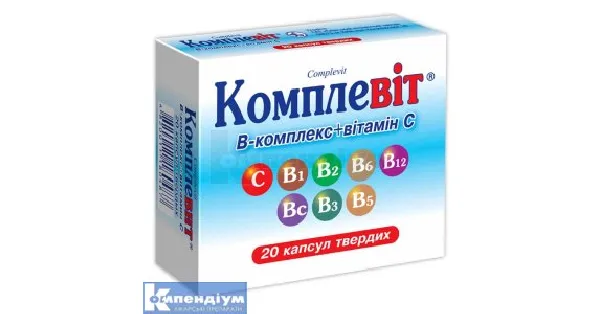
Table of Contents
INSTRUCTIONS FOR MEDICAL USE OF THE MEDICINAL PRODUCT COMPLEVIT® (COMPLEVIT)
Composition:
Active ingredients: 1 capsule contains: ascorbic acid (vitamin C) 100 mg; thiamine hydrochloride (vitamin B1) 15 mg; riboflavin (vitamin B2) 15 mg; pyridoxine hydrochloride (vitamin B6) 10 mg; cyanocobalamin (vitamin B12) 0.002 mg; folic acid 0.25 mg; nicotinamide 50 mg; calcium pantothenate 25 mg.
Excipients: lactose monohydrate; colloidal anhydrous silicon dioxide; potato starch; calcium stearate.
Composition of the hard gelatin capsule: gelatin; colorants: yellow sunset FCF (E 110), titanium dioxide (E 171).
Pharmaceutical form. Hard capsules.
Main physicochemical properties: hard gelatin capsules with cap and body of orange color. The capsule contents are a yellow-orange powder with a characteristic odor.
Pharmacotherapeutic group. Vitamins. Multivitamin complexes without additives.
ATC code: A11BA.
Pharmacological Properties
Pharmacodynamics
Complivit® is a multivitamin preparation. The action of the medicinal product is determined by the properties of water-soluble vitamins of group B and vitamin C, which are components of the formulation and are part of enzyme systems. These components actively influence various body functions: they regulate energy and metabolic processes in the body, normalize the function of organs and systems, accelerate tissue regeneration, enhance physical performance under mental and physical stress, promote increased resistance to infectious diseases, and support adaptation to stress.
Vitamin B1 normalizes functional activity of the nervous, cardiovascular, and gastrointestinal systems.
Vitamin B2 plays an important role in protein, fat, and carbohydrate metabolism, participates in maintaining normal visual acuity, and helps normalize skin functions.
Vitamin B6 is necessary for regeneration of skin and liver cells, restoration of nervous system function, and improves fat metabolism in atherosclerosis.
Folic acid, in addition to its anti-anemic effect during pregnancy, protects the fetus from teratogenic factors and participates in the metabolism and synthesis of amino acids and nucleic acids.
Vitamin PP is a specific anti-pellagric agent and improves carbohydrate metabolism.
Calcium pantothenate plays an important role in oxidation processes, participates in carbohydrate and fat metabolism, and in the synthesis of acetylcholine, which is involved in the transmission of nerve impulses.
Vitamin B12 affects the normal maturation processes of all body cells, particularly blood and liver cells, and has a positive effect on the nervous system and liver function.
Vitamin C plays an important role in regulating redox processes, carbohydrate metabolism, blood coagulation, tissue regeneration, capillary permeability, the formation of steroid hormones and connective tissue components, and promotes increased resistance to infectious diseases.
Pharmacokinetics
The drug is well absorbed in the gastrointestinal tract. Metabolism products are excreted from the body mainly via feces and urine.
Clinical characteristics.
Indications.
Treatment of hypovitaminosis and avitaminosis caused by insufficient intake or increased demand for vitamins: irregular and monotonous diet; improvement of metabolism and general condition in all age groups; periods of increased mental and physical stress; pregnancy or breastfeeding; periods of intensive sports training; stress; chronic diseases; recovery period following severe illnesses, after antibiotic or chemotherapy, before and after surgical procedures; as part of complex therapy in patients with atherosclerosis, ischemic heart disease, and liver disorders.
Contraindications.
Hypersensitivity to any component of the drug, erythremia, predisposition to thrombosis, thrombophlebitis, thromboembolism, chronic heart failure, arterial hypertension (severe forms), nephrolithiasis, severe renal function impairment, gout, hyperuricemia, pronounced liver function disorders, active hepatitis, peptic ulcer of the stomach and duodenum (due to possible increase in gastric juice acidity), neoplasms (except cases associated with megaloblastic anemia), erythrocytosis, disorders of iron and copper metabolism, hypercalcemia.
Interaction with other medicinal products and other types of interactions.
When short-acting sulfonamides are used together with ascorbic acid, the risk of crystalluria increases. Concurrent use enhances the effect of penicillin, increases iron absorption, reduces the effectiveness of heparin and indirect anticoagulants, and enhances aluminum absorption (this should be considered when treating concomitantly with antacids containing aluminum).
Absorption of vitamin C is reduced when used concurrently with oral contraceptives, fruit or vegetable juices, or alkaline drinks. Ascorbic acid should be taken only 2 hours after deferoxamine injection. Long-term use of high doses of ascorbic acid reduces the effectiveness of disulfiram treatment. High doses of the drug reduce the efficacy of tricyclic antidepressants, phenothiazine-derived neuroleptics, tubular reabsorption of amphetamines, and impair renal excretion of mexiletine.
Ascorbic acid increases the total clearance of ethanol. Quinolone derivatives, calcium chloride, salicylates, tetracyclines, and corticosteroids, when used long-term, reduce ascorbic acid reserves in the body. Ascorbic acid increases oxalate excretion in urine and increases the risk of crystalluria during salicylate therapy.
Folic acid reduces plasma concentrations of phenytoin. When used with other antiepileptic drugs, mutual reduction in clinical efficacy is possible. Concurrent use with antithrombotic drugs increases the risk of bleeding; with antihypertensive drugs — arterial hypotension is enhanced; with lipid-lowering agents — the risk of their toxic effects increases; with antidiabetic agents — their hypoglycemic effect is reduced; with methyldopa or β-adrenoreceptor blockers — a significant decrease in arterial pressure occurs; with probenecid — the effect of probenecid is reduced.
Vitamin B6 reduces the effect of levodopa and prevents or reduces toxic manifestations of isoniazid and other antituberculosis drugs.
PAS (para-aminosalicylic acid), cimetidine, calcium preparations, and ethanol reduce the absorption of vitamin B12. Use with caution in patients with angina pectoris, unstable angina, and acute myocardial infarction who are receiving nitrates, calcium channel blockers, and β-blockers.
Cases of rhabdomyolysis have been reported when nicotinic acid is used with lovastatin.
Vitamin B1, by affecting polarization processes at neuromuscular junctions, may reduce the curare-like effect of muscle relaxants.
Vitamin B2 is incompatible with streptomycin and reduces the efficacy of antibacterial agents (oxytetracycline, doxycycline, erythromycin, tetracycline, and lincomycin). Tricyclic antidepressants, imipramine, and amitriptyline inhibit riboflavin metabolism, especially in cardiac tissues.
Special precautions.
When using the medicinal product, it is necessary to follow the recommended dosage and duration of treatment. Concomitant use with other multivitamin complexes is not recommended to avoid overdose and the development of adverse reactions.
The medicinal product should be administered with caution in patients with diabetes mellitus, dystrophic heart diseases, hematopoietic system disorders, iron metabolism disorders (hemidosiderosis, hemochromatosis, thalassemia), gastrointestinal diseases, glaucoma, hemorrhages, and moderate arterial hypotension. Monitoring of blood pressure and renal function is required during treatment. It should be noted that high-dose administration of ascorbic acid may alter certain laboratory parameters (blood glucose, transaminases, uric acid, creatinine). Concurrent intake of ascorbic acid with alkaline drinks reduces its absorption; therefore, the medicinal product should not be taken with alkaline mineral water. The medicinal product should not be taken with hot beverages (especially coffee) or alcohol. Administration of the medicinal product at the end of the day is not recommended, as ascorbic acid has a mild stimulating effect. The recommended dose should not be exceeded. When using this drug, as with other multivitamin preparations, a complete protein-rich diet is necessary to promote better absorption and metabolism of vitamins, particularly water-soluble ones.
The medicinal product contains lactose and therefore should not be administered to patients with hereditary galactose intolerance, lactase deficiency, or glucose-galactose malabsorption syndrome.
Yellow discoloration of urine may occur, which is completely harmless and is due to the presence of riboflavin in the formulation.
Due to the presence of the colorant "Yellow FCF" (E 110) in the medicinal product, allergic reactions are possible.
Use during pregnancy or breastfeeding.
Should be used only as prescribed by a physician. During pregnancy, excessive doses of ascorbic acid may lead to its deficiency and dependence in the fetus. Ascorbic acid passes into breast milk.
Ability to influence reaction speed when driving or operating machinery.
There are no data indicating that the medicinal product may have a negative effect on driving or operating complex machinery. However, drivers and operators of complex equipment should be aware of the potential for adverse effects such as dizziness, drowsiness, and visual disturbances.
Dosage and Administration
Take Complivit® during meals with a sufficient amount of water.
For adults and children aged 14 years and older, the recommended dose is 1–2 capsules once daily for a treatment course of 20 days. If necessary, repeat the course after 2 months (following consultation with a physician).
Children
This medicinal product in this dosage form is not intended for children under 14 years of age.
Overdose
Ascorbic acid is a water-soluble vitamin, and its excess is excreted in urine. However, prolonged administration of high doses of vitamin C may suppress the function of the islet apparatus of the pancreas, requiring monitoring of blood glucose levels. Overdose may alter renal excretion of ascorbic and uric acids during urine acidification, increasing the risk of precipitation of oxalate calculi.
Symptoms of overdose may include gastrointestinal disturbances (nausea, vomiting, diarrhea, epigastric pain), allergic reactions (itching, skin rashes), changes in skin and hair, hepatic dysfunction, headache, drowsiness, lethargy, facial hyperemia, and irritability. In such cases, discontinue the drug. Treatment is symptomatic.
Adverse Reactions.
Immune system side effects: possible hypersensitivity reactions to components of the medicinal product, including anaphylactic shock, bronchospasm, Quincke's edema.
Metabolism and digestive system side effects: hypercalcemia.
Cardiovascular system side effects: arterial hypertension.
Hematopoietic system side effects: hemolysis of erythrocytes in patients with glucose-6-phosphate dehydrogenase deficiency, impaired blood coagulation.
Nervous system side effects: headache, dizziness, drowsiness, sleep disturbances, increased excitability, fatigue.
Eye-related side effects: visual disturbances, dryness of skin/mucous membranes of the eyes.
Gastrointestinal tract side effects: dyspepsia, nausea, vomiting, belching, stomach pain, constipation, diarrhea, increased gastric juice secretion.
Skin and subcutaneous tissue side effects: rash, urticaria, itching, redness.
Renal and urinary tract side effects: change in urine color, hypercalciuria, crystalluria, glucosuria.
General disorders and administration site conditions: hyperthermia, irritability, hyperhidrosis, hot flushes which may be accompanied by palpitations.
During prolonged administration of high doses, the following adverse reactions may occur:
Metabolism and digestive system side effects: hyperuricemia, impaired glucose tolerance, hyperglycemia, disturbances in zinc and copper metabolism.
Nervous system side effects: paresthesia, seizures, anorexia.
Cardiovascular system side effects: arrhythmias, arterial hypotension.
Hematopoietic system side effects: erythrocytopenia, neutrophilic leukocytosis.
Gastrointestinal tract side effects: gastrointestinal disturbances.
Skin and subcutaneous tissue side effects: hair loss, seborrhea, hyperpigmentation.
Renal and urinary tract side effects: impaired kidney function, renal failure.
Hepatobiliary system side effects: jaundice, fatty liver degeneration.
Musculoskeletal system side effects: myalgia, myopathy.
Laboratory findings: transient increase in aspartate aminotransferase, alkaline phosphatase, lactate dehydrogenase levels; increased blood uric acid levels; electrolyte imbalance.
Shelf life. 3 years.
Storage conditions.
Store in original packaging at a temperature not exceeding 25 °C.
Keep out of reach of children.
Packaging. 10 capsules per blister; 2 blisters per carton.
Prescription status. Over-the-counter.
Manufacturer. JSC "KYIV VITAMIN PLANT".
Manufacturer's address and location of business activity.
38 Kopilivska Street, Kyiv, 04073, Ukraine.
Web-site: www.vitamin.com.ua.
INSTRUCTION
for medical use of the medicinal product
COMPLIVIT
(COMPLEVIT)
Composition:
Active substances: 1 capsule contains: ascorbic acid (vitamin C) 100 mg; thiamine hydrochloride (vitamin B1) 15 mg; riboflavin (vitamin B2) 15 mg; pyridoxine hydrochloride (vitamin B6) 10 mg; cyanocobalamin (vitamin B12) 0.002 mg; folic acid 0.25 mg; nicotinamide 50 mg; calcium pantothenate 25 mg;
Excipients: lactose monohydrate; colloidal anhydrous silicon dioxide; potato starch; calcium stearate;
Hard gelatin capsule composition: gelatin; colorants: sunset yellow FCF (E 110), titanium dioxide (E 171).
Pharmaceutical form. Hard capsules.
Main physicochemical properties: hard gelatin capsules with orange cap and body. The capsule contents are a yellow-orange powder with a specific odor.
Pharmacotherapeutic group. Vitamins. Multivitamin complexes without additives.
ATC code: A11BA.
Pharmacological properties.
Pharmacodynamics.
Complivit is a multivitamin preparation. The action of the medicinal product is determined by the properties of water-soluble B-complex vitamins and vitamin C, which are components of the formulation and are integral parts of enzyme systems. These vitamins actively influence various body functions: regulate energy and metabolic processes, normalize organ and system functions, accelerate tissue regeneration, enhance physical and mental performance, increase resistance to infectious diseases, and promote adaptation to stress.
Vitamin B1 normalizes functional activity of the nervous, cardiovascular, and digestive systems.
Vitamin B2 plays an important role in protein, fat, and carbohydrate metabolism, participates in maintaining normal visual acuity, and helps normalize skin functions.
Vitamin B6 is essential for regeneration of skin and liver cells, restoration of nervous system function, and improves fat metabolism in atherosclerosis.
Folic acid, in addition to its anti-anemic effect during pregnancy, protects the fetus from teratogenic factors and participates in metabolism and synthesis of amino and nucleic acids.
Vitamin PP is a specific anti-pellagric agent and improves carbohydrate metabolism.
Calcium pantothenate plays an important role in oxidation processes, participates in carbohydrate and fat metabolism, and in the synthesis of acetylcholine, which is involved in nerve impulse transmission.
Vitamin B12 affects normal maturation processes of all body cells, especially blood and liver cells, and has beneficial effects on nervous system and liver function.
Vitamin C plays an important role in regulating redox processes, carbohydrate metabolism, blood coagulation, tissue regeneration, capillary permeability, steroid hormone synthesis, and connective tissue components. It also enhances resistance to infectious diseases.
Pharmacokinetics.
The medicinal product is well absorbed in the gastrointestinal tract. Metabolites are excreted primarily with feces and urine.
Clinical characteristics.
Indications.
Treatment of hypovitaminosis and avitaminosis caused by insufficient intake or increased demand for vitamins: irregular and monotonous diet; improvement of metabolism and general condition in all age groups; periods of increased mental and physical stress; pregnancy or breastfeeding; active sports training; stress; chronic diseases; recovery period after severe illness, antibiotic or chemotherapy, before and after surgery; as part of complex therapy in patients with atherosclerosis, ischemic heart disease, and liver diseases.
Contraindications.
Hypersensitivity to any component of the medicinal product, erythremia, predisposition to thrombosis, thrombophlebitis, thromboembolism, chronic heart failure, arterial hypertension (severe forms), nephrolithiasis, severe kidney function impairment, gout, hyperuricemia, pronounced liver function disorders, active hepatitis, peptic ulcer of the stomach and duodenum (due to possible increase in gastric juice acidity), neoplasms (except cases associated with megaloblastic anemia), erythrocytosis, iron and copper metabolism disorders, hypercalcemia.
Interaction with other medicinal products and other types of interactions.
When sulfonamides of short duration are used together with ascorbic acid, the risk of crystalluria increases. Simultaneous use enhances the effect of penicillin, increases iron absorption, reduces the effectiveness of heparin and indirect anticoagulants, and enhances aluminum absorption (should be considered when treating concomitantly with antacids containing aluminum).
Absorption of vitamin C is reduced when used simultaneously with oral contraceptives, fruit or vegetable juices, or alkaline drinks. Ascorbic acid should be taken only 2 hours after deferoxamine injection. Long-term use of high doses of ascorbic acid reduces the effectiveness of disulfiram treatment. High doses of the drug reduce the effectiveness of tricyclic antidepressants, phenothiazine derivative neuroleptics, tubular reabsorption of amphetamine, and interfere with renal excretion of mexiletine.
Ascorbic acid increases total clearance of ethanol. Quinolone derivatives, calcium chloride, salicylates, tetracyclines, and corticosteroids reduce ascorbic acid stores in the body when used long-term. Ascorbic acid increases oxalate excretion in urine and increases the risk of crystalluria during salicylate treatment.
Folic acid reduces plasma concentrations of phenytoin. When used with other antiepileptic drugs, mutual reduction in clinical efficacy may occur. Simultaneous use with antithrombotic drugs increases the risk of bleeding; with antihypertensive drugs – enhances arterial hypotension; with lipid-lowering agents – increases risk of their toxic effects; with antidiabetic drugs – reduces their hypoglycemic effect; with methyldopa or β-adrenoreceptor blockers – significantly reduces blood pressure; with probenecid – reduces probenecid's effect.
Vitamin B6 reduces the effect of levodopa and prevents or reduces toxic manifestations of isoniazid and other antituberculosis drugs.
PAS (para-aminosalicylic acid), cimetidine, calcium preparations, and ethanol reduce the absorption of vitamin B12. Use with caution in patients with angina pectoris, unstable angina, and acute myocardial infarction who are receiving nitrates, calcium channel blockers, and β-blockers.
Cases of rhabdomyolysis have been reported when nicotinic acid is used with lovastatin.
Vitamin B1, by influencing polarization processes at neuromuscular junctions, may reduce the curare-like effect of muscle relaxants.
Vitamin B2 is incompatible with streptomycin and reduces the effectiveness of antibacterial agents (oxytetracycline, doxycycline, erythromycin, tetracycline, and lincomycin). Tricyclic antidepressants, imipramine, and amitriptyline inhibit riboflavin metabolism, especially in cardiac tissue.
Special precautions.
When using the medicinal product, recommended dosage and treatment duration should be observed. It is not recommended to use with other multivitamin complexes to avoid overdose and adverse reactions.
The medicinal product should be used with caution in patients with diabetes mellitus, dystrophic heart diseases, hematopoietic system disorders, iron metabolism disorders (hemochromatosis, hemosiderosis, thalassemia), gastrointestinal diseases, glaucoma, hemorrhages, and moderate arterial hypotension. Monitoring of blood pressure and kidney function is required during treatment. It should be noted that high-dose ascorbic acid may alter certain laboratory parameters (blood glucose, transaminases, uric acid, creatinine). Concurrent intake of ascorbic acid with alkaline drinks reduces its absorption; therefore, the medicinal product should not be taken with alkaline mineral water. Do not take the medicinal product with hot drinks (especially coffee) or alcohol. It is not recommended to take the medicinal product late in the day, as ascorbic acid has a mild stimulating effect. Recommended dose should not be exceeded. When using this product, as with other multivitamin preparations, a balanced protein diet is necessary to promote better absorption and metabolism of vitamins, especially water-soluble ones.
The medicinal product contains lactose and therefore should not be used in patients with hereditary galactose intolerance, lactase deficiency, or glucose-galactose malabsorption syndrome.
Urine may turn yellow, which is completely harmless and due to the presence of riboflavin in the product.
Allergic reactions are possible due to the presence of the colorant "Sunset Yellow FCF" (E 110) in the formulation.
Use during pregnancy or breastfeeding.
Should be taken only as prescribed by a physician. Excessive doses of ascorbic acid during pregnancy may lead to fetal deficiency and dependence. Ascorbic acid passes into breast milk.
Effect on ability to drive or operate machinery.
There is no data indicating that the medicinal product negatively affects driving or operating complex machinery. However, drivers and operators of complex machinery should consider the possibility of adverse effects such as dizziness, drowsiness, and visual disturbances.
Dosage and administration.
Complivit should be taken during meals with sufficient water.
Adults and children aged 14 years and older: 1–2 capsules once daily. Treatment course: 20 days. If necessary, repeat course after 2 months (following consultation with a physician).
Children.
This medicinal product in this pharmaceutical form should not be used in children under 14 years of age.
Overdose.
Ascorbic acid is a water-soluble vitamin, and excess amounts are excreted in urine. However, prolonged use of high doses of vitamin C may suppress pancreatic islet function, requiring blood sugar monitoring. Overdose may lead to changes in renal excretion of ascorbic and uric acids during urine acidification, increasing the risk of oxalate stone formation.
Symptoms of overdose may include dyspeptic symptoms (nausea, vomiting, diarrhea, epigastric pain), allergic reactions (itching, skin rash), skin and hair changes, liver function disorders, headache, drowsiness, lethargy, facial hyperemia, irritability. In such cases, the drug should be discontinued. Symptomatic treatment is recommended.
Adverse reactions.
Immune system side effects: possible hypersensitivity reactions to components of the medicinal product, including anaphylactic shock, bronchospasm, Quincke's edema.
Metabolism and digestive system side effects: hypercalcemia.
Cardiovascular system side effects: arterial hypertension.
Hematopoietic system side effects: hemolysis of erythrocytes in patients with glucose-6-phosphate dehydrogenase deficiency, impaired blood coagulation.
Nervous system side effects: headache, dizziness, drowsiness, sleep disturbances, increased excitability, fatigue.
Eye-related side effects: visual disturbances, dryness of skin/mucous membranes of the eyes.
Gastrointestinal tract side effects: dyspepsia, nausea, vomiting, belching, stomach pain, constipation, diarrhea, increased gastric juice secretion.
Skin and subcutaneous tissue side effects: rash, urticaria, itching, redness.
Renal and urinary tract side effects: change in urine color, hypercalciuria, crystalluria, glucosuria.
General disorders and administration site conditions: hyperthermia, irritability, hyperhidrosis, hot flushes which may be accompanied by palpitations.
During prolonged administration of high doses, the following adverse reactions may occur:
Metabolism and digestive system side effects: hyperuricemia, impaired glucose tolerance, hyperglycemia, disturbances in zinc and copper metabolism.
Nervous system side effects: paresthesia, seizures, anorexia.
Cardiovascular system side effects: arrhythmias, arterial hypotension.
Hematopoietic system side effects: erythrocytopenia, neutrophilic leukocytosis.
Gastrointestinal tract side effects: gastrointestinal disturbances.
Skin and subcutaneous tissue side effects: hair loss, seborrhea, hyperpigmentation.
Renal and urinary tract side effects: impaired kidney function, renal failure.
Hepatobiliary system side effects: jaundice, fatty liver degeneration.
Musculoskeletal system side effects: myalgia, myopathy.
Laboratory findings: transient increase in aspartate aminotransferase, alkaline phosphatase, lactate dehydrogenase levels; increased blood uric acid levels; electrolyte imbalance.
Shelf life. 3 years.
Storage conditions.
Store in original packaging at a temperature not exceeding 25 °C.
Keep out of reach of children.
Packaging. 10 capsules per blister; 2 blisters per carton.
Prescription status. Over-the-counter.
Manufacturer. JSC "KYIV VITAMIN PLANT".
Manufacturer's address and location of business activity.
38 Kopilivska Street, Kyiv, 04073, Ukraine.
Web-site: www.vitamin.com.ua.