Humira
Ukraine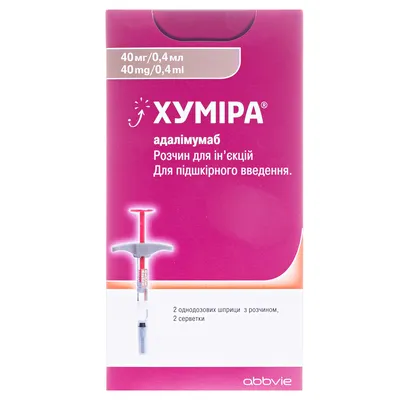
Table of Contents
INSTRUCTIONS FOR MEDICAL USE OF THE MEDICINAL PRODUCT HUMIRA® (HUMIRA®)
Composition:
Active substance: adalimumab;
One pre-filled single-dose syringe contains 40 mg of adalimumab in 0.4 ml of solution;
Excipients: mannitol (E 421), polysorbate 80, water for injections.
Pharmaceutical form: Solution for injection.
Main physicochemical properties: Colorless aqueous solution ranging from clear to opalescent, practically free from foreign particles.
Pharmacotherapeutic group.
Immunosuppressants. Tumor necrosis factor-alpha inhibitors. Adalimumab.
ATC code: L04AB04.
Pharmacological Properties
HUMIRA® (adalimumab) is a recombinant human immunoglobulin (IgG1), a monoclonal antibody composed exclusively of human peptide sequences. HUMIRA® was developed using phage display technology, which enabled the production of fully human variable regions of heavy and light chains specific for tumor necrosis factor (TNF), combined with the human IgG1 heavy chain and kappa-type light chain sequences. HUMIRA® binds with high affinity and specificity to soluble TNF-alpha, but not to lymphotoxin (TNF-beta). HUMIRA® is produced by recombinant DNA technology using a mammalian cell expression system. It consists of 1300 amino acids and has a molecular mass of approximately 148 kilodaltons.
Adalimumab specifically binds to TNF and neutralizes its biological effects by blocking its interaction with the p55 and p75 TNF receptors on the cell surface. TNF is a natural cytokine involved in normal inflammatory and immune responses. Elevated levels of TNF are found in the synovial fluid of patients with rheumatoid arthritis (RA), juvenile rheumatoid arthritis (JRA), psoriatic arthritis (PsA), and ankylosing spondylitis (AS). TNF plays a key role in the pathologic inflammation and joint tissue destruction characteristic of these diseases. Increased TNF levels are also observed in psoriatic plaques. Administration of HUMIRA® to patients with plaque psoriasis may reduce epidermal thickening and inflammatory cell infiltration. The relationship between these pharmacodynamic effects and the mechanism(s) by which HUMIRA® exerts its clinical efficacy is unknown.
Adalimumab also modulates biological responses induced or regulated by TNF, including changes in levels of adhesion molecules responsible for leukocyte migration (ELAM-1, VCAM-1, and ICAM-1 at IC50 1–2 × 10⁻¹⁰ M).
Pharmacodynamics
In patients with RA, HUMIRA® rapidly reduced acute-phase inflammatory markers compared to baseline values (C-reactive protein [CRP], serum cytokines [IL-6], and erythrocyte sedimentation rate). Reductions in CRP levels were also observed in patients with JRA, Crohn’s disease, ulcerative colitis, and hidradenitis suppurativa, along with significant decreases in TNF-alpha expression and inflammatory markers such as leukocyte antigen (HLA-DR) and myeloperoxidase (MPO) in the colon of patients with Crohn’s disease. Decreases in serum levels of matrix metalloproteinases (MMP-1 and MMP-3), which contribute to tissue remodeling underlying cartilage destruction, were also observed. Patients with RA, PsA, and AS frequently exhibit mild to moderate anemia and lymphopenia, as well as increased neutrophil and platelet counts. Treatment with HUMIRA® typically improves these hematological signs of chronic inflammation.
Pharmacokinetics
Absorption and Distribution
After a single subcutaneous dose of 40 mg of HUMIRA®, absorption and distribution of adalimumab were slow, with mean peak serum concentration reached approximately 5 days after administration. The mean absolute bioavailability of adalimumab, calculated from three studies following a single 40 mg subcutaneous dose, was 64%.
After a single intravenous administration at doses ranging from 0.25 to 10 mg/kg, concentrations were dose-proportional. Following a dose of 0.5 mg/kg (approximately 40 mg), clearance ranged from 11–15 mL/hour, volume of distribution (Vss) was 5–6 L, and the mean terminal half-life was approximately 2 weeks. Adalimumab concentrations in synovial fluid of RA patients were 31–96% of serum levels.
After subcutaneous administration of HUMIRA® at 40 mg every 2 weeks in RA patients, steady-state concentrations ranged from 5 µg/mL (without concomitant methotrexate) to 8–9 µg/mL (with methotrexate). Serum adalimumab concentrations at steady state increased nearly dose-proportionally after subcutaneous doses of 20, 40, and 80 mg administered every 2 weeks or weekly.
After subcutaneous administration of HUMIRA® at 24 mg/m² (maximum 40 mg) every 2 weeks in patients aged 4 to 17 years with polyarticular JRA, steady-state concentrations (measured from week 20 to week 48) were 5.6 ± 5.6 µg/mL (102% CV – coefficient of variation) without concomitant methotrexate and 10.9 ± 5.2 µg/mL (47.7% CV) with methotrexate.
In children with polyarticular JRA aged 2–4 years and in children aged ≥4 years with body weight <15 kg, following administration of HUMIRA® at 24 mg/m² with methotrexate, the mean steady-state concentration was 7.9 ± 5.6 µg/mL (101% CV).
After subcutaneous administration of HUMIRA® at 24 mg/m² (maximum 40 mg) every 2 weeks in patients aged 6 to 17 years with enthesitis-related arthritis, steady-state concentrations (measured at week 24) were 8.8 ± 6.6 µg/mL without concomitant methotrexate and 11.8 ± 4.3 µg/mL with methotrexate.
In adult patients with psoriasis, the mean steady-state concentration was 5 µg/mL during monotherapy with adalimumab 40 mg every 2 weeks.
After subcutaneous administration of HUMIRA® at 0.8 mg/kg (maximum 40 mg) every 2 weeks in children with chronic plaque psoriasis, steady-state concentrations were approximately 7.4 ± 5.8 µg/mL (79% CV).
In patients with hidradenitis suppurativa, after administration of HUMIRA® at 160 mg at week 0 followed by 80 mg at week 2, serum concentrations were approximately 7–8 µg/mL at weeks 2 and 4. The mean steady-state concentration from week 12 to week 36 was approximately 8–10 µg/mL during weekly administration of HUMIRA® at 40 mg.
The effect of adalimumab in adolescents with hidradenitis suppurativa was determined using pharmacokinetic modeling and simulation based on pharmacokinetic data from other pediatric indications (plaque psoriasis, juvenile idiopathic arthritis [JIA], Crohn’s disease [CD], and enthesitis-related arthritis). The recommended dosing regimen for adolescents with hidradenitis suppurativa is 40 mg every 2 weeks. Because the effect of adalimumab may depend on body weight, adolescents with high body weight and inadequate response to treatment may receive the recommended adult dose of 40 mg once weekly.
In patients with Crohn’s disease, after administration of HUMIRA® at 80 mg at week 0 followed by 40 mg at week 2, serum concentration was approximately 5.5 µg/mL during induction therapy. After administration of HUMIRA® at 160 mg at week 0 followed by 80 mg at week 2, serum concentration was approximately 12 µg/mL during induction therapy. The mean steady-state concentration was approximately 7 µg/mL during maintenance therapy with HUMIRA® at 40 mg every 2 weeks.
In children with moderate to severe Crohn’s disease, the initial dose of HUMIRA® in an open-label study was 160/80 mg or 80/40 mg at weeks 0 and 2, depending on body weight. At week 4, patients were randomized in a 1:1 ratio to receive, based on body weight, either the standard dose (40/20 mg every 2 weeks) or low dose (20/10 mg every 2 weeks) for maintenance therapy. The mean steady-state concentration was approximately 15.7 ± 6.6 µg/mL at week 4 in patients with body weight ≥40 kg (160/80 mg) and 10.6 ± 6.1 µg/mL in patients with body weight <40 kg (80/40 mg).
In patients with ulcerative colitis, after administration of HUMIRA® at an initial dose of 160 mg at week 0 followed by 80 mg at week 2, serum concentration was approximately 12 µg/mL during induction therapy. The mean steady-state concentration was approximately 8 µg/mL during maintenance therapy with HUMIRA® at 40 mg every 2 weeks.
In children with ulcerative colitis, the mean steady-state concentration of adalimumab in serum at week 52 after subcutaneous administration of a weight-based dose of 0.6 mg/kg (maximum 40 mg) every two weeks was 5.01 ± 3.28 µg/mL. In patients receiving a dose of 0.6 mg/kg (maximum 40 mg) weekly, the mean (± standard deviation) steady-state concentration of adalimumab in serum at week 52 was 15.7 ± 5.60 µg/mL.
In patients with uveitis, after administration of HUMIRA® at an initial dose of 80 mg at week 0 followed by 40 mg every 2 weeks starting at week 1, the mean steady-state concentration was approximately 8–10 µg/mL.
Exposure and efficacy of adalimumab predicted by population pharmacokinetic and pharmacokinetic/pharmacodynamic modeling and simulation are comparable between patients receiving 80 mg every 2 weeks and those receiving 40 mg weekly (including adult patients with rheumatoid arthritis, hidradenitis suppurativa, ulcerative colitis, Crohn’s disease, or plaque psoriasis; adolescent patients with hidradenitis suppurativa; and children with body weight ≥40 kg with ulcerative colitis or Crohn’s disease).
There are no clinical data on the effect of the initial dose of adalimumab in children under 6 years of age. It is predicted that in the absence of methotrexate, the initial dose may enhance systemic exposure to adalimumab.
Elimination
Population pharmacokinetic analysis of data from over 1300 RA patients showed a trend toward increased apparent clearance of adalimumab with increasing patient body weight. After adjusting for body weight differences, patient sex and age were found to have minimal impact on adalimumab clearance. Serum levels of free adalimumab (not bound to anti-adalimumab antibodies [AAA]) were lower in patients who tested positive for AAA. The use of HUMIRA® in patients with hepatic or renal impairment has not been studied.
Children
The safety and efficacy of HUMIRA® in children for indications other than those specified in the section "Indications" have not been established.
Clinical Characteristics.
Indications.
Rheumatoid Arthritis (RA)
HUMIRA® in combination with methotrexate is indicated for:
- treatment of moderate to high disease activity rheumatoid arthritis in adult patients who have not achieved an adequate response to disease-modifying antirheumatic drugs (DMARDs), including methotrexate;
- treatment of active, progressive, high disease activity rheumatoid arthritis in adult patients who have not previously been treated with methotrexate.
HUMIRA® may be used as monotherapy in cases of methotrexate intolerance or when continuation of methotrexate therapy is not acceptable.
HUMIRA® has demonstrated inhibition of structural joint damage progression confirmed radiographically, and improvement in functional status when used concomitantly with methotrexate.
Psoriatic Arthritis (PsA)
HUMIRA® is indicated for the treatment of active and progressive psoriatic arthritis in adult patients who have not achieved an adequate response to prior therapy with disease-modifying antirheumatic drugs (DMARDs). HUMIRA® has demonstrated slowing of the progression of peripheral joint damage, as assessed radiographically, in patients with symmetric polyarticular disease, and improvement in functional status.
Axial Spondyloarthritis
Ankylosing Spondylitis (AS)
HUMIRA® is indicated for the treatment of adult patients with high disease activity ankylosing spondylitis who have not responded to conventional therapy.
Axial Spondyloarthritis without radiographic confirmation of AS
HUMIRA® is indicated for the treatment of adult patients with high disease activity axial spondyloarthritis without radiographic confirmation of AS, but with evidence of inflammation based on elevated CRP levels and/or MRI (magnetic resonance imaging) findings.
Crohn’s Disease (CD)
HUMIRA® is indicated for the treatment of moderate to severe Crohn’s disease in adult patients who have not responded to a full course of therapy with corticosteroids and/or immunosuppressants, or in whom such therapies are contraindicated or not tolerated.
Ulcerative Colitis (UC)
HUMIRA® is indicated for the treatment of moderate to severe ulcerative colitis in adult patients who have not responded to conventional therapy, including corticosteroids and/or 6-mercaptopurine or azathioprine, or in whom such therapies are contraindicated or not tolerated.
Plaque Psoriasis (PP)
HUMIRA® is indicated for the treatment of adult patients with moderate to severe chronic plaque psoriasis who require systemic therapy.
Hidradenitis Suppurativa (HS)
HUMIRA® is indicated for the treatment of active moderate to severe hidradenitis suppurativa (acne inversa) in adult patients who have not responded to conventional systemic therapy.
Uveitis
HUMIRA® is indicated for the treatment of non-infectious intermediate, posterior, and panuveitis in adult patients who have not responded to corticosteroid therapy, who require corticosteroid dose reduction, or in whom corticosteroid therapy is contraindicated or not tolerated.
In Pediatrics
Juvenile Idiopathic Arthritis (JIA)
Polyarticular Juvenile Idiopathic Arthritis
HUMIRA® in combination with methotrexate is indicated for the treatment of active polyarticular juvenile idiopathic arthritis in children aged 2 years and older who have not achieved an adequate response to one or more disease-modifying antirheumatic drugs (DMARDs).
HUMIRA® may be used as monotherapy in cases of methotrexate intolerance or when continuation of methotrexate therapy is not acceptable. Studies of HUMIRA® in patients under 2 years of age have not been conducted.
Enthesitis-Related Arthritis
HUMIRA® is indicated for the treatment of active enthesitis-related arthritis in children aged 6 years and older who have not responded to conventional therapy, or in whom such therapy is contraindicated or not tolerated.
Crohn’s Disease (CD) in Children
HUMIRA® is indicated for the treatment of moderate to severe Crohn’s disease in children aged 6 years and older who have not responded to conventional therapy, including primary nutritional therapy, corticosteroids and/or immunomodulators, or in whom such therapies are contraindicated or not tolerated.
Plaque Psoriasis (PP) in Children
HUMIRA® is indicated for the treatment of chronic plaque psoriasis with severe disease course in children aged 4 years and older who have not achieved a clinical response or have contraindications/intolerance to topical therapy or phototherapy.
Hidradenitis Suppurativa (HS) in Adolescents
HUMIRA® is indicated for the treatment of active moderate to severe hidradenitis suppurativa (acne inversa) in adolescents aged 12 years and older who have not responded to conventional systemic therapy for HS.
Uveitis in Children
HUMIRA® is indicated for the treatment of chronic non-infectious anterior uveitis in children aged 2 years and older who have not responded to, are intolerant of, or for whom conventional therapy is contraindicated.
Ulcerative Colitis in Children
HUMIRA® is indicated for the treatment of moderate to severe ulcerative colitis in children aged 6 years and older who have not achieved an adequate response to conventional therapy, including corticosteroids and/or 6-mercaptopurine or azathioprine, or in whom such therapies are contraindicated or not tolerated.
Contraindications.
- Hypersensitivity to adalimumab or to any other component of the product.
- Active tuberculosis or other serious infections such as sepsis and opportunistic infections (see section "Special Warnings and Precautions for Use").
- Moderate to severe heart failure (NYHA Class III/IV) (see section "Special Warnings and Precautions for Use").
Interaction with Other Medicinal Products and Other Forms of Interaction.
- HUMIRA® has been studied in patients with RA, JIA, and PsA receiving the drug as monotherapy and in combination with methotrexate. The rate of antibody formation was lower when HUMIRA® was used concomitantly with methotrexate compared to monotherapy. Administration of HUMIRA® without methotrexate resulted in increased antibody formation, increased clearance, and reduced efficacy of adalimumab (see section "Pharmacodynamics").
- Concomitant use of HUMIRA® with anakinra is not recommended (see section "Special Warnings and Precautions for Use. Concomitant Use with DMARDs or TNF Antagonists").
- Concomitant use of HUMIRA® with abatacept is not recommended (see section "Special Warnings and Precautions for Use. Concomitant Use with DMARDs or TNF Antagonists").
Special precautions for use.
Traceability
To improve the monitoring of biological medicinal products, it is necessary to clearly record the trade name and batch number of the administered product.
Infections
Patients receiving TNF antagonists are more susceptible to serious infections. Impaired lung function may increase the risk of developing infections. Therefore, patients should be closely monitored for infections, including tuberculosis, before, during, and after treatment with HUMIRA®. Since elimination of adalimumab may last up to four months, monitoring should continue throughout this period.
HUMIRA® should not be administered to patients with active infectious processes, including chronic or localized infections, until the infection is controlled. In patients who have had contact with individuals with tuberculosis or who have returned from countries with a high incidence of tuberculosis or from endemic areas for fungal infections such as histoplasmosis, coccidioidomycosis, or blastomycosis, the benefit-risk ratio should be carefully evaluated before initiating HUMIRA® therapy (see below "Other opportunistic infections").
A thorough evaluation and careful monitoring are required in patients who develop a new infection during HUMIRA® therapy. Treatment should be discontinued in the event of severe infection or sepsis, and appropriate antimicrobial or antifungal therapy should be initiated until the infection is controlled. Physicians should exercise caution when considering HUMIRA® administration in patients with a history of recurrent infections or underlying conditions (including concomitant use of immunosuppressive agents) that may predispose to infections.
Serious infections
Serious infections, including sepsis caused by bacterial, mycobacterial, invasive fungal, parasitic, viral, or other opportunistic infections such as listeriosis, legionellosis, and pneumocystosis, have been reported in patients receiving HUMIRA®.
Other serious infections observed during clinical trials include pneumonia, pyelonephritis, septic arthritis, and septicemia. Hospitalizations and fatal outcomes associated with infections have been reported.
Tuberculosis
Cases of reactivation and new-onset tuberculosis, including pulmonary and extrapulmonary forms (i.e., disseminated tuberculosis), have been reported in patients receiving HUMIRA® therapy.
Prior to initiating HUMIRA® therapy, patients should be thoroughly evaluated for active and inactive (latent) tuberculosis. The evaluation should include a detailed history of tuberculosis or possible exposure to individuals with active tuberculosis, as well as prior and/or concomitant immunosuppressive therapy. All patients should undergo a tuberculin skin test (Mantoux test) and chest X-ray before starting therapy (local recommendations may apply). It is recommended that results of these tests be documented in the patient's medical record. Prescribers should be aware of the risk of false-negative tuberculin skin test results, particularly in severely ill or immunocompromised patients.
HUMIRA® therapy should not be initiated if active tuberculosis is diagnosed (see section "Contraindications").
In all situations described below, the benefit-risk ratio of therapy should be carefully assessed.
If latent tuberculosis is suspected, consultation with a physician experienced in tuberculosis management is recommended.
If latent tuberculosis is diagnosed prior to initiating HUMIRA® therapy, specific anti-tuberculosis prophylactic treatment should be administered according to local guidelines.
Anti-tuberculosis treatment should be considered before initiating HUMIRA® therapy in patients with risk factors for tuberculosis infection but with negative latent tuberculosis test results, as well as in patients with a history of latent or active tuberculosis for whom adequate treatment cannot be confirmed.
Despite prophylactic anti-tuberculosis treatment, cases of tuberculosis reactivation have occurred in patients receiving HUMIRA®. Recurrent tuberculosis has been observed in some patients who previously received successful treatment for active tuberculosis while on HUMIRA® therapy.
All patients should be informed of the need to consult a physician if symptoms suggestive of tuberculosis (e.g., persistent cough, weight loss, low-grade fever, fatigue) occur during or after HUMIRA® therapy.
Other opportunistic infections
Opportunistic infections, including invasive fungal infections, have been reported during HUMIRA® therapy. Such infections have sometimes not been diagnosed promptly in patients receiving TNF antagonists, leading to delayed initiation of appropriate treatment and occasionally resulting in death.
Patients receiving TNF blockers are more susceptible to serious fungal infections such as histoplasmosis, coccidioidomycosis, blastomycosis, aspergillosis, candidiasis, etc. HUMIRA® therapy should be discontinued immediately if a patient develops fever, malaise, weight loss, increased sweating, cough, dyspnea, and/or lung infiltrates or other signs of serious systemic illness (with or without shock), and invasive fungal infection should be suspected. The decision to initiate empirical antifungal therapy in such patients should be made after consultation with an expert in the diagnosis and treatment of invasive fungal infections.
Hepatitis B reactivation
Cases of hepatitis B reactivation have occurred in patients receiving TNF blockers who were chronic carriers of hepatitis B virus (HBV), i.e., those in whom hepatitis B surface antigen was detected. Some cases were fatal. Prior to initiating HUMIRA® therapy, patients should be tested for HBV infection. Patients with a positive HBV test result should be referred to a physician experienced in the management of hepatitis B.
HBV carriers requiring HUMIRA® therapy should be closely monitored for signs and symptoms of active HBV infection during therapy and for several months after discontinuation. There are insufficient data on the use of antiviral agents in combination with TNF antagonists to prevent HBV reactivation in HBV carriers. Patients who develop HBV reactivation should discontinue HUMIRA® and initiate effective antiviral therapy with appropriate supportive treatment.
Neurological disorders
During treatment with TNF blockers, including HUMIRA®, isolated cases of new onset or exacerbation of clinical and/or radiographic signs of demyelinating diseases of the central nervous system, including multiple sclerosis, optic neuritis, and demyelinating diseases of the peripheral nervous system, including Guillain-Barré syndrome, have been reported. Physicians prescribing HUMIRA® should carefully consider its use in patients with pre-existing or recently developed demyelinating disorders of the central or peripheral nervous system; therapy with HUMIRA® should be discontinued if such disorders occur. An association between non-infectious intermediate uveitis and demyelinating disorders of the central nervous system is known. Neurological evaluation is recommended in patients with non-infectious intermediate uveitis before initiating HUMIRA® therapy and periodically during treatment to monitor for the development of pre-existing or newly occurring demyelinating disorders of the central nervous system.
Allergic reactions
Serious allergic reactions associated with HUMIRA® occurred rarely during clinical trials. Non-serious allergic reactions associated with HUMIRA® were infrequent during clinical trials.
Serious allergic reactions, including anaphylaxis, have been reported after administration of HUMIRA®. In the event of an anaphylactic reaction or other serious allergic reaction, HUMIRA® should be discontinued immediately and appropriate therapy initiated.
Immunosuppression
During clinical trials of HUMIRA® in 64 patients with RA, no cases of delayed-type hypersensitivity suppression, decreased immunoglobulin levels, or quantitative changes in effector T- and B-cells, as well as NK cells, monocytes/macrophages, and neutrophils were observed.
Malignancies and lymphoproliferative disorders
In controlled clinical trials of TNF blockers, malignancies, including lymphoma, were reported more frequently in patients receiving a TNF blocker than in control group patients. However, this phenomenon was rare. During the post-marketing period, cases of leukemia have been reported in patients receiving TNF antagonists. There is an increased background risk of lymphoma and leukemia in patients with long-standing, highly active rheumatoid arthritis, complicating risk assessment. Current data do not allow exclusion of the risk of lymphoma, leukemia, and other malignancies in patients receiving TNF antagonists.
During the post-marketing period, isolated cases of malignancies, sometimes fatal, have been reported in children, adolescents, and young adult patients (up to 22 years of age) who received treatment with TNF blockers (treatment initiation at age ≤ 18 years), including adalimumab. In approximately half of these cases, the malignancies were lymphomas. Other cases included various types of malignancies, including those typically associated with immunosuppression. The risk of malignancy development in children and adolescents receiving TNF antagonists cannot be excluded.
During the post-marketing period, very rare cases of hepatosplenic T-cell lymphoma have been reported in patients receiving adalimumab. This rare type of lymphoma is characterized by a highly aggressive course and is usually fatal. Some of these cases of hepatosplenic T-cell lymphoma associated with HUMIRA® occurred in young adult patients who received concomitant therapy with azathioprine or 6-mercaptopurine for inflammatory bowel disease. The potential risk of concomitant use of azathioprine or 6-mercaptopurine with HUMIRA® should be carefully evaluated. The risk of hepatosplenic T-cell lymphoma in patients receiving HUMIRA® cannot be excluded (see section "Adverse reactions").
No studies have been conducted on the use of HUMIRA® in patients with a history of malignancy or on continuing HUMIRA® therapy in patients who develop malignancy. This should be taken into account, and decisions regarding HUMIRA® administration in such patients should be made cautiously (see section "Adverse reactions").
All patients, particularly those with a history of intensive immunosuppressive therapy and patients with psoriasis who have undergone PUVA therapy, should be evaluated for non-melanoma skin cancer before and during HUMIRA® therapy. Cases of melanoma and Merkel cell carcinoma have also been reported in patients receiving treatment with TNF antagonists, including adalimumab (see section "Adverse reactions").
In a clinical trial evaluating another TNF blocker (infliximab) in patients with moderate to severe chronic obstructive pulmonary disease (COPD), a higher incidence of malignancies, mostly in the lungs, head, and neck region, was reported compared to the control group. All patients were long-term smokers. Therefore, TNF blockers should be used cautiously in patients with chronic obstructive pulmonary disease and in patients with an increased risk of malignancy due to smoking.
It is currently unknown whether adalimumab use affects the risk of intestinal dysplasia or colorectal cancer. All patients with ulcerative colitis who are at increased risk of dysplasia or colorectal cancer (e.g., patients with long-standing ulcerative colitis or primary sclerosing cholangitis), or those with a history of dysplasia or colorectal cancer, should undergo regular surveillance for dysplasia before starting therapy and throughout the course of the disease. Surveillance should include colonoscopy and biopsy according to local guidelines.
Hematological disorders
Rarely, pancytopenia, including aplastic anemia, has been reported with TNF blockers. Adverse hematological reactions, including clinically significant cytopenias (e.g., thrombocytopenia, leukopenia), have been reported with HUMIRA®. All patients should be informed of the need to consult a physician immediately if symptoms suggestive of blood disorders (such as persistent fever, bruising, bleeding, pallor of skin and mucous membranes) occur during HUMIRA® therapy. Discontinuation of HUMIRA® should be considered if serious hematological abnormalities are confirmed.
Vaccination
In a study involving 226 adult patients with rheumatoid arthritis receiving adalimumab or placebo, a similar humoral response was observed to the standard 23-valent pneumococcal vaccine and trivalent influenza vaccine. Data on transmission of infection to patients receiving live vaccines and HUMIRA® are lacking.
For pediatric patients, it is recommended to complete all necessary vaccinations according to the schedule before starting HUMIRA® therapy, if possible.
Administration of live vaccines (e.g., BCG vaccine) to infants exposed to adalimumab in utero is not recommended within 5 months after the last maternal adalimumab injection during pregnancy.
Chronic heart failure (CHF)
In clinical trials with another TNF blocker, worsening of CHF and increased CHF-related mortality were reported. Cases of worsening CHF have also been reported in patients receiving HUMIRA® therapy. HUMIRA® should be used with caution in patients with mild heart failure (NYHA class I/II). HUMIRA® is contraindicated in patients with moderate to severe CHF (see section "Adverse reactions"). HUMIRA® therapy should be discontinued if new or worsening symptoms of chronic heart failure develop.
Autoimmune processes
HUMIRA® therapy may induce the formation of autoantibodies. The impact of long-term HUMIRA® use on the development of autoimmune diseases is unknown. If symptoms suggestive of lupus-like syndrome occur after initiation of HUMIRA® therapy, along with positive anti-double-stranded DNA antibody test results, HUMIRA® therapy should be discontinued.
Concomitant use with biological DMARDs or other TNF antagonists
Serious infections were observed in clinical trials of concomitant use of anakinra and another TNF antagonist, etanercept, without therapeutic benefit compared to etanercept monotherapy. Given the nature of adverse events observed during combination therapy with etanercept and anakinra, similar toxicity may occur with the combination of anakinra and another TNF blocker. Therefore, the combination of adalimumab and anakinra is not recommended.
Concomitant use of adalimumab with other biological DMARDs (e.g., anakinra, abatacept) or with other TNF antagonists is not recommended due to the potential increased risk of infections and other potential pharmacological interactions (see section "Interaction with other medicinal products and other forms of interaction").
Surgical procedures
Limited data are available on the safety of surgical procedures in patients receiving HUMIRA®. The long half-life of adalimumab should be considered when planning surgery. Patients requiring surgery while on HUMIRA® therapy should be carefully evaluated for infections and appropriate measures taken. Limited data are available on the safety of HUMIRA® use in patients undergoing arthroplasty during therapy.
Small bowel obstruction
Lack of response to Crohn's disease treatment may indicate the presence of a fixed fibrotic stricture requiring surgical intervention. Available data suggest that HUMIRA® therapy does not cause or promote the development or progression of strictures.
Elderly patients
The incidence of serious infections in patients aged 65 years and older receiving HUMIRA® (3.7%) is higher than in younger patients (1.5%). Some cases were fatal. Particular attention should be paid to assessing the risk of infection when treating elderly patients.
Children
See the "Vaccination" section above.
Use during pregnancy or breastfeeding
Women of childbearing potential
Women of childbearing potential should use reliable contraception methods during treatment and for at least five months after the last dose of HUMIRA®.
Pregnancy
A prospective analysis of data on adalimumab use during pregnancy (approximately 2100 pregnancies resulting in live births with known outcomes, including over 1500 cases of first-trimester exposure) did not show an increased frequency of congenital malformations in newborns.
A prospective cohort registry included 257 women with RA or CD who received adalimumab for at least the first trimester and 120 women with RA or CD who did not receive adalimumab. The primary endpoint was the frequency of major congenital malformations in newborns. The frequency of pregnancies resulting in at least one live-born infant with a major congenital malformation was 6 out of 69 (8.7%) in the group of women with RA who received adalimumab and 5 out of 74 (6.8%) in the group of women with RA who did not receive the drug (unadjusted odds ratio [OR] 1.31, 95% confidence interval [CI] 0.38–4.52). In the group of women with CD who received adalimumab, the frequency was 16 out of 152 (10.5%), and in the group of women with CD who did not receive the drug, 3 out of 32 (9.4%) (unadjusted OR 1.14, 95% CI 0.31–4.16). In the combined group of women with RA and CD, the adjusted OR (adjusted for baseline differences) was 1.10 (95% CI 0.45–2.73). No clear differences were observed between women who did and did not use adalimumab regarding secondary endpoints such as spontaneous abortions, minor congenital malformations, preterm births, birth weight and length, and serious or opportunistic infections, and no cases of stillbirth or malignancy development were recorded. Interpretation of the data may have been influenced by methodological limitations of the study, including small sample size and non-randomized study design.
In experimental toxicity studies in monkeys, no evidence of toxic effects on the maternal organism, embryotoxicity, or teratogenicity was observed. Preclinical data on postnatal toxicity of adalimumab are lacking.
Since adalimumab inhibits TNF-α, its use during pregnancy may disrupt normal immune responses in the newborn. Adalimumab should be used during pregnancy only if clearly necessary.
Adalimumab can cross the placenta and be detected in the serum of newborns whose mothers received adalimumab during pregnancy. Therefore, such newborns may have an increased risk of infection. Administration of live vaccines (e.g., BCG vaccine) to infants exposed to adalimumab in utero is not recommended within 5 months after the last maternal adalimumab injection during pregnancy.
Breastfeeding
Limited published data indicate that adalimumab is excreted in breast milk at very low concentrations—0.1% to 1% of maternal serum levels. Since immunoglobulin G proteins undergo proteolytic degradation in the gastrointestinal tract and have low bioavailability, systemic effects of adalimumab on breastfed infants are unlikely. Therefore, HUMIRA® may be used during breastfeeding.
Fertility
Preclinical data on the effect of adalimumab on fertility are lacking.
Ability to affect reaction speed when driving or operating machinery
HUMIRA® may have a minor influence on the ability to drive or operate machinery. Use of HUMIRA® may cause vertigo and visual acuity disturbances (see section "Adverse reactions").
Method of Administration and Dosage
Treatment with the medicinal product Humira® should be prescribed by a physician experienced in the diagnosis and treatment of diseases for which Humira® is indicated. Ophthalmologists are advised to consult with an appropriate specialist before prescribing Humira® therapy. Humira® may be self-administered only if the patient or the parents of a child prescribed Humira® therapy have received proper training from a physician on the injection technique, and the physician has confirmed that self-injection is appropriate. Additional information on self-injection is provided in this instruction. The patient or the parents of a child prescribed Humira® therapy should read the informational leaflet. During treatment with Humira®, concomitant therapies (e.g., corticosteroids and/or immunomodulating agents) should be reviewed.
Rheumatoid Arthritis
The recommended dose for adult patients is 40 mg once every 2 weeks by subcutaneous injection. Treatment with Humira® should be continued in combination with methotrexate. Concomitant therapy with glucocorticoids, salicylates, nonsteroidal anti-inflammatory drugs (NSAIDs), and analgesics may also be continued. For use of other disease-modifying antirheumatic drugs (DMARDs), see section "Special Warnings and Precautions for Use". For some RA patients not receiving methotrexate, increasing the dosing frequency to 40 mg once weekly or 80 mg once every 2 weeks subcutaneously may be justified. Clinical response is usually achieved within 12 weeks of treatment. The need for continuing therapy should be reassessed in patients who do not show a response within this period.
Humira® is available in other dosage strengths depending on individual treatment needs. Therapy may be interrupted when necessary (e.g., prior to surgery or in the case of severe infection). Data indicate that after resuming therapy following an interruption of 70 days or more, the clinical response and safety profile are similar to those observed before the interruption.
Axial Spondyloarthritis (Ankylosing Spondylitis and Non-Radiographic Axial Spondyloarthritis) and Psoriatic Arthritis
The recommended dose for adult patients is 40 mg once every 2 weeks by subcutaneous injection.
Clinical response is usually achieved within 12 weeks of treatment. The need for continuing therapy should be reassessed in patients who do not show a response within this period.
Crohn's Disease
For induction of remission, the recommended initial dose for adult patients is 80 mg at week 0 (day 1), followed by a reduced dose of 40 mg at week 2 (day 15) by subcutaneous injection. If a more rapid clinical response is required, an initial dose of 160 mg at week 0 (day 1) may be used. This dose can be administered as four injections in one day or as two 40 mg injections on two consecutive days, followed by 80 mg at week 2 (day 15) administered as two subcutaneous injections in one day. It should be noted that in this case, the risk of adverse reactions increases. After induction therapy, the recommended dose is 40 mg once every 2 weeks by subcutaneous injection. Alternatively, if a patient has discontinued therapy and symptoms reappear, Humira® therapy may be restarted. Limited data are available on reinitiating Humira® therapy after a treatment interruption exceeding 8 weeks from the last dose. During maintenance therapy, corticosteroid doses may be tapered according to clinical practice. In case of diminished clinical response, some patients may require an increased dosing frequency of 40 mg once weekly or 80 mg once every 2 weeks subcutaneously. Some patients who do not achieve a clinical response by week 4 of treatment should continue maintenance therapy up to week 12. The need for continuing therapy should be carefully reassessed in patients who do not show a clinical response within this period. Humira® is available in other dosage strengths depending on individual treatment needs.
Ulcerative Colitis
The recommended initial dose for induction of remission in adult patients with moderate to severe active ulcerative colitis is 160 mg at week 0 (day 1). This dose may be administered as four injections in one day or as two injections per day on two consecutive days, followed by 80 mg at 2 weeks (day 15) as two injections in one day. After induction therapy, the recommended dose is 40 mg once every 2 weeks as a subcutaneous injection. During maintenance therapy, corticosteroid doses may be tapered according to clinical practice. In case of diminished clinical response, some patients may require an increased dosing frequency of 40 mg once weekly or 80 mg once every 2 weeks subcutaneously. Clinical response should be achieved within 2–8 weeks of treatment. Humira® therapy may be continued only in patients who achieve a clinical response within the first 8 weeks of treatment. Humira® is available in other dosage strengths depending on individual treatment needs.
Plaque Psoriasis
The recommended initial dose for adults is 80 mg, followed by 40 mg one week later by subcutaneous injection. Maintenance therapy: 40 mg once every 2 weeks by subcutaneous injection. For patients who do not achieve a clinical response within 16 weeks of therapy, increasing the dosing frequency to 40 mg once weekly or 80 mg once every 2 weeks may be effective. The need for continuing Humira® therapy should be carefully reassessed in patients who do not show a clinical response after increasing the dosing frequency. If a clinical response is achieved after increasing the dosing frequency, the dose may be gradually reduced to 40 mg once every 2 weeks. Humira® is available in other dosage strengths depending on individual treatment needs. Humira® may also be used in adult patients with moderate to severe nail psoriasis requiring systemic therapy (using the dosing regimen described above).
Hidradenitis Suppurativa (HS)
The recommended dosing regimen for adult patients with hidradenitis suppurativa is an initial dose of 160 mg at week 0 (day 1). This dose may be administered as four injections in one day or as two injections per day on two consecutive days, followed by 80 mg at 2 weeks (day 15), administered as two injections in one day. Starting at week 4 (day 29), the recommended dose is 40 mg once weekly or 80 mg once every 2 weeks, administered as two injections in one day. During Humira® therapy, concomitant antibiotic therapy may be continued if necessary. Daily topical antiseptic cleansing of affected areas is also recommended. The need for continuing therapy beyond 12 weeks should be carefully reassessed in patients who do not show a clinical response within this period. After treatment interruption, resuming Humira® at a dose of 40 mg once weekly or 80 mg once every 2 weeks may be considered. For long-term therapy, the benefit-risk ratio should be periodically evaluated. Humira® is available in other dosage strengths depending on individual treatment needs.
Uveitis
The recommended initial dose of Humira® for adult patients with uveitis is 80 mg. Starting the first week after the initial dose, maintenance therapy should be initiated at 40 mg once every 2 weeks by subcutaneous injection. Limited data are available on using Humira® alone as initial therapy. Humira® therapy may be initiated in combination with corticosteroids and/or other non-biological immunomodulating agents. Two weeks after starting combination therapy, a gradual transition to Humira® monotherapy may be considered based on clinical experience. The benefit-risk ratio of long-term therapy should be evaluated annually. Humira® is available in other dosage strengths depending on individual treatment needs.
Pediatrics
Juvenile Idiopathic Arthritis (JIA)
Polyarticular Juvenile Idiopathic Arthritis
The recommended dose of Humira® for children aged 2 years and older with polyarticular JIA depends on body weight (Table 1). Humira® is administered once every 2 weeks by subcutaneous injection.
Table 1. Dosing of Humira® for patients with polyarticular JIA
| Body weight |
Dose |
| From 10 kg to 30 kg |
20 mg once every 2 weeks |
| 30 kg and above |
40 mg once every 2 weeks |
Clinical response, according to available data, is usually achieved within 12 weeks of treatment. The need for continuing therapy should be reconsidered in patients who do not show a response to treatment within this period.
The medicinal product HUMIRA® is not recommended for use in children under 2 years of age for this indication.
The medicinal product HUMIRA® is available in other dosage strengths depending on individual treatment needs.
Enthesitis-related arthritis
The recommended dose of HUMIRA® for children aged 6 years and older depends on body weight (Table 2). HUMIRA® is administered subcutaneously once every 2 weeks.
Table 2. Dosing of HUMIRA® for patients with enthesitis-related arthritis
| Body weight |
Dosage |
| From 15 kg to 30 kg |
20 mg once every 2 weeks |
| 30 kg and above |
40 mg once every 2 weeks |
The use of Humira® in children under 6 years of age with enthesitis-related arthritis has not been studied. Humira® is available in other dosage strengths depending on individual treatment needs.
Crohn’s Disease in Children
The recommended dose of Humira® for patients aged 6 to 17 years with Crohn’s disease depends on body weight (Table 3). Humira® is administered by subcutaneous injection.
Table 3. Dosing of Humira® for children with Crohn’s disease
| Body weight |
Induction dose |
Maintenance therapy, starting from week 4 |
| < 40 kg |
40 mg at week 0 and 20 mg at week 2 If a more rapid response to therapy is needed, the following regimen may be used: 80 mg at week 0 and 40 mg at week 2. However, it should be noted that the risk of adverse events increases with the use of a higher induction dose. |
20 mg once every 2 weeks |
| ≥ 40 kg |
80 mg at week 0 and 40 mg at week 2 If a more rapid response to therapy is needed, the following regimen may be used: 160 mg at week 0 and 80 mg at week 2. However, it should be noted that the risk of adverse events increases with the use of a higher induction dose. |
40 mg once every 2 weeks |
For patients with an inadequate response, increasing the frequency of administration of the medicinal product Humira® may be considered:
- for patients with body weight < 40 kg: 20 mg once weekly;
- for patients with body weight ≥ 40 kg: 40 mg once weekly or 80 mg every 2 weeks.
The need for continuing therapy should be carefully re-evaluated in patients who do not show a clinical response within 12 weeks.
The medicinal product Humira® is not recommended for use in children under 6 years of age for this indication.
The medicinal product Humira® is available in other dosage strengths depending on individual treatment needs.
Ulcerative colitis in children
The recommended dose of the medicinal product Humira® for patients aged 6 to 17 years with ulcerative colitis depends on body weight (see Table 4). Humira® is administered by subcutaneous injection.
Table 4. Dosing of the medicinal product Humira® for children with ulcerative colitis
| Body weight |
Induction dose |
Maintenance dose, starting from week 4* |
| < 40 kg |
|
|
| ≥ 40 kg |
|
|
* Treatment of children who turn 18 years old during therapy with Humira® should be continued at the established maintenance dose.
After 8 weeks, the need for continuing treatment should be carefully re-evaluated in patients who have not shown a response to treatment during this period.
The use of Humira® in children under 6 years of age for this indication has not been studied.
Humira® is available in other strengths depending on individual treatment needs.
Psoriatic plaque in children
The recommended dose of Humira® for patients aged 4 to 17 years with psoriatic plaque depends on body weight (Table 5). Humira® is administered subcutaneously.
Table 5. Dosing of Humira® in children with psoriatic plaque
| Body weight |
Dose |
| From 15 kg to 30 kg |
Initial dose is 20 mg at week 0, then 20 mg once every 2 weeks, starting from week 1 |
| 30 kg and above |
Initial dose is 40 mg at week 0, then 40 mg once every 2 weeks, starting from week 1 |
Careful consideration should be given to the need for continuing therapy in patients who do not show a clinical response within 16 weeks. If retreatment with HUMIRA® is indicated, the dosing regimen described above should be followed. The safety of HUMIRA® in children with plaque psoriasis has been studied for an average duration of 13 months.
The use of HUMIRA® in children under 4 years of age with plaque psoriasis has not been studied.
HUMIRA® is available in other dosage strengths depending on individual treatment needs.
Hidradenitis suppurativa in adolescents (aged 12 years and older with body weight ≥30 kg)
There are no clinical studies on the use of HUMIRA® in adolescents with hidradenitis suppurativa. The dosage of HUMIRA® for these patients was determined by pharmacokinetic modeling and simulation (see section "Pharmacokinetics"). The recommended dose of HUMIRA® is 80 mg initially at week 0, followed by 40 mg every 2 weeks starting at week 1, administered subcutaneously. For adolescents with an inadequate response to HUMIRA® 40 mg every 2 weeks, increasing the dosing frequency to 40 mg once weekly or 80 mg every 2 weeks may be considered. Concomitant use of antibiotics may be continued during HUMIRA® therapy, if necessary. Daily topical antiseptic cleansing of affected areas is also recommended. Careful reassessment of the need for continuing therapy beyond 12 weeks is recommended for patients who do not show a clinical response within this period. If needed, therapy with HUMIRA® may be resumed after interruption. During long-term therapy, the benefit-risk balance should be periodically evaluated.
The use of HUMIRA® in children under 12 years of age for this indication is not justified.
HUMIRA® is available in other dosage strengths depending on individual treatment needs.
Uveitis in children
The recommended dose of HUMIRA® for children aged 2 years and older with chronic non-infectious uveitis depends on body weight (Table 6). HUMIRA® is administered subcutaneously. There are no data on the use of HUMIRA® without concomitant methotrexate therapy in children with uveitis.
Table 6. Dosing of HUMIRA® in children with uveitis
| Body weight |
Dosage |
| Up to 30 kg |
20 mg once every 2 weeks in combination with methotrexate |
| 30 kg and above |
40 mg once every 2 weeks in combination with methotrexate |
The medicinal product Humira® can be used in combination with methotrexate or other non-biological immunomodulating agents according to clinical experience. The initial loading dose of Humira® is 40 mg for patients with body weight below 30 kg and 80 mg for patients with body weight of 30 kg and above; this dose may be administered one week prior to initiation of maintenance therapy. There are no clinical data on administration of the initial loading dose of Humira® to children under 6 years of age. The use of Humira® in children under 2 years of age for this indication is not justified. Annual assessment of the benefit and risk of long-term treatment is recommended. Humira® is available in other dosage strengths depending on individual treatment needs.
Elderly patients
Dose adjustment for this patient group is not required.
Hepatic and/or renal impairment
The use of Humira® in such patients has not been studied; therefore, no dosage recommendations are available.
Administration
Humira® should be used under the supervision of a physician. Upon physician's recommendation, patients or their parents/caregivers may self-administer the product after appropriate training in the technique of subcutaneous injection.
| SELF-INJECTION INSTRUCTIONS This instruction explains how to self-administer the medicinal product Humira®. Please read it carefully and follow each step. Your doctor or nurse will explain to you the technique of performing a subcutaneous injection. Do not attempt to give an injection until you are confident about correctly preparing and administering it. After appropriate training, you may administer injections yourself or with the help of family members or friends. Use each prefilled syringe only for one injection. Plunger Finger grip Needle cap Do not use the syringe and inform your doctor if:
Do not remove the needle cap until just before injection. Keep Humira® out of the reach of children.
Children. Indicated for use in children according to the section "Indications". Overdose. The maximum tolerated dose of Humira® has not been established. In clinical studies of adalimumab, no cases of dose-limiting toxicity were observed. Multiple doses of up to 10 mg/kg were administered to patients without any signs of toxicity related to overdose. In the event of overdose, patients should be monitored for the appearance of any symptoms of adverse reactions, and appropriate symptomatic therapy should be initiated immediately. Adverse reactionsGeneral information on safety profile The medicinal product HUMIRA® has been studied in controlled clinical trials and open-label studies lasting approximately 60 months or longer, involving 9506 patients. These studies included patients with early and long-standing rheumatoid arthritis, JIA (polyarticular juvenile idiopathic arthritis and enthesitis-related arthritis), as well as axial spondyloarthritis (ankylosing spondylitis and non-radiographic axial spondyloarthritis), psoriatic arthritis, Crohn’s disease, ulcerative colitis, psoriasis, hidradenitis suppurativa, and uveitis. The data presented below were obtained during the main controlled trials in which HUMIRA® was administered to 6089 patients and placebo or a comparator drug was administered to 3801 patients during the controlled period. During the main clinical trials, 5.9% of patients receiving HUMIRA® and 5.4% of patients in the control group discontinued treatment due to adverse reactions. The most commonly reported adverse reactions were infections (such as nasopharyngitis, upper respiratory tract infections, and sinusitis), injection site reactions (redness, itching, bleeding, pain, or swelling), headache, and musculoskeletal pain. Serious adverse reactions have been reported with the use of HUMIRA®. TNF antagonists, such as HUMIRA®, affect the immune system, and their use may lead to reduced resistance to infections and malignancies. During treatment with HUMIRA®, infections that may be life-threatening and potentially fatal (including sepsis, opportunistic infections, and tuberculosis), reactivation of hepatitis B, and development of various malignancies (including leukemia, lymphoma, and hepatosplenic T-cell lymphoma) have been reported. Serious hematological, neurological, and autoimmune reactions have also been reported. These reactions included isolated cases of pancytopenia and aplastic anemia, cases of central and peripheral demyelinating disorders, development of lupus and lupus-like syndromes, and Stevens-Johnson syndrome. Children Overall, adverse reactions in children were similar in frequency and type to those observed in adult patients. Tabulated list of adverse reactions Table 7 presents a list of adverse reactions observed during clinical trials and post-marketing surveillance, categorized by system organ class and frequency of occurrence: ≥ 1/10 – very common; ≥ 1/100 to < 1/10 – common; ≥ 1/1000 to < 1/100 – uncommon; ≥ 1/10000 to < 1/1000 – rare. Table 7. Adverse reactions
* See also sections "Contraindications", "Special precautions", "Side effects". ** Including open-label periods of studies.
2) Mean change in body weight from baseline with adalimumab use for approved indications in adult patients ranged from 0.3 kg to 1.0 kg compared to from (minus) -0.4 kg to 0.4 kg in the placebo group over a treatment period of 4–6 months. Weight increases of 5–6 kg were also observed during long-term studies with a mean exposure duration of approximately 1–2 years without a control group, particularly in patients with Crohn’s disease and ulcerative colitis. The mechanism underlying this effect is unknown, but it is likely related to the anti-inflammatory action of adalimumab. Hidradenitis suppurativa The safety profile of patients with hidradenitis suppurativa receiving weekly treatment with Humira® was consistent with the known safety profile of Humira®. Uveitis The safety profile for patients with uveitis receiving Humira® every two weeks was consistent with the known safety profile of Humira®. Description of selected adverse reactions Injection site reactions In controlled clinical studies in adults and children receiving Humira®, injection site reactions (erythema and/or pruritus, bruising, pain, or swelling) occurred in 12.9% of cases, compared to 7.2% in placebo or active control groups. Injection site reactions generally did not require discontinuation of the drug. Infections In controlled clinical studies in adults and children, the infection rate was 1.51/patient-year in the group receiving Humira® and 1.46/patient-year in placebo or active control groups. These were mostly nasopharyngitis, upper respiratory tract infections, and sinusitis. Most patients continued Humira® therapy after recovery. The rate of serious infections was 0.04/patient-year in the group receiving Humira® and 0.03/patient-year in placebo or active control groups. In controlled and open-label studies in adults and children, severe infections have been reported (rarely with fatal outcomes): tuberculosis (including miliary and extrapulmonary forms) and invasive opportunistic infections (e.g., disseminated or extrapulmonary histoplasmosis, blastomycosis, coccidioidomycosis, Pneumocystis pneumonia, candidiasis, aspergillosis, listeriosis). Most cases of tuberculosis occurred within the first eight months after initiation of therapy and may represent reactivation of latent disease. Neoplasms and lymphoproliferative disorders During clinical studies of adalimumab in children with JIA (polyarticular juvenile arthritis and enthesitis-related arthritis), no malignancies were observed (n = 249, 655.6 patient-years). Additionally, no malignancies were observed in clinical studies in children with Crohn’s disease (n = 192; 498.1 patient-years), plaque psoriasis (n = 77; 80.0 patient-years), uveitis (n = 60; 58.4 patient-years), and ulcerative colitis (n = 93; 65.3 patient-years). During the controlled periods of pivotal studies using Humira® in adults for at least 12 weeks in patients with moderate to high disease activity rheumatoid arthritis, axial spondyloarthritis (ankylosing spondylitis and non-radiographic axial spondyloarthritis), psoriatic arthritis, psoriasis, hidradenitis suppurativa, Crohn’s disease, ulcerative colitis, and uveitis, the rate of neoplasms (excluding lymphoma and non-melanoma skin cancer) was (95% confidence interval) 6.8 (4.4; 10.5) per 1000 patient-years in 5291 patients receiving Humira®, compared to 6.3 (3.4; 11.8) per 1000 patient-years in 3444 patients in the control group (mean treatment duration was 4.0 months in the Humira® group and 3.8 months in the control group). The rate of non-melanoma skin cancer (95% confidence interval) was 8.8 (6.0; 13.0) per 1000 patient-years in patients receiving Humira® and 3.2 (1.3; 7.6) per 1000 patient-years in control group patients. Among reported cases, the incidence of squamous cell carcinoma (95% confidence interval) was 2.7 (1.4; 5.4) per 1000 patient-years in patients receiving Humira® and 0.6 (0.1; 4.5) per 1000 patient-years in control group patients. The rate of lymphomas (95% confidence interval) was 0.7 (0.2; 2.7) per 1000 patient-years in patients receiving Humira® and 0.6 (0.1; 4.5) per 1000 patient-years in control group patients. The incidence of neoplasms (excluding lymphoma and non-melanoma skin cancer) was approximately 8.5/1000 patient-years when combining data from controlled and ongoing or completed open-label studies. In this combined analysis, the median observation period was approximately 3.3 years, including 6427 patients and more than 26,439 patient-years of therapy. The incidence of non-melanoma skin cancer was approximately 9.6/1000 patient-years, and the incidence of lymphomas was approximately 1.3/1000 patient-years. During post-marketing surveillance from January 2003 to December 2010, primarily in patients with rheumatoid arthritis, the rate of spontaneously reported malignancies was approximately 2.7 per 1000 patient-years of treatment. The rates of spontaneously reported non-melanoma skin cancer and lymphoma were approximately 0.2 and 0.3 per 1000 patient-years of treatment, respectively (see section "Special precautions"). Rare post-marketing cases of hepatosplenic T-cell lymphoma have been reported in patients receiving adalimumab (see section "Special precautions"). Autoantibodies During phases 1–5 clinical studies of rheumatoid arthritis, patients underwent multiple blood tests for autoantibodies. In these studies, among patients who initially had negative antinuclear antibody titers, positive titers were reported at week 24 in 11.9% of patients receiving Humira® and in 8.1% of patients in placebo or active control groups. In two out of 3441 patients receiving Humira® across all clinical trials of RA and PsA, signs of newly diagnosed lupus-like syndrome developed. Patients' conditions improved after therapy discontinuation. No patient developed lupus nephritis or central nervous system involvement. Liver enzyme activity In phase 3 controlled clinical studies involving patients with rheumatoid arthritis and psoriatic arthritis, during controlled periods lasting 4 to 104 weeks, ALT (alanine aminotransferase) elevations ≥3 times the upper limit of normal were observed in 3.7% of patients receiving Humira® and in 1.6% of control group patients. In phase 3 controlled clinical studies involving patients aged 4–17 years with polyarticular juvenile rheumatoid (idiopathic) arthritis and patients aged 6–17 years with enthesitis-related arthritis, ALT elevations ≥3 times the upper limit of normal were observed in 6.1% of patients receiving Humira® and 1.3% of control group patients. Most cases of ALT elevation occurred during concomitant methotrexate therapy. No ALT elevations ≥3 times the upper limit of normal were observed in phase 3 clinical studies in patients with polyarticular juvenile rheumatoid (idiopathic) arthritis aged 2 to 4 years. In phase 3 controlled clinical studies involving patients with Crohn’s disease and ulcerative colitis, with controlled periods lasting 4 to 52 weeks, ALT elevations ≥3 times the upper limit of normal were observed in 0.9% of patients in both groups. In a phase 3 clinical study in children with Crohn’s disease evaluating the efficacy and safety of a weight-based dosing regimen followed by a weight-based maintenance regimen with therapy duration up to 52 weeks, ALT elevations ≥3 times the upper limit of normal were observed in 2.6% (5/192) of patients, four of whom received Humira® concomitantly with immunosuppressants. In phase 3 controlled clinical studies involving patients with plaque psoriasis, with controlled periods lasting 12 to 24 weeks, ALT elevations ≥3 times the upper limit of normal were observed in 1.8% of patients in both groups. In phase 3 clinical studies in children with plaque psoriasis, no ALT elevations ≥3 times the upper limit of normal were observed. In controlled clinical studies (initial dose 160 mg at week 0 and 80 mg at week 2, then 40 mg once weekly starting at week 4) involving patients with hidradenitis suppurativa, with controlled periods lasting 12 to 16 weeks, ALT elevations ≥3 times the upper limit of normal were observed in 0.3% of patients receiving Humira® and 0.6% of control group patients. In controlled clinical studies of Humira® use in adult patients with uveitis lasting up to 80 weeks (initial dose 80 mg at week 0 and 40 mg every 2 weeks starting at week 1), with median treatment duration of 166.5 days in the Humira® group and 105.0 days in the control group, ALT elevations ≥3 times the upper limit of normal were observed in 2.4% of patients in the Humira® group and 2.4% of control group patients. In a phase 3 controlled study of Humira® use in children with ulcerative colitis (n = 93), evaluating the efficacy and safety of a maintenance dose of 0.6 mg/kg (maximum 40 mg) administered every 2 weeks (n = 31) and a maintenance dose of 0.6 mg/kg (maximum 40 mg) administered weekly (n = 32) after induction dosing based on body weight of 2.4 mg/kg (maximum 160 mg) at week 0 and week 1 and 1.2 mg/kg (maximum 80 mg) at week 2 (n = 63), or after induction dosing of 2.4 mg/kg (maximum 160 mg) at week 0, placebo at week 1, and 1.2 mg/kg (maximum 80 mg) at week 2 (N = 30), ALT elevations ≥3 times the upper limit of normal were observed in 1.1% (1/93) of patients. Across clinical trials for all indications, patients experienced asymptomatic elevations in ALT levels, and in most cases, these elevations were transient and resolved with continued treatment. However, post-marketing reports include cases of liver failure and less severe hepatic reactions that may lead to liver failure, such as hepatitis, including autoimmune hepatitis, in patients receiving adalimumab. Concomitant therapy with azathioprine/6-mercaptopurine In studies of adult patients with Crohn’s disease receiving Humira® in combination with azathioprine/6-mercaptopurine, increased frequencies of neoplasms and serious infections were observed compared to patients receiving Humira® monotherapy. Reporting suspected adverse reactions Reporting suspected adverse reactions after drug authorization is important. It allows continuous monitoring of the benefit-risk balance of the medicinal product. Healthcare and pharmaceutical professionals, as well as patients or their legal representatives, should report all suspected adverse reactions and lack of efficacy through the Automated Pharmacovigilance Information System at: https://aisf.dec.gov.ua. Shelf life: 2 years. Do not use the medicinal product after the expiry date. Storage conditions. Store out of reach of children at 2 to 8 °C (in a refrigerator) in the original carton. Do not freeze. Storage at room temperature (not exceeding 25 °C) for up to 14 days in a place protected from light is permissible. Do not use more than 14 days after removal from the refrigerator (even if the product was returned to the refrigerator). Packaging. 0.4 mL of solution in a pre-filled single-dose syringe. One syringe together with one wipe impregnated with 70% isopropyl alcohol, placed in a blister pack. Two syringes (each in a blister pack with one wipe) in a cardboard box. Prescription status: Prescription only. Manufacturer. Batch release. AbbVie Biotechnology GmbH, Germany. Manufacturer's address and location of manufacturing site. Knollstrasse, 67061 Ludwigshafen, Germany. | ||||||||||||||||||||||||||||||||||||||||||||||||||||||||||||||||||||||||||||||||||||||||||||||||||||||||||||||||||||||||||||||||||||||||||||||||||||||