Carvedilol-kv
Ukraine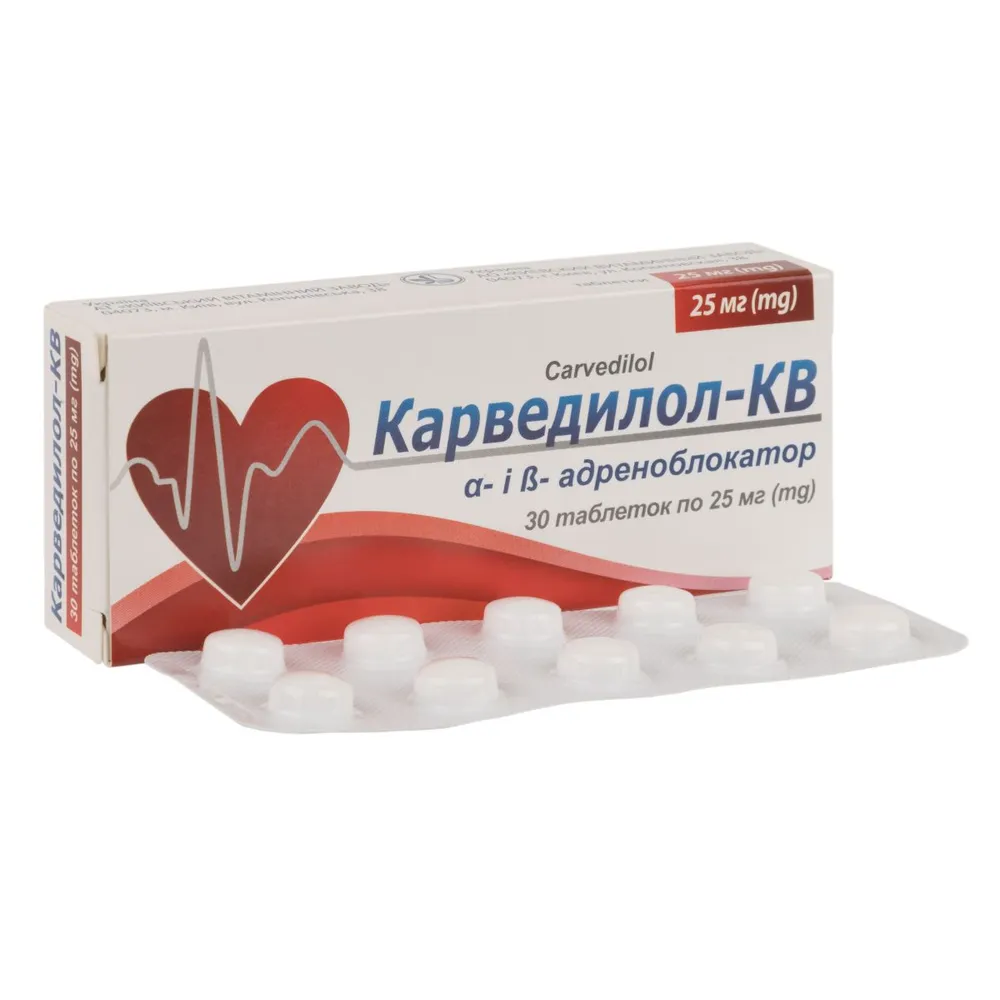
Table of Contents
INSTRUCTION FOR MEDICAL USE|consumption| OF THE MEDICINAL PRODUCT KARVEDILOL-KV| (CARVEDILOL-KV)
Composition:
active substance: carvedilol;
1 tablet|tablet| contains|contains| 12.5 mg or 25 mg| of carvedilol;
excipients: lactose monohydrate, |sugar, povidone|, crospovidone|, colloidal anhydrous silicon dioxide, magnesium stearate|.
Pharmaceutical form. Tablets|tablets|.
Main physicochemical properties: tablets|tablets| of round shape with|with| a biconvex| surface, with|with| a score line|, white or almost white in color.|color|
Pharmacotherapeutic group. α- and β-adrenoreceptor blockers. ATC code C07AG02.
Pharmacological properties.
Pharmacodynamics.
Carvedilol is a non-selective beta blocker with vasodilating properties. It also has antioxidant and antiproliferative properties.
The active ingredient, carvedilol, is a racemate; its enantiomers differ in their effects and metabolism. The S(-) enantiomer exhibits activity directed at blocking both α1- and β-adrenoceptors, whereas the R(+) enantiomer shows activity only toward blocking α1-adrenoceptors. Due to cardiopreferential blockade of β-adrenoceptors, carvedilol reduces arterial blood pressure, heart rate, and cardiac output. Carvedilol decreases pulmonary arterial pressure and right atrial pressure. By blocking α1-adrenoceptors, it induces peripheral vasodilation and reduces systemic vascular resistance. These effects reduce the load on the myocardium and help prevent the development of angina pectoris. In patients with heart failure, this leads to an increase in left ventricular ejection fraction and a reduction in disease symptoms. Similar effects have been observed in patients with left ventricular dysfunction. Carvedilol does not exhibit intrinsic sympathomimetic activity and, like propranolol, has membrane-stabilizing properties. Plasma renin activity is reduced, and fluid retention occurs only rarely. The effect on blood pressure and heart rate is most pronounced 1–2 hours after administration.
In hypertensive patients with healthy kidneys, carvedilol reduces renal vascular resistance. There are no significant changes in glomerular filtration rate, renal blood flow, or electrolyte excretion. Due to the maintenance of peripheral blood flow, cold extremities—common with beta-blocker therapy—occur only rarely.
Carvedilol generally does not affect serum lipoprotein levels.
Pharmacokinetics.
After oral administration, carvedilol is rapidly and almost completely absorbed. It is almost entirely bound to plasma proteins. The volume of distribution is approximately 2 L/kg. Plasma concentration is proportional to the administered dose.
Due to extensive first-pass metabolism in the liver (primarily mediated by hepatic enzymes CYP2D6 and CYP2C9), the bioavailability of carvedilol is only about 30%. Three active metabolites are formed, all exhibiting beta-blocking activity; one of them (the 4’-hydroxyphenyl derivative) has a beta-blocking activity 13 times greater than that of carvedilol. Compared to carvedilol, the active metabolites exert weak vasodilatory activity. Metabolism is stereoselective, resulting in plasma levels of R(+) carvedilol being 2–3 times higher than those of S(-) carvedilol. Plasma levels of active metabolites are approximately 10 times lower than those of carvedilol. Elimination half-life varies considerably: 5–9 hours for R(+) carvedilol and 7–11 hours for S(-) carvedilol.
In elderly patients, plasma levels of carvedilol are increased by approximately 50%. In patients with liver cirrhosis, the bioavailability of carvedilol increases fourfold, and maximum plasma concentration is five times higher than in healthy individuals. In patients with impaired liver function, bioavailability increases to 80% due to reduced first-pass metabolism. Since carvedilol is primarily excreted in feces, significant accumulation of the drug in patients with renal impairment is unlikely.
The presence of food in the stomach slows the rate of drug absorption, but does not affect its bioavailability.
Clinical characteristics.
Indications.
- Essential hypertension (both as monotherapy and in combination therapy).
- Chronic stable angina.
- Moderate to severe chronic heart failure, as an additional therapy.
Contraindications.
Hypersensitivity to the active substance or to any of the excipients of the medicinal product; decompensated heart failure – NYHA class IV heart failure requiring intravenous administration of inotropic agents; second- and third-degree atrioventricular block (except when a permanent pacemaker is in place); concomitant intravenous administration of verapamil, diltiazem, or other antiarrhythmic agents (particularly class I antiarrhythmics); severe bradycardia (heart rate < 50 beats/min); severe arterial hypotension (systolic blood pressure below 85 mm Hg); cardiogenic shock; sick sinus syndrome (including sinoatrial block); uncompensated heart failure requiring intravenous administration of positive inotropic and/or diuretic agents; cor pulmonale, pulmonary hypertension; bronchial asthma or obstructive airway diseases associated with bronchospasm; phaeochromocytoma (unless adequately controlled with alpha-blockers); Prinzmetal’s angina; severe hepatic impairment; concomitant use of MAO inhibitors (except MAO-B inhibitors); galactose intolerance, Lapp lactase deficiency, or glucose-galactose malabsorption; metabolic acidosis; pregnancy or breastfeeding, pediatric age.
Interaction with other medicinal products and other forms of interaction.
Some antiarrhythmic, narcotic, antihypertensive agents, antianginal drugs, other β-blockers (e.g., in the form of eye drops), agents reducing catecholamine levels (e.g., monoamine oxidase inhibitors, reserpine), and cardiac glycosides may enhance the effects of carvedilol. Therefore, the doses of these agents and Carvedilol-KV should be selected with caution.
Pharmacokinetic interactions.
Digoxin: digoxin concentrations increase by approximately 16% with concomitant administration of digoxin and carvedilol. Both digoxin and carvedilol slow arteriovenous conduction. Increased monitoring of digoxin levels is recommended at the initiation, dose adjustment, or discontinuation of carvedilol therapy.
Insulin or oral hypoglycemic agents: medicinal products with β-blocking properties may enhance the blood glucose-lowering effect of insulin and oral hypoglycemic agents. Symptoms of hypoglycemia may be masked or attenuated (particularly tachycardia). Therefore, regular blood glucose monitoring is recommended for patients receiving insulin or oral hypoglycemic agents.
P-glycoprotein, CYP2D6, CYP2D9 inducers or inhibitors. Carvedilol is a P-glycoprotein inhibitor; therefore, the bioavailability of medicinal products transported by P-glycoprotein may increase when co-administered with carvedilol.
Inhibitors and inducers of CYP2D6 and CYP2D9 may stereoselectively alter the systemic or presystemic metabolism of carvedilol, increasing or decreasing plasma concentrations of R- and S-carvedilol.
Fluoxetine. It is known from studies in patients with heart failure that concomitant use of fluoxetine, a potent CYP2D6 inhibitor, leads to stereoselective inhibition of carvedilol metabolism, increasing the AUC of the R(+) enantiomer by 77%.
β-agonists of bronchodilators. Non-cardioselective β-blockers counteract the effects of β-agonist bronchodilators; therefore, such patients require careful monitoring.
Hepatic metabolism stimulants and inhibitors: rifampicin reduces plasma concentrations of carvedilol by approximately 70%. Cimetidine increases AUC by approximately 30%, but does not cause any changes in Cmax. Increased attention may be required for patients taking mixed-function oxidase stimulators, such as rifampicin, as serum levels of carvedilol may be reduced, or mixed-function oxidase inhibitors, such as cimetidine, as serum levels may be increased. However, based on the relatively minor effect of cimetidine on carvedilol levels, the likelihood of any clinically significant interaction is minimal.
Agents reducing catecholamines: patients receiving β-blocking agents and agents that may reduce catecholamines (e.g., reserpine and monoamine oxidase inhibitors) should be closely monitored for signs of arterial hypotension and/or severe bradycardia.
Cyclosporine: a moderate increase in mean trough cyclosporine concentrations was observed after initiation of carvedilol therapy in kidney transplant patients with chronic vascular rejection. In approximately 30% of patients, the cyclosporine dose had to be reduced to maintain cyclosporine concentrations within the therapeutic range, while others required no adjustment. On average, cyclosporine dose was reduced by approximately 20% in these patients. Due to wide interindividual variability in dose adjustment requirements, cyclosporine concentrations should be carefully monitored after initiation of carvedilol therapy, and cyclosporine dose adjusted as necessary.
Antiarrhythmic agents. Isolated cases of conduction disturbances (rarely with hemodynamic compromise) have been observed when carvedilol and diltiazem were administered concurrently. For other agents with β-blocking properties, if carvedilol is administered orally with calcium channel blockers such as verapamil or diltiazem, ECG and blood pressure monitoring are recommended. These agents should not be administered intravenously.
Careful monitoring of the patient is required when carvedilol is used concomitantly with amiodarone (orally) or class I antiarrhythmic agents. Bradycardia, cardiac arrest, and ventricular fibrillation have been reported shortly after initiation of β-blocker therapy in patients concurrently receiving amiodarone. There is a risk of developing heart failure when concomitant intravenous therapy with class Ia or Ic antiarrhythmic agents is administered.
Other antihypertensive agents. Like other agents with β-blocking action, carvedilol may enhance the antihypertensive effect of other concurrently administered antihypertensive agents (e.g., β1-receptor antagonists) or may lead to arterial hypotension due to their adverse effect profile.
Pharmacodynamic interactions.
Clonidine: concomitant use of clonidine with agents possessing β-blocking properties may enhance the effects of blood pressure and heart rate reduction. When discontinuing combined therapy with β-blocking agents and clonidine, the β-blocking agent should be discontinued first. Then, after several days, clonidine therapy may be discontinued gradually by tapering the dose.
Dihydropyridines. Close monitoring of the patient is required when dihydropyridines and carvedilol are used concomitantly, as cases of heart failure and severe arterial hypotension have been reported.
Nitrates. Enhance the hypotensive effect.
NSAIDs, estrogens, and corticosteroids. The antihypertensive effect of carvedilol is attenuated by concomitant use of agents that promote fluid and sodium retention.
Sympathomimetics, α-mimetics, and β-mimetics. There is a risk of developing arterial hypertension and pronounced bradycardia when used concomitantly.
Ergotamine. Vasoconstriction is enhanced when used concomitantly.
Neuromuscular blockers. The neuromuscular blockade is enhanced when carvedilol is combined with neuromuscular blocking agents.
Xanthine derivatives. Use with xanthine derivatives (aminophylline, theophylline) should be cautious due to reduced β-adrenergic blocking effect.
Anesthetics: extreme caution is required during anesthesia due to synergistic negative inotropic and hypotensive effects of carvedilol and anesthetics.
Special precautions for use.
Arterial hypotension. The medicinal product is not recommended for use in patients with low blood pressure.
Orthostatic hypotension. Especially at the beginning of treatment and when increasing the dose of the medicinal product, orthostatic hypotension may occur, accompanied by dizziness and vertigo, and sometimes also by loss of consciousness. Patients at greatest risk include those with heart failure, elderly patients, and patients taking other antihypertensive agents or diuretics. These effects can be prevented by using a low initial dose of Carvedilol-KV, careful titration of the maintenance dose, and administration of the drug after food intake. Patients should be advised on measures to avoid orthostatic hypotension (caution when standing up; if dizziness occurs, the patient should sit or lie down).
Discontinuation of treatment. Abrupt discontinuation of carvedilol (as with other β-blockers) may lead to sweating, tachycardia, shortness of breath, and worsening of angina pectoris. Patients with angina are at greatest risk, as myocardial infarction may occur. The dose should be gradually reduced over 1–2 weeks. If treatment has been interrupted for more than 2 weeks, it should be resumed starting with the lowest dose.
Chronic heart failure. In most cases, carvedilol should be administered to patients with chronic heart failure in addition to therapy with diuretics, ACE inhibitors, digoxin, and/or vasodilators. Initiation of treatment should occur in a hospital setting under medical supervision. Therapy may only be started if the patient's condition has been stable for at least 4 weeks on standard background therapy. Patients with severe heart failure, salt deficiency, or dehydration, elderly patients, or those with low baseline blood pressure require continuous monitoring for approximately 2 hours after the first dose or after dose escalation, due to the potential risk of developing arterial hypotension. Arterial hypotension resulting from excessive vasodilation should initially be managed by reducing the diuretic dose; if symptoms persist, the dose of any ACE inhibitor may also be reduced. At the beginning of treatment or during dose escalation, heart failure may worsen or fluid retention may occur. In such cases, the diuretic dose should be increased. However, in some cases, it may be necessary to reduce or discontinue the drug. The dose of carvedilol should not be increased until symptoms related to worsening heart failure or arterial hypotension due to excessive vasodilation are controlled.
Carvedilol should be used with caution in patients with chronic heart failure who are taking digoxin, as this combination may prolong atrioventricular conduction.
Carvedilol may cause bradycardia. If the heart rate is < 55 beats/min and symptoms related to bradycardia occur, the dose of the medicinal product should be reduced.
Since carvedilol has a negative dromotropic effect, it should be used with caution in patients with first-degree heart block.
Renal function impairment. In patients with heart failure and low blood pressure (systolic pressure < 100 mm Hg), ischemic heart disease or systemic atherosclerosis, and/or renal impairment, worsening of renal function has been observed during treatment with carvedilol, which is reversible. In patients with heart failure who have such risk factors, renal function should be monitored during dose titration of carvedilol. If a significant deterioration in renal function occurs, the dose of carvedilol should be reduced or treatment discontinued.
Diabetes mellitus and hyperthyroidism. β-blockers reduce heart rate and may therefore mask hypoglycemia in patients with diabetes mellitus and hyperthyroidism in patients with thyroid disease. In patients with heart failure and concomitant diabetes mellitus, blood glucose levels may decrease or increase.
Antiarrhythmic agents. When carvedilol is used concomitantly with calcium channel blockers such as verapamil or diltiazem, or with other antiarrhythmic agents, particularly amiodarone, blood pressure and ECG should be monitored; therefore, simultaneous intravenous administration should be avoided.
Thyrotoxicosis. Carvedilol, like other β-blocking agents, may mask symptoms of thyrotoxicosis.
General anesthesia. β-blockers reduce the risk of arrhythmias during anesthesia, but may also increase the risk of arterial hypotension; therefore, certain anesthetics should be used with caution.
Hepatic function impairment. Carvedilol may very rarely cause worsening of liver function. In case of clinical suspicion, liver function should be evaluated. In patients with hepatic impairment, treatment with Carvedilol-KV should be discontinued. Normalization of liver function usually occurs after discontinuation of the drug.
Chronic obstructive pulmonary disease. β-blockers may exacerbate bronchial obstruction; therefore, these agents are not recommended for patients with chronic lung disease. In exceptional cases, the drug may be prescribed to patients with mild lung disease if other treatments are ineffective; however, careful monitoring is required. It is important that these patients receive the lowest effective dose. If signs of airway obstruction occur, treatment with Carvedilol-KV should be discontinued immediately.
Diseases of peripheral vessels and Raynaud's syndrome. Carvedilol should be used with caution in patients with peripheral vascular disease and Raynaud's syndrome, as β-blockers may exacerbate symptoms of these conditions.
Psoriasis. The medicinal product should be used with caution in patients with psoriasis, as it may exacerbate skin reactions.
Prinzmetal's angina. In patients with Prinzmetal's angina, non-selective β-adrenoblockers may cause chest pain (the α1-adrenoblocking effect of carvedilol may prevent this, but there is insufficient clinical experience with carvedilol in Prinzmetal's angina).
Pheochromocytoma. Patients with pheochromocytoma may only use β-blockers if they have already started treatment with α-blockers.
Hypersensitivity reactions. Carvedilol should be used with caution in patients with a history of severe hypersensitivity reactions and in those undergoing desensitization, as β-blockers may increase reactivity during allergy testing, enhance sensitivity to allergens, and increase the severity of anaphylactic reactions.
Contact lenses. Patients wearing contact lenses should be warned about the possible reduction in tear production.
The safety and efficacy of Carvedilol-KV in patients under 18 years of age have not been established; therefore, the medicinal product is not recommended for use in this population.
Important information on excipients of the medicinal product. The medicinal product contains sugar and lactose. This medicinal product should not be administered to patients with the following conditions: fructose intolerance, lactase deficiency, galactosemia, glucose-galactose malabsorption syndrome, or sucrase-isomaltase deficiency.
Patients should be advised not to consume alcoholic beverages during treatment, as alcohol may potentiate the effects of carvedilol.
Since the medicinal product contains sugar, this should be taken into account in patients with diabetes mellitus.
Use during pregnancy or breastfeeding.
There are insufficient clinical data on the effects of carvedilol during pregnancy. Animal studies are insufficient to assess effects during pregnancy, fetal development, or effects on the newborn. The potential risk to humans remains unknown.
β-blockers exert potentially harmful pharmacological effects on the fetus. They may cause fetal hypotension, bradycardia, and hypoglycemia.
The medicinal product is contraindicated during pregnancy.
Since carvedilol may pass into breast milk, breastfeeding should be discontinued during treatment with this medicinal product.
Ability to influence reaction speed when driving or operating machinery.
At the beginning of carvedilol treatment, patients may experience dizziness and increased fatigue, which may indicate the development of postural hypotension and loss of consciousness; therefore, patients should refrain from driving or operating potentially dangerous machinery.
Dosage and Administration
To slow absorption and prevent orthostatic effects, carvedilol should be taken after meals. The dose should be individually adjusted. Treatment should begin with low doses, which should be gradually increased until optimal clinical response is achieved. After administration of the first dose and after each dose increase, arterial blood pressure should be measured in the standing position one hour after dosing to rule out possible arterial hypotension.
Treatment with the drug should be discontinued gradually by tapering the dose over 1–2 weeks.
If treatment has been interrupted for more than 2 weeks, reinitiation should begin with the lowest dose.
Essential hypertension. The initial dose of carvedilol is 12.5 mg once in the morning after breakfast or 6.25 mg twice daily (in the morning and evening). After 2 days of treatment, the dose should be increased to 25 mg in the morning (1 tablet of 25 mg) or to 12.5 mg twice daily. After 14 days of treatment, the dose may be increased again to 25 mg twice daily.
The maximum dose of the drug for the treatment of arterial hypertension is 25 mg twice daily.
The recommended initial dose of carvedilol for treating arterial hypertension in patients with heart failure is 3.125 mg twice daily.
If a dose of 3.125 mg is required, carvedilol dosage forms with the appropriate active substance content should be prescribed.
Chronic stable angina. The initial dose of carvedilol is 12.5 mg twice daily after meals. After 2 days of treatment, the dose should be increased to 25 mg twice daily.
The maximum dose of carvedilol for the treatment of chronic angina is 25 mg twice daily. The recommended initial dose of carvedilol for treating angina in patients with heart failure is 3.125 mg twice daily.
Chronic heart failure. Carvedilol is recommended as an adjunctive treatment for stable mild, moderate, or severe chronic heart failure, in combination with standard therapies such as diuretics, ACE inhibitors, or digitalis preparations. The drug may also be used in patients who are intolerant to ACE inhibitors. Carvedilol may be prescribed to a patient only after stabilization of the doses of diuretics, ACE inhibitors, and digitalis (if used).
The dose should be individually adjusted. Careful medical monitoring is required for the first 2–3 hours after initial administration or after any dose increase to assess drug tolerance. If the patient develops bradycardia with a heart rate below 55 beats per minute, the carvedilol dose should be reduced. If symptoms of arterial hypotension occur, first consider reducing the dose of diuretics or ACE inhibitors; if these measures are insufficient, the carvedilol dose should be reduced.
At the beginning of treatment or after dose escalation, transient worsening of heart failure may occur. In such cases, the diuretic dose should be increased. Occasionally, temporary reduction or even discontinuation of carvedilol may be necessary. After clinical stabilization, treatment with carvedilol may be resumed or the dose increased.
The initial dose is 3.125 mg twice daily. If the patient tolerates this dose well, it may be gradually increased (every 2 weeks) to reach the optimal dose. Subsequent doses are 6.25 mg twice daily, then 12.5 mg twice daily, and finally 25 mg twice daily. The patient should take the highest dose that is well tolerated. The maximum recommended dose is 25 mg twice daily. For patients with body weight over 85 kg, the dose may be cautiously increased to 50 mg twice daily.
Elderly patients. Dose adjustment is not required.
Patients with hepatic impairment. Carvedilol-KV is not recommended for patients with severe hepatic impairment.
Patients with renal impairment. No special dose adjustments are required for patients with systolic arterial blood pressure above 100 mm Hg (see also section "Special Warnings").
Children. Safety and efficacy of Carvedilol-KV in children have not been established; therefore, the use of the drug in children is contraindicated.
Overdose.
Symptoms: marked decrease in arterial pressure (AP), bradycardia, heart failure, cardiogenic shock, cardiac arrest; possible respiratory depression, bronchospasm, vomiting, confusion, and generalized seizures.
Treatment: in addition to general supportive measures, monitoring and correction of vital functions should be performed, if necessary, in an intensive care unit. The following measures may be used:
a) place the patient in supine position;
b) for marked bradycardia – intravenous atropine 0.5–2 mg;
c) to support cardiovascular function – intravenous bolus of glucagon 1–10 mg, followed by continuous infusion of 2–5 mg per hour;
d) sympathomimetics (dobutamine, isoprenaline, orciprenaline, or adrenaline) in various doses depending on body weight and therapeutic response.
If positive inotropic agents are required, phosphodiesterase inhibitors should be administered. If arterial hypotension predominates in the clinical picture of overdose, norepinephrine should be administered under continuous hemodynamic monitoring.
For treatment-resistant bradycardia, temporary cardiac pacing is indicated. For bronchospasm, administer β-adrenergic agonists as aerosol (or intravenously if ineffective) or intravenous aminophylline. For seizures, administer diazepam or clonazepam slowly intravenously.
Because severe overdose with shock symptoms may prolong the elimination half-life of the drug from tissue depots, supportive therapy should be continued for a prolonged period. The duration of supportive detoxification therapy depends on the severity of overdose and should continue until the patient's condition stabilizes.
Carvedilol cannot be removed by dialysis.
In cases of severe overdose with cardiogenic shock, supportive treatment should be maintained for a sufficiently long time, as elimination or redistribution of carvedilol may be slower than usual.
Adverse Reactions.
Infections and infestations: bronchitis, pneumonia, upper respiratory tract infections, urinary tract infections.
Immune system disorders: hypersensitivity (allergic reaction).
Central nervous system disorders: headache, dizziness, increased fatigue; depression, sleep disturbances, paresthesia, vertigo.
Cardiovascular system disorders: postural hypotension, bradycardia, arterial hypertension, loss of consciousness, especially at the beginning of treatment, angina pectoris, increased heart rate; disturbances of peripheral blood flow, orthostatic reactions, intermittent claudication or Raynaud's disease, peripheral edema, atrioventricular block, worsening of heart failure.
Respiratory system disorders: dyspnea, pulmonary edema, bronchial asthma, nasal congestion.
Gastrointestinal system disorders: nausea, diarrhea, abdominal pain, dry mouth, constipation, vomiting, periodontitis, melena.
Skin disorders: rash, pruritus; urticaria; reactions resembling lichen planus; increased sweating; appearance of psoriatic plaques or exacerbation of psoriasis; alopecia; allergic exanthema; dermatitis.
Eye disorders: decreased lacrimation, visual disturbances, eye irritation.
Metabolic disorders: weight gain, hypervolemia, fluid retention.
Musculoskeletal system disorders: limb pain, arthralgia, cramps.
Genitourinary system disorders: urinary disorders, impotence; renal function impairment in patients with diffuse peripheral arterial disorders, renal failure, hematuria, albuminuria, urinary incontinence in women.
Hepatobiliary system disorders: dyskinesia, reactions manifesting as acute liver failure and liver function disturbances in patients with generalized atherosclerosis.
Laboratory findings: elevated serum transaminase levels; thrombocytopenia, leukopenia, anemia, decreased prothrombin levels, impaired blood glucose control (hyperglycemia, hypoglycemia) in patients with pre-existing diabetes; hypercholesterolemia, glucosuria, hyperkalemia, hypertriglyceridemia, hyponatremia, elevated levels of alkaline phosphatase, creatinine, urea, hyperuricemia.
Other adverse effects: influenza-like symptoms, fever; hypoesthesia, anaphylactic reactions, possible manifestation of latent diabetes, symptoms of existing diabetes may worsen during therapy, depressed mood, asthenia, pain.
Except for dizziness, visual disturbances, and bradycardia, none of the above-described adverse effects are dose-dependent.
Shelf life. 3 years.
Storage conditions.
Store in the original packaging at a temperature not exceeding 25 °C.
Keep out of reach of children.
Packaging.
10 tablets in a blister; 3 blisters in a carton.
Prescription status. By prescription.
Manufacturer. JSC "KYIV VITAMIN PLANT".
Manufacturer's address and location of business activity.
38 Kopilivska Street, Kyiv, 04073, Ukraine.
Web-site: www.vitamin.com.ua.
INSTRUCTION
for medical use of medicinal product
CARVEDILOL-KV
(CARVEDILOL-KV)
Composition:
Active ingredient: carvedilol;
1 tablet contains carvedilol 12.5 mg or 25 mg;
Excipients: lactose monohydrate, sucrose, povidone, crospovidone, colloidal anhydrous silicon dioxide, magnesium stearate.
Pharmaceutical form. Tablets.
Main physicochemical properties: round, biconvex tablets with a score line, white or almost white in color.
Pharmacotherapeutic group. Alpha- and beta-adrenoreceptor blockers.
ATC code C07AG02.
Pharmacological properties.
Pharmacodynamics.
Carvedilol is a non-selective beta-blocker with vasodilating action. It also possesses antioxidant and antiproliferative properties.
The active ingredient carvedilol is a racemate; its enantiomers differ in their effects and metabolism. The S(-) enantiomer exhibits activity in blocking α1- and β-adrenoreceptors, whereas the R(+) enantiomer shows activity only in blocking α1-adrenoreceptors. Due to its cardioselective blockade of β-adrenoreceptors, it reduces arterial blood pressure, heart rate, and cardiac output. Carvedilol reduces pulmonary artery pressure and right atrial pressure. By blocking α1-adrenoreceptors, it causes peripheral vasodilation and reduces systemic vascular resistance. These effects reduce the load on the myocardium and prevent the development of angina pectoris. In patients with heart failure, this leads to an increase in left ventricular ejection fraction and a reduction in disease symptoms. Similar effects have been observed in patients with left ventricular dysfunction. Carvedilol does not exhibit intrinsic sympathomimetic activity, and like propranolol, it has membrane-stabilizing properties. Plasma renin activity decreases, and fluid retention occurs rarely. The effect on blood pressure and heart rate is most pronounced 1–2 hours after administration.
In patients with arterial hypertension and healthy kidneys, carvedilol reduces renal vascular resistance. There are no significant changes in glomerular filtration, renal blood flow, or electrolyte excretion. Due to the support of peripheral blood flow, cooling of extremities, typical for beta-blocker therapy, occurs rarely.
Carvedilol generally does not affect serum lipoprotein levels.
Pharmacokinetics.
Carvedilol is rapidly and almost completely absorbed after oral administration. It is almost completely bound to plasma proteins. The volume of distribution is approximately 2 L/kg. Plasma concentration is proportional to the administered dose.
Due to extensive first-pass hepatic metabolism (mainly via hepatic enzymes CYP2D6 and CYP2C9), the bioavailability of carvedilol is only about 30%. Three active metabolites are formed, which exhibit β-blocking activity; one of them (4'-hydroxyphenyl derivative) has 13 times greater β-blocking activity than carvedilol. Compared to carvedilol, the active metabolites exhibit weak vasodilatory activity. Metabolism is stereoselective; therefore, plasma levels of R(+) carvedilol are 2–3 times higher than those of S(-) carvedilol. Plasma levels of active metabolites are approximately 10 times lower than those of carvedilol. Elimination half-life varies significantly: 5–9 hours for R(+) carvedilol and 7–11 hours for S(-) carvedilol.
In elderly patients, plasma levels of carvedilol are increased by approximately 50%.
In patients with liver cirrhosis, the bioavailability of carvedilol increases fourfold, and maximum plasma concentration is five times higher than in healthy individuals. In patients with impaired liver function, bioavailability increases up to 80% due to reduced first-pass metabolism. Since carvedilol is primarily excreted in feces, significant accumulation of the drug is unlikely in patients with impaired renal function.
The presence of food in the stomach slows the rate of drug absorption, but does not affect its bioavailability.
Clinical characteristics.
Indications.
- Essential hypertension (as monotherapy or in combination therapy).
- Chronic stable angina pectoris.
- Moderate to severe chronic heart failure as adjunctive therapy.
Contraindications.
Hypersensitivity to the active substance or any of the excipients; decompensated heart failure – NYHA class IV heart failure requiring intravenous administration of inotropic agents; second- and third-degree atrioventricular block (except when a permanent pacemaker is implanted); concomitant intravenous administration of verapamil, diltiazem, or other antiarrhythmic drugs (especially antiarrhythmic drugs of class I); severe bradycardia (heart rate < 50 beats/min); severe arterial hypotension (systolic pressure below 85 mm Hg); cardiogenic shock; sinus node dysfunction (including sinoatrial block); uncompensated heart failure requiring intravenous administration of positive inotropic and/or diuretic agents; cor pulmonale, pulmonary hypertension; bronchial asthma or obstructive respiratory diseases accompanied by bronchospasm; pheochromocytoma (except when adequately controlled with alpha-blockers); Prinzmetal's angina; severe hepatic impairment; concomitant use of MAO inhibitors (except MAO-B inhibitors); galactose intolerance, Lapp lactase deficiency, or glucose-galactose malabsorption; metabolic acidosis; pregnancy or breastfeeding, pediatric age.
Interaction with other medicinal products and other types of interactions.
Some antiarrhythmic, narcotic, antihypertensive drugs, antianginal agents, other beta-blockers (e.g., as eye drops), drugs reducing catecholamine levels (e.g., monoamine oxidase inhibitors, reserpine), and cardiac glycosides may enhance the effects of carvedilol. Therefore, doses of these drugs and Carvedilol-KV should be carefully adjusted.
Pharmacokinetic interactions.
Digoxin: digoxin concentrations increase by approximately 16% when digoxin and carvedilol are co-administered. Both digoxin and carvedilol slow atrioventricular conduction. Monitoring of digoxin levels is recommended at the beginning, during dose adjustment, or upon discontinuation of carvedilol.
Insulin or oral hypoglycemic agents: drugs with β-blocking properties may enhance the blood glucose-lowering effect of insulin and oral hypoglycemic agents. Symptoms of hypoglycemia may be masked or attenuated (especially tachycardia). Therefore, regular blood glucose monitoring is recommended for patients taking insulin or oral hypoglycemic agents.
Inducers or inhibitors of P-glycoprotein, CYP2D6, CYP2C9. Carvedilol is a P-glycoprotein inhibitor; therefore, the bioavailability of drugs transported by P-glycoprotein may increase when co-administered with carvedilol.
Inhibitors and inducers of CYP2D6 and CYP2C9 may stereoselectively alter systemic or presystemic metabolism of carvedilol, increasing or decreasing plasma concentrations of R- and S-carvedilol.
Fluoxetine. It is known from studies in patients with heart failure that concomitant use of fluoxetine, a potent CYP2D6 inhibitor, leads to stereoselective inhibition of carvedilol metabolism, increasing the AUC of the R(+) enantiomer by 77%.
β-agonists of bronchodilators. Non-cardioselective beta-blockers counteract the effects of β-agonist bronchodilators; therefore, such patients require careful monitoring.
Stimulants and inhibitors of hepatic metabolism: rifampicin reduces plasma concentrations of carvedilol by approximately 70%. Cimetidine increases AUC by approximately 30% but does not affect Cmax. Increased attention may be necessary for patients taking mixed-function oxidase stimulators, such as rifampicin, as serum levels of carvedilol may be reduced, or mixed-function oxidase inhibitors, such as cimetidine, as serum levels may be increased. However, due to the relatively minor effect of cimetidine on carvedilol levels, the likelihood of any clinically significant interaction is minimal.
Drugs reducing catecholamines: patients taking drugs with β-blocking properties and drugs that reduce catecholamines (e.g., reserpine and monoamine oxidase inhibitors) should be closely monitored for signs of arterial hypotension and/or severe bradycardia.
Cyclosporine: a moderate increase in mean trough cyclosporine concentrations was observed after initiation of carvedilol therapy in kidney transplant patients with chronic vascular rejection. In approximately 30% of patients, the cyclosporine dose needed to be reduced to maintain cyclosporine concentrations within the therapeutic range, while others required no adjustment. On average, cyclosporine dose was reduced by approximately 20%. Due to wide interindividual variability in dose adjustment requirements, cyclosporine concentrations should be closely monitored after starting carvedilol therapy, and dose adjustments should be made as necessary.
Antiarrhythmic drugs. Isolated cases of conduction disturbances (rarely with hemodynamic impairment) have been observed when carvedilol and diltiazem were administered concurrently. For other drugs with β-blocking properties, if carvedilol is prescribed orally with calcium channel blockers such as verapamil or diltiazem, ECG and blood pressure monitoring are recommended. These drugs should not be administered intravenously.
Careful monitoring of the patient is required when carvedilol is used concomitantly with amiodarone (orally) or class I antiarrhythmic drugs. Cases of bradycardia, cardiac arrest, and ventricular fibrillation have been reported shortly after initiation of beta-blocker therapy in patients concurrently taking amiodarone. There is a risk of developing heart failure when concomitant intravenous therapy with class Ia or Ic antiarrhythmic drugs is administered.
Other antihypertensive drugs. Like other drugs with β-blocking action, carvedilol may enhance the effects of other concurrently administered antihypertensive drugs (e.g., β1-receptor antagonists) or may lead to arterial hypotension relative to its adverse effect profile.
Pharmacodynamic interactions.
Clonidine: concomitant use of clonidine with drugs having β-blocking properties may enhance the blood pressure- and heart rate-lowering effects. When discontinuing concomitant therapy with β-blocking drugs and clonidine, the β-blocking drug should be discontinued first, followed several days later by gradual tapering of clonidine.
Dihydropyridines. Close patient monitoring is required when dihydropyridines and carvedilol are used simultaneously, as cases of heart failure and severe arterial hypotension have been reported.
Nitrates. Enhance the hypotensive effect.
NSAIDs, estrogens, and corticosteroids. The antihypertensive effect of carvedilol is reduced when used concomitantly with drugs that cause fluid and sodium retention.
Sympathomimetics, α-mimetics, and β-mimetics. Concurrent use may result in arterial hypertension and severe bradycardia.
Ergotamine. Vasoconstriction is enhanced when used concomitantly.
Myorelaxants. Combination of carvedilol with myorelaxants enhances neuromuscular blockade.
Xanthine derivatives. Use with caution with xanthine derivatives (aminophylline, theophylline) due to reduced β-adrenergic blocking effect.
Anesthetics: extreme caution is required during anesthesia due to synergistic negative inotropic and hypotensive effects of carvedilol and anesthetics.
Special precautions.
Arterial hypotension. The drug is not recommended for patients with low blood pressure.
Orthostatic hypotension. Orthostatic hypotension with dizziness and vertigo, sometimes accompanied by syncope, may occur especially at the beginning of treatment and when increasing the dose. Patients with heart failure, elderly patients, and those taking other antihypertensive drugs or diuretics are at highest risk. These effects can be prevented by using a low initial dose of Carvedilol-KV, careful titration of maintenance dose, and taking the drug after meals. Patients should be advised on measures to prevent orthostatic hypotension (caution when standing up; if dizziness occurs, the patient should sit or lie down).
Discontinuation of treatment. Abrupt discontinuation of carvedilol (as with other beta-blockers) may cause sweating, tachycardia, dyspnea, and worsening angina. Patients with angina are at greatest risk of myocardial infarction. The dose should be gradually reduced over 1–2 weeks. If treatment has been interrupted for more than 2 weeks, it should be resumed starting with the lowest dose.
Chronic heart failure. In most cases, carvedilol should be prescribed to patients with chronic heart failure in addition to diuretics, ACE inhibitors, digoxin, and/or vasodilators. Initiation of treatment should occur in a hospital setting under medical supervision. Treatment may only be started if the patient's condition has been stable for at least 4 weeks on standard baseline therapy. Patients with severe heart failure, salt deficiency, or dehydration, elderly patients, or those with low baseline blood pressure require continuous monitoring for approximately 2 hours after the first dose or dose increase due to possible development of arterial hypotension. Arterial hypotension resulting from excessive vasodilation should initially be treated by reducing the diuretic dose; if symptoms persist, the dose of any ACE inhibitor may be reduced. At the beginning of treatment or when increasing the dose, heart failure may worsen or fluid retention may occur. In such cases, the diuretic dose should be increased. However, in some cases, it may be necessary to reduce or discontinue the drug. The dose of carvedilol should not be increased until symptoms related to worsening heart failure or arterial hypotension due to excessive vasodilation are controlled.
Carvedilol should be used with caution in patients with chronic heart failure taking digitalis preparations, as this combination prolongs atrioventricular conduction.
Carvedilol may cause bradycardia. If heart rate is < 55 beats/min and symptoms related to bradycardia occur, the drug dose should be reduced.
Since carvedilol has a negative dromotropic effect, it should be used cautiously in patients with first-degree heart block.
Renal function impairment. In patients with heart failure and low blood pressure (systolic pressure < 100 mm Hg), ischemic heart disease or systemic atherosclerosis, and/or renal impairment, worsening of renal function has been observed during carvedilol treatment, which is reversible. In patients with heart failure and such risk factors, renal function should be monitored during carvedilol dose titration. If significant worsening of renal function occurs, the carvedilol dose should be reduced or treatment discontinued.
Diabetes and hyperthyroidism. Beta-blockers reduce heart rate and may therefore mask hypoglycemia in diabetic patients and thyrotoxicosis in patients with thyroid disease. In patients with heart failure and diabetes, blood glucose levels may decrease or increase.
Antiarrhythmic drugs. When carvedilol is used concomitantly with calcium channel blockers such as verapamil and diltiazem, or other antiarrhythmic drugs, especially amiodarone, blood pressure and ECG parameters should be monitored; therefore, their concomitant intravenous administration should be avoided.
Thyrotoxicosis. Carvedilol, like other drugs with β-blocking action, may mask symptoms of thyrotoxicosis.
General anesthesia. Beta-blockers reduce the risk of arrhythmias during anesthesia, but may also increase the risk of arterial hypotension; therefore, certain anesthetics should be used cautiously.
Hepatic function impairment. Carvedilol may very rarely cause worsening of liver function. If clinical deterioration is suspected, liver function should be checked. In case of hepatic failure, the patient should discontinue Carvedilol-KV. Liver function usually normalizes after discontinuation of the drug.
Chronic obstructive pulmonary disease. Beta-blockers may exacerbate bronchial obstruction; therefore, these drugs are not recommended for patients with chronic lung disease. In exceptional cases, the drug may be prescribed to patients with mild lung disease when other drugs are ineffective; however, careful monitoring is required. It is important that these patients take the lowest effective dose. If signs of airway obstruction occur, treatment with Carvedilol-KV should be discontinued immediately.
Peripheral vascular diseases and Raynaud's syndrome. Carvedilol should be used cautiously in patients with peripheral vascular diseases and Raynaud's syndrome, as beta-blockers may exacerbate symptoms.
Psoriasis. The drug should be used cautiously in patients with psoriasis, as it may exacerbate skin reactions.
Prinzmetal's angina. Non-selective β-adrenoblockers may cause chest pain in patients with Prinzmetal's angina (the α1-adrenoblocking effect of carvedilol may prevent this, but there is insufficient clinical experience with carvedilol in Prinzmetal's angina).
Pheochromocytoma. Patients with pheochromocytoma may take beta-blockers only if they have already started alpha-blocker therapy.
Hypersensitivity reactions. Carvedilol should be prescribed cautiously to patients with a history of severe hypersensitivity reactions and those undergoing desensitization, as beta-blockers may increase reactivity during allergy testing, enhance sensitivity to allergens, and increase the severity of anaphylactic reactions.
Contact lenses. Patients wearing contact lenses should be warned about the possibility of reduced tear secretion.
The safety and efficacy of Carvedilol-KV in patients under 18 years have not been studied; therefore, the drug is not recommended for such patients.
Important information regarding excipients. The drug contains sucrose and lactose. This medicinal product is not recommended for patients with the following conditions: fructose intolerance, lactase deficiency, galactosemia, glucose-galactose malabsorption syndrome, or sucrase-isomaltase deficiency.
Patients should avoid alcohol consumption during treatment, as alcohol may enhance the effects of carvedilol.
Since the drug contains sucrose, this should be considered by diabetic patients.
Use during pregnancy or breastfeeding.
There are insufficient clinical data on the effects of carvedilol during pregnancy. Animal studies are insufficient to assess effects during pregnancy, fetal development, and postnatal effects on the child. The potential risk to humans remains unknown.
Beta-blockers have potentially harmful pharmacological effects on the fetus. They may cause fetal hypotension, bradycardia, and hypoglycemia.
The drug is contraindicated during pregnancy.
Since carvedilol may pass into breast milk, breastfeeding should be discontinued during treatment with this drug.
Ability to affect reaction speed when driving or operating machinery.
At the beginning of carvedilol treatment, patients may experience dizziness and increased fatigue, which may indicate the development of postural hypotension and loss of consciousness; therefore, they should refrain from driving and operating potentially hazardous machinery.
Administration and dosage.
To slow absorption and prevent orthostatic effects, carvedilol should be taken after meals. The dose should be individually adjusted. Treatment should start with low doses, which should be gradually increased until the optimal clinical effect is achieved. After the first dose and after each dose increase, blood pressure in the standing position should be measured 1 hour after administration to rule out possible arterial hypotension.
Treatment with the drug should be discontinued gradually by reducing the dose over 1 or 2 weeks.
If treatment has been interrupted for more than 2 weeks, it should be resumed starting with the lowest dose.
Essential hypertension. Initial dose of carvedilol is 12.5 mg in the morning after breakfast or 6.25 mg twice daily (morning and evening). After 2 days of treatment, the dose should be increased to 25 mg in the morning (1 tablet of 25 mg) or to 12.5 mg twice daily. After 14 days of treatment, the dose may be increased again to 25 mg twice daily.
The maximum dose of the drug for treating arterial hypertension is 25 mg twice daily.
The recommended initial dose of carvedilol for treating arterial hypertension in patients with heart failure is 3.125 mg twice daily.
If a dose of 3.125 mg is required, carvedilol formulations with appropriate active ingredient content should be prescribed.
Chronic stable angina pectoris. Initial dose of carvedilol is 12.5 mg twice daily after meals. After 2 days of treatment, the dose should be increased to 25 mg twice daily.
The maximum dose of carvedilol for treating chronic angina pectoris is 25 mg twice daily. The recommended initial dose of carvedilol for treating angina in patients with heart failure is 3.125 mg twice daily.
Chronic heart failure. Carvedilol is recommended for treating stable mild, moderate, or severe chronic heart failure as an adjunct to standard medications such as diuretics, ACE inhibitors, or digitalis preparations. The drug may also be used in patients who cannot tolerate ACE inhibitors. Carvedilol may be prescribed only after diuretic, ACE inhibitor, and digitalis (if used) doses have been stabilized.
The dose should be individually adjusted. Careful medical monitoring is required for 2–3 hours after initial administration or dose increase to assess drug tolerance. If the patient's heart rate slows to less than 55 beats per minute, the carvedilol dose should be reduced. If symptoms of arterial hypotension occur, reduction of the diuretic or ACE inhibitor dose should first be considered; if these measures are insufficient, the carvedilol dose should be reduced.
At the beginning of treatment or after dose increase, transient worsening of heart failure may occur. In such cases, the diuretic dose should be increased. Sometimes, temporary reduction or discontinuation of carvedilol may be necessary. After clinical stabilization, treatment with carvedilol may be resumed or its dose increased.
Initial dose is 3.125 mg twice daily. If the patient tolerates this dose well, it may be gradually increased (every 2 weeks) to reach the optimal dose. Subsequent doses are 6.25 mg twice daily, then 12.5 mg twice daily, and 25 mg twice daily. The patient should take the highest dose they tolerate well. The maximum recommended dose is 25 mg twice daily. For patients weighing more than 85 kg, the dose may be cautiously increased to 50 mg twice daily.
Elderly patients. Dose adjustment is not required.
Patients with hepatic impairment. Carvedilol-KV is not recommended for patients with severe hepatic impairment.
Patients with renal impairment. No special dose adjustments are required for patients with systolic blood pressure above 100 mm Hg (see also section "Special precautions").
Children. Safety and efficacy data for Carvedilol-KV in children are lacking; therefore, use in children is contraindicated.
Overdose.
Symptoms: severe reduction in blood pressure (BP), bradycardia, heart failure, cardiogenic shock, cardiac arrest; respiratory disturbances, bronchospasm, vomiting, confusion, and generalized seizures may occur.
Treatment: in addition to general supportive measures, monitoring and correction of vital signs are required, if necessary, in an intensive care unit. The following measures may be used:
a) place the patient in a supine position;
b) for severe bradycardia – intravenous atropine 0.5–2 mg;
c) to support cardiovascular function – intravenous bolus of glucagon 1–10 mg, followed by continuous infusion of 2–5 mg/hour;
d) sympathomimetics (dobutamine, isoprenaline, orciprenaline, or adrenaline) in various doses depending on body weight and therapeutic response.
If positive inotropic agents are required, phosphodiesterase inhibitors should be administered. If arterial hypotension predominates in the clinical picture of overdose, noradrenaline should be administered under continuous hemodynamic monitoring.
For treatment-resistant bradycardia, artificial cardiac pacing is indicated. For bronchospasm, β-adrenergic agonists should be administered as an aerosol (intravenously if ineffective) or intravenous aminophylline. For seizures, diazepam or clonazepam should be administered slowly intravenously. Since severe overdose with shock symptoms may prolong the elimination half-life of the drug from tissue stores, supportive therapy should be continued for a sufficiently long time. The duration of supportive detoxification therapy depends on the severity of overdose and should continue until the patient's condition stabilizes.
Carvedilol cannot be removed by dialysis.
In cases of severe overdose with cardiogenic shock, supportive treatment should be prolonged, as elimination or redistribution of carvedilol may be slower than usual.
Adverse reactions.
Infections and infestations: bronchitis, pneumonia, upper respiratory tract infections, urinary tract infections.
Immune system disorders: hypersensitivity (allergic reaction).
Central nervous system disorders: headache, dizziness, increased fatigue; depression, sleep disturbances, paresthesia, vertigo.
Cardiovascular system disorders: postural hypotension, bradycardia, arterial hypertension, loss of consciousness, especially at the beginning of treatment, angina pectoris, increased heart rate; disturbances of peripheral blood flow, orthostatic reactions, intermittent claudication or Raynaud's disease, peripheral edema, atrioventricular block, worsening of heart failure.
Respiratory system disorders: dyspnea, pulmonary edema, bronchial asthma, nasal congestion.
Gastrointestinal system disorders: nausea, diarrhea, abdominal pain, dry mouth, constipation, vomiting, periodontitis, melena.
Skin disorders: rash, pruritus; urticaria; reactions resembling lichen planus; increased sweating; appearance of psoriatic plaques or exacerbation of psoriasis; alopecia; allergic exanthema; dermatitis.
Eye disorders: decreased lacrimation, visual disturbances, eye irritation.
Metabolic disorders: weight gain, hypervolemia, fluid retention.
Musculoskeletal system disorders: limb pain, arthralgia, cramps.
Genitourinary system disorders: urinary disorders, impotence; renal function impairment in patients with diffuse peripheral arterial disorders, renal failure, hematuria, albuminuria, urinary incontinence in women.
Hepatobiliary system disorders: dyskinesia, reactions manifesting as acute liver failure and liver function disturbances in patients with generalized atherosclerosis.
Laboratory findings: elevated serum transaminase levels; thrombocytopenia, leukopenia, anemia, decreased prothrombin levels, impaired blood glucose control (hyperglycemia, hypoglycemia) in patients with pre-existing diabetes; hypercholesterolemia, glucosuria, hyperkalemia, hypertriglyceridemia, hyponatremia, elevated levels of alkaline phosphatase, creatinine, urea, hyperuricemia.
Other adverse effects: influenza-like symptoms, fever; hypoesthesia, anaphylactic reactions, possible manifestation of latent diabetes, symptoms of existing diabetes may worsen during therapy, depressed mood, asthenia, pain.
Except for dizziness, visual disturbances, and bradycardia, none of the above-described adverse effects are dose-dependent.
Shelf life. 3 years.
Storage conditions.
Store in the original packaging at a temperature not exceeding 25 °C.
Keep out of reach of children.
Packaging.
10 tablets in a blister; 3 blisters in a carton.
Prescription status. By prescription.
Manufacturer. JSC "KYIV VITAMIN PLANT".
Manufacturer's address and location of business activity.
38 Kopilivska Street, Kyiv, 04073, Ukraine.
Web-site: www.vitamin.com.ua.