Calcium gluconate
Ukraine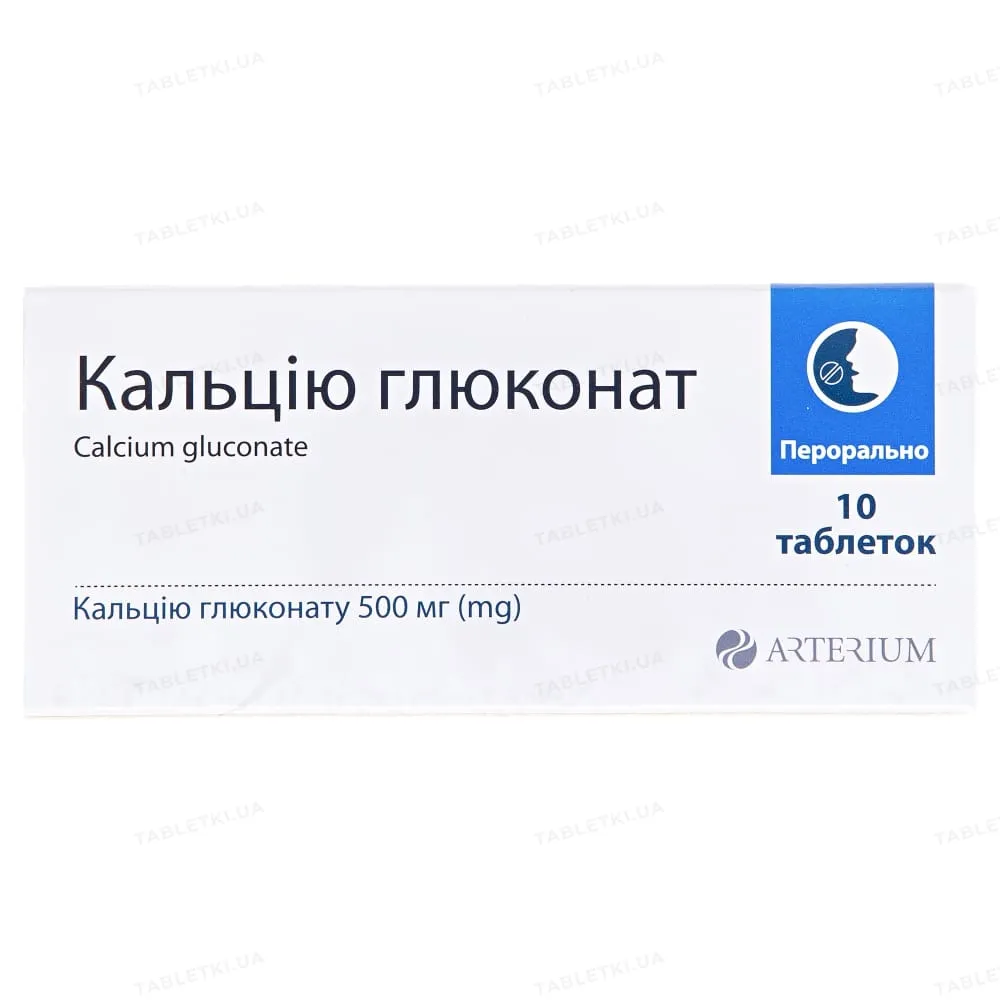
Table of Contents
INSTRUCTIONS FOR MEDICAL USE OF THE MEDICINAL PRODUCT CALCIUM GLUCONATE (CALCIUM GLUCONATE)
Composition:
Active substance: calcium gluconate;
One tablet contains calcium gluconate 500 mg (0.5 g);
Excipients: potato starch, talc, calcium stearate.
Pharmaceutical form. Tablets.
Main physicochemical characteristics: white tablets with a flat surface, a score line and beveled edges.
Pharmacotherapeutic group. Mineral supplements. Calcium preparations. Calcium gluconate.
ATC code A12AA03.
Pharmacological properties.
Pharmacodynamics.
Calcium ions are involved in the transmission of nerve impulses, contraction of smooth and striated muscles, functioning of cardiac muscle, and blood coagulation processes; they are necessary for bone tissue formation and normal functioning of other systems and organs. Calcium gluconate reduces vascular permeability, prevents the development of inflammatory reactions, increases the body's resistance to infections, and exerts antiallergic and hemostatic effects.
Pharmacokinetics.
Not studied.
Clinical characteristics.
Indications.
Conditions associated with hypocalcemia, increased cellular membrane permeability, and impaired conduction of nerve impulses in muscular tissue.
Hypoparathyroidism (latent tetany, osteoporosis), disturbances in vitamin D metabolism (rickets, spasmophilia, osteomalacia), hyperphosphatemia in patients with chronic renal insufficiency.
Increased calcium demand (periods of intensive growth in children and adolescents, pregnancy or lactation), insufficient dietary Ca²⁺ intake, impaired calcium metabolism during postmenopausal period, bone fractures.
Enhanced excretion of Ca²⁺ (prolonged bed rest, chronic diarrhea, hypocalcemia during prolonged use of diuretics, antiepileptic drugs, glucocorticoids). In complex therapy: hemorrhages of various etiologies; allergic diseases (serum sickness, urticaria, pruritic syndrome, pruritic dermatoses, angioneurotic edema); bronchial asthma, dystrophic alimentary edema, pulmonary tuberculosis, eclampsia, parenchymatous hepatitis, toxic liver damage, nephritis.
Poisoning with magnesium salts, oxalic acid, and soluble salts of hydrofluoric acid (when interacting with calcium gluconate, insoluble and non-toxic calcium oxalate and calcium fluoride are formed).
Contraindications.
Hypersensitivity to the components of the drug, hypercalcemia (calcium concentration in blood above 12 mg% = 6 mEq/L), pronounced hypercalciuria, hypercoagulation, increased blood coagulation, tendency to thrombosis, severe atherosclerosis, severe renal insufficiency, nephrourolithiasis (calcium-containing stones), sarcoidosis, use of cardiac glycosides.
Interaction with other medicinal products and other types of interactions.
The drug slows absorption of estramustine, etidronate, and other bisphosphonates, phenytoin, quinolones, tetracycline antibiotics, oral iron preparations, and fluoride-containing drugs (the interval between their administration and calcium gluconate should be at least 3 hours). When used concomitantly with vitamin D or its derivatives, calcium absorption is enhanced. Concurrent use with cardiac glycosides may increase the arrhythmogenic effect of the latter. Combined use with thiazide diuretics may increase the risk of developing hypercalcemia. The drug may reduce the effect of calcitonin in hypercalcemia, decrease phenytoin bioavailability, and diminish the effect of calcium channel blockers. Concurrent use with quinidine may result in slowed intraventricular conduction and increased quinidine toxicity. Cholestyramine, glucocorticosteroids, and certain foods (spinach, rhubarb, bran, cereals) reduce gastrointestinal absorption of calcium.
The drug forms insoluble or poorly soluble salts with carbonates, salicylates, and sulfates.
Special precautions for use.
Calcium gluconate should be administered with caution to patients with moderate hypercalciuria exceeding 300 mg (7.5 mmol per day), mild renal function impairment, or a history of urolithiasis, with monitoring of urinary calcium excretion. If necessary, the dose should be reduced or the drug discontinued. Patients predisposed to stone formation in the urinary tract should increase their fluid intake during treatment.
When administered to patients receiving cardiac glycosides and/or diuretics, as well as during long-term therapy, serum calcium and creatinine concentrations should be monitored. If their concentrations increase, the dose should be reduced or the drug temporarily discontinued. Since vitamin D3 enhances calcium absorption from the gastrointestinal tract, to avoid calcium overdose, intake of vitamin D3 and calcium from other sources must be taken into account. Therefore, high doses of vitamin D or its derivatives should be avoided during treatment unless specifically indicated.
An interval of at least 3 hours should be maintained between administration of this drug and oral medications such as estramustine, etidronate and other bisphosphonates, phenytoin, quinolones, tetracycline antibiotics, oral iron preparations, and fluoride-containing products.
Use during pregnancy or breastfeeding.
Use of the drug is permissible based on the benefit-risk ratio for the mother and fetus (child), as determined by the physician. Calcium may pass into breast milk during calcium supplementation while breastfeeding.
Ability to influence reaction rate when driving or operating machinery.
No effect.
Administration and Dosage
Take before meals. Crush the tablet before use. Take with a small amount of water.
Single doses:
- Adults and children aged 14 years and older – 1–3 g (2–6 tablets)
- Children aged 3–4 years – 1 g (2 tablets)
- Children aged 5–6 years – 1–1.5 g (2–3 tablets)
- Children aged 7–9 years – 1.5–2 g (3–4 tablets)
- Children aged 10–14 years – 2–3 g (4–6 tablets)
Administer 2–3 times daily.
The daily dose for elderly patients should not exceed 2 g (4 tablets).
The duration of treatment is determined individually by the physician, depending on the course of the disease and the patient's condition.
Children
Do not use in children under 3 years of age.
Overdose
Prolonged use at high doses may lead to hypercalcemia with calcium salt deposition in tissues. Gastrointestinal disturbances may also occur. The risk of hypercalcemia increases with concomitant treatment using high doses of vitamin D or its derivatives.
Symptoms of hypercalcemia: drowsiness, weakness, increased fatigue, anorexia, abdominal pain, vomiting, nausea, constipation, polydipsia, polyuria, irritability, depression, dehydration, possible cardiac rhythm disturbances, myalgia, arthralgia, elevated arterial pressure.
Treatment: Discontinue the drug. In severe cases – parenteral calcitonin 5–10 IU/kg body weight per day, diluted in 500 ml of 0.9% sodium chloride solution (administered intravenously by drip over 6 hours), or intravenous slow bolus injection 2–4 times daily.
Side effects.
The drug is usually well tolerated, but allergic reactions and other adverse events may occasionally occur:
Gastrointestinal tract: nausea, vomiting, diarrhea, abdominal pain, constipation; with prolonged use in high doses – formation of calcium concretions in the intestine;
Cardiovascular system: bradycardia;
Metabolic disorders: hypercalcemia, hypercalciuria;
Urinary system: impaired kidney function (increased urination, swelling of the lower extremities).
These effects rapidly resolve after dose reduction or discontinuation of the drug.
Shelf life.
5 years.
Do not use after the expiry date stated on the packaging.
Storage conditions.
Store in the original packaging at a temperature not exceeding 25 °C.
Keep out of reach of children.
Packaging.
10 tablets in blisters.
10 tablets per blister; 1 or 10 blisters per cardboard pack.
Prescription category.
Without prescription – No. 10, No. 10x1.
By prescription – No. 100 (10x10).
Manufacturer.
JSC "Chemical and Pharmaceutical Plant "Chervona Zirka".
Manufacturer's address and place of business.
61010, Ukraine, Kharkiv, Gordivenkivska St., 1.
INSTRUCTION
for medical use of medicinal product
CALCIUM GLUCONATE
(CALCIUMGLUCONATE)
Composition:
Active substance: calcium gluconate;
1 tablet contains calcium gluconate 500 mg (0.5 g);
Excipients: potato starch, talc, calcium stearate.
Pharmaceutical form. Tablets.
Main physicochemical properties: white tablets with a flat surface, a score line and beveled edges.
Pharmacotherapeutic group. Mineral supplements. Calcium preparations. Calcium gluconate.
ATC code A12AA03.
Pharmacological properties.
Pharmacodynamics.
Calcium ions are involved in nerve impulse transmission, contraction of smooth and striated muscles, myocardial function, and blood coagulation processes; they are essential for bone tissue formation and normal functioning of other organs and systems. Calcium gluconate reduces vascular permeability, prevents inflammatory reactions, increases resistance to infections, and exerts antiallergic and hemostatic effects.
Pharmacokinetics.
Not studied.
Clinical characteristics.
Indications.
Conditions associated with hypocalcemia, increased cellular membrane permeability, and impaired nerve impulse conduction in muscle tissue.
Hypoparathyroidism (latent tetany, osteoporosis), vitamin D metabolism disorders (rickets, tetany, osteomalacia), hyperphosphatemia in patients with chronic renal failure.
Increased calcium requirements (periods of rapid growth in children and adolescents, pregnancy or breastfeeding), insufficient dietary Ca²⁺ intake, metabolic disturbances in the postmenopausal period, bone fractures.
Enhanced Ca²⁺ excretion (prolonged bed rest, chronic diarrhea, hypocalcemia during long-term diuretic therapy, antiepileptic drugs, glucocorticoids). In complex therapy: hemorrhages of various etiologies; allergic diseases (serum sickness, urticaria, febrile syndrome, pruritic dermatoses, angioneurotic edema); bronchial asthma, dystrophic nutritional edema, pulmonary tuberculosis, eclampsia, parenchymal hepatitis, toxic liver damage, nephritis.
Poisoning with magnesium salts, oxalic acid, and soluble salts of hydrofluoric acid (calcium gluconate forms insoluble and non-toxic calcium oxalate and calcium fluoride).
Contraindications.
Hypersensitivity to the components of the drug, hypercalcemia (serum calcium concentration above 12 mg% = 6 mEq/L), marked hypercalciuria, hypercoagulability, increased blood coagulability, tendency to thrombosis, severe atherosclerosis, severe renal failure, nephrolithiasis (calcium type), sarcoidosis, concomitant use of cardiac glycosides.
Interaction with other medicinal products and other types of interactions.
The drug slows the absorption of estramustine, etidronate and other bisphosphonates, phenytoin, quinolones, tetracycline antibiotics, oral iron preparations, and fluoride-containing drugs (the interval between their administration and calcium gluconate should be at least 3 hours). Concurrent use with vitamin D or its derivatives increases calcium absorption. Concurrent use with cardiac glycosides may enhance their arrhythmogenic effect. Combined use with thiazide diuretics may increase the risk of hypercalcemia. The drug may reduce the effect of calcitonin in hypercalcemia, reduce phenytoin bioavailability, and diminish the effect of calcium channel blockers. Concurrent use with quinidine may slow intraventricular conduction and increase quinidine toxicity. Cholestyramine, glucocorticosteroids, and certain foods (spinach, rhubarb, bran, cereals) reduce calcium absorption from the gastrointestinal tract.
The drug forms insoluble or poorly soluble salts with carbonates, salicylates, and sulfates.
Special precautions.
Use calcium gluconate with caution in patients with moderate hypercalciuria exceeding 300 mg (7.5 mmol/day), mild renal function impairment, or a history of urolithiasis, monitoring urinary calcium excretion. If necessary, reduce or discontinue the drug. Patients prone to stone formation in the urinary tract should increase fluid intake during treatment.
In patients receiving cardiac glycosides and/or diuretics, and during long-term treatment, monitor serum calcium and creatinine levels. If elevated, reduce the dose or temporarily discontinue the drug. Since vitamin D3 enhances calcium absorption from the gastrointestinal tract, to avoid calcium overdose, the intake of vitamin D3 and calcium from other sources should be taken into account. Therefore, high-dose vitamin D or its derivatives should be avoided during treatment unless specifically indicated.
An interval of at least 3 hours should be maintained between administration of calcium gluconate and oral medications such as estramustine, etidronate and other bisphosphonates, phenytoin, quinolones, tetracycline antibiotics, oral iron preparations, and fluoride-containing drugs.
Use during pregnancy or breastfeeding.
Use is permissible based on the benefit-risk ratio for the woman and fetus (child), as determined by the physician. Calcium may pass into breast milk during breastfeeding.
Effect on ability to drive or operate machinery.
No effect.
Administration and dosage.
Take before meals. Crush the tablet before use. Swallow with a small amount of water. Single doses: adults and children aged 14 years and older – 1–3 g (2–6 tablets); children aged 3–4 years – 1 g (2 tablets); aged 5–6 years – 1–1.5 g (2–3 tablets); aged 7–9 years – 1.5–2 g (3–4 tablets); aged 10–14 years – 2–3 g (4–6 tablets), taken 2–3 times daily. The daily dose for elderly patients should not exceed 2 g (4 tablets). Treatment duration is determined individually by the physician depending on disease progression and patient condition.
Children.
Do not use in children under 3 years of age.
Overdose.
With prolonged use in high doses, hypercalcemia with calcium salt deposition in tissues may occur, along with dyspeptic symptoms. The risk of hypercalcemia increases with concomitant high-dose vitamin D or its derivatives.
Symptoms of hypercalcemia: drowsiness, weakness, fatigue, anorexia, abdominal pain, vomiting, nausea, constipation, polydipsia, polyuria, irritability, depression, dehydration, possible cardiac rhythm disturbances, myalgia, arthralgia, increased blood pressure.
Treatment: discontinue the drug; in severe cases – parenteral administration of calcitonin 5–10 IU/kg body weight per day, diluted in 500 ml of 0.9% sodium chloride solution (intravenous infusion over 6 hours), or slow intravenous bolus injection 2–4 times daily.
Side effects.
The drug is usually well tolerated, but allergic reactions and other adverse events may occasionally occur:
Gastrointestinal tract: nausea, vomiting, diarrhea, abdominal pain, constipation; with prolonged use in high doses – formation of calcium concretions in the intestine;
Cardiovascular system: bradycardia;
Metabolic disorders: hypercalcemia, hypercalciuria;
Urinary system: impaired kidney function (increased urination, swelling of the lower extremities).
These effects rapidly resolve after dose reduction or discontinuation of the drug.
Shelf life.
5 years.
Do not use after the expiry date stated on the packaging.
Storage conditions.
Store in the original packaging at a temperature not exceeding 25 °C.
Keep out of reach of children.
Packaging.
10 tablets in blisters.
10 tablets per blister; 1 or 10 blisters per cardboard pack.
Prescription category.
Without prescription – No. 10, No. 10x1.
By prescription – No. 100 (10x10).
Manufacturer.
JSC "Chemical and Pharmaceutical Plant "Krasnaya Zvezda".
Manufacturer's address and place of business.
61010, Ukraine, Kharkiv, Gordivenkivska St., 1.