Caduet 5/10
Ukraine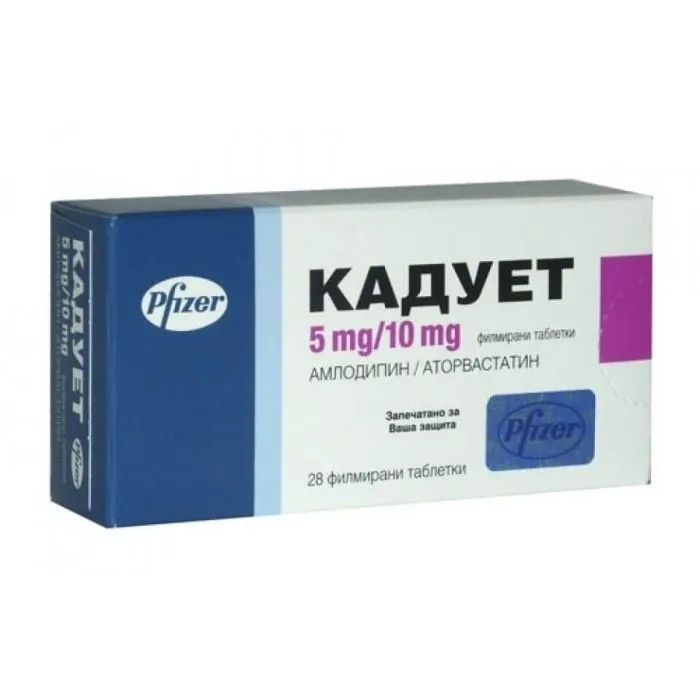
Table of Contents
- INSTRUCTIONS FOR MEDICAL USE OF THE MEDICINAL PRODUCT KADUET 5/10 (CADUET 5/10)
- Composition:
- Pharmacological Properties.
- Clinical characteristics.
- For information on clinical significance, see sections "Special Instructions" and "Interaction with Medicinal Products and Other Types of Interactions".
- Special precautions for use.
- Method of Administration and Dosage
- Adverse Reactions
INSTRUCTIONS FOR MEDICAL USE OF THE MEDICINAL PRODUCT KADUET 5/10 (CADUET 5/10)
Composition:
Active substances: amlodipine; atorvastatin;
One tablet contains amlodipine besylate 6.94 mg, equivalent to amlodipine 5 mg; atorvastatin calcium trihydrate 10.85 mg, equivalent to atorvastatin 10 mg;
Excipients: calcium carbonate, sodium croscarmellose, microcrystalline cellulose, pregelatinized starch, polysorbate 80, hydroxypropylcellulose, colloidal silicon dioxide anhydrous, magnesium stearate, Opadry II White 85F28751: polyvinyl alcohol partially hydrolyzed, polyethylene glycol 3000, titanium dioxide (E 171), talc.
Pharmaceutical form. Film-coated tablets.
Main physicochemical characteristics: white, oval-shaped, film-coated tablets, engraved with "Pfizer" on one side and product code "CDT" and "051" on the other.
Pharmacotherapeutic group. Lipid-lowering agents in combination with other medicinal products. Atorvastatin and amlodipine. ATC code C10BX03.
Pharmacological Properties.
Pharmacodynamics.
Caduet 5/10 has a dual mechanism of action: amlodipine acts as a dihydropyridine calcium antagonist (calcium ion antagonist or slow channel blocker), and atorvastatin inhibits HMG-CoA reductase. Amlodipine, contained in Caduet 5/10, inhibits transmembrane influx of calcium ions into vascular smooth muscle and cardiac muscle. Atorvastatin, contained in Caduet 5/10, is a selective competitive inhibitor of HMG-CoA reductase, the enzyme responsible for the rate-limiting step in the conversion of 3-hydroxy-3-methylglutaryl-coenzyme A to mevalonate, a precursor of sterols, including cholesterol.
No changes in amlodipine's effect on systolic blood pressure were observed when Caduet 5/10 was used compared to amlodipine alone.
Similarly, no changes in atorvastatin's effect on LDL cholesterol were observed when Caduet 5/10 was used compared to atorvastatin alone.
Anglo-Scandinavian Cardiac Outcomes Trial (ASCOT) – a randomized, factorial-designed (2 × 2) study comparing two antihypertensive treatment regimens in 19,257 patients (the Blood Pressure-Lowering Arm – ASCOT-BPLA), and the impact of adding 10 mg atorvastatin versus placebo in 10,305 patients (the Lipid-Lowering Arm – ASCOT-LLA) on fatal and non-fatal coronary events.
The effect of atorvastatin on fatal and non-fatal coronary events was evaluated in a randomized, double-blind, placebo-controlled trial (the Lipid-Lowering Arm – ASCOT-LLA) involving 10,305 patients aged 40–79 years with hypertension, no prior myocardial infarction or angina treatment, and total cholesterol ≤ 6.5 mmol/L (251 mg/dL). All patients had at least 3 of the following predefined cardiovascular risk factors: male sex, age (≥ 55 years), smoking, diabetes mellitus, early ischemic heart disease in first-degree relatives, total cholesterol: HDL ≥ 6, peripheral vascular disease, left ventricular hypertrophy, history of cerebrovascular event, specific ECG abnormalities, proteinuria/albuminuria.
Patients were treated using antihypertensive regimens based on amlodipine (5–10 mg) or atenolol (50–100 mg). To achieve the target blood pressure level (< 140/90 mm Hg in non-diabetic patients, < 130/80 mm Hg in diabetic patients), perindopril (4–8 mg) could be added in the amlodipine group, and bendroflumethiazide potassium (1.25–2.5 mg) in the atenolol group. Doxazosin GITS (4–8 mg) was used as third-line therapy in both groups. The atorvastatin group included 5,168 patients (2,584 receiving amlodipine and 2,584 receiving atenolol), and the placebo group included 5,137 patients (2,554 receiving amlodipine and 2,583 receiving atenolol).
The combination of amlodipine with atorvastatin led to a significant reduction in the risk of developing fatal ischemic heart disease and non-fatal myocardial infarction in the composite primary endpoint:
- 53 % reduction (95 % confidence interval 31–68 %, p < 0.0001) compared to the combination amlodipine + placebo;
- 39 % reduction (95 % confidence interval 8–59 %, p < 0.016) compared to the combination atenolol + atorvastatin.
Blood pressure was significantly reduced in both treatment regimens, but significantly more so in the regimen based on amlodipine + atorvastatin than in the regimen based on atenolol + atorvastatin (-26.5/-15.6 mm Hg vs. -24.7/-13.6 mm Hg, respectively). The p-values for differences between these two groups were 0.0036 (for systolic blood pressure) and < 0.0001 (for diastolic blood pressure).
Antihypertensive and Lipid-Lowering Treatment to Prevent Heart Attack Trial (ALLHAT-LLT).
To compare the effects of amlodipine or lisinopril versus chlorthalidone as first-line therapy in patients with mild to moderate hypertension, a randomized, double-blind trial named "Antihypertensive and Lipid-Lowering Treatment to Prevent Heart Attack Trial" was conducted.
A total of 33,357 hypertensive patients aged 55 years and older were randomized and followed for a median of 4.9 years. These patients had at least one additional risk factor for ischemic heart disease, including: prior myocardial infarction or stroke (> 6 months before enrollment) or other documented atherosclerotic cardiovascular disease (51.5 % total), type II diabetes mellitus (36.1 %), HDL cholesterol < 35 mg/dL (11.6 %), left ventricular hypertrophy diagnosed by ECG or echocardiography (20.9 %), current smoking at enrollment (21.9 %).
The primary endpoint was fatal ischemic heart disease or non-fatal myocardial infarction. In the amlodipine group, 11.3 % of patients reached the primary endpoint compared to 11.5 % in the chlorthalidone group (risk ratio 0.98, 95 % confidence interval [0.90–1.07], p = 0.65).
Among secondary endpoints:
- All-cause mortality was 17.3 % in the chlorthalidone group and 16.8 % in the amlodipine group (amlodipine vs. chlorthalidone, risk ratio 0.96, 95 % confidence interval [0.89–1.02], p = 0.20);
- The incidence of heart failure (a component of the composite cardiovascular endpoint) was significantly higher in the amlodipine group compared to the chlorthalidone group (10.2 % vs. 7.7 %, risk ratio 1.38, 95 % confidence interval [1.25–1.52], p < 0.001).
The study did not demonstrate superiority of either drug for the primary endpoint; however, a post-hoc analysis showed that amlodipine reduced the incidence of fatal ischemic heart disease and non-fatal myocardial infarction (primary endpoint) and all-cause mortality (secondary endpoint) to the same extent as chlorthalidone.
In the "Stroke Prevention by Aggressive Reduction in Cholesterol Levels" (SPARCL) study, involving 4,731 patients who had experienced a stroke or transient ischemic attack within the previous 6 months and had no history of coronary heart disease, the effect of atorvastatin 80 mg daily versus placebo on stroke incidence was evaluated. 60 % of patients were men aged 21–92 years (mean age 63 years), with a mean baseline LDL cholesterol level of 133 mg/dL (3.4 mmol/L). Mean LDL cholesterol levels during treatment were 73 mg/dL (1.9 mmol/L) with atorvastatin and 129 mg/dL (3.3 mmol/L) with placebo. Median follow-up was 4.9 years.
Treatment with atorvastatin 80 mg daily reduced the risk of the primary endpoint (fatal or non-fatal stroke) by 15 % compared to placebo (risk ratio 0.85; 95 % confidence interval 0.72–1.00; p = 0.05, or 0.84; 95 % confidence interval 0.71–0.99; p = 0.03 after statistical adjustment for baseline factors). All-cause mortality was 9.1 % (216/2365) with atorvastatin versus 8.9 % (211/2366) with placebo.
In a post-hoc analysis, 80 mg atorvastatin reduced the incidence of ischemic stroke (218/2365, 9.2 % vs. 274/2366, 11.6 %, p = 0.01) but increased the incidence of hemorrhagic stroke (55/2365, 2.3 % vs. 33/2366, 1.4 %, p = 0.02) compared to placebo.
The risk of hemorrhagic stroke increased in patients who entered the study with a history of hemorrhagic stroke (7/45 for atorvastatin vs. 2/48 for placebo; risk ratio 4.06; 95 % confidence interval 0.84–19.57), while the risk of ischemic stroke was similar between atorvastatin and placebo groups (3/45 for atorvastatin vs. 2/48 for placebo; risk ratio 1.64; 95 % confidence interval 0.27–9.82).
The risk of hemorrhagic stroke increased in patients with a history of lacunar infarction (20/708 for atorvastatin vs. 4/701 for placebo; risk ratio 4.99; 95 % confidence interval 1.71–14.61), but the risk of ischemic stroke decreased in these patients (79/708 for atorvastatin vs. 102/701 for placebo; risk ratio 0.76; 95 % confidence interval 0.57–1.02). The actual risk of stroke may be increased in patients with prior lacunar infarction receiving atorvastatin 80 mg/day.
All-cause mortality was 15.6 % (7/45) with atorvastatin vs. 10.4 % (5/48) in the subgroup with prior hemorrhagic stroke. All-cause mortality was 10.9 % (77/708) with atorvastatin vs. 9.1 % (64/701) with placebo in the subgroup with prior lacunar infarction.
Pharmacokinetics.
Data for Caduet 5/10.
After oral administration, two separate plasma concentration peaks were observed. The first peak occurred between 1 and 2 hours after administration and was attributed to atorvastatin; the second peak occurred between 6 and 12 hours after administration and was attributed to amlodipine. The rate and extent of absorption (bioavailability) of amlodipine and atorvastatin when administered as Caduet 5/10 are not significantly different from the bioavailability of amlodipine and atorvastatin when co-administered as separate tablets.
Food intake does not affect the bioavailability of amlodipine when Caduet 5/10 is administered. Although food reduces the rate and extent of atorvastatin absorption with Caduet 5/10 by approximately 32 % and 11 %, respectively, as assessed by Cmax and AUC, similar reductions in plasma concentration after food intake were observed for atorvastatin without reduction in its effect on LDL cholesterol (see below).
Data for amlodipine.
Absorption. After oral administration of therapeutic doses of amlodipine alone, peak plasma concentration occurs within 6–12 hours. Absolute bioavailability is estimated to be between 64 % and 80 %. The volume of distribution is approximately 21 L/kg. Amlodipine bioavailability is not affected by food intake.
Distribution. In vitro studies show that approximately 97.5 % of circulating amlodipine is bound to plasma proteins in hypertensive patients.
Metabolism. Amlodipine is extensively metabolized (about 90 %) to inactive metabolites via hepatic metabolism.
Elimination. Amlodipine elimination from plasma is biphasic, with a terminal half-life of approximately 30–50 hours. Steady-state concentration is reached after 7–8 days of continuous dosing. About 10 % of unchanged amlodipine and 60 % of its metabolites are excreted in urine.
Data for atorvastatin.
Absorption. Atorvastatin is rapidly absorbed; maximum plasma concentration is reached within 1–2 hours. The extent of absorption increases proportionally with atorvastatin dose. Absolute bioavailability of atorvastatin (parent compound) is approximately 12 %, and systemic bioavailability for HMG-CoA reductase inhibition is approximately 30 %. The low systemic bioavailability is attributed to presystemic clearance in the gastrointestinal mucosa and/or presystemic hepatic metabolism. Although food reduces the rate and extent of atorvastatin absorption by approximately 25 % and 9 %, respectively, as assessed by Cmax and AUC, its effect on LDL cholesterol reduction is similar whether administered with or without food. Plasma atorvastatin concentrations are lower (approximately 30 % lower for Cmax and AUC) when administered in the evening compared to morning administration. However, its LDL cholesterol-lowering effect is equivalent regardless of the time of administration.
Distribution. The mean volume of distribution of atorvastatin is approximately 381 liters. Atorvastatin binding to plasma proteins is ≥ 95 %.
Metabolism. Atorvastatin is extensively metabolized to ortho- and para-hydroxylated derivatives and various β-oxidation products. In vitro, the ortho- and para-hydroxylated metabolites have HMG-CoA reductase inhibitory activity equivalent to atorvastatin. Approximately 70 % of HMG-CoA reductase inhibition is attributed to active metabolites.
Elimination. Atorvastatin and its metabolites are primarily excreted in bile following hepatic and/or extrahepatic metabolism. However, atorvastatin does not appear to undergo significant enterohepatic recirculation. The mean elimination half-life of atorvastatin in plasma is approximately 14 hours in humans, but the half-life for HMG-CoA reductase inhibition is 20–30 hours due to active metabolites. Less than 2 % of an orally administered dose is excreted in urine.
Atorvastatin is a substrate of hepatic transporters, organic anion-transporting polypeptide 1B1 (OATP1B1) and transporter 1B3 (OATP1B3). Atorvastatin metabolites are substrates of OATP1B1. Atorvastatin is also identified as a substrate of efflux transporters P-glycoprotein (P-gp) and breast cancer resistance protein (BCRP), which may limit intestinal absorption and biliary clearance of atorvastatin.
Data for amlodipine and atorvastatin in special populations.
Elderly patients. Time to peak plasma concentration of amlodipine is similar in elderly and younger patients. In elderly patients, amlodipine clearance tends to be reduced, leading to increased AUC and half-life. Increased AUC and half-life in patients with congestive heart failure were consistent with the age group studied.
Plasma atorvastatin concentrations in healthy elderly patients (≥ 65 years) are higher (approximately 40 % higher for Cmax and 30 % higher for AUC) than in younger adults. Clinical data suggest that LDL cholesterol reduction is greater with any dose of atorvastatin in elderly patients compared to younger adults (see section "Special precautions for use").
Sex. Plasma atorvastatin concentrations differ between women and men (approximately 20 % higher Cmax and 10 % lower AUC in women). These differences were not clinically significant and did not lead to meaningful clinical differences in lipid effects between men and women.
Renal impairment. Renal impairment has no significant effect on amlodipine pharmacokinetics. Amlodipine is not dialyzable. Therefore, patients with renal insufficiency may receive the usual initial dose of amlodipine.
In atorvastatin studies, renal disease did not affect plasma atorvastatin concentrations or its LDL cholesterol-lowering effect; thus, no dose adjustment of atorvastatin is necessary in patients with impaired renal function.
Hepatic impairment. In patients with impaired liver function, amlodipine clearance is reduced, resulting in an increase in AUC by approximately 40–60 %. Moderate to severe hepatic impairment does not affect the therapeutic response to atorvastatin, but drug exposure is significantly increased. Plasma atorvastatin concentrations are markedly elevated in patients with chronic alcoholic liver disease (Child-Pugh class B) (approximately 16-fold higher for Cmax and 11-fold higher for AUC).
SLCO1B1 polymorphism. Hepatic uptake of HMG-CoA reductase inhibitors, including atorvastatin, is mediated by the OATP1B1 transporter protein. Patients with SLCO1B1 polymorphism are at risk of increased atorvastatin exposure, which may increase the risk of rhabdomyolysis (see section "Special precautions for use"). The genetic polymorphism encoding OATP1B1 (SLCO1B1 c.521CC) is associated with a 2.4-fold increase in atorvastatin exposure (AUC) compared to patients without this genotype (c.521TT). These patients may also have a genetic impairment in hepatic uptake of atorvastatin. The potential impact on efficacy is unknown.
Clinical characteristics.
Indications.
For the prevention of cardiovascular events in patients with arterial hypertension, with three concomitant cardiovascular risk factors, with cholesterol levels ranging from normal to moderately elevated, without clinical manifestations of ischemic heart disease, and also when, according to current treatment guidelines, combined use of amlodipine and low-dose atorvastatin is considered appropriate.
In cases of insufficient efficacy of lipid-lowering diet and other non-pharmacological measures.
Contraindications.
- Hypersensitivity to dihydropyridines*, active substances amlodipine and atorvastatin, or to any of the excipients listed in the section "Composition";
- active liver disease or persistent elevations of serum transaminases of unknown etiology, exceeding the upper limit of normal by 3 times;
- pregnancy, breastfeeding; the drug is contraindicated in women of childbearing potential who do not use appropriate contraceptive methods;
- combinations with itraconazole, ketoconazole, and telithromycin (see section "Interaction with other medicinal products and other types of interactions");
- severe arterial hypotension;
- shock (including cardiogenic shock);
- left ventricular outflow tract obstruction (e.g., severe aortic stenosis);
- hemodynamically unstable heart failure following acute myocardial infarction;
- concomitant use with antiviral agents for the treatment of hepatitis C, glecaprevir/pibrentasvir.
* Amlodipine – a calcium channel blocker, a derivative of dihydropyridine.
Interaction with other medicinal products and other types of interactions.
Interactions related to the combined medicinal product.
Data from drug interaction studies involving administration of 10 mg amlodipine and 80 mg atorvastatin to healthy volunteers indicate that the pharmacokinetics of amlodipine are not altered when co-administered. Amlodipine had no effect on the Cmax of atorvastatin, but the AUC of atorvastatin increased by 18% (90% confidence interval [109–127%]) in the presence of amlodipine.
Drug interaction studies with Caduet 5/10 and other medicinal products have not been conducted; however, studies have been performed with amlodipine and atorvastatin separately, as described below.
Interactions related to amlodipine.
- Combinations not recommended
Dantrolene (infusion): following intravenous administration of verapamil and dantrolene in animals, lethal ventricular fibrillation and cardiovascular collapse combined with hyperkalemia were observed. Due to the risk of hyperkalemia in patients predisposed to malignant hyperthermia and during treatment of malignant hyperthermia, concomitant use of calcium channel blockers such as amlodipine is recommended to be avoided.
By extrapolation, combination of amlodipine and dantrolene should be avoided (see section "Special precautions for use").
- Combinations requiring caution
Baclofen: enhanced antihypertensive effect. If necessary – monitor blood pressure and adjust antihypertensive dosage.
CYP3A4 inhibitors: concomitant use of amlodipine with strong or moderate CYP3A4 inhibitors (protease inhibitors, azole antifungals, macrolides such as erythromycin or clarithromycin, verapamil or diltiazem) may cause a significant increase in amlodipine exposure, increasing the risk of hypotension. Such pharmacokinetic changes may be more pronounced in elderly patients, thus clinical monitoring and dose adjustment may be necessary.
CYP3A4 inducers: plasma concentrations of amlodipine may vary when co-administered with known CYP3A4 inducers. Therefore, blood pressure should be monitored and dosage adjusted during and after concomitant use, particularly with strong CYP3A4 inducers (e.g., rifampicin, St. John’s wort).
It is not recommended to take amlodipine with grapefruit or grapefruit juice, as in some patients bioavailability may increase, leading to enhanced hypotensive effect.
Effect of amlodipine on other medicinal products.
The hypotensive effect of amlodipine enhances the hypotensive action of other medicinal products with antihypertensive properties.
Tacrolimus: there is a risk of increased plasma concentration of tacrolimus when used concomitantly with amlodipine, although the pharmacokinetic mechanism of this interaction is not fully understood. To avoid toxic effects of tacrolimus when used concomitantly with amlodipine, monitoring of tacrolimus plasma concentration is necessary, and dose adjustment should be performed if needed.
mTOR inhibitors (mammalian target of rapamycin - mTOR inhibitors).
Such mTOR inhibitors as sirolimus, temsirolimus, and everolimus are substrates of CYP3A. Amlodipine is a weak inhibitor of CYP3A. When amlodipine is used concomitantly with mTOR inhibitors, it may enhance their effects.
In clinical drug interaction studies, amlodipine did not affect the pharmacokinetics of atorvastatin, digoxin, or warfarin.
- Combinations to be considered:
α1-blockers in urology (prazosin, alfuzosin, doxazosin, tamsulosin, terazosin): increased hypotensive effect. Risk of severe orthostatic hypotension.
Amifostine: increased hypotensive effect due to additive adverse reactions.
Imipramine antidepressants/neuroleptics: increased antihypertensive effect and risk of orthostatic hypotension (additive effect).
β-blockers in heart failure (bisoprolol, carvedilol, metoprolol): in patients with latent or uncontrolled heart failure, risk of hypotension and heart failure (in vitro: negative inotropic effect of dihydropyridines, varying by drug, which may enhance the negative inotropic effect of β-blockers). Use of β-blockers may minimize reflex sympathetic response triggered by excessive hemodynamic repercussion.
Corticosteroids, tetracosactide: reduced antihypertensive effect (corticosteroid effect of water and sodium retention).
Other antihypertensive agents: concomitant use of amlodipine with other antihypertensive medicinal products (β-blockers, angiotensin II blockers, diuretics, ACE inhibitors) may enhance the hypotensive effect of amlodipine. Use of nitrates, nitrates, or other vasodilators should be considered with caution.
Sildenafil: a single 100 mg dose of sildenafil in arterial hypertension did not affect the pharmacokinetic parameters of amlodipine. When amlodipine and sildenafil were used in combination, each drug exerted its hypotensive effect independently.
Cyclosporine: drug interaction studies between cyclosporine and amlodipine have not been conducted in healthy volunteers or other patient populations, except in kidney transplant patients, in whom variable increases in cyclosporine plasma concentration (on average 0–40%) were observed. Monitoring of cyclosporine levels should be considered in post-transplant patients receiving amlodipine; dose reduction of cyclosporine may be necessary if needed.
In drug interaction studies, cimetidine, atorvastatin, aluminum/magnesium salts, and digoxin were shown not to affect the pharmacokinetics of amlodipine.
Effect of concomitantly administered medicinal products on atorvastatin.
Atorvastatin is metabolized by cytochrome P450 3A4 (CYP3A4) and is a substrate of hepatic transporters, organic anion transporting polypeptide 1B1 (OATP1B1) and transporter 1B3 (OATP1B3). Metabolites of atorvastatin are substrates of OATP1B1. Atorvastatin is also identified as a substrate of efflux transporters P-glycoprotein (P-gp) and breast cancer resistance protein (BCRP), which may limit intestinal absorption and biliary clearance of atorvastatin (see section "Pharmacokinetics").
Concomitant use of medicinal products that are inhibitors of CYP3A4 or transport proteins may lead to increased plasma concentration of atorvastatin and increased risk of myopathy. The risk may also increase with concomitant use of atorvastatin with other medicinal products potentially capable of causing myopathy, such as fibric acid derivatives and ezetimibe (see sections "Contraindications" and "Special precautions for use").
Inhibitors of CYP3A4.
It has been demonstrated that strong inhibitors of CYP3A4 lead to significant increases in atorvastatin concentration (see Table 1 and specific information below). If possible, concomitant use of strong CYP3A4 inhibitors (e.g., cyclosporine, telithromycin, clarithromycin, delavirdine, stiripentol, ketoconazole, voriconazole, itraconazole, posaconazole, certain antiviral agents for the treatment of HCV (e.g., elbasvir/grazoprevir), and HIV protease inhibitors including ritonavir, lopinavir, atazanavir, indinavir, darunavir, etc.) should be avoided. When concomitant use of these medicinal products with atorvastatin cannot be avoided, consideration should be given to reducing the initial and maximum dose of atorvastatin; appropriate clinical monitoring of the patient is also recommended (see Table 1).
Moderate CYP3A4 inhibitors (e.g., erythromycin, diltiazem, verapamil, and fluconazole) may increase atorvastatin plasma concentration (see Table 1). Increased risk of myopathy has been observed with concomitant use of erythromycin and statins. Drug interaction studies on the effect of amiodarone or verapamil on atorvastatin have not been conducted. It is known that amiodarone and verapamil inhibit CYP3A4 activity, and their concomitant use with atorvastatin may lead to increased atorvastatin exposure. Thus, when atorvastatin is used concomitantly with moderate CYP3A4 inhibitors, consideration should be given to reducing the maximum dose of atorvastatin, and appropriate clinical monitoring of the patient is recommended. Appropriate clinical monitoring is recommended after initiation of an inhibitor or after dose adjustment.
Inducers of CYP3A4.
Concomitant use of atorvastatin with inducers of cytochrome P450 3A (e.g., efavirenz, rifampicin, St. John’s wort preparations) may lead to unstable decreases in atorvastatin plasma concentration.
Due to the dual mechanism of interaction of rifampicin (induction of cytochrome P450 3A and inhibition of hepatocyte uptake transporter OATP1B1), it is recommended to administer atorvastatin at the same time as rifampicin, as delayed administration of atorvastatin after rifampicin is associated with a significant decrease in atorvastatin plasma concentration. However, the effect of rifampicin on atorvastatin concentration in hepatocytes is unknown, and if concomitant use cannot be avoided, careful monitoring of drug efficacy in such patients is advised.
Inhibitors of transporters.
Inhibitors of transport proteins may increase systemic exposure to atorvastatin. Cyclosporine and letermovir are inhibitors of transporters involved in atorvastatin distribution, such as OATP1B1/1B3, P-gp, and BCRP, leading to increased systemic exposure to atorvastatin (see Table 1). The effect of inhibition of hepatic uptake transporters on atorvastatin exposure in hepatocytes is unknown. If concomitant use cannot be avoided, dose reduction and clinical monitoring of efficacy are recommended (see Table 1).
Concomitant use of atorvastatin in patients taking letermovir together with cyclosporine is not recommended (see section "Special precautions for use").
Gemfibrozil and fibric acid derivatives.
Individual use of fibrates has sometimes been associated with adverse reactions affecting the muscular system, including rhabdomyolysis. The risk of such reactions may increase with concomitant use of fibric acid derivatives and atorvastatin. If concomitant use cannot be avoided, the lowest effective dose of atorvastatin should be used, and appropriate patient monitoring should be performed (see section "Special precautions for use").
Ezetimibe.
Individual use of ezetimibe has sometimes been associated with adverse reactions affecting the muscular system, including rhabdomyolysis. Therefore, the risk of such reactions may increase with concomitant use of ezetimibe and atorvastatin.
Appropriate clinical monitoring of such patients is recommended.
Cholestyramine.
When cholestyramine is used concomitantly with atorvastatin, plasma concentrations of atorvastatin and its active metabolites were lower (concentration ratio of atorvastatin: 0.74). However, the lipid-lowering effect of concomitant use of atorvastatin and cholestyramine was greater than that with treatment with either drug alone.
Fusidic acid.
Concomitant systemic use of fusidic acid with statins may increase the risk of myopathy, including rhabdomyolysis. The mechanism of this interaction (whether pharmacodynamic, pharmacokinetic, or both) is still unknown. Cases of rhabdomyolysis (including fatal cases) have been reported in patients receiving this combination.
If systemic use of fusidic acid is necessary, atorvastatin should be discontinued for the entire duration of fusidic acid treatment (see section "Special precautions for use").
Colchicine.
Although drug interaction studies between atorvastatin and colchicine have not been conducted, cases of myopathy have been reported with concomitant use of atorvastatin and colchicine; therefore, these drugs should be co-administered with caution.
Effect of atorvastatin on concomitantly administered medicinal products.
Digoxin.
When multiple doses of digoxin and 10 mg atorvastatin were used concomitantly, digoxin plasma concentration slightly increased at steady state. Appropriate monitoring of patients receiving digoxin is necessary.
Oral contraceptives.
Concomitant use of atorvastatin with oral contraceptives resulted in increased plasma concentrations of norethindrone and ethinylestradiol.
Warfarin.
In a clinical study of patients on long-term warfarin therapy, administration of 80 mg atorvastatin daily concomitantly with warfarin caused a slight (1.7 s) reduction in prothrombin time during the first 4 days of treatment, which returned to normal within 15 days of atorvastatin therapy. Despite very rare reports of clinically significant interactions with anticoagulants, to ensure no significant changes in prothrombin time in patients taking coumarin anticoagulants, prothrombin time should be determined before starting and frequently during the early phase of atorvastatin treatment. After confirming stable prothrombin time in patients taking coumarin anticoagulants, it may be checked at the usual recommended intervals. If the atorvastatin dose is changed or its use discontinued, the same procedure should be repeated. Atorvastatin treatment is not associated with bleeding or changes in prothrombin time in patients not taking anticoagulants.
Table 1
Effect of concomitant use of medicinal products on atorvastatin pharmacokinetics
| Concomitantly administered medicinal product and dosing regimen |
Atorvastatin |
||
| Dose (mg) |
Ratio AUC& |
Clinical recommendation# |
|
| Glecaprevir 400 mg once daily/pibrentasvir 120 mg once daily for 7 days |
10 mg once daily for 7 days |
8.3 |
Concomitant use with products containing glecaprevir or pibrentasvir is contraindicated (see section "Contraindications") |
| Tipranavir 500 mg twice daily/ritonavir 200 mg twice daily for 8 days (from day 14 to day 21) |
40 mg on day 1, 10 mg on day 20 |
9.4 |
When concomitant use with atorvastatin is necessary, do not exceed 10 mg of atorvastatin per day. Clinical monitoring of these patients is recommended |
| Telaprevir 750 mg every 8 hours for 10 days |
20 mg single dose |
7.9 |
|
| Cyclosporine 5.2 mg/kg/day, stable dose |
10 mg once daily for 28 days |
8.7 |
|
| Lopinavir 400 mg twice daily/ritonavir 100 mg twice daily for 14 days |
20 mg once daily for 4 days |
5.9 |
No special recommendations. Kaduet 5/10 contains 10 mg of atorvastatin |
| Clarithromycin 500 mg twice daily for 9 days |
80 mg once daily for 8 days |
4.5 |
|
| Atazanavir 400 mg twice daily/ritonavir (300 mg twice daily, increasing to 400 mg twice daily on day 8) from day 4 to day 18, 30 minutes after atorvastatin administration |
40 mg once daily for 4 days |
3.9 |
No special recommendations. Kaduet 5/10 contains 10 mg of atorvastatin |
| Darunavir 300 mg twice daily/ritonavir 100 mg twice daily for 9 days |
10 mg once daily for 4 days |
3.4 |
|
| Itraconazole 200 mg once daily for 4 days |
40 mg single dose |
3.3 |
|
| Fosamprenavir 700 mg twice daily/ritonavir 100 mg twice daily for 14 days |
10 mg once daily for 4 days |
2.5 |
|
| Fosamprenavir 1400 mg twice daily for 14 days |
10 mg once daily for 4 days |
2.3 |
|
| Elbasvir 50 mg once daily/grazoprevir 200 mg once daily for 13 days |
10 mg single dose |
1.95 |
When used concomitantly with products containing elbasvir or grazoprevir, atorvastatin dose should not exceed 20 mg per day |
| Letermovir 480 mg once daily for 10 days |
20 mg single dose |
3.29 |
When used concomitantly with products containing letermovir, atorvastatin dose should not exceed 20 mg per day |
| Nelfinavir 1250 mg twice daily for 14 days |
10 mg once daily for 28 days |
1.74 |
No special recommendations |
| Grapefruit juice, 240 ml once daily* |
40 mg single dose |
1.37 |
Concomitant intake of large quantities of grapefruit juice and atorvastatin is not recommended |
| Diltiazem 240 mg once daily for 28 days |
40 mg single dose |
1.51 |
Clinical monitoring of these patients is recommended after initiation of therapy or dose adjustment of diltiazem |
| Erythromycin 500 mg four times daily for 7 days |
10 mg single dose |
1.33 |
Clinical monitoring of these patients is recommended |
| Cimetidine 300 mg four times daily for 2 weeks |
10 mg once daily for 2 weeks |
1.00 |
No special recommendations |
| Colestipol 10 g twice daily for 24 weeks |
40 mg once daily for 8 weeks |
0.74** |
No special recommendations |
| Antacid suspension of magnesium and aluminium hydroxides, 30 ml four times daily for 17 days |
10 mg once daily for 15 days |
0.66 |
No special recommendations |
| Efavirenz 600 mg once daily for 14 days |
10 mg for 3 days |
0.59 |
No special recommendations |
| Rifampicin 600 mg once daily for 7 days, administered concomitantly |
40 mg single dose |
1.12 |
If concomitant use cannot be avoided, concomitant use of atorvastatin with rifampicin is recommended under clinical monitoring |
| Rifampicin 600 mg once daily for 5 days (divided doses) |
40 mg single dose |
0.20 |
|
| Gemfibrozil 600 mg twice daily for 7 days |
40 mg single dose |
1.35 |
Clinical monitoring of these patients is recommended |
| Fenofibrate 160 mg once daily for 7 days |
40 mg single dose |
1.03 |
Clinical monitoring of these patients is recommended |
| Boceprevir 800 mg three times daily for 7 days |
40 mg single dose |
2.3 |
Lower starting doses and clinical monitoring of these patients are recommended. During concomitant use with boceprevir, atorvastatin dose should not exceed 20 mg per day |
& Represents the comparison of treatment methods (concomitant use of the drug with atorvastatin versus atorvastatin used alone).
For information on clinical significance, see sections "Special Instructions" and "Interaction with Medicinal Products and Other Types of Interactions".
* Contains one or more components that inhibit CYP3A4 and may increase plasma concentrations of medicinal products metabolized by CYP3A4. Consumption of 1 glass (240 mL) of grapefruit juice also resulted in a 20.4% reduction in AUC for the active ortho-hydroxymetabolite. Consumption of large amounts of grapefruit juice (more than 1.2 L per day for 5 days) led to a 2.5-fold increase in AUC of atorvastatin and AUC of active substances (atorvastatin and metabolites).
** Ratio based on single samples taken 8–16 hours after dose administration.
Table 2
Effect of atorvastatin on the pharmacokinetics of concomitantly administered medicinal products
| Atorvastatin and dosing regimen |
Concomitantly administered medicinal products |
||
| Medicinal product/dose (mg) |
AUC ratio |
Clinical recommendation |
|
| 80 mg once daily for 10 days |
Digoxin 0.25 mg once daily for 20 days |
1.15 |
Appropriate monitoring of patients taking digoxin is required |
| 40 mg once daily for 22 days |
Oral contraceptives once daily for 2 months
|
1.28 1.19 |
No special recommendations |
| 80 mg once daily for 15 days |
Phenazone 600 mg single dose* |
1.03 |
No special recommendations |
| 10 mg single dose |
Tipranavir 500 mg twice daily, ritonavir 200 mg twice daily for 7 days |
1.08 |
No special recommendations |
| 10 mg once daily for 4 days |
Fosamprenavir 1400 mg twice daily for 14 days |
0.73 |
No special recommendations |
| 10 mg once daily for 4 days |
Fosamprenavir 700 mg twice daily, ritonavir 100 mg twice daily for 14 days |
0.99 |
No special recommendations |
& Represents the comparison of treatment methods (concomitant use of the medicinal product with atorvastatin versus atorvastatin used alone).
*Concomitant administration of multiple doses of atorvastatin and phenazone showed negligible or no effect on phenazone clearance.
Special precautions for use.
Heart failure.
Treatment of patients with heart failure should be performed with caution. In a long-term placebo-controlled study in patients with severe heart failure (NYHA class III and IV), the incidence of pulmonary edema was higher in patients receiving amlodipine than in those receiving placebo (see section "Pharmacological properties"). Calcium channel blockers, including amlodipine, should be used with caution in patients with congestive heart failure, as they may increase the risk of future cardiovascular events and fatal outcomes.
Liver function impairment.
Liver function tests should be performed before initiating treatment, periodically thereafter, and whenever the patient develops any signs or symptoms suggestive of liver injury. In case of elevated transaminase levels, appropriate monitoring should be conducted until such abnormalities resolve.
If alanine aminotransferase (ALT) or aspartate aminotransferase (AST) levels remain more than 3 times above the upper limit of normal, treatment should be discontinued.
In patients with impaired liver function, the elimination half-life of amlodipine is prolonged and AUC is increased; however, dosage recommendations have not been established.
Due to the presence of atorvastatin in Caduet 5/10, this medicinal product should be used with caution in patients who abuse alcohol, and in patients with impaired liver function and/or a history of liver disease.
Effects on skeletal muscles.
Like other HMG-CoA reductase inhibitors, atorvastatin may affect skeletal muscles and cause myalgia, myositis, and myopathy, which in rare cases may progress to rhabdomyolysis, characterized by markedly elevated creatine kinase levels (>10-fold above the upper limit of normal), myoglobinemia, and myoglobinuria, potentially leading to renal failure and, in rare cases, resulting in death.
In patients receiving statins without symptoms, routine monitoring of creatine kinase levels or other muscle enzymes is not recommended. Monitoring of creatine kinase levels is recommended in patients with predisposing factors for rhabdomyolysis and in patients with muscle symptoms before and during any statin therapy (see below).
Very rare cases of immune-mediated necrotizing myopathy have been reported during and after statin therapy. Immune-mediated necrotizing myopathy is clinically characterized by persistent proximal muscle weakness and elevated serum creatine kinase levels, which persist despite discontinuation of statin therapy, positive antibodies against HMG-CoA reductase, and response to immunosuppressive therapy.
Before treatment.
Caduet 5/10 should be prescribed with caution to patients predisposed to rhabdomyolysis. Creatine kinase levels should be measured before initiating statin therapy in the following situations:
- in renal impairment;
- in hypothyroidism;
- in personal or family history of hereditary muscle disorders;
- history of muscle toxicity with statins or fibrates;
- history of liver disease and/or alcohol abuse;
- in elderly patients (>70 years), the need for such measurements should be determined based on the presence of predisposing factors for rhabdomyolysis;
- when increased plasma concentration of the drug is possible, e.g., due to interactions with other medicinal products (see section "Interaction with other medicinal products and other forms of interaction") and in certain populations, including patients from genetic subpopulations (see section "Pharmacokinetics").
In such situations, the risk of treatment should be weighed against potential benefit, and clinical monitoring of the patient is recommended.
If baseline creatine kinase levels are markedly elevated (>5-fold above the upper limit of normal), treatment should not be initiated.
Measurement of creatine kinase.
Creatine kinase should not be measured after strenuous physical exercise or in the presence of any other condition that may cause elevated creatine kinase, as this complicates interpretation of results. If baseline creatine kinase levels are significantly elevated (>5-fold above the upper limit of normal), they should be systematically re-measured after 5–7 days to confirm the findings.
During treatment.
- Patients should be instructed to promptly report muscle pain, muscle cramps, or unexplained muscle weakness, especially if accompanied by malaise or fever.
- If such symptoms occur while the patient is taking Caduet 5/10, creatine kinase levels should be measured.
- If levels are found to be significantly elevated (>5-fold above the upper limit of normal), treatment should be discontinued.
- If muscle symptoms are severe and cause daily discomfort, discontinuation of treatment should be considered, even if creatine kinase levels exceed the upper limit of normal by ≤5 times.
- If symptoms resolve and creatine kinase levels return to normal, reinitiation of Caduet 5/10 at the lowest dose with careful monitoring may be considered.
- If clinically significant increases in creatine kinase levels (>10 × upper limit of normal) are detected or if rhabdomyolysis is diagnosed or suspected, Caduet 5/10 must be discontinued.
Amlodipine does not affect laboratory test results.
Concomitant use with other medicinal products.
As with other statins, the risk of rhabdomyolysis increases when Caduet 5/10 is used concomitantly with certain medicinal products that may increase plasma concentrations of atorvastatin (e.g., strong CYP3A4 or transporter protein inhibitors, including cyclosporine, telithromycin, clarithromycin, delavirdine, stiripentol, ketoconazole, voriconazole, itraconazole, posaconazole, letermovir, and HIV protease inhibitors, including ritonavir, lopinavir, atazanavir, indinavir, darunavir, tipranavir/ritonavir, etc.). The risk of myopathy may also be increased with concomitant use of gemfibrozil and other fibric acid derivatives, antiviral agents for hepatitis C (HCV) (e.g., boceprevir, telaprevir, elbasvir/grazoprevir, ledipasvir/sofosbuvir), erythromycin, niacin, ezetimibe, or colchicine. Alternative (non-interacting) treatment regimens should be considered if possible instead of these medicinal products. If concomitant use of these agents with Caduet 5/10 is necessary, the benefit and risk of concomitant therapy should be carefully weighed; appropriate clinical monitoring of such patients is recommended (see section "Interaction with other medicinal products and other forms of interaction**"**).
Caduet 5/10 must not be used concomitantly with systemic fusidic acid or within 7 days after discontinuation of fusidic acid. In patients for whom systemic fusidic acid is considered necessary, statin therapy should be suspended for the entire duration of fusidic acid treatment. Cases of rhabdomyolysis (including fatal cases) have been reported in patients receiving fusidic acid and statins concomitantly (see section "Interaction with other medicinal products and other forms of interaction"). Patients should be advised to seek immediate medical attention if they experience any symptoms of muscle weakness, pain, or tenderness.
Statin therapy may be resumed 7 days after the last dose of fusidic acid.
Under exceptional circumstances, when long-term systemic fusidic acid treatment is required (e.g., for severe infections), the need for concomitant use of Caduet 5/10 and fusidic acid should be considered on an individual basis and only under strict medical supervision.
Stroke prevention through aggressive cholesterol lowering (SPARCL).
In a post-hoc analysis of stroke subtypes in patients without coronary heart disease who recently experienced a stroke or transient ischemic attack, the incidence of hemorrhagic stroke was higher in patients initially receiving 80 mg atorvastatin compared to those receiving placebo. The increased risk was particularly observed in patients with a history of hemorrhagic stroke or lacunar infarction at the time of enrollment. For patients with a history of hemorrhagic stroke or lacunar infarction, the risk-benefit balance of treatment with 80 mg atorvastatin is not clearly established; therefore, the potential risk of hemorrhagic stroke should be carefully evaluated before initiating treatment (see section "Pharmacodynamics").
Interstitial lung disease.
Rare cases of interstitial lung disease have been reported with some statins, particularly during long-term treatment (see section "Adverse reactions"). Clinical features may include dyspnea, dry cough, and deterioration in general health (fatigue, weight loss, fever). If interstitial lung disease is suspected, statin therapy should be discontinued.
Diabetes mellitus.
Some data suggest that statins as a class may increase blood glucose levels and, in some patients at high risk of developing diabetes mellitus, may lead to hyperglycemia requiring treatment as in diabetes. However, this risk is outweighed by the reduction in vascular risk associated with statin use and therefore should not be a reason to discontinue statin therapy. According to national guidelines, clinical and biochemical monitoring of patients at risk (fasting glucose 5.6–6.9 mmol/L, body mass index >30 kg/m², elevated triglycerides, arterial hypertension) is recommended.
Myasthenia gravis.
In rare cases, statins may induce de novo myasthenia gravis or exacerbate pre-existing myasthenia gravis or ocular myasthenia (see section "Adverse reactions"). If symptoms worsen, administration of Caduet 5/10 should be discontinued. Recurrences have been reported upon re-administration of the same or another statin.
Excipients.
This medicinal product contains less than 1 mmol (23 mg)/dose of sodium, i.e., essentially sodium-free.
Use during pregnancy or breastfeeding.
Caduet 5/10 is contraindicated in pregnant women and women who are breastfeeding.
Women of childbearing potential.
Women of childbearing potential should use appropriate contraceptive methods (see section "Contraindications").
Pregnancy.
The safety of using this drug in pregnant women has not been established. Controlled clinical studies of atorvastatin in pregnant women have not been conducted. Isolated reports of congenital anomalies following in utero exposure to HMG-CoA reductase inhibitors have been received. Animal studies have demonstrated reproductive toxicity of the drug.
Maternal use of atorvastatin may reduce fetal mevalonate levels, a precursor in cholesterol biosynthesis. Atherosclerosis is a chronic process, and discontinuation of lipid-lowering drugs during pregnancy usually has little impact on the long-term risk associated with primary hypercholesterolemia.
For these reasons, Caduet 5/10 should not be used in pregnant women or in women attempting to become pregnant or who suspect pregnancy. Treatment with Caduet 5/10 should be suspended for the entire duration of pregnancy or until pregnancy is ruled out (see section "Contraindications").
If pregnancy is detected during treatment, use of Caduet 5/10 should be discontinued immediately.
Breastfeeding.
Amlodipine is excreted in breast milk. The fraction of the maternal dose received by the infant is estimated at an interquartile range of 3–7%, with a maximum of 15%. The effect of amlodipine on infants is unknown.
It is unknown whether atorvastatin metabolites are excreted in human milk. In rats, the concentration of atorvastatin and its active metabolites in plasma is similar to that in breast milk. Due to the potential for serious adverse reactions in breastfed infants, women taking Caduet 5/10 should avoid breastfeeding (see section "Contraindications"). Atorvastatin is contraindicated during breastfeeding (see section "Contraindications").
Fertility.
In animal studies, atorvastatin did not affect fertility in males or females. Reversible biochemical changes in sperm heads have been reported in some patients receiving calcium channel blockers. Clinical data on the potential effect of amlodipine on fertility are limited. In one rat study, adverse effects of the drug on male fertility were observed.
Ability to affect reaction speed when driving or operating machinery.
No studies have been conducted to determine the effect of Caduet 5/10 on the ability to drive or operate machinery. Atorvastatin, a component of Caduet 5/10, has negligible influence on the ability to drive or operate machinery. However, due to the pharmacodynamic properties of amlodipine, a component of Caduet 5/10, the possibility of dizziness, headache, increased fatigue, or nausea should be considered when driving or operating machinery (see section "Adverse reactions").
Method of Administration and Dosage
Kaduet 5/10 is intended for oral administration.
The usual initial dose is 5 mg/10 mg once daily.
If a patient requires more effective blood pressure control, 10 mg/10 mg once daily may be administered; for this purpose, the medicinal product Kaduet 10/10 should be used.
This medicinal product can be taken at any time of day, with or without food.
Kaduet 5/10 can be used either as monotherapy or in combination with antihypertensive agents; however, it must not be used concomitantly with other calcium channel blockers or with other statins.
Renal impairment. Dose adjustment is not required in patients with renal impairment (see sections "Special Warnings and Precautions for Use" and "Pharmacokinetics").
Hepatic impairment. Kaduet 5/10 is contraindicated in patients with active liver disease (see section "Contraindications").
Elderly patients. No dose adjustment is necessary for elderly patients (see section "Pharmacokinetics").
Concomitant use with other medicinal products. When coadministered with cyclosporine, the atorvastatin dose must not exceed 10 mg (see section "Interaction with Other Medicinal Products and Other Forms of Interaction").
For patients concurrently taking antiviral agents for the treatment of hepatitis C, such as elbasvir/grazoprevir, or the cytomegalovirus prophylactic agent letermovir, the atorvastatin dose must not exceed 20 mg/day (see sections "Special Warnings and Precautions for Use" and "Interaction with Other Medicinal Products and Other Forms of Interaction").
The use of atorvastatin is not recommended in patients taking letermovir concomitantly with cyclosporine (see sections "Special Warnings and Precautions for Use" and "Interaction with Other Medicinal Products and Other Forms of Interaction").
Children.
The safety and efficacy of Kaduet 5/10 in children have not been established; therefore, the use of Kaduet 5/10 is not recommended in this patient population.
Overdose.
There is no information available on overdose with Kaduet 5/10 in humans.
Amlodipine. Experience with intentional amlodipine overdose in humans is limited. Significant overdose may lead to excessive peripheral vasodilation and possibly reflex tachycardia. Cases of severe and potentially prolonged systemic hypotension, up to shock with fatal outcome, have been reported. Any case of hypotension due to amlodipine overdose requires monitoring in a cardiac intensive care unit. Vasoconstrictor agents may be useful to restore vascular tone and blood pressure. Since amlodipine is almost completely protein-bound, hemodialysis is unlikely to be beneficial.
Rarely, non-cardiogenic pulmonary edema has been reported as a consequence of amlodipine overdose, which may manifest with delayed onset (24–48 hours after ingestion) and may require initiation of mechanical ventilation. Early resuscitative measures (including fluid loading) to support perfusion and cardiac output may act as triggering factors.
Atorvastatin. There is no specific antidote in case of atorvastatin overdose. In the event of overdose, the patient should be treated symptomatically and supportive measures should be applied as needed. Biochemical liver function tests should be performed, and serum creatine kinase levels should be monitored. Due to the high degree of plasma protein binding of atorvastatin, enhanced clearance by hemodialysis is not expected to be significant.
Adverse Reactions
The safety of Caduet 5/10 was evaluated in double-blind, placebo-controlled studies involving 1092 patients treated for concomitant arterial hypertension and dyslipidemia. During clinical trials with Caduet 5/10, no adverse reactions specific to this combination were observed. Adverse reactions were limited to those previously reported with amlodipine and/or atorvastatin (see below).
In controlled clinical trials, discontinuation of therapy due to clinical adverse reactions or laboratory test abnormalities occurred in only 5.1% of patients receiving treatment with amlodipine and atorvastatin, compared to 4.0% of patients receiving placebo.
Adverse reactions are listed by system organ class (MedDRA) and frequency: very common (≥ 1/10), common (≥ 1/100 to < 1/10), uncommon (≥ 1/1000 to < 1/100), rare (≥ 1/10,000 to < 1/1000), very rare (< 1/10,000), and not known (cannot be estimated from available data).
Adverse reactions are presented separately for amlodipine and atorvastatin.
Adverse Reactions with Amlodipine.
Blood and lymphatic system disorders.
Very rare: leukopenia, thrombocytopenia.
Immune system disorders.
Very rare: hypersensitivity reactions.
Metabolism and nutrition disorders.
Very rare: hyperglycemia*.
Uncommon: weight gain, weight decrease.
Psychiatric disorders.
Uncommon: insomnia, mood changes (including anxiety), depression.
Rare: confusion.
Nervous system disorders.
Common: somnolence, dizziness, headache (particularly at the beginning of treatment).
Uncommon: tremor, hypoaesthesia, paraesthesia, syncope, dysgeusia.
Very rare: hypertonia, peripheral neuropathy.
Not known: extrapyramidal disorder.
Eye disorders.
Common: visual disturbances (including diplopia).
Ear and labyrinth disorders.
Uncommon: tinnitus.
Cardiac disorders.
Common: palpitations.
Uncommon: arrhythmia (including bradycardia, ventricular tachycardia, and atrial fibrillation).
Rare: angina pectoris.
Very rare: myocardial infarction.
Vascular disorders.
Common: flushing.
Uncommon: arterial hypotension.
Very rare: vasculitis.
Respiratory, thoracic and mediastinal disorders.
Common: dyspnea.
Uncommon: rhinitis, cough.
Gastrointestinal disorders.
Common: nausea, upper and lower abdominal pain, dyspepsia, defecation disorder (including diarrhea and constipation).
Uncommon: vomiting, dry mouth, dysgeusia.
Very rare: gingival hyperplasia, gastritis, pancreatitis.
Hepatobiliary disorders.
Very rare: hepatitis, jaundice.
Skin and subcutaneous tissue disorders.
Uncommon: alopecia, purpura, skin discoloration, pruritus, rash, hyperhidrosis, exanthema, urticaria.
Very rare: bullous dermatitis, including erythema multiforme, Quincke's edema, angioneurotic edema, exfoliative dermatitis, photosensitivity, Stevens-Johnson syndrome.
Not known: toxic epidermal necrolysis.
Musculoskeletal and connective tissue disorders.
Common: joint swelling (including ankle swelling), muscle cramps, muscle spasms.
Uncommon: arthralgia, myalgia (see section "Special Warnings and Precautions for Use"), back pain.
Renal and urinary disorders.
Uncommon: micturition disorder, nocturia, frequent urination.
Reproductive system and breast disorders.
Uncommon: impotence, gynecomastia.
General disorders and administration site conditions.
Very common: edema.
Common: fatigue, asthenia.
Uncommon: chest pain, pain, malaise.
Investigations.
Very rare: increased levels of liver enzymes, alanine aminotransferase, and aspartate aminotransferase (most often associated with cholestatic pattern).
Adverse Reactions with Atorvastatin.
Infections and infestations.
Common: nasopharyngitis.
Blood and lymphatic system disorders.
Rare: thrombocytopenia.
Immune system disorders.
Common: hypersensitivity reactions.
Very rare: anaphylaxis.
Metabolism and nutrition disorders.
Common: hyperglycemia*.
Uncommon: hypoglycemia, weight gain, anorexia.
Psychiatric disorders.
Uncommon: insomnia, nightmares.
Not known: depression.
Nervous system disorders.
Common: headache (particularly at the beginning of treatment).
Uncommon: dizziness, hypoaesthesia, paraesthesia, amnesia, dysgeusia.
Rare: peripheral neuropathy.
Not known: myasthenia gravis.
Eye disorders.
Uncommon: blurred vision.
Rare: visual disturbances (including diplopia).
Not known: ocular myasthenia.
Ear and labyrinth disorders.
Uncommon: tinnitus.
Very rare: hearing loss.
Respiratory, thoracic and mediastinal disorders.
Common: pharyngolaryngeal pain, epistaxis.
Not known: interstitial lung disease, particularly with long-term therapy.
Gastrointestinal disorders.
Common: nausea, dyspepsia, diarrhea, constipation, flatulence.
Uncommon: upper and lower abdominal pain, vomiting, pancreatitis, belching.
Hepatobiliary disorders.
Uncommon: hepatitis.
Rare: cholestasis.
Very rare: liver failure.
Skin and subcutaneous tissue disorders.
Uncommon: alopecia, pruritus, rash, urticaria.
Rare: bullous dermatitis, including erythema multiforme, angioneurotic edema, Stevens-Johnson syndrome, toxic epidermal necrolysis.
Musculoskeletal and connective tissue disorders.
Common: joint swelling (including ankle swelling), muscle cramps, muscle spasms, arthralgia, myalgia (see section "Special Warnings and Precautions for Use"), back pain, limb pain.
Uncommon: neck pain, muscle fatigue.
Rare: myositis (see section "Special Warnings and Precautions for Use"), rhabdomyolysis, myopathy (see section "Special Warnings and Precautions for Use"), muscle rupture, tendinopathy, and in rare cases, Achilles tendon rupture.
Very rare: lupus-like syndrome.
Not known: immune-mediated necrotizing myopathy (see section "Special Warnings and Precautions for Use").
Reproductive system and breast disorders.
Uncommon: impotence.
Very rare: gynecomastia.
General disorders and administration site conditions.
Uncommon: edema, peripheral edema, fatigue, asthenia, chest pain, malaise, pyrexia.
Investigations.
Common: increased levels of liver enzymes, alanine aminotransferase, and aspartate aminotransferase (most often associated with cholestatic pattern), elevated blood creatine kinase levels (see section "Special Warnings and Precautions for Use").
Uncommon: leukocyturia.
* Cases of diabetes mellitus have been reported with some statins; frequency depends on the presence or absence of risk factors (fasting plasma glucose ≥ 5.6 mmol/L, body mass index > 30 kg/m², elevated triglycerides, history of arterial hypertension).
Reporting suspected adverse reactions.
Reporting suspected adverse reactions after medicine authorization is important. It allows continued monitoring of the benefit-risk balance of the medicine.
Shelf life. 3 years.
Storage conditions.
Keep out of the reach and sight of children. Store at temperatures not exceeding 30 °C.
Packaging.
10 tablets per blister, 3 blisters per cardboard box.
Prescription status. Prescription only.
Manufacturer.
Pfizer Manufacturing Deutschland GmbH.
Manufacturer's address.
Mooswaldallee 1, 79090 Freiburg Im Breisgau, Germany.