Irbatel-n 150
Ukraine
Brand name
Irbatel-n 150
Form
tablets
Active substance / Dosage
Prescription type
prescription only
ATC code
Registration number
UA/17395/01/01
Manufacturer
Alembic Pharmaceuticals Limited
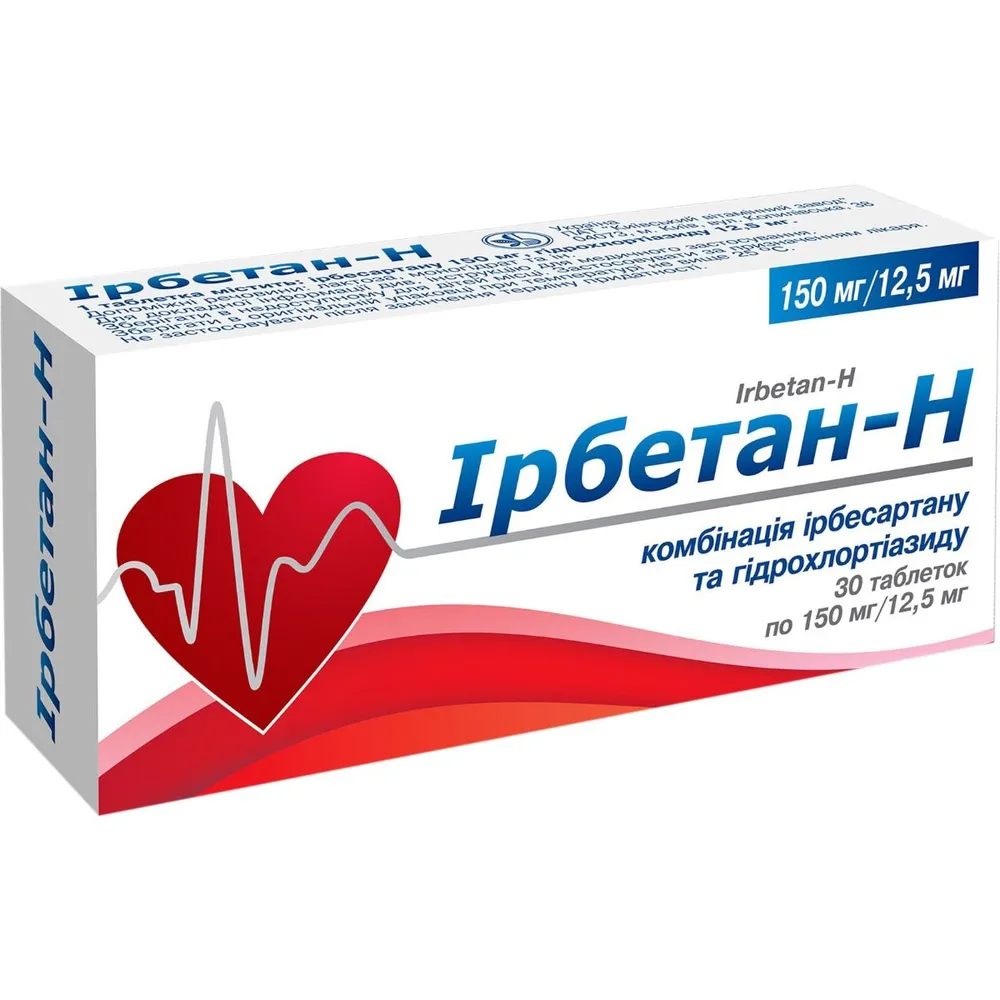
Table of Contents
- INSTRUCTION FOR MEDICAL USE OF THE MEDICINAL PRODUCT IRBATAL-H 150 (IRBATAL-H 150) IRBATAL-H 300 (IRBATAL-H 300) Composition: irbesartan and hydrochlorothiazide; active substances: 1 tablet contains irbesartan 150 mg and hydrochlorothiazide 12.5 mg or contains irbesartan 300 mg and hydrochlorothiazide 12.5 mg; excipients: lactose monohydrate, sodium croscarmellose, povidone, magnesium stearate, purified water, pigment Pigment Blend PB – 24899 (iron oxide red (E 172), iron oxide yellow (E 172)). Medicinal form. Tablets. Main physico-chemical properties: Irbatal-H 150: oval, biconvex tablets of light pink (peach) colour with speckles, embossed with "L180" on one side and smooth on the other; Irbatal-H 300: oval, biconvex tablets of light pink (peach) colour with speckles, embossed with "L181" on one side and smooth on the other; Pharmacotherapeutic group. Combined preparations of angiotensin II inhibitors. ATC code C09D A04. Pharmacological properties. Pharmacodynamics. Irbatal-H is a combination of the angiotensin-II receptor antagonist irbesartan and the thiazide diuretic hydrochlorothiazide. The combination of these components exhibits an additive antihypertensive effect, resulting in a greater reduction in blood pressure than with the use of either component alone. Irbesartan is a potent, orally active, selective antagonist of angiotensin-II receptors (AT1 subtype). It can block all actions of angiotensin-II mediated by the AT1 receptor, regardless of the source or method of angiotensin-II synthesis. Selective antagonism of angiotensin-II receptors (AT1) leads to increased levels of renin and angiotensin-II in plasma, as well as decreased plasma aldosterone concentration. Irbesartan alone, when administered at recommended doses to patients without risk of electrolyte imbalance, does not significantly affect serum potassium levels. Irbesartan does not inhibit ACE (kininase-II), the enzyme that generates angiotensin-II and degrades bradykinin into inactive metabolites. Irbesartan does not require metabolic activation. Hydrochlorothiazide is a thiazide diuretic. The mechanism of the antihypertensive effect of thiazide diuretics is not fully understood. Thiazides affect electrolyte reabsorption in renal tubules, directly enhancing the excretion of sodium and chloride in approximately equal amounts. Due to the diuretic effect of hydrochlorothiazide, plasma volume decreases, plasma renin activity increases, aldosterone secretion increases, resulting in increased loss of potassium and bicarbonate in urine and decreased serum potassium concentration. Due to blockade of the renin-angiotensin-aldosterone system, co-administration of irbesartan likely counteracts potassium loss. After administration of hydrochlorothiazide, diuresis begins within 2 hours, peak effect occurs approximately at 4 hours, and its action lasts approximately 6–12 hours. The combination of hydrochlorothiazide and irbesartan causes dose-dependent additional reduction in arterial pressure within the therapeutic dose range. Adding 12.5 mg hydrochlorothiazide to 300 mg irbesartan once daily in patients whose condition cannot be adequately controlled with 300 mg irbesartan as monotherapy resulted in a placebo-adjusted reduction in diastolic blood pressure to a minimum value (24 hours after dose administration) of 6.1 mm Hg. The combination of 300 mg irbesartan and 12.5 mg hydrochlorothiazide resulted in an overall reduction in systolic/diastolic pressure of 13.6/11.5 mm Hg, excluding data obtained from placebo administration. Administration once daily of 150 mg irbesartan and 12.5 mg hydrochlorothiazide resulted in a reduction in mean systolic/diastolic arterial pressure adjusted for placebo data to 12.9/6.9 mm Hg (24 hours after administration) in patients with mild to moderate arterial hypertension. Peak effect was observed within 3–6 hours. During ambulatory blood pressure monitoring, the combination of 150 mg irbesartan and 12.5 mg hydrochlorothiazide administered once daily resulted in consistent reduction in blood pressure over 24 hours with a mean reduction in systolic/diastolic arterial pressure over 24 hours excluding placebo data of 15.8/10.0 mm Hg. The blood pressure-lowering effect of irbesartan in combination with hydrochlorothiazide appears after the first dose and lasts for 1–2 weeks, with maximum effect achieved within 6–8 weeks. During long-term studies, the effect of irbesartan/hydrochlorothiazide lasted more than one year. There is information that upon discontinuation of either irbesartan or hydrochlorothiazide, rebound arterial hypertension was not observed. The effect of the combination of irbesartan and hydrochlorothiazide on morbidity and mortality has not been studied. Epidemiological data show that long-term treatment with hydrochlorothiazide reduces the risk of cardiovascular morbidity and mortality. The efficacy of the drug does not depend on the patient's age or sex. In non-Caucasian patients with arterial hypertension, the response to monotherapy with irbesartan, as with other drugs affecting the renin-angiotensin system, is significantly lower. When irbesartan is used concurrently with a low dose of hydrochlorothiazide (e.g., 12.5 mg daily), the antihypertensive response in non-Caucasian patients approaches that of other racial groups. Pharmacokinetics. Concurrent administration of hydrochlorothiazide and irbesartan does not affect the pharmacokinetics of either component of the medicinal product. Irbesartan and hydrochlorothiazide are orally active drugs and do not require biological transformation for activity. After oral administration, absolute oral bioavailability is 60–80% and 50–80% for irbesartan and hydrochlorothiazide, respectively. Food does not affect the bioavailability of the drug. Peak plasma concentration is reached within 1.5–2 hours after oral administration for irbesartan and within 1–2.5 hours for hydrochlorothiazide. Binding of irbesartan to plasma proteins is approximately 96%, with low binding to blood cellular components, negligible for practical purposes. The volume of distribution of irbesartan is 53–93 litres. Hydrochlorothiazide binds to plasma proteins by 68%, and its confirmed volume of distribution is 0.83–1.14 l/kg. Irbesartan exhibits linear and dose-proportional pharmacokinetics within the dose range of 10 to 600 mg. Increased absorption was observed at doses below 600 mg; the mechanism is not understood. Total renal clearance is 157–176 and 3.0–3.5 ml/min, respectively. The terminal half-life of irbesartan is 11–15 hours. Steady-state plasma concentration is achieved within 3 days after starting once-daily dosing. Limited accumulation of irbesartan (< 20%) is observed in plasma after repeated daily dosing. In a study, slightly higher plasma concentrations of irbesartan were observed in female patients with arterial hypertension. However, no differences in half-life or accumulation of irbesartan were found. Dose adjustment is not required based on patient age or sex. AUC and Cmax values for irbesartan were also slightly higher in elderly patients (≥ 65 years) than in younger patients (18–40 years). However, the terminal half-life did not differ significantly. Dose adjustment is not required for elderly patients. The mean value of the half-life of hydrochlorothiazide in plasma according to available data is 5–15 hours. After oral administration, unchanged irbesartan in plasma accounts for 80-85%, determined by the 14C indicator. Irbesartan is metabolized in the liver via glucuronidation and oxidation. The main circulating metabolite is irbesartan glucuronide (approximately 6%). In vitro studies show that irbesartan is primarily oxidized by the cytochrome P450 enzyme CYP2C9; the isoenzyme CYP3A4 has a minor effect, negligible for practical purposes. Irbesartan and its metabolites are excreted both via the liver and kidneys. After both oral and intravenous administration of 14C irbesartan, approximately 20% of radioactivity is excreted in urine, and the remainder in feces. Less than 2% of the dose is excreted in urine as unchanged irbesartan. Hydrochlorothiazide is not metabolized but is rapidly excreted by the kidneys. At least 61% of the oral dose is excreted unchanged within 24 hours. Hydrochlorothiazide crosses the placental barrier but does not cross the blood-brain barrier and passes into breast milk. Renal impairment. In patients with renal impairment or patients undergoing hemodialysis, the pharmacokinetic parameters of irbesartan do not change significantly. Irbesartan is not removed by hemodialysis. It has been reported that in patients with creatinine clearance < 20 ml/min, the half-life of hydrochlorothiazide increased to 21 hours. Hepatic impairment. In patients with mild to moderate hepatic cirrhosis, the pharmacokinetic parameters of irbesartan do not change significantly. Studies involving patients with severe hepatic impairment have not been conducted. Clinical characteristics. Indications. Treatment of essential hypertension. This fixed-dose combination is indicated for adult patients whose blood pressure is not adequately controlled with irbesartan or hydrochlorothiazide alone. Contraindications. Hypersensitivity to active substances or to any of the excipients, or to any substances derived from sulfonamides (hydrochlorothiazide is a sulfonamide derivative). Severe renal impairment (creatinine clearance < 30 ml/min). Persistent hypokalemia, hypercalcemia. Severe hepatic impairment, hepatic cirrhosis, and cholestasis. Concurrent use with aliskiren-containing drugs in patients with diabetes and in patients with moderate to severe renal impairment (glomerular filtration rate < 60 ml/min/1.73 m²). Concurrent use with angiotensin-converting enzyme (ACE) inhibitors in patients with diabetic nephropathy. Refractory hypokalemia or hypercalcemia. Refractory hyponatremia. Symptomatic hyperuricemia (gout). Anuria. Pregnancy and breastfeeding period. Pediatric age (under 18 years). Interaction with other medicinal products and other types of interactions. Other antihypertensive drugs. The antihypertensive effect of the drug may be enhanced by concurrent use of other antihypertensive drugs. Irbesartan and hydrochlorothiazide (at doses up to 300 mg irbesartan/25 mg hydrochlorothiazide) have been safely used with other antihypertensive drugs, including calcium channel blockers and β-adrenergic blockers. Prior treatment with high-dose diuretics may lead to reduced blood volume and risk of hypotension upon initiation of irbesartan with thiazide diuretics, unless reduced blood volume has been previously corrected. Aliskiren-containing drugs. Concurrent use with aliskiren-containing drugs is contraindicated in patients with diabetes and in patients with moderate to severe renal impairment (glomerular filtration rate < 60 ml/min/1.73 m²) and not recommended for all other patients. Lithium preparations. Transient increases in serum lithium concentration and toxicity have been reported with concurrent use of lithium and ACE inhibitors. Very rare cases of such effects have been reported with irbesartan use. Additionally, thiazides reduce renal excretion of lithium, thus the risk of lithium toxicity may increase with the use of this drug. Therefore, combining lithium and Irbatal-H is not recommended (see section "Special precautions for use"). If such combination is necessary, careful monitoring of serum lithium levels is recommended. Medicinal products that deplete potassium. The potassium-depleting effect of hydrochlorothiazide is mitigated by the potassium-sparing effect of irbesartan. However, changes in serum potassium levels are possible due to other medicinal products associated with potassium loss and hypokalemia (e.g., other potassium-wasting diuretics, laxatives, amphotericin, carbenoxolone, sodium penicillin G). Conversely, based on experience with other drugs that inhibit the renin-angiotensin system, concurrent use of potassium-sparing diuretics, additional potassium-containing supplements, potassium-containing salt substitutes, or other medicinal products that may increase serum potassium levels (e.g., sodium heparin) may lead to elevated serum potassium levels. Appropriate monitoring of serum potassium levels is recommended in patients at risk. Medicinal products whose efficacy is affected by changes in serum potassium levels. Periodic monitoring of serum potassium content is recommended if the drug is used concurrently with medicinal products whose toxicity is increased by disturbances in serum potassium levels (such as digitalis glycosides, antiarrhythmic agents). Angiotensin-converting enzyme (ACE) inhibitors. Concurrent use of the drug with ACE inhibitors is contraindicated in patients with diabetic nephropathy and not recommended for all other patients. Non-steroidal anti-inflammatory drugs (NSAIDs). When angiotensin-II antagonists are used concurrently with NSAIDs (i.e., selective COX-2 inhibitors, acetylsalicylic acid (> 3 g/day), and non-selective non-steroidal anti-inflammatory drugs), a reduction in antihypertensive effect may occur. As with ACE inhibitors, concurrent use of angiotensin-II antagonists and NSAIDs may lead to an increased risk of worsening renal function, including acute renal failure, and increased serum potassium levels, especially in patients with pre-existing renal dysfunction. Combination of angiotensin-II antagonists and NSAIDs should be used with caution, particularly in elderly patients. Patients should receive adequate fluid intake, and attention should be paid to monitoring renal function after initiation of such combination therapy, as well as periodically thereafter. Additional information on irbesartan interaction. According to study data, the pharmacokinetics of irbesartan are not affected by hydrochlorothiazide. Irbesartan is primarily eliminated via CYP2C9 and to a lesser extent via glucuronidation. No significant pharmacokinetic or pharmacodynamic interaction was observed when irbesartan was used with warfarin, a drug metabolized by CYP2C9. The effect of CYP2C9 inducers such as rifampicin on the pharmacokinetics of irbesartan is not established. Concurrent use of irbesartan did not alter the pharmacokinetics of digoxin. Potassium-containing dietary supplements and potassium-sparing diuretics. Based on experience with other drugs affecting the renin-angiotensin system, concurrent use of potassium-sparing diuretics, potassium-containing dietary supplements, potassium-containing salt substitutes, or other medicinal products that may increase serum potassium levels (e.g., heparin) may lead to elevated serum potassium levels and is therefore not recommended. Additional information on hydrochlorothiazide interaction. Interaction with the following medicinal products and substances may occur when used concurrently with thiazide diuretics. Alcohol. May cause orthostatic hypotension. Antidiabetic medicinal products (oral preparations and insulin). Dose adjustment of the antidiabetic medicinal product may be required. Metformin should be used with caution due to the risk of lactic acidosis from possible hydrochlorothiazide-induced functional renal impairment. Cholestyramine and colestipol resins. Absorption of hydrochlorothiazide is impaired in the presence of anion-exchange resins. The drug should be taken at least 1 hour before or 4 hours after taking these medicinal products. Corticosteroids, ACTH. Electrolyte depletion may be reduced, particularly hypokalemia may be exacerbated. Digitalis glycosides. Thiazide-induced hypokalemia or hypomagnesemia predisposes to cardiac arrhythmias induced by digitalis glycosides. Non-steroidal anti-inflammatory drugs. NSAID use may reduce the diuretic, natriuretic, and antihypertensive effects of thiazide diuretics in some patients. Pressor amines (e.g., noradrenaline). The effect of pressor amines may be weakened but not to the extent that their use is contraindicated. Non-depolarizing muscle relaxants (e.g., tubocurarine). The effect of non-depolarizing muscle relaxants may be enhanced by hydrochlorothiazide. Medicinal products for gout. Dose adjustment of gout medications may be required as hydrochlorothiazide may increase serum uric acid levels. There may be a need to increase the dosage of probenecid or sulfinpyrazone. Concurrent use of thiazide diuretics may increase the incidence of hypersensitivity to allopurinol. Calcium salts. Thiazide diuretics may increase serum calcium levels due to reduced excretion. If additional calcium-containing supplements or calcium-conserving medicinal products (e.g., vitamin D) are necessary, serum calcium levels should be monitored and calcium dosage adjusted accordingly. Carbamazepine. Concurrent use of carbamazepine and hydrochlorothiazide has been associated with a risk of symptomatic hyponatremia. Electrolyte levels must be monitored when these drugs are used concurrently. If possible, diuretics of another class should be used. Medicinal products whose efficacy is affected by changes in serum potassium levels. Periodic monitoring of serum potassium levels and ECG examination is recommended if hydrochlorothiazide is taken concurrently with drugs whose effects are affected by changes in serum potassium levels (such as digitalis glycosides and antiarrhythmic drugs), and with the following drugs that cause polymorphic tachycardia of the torsade de pointes type (ventricular tachycardia), including some antiarrhythmic drugs, as hypokalemia is a factor predisposing to torsade de pointes tachycardia:
- Methyldopa. Isolated cases of hemolytic anemia have been reported with concurrent use of hydrochlorothiazide and methyldopa. Salicylates. With high-dose salicylate use, hydrochlorothiazide may enhance their toxic effects on the central nervous system. Cyclosporine. Concurrent use of cyclosporine may enhance hyperuricemia and increase the risk of complications such as gout. Alcohol, barbiturates, narcotics, or antidepressants. May enhance orthostatic arterial hypotension. β-blockers and diazoxide. Concurrent use of thiazide diuretics, including hydrochlorothiazide, with β-blockers may increase the risk of hyperglycemia. Thiazide diuretics, including hydrochlorothiazide, may enhance the hyperglycemic effect of diazoxide. Amantadine. Thiazides, including hydrochlorothiazide, may increase the risk of side effects caused by amantadine. Effect of medicinal products on laboratory test results. Due to effects on calcium metabolism, thiazides may affect the assessment of parathyroid function. Specific hypersensitization. The likelihood and severity of anaphylactic and anaphylactoid reactions to insect venom increase due to ACE inhibition. This effect is also considered possible for other allergens. Iodine-containing contrast agents. In diuretic-induced dehydration, the risk of acute renal failure increases, primarily with high-dose iodine-containing contrast agents. Patients require rehydration before administration of iodine-containing agents. Amphotericin B (for parenteral administration), corticosteroids, ACTH, and stimulant laxatives. Hydrochlorothiazide enhances electrolyte imbalance, primarily hypokalemia. Anticholinergic agents (e.g., atropine, biperiden) may increase the bioavailability of thiazide-type diuretics by reducing gastrointestinal tract tone and gastric emptying rate. Thiazides may increase the risk of adverse effects caused by amantadine. Thiazides may reduce renal excretion of cytotoxic medicinal products (e.g., cyclophosphamide, methotrexate) and enhance their myelosuppressive effects. Special precautions for use. Low blood pressure – patients with low blood volume. The drug is rarely associated with symptomatic reduction in blood pressure in hypertensive patients without other risk factors for hypotension. Symptomatic reduction in blood pressure may occur in patients with reduced blood volume and/or sodium content due to intensive diuretic therapy, restricted salt intake, diarrhea, or vomiting. Such conditions should be corrected before starting treatment with the drug. Patients with arterial hypertension, type 2 diabetes, and chronic kidney disease. The effect of irbesartan on renal and cardiovascular function was not uniform in all subgroups of patients with advanced chronic kidney disease. In particular, its advantages were less pronounced in women and in individuals not belonging to the Caucasian race. Renal artery stenosis – renovascular hypertension. There is an increased risk of severe arterial hypotension and renal failure when patients with bilateral renal artery stenosis or stenosis of the artery of a single functioning kidney are treated with ACE inhibitors or angiotensin-II receptor antagonists. Although this has not been observed with Irbatal-H, a similar effect should be expected. Renal impairment and kidney transplantation. If the drug is used in patients with impaired renal function, periodic monitoring of serum calcium, creatinine, and uric acid levels is recommended. There is no experience with the use of the drug in patients who have recently undergone kidney transplantation. The drug should not be used in patients with severe renal impairment (creatinine clearance < 30 ml/min). In patients with impaired renal function, azotemia associated with thiazide diuretics may occur. Dose adjustment is not required for patients with renal impairment and creatinine clearance ≥ 30 ml/min. However, this fixed-dose combination should be used with caution in patients with mild to moderate renal impairment (creatinine clearance ≥ 30 ml/min but < 60 ml/min). Dual blockade of the renin-angiotensin-aldosterone system (RAAS). Dual blockade of RAAS with the combination of the drug with aliskiren is not recommended due to an increased risk of hypotension, hyperkalemia, and changes in renal function. Concurrent use with aliskiren-containing drugs is contraindicated in patients with diabetes and in patients with moderate to severe renal impairment (glomerular filtration rate < 60 ml/min/1.73 m²). Hepatic impairment. Thiazides should be used with caution in patients with impaired liver function or progressive liver disease, as minor changes in fluid and electrolyte balance may accelerate the onset of hepatic coma. There is no clinical experience with the use of the drug in patients with hepatic impairment. In liver disorders and progressive liver diseases, thiazides should be used with caution, as these drugs may cause intrahepatic cholestasis, and even minimal changes in water-salt balance may trigger hepatic coma. Hydrochlorothiazide is contraindicated in patients with severe hepatic impairment. Aortic and mitral valve stenosis, obstructive hypertrophic cardiomyopathy. As with other vasodilating agents, special precautions are required for patients with aortic or mitral valve stenosis or obstructive hypertrophic cardiomyopathy. Primary hyperaldosteronism. In patients with primary hyperaldosteronism, hypotensive effect is generally not achieved with drugs acting by inhibition of the renin-angiotensin system, so the use of the drug is not recommended. Effect on metabolism and endocrine system. Glucose tolerance may be impaired during therapy with thiazide diuretics. Adjustment of insulin or oral hypoglycemic drug dosage may be required in diabetic patients. Signs of latent diabetes mellitus may manifest during therapy with thiazide diuretics. Increased cholesterol and triglyceride levels are associated with thiazide diuretic use; however, at the dose of 12.5 mg contained in the drug, minimal or no effect has been reported. In some patients receiving thiazide diuretic therapy, hyperuricemia or signs of gout may occur. Electrolyte imbalance. As with any patients taking diuretics, serum electrolyte levels should be periodically checked. Thiazides, including hydrochlorothiazide, may cause fluid or electrolyte imbalance (hypokalemia, hyponatremia, and hypochloremic alkalosis). Characteristic signs of fluid or electrolyte imbalance to watch for include dry mouth, thirst, weakness, fatigue, drowsiness, restlessness, muscle pain or cramps, muscle weakness, decreased blood pressure, oliguria, tachycardia, and gastrointestinal disorders such as nausea or vomiting. Although hypokalemia may develop with thiazide diuretic use, concurrent therapy with irbesartan may mitigate such hypokalemia. The highest risk of hypokalemia is in patients with hepatic cirrhosis, patients with intensive diuresis, patients orally taking inadequate amounts of electrolytes, and patients concurrently receiving corticosteroids or ACTH. Conversely, hyperkalemia may occur due to the presence of irbesartan in the drug, especially with renal impairment and/or heart failure, as well as diabetes mellitus. Appropriate monitoring of serum potassium levels is recommended in patients at risk. The drug should be used with caution with potassium-sparing diuretics, additional potassium supplements, or potassium-containing salt substitutes. There is no evidence that irbesartan can mitigate or prevent hyponatremia caused by diuretic use. Chloride deficiency is generally mild and usually does not require treatment. Thiazides may reduce calcium excretion in urine and cause transient and slight increase in serum calcium levels in the absence of known calcium metabolism disorders. Marked hypercalcemia may indicate latent hyperparathyroidism. Thiazide use should be discontinued before testing parathyroid function. It has been shown that thiazides increase magnesium excretion in urine, which may lead to hypomagnesemia. Lithium preparations. Concurrent use of lithium preparations and Irbatal-H is not recommended. Anti-doping control. Hydrochlorothiazide contained in this medicinal product may give a positive analytical result in anti-doping control. General warnings. In patients in whom vascular tone and renal function primarily depend on the activity of the renin-angiotensin-aldosterone system (e.g., patients with severe congestive heart failure or initial kidney disease, including renal artery stenosis), treatment with ACE inhibitors or angiotensin-II receptor antagonists affecting this system is associated with acute arterial hypotension, azotemia, oliguria, or rarely acute renal failure. As with any antihypertensive agent, excessive reduction in blood pressure in patients with ischemic heart disease or ischemic cardiovascular disease may lead to myocardial infarction or stroke. Hypersensitivity reactions to hydrochlorothiazide may occur in patients with or without a history of allergy or bronchial asthma, but they are more likely in patients with such history. Exacerbation or activation of systemic lupus erythematosus has been reported with thiazide diuretic use. Photosensitivity reactions have been reported with thiazide diuretic use. If a photosensitivity reaction occurs during treatment, discontinuation of treatment is recommended. If re-administration of such diuretics is considered necessary, protection of exposed skin areas from sunlight or artificial UV radiation is recommended. Acute myopia and secondary acute angle-closure glaucoma. Medicinal products containing sulfanilamide or its derivatives may cause idiosyncrasy leading to transient myopia and acute angle-closure glaucoma. Hydrochlorothiazide is a sulfanilamide derivative, but only isolated cases of acute angle-closure glaucoma have been reported to date with hydrochlorothiazide use. Symptoms of this condition include acute reduction in visual acuity or eye pain. These symptoms usually develop within several hours or weeks after starting therapy with this drug. If acute angle-closure glaucoma is left untreated, it may lead to irreversible vision loss in the patient. Upon detection of such a symptom, therapy with this drug should first be discontinued as quickly as possible. If intraocular pressure remains uncontrolled thereafter, the feasibility of pharmacological or surgical treatment may be considered. Risk factors for the development of acute angle-closure glaucoma may include a history of allergy to sulfanilamide or penicillin. Non-melanoma skin cancer. Results of two recent pharmacoe pidemiological studies (based on Danish nationwide information sources, including the Danish cancer registry and the national prescription registry) showed a cumulative dose-dependent association between hydrochlorothiazide use and the occurrence of basal cell carcinoma and squamous cell carcinoma. The photosensitizing effect of hydrochlorothiazide may be the cause of such pathologies. Patients taking hydrochlorothiazide alone or in combination with other medicinal products should be informed about the risk of non-melanoma skin cancer and advised to regularly check their skin for new lesions and changes in existing ones, and to report any suspicious skin lesions. Suspicious skin lesions should undergo histological examination by biopsy. Patients should be advised to limit exposure to sunlight and UV radiation and to use appropriate protection when exposed to sunlight and UV radiation to minimize the risk of skin cancer. The appropriateness of hydrochlorothiazide use should also be carefully reconsidered for patients with a history of skin cancer (see section "Adverse reactions"). Effect of hydrochlorothiazide on laboratory test results:
- Lactose. This medicinal product should not be taken by patients with rare hereditary disorders such as galactose intolerance, Lapp lactase deficiency, or glucose-galactose malabsorption. Use during pregnancy or breastfeeding. Pregnancy. The medicinal product is contraindicated for use in pregnant women or women planning to become pregnant. If pregnancy is confirmed during treatment with this drug, its use must be immediately discontinued and replaced with another drug permitted for use during pregnancy. Before planned pregnancy, it is necessary to switch to appropriate alternative treatment with a safety profile recognized for use during pregnancy. Breastfeeding. Use of the drug Irbatal-H is contraindicated during breastfeeding. Ability to affect reaction speed when driving or operating other machinery. Studies on the effect on the ability to drive vehicles and operate other machinery have not been conducted. Given the pharmacodynamic properties of the drug, its effect on this ability is unlikely. When driving vehicles or operating other machinery, it should be considered that during treatment of arterial hypertension, drowsiness or fatigue may occur. Method of administration and dosage. The drug is administered once daily, regardless of food intake. Dose titration with individual components (i.e., irbesartan and hydrochlorothiazide) may be recommended. If clinically appropriate, direct transition from monotherapy to fixed combinations may be considered: Irbatal-H 150 mg/12.5 mg may be used in patients whose blood pressure cannot be adequately controlled with hydrochlorothiazide alone or irbesartan at a dose of 150 mg; Irbatal-H 300 mg/12.5 mg may be used in patients whose blood pressure is insufficiently controlled with irbesartan at a dose of 300 mg or with Irbatal-H 150 mg/12.5 mg. Doses exceeding 300 mg irbesartan/25 mg hydrochlorothiazide once daily are not recommended. If necessary, Irbatal-H may be used with other antihypertensive medicinal products (see section "Interaction with other medicinal products and other types of interactions"). Renal impairment. Due to the presence of hydrochlorothiazide in the drug, it is not recommended for patients with severe renal impairment (creatinine clearance < 30 ml/min). In such patients, loop diuretics are preferred over thiazides. Dose adjustment is not required for patients with renal impairment and creatinine clearance ≥ 30 ml/min. Hepatic impairment. Irbatal-H is not recommended for patients with severe hepatic impairment. Thiazides should be used with caution in patients with hepatic impairment. Dose adjustment of the drug is not required for patients with mild or moderate hepatic impairment. Elderly patients. There is no need for dose adjustment in elderly patients. Children. The drug is contraindicated for use in children due to insufficient data on safety and efficacy. Overdose. There is no specific information on the treatment of Irbatal-H overdose. The patient should undergo careful monitoring, and treatment should be symptomatic and supportive. Treatment depends on the time elapsed since drug administration and the severity of symptoms. Measures to be taken include induction of vomiting and/or gastric lavage. Activated charcoal may be used in the treatment of overdose. Serum electrolyte and creatinine levels should be frequently monitored. In case of arterial hypotension, the patient should be placed in a horizontal position and saline solutions should be rapidly administered and fluid volume replenished. The most likely manifestations of irbesartan overdose are arterial hypotension and tachycardia; bradycardia may also occur. Overdose of hydrochlorothiazide may lead to acute urinary retention in predisposed patients (e.g., in case of prostatic hyperplasia), tachycardia, weakness, dizziness, muscle spasms, polyuria, oliguria, anuria, hypokalemia, hyponatremia, hypochloremia, alkalosis, increased blood urea nitrogen levels (mainly renal failure). The most common symptoms of overdose are nausea and drowsiness. Other signs of overdose include confusion, shock, exhaustion, consciousness disorders, vomiting, thirst. Hypokalemia may lead to muscle spasms and/or exacerbate cardiac arrhythmia with concurrent use of digitalis glycosides or certain antiarrhythmic drugs. Irbesartan is not removed by hemodialysis. The extent to which hydrochlorothiazide is removed by hemodialysis is not established. Adverse reactions. Table 1 lists adverse reactions for which information was obtained from spontaneous reports and placebo-controlled studies. The frequency of adverse reactions is defined as follows: very common (≥ 1/10); common (≥ 1/100, but < 1/10); uncommon (≥ 1/1000, but < 1/100); rare (≥ 1/10000, but < 1/1000); very rare (< 1/10000); frequency not known - frequency cannot be estimated from available data. Adverse reactions are listed in order of decreasing severity. Table 1. Adverse reactions based on placebo-controlled studies and spontaneous reports
- Additional information on individual components: In addition to the above-mentioned adverse reactions for the combination medicinal product, the adverse reactions listed in tables 2 and 3 below have been reported in association with the individual components of the Irbatol-N medicinal product. Table 2. Adverse reactions reported during administration of irbesartan alone
- In 1.7% of patients with arterial hypertension and advanced diabetic nephropathy treated with irbesartan, a decrease in hemoglobin levels was observed, which was not clinically significant. Table 3 Adverse reactions reported during treatment with hydrochlorothiazide alone
- Dose-dependent adverse effects of hydrochlorothiazide (particularly disturbances of electrolyte balance) may be intensified when titrating the dose of hydrochlorothiazide. Benign, malignant and unspecified neoplasms (including cysts and polyps). Frequency unknown: non-melanoma skin cancer (basal cell carcinoma and squamous cell carcinoma). Description of selected adverse reactions. Non-melanoma skin cancer: epidemiological studies have shown an association between the occurrence of non-melanoma skin cancer and the cumulative dose of hydrochlorothiazide (cumulative dose-effect) (see section "Special precautions for use"). Shelf life. 2 years. Storage conditions. Store in the original packaging at a temperature not exceeding 30 °C. Keep out of the reach of children. Packaging. 10 tablets in a blister, 10 blisters in a cardboard box. Prescription category. Prescription only. Manufacturer. Alembic Pharmaceuticals Limited. Manufacturer's address and place of business. Panelav, P.V. Tajpura, Halol Taluka, Panchmahal District, Gujarat – 389 350, India.
INSTRUCTION FOR MEDICAL USE OF THE MEDICINAL PRODUCT IRBATAL-H 150 (IRBATAL-H 150) IRBATAL-H 300 (IRBATAL-H 300) Composition: irbesartan and hydrochlorothiazide; active substances: 1 tablet contains irbesartan 150 mg and hydrochlorothiazide 12.5 mg or contains irbesartan 300 mg and hydrochlorothiazide 12.5 mg; excipients: lactose monohydrate, sodium croscarmellose, povidone, magnesium stearate, purified water, pigment Pigment Blend PB – 24899 (iron oxide red (E 172), iron oxide yellow (E 172)). Medicinal form. Tablets. Main physico-chemical properties: Irbatal-H 150: oval, biconvex tablets of light pink (peach) colour with speckles, embossed with "L180" on one side and smooth on the other; Irbatal-H 300: oval, biconvex tablets of light pink (peach) colour with speckles, embossed with "L181" on one side and smooth on the other; Pharmacotherapeutic group. Combined preparations of angiotensin II inhibitors. ATC code C09D A04. Pharmacological properties. Pharmacodynamics. Irbatal-H is a combination of the angiotensin-II receptor antagonist irbesartan and the thiazide diuretic hydrochlorothiazide. The combination of these components exhibits an additive antihypertensive effect, resulting in a greater reduction in blood pressure than with the use of either component alone. Irbesartan is a potent, orally active, selective antagonist of angiotensin-II receptors (AT1 subtype). It can block all actions of angiotensin-II mediated by the AT1 receptor, regardless of the source or method of angiotensin-II synthesis. Selective antagonism of angiotensin-II receptors (AT1) leads to increased levels of renin and angiotensin-II in plasma, as well as decreased plasma aldosterone concentration. Irbesartan alone, when administered at recommended doses to patients without risk of electrolyte imbalance, does not significantly affect serum potassium levels. Irbesartan does not inhibit ACE (kininase-II), the enzyme that generates angiotensin-II and degrades bradykinin into inactive metabolites. Irbesartan does not require metabolic activation. Hydrochlorothiazide is a thiazide diuretic. The mechanism of the antihypertensive effect of thiazide diuretics is not fully understood. Thiazides affect electrolyte reabsorption in renal tubules, directly enhancing the excretion of sodium and chloride in approximately equal amounts. Due to the diuretic effect of hydrochlorothiazide, plasma volume decreases, plasma renin activity increases, aldosterone secretion increases, resulting in increased loss of potassium and bicarbonate in urine and decreased serum potassium concentration. Due to blockade of the renin-angiotensin-aldosterone system, co-administration of irbesartan likely counteracts potassium loss. After administration of hydrochlorothiazide, diuresis begins within 2 hours, peak effect occurs approximately at 4 hours, and its action lasts approximately 6–12 hours. The combination of hydrochlorothiazide and irbesartan causes dose-dependent additional reduction in arterial pressure within the therapeutic dose range. Adding 12.5 mg hydrochlorothiazide to 300 mg irbesartan once daily in patients whose condition cannot be adequately controlled with 300 mg irbesartan as monotherapy resulted in a placebo-adjusted reduction in diastolic blood pressure to a minimum value (24 hours after dose administration) of 6.1 mm Hg. The combination of 300 mg irbesartan and 12.5 mg hydrochlorothiazide resulted in an overall reduction in systolic/diastolic pressure of 13.6/11.5 mm Hg, excluding data obtained from placebo administration. Administration once daily of 150 mg irbesartan and 12.5 mg hydrochlorothiazide resulted in a reduction in mean systolic/diastolic arterial pressure adjusted for placebo data to 12.9/6.9 mm Hg (24 hours after administration) in patients with mild to moderate arterial hypertension. Peak effect was observed within 3–6 hours. During ambulatory blood pressure monitoring, the combination of 150 mg irbesartan and 12.5 mg hydrochlorothiazide administered once daily resulted in consistent reduction in blood pressure over 24 hours with a mean reduction in systolic/diastolic arterial pressure over 24 hours excluding placebo data of 15.8/10.0 mm Hg. The blood pressure-lowering effect of irbesartan in combination with hydrochlorothiazide appears after the first dose and lasts for 1–2 weeks, with maximum effect achieved within 6–8 weeks. During long-term studies, the effect of irbesartan/hydrochlorothiazide lasted more than one year. There is information that upon discontinuation of either irbesartan or hydrochlorothiazide, rebound arterial hypertension was not observed. The effect of the combination of irbesartan and hydrochlorothiazide on morbidity and mortality has not been studied. Epidemiological data show that long-term treatment with hydrochlorothiazide reduces the risk of cardiovascular morbidity and mortality. The efficacy of the drug does not depend on the patient's age or sex. In non-Caucasian patients with arterial hypertension, the response to monotherapy with irbesartan, as with other drugs affecting the renin-angiotensin system, is significantly lower. When irbesartan is used concurrently with a low dose of hydrochlorothiazide (e.g., 12.5 mg daily), the antihypertensive response in non-Caucasian patients approaches that of other racial groups. Pharmacokinetics. Concurrent administration of hydrochlorothiazide and irbesartan does not affect the pharmacokinetics of either component of the medicinal product. Irbesartan and hydrochlorothiazide are orally active drugs and do not require biological transformation for activity. After oral administration, absolute oral bioavailability is 60–80% and 50–80% for irbesartan and hydrochlorothiazide, respectively. Food does not affect the bioavailability of the drug. Peak plasma concentration is reached within 1.5–2 hours after oral administration for irbesartan and within 1–2.5 hours for hydrochlorothiazide. Binding of irbesartan to plasma proteins is approximately 96%, with low binding to blood cellular components, negligible for practical purposes. The volume of distribution of irbesartan is 53–93 litres. Hydrochlorothiazide binds to plasma proteins by 68%, and its confirmed volume of distribution is 0.83–1.14 l/kg. Irbesartan exhibits linear and dose-proportional pharmacokinetics within the dose range of 10 to 600 mg. Increased absorption was observed at doses below 600 mg; the mechanism is not understood. Total renal clearance is 157–176 and 3.0–3.5 ml/min, respectively. The terminal half-life of irbesartan is 11–15 hours. Steady-state plasma concentration is achieved within 3 days after starting once-daily dosing. Limited accumulation of irbesartan (< 20%) is observed in plasma after repeated daily dosing. In a study, slightly higher plasma concentrations of irbesartan were observed in female patients with arterial hypertension. However, no differences in half-life or accumulation of irbesartan were found. Dose adjustment is not required based on patient age or sex. AUC and Cmax values for irbesartan were also slightly higher in elderly patients (≥ 65 years) than in younger patients (18–40 years). However, the terminal half-life did not differ significantly. Dose adjustment is not required for elderly patients. The mean value of the half-life of hydrochlorothiazide in plasma according to available data is 5–15 hours. After oral administration, unchanged irbesartan in plasma accounts for 80-85%, determined by the 14C indicator. Irbesartan is metabolized in the liver via glucuronidation and oxidation. The main circulating metabolite is irbesartan glucuronide (approximately 6%). In vitro studies show that irbesartan is primarily oxidized by the cytochrome P450 enzyme CYP2C9; the isoenzyme CYP3A4 has a minor effect, negligible for practical purposes. Irbesartan and its metabolites are excreted both via the liver and kidneys. After both oral and intravenous administration of 14C irbesartan, approximately 20% of radioactivity is excreted in urine, and the remainder in feces. Less than 2% of the dose is excreted in urine as unchanged irbesartan. Hydrochlorothiazide is not metabolized but is rapidly excreted by the kidneys. At least 61% of the oral dose is excreted unchanged within 24 hours. Hydrochlorothiazide crosses the placental barrier but does not cross the blood-brain barrier and passes into breast milk. Renal impairment. In patients with renal impairment or patients undergoing hemodialysis, the pharmacokinetic parameters of irbesartan do not change significantly. Irbesartan is not removed by hemodialysis. It has been reported that in patients with creatinine clearance < 20 ml/min, the half-life of hydrochlorothiazide increased to 21 hours. Hepatic impairment. In patients with mild to moderate hepatic cirrhosis, the pharmacokinetic parameters of irbesartan do not change significantly. Studies involving patients with severe hepatic impairment have not been conducted. Clinical characteristics. Indications. Treatment of essential hypertension. This fixed-dose combination is indicated for adult patients whose blood pressure is not adequately controlled with irbesartan or hydrochlorothiazide alone. Contraindications. Hypersensitivity to active substances or to any of the excipients, or to any substances derived from sulfonamides (hydrochlorothiazide is a sulfonamide derivative). Severe renal impairment (creatinine clearance < 30 ml/min). Persistent hypokalemia, hypercalcemia. Severe hepatic impairment, hepatic cirrhosis, and cholestasis. Concurrent use with aliskiren-containing drugs in patients with diabetes and in patients with moderate to severe renal impairment (glomerular filtration rate < 60 ml/min/1.73 m²). Concurrent use with angiotensin-converting enzyme (ACE) inhibitors in patients with diabetic nephropathy. Refractory hypokalemia or hypercalcemia. Refractory hyponatremia. Symptomatic hyperuricemia (gout). Anuria. Pregnancy and breastfeeding period. Pediatric age (under 18 years). Interaction with other medicinal products and other types of interactions. Other antihypertensive drugs. The antihypertensive effect of the drug may be enhanced by concurrent use of other antihypertensive drugs. Irbesartan and hydrochlorothiazide (at doses up to 300 mg irbesartan/25 mg hydrochlorothiazide) have been safely used with other antihypertensive drugs, including calcium channel blockers and β-adrenergic blockers. Prior treatment with high-dose diuretics may lead to reduced blood volume and risk of hypotension upon initiation of irbesartan with thiazide diuretics, unless reduced blood volume has been previously corrected. Aliskiren-containing drugs. Concurrent use with aliskiren-containing drugs is contraindicated in patients with diabetes and in patients with moderate to severe renal impairment (glomerular filtration rate < 60 ml/min/1.73 m²) and not recommended for all other patients. Lithium preparations. Transient increases in serum lithium concentration and toxicity have been reported with concurrent use of lithium and ACE inhibitors. Very rare cases of such effects have been reported with irbesartan use. Additionally, thiazides reduce renal excretion of lithium, thus the risk of lithium toxicity may increase with the use of this drug. Therefore, combining lithium and Irbatal-H is not recommended (see section "Special precautions for use"). If such combination is necessary, careful monitoring of serum lithium levels is recommended. Medicinal products that deplete potassium. The potassium-depleting effect of hydrochlorothiazide is mitigated by the potassium-sparing effect of irbesartan. However, changes in serum potassium levels are possible due to other medicinal products associated with potassium loss and hypokalemia (e.g., other potassium-wasting diuretics, laxatives, amphotericin, carbenoxolone, sodium penicillin G). Conversely, based on experience with other drugs that inhibit the renin-angiotensin system, concurrent use of potassium-sparing diuretics, additional potassium-containing supplements, potassium-containing salt substitutes, or other medicinal products that may increase serum potassium levels (e.g., sodium heparin) may lead to elevated serum potassium levels. Appropriate monitoring of serum potassium levels is recommended in patients at risk. Medicinal products whose efficacy is affected by changes in serum potassium levels. Periodic monitoring of serum potassium content is recommended if the drug is used concurrently with medicinal products whose toxicity is increased by disturbances in serum potassium levels (such as digitalis glycosides, antiarrhythmic agents). Angiotensin-converting enzyme (ACE) inhibitors. Concurrent use of the drug with ACE inhibitors is contraindicated in patients with diabetic nephropathy and not recommended for all other patients. Non-steroidal anti-inflammatory drugs (NSAIDs). When angiotensin-II antagonists are used concurrently with NSAIDs (i.e., selective COX-2 inhibitors, acetylsalicylic acid (> 3 g/day), and non-selective non-steroidal anti-inflammatory drugs), a reduction in antihypertensive effect may occur. As with ACE inhibitors, concurrent use of angiotensin-II antagonists and NSAIDs may lead to an increased risk of worsening renal function, including acute renal failure, and increased serum potassium levels, especially in patients with pre-existing renal dysfunction. Combination of angiotensin-II antagonists and NSAIDs should be used with caution, particularly in elderly patients. Patients should receive adequate fluid intake, and attention should be paid to monitoring renal function after initiation of such combination therapy, as well as periodically thereafter. Additional information on irbesartan interaction. According to study data, the pharmacokinetics of irbesartan are not affected by hydrochlorothiazide. Irbesartan is primarily eliminated via CYP2C9 and to a lesser extent via glucuronidation. No significant pharmacokinetic or pharmacodynamic interaction was observed when irbesartan was used with warfarin, a drug metabolized by CYP2C9. The effect of CYP2C9 inducers such as rifampicin on the pharmacokinetics of irbesartan is not established. Concurrent use of irbesartan did not alter the pharmacokinetics of digoxin. Potassium-containing dietary supplements and potassium-sparing diuretics. Based on experience with other drugs affecting the renin-angiotensin system, concurrent use of potassium-sparing diuretics, potassium-containing dietary supplements, potassium-containing salt substitutes, or other medicinal products that may increase serum potassium levels (e.g., heparin) may lead to elevated serum potassium levels and is therefore not recommended. Additional information on hydrochlorothiazide interaction. Interaction with the following medicinal products and substances may occur when used concurrently with thiazide diuretics. Alcohol. May cause orthostatic hypotension. Antidiabetic medicinal products (oral preparations and insulin). Dose adjustment of the antidiabetic medicinal product may be required. Metformin should be used with caution due to the risk of lactic acidosis from possible hydrochlorothiazide-induced functional renal impairment. Cholestyramine and colestipol resins. Absorption of hydrochlorothiazide is impaired in the presence of anion-exchange resins. The drug should be taken at least 1 hour before or 4 hours after taking these medicinal products. Corticosteroids, ACTH. Electrolyte depletion may be reduced, particularly hypokalemia may be exacerbated. Digitalis glycosides. Thiazide-induced hypokalemia or hypomagnesemia predisposes to cardiac arrhythmias induced by digitalis glycosides. Non-steroidal anti-inflammatory drugs. NSAID use may reduce the diuretic, natriuretic, and antihypertensive effects of thiazide diuretics in some patients. Pressor amines (e.g., noradrenaline). The effect of pressor amines may be weakened but not to the extent that their use is contraindicated. Non-depolarizing muscle relaxants (e.g., tubocurarine). The effect of non-depolarizing muscle relaxants may be enhanced by hydrochlorothiazide. Medicinal products for gout. Dose adjustment of gout medications may be required as hydrochlorothiazide may increase serum uric acid levels. There may be a need to increase the dosage of probenecid or sulfinpyrazone. Concurrent use of thiazide diuretics may increase the incidence of hypersensitivity to allopurinol. Calcium salts. Thiazide diuretics may increase serum calcium levels due to reduced excretion. If additional calcium-containing supplements or calcium-conserving medicinal products (e.g., vitamin D) are necessary, serum calcium levels should be monitored and calcium dosage adjusted accordingly. Carbamazepine. Concurrent use of carbamazepine and hydrochlorothiazide has been associated with a risk of symptomatic hyponatremia. Electrolyte levels must be monitored when these drugs are used concurrently. If possible, diuretics of another class should be used. Medicinal products whose efficacy is affected by changes in serum potassium levels. Periodic monitoring of serum potassium levels and ECG examination is recommended if hydrochlorothiazide is taken concurrently with drugs whose effects are affected by changes in serum potassium levels (such as digitalis glycosides and antiarrhythmic drugs), and with the following drugs that cause polymorphic tachycardia of the torsade de pointes type (ventricular tachycardia), including some antiarrhythmic drugs, as hypokalemia is a factor predisposing to torsade de pointes tachycardia:
- class Ia antiarrhythmic drugs (e.g., quinidine, hydroquinidine, disopyramide);
- class III antiarrhythmic drugs (e.g., amiodarone, sotalol, dofetilide, ibutilide);
- some neuroleptics (e.g., thioridazine, chlorpromazine, levomepromazine, trifluoperazine, cyamemazine, sulpiride, sultopride, amisulpride, tiapride, pimozide, haloperidol, droperidol);
- other medicinal products (e.g., bepridil, cisapride, difemanil, intravenous erythromycin, halofantrine, mizolastine, pentamidine, terfenadine, intravenous vincamine).
Methyldopa. Isolated cases of hemolytic anemia have been reported with concurrent use of hydrochlorothiazide and methyldopa. Salicylates. With high-dose salicylate use, hydrochlorothiazide may enhance their toxic effects on the central nervous system. Cyclosporine. Concurrent use of cyclosporine may enhance hyperuricemia and increase the risk of complications such as gout. Alcohol, barbiturates, narcotics, or antidepressants. May enhance orthostatic arterial hypotension. β-blockers and diazoxide. Concurrent use of thiazide diuretics, including hydrochlorothiazide, with β-blockers may increase the risk of hyperglycemia. Thiazide diuretics, including hydrochlorothiazide, may enhance the hyperglycemic effect of diazoxide. Amantadine. Thiazides, including hydrochlorothiazide, may increase the risk of side effects caused by amantadine. Effect of medicinal products on laboratory test results. Due to effects on calcium metabolism, thiazides may affect the assessment of parathyroid function. Specific hypersensitization. The likelihood and severity of anaphylactic and anaphylactoid reactions to insect venom increase due to ACE inhibition. This effect is also considered possible for other allergens. Iodine-containing contrast agents. In diuretic-induced dehydration, the risk of acute renal failure increases, primarily with high-dose iodine-containing contrast agents. Patients require rehydration before administration of iodine-containing agents. Amphotericin B (for parenteral administration), corticosteroids, ACTH, and stimulant laxatives. Hydrochlorothiazide enhances electrolyte imbalance, primarily hypokalemia. Anticholinergic agents (e.g., atropine, biperiden) may increase the bioavailability of thiazide-type diuretics by reducing gastrointestinal tract tone and gastric emptying rate. Thiazides may increase the risk of adverse effects caused by amantadine. Thiazides may reduce renal excretion of cytotoxic medicinal products (e.g., cyclophosphamide, methotrexate) and enhance their myelosuppressive effects. Special precautions for use. Low blood pressure – patients with low blood volume. The drug is rarely associated with symptomatic reduction in blood pressure in hypertensive patients without other risk factors for hypotension. Symptomatic reduction in blood pressure may occur in patients with reduced blood volume and/or sodium content due to intensive diuretic therapy, restricted salt intake, diarrhea, or vomiting. Such conditions should be corrected before starting treatment with the drug. Patients with arterial hypertension, type 2 diabetes, and chronic kidney disease. The effect of irbesartan on renal and cardiovascular function was not uniform in all subgroups of patients with advanced chronic kidney disease. In particular, its advantages were less pronounced in women and in individuals not belonging to the Caucasian race. Renal artery stenosis – renovascular hypertension. There is an increased risk of severe arterial hypotension and renal failure when patients with bilateral renal artery stenosis or stenosis of the artery of a single functioning kidney are treated with ACE inhibitors or angiotensin-II receptor antagonists. Although this has not been observed with Irbatal-H, a similar effect should be expected. Renal impairment and kidney transplantation. If the drug is used in patients with impaired renal function, periodic monitoring of serum calcium, creatinine, and uric acid levels is recommended. There is no experience with the use of the drug in patients who have recently undergone kidney transplantation. The drug should not be used in patients with severe renal impairment (creatinine clearance < 30 ml/min). In patients with impaired renal function, azotemia associated with thiazide diuretics may occur. Dose adjustment is not required for patients with renal impairment and creatinine clearance ≥ 30 ml/min. However, this fixed-dose combination should be used with caution in patients with mild to moderate renal impairment (creatinine clearance ≥ 30 ml/min but < 60 ml/min). Dual blockade of the renin-angiotensin-aldosterone system (RAAS). Dual blockade of RAAS with the combination of the drug with aliskiren is not recommended due to an increased risk of hypotension, hyperkalemia, and changes in renal function. Concurrent use with aliskiren-containing drugs is contraindicated in patients with diabetes and in patients with moderate to severe renal impairment (glomerular filtration rate < 60 ml/min/1.73 m²). Hepatic impairment. Thiazides should be used with caution in patients with impaired liver function or progressive liver disease, as minor changes in fluid and electrolyte balance may accelerate the onset of hepatic coma. There is no clinical experience with the use of the drug in patients with hepatic impairment. In liver disorders and progressive liver diseases, thiazides should be used with caution, as these drugs may cause intrahepatic cholestasis, and even minimal changes in water-salt balance may trigger hepatic coma. Hydrochlorothiazide is contraindicated in patients with severe hepatic impairment. Aortic and mitral valve stenosis, obstructive hypertrophic cardiomyopathy. As with other vasodilating agents, special precautions are required for patients with aortic or mitral valve stenosis or obstructive hypertrophic cardiomyopathy. Primary hyperaldosteronism. In patients with primary hyperaldosteronism, hypotensive effect is generally not achieved with drugs acting by inhibition of the renin-angiotensin system, so the use of the drug is not recommended. Effect on metabolism and endocrine system. Glucose tolerance may be impaired during therapy with thiazide diuretics. Adjustment of insulin or oral hypoglycemic drug dosage may be required in diabetic patients. Signs of latent diabetes mellitus may manifest during therapy with thiazide diuretics. Increased cholesterol and triglyceride levels are associated with thiazide diuretic use; however, at the dose of 12.5 mg contained in the drug, minimal or no effect has been reported. In some patients receiving thiazide diuretic therapy, hyperuricemia or signs of gout may occur. Electrolyte imbalance. As with any patients taking diuretics, serum electrolyte levels should be periodically checked. Thiazides, including hydrochlorothiazide, may cause fluid or electrolyte imbalance (hypokalemia, hyponatremia, and hypochloremic alkalosis). Characteristic signs of fluid or electrolyte imbalance to watch for include dry mouth, thirst, weakness, fatigue, drowsiness, restlessness, muscle pain or cramps, muscle weakness, decreased blood pressure, oliguria, tachycardia, and gastrointestinal disorders such as nausea or vomiting. Although hypokalemia may develop with thiazide diuretic use, concurrent therapy with irbesartan may mitigate such hypokalemia. The highest risk of hypokalemia is in patients with hepatic cirrhosis, patients with intensive diuresis, patients orally taking inadequate amounts of electrolytes, and patients concurrently receiving corticosteroids or ACTH. Conversely, hyperkalemia may occur due to the presence of irbesartan in the drug, especially with renal impairment and/or heart failure, as well as diabetes mellitus. Appropriate monitoring of serum potassium levels is recommended in patients at risk. The drug should be used with caution with potassium-sparing diuretics, additional potassium supplements, or potassium-containing salt substitutes. There is no evidence that irbesartan can mitigate or prevent hyponatremia caused by diuretic use. Chloride deficiency is generally mild and usually does not require treatment. Thiazides may reduce calcium excretion in urine and cause transient and slight increase in serum calcium levels in the absence of known calcium metabolism disorders. Marked hypercalcemia may indicate latent hyperparathyroidism. Thiazide use should be discontinued before testing parathyroid function. It has been shown that thiazides increase magnesium excretion in urine, which may lead to hypomagnesemia. Lithium preparations. Concurrent use of lithium preparations and Irbatal-H is not recommended. Anti-doping control. Hydrochlorothiazide contained in this medicinal product may give a positive analytical result in anti-doping control. General warnings. In patients in whom vascular tone and renal function primarily depend on the activity of the renin-angiotensin-aldosterone system (e.g., patients with severe congestive heart failure or initial kidney disease, including renal artery stenosis), treatment with ACE inhibitors or angiotensin-II receptor antagonists affecting this system is associated with acute arterial hypotension, azotemia, oliguria, or rarely acute renal failure. As with any antihypertensive agent, excessive reduction in blood pressure in patients with ischemic heart disease or ischemic cardiovascular disease may lead to myocardial infarction or stroke. Hypersensitivity reactions to hydrochlorothiazide may occur in patients with or without a history of allergy or bronchial asthma, but they are more likely in patients with such history. Exacerbation or activation of systemic lupus erythematosus has been reported with thiazide diuretic use. Photosensitivity reactions have been reported with thiazide diuretic use. If a photosensitivity reaction occurs during treatment, discontinuation of treatment is recommended. If re-administration of such diuretics is considered necessary, protection of exposed skin areas from sunlight or artificial UV radiation is recommended. Acute myopia and secondary acute angle-closure glaucoma. Medicinal products containing sulfanilamide or its derivatives may cause idiosyncrasy leading to transient myopia and acute angle-closure glaucoma. Hydrochlorothiazide is a sulfanilamide derivative, but only isolated cases of acute angle-closure glaucoma have been reported to date with hydrochlorothiazide use. Symptoms of this condition include acute reduction in visual acuity or eye pain. These symptoms usually develop within several hours or weeks after starting therapy with this drug. If acute angle-closure glaucoma is left untreated, it may lead to irreversible vision loss in the patient. Upon detection of such a symptom, therapy with this drug should first be discontinued as quickly as possible. If intraocular pressure remains uncontrolled thereafter, the feasibility of pharmacological or surgical treatment may be considered. Risk factors for the development of acute angle-closure glaucoma may include a history of allergy to sulfanilamide or penicillin. Non-melanoma skin cancer. Results of two recent pharmacoe pidemiological studies (based on Danish nationwide information sources, including the Danish cancer registry and the national prescription registry) showed a cumulative dose-dependent association between hydrochlorothiazide use and the occurrence of basal cell carcinoma and squamous cell carcinoma. The photosensitizing effect of hydrochlorothiazide may be the cause of such pathologies. Patients taking hydrochlorothiazide alone or in combination with other medicinal products should be informed about the risk of non-melanoma skin cancer and advised to regularly check their skin for new lesions and changes in existing ones, and to report any suspicious skin lesions. Suspicious skin lesions should undergo histological examination by biopsy. Patients should be advised to limit exposure to sunlight and UV radiation and to use appropriate protection when exposed to sunlight and UV radiation to minimize the risk of skin cancer. The appropriateness of hydrochlorothiazide use should also be carefully reconsidered for patients with a history of skin cancer (see section "Adverse reactions"). Effect of hydrochlorothiazide on laboratory test results:
- the drug may reduce the level of protein-bound iodine in plasma;
- treatment with the drug should be discontinued before laboratory testing to assess parathyroid function;
- the drug may increase the concentration of free bilirubin in serum.
Lactose. This medicinal product should not be taken by patients with rare hereditary disorders such as galactose intolerance, Lapp lactase deficiency, or glucose-galactose malabsorption. Use during pregnancy or breastfeeding. Pregnancy. The medicinal product is contraindicated for use in pregnant women or women planning to become pregnant. If pregnancy is confirmed during treatment with this drug, its use must be immediately discontinued and replaced with another drug permitted for use during pregnancy. Before planned pregnancy, it is necessary to switch to appropriate alternative treatment with a safety profile recognized for use during pregnancy. Breastfeeding. Use of the drug Irbatal-H is contraindicated during breastfeeding. Ability to affect reaction speed when driving or operating other machinery. Studies on the effect on the ability to drive vehicles and operate other machinery have not been conducted. Given the pharmacodynamic properties of the drug, its effect on this ability is unlikely. When driving vehicles or operating other machinery, it should be considered that during treatment of arterial hypertension, drowsiness or fatigue may occur. Method of administration and dosage. The drug is administered once daily, regardless of food intake. Dose titration with individual components (i.e., irbesartan and hydrochlorothiazide) may be recommended. If clinically appropriate, direct transition from monotherapy to fixed combinations may be considered: Irbatal-H 150 mg/12.5 mg may be used in patients whose blood pressure cannot be adequately controlled with hydrochlorothiazide alone or irbesartan at a dose of 150 mg; Irbatal-H 300 mg/12.5 mg may be used in patients whose blood pressure is insufficiently controlled with irbesartan at a dose of 300 mg or with Irbatal-H 150 mg/12.5 mg. Doses exceeding 300 mg irbesartan/25 mg hydrochlorothiazide once daily are not recommended. If necessary, Irbatal-H may be used with other antihypertensive medicinal products (see section "Interaction with other medicinal products and other types of interactions"). Renal impairment. Due to the presence of hydrochlorothiazide in the drug, it is not recommended for patients with severe renal impairment (creatinine clearance < 30 ml/min). In such patients, loop diuretics are preferred over thiazides. Dose adjustment is not required for patients with renal impairment and creatinine clearance ≥ 30 ml/min. Hepatic impairment. Irbatal-H is not recommended for patients with severe hepatic impairment. Thiazides should be used with caution in patients with hepatic impairment. Dose adjustment of the drug is not required for patients with mild or moderate hepatic impairment. Elderly patients. There is no need for dose adjustment in elderly patients. Children. The drug is contraindicated for use in children due to insufficient data on safety and efficacy. Overdose. There is no specific information on the treatment of Irbatal-H overdose. The patient should undergo careful monitoring, and treatment should be symptomatic and supportive. Treatment depends on the time elapsed since drug administration and the severity of symptoms. Measures to be taken include induction of vomiting and/or gastric lavage. Activated charcoal may be used in the treatment of overdose. Serum electrolyte and creatinine levels should be frequently monitored. In case of arterial hypotension, the patient should be placed in a horizontal position and saline solutions should be rapidly administered and fluid volume replenished. The most likely manifestations of irbesartan overdose are arterial hypotension and tachycardia; bradycardia may also occur. Overdose of hydrochlorothiazide may lead to acute urinary retention in predisposed patients (e.g., in case of prostatic hyperplasia), tachycardia, weakness, dizziness, muscle spasms, polyuria, oliguria, anuria, hypokalemia, hyponatremia, hypochloremia, alkalosis, increased blood urea nitrogen levels (mainly renal failure). The most common symptoms of overdose are nausea and drowsiness. Other signs of overdose include confusion, shock, exhaustion, consciousness disorders, vomiting, thirst. Hypokalemia may lead to muscle spasms and/or exacerbate cardiac arrhythmia with concurrent use of digitalis glycosides or certain antiarrhythmic drugs. Irbesartan is not removed by hemodialysis. The extent to which hydrochlorothiazide is removed by hemodialysis is not established. Adverse reactions. Table 1 lists adverse reactions for which information was obtained from spontaneous reports and placebo-controlled studies. The frequency of adverse reactions is defined as follows: very common (≥ 1/10); common (≥ 1/100, but < 1/10); uncommon (≥ 1/1000, but < 1/100); rare (≥ 1/10000, but < 1/1000); very rare (< 1/10000); frequency not known - frequency cannot be estimated from available data. Adverse reactions are listed in order of decreasing severity. Table 1. Adverse reactions based on placebo-controlled studies and spontaneous reports
Laboratory test results |
Common |
Increase in blood urea nitrogen (BUN), creatinine, and creatine kinase. |
Cardiac disorders |
Uncommon |
Loss of consciousness, arterial hypotension, tachycardia, edema. ECG changes. |
Nervous system disorders |
Common |
Dizziness. |
Ear and labyrinth disorders |
Frequency unknown |
Tinnitus. |
Respiratory, thoracic and mediastinal disorders |
Frequency unknown |
Cough. |
Gastrointestinal disorders |
Common |
Nausea/vomiting. |
Renal and urinary disorders |
Common |
Urination disorders. |
Musculoskeletal and connective tissue disorders |
Uncommon |
Limb edema. |
Metabolism and nutrition disorders |
Frequency unknown |
Hyperkalemia. |
Vascular disorders |
Common |
Orthostatic hypotension |
General disorders |
Common |
Increased fatigue. |
Immune system disorders |
Frequency unknown |
Hypersensitivity reactions, including angioedema, rash, urticaria. |
Hepatobiliary disorders |
Uncommon |
Jaundice. |
Reproductive system and breast disorders |
Uncommon |
Sexual dysfunction, libido changes. |
Skin and subcutaneous tissue disorders |
Common |
Pruritus. |
Additional information on individual components: In addition to the above-mentioned adverse reactions for the combination medicinal product, the adverse reactions listed in tables 2 and 3 below have been reported in association with the individual components of the Irbatol-N medicinal product. Table 2. Adverse reactions reported during administration of irbesartan alone
General disorders |
Uncommon |
Chest pain. |
In 1.7% of patients with arterial hypertension and advanced diabetic nephropathy treated with irbesartan, a decrease in hemoglobin levels was observed, which was not clinically significant. Table 3 Adverse reactions reported during treatment with hydrochlorothiazide alone
Clinical trial results |
Frequency unknown |
Electrolyte imbalance (including hypokalemia and hyponatremia (see section "Special precautions for use"), hyperuricemia which may provoke gout attacks in patients with asymptomatic disease, glucosuria, hyperglycemia, increased cholesterol and triglyceride levels. Decreased glucose tolerance, which may lead to manifestation of latent diabetes mellitus. Hypochloremic alkalosis, which may induce hepatic encephalopathy or hepatic coma. |
Cardiac disorders |
Frequency unknown |
Cardiac arrhythmias. |
Blood and lymphatic system disorders |
Very rare |
Aplastic anemia. |
Nervous system disorders |
Frequency unknown |
Dizziness, paraesthesia, unsteady gait, restlessness, headache, seizures, confusion. |
Eye disorders |
Frequency unknown |
Transient visual disturbances, xanthopsia, acute myopia and secondary acute angle-closure glaucoma. |
Respiratory, thoracic and mediastinal disorders |
Frequency unknown |
Respiratory distress (including pneumonitis and pulmonary edema). |
Gastrointestinal disorders |
Frequency unknown |
Pancreatitis, anorexia, diarrhea, constipation, gastric mucosal irritation, sialadenitis, loss of appetite, dry mouth, thirst, nausea, vomiting, cholecystitis. |
Renal and urinary disorders |
Frequency unknown |
Interstitial nephritis, impaired kidney function, renal failure. |
Skin and subcutaneous tissue disorders |
Frequency unknown |
Anaphylactic reactions, including shock, toxic epidermal necrolysis, necrotizing angiitis (vasculitis, cutaneous vasculitis); skin reactions similar to systemic lupus erythematosus; exacerbation of cutaneous lupus erythematosus, photosensitivity reactions, rash, urticaria, purpura, Stevens-Johnson syndrome. |
Musculoskeletal and connective tissue disorders |
Frequency unknown |
Weakness, muscle cramps and pain. |
Vascular disorders |
Frequency unknown |
Postural hypotension. |
General disorders |
Frequency unknown |
Malaise. |
Hepatobiliary disorders |
Frequency unknown |
Jaundice (intrahepatic cholestatic jaundice). |
Psychiatric disorders |
Frequency unknown |
Depression, sleep disorders, disorientation, somnolence, nervousness, mood changes. |