Ibuprofen
Ukraine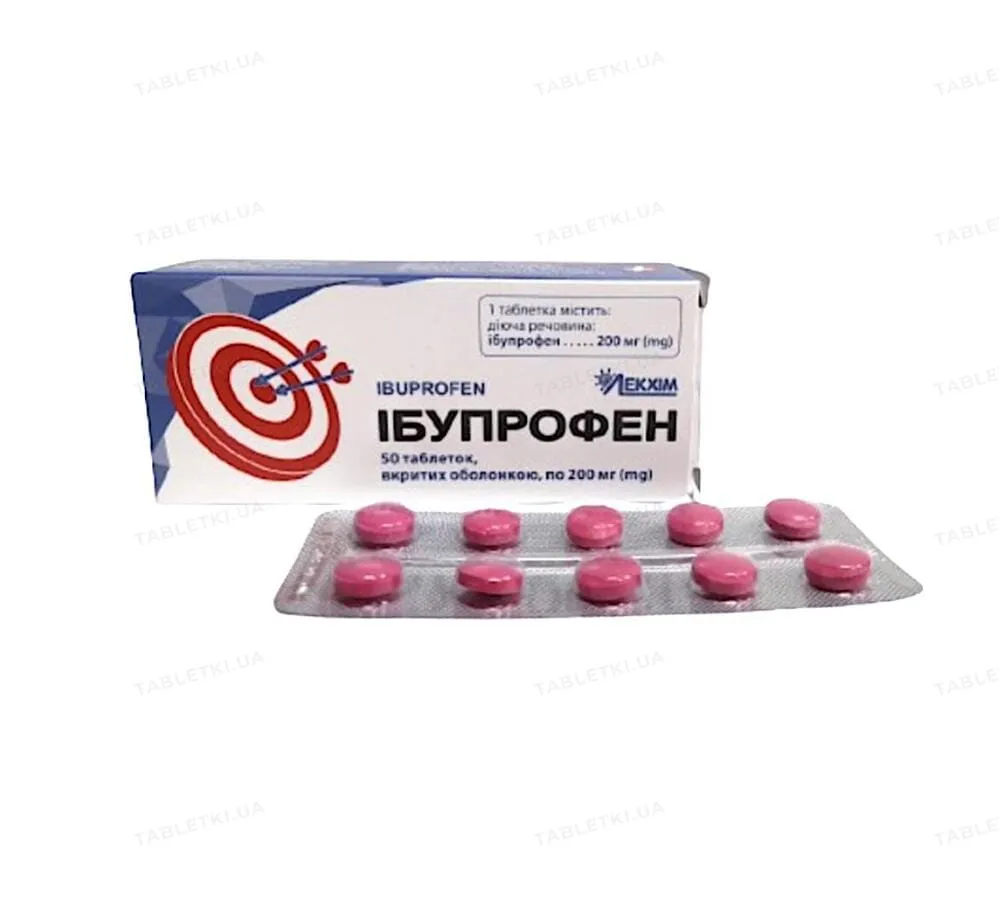
Table of Contents
INSTRUCTIONS FOR MEDICAL USE OF THE MEDICINAL PRODUCT Ibuprofen (Ibuprofen)
Composition:
Active substance: ibuprofen;
One film-coated tablet contains ibuprofen – 200 mg or 400 mg;
Excipients: microcrystalline cellulose; sodium croscarmellose; lactose monohydrate; colloidal anhydrous silicon dioxide; sodium lauryl sulfate; magnesium stearate;
Film coating: hypromellose; titanium dioxide (E 171); macrogol.
Dosage form. Film-coated tablets.
Main physicochemical properties:
200 mg: oval-shaped, biconvex, film-coated tablets, white in color;
400 mg: round-shaped, biconvex, film-coated tablets, white in color.
Pharmacotherapeutic group.
Non-steroidal anti-inflammatory and antirheumatic agents. Propionic acid derivatives.
ATC code M01AE01.
Pharmacological properties
Pharmacodynamics
Ibuprofen is a non-steroidal anti-inflammatory drug (NSAID) with a short half-life and analgesic, anti-inflammatory, and antipyretic properties necessary for effective treatment of rheumatic diseases.
Various dosage strengths allow for individualized therapy.
Experimental evidence has demonstrated that prostaglandins are responsible for the development of pain and inflammation. Ibuprofen exerts a pronounced inhibitory effect on prostaglandin synthesis, which explains its analgesic, anti-inflammatory, and antipyretic effects. These properties provide symptomatic relief of inflammation, pain, and fever.
The same mechanism underlies the inhibition of platelet aggregation and ulcerogenic activity, sodium and water retention, as well as bronchospastic reactions, which are possible adverse effects.
Although ibuprofen may affect platelet aggregation and bleeding time, clinically significant changes in prothrombin time or blood coagulation time do not occur. Ibuprofen reversibly inhibits platelet aggregation.
Experimental data indicate that ibuprofen, when administered concomitantly, may competitively inhibit the effect of low-dose acetylsalicylic acid on platelet aggregation. In some pharmacodynamic studies, a reduced effect of acetylsalicylic acid on thromboxane formation or platelet aggregation was observed when a single 400 mg dose of ibuprofen was administered 8 hours before or 30 minutes after immediate-release acetylsalicylic acid (81 mg). Although uncertainty remains regarding the extrapolation of these data to the clinical setting, it cannot be excluded that long-term treatment with ibuprofen may reduce the cardioprotective effect of low-dose acetylsalicylic acid. A clinically significant effect from occasional use of ibuprofen is unlikely (see section "Interaction with other medicinal products and other forms of interaction").
Pharmacokinetics
Absorption
Ibuprofen is rapidly absorbed, primarily in the small intestine. After oral administration of 200–600 mg of ibuprofen, maximum plasma concentration (Cmax) of 15–55 μg/mL is reached on average within 1–2 hours (tmax). Maximum plasma concentration is achieved within 45 minutes after oral administration on an empty stomach. This time may vary depending on the pharmaceutical form.
If ibuprofen is taken after food intake, absorption occurs significantly more slowly, Cmax is lower, and peak levels are observed after 1–2 hours. After oral administration of a single 400 mg dose of ibuprofen, peak concentration of 8–13 μg/mL in synovial fluid is reached after 6 hours.
Distribution
Ibuprofen is 99% bound to plasma proteins. Binding is a reversible process.
Metabolism
Over 50–60% of an oral dose of ibuprofen is metabolized in the liver into two inactive metabolites. The metabolism of ibuprofen is similar in children and adults.
Elimination
The elimination half-life from plasma is 1.5–2 hours. The short elimination half-life indicates that even with repeated administration, accumulation of ibuprofen does not occur. Ibuprofen and its metabolites are almost completely eliminated from the body within 24 hours after oral administration. It is excreted primarily by the kidneys in the form of inactive metabolites.
Preclinical data
Mutagenic and carcinogenic potential
In vitro and in vivo mutagenicity studies (bacteria, human lymphocytes) provided no evidence of mutagenic effects of ibuprofen. In carcinogenicity studies of ibuprofen in rats and mice, no evidence of carcinogenic effects of ibuprofen was found.
In limited studies, ibuprofen was detected in breast milk at very low concentrations.
Clinical characteristics.
Indications.
Symptomatic treatment of headache, including migraine, toothache, pain associated with dysmenorrhea, neuralgia, back and muscle pain, rheumatic pain (except severe cases of arthritis), as well as symptoms of cold and flu, and fever.
Contraindications.
- Hypersensitivity to ibuprofen or to any component of the medicinal product.
- Hypersensitivity reactions (e.g., bronchial asthma, rhinitis, angioneurotic edema, or urticaria) previously observed after administration of ibuprofen, acetylsalicylic acid, or other NSAIDs.
- Third trimester of pregnancy (see section "Use during pregnancy or breastfeeding").
- Active peptic ulcer or gastrointestinal bleeding, or history of recurrent episodes (two or more documented episodes of peptic ulcer or bleeding in the past).
- Active or previous inflammatory bowel diseases (such as Crohn’s disease, ulcerative colitis).
- History of gastrointestinal bleeding or perforation associated with previous use of NSAIDs.
- Increased tendency to bleeding.
- Severe hepatic insufficiency (liver cirrhosis, ascites).
- Severe renal insufficiency (creatinine clearance <30 mL/min).
- Severe heart failure (NYHA Class III-IV).
- Postoperative pain treatment following coronary artery bypass graft (CABG) surgery (or use of cardiopulmonary bypass machine).
Interaction with other medicinal products and other forms of interaction.
Other NSAIDs, including salicylates. Concomitant use of multiple NSAIDs, including selective cyclooxygenase-2 (COX-2) inhibitors, may increase the risk of gastrointestinal ulcers and bleeding due to synergistic effects. Therefore, concomitant use of ibuprofen with other NSAIDs should be avoided (see section "Special precautions for use"). Salicylic acid displaces ibuprofen from plasma protein binding sites.
Glucocorticoids. Increased risk of gastrointestinal adverse effects, including gastrointestinal bleeding and ulceration (see section "Special precautions for use").
Alcohol. Enhanced gastrointestinal adverse effects, increased risk of gastrointestinal bleeding.
Diuretics, antihypertensives, ß-blockers. NSAIDs may reduce the effectiveness of diuretics and antihypertensive agents such as ACE inhibitors and ß-blockers. Diuretics may also increase the risk of nephrotoxicity associated with NSAIDs.
Probenecid, sulfinpyrazone. Delayed elimination of ibuprofen; the uricosuric effect of probenecid and sulfinpyrazone is diminished.
Oral anticoagulants. NSAIDs may enhance the effect of anticoagulants such as warfarin (see section "Special precautions for use").
Antiplatelet agents and selective serotonin reuptake inhibitors (SSRIs). Increased risk of gastrointestinal bleeding when NSAIDs are used concomitantly (see section "Special precautions for use").
Aminoglycosides. NSAIDs may reduce the elimination of aminoglycosides.
Acetylsalicylic acid. Experimental data suggest that ibuprofen, when used concomitantly, may competitively inhibit the antiplatelet effect of low-dose acetylsalicylic acid. Although uncertainty exists regarding extrapolation of these data to clinical settings, it cannot be excluded that long-term ibuprofen therapy may reduce the cardioprotective effect of low-dose acetylsalicylic acid. A clinically significant effect from occasional use of ibuprofen is unlikely.
Oral antidiabetic agents. The effect of oral antidiabetic agents (sulfonylurea derivatives) may be enhanced by ibuprofen, as with other NSAIDs. Rare cases of hypoglycemia have been reported in patients receiving ibuprofen during sulfonylurea therapy. Blood glucose levels should be monitored regularly and the dose of antidiabetic agent adjusted as necessary.
H2-histamine receptor antagonists. No clinically significant interaction between ibuprofen and cimetidine or ranitidine has been established.
Digoxin. Plasma digoxin concentration may be increased.
Phenytoin. Plasma phenytoin concentration may be increased.
Lithium. NSAIDs may reduce lithium excretion, leading to increased plasma lithium concentrations. Monitoring of plasma lithium levels is recommended.
Methotrexate. Use of NSAIDs may lead to increased plasma methotrexate concentrations. NSAIDs may inhibit methotrexate secretion in the proximal tubules and reduce its clearance.
Baclofen. Ibuprofen increases baclofen toxicity.
Quinolones. Central nervous system (CNS) effects are potentiated.
Cholestyramine. Concomitant use of ibuprofen with cholestyramine may reduce ibuprofen absorption in the gastrointestinal tract. However, clinical significance is unknown.
Cyclosporine. Increased risk of nephrotoxicity when used with NSAIDs.
Herbal extracts. Ginkgo biloba may increase the risk of bleeding associated with NSAIDs.
Mifepristone. Theoretically, the efficacy of mifepristone may be reduced due to the antiprostaglandin effect of NSAIDs. Limited data indicate that combined administration of NSAIDs on the day of prostaglandin administration does not negatively affect mifepristone or prostaglandin effects on cervical ripening or uterine contractility, and does not reduce the clinical efficacy of pregnancy termination.
Quinolone antibiotics. Animal experimental studies have shown that seizures associated with quinolones may be potentiated by NSAID use. Patients receiving quinolones and NSAIDs concomitantly have an increased risk of seizures.
Tacrolimus. The risk of nephrotoxicity may be increased when tacrolimus is used concomitantly with NSAIDs.
Zidovudine. Concomitant use of zidovudine and NSAIDs increases the risk of hematological toxicity. In HIV-positive individuals with poor coagulation, data indicate that concomitant use of zidovudine and NSAIDs increases the risk of hemarthrosis and hematoma.
CYP2C9 inhibitors. Concomitant use of ibuprofen and CYP2C9 inhibitors may prolong ibuprofen exposure (ibuprofen is a CYP2C9 substrate). Studies with voriconazole and fluconazole (CYP2C9 inhibitors) have shown an approximately 80–100% increase in exposure to S(+)-ibuprofen. Consideration should be given to reducing the dose of ibuprofen when strong CYP2C9 inhibitors are used concomitantly, especially with high-dose ibuprofen or when used with voriconazole or fluconazole.
Special precautions for use.
Gastrointestinal ulcers, bleeding, or perforation may occur during treatment with NSAIDs, selective or non-selective COX-2 inhibitors, at any time, even without warning symptoms or prior history. To minimize this risk, the lowest effective dose should be used for the shortest possible duration.
In placebo-controlled studies, certain selective COX-2 inhibitors have been shown to increase the risk of thrombotic cardiovascular and cerebrovascular complications. It is not yet known whether this risk directly correlates with the COX-1/COX-2 selectivity of individual NSAIDs. Since comparable clinical trial data for high-dose, long-term ibuprofen therapy are currently lacking, a similar increased risk cannot be excluded. Until such information becomes available, ibuprofen should be used in patients with clinically confirmed ischemic heart disease, cerebrovascular disorders, peripheral arterial occlusion, or those with significant risk factors (e.g., hypertension, hyperlipidemia, diabetes, smoking) only after careful assessment of benefit versus risk. Due to this risk, the lowest effective dose should be administered for the shortest possible treatment duration.
The effect of NSAIDs on the kidneys includes fluid retention with edema and/or arterial hypertension. Therefore, ibuprofen should be used with caution in patients with cardiac impairment and other conditions associated with fluid retention. Caution is also required in patients concurrently receiving diuretics or ACE inhibitors, as well as in individuals at increased risk of hypovolemia.
Concomitant alcohol consumption may enhance adverse effects of NSAIDs, particularly those affecting the gastrointestinal tract or central nervous system (CNS).
With prolonged use of analgesics, headache may develop, which should not be treated with increased doses of the drug.
Respiratory disorders. Ibuprofen may cause bronchospasm, urticaria, or angioneurotic edema in patients with or with a history of bronchial asthma, chronic rhinitis, or allergic disease.
Impairment of heart, kidney, or liver function. Caution is required in patients with impaired liver, kidney, or heart function, as NSAID use may worsen renal function. The concomitant regular use of other analgesics further increases this risk. In such high-risk patients, the dose should be kept as low as possible, and renal function should be monitored regularly, especially during long-term therapy.
NSAIDs may worsen heart failure, reduce glomerular filtration rate, and increase plasma concentrations of cardiac glycosides.
The use of ibuprofen in combination with other NSAIDs, including selective COX-2 inhibitors, should be avoided due to an increased risk of ulcers or bleeding (see section "Interaction with other medicinal products and other forms of interaction").
Elderly patients. Elderly patients are more likely to experience adverse reactions during NSAID therapy, particularly gastrointestinal bleeding and perforation, which may be fatal.
Gastrointestinal bleeding, ulcers, and perforation. Gastrointestinal bleeding, ulcers, and perforation, including fatal cases, have been reported with the use of all NSAIDs. These events may occur at any time during treatment, with or without preceding symptoms, or in patients with a history of serious gastrointestinal complications.
The risk of gastrointestinal bleeding, ulceration, or perforation increases with higher NSAID doses, in patients with a history of peptic ulcer, especially if complicated by bleeding or perforation (see section "Contraindications"), and in elderly patients. These patients should start treatment with the lowest possible dose. For these patients, as well as for those requiring concomitant therapy with low-dose acetylsalicylic acid or other drugs that may increase gastrointestinal risk, consideration should be given to concomitant protective therapy (e.g., misoprostol or proton pump inhibitors) (see section "Interaction with other medicinal products and other forms of interaction").
Patients with a history of gastrointestinal toxicity, particularly elderly patients, should report any unusual abdominal symptoms (especially gastrointestinal bleeding), particularly at the beginning of therapy.
Caution is required when patients are concurrently receiving medications that may increase the risk of ulcers or bleeding, such as oral corticosteroids, anticoagulants (e.g., warfarin), SSRIs, or antiplatelet agents such as acetylsalicylic acid (see section "Interaction with other medicinal products and other forms of interaction").
In case of gastrointestinal bleeding or ulceration in patients taking ibuprofen, treatment should be discontinued immediately.
Ibuprofen should be prescribed only under strict indications and under medical supervision in patients with gastrointestinal complications or impaired liver function, as the condition of internal organs may worsen (see section "Adverse reactions").
Cardiovascular and cerebrovascular effects. Patients with a history of hypertension and/or decompensated heart failure should be appropriately monitored and advised, as fluid retention and edema have been reported with NSAID therapy.
Clinical studies indicate that the use of ibuprofen, especially at high doses (2400 mg per day), may be associated with a slight increase in the risk of arterial thrombotic complications (e.g., myocardial infarction and stroke). Overall, epidemiological studies do not suggest that low doses of ibuprofen (e.g., <1200 mg per day) are associated with an increased risk of arterial thrombotic complications.
Patients with uncontrolled hypertension, heart failure (NYHA II), established ischemic heart disease, peripheral arterial occlusion, and/or cerebrovascular disease should be treated with ibuprofen only after careful consideration and should avoid high doses (2400 mg per day). The clinical situation should also be carefully evaluated before initiating long-term treatment in patients with risk factors for cardiovascular complications (e.g., hypertension, hyperlipidemia, diabetes, smoking), especially if high doses of ibuprofen (2400 mg per day) are required.
Cases of Kounis syndrome have been reported in patients taking ibuprofen. Kounis syndrome is defined as cardiovascular symptoms caused by an allergic or hypersensitivity reaction associated with coronary artery spasm, which may potentially lead to myocardial infarction.
Serious skin adverse reactions (SSARs), including exfoliative dermatitis, erythema multiforme, Stevens-Johnson syndrome, toxic epidermal necrolysis, drug reaction with eosinophilia and systemic symptoms (DRESS syndrome), and acute generalized exanthematous pustulosis (AGEP), which may be life-threatening or fatal, have been reported with ibuprofen use (see section "Adverse reactions"). Most such reactions occurred within the first month of treatment.
If signs or symptoms suggestive of these reactions occur, ibuprofen should be discontinued immediately and alternative treatment considered (if necessary).
In rare cases, varicella (chickenpox) may lead to serious skin infections and soft tissue complications. The potential involvement of NSAIDs in exacerbating such infections has not been ruled out. Therefore, it is recommended to avoid prescribing ibuprofen in cases of varicella.
Renal effects. Patients with severe dehydration or postoperative fluid volume changes should be rehydrated before starting ibuprofen therapy and then closely monitored. There is a risk of renal impairment, particularly in children, adolescents, and elderly patients with dehydration.
During long-term therapy, as with other NSAIDs, renal papillary necrosis and other kidney tissue damage may occur. Toxic kidney injury may also occur in patients in whom renal prostaglandins play a supportive role in renal perfusion. In these patients, NSAID administration may lead to dose-dependent reduction in renal prostaglandin production, decreased renal blood flow, and manifest renal decompensation. These reactions occur primarily in patients with renal, cardiac, or hepatic impairment, those taking diuretics or ACE inhibitors, and elderly patients.
Hematological effects. Like other NSAIDs, ibuprofen reduces platelet aggregation and prolongs bleeding time.
Masking symptoms of underlying infection. Ibuprofen may mask symptoms of infection, potentially leading to delayed appropriate treatment and worsening of the infection. This has been observed in cases of bacterial community-acquired pneumonia and bacterial complications associated with varicella. If ibuprofen is prescribed for the treatment of fever or pain related to infection, monitoring of the infectious disease course is recommended. Outpatients should consult a physician if symptoms persist or worsen.
Aseptic meningitis, systemic lupus erythematosus, and mixed connective tissue diseases. In isolated cases, symptoms of aseptic meningitis have been observed during ibuprofen use. Patients with systemic lupus erythematosus and collagen diseases appear to be particularly susceptible. However, such cases have also been observed in patients without these chronic conditions.
The medicinal product Ibuprofen contains lactose monohydrate; therefore, if a patient has known intolerance to certain sugars, consultation with a physician is necessary before taking this medicinal product.
Use during pregnancy or breastfeeding.
Pregnancy
Inhibition of prostaglandin synthesis may adversely affect pregnancy and/or fetal development. Epidemiological data indicate an increased risk of miscarriage and congenital malformations, such as cardiac defects and gastroschisis, following the use of prostaglandin synthesis inhibitors during early pregnancy. The risk is considered to increase with higher doses and longer duration of treatment.
In animal studies, prostaglandin synthesis inhibitors have led to increased pre- and post-implantation embryo loss and embryofetal mortality. Furthermore, increased incidences of various developmental abnormalities, including cardiac malformations, have been reported in animals treated with prostaglandin synthesis inhibitors during the organogenesis phase.
From the 20th week of pregnancy, the use of ibuprofen may cause oligohydramnios due to fetal renal dysfunction. This may occur soon after initiation of treatment and is usually reversible upon discontinuation. Additionally, there have been reports of arterial duct constriction following treatment in the second trimester, most of which resolved after stopping treatment. Therefore, ibuprofen should not be prescribed during the first and second trimesters unless clearly necessary. If ibuprofen is used by women attempting to conceive or during the first and second trimesters of pregnancy, the dose should be as low as possible and treatment duration as short as possible. Prenatal monitoring for oligohydramnios and arterial duct constriction should be considered after several days of ibuprofen exposure starting from the 20th gestational week. Ibuprofen treatment should be discontinued if oligohydramnios or arterial duct constriction is detected.
During the third trimester of pregnancy, all prostaglandin synthesis inhibitors may pose risks:
Risks to the fetus:
- Cardio-pulmonary toxicity (premature constriction/closure of the arterial duct and pulmonary hypertension);
- Renal dysfunction (see above);
Risks to the mother at the end of pregnancy and to the newborn:
- Possible prolongation of bleeding time, anti-aggregatory effect, which may occur even at very low doses;
- Inhibition of uterine contractions, leading to delayed or prolonged labor.
Therefore, the medicinal product Ibuprofen is contraindicated during the third trimester of pregnancy (see section "Contraindications"). The use of ibuprofen during labor is not recommended. Onset of labor may be delayed, and its duration prolonged. Additionally, increased bleeding tendency may occur in both mother and child.
Breastfeeding period
NSAIDs pass into breast milk. For safety reasons, ibuprofen is not recommended for breastfeeding women. If treatment is essential, the infant should be switched to artificial feeding.
Fertility
The use of ibuprofen may negatively affect female fertility; therefore, it is not recommended for women wishing to conceive. Consideration should be given to discontinuing ibuprofen in women experiencing difficulties with conception or undergoing infertility investigations.
Ability to affect reaction speed when driving or operating machinery.
Appropriate studies have not been conducted. However, it is known that ibuprofen may sometimes cause central nervous system side effects, such as reduced reaction speed. This should be taken into account when high alertness is required, particularly when driving vehicles or operating machinery. This risk is especially pronounced when ibuprofen is taken together with alcohol.
Dosage and Administration
For short-term use only. Use the lowest effective dose required to relieve symptoms for the shortest duration necessary.
Most patients can take ibuprofen on an empty stomach without gastrointestinal upset.
The single dose for adolescents aged 12 years and older and adults is 1–2 tablets (200–400 mg of ibuprofen) up to 3 times daily, every 4–6 hours as needed. The maximum daily dose is 1200 mg.
Children aged 6 to 12 years
The daily dose is 20 mg per kilogram of body weight, divided into several doses. For children weighing less than 30 kg, the maximum daily dose of ibuprofen should not exceed 600 mg.
Tablets should be taken with a sufficient amount of water. Swallow tablets whole; do not chew, break, crush, or suck them to avoid oral cavity discomfort and throat irritation.
Children.
Ibuprofen 200 mg formulation should not be used in children under 6 years of age.
Ibuprofen 400 mg formulation should not be used in children under 12 years of age.
Overdose.
Signs of toxicity are generally not observed in children or adults at doses below 100 mg/kg body weight. However, supportive measures may be required in some cases. In children, symptoms of toxicity have been reported after ingestion of doses exceeding 400 mg/kg. Prolonged use at doses higher than recommended may lead to severe hypokalemia and renal tubular acidosis. Symptoms may include loss of consciousness and general weakness.
Symptoms. In most patients who have ingested a significant amount of ibuprofen, symptoms develop within 4–6 hours. The most commonly reported symptoms of overdose include nausea, vomiting, abdominal pain, drowsiness, and lethargy. Central nervous system (CNS) adverse reactions include headache, tinnitus, dizziness, seizures, and loss of consciousness. Rarely reported effects include nystagmus, metabolic acidosis, hypothermia, renal impairment, gastrointestinal bleeding, coma, apnea, and CNS and respiratory depression. Cardiovascular toxicity has also been reported, including hypotension, bradycardia, and tachycardia. Significant overdose may lead to renal failure and hepatic injury. Significant overdose is generally well tolerated if no other drugs are co-ingested.
Treatment. There is no specific antidote for ibuprofen overdose. Patients should be treated symptomatically as needed. Activated charcoal should be administered within one hour of ingestion of a potentially toxic amount. If necessary, correct serum electrolyte imbalances.
If the drug has already been absorbed, administer alkalinizing agents to enhance urinary excretion of ibuprofen.
Adverse Reactions
The most commonly observed adverse reactions associated with the use of NSAIDs affect the gastrointestinal tract. Peptic ulcers, perforations, or gastrointestinal bleeding, sometimes fatal, may occur, particularly in elderly patients (see section "Special Warnings and Precautions for Use"). Other gastrointestinal reactions include nausea, vomiting, diarrhea, flatulence, constipation, dyspepsia, abdominal pain, melena, and hematemesis.
Ulcerative stomatitis, exacerbation of colitis, and Crohn’s disease have been reported following administration. Gastritis occurs less frequently. Gastrointestinal perforation has been rarely reported with ibuprofen use.
Exacerbation of infection-related skin disorders (e.g., development of necrotizing fasciitis) has been described during concomitant use of NSAIDs. In rare cases, severe skin infections and soft tissue complications may occur during varicella (chickenpox). If there are any signs of infection or worsening of infection during ibuprofen treatment, the patient should seek immediate medical attention.
Clinical studies suggest that the use of ibuprofen, especially at high doses (2400 mg per day), may be associated with a slightly increased risk of arterial thrombotic events such as myocardial infarction or stroke (see section "Special Warnings and Precautions for Use***").
Adverse reaction frequencies are defined as follows: very common (>1/10), common (>1/100, <1/10), uncommon (>1/1000, <1/100), rare (>1/10,000, <1/1000), very rare (<1/10,000), and not known (cannot be estimated from available data). The following adverse reactions have been observed with ibuprofen use:
Infections and parasitic diseases: uncommon – rhinitis; rare – aseptic meningitis.
Blood and lymphatic system disorders: rare – hematological manifestations such as leukopenia, agranulocytosis, thrombocytopenia, neutropenia, aplastic anemia, hemolytic anemia.
Immune system disorders: uncommon – hypersensitivity; rare – anaphylactic reaction, lupus-like syndrome, autoimmune hemolytic anemia.
Psychiatric disorders: uncommon – insomnia, anxiety; rare – depression, confusion; very rare – psychiatric disorders.
Nervous system disorders: common – central nervous system effects such as reduced reaction time (especially when combined with alcohol), headache, dizziness; uncommon – paresthesia, somnolence.
Eye disorders: uncommon – visual disturbances (usually reversible upon discontinuation of treatment); rare – toxic amblyopia, toxic optic neuropathy, optic neuritis.
Ear and labyrinth disorders: uncommon – tinnitus, hearing impairment, dizziness.
Cardiac disorders: very rare – heart failure, edema, infarction; frequency not known – Kounis syndrome.
Vascular disorders: very rare – arterial hypertension.
Respiratory, thoracic and mediastinal disorders: uncommon – bronchial asthma, bronchospasm, dyspnea, risk of acute pulmonary edema in patients with heart failure.
Gastrointestinal disorders: common – dyspepsia, diarrhea, nausea, vomiting, constipation, abdominal pain, flatulence, tarry stools, hematemesis, gastrointestinal bleeding; rare – gastritis, gastrointestinal ulcers, ulcerative stomatitis, gastrointestinal perforation; very rare – pancreatitis; frequency not known – exacerbation of colitis or Crohn’s disease. A temporary burning sensation in the mouth or throat may occur during administration.
Hepatobiliary disorders: uncommon – hepatitis, jaundice, liver function abnormalities; very rare – liver failure.
Skin and subcutaneous tissue disorders: common – exanthema; rare – urticaria, pruritus, purpura, angioneurotic edema; very rare – serious skin adverse reactions (SSARs), including erythema multiforme, exfoliative dermatitis, Stevens-Johnson syndrome, and toxic epidermal necrolysis; frequency not known – drug-induced eosinophilia with systemic symptoms (DRESS syndrome), acute generalized exanthematous pustulosis (AGEP), photosensitivity reactions.
Renal and urinary disorders: rare – toxic nephropathy in various forms, including renal papillary necrosis, interstitial nephritis, impaired kidney function with edema progressing to renal failure.
General disorders and administration site conditions: common – malaise/fatigue; rare – edema.
Reporting of suspected adverse reactions
Reporting suspected adverse reactions after medicine authorization is important. It allows continued monitoring of the benefit-risk balance of the medicinal product. Healthcare professionals and patients, as well as their legal representatives, are encouraged to report any suspected adverse reactions and lack of efficacy via the automated pharmacovigilance information system at: https://aisf.dec.gov.ua.
Shelf life. 2 years.
Do not use after the expiry date stated on the packaging.
Storage conditions.
No special storage conditions required.
Keep out of reach of children.
Packaging. 10 tablets per blister. 1 or 5 blisters per carton.
Supply category. Over-the-counter (without prescription).
Manufacturer.
JSC "Farmak".
Manufacturer's address and place of business.
74 Kyrylivska St., Kyiv, 04080, Ukraine.