Haloperidol-richter
Ukraine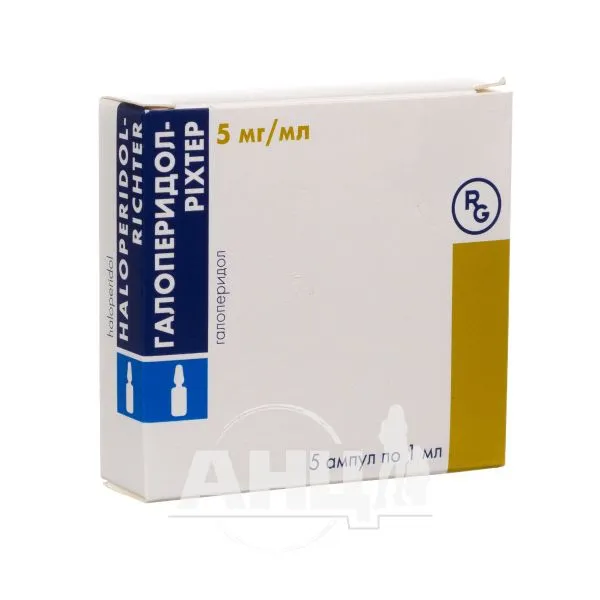
Table of Contents
INSTRUCTIONS FOR MEDICAL USE OF THE MEDICINAL PRODUCT HALOPERIDOL-RICHTER (HALOPERIDOL-RICHTER)
Composition:
Active substance: haloperidol;
1 ml of solution contains haloperidol 5 mg;
Excipients: lactic acid, water for injections.
Pharmaceutical form. Injection solution.
Main physicochemical properties: colorless or slightly yellowish clear solution, practically free from particles. The intensity of the solution must not exceed that of reference standard Y7.
Pharmacotherapeutic group. Antipsychotic agents. Butyrophenone derivatives.
ATC code: N05AD01.
Pharmacological Properties
Mechanism of Action
Haloperidol is an antipsychotic agent belonging to the butyrophenone derivative group. It is a potent central dopamine D2 receptor antagonist. At recommended doses, it also exhibits low alpha1-adrenergic blocking activity and lacks antihistaminic or anticholinergic activity.
Pharmacodynamic Effects
Haloperidol suppresses delusions and hallucinations by blocking dopaminergic signaling pathways in the mesolimbic structures of the brain. The central dopamine-blocking effect manifests in the basal ganglia (nigrostriatal pathways). Haloperidol effectively reduces psychomotor agitation, explaining its beneficial effect in mania and other syndromes associated with excitement.
Effects on the basal ganglia likely underlie the occurrence of extrapyramidal motor disturbances (dystonia, akathisia, and parkinsonism).
The antidopaminergic action of haloperidol on lactotroph cells of the anterior pituitary leads to hyperprolactinemia due to inhibition of dopamine-mediated tonic suppression of prolactin secretion.
Additionally, the antidopaminergic effect on chemoreceptor trigger zone receptors explains the drug’s efficacy against nausea and vomiting.
Pharmacokinetics
Absorption
After intramuscular administration, haloperidol is completely absorbed. Maximum plasma concentration is reached within 20–40 minutes.
Distribution
Plasma protein binding in adults averages between 88% and 92%. The degree of plasma protein binding shows high interindividual variability. Haloperidol rapidly distributes into various tissues and organs, as evidenced by its large volume of distribution (on average, 8 to 21 L/kg after intravenous administration). Haloperidol readily crosses the blood-brain barrier. It also crosses the placenta and is excreted in breast milk.
Biotransformation
Haloperidol undergoes extensive metabolism in the liver. The main metabolic pathways in humans include glucuronidation, reduction to ketones, oxidative N-dealkylation, and formation of pyridinium derivatives. Metabolites of haloperidol are generally considered not to significantly contribute to its activity; however, approximately 23% of the drug undergoes reductive metabolism, and the reverse conversion of the reduced metabolite back to the parent compound cannot be entirely ruled out. The cytochrome P450 isoenzymes CYP3A4 and CYP2D6 are involved in haloperidol metabolism. Inhibition or induction of CYP3A4, or inhibition of CYP2D6, may affect haloperidol metabolism. Reduced CYP2D6 isoenzyme activity may lead to increased haloperidol concentrations.
Elimination
After intramuscular administration, the terminal half-life of haloperidol averages 21 hours (range: 13 to 36 hours).
The apparent clearance of haloperidol after extravascular administration ranges from 0.9 to 1.5 L/h/kg and is reduced in CYP2D6 poor metabolizers. Reduced CYP2D6 isoenzyme activity may result in elevated haloperidol concentrations. Interindividual variability (coefficient of variation, %) in haloperidol clearance among patients with schizophrenia, as determined in population pharmacokinetic analyses, was 44%. After intravenous administration, 21% of the dose is excreted via the intestines and 33% via the kidneys. Less than 3% of the administered dose is excreted unchanged in urine.
Linearity/Non-linearity
A linear relationship exists between haloperidol dose and plasma concentration in adults.
Special Patient Populations
Geriatric Patients
Plasma haloperidol concentrations in elderly patients are higher than in younger patients when the same dose is administered. Results from small clinical studies indicate reduced clearance and a prolonged elimination half-life in elderly patients. These findings fall within the observed range of pharmacokinetic variability of haloperidol. Dose adjustment is recommended when administering haloperidol to elderly patients (see section "Administration and Dosage").
Patients with Renal Impairment
The effect of renal impairment on haloperidol pharmacokinetics has not been studied. Approximately one-third of the administered dose is excreted in urine, primarily as metabolites. Less than 3% of the administered dose is excreted unchanged by the kidneys. Metabolites of haloperidol are generally considered not to contribute significantly to its activity, although the possibility of reverse conversion of the reduced metabolite back to the parent compound cannot be entirely excluded. Although impaired renal function is not expected to have a clinically significant impact on haloperidol elimination, caution is recommended when treating patients with renal impairment, particularly in cases of severe renal insufficiency, due to the prolonged elimination half-life of haloperidol and its reduced metabolite and the potential for accumulation (see section "Administration and Dosage").
Due to haloperidol’s large volume of distribution and high plasma protein binding, only a negligible amount of the drug can be removed by dialysis.
Patients with Hepatic Impairment
The effect of hepatic impairment on haloperidol pharmacokinetics has not been studied. However, hepatic impairment may significantly affect haloperidol pharmacokinetics, as the drug undergoes extensive hepatic metabolism. Therefore, dose reduction and precautionary measures are recommended when treating patients with hepatic impairment (see sections "Administration and Dosage" and "Special Warnings and Precautions for Use").
Pharmacokinetic/Pharmacodynamic Relationship
Therapeutic Concentrations
Based on published data from numerous clinical studies, therapeutic effect in most patients with acute or chronic schizophrenia is achieved at plasma concentrations of haloperidol between 1 and 10 ng/mL. Some patients may require higher concentrations due to high interindividual variability in haloperidol pharmacokinetics.
In patients experiencing their first episode of schizophrenia, therapeutic response may be achieved at concentrations ranging from 0.6 to 3.2 ng/mL, based on measurements of D2 receptor occupancy, with D2 receptor occupancy between 60% and 80% considered optimal for achieving therapeutic response while minimizing extrapyramidal symptoms. Average concentrations within this range can typically be achieved with daily doses of 1 to 4 mg.
Due to high interindividual variability in haloperidol pharmacokinetics and concentration-dependent effects, individualized dosing based on patient response to treatment is recommended, keeping in mind that it takes approximately 5 days to achieve half of the maximum therapeutic response. In selected cases, measuring haloperidol plasma concentration may be beneficial.
Effects on the Cardiovascular System
The risk of QTc interval prolongation increases with increasing haloperidol dose and plasma concentration.
Extrapyramidal Symptoms
Extrapyramidal symptoms may develop during treatment within the therapeutic dose range, although their frequency generally increases with doses exceeding the therapeutic range.
Clinical characteristics.
Indications.
Adults:
- Rapid control of severe acute psychomotor agitation associated with psychotic disorder or manic episodes of bipolar I disorder when oral therapy is ineffective;
- Emergency treatment of delirium when non-pharmacological methods are ineffective;
- Treatment of mild to moderate Huntington's chorea when other medicinal products are ineffective or poorly tolerated and oral therapy is not suitable;
- Prevention of postoperative nausea and vomiting in patients with moderate to high risk, as monotherapy or as part of combination therapy when other medicinal products are ineffective or poorly tolerated;
- Combination therapy for postoperative nausea and vomiting when other medicinal products are ineffective or poorly tolerated.
Contraindications.
Hypersensitivity to the active substance or to any of the excipients of the medicinal product.
Coma.
Central nervous system (CNS) depression.
Parkinson’s disease.
Dementia with Lewy bodies.
Progressive supranuclear palsy.
History of QTc interval prolongation or congenital long QT syndrome.
Recent acute myocardial infarction.
Decompensated heart failure.
History of ventricular arrhythmia or polymorphic ventricular tachycardia of torsades de pointes type.
Uncompensated hypokalemia.
Concomitant use of medicinal products that cause QT interval prolongation (see section "Special precautions for use").
Interaction with other medicinal products and other forms of interaction.
Interaction studies have been conducted only in adults.
Effects on the cardiovascular system
Haloperidol-Richter must not be used in combination with medicinal products that cause QTc interval prolongation (see section "Contraindications").
Such products include:
- Class 1A antiarrhythmics (e.g., disopyramide, quinidine);
- Class III antiarrhythmics (e.g., amiodarone, dofetilide, dronedarone, ibutilide, sotalol);
- Certain antidepressants (e.g., citalopram, escitalopram);
- Certain antibiotics (e.g., azithromycin, clarithromycin, erythromycin, levofloxacin, moxifloxacin, telithromycin);
- Other antipsychotics (e.g., phenothiazine derivatives, sertindole, pimozide, ziprasidone);
- Certain antifungal agents (e.g., pentamidine);
- Certain antimalarials (e.g., halofantrine);
- Certain gastrointestinal agents (e.g., dolasetron);
- Certain anticancer drugs (e.g., toremifene, vandetanib);
- Certain other medicinal products (e.g., bepridil, methadone).
This list is not exhaustive.
Caution is recommended when using Haloperidol-Richter in combination with medicinal products that cause electrolyte imbalance (see section "Special precautions for use").
Medicinal products that may increase haloperidol plasma concentration
Haloperidol metabolism occurs via several pathways (see section "Pharmacokinetics"). The main pathways are glucuronidation and reduction to ketones. The cytochrome P450 enzyme system, particularly CYP3A4 and to a lesser extent CYP2D6, is also involved in metabolism. Inhibition of these metabolic pathways by another medicinal product or reduced activity of the CYP2D6 isoenzyme may lead to increased haloperidol concentration. An additive effect of CYP3A4 isoenzyme inhibition and reduced CYP2D6 isoenzyme activity is possible (see section "Pharmacokin游戏副本tics"). Due to limited and sometimes conflicting data, the potential increase in haloperidol plasma concentration when co-administered with a CYP3A4 and/or CYP2D6 inhibitor may range from 20% to 40%, although increases up to 100% have been reported in some cases. Examples of medicinal products that may increase haloperidol plasma concentration (based on clinical experience or mechanisms of drug interactions) include:
- CYP3A4 isoenzyme inhibitors: alprazolam, fluvoxamine, indinavir, itraconazole, ketoconazole, nefazodone, posaconazole, saquinavir, verapamil, voriconazole;
- CYP2D6 isoenzyme inhibitors: bupropion, chlorpromazine, duloxetine, paroxetine, promethazine, sertraline, venlafaxine;
- Combined CYP3A4 and CYP2D6 isoenzyme inhibitors: fluoxetine, ritonavir;
- With undefined mechanism: buspirone.
This list is not exhaustive.
Increased haloperidol plasma concentration may increase the risk of adverse effects, including QTc interval prolongation (see section "Contraindications"). QTc prolongation has been observed when haloperidol was used in combination with metabolic inhibitors ketoconazole (400 mg/day) and paroxetine (20 mg/day).
Patients receiving haloperidol in combination with such medicinal products should be monitored for symptoms of enhanced or prolonged pharmacological effect of haloperidol, and the dose of Haloperidol-Richter should be reduced if necessary.
Medicinal products that may decrease haloperidol plasma concentration
Concomitant use of haloperidol with strong CYP3A4 isoenzyme inducers may lead to a gradual decrease in haloperidol plasma concentration to a level where its efficacy may also be reduced. Examples of such products include:
- carbamazepine, phenobarbital, phenytoin, rifampicin, St. John's wort (Hypericum perforatum).
This list is not exhaustive.
Enzyme induction may occur within a few days of starting treatment. Maximum enzyme induction is usually observed after approximately 2 weeks and may persist for some time after discontinuation of the inducing agent. When CYP3A4 inducers are used concomitantly, patients should be monitored, and the dose of Haloperidol-Richter may need to be increased. After discontinuation of the CYP3A4 inducer, haloperidol concentration may gradually increase, so dose reduction of Haloperidol-Richter may become necessary.
Sodium valproate is known to inhibit glucuronidation but does not affect haloperidol plasma concentration.
Effects of haloperidol on other medicinal products
Haloperidol may potentiate the effects of CNS depressants, including alcohol, hypnotics, sedatives, and strong analgesics. Enhanced CNS effects have also been reported when used in combination with methyldopa.
Haloperidol diminishes the effects of adrenaline and other sympathomimetic medicinal products (e.g., stimulants such as amphetamines) and alters the antihypertensive effects of blockers such as guanethidine.
Haloperidol may reduce the effects of levodopa and other dopamine agonists.
Haloperidol is an inhibitor of the CYP2D6 isoenzyme. Haloperidol inhibits the metabolism of tricyclic antidepressants (e.g., imipramine, desipramine), leading to increased plasma concentrations.
Other forms of interaction
Rarely, when lithium salts and haloperidol are used concomitantly, the following disorders have been observed: encephalopathy, extrapyramidal symptoms, tardive dyskinesia, neuroleptic malignant syndrome, acute brain syndrome, and coma. Most of these events are reversible. Whether they represent a distinct nosological entity remains unclear.
However, if such disorders occur in patients receiving concomitant lithium salts and haloperidol, treatment with both agents must be discontinued immediately.
An antagonism between haloperidol and the anticoagulant phenindione has been reported.
Special precautions for use.
Increased mortality in elderly patients with dementia
Isolated cases of sudden death have been reported in patients with psychiatric disorders receiving antipsychotic agents, including haloperidol (see section "Adverse reactions").
Elderly patients with psychosis associated with dementia who are treated with antipsychotic drugs have an increased risk of fatal outcomes. Analysis of clinical trials (modal duration 10 weeks), primarily involving patients treated with atypical antipsychotics, showed that the risk of death in treated patients was 1.6–1.7 times higher than in those receiving placebo. In a 10-week controlled study, the mortality rate in treated patients was approximately 4.5%, compared to approximately 2.6% in the placebo group. Although causes of death varied, most fatalities were due to cardiovascular events (e.g., heart failure, sudden death) or infections (e.g., pneumonia). Observational studies suggest that use of haloperidol in elderly patients is also associated with increased mortality. This association may be more pronounced with haloperidol than with atypical antipsychotics and is most evident during the first 30 days of treatment, persisting for at least 6 months. The relative contribution of the drug versus patient characteristics to this risk has not been fully established.
Haloperidol-Richter, injection solution, is not indicated for the treatment of behavioural disorders associated with dementia.
Effects on the cardiovascular system
In addition to rare reports of sudden death, isolated cases of QT interval prolongation and/or ventricular arrhythmias have been reported with haloperidol use (see sections "Contraindications" and "Adverse reactions"). The risk of such disorders increases with high doses of the drug, high plasma concentrations, in patients predisposed to such disorders, or during parenteral administration, particularly intravenous injection.
Haloperidol-Richter, injection solution, is intended for intramuscular use only. However, if haloperidol is administered intravenously, continuous ECG monitoring is required to detect QTc interval prolongation and ventricular arrhythmias.
Caution is advised when administering the drug to patients with bradycardia, cardiac disease, a family history of QTc prolongation, or a history of heavy alcohol abuse. Caution is also required in patients who may achieve potentially high plasma concentrations of the drug (see section "Special precautions for use": "Poor metabolizers of the CYP2D6 isoenzyme").
A baseline ECG is recommended before initiating treatment. During therapy, ECG monitoring should be considered to detect QTc prolongation and ventricular arrhythmias in all patients. Continuous ECG monitoring is necessary with repeated intramuscular injections. For patients receiving Haloperidol-Richter, injection solution, for prevention or treatment of postoperative nausea and vomiting, continuous ECG monitoring is recommended for 6 hours after injection.
The dose should be reduced if QTc interval prolongation occurs. Haloperidol should be discontinued immediately if the QTc interval exceeds 500 ms.
Electrolyte imbalances such as hypokalemia and hypomagnesemia increase the risk of ventricular arrhythmias and should be corrected before initiating haloperidol therapy. Therefore, periodic monitoring of electrolyte levels is recommended.
Tachycardia and arterial hypotension (including orthostatic hypotension) have also been reported (see section "Adverse reactions"). Caution is advised when prescribing haloperidol to patients with arterial hypotension or orthostatic hypotension.
Cerebrovascular events
In randomized, placebo-controlled clinical trials, use of certain atypical antipsychotics in patients with dementia was associated with approximately a threefold increased risk of cerebrovascular adverse events. Observational studies comparing stroke incidence in elderly patients receiving any antipsychotic drug versus those not receiving such drugs showed increased stroke rates in the first group. This risk may be higher with all butyrophenones, including haloperidol. The mechanism of increased risk is unknown. An increased risk cannot be excluded in other patient populations. Haloperidol-Richter should be used with caution in patients with risk factors for stroke.
Malignant neuroleptic syndrome (MNS)
Haloperidol use has been associated with malignant neuroleptic syndrome—a rare idiosyncratic reaction characterized by hyperthermia, generalized muscle rigidity, autonomic instability, altered mental status, and elevated serum creatine phosphokinase activity. Hyperthermia is often an early sign of this syndrome. If these symptoms occur, antipsychotic therapy should be discontinued immediately and appropriate supportive treatment initiated under close supervision.
Tardive dyskinesia
Tardive dyskinesia may occur in some patients during prolonged therapy or after discontinuation of the drug. This syndrome is primarily characterized by involuntary rhythmic movements of the tongue, face, mouth, or jaw. These signs may be persistent in some patients. The syndrome may be masked when therapy is resumed, the dose increased, or another antipsychotic drug is administered. If symptoms of tardive dyskinesia appear, discontinuation of all antipsychotic drugs, including Haloperidol-Richter, should be considered.
Extrapyramidal symptoms
Extrapyramidal symptoms such as tremor, rigidity, hypersalivation, bradykinesia, akathisia, and acute dystonia may occur.
Haloperidol use is associated with akathisia, characterized by subjective distress or anxiety, a compelling need for constant movement, and often an inability to sit or stand still. Akathisia is most likely to develop during the first few weeks of treatment. Dose escalation may be harmful in patients with such symptoms.
Acute dystonia may occur within the first few days of treatment with Haloperidol-Richter, although later onset or development after dose increase has also been reported. Symptoms of dystonia may include, but are not limited to: torticollis, grimacing, spasm of masticatory muscles (trismus), tongue protrusion, and unusual eye movements, including oculogyric crisis. The risk of such reactions is higher in male patients and younger individuals. Development of acute dystonia may necessitate discontinuation of the drug.
If extrapyramidal symptoms require treatment, antiparkinsonian agents with anticholinergic activity may be used; however, routine prophylactic use is not recommended. If concomitant antiparkinsonian therapy is required, it may be necessary to discontinue Haloperidol-Richter if the antiparkinsonian agent is eliminated faster than haloperidol, to avoid development or worsening of extrapyramidal symptoms. When anticholinergic agents, including antiparkinsonian drugs, are used concomitantly with Haloperidol-Richter, potential elevation of intraocular pressure should be considered.
Seizures
Haloperidol use has been reported to provoke seizures.
Treatment of patients with epilepsy or those predisposed to seizures (e.g., alcohol withdrawal syndrome or cerebral disorders) requires caution.
Hepatic and biliary disorders
Since haloperidol is metabolized in the liver, dose reduction and precautionary measures are recommended in patients with hepatic impairment (see sections "Dosage and administration" and "Pharmacodynamics"). Isolated cases of impaired liver function or hepatitis, most commonly cholestatic, have been reported (see section "Adverse reactions").
Endocrine system disorders
Thyroxine may enhance haloperidol toxicity. Antipsychotic therapy in patients with hyperthyroidism should be used with caution and only in combination with treatment aimed at achieving euthyroid status.
Hormonal effects of antipsychotic neuroleptics include hyperprolactinemia, which may cause galactorrhea, gynecomastia, and oligo- or amenorrhea (see section "Adverse reactions"). Tissue culture studies indicate that prolactin may stimulate the growth of human breast tumor cells. Although a clear association between antipsychotic use and breast cancer has not been established in clinical and epidemiological studies, caution is recommended when treating patients with relevant medical history. Haloperidol-Richter should be used with caution in patients with baseline hyperprolactinemia or those with possible prolactin-dependent tumors.
Very rare cases of hypoglycemia and syndrome of inappropriate antidiuretic hormone secretion (SIADH) have been reported (see section "Adverse reactions").
Thromboembolism
Cases of venous thromboembolism (VTE) have been reported with antipsychotic use. Since patients receiving antipsychotic therapy often have acquired VTE risk factors, these should be identified before and during haloperidol treatment, and preventive measures should be taken.
Response to treatment and drug discontinuation
In schizophrenia, response to antipsychotic treatment may be delayed.
After discontinuation of antipsychotics, symptoms related to the underlying disease may not reappear or manifest for several weeks or months.
Very rare cases of acute withdrawal symptoms (including nausea, vomiting, and insomnia) have been reported following abrupt discontinuation of high-dose antipsychotics. Gradual dose reduction is recommended as a precautionary measure.
Patients with depression
Haloperidol-Richter is not recommended as monotherapy in patients with predominant depressive symptoms. It may be combined with antidepressants for treatment of conditions characterized by a combination of depression and psychosis (see section "Interaction with other medicinal products and other forms of interaction").
Switch from mania to depression
There is a risk of transition from mania to depression in patients receiving treatment for manic episodes of bipolar disorder. Close monitoring for the development of depression and associated risks, such as suicidal behaviour, is essential to prevent such occurrences.
Poor metabolizers of the CYP2D6 isoenzyme
Haloperidol-Richter should be used with caution in patients with reduced cytochrome P450 (CYP) 2D6 metabolism and when co-administered with CYP3A4 inhibitors.
Use during pregnancy or breastfeeding.
Pregnancy
Moderate data on haloperidol use in pregnant women (over 400 pregnancies with known outcomes) do not confirm teratogenic, fetotoxic, or neonatal toxic effects. However, isolated cases of congenital developmental defects have been reported following haloperidol use in combination with other drugs during pregnancy. Animal studies have demonstrated toxic effects on reproductive function. As a precautionary measure, use of Haloperidol-Richter during pregnancy should be avoided.
Newborns whose mothers received antipsychotics (including haloperidol) during the third trimester of pregnancy are at risk of adverse effects, including extrapyramidal symptoms and/or withdrawal syndrome, which may vary in severity and duration after birth. Cases of agitation, hypertension, hypotension, tremor, somnolence, respiratory distress, or feeding difficulties have been reported. Therefore, these newborns should be closely monitored.
Lactation
Haloperidol passes into breast milk.
Haloperidol is found in small amounts in the plasma and urine of newborns who receive breast milk from women taking haloperidol. Information on the effects of haloperidol on infants during breastfeeding is limited. The decision to discontinue breastfeeding or to discontinue Haloperidol-Richter therapy should be made considering the benefits of breastfeeding for the child and the benefits of treatment for the mother.
Fertility
Haloperidol increases prolactin concentration. Hyperprolactinemia may suppress gonadotropin-releasing hormone (GnRH) synthesis in the hypothalamus, leading to reduced gonadotropin secretion from the pituitary gland. This results in impaired reproductive function due to inhibition of sex steroid synthesis in the gonads of both men and women (see section "Special precautions for use").
Ability to affect reaction speed when driving or operating machinery.
Haloperidol-Richter has a moderate effect on the ability to drive vehicles or operate machinery. Sedative effects or impaired concentration may occur to varying degrees, especially with high doses and at the beginning of treatment. These effects may be intensified by alcohol consumption. Patients should be advised to refrain from driving vehicles or operating machinery during treatment until their individual response to the drug is known.
Method of administration and dosage.
Method of administration.
Haloperidol-Richter, solution for injection, is intended for intramuscular use only.
Adults
Treatment should be initiated with a low dose. The dose should then be adjusted according to the patient's response in order to determine the minimum effective dose (see section "Pharmacokinetics").
Dosing recommendations for Haloperidol-Richter, solution for injection, in adult patients (aged 18 years and older).
| Acute treatment of severe agitation associated with psychotic disorders or manic episodes in bipolar I disorder when oral therapy is ineffective
|
| Emergency treatment of delirium when non-pharmacological methods are ineffective
|
| Treatment of mild to moderate chorea in Huntington’s disease when other medications are ineffective or poorly tolerated, and oral therapy is not suitable
|
| Prophylaxis of postoperative nausea and vomiting in patients with moderate to high risk, as monotherapy or as part of combination therapy, when other medications are ineffective or poorly tolerated
|
| Combination therapy for postoperative nausea and vomiting when other medications are ineffective or poorly tolerated
|
Discontinuation of therapy
Gradual reduction of the haloperidol dose is recommended (see section "Special precautions").
Special patient groups
Elderly patients
The recommended initial dose of haloperidol for elderly patients is half the minimum adult dose.
The dose may then be adjusted according to the patient's response. Careful and gradual dose escalation is recommended for elderly patients.
The maximum daily dose is 5 mg.
Doses above 5 mg/day may be considered only for patients who tolerate higher doses and only after re-evaluation of the individual benefit-risk ratio for the patient.
Patients with renal impairment
The effect of renal impairment on the pharmacokinetics of haloperidol has not been studied. Dose adjustment is not recommended, but caution should be exercised when treating patients with renal impairment.
However, patients with severe renal impairment may require a lower initial dose, with subsequent dose escalation using smaller increments and at longer intervals than in patients with normal renal function (see section "Pharmacokinetics").
Patients with hepatic impairment
The effect of hepatic impairment on the pharmacokinetics of haloperidol has not been studied. Since haloperidol undergoes active metabolism in the liver, it is recommended to reduce the initial dose by half and to increase it using smaller increments and at longer intervals than in patients with normal hepatic function (see sections "Special precautions" and "Pharmacokinetics").
Children. The safety and efficacy of Haloperidol-Richter solution for injection in children and adolescents (under 18 years of age) have not been established. Data are lacking.
Overdose.
Symptoms
Overdose of haloperidol manifests as an intensification of known pharmacological and adverse effects. The most prominent symptoms are severe extrapyramidal reactions, arterial hypotension, and sedation. Extrapyramidal reactions present as muscle rigidity and generalized or localized tremor. Along with arterial hypotension, arterial hypertension may also occur.
In extreme cases, a comatose state with respiratory depression and arterial hypotension may occur, which can be severe enough to lead to shock-like conditions.
The risk of ventricular arrhythmias, possibly associated with QTc interval prolongation, should be considered.
Treatment
There is no specific antidote. Supportive therapy is administered. The efficacy of activated charcoal has not been established. Dialysis is not recommended in the treatment of overdose, as only a very small amount of haloperidol is removed during dialysis (see section "Pharmacokinetics").
Airway patency in comatose patients should be ensured using an oropharyngeal airway or endotracheal tube. Artificial ventilation of the lungs may be required in case of respiratory depression.
ECG and vital signs monitoring is recommended until normal ECG is restored. Appropriate antiarrhythmic measures are recommended for the treatment of severe arrhythmias.
Arterial hypotension and vascular collapse can be managed by intravenous administration of fluids, plasma, or concentrated albumin, as well as vasoconstrictors such as dopamine or noradrenaline. Adrenaline (epinephrine) must not be used, as it may cause pronounced arterial hypotension when combined with haloperidol.
In case of severe extrapyramidal symptoms, parenteral administration of antiparkinsonian agents is recommended.
Adverse Reactions
The safety of haloperidol was evaluated in 284 patients who received haloperidol in 3 placebo-controlled studies, and in 1295 patients who received haloperidol in 16 double-blind clinical studies with an active comparator. Based on the combined safety data from these clinical studies, the most frequently reported adverse reactions were: extrapyramidal disorders (34%), insomnia (19%), agitation (15%), hyperkinesia (13%), headache (12%), psychotic disorders (9%), depression (8%), weight increase (8%), tremor (8%), hypertonia (7%), orthostatic hypotension (7%), dystonia (6%), and somnolence (5%).
In the table below, adverse reactions are listed in the following order:
- Reported in clinical studies of haloperidol;
- Reported in clinical studies of haloperidol decanoate and associated with the active substance;
- Known from post-marketing experience with haloperidol and haloperidol decanoate.
The frequency of adverse reactions was determined based on data from clinical or epidemiological studies of haloperidol and is presented according to the following classification:
Very common: ≥ 1/10
Common: ≥ 1/100 to < 1/10
Uncommon: ≥ 1/1000 to < 1/100
Rare: ≥ 1/10000 to < 1/1000
Very rare: < 1/10,000
Not known: cannot be estimated from the available data.
Within each frequency category, adverse reactions are listed by system organ class in order of decreasing severity.
| Body systems |
Frequency of adverse reactions |
||||
| Very common |
Common |
Uncommon |
Rare |
Frequency not known |
|
| Blood and lymphatic system disorders |
Leukopenia |
Pancytopenia, agranulocytosis, thrombocytopenia, neutropenia |
|||
| Immune system disorders |
Hypersensitivity |
Anaphylactic reaction |
|||
| Endocrine system disorders |
Hyper- prolactinemia |
Antidiuretic hormone secretion disorder |
|||
| Metabolism and nutrition disorders |
Hypoglycemia |
||||
| Psychiatric disorders |
Agitation, insomnia |
Psychotic disorders, depression |
Confusion, loss of libido, decreased libido, restlessness |
||
| Nervous system disorders |
Extrapyramidal disorders, hyperkinesia, headache |
Delayed dyskinesia, akathisia, bradykinesia, dyskinesia, dystonia, hypokinesia, hypertonia, dizziness, somnolence, tremor |
Seizures, parkinsonism, sedation, involuntary muscle contractions |
Neuroleptic malignant syndrome, motor dysfunction, nystagmus |
Akinesia, cogwheel rigidity, mask-like face |
| Eye disorders |
Oculogyric crisis, visual disturbances |
Blurred vision |
|||
| Cardiac disorders |
Tachycardia |
Ventricular fibrillation, torsade de pointes, ventricular tachycardia, extrasystoles |
|||
| Vascular disorders |
Arterial hypotension, orthostatic hypotension |
||||
| Respiratory, thoracic and mediastinal disorders |
Dyspnea |
Bronchospasm |
Laryngeal edema, laryngospasm |
||
| Gastrointestinal disorders |
Vomiting, nausea, constipation, dry mouth, increased salivation |
||||
| Hepatobiliary and pancreatic disorders |
Abnormal liver function tests |
Hepatitis, jaundice |
Acute liver failure, cholestasis |
||
| Skin and subcutaneous tissue disorders |
Rash |
Photosensitivity reaction, urticaria, pruritus, hyperhidrosis |
Angioedema, exfoliative dermatitis, leukocytoclastic vasculitis |
||
| Musculoskeletal and connective tissue disorders |
Torticollis, muscle rigidity, muscle spasms, musculoskeletal stiffness |
Trismus, muscle twitching |
Rhabdomyolysis |
||
| Renal and urinary disorders |
Urinary retention |
||||
| Pregnancy, puerperium and perinatal conditions |
Neonatal withdrawal syndrome (see section "Use during pregnancy or breastfeeding") |
||||
| Reproductive system and breast disorders |
Erectile dysfunction |
Amenorrhea, galactorrhea, dysmenorrhea, breast pain, breast discomfort |
Menorrhagia, menstrual cycle irregularity, sexual dysfunction |
Priapism, gynecomastia |
|
| General disorders and administration site conditions |
Hyperthermia, edema, gait disturbance |
Sudden death, facial swelling, hypothermia |
|||
| Investigations |
Increased body weight, decreased body weight |
QT interval prolongation on ECG |
|||
Additional information
Prolongation of the QT interval on electrocardiogram, ventricular arrhythmias (ventricular fibrillation, ventricular tachycardia), polymorphic ventricular tachycardia of the torsades de pointes type, and sudden death have been reported during the use of haloperidol.
Effects typical of the class of antipsychotic drugs
Cases of cardiac arrest have been reported with the use of antipsychotic drugs.
Venous thromboembolism, including pulmonary embolism and deep vein thrombosis, have been observed with antipsychotic drugs. The frequency of these events is not known.
Reporting of suspected adverse reactions
It is important to report suspected adverse reactions during the post-marketing period. This allows ongoing monitoring of the benefit-risk balance of the medicinal product. Healthcare professionals should report any suspected adverse reactions.
Shelf life. 5 years.
Storage conditions. Store at temperatures not exceeding 30 °C in the original packaging to protect from light. Keep out of reach and sight of children.
Packaging.
1 ml of solution in an ampoule; 5 ampoules in a plastic tray in a cardboard box.
Prescription status. Prescription only.
Manufacturer. Gedeon Richter Plc.
Address of the manufacturer and location of operations.
H-1103 Budapest, 19-21, Demréti Street, Hungary