Frame®
Ukraine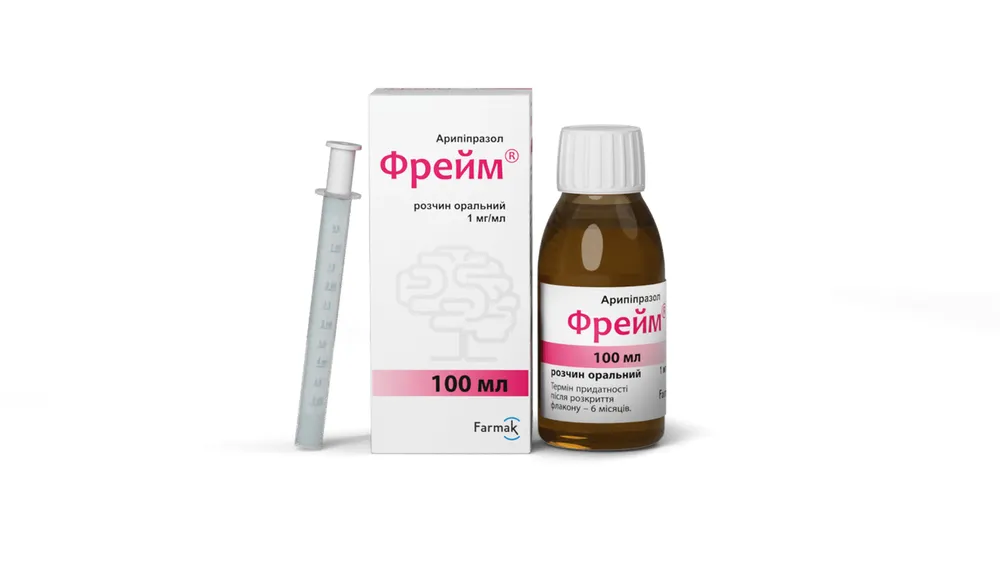
Table of Contents
INSTRUCTIONS FOR MEDICAL USE OF THE MEDICINAL PRODUCT FREYM® (FREYM)
Composition:
Active substance: aripiprazole;
1 ml of oral solution contains aripiprazole 1 mg;
Excipients: sucrose, fructose, glycerin, propylene glycol, lactic acid, methylparaben (E 218), disodium edetate, sodium hydroxide, "Juicy Orange" flavor, purified water.
Pharmaceutical form. Oral solution.
Main physicochemical properties: clear, colorless or light yellow solution.
Pharmacotherapeutic group. Antipsychotic agents. Other antipsychotics.
ATC code: N05AX12.
Pharmacological Properties
Pharmacodynamics
Mechanism of Action
The therapeutic effect of aripiprazole in schizophrenia and bipolar I disorder is mediated by a combination of partial agonist activity at D2-dopaminergic and 5-HT1a-serotonergic receptors and antagonist activity at 5-HT2a-serotonergic receptors.
Aripiprazole has high affinity in vitro for D2- and D3-dopaminergic receptors, 5-HT1a- and 5-HT2a-serotonergic receptors, and moderate affinity for D4-dopaminergic, 5-HT2c- and 5-HT7-serotonergic receptors, α1-adrenergic receptors, and H1-histaminergic receptors. Aripiprazole also exhibits moderate affinity for serotonin reuptake sites and lacks affinity for muscarinic receptors. In animal experiments, aripiprazole demonstrated antagonism toward dopaminergic hyperactivity and agonism toward dopaminergic hypoactivity. Some clinical effects of aripiprazole may be explained by interactions not only with dopaminergic and serotonergic receptors.
Clinical Efficacy and Safety
Adults
Schizophrenia
In three short-term (4 to 6 weeks) placebo-controlled studies involving 1228 adult patients with schizophrenia who had positive or negative symptoms, aripiprazole was associated with statistically significant improvement in psychotic symptoms compared to placebo.
Aripiprazole is effective in maintaining clinical improvement when treatment is continued in adult patients who initially responded to therapy. In a study controlled against haloperidol, the proportion of patients responding to treatment over 52 weeks was similar in both groups (aripiprazole 77% and haloperidol 73%). Overall, the final percentage of responders was significantly higher for patients receiving aripiprazole (43%) than for those receiving haloperidol (30%). Actual scores on scales used as secondary endpoints, including the PANSS and the Montgomery–Åsberg Depression Rating Scale (MADRS), showed significant improvement with aripiprazole compared to haloperidol.
In a 26-week placebo-controlled study involving stabilized adult patients with chronic schizophrenia, aripiprazole significantly reduced the rate of relapse: 34% in the aripiprazole group versus 57% in the placebo group.
Weight Gain
Clinical studies have not shown that aripiprazole causes clinically significant weight gain. In a 26-week, double-blind, multinational schizophrenia study controlled against olanzapine, involving 314 adult patients, with weight gain as the primary endpoint, significantly fewer patients receiving aripiprazole (n = 18, or 13% of evaluable patients) had at least a 7% increase in body weight from baseline (i.e., an increase of at least 5.6 kg from a mean baseline weight of ~80.5 kg) compared to those receiving olanzapine (n = 45, or 33% of evaluable patients).
Lipid Parameters
In a pooled analysis of lipid parameters from placebo-controlled clinical studies in adults, aripiprazole was not shown to cause clinically significant changes in levels of total cholesterol, triglycerides, high-density lipoprotein (HDL) cholesterol, or low-density lipoprotein (LDL) cholesterol.
Prolactin
Prolactin levels were evaluated in studies across all doses of aripiprazole (n = 28,242). The incidence of hyperprolactinemia or increased serum prolactin levels in patients receiving aripiprazole (0.3%) was similar to that in the placebo group (0.2%). In patients receiving aripiprazole, the mean time to onset of these changes was 42 days, and the mean duration was 34 days.
The incidence of hypoprolactinemia or decreased serum prolactin levels in patients receiving aripiprazole was 0.4%, compared to 0.02% in patients receiving placebo. In patients receiving aripiprazole, the median time to onset of these changes was 30 days, and the mean duration was 194 days.
Manic Episodes in Bipolar I Disorder
In two 3-week, placebo-controlled, flexible-dose monotherapy studies involving patients with manic or mixed episodes of bipolar I disorder, aripiprazole demonstrated superior efficacy compared to placebo in reducing manic symptoms over 3 weeks. These studies included patients with or without psychotic features and with or without rapid cycling.
In one 3-week, placebo-controlled, fixed-dose monotherapy study involving patients with manic or mixed episodes of bipolar I disorder, aripiprazole did not demonstrate superior efficacy compared to placebo.
In two 12-week, placebo- and active-controlled monotherapy studies in patients with manic or mixed episodes of bipolar I disorder, with or without psychotic features, aripiprazole demonstrated superior efficacy compared to placebo at week 3 and maintained efficacy comparable to lithium or haloperidol at week 12. Additionally, the proportion of patients achieving symptomatic remission of mania with aripiprazole at week 12 was comparable to that with lithium or haloperidol.
In a 6-week, placebo-controlled study involving patients with manic or mixed episodes of bipolar I disorder, with or without psychotic features, who showed partial non-response to monotherapy with lithium or valproate over 2 weeks at therapeutic serum levels, adding aripiprazole as adjunctive therapy resulted in greater efficacy in reducing manic symptoms compared to monotherapy with lithium or valproate alone.
In a 26-week placebo-controlled study followed by a 74-week extension in manic patients who achieved remission on aripiprazole during the stabilization phase prior to randomization, aripiprazole demonstrated superiority over placebo in preventing relapse of bipolar disorder, primarily in preventing manic relapse, but did not demonstrate superiority over placebo in preventing depressive relapse.
In a 52-week, placebo-controlled study in patients with current manic or mixed episodes of bipolar I disorder who achieved sustained remission (Young Mania Rating Scale [YMRS] and MADRS total scores ≤12) on aripiprazole (10–30 mg/day), adjunctive aripiprazole demonstrated a 46% risk reduction (risk ratio [RR] 0.54) in preventing relapse of bipolar disorder and a 65% risk reduction (RR = 0.35) in preventing manic relapse, but did not demonstrate superiority over placebo in preventing depressive relapse. Adjunctive aripiprazole demonstrated superiority over placebo on the secondary outcome measure of the Clinical Global Impression—Bipolar version (CGI-BP) and Severity of Illness (SOI; mania). In this study, patients received open-label monotherapy with lithium or valproate to establish partial non-response. Patients were stabilized for at least 12 consecutive weeks with a combination of aripiprazole and the same mood stabilizer. Then, stabilized patients were randomized to continue the mood stabilizer plus double-blind aripiprazole or placebo. Four mood stabilizer subgroups were evaluated in the randomized phase: aripiprazole + lithium; aripiprazole + valproate; placebo + lithium; placebo + valproate. The Kaplan–Meier relapse rate for any mood episode in the adjunctive treatment group was 16% with aripiprazole + lithium and 18% with aripiprazole + valproate, compared to 45% in the placebo + lithium group and 19% in the placebo + valproate group.
Children
Schizophrenia in Children
In a 6-week, placebo-controlled study involving 302 patients with schizophrenia (aged 13 to 17 years) who had positive or negative symptoms, aripiprazole was associated with statistically significant improvement in psychotic symptoms compared to placebo. In a subgroup analysis of patients aged 15 to 17 years, who comprised 74% of the total enrolled population, efficacy was maintained during a 26-week open-label extension study.
In a 60–89-week, randomized, double-blind, placebo-controlled study in children (n = 146; aged 13 to 17 years) with schizophrenia, there was a statistically significant difference in the relapse rate of psychotic symptoms between the aripiprazole group (19.39%) and the placebo group (37.50%). The point estimate of the risk ratio (RR) was 0.461 (95% confidence interval [CI] 0.242 to 0.879) in the full population. In the subgroup analysis, the point estimate of the relapse rate was 0.495 for patients aged 13 to 14 years compared to 0.454 for patients aged 15 to 17 years. However, the estimate for the younger (13–14 years) group was imprecise, reflecting the smaller number of subjects in this group (aripiprazole: n = 29; placebo: n = 12), and the 95% CI (0.151 to 1.628) did not allow conclusions about treatment effect. In contrast, the 95% CI for the relapse rate in the older subgroup (aripiprazole: n = 69; placebo: n = 36) was 0.242 to 0.879, allowing conclusions about treatment effect in older patients.
Manic Episodes in Bipolar I Disorder in Children
Aripiprazole was studied in a 30-week, placebo-controlled trial involving 296 children (aged 10 to 17 years) meeting DSM-IV (Diagnostic and Statistical Manual of Mental Disorders) criteria for bipolar I disorder with manic or mixed episodes, with or without psychotic features, and with a baseline YMRS score ≥20. Among patients included in the primary efficacy analysis, 139 had a current comorbid diagnosis of attention-deficit/hyperactivity disorder (ADHD).
Aripiprazole was superior to placebo on the total Y-MRS score compared to baseline at week 4 and week 12. In a retrospective analysis, improvement compared to placebo was more pronounced in patients with comorbid ADHD than in the non-ADHD group, where no differences from placebo were observed. Prevention of relapse has not been established.
The most common treatment-emergent adverse reactions among patients receiving 30 mg were extrapyramidal disorders (28.3%), somnolence (27.3%), headache (23.2%), and nausea (14.1%). Mean weight gain over the 30-week treatment period was 2.9 kg compared to 0.98 kg in patients receiving placebo.
Irritability Associated with Autistic Disorder in Children
The effect of aripiprazole was studied in patients aged 6 to 17 years in two 8-week, placebo-controlled trials [one flexible-dose (2–15 mg/day) and one fixed-dose (5 mg/day, 10 mg/day, or 15 mg/day)] and in one open-label 52-week study. In these studies, dosing started at 2 mg/day, increased to 5 mg/day after one week, and then increased by 5 mg/day in weekly increments to the target dose. Over 75% of patients were under 13 years of age. Aripiprazole demonstrated statistically superior efficacy compared to placebo on the irritability subscale of the Aberrant Behavior Checklist. However, the clinical significance of this finding has not been established. The safety profile included weight gain and changes in prolactin levels. The duration of the long-term safety study was limited to 52 weeks. In pooled studies, the frequencies of low serum prolactin levels (<3 ng/mL in females and <2 ng/mL in males) in patients receiving aripiprazole were 27/46 (58.7%) and 258/298 (86.6%), respectively. In placebo-controlled studies, mean weight gain was 0.4 kg in the placebo group and 1.6 kg in the aripiprazole group.
Aripiprazole was also studied in a long-term, placebo-controlled trial. After 13–26 weeks of stabilization on aripiprazole (2–15 mg/day), patients with stable response remained on aripiprazole or were switched to placebo for the next 16 weeks. The Kaplan–Meier relapse rate at 16 weeks was 35% with aripiprazole and 52% in the placebo group; the risk ratio for relapse over 16 weeks (aripiprazole/placebo) was 0.57 (statistically non-significant difference). Mean weight gain during the stabilization phase (up to 26 weeks) on aripiprazole was 3.2 kg, and further mean weight gain of 2.2 kg in the aripiprazole group compared to 0.6 kg in the placebo group was observed during the second phase (16 weeks) of the study. Extrapyramidal symptoms were mainly observed during the stabilization phase in 17% of patients, with tremor occurring in 6.5%.
Tics Associated with Tourette’s Disorder in Children
The efficacy of aripiprazole was studied in children with Tourette’s disorder (aripiprazole: n = 99, placebo: n = 44) in a randomized, double-blind, placebo-controlled, 8-week trial using a fixed dose based on body weight, in a dose range of 5 to 20 mg/day, starting at 2 mg. Patients were aged 7 to 17 years and had a mean baseline score of 30 on the Yale Global Tic Severity Scale (YGTSS). With aripiprazole, improvement in YGTSS score from baseline to week 8 was 13.35 in the low-dose group (5 mg or 10 mg) and 16.94 in the high-dose group (10 mg or 20 mg), compared to an improvement of 7.09 in the placebo group.
The efficacy of aripiprazole in children with Tourette’s syndrome (aripiprazole: n = 32, placebo: n = 29) was also evaluated in a flexible dose range of 2 to 20 mg/day, starting at 2 mg, in a 10-week, randomized, double-blind, placebo-controlled study conducted in South Korea. Patients were aged 6 to 18 years and had a mean baseline YGTSS score of 29. In the aripiprazole group, improvement in YGTSS score from baseline to week 10 was 14.97 compared to 9.62 in the placebo group.
In both of these short-term studies, the clinical significance of the efficacy results was not established, considering the magnitude of treatment effect relative to the large placebo effect and unclear effects on psychosocial functioning. Long-term data on the efficacy and safety of aripiprazole in this fluctuating disorder are lacking.
Pharmacokinetics
Absorption
Aripiprazole is rapidly absorbed after oral administration. Peak plasma concentration (Cmax) of aripiprazole is reached within 3–5 hours. The absolute bioavailability of the drug is 87%. Food intake, including high-fat meals, does not affect the bioavailability of aripiprazole.
Distribution
Aripiprazole is widely distributed in body tissues. The volume of distribution is 4.9 L/kg, indicating extensive extravascular distribution. At therapeutic concentrations, over 99% of aripiprazole is protein-bound in plasma, primarily to albumin.
Biotransformation
Aripiprazole is metabolized in the liver via three pathways: dehydrogenation, hydroxylation, and N-dealkylation. In vitro data indicate that dehydrogenation and hydroxylation of aripiprazole are mediated by CYP3A4 and CYP2D6 enzymes, while N-dealkylation is catalyzed by CYP3A4. Aripiprazole is the main component of the drug in blood. At steady state, the area under the plasma concentration-time curve (AUC) of dehydroaripiprazole is approximately 40% of the AUC of aripiprazole.
Elimination
The mean elimination half-life of aripiprazole is approximately 75 hours in individuals with normal CYP2D6 metabolism and approximately 146 hours in poor CYP2D6 metabolizers. Total clearance of aripiprazole is 0.7 mL/min/kg, primarily due to hepatic elimination. After a single dose of [14C]aripiprazole, approximately 27% and 60% of radioactivity is recovered in urine and feces, respectively. Less than 1% of unchanged aripiprazole is found in urine, and approximately 18% of the administered dose is excreted unchanged in feces.
Children
The pharmacokinetics of aripiprazole and dehydroaripiprazole in patients aged 10 to 17 years were similar to those in adults after correction for differences in body weight.
Pharmacokinetics in Special Patient Populations
Elderly Patients
No differences in aripiprazole pharmacokinetics were observed between healthy elderly volunteers and younger patients, and no age effect was observed in population pharmacokinetic analyses of patients with schizophrenia.
Gender
No differences in aripiprazole pharmacokinetics were observed between healthy male and female volunteers, and no gender effect was observed in population pharmacokinetic analyses of patients with schizophrenia.
Smoking
Population pharmacokinetic assessment did not reveal a clinically significant effect of smoking on aripiprazole pharmacokinetics.
Race
No evidence of racial differences in aripiprazole pharmacokinetics has been observed.
Renal Impairment
Pharmacokinetic characteristics of aripiprazole and dehydroaripiprazole were found to be similar in patients with severe renal disease and in young healthy volunteers.
Hepatic Impairment
In a single-dose study in patients with varying degrees of liver cirrhosis (Child–Pugh classes A, B, and C), no significant effect of hepatic impairment on the pharmacokinetics of aripiprazole and dehydroaripiprazole was observed. However, only three patients with Child–Pugh class C cirrhosis were included, which is insufficient to draw conclusions about metabolic capacity.
Clinical Characteristics
Indications
For the treatment of schizophrenia in adults and children aged 15 years and older.
For the treatment of moderate to severe manic episodes of bipolar I disorder and for the prevention of new manic episodes in adults who have already experienced such episodes and who have been previously treated with aripiprazole.
For the treatment of moderate to severe manic episodes of bipolar I disorder in children aged 13 years and older for up to 12 weeks.
Contraindications
Hypersensitivity to aripiprazole or to any of the excipients of the medicinal product.
Interaction with other medicinal products and other forms of interaction
Aripiprazole may enhance the effect of certain antihypertensive agents due to blockade of α1-adrenergic receptors.
Due to the significant effect of aripiprazole on the central nervous system, caution should be exercised when aripiprazole is used concomitantly with alcohol and other medicinal products affecting the central nervous system, due to possible additive adverse reactions such as sedation (see section "Adverse Reactions").
Caution should be exercised when aripiprazole is used concomitantly with medicinal products that prolong the QT interval and alter electrolyte levels.
Potential effect of other medicinal products on aripiprazole
The acid secretion inhibitor, H2-histamine receptor antagonist famotidine, reduces the rate of absorption of aripiprazole, but this effect is not considered clinically significant.
Aripiprazole is metabolized via multiple pathways involving CYP2D6 and CYP3A4 enzymes, but not CYP1A enzymes. Therefore, dose adjustment is not required in smokers.
Quinidine and other CYP2D6 inhibitors
Potent CYP2D6 inhibitors (quinidine) increase the AUC of aripiprazole by 107%, while Cmax remains unchanged.
The AUC and Cmax of dehydroaripiprazole, the active metabolite, are reduced by 32% and 47%, respectively. The dose of aripiprazole should be reduced by half when used concomitantly with quinidine. Other CYP2D6 inhibitors, such as fluoxetine and paroxetine, may have a similar effect; therefore, dose reduction may be necessary.
Ketoconazole and other CYP3A4 inhibitors
Studies have shown that potent CYP3A4 inhibitors (ketoconazole) increase the AUC and Cmax of aripiprazole by 63% and 37%, respectively. The AUC and Cmax of dehydroaripiprazole increase by 77% and 43%, respectively. In individuals with reduced CYP2D6 metabolism, concomitant use of potent CYP3A4 inhibitors may lead to increased blood concentrations of aripiprazole. When ketoconazole or other potent CYP3A4 inhibitors are used concomitantly, the potential benefits and possible risks for the patient should be carefully considered. The dose of aripiprazole should be reduced by approximately half when used concomitantly with ketoconazole. Similar effects may occur with other potent CYP3A4 inhibitors such as itraconazole or HIV protease inhibitors, and a similar dose reduction may be required. After discontinuation of CYP2D6 or CYP3A4 inhibitors, the dose of aripiprazole should be increased to the original level. When weak CYP3A4 inhibitors (such as diltiazem) or weak CYP2D6 inhibitors (such as escitalopram) are used concomitantly, a moderate increase in aripiprazole concentration is possible.
Carbamazepine and other CYP3A4 inducers
In patients with schizophrenia or schizoaffective disorder, administration of 30 mg aripiprazole with carbamazepine, a potent CYP3A4 inducer, resulted in a 68% and 73% reduction in Cmax and AUC of aripiprazole, respectively, and a 69% and 71% reduction in Cmax and AUC of its active metabolite dehydroaripiprazole, respectively. The dose of aripiprazole should be doubled when used concomitantly with carbamazepine. A similar effect may occur with other potent CYP3A4 inducers (such as rifampicin, rifabutin, phenytoin, phenobarbital, primidone, efavirenz, nevirapine, St. John’s wort). After discontinuation of potent CYP3A4 inducers, the dose of aripiprazole should be reduced to the recommended level.
Valproate and lithium
No clinically significant effect on aripiprazole concentration was observed when valproate or lithium was co-administered with aripiprazole; therefore, dose adjustment is not required.
Potential effect of aripiprazole on other medicinal products
When aripiprazole was administered at doses of 10–30 mg/day, no effect was observed on the metabolism of substrates of CYP2D6 (dextromethorphan/3-methoxymorphinan ratio), CYP2C9 (warfarin), CYP2C19 (omeprazole), or CYP3A4 (dextromethorphan). Additionally, aripiprazole and its major metabolite dehydroaripiprazole do not affect CYP1A2 enzyme activity in vitro. A clinically significant effect of aripiprazole on medicinal products metabolized by these enzymes is unlikely. Thus, aripiprazole does not cause clinically significant interactions mediated by these enzymes. No clinically important changes in concentrations of valproate, lithium, or lamotrigine were observed when aripiprazole was administered concomitantly with these agents.
Serotonin syndrome
Serotonin syndrome has been reported in patients taking aripiprazole. Manifestations of this syndrome are possible, especially when aripiprazole is used concomitantly with serotonergic medicinal products such as serotonin reuptake inhibitors / serotonin-norepinephrine reuptake inhibitors, or medicinal products that increase aripiprazole concentrations (see section "Adverse Reactions").
Special precautions for use
With antipsychotic drugs, clinical improvement may take several days or several weeks. During this period, patients should be carefully monitored.
Suicidal tendency
In some cases, immediately after initiation or when changing neuroleptics, including aripiprazole, suicidal behaviour typical of psychiatric disorders and mood changes have been observed. Patients at high risk of suicide require careful medical supervision when treated with neuroleptics.
Cardiovascular disorders
Aripiprazole should be used with caution in patients with cardiovascular diseases (with history of myocardial infarction or ischemic heart disease, heart failure, or conduction disorders), cerebrovascular diseases, and conditions leading to arterial hypotension (dehydration, hypovolemia, and treatment with antihypertensive agents) or arterial hypertension, including exacerbation or malignant hypertension. Cases of venous thromboembolism have been reported with antipsychotic drugs. Before and during treatment with antipsychotics, potential risk factors for venous thromboembolism should be assessed and appropriate preventive measures taken.
QT interval prolongation
During clinical trials, the frequency of QT interval prolongation with aripiprazole was comparable to that with placebo. Aripiprazole should be used with caution in patients with a family history of QT interval prolongation.
Tardive dyskinesia
Rare cases of tardive dyskinesia have been reported in patients treated with aripiprazole for up to one year. If symptoms of tardive dyskinesia occur in a patient receiving aripiprazole, dose reduction or discontinuation of treatment should be considered (see section "Adverse reactions"). These symptoms may transiently worsen after discontinuation of therapy or even emerge after treatment cessation.
Other extrapyramidal symptoms
In pediatric clinical trials of aripiprazole, akathisia and parkinsonism were observed. If other extrapyramidal symptoms occur, dose reduction of aripiprazole should be considered, and careful clinical monitoring of the patient is required.
Malignant neuroleptic syndrome (MNS)
A life-threatening syndrome known as malignant neuroleptic syndrome has been described with antipsychotic drugs, including aripiprazole, which may be fatal. This syndrome is characterized by hyperpyrexia, muscle rigidity, mental status changes, and autonomic instability (irregular pulse and blood pressure, tachycardia, diaphoresis, and cardiac arrhythmias). Additionally, increased creatine phosphokinase activity, myoglobinuria (rhabdomyolysis), and acute renal failure may occur. However, elevated creatine phosphokinase levels and rhabdomyolysis have also been reported independently of MNS. In case of MNS symptoms or unexplained fever without additional clinical signs of MNS, all antipsychotics, including aripiprazole, should be discontinued.
Seizures
Seizures have been observed infrequently during treatment with aripiprazole. Therefore, aripiprazole should be used with caution in patients with a history of epilepsy or conditions associated with seizures (see section "Adverse reactions").
Elderly patients with psychosis associated with dementia
Increased mortality
In three placebo-controlled studies (n = 938) of aripiprazole in elderly patients with psychosis associated with Alzheimer's disease (mean age 82 years, range 56 to 99 years), an increased risk of mortality was observed. The mortality rate with aripiprazole was 3.5% compared to 1.7% with placebo. Although causes of death varied, most were due to cardiovascular diseases (e.g., heart failure, sudden cardiac death) or infections (e.g., pneumonia) (see section "Adverse reactions").
Cerebrovascular adverse reactions
Cerebrovascular adverse reactions (e.g., stroke, transient ischemic attack), including fatal cases (mean age 84 years, range 78 to 88 years), have been reported. Overall, cerebrovascular adverse reactions occurred in 1.3% of patients receiving aripiprazole compared to 0.6% of those receiving placebo. This difference was not statistically significant. Furthermore, in fixed-dose studies, a relationship between aripiprazole use and cerebrovascular adverse reactions was observed.
Aripiprazole is not indicated for the treatment of psychosis associated with dementia.
Hyperglycemia and diabetes mellitus
Hyperglycemia, sometimes severe and associated with ketoacidosis, which may lead to hyperosmolar coma or even death, has been reported in patients treated with atypical antipsychotics, including aripiprazole. Risk factors that may contribute to severe complications include obesity and family history of diabetes mellitus. In clinical trials, no significant differences in the frequency of adverse reactions related to hyperglycemia (including diabetes mellitus) or laboratory abnormalities in glycemia were observed between aripiprazole and placebo. Precise estimates of the risk of hyperglycemia-related adverse reactions in patients treated with aripiprazole and other atypical antipsychotics are not available for direct comparison. Patients receiving any neuroleptics, including aripiprazole, should be carefully monitored for symptoms of hyperglycemia (polydipsia, polyuria, polyphagia, and weakness), and patients with diabetes mellitus or risk factors for diabetes should be regularly monitored for increased glucose levels (see section "Adverse reactions").
Hypersensitivity
Hypersensitivity reactions characterized by allergic symptoms may occur with aripiprazole (see section "Adverse reactions").
Weight gain
Weight gain is frequently observed in patients with schizophrenia or bipolar mania due to comorbid conditions, use of other weight-gain-inducing neuroleptics, and unhealthy lifestyle, which may lead to serious complications. Weight gain has been reported in the post-marketing period in patients treated with aripiprazole. These patients had significant risk factors such as history of diabetes mellitus, thyroid disorders, or pituitary adenoma.
Clinical trials have not shown that aripiprazole causes clinically significant weight gain in adults (see section "Pharmacological properties"). However, in children with bipolar mania, a relationship between aripiprazole use and weight gain was observed after 4 weeks of treatment. Weight gain should be monitored in children with bipolar mania. If weight gain is clinically significant, dose reduction should be considered (see section "Adverse reactions").
Dysphagia
With neuroleptics, including aripiprazole, disorders of esophageal motility and aspiration may occur. Aripiprazole should be used with caution in patients at increased risk of aspiration pneumonia.
Pathological gambling and other impulse control disorders
Cases of pathological gambling and inability to control this behaviour have been reported in patients treated with aripiprazole. Hypersexuality, compulsive shopping, binge eating or uncontrolled eating, and other impulse and compulsive behaviour disorders have also been reported. It is important that patients and caregivers inform the physician if any of these disorders develop during treatment with aripiprazole. Impulse control disorders may be related to the underlying condition, but sometimes the pathological urge resolves after dose reduction or discontinuation of treatment. Impulse control disorders may harm the patient and others if not recognized. If such disorders develop during aripiprazole treatment, dose reduction or discontinuation should be considered (see section "Adverse reactions").
Patients with comorbid attention deficit hyperactivity disorder (ADHD)
Despite the high prevalence of ADHD in type I bipolar disorders, safety data on concomitant use of aripiprazole and stimulants are limited; therefore, caution is advised when using the medicinal product Frame®.
Falls
Aripiprazole may cause somnolence, orthostatic hypotension, and motor or sensory instability, which may lead to falls. Caution should be exercised when treating patients at increased risk, and treatment should be initiated with lower starting doses (e.g., in elderly or debilitated patients; see section "Dosage and administration").
Fructose
The oral solution contains fructose. Fructose may damage teeth. Patients with hereditary fructose intolerance (HFI) should not take this medicinal product.
Sucrose
The oral solution contains sucrose. Sucrose may be harmful to teeth. Patients with rare hereditary problems of fructose intolerance, glucose-galactose malabsorption, or sucrase-isomaltase deficiency should not take this medicinal product.
Methylparahydroxybenzoate
The oral solution contains methylparahydroxybenzoate. It may cause allergic reactions (possibly delayed).
Sodium
The oral solution contains sodium. This medicinal product contains less than 1 mmol sodium (23 mg) per dose, i.e., is essentially "sodium-free".
Use during pregnancy or breastfeeding
Pregnancy
Adequate and well-controlled studies of aripiprazole use in pregnant women have not been conducted. Congenital anomalies have been reported, but a causal relationship has not been established. Available animal data do not allow exclusion of embryofetotoxicity. Women should consult their physician if they become pregnant or plan pregnancy while taking aripiprazole. Due to insufficient safety data during pregnancy, the medicinal product should be used only if the expected benefit to the mother outweighs the potential risk to the fetus. Use of neuroleptics, including aripiprazole, during the third trimester of pregnancy may result in adverse reactions in newborns, including extrapyramidal disorders and/or withdrawal syndrome of varying severity and duration. Agitation, hypertonia or hypotonia, tremor, somnolence, respiratory distress, or feeding disorders have been reported. Therefore, newborns should be carefully monitored.
Breastfeeding
Aripiprazole passes into breast milk. A decision must be made whether to discontinue breastfeeding or to discontinue/abstain from aripiprazole therapy, taking into account the benefit of breastfeeding for the child and the benefit of therapy for the mother.
Fertility
According to reproductive toxicity studies, aripiprazole does not affect fertility.
Ability to drive vehicles or operate machinery
Aripiprazole may have a moderate or minor influence on the ability to drive vehicles or operate machinery due to nervous system and visual adverse reactions such as sedative effects, somnolence, loss of consciousness, blurred vision, and diplopia (see section "Adverse reactions").
Method of Administration and Dosage
Adults
Schizophrenia. The recommended initial dose of the medicinal product is 10 or 15 mg once daily (i.e., 10 mL or 15 mL of solution/day), regardless of food intake. The maintenance dose is 15 mg per day. The effective dose range of the medicinal product is 10 to 30 mg per day (i.e., 10 mL to 30 mL of solution/day). Increased efficacy with doses higher than 15 mg has not been demonstrated, although some patients may require higher doses. The maximum daily dose should not exceed 30 mg.
Manic episodes in bipolar I disorder. The recommended initial dose is 15 mg once daily, regardless of food intake, both as monotherapy and in combination therapy. Some patients may require a higher dose. The maximum daily dose should not exceed 30 mg.
Prevention of recurrent manic episodes in bipolar I disorder. To prevent relapse of manic episodes in patients previously treated with aripiprazole as monotherapy or in combination therapy, treatment should continue at the same doses.
The need for dose adjustment or dose reduction is determined by the physician based on the patient's clinical condition.
Children
Schizophrenia in children aged 15 years and older. The recommended dose of the medicinal product Fream® is 10 mg once daily, regardless of food intake. Treatment should be initiated at a dose of 2 mg (using aripiprazole oral solution 1 mg/mL) for 2 days, then titrated to 5 mg over the next 2 days to reach the recommended daily dose of 10 mg. If necessary, further dose increases should be made in 5 mg increments, not exceeding the maximum daily dose of 30 mg (see section "Pharmacological Properties"). Fream® is effective within a dose range of 10 to 30 mg/day. Increased efficacy at doses higher than 10 mg daily has not been demonstrated, although individual patients may benefit from higher doses.
Fream® is not recommended for patients with schizophrenia under 15 years of age due to insufficient data on safety and efficacy (see sections "Pharmacological Properties" and "Adverse Reactions").
Manic episodes in bipolar I disorder in children aged 13 years and older. The recommended dose of Fream® is 10 mg once daily, regardless of food intake. Treatment should be initiated at a dose of 2 mg (using aripiprazole oral solution 1 mg/mL) for 2 days, then titrated to 5 mg over the next 2 days to reach the recommended daily dose of 10 mg. The duration of treatment should be the minimum necessary to control symptoms and should not exceed 12 weeks. Increased efficacy at doses higher than 10 mg daily has not been demonstrated, and at a daily dose of 30 mg, the frequency of significant adverse reactions, including extrapyramidal symptoms, somnolence, fatigue, and weight gain, was substantially increased (see section "Adverse Reactions"). Therefore, doses above 10 mg/day should be used only in exceptional cases and with careful clinical monitoring (see sections "Pharmacological Properties," "Special Precautions," and "Adverse Reactions"). Younger patients have an increased risk of adverse reactions associated with aripiprazole. Therefore, Fream® is not recommended for patients under 13 years of age (see sections "Pharmacological Properties" and "Adverse Reactions").
Agitation associated with autistic disorder. The safety and efficacy of aripiprazole in children under 18 years of age have not yet been established. Available data are described in the section "Pharmacological Properties," but no therapeutic recommendations can be provided.
Tics associated with Tourette’s syndrome. The safety and efficacy of aripiprazole in children aged 6 to 18 years have not yet been established. Available data are described in the section "Pharmacological Properties," but no therapeutic recommendations can be provided.
Special Patient Groups
Patients with hepatic impairment
Dose adjustment is not required for patients with mild to moderate hepatic impairment. Insufficient data are available to provide recommendations for patients with severe hepatic impairment. In such patients, dose selection should be made with extreme caution. The maximum daily dose of 30 mg should be used with caution in patients with severe hepatic impairment.
Patients with renal impairment
Dose adjustment is not required.
Elderly patients
The safety and efficacy of aripiprazole in the treatment of schizophrenia and bipolar I disorder in patients aged 65 years and older have not been studied. Due to the increased sensitivity of this patient group, consideration should be given to using a lower initial dose if warranted by clinical factors (see section "Special Precautions").
Gender
Female patients do not require dose adjustment compared to male patients (see section "Pharmacological Properties").
Smokers
Dose adjustment is not required for smokers, considering the metabolic pathway of aripiprazole.
Dose adjustment during concomitant therapy
When aripiprazole is used concomitantly with strong CYP3A4 or CYP2D6 inhibitors, the dose of aripiprazole should be reduced. When CYP3A4 or CYP2D6 inhibitors are discontinued from combination therapy, the dose of aripiprazole should be increased.
When aripiprazole is used concomitantly with a strong CYP3A4 inducer, the dose of aripiprazole should be increased. When the CYP3A4 inducer is discontinued from combination therapy, the dose of aripiprazole should be reduced to the recommended dose.
Children
Fream® is indicated for the treatment of schizophrenia in children aged 15 years and older and for the treatment of moderate to severe manic episodes in bipolar I disorder in children aged 13 years and older for up to 12 weeks (see section "Method of Administration and Dosage"). Treatment should be initiated at a dose of 2 mg (using aripiprazole oral solution 1 mg/mL).
Overdose
There have been reports of acute aripiprazole overdose in adults due to accidental or intentional single ingestion of up to 1260 mg, without fatal outcome. Medically significant symptoms included lethargy, elevated blood pressure, somnolence, tachycardia, nausea, vomiting, and diarrhea. Additionally, cases of aripiprazole overdose in children (ingestion up to 195 mg) have been described, also without fatal outcome. Potentially dangerous symptoms of overdose include somnolence, transient loss of consciousness, and extrapyramidal symptoms.
Treatment. In case of overdose, supportive therapy is required, ensuring adequate airway patency, oxygen therapy, mechanical ventilation, and symptomatic treatment. Immediate cardiac monitoring with ECG recording should be initiated to detect arrhythmias. After confirmed or suspected aripiprazole overdose, careful medical observation is necessary until all symptoms resolve.
Activated charcoal (50 g), administered one hour after aripiprazole intake, reduces the AUC and Cmax of aripiprazole in blood by 51% and 41%, respectively, indicating potential effectiveness of activated charcoal in overdose management.
Although there are no reliable data on the use of hemodialysis in aripiprazole overdose, a beneficial effect from this method is unlikely because aripiprazole is highly protein-bound in plasma.
Adverse Reactions
The most commonly reported adverse reactions in placebo-controlled studies were akathisia and nausea — occurring in over 3% of patients receiving oral aripiprazole.
List of adverse reactions
All adverse reactions are listed by system organ class and frequency: very common (≥ 1/10), common (≥ 1/100, < 1/10), uncommon (≥ 1/1000, < 1/100), rare (≥ 1/10000, < 1/1000), very rare (< 1/10000), frequency not known (cannot be estimated from available data). Within each frequency group, adverse reactions are listed in order of decreasing severity.
The frequency of adverse reactions identified during the post-marketing period cannot be estimated because they are derived from spontaneous reports; therefore, they are classified as frequency not known.
| Body systems |
Common |
Uncommon |
Frequency not known |
| Blood and lymphatic system disorders |
leukopenia, neutropenia, thrombocytopenia |
||
| Immune system disorders |
allergic reactions (e.g., anaphylactic reactions; angioedema, including tongue swelling; tongue swelling, facial swelling, pruritus or urticaria) |
||
| Endocrine disorders |
hyperprolactinemia, decreased prolactin levels |
hyperosmolar non-ketotic coma, diabetic ketoacidosis |
|
| Metabolism and nutrition disorders |
diabetes mellitus |
hyperglycemia |
hyponatremia, anorexia |
| Psychiatric disorders |
insomnia, anxiety, restlessness |
depression, hypersexuality |
suicide attempts, suicidal ideation and completed suicide (see section "Special warnings and precautions for use"); pathological gambling; impulse control disorders; binge eating; compulsive shopping; kleptomania; aggression; agitation; nervousness |
| Nervous system disorders |
akathisia, extrapyramidal disorders, tremor, headache, sedation, somnolence, dizziness |
late dyskinesia, dystonia, restless legs syndrome |
malignant neuroleptic syndrome (MNS), grand mal seizure, serotonin syndrome, speech disorder |
| Eye disorders |
blurred vision |
diplopia, photophobia |
acute angle-closure glaucoma |
| Cardiac disorders |
tachycardia |
sudden cardiac death, torsades de pointes ventricular tachycardia, ventricular arrhythmia, cardiac arrest, bradycardia |
|
| Vascular disorders |
orthostatic hypotension |
venous thromboembolism (including pulmonary embolism and deep vein thrombosis), arterial hypertension, syncope |
|
| Respiratory, thoracic and mediastinal disorders |
hiccups |
aspiration pneumonia, laryngospasm, oropharyngeal spasm |
|
| Gastrointestinal disorders |
constipation, dyspepsia, nausea, excessive salivation, vomiting |
pancreatitis, dysphagia, diarrhea, abdominal discomfort, stomach discomfort |
|
| Hepatobiliary disorders |
hepatic failure, hepatitis, jaundice |
||
| Skin and subcutaneous tissue disorders |
rash, photosensitivity reactions, alopecia, increased sweating, drug reaction with eosinophilia and systemic symptoms (DRESS syndrome) |
||
| Musculoskeletal and connective tissue disorders |
rhabdomyolysis, myalgia, muscle rigidity |
||
| Renal and urinary disorders |
urinary incontinence, urinary retention |
||
| Pregnancy, puerperium and perinatal conditions |
withdrawal syndrome in newborns (see section "Use in pregnancy or lactation") |
||
| Reproductive system and breast disorders |
priapism |
||
| General disorders and administration site conditions |
fatigue |
disturbances in temperature regulation (e.g., hypothermia, pyrexia), chest pain, peripheral edema |
|
| Investigations |
decreased body weight, increased body weight, increased alanine aminotransferase (ALT) levels, increased aspartate aminotransferase (AST) levels, increased gamma-glutamyl transferase (GGT) levels, increased alkaline phosphatase levels, QT interval prolongation, increased blood glucose levels, increased glycated hemoglobin levels, fluctuations in blood glucose levels, increased creatine phosphokinase levels |
Description of individual adverse reactions
Adults
Extrapyramidal symptoms (EPS)
Schizophrenia: In a 52-week controlled study in patients receiving aripiprazole, the incidence of EPS, including parkinsonism, akathisia, dystonia, and dyskinesia, was lower (25.8%) compared to patients receiving haloperidol (57.3%). In a long-term 26-week placebo-controlled study, the incidence of EPS was 19% in patients treated with aripiprazole and 13.1% in patients receiving placebo. In another 26-week controlled study, the incidence of EPS was 14.8% in patients receiving aripiprazole and 15.1% in patients receiving olanzapine.
Manic episodes in bipolar I disorder. In a 12-week controlled study, the incidence of EPS was 23.5% in patients treated with aripiprazole and 53.3% in patients receiving haloperidol. In another 12-week study, the incidence of EPS was 26.6% in patients receiving aripiprazole and 17.6% in patients receiving lithium. In the long-term 26-week placebo-controlled trial phase, the incidence of EPS was 18.2% in patients receiving aripiprazole and 15.7% in patients receiving placebo.
Akathisia
In placebo-controlled studies, the incidence of akathisia in patients with bipolar disorder was 12.1% with aripiprazole treatment and 3.2% in the placebo group. In patients with schizophrenia, the incidence of akathisia was 6.2% with aripiprazole and 3.0% in the placebo group.
Dystonia
Class effect: In susceptible patients, symptoms of dystonia, characterized by prolonged abnormal contractions of muscle groups, may occur during the first few days of treatment. Dystonic symptoms include neck muscle spasm, sometimes progressing to throat tightness, difficulty swallowing, breathing difficulty, and/or tongue protrusion. Although these symptoms may occur at low doses, they are more frequent and severe at higher doses of first-generation antipsychotics. The risk of acute dystonia is increased in males and younger patients.
Prolactin
In clinical trials for approved indications and during the post-marketing period, both increases and decreases in serum prolactin levels compared to baseline levels have been observed.
Laboratory parameters
The proportion of patients with clinically significant changes in standard laboratory and lipid parameters did not differ significantly between the aripiprazole and placebo groups. An increase in creatine phosphokinase levels (mostly transient and asymptomatic) was observed in 3.5% of patients receiving aripiprazole, compared to 2.0% in the placebo group.
Children
Schizophrenia in children aged 15 years and older
In a short-term placebo-controlled clinical trial involving 302 children (aged 13 to 17 years) with schizophrenia, the frequency and type of adverse reactions were similar to those in adults, except for the following reactions, which were more frequently observed in children receiving aripiprazole than in adults (and more frequently than with placebo).
Very common adverse reactions included somnolence/sedation and extrapyramidal disorders (≥ 1/10), as well as dry mouth, increased appetite, and orthostatic hypotension (≥ 1/100, < 1/10). The safety profile identified in a 26-week open-label study was similar to that observed in the short-term placebo-controlled study.
The safety profile identified in a long-term double-blind placebo-controlled clinical trial was also similar, except for the following adverse reactions, which were frequently observed and occurred more often in children compared to the placebo group: weight decreased, blood insulin increased, arrhythmia, and leukopenia (≥ 1/100, < 1/10).
In the pooled group of children with schizophrenia aged 13–17 years treated with aripiprazole for up to 2 years, the frequency of prolactin level decrease in girls (< 3 ng/mL) and boys (< 2 ng/mL) was 29.5% and 48.3%, respectively. In children with schizophrenia aged 13–17 years who received 5 to 30 mg of aripiprazole for up to 72 months, the frequency of prolactin level decrease in girls (< 3 ng/mL) and boys (< 2 ng/mL) was 25.6% and 45.0%, respectively.
In two clinical trials involving children (aged 13–17 years) with schizophrenia and bipolar disorder receiving aripiprazole, the frequency of prolactin level decrease in girls (< 3 ng/mL) and boys (< 2 ng/mL) was 37.0% and 59.4%, respectively.
Manic episodes in bipolar I disorder in children aged 13 years and older
The frequency and type of adverse reactions in children with bipolar I disorder were similar to those in adults, except for the following adverse reactions: very common (≥ 1/10) — somnolence (23.0%), extrapyramidal disorders (18.4%), akathisia (16.0%), and fatigue (11.8%); common (≥ 1/100, < 1/10) — upper abdominal pain, tachycardia, weight gain, increased appetite, muscle twitching, and dyskinesia.
Adverse reactions possibly dose-dependent: extrapyramidal disorders (incidence with aripiprazole 10 mg: 9.1%, 30 mg: 28.8%, placebo: 1.7%); akathisia (incidence with aripiprazole 10 mg: 12.1%, 30 mg: 20.3%, placebo: 1.7%).
Mean change in body weight in children with bipolar I disorder at week 12 and week 30 of aripiprazole treatment was 2.4 kg and 5.8 kg, respectively, compared to 0.2 kg and 2.3 kg in the placebo group.
In the pediatric population, somnolence and fatigue were more frequently observed in patients with bipolar disorder compared to schizophrenia.
In pediatric patients aged 10–17 years with bipolar disorder treated for up to 30 weeks, the frequency of prolactin level decrease in girls (< 3 ng/mL) and boys (< 2 ng/mL) was 28.0% and 53.3%, respectively.
Pathological gambling and other impulse control disorders
Patients taking aripiprazole may experience pathological gambling, hypersexuality, compulsive shopping, and compulsive overeating (see section "Special precautions").
Reporting suspected adverse reactions
Reporting adverse reactions after drug registration is important. It allows continuous monitoring of the benefit-risk balance of the medicinal product. Healthcare professionals and patients, or their legal representatives, should report all suspected adverse reactions and lack of efficacy via the Automated Pharmacovigilance Information System at: https://aisf.dec.gov.ua.
Shelf life. 2 years.
Shelf life after opening the bottle: 6 months.
Storage conditions. Store at temperatures not exceeding 30 °C.
Keep out of reach and sight of children.
Incompatibilities
The oral solution should not be diluted with other liquids or mixed with any food prior to administration.
Packaging. 100 mL in brown glass bottles. One bottle with an oral dosing syringe in a carton.
Prescription status. Prescription only.
Manufacturer. JSC "Farmak".
Manufacturer's address and location of business activity
74 Kyrylivska Street, Kyiv, 04080, Ukraine.