Fluxen
Ukraine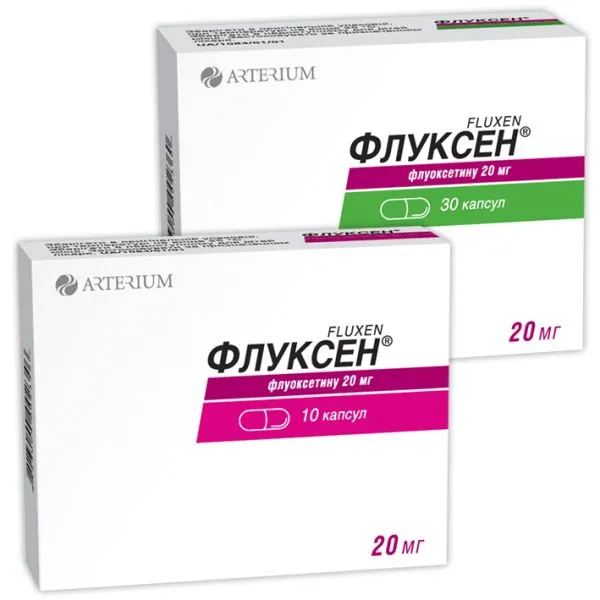
Table of Contents
INSTRUCTION FOR MEDICAL USE OF THE MEDICINAL PRODUCT FLUXEN® (FLUXEN)
Composition:
Active substance: fluoxetine;
1 capsule contains fluoxetine hydrochloride equivalent to fluoxetine – 20 mg;
Excipients: microcrystalline cellulose, colloidal anhydrous silicon dioxide, calcium stearate;
Capsule shell composition:
titanium dioxide (E 171), patent blue V (E 131), quinoline yellow (E 104), yellow azochlorine FCF (E 110), gelatin.
Pharmaceutical form. Capsules.
Main physicochemical characteristics: hard gelatin capsules size 0 or size 1, body white, cap green. The contents of the capsules are white powder.
Pharmacotherapeutic group.
Antidepressants. Selective serotonin reuptake inhibitors.
ATC code: N06AB03.
Pharmacological properties.
Pharmacodynamics.
An orally administered antidepressant that selectively and reversibly inhibits neuronal reuptake of serotonin in the central nervous system. It is also a weak antagonist of muscarinic, histamine, and α-adrenergic receptors. Unlike other antidepressants, it does not reduce the functional activity of β-adrenergic receptors and has minimal effect on neuronal reuptake of norepinephrine and dopamine. It promotes improvement in mood, alleviates feelings of fear, tension, and dysphoria. It has stimulant and analgesic effects and does not produce sedative or cardiotoxic effects when administered at medium therapeutic doses.
Pharmacokinetics.
Absorbed from the gastrointestinal tract. Weakly metabolized during first-pass through the liver. Food intake does not affect the extent of absorption, although it may slow its rate. After oral administration, maximum plasma concentration is reached within 6–8 hours. Effective steady-state plasma concentration is achieved only after continuous administration of the drug for several weeks. Plasma protein binding is 94.5%. Easily penetrates the blood-brain barrier. Metabolized in the liver via demethylation to form the main active metabolite, norfluoxetine.
The half-life (T1/2) of fluoxetine in adults and elderly patients is 2–3 days; for norfluoxetine, it is 7–9 days. In patients with impaired liver function (liver cirrhosis), T1/2 increases to 7 and 12 days, respectively.
Fluoxetine is excreted primarily by the kidneys (about 60%) and through the intestine (approximately 15%).
Clinical Characteristics.
Indications.
Major depressive episodes/disorders.
Obsessive-compulsive disorders.
Bulimia nervosa: as part of comprehensive psychotherapy to reduce uncontrolled eating and purging behaviors.
Contraindications.
Hypersensitivity to fluoxetine or to any other component of the drug.
Severe hepatic and renal insufficiency, epilepsy, history of seizures, suicidal ideation, glaucoma, urinary bladder atony, benign prostatic hyperplasia.
Concomitant use with non-selective, irreversible monoamine oxidase inhibitors (MAOIs), including iproniazid. There must be a minimum interval of 14 days between discontinuation of MAOI therapy and initiation of fluoxetine treatment. The interval between discontinuation of fluoxetine and initiation of MAOI therapy must be at least 5 weeks.
Concomitant use with metoprolol in heart failure.
Interactions with other medicinal products and other forms of interaction.
Contraindicated combinations
Non-selective, irreversible MAOIs. The period between discontinuation of non-selective, irreversible MAOIs (e.g., iproniazid) and initiation of fluoxetine therapy must be at least 14 days. After discontinuation of fluoxetine, at least 5 weeks must elapse before starting therapy with non-selective, irreversible MAOIs.
Severe, sometimes fatal reactions (hyperthermia, rigidity, myoclonus, autonomic instability, rapid fluctuations in vital signs, and mental status changes including agitation, delirium, and coma) have been reported in patients who took fluoxetine in combination with non-selective, irreversible MAOIs, as well as in those who discontinued fluoxetine and then started MAOI therapy.
Concomitant administration of fluoxetine with non-selective, irreversible MAOIs is contraindicated.
The long elimination half-lives of both fluoxetine and its active metabolite norfluoxetine should be taken into account when considering pharmacodynamic and pharmacokinetic drug interactions (e.g., when switching from fluoxetine to other antidepressants).
Metoprolol (use in heart failure). Risk of adverse reactions associated with metoprolol, particularly bradycardia, may increase. This is due to fluoxetine's inhibition of metoprolol metabolism (see Contraindications section).
Not recommended combinations
Tamoxifen. Pharmacokinetic interactions between CYP2D6 inhibitors and tamoxifen have been described in scientific literature, with reported 65–75% reduction in levels of one of the more active metabolites of tamoxifen, such as endoxifen. Several studies have reported reduced efficacy of tamoxifen when co-administered with certain serotonin reuptake inhibitors. Reduced tamoxifen efficacy cannot be excluded; therefore, concomitant use of potent CYP2D6 inhibitors, including fluoxetine, should be avoided if possible.
Alcohol. During clinical studies, fluoxetine did not increase blood alcohol levels nor potentiate the effects of alcohol. However, concomitant use of serotonin reuptake inhibitors and alcohol is not recommended.
MAO-A inhibitors (linezolid, methylene blue). Concomitant use of fluoxetine with MAO-A inhibitors may lead to serotonin syndrome, characterized by diarrhea, tachycardia, excessive sweating, tremor, confusion, or coma. If concomitant use cannot be avoided, treatment should be initiated with the lowest effective doses, and patients must be closely monitored by a physician.
Pimozide. Since fluoxetine inhibits pimozide metabolism, the risk of adverse reactions (QT interval prolongation) may increase when pimozide is used concomitantly.
Combinations requiring caution
Phenytoin. Changes in plasma levels of both fluoxetine and phenytoin have been observed during concomitant use. In some cases, signs of toxicity have occurred. Doses should be titrated carefully and patients monitored clinically.
St. John’s wort (Hypericum perforatum). As with other serotonin reuptake inhibitors, pharmacodynamic interactions between fluoxetine and St. John’s wort may occur; therefore, adverse reactions may increase when fluoxetine is used concomitantly with St. John’s wort.
Serotonergic medicinal products. Concomitant use with other serotonergic agents (e.g., tramadol, triptans) increases the risk of serotonin syndrome. When triptans are used, there is an additional increased risk of coronary vasoconstriction and hypertension.
Lithium and tryptophan. Fluoxetine should be used with caution with lithium or tryptophan, as cases of serotonin syndrome have been reported with concomitant use of serotonin reuptake inhibitors and these agents. When fluoxetine is used with lithium, patients should be monitored more frequently.
QT interval prolongation. Pharmacokinetic and pharmacodynamic studies of fluoxetine with other medicinal products that prolong the QT interval have not been conducted. Additive effects of fluoxetine and such agents cannot be excluded. Therefore, caution is advised when fluoxetine is used concomitantly with medicinal products that prolong the QT interval, such as Class IA and III antiarrhythmics, antipsychotics (e.g., phenothiazine derivatives, pimozide, haloperidol), tricyclic antidepressants, certain antimicrobials (e.g., sparfloxacin, moxifloxacin, intravenous erythromycin, pentamidine), antimalarials, particularly halofantrine, and certain antihistamines (astemizole, mizolastine).
Oral anticoagulants. Prolongation of bleeding time has been observed when fluoxetine is used concomitantly with warfarin. Changes in anticoagulant effect (laboratory parameters and/or clinical symptoms) were inconsistent.
As with any case of treatment with warfarin combined with other drugs, careful monitoring of coagulation parameters is required both when initiating fluoxetine therapy and when discontinuing it during ongoing warfarin treatment. When prescribing other drugs after discontinuation of fluoxetine, the long elimination half-lives of fluoxetine and its active metabolite norfluoxetine should be considered, as well as the potential for drug interactions.
Cyproheptadine. There have been reports of reduced efficacy of fluoxetine when used concomitantly with cyproheptadine.
MEDICINAL PRODUCTS THAT MAY CAUSE HYPONATREMIA. Hyponatremia is an adverse effect associated with fluoxetine use. Concomitant use of fluoxetine with other medicinal products that may cause hyponatremia (e.g., diuretics, desmopressin, carbamazepine, oxcarbazepine) increases the risk of hyponatremia.
MEDICINAL PRODUCTS THAT LOWER SEIZURE THRESHOLD. Seizures are an adverse effect of fluoxetine. Concomitant use with other medicinal products that lower the seizure threshold (e.g., tricyclic antidepressants, other serotonin reuptake inhibitors, phenothiazines, butyrophenones, mefloquine, chloroquine, bupropion, tramadol) may increase the risk of seizures.
CYP2D6 isoenzyme. Since the metabolism of fluoxetine (as well as tricyclic antidepressants and other selective serotonin reuptake inhibitors) involves the hepatic cytochrome P450 CYP2D6 isoenzyme system, concomitant use with drugs metabolized by the same enzymes may lead to drug interactions. Therefore, treatment with drugs metabolized by this system—especially those with a narrow therapeutic index (e.g., flecainide, propafenone, nebivolol), as well as atomoxetine, carbamazepine, risperidone, and tricyclic antidepressants—should be initiated at the lowest doses if the patient is currently receiving or has received fluoxetine within the previous 5 weeks. When fluoxetine is added to the treatment regimen of a patient already taking such a drug, a dose reduction of the first drug should be anticipated.
Fluoxetine may potentiate the effects of alprazolam and diazepam; therefore, these drugs should be used with caution.
Concomitant use of fluoxetine has been associated with altered plasma concentrations of clozapine, diazepam, alprazolam, imipramine, and desipramine, and in some cases, signs of toxicity have been observed. When fluoxetine is used with these agents, dosage should be carefully adjusted and patients closely monitored.
Fluoxetine is highly protein-bound; therefore, when fluoxetine is administered with another highly protein-bound drug, changes in plasma concentrations of both drugs may occur.
Electroconvulsive therapy (ECT). Rarely, increased seizure duration has been observed in patients taking fluoxetine during ECT. Therefore, caution should be exercised in such cases.
Fluoxetine enhances the effects of antidiabetic agents.
Special precautions for use.
Skin rashes and allergic reactions. Skin rashes, anaphylactic reactions, and progressive systemic disorders involving the skin, lungs, liver, and kidneys have been reported during fluoxetine treatment. Fluoxetine should be discontinued if skin rashes or other allergic reactions of unknown etiology occur.
Seizures. Antidepressant drugs carry a potential risk of seizures. Fluoxetine should be discontinued if a patient develops seizures or has an increased risk of seizures. Fluoxetine should be avoided in patients with unstable seizure disorders/epilepsy.
Mania. Antidepressants should be used cautiously in patients with mania or hypomania. Fluoxetine treatment should be discontinued if a patient develops a manic episode.
Liver/kidney function. Fluoxetine is extensively metabolized in the liver and excreted by the kidneys. Dose reduction is recommended in patients with significant hepatic impairment. Plasma levels of fluoxetine or norfluoxetine in patients with severe renal impairment (creatinine clearance < 10 mL/min) and in those requiring hemodialysis receiving 20 mg daily for 2 months are similar to those in patients with normal renal function. Fluoxetine is contraindicated in severe hepatic and renal impairment.
Tamoxifen. Fluoxetine, a potent CYP2D6 inhibitor, may reduce the concentration of endoxifen, one of the most important active metabolites of tamoxifen. Therefore, concomitant use of tamoxifen and fluoxetine should be avoided whenever possible.
Cardiovascular disorders. Cases of QT interval prolongation and ventricular arrhythmias, including torsades de pointes, have been reported. Fluoxetine should be used with caution in patients with conditions such as congenital long QT syndrome, history of QT prolongation, or other clinical conditions that may predispose to arrhythmias (e.g., hypokalemia, hypomagnesemia, bradycardia, acute myocardial infarction, or decompensated heart failure), or in cases of elevated fluoxetine concentrations (e.g., due to hepatic impairment), or when used concomitantly with drugs known to prolong the QT interval and/or cause torsades de pointes. An ECG should be performed before initiating fluoxetine treatment. If symptoms of cardiac arrhythmia occur during fluoxetine therapy, the drug should be discontinued and an ECG should be performed.
Weight loss. Decreased body weight may occur in patients taking fluoxetine.
Diabetes mellitus. Changes in blood glucose levels have been observed in diabetic patients during fluoxetine treatment. Hypoglycemia may occur during treatment, while hyperglycemia may occur after discontinuation. Dose adjustments of insulin and/or oral hypoglycemic agents may be required at the beginning and after the end of fluoxetine treatment.
Suicide/suicidal thoughts or clinical worsening. Depression is associated with an increased risk of suicidal thoughts and suicide attempts. This risk persists until remission occurs. Improvement may not occur for several weeks or longer, and patients should be closely monitored until improvement is evident. Clinical experience indicates that the risk of suicide may increase during the early stages of recovery.
Patients with major depressive disorders and other psychiatric conditions should be continuously monitored, as other psychiatric disorders may develop.
Patients, especially those at high risk of suicidal ideation or attempts, should be closely observed, particularly at the beginning of treatment or when the dose is changed. Fluoxetine is contraindicated in patients with suicidal thoughts.
Use of antidepressants in adult patients with psychiatric disorders has been associated with an increased risk of suicidal behavior in patients under 25 years of age. Appropriate measures should be taken if clinical worsening, suicidal attempts, or behavioral changes occur.
Akathisia/psychomotor agitation. Fluoxetine use has been associated with akathisia, characterized subjectively by an urge to move, often with an inability to sit or stand still. This is particularly observed during the first weeks of treatment. Dose increases are not recommended in patients who develop these symptoms.
Withdrawal symptoms. Withdrawal symptoms frequently occur if treatment is abruptly discontinued. The risk of withdrawal symptoms depends on several factors, including duration of treatment, dose, and rate of dose reduction. Dose tapering should be performed gradually over 1–2 weeks according to patient needs.
Withdrawal symptoms include dizziness, sensory disturbances (including paresthesia), sleep disturbances (including insomnia and vivid dreams), asthenia, agitation or anxiety, nausea and/or vomiting, tremor, and headache. Withdrawal symptoms are generally mild to moderate in severity, but may occasionally be severe. They usually occur within the first days after discontinuation of fluoxetine, although there are reports of symptoms occurring in patients who missed a dose. Symptoms typically resolve spontaneously within the first 2 weeks, but in some cases may persist for 2–3 months or longer. Therefore, it is recommended to gradually reduce the dose of fluoxetine over at least 1–2 weeks according to patient needs.
Bleeding. Subcutaneous hemorrhages such as ecchymoses or purpura have been reported. Ecchymoses occur rarely during fluoxetine treatment. Other hemorrhagic manifestations (gynecological bleeding, gastrointestinal bleeding, and other skin or mucosal hemorrhages) have also been observed rarely. The drug should be used with caution in patients concurrently taking oral anticoagulants or drugs affecting platelet function (atypical antipsychotics such as clozapine, phenothiazines, most tricyclic antidepressants, acetylsalicylic acid, nonsteroidal anti-inflammatory drugs), or other drugs that increase bleeding risk, and in patients with a history of bleeding.
Mydriasis. Cases of mydriasis have been reported in patients taking fluoxetine. Therefore, caution should be exercised in patients with elevated intraocular pressure or at risk of acute angle-closure glaucoma. Fluoxetine is contraindicated in patients with glaucoma.
Electroconvulsive therapy (ECT). Rarely, prolonged seizures have been observed in patients taking fluoxetine during ECT. Therefore, caution should be exercised in such cases.
St. John’s wort. Concomitant use of fluoxetine and St. John’s wort increases the risk of serotonergic effects, such as serotonin syndrome, which may occur when serotonin reuptake inhibitors are used with herbal products containing St. John’s wort.
Serotonin syndrome or neuroleptic malignant syndrome.
Rare cases of serotonin syndrome or neuroleptic malignant syndrome have been reported in patients taking fluoxetine, particularly in combination with other serotonergic (including L-tryptophan) and/or neuroleptic drugs. Since these symptoms may be life-threatening, fluoxetine treatment should be discontinued and supportive and symptomatic therapy should be initiated if symptoms such as hyperthermia, rigidity, myoclonus, autonomic instability with vital function disturbances, or changes in mental status (including altered consciousness, agitation progressing to delirium and coma) occur.
Non-selective irreversible MAO inhibitors. There have been reports of serious, sometimes fatal adverse reactions in patients taking serotonin reuptake inhibitors in combination with non-selective irreversible MAO inhibitors. These cases presented features resembling serotonin syndrome or neuroleptic malignant syndrome. Administration of cyproheptadine or dantrolene may be beneficial in patients who develop such reactions.
Symptoms of interaction with MAO inhibitors include: hyperthermia, rigidity, myoclonus, autonomic instability with vital function disturbances, and changes in mental status, including altered consciousness, irritability, and progressive agitation progressing to delirium and coma.
Therefore, concomitant use of fluoxetine and non-selective irreversible MAO inhibitors is contraindicated. A minimum interval of 14 days should elapse between discontinuation of MAO inhibitor therapy and initiation of fluoxetine treatment. The interval between discontinuation of fluoxetine and initiation of non-selective irreversible MAO inhibitor therapy should be at least 5 weeks.
Hyponatremia may occur during fluoxetine treatment. This is mainly observed in elderly patients and in patients receiving diuretics, due to reduced circulating blood volume.
The component Yellow Sunset FCF (E 110) present in the capsule shell may cause allergic reactions.
Use during pregnancy or breastfeeding.
Pregnancy.
The medicinal product is contraindicated during pregnancy and breastfeeding. There are reports of certain adverse effects in newborns whose mothers took fluoxetine during pregnancy (tremor, hypotonia, persistent crying, feeding and sleep difficulties). These symptoms may represent either serotonin syndrome or withdrawal symptoms. The onset and duration of these symptoms depend on the elimination half-life of fluoxetine (4–6 days) and its active metabolite norfluoxetine (4–16 days).
Results of some epidemiological studies suggest an increased risk of cardiovascular malformations when fluoxetine is used by mothers during the first trimester of pregnancy. The mechanism of malformation development is currently unknown. Overall, the risk of giving birth to a child with cardiovascular malformations in mothers who took fluoxetine during pregnancy is approximately 2 per 100 (compared to approximately 1 per 100 in the general population).
Epidemiological studies indicate that the use of serotonin reuptake inhibitors during pregnancy, particularly in late pregnancy, may increase the risk of persistent pulmonary hypertension in newborns. This complication has been observed in approximately 5 out of 1000 newborns, compared to 1–2 out of 1000 in the general population.
Breastfeeding period.
It is known that fluoxetine and norfluoxetine are excreted in breast milk. There are reports of adverse reactions in infants breastfed by mothers taking fluoxetine.
Fertility.
Preclinical studies in animals indicate that fluoxetine may affect sperm quality. There are reports of reversible effects of serotonin reuptake inhibitors on sperm quality in humans. Data on the effect of fluoxetine on human fertility are currently lacking.
Ability to affect reaction speed when driving or operating machinery.
During treatment with Fluoxen**®**, patients should refrain from potentially hazardous activities requiring heightened attention and rapid psychomotor responses, due to the risk of adverse reactions.
Dosage and Administration.
The medicinal product should be taken orally, regardless of meal times.
Major Depressive Episodes/Disorders. The initial dose for depression in adults is 20 mg once daily in the morning. This dose is sufficient to achieve an antidepressant effect. If clinically necessary, after 3–4 weeks from the start of therapy, the dose may be increased to 20 mg twice daily; although dose escalation may intensify adverse effects, for some patients with an inadequate response to treatment at a dose of 20 mg, the dose may be gradually increased up to 60 mg per day.
Dose increases should be individualized and performed cautiously. Therapy should be initiated at the lowest effective dose.
Patients with depressive disorders should be treated for a sufficient duration, at least 6 months, to ensure the absence of disease symptoms.
Obsessive-Compulsive Disorders. The usual recommended dose is 20 mg per day. Although increasing the dose may intensify adverse effects, for some patients with an inadequate response to treatment at 20 mg within 2 weeks, the dose may be gradually increased up to 60 mg per day.
If no clinical effect is observed after 10 weeks of treatment, fluoxetine therapy should be re-evaluated. If a positive therapeutic effect has been achieved, fluoxetine treatment should be continued with an individually adjusted dose. Doses should be increased individually and cautiously; therapy should be maintained at the lowest effective maintenance dose. The patient's need for continued treatment should be reviewed periodically.
Long-term pharmacotherapy (beyond 24 weeks) in patients with obsessive-compulsive disorders has not been studied.
Neurotic Bulimia. For adults and elderly patients, the dose is 20 mg per day. Long-term pharmacotherapy (beyond 3 months) in patients with bulimia has not been studied.
General Recommendations. The usual recommended dose of the drug is 20 mg per day, which may be increased if necessary. The maximum daily dose is 80 mg. Doses exceeding 80 mg per day have not been studied. If a single dose lower than 20 mg is required, another dosage form of the drug with appropriate strength should be used.
Fluoxetine may be administered 1–2 times daily, regardless of meal times.
After discontinuation of the drug, the active substance continues to circulate in the body for another 2 weeks; this should be taken into account when prescribing other medications or discontinuing treatment.
Maintenance Therapy. Full therapeutic effect of fluoxetine may require 3–4 weeks.
Dosage should be reduced in patients with renal or hepatic impairment, elderly patients with concomitant diseases, and patients taking other medications.
Elderly Patients: Dose increases should be made cautiously. The usual daily dose generally does not exceed 40 mg. The maximum daily dose is 60 mg.
A reduced dose or intermittent administration (e.g., every other day) may be recommended for patients with hepatic disorders or those receiving concomitant medications that may interact with fluoxetine.
Abrupt discontinuation of fluoxetine therapy should be avoided. To prevent withdrawal syndrome, the dose should be gradually tapered over 1–2 weeks when discontinuing the drug. If symptoms of worsening condition occur during dose reduction or after discontinuation, treatment should be resumed at the previous effective therapeutic dose. After some time, the physician may resume gradual dose reduction.
Children. The medicinal product should not be used in children.
Overdose.
Symptoms: nausea, vomiting, seizures, cardiovascular disorders (including sinus rhythm disturbances and ventricular arrhythmias) or ECG changes indicating QT interval prolongation, cardiac events including rare cases of torsades de pointes, respiratory disturbances, central nervous system alterations ranging from agitation to coma, hypomania. Fatal outcomes due to fluoxetine overdose are extremely rare.
Treatment: induction of vomiting or gastric lavage, administration of activated charcoal and sorbents, symptomatic and supportive therapy. There is no specific antidote. Forced diuresis, dialysis, hemoperfusion, and blood transfusion are poorly effective in fluoxetine overdose.
Cardiac and respiratory monitoring is recommended.
It should be considered that overdose with multiple medicinal products may have occurred.
Adverse Reactions.
General disorders: weakness, including asthenia, tremor sensation, chills, fatigue, malaise, feeling cold or hot, abnormal sensations, neuroleptic syndrome, general discomfort.
Blood and lymphatic system disorders: thrombocytopenia, neutropenia, leukopenia, hemorrhagic manifestations, subcutaneous or mucosal bleeding, tendency to bruising.
Immune system disorders: hypersensitivity reactions, including angioedema, anaphylactic shock, anaphylactic reactions, anaphylactoid reactions, serum sickness.
Endocrine system disorders: inadequate secretion of antidiuretic hormone.
Metabolic and nutritional disorders: decreased appetite, including anorexia, hyponatremia.
Nervous system disorders: headache, attention disturbances, dizziness, dysgeusia, lethargy, somnolence, including hypersomnia, sedation, tremor, psychomotor hyperactivity, dyskinesia, ataxia, coordination disturbances, myoclonus, convulsions, epileptic seizures, psychomotor agitation, aggression, attention disturbances, anxiety, dysphemia, concentration difficulties, akathisia, buccoglossal syndrome, serotonin syndrome, memory disturbances, including memory impairment after morning awakening, difficulty falling asleep, insomnia, restlessness, nervousness, agitation, tension, decreased libido, including loss of libido, sleep disturbances, including pathological dreams, night hallucinations, depersonalization, elevated mood, euphoric mood, thought disturbances, orgasm disturbances, including anorgasmia, bruxism, hypomania, mania, hallucinations, agitation, panic attacks, suicidal thoughts and behavior, including suicide attempts and completed suicide, suicidal depression, intentional self-harm, autoaggressive ideation and behavior (may be due to underlying disease), confusion, speech disorders, taste alteration.
Eye disorders: blurred vision, mydriasis.
Ear and labyrinth disorders: tinnitus.
Cardiovascular system disorders: palpitations, ventricular arrhythmia, including torsades de pointes, QT interval prolongation, sensation of flushing, hot flushes, hypotension, vasculitis, vasodilation, palpitations.
Respiratory system disorders: yawning, dyspnea, pharyngitis, respiratory disorders (inflammatory processes or various histopathological changes and/or fibrosis, including atelectasis, interstitial lung diseases, pneumonia), epistaxis.
Gastrointestinal disorders: diarrhea, nausea, vomiting, dyspepsia, dry mouth, dysphagia, esophageal pain, gastrointestinal bleeding, including bleeding from gums, hematemesis, bloody stools, rectal bleeding, hemorrhagic diarrhea, melena, and gastric ulcer bleeding.
Hepatobiliary disorders: idiosyncratic hepatitis.
Skin and subcutaneous tissue disorders: rash, including erythema, exfoliative rash, hyperhidrosis, cold sweat, miliaria, erythematous, follicular, generalized, macular, maculopapular, papular, morbilliform rash, pruritic rash, vesicular rash, periumbilical rash, photosensitivity reactions, erythema multiforme, which may progress to Stevens–Johnson syndrome or toxic epidermal necrolysis (Lyell’s syndrome), pruritus, urticaria, purpura, alopecia, ecchymoses.
Musculoskeletal and connective tissue disorders: arthralgia, muscle twitching, myalgia.
Renal and urinary disorders: frequent urination, dysuria, urinary retention, micturition disorders, pollakiuria.
Reproductive system and breast disorders: gynecological bleeding, including cervical bleeding, uterine dysfunction, uterine bleeding, genital bleeding, menometrorrhagia, polymenometrorrhagia, postmenopausal bleeding, vaginal bleeding; erectile dysfunction, ejaculation disorders, including ejaculatory insufficiency, ejaculatory dysfunction, premature ejaculation, delayed ejaculation, retrograde ejaculation, sexual dysfunction, galactorrhea, hyperprolactinemia, priapism.
Investigations: weight loss, liver function test abnormalities (elevated transaminase levels), increased gamma-glutamyltransferase levels.
Cases of suicidal thoughts and behavior have been reported during or immediately after discontinuation of fluoxetine.
Bone fractures: increased risk of bone fractures in patients receiving serotonin reuptake inhibitors and antidepressants. The mechanism of this risk is unknown.
Withdrawal symptoms. Discontinuation of fluoxetine predominantly leads to withdrawal symptoms. Most commonly occurring: dizziness, sensory disturbances (including paresthesia), sleep disturbances (including insomnia and intense dreams), asthenia, agitation or restlessness, nausea and/or vomiting, tremor, and headache. Generally, withdrawal symptoms are mild to moderate in severity, but may be severe and prolonged. They usually occur within the first days after stopping fluoxetine. Therefore, it is recommended to gradually reduce the dose of fluoxetine over at least 1–2 weeks according to patient needs.
Shelf life. 5 years.
Storage conditions.
Store in original packaging at a temperature not exceeding 25 °C.
Keep out of reach of children.
Packaging. 10 capsules per blister. 1 or 3 blisters per carton.
Prescription status. Prescription only.
Manufacturer. JSC "Kyivmedpreparat".
Manufacturer's address and location of operations.
139 Saksaganskogo Street, Kyiv, 01032, Ukraine.
INSTRUCTION
for medical use of medicinal product
FLUXEN®
(FLUXEN)
Composition:
Active substance: fluoxetine;
1 capsule contains fluoxetine hydrochloride, calculated as fluoxetine – 20 mg;
Excipients: microcrystalline cellulose, anhydrous colloidal silicon dioxide, calcium stearate;
Capsule shell composition:
titanium dioxide (E 171), patent blue V (E 131), quinoline yellow (E 104), sunset yellow FCF (E 110), gelatin.
Dosage form. Capsules.
Main physicochemical properties: hard gelatin capsules, size 0 or size 1, body white, cap green. Capsule contents – white powder.
Pharmacotherapeutic group.
Antidepressants. Selective serotonin reuptake inhibitors.
ATC code N06AB03.
Pharmacological properties.
Pharmacodynamics.
An antidepressant for oral use, selectively and reversibly inhibits neuronal reuptake of serotonin in the central nervous system. It is also a weak antagonist of muscarinic, histamine, and α-adrenergic receptors. Unlike other antidepressants, it does not reduce functional activity of β-adrenergic receptors and has minimal effect on neuronal reuptake of noradrenaline and dopamine. It improves mood, relieves fear and tension, and alleviates dysphoria. It has stimulating and analgesic effects, and does not produce sedative or cardiotoxic effects when used at medium therapeutic doses.
Pharmacokinetics.
Absorbed from the gastrointestinal tract. Weakly metabolized during first-pass metabolism through the liver. Food intake does not affect the extent of absorption, although it may slow its rate. Maximum plasma concentration is reached within 6–8 hours after oral administration. Effective steady-state plasma concentration is achieved only after continuous administration for several weeks. Plasma protein binding – 94.5%. Easily penetrates the blood-brain barrier. Metabolized in the liver by demethylation to form the main active metabolite norfluoxetine.
The half-life (T½) of fluoxetine in adults and elderly patients is 2–3 days; for norfluoxetine – 7–9 days. In patients with impaired liver function (liver cirrhosis), T½ increases to 7 and 12 days, respectively.
Fluoxetine is primarily excreted by the kidneys (about 60%) and via the intestine – approximately 15%.
Clinical characteristics.
Indications.
Major depressive episodes/disorders.
Obsessive-compulsive disorder.
Bulimia nervosa: as part of comprehensive psychotherapy to reduce uncontrolled food intake and purging behaviors.
Contraindications.
Hypersensitivity to fluoxetine or any other component of the drug.
Severe hepatic and renal insufficiency, epilepsy, history of seizure disorders, suicidal thoughts, glaucoma, urinary bladder atony, benign prostatic hyperplasia.
Concomitant use with non-selective irreversible monoamine oxidase inhibitors (MAOIs), including linezolid. There must be a minimum interval of 14 days between discontinuation of MAOI therapy and initiation of fluoxetine treatment. The interval between discontinuation of fluoxetine and initiation of MAOI therapy must be at least 5 weeks.
Concomitant use with metoprolol in heart failure.
Interaction with other medicinal products and other forms of interaction.
Contraindicated combinations
Non-selective irreversible MAOIs. A minimum interval of 14 days must elapse between discontinuation of non-selective irreversible MAOIs (e.g., tranylcypromine) and initiation of fluoxetine therapy. At least 5 weeks must pass between discontinuation of fluoxetine and initiation of therapy with non-selective irreversible MAOIs.
Severe, sometimes fatal reactions (hyperthermia, rigidity, myoclonus, autonomic instability, rapid changes in vital signs, and disturbances of brain function, including severe agitation, delirium, and coma) have been observed in patients taking fluoxetine in combination with non-selective irreversible MAOIs, as well as in those who discontinued fluoxetine and then started MAOI therapy.
Concomitant use of fluoxetine with non-selective irreversible MAOIs is contraindicated.
The long elimination half-lives of both fluoxetine and norfluoxetine should be taken into account when considering pharmacodynamic and pharmacokinetic drug interactions (e.g., switching from fluoxetine to other antidepressants).
Not recommended combinations
Tamoxifen. Pharmacokinetic interactions between CYP2D6 inhibitors and tamoxifen have been described in scientific literature, with a reported 65–75% reduction in one of the more active forms of tamoxifen, such as endoxifen. Several studies have reported reduced tamoxifen efficacy when co-administered with certain serotonin reuptake inhibitors. Reduced tamoxifen efficacy cannot be excluded; therefore, concomitant use of potent CYP2D6 inhibitors, including fluoxetine, should be avoided if possible.
Alcohol. Studies have shown that fluoxetine does not increase blood alcohol levels or enhance alcohol effects. However, concomitant use of serotonin reuptake inhibitors and alcohol is not recommended.
MAO-A inhibitors (linezolid, methylene blue). Concomitant use of fluoxetine with MAO-A inhibitors may lead to serotonin syndrome, characterized by diarrhea, tachycardia, excessive sweating, tremor, confusion, or coma. If concomitant use cannot be avoided, treatment should be initiated at the lowest effective doses, and patients must be closely monitored by a physician.
Mequitazine. Since fluoxetine inhibits mequitazine metabolism, there may be an increased risk of adverse reactions (QT interval prolongation) when mequitazine is used.
Combinations requiring caution
Phenytoin. Changes in plasma levels of both fluoxetine and phenytoin have been observed during concomitant use. In some cases, signs of toxicity have occurred. Doses should be titrated carefully, and patients should be closely monitored.
St. John’s wort. As with other serotonin reuptake inhibitors, pharmacodynamic interactions between fluoxetine and St. John’s wort may occur, potentially increasing the risk of adverse reactions.
Lithium and tryptophan. Fluoxetine should be used with caution when combined with lithium or tryptophan, as cases of serotonin syndrome have been reported with concomitant use of serotonin reuptake inhibitors and these agents. When fluoxetine is used with lithium, patients should be monitored more frequently.
QT interval prolongation. Pharmacokinetic and pharmacodynamic studies of fluoxetine with other drugs that prolong the QT interval have not been conducted. Additive effects of fluoxetine and such drugs cannot be excluded. Therefore, caution is advised when fluoxetine is used concomitantly with drugs that prolong the QT interval, such as Class Ia and III antiarrhythmics, antipsychotics (e.g., phenothiazine derivatives, pimozide, haloperidol), tricyclic antidepressants, certain antimicrobials (e.g., sparfloxacin, moxifloxacin, intravenous erythromycin, pentamidine), antimalarials (especially halofantrine), and certain antihistamines (astemizole, mizolastine).
Oral anticoagulants. Increased bleeding time has been reported with concomitant use of fluoxetine and warfarin. Changes in anticoagulant effect (laboratory parameters and/or clinical symptoms) were inconsistent.
As with any warfarin therapy, careful monitoring of coagulation parameters is required when starting or stopping fluoxetine. When prescribing other drugs after discontinuation of fluoxetine, the long elimination half-lives of fluoxetine and its active metabolite norfluoxetine should be considered, as drug interactions may still occur.
Cyproheptadine. There have been reports of reduced fluoxetine efficacy when used concomitantly with cyproheptadine.
Drugs causing hyponatremia. Hyponatremia is an adverse effect of fluoxetine. Concomitant use with other drugs that cause hyponatremia (e.g., diuretics, desmopressin, carbamazepine, oxcarbazepine) increases the risk of hyponatremia.
Drugs lowering the seizure threshold. Seizures are an adverse effect of fluoxetine. Concomitant use with other drugs that lower the seizure threshold (e.g., tricyclic antidepressants, other serotonin reuptake inhibitors, phenothiazines, butyrophenones, mefloquine, chloroquine, bupropion, tramadol) may increase the risk of seizures.
CYP2D6 isoenzyme. Since fluoxetine metabolism (like tricyclic antidepressants and other selective serotonin reuptake inhibitors) involves the hepatic cytochrome P450 CYP2D6 isoenzyme system, concomitant use with drugs metabolized by the same enzymes may lead to interaction reactions. Therefore, treatment with drugs metabolized by this system, especially those with a narrow therapeutic index (e.g., flecainide, propafenone, nebivolol), should be initiated at low doses if the patient is concurrently receiving fluoxetine or has received it within the past 5 weeks. If fluoxetine is added to a regimen already containing such a drug, dose reduction of the first drug should be considered.
Fluoxetine may potentiate the effects of alprazolam and diazepam; therefore, these drugs should be used with caution.
Concomitant use with fluoxetine may alter plasma concentrations of clozapine, diazepam, alprazolam, imipramine, and desipramine, and in some cases, signs of toxicity have been observed. Dose adjustments and close monitoring are recommended when fluoxetine is used with these drugs.
Fluoxetine is highly plasma protein-bound; therefore, concomitant use with other highly protein-bound drugs may alter plasma concentrations of both agents.
Electroconvulsive therapy (ECT). Rarely, prolonged seizures have been reported in patients taking fluoxetine during ECT. Caution is advised in such cases.
Special precautions.
Skin rashes and allergic reactions. Skin rashes, anaphylactic reactions, and progressive systemic disorders involving skin, lungs, and liver have been reported with fluoxetine use. Fluoxetine should be discontinued if skin rashes or other allergic reactions of unknown origin occur.
Seizures. Antidepressants carry a potential risk of seizures. Fluoxetine should be discontinued in patients who develop seizures or are at increased risk. Fluoxetine should be avoided in patients with unstable seizure disorders/epilepsy.
Mania. Antidepressants should be used cautiously in patients with mania or hypomania. Fluoxetine should be discontinued if a manic phase develops.
Liver/kidney function. Fluoxetine is extensively metabolized in the liver and excreted by the kidneys.
Dose reduction is recommended in patients with significant liver impairment. Plasma levels of fluoxetine or norfluoxetine in patients with severe renal impairment (creatinine clearance <10 mL/min) or on hemodialysis receiving 20 mg daily for 2 months were similar to those in patients with normal renal function. Contraindicated in severe hepatic and renal insufficiency.
Tamoxifen. Use of fluoxetine, a potent CYP2D6 inhibitor, may reduce endoxifen concentration, one of the most important active metabolites of tamoxifen. Therefore, concomitant use of tamoxifen and fluoxetine should be avoided if possible.
Cardiovascular disorders. Cases of QT interval prolongation and ventricular arrhythmias, including torsades de pointes, have been reported. Use with caution in patients with congenital long QT syndrome, history of QT prolongation, or other conditions predisposing to arrhythmias (e.g., hypokalemia, hypomagnesemia, bradycardia, acute myocardial infarction, or decompensated heart failure), or when fluoxetine concentrations are elevated (e.g., hepatic impairment), or when used concomitantly with drugs that prolong QT interval and/or cause torsades de pointes. An ECG should be performed before initiating fluoxetine. If cardiac arrhythmia symptoms occur during treatment, fluoxetine should be discontinued and ECG monitoring initiated.
Weight loss. Patients taking fluoxetine may experience weight loss.
Diabetes mellitus. Blood glucose fluctuations have been observed in diabetic patients during fluoxetine treatment. Hypoglycemia may occur during treatment, and hyperglycemia after discontinuation. Dose adjustments of insulin and/or oral hypoglycemic agents may be necessary at the beginning and end of fluoxetine therapy.
Suicide/suicidal thoughts or clinical worsening. Depression is associated with an increased risk of suicidal thoughts and suicide attempts. This risk persists until remission occurs. Improvement may take several weeks or longer; patients should be closely monitored until improvement is evident. Clinical experience shows that suicide risk may increase in the early stages of recovery.
Patients with major depressive disorders and other psychiatric conditions should be continuously monitored, as other psychiatric disorders may develop.
Close monitoring is essential, especially in patients at high risk of suicidal ideation or attempts, particularly at the beginning of treatment or after dose changes. Contraindicated in patients with suicidal thoughts.
Antidepressant use in adults with psychiatric disorders has been associated with an increased risk of suicidal behavior in patients under 25 years of age. Appropriate measures should be taken if clinical worsening, suicidal attempts, or behavioral changes occur.
Akathisia/psychomotor restlessness. Fluoxetine use may lead to akathisia, subjectively characterized by an urge to move, often with inability to sit or stand still. This is particularly observed in the first weeks of treatment. Dose increases are not recommended in patients developing these symptoms.
Withdrawal symptoms. Withdrawal symptoms commonly occur if treatment is abruptly discontinued. Risk depends on multiple factors, including treatment duration, dose, and rate of dose reduction. Gradual dose reduction over 1–2 weeks is recommended according to patient needs.
Withdrawal symptoms: dizziness, sensory disturbances (including paresthesia), sleep disturbances (including insomnia and vivid dreams), asthenia, agitation or restlessness, nausea and/or vomiting, tremor, and headache. Generally, withdrawal symptoms are mild to moderate, but may be severe and prolonged. They usually occur within the first days after discontinuation and typically resolve within the first 2 weeks, although in some cases may last 2–3 months or longer. Therefore, gradual dose reduction over at least 1–2 weeks is recommended.
Bleeding. Reports of subcutaneous hemorrhages, such as ecchymoses or purpura, have occurred. Ecchymoses are rare with fluoxetine treatment. Other hemorrhagic manifestations (gynecological bleeding, gastrointestinal bleeding, and other skin or mucosal hemorrhages) have also been rarely observed. Caution is advised in patients concomitantly taking oral anticoagulants, drugs affecting platelet function (atypical antipsychotics such as clozapine, phenothiazines, most tricyclic antidepressants, acetylsalicylic acid, nonsteroidal anti-inflammatory drugs), or other drugs increasing bleeding risk, and in patients with a history of bleeding.
Mydriasis. Cases of mydriasis have been reported in patients taking fluoxetine. Caution is advised in patients with elevated intraocular pressure or risk of acute angle-closure glaucoma. Contraindicated in patients with glaucoma.
Electroconvulsive therapy. Rarely, prolonged seizures have been reported in patients taking fluoxetine during ECT. Caution is advised.
St. John’s wort. Concomitant use of fluoxetine and St. John’s wort increases the risk of serotonergic effects, such as serotonin syndrome, which may occur with serotonin reuptake inhibitors and herbal products containing St. John’s wort.
Serotonin syndrome or neuroleptic malignant syndrome.
Rare cases of serotonin syndrome or neuroleptic malignant syndrome have been reported in patients taking fluoxetine, especially in combination with other serotonergic agents (including L-tryptophan) and/or neuroleptics. As these symptoms may be life-threatening, fluoxetine should be discontinued and supportive and symptomatic therapy initiated if symptoms such as hyperthermia, rigidity, myoclonus, autonomic instability with vital function disturbances, altered mental status (including confusion, agitation progressing to delirium and coma) occur.
Non-selective irreversible MAOIs. Serious, sometimes fatal adverse reactions have been reported in patients taking serotonin reuptake inhibitors with non-selective irreversible MAOIs. These cases resemble serotonin syndrome or neuroleptic malignant syndrome. Cyproheptadine or dantrolene may be beneficial in such cases.
Symptoms of MAOI interaction include: hyperthermia, rigidity, myoclonus, autonomic instability with vital function disturbances, altered mental status, including confusion, irritability, progressive agitation to delirium and coma.
Therefore, concomitant use of fluoxetine and non-selective irreversible MAOIs is contraindicated. A minimum interval of 14 days must elapse between discontinuation of MAOI therapy and initiation of fluoxetine. The interval between discontinuation of fluoxetine and initiation of MAOI therapy must be at least 5 weeks.
Hyponatremia may occur with fluoxetine use, particularly in elderly patients and those on diuretics due to reduced circulating blood volume.
The component sunset yellow FCF (E 110) in the capsule shell may cause allergic reactions.
Use during pregnancy or breastfeeding.
Pregnancy.
The medicinal product is contraindicated during pregnancy and breastfeeding. Reports exist of adverse effects in newborns whose mothers used fluoxetine during pregnancy (tremor, hypotonia, persistent crying, feeding and sleeping difficulties). These symptoms may indicate either serotonin syndrome or withdrawal symptoms. The onset and duration depend on the elimination half-life of fluoxetine (4–6 days) and its active metabolite norfluoxetine (4–16 days).
Epidemiological studies suggest an increased risk of cardiovascular malformations when fluoxetine is used during the first trimester of pregnancy. The mechanism is unknown. The overall risk of cardiovascular malformations in infants born to mothers taking fluoxetine during pregnancy is about 2 per 100 (compared to about 1 per 100 in the general population).
Epidemiological data indicate that use of serotonin reuptake inhibitors during pregnancy, especially in late stages, may increase the risk of persistent pulmonary hypertension in newborns. This complication occurs in about 5 per 1000 newborns, compared to 1–2 per 1000 in the general population.
Lactation period.
Fluoxetine and norfluoxetine are excreted in breast milk. Adverse reactions have been reported in infants breastfed by mothers taking fluoxetine.
Fertility.
Preclinical animal studies suggest fluoxetine may affect sperm quality. Reversible effects of serotonin reuptake inhibitors on sperm quality in humans have been reported. Data on fluoxetine's effect on human fertility are currently lacking.
Ability to affect reaction speed when driving or operating machinery.
During treatment with FLUXEN®, patients should refrain from potentially hazardous activities requiring high attention and rapid psychomotor responses due to the risk of adverse reactions.
Administration and dosage.
The drug should be taken orally, independent of meals.
Major depressive episodes/disorders. The initial dose for depression in adults is 20 mg once daily in the morning. This dose is usually sufficient for antidepressant effect. If clinically necessary, after 3–4 weeks of treatment, the dose may be increased to 20 mg twice daily. Although dose increases may enhance side effects, for some patients with inadequate response to 20 mg, the dose may be gradually increased up to 60 mg daily.
Dose increases should be individualized and cautious. Therapy should start with the lowest effective dose.
Patients with depressive disorders should be treated for a sufficient duration, at least 6 months, to ensure symptom remission.
Obsessive-compulsive disorder. The usual recommended dose is 20 mg daily. Although dose increases may enhance side effects, for some patients with inadequate response after 2 weeks of 20 mg therapy, the dose may be gradually increased up to 60 mg daily.
If no clinical benefit is observed after 10 weeks of treatment, fluoxetine therapy should be reevaluated. If a positive therapeutic effect is achieved, fluoxetine therapy should continue at an individually adjusted dose. Dose increases should be cautious and individualized. The lowest effective maintenance dose should be used. The need for continued treatment should be periodically reassessed.
Long-term pharmacotherapy (>24 weeks) in patients with obsessive-compulsive disorder has not been studied.
Bulimia nervosa. The dose for adults and elderly patients is 20 mg daily. Long-term pharmacotherapy (>3 months) in patients with bulimia has not been studied.
General recommendations. The usual recommended dose is 20 mg daily, which may be increased if necessary. Maximum daily dose – 80 mg. Doses above 80 mg daily have not been studied. For doses less than 20 mg, another formulation with appropriate strength should be used.
Fluoxetine may be administered 1–2 times daily, independent of meals.
After discontinuation, the active substance remains in the body for about 2 weeks; this should be considered when prescribing other drugs or stopping treatment.
Maintenance therapy. Full therapeutic effect of fluoxetine may take 3–4 weeks.
Dosage should be reduced in patients with renal or hepatic impairment, elderly patients with comorbidities, and those taking concomitant interacting drugs.
Elderly patients: dose increases should be cautious. Daily dose usually does not exceed 40 mg. Maximum daily dose is 60 mg.
Reduced dose or intermittent dosing (e.g., every other day) may be recommended in patients with liver disorders or concomitant therapy with interacting drugs.
Abrupt discontinuation of fluoxetine should be avoided. To prevent withdrawal syndrome, the dose should be gradually reduced over 1–2 weeks. If worsening symptoms occur during dose reduction or discontinuation, treatment should be resumed at the previous effective dose. After some time, the physician may resume gradual dose reduction.
Children. The medicinal product should not be used in children.
Overdose.
Symptoms: nausea, vomiting, seizures, cardiovascular disorders (including sinus rhythm disturbances and ventricular arrhythmias) or ECG changes indicating QT interval prolongation, cardiac events including rare cases of torsades de pointes, respiratory disturbances, central nervous system effects ranging from agitation to coma, hypomania. Fatal outcomes due to fluoxetine overdose are extremely rare.
Treatment: induce vomiting or gastric lavage, administer activated charcoal and sorbents, provide symptomatic and supportive therapy. No specific antidote exists. Forced diuresis, dialysis, hemoperfusion, and blood transfusion are poorly effective in fluoxetine overdose.
Cardiac and respiratory monitoring is recommended.
Multiple drug overdose should be considered.
Adverse reactions.
General disorders: weakness, including asthenia, tremor sensation, chills, fatigue, malaise, feeling cold or hot, abnormal sensations, neuroleptic syndrome, general discomfort.
Blood and lymphatic system disorders: thrombocytopenia, neutropenia, leukopenia, hemorrhagic manifestations, subcutaneous or mucosal bleeding, tendency to bruising.
Immune system disorders: hypersensitivity reactions, including angioedema, anaphylactic shock, anaphylactoid reactions, serum sickness.
Endocrine system disorders: inadequate secretion of antidiuretic hormone.
Metabolic and nutritional disorders: decreased appetite, including anorexia, hyponatremia.
Nervous system disorders: headache, attention disturbances, dizziness, dysgeusia, lethargy, somnolence, including hypersomnia, sedation, tremor, psychomotor hyperactivity, dyskinesia, ataxia, coordination disturbances, myoclonus, convulsions, epileptic seizures, psychomotor agitation, aggression, attention disturbances, anxiety, dysphemia, concentration difficulties, akathisia, buccoglossal syndrome, serotonin syndrome, memory disturbances, including memory impairment after morning awakening, difficulty falling asleep, insomnia, restlessness, nervousness, agitation, tension, decreased libido, including loss of libido, sleep disturbances, including pathological dreams, night hallucinations, depersonalization, elevated mood, euphoria, thought disturbances, orgasm disturbances, including anorgasmia, bruxism, hypomania, mania, hallucinations, agitation, panic attacks, suicidal thoughts and behavior, including suicide attempts and completed suicide, suicidal depression, intentional self-harm, autoaggressive ideation and behavior (may be due to underlying disease), confusion, speech disorders, taste alteration.
Eye disorders: blurred vision, mydriasis.
Ear and labyrinth disorders: tinnitus.
Cardiovascular system disorders: palpitations, ventricular arrhythmia, including torsades de pointes, QT interval prolongation, sensation of flushing, hot flushes, hypotension, vasculitis, vasodilation, palpitations.
Respiratory system disorders: yawning, dyspnea, pharyngitis, respiratory disorders (inflammatory processes or various histopathological changes and/or fibrosis, including atelectasis, interstitial lung diseases, pneumonia), epistaxis.
Gastrointestinal disorders: diarrhea, nausea, vomiting, dyspepsia, dry mouth, dysphagia, esophageal pain, gastrointestinal bleeding, including bleeding from gums, hematemesis, bloody stools, rectal bleeding, hemorrhagic diarrhea, melena, and gastric ulcer bleeding.
Hepatobiliary disorders: idiosyncratic hepatitis.
Skin and subcutaneous tissue disorders: rash, including erythema, exfoliative rash, hyperhidrosis, cold sweat, miliaria, erythematous, follicular, generalized, macular, maculopapular, papular, morbilliform rash, pruritic rash, vesicular rash, periumbilical rash, photosensitivity reactions, erythema multiforme, which may progress to Stevens–Johnson syndrome or toxic epidermal necrolysis (Lyell’s syndrome), pruritus, urticaria, purpura, alopecia, ecchymoses.
Musculoskeletal and connective tissue disorders: arthralgia, muscle twitching, myalgia.
Renal and urinary disorders: frequent urination, dysuria, urinary retention, micturition disorders, pollakiuria.
Reproductive system and breast disorders: gynecological bleeding, including cervical bleeding, uterine dysfunction, uterine bleeding, genital bleeding, menometrorrhagia, polymenometrorrhagia, postmenopausal bleeding, vaginal bleeding; erectile dysfunction, ejaculation disorders, including ejaculatory insufficiency, ejaculatory dysfunction, premature ejaculation, delayed ejaculation, retrograde ejaculation, sexual dysfunction, galactorrhea, hyperprolactinemia, priapism.
Investigations: weight loss, liver function test abnormalities (elevated transaminase levels), increased gamma-glutamyltransferase levels.
Cases of suicidal thoughts and behavior have been reported during or immediately after discontinuation of fluoxetine.
Bone fractures: increased risk of bone fractures in patients receiving serotonin reuptake inhibitors and antidepressants. The mechanism of this risk is unknown.
Withdrawal symptoms. Discontinuation of fluoxetine predominantly leads to withdrawal symptoms. Most commonly occurring: dizziness, sensory disturbances (including paresthesia), sleep disturbances (including insomnia and intense dreams), asthenia, agitation or restlessness, nausea and/or vomiting, tremor, and headache. Generally, withdrawal symptoms are mild to moderate in severity, but may be severe and prolonged. They usually occur within the first days after stopping fluoxetine. Therefore, it is recommended to gradually reduce the dose of fluoxetine over at least 1–2 weeks according to patient needs.
Shelf life. 5 years.
Storage conditions.
Store in original packaging at a temperature not exceeding 25 °C.
Keep out of reach of children.
Packaging. 10 capsules per blister. 1 or 3 blisters per carton.
Prescription status. Prescription only.
Manufacturer. JSC "Kyivmedpreparat".
Manufacturer's address and location of operations.
139 Saksaganskogo Street, Kyiv, 01032, Ukraine.