Fentanyl-pharmak
Ukraine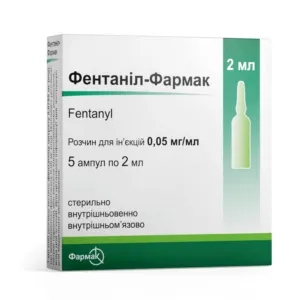
Table of Contents
INSTRUCTIONS FOR MEDICAL USE OF THE MEDICINAL PRODUCT FENTANYL-FARMAK (FENTANYL-FARMAK)
Composition:
Active substance: fentanyl;
1 ml of solution contains fentanyl citrate 0.0785 mg, equivalent to fentanyl 0.05 mg;
Excipients: sodium hydroxide or hydrochloric acid diluted, water for injections.
Pharmaceutical form. Injection solution.
Main physicochemical properties: clear, colorless liquid.
Pharmacotherapeutic group. General anesthetics. Opioid anesthetics.
ATC code N01AH01.
Pharmacological Properties.
Pharmacodynamics.
Fentanyl citrate is an opioid agonist whose primary therapeutic actions are analgesia and sedation.
Effects on the Central Nervous System
Fentanyl causes respiratory depression by directly affecting the brainstem respiratory centers. Respiratory depression includes reduced responsiveness of the brainstem respiratory centers to both increased partial pressure of carbon dioxide and electrical stimulation.
Fentanyl causes pupillary constriction even in complete darkness. Pinpoint pupils are a sign of opioid overdose, but are not pathognomonic (e.g., pontine lesions of hemorrhagic or ischemic origin may also lead to similar findings). Marked dilation, rather than constriction, of the pupils may occur during hypoxia resulting from overdose.
Effects on the Gastrointestinal Tract and Other Smooth Muscles
Fentanyl reduces gastrointestinal motility due to increased tone of the smooth musculature in the antrum of the stomach and duodenum. Digestion in the small intestine is delayed, and propulsive contractions are reduced. Propulsive peristaltic waves in the large intestine are diminished, while muscle tone may increase to the point of spasm, leading to constipation. Other opioid-induced effects may include reduced secretion of bile and pancreatic juice, spasm of the sphincter of Oddi, and transient elevation of serum amylase levels.
Effects on the Cardiovascular System
Fentanyl causes peripheral vasodilation, which may lead to orthostatic hypotension or syncope.
Signs of histamine release and/or peripheral vasodilation may include itching, flushing, conjunctival hyperemia, sweating, and/or orthostatic hypotension.
Effects on the Endocrine System
Opioids suppress the secretion of adrenocorticotropic hormone (ACTH), cortisol, and luteinizing hormone (LH) in humans. They also stimulate the secretion of prolactin, growth hormone (GH), and insulin and glucagon from the pancreas.
Chronic opioid use may affect the hypothalamic-pituitary-gonadal axis, leading to androgen deficiency, which may manifest as low libido, impotence, erectile dysfunction, amenorrhea, or infertility. The causal role of opioids in the clinical syndrome of hypogonadism is unknown, as various medical, physical, lifestyle, and psychological stress factors that may influence sex hormone levels have not been adequately evaluated in studies conducted to date (see section "Adverse Reactions").
Effects on the Immune System
Opioids have shown diverse effects on components of the immune system in vitro and in animal studies. The clinical significance of these findings is unknown. Overall, the effect of opioids appears to be moderately immunosuppressive.
Concentration–Effect Relationship
A dose of 100 mcg (0.1 mg) (2 mL) of fentanyl citrate injection solution is approximately equivalent in analgesic effect to 10 mg of morphine or 75 mg of meperidine.
The minimum effective analgesic concentration will vary significantly among patients, especially those previously treated with a potent opioid receptor agonist. The minimum effective analgesic concentration of fentanyl for each individual patient may increase over time due to increasing pain, development of a new pain syndrome, and/or development of analgesic tolerance (see "Dosage and Administration").
Onset of action after intravenous administration of fentanyl is almost immediate; however, the maximum analgesic effect may not occur for several minutes. The standard duration of analgesic effect is 30 to 60 minutes following a single intravenous dose of up to 100 mcg (0.1 mg) (2 mL). After intramuscular administration, onset occurs within 7–8 minutes, and duration of action is 1–2 hours.
Concentration–Adverse Reaction Relationship
There is a relationship between increasing plasma fentanyl concentrations and increased frequency of dose-dependent opioid-related adverse reactions such as nausea, vomiting, central nervous system (CNS) effects, and respiratory depression. In patients with opioid tolerance, this situation may change due to the development of tolerance to opioid-related adverse reactions (see "Dosage and Administration").
After intravenous administration, fentanyl acts almost immediately; however, the peak respiratory depressant effect may not occur for several minutes. As with longer-acting opioid analgesics, the duration of respiratory depression caused by fentanyl may exceed the duration of analgesia. Observations regarding changes in respiratory response to CO2 stimulation after fentanyl citrate administration include:
- Reduced sensitivity to CO2 stimulation may persist longer than respiratory rate depression (altered CO2 stimulation sensitivity has been demonstrated for up to 4 hours after a single 600 mcg (0.6 mg) (12 mL) dose of fentanyl citrate in healthy volunteers). Fentanyl frequently slows respiratory rate; the extent and duration of respiratory depression are dose-dependent.
- Peak respiratory depression following a single intravenous dose of fentanyl citrate occurs 5–15 minutes after administration (see "Special Precautions").
Pharmacokinetics.
Fentanyl citrate injection solution is administered intravenously or intramuscularly.
Distribution
Fentanyl's ability to bind plasma proteins decreases with increasing ionization of the drug. Changes in pH may affect its distribution in blood plasma and the CNS. It accumulates in skeletal muscles and adipose tissue and is slowly released into the bloodstream. The volume of distribution of fentanyl is 4 L/kg. The distribution half-life is 1.7 minutes, and the redistribution half-life is 13 minutes.
Elimination
The terminal elimination half-life is 219 minutes.
Fentanyl is primarily metabolized in the liver and has high first-pass clearance. Approximately 75% of an intravenous dose is excreted in urine, mainly as metabolites, with less than 10% excreted unchanged. Approximately 9% of the dose is excreted in feces, primarily as metabolites.
Clinical characteristics.
Indications.
Fentanyl-Pharmak injection solution is indicated:
- as a short-acting analgesic during anesthesia periods: premedication, induction and maintenance of anesthesia, as well as in the early postoperative period (in the post-anesthesia care unit) when needed;
- as a narcotic analgesic during general or regional anesthesia;
- in combination with neuroleptics for premedication, induction of anesthesia, and as an adjunct during maintenance of general or regional anesthesia;
- as an analgesic with oxygen for selected patients with high-risk factors, e.g., during open-heart surgery, or certain complex neurological or orthopedic surgical procedures.
Contraindications.
Hypersensitivity to fentanyl (e.g., anaphylaxis) [see section "Adverse reactions"].
Interaction with other medicinal products and other forms of interaction.
Clinically significant drug interactions with fentanyl
Inhibitors of CYP3A4 [macrolide antibiotics (e.g., erythromycin), azole antifungals (e.g., ketoconazole), protease inhibitors (e.g., ritonavir), grapefruit juice]
Concomitant use of fentanyl citrate injection solution and CYP3A4 inhibitors may increase plasma fentanyl concentrations, leading to enhanced or prolonged opioid effects, especially if the inhibitor is administered after achieving a stable dose of fentanyl citrate injection (see section "Special precautions").
After discontinuation of the CYP3A4 inhibitor, as its effect diminishes, plasma fentanyl concentration will decrease (see section "Pharmacological properties"), resulting in reduced opioid effect or opioid withdrawal syndrome in patients who have developed physical dependence on fentanyl.
If concomitant use of a CYP3A4 inhibitor is necessary, the dose of fentanyl citrate injection should be reduced to the minimum required to achieve a stable effect. Patients should be monitored closely at frequent intervals for respiratory depression and sedation.
Upon discontinuation of the CYP3A4 inhibitor, the dose of fentanyl citrate should be increased to achieve a stable effect. Patients should be monitored for signs of opioid withdrawal syndrome.
Inducers of CYP3A4 (e.g., rifampicin, carbamazepine, phenytoin)
Concomitant use of fentanyl citrate injection and CYP3A4 inducers may reduce plasma fentanyl concentrations (see section "Pharmacological properties"), leading to reduced efficacy or development of opioid withdrawal syndrome in patients with physical dependence on fentanyl (see section "Special precautions").
After discontinuation of the CYP3A4 inducer, as its effect wanes, plasma fentanyl concentration increases (see section "Pharmacological properties"), potentially enhancing or prolonging both therapeutic effects and adverse reactions, and possibly causing serious respiratory depression.
If concomitant use of a CYP3A4 inducer is required, the dose of fentanyl citrate injection should be increased until a stable clinical effect is achieved. Patients should be monitored for signs of opioid withdrawal syndrome. Upon discontinuation of the CYP3A4 inducer, the dose of fentanyl citrate injection should be reduced, and patients should be monitored for signs of respiratory depression.
Benzodiazepines or other CNS depressants (e.g., benzodiazepines or other sedative/hypnotic agents, anxiolytics, tranquilizers, muscle relaxants, general anesthetics, gabapentinoids (gabapentin and pregabalin), neuroleptics, other opioids, alcohol)
Concomitant use of fentanyl citrate injection with CNS depressants may lead to decreased pulmonary artery pressure and cause hypotension. Even small doses of diazepam may cause cardiovascular depression when added to high or anesthetic doses of fentanyl citrate injection. Concomitant use of CNS depressants with fentanyl citrate injection as a postoperative analgesic increases the risk of hypotension, respiratory depression, profound sedation, coma, and death.
When using fentanyl as a postoperative analgesic, treatment should begin with a lower dose of fentanyl citrate injection, and patients should be monitored for signs of respiratory depression, sedation, and hypotension. Intravenous fluids or other measures to manage hypotension should be readily available (see section "Special precautions").
Serotonergic agents [e.g., selective serotonin reuptake inhibitors (SSRIs), serotonin-norepinephrine reuptake inhibitors (SNRIs), tricyclic antidepressants (TCAs), triptans, 5-HT3 receptor antagonists, drugs affecting the serotonergic neurotransmitter system (e.g., mirtazapine, trazodone, tramadol), certain muscle relaxants (e.g., cyclobenzaprine, metaxalone), monoamine oxidase inhibitors (used for psychiatric disorders, as well as others, e.g., linezolid and intravenous methylene blue)]
Concomitant use of opioids with other drugs affecting the serotonergic neurotransmitter system may lead to serotonin syndrome (see section "Special precautions").
If concomitant use of serotonergic agents is necessary and justified, careful monitoring of the patient is required, particularly during initiation of treatment and dose adjustments. If serotonin syndrome is suspected, fentanyl citrate injection should be discontinued.
Monoamine oxidase inhibitors (MAOIs) [e.g., phenelzine, tranylcypromine, linezolid]
Interaction between MAO inhibitors and opioids may manifest as serotonin syndrome or opioid toxicity (e.g., respiratory depression, coma) [see section "Special precautions"].
Use of fentanyl citrate injection is not recommended when the patient is taking MAOIs or within 14 days after discontinuation of such therapy.
Mixed agonists/antagonists and partial opioid receptor agonists [e.g., butorphanol, nalbuphine, pentazocine, buprenorphine]
These drugs may reduce the analgesic effect of fentanyl citrate injection and/or precipitate symptoms of withdrawal. Concomitant use should be avoided.
Muscle relaxants
Fentanyl may enhance the neuromuscular blocking effect of skeletal muscle relaxants and increase respiratory depression.
Patients should be monitored for signs of respiratory depression, which may be more pronounced than expected. Doses of fentanyl citrate injection and/or the muscle relaxant may need to be reduced.
Diuretics
Opioids may reduce the efficacy of diuretics by inducing release of antidiuretic hormone.
Patients should be monitored for signs of reduced diuresis and/or effects on blood pressure, and the diuretic dose may need to be increased if necessary.
Anticholinergic drugs
Concomitant use of anticholinergic drugs increases the risk of urinary retention and/or severe constipation, which may lead to paralytic ileus.
When fentanyl citrate injection is used concomitantly with anticholinergic drugs, patients should be monitored for signs of urinary retention or reduced gastrointestinal motility.
Neuroleptics
Cases of increased arterial blood pressure have been reported after administration of fentanyl in combination with neuroleptics, both in patients with pre-existing hypertension and in normotensive individuals (see section "Special precautions").
ECG monitoring is recommended when a neuroleptic agent is used together with fentanyl citrate injection as an anesthetic premedication, for induction of anesthesia, or as an adjunct during maintenance of general or regional anesthesia.
Nitrous oxide
Nitrous oxide has been reported to cause cardiovascular depression when administered with higher doses of fentanyl citrate injection.
Patients should be monitored for signs of cardiovascular depression, which may be more pronounced than expected.
Special precautions for use.
Abuse
The injection solution contains fentanyl, a substance with a high risk of abuse, similar to other opioids including hydrocodone, hydromorphone, methadone, morphine, oxycodone, oxymorphone, and tapentadol. The medicinal product may be subject to abuse, misuse, dependence, and criminal diversion.
Substance dependence is a cluster of behavioural, cognitive, and physiological phenomena developing after repeated use of psychoactive substances and includes: a strong desire to take the drug, difficulties in controlling its use, persistent drug use despite harmful consequences, prioritizing drug use over other activities and obligations, increased tolerance, and sometimes physical withdrawal.
Fentanyl citrate, like other opioids, may be diverted into illegal channels for non-medical use. It is strongly recommended to carefully record information on prescription of the drug, including quantity, frequency of use, and requests for treatment extension, as required by legislation.
Tolerance and opioid use disorders (abuse and dependence)
Tolerance, physical and psychological dependence may develop with repeated administration of opioids.
Repeated use of opioids may lead to opioid use disorders (OUD). Abuse or intentional misuse of the medicinal product may result in overdose and/or death. The risk of developing OUD is increased in patients with pre-existing substance use disorders (including alcohol use disorder) in personal or family history, as well as in tobacco users or patients with personal history of other mental health disorders (e.g., depression, anxiety, and personality disorders).
Parenteral drug abuse is commonly associated with transmission of infectious diseases such as hepatitis and HIV.
Dependence
During prolonged opioid therapy, both tolerance and physical dependence may develop. Tolerance is the need to increase opioid doses to maintain a certain effect, e.g., analgesia (in the absence of disease progression or other external factors). Tolerance may develop to both desired and undesirable effects of the drug and may progress at different rates for different effects.
Physical dependence leads to withdrawal symptoms following abrupt discontinuation of the drug or significant dose reduction. Withdrawal may also be precipitated by administration of opioid antagonists (e.g., naloxone, nalorphine), mixed opioid agonists/antagonists (e.g., pentazocine, butorphanol, nalbuphine), or partial opioid agonists (e.g., buprenorphine). Physical dependence may become clinically significant only after several days or weeks of continuous opioid use.
Severe, life-threatening respiratory depression
Serious, life-threatening, or fatal respiratory depression has been reported with opioid use, even when administered according to recommendations. Respiratory depression, if not promptly recognized and treated, may lead to respiratory arrest and death. Appropriate facilities must be available for postoperative monitoring and ventilation support in patients who have received anesthetic doses of fentanyl citrate injection solution. It is essential that such facilities are fully equipped to manage any degree of respiratory depression. Management of respiratory depression may include careful monitoring, supportive measures, and use of opioid antagonists, depending on the patient's clinical condition (see section "Overdose"). Retention of carbon dioxide (CO2) due to opioid-induced respiratory depression may exacerbate the sedative effect of opioids.
To reduce the risk of respiratory depression, appropriate dosing and titration of the medicinal product are essential. As with other potent opioids, the respiratory depressant effect of fentanyl citrate may persist longer than its analgesic effect. Before prescribing opioid analgesics during emergence from anesthesia, the physician should consider the total dose of all opioid agonists administered.
Certain types of conduction anesthesia, such as spinal anesthesia and use of certain epidural anesthetics, may impair respiration by blocking intercostal nerves via other mechanisms (see section "Pharmacological properties"). Fentanyl citrate may also cause respiratory disturbances. Therefore, when fentanyl citrate injection solution is used to supplement these forms of anesthesia, the anesthesiologist must understand the nature of the corresponding physiological changes and be prepared to manage them in patients receiving these anesthetic techniques.
Patients with significant chronic obstructive pulmonary disease or cor pulmonale, as well as patients with substantially reduced respiratory reserve, hypoxia, hypercapnia, or pre-existing respiratory insufficiency, are at increased risk of respiratory center depression, including apnea, even when using recommended doses of fentanyl citrate injection solution. In elderly, debilitated, or cachectic patients, altered pharmacokinetics or clearance of the drug compared to younger, healthier patients may increase the risk of respiratory depression.
Such patients require careful monitoring, particularly of vital signs, especially during initial titration of fentanyl citrate solution and when fentanyl citrate is used concomitantly with other respiratory depressants. To reduce the risk of respiratory depression, appropriate dosing and titration of fentanyl citrate injection solution are necessary (see section "Method of administration and dosage").
Opioids may cause sleep-related breathing disorders, including central sleep apnea (CSA) and sleep-related hypoxemia. Opioid use increases the risk of CSA in a dose-dependent manner. If CSA is observed in a patient, consideration should be given to reducing the opioid dose, following practical guidelines for opioid dose reduction (see section "Method of administration and dosage").
Risks associated with concomitant use or discontinuation of cytochrome P450 3A4 inhibitors and inducers
CYP3A4 inhibitors such as macrolide antibiotics (e.g., erythromycin), azole antifungals (e.g., ketoconazole), and protease inhibitors (e.g., ritonavir) may increase plasma fentanyl concentrations and prolong opioid adverse reactions, potentially intensifying respiratory depression, especially if the inhibitor is added after a stable dose of fentanyl citrate. Similarly, discontinuation of CYP3A4 inducers such as rifampicin, carbamazepine, and phenytoin in patients receiving fentanyl citrate injection solution may increase plasma fentanyl concentrations and prolong opioid adverse reactions. When fentanyl citrate is used with CYP3A4 inhibitors or after discontinuation of CYP3A4 inducers in patients receiving fentanyl citrate, patients should be closely monitored and consideration should be given to reducing the dose of fentanyl citrate injection (see sections "Method of administration and dosage" and "Interaction with other medicinal products and other forms of interaction").
When fentanyl citrate injection solution is used concomitantly with CYP3A4 inducers or after discontinuation of a CYP3A4 inhibitor, fentanyl plasma concentrations may be lower than expected, potentially leading to reduced efficacy. Therefore, patients should be closely monitored and consideration should be given to increasing the dose of fentanyl citrate (see sections "Method of administration and dosage" and "Interaction with other medicinal products and other forms of interaction").
Risks associated with concomitant use of benzodiazepines or other CNS depressants
When benzodiazepines or other CNS depressants are used concomitantly with fentanyl citrate injection solution, a decrease in pulmonary artery pressure may occur. This should be considered by those performing diagnostic or surgical procedures where pulmonary artery pressure measurements may influence final decisions on patient management. When high or analgesic doses of fentanyl citrate are used, even relatively small doses of diazepam may cause cardiovascular depression.
Use of fentanyl citrate with CNS depressants may lead to hypotension. If hypotension occurs, hypovolemia should be assessed and appropriate parenteral fluid therapy initiated. If the surgical procedure allows, the patient's position should be changed to improve venous return to the heart. Caution is required when moving or changing the patient's position due to the potential for orthostatic hypotension. If fluid volume expansion and other countermeasures do not resolve hypotension, vasopressor agents other than epinephrine should be considered. Epinephrine may paradoxically lower blood pressure in patients receiving neuroleptics that block alpha-adrenergic activity.
Concomitant use of fentanyl citrate with benzodiazepines or other CNS depressants (e.g., non-benzodiazepine sedatives/hypnotics, anxiolytics, tranquilizers, muscle relaxants, general anesthetics, neuroleptics, other opioids, alcohol) may result in profound sedation, respiratory depression, coma, and death.
If a decision is made to manage postoperative pain with fentanyl citrate injection solution concomitantly with a benzodiazepine or another CNS depressant, treatment should begin with the lowest effective dose, titrated according to clinical response. Patients should be closely monitored for signs and symptoms of respiratory depression, sedation, and hypotension. Availability of fluids or other means to manage hypotension should be ensured (see section "Interaction with other medicinal products and other forms of interaction").
Risks of muscle rigidity and involuntary skeletal muscle movement
Fentanyl citrate may cause muscle rigidity, including of respiratory muscles. The frequency and severity of muscle rigidity depend on the dose. These effects are dose- and rate-of-administration-dependent. Skeletal muscle rigidity has also been reported to occur or recur infrequently in the late postoperative period, usually after high-dose administration. Additionally, movements of skeletal muscles in various limb, neck, and outer eye groups have been reported during induction of anesthesia with fentanyl citrate injection solution; in rare cases, these movements were strong enough to create difficulties in patient management.
These effects are dose- and rate-of-administration-dependent, and their frequency may be reduced by: 1) administration of up to 1/4 of the full threshold dose of a non-depolarizing muscle relaxant immediately before fentanyl citrate injection; 2) administration of the full threshold dose of a muscle relaxant after loss of eyelid closure reflex when fentanyl citrate injection is used in anesthetic doses titrated by slow intravenous infusion; 3) simultaneous administration of fentanyl citrate injection and the full threshold dose of a muscle relaxant when fentanyl citrate injection is used by rapid administration in anesthetic doses. The muscle relaxant used should be compatible with the patient's cardiovascular status.
Severe cardiovascular depression
Fentanyl citrate may cause severe bradycardia, severe hypotension, including orthostatic hypotension, and syncope. The risk is increased in patients whose ability to maintain blood pressure is already compromised due to reduced blood volume or concomitant use of certain CNS depressants (e.g., phenothiazines or general anesthetics) [see section "Interaction with other medicinal products and other forms of interaction"]. In patients with circulatory shock, fentanyl citrate injection may cause vasodilation, leading to further reduction in cardiac output and arterial pressure. Patients should be monitored for signs of hypotension after administration or dose titration of fentanyl citrate.
Serotonin syndrome with concomitant use of serotonergic drugs
Cases of serotonin syndrome, a potentially life-threatening condition, have been reported with concomitant use of fentanyl and serotonergic drugs. Serotonergic drugs include SSRIs, SNRIs, TCAs, triptans, 5-HT3 receptor antagonists, drugs affecting the serotonergic neurotransmitter system (e.g., mirtazapine, trazodone, tramadol), certain muscle relaxants (e.g., cyclobenzaprine, methocarbamol), and drugs affecting serotonin metabolism (including MAO inhibitors, whether prescribed for psychiatric disorders or others, e.g., linezolid and intravenous methylene blue) [see section "Interaction with other medicinal products and other forms of interaction"]. Such cases may occur even when drugs are used within the recommended dose range.
Serotonin syndrome may include mental status changes (e.g., agitation, hallucinations, coma), autonomic instability (e.g., tachycardia, labile blood pressure, hyperthermia), neuromuscular abnormalities (e.g., hyperreflexia, incoordination, rigidity), and/or gastrointestinal symptoms (e.g., nausea, vomiting, diarrhea). Symptoms usually appear within several hours or days after concomitant use but may appear later. In suspected serotonin syndrome, rapid discontinuation of fentanyl may be necessary.
Adrenal insufficiency
Cases of adrenal insufficiency have been reported with opioid use, most often after more than one month of treatment. Adrenal insufficiency may present with nonspecific symptoms and signs, including nausea, vomiting, anorexia, weakness, fatigue, dizziness, and hypotension. In suspected adrenal insufficiency, prompt diagnostic evaluation is required. If adrenal insufficiency is diagnosed, replacement therapy with physiological doses of corticosteroids is necessary. Opioid use should be discontinued to restore adrenal function, and corticosteroid therapy should be continued until adrenal function recovers. Alternative opioids may be considered, as there have been reports of using another opioid without recurrence of adrenal insufficiency. Available data do not allow identification of specific opioids more likely to be associated with adrenal insufficiency.
Use in patients with increased intracranial pressure, brain tumors, or head trauma
In patients who may be sensitive to the intracranial effects of CO2 retention (e.g., patients with signs of increased intracranial pressure or brain tumors), fentanyl citrate injection solution may depress respiratory center activity, and CO2 retention resulting from this may further increase intracranial pressure. Such patients should be monitored for increased intracranial pressure.
Use in patients with gastrointestinal disorders
Fentanyl may cause spasm of the sphincter of Oddi. Opioids may increase serum amylase levels. Patients with biliary tract disorders, including acute pancreatitis, should be monitored for worsening of symptoms.
Increased risk of seizures in patients with seizure disorders
Fentanyl may increase seizure frequency in patients with seizure disorders and may increase the risk of seizures in other clinical situations associated with seizures. Patients with a history of seizure disorders should be monitored for worsening seizure control during fentanyl citrate therapy.
Risks associated with interaction with neuroleptic drugs
Many neuroleptic drugs are associated with QT interval prolongation, torsades de pointes, and cardiac arrest. Neuroleptic drugs should be prescribed with particular caution in the presence of risk factors for QT prolongation and torsades de pointes, such as clinically significant bradycardia (less than 50 beats per minute); any clinically significant heart disease, including baseline prolonged QT interval; treatment with class I and III antiarrhythmics; treatment with MAO inhibitors; concomitant use of other drugs that prolong the QT interval; electrolyte imbalances, particularly hypokalemia and hypomagnesemia, or concomitant use of drugs (e.g., diuretics) that may cause electrolyte imbalance.
After administration of fentanyl citrate injection solution in combination with a neuroleptic, increased blood pressure has been reported, both in patients with pre-existing hypertension and without. This may be related to unexplained changes in sympathetic activity after high-dose administration; however, it may also often be explained by anesthetic and surgical stimulation during light anesthesia.
ECG monitoring is recommended when a neuroleptic drug is used together with fentanyl citrate injection solution as an anesthetic premedication, for induction of anesthesia, or as an adjunct in maintaining general or regional anesthesia. If fentanyl citrate is used with a neuroleptic and ECG is used for postoperative monitoring, the ECG pattern may return slowly to normal.
Hepatic impairment
Fentanyl citrate injection solution should be used with caution in patients with hepatic dysfunction due to extensive metabolism. Dose reduction may be necessary, and patients should be monitored for signs of respiratory depression, sedation, and hypotension.
Renal impairment
Fentanyl citrate injection solution should be used with caution in patients with renal dysfunction due to renal excretion of fentanyl citrate and its metabolites. Dose reduction may be necessary, and patients should be monitored for signs of respiratory depression, sedation, and hypotension.
Elderly patients
Elderly patients (aged 65 years and older) may have increased sensitivity to fentanyl. Caution should be exercised in dose selection for elderly patients, usually starting at the lower end of the dosing range, due to more frequent occurrence of decreased hepatic, renal, or cardiac function and concomitant diseases or other medications.
Respiratory depression is the primary risk for elderly patients receiving opioids, occurring after administration of large initial doses to opioid-naïve patients or concomitant use of opioids with other respiratory depressants. For treatment of elderly patients, fentanyl citrate dose should be titrated slowly, and patients should be closely monitored for signs of central nervous system and respiratory depression.
Fentanyl is substantially excreted by the kidneys, and the risk of adverse reactions is higher in patients with impaired renal function. Since renal function decline is more common in elderly patients, dose selection should be cautious, and monitoring of renal function is advisable.
Fentanil-Farmak contains less than 1 mmol (23 mg) of sodium per dose, i.e., essentially sodium-free.
Use during pregnancy or breastfeeding.
Pregnancy
Available data on the use of fentanyl citrate injection solution in pregnant women are insufficient to determine a drug-related risk of major congenital malformations and miscarriage.
In reproductive toxicity studies in animals, administration of fentanyl to pregnant rats during organogenesis caused embryocidal effects at doses within the range of recommended human doses. In completed animal studies to date, no signs of developmental abnormalities have been observed.
Fetal/neonatal adverse effects
Prolonged use of opioid analgesics during pregnancy for medical or non-medical purposes may lead to physical dependence and neonatal opioid withdrawal syndrome in newborns.
Neonatal opioid withdrawal syndrome manifests as irritability, hyperactivity, and abnormal sleep patterns, high-pitched crying, tremor, vomiting, diarrhea, and failure to gain weight. The onset, duration, and severity of neonatal opioid withdrawal syndrome depend on the specific opioid used, duration of use, timing and amount of the last maternal dose, and the rate of drug elimination in the newborn. Newborns should be monitored for symptoms of neonatal opioid withdrawal syndrome and appropriate treatment initiated.
Labour or delivery
Opioids cross the placenta and may cause respiratory depression and psychophysiological effects in newborns. An opioid antagonist such as naloxone should be available to reverse opioid-induced respiratory depression in the newborn. Fentanyl citrate injection solution is not recommended for use in pregnant women during or immediately before delivery when other analgesic methods are more appropriate. Opioid analgesics, including fentanyl citrate, may prolong labour by temporarily reducing the strength, duration, and frequency of uterine contractions. However, this effect is not consistent and may be offset by increased cervical dilation rate, which usually shortens labour duration. Newborns exposed to opioid analgesics during labour should be monitored for signs of excessive sedation and respiratory depression.
Animal study data
Fentanyl caused fetal death in pregnant rats at an intravenous dose of 30 mcg/kg (0.05 times the human dose of 100 mcg/kg based on mg/m2 [body surface area]) and 160 mcg/kg subcutaneously (0.26 times the human dose of 100 mcg/kg based on mg/m2). No teratogenicity data were reported.
In a published study where pregnant rats received fentanyl continuously via implanted subcutaneous osmotic minipumps at doses of 10, 100, or 500 mcg/kg/day, starting 2 weeks before mating and throughout pregnancy, no signs of developmental abnormalities or adverse effects on the fetus were observed. The highest dose corresponded to 0.81 times the human dose of 100 mcg/kg based on mg/m2.
Breastfeeding
Fentanyl is present in breast milk. In one published lactation study, the relative infant dose of fentanyl was reported as 0.38%. However, there is insufficient information to determine the effect of fentanyl on the breastfed infant and the effect of fentanyl on milk production.
The benefits of breastfeeding for infant development and health, the mother's clinical need for fentanyl citrate injection solution, and potential adverse effects on the infant should be considered.
Infants exposed to fentanyl through breast milk should be monitored for excessive sedation and respiratory depression. Withdrawal symptoms may occur in breastfed infants when the mother discontinues opioid analgesic use or when breastfeeding is discontinued.
Fertility
Chronic use of opioids may cause decreased fertility in both women and men. It is unknown whether these effects are reversible.
Ability to affect reaction speed when driving or operating machinery.
Fentanyl citrate injection solution may impair mental or physical abilities required for potentially hazardous activities such as driving a car or operating machinery. After administration of fentanyl citrate injection solution, patients should not drive or operate dangerous machinery.
Dosage and Administration
Fentanyl-Pharmak should be administered only by individuals who have received specialized training in the use of intravenous analgesics and management of respiratory effects of potent opioids.
- An opioid antagonist, resuscitation and intubation equipment, and oxygen must be readily available.
- Dosage should be individually adjusted, taking into account factors such as patient's age, body weight, physical condition, underlying pathological condition, concomitant medications, type of anesthesia, and surgical procedure.
- Continuous monitoring of vital signs is required.
As with other potent opioids, the respiratory depressant effect of fentanyl may persist longer than the analgesic effect achieved. Before administering opioid analgesics during emergence from anesthesia, the physician must consider the total cumulative dose of all opioid agonists administered.
When Fentanyl-Pharmak is administered concomitantly with a CNS depressant, the properties of each drug, particularly their durations of action, should be considered. In addition, when using such combinations, intravenous fluids and other agents for management of hypotension must be readily available (see section "Special Precautions").
Before parenteral administration, parenteral products should be visually inspected for particulate matter and discoloration, whenever solution and container permit.
Dosage
50 mcg = 0.05 mg = 1 mL
Adult Premedication
50–100 mcg (0.05–0.1 mg) (1–2 mL) may be administered intramuscularly 30–60 minutes prior to surgery.
As an adjunct to general anesthesia
| GENERAL DOSING (as fentanyl base) |
||
| Low dose — 2 mcg/kg (0.002 mg/kg) (0.04 mL/kg) For use in minor but painful surgical procedures. May also provide mild postoperative analgesia. |
Medium dose — 2–20 mcg/kg For use in more extensive surgical procedures, providing appropriate analgesia. May partially suppress the stress response. During anesthesia, respiratory depression requiring mechanical ventilation may occur; postoperatively, careful respiratory monitoring is required. |
High dose — 20–50 mcg/kg (0.02–0.05 mg/kg) (0.4–1 mL/kg). Used in open-heart surgery and certain complex neurosurgical and orthopedic procedures where surgery is prolonged and the stress response may adversely affect patient well-being. It has been established that, in combination with nitrous oxide/oxygen, it reduces the stress response, as evidenced by reduced circulation of growth hormone, catecholamines, vasopressin, and prolactin. Postoperative mechanical ventilation and monitoring may be required due to prolonged postoperative respiratory depression. |
| DOSE FOR ANESTHESIA MAINTENANCE |
||
| Low dose — 2 mcg/kg (0.002 mg/kg) (0.04 mL/kg) Additional doses are rarely required during such minor procedures. |
Medium dose — 2–20 mcg/kg (0.002–0.02 mg/kg) (0.04–0.4 mL/kg)
(0.025–0.1 mg) (0.5–2.0 mL) Administer intravenously or intramuscularly as needed when hemodynamic changes or vital sign alterations indicate surgical stress or diminished analgesia. |
High dose — 20–50 mcg/kg (0.02–0.05 mg/kg) (0.4–1.0 mL/kg) From 25 mcg (0.025 mg) (0.5 mL) up to half the initial loading dose, as needed, based on changes in vital signs indicating stress or reduced analgesic effect. Dosing should be individualized, especially when the expected residual duration of action is short. |
As an adjunct to regional anesthesia
50–100 mcg (0.05–0.1 mg) (1–2 mL) of the medicinal product may be administered intramuscularly or slowly intravenously over 1–2 minutes when additional analgesia is required.
Postoperative recovery period (in the post-anesthesia care unit)
50–100 mcg (0.05–0.1 mg) (1–2 mL) may be administered intramuscularly to reduce pain intensity, eliminate tachypnea, and prevent the onset of delirium. If necessary, the dose may be repeated after 1–2 hours.
Use for induction and maintenance of anesthesia in children aged 2 to 12 years
The dose should be reduced to 2–3 mcg/kg.
As a general anesthetic agent
Doses of 50 to 100 mcg/kg (0.05–0.1 mg/kg) (1–2 mL/kg) may be administered together with oxygen and a muscle relaxant as an agent to attenuate the response to surgical stress without the use of additional anesthetic agents. In some cases, a dose of up to 150 mcg/kg (0.15 mg/kg) (3 mL/kg) may be required to achieve an anesthetic effect. This is used during open-heart surgery and certain other major surgical procedures in patients for whom myocardial protection from excessive oxygen demand is particularly important, as well as during certain complex neurological and orthopedic surgical interventions.
Children.
The safety and efficacy of fentanyl citrate injection solution in children under 2 years of age have not been established.
There have been isolated reports of clinically significant methemoglobinemia of unclear etiology in premature neonates who underwent emergency anesthesia and surgical procedures involving the combined use of fentanyl, pancuronium, and atropine. A direct causal relationship between the combined use of these agents and the reported cases of methemoglobinemia has not been established.
Overdose.
Symptoms.
Acute overdose of fentanyl citrate injection may manifest as respiratory depression, drowsiness progressing to stupor or coma, skeletal muscle flaccidity, cold and clammy skin, constricted pupils, and in some cases, pulmonary edema, bradycardia, hypotension, partial or complete airway obstruction, atypical snoring, and death. In cases of hypoxia due to overdose, pupillary dilation rather than constriction may occur (see section "Pharmacological properties"). Toxic leukoencephalopathy has been observed in cases of fentanyl overdose.
Treatment.
In the event of overdose, priority must be given to restoring airway patency and ensuring airway safety, and providing assisted or controlled ventilation if necessary. Other supportive measures (including oxygen administration and vasopressor agents) should be employed as clinically indicated for the treatment of circulatory shock and pulmonary edema. In cases of cardiac arrest or arrhythmias, specialized resuscitation techniques must be applied.
Opioid antagonists, naloxone or nalmeFEN, are specific antidotes for respiratory depression caused by opioid overdose. An opioid antagonist should be administered in cases of clinically significant respiratory or circulatory depression induced by fentanyl overdose. Opioid antagonists should not be administered in the absence of clinically significant respiratory or circulatory depression caused by fentanyl overdose.
Since the duration of reversal effect of opioid antagonists is expected to be shorter than the duration of action of fentanyl, careful monitoring of the patient is required until reliable spontaneous respiration is restored. If the response to an opioid antagonist is suboptimal or transient, additional doses of the antagonist should be administered according to the instructions for use.
In an individual physically dependent on opioids, administration of the usual recommended dose of an antagonist may precipitate an acute withdrawal syndrome. The severity of withdrawal symptoms will depend on the degree of physical dependence and the dose of antagonist administered. If a decision is made to treat severe respiratory depression in a physically dependent patient, antagonist administration should be initiated cautiously, using smaller than usual doses titrated gradually.
Adverse Reactions
The following serious adverse reactions are described in detail in the section "Special Warnings and Precautions for Use":
- Dependence, abuse, and misuse
- Severe respiratory depression
- Interaction with benzodiazepines or other CNS depressants
- Severe cardiovascular depression
- Serotonin syndrome
- Gastrointestinal adverse reactions
- Seizures
The adverse reactions listed below have been associated with the use of fentanyl and have been observed in clinical trials or reported in post-marketing experience. However, due to the nature of these data, it is not always possible to reliably estimate their frequency or establish a causal relationship to the drug's effects.
As with other opioid agonists, the most common serious adverse reactions associated with fentanyl are respiratory depression, apnea, rigidity, and bradycardia; if not treated, respiratory arrest, circulatory disturbances, or cardiac arrest may occur. Other reported adverse reactions include hypertension, hypotension, dizziness, blurred vision, nausea, vomiting, dysphagia (uncommon), increased sweating, pruritus, urticaria, laryngospasm, and anaphylaxis.
Postoperatively, recurrent respiratory depression may occasionally occur.
When tranquilizers are used concomitantly with fentanyl citrate injection solution, adverse reactions such as chills and/or tremor, restlessness, and postoperative hallucinations (sometimes associated with transient periods of mental depression) may occur. Extrapyramidal symptoms (dystonia, akathisia, and oculogyric crisis) have been observed within 24 hours after surgery. If extrapyramidal symptoms occur, they are usually controllable with anti-Parkinson agents. Postoperative drowsiness is also frequently observed following administration of neuroleptics with fentanyl citrate.
Cases of cardiac arrhythmia, cardiac arrest, and death have been reported following the use of fentanyl citrate with neuroleptics.
Serotonin syndrome: Cases of serotonin syndrome, a potentially life-threatening condition, have been reported during concomitant use of fentanyl with serotonergic drugs.
Adrenal insufficiency: Cases of adrenal insufficiency have been reported with opioid use, most often after more than one month of therapy.
Anaphylaxis: Cases of anaphylaxis have been reported with components of the medicinal product.
Androgen deficiency: Cases of androgen deficiency have been observed with prolonged use of opioids (see section "Pharmacological Properties").
Reporting of suspected adverse reactions
Reporting suspected adverse reactions after a medicinal product is authorized is important. It allows continued monitoring of the benefit-risk balance of the medicinal product. Healthcare professionals, as well as patients or their legal representatives, are encouraged to report any suspected adverse reactions and lack of efficacy through the automated pharmacovigilance information system at: https://aisf.dec.gov.ua.
Shelf life. 2 years.
Do not use after the expiry date stated on the packaging.
Storage conditions. Store in the original packaging to protect from light at a temperature not exceeding 25 °C. Keep ampoules in the outer carton. Store out of reach of children.
Packaging. 2 mL in an ampoule; 5 ampoules in a blister; 1 or 2 blisters per carton.
Prescription status. Prescription only.
Manufacturer. JSC "Farmak".
Manufacturer's address and place of business.
74, Kyrylivska Street, Kyiv, 04080, Ukraine