Evrisdi
UkraineTable of Contents
INSTRUCTIONS FOR MEDICAL USE OF THE MEDICINAL PRODUCT Evrysdi® (Evrysdi®)
Composition:
Active substance: risdiplam;
1 vial contains 60 mg of risdiplam;
1 ml of reconstituted solution contains 0.75 mg of risdiplam;
Excipients: mannite (E 421); isomalt (E 953); strawberry flavor; tartaric acid; sodium benzoate (E 211); polyethylene glycol 6000; sucralose; ascorbic acid; disodium edetate dihydrate.
Pharmaceutical form. Powder for oral solution.
Main physicochemical properties: Powder or powder with lumps or powdery mass of light yellow or yellow, or greyish-yellow, or greenish-yellow, or light green color. Reconstituted solution from greenish-yellow to yellow in color.
Pharmacotherapeutic group. Agents affecting the musculoskeletal system. Other agents used in disorders of the musculoskeletal system.
ATC code M09A X10.
Pharmacological Properties
Pharmacodynamics
Mechanism of action
Risdiplam is a survival motor neuron 2 (SMN2) pre-messenger RNA (pre-mRNA) splicing modifier, designed for the treatment of spinal muscular atrophy (SMA) caused by mutations in chromosome 5q, which lead to SMN protein deficiency. Functional deficiency of the SMN protein is the pathophysiological mechanism of all types of SMA. Risdiplam corrects SMN2 splicing by shifting the balance from exclusion of exon 7 to inclusion of exon 7 in the mRNA transcript, resulting in increased production of functional and stable SMN protein. Thus, risdiplam treats SMA by increasing and maintaining functional levels of SMN protein.
Cardiac electrophysiology
The effect of risdiplam on the QTc interval was evaluated in a study conducted in 47 healthy adult volunteers. Within the therapeutic exposure range, risdiplam did not prolong the QTc interval.
Risdiplam is distributed uniformly throughout the body, including the central nervous system (CNS), by crossing the blood-brain barrier, thereby increasing SMN protein levels in the CNS and systemically. The concentration of risdiplam in blood plasma and SMN protein levels in blood reflect the distribution and pharmacodynamic effects of risdiplam in tissues such as the brain and muscles.
In the clinical studies FIREFISH, SUNFISH, and JEWELFISH, conducted in patients with infantile-onset spinal muscular atrophy (SMA) and patients with later-onset SMA, risdiplam led to consistent and sustained increases in blood SMN protein levels, with median increases exceeding twice the baseline level within 4 weeks after initiation of treatment. This increase in SMN protein levels was maintained throughout the treatment period of at least 24 months (see section "Clinical efficacy").
Clinical efficacy
The efficacy of Evrysdi® in treating patients with infantile-onset SMA (Type 1 SMA) and later-onset SMA (Types 2 and 3) was evaluated in two pivotal clinical studies, FIREFISH and SUNFISH, and supported by additional data from the JEWELFISH study. The efficacy of Evrysdi® in treating patients with presymptomatic SMA was assessed based on an interim analysis of secondary endpoints from the ongoing RAINBOWFISH study.
Patients with a clinical diagnosis of Type 4 SMA were not included in clinical trials.
Long-term efficacy has been demonstrated for at least 24 months of treatment. Data on the use of Evrysdi® beyond 2 years are limited.
Infantile-onset SMA
Study BP39056 (FIREFISH) – an open-label, two-part study evaluating the efficacy, safety, pharmacokinetics, and pharmacodynamics of Evrysdi® in patients with symptomatic Type 1 SMA (all patients had genetically confirmed disease with two copies of the SMN2 gene). Part 1 of the FIREFISH study was designed as a dose-finding study. Part 2, the confirmatory part of the FIREFISH study, evaluated the efficacy of Evrysdi® at therapeutic doses selected based on results from Part 1 (see section "Dosage and administration"). Patients from Part 1 did not participate in Part 2.
Overall, 62 patients with symptomatic Type 1 SMA were enrolled in Part 1 (n = 21) and Part 2 (n = 41) of the FIREFISH study, of whom 58 received the therapeutic dose of Evrysdi®. The mean age at symptom onset was 1.5 months (range: 0.9–3 months). The mean age at study enrollment was 5.6 months (range: 2.2–6.9 months), and the mean time between symptom onset and first dose was 3.7 months (range: 1–6 months). Sixty percent of patients were female, 57% were Caucasian, and 29% were Asian. At baseline, the median CHOP-INTEND score was 23 (range: 8–37), and the median HINE-2 score was 1 (range: 0–5). Baseline demographic and disease characteristics of patients enrolled in Part 1 were comparable to those in Part 2.
The primary endpoint of the study was the proportion of patients able to sit without support for at least 5 seconds, as defined by item 22 of the Bayley Scales of Infant and Toddler Development – Third Edition (BSID-III) for assessment of gross motor function, at 12 months of treatment with Evrysdi® in Part 2; this was achieved in 29% of patients (n = 12/41; 90% CI: 17.8%, 43.1%; p < 0.0001).
Key efficacy results in patients treated with Evrysdi® in the FIREFISH study (pooled data from Part 1 and Part 2) are presented in Table 1.
Table 1
Summary of key efficacy results at 12 and 24 months (FIREFISH, Part 1 and Part 2)
| Efficiency endpoints |
After 12 months |
After 24 months |
| Proportion of patients (90 % CI) |
||
| Milestones of motor development and motor function |
N = 58a |
|
| BSID-III: sitting without support for at least 5 seconds |
32.8 % |
60.3 % |
| CHOP-INTEND: score of 40 or higher |
56.9 % |
74.1 % |
| CHOP-INTEND score increase ≥ 4 points from baseline |
89.7 % |
87.9 % |
| HINE-2: patients meeting motor development criteriab |
77.6 % |
82.8 % |
| Survival and event-free survival |
N=62a |
|
| Event-free survivalc |
87.1 % |
|
| Survival |
91.9 % |
90.3 % |
| Feeding |
N = 58a |
|
| Ability to receive oral feedingd |
84.5 % |
82.8 % |
BSID-III — Bayley Scales of Infant and Toddler Development — Third Edition;
CHOP-INTEND — Children's Hospital of Philadelphia Infant Test of Neuromuscular Disorders;
HINE-2 — Module 2 of the Hammersmith Infant Neurological Examination.
a Survival and ventilator-free survival data were pooled for all patients who received any dose of risdiplam in Part 1 and Part 2 of the study (n = 62). For motor developmental milestones, motor function, and feeding efficacy endpoints, data were pooled for all patients who received the therapeutic dose of risdiplam (all patients in Part 2 of the study and patients in the high-dose cohort in Part 1; n = 58).
b Definition of response by HINE-2 criterion: response in this analysis was defined as an increase of ≥ 2 points (or the maximum possible score) in kicking ability OR an increase of ≥ 1 point in motor developmental milestones such as head control, rolling, sitting, crawling, standing, or walking, AND improvement in a greater number of motor development categories than worsening.
c The event corresponding to the permanent ventilation endpoint was defined as tracheostomy or ≥ 16 hours of non-invasive ventilation per day, or intubation for > 21 consecutive days in the absence of, or after resolution of, an acute reversible event. Four patients met the criteria for the permanent ventilation endpoint by 24 months. These four patients achieved an increase of at least 4 points on the CHOP-INTEND scale compared to baseline.
d Including patients who received exclusively oral feeding (41 patients at 12 and 24 months), and those patients who received oral feeding in combination with a feeding tube (8 patients at 12 months and 7 patients at 24 months).
At 24 months, 40% (23/58) of patients who received the therapeutic dose of Evrysdi® were able to sit without support for 30 seconds (BSID-III, item 26). Additionally, patients continued to achieve further motor developmental milestones assessed by HINE-2 at 24 months; 78% of patients were able to roll over (31% could roll to the side, 7% could roll from prone to supine, and 40% could roll from supine to prone), and 28% achieved sitting (16% bearing weight and 12% standing with support).
The proportion of living patients without the need for permanent ventilation (event-free survival) was 84% among all patients at 24 months. Six infants died (4 within the first 3 months after study enrollment), and one patient had treatment prematurely discontinued and died 3.5 months later. Four patients required permanent ventilation by 24 months.
Late-onset SMA
Study BP39055 (SUNFISH) – a multicenter, two-part study evaluating the efficacy, safety, pharmacokinetics, and pharmacodynamics of Evrysdi® in patients diagnosed with SMA Type 2 or 3, aged 2 to 25 years. Part 1 was an exploratory dose-finding phase, and Part 2 was a randomized, double-blind, placebo-controlled confirmatory phase. Patients from Part 1 of the study did not participate in Part 2.
The primary endpoint was change in motor function score (MFM32) at 12 months compared to baseline. MFM32 allows assessment of a broad range of motor functions across a wide spectrum of patients with SMA. The total MFM32 score is expressed as a percentage (range: 0 to 100) of the maximum possible score, with higher scores indicating greater motor function. MFM32 measures the ability to perform motor functions related to important daily activities. Small changes in motor function may lead to meaningful improvements or losses in daily function(s).
SUNFISH, Part 2
Part 2 of SUNFISH was a randomized, double-blind, placebo-controlled phase involving 180 non-ambulatory patients with SMA Type 2 (71%) or Type 3 (29%). Patients were randomized in a 2:1 ratio to receive either therapeutic dose Evrysdi® (see section "Dosage and administration") or placebo. Randomization was stratified by age (2 to 5 years, 6 to 11 years, 12 to 17 years, 18 to 25 years).
The mean age of patients at treatment initiation was 9 years (range 2–25 years), and the median time from symptom onset to first treatment was 102.6 (1–275) months. Among study participants, 51% of patients were female, 67% were of Caucasian race, and 19% were of Asian origin. At study initiation, 67% of patients had scoliosis (32% of whom had severe scoliosis). Patients had a mean baseline MFM32 score of 46.1 and a RULM score of 20.1. Overall, baseline demographic characteristics were well balanced between the Evrysdi® and placebo groups, except for a slight imbalance in the number of patients with scoliosis (63.3% in the Evrysdi® group versus 73.3% in the placebo group).
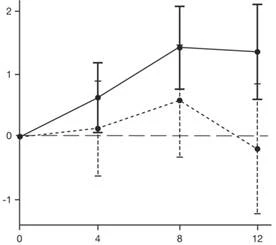
Results from the primary analysis of Part 2 of the SUNFISH study on change from baseline in total MFM32 score at 12 months demonstrated a clinically meaningful and statistically significant difference between patients treated with Evrysdi® and those receiving placebo. Results of the primary analysis and key secondary endpoints are presented in Table 2 and Figure 1.
Table 2
Summary of efficacy results in patients with late-onset SMA at 12 months of treatment (Part 2 of the SUNFISH study)
| Endpoint |
Eurisdii ® (N = 120) |
Placebo (N = 60) |
| Primary endpoint: |
||
| Change in total MFM321 score at 12 months compared to baseline, least squares mean (95% CI) |
1.36 (0.61; 2.11) |
-0.19 (-1.22; 0.84) |
| Difference vs placebo (95% CI), p-value2 |
1.55 (0.30; 2.81) 0.0156 |
|
| Secondary endpoints |
||
| Proportion of patients with a change in total MFM321 score of 3 or more at 12 months compared to baseline (95% CI) |
38.3% (28.9; 47.6) |
23.7% (12.0; 35.4) |
| Odds ratio for overall response (95% CI), adjusted (unadjusted) p-value3,4 |
2.35 (1.01; 5.44) 0.0469 (0.0469) |
|
| Change in total RULM5 score at 12 months compared to baseline, least squares mean (95% CI) |
1.61 (1.00; 2.22) |
0.02 (-0.80; 0.87) |
| Difference vs placebo (95% CI), adjusted (unadjusted) p-value2,4 |
1.59 (0.55; 2.62) 0.0469 (0.0028) |
|
1 Based on the missing data rule for MFM32, 6 patients were excluded from the analysis (Evyrdi®, n = 115; placebo-controlled group, n = 59).
2 Data were analyzed using a mixed model with repeated measures including baseline total score, treatment, visit, age group, treatment-by-visit interaction, and baseline-by-visit interaction.
3 Data were analyzed using logistic regression with baseline total score, treatment group, and age group as covariates.
4 Adjusted p-value was obtained for endpoints included in hierarchical testing and calculated based on all p-values for endpoints in the hierarchical order up to the current endpoint. Unadjusted p-values were tested at the 5% significance level.
5 Based on the missing data rule for RULM, 3 patients were excluded from the analysis (Evyrdi®, n = 119; placebo-controlled group, n = 58).
After completion of 12 months of treatment, 117 patients continued to receive Evyrdi®. At the time of the 24-month analysis, patients who had received treatment for 24 months achieved further motor function improvement between months 12 and 24 of therapy. The mean change from baseline in MFM32 total score was 1.83 (95% CI: 0.74–2.92), and in RULM score was 2.79 (95% CI: 1.94–3.64).
| Change in mean square mean value of the overall MFM32 score |
|
| Months |

Evrysdi® Placebo
* Error bars indicate 95% confidence interval.
† The total MFM score was calculated using the user manual and expressed as a percentage of the maximum possible score for the scale (i.e., the sum of scores for 32 items was divided by 96 and multiplied by 100).
Fig. 1. Least squares (LS) mean change in total MFM32 score from baseline at 12 months in Part 2 of the SUNFISH study.
SUNFISH, Part 1
The efficacy of Evrysdi® in patients with later-onset SMA is also supported by results from Part 1 of the SUNFISH dose-finding study. Part 1 included 51 patients with Type 2 and Type 3 SMA (including 7 ambulatory patients) aged 2–25 years. After one year of treatment with the therapeutic dose (the dose selected for Part 2), a clinically meaningful improvement in motor function was observed based on MFM32, with a mean change from baseline of 2.7 points (95% CI: 1.5; 3.8). Improvement in MFM32 was also maintained over up to 2 years of treatment with Evrysdi® (mean change 2.7 points (95% CI: 1.2; 4.2)).
In an exploratory analysis, motor function assessed by MFM was compared between Part 1 of SUNFISH and a historical natural history control cohort (weighted based on key prognostic factors). The change in total MFM score from baseline at 1 and 2 years was greater in patients treated with Evrysdi® compared to the natural history cohort (at 1 year: difference of 2.7 points; p < 0.0001; at 2 years: difference of 4 points; p < 0.0001). In the natural history cohort, a decline in motor function was observed, as expected given the natural progression of SMA (mean change at 1 year: –0.6 points; at 2 years: –2 points).
Presymptomatic SMA
Study BN40703 (RAINBOWFISH) is an ongoing, single-arm, open-label, multicenter study evaluating the efficacy, safety, pharmacokinetics, and pharmacodynamics of Evrysdi® in infants aged from birth to 6 weeks (at the time of first dose) with a genetic diagnosis of SMA but who are asymptomatic.
Efficacy of Evrysdi® in presymptomatic SMA was evaluated at Month 12 in 26 patients [intention-to-treat (ITT) population]. The median age at first dose was 25 days (range: 16 to 41 days), 62% were female, and 85% were of Caucasian race. Eight patients had 2 copies of the SMN2 gene, 13 had 3 copies, and 5 had ≥4 copies. At baseline, the median CHOP-INTEND score was 51.5 (range: 35.0 to 62.0), the median HINE-2 score was 2.5 (range: 0 to 6.0), and the median compound muscle action potential (CMAP) amplitude of the ulnar nerve was 3.6 mV (range: 0.5 to 6.7 mV).
The primary efficacy analysis population (N = 5) included patients with 2 copies of the SMN2 gene and baseline CMAP amplitude ≥1.5 mV. In these patients, the median CHOP-INTEND score was 48.0 (range: 36.0–52.0), the median HINE-2 score was 2.0 (range: 1.0 to 3.0), and the median CMAP amplitude was 2.6 mV (range: 1.6 to 3.8 mV) at baseline.
The primary endpoint was the proportion of patients in the primary efficacy analysis population who were able to sit without support for at least 5 seconds (BSID-III gross motor scale, item 22) at Month 12; a statistically significant and clinically meaningful proportion of patients achieved this milestone compared to the pre-specified efficacy criterion of 5%.
Key efficacy endpoints in patients treated with Evrysdi® are presented in Tables 3 and 4 and Figure 2.
Table 3
Sitting ability according to BSID-III item 22 definition in presymptomatic patients at Month 12
| Primary efficacy assessment endpoint |
Patient population |
||
| Primary efficacy analysis (N = 5) |
Patients with 2 copies of the SMN2 genea (N = 8) |
ITT (N = 26) |
|
| Proportion of patients able to sit without support for at least 5 seconds (BSID-III item 22); (90% CI) |
80 % (34.3 %; 99.0 %) |
87.5 % (52.9 %; 99.4 %) |
96.2 % (83.0 %; 99.8 %) |
Abbreviations: BSID-III – Bayley Scales of Infant and Toddler Development, Third Edition; CI – confidence interval; ITT – intention-to-treat population.
a Patients with two copies of the SMN2 gene had a mean CMAP amplitude of 2.0 (range 0.5–3.8) at baseline.
b The p-value is based on a one-sided exact binomial test. The result is compared to a 5% threshold.
Additionally, 80% (4/5) of the primary efficacy analysis population, 87.5% (7/8) of patients with two copies of the SMN2 gene, and 80.8% (21/26) of the ITT population achieved the ability to sit without support for 30 seconds (BSID-III, item 26). Patients in the ITT population also achieved motor milestones assessed by the HINE-2 at month 12 (N = 25). In this population, 96.0% of patients achieved sitting ability [1 patient (1/8 patients with two copies of the SMN2 gene) achieved stable sitting, and 23 patients (6/8, 13/13, 4/4 patients with 2, 3, and ≥4 copies of the SMN2 gene, respectively) could roll over/turn]. Additionally, 84% of patients could stand; 32% (N = 8) could stand with support (3/8, 3/13, and 2/4 patients with 2, 3, and ≥4 copies of the SMN2 gene, respectively) and 52% (N = 13) could stand independently (1/8, 10/13, and 2/4 patients with 2, 3, and ≥4 copies of the SMN2 gene, respectively). Furthermore, 72% of patients could bounce, walk with or without support; 8% (N = 2) could bounce (2/8 patients with two copies of the SMN2 gene), 16% (N = 4) could walk with support (3/13 and 1/4 patients with 3 and ≥4 copies of the SMN2 gene, respectively), and 48% (N = 12) could walk independently (1/8, 9/13, and 2/4 patients with 2, 3, and ≥4 copies of the SMN2 gene, respectively). Seven patients were not assessed at month 12.
Table 4
Summary of key efficacy endpoints for presymptomatic patients at month 12
| Efficiency endpoints |
ITT population (N = 26) |
| Motor function |
|
| Proportion of patients achieving a total score of 50 or higher on the CHOP-INTEND scale (90% CI) |
92 %a (76.9 %; 98.6 %) |
| Proportion of patients achieving a total score of 60 or higher on the CHOP-INTEND scale (90% CI) |
80 %a (62.5 %; 91.8 %) |
| Feeding |
|
| Proportion of patients able to feed orally (90% CI) |
96.2 %b (83.0 %; 99.8 %) |
| Healthcare resource utilization |
|
| Proportion of patients not requiring hospitalization (90% CI) |
92.3 % (77.7 %; 98.6 %) |
| Event-free survivald Proportion of patients with event-free survival (90% CI) |
100 % (100 %; 100 %) |
Abbreviations: CHOP INTEND – Children's Hospital of Philadelphia Infant Test of Neuromuscular Disorders; CI – confidence interval; ITT – intention-to-treat population.
a Based on N = 25.
b Not assessed in one patient.
c Hospitalizations included all inpatient stays lasting at least two days and not related to study requirements.
d An event in this case means death or need for permanent ventilation; permanent ventilation is defined as tracheostomy or ≥ 16 hours of non-invasive ventilation per day, or intubation for > 21 consecutive days in the absence of, or after resolution of, an acute reversible condition.
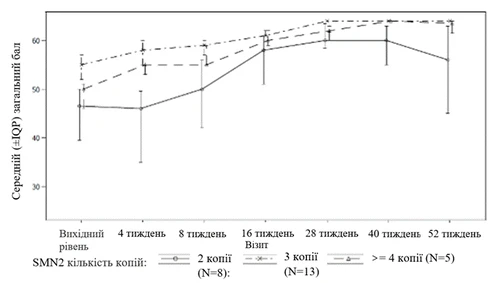
Abbreviations: IQR – interquartile range; SMN2 – survival motor neuron 2 gene.
Fig. 2. Median total CHOP-INTEND scores by visit and SMN2 copy number (ITT population)
Use in patients with SMA previously treated with other modifying therapies
Study BP39054 (JEWELFISH) – a single-arm, open-label study assessing the safety, tolerability, pharmacokinetics, and pharmacodynamics of Evrysdi® in patients with infantile-onset or later-onset SMA aged 6 months to 60 years who had previously received treatment for SMA (including nusinersen and onasemnogene abeparvovec). Of the 173 patients who received Evrysdi®, 76 patients had prior treatment with nusinersen (9 patients with SMA type 1, 43 with SMA type 2, and 24 with SMA type 3), and 14 patients had previously received onasemnogene abeparvovec (4 with SMA type 1 and 10 with SMA type 2). The mean age at initiation of Evrysdi® treatment was 14 years (range 1–60 years).
At study entry, among 168 patients aged 2–60 years, 83% had scoliosis (39% severe scoliosis), and 63% had a score of < 10 on the expanded version of the Hammersmith Functional Motor Scale (HFMSE). The study also included 15 ambulatory patients (aged 5–46 years).
Exploratory efficacy outcomes were assessed by measuring motor function according to age, including the use of MFM-32 and RULM scales for patients aged 2–60 years, BSID-III and HINE-2 for patients under 2 years of age, and the 6-minute walk test (6MWT) for ambulatory patients aged ≥ 6 years. Primary analysis after 24 months of treatment showed overall stabilization of motor function on the MFM-32 and RULM scales in patients aged 2–60 years (n = 137 and n = 133, respectively). Patients under 2 years of age (n = 6) maintained or improved motor developmental milestones, including head control, rolling over, and sitting without support. 6MWT results showed a mean improvement of 30.88 meters (95% CI: -5.54, 67.29, n = 8). All ambulatory patients maintained their ability to walk.
Pharmacokinetics
Pharmacokinetic parameters of risdiplam were characterized in healthy adults and in patients with SMA.
Following administration of the oral solution of Evrysdi® at doses ranging from 0.6 to 18 mg, the pharmacokinetics of risdiplam were approximately linear. The pharmacokinetics of risdiplam were best described by a population PK model with transit absorption, two-compartment distribution, and first-order elimination. Body weight and patient age were found to have a significant impact on the pharmacokinetics of the drug.
The predicted exposure (mean AUC0–24h) in patients with infantile-onset SMA (aged 2–7 months at study entry) at the recommended dose of 0.2 mg/kg once daily was 1930 ng·h/mL. The mean predicted exposure in infants aged 16 days to < 2 months with presymptomatic SMA in the RAINBOWFISH study was 2020 ng·h/mL after 2 weeks of daily dosing at 0.15 mg/kg.
The predicted exposure in patients with later-onset SMA (aged 2–25 years at study entry) in the SUNFISH study (Part 2) at the therapeutic dose (0.25 mg/kg once daily for patients with body weight < 20 kg; 5 mg once daily for patients with body weight ≥ 20 kg) was 2010 ng·h/mL. The observed maximum concentration (mean Cmax) was 194 ng/mL at the 0.2 mg/kg dose in the FIREFISH study and 120 ng/mL in Part 2 of the SUNFISH study. The mean predicted maximum concentration at the 0.15 mg/kg dose in the RAINBOWFISH study was 111 ng/mL.
Absorption
Risdiplam was rapidly absorbed following oral administration in the fasting state, with tmax in plasma ranging from 1 to 4 hours. In clinical studies, risdiplam was administered in the morning with food or after breastfeeding.
Distribution
Calculated population pharmacokinetic parameters were: 98 L – apparent central volume of distribution, 93 L – peripheral volume, and 0.68 L/hour – intercompartmental clearance.
Risdiplam is primarily bound to serum albumin and does not bind to alpha-1 acid glycoprotein, with a free fraction of 11%.
Metabolism
Risdiplam is primarily metabolized by flavin-containing monooxygenases 1 and 3 (FMO1 and FMO3), as well as by CYP isoenzymes 1A1, 2J2, 3A4, and 3A7. The parent drug was the main component detected in plasma, accounting for 83% of the drug-related material in circulation. The pharmacologically inactive metabolite M1 was identified as the major circulating metabolite.
Elimination
The population pharmacokinetic parameter for apparent clearance (CL/F) of risdiplam was 2.6 L/hour. The effective half-life of risdiplam was approximately 50 hours in patients with SMA.
Approximately 53% of the dose (14% as unchanged risdiplam) was excreted in feces and 28% in urine (8% as unchanged risdiplam).
Special patient populations
Hepatic impairment
Mild and moderate hepatic impairment did not affect the PK of risdiplam. After administration of 5 mg risdiplam, mean ratios of Cmax and AUC were 0.95 and 0.80 in subjects with mild impairment (n = 8) and 1.20 and 1.08 in patients with moderate impairment (n = 8), compared to those with normal hepatic function (control group, n = 10). Safety and PK in patients with severe hepatic impairment have not been studied.
Renal impairment
Pharmacokinetic studies of risdiplam in patients with renal impairment have not been conducted. Renal excretion of unchanged risdiplam is minimal (8%).
Elderly patients
Specific pharmacokinetic studies of Evrysdi® in SMA patients over 60 years of age have not been conducted. Patients with SMA up to 60 years of age were included in the JEWELFISH study. Non-SMA patients up to 69 years of age were included in clinical pharmacokinetic studies.
Children
Body weight and patient age were identified as covariates in the population PK analysis. Therefore, the dose is adjusted according to age (less than and over 2 months and 2 years) and body weight (up to 20 kg) to achieve similar exposure across different age groups and weight categories. Pharmacokinetic data in infants under 16 days of age are lacking.
Ethnicity
The pharmacokinetics of risdiplam do not differ between Japanese patients and those of Caucasian ethnicity.
Clinical characteristics.
Indications.
Treatment of 5q-associated spinal muscular atrophy (SMA) in pediatric and adult patients.
Contraindications.
Known hypersensitivity to risdiplam or to any of the excipients listed in the section "Composition".
Interaction with other medicinal products and other forms of interaction.
Effect of Evrysdi® on other medicinal products
In vitro, risdiplam and its main circulating metabolite M1 did not induce CYP1A2, 2B6, 2C8, 2C9, 2C19, or 3A4. In vitro, risdiplam and M1 did not inhibit (reversibly or time-dependent inhibition) any of the CYP isoenzymes investigated (CYP1A2, 2B6, 2C8, 2C9, 2C19, 2D6), except for CYP3A.
Evrysdi® is a weak inhibitor of CYP3A. In healthy adults, administration of Evrysdi® once daily for 2 weeks slightly increased midazolam exposure, a highly sensitive CYP3A substrate (AUC 11%; Cmax 16%). This interaction is not considered clinically significant; therefore, dose adjustment of CYP3A substrates is not required.
Based on results from physiologically based pharmacokinetic (PBPK) modeling, a similar effect is expected in children and infants from 2 months of age.
In vitro studies demonstrated that risdiplam and its main metabolite are not significant inhibitors of human MDR1, organic anion transporting polypeptide (OATP)1B1, OATP1B3, organic anion transporter 1 and 3 (OAT1 and 3). However, risdiplam and its main metabolite are in vitro inhibitors of human organic cation transporter 2 (OCT2) and multidrug and toxin extrusion proteins (MATE)1 and MATE2-K transporters. When used at therapeutic concentrations, drug interaction with substrates of OCT2 is not expected. The impact of concomitant administration of risdiplam on the pharmacokinetics of MATE1 and MATE2-K substrates in humans is unknown. Based on in vitro data, Evrysdi® may increase plasma concentrations of active substances excreted via MATE1 or MATE2-K, such as metformin (see section "Pharmacokinetics"). If concomitant use cannot be avoided, monitoring for drug-related toxicity should be performed, and consideration should be given to reducing the dose of the other concurrently administered medicinal product, if necessary.
Effect of other medicinal products on Evrysdi®
Risdiplam is metabolized primarily by flavin-containing monooxygenases 1 and 3 (FMO1 and 3), as well as by CYPs 1A1, 2J2, 3A4, and 3A7. Risdiplam is not a substrate of human multidrug resistance protein 1 (MDR1).
Concomitant administration of the strong CYP3A inhibitor itraconazole at a dose of 200 mg twice daily with a single 6 mg oral dose of risdiplam did not result in a clinically significant effect on the pharmacokinetics (PK) of risdiplam (an 11% increase in AUC and a 9% decrease in Cmax). Dose adjustment of Evrysdi® is not required when co-administered with CYP3A inhibitors.
No interaction via FMO1- and FMO3-mediated metabolic pathways is expected with other medicinal products.
Special precautions for use.
General information
In animal studies, changes in the retina and epithelium, particularly in the skin and gastrointestinal tract, as well as signs of bone marrow toxicity (changes in blood counts), have been observed. At present, the risk of such changes in humans cannot be definitively assessed due to limited long-term safety data.
Embryo-fetal toxicity
Embryo-fetal toxicity has been observed in animal studies. Patients of reproductive potential should be informed of the risks. Highly effective methods of contraception must be used during treatment and for at least 1 month after the last dose of Evrysdi® in women, and for at least 4 months after the last dose of Evrysdi® in men (see section "Method of administration and dosage").
Potential effect on male fertility
Due to reversible effects of Evrysdi® on male fertility observed in animal studies, male patients should not donate sperm during treatment and for at least 4 months after the last dose of Evrysdi® (see section "Pharmacokinetics").
Avoid contact of the powder and reconstituted oral solution with skin. If the medicinal product (powder or solution) comes into contact with the skin, the affected area should be washed thoroughly with soap and water.
Excipients
This medicinal product contains 0.38 mg of sodium benzoate per 1 ml. This product contains less than 1 mmol sodium (23 mg) per dose, i.e., it is considered sodium-free.
This medicinal product contains isomalt. This medicinal product should not be used in patients with rare hereditary fructose intolerance.
Use during pregnancy or breastfeeding
Based on preclinical study results, male fertility may be impaired during treatment with Evrysdi®. In rats and monkeys, sperm degeneration and reduced sperm count were observed in reproductive organs.
Male patients should be counselled on fertility preservation strategies prior to initiating treatment with Evrysdi®. Male patients may consider sperm preservation before starting treatment or after a treatment-free period of at least 4 months (see section "Special precautions for use").
Based on preclinical study results, no effect of Evrysdi® on female fertility is expected.
Female patients of reproductive potential should be tested for pregnancy before starting treatment with Evrysdi®.
Male and female patients of reproductive potential should comply with the following contraception requirements:
- Male patients and their female partners of reproductive potential should use highly effective contraception during treatment with Evrysdi® and for at least 4 months after the last dose.
- Female patients of reproductive potential should use highly effective contraception during treatment with Evrysdi® and for at least 1 month after the last dose.
Pregnancy
There are no clinical data on the use of Evrysdi® in pregnant women. Risdiplam has shown embryofetotoxic and teratogenic effects in animals. Based on data from animal studies, risdiplam crosses the placental barrier and may cause fetal harm.
Evrysdi® should not be used during pregnancy unless clearly necessary. If treatment with Evrysdi® is required in a pregnant woman, she must be clearly informed of the potential risk to the fetus.
Breastfeeding
It is unknown whether Evrysdi® is excreted in human breast milk. Animal studies in rats have shown that risdiplam is excreted in breast milk. Because the potential for harm to the breastfed infant is unknown, the treating physician must make a decision regarding continuation of therapy. Breastfeeding is not recommended during treatment with Evrysdi®.
Ability to affect reaction speed when driving or operating machinery
The effect of Evrysdi® on the ability to drive or operate machinery has not been studied in dedicated trials.
Administration and Dosage
The oral solution of Evrysdi® should be prepared by a healthcare professional (i.e., a physician or pharmacist) prior to dispensing to the patient.
Prior to administering the first dose, the healthcare provider must discuss with the patient or caregiver how to prepare and administer the prescribed daily dose (see "Instructions for Use" below).
Initiation and ongoing monitoring of treatment with Evrysdi® should be performed by physicians experienced in the diagnosis and treatment of patients with spinal muscular atrophy (SMA).
The clinical development program did not include patients with SMA Type IV.
Recommended Dosage
Evrysdi® is administered orally once daily, approximately at the same time each day, using the reusable oral dosing syringes provided in the package. The recommended dose of Evrysdi® for the treatment of SMA is determined based on patient's age and body weight (see Table 5).
Table 5
Dosing regimen according to age and body weight
| Age and body weight |
Recommended daily dose |
| < 2 months |
0.15 mg/kg |
| from 2 months to < 2 years |
0.20 mg/kg |
| ≥ 2 years and body weight < 20 kg |
0.25 mg/kg |
| ≥ 2 years and body weight ≥ 20 kg |
5 mg |
a Based on the corrected age for preterm infants.
Dose adjustment should be performed under medical supervision. Treatment with a daily dose higher than 5 mg has not been studied. Only very limited safety data are available from the post-marketing period in infants up to 16 days of age who received Evrysdi® at the recommended dose (see sections "Pharmacokinetics", "Paediatric population").
Patients with hepatic impairment
Dose adjustment is not required in patients with mild or moderate hepatic impairment. The use of Evrysdi® in patients with severe hepatic impairment has not been studied (see section "Pharmacokinetics").
Patients with renal impairment
The safety and efficacy of Evrysdi® in patients with renal impairment have not been studied. Dose adjustment is not expected to be necessary in patients with renal impairment (see section "Pharmacokinetics").
Elderly patients
Clinical trials of Evrysdi® did not include patients aged 65 years and older, therefore it has not been established whether they respond differently from younger patients.
Paediatric population
The use of Evrysdi® in patients with SMA aged less than 2 months is supported by pharmacokinetic and safety data in children aged from 16 days (see sections "Adverse reactions" and subsections "Clinical efficacy" and "Pharmacokinetics"). There are no clinical or pharmacokinetic data on the use of the medicinal product in preterm infants or newborns under 16 days of age (see subsection "Clinical efficacy" above).
Missed dose
Evrysdi® should be taken orally once daily at approximately the same time each day. If a dose of Evrysdi® is missed, Evrysdi® should be taken as soon as possible if the delay is no more than 6 hours from the scheduled dose, and the regular dosing schedule can be resumed the next day. Otherwise, the missed dose should not be taken and the next dose should be taken at the scheduled time on the following day.
If the dose was not completely swallowed or vomiting occurs after administration of Evrysdi®, another dose should not be taken to compensate for the lost dose. The next dose should be taken at the scheduled time the following day.
Method of administration
To administer the daily dose of Evrysdi®, the reusable oral syringe provided in the cardboard package with the medicinal product must be used (see Table 6).
Table 6
Selection of the appropriate reusable oral syringe for administration of the prescribed daily dose of Evrysdi®
| Syringe size |
Dosing volume |
Scale division of the syringe |
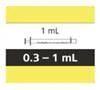
| 1 ml |
from 0.3 to 1 ml |
0.01 ml |
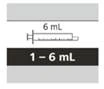
| 6 ml |
from 1 to 6 ml |
0.1 ml |
| 12 ml |
from 6.2 to 6.6 ml |
0.2 ml |
When calculating the volume of the dose, the syringe graduation mark must also be taken into account. Round the dose volume up or down to the nearest syringe graduation mark indicated on the selected oral syringe (e.g., from 6.3 mL to 6.4 mL, from 3.03 mL to 3 mL, and from 1.05 mL to 1.1 mL).
The medicinal product Eversense® as a solution must be taken immediately after being drawn into the reusable oral syringe. If the syringe contents are not administered within 5 minutes, the oral syringe should be emptied of the medicinal product (see below "Disposal of unused medicinal product/medicinal product beyond expiry date") and a new dose should be prepared.
Eversense® must be taken after food. The patient should drink water after taking Eversense® to ensure that the medication has been completely swallowed. If the patient is unable to swallow and has a nasogastric or gastrostomy tube in place, Eversense® may be administered through the tube. After administration, flush the tube with water (see below "Handling instructions").
Handling instructions
Instructions to be followed before, during, and after preparation of the oral solution:
- The solution must always be prepared by a healthcare professional (i.e., physician or pharmacist).
- Avoid inhaling Eversense® powder. Pay attention to local regulations and use appropriate equipment for preparing the Eversense® solution.
- Wear gloves.
- Do not use the powder if it is past the expiry date. The expiry date of the powder is printed on the bottle label and the carton.
- Do not dispense the reconstituted solution if the expiry date of the ready-to-use oral solution—the date indicated on the bottle label and carton—exceeds the original expiry date of the powder.
- Avoid contact of the medicinal product with skin. If the medicinal product (powder or solution) comes into contact with skin, wash the area thoroughly with soap and water.
- Do not use the medicinal product if any component of the packaging is damaged or missing.
- Use purified water or water for injection to prepare the solution.
- Do not use oral syringes other than those supplied in the carton together with the medicinal product.
- Do not mix Eversense® with food or liquids (e.g., milk or milk formula).
- Do not mix Eversense® from a new bottle with medication from a bottle currently in use.
The patient or caregiver must be instructed by a healthcare professional on how to prepare and administer the prescribed daily dose before delivery of the prepared solution.
Preparation of the oral solution
Add 79 mL of purified water or water for injection to the bottle containing the medicinal product.
Insert the bottle adapter into the bottle opening by pressing it down firmly.
After the bottle is completely closed, shake for 15 seconds.
A clear solution should be obtained within 10 minutes. If the solution is not clear, shake for an additional 15 seconds.
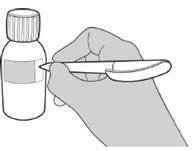
Calculate 64 days from the date of solution preparation. The day of preparation is considered day 0. The calculated date should be marked on the bottle label and carton in the field: Reconstituted oral solution DISCARD AFTER: (day/month/year).
Disposal of unused medicinal product/medicinal product beyond expiry date
Environmental contamination by medicinal products should be minimized. Medicinal products must not be disposed of via wastewater, and disposal with household waste should be avoided.
Unused medicinal product or medicinal product past its expiry date must be disposed of professionally at the place of dispensing (by a physician or pharmacist).
Instructions for solution preparation (FOR HEALTHCARE PROFESSIONALS ONLY, SPECIFICALLY PHYSICIANS OR PHARMACISTS)
Eversense® oral solution must be prepared by a healthcare professional prior to dispensing to the patient.
| One package of Evrysdi® contains (see Figure A):
|
Figure A |
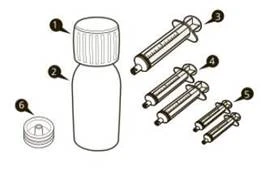
Important information about the Evrysdi® medicinal product
- The solution must always be prepared by a healthcare professional (physician or pharmacist).
- Avoid inhaling the Evrysdi® powder. Follow local requirements and use appropriate equipment when preparing the Evrysdi® solution.
- Wear gloves.
- Do not use this medicinal product after the expiry date. The expiry date is indicated on the label of the bottle and the cardboard box.
- Avoid any contact of this medicinal product with the skin. If contact occurs (with powder or solution), wash the affected area thoroughly with soap and water.
- Do not use this medicinal product if any component of the packaging is damaged or missing.
- Use purified water or water for injections to prepare the solution.
- Do not use reusable oral syringes except those provided in the package.
- Do not dispense the prepared solution if the expiry date of the ready-to-use oral solution exceeds the expiry date of the powder indicated on the label of the bottle and the cardboard box.
- Prior to dispensing the prepared solution, the healthcare professional must instruct the patient or caregiver on how to prepare and administer the daily dose.
How to store Evrysdi®
- Store the powder (medicinal product not yet prepared as a solution) in the cardboard box at room temperature not exceeding 25 °C to protect from light and moisture.
- Store the solution (medicinal product prepared as a solution) upright in the refrigerator at 2–8 °C inside the cardboard box to protect the contents from light.
- If necessary, the oral solution may be stored at room temperature (below 40 °C) for a total of up to 5 days. Do not store the oral solution at temperatures above 40 °C.
- Store the oral solution in the original bottle in an upright position with the cap tightly closed.
Preparation of the solution
|
Figure B |
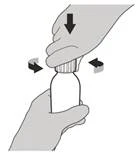
Step 1 Gently tap the bottom of the vial to loosen the powder (see Figure B). |
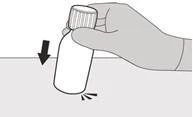
|
Figure C |
Step 2 Remove the cap by pressing down on it and then turning it to the left (counterclockwise) (see Figure C). Do not discard the cap. |
|
Figure D |
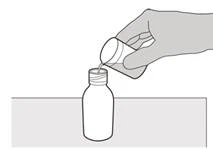
Step 3 Carefully add 79 mL of purified water or water for injection into the vial containing the medicinal product (see Figure D). |
|
Figure E |
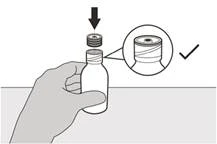
Step 4 Hold the vial with the medicinal product in one hand on a flat surface. Insert the vial adapter into the vial opening by pressing down with the other hand until the adapter is fully seated against the rim of the vial opening (see Figure E). |
|
Figure F |
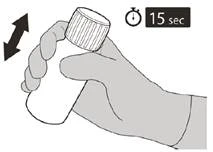
Step 5 Replace the cap back onto the vial. Turn the cap to the right (clockwise) to close the vial securely. Ensure the vial is fully closed, then shake well for 15 seconds (see Figure F). |
|
Figure G |
Step 6 Determine the “DISCARD AFTER: (day/month/year)” date by counting 64 days from the date of reconstitution (note: the day of reconstitution is counted as day 0. For example, if you reconstituted the solution on April 1, the “DISCARD AFTER” date will be June 4). |
INSTRUCTIONS FOR USE OF ORAL SOLUTION
You must read and understand the instructions for medical use before starting to take Euvirdi®. It contains information on how to prepare and administer a dose of Euvirdi® using a reusable oral syringe via the oral route, gastrostomy tube (PEG tube), or nasogastric tube (stomach tube). If you have any questions about using Euvirdi®, consult your doctor or pharmacist. The oral solution of Euvirdi® must be prepared by a healthcare professional, such as a doctor or pharmacist, prior to dispensing.
You should receive Euvirdi® as a liquid in a bottle. Do not use if the medication in the vial is a powder; contact your doctor or pharmacist if this is the case.
Before taking/administering the first dose, a healthcare professional must instruct you on how to prepare and take/administer the daily dose.
- Ask your doctor or pharmacist to show you which size of the oral syringes included in the package should be used for administration and how to determine the daily dose.
- If the oral syringe(s) are lost or damaged, contact your doctor or pharmacist. They will advise you on how to continue taking the medication.
- Always use the correctly sized reusable oral syringe to measure the prescribed daily dose.
- A description of the appropriate reusable oral syringe is also provided in Table 6: "Selection of the appropriate reusable oral syringe for administration of the prescribed daily dose of Euvirdi®." Ask your doctor or pharmacist if you have any questions about how to properly select the syringe.
- Do not use Euvirdi® if the bottle adapter is missing from the bottle; contact your doctor or pharmacist.
- Do not use Euvirdi® after the date marked "RECONSTITUTED ORAL SOLUTION DISCARD AFTER: (day/month/year)" on the bottle label and carton. If the label on the bottle or carton does not have the "RECONSTITUTED ORAL SOLUTION DISCARD AFTER: (day/month/year)" date, ask your doctor or pharmacist for this date.
- Do not mix Euvirdi® with food or liquids (e.g., milk or infant formula).
- Do not use Euvirdi® if the bottle or oral syringe is damaged.
- Avoid contact of Euvirdi® with skin. If Euvirdi® comes into contact with your skin, wash the area thoroughly with soap and water.
- If you spill Euvirdi®, wipe the area with a dry paper towel, then clean it with soap and water. Dispose of the paper towel in the waste, and wash your hands thoroughly with soap and water.
- If there is not enough Euvirdi® in the bottle to deliver the prescribed dose, return the bottle and used oral syringes to the place of issue (doctor or pharmacist) for proper disposal. Use a new bottle of Euvirdi® to measure the prescribed daily dose. Do not mix Euvirdi® from a new bottle with medication from a bottle previously used.
Each Euvirdi® carton contains (see Figure A):
|
|
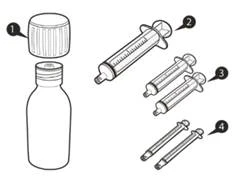
Figure A
A) Preparation and drawing up the correct dose volume
How to select the appropriate oral syringe for the prescribed dose of Evrysdi® medication
|
|
|
|
|
|

How to prepare a daily dose of Eurisdée®
|
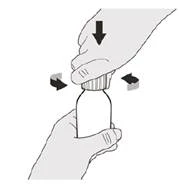
Figure B |
Step A1 Remove the cap by pressing down on it and then twisting to the left (counterclockwise) (see Figure B). Do not discard the cap. |
|||||
|
Figure C |
Step A2 Press the plunger of the oral syringe fully down to remove air from the oral syringe (see Figure C). |
|||||
|
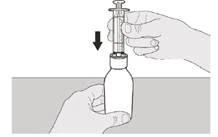
Figure D |
Step A3 Holding the bottle in an upright position, insert the syringe tip into the bottle adapter (see Figure D). |
|||||
|
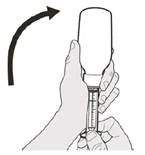
Figure E |
Step A4 Slowly turn the bottle upside down with the syringe tip firmly inserted into the bottle adapter (see Figure E). |
|||||
|
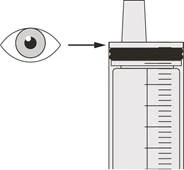
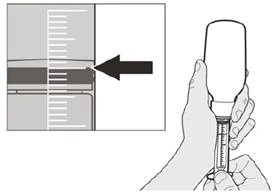
Figure F |
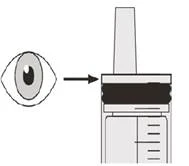
Step A5 Slowly pull back the plunger to draw your prescribed daily dose of Eureed® from the bottle. Align the top of the black plunger stop with the milliliter marking on the oral syringe corresponding to your prescribed daily dose (see Figure F). After drawing up the correct dose, hold the plunger in place to prevent it from moving. |
|||||
|
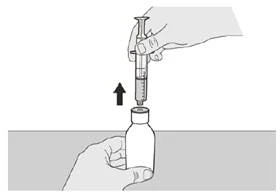
Figure G |
Step A6 Continue holding the plunger in place to prevent it from moving. Leave the oral syringe in the bottle adapter and return the bottle to an upright position. Place the bottle on a flat surface. Remove the oral syringe from the bottle adapter by gently pulling it upward while keeping the plunger held in place (see Figure G). |
|||||
|
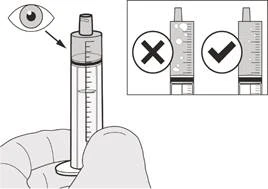
Figure H |
Step A7 Hold the oral syringe with the tip pointing upward. Check the Eureed® in the oral syringe. If large air bubbles are present in the oral syringe (see Figure H) or if you have drawn an incorrect daily dose of Eureed®, firmly reinsert the syringe tip into the bottle adapter. Push the plunger down to return the Eureed® back into the bottle and repeat steps A4–A7. Take or administer Eureed® immediately after drawing up the dose into the oral syringe. If the medicine is not taken within 5 minutes, discard the Eureed® from the oral syringe and draw up a new dose. |
|||||
|
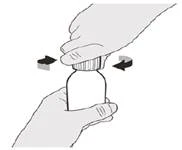
Figure I |
Step A8 Leave the bottle adapter on the bottle. Replace the cap back onto the bottle. Turn the cap to the right (clockwise) to securely close the bottle (see Figure I). |
|||||
If you are taking the daily dose of Evrysdi® orally, follow the instructions in section "B) How to take the daily dose of Evrysdi® orally."
If you are taking the daily dose of Evrysdi® via a gastrostomy tube, follow the instructions in section "C) How to administer the daily dose of Evrysdi® via a gastrostomy tube."
If you are taking the daily dose of Evrysdi® via a nasogastric tube, follow the instructions in section "D) How to administer the daily dose of Evrysdi® via a nasogastric tube."
The oral syringes for Evrysdi® have been specifically designed to be compatible with the ENFit® system. If the feeding tube available is not compatible with the ENFit® system, you may need an ENFit transition adapter to connect the Evrysdi® syringe to the gastrostomy tube or nasogastric tube.
B) How to take the daily dose of Evrysdi® orally
Be in an upright position (preferably sitting) when taking the daily dose of Evrysdi® by mouth.
|
Figure J |
Step B1 Place the oral syringe in the mouth with the tip along either cheek. Slowly push the plunger all the way down to administer the full dose of Eurespal® (see Figure J). Delivery of Eurespal® into the throat or administration too quickly may cause choking. |
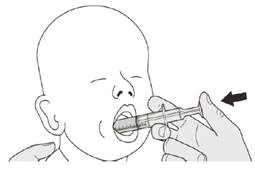
|
Figure K |
Step B2 Check whether any of the medicine Evrysdi® remains in the oral syringe (see Figure K). |
|
Figure L |
Step B3 Drink some water immediately after taking the prescribed dose of Evrysdi® (see Figure L). See Step E for information on cleaning the syringe. |
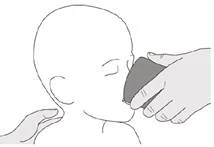
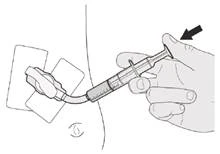
C) How to administer the daily dose of Evrysdi® through a gastrostomy tube
If you are administering Evrysdi® through a gastrostomy tube, ask your doctor to show you how to check the gastrostomy tube before administering Evrysdi®.
|
Figure M |
Step C1 Insert the tip of the oral syringe into the gastrostomy tube. Slowly push the plunger all the way down to administer the full dose of Evrysdi® (see Figure M). |
|
Figure N |
Step C2 Check that no Evrysdi® remains in the oral syringe (see Figure N). |
|
Figure O |
Step C3 Flush the gastrostomy tube with 10–20 mL of water immediately after administering the prescribed dose of Evrysdi® (see Figure O). See Step E for information on cleaning the syringe. |
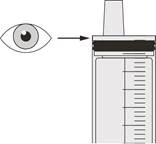
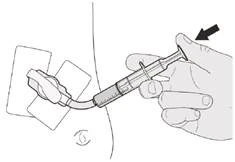
D) How to administer the daily dose of Evrysd® through a nasogastric tube
If you are administering Evrysd® through a nasogastric tube, ask your doctor to show you how to check the position of the nasogastric tube before administering Evrysd®.
|
Figure P |
Step D1 Insert the tip of the oral syringe into the nasogastric tube. Slowly push the plunger all the way down to administer the full dose of Eversdi® (see Figure P). |
|
Figure Q |
Step D2 Check whether any Eversdi® remains in the oral syringe (see Figure Q). |
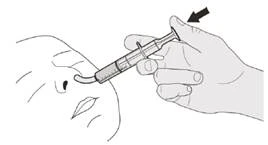
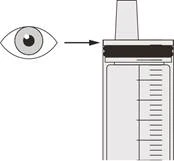
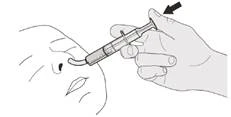
| Figure R |
Step D3 Flush the nasogastric tube with 10–20 mL of water immediately after administration of the prescribed dose of Euryse® (see Figure R). See Step E for information on syringe cleaning. |
E) How to clean the oral syringe after use
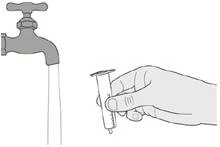
|
Figure S |
Step E1 Pull the plunger (against resistance) out of the syringe. Thoroughly rinse the oral syringe cylinder under clean running water (see Figure S). |
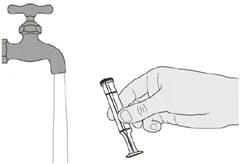
|
Figure T |
Step E2 Rinse the plunger thoroughly under clean running water (see Figure T). |
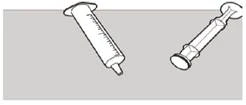
|
Figure U |
Step E3 Check that the cylinder and plunger of the oral syringe are clean. Place the cylinder and plunger of the oral syringe on a clean surface in a safe place to dry (see Figure U). Wash your hands. Once the cylinder and plunger of the oral syringe have dried, put the plunger back into the cylinder of the oral syringe and store the syringe until the next use. |
Children.
The safety and efficacy of Evrisdi® in patients under 16 days of age have not been established (see section "Pharmacokinetics").
Overdose.
There is no clinical experience with overdose of Evrisdi® in clinical trials. There is no known antidote for overdose with Evrisdi®. In case of overdose, careful monitoring of the patient's condition and initiation of supportive therapy are recommended.
Adverse reactions
Classification of the frequency of adverse reactions of the medicinal product: very common (≥ 1/10), common (≥ 1/100 to < 1/10), uncommon (≥ 1/1,000 to < 1/100), rare (≥ 1/10,000 to < 1/1,000), very rare (< 1/10,000); frequency not known (cannot be estimated from the available data).
Brief description of the safety profile
In patients with infantile-onset SMA, the most commonly observed adverse reactions in clinical studies with the medicinal product Evrysdi® were increased body temperature (54.8%), rash (29%), and diarrhea (19.4%). In patients with later-onset SMA, the most commonly observed adverse reactions in clinical studies with the medicinal product Evrysdi® were increased body temperature (21.7%), headache (20%), diarrhea (16.7%), and rash (16.7%).
The adverse reactions listed above occurred without identified clinical peculiarities or characteristic temporal relationship and generally resolved without discontinuation of treatment with Evrysdi® in patients with infantile-onset and later-onset SMA.
Table 7
Summary of adverse reactions observed in patients with infantile-onset and later-onset SMA in clinical studies with Evrysdi®
| Organ system class |
Infantile-onset SMA2 (type 1) |
Late-onset SMA3 (type 2 and 3) |
|
| Gastrointestinal disorders |
|||
| Diarrhea |
Very common |
Very common |
|
| Nausea |
Not applicable |
Common |
|
| Mucosal lesions of the oral cavity and aphthous ulcers |
Common |
Common |
|
| Skin and subcutaneous tissue disorders |
|||
| Rash1 |
Very common |
Very common |
|
| Nervous system disorders |
|||
| Headache |
Not applicable |
Very common |
|
| General disorders and administration site reactions |
|||
| Increased body temperature (including hyperpyrexia) |
Very common |
Very common |
|
| Infections and infestations |
|||
| Urinary tract infection (including cystitis) |
Common |
Common |
|
| Musculoskeletal and connective tissue disorders |
|||
| Arthralgia |
Not applicable |
Common |
|
1 Including dermatitis, acneiform dermatitis, allergic dermatitis, erythema, folliculitis, rash, erythematous rash, maculopapular rash, papular rash.
2 In patients with infantile-onset SMA (FIREFISH, parts 1 and 2), adverse reactions were defined as events occurring in ≥ 2% of patients or more, for which a possible causal relationship with Evrysdi® existed.
3 In patients with later-onset SMA (SUNFISH, part 2), adverse reactions were defined as events occurring in ≥ 2% more frequently in patients receiving Evrysdi® compared to those in the placebo group during the double-blind, placebo-controlled treatment period, and for which a possible causal relationship with Evrysdi® existed.
Safety data are limited with respect to the number of patients treated with Evrysdi® and the duration of exposure. Potential rare and potentially serious adverse reactions (ARs) that were not identified during the clinical trial program may occur.
Limited safety data on the use of Evrysdi® in newborns and infants with presymptomatic SMA are available from the RAINBOWFISH study. RAINBOWFISH is an open-label, single-arm study that included 26 patients with presymptomatic SMA aged 16 to 41 days (body weight range: 3.1 to 5.7 kg) at the time of first dose administration. In the primary analysis, the mean duration of therapy was 20.4 months (range: 10.6 to 41.9 months) (see section "Pharmacological properties", subsection "Clinical efficacy").
The safety profile of Evrysdi® in patients with presymptomatic SMA in the RAINBOWFISH study is comparable to the safety profile in symptomatic SMA patients treated with Evrysdi® in clinical trials. Long-term data are currently unavailable.
Safety profile in SMA patients previously treated with other modifying therapies
Based on the primary analysis of participants in the JEWELFISH study, the safety profile of Evrysdi® in previously treated patients receiving Evrysdi® for up to 59 months in the JEWELFISH study is consistent with the safety profile observed in previously untreated SMA patients treated with Evrysdi® in the FIREFISH (parts 1 and 2), SUNFISH (parts 1 and 2), and RAINBOWFISH studies.
Patients previously treated with nusinersen (n = 76) or onasemnogene abeparvovec (n = 14) were included in the JEWELFISH study (see subsection "Clinical efficacy").
Preclinical effects
Preclinical effects on retinal structure, epithelial tissue, and hematological parameters described in the section "Preclinical data" have not been observed to date in clinical studies of Evrysdi® in SMA.
QT prolongation
Pharmacokinetic/pharmacodynamic analysis showed no evidence of QTc prolongation with Evrysdi® exposure within the therapeutic range; however, there are no adequate data on the use of Evrysdi® at exposures exceeding the therapeutic range.
Post-marketing experience
Cutaneous vasculitis has been observed during post-marketing use, with symptoms resolving after permanent discontinuation of Evrysdi®. Based on available data, it is not possible to determine the incidence category or frequency of this adverse reaction. Data on use in the post-marketing period are limited to newborns younger than 16 days.
Shelf life.
2 years.
After reconstitution, the ready-to-use oral solution is stable for 64 days when stored in the refrigerator at 2–8 °C. If necessary, the patient or caregiver may store the oral solution at room temperature (below 40 °C) for a total of no more than 5 days.
Storage conditions.
Store the oral solution powder at a temperature not exceeding 25 °C in the original packaging to protect from light and moisture. Keep out of the reach of children.
Store the ready-to-use oral solution in the refrigerator at 2–8 °C in the original packaging to protect from light. Keep the bottle tightly closed and always store in an upright position.
Incompatibilities.
No incompatibilities have been observed between Evrysdi® and the recommended reusable oral administration syringes.
Packaging.
A 100 ml amber glass bottle (Type III according to USP and Ph. Eur.) with a white child-resistant cap (outer layer of high-density polyethylene; inner layer of homopolymer polypropylene), with a tamper-evident ring and a liner made of polyethylene and polyvinylidene chloride, supplied with 1 bottle adapter, 2 reusable 1 ml oral syringes (each in a polyethylene pouch), 2 reusable 6 ml oral syringes (each in a polyethylene pouch), and 1 reusable 12 ml oral syringe (in a polyethylene pouch), all contained in a polyethylene bag. One bottle and one set are packed in a cardboard box.
Prescription category.
Prescription only.
Manufacturer.
F. Hoffmann-La Roche Ltd
Manufacturer's location and address of place of business.
Wurmisweg, 4303 Kaiseraugst, Switzerland