Epipen
Ukraine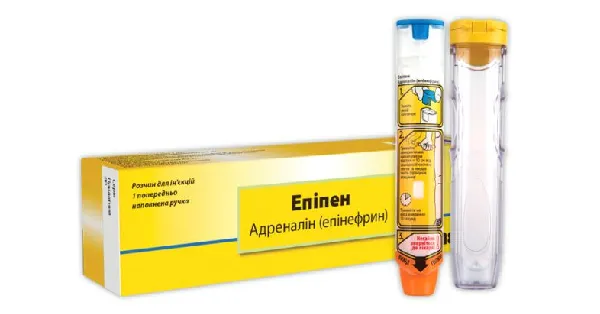
Table of Contents
INSTRUCTIONS FOR MEDICAL USE OF THE MEDICINAL PRODUCT EPIPEN (EPIPEN)
Composition:
Active substance: adrenaline (epinephrine);
1 ml of solution contains 1 mg of adrenaline; 1 dose (0.3 ml) contains 0.3 mg of adrenaline;
Excipients: sodium chloride, sodium metabisulfite (E 223), concentrated hydrochloric acid, water for injections.
Pharmaceutical form. Solution for injection.
Main physicochemical characteristics: clear solution without visible particles.
Pharmacotherapeutic group. Cardiac preparations. Nonglycosidic cardiotonic agents. Adrenergic and dopaminergic agents. Epinephrine. ATC code C01C A24.
Pharmacological properties.
Pharmacodynamics. Epinephrine is a catecholamine that stimulates the sympathetic nervous system (alpha- and beta-receptors), thereby increasing heart rate, cardiac output, and enhancing coronary circulation.
The action of epinephrine on beta-receptors in bronchial smooth muscle causes relaxation, which alleviates wheezing and reduces shortness of breath.
Epinephrine is rapidly inactivated, and the majority of the dose is excreted in the form of metabolites in urine.
Pharmacokinetics. Epinephrine is a naturally occurring substance produced by the adrenal medulla in response to stress or physical exertion. It is rapidly inactivated primarily by two enzymes: catechol-O-methyltransferase (COMT) and monoamine oxidase (MAO). Significant amounts of these enzymes are present in the liver, which plays an important, but not primary, role in degradation. Most of the administered dose of epinephrine is excreted in urine as metabolites.
The plasma half-life of epinephrine is approximately 2.5 minutes. However, when administered subcutaneously or intramuscularly, local vasoconstriction delays absorption, resulting in a prolonged duration of action and less pronounced symptoms than expected based on the half-life. Massage of the injection site is recommended.
In a pharmacokinetic study involving 35 healthy volunteers grouped by varying degrees of thigh subcutaneous fat thickness and stratified by gender, a single dose of 0.3 mg/0.3 mL was administered into the outer thigh using the prefilled Epipen auto-injector. This was compared in a crossover study with the same dose administered via manual syringe with needles specifically adapted for intramuscular delivery. Results showed that female subjects with a thicker subcutaneous fat layer (skin-to-muscle distance under maximum compression > 20 mm) exhibited slower epinephrine absorption, reflected in a trend toward lower plasma epinephrine concentrations during the first ten minutes after administration (see section "Special precautions for use"). However, overall epinephrine exposure from 0 to 30 minutes (AUC0–30 min) in all subject groups using the prefilled Epipen auto-injector exceeded exposure after manual syringe administration. Importantly, the observed trend toward higher plasma epinephrine concentrations following administration via the prefilled Epipen auto-injector compared to manual intramuscular injection in healthy subjects with well-perfused subcutaneous tissue may not necessarily be extrapolated to patients diagnosed with anaphylactic shock, in whom blood flow may be redirected from the skin to leg muscles. Therefore, the possibility of skin vasoconstriction during injection should be considered.
Inter-individual and intra-individual variability was quite high in this study, thus no definitive conclusions can be drawn.
Clinical characteristics.
Indications. Severe allergic reactions (anaphylaxis), for example: allergic reactions to insect stings, food, medications, contact with other allergens, as well as idiopathic or exercise-induced anaphylaxis.
Contraindications. There are no known absolute contraindications for the use of EpiPen during emergency treatment of allergic reactions.
Interaction with other medicinal products and other forms of interaction. Use with caution in patients taking medications that may cause cardiac arrhythmia, including cardiac glycosides and quinidine. The effect of epinephrine may be enhanced when used concomitantly with tricyclic antidepressants, monoamine oxidase inhibitors (MAO inhibitors), catechol-O-methyltransferase inhibitors (COMT), thyroid hormones, theophylline, oxytocin, parasympatholytics, certain antihistamines (diphenhydramine, chlorpheniramine), levodopa, and alcohol.
Epinephrine inhibits insulin secretion, thereby increasing blood glucose levels. Diabetic patients receiving epinephrine may require an increased dose of insulin or oral hypoglycemic agents.
Caution! Beta-stimulating effects may be reduced during concomitant treatment with beta-blockers.
The risk of developing arrhythmias is increased when epinephrine is used concomitantly with cardiac glycosides, quinidine, tricyclic antidepressants, dopamine, inhalational anesthetics (enflurane, halothane, isoflurane, methoxyflurane), and cocaine.
Concomitant use of epinephrine with other sympathomimetic agents may enhance cardiovascular adverse effects.
Concomitant use of epinephrine with antihypertensive agents (including diuretics) may reduce their effectiveness.
Concomitant use of epinephrine with monoamine oxidase inhibitors (including furazolidone, procarbazine, selegiline) may result in sudden and severe elevation of blood pressure, hyperpyrexic crisis, headache, cardiac arrhythmias, and vomiting.
Concomitant use of epinephrine with thyroid hormone preparations may result in mutual enhancement of effects.
Concomitant use of epinephrine with astemizole, cisapride, or terfenadine may prolong the QT interval on ECG.
Concomitant use of epinephrine with ergot alkaloids may enhance the vasoconstrictor effect up to pronounced ischemia and development of gangrene.
Concomitant use of epinephrine with hypoglycemic medicinal products (including insulin) may reduce the hypoglycemic effect.
Special precautions for use.
All patients prescribed EPIPEN should be carefully instructed to understand the indications for use and to learn the correct method of administration. It is strongly recommended to also train the patient's immediate contacts (e.g., parents, caregivers, teachers) in the proper use of the pre-filled EPIPEN pen in case emergency assistance is required.
Patients should be informed that emergency medical assistance must be called immediately in the event of anaphylactic shock. After administration of the first dose, immediate medical evaluation is required for thorough assessment and further treatment, if necessary.
The medicinal product is administered intramuscularly into the anterolateral aspect of the thigh. Patients should be informed that the drug must not be injected into the buttocks.
When administering the injection by another person, the patient's leg should be stabilized to minimize the risk of needle bending, leg injury, or other trauma.
The pre-filled pen is intended for single use only, and under no circumstances should a used pen be reused.
Adrenaline should be used with particular caution in patients with cardiovascular diseases, as well as in patients with diabetes mellitus, hyperthyroidism, arterial hypertension, and elderly patients, only when prescribed by a physician and when potential benefit outweighs the risk. Adverse reactions may occur in patients with increased intraocular pressure, severe renal insufficiency, benign prostatic hyperplasia causing urinary retention, hypercalcemia, and hypokalemia. In patients with Parkinson's disease, epinephrine administration may cause temporary exacerbation of symptoms such as rigidity and tremor.
The patient and their caregiver should be informed about the possibility of biphasic anaphylaxis, characterized by initial improvement followed by recurrence of symptoms several hours later.
Patients with concomitant asthma may be at increased risk of developing severe anaphylactic reactions.
Cases of accidental injection into the muscles of the arms or legs have been reported, leading to peripheral ischemia. In the event of accidental injection, the patient should seek medical advice for appropriate treatment.
In patients with a thick subcutaneous fat layer, adrenaline may not reach the muscle tissue and may not produce an optimal effect; therefore, there is a risk that a single dose of EPIPEN may be insufficient. A repeat injection may be necessary.
EPIPEN contains sodium metabisulfite, which rarely may cause serious hypersensitivity reactions, including anaphylactic shock and bronchospasm, particularly in individuals with asthma. Patients with such conditions should carefully read the instructions for medical use before administering EPIPEN.
One dose of the medicinal product contains less than 1 mmol of sodium (23 mg), i.e., it is practically "sodium-free".
Patients should be warned about concomitant allergens, and, if possible, testing should be performed to identify their specific allergens.
Use during pregnancy or breastfeeding.
Pregnancy. Clinical experience with use in pregnant women is limited. Adrenaline should be used during pregnancy only if the potential benefit justifies the potential risk to the fetus.
Breastfeeding. There is no biologically available oral form of adrenaline; any amount of adrenaline in breast milk does not have harmful effects on the breastfed infant.
Reproductive function. Since adrenaline is a substance naturally produced in the body, the drug does not adversely affect fertility.
Ability to affect reaction rate when driving or operating machinery. During treatment with this medicinal product, driving vehicles or operating machinery is not recommended, as patients may experience symptoms of anaphylactic shock.
Dosage and Administration
Dosage
Adults
The usual recommended dose is 0.3 mg administered intramuscularly.
Children with body weight above 30 kg
The usual recommended dose is 0.3 mg administered intramuscularly.
The medication should be used at the first signs of anaphylactic shock.
If there is no clinical improvement or if the patient's condition worsens after the first injection, a second injection may be administered. The repeat injection should be given approximately 5–15 minutes after the first. Therefore, patients are advised to always carry two pre-filled Epipen auto-injectors with them.
After administering the medication, the patient must consult a physician for appropriate follow-up measures, further evaluation, and/or continued treatment.
The physician must ensure that the patient fully understands the indications for use and proper administration technique of Epipen.
The physician should thoroughly review with the patient the package insert for medical use, correct administration technique, and possible symptoms of anaphylactic shock.
Administration Method
Epipen is intended for immediate use in patients at risk of anaphylactic shock, as well as in patients with a history of anaphylactic reactions.
The medication is administered intramuscularly into the outer thigh. The medication must not be injected into the buttocks. The medication can be administered through clothing or subcutaneously.
Use and Disposal
Inspect the solution through the viewing window of the pre-filled pen: the solution should be clear and colorless. Do not use the pre-filled pen if the solution is discolored or contains precipitate. Do not use after the expiration date.
Each pre-filled pen contains 2 mL of epinephrine injection 1 mg/mL, delivering a single dose (0.3 mL) of 0.3 mg epinephrine. After administration, 1.7 mL of the substance remains in the pre-filled pen.
Under no circumstances should you touch the orange tip of the Epipen pre-filled pen with fingers or hands. Cases of accidental injection into the finger or hand have been reported, leading to peripheral ischemia. The medication in the Epipen pre-filled pen should be administered into the outer thigh. The injection activates immediately when the orange tip comes into contact with skin or another surface.

blue protective cap viewing window orange tip
Follow the instructions below only when you are ready to use the pre-filled pen.
Hold the pre-filled pen only in the middle—do not hold it by the ends. For correct administration, observe the following:
- Do not cover the orange tip with fingers or hands. Do not press on the orange tip with fingers or hands.
- Remember that the needle emerges from the orange tip.
- Do not remove the blue protective cap until you are ready to use the pre-filled pen.
|
|
|
|
|
|
|
|
|
|
|
Gently massage the injection site for 10 seconds without applying excessive force. Call emergency medical services and report the case of anaphylaxis. |
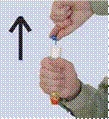
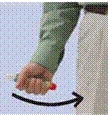
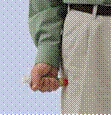
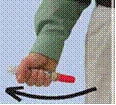
A small amount of air bubbles in the pre-filled pen is acceptable and does not affect the effectiveness of the medication.
After using the medication, a significant amount of liquid (approximately 90%) will remain, which cannot be used again.
However, if the viewing window is cloudy and the orange tip is extended, you have received the required dose of medication. After use, place the pre-filled pen back into its carrier tube and keep it with you when visiting a doctor, hospital, or pharmacy.
Since EpiPen is used for emergency medical treatment, call emergency medical services immediately after its use, specifying the diagnosis of "anaphylaxis."
Inform the physician about the intramuscular injection of adrenaline or show the packaging and/or the package leaflet for medical use.
Until emergency medical help arrives, the patient should lie down with legs elevated, unless this causes difficulty in breathing, in which case the patient should sit up. The patient must remain under supervision until emergency help arrives, in case symptoms recur.
Unconscious patients should be placed in a stable lateral position.
In case of overdose or accidental injection of adrenaline, seek immediate medical assistance.
Children.
EpiPen is administered to children with body weight above 30 kg.
Children with body weight from 15 kg to 30 kg should be given EpiPen Junior, which delivers a dose of 0.15 mg adrenaline.
For children with body weight below 15 kg, doses lower than 0.15 mg are not recommended due to the difficulty in dose calculation.
Overdose.
Overdose or accidental intravascular administration of adrenaline may lead to intracranial hemorrhage due to a sudden increase in blood pressure. Fatal cases may result from pulmonary edema caused by peripheral vasoconstriction combined with cardiac stimulation.
Pulmonary edema can be counteracted with alpha-blocking agents such as phentolamine. Beta-blockers are indicated in the case of arrhythmias.
Adverse Reactions
Adverse effects are related to the action of adrenaline on alpha- and beta-adrenergic receptors and include symptoms such as tachycardia and arterial hypertension, as well as adverse reactions from the central nervous system.
Criteria for assessing the frequency of adverse drug reactions
| Very common: |
≥ 1/10 |
| Common: |
≥ 1/100 – < 1/10 |
| Uncommon: |
≥ 1/1000 – < 1/100 |
| Rare: |
≥ 1/10000 – < 1/1000 |
| Very rare: |
< 1/10000 |
| Frequency not known: |
cannot be estimated from the available data. |
Infections and infestations: Frequency not known – infection at the injection site. In post-marketing studies, rare cases of serious skin and soft tissue infections, including necrotizing fasciitis and myonecrosis caused by Clostridia (gas gangrene), have been reported.
Psychiatric disorders: Frequency not known – anxiety.
Nervous system disorders: Frequency not known – headache, dizziness, tremor.
Cardiovascular disorders: Rare – stress cardiomyopathy; frequency not known – tachycardia, cardiac arrhythmia, increased heart rate, angina pectoris, ventricular fibrillation, arterial hypertension, pallor, peripheral ischemia, which may occur following accidental injection into the muscles of the arms or legs.
Respiratory, thoracic and mediastinal disorders: Frequency not known – dyspnoea.
Gastrointestinal disorders: Frequency not known – nausea, vomiting.
Skin and subcutaneous tissue disorders: Frequency not known – increased sweating.
General disorders and administration site conditions: Frequency not known – fatigue, accidental injections may lead to injuries such as haemorrhage, bruising, discoloration, erythema or skeletal injury.
Shelf life. 2 years.
Storage conditions. Store out of reach of children. Store at a temperature not exceeding 25 °C in the original packaging to protect from light. Do not freeze.
Incompatibilities.
Adrenaline and its salts are rapidly degraded in solution by oxidizing agents. The solution colour may darken under the influence of air or light.
Packaging. 2 ml of solution for injection in a pre-filled pen; 1 pre-filled pen in a carton.
Prescription category. Prescription only.
Manufacturer. MEDA Pharma GmbH & Co. KG.
Address of the manufacturer's premises.
Benzstrasse 1, 61352 Bad Homburg, Germany.