Eliès
Ukraine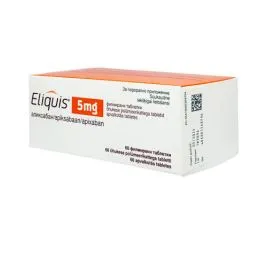
Table of Contents
INSTRUCTION FOR MEDICAL USE OF THE MEDICINAL PRODUCT ELIES (ELYES)
Composition:
Active ingredient: apixaban;
1 film-coated tablet contains 2.5 mg of apixaban;
Excipients: anhydrous lactose, microcrystalline cellulose, sodium croscarmellose, sodium lauryl sulfate, magnesium stearate;
Film coating: Opadry II Yellow (32K520162) (hypromellose 15 mPaS / HPMC 2910; lactose monohydrate; titanium dioxide (E 171); triacetin; iron oxide yellow (E 172)).
Pharmaceutical form. Film-coated tablets.
Main physicochemical characteristics: yellow, round, biconvex, film-coated tablets, embossed with "I1" on one side and smooth on the other.
Pharmacotherapeutic group. Antithrombotic agents. Direct factor Xa inhibitors. ATC code B01AF02.
Pharmacological Properties
Pharmacodynamics
Mechanism of action
Apixaban is a potent, reversible, direct, and highly selective inhibitor of the active site of factor Xa, intended for oral administration. For its antithrombotic effect, it does not require antithrombin III. Apixaban inhibits both free and clot-bound factor Xa, as well as suppresses the activity of prothrombinase. Apixaban does not directly affect platelet aggregation but indirectly inhibits thrombin-induced platelet aggregation. By inhibiting factor Xa, apixaban prevents thrombin generation and thrombus formation. Preclinical animal studies with apixaban demonstrated effective antithrombotic activity in preventing both arterial and venous thrombosis at doses that did not impair hemostatic processes.
Pharmacodynamic effects
The pharmacodynamics of apixaban reflect its mechanism of action (inhibition of factor Xa). As a result of factor Xa inhibition, apixaban increases the values of prothrombin time (PT), international normalized ratio (INR), and activated partial thromboplastin time (aPTT). Changes in coagulation parameters observed during therapeutic dosing are minimal and highly variable, and therefore are not recommended for assessing the pharmacodynamic properties of apixaban. In thrombin generation assays, apixaban reduced endogenous thrombin potential, a marker of thrombin formation in human plasma.
Apixaban also demonstrates activity against factor Xa, as evidenced by reduced enzymatic activity of factor Xa measured using various commercial factor Xa activity assay kits; however, results varied between different assay kits. Clinical study data are available only for the chromogenic assay Rotachrom® Heparin. Anti-factor Xa activity is closely and linearly related to apixaban plasma concentration, reaching maximum levels at peak apixaban plasma concentrations. The relationship between apixaban plasma concentration and anti-factor Xa activity is approximately linear over a wide range of apixaban doses.
Table 1 shows the predicted steady-state concentrations and anti-factor Xa activity for each indication. In patients receiving apixaban for prevention of venous thromboembolism (VTE) after elective knee or hip replacement surgery, less than a 1.6-fold fluctuation was observed between peak and trough levels. In patients with non-valvular atrial fibrillation receiving apixaban for stroke and systemic embolism prevention, results showed less than a 1.7-fold fluctuation between peak and trough levels. In patients receiving apixaban for treatment of deep vein thrombosis (DVT) and pulmonary embolism (PE), or for prevention of recurrent DVT and PE, less than a 2.2-fold fluctuation between peak and trough levels was observed.
Table 1
Predicted steady-state apixaban concentrations and anti-factor Xa activity
| Dosing |
Apixaban, Cmax (ng/mL) |
Apixaban, Cmin (ng/mL) |
Maximum anti-Factor Xa activity of apixaban (IU/mL) |
Minimum anti-Factor Xa activity of apixaban (IU/mL) |
| Median [5th, 95th percentile] |
||||
| VTE prophylaxis: elective knee or hip replacement surgery |
||||
| 2.5 mg twice daily |
77 [41, 146] |
51 [23, 109] |
1.3 [0.67, 2.4] |
0.84 [0.37, 1.8] |
| Stroke and systemic embolism prophylaxis in patients with nonvalvular atrial fibrillation |
||||
| 2.5 mg twice daily * |
123 [69, 221] |
79 [34, 162] |
1.8 [1.0, 3.3] |
1.2 [0.51, 2.4] |
| 5 mg twice daily |
171 [91, 321] |
103 [41, 230] |
2.6 [1.4, 4.8] |
1.5 [0.61, 3.4] |
| Treatment of DVT, treatment of PE, and prevention of recurrent DVT and PE (VTEt) |
||||
| 2.5 mg twice daily |
67 [30, 153] |
32 [11, 90] |
1.0 [0.46, 2.5] |
0.49 [0.17, 1.4] |
| 5 mg twice daily |
132 [59, 302] |
63 [22, 177] |
2.1 [0.91, 5.2] |
1.0 [0.33, 2.9] |
| 10 mg twice daily |
251 [111, 572] |
120 [41, 335] |
4.2 [1.8, 10.8] |
1.9 [0.64, 5.8] |
* Dose adjustment for the population was based on meeting 2 out of 3 dose reduction criteria in the ARISTOTLE trial.
Although apixaban treatment does not require routine monitoring of exposure levels, in exceptional circumstances when information on apixaban exposure levels may assist in making a clinical decision (e.g., in cases of overdose or emergency surgery), a calibrated quantitative method for measuring anti-factor Xa activity can be used.
Clinical efficacy and safety
Prevention of venous thromboembolism (VTEp): elective hip or knee replacement surgery
The clinical development program for apixaban was designed to demonstrate the efficacy and safety of apixaban for VTE prevention in various populations of adult patients undergoing elective hip or knee replacement surgery. Overall, 8,464 patients were randomized in two pivotal, double-blind, multinational studies comparing oral apixaban 2.5 mg twice daily (4,236 patients) with subcutaneous enoxaparin 40 mg once daily (4,228 patients). The total population included 1,262 patients aged 75 years and older (of whom 618 were in the apixaban treatment group), 1,004 patients with low body weight (≤ 60 kg) (of whom 499 were in the apixaban treatment group), 1,495 patients with a body mass index ≥ 33 kg/m² (of whom 743 were in the apixaban treatment group), and 415 patients with moderate renal impairment (of whom 203 were in the apixaban treatment group).
The ADVANCE-3 study included 5,407 patients undergoing elective hip replacement surgery, and the ADVANCE-2 study included 3,057 patients undergoing elective knee replacement surgery. Participants received either oral apixaban 2.5 mg twice daily or subcutaneous enoxaparin 40 mg once daily. The first dose of apixaban was administered 12–24 hours after surgery, whereas enoxaparin was initiated 9–15 hours before surgery. Apixaban and enoxaparin were administered for 32–38 days in the ADVANCE-3 study and for 10–14 days in the ADVANCE-2 study.
Based on medical history data from the 8,464 patients enrolled in the ADVANCE-3 and ADVANCE-2 studies, 46% had arterial hypertension, 10% had hyperlipidemia, 9% had diabetes, and 8% had ischemic heart disease.
Apixaban demonstrated statistically significant greater reduction in the rates of the primary endpoint (composite endpoint of all venous thromboembolism events and all-cause mortality) and the endpoint "Major venous thromboembolic events" (composite endpoint of proximal deep vein thrombosis, non-fatal pulmonary embolism, and fatal events related to venous thromboembolism) compared to enoxaparin in patients undergoing both elective hip and knee replacement surgery (see Table 2).
Table 2
Efficacy results from the pivotal phase III studies
| Study |
ADVANCE-3 (hip joint) |
ADVANCE-2 (knee joint) |
||||
| Investigational treatment Dose Treatment duration |
Apixaban 2.5 mg orally twice daily 35 ± 3 days |
Enoxaparin 40 mg subcutaneously once daily 35 ± 3 days |
p value |
Apixaban 2.5 mg orally twice daily 12 ± 2 days |
Enoxaparin 40 mg subcutaneously once daily 12 ± 2 days |
p value |
| Total number of venous thromboembolism events / all-cause mortality |
||||||
| Number of events / participants Incidence rate |
27/1949 1.39% |
74/1917 3.86% |
<0.0001 |
147/976 15.06% |
243/997 24.37% |
<0.0001 |
| Relative risk 95% CI |
0.36 (0.22; 0.54) |
0.62 (0.51; 0.74) |
||||
| Major venous thromboembolism events |
||||||
| Number of events / participants Incidence rate |
10/2199 0.45% |
25/2195 1.14% |
0.0107 |
13/1195 1.09% |
26/1199 2.17% |
0.0373 |
| Relative risk (%) |
0.40 |
0.50 |
||||
| 95% CI |
(0.15; 0.80) |
(0.26; 0.97) |
||||
In patients who received 2.5 mg apixaban or 40 mg enoxaparin (see Table 3), similar rates were observed for safety endpoints such as major bleeding, the composite endpoint of major and clinically relevant non-major bleeding (CRNMB), as well as the endpoint of all bleeding. All bleeding criteria included bleeding from the surgical site.
Table 3
Bleeding outcomes from the pivotal Phase III studies*
| Study |
ADVANCE-3 |
ADVANCE-2 |
||
| Investigational treatment Dose Treatment duration |
Apixaban 2.5 mg orally twice daily 35 ± 3 days |
Enoxaparin 40 mg subcutaneously once daily 35 ± 3 days |
Apixaban 2.5 mg orally twice daily 12 ± 2 days |
Enoxaparin 40 mg subcutaneously once daily 12 ± 2 days |
| All treated patients |
n = 2673 |
n = 2659 |
n = 1501 |
n = 1508 |
| Treatment period 1 |
||||
| Major |
22 (0.8%) |
18 (0.7%) |
9 (0.6%) |
14 (0.9%) |
| Fatal |
0 |
0 |
0 |
0 |
| Major + CRNM ++CRNM CRNM |
129 (4.8%) |
134 (5.0%) |
53 (3.5%) |
72 (4.8%) |
| All events |
313 (11.7%) |
334 (12.6%) |
104 (6.9%) |
126 (8.4%) |
| Postoperative treatment period 2 |
||||
| Major |
9 (0.3%) |
11 (0.4%) |
4 (0.3%) |
9 (0.6%) |
| Fatal |
0 |
0 |
0 |
0 |
| Major + CRNM |
96 (3.6%) |
115 (4.3%) |
41 (2.7%) |
56 (3.7%) |
| All events |
261 (9.8%) |
293 (11.0%) |
89 (5.9%) |
103 (6.8%) |
* All bleeding criteria included bleeding at the surgical site.
1 Includes episodes occurring after administration of the first dose of enoxaparin (pre-operatively).
2 Includes episodes occurring after administration of the first dose of apixaban (post-operatively).
In Phase II and III studies involving patients undergoing elective hip or knee replacement surgery, the overall frequency of such adverse reactions as bleeding, anemia, and elevations in transaminase levels (e.g., alanine aminotransferase) was numerically lower in patients in the apixaban treatment group compared to the enoxaparin treatment group.
Among patients undergoing knee replacement surgery, 4 cases of pulmonary embolism were reported in the apixaban treatment group during the planned treatment period, compared to no cases in the enoxaparin treatment group. The reason for this increased number of pulmonary embolism cases cannot be explained.
Prevention of stroke and systemic embolism in adult patients with non-valvular atrial fibrillation
In the clinical program (ARISTOTLE study: apixaban versus warfarin, and AVERROES study: apixaban versus acetylsalicylic acid), 23,799 patients were randomized, of whom 11,927 were assigned to apixaban treatment groups. The program was designed to demonstrate the efficacy and safety of apixaban for the prevention of stroke and systemic embolism in patients with non-valvular atrial fibrillation and one or more additional risk factors, namely:
- prior history of stroke or transient ischemic attack;
- age ≥ 75 years;
- arterial hypertension;
- diabetes mellitus;
- symptomatic heart failure (NYHA class ≥ II).
ARISTOTLE study
In the ARISTOTLE study, a total of 18,201 patients were randomized; participants were allocated to double-blind treatment with apixaban 5 mg twice daily (or 2.5 mg twice daily in some patients (4.7 %), see section "Posology and method of administration") or warfarin (target INR range 2.0–3.0). Patients received the active treatment for a mean duration of 20 months. The mean age of participants was 69.1 years, and the mean CHADS2 score was 2.1. A history of stroke or transient ischemic attack was present in 18.9 % of patients.
In this study, apixaban treatment demonstrated a statistically significant benefit over warfarin for the primary efficacy endpoint of prevention of stroke (hemorrhagic or ischemic) and systemic embolism (see Table 4).
Table 4
Efficacy in patients with atrial fibrillation enrolled in the ARISTOTLE study
| Parameter |
Apixaban N=9120 n (%/year) |
Warfarin N=9081 n (%/year) |
Risk ratio (95 % CI) |
p-value |
| Stroke or systemic embolism |
212 (1.27) |
265 (1.60) |
0.79 (0.66; 0.95) |
0.0114 |
| Stroke |
||||
| Ischemic or undetermined stroke |
162 (0.97) |
175 (1.05) |
0.92 (0.74; 1.13) |
|
| Hemorrhagic stroke |
40 (0.24) |
78 (0.47) |
0.51 (0.35; 0.75) |
|
| Systemic embolism |
15 (0.09) |
17 (0.10) |
0.87 (0.44; 1.75) |
In patients assigned to warfarin treatment, the median time (%) during which INR was within the range of 2.0–3.0 while on study drug in the therapeutic window was 66%.
Apixaban demonstrated a reduction in the rate of stroke and systemic embolism (compared to warfarin therapy) across various levels of mean time in the therapeutic range. For the highest quartile relative to the mean value, the risk ratio for apixaban versus warfarin was 0.73 (95% CI 0.38, 1.40).
The key secondary endpoints of major bleeding and all-cause mortality were evaluated using a pre-specified hierarchical hypothesis testing strategy to control the overall type I error rate in the study. Statistically significant advantages were also observed for apixaban over warfarin regarding the key secondary endpoints of major bleeding and all-cause mortality (see Table 5). However, with more stringent INR control, the advantages of apixaban over warfarin with respect to all-cause mortality diminished.
Table 5
Secondary endpoints in patients with atrial fibrillation in the ARISTOTLE study
| Parameter |
Apixaban N = 9088 n (%/year) |
Warfarin N = 9052 n (%/year) |
Risk ratio (95% CI) |
p-value |
| Bleeding endpoints |
||||
| Major* |
327 (2.13) |
462 (3.09) |
0.69 (0.60; 0.80) |
<0.0001 |
| Fatal |
10 (0.06) |
37 (0.24) |
||
| Intracranial |
52 (0.33) |
122 (0.80) |
||
| Major + clinically non-major bleeding† |
613 (4.07) |
877 (6.01) |
0.68 (0.61; 0.75) |
<0.0001 |
| All cases |
2356 (18.1) |
3060 (25.8) |
0.71 (0.68; 0.75) |
<0.0001 |
| Other endpoints |
||||
| Total mortality |
603 (3.52) |
669 (3.94) |
0.89 (0.80; 1.00) |
0.0465 |
| Myocardial infarction |
90 (0.53) |
102 (0.61) |
0.88 (0.66; 1.17) |
|
* Major bleeding, defined according to criteria of the International Society on Thrombosis and Haemostasis (ISTH).
† Clinically significant non-major bleeding.
The cumulative rate of discontinuation due to adverse reactions in the ARISTOTLE study was 1.8% with apixaban and 2.6% with warfarin.
Efficacy results in pre-specified subgroups (including subgroups based on CHADS2 score, age, body weight, sex, renal function, history of stroke or transient ischemic attack, and diabetes) were consistent with the primary efficacy outcomes in the overall study population.
The rate of ISTH-defined major gastrointestinal bleeding (including upper and lower gastrointestinal tract and rectal bleeding) was 0.76% per year with apixaban and 0.86% per year with warfarin.
Rates of major bleeding in pre-specified subgroups (including subgroups based on CHADS2 score, age, body weight, sex, renal function, history of stroke or transient ischemic attack, and diabetes) were consistent with results in the overall population.
AVERROES Study
Overall, 5598 patients were randomized in the AVERROES study, in whom vitamin K antagonist therapy was not feasible. Study participants were assigned to receive either apixaban 5 mg twice daily (or 2.5 mg twice daily in some patients (6.4%) (see section "Dosage and administration")) or acetylsalicylic acid. Acetylsalicylic acid was administered once daily at a dose of 81 mg (64%), 162 mg (26.9%), 243 mg (2.1%), or 324 mg (6.6%). The dose was determined by the investigator. Patients received the active treatment for a median duration of 14 months. The mean age of participants was 69.9 years, and the mean CHADS2 score was 2.0. 13.6% of patients had a prior history of stroke or transient ischemic attack.
Common reasons for infeasibility of vitamin K antagonist therapy included: inability/low likelihood of achieving required international normalized ratio (INR) levels within the required timeframe (42.6%), patient refusal of vitamin K antagonist therapy (37.4%), CHADS2 score = 1 and physician recommendation against vitamin K antagonist therapy (21.3%), inability to ensure patient compliance with vitamin K antagonist dosing instructions (15%), and difficulty/predicted difficulty in contacting the patient promptly when immediate dose adjustment was needed (11.7%).
The AVERROES study was terminated early upon recommendation of the independent Data Monitoring Committee due to compelling evidence of reduced stroke and systemic embolism rates combined with a favorable safety profile.
The cumulative rate of discontinuation due to adverse reactions in the AVERROES study was 1.5% with apixaban and 1.3% with acetylsalicylic acid.
In this study, apixaban treatment demonstrated a statistically significant benefit over acetylsalicylic acid for the primary efficacy endpoint of prevention of stroke (hemorrhagic, ischemic, or undetermined) or systemic embolism (see Table 6).
Table 6
Key efficacy outcomes in patients with atrial fibrillation enrolled in the AVERROES study
| Parameter |
Apixaban N = 2807 n (%/year) |
Acetylsalicylic acid N = 2791 n (%/year) |
Risk ratio (95 % CI) |
p-value |
| Stroke or systemic embolism* |
51 (1.62) |
113 (3.63) |
0.45 (0.32; 0.62) |
<0.0001 |
| Stroke |
||||
| Ischemic or unspecified stroke |
43 (1.37) |
97 (3.11) |
0.44 (0.31; 0.63) |
|
| Hemorrhagic stroke |
6 (0.19) |
9 (0.28) |
0.67 (0.24; 1.88) |
|
| Systemic embolism |
2 (0.06) |
13 (0.41) |
0.15 (0.03; 0.68) |
|
| Stroke, systemic embolism, myocardial infarction, or vascular death*† |
132 (4.21) |
197 (6.35) |
0.66 (0.53; 0.83) |
0.003 |
| Myocardial infarction |
24 (0.76) |
28 (0.89) |
0.86 (0.50; 1.48) |
|
| Vascular death |
84 (2.65) |
96 (3.03) |
0.87 (0.65; 1.17) |
|
| Total mortality† |
111 (3.51) |
140 (4.42) |
0.79 (0.62; 1.02) |
0.068 |
* Assessment using a hierarchical testing strategy designed to control the overall type I error rate in the study.
† Secondary endpoint.
There was no statistically significant difference in the rate of major bleeding between apixaban and acetylsalicylic acid (see Table 7).
Table 7
Bleeding events in patients with atrial fibrillation in the AVERROES study
| Indicator |
Apixaban N = 2798 n (%/year) |
ASA N = 2780 n (%/year) |
Risk ratio (95 % CI) |
p-value |
| Major * |
45 (1.41) |
29 (0.92) |
1.54 (0.96; 2.45) |
0.0716 |
| Fatal |
5 (0.16) |
5 (0.16) |
||
| Intracranial |
11 (0.34) |
11 (0.35) |
||
| Major + CRNM† |
140 (4.46) |
101 (3.24) |
1.38 (1.07; 1.78) |
0.0144 |
| All cases |
325 (10.85) |
250 (8.32) |
1.30 (1.10; 1.53) |
0.0017 |
* Major bleeding defined according to criteria of the International Society on Thrombosis and Haemostasis (ISTH).
† Clinically relevant non-major.
Patients with non-valvular atrial fibrillation (NVAF) and acute coronary syndrome (ACS) and/or those undergoing percutaneous coronary intervention (PCI)
In the AUGUSTUS trial — an open-label, randomized, controlled 2-by-2 factorial trial — 4,614 patients with NVAF who had ACS (43%) and/or underwent PCI (56%) were enrolled. All patients received background therapy with a P2Y12 inhibitor (clopidogrel: 90.3%), administered according to local treatment standards.
Patients within 14 days after ACS and/or PCI were randomized to receive apixaban 5 mg twice daily (2.5 mg twice daily if patients met two or more dose-reduction criteria; 4.2% received the lower dose) or a vitamin K antagonist (VKA) and aspirin (ASA) (81 mg once daily) or placebo. The mean age of patients was 69.9 years, 94% of randomized patients had a CHA2DS2-VASc score > 2, and 47% had a HAS-BLED score > 3. For patients randomized to VKA, the time in therapeutic range (TTR) (INR 2–3) was 56%, with 32% of time below and 12% above the TTR.
The primary objective of the AUGUSTUS trial was to assess safety, with the primary endpoint being major or clinically relevant non-major bleeding according to ISTH criteria. In the comparison between apixaban and VKA, the primary endpoint — major or clinically relevant non-major bleeding according to ISTH criteria at 6 months — occurred in 241 (10.5%) and 332 (14.7%) patients in the apixaban and VKA groups, respectively (HR = 0.69, 95% CI: 0.58, 0.82; two-sided p<0.0001 for non-inferiority and p<0.0001 for superiority). A supplementary analysis using TTR quartiles in the VKA group showed that the highest bleeding rate was associated with the lowest TTR quartile. The bleeding rate was similar when comparing apixaban versus VKA in the highest TTR quartile subgroup.
In the comparison of ASA versus placebo, the primary endpoint — major or non-major clinically relevant bleeding according to ISTH criteria at 6 months — occurred in 367 (16.1%) and 204 (9.0%) patients in the ASA and placebo groups, respectively (HR = 1.88, 95% CI: 1.58, 2.23; two-sided p<0.0001).
Specifically, in patients receiving apixaban, major or clinically relevant non-major bleeding occurred in 157 (13.7%) and 84 (7.4%) patients in the ASA and placebo groups, respectively. In patients receiving VKA, major or clinically relevant non-major bleeding occurred in 208 (18.5%) and 122 (10.8%) patients in the ASA and placebo groups, respectively.
Other treatment effects were evaluated as secondary trial objectives using composite endpoints.
In the comparison of apixaban versus VKA, the composite endpoint of death or recurrent hospitalization occurred in 541 (23.5%) and 632 (27.4%) patients in the apixaban and VKA groups, respectively. The composite endpoint of death or ischemic events (stroke, myocardial infarction, stent thrombosis, or urgent revascularization) occurred in 170 (7.4%) and 182 (7.9%) patients in the apixaban and VKA groups, respectively.
In the comparison of ASA versus placebo, the composite endpoint of death or recurrent hospitalization occurred in 604 (26.2%) and 569 (24.7%) patients in the ASA and placebo groups, respectively. The composite endpoint of death or ischemic events (stroke, myocardial infarction, stent thrombosis, or urgent revascularization) occurred in 163 (7.1%) and 189 (8.2%) patients in the ASA and placebo groups, respectively.
Patients undergoing cardioversion
EMANATE — an open-label, multicenter trial involving 1,500 patients who were not taking oral anticoagulants or had received prior treatment for less than 48 hours and were scheduled for cardioversion for NVAF.
Patients were randomized in a 1:1 ratio to receive either apixaban or heparin and/or vitamin K antagonists for prevention of cardiovascular events. Electrical and/or pharmacological cardioversion was performed after at least 5 doses of apixaban 5 mg twice daily (or 2.5 mg twice daily in selected patients), or at least 2 hours after a 10 mg loading dose (or 5 mg loading dose in selected patients) if early cardioversion was required (see section "Dosage and administration"). In the apixaban treatment group, 342 patients received a loading dose (331 patients received 10 mg, and 11 received 5 mg).
In the apixaban treatment group (n = 753), there were no strokes (0%), compared to 6 (0.80%) strokes in the heparin and/or vitamin K antagonist group (n = 747; OR 0.00, 95% CI: 0.00, 0.64). All-cause mortality occurred in 2 patients (0.27%) in the apixaban group and in 1 patient (0.13%) in the heparin and/or vitamin K antagonist group. No systemic embolism events were reported.
Major bleeding and clinically relevant non-major bleeding events occurred in 3 (0.41%) and 11 (1.50%) patients, respectively, in the apixaban group, compared to 6 (0.83%) and 13 (1.80%) patients in the heparin and/or vitamin K antagonist group.
This exploratory trial demonstrated comparable efficacy and safety between the apixaban and heparin and/or vitamin K antagonist treatment groups during cardioversion.
Treatment of DVT, treatment of PE, and prevention of recurrent DVT and PE (VTEt)
The clinical program (AMPLIFY: apixaban vs. enoxaparin/warfarin; AMPLIFY-EXT: apixaban vs. placebo) was designed to demonstrate the efficacy and safety of apixaban for the treatment of DVT and/or PE (AMPLIFY) and the extended utility of the drug in preventing recurrence of DVT and/or PE after 6–12 months of anticoagulant treatment for DVT and/or PE (AMPLIFY-EXT). Both studies were randomized, double-blind, international, parallel-group trials involving patients with symptomatic proximal DVT or symptomatic PE. All primary safety and efficacy endpoints were assessed by an independent committee based on blinded data.
AMPLIFY trial
In the AMPLIFY trial, 5,395 patients were randomized to either: apixaban 10 mg orally twice daily for 7 days, followed by apixaban 5 mg orally twice daily for 6 months, or enoxaparin 1 mg/kg subcutaneously twice daily for at least 5 days (until INR ≥ 2) and warfarin (target INR range 2.0–3.0) orally for 6 months.
The mean age of patients was 56.9 years, and 89.8% of randomized patients had unprovoked VTE events.
In patients assigned to the warfarin treatment group, the mean percentage of time within the therapeutic INR range (2.0–3.0) was 60.9%. Apixaban demonstrated reduced rates of recurrent symptomatic VTE or VTE-related death across various levels of mean time in the therapeutic INR range. For the highest quartile, the relative risk ratio for apixaban versus enoxaparin/warfarin was 0.79 (95% CI: 0.39, 1.61).
This trial demonstrated that apixaban is non-inferior to enoxaparin/warfarin for the primary composite endpoint of recurrent symptomatic VTE (DVT or non-fatal PE) or VTE-related death (see Table 8).
Table 8
Efficacy results from the AMPLIFY trial
| Parameter |
Apixaban N=2609 n (%) |
Enoxaparin/Warfarin N=2635 n (%) |
Relative risk (95 % CI) |
| VTE or VTE-related death |
59 (2.3) |
71 (2.7) |
0.84 (0.60; 1.18) * |
| DVT |
20 (0.7) |
33 (1.2) |
|
| PE |
27 (1.0) |
23 (0.9) |
|
| VTE-related death |
12 (0.4) |
15 (0.6) |
|
| VTE or all-cause death |
84 (3.2) |
104 (4.0) |
0.82 (0.61; 1.08) |
| VTE or cardiovascular disorder-related death |
61 (2.3) |
77 (2.9) |
0.80 (0.57; 1.11) |
| VTE, VTE-related death, or major bleeding |
73 (2.8) |
118 (4.5) |
0.62 (0.47; 0.83) |
* No less effective compared to enoxaparin/warfarin (p <0.0001)
The efficacy of apixaban during the initial course of treatment for VTE was comparable in patients receiving the drug for the treatment of PE [relative risk 0.9; 95% CI (0.5, 1.6)] or DVT [relative risk 0.8; 95% CI (0.5, 1.3)]. Efficacy across various subgroups, including those classified by age, sex, body mass index (BMI), renal function, size of PE burden, location of DVT thrombus, and prior use of parenteral heparin, was generally consistent.
The primary safety endpoint was major bleeding. In this study, apixaban demonstrated statistically significant advantages compared to enoxaparin/warfarin for the primary safety endpoint [relative risk 0.31, 95% CI (0.17, 0.55), p-value <0.0001] (see Table 9).
Table 9
Bleeding outcomes from the AMPLIFY study
| Indicator |
Apixaban N=2676 n (%) |
Enoxaparin/Warfarin N=2689 n (%) |
Relative risk (95 % CI) |
| Major |
15 (0.6) |
49 (1.8) |
0.31 (0.17; 0.55) |
| Major + CRNM |
115 (4.3) |
261 (9.7) |
0.44 (0.36; 0.55) |
| Minor |
313 (11.7) |
505 (18.8) |
0.62 (0.54; 0.70) |
| All types |
402 (15.0) |
676 (25.1) |
0.59 (0.53; 0.66) |
Significant bleeding and CMB (clinically meaningful minor bleeding) at any anatomical site were generally lower in the apixaban group compared to the enoxaparin/warfarin group. Gastrointestinal bleeding classified as ISTH major occurred in 6 patients (0.2%) receiving apixaban and in 17 patients (0.6%) receiving enoxaparin/warfarin.
AMPLIFY-EXT study
In the AMPLIFY-EXT study, 2482 patients were randomized to treatment with apixaban 2.5 mg orally twice daily, apixaban 5 mg orally twice daily, or placebo for 12 months after completion of an initial course of anticoagulant therapy lasting 6–12 months. Among them,
836 patients (33.7%) had participated in the AMPLIFY study prior to enrollment in AMPLIFY-EXT.
The mean patient age was 56.7 years, and 91.7% of the randomized patients had unprovoked VTE events.
In this study, both apixaban doses demonstrated statistically significant advantages compared to placebo for the primary efficacy outcome of symptomatic recurrent VTE (DVT or non-fatal PE) or death from any cause (see Table 10).
Table 10
Efficacy outcomes in the AMPLIFY-EXT study
| Indicator |
Apixaban |
Apixaban |
Placebo |
Relative risk (95% CI) |
|
| 2.5 mg (N=840) |
5.0 mg (N=813) |
(N=829) |
Apixaban 2.5 mg vs placebo |
Apixaban 5.0 mg vs placebo |
|
| n (%) |
|||||
| Fatal outcome due to recurrent VTE or any cause |
19 (2.3) |
14 (1.7) |
77 (9.3) |
0.24 (0.15; 0.40)¥ |
0.19 (0.11; 0.33)¥ |
| DVT* |
6 (0.7) |
7 (0.9) |
53 (6.4) |
||
| PE* |
7 (0.8) |
4 (0.5) |
13 (1.6) |
||
| Fatal outcome from any cause |
6 (0.7) |
3 (0.4) |
11 (1.3) |
||
| Fatal outcome related to recurrent VTE or due to VTE |
14 (1.7) |
14 (1.7) |
73 (8.8) |
0.19 (0.11; 0.33) |
0.20 (0.11; 0.34) |
| Fatal outcome related to recurrent VTE or cardiovascular events |
14 (1.7) |
14 (1.7) |
76 (9.2) |
0.18 (0.10; 0.32) |
0.19 (0.11; 0.33) |
| DVT† without fatal outcome |
6 (0.7) |
8 (1.0) |
53 (6.4) |
0.11 (0.05; 0.26) |
0.15 (0.07; 0.32) |
| PE† without fatal outcome |
8 (1.0) |
4 (0.5) |
15 (1.8) |
0.51 (0.22; 1.21) |
0.27 (0.09; 0.80) |
| Fatal outcome related to VTE |
2 (0.2) |
3 (0.4) |
7 (0.8) |
0.28 (0.06; 1.37) |
0.45 (0.12; 1.71) |
¥ p-value <0.0001.
* For patients who experienced more than one event comprising the composite endpoint, only the first event was reported (e.g., if a study participant experienced DVT first and then PE, only DVT was recorded in the report).
† Individual patients may have experienced more than one event, and events may have been counted in both classifications.
The efficacy of apixaban for the prevention of recurrent VTE remained consistent across various subgroups, including those classified by age, sex, body mass index, and renal function.
The primary safety endpoint was major bleeding during the treatment period. In this study, the rate of major bleeding for both apixaban doses did not differ statistically from placebo. There was no statistically significant difference in the rates of major, clinically relevant non-major bleeding, minor bleeding, or all bleeding between the groups receiving apixaban 2.5 mg twice daily and placebo (see Table 11).
Table 11
Bleeding outcomes in the AMPLIFY-EXT study
| Indicator |
Apixaban |
Apixaban |
Placebo |
Relative risk (95 % CI) |
|
| 2.5 mg (N=840) |
5.0 mg (N=811) |
(N=826) |
Apixaban 2.5 mg compared with placebo |
Apixaban 5.0 mg compared with placebo |
|
| n (%) |
|||||
| Major |
2 (0.2) |
1 (0.1) |
4 (0.5) |
0.49 (0.09; 2.64) |
0.25 (0.03; 2.24) |
| Major + CRNM |
27 (3.2) |
35 (4.3) |
22 (2.7) |
1.20 (0.69; 2.10) |
1.62 (0.96; 2.73) |
| Minor |
75 (8.9) |
98 (12.1) |
58 (7.0) |
1.26 (0.91; 1.75) |
1.70 (1.25; 2.31) |
| All types |
94 (11.2) |
121 (14.9) |
74 (9.0) |
1.24 (0.93; 1.65) |
1.65 (1.26; 2.16) |
According to ISTH assessment, major gastrointestinal bleeding occurred in 1 (0.1%) patient receiving apixaban 5 mg twice daily, in none of the patients receiving the dose of 2.5 mg twice daily, and in 1 (0.1%) patient receiving placebo.
Paediatric population
There are no approved indications for the use of the medicinal product in children (see section "Dosage and administration").
Prevention of VTE in children with acute lymphoblastic leukaemia or lymphoblastic lymphoma (ALL, LL)
The PREVAPIX-ALL study included 512 patients aged ≥1 to <18 years with newly diagnosed ALL or LL undergoing induction chemotherapy including asparaginase, with use of a central venous access device, randomized 1:1 to open-label apixaban thromboprophylaxis or standard care (without systemic anticoagulants). Apixaban was administered according to a body weight-dependent fixed-dose regimen designed to achieve exposure comparable to that observed in adults receiving 2.5 mg twice daily (see Table 12). Apixaban was administered as 2.5 mg tablets, 0.5 mg tablets, or 0.4 mg/mL oral solution. The mean duration of apixaban exposure in the group of patients who received it was 25 days.
Table 12
Apixaban dosing in the PREVAPIX-ALL study
| Body weight range |
Dosing regimen |
| from 6 to < 10.5 kg |
0.5 mg twice daily |
| from 10.5 to < 18 kg |
1 mg twice daily |
| from 18 to < 25 kg |
1.5 mg twice daily |
| from 25 to < 35 kg |
2 mg twice daily |
| > 35 kg |
2.5 mg twice daily |
The primary efficacy endpoint was a composite of confirmed symptomatic and asymptomatic non-fatal deep vein thrombosis, pulmonary embolism, cerebral venous sinus thrombosis, and venous thromboembolism-related death. The rate of the primary efficacy endpoint was 31 (12.1%) in the apixaban group compared to 45 (17.6%) in the standard therapy group. The relative risk reduction did not achieve statistical significance.
Safety endpoints were assessed according to ISTH criteria. The principal safety endpoint, major bleeding, occurred in 0.8% of patients in each treatment group. Clinically relevant non-major (CRNM) bleeding occurred in 11 patients (4.3%) in the apixaban group and in 3 patients (1.2%) in the standard therapy group. The most common CRNM bleeding events accounting for the treatment difference were mild to moderate intensity nosebleeds. Minor bleeding occurred in 37 patients (14.5%) in the apixaban group and in 20 patients (7.8%) in the standard therapy group.
Prevention of thromboembolism (TE) in children with congenital or acquired heart disease SAXOPHONE is a randomized, open-label, multicenter comparative study with a 2:1 randomization involving patients aged <18 years with congenital or acquired heart disease requiring anticoagulation. Patients received either apixaban or standard thromboprophylaxis with vitamin K antagonist or low molecular weight heparin. Apixaban was administered according to a body weight-based fixed-dose regimen designed to achieve exposure comparable to that observed in adults receiving 5 mg twice daily (see Table 13). Apixaban was given as 5 mg tablets, 0.5 mg tablets, or 0.4 mg/mL oral solution. The mean duration of apixaban exposure in the treated patient group was 331 days.
Table 13
Apixaban dosing in the SAXOPHONE study
| Body weight range |
Dosing regimen |
| from 6 to < 9 kg |
1 mg twice daily |
| from 9 to < 12 kg |
1.5 mg twice daily |
| from 12 to < 18 kg |
2 mg twice daily |
| from 18 to < 25 kg |
3 mg twice daily |
| from 25 to < 35 kg |
4 mg twice daily |
| > 35 kg |
5 mg twice daily |
The primary safety endpoint, a composite of ISTH-defined major and clinically relevant non-major (CRNM) bleeding, occurred in 1 (0.8%) of 126 patients receiving apixaban and in 3 (4.8%) of 62 patients receiving standard therapy. The definition of the secondary safety endpoint (major bleeding, CRNM bleeding, and all bleeding events) was discontinued due to adverse reactions, intolerance, or bleeding reported in 7 (5.6%) patients in the apixaban group and 1 (1.6%) patient in the standard therapy group. No thromboembolic events were observed in any patient in either treatment group. There were no fatal outcomes in either treatment group.
This study was prospectively designed for descriptive efficacy and safety due to the expected low incidence of thromboembolic (TE) events and bleeding in this population. Because of the observed low frequency of TE events in this study, a definitive assessment of risk and benefit was not feasible.
The European Medicines Agency has deferred the obligation to submit the results of studies on the treatment of venous thromboembolism with apixaban involving pediatric patients belonging to one or more pediatric subgroups (information on pediatric use can be found in section "Dosage and administration").
Pharmacokinetics.
Absorption
The absolute bioavailability of apixaban following doses up to 10 mg is approximately 50%. Apixaban is rapidly absorbed, with peak plasma concentration (Cmax) reached within 3–4 hours after tablet intake. Food intake does not affect the AUC or Cmax of apixaban when administered at a 10 mg dose. Apixaban can be taken with or without food.
Following oral administration at doses not exceeding 10 mg, the pharmacokinetics of apixaban are linear, with dose-proportional increases in exposure. At doses ≥ 25 mg, apixaban exhibits solubility-limited absorption, with reduced bioavailability. Apixaban exposure parameters show low to moderate variability, reflected by an intra-subject variability of approximately 20% coefficient of variation (CV) and inter-subject variability of approximately 30% CV.
After oral administration of 10 mg apixaban as 2 crushed 5 mg tablets suspended in 30 mL of water, exposure was comparable to that observed after oral administration of 2 intact 5 mg tablets. After oral administration of 10 mg apixaban as 2 crushed 5 mg tablets mixed with 30 g of apple puree, Cmax and AUC values were 21% and 16% lower, respectively, compared to administration of 2 intact 5 mg tablets.
The reduction in exposure is not considered clinically significant.
After administration of a crushed 5 mg apixaban tablet suspended in 60 mL of 5% aqueous glucose solution and administered via a nasogastric tube, exposure was similar to that observed in other clinical studies in healthy volunteers who received a single 5 mg apixaban tablet orally.
Given the predictable dose-proportional pharmacokinetic profile of apixaban, the results of bioavailability studies are applicable to lower doses of apixaban.
Distribution
Plasma protein binding in humans is approximately 87%. The volume of distribution is approximately 21 liters.
Biotransformation and elimination
Apixaban is eliminated from the body through multiple pathways. Approximately 25% of the administered dose of apixaban is excreted as metabolites, with the majority of metabolites excreted in feces. Renal clearance of apixaban accounts for approximately 27% of total clearance. Clinical and preclinical studies have demonstrated an additional role of biliary and direct intestinal excretion pathways.
Total clearance of apixaban is approximately 3.3 L/h, and the elimination half-life is approximately 12 hours.
The main biotransformation pathways are O-demethylation and hydroxylation of the 3-oxopiperidinyl core. Apixaban metabolism is primarily mediated by CYP3A4/5. CYP1A2, 2C8, 2C9, 2C19, and 2J2 play a minor role in the metabolism of the drug. In human plasma, unchanged apixaban is the main circulating compound associated with this medicinal product. There are no circulating active metabolites of the drug in plasma. Apixaban is a substrate of transport proteins, P-gp and breast cancer resistance protein.
Elderly patients
Higher plasma concentrations of the drug were observed in elderly patients (over 65 years of age) compared to younger patients; mean AUC values in elderly patients were approximately 32% higher, with no change in Cmax.
Renal impairment
Renal function did not affect the peak concentration of apixaban. Based on creatinine clearance assessment, increased apixaban exposure correlated with decreasing renal function. In individuals with mild (creatinine clearance 51–80 mL/min), moderate (creatinine clearance 30–50 mL/min), and severe (creatinine clearance 15–29 mL/min) renal impairment, plasma concentrations of apixaban increased by 16%, 29%, and 44%, respectively, compared to individuals with normal creatinine clearance. Renal impairment did not have a pronounced effect on the relationship between apixaban plasma concentration and the extent of factor Xa inhibition.
In patients with end-stage renal disease (ESRD), apixaban AUC increased by 36% when a single 5 mg dose of apixaban was administered immediately after hemodialysis, compared to patients with normal renal function. Hemodialysis initiated two hours after administration of a single 5 mg dose of apixaban reduced apixaban AUC by 14% in these ESRD patients, corresponding to a dialysis clearance of apixaban of 18 mL/min. Thus, hemodialysis is unlikely to be an effective treatment for apixaban overdose.
Hepatic impairment
In a study where 8 participants with mild hepatic impairment (Child-Pugh class A with score 5 (n=6) and 6 (n=2)) and 8 participants with moderate hepatic impairment (Child-Pugh class B with score 7 (n=6) and 8 (n=2)) were compared with 16 healthy volunteers in the control group, the pharmacokinetics and pharmacodynamics of a single 5 mg dose of apixaban were not altered by hepatic impairment. Changes in factor Xa inhibition activity and international normalized ratio were comparable between healthy volunteers and patients with mild or moderate hepatic impairment.
Gender
Apixaban exposure in females was approximately 18% higher than in males.
Ethnic origin and race
Phase I study results indicate no notable differences in apixaban pharmacokinetic parameters among Caucasian, Mongoloid, and Negroid populations. Population pharmacokinetic analysis results in patients receiving apixaban were consistent with Phase I study findings.
Body weight
Compared to apixaban exposure in individuals with body weight between 65 and 85 kg, exposure decreased by approximately 30% in individuals with body weight over 120 kg, and increased by approximately 30% in individuals with body weight below 50 kg.
Pharmacodynamic / pharmacokinetic relationship
The pharmacokinetic/pharmacodynamic (PK/PD) relationship between apixaban plasma concentration and certain PD endpoints (factor Xa inhibition activity, PT, aPTT, and INR) was evaluated after administration of various apixaban doses across a wide range from 0.5 to 50 mg. The linear model best described the concentration-dependent relationship between apixaban plasma concentration and factor Xa inhibition activity. PK/PD relationships observed in patients were consistent with those observed in healthy volunteers.
Preclinical safety data
Preclinical data revealed no special hazard for humans based on conventional studies of pharmacological safety, repeated-dose toxicity, genotoxicity, carcinogenic potential, fertility, and embryo-fetal development, juvenile toxicity.
The main effects observed in repeated-dose toxicity studies were related to the pharmacodynamic action of apixaban on blood coagulation parameters. No significant increase in bleeding tendency was observed during toxicity studies. However, since this may be due to lower sensitivity of species used in preclinical studies compared to humans, this result should be interpreted with caution when extrapolating to humans.
In rat milk, a high milk-to-plasma ratio (Cmax ratio about 8, AUC ratio about 30) was observed, possibly due to active transport into milk.
Clinical characteristics.
Indications.
Prevention of venous thromboembolism in adult patients who have undergone elective hip or knee replacement surgery.
Prevention of stroke and systemic embolism in adult patients with non-valvular atrial fibrillation (NVAF) who have one or more risk factors such as prior history of stroke or transient ischemic attack (TIA), age ≥ 75 years, hypertension, diabetes mellitus, or symptomatic heart failure (NYHA class ≥ II).
Treatment of deep vein thrombosis (DVT) and pulmonary embolism (PE), as well as prevention of recurrent DVT and PE in adults (information regarding patients with PE and hemodynamic instability is provided in the section "Special precautions").
Contraindications.
Hypersensitivity to the active substance or to any of the excipients.
Clinically significant active bleeding.
Liver disease associated with coagulopathy and clinically significant risk of bleeding (see section "Pharmacological properties").
Lesions or conditions associated with a significant risk of major bleeding. These may include current or recent gastrointestinal ulceration, presence of malignancies with a high risk of bleeding, recent trauma to the brain or spinal cord, recent surgery on the brain or spinal cord or ophthalmological procedures, recent intracranial hemorrhage, diagnosed or suspected esophageal varices, arteriovenous malformations, vascular aneurysms, or significant intraspinal or intracranial vascular abnormalities.
Concomitant use of any other anticoagulants, such as unfractionated heparin (UFH), low-molecular-weight heparins (enoxaparin, dalteparin, etc.), heparin derivatives (fondaparinux, etc.), or oral anticoagulants (warfarin, rivaroxaban, dabigatran, etc.), except in specific circumstances of switching anticoagulant therapy (see section "Dosage and administration"): administration of UFH at doses required to maintain patency of central venous or arterial catheters, or administration of UFH during catheter ablation for atrial fibrillation (see sections "Special precautions" and "Interaction with other medicinal products and other types of interactions").
Interaction with other medicinal products and other types of interactions.
Inhibitors of CYP3A4 and P-gp
Concomitant administration of apixaban and ketoconazole (400 mg once daily), a potent inhibitor of both CYP3A4 and P-gp, resulted in a doubling of the mean AUC and a 1.6-fold increase in the mean Cmax of apixaban.
Apixaban is not recommended for use in patients receiving systemic treatment with potent inhibitors of CYP3A4 and P-gp, such as azole antifungals (e.g., ketoconazole, itraconazole, voriconazole, posaconazole) and HIV protease inhibitors (e.g., ritonavir) (see section "Special precautions").
Active substances not considered potent inhibitors of CYP3A4 and P-gp (e.g., amiodarone, clarithromycin, diltiazem, fluconazole, naproxen, quinidine, verapamil) may less intensively increase apixaban plasma concentrations. Dose adjustment of apixaban is not required when used concomitantly with agents that are not strong inhibitors of CYP3A4 and/or P-gp. For example, diltiazem (360 mg once daily), considered a moderate inhibitor of CYP3A4 and a weak inhibitor of P-gp, led to a 1.4-fold increase in the mean AUC and a 1.3-fold increase in the mean Cmax of apixaban. Naproxen (single dose 500 mg) is an inhibitor of P-gp but does not affect CYP3A4. This drug caused a 1.5-fold increase in the mean AUC and a 1.6-fold increase in the mean Cmax of apixaban. Clarithromycin (500 mg twice daily), an inhibitor of P-gp and a strong inhibitor of CYP3A4, increased the mean AUC and Cmax of apixaban by 1.6-fold and 1.3-fold, respectively.
Inducers of CYP3A4 and P-gp
Concomitant administration of apixaban with rifampicin, a potent inducer of both CYP3A4 and P-gp, resulted in approximately a 54% and 42% reduction in the mean AUC and Cmax of apixaban, respectively. Concomitant use of apixaban with other potent inducers of CYP3A4 and P-gp (e.g., phenytoin, carbamazepine, phenobarbital, or St. John's wort) may also lead to reduced plasma concentrations of apixaban. Dose adjustment of apixaban is not required when used concomitantly with such agents. However, for prevention of VTE during elective hip or knee replacement surgery, prevention of stroke and systemic embolism in patients with non-valvular atrial fibrillation (NVAF), and prevention of recurrent DVT and PE, apixaban should be used with caution in patients receiving concomitant therapy with potent inducers of CYP3A4 and P-gp.
Apixaban is not recommended for the treatment of DVT and PE in patients receiving concomitant systemic therapy with potent inducers of CYP3A4 and P-gp, as its efficacy may be compromised (see section "Special precautions").
Anticoagulants, antiplatelet agents, selective serotonin reuptake inhibitors (SSRIs) or serotonin/norepinephrine reuptake inhibitors (SNRIs), and nonsteroidal anti-inflammatory drugs (NSAIDs)
Due to increased risk of bleeding, concomitant use of any other anticoagulants is contraindicated, except in specific circumstances of switching anticoagulant therapy, when unfractionated heparin is administered at doses required to maintain patency of central venous or arterial catheters, or when unfractionated heparin is administered during catheter ablation for treatment of atrial fibrillation (see section "Contraindications").
Combined administration of enoxaparin (single dose 40 mg) and apixaban (single dose 5 mg) resulted in an additive effect on anti-Xa activity.
No significant pharmacokinetic or pharmacodynamic interactions were observed when apixaban was administered concomitantly with acetylsalicylic acid (325 mg once daily).
Concomitant administration of apixaban with clopidogrel (75 mg once daily), or with a combination of 75 mg clopidogrel and 162 mg acetylsalicylic acid once daily, or with prasugrel (loading dose 60 mg, maintenance dose 10 mg once daily) in Phase I studies did not result in a significant increase in model bleeding time or further inhibition of platelet aggregation compared to antiplatelet agents alone. Changes in coagulation parameters (PT, INR, and aPTT) were consistent with the effects of apixaban as monotherapy.
Naproxen (500 mg), an inhibitor of P-gp, increased the mean AUC of apixaban by 1.5-fold and the mean Cmax by 1.6-fold. Apixaban caused corresponding increases in coagulation parameters. Concomitant administration of naproxen and apixaban did not alter naproxen's effect on platelet aggregation induced by arachidonic acid and did not lead to clinically significant prolongation of bleeding time. Nevertheless, in individual patients, a more pronounced pharmacodynamic response to the combined use of antiplatelet agents and apixaban may occur. Apixaban should be used with caution when combined with SSRIs/SNRIs, NSAIDs, acetylsalicylic acid, and/or P2Y12 inhibitors, as these medicinal products generally increase the risk of bleeding (see section "Special precautions").
Limited experience exists with concomitant use of other antiplatelet agents (such as GPIIb/IIIa receptor antagonists, dipyridamole, dextran, or sulfinpyrazone) or thrombolytic agents. Since these agents increase the risk of bleeding, their concomitant use with apixaban is not recommended (see section "Special precautions").
Other concomitant medications
No clinically significant pharmacokinetic or pharmacodynamic interactions were observed when apixaban was administered concomitantly with atenolol or famotidine. Concomitant administration of 10 mg apixaban and 100 mg atenolol had no clinically relevant effect on the pharmacokinetics of apixaban. After repeated co-administration of both drugs, the mean AUC and Cmax of apixaban were approximately 15% and 18% lower, respectively, compared to monotherapy. Concomitant administration of 10 mg apixaban and 40 mg famotidine had no effect on the AUC or Cmax of apixaban.
Effect of apixaban on other medicinal products
In vitro studies with apixaban showed no inhibitory effect on the activity of CYP1A2, CYP2A6, CYP2B6, CYP2C8, CYP2C9, CYP2D6, or CYP3A4 (IC50 > 45 µmol/L), and weak inhibitory activity on CYP2C19 (IC50 > 20 µmol/L) at concentrations significantly higher than peak plasma concentrations in patients. Apixaban at concentrations up to 20 µmol/L does not induce the activity of CYP1A2, CYP2B6, or CYP3A4/5. Therefore, apixaban is not expected to alter the metabolic clearance of co-administered drugs metabolized by these enzymes. Apixaban does not significantly inhibit P-gp activity.
As described below, in studies involving healthy volunteers, apixaban did not cause significant changes in the pharmacokinetics of digoxin, naproxen, or atenolol.
Digoxin
Concomitant administration of apixaban (20 mg once daily) and digoxin (0.25 mg once daily), a P-gp substrate, did not alter the AUC or Cmax of digoxin. Thus, apixaban does not inhibit P-gp-mediated transport of substrates.
Naproxen
Single-dose co-administration of apixaban (10 mg) and the NSAID naproxen (500 mg) did not affect the AUC or Cmax of naproxen.
Atenolol
Single-dose co-administration of apixaban (10 mg) and the beta-blocker atenolol (100 mg) did not affect the pharmacokinetics of atenolol.
Activated charcoal
Administration of activated charcoal reduces apixaban exposure levels (see section "Overdose").
Special precautions for use.
Bleeding risk
As with other anticoagulants, patients receiving apixaban require careful monitoring for signs of bleeding. The drug should be used with caution in conditions associated with an increased risk of bleeding. In the event of severe bleeding, apixaban administration should be discontinued (see sections "Adverse reactions" and "Overdose").
Although treatment with apixaban does not require routine monitoring of drug exposure levels, in exceptional circumstances when information on apixaban exposure levels may assist in making a clinical decision (e.g., in cases of overdose or emergency surgery), quantitative measurement of factor Xa inhibition activity may be used (see "Pharmacodynamics").
There is a medicinal product available for neutralizing the activity of factor Xa inhibitors.
Interactions with other medicinal products affecting blood coagulation
Due to the increased risk of bleeding, concomitant treatment with any other anticoagulants is contraindicated (see section "Contraindications").
Concomitant use of apixaban with antiplatelet agents increases the risk of bleeding (see section "Interaction with other medicinal products and other forms of interaction").
Caution should be exercised if patients are concurrently receiving SSRIs, SNRIs, or NSAIDs, including acetylsalicylic acid.
After surgical intervention, concomitant use of other platelet aggregation inhibitors with apixaban is not recommended (see section "Interaction with other medicinal products and other forms of interaction").
For patients with atrial fibrillation requiring single or dual antiplatelet therapy, the potential benefits and risks should be carefully weighed before combining such therapy with ELIQUIS (see "Pharmacodynamics").
In a clinical study involving patients with atrial fibrillation, concomitant use of acetylsalicylic acid increased the risk of major bleeding associated with apixaban treatment from 1.8% per year to 3.4% per year, and the risk associated with warfarin from 2.7% per year to 4.6% per year. In this clinical study, concomitant use of dual antiplatelet therapy was limited (2.1%) (see "Pharmacodynamics").
A clinical study included patients with atrial fibrillation and/or those who underwent PCI with a planned treatment period with a P2Y12 inhibitor, with or without ASA, and an oral anticoagulant (apixaban or vitamin K antagonist (VKA)) for 6 months. Concomitant use of ASA in patients receiving apixaban increased the risk of major or non-major clinically relevant bleeding according to International Society on Thrombosis and Haemostasis (ISTH) criteria from 16.4% to 33.1% per year (see "Pharmacodynamics").
In a clinical study involving high-risk patients after acute coronary syndrome without atrial fibrillation, who had multiple concomitant cardiovascular and non-cardiovascular conditions and were receiving acetylsalicylic acid or a combination of acetylsalicylic acid and clopidogrel, apixaban use was associated with a significant increase in the risk of major bleeding according to ISTH classification – 5.13% per year compared to 2.04% per year in the placebo group.
Use of thrombolytic agents for treatment of acute ischemic stroke
Experience with thrombolytic agents for treatment of acute ischemic stroke in patients taking apixaban is extremely limited (see section "Interaction with other medicinal products and other forms of interaction").
Patients with prosthetic heart valve
The safety and efficacy of apixaban have not been studied in patients with a prosthetic heart valve, with or without atrial fibrillation. Therefore, apixaban use is not recommended in such cases.
Patients with antiphospholipid syndrome
Direct oral anticoagulants, including apixaban, are not recommended for patients with a history of thrombosis and diagnosed antiphospholipid syndrome. In particular, in patients positive for all three markers (lupus anticoagulant, anticardiolipin antibodies, and anti-beta-2-glycoprotein I antibodies), treatment with direct oral anticoagulants may be associated with an increased risk of recurrent thrombotic events compared to vitamin K antagonist therapy.
Surgical interventions and invasive procedures
Apixaban treatment should be discontinued at least 48 hours before elective surgery or invasive procedures with moderate or high bleeding risk. This applies to procedures where clinically significant bleeding cannot be excluded and those where bleeding risk is unacceptable.
Apixaban treatment should be discontinued at least 24 hours before elective surgery or invasive procedures with low bleeding risk. This applies to procedures where any potential bleeding is expected to be minor in volume, non-critical for the site, or easily controllable.
If surgery or an invasive procedure cannot be postponed, appropriate precautionary measures should be taken, considering the increased bleeding risk. The risk of bleeding and the urgency of the intervention should be carefully weighed.
Apixaban treatment should be resumed as soon as possible after surgery or invasive procedure, provided the clinical situation allows and adequate hemostatic measures have been taken (for cardioversion, see section "Dosage and administration").
Patients undergoing catheter ablation for treatment of atrial fibrillation do not need to interrupt apixaban treatment (see sections "Dosage and administration", "Contraindications", and "Interaction with other medicinal products and other forms of interaction").
Temporary discontinuation of treatment
Discontinuation of anticoagulant therapy (including apixaban) due to active bleeding, planned surgery, or invasive procedures increases the risk of thrombosis in patients. Treatment interruptions should be avoided, and if apixaban therapy must be temporarily discontinued (for any reason), the drug should be resumed as soon as possible.
Spinal / epidural anesthesia or puncture
Patients receiving antiplatelet agents for prevention of thromboembolic complications have an increased risk of developing epidural or spinal hematoma when spinal/epidural anesthesia or spinal/epidural puncture is performed, which may lead to long-term or permanent paralysis.
The risk of such events may be increased by the use of indwelling catheters in the postoperative period or concomitant use of medicinal products affecting blood coagulation. A permanent epidural or intrathecal catheter must be removed at least 5 hours before the first dose of apixaban is administered. The risk may also be increased by traumatic or repeated epidural or spinal puncture. Patients should be closely monitored for symptoms of neurological impairment (e.g., numbness or weakness in legs, bowel or bladder dysfunction). If neurological symptoms occur, immediate diagnosis and treatment are required. Before neuroaxial intervention, the physician should carefully weigh the potential benefits and risks for patients receiving or about to receive anticoagulants for thrombosis prevention.
There is no clinical experience with apixaban in patients with indwelling intrathecal or epidural catheters. If such use is required, based on pharmacokinetic data, an interval of 20–30 hours (i.e., twice the elimination half-life) should be maintained between the last dose of apixaban and catheter removal. Additionally, at least one dose of apixaban should be missed before catheter removal. The next dose of the drug may be administered no earlier than 5 hours after catheter removal. As with all new anticoagulant agents, experience with apixaban in patients undergoing neuroaxial blockade is limited. Therefore, apixaban use in these patients requires special caution.
Patients with PE and unstable hemodynamics, or patients requiring thrombolysis or pulmonary embolectomy
Apixaban is not recommended as an alternative to unfractionated heparin in patients with pulmonary embolism and unstable hemodynamics or those who may undergo thrombolysis or pulmonary embolectomy, as the safety and efficacy of apixaban in these clinical situations have not been established.
Patients with active cancer
Patients with active cancer may have a high risk of both venous thromboembolism and bleeding. When considering apixaban for treatment of DVT or PE in cancer patients, the benefit-risk ratio should be carefully evaluated (see section "Contraindications").
Patients with renal impairment
Some clinical data suggest that apixaban plasma concentrations are increased in patients with severe renal impairment (creatinine clearance 15–29 mL/min), which may increase the risk of bleeding. For prevention of venous thromboembolism (VTE) during elective hip or knee replacement surgery (VTEp), treatment of DVT, treatment of PE, and prevention of recurrent DVT and PE (VTEt), apixaban should be used with caution in patients with severe renal impairment (creatinine clearance 15–29 mL/min) (see "Pharmacokinetics" and section "Dosage and administration").
For prevention of stroke and systemic embolism in patients with NVAF who have severe renal impairment (creatinine clearance 15–29 mL/min) or serum creatinine ≥ 1.5 mg/dL (133 µmol/L) in combination with age over 80 years or body weight ≤ 60 kg, a lower dose of apixaban 2.5 mg twice daily should be used (see section "Dosage and administration").
There is no clinical experience with apixaban in patients with creatinine clearance < 15 mL/min or patients on dialysis; therefore, apixaban is not recommended for use in these patient groups (see "Pharmacokinetics" and section "Dosage and administration").
Elderly patients
The risk of bleeding may increase with age (see "Pharmacokinetics").
Apixaban in combination with acetylsalicylic acid should also be used with caution in elderly patients due to increased bleeding risk.
Body weight
Low body weight (< 60 kg) increases the risk of bleeding (see "Pharmacokinetics").
Patients with hepatic impairment
Apixaban is contraindicated in patients with liver disease associated with coagulopathy and clinically significant bleeding risk (see section "Contraindications").
The drug is not recommended for use in patients with severe hepatic impairment (see "Pharmacokinetics").
The drug should be used with caution in patients with mild to moderate hepatic impairment (Child-Pugh class A or B) (see "Pharmacokinetics" and section "Dosage and administration").
Patients with elevated liver enzymes alanine aminotransferase/aspartate aminotransferase (ALT/AST) > 2 times the upper limit of normal (ULN) or total bilirubin ≥ 1.5 ULN were excluded from clinical trials. Therefore, apixaban should be used with caution in this patient population (see "Pharmacokinetics"). Liver function tests should be performed before initiating apixaban therapy.
Interactions with inhibitors of both cytochrome P450 3A4 (CYP3A4) and P-glycoprotein (P-gp)
Apixaban is not recommended for patients receiving systemic treatment with strong inhibitors of both CYP3A4 and P-gp, such as azole antifungals (e.g., ketoconazole, itraconazole, voriconazole, and posaconazole) or HIV protease inhibitors (e.g., ritonavir). These medicinal products may double apixaban exposure (see section "Interaction with other medicinal products and other forms of interaction") or even more in the presence of additional factors increasing apixaban exposure (such as severe renal impairment).
Interaction with CYP3A4 and P-gp inducers
Concomitant use of apixaban with strong inducers of CYP3A4 and P-gp (e.g., rifampicin, phenytoin, carbamazepine, phenobarbital, or St. John's wort) may reduce apixaban exposure by approximately 50%. In a clinical study involving patients with atrial fibrillation, concomitant use of apixaban with strong inducers of CYP3A4 and P-gp reduced anticoagulant efficacy and increased bleeding risk compared to apixaban monotherapy.
For patients receiving concomitant treatment with strong inducers of CYP3A4 and P-gp, the following recommendations apply (see section "Interaction with other medicinal products and other forms of interaction"):
- apixaban should be used with caution for prevention of VTE during elective hip or knee replacement surgery, prevention of stroke and systemic embolism in patients with NVAF, and prevention of recurrent DVT and PE;
- apixaban should not be used for treatment of DVT and PE, as its efficacy may be compromised.
Surgical treatment of hip fracture
Clinical studies on the efficacy and safety of apixaban in patients undergoing surgical treatment of hip fracture have not been conducted. Therefore, the use of the drug in such patients is not recommended.
Laboratory parameters
As expected, the mechanism of action of apixaban affects blood coagulation parameters (e.g., prothrombin time (PT), INR, and activated partial thromboplastin time (aPTT)). Changes observed in these test results with therapeutic doses are minor and highly variable (see "Pharmacodynamics").
Information on excipients
ELIQUIS contains lactose.
This medicine should not be taken by patients with rare hereditary conditions of galactose intolerance, total lactase deficiency, or glucose-galactose malabsorption syndrome.
ELIQUIS contains sodium.
This medicinal product contains less than 1 mmol sodium (23 mg) per tablet, i.e., essentially "sodium-free".
Use during pregnancy or breastfeeding.
Use during pregnancy
There are no data on the use of apixaban in pregnant women. Animal studies did not reveal any direct or indirect harmful effects on reproductive toxicity (see "Preclinical safety data"). As a precautionary measure, apixaban use during pregnancy is not recommended.
Use during breastfeeding
It is currently unknown whether apixaban or its metabolites pass into human breast milk. Animal studies indicate that apixaban passes into milk (see "Preclinical safety data"). A risk to the breastfed infant cannot be excluded.
A decision should be made whether to discontinue breastfeeding or to discontinue/forego apixaban therapy, taking into account the benefits of breastfeeding for the child and the benefits of therapy for the woman.
Reproductive function
Animal studies with direct administration of apixaban did not reveal any effect of the drug on fertility (see "Preclinical safety data").
Ability to affect reaction speed when driving or operating machinery.
ELIQUIS has no effect or negligible effect on the ability to drive or operate machinery.
Dosage and Administration
Dosage
Prevention of venous thromboembolism following elective knee or hip replacement surgery
The recommended dose of ELIQUIS is 2.5 mg orally twice daily. The first dose should be taken 12–24 hours after surgery.
When selecting the timing of the first dose within this window, physicians should consider the potential benefit of earlier initiation of anticoagulation for prevention of venous thromboembolism against the potential risk of postoperative bleeding.
For patients undergoing hip replacement surgery
The recommended duration of treatment is 32 to 38 days.
For patients undergoing knee replacement surgery
The recommended duration of treatment is 10 to 14 days.
Prevention of stroke and systemic embolism in patients with non-valvular atrial fibrillation
The recommended dose of ELIQUIS is 5 mg orally twice daily.
Dose reduction
For patients with non-valvular atrial fibrillation and at least two of the following characteristics: age ≥ 80 years, body weight ≤ 60 kg, or serum creatinine ≥ 1.5 mg/dL (133 µmol/L), the recommended dose of ELIQUIS is 2.5 mg orally twice daily.
Treatment should be continued long-term.
Treatment of deep vein thrombosis (DVT) and pulmonary embolism (PE), as well as prevention of recurrent DVT and PE (VTE)
The recommended dose of ELIQUIS for the treatment of DVT and PE is 10 mg orally twice daily for the first 7 days. This is followed by a dose of 5 mg orally twice daily. According to current medical guidelines, the duration of treatment (at least 3 months) should take into account transient risk factors (e.g., recent surgery, trauma, immobilization).
The recommended dose of ELIQUIS for the prevention of recurrent DVT and PE is 2.5 mg orally twice daily. If a patient requires prevention of recurrent DVT and PE, the 2.5 mg twice-daily dose should be initiated after completing a 6-month course of ELIQUIS 5 mg twice daily or a course of treatment with another anticoagulant, as specified in Table 14 (see also "Pharmacodynamics").
Table 14
Dosing recommendations (VTE)
| Indications |
Dosing regimen |
Maximum daily dose |
| Treatment of VTE or PE |
first 7 days – 10 mg twice daily |
20 mg |
| further administration of 5 mg twice daily |
10 mg |
|
| Prevention of recurrence of VTE and/or PE after completion of a 6-month course of treatment of VTE or PE |
2.5 mg twice daily |
5 mg |
The duration of the overall treatment course should be determined individually after careful assessment of the benefits of treatment and the risk of bleeding (see section "Special warnings and precautions for use").
Missed dose
If a dose has been missed, the patient should take ELIQUIS immediately and continue treatment in the usual regimen twice daily.
Switching between medicinal products
Switching from parenteral anticoagulants to ELIQUIS (and vice versa) can be performed at the time of the next scheduled dose (see section "Interaction with other medicinal products and other forms of interaction"). These medicinal products should not be used concomitantly.
Switching from vitamin K antagonist therapy to ELIQUIS
When switching patients from vitamin K antagonist therapy to ELIQUIS, discontinue warfarin or another vitamin K antagonist and initiate ELIQUIS when the international normalized ratio (INR) is < 2.0.
Switching from ELIQUIS to vitamin K antagonist therapy
When switching patients from ELIQUIS to vitamin K antagonist therapy, continue ELIQUIS for at least 2 days after initiation of vitamin K antagonist therapy. After two days of concomitant administration of apixaban and vitamin K antagonist, measure the INR before the next scheduled dose of ELIQUIS. Continue combined treatment with ELIQUIS and vitamin K antagonist until the INR reaches levels ≥ 2.0.
Elderly patients
Prevention of venous thromboembolism during elective hip or knee replacement surgery, treatment of deep vein thrombosis (DVT) and pulmonary embolism (PE) in adults: no dose adjustment is required (see "Pharmacokinetics" and section "Special warnings and precautions for use").
Non-valvular atrial fibrillation: dose adjustment is not required, except for cases mentioned above (see "Dose reduction").
Renal impairment
The following recommendations apply to patients with mild or moderate renal impairment:
- for prevention of venous thromboembolism (VTE) during elective hip or knee replacement surgery (VTEp), for treatment of DVT, treatment of PE, and prevention of recurrent DVT or PE (VTEt), no dose adjustment is required (see "Pharmacokinetics");
- for prevention of stroke and systemic embolism in patients with non-valvular atrial fibrillation (NVAF) and serum creatinine level ≥ 1.5 mg/dL (133 µmol/L) in combination with either age ≥ 80 years or body weight ≤ 60 kg, a lower dose of apixaban should be used as described above. In the absence of other criteria for dose reduction (age, body weight), dose adjustment is not required (see "Pharmacokinetics").
For patients with severe renal impairment (creatinine clearance 15–29 mL/min), the following recommendations apply (see "Pharmacokinetics" and section "Special warnings and precautions for use"):
- for prevention of venous thromboembolism (VTE) during elective hip or knee replacement surgery (VTEp), for treatment of DVT, treatment of PE, and prevention of recurrent DVT or PE (VTEt), apixaban should be used with caution;
- for prevention of stroke and systemic embolism in patients with non-valvular atrial fibrillation (NVAF), a lower dose of apixaban 2.5 mg twice daily should be used.
There is no clinical experience with apixaban in patients with creatinine clearance < 15 mL/min or in patients on dialysis; therefore, apixaban is not recommended for use in these patient populations (see "Pharmacokinetics" and section "Special warnings and precautions for use").
Hepatic impairment
ELIQUIS is contraindicated in patients with liver disease associated with coagulopathy and clinically relevant bleeding risk (see section "Contraindications").
The medicinal product is not recommended for use in patients with severe hepatic impairment (see "Pharmacokinetics" and section "Special warnings and precautions for use").
ELIQUIS should be used with caution in patients with mild or moderate hepatic impairment (Child-Pugh class A or B); such patients do not require dose adjustment (see "Pharmacokinetics" and section "Special warnings and precautions for use").
Patients with elevated liver enzymes (ALT/AST > 2 ULN) or total bilirubin ≥ 1.5 ULN were excluded from clinical trials. Therefore, ELIQUIS should be used with caution in these patients (see "Pharmacokinetics" and section "Special warnings and precautions for use"). Liver function tests should be performed before initiating ELIQUIS therapy.
Body weight
Prevention of venous thromboembolism during elective hip or knee replacement surgery, treatment of deep vein thrombosis (DVT) and pulmonary embolism (PE) in adults: no dose adjustment is required (see "Pharmacokinetics" and section "Special warnings and precautions for use").
Non-valvular atrial fibrillation: dose adjustment is not required, except for cases mentioned above (see "Dose reduction").
Gender
No dose adjustment is required (see "Pharmacokinetics").
Patients undergoing catheter ablation
Patients may continue to receive apixaban during catheter ablation (see sections "Contraindications", "Special warnings and precautions for use", and "Interaction with other medicinal products and other forms of interaction").
Patients undergoing cardioversion
Patients with NVAF who require cardioversion may initiate or continue apixaban.
In patients who have not previously received anticoagulants, the presence of left atrial thrombus should be excluded by imaging methods (e.g., transesophageal echocardiography or computed tomography) prior to cardioversion, in accordance with established medical guidelines.
Patients initiating apixaban therapy should receive 5 mg twice daily for at least 2.5 days (5 doses) prior to cardioversion to ensure adequate anticoagulation (see "Pharmacodynamics"). If the patient meets criteria for dose reduction (see "Dose reduction" and "Renal impairment"), the dose should be reduced to 2.5 mg apixaban twice daily for at least 2.5 days (5 doses).
If urgent cardioversion is required, a loading dose of 10 mg should be administered before the fifth dose of apixaban, followed by 5 mg twice daily. The dosing regimen should be reduced to a loading dose of 5 mg followed by 2.5 mg twice daily if the patient meets criteria for dose reduction (see "Dose reduction" and "Renal impairment"). The loading dose should be administered at least 2 hours prior to cardioversion (see "Pharmacodynamics").
For all patients undergoing cardioversion, it is essential to confirm that the patient has been receiving apixaban as prescribed. The decision regarding initiation and duration of treatment should be made in accordance with established guidelines for anticoagulant use in patients undergoing cardioversion.
Patients with non-valvular atrial fibrillation (NVAF) and/or acute coronary syndrome (ACS) and/or percutaneous coronary intervention (PCI)
There is limited experience with the use of apixaban at the recommended dose in patients with NVAF in combination with antiplatelet agents, and in patients with ACS and/or those undergoing PCI after achieving hemostasis (see "Pharmacodynamics" and section "Special warnings and precautions for use").
Method of administration
The medicinal product is administered orally.
ELIQUIS should be taken with water, with or without food.
For patients unable to swallow whole tablets, ELIQUIS tablets may be crushed and suspended in water or 5% dextrose solution, or in apple juice, or mixed with apple puree and administered orally immediately (see "Pharmacokinetics"). Alternatively, ELIQUIS tablets may be crushed and suspended in 60 mL of water or 5% dextrose solution and administered immediately via nasogastric tube (see "Pharmacokinetics"). Crushed ELIQUIS tablets are stable in water, 5% dextrose solution, apple juice, or apple puree for up to 4 hours.
Children
The efficacy and safety of ELIQUIS in children (under 18 years of age) have not been established.
Available data on thromboembolism prophylaxis are described in the "Pharmacokinetics" section, but dosing recommendations cannot be made.
Overdose
Overdose of apixaban may lead to an increased risk of bleeding. In the event of hemorrhagic complications, treatment should be discontinued and the source of bleeding investigated. Consider initiating appropriate treatment, such as surgical hemostasis, transfusion of fresh frozen plasma, or administration of a factor Xa inhibitor reversal agent.
In controlled clinical trials, oral administration of apixaban to healthy volunteers at doses up to 50 mg daily for 3–7 days (25 mg twice daily for 7 days or 50 mg once daily for 3 days) did not result in clinically significant adverse reactions.
In healthy volunteers, administration of activated charcoal 2 and 6 hours after ingestion of 20 mg apixaban reduced the mean AUC of apixaban by 50% and 27%, respectively, without affecting Cmax. Administration of activated charcoal 2 or 6 hours after apixaban intake reduced the elimination half-life of apixaban, which was 13.4 hours with monotherapy, to 5.3 and 4.9 hours, respectively. Thus, activated charcoal may be beneficial in the management of apixaban overdose or accidental ingestion.
For reversal of anticoagulation in cases of life-threatening or uncontrolled bleeding, a specific reversal agent for factor Xa inhibitors is available (see section "Special warnings and precautions for use"). Administration of prothrombin complex concentrate (PCC) or recombinant factor VIIa may also be considered. Reversal of the pharmacodynamic effects of apixaban, as demonstrated by changes in thrombin generation assays, was evident at the end of infusion and returned to baseline levels within 4 hours after the start of a 30-minute PCC infusion in healthy volunteers. However, there is no clinical experience with the use of 4-factor prothrombin complex concentrate to control bleeding in patients receiving apixaban. Experience with recombinant factor VIIa in patients receiving apixaban is currently lacking. Repeated administration of recombinant factor VIIa and dose titration based on bleeding normalization should be considered.
In cases of significant bleeding, consultation with a hematologist should be considered.
After single oral administration of 5 mg apixaban, hemodialysis reduced the AUC of apixaban by 14% in patients with end-stage renal disease. Therefore, hemodialysis is unlikely to be an effective method for treating apixaban overdose.
Adverse reactions
The safety of apixaban was evaluated in 7 phase III clinical trials involving over 21,000 patients: over 5,000 patients in VTEp studies, over 11,000 patients in AF studies, and over 4,000 patients in VTEt studies (treatment of VTE); the mean overall duration of exposure was 20 days, 1.7 years, and 221 days, respectively (see "Pharmacodynamics").
Common adverse reactions included bleeding, contusion, epistaxis, and hematoma (the adverse event profile and frequency, classified by indication, are presented in Table 15).
In the VTEp studies, adverse reactions were observed in 11% of patients overall who received apixaban 2.5 mg twice daily. The overall frequency of bleeding-related adverse reactions in the studies comparing apixaban with enoxaparin was 10% in the apixaban group.
In the AF studies, the overall frequency of bleeding-related adverse reactions in the apixaban group was 24.3% in the study comparing apixaban with warfarin and 9.6% in the study comparing apixaban with acetylsalicylic acid. In the apixaban versus warfarin study, the rate of major gastrointestinal bleeding according to ISTH (International Society on Thrombosis and Haemostasis) classification (including upper gastrointestinal tract, lower gastrointestinal tract, and rectal bleeding) in patients receiving apixaban was 0.76%/year. The rate of major intraocular bleeding according to ISTH classification in patients receiving apixaban was 0.18%/year.
In the VTEt studies, the overall frequency of bleeding-related adverse reactions in the apixaban group was 15.6% in the study comparing apixaban with enoxaparin/warfarin and 13.3% in the study comparing apixaban with placebo (see "Pharmacodynamics").
Table 15 lists adverse reactions observed during treatment with the medicinal product for the prevention of venous thromboembolism, non-valvular atrial fibrillation, treatment of deep vein thrombosis (DVT) and pulmonary embolism (PE), as well as prevention of DVT and PE recurrence in adults, by system organ class and frequency: very common (≥1/10), common (≥1/100 to <1/10), uncommon (≥1/1,000 to <1/100), rare (≥1/10,000 to <1/1,000), very rare (<1/10,000), and not known (cannot be estimated from the available data).
Table 15
Table of adverse reactions
| System organ class |
Prevention of VTE in adult patients who have undergone elective hip or knee replacement surgery VTEp |
Prevention of stroke and systemic embolism in adult patients with NFPA, with one or more risk factors for NFPA |
Treatment of DVT and PE, and prevention of recurrent DVT and PE |
| Blood and lymphatic system disorders |
|||
| Anaemia |
Common |
Common |
Common |
| Thrombocytopenia |
Uncommon |
Uncommon |
Common |
| Immune system disorders |
|||
| Hypersensitivity, allergic oedema and anaphylaxis |
Rare |
Uncommon |
Uncommon |
| Itching |
Uncommon |
Uncommon |
Uncommon * |
| Angioneurotic oedema |
Not known |
Not known |
Not known |
| Nervous system disorders |
|||
| Intracranial haemorrhage† |
Not known |
Uncommon |
Rare |
| Eye disorders |
|||
| Ocular haemorrhage (including conjunctival haemorrhage) |
Rare |
Common |
Uncommon |
| Vascular disorders |
|||
| Bleeding, haematoma |
Common |
Common |
Common |
| Hypotension (including hypotension during procedures) |
Uncommon |
Common |
Uncommon |
| Intra-abdominal haemorrhage |
Not known |
Uncommon |
Not known |
| Respiratory, thoracic and mediastinal disorders |
|||
| Nosebleed |
Uncommon |
Common |
Common |
| Haemoptysis |
Rare |
Uncommon |
Uncommon |
| Respiratory tract haemorrhage |
Not known |
Rare |
Rare |
| Gastrointestinal disorders |
|||
| Nausea |
Common |
Common |
Common |
| Gastrointestinal haemorrhage |
Uncommon |
Common |
Common |
| Haematochezia |
Uncommon |
Uncommon |
Uncommon |
| Haemorrhoidal haemorrhage |
Not known |
Uncommon |
Uncommon |
| Oral cavity haemorrhage |
Not known |
Uncommon |
Common |
| Rectal bleeding, gingival bleeding |
Rare |
Common |
Common |
| Retroperitoneal haemorrhage |
Not known |
Rare |
Not known |
| Hepatobiliary disorders |
|||
| Liver function test abnormalities, increased blood aspartate aminotransferase level, increased blood alkaline phosphatase activity, increased blood bilirubin level |
Uncommon |
Uncommon |
Uncommon |
| Increased gamma-glutamyltransferase level |
Uncommon |
Common |
Common |
| Increased alanine aminotransferase level |
Uncommon |
Uncommon |
Common |
| Skin and subcutaneous tissue disorders |
|||
| Skin rash |
Not known |
Uncommon |
Common |
| Alopecia |
Rare |
Uncommon |
Uncommon |
| Multiform erythema |
Not known |
Very rare |
Not known |
| Skin vasculitis |
Not known |
Not known |
Not known |
| Musculoskeletal and connective tissue disorders |
|||
| Intramuscular haemorrhage |
Rare |
Rare |
Uncommon |
| Renal and urinary disorders |
|||
| Haematuria |
Uncommon |
Common |
Common |
| Anticoagulant-associated nephropathy |
Not known |
Not known |
Not known |
| Reproductive system and breast disorders |
|||
| Abnormal vaginal bleeding, urogenital haemorrhage |
Uncommon |
Uncommon |
Common |
| General disorders and administration site conditions |
|||
| Bleeding at site of drug administration |
Not known |
Uncommon |
Uncommon |
| Investigations |
|||
| Positive occult blood test |
Not known |
Uncommon |
Uncommon |
| Injury, poisoning and procedural complications |
|||
| Contusion |
Common |
Common |
Common |
| Bleeding from medical procedure wound (including haematoma after medical procedure, postoperative wound haemorrhage, vascular puncture site haematoma and catheter site bleeding), wound discharge, surgical incision site bleeding (including haematoma at surgical incision site), operative haemorrhage |
Uncommon |
Uncommon |
Uncommon |
| Traumatic haemorrhage |
Not known |
Uncommon |
Uncommon |
* In study CV185057 (long-term VTE prophylaxis), cases of generalized pruritus were not observed.
† The term "intracranial hemorrhage" includes all intracranial or intraspinal hemorrhages (e.g., hemorrhagic stroke or putaminal hemorrhage, cerebellar, intraventricular, or subdural hemorrhages).
Use of apixaban may be associated with an increased risk of occult or overt bleeding from any tissue or organ, which may lead to post-hemorrhagic anemia. Signs, symptoms, and their severity will vary depending on the location and extent or magnitude of bleeding (see "Pharmacodynamics" and section "Special precautions for use").
Reporting suspected adverse reactions
Reporting suspected adverse reactions after medicinal product authorization is of great importance. It allows continuous monitoring of the benefit-risk balance of the medicinal product. Healthcare professionals and patients, as well as their legal representatives, should report all suspected adverse reactions and lack of efficacy via the Automated Information System for Pharmacovigilance at the following link: https://aisf.dec.gov.ua.
Shelf life.
4 years.
Storage conditions.
No special storage conditions required.
Keep the medicinal product out of the reach of children.
Packaging.
Film-coated tablets, 2.5 mg, 10 tablets per blister, 2 blisters per cardboard box.
Prescription status.
Prescription only.
Manufacturer.
Belupo, pharmaceuticals and cosmetics, Inc.
Manufacturer's address and location of its business operations.
Ulica Danica 5, 48 000 Koprivnica, Croatia.